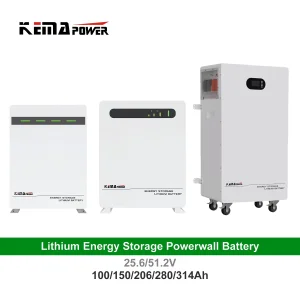
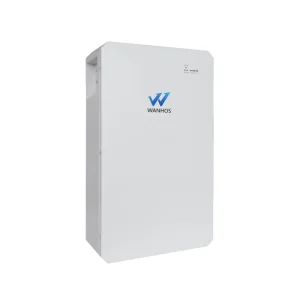
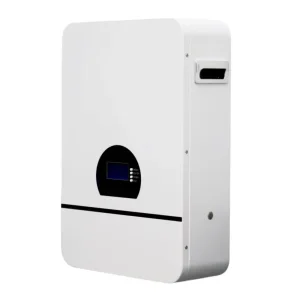
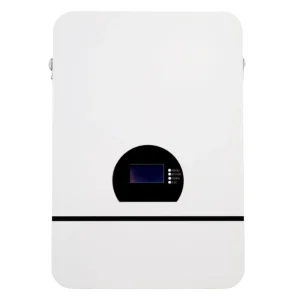
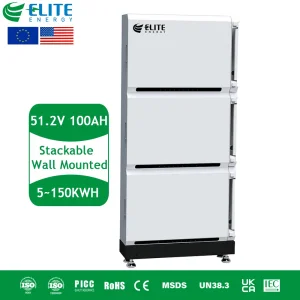
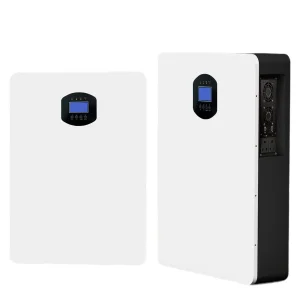
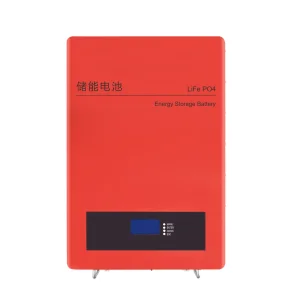
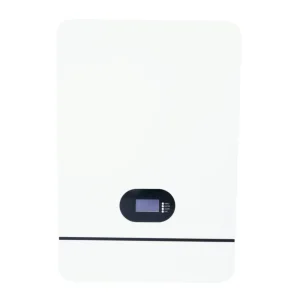
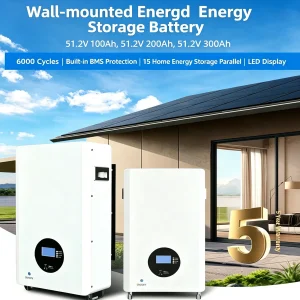
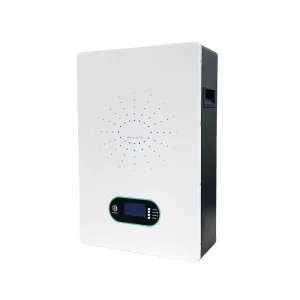
High-efficiency, wall-mounted LFP battery configurations engineered to meet the strict utility grid standards and low-temperature operational demands of Finland.
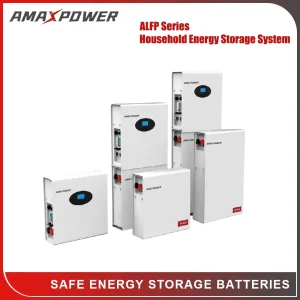
A B2B Technical Analysis of Battery Energy Storage System (BESS) Integration in the Nordic Market
Finland is progressing rapidly towards its goal of carbon neutrality. The integration of large-scale wind power capacity, combined with decentralized rooftop solar installations, has introduced high volatility into the Fingrid national transmission system. Extreme cold seasons place high demands on heating systems (such as air-to-water and geothermal heat pumps), driving electricity consumption spikes in winter.
For grid operators, commercial enterprises, and housing cooperatives (Asunto-osakeyhtiö) in cities like Helsinki, Tampere, and Oulu, localized energy storage is shifting from an option to a core infrastructure requirement. Wall-mounted battery energy storage systems (BESS) provide critical frequency containment reserves (FCR), peak shaving capabilities, and arbitrage potential against Nord Pool spot market price spikes. Investing in robust LFP storage enables businesses to secure stable power supplies and avoid peak grid tariffs.
The global stationary energy storage market is shifting toward Lithium Iron Phosphate (LiFePO4) chemistry due to its thermal stability, long cycle life, and low toxic component footprint compared to NMC (Nickel Manganese Cobalt) chemistries.
B2B buyers evaluate battery systems based on levelized cost of storage (LCOS), cycle lifespan, and integration complexity. Wall-mounted systems are popular because they optimize floor space, install quickly, and allow modular scaling via parallel configuration. For commercial projects, high-voltage battery racks offer efficiency in conversion, but low-voltage (48V/51.2V) configurations remain popular for residential and small commercial setups because they simplify installation, lower hazard risks, and match with global hybrid inverter systems.
| Technical Parameter | 48V / 51.2V LV Wall-Mounted Systems | High-Voltage (HV) Stacked Systems |
|---|---|---|
| Primary Target Application | Residential, light commercial, off-grid cabins | Commercial & Industrial (C&I), large microgrids |
| Installation Complexity | Easy, plug-and-play, standard wall mounting | Requires professional wiring and balancing |
| BMS & System Safety | Inherently safer touch voltages (<60V DC) | Requires advanced arc fault protection |
| Inverter Compatibility | Highly compatible with global brands (Victron, SMA, etc.) | Requires dedicated high-voltage hybrid inverters |
| Scalability | Simple parallel connection up to 15+ units | Series connection requiring identical cell states |
Operating energy storage in Nordic regions requires specific technical designs. A standard off-the-shelf lithium battery will experience lithium plating if charged below 0°C, which degrades capacity and poses safety risks.
Leveraging China's photovoltaic industrial clusters to deliver high-quality, certified energy storage systems globally.
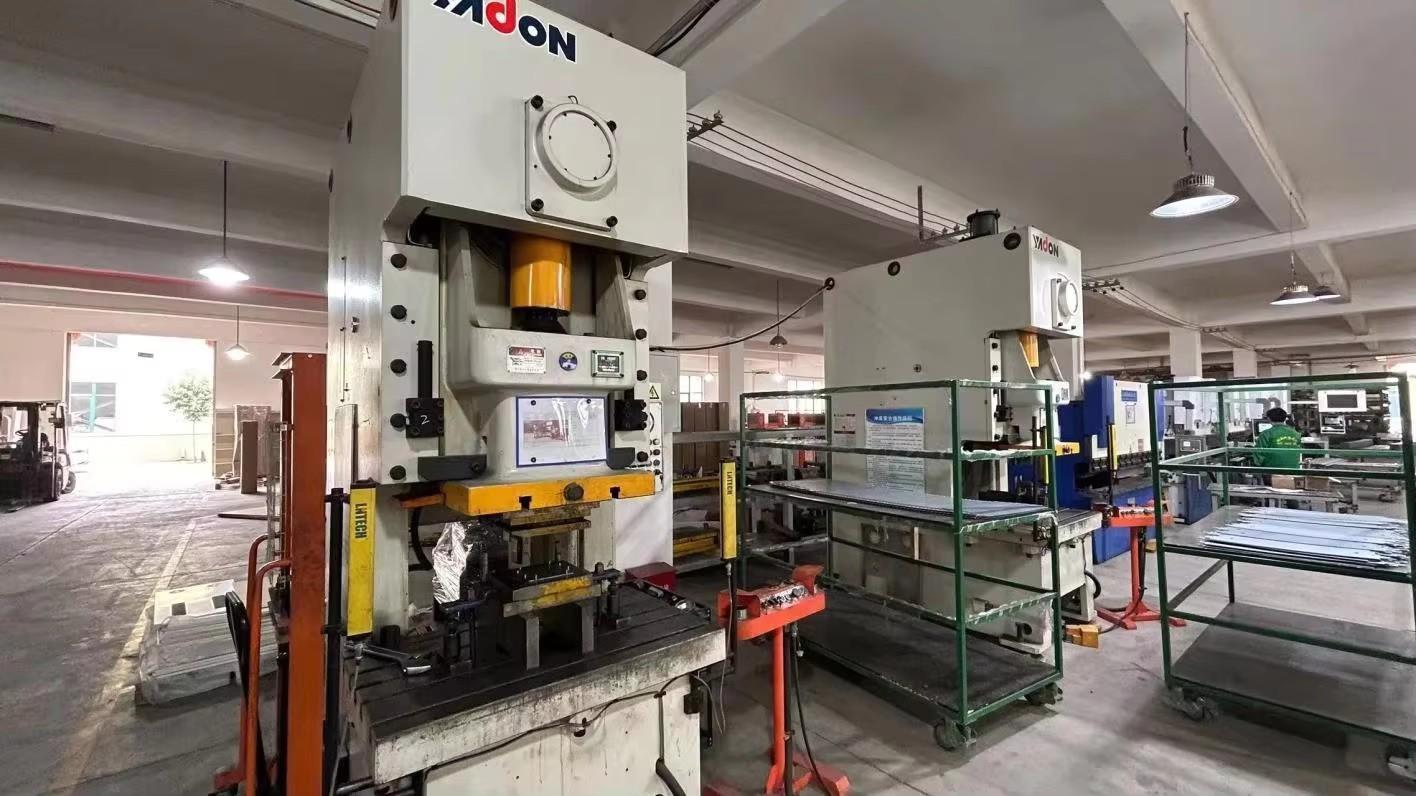
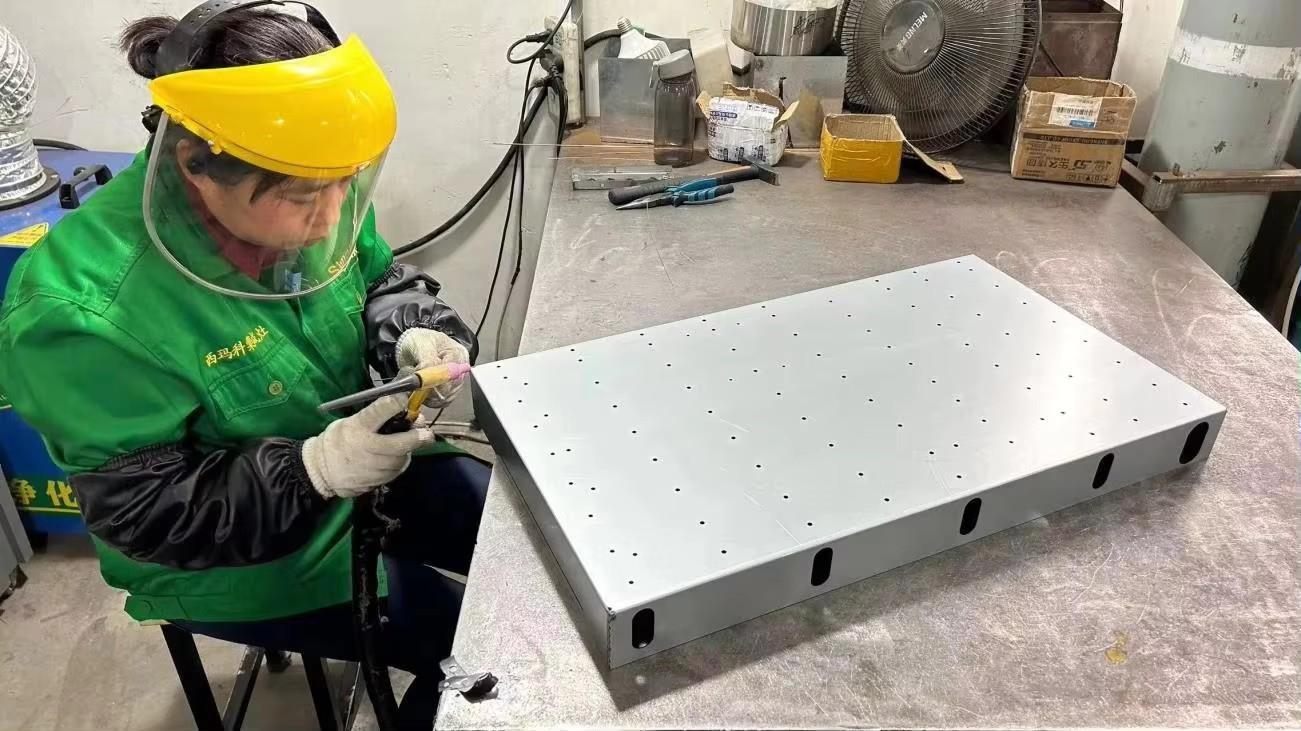
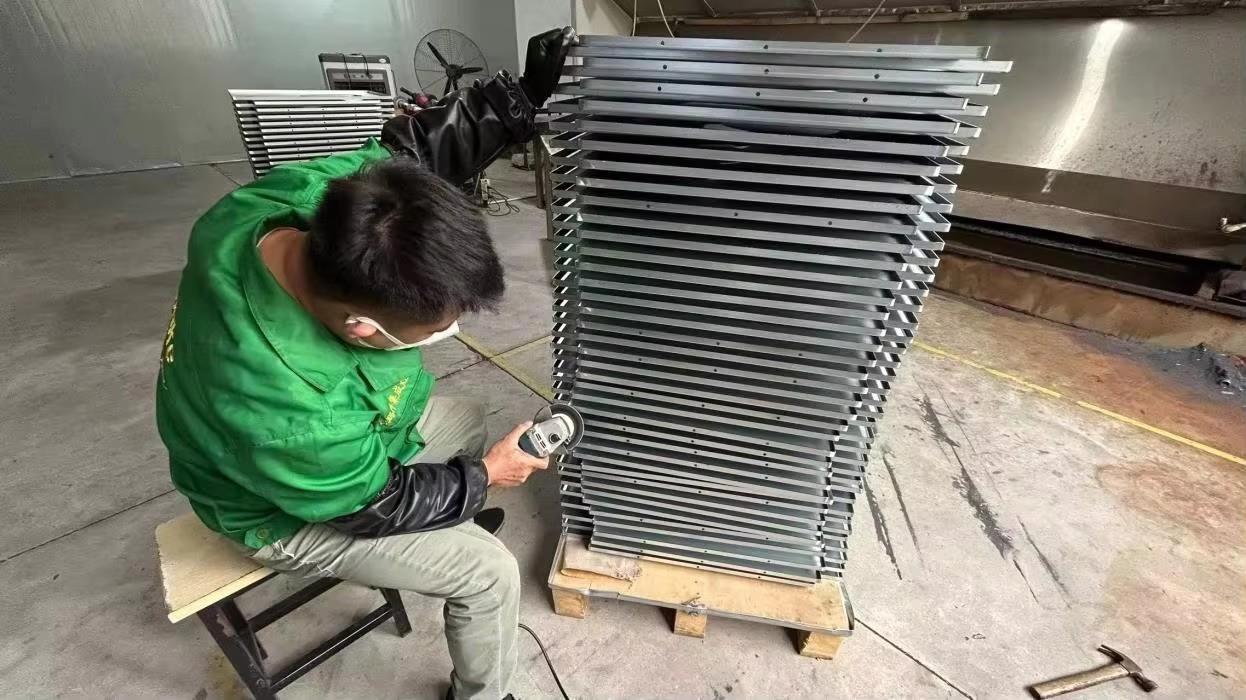
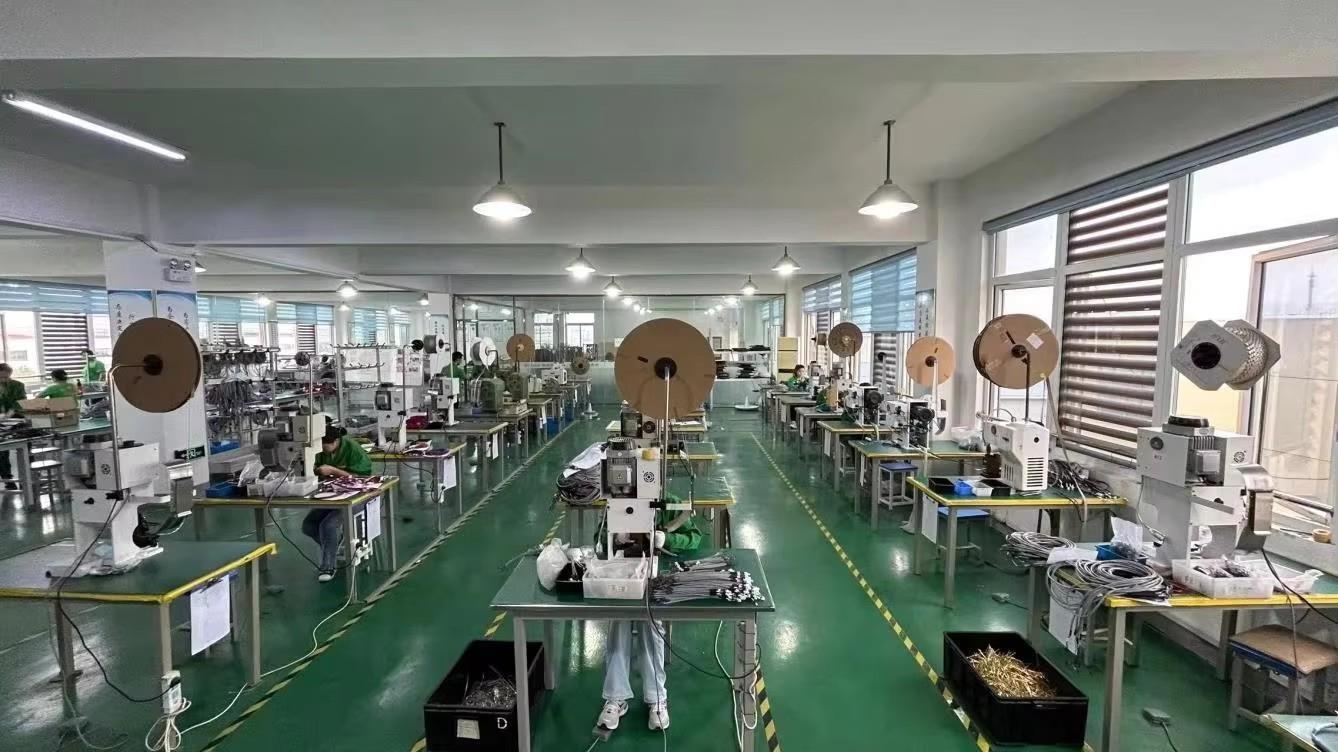
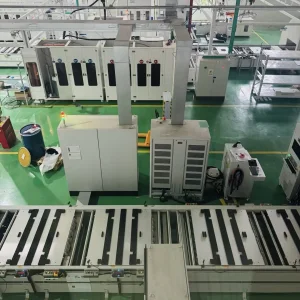
Located in Qingdao, China, Qingdao Luzz Solar Co., Ltd. is a professional new energy enterprise specializing in the development, manufacturing, and global distribution of photovoltaic (PV) products and integrated energy storage solutions. We benefit from a well-established renewable energy industrial base, advanced logistics infrastructure via Qingdao Port, and automated battery manufacturing lines.
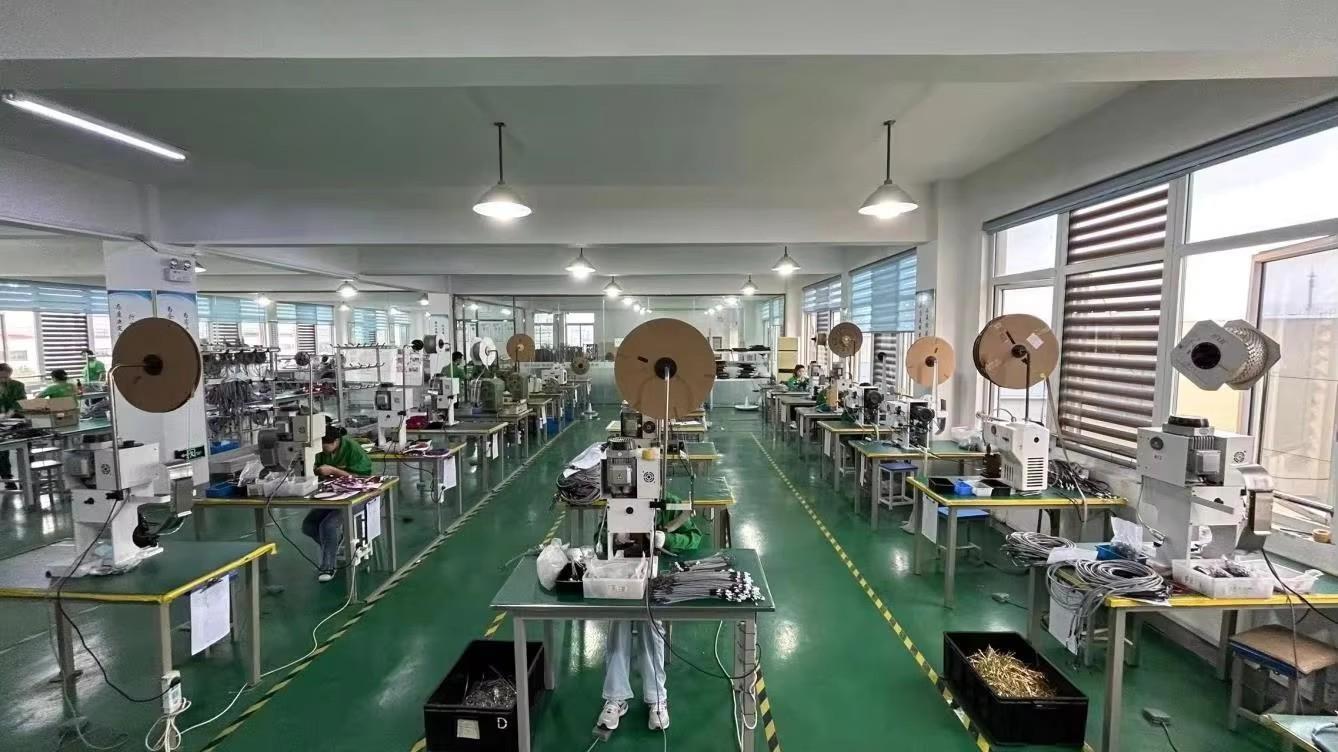
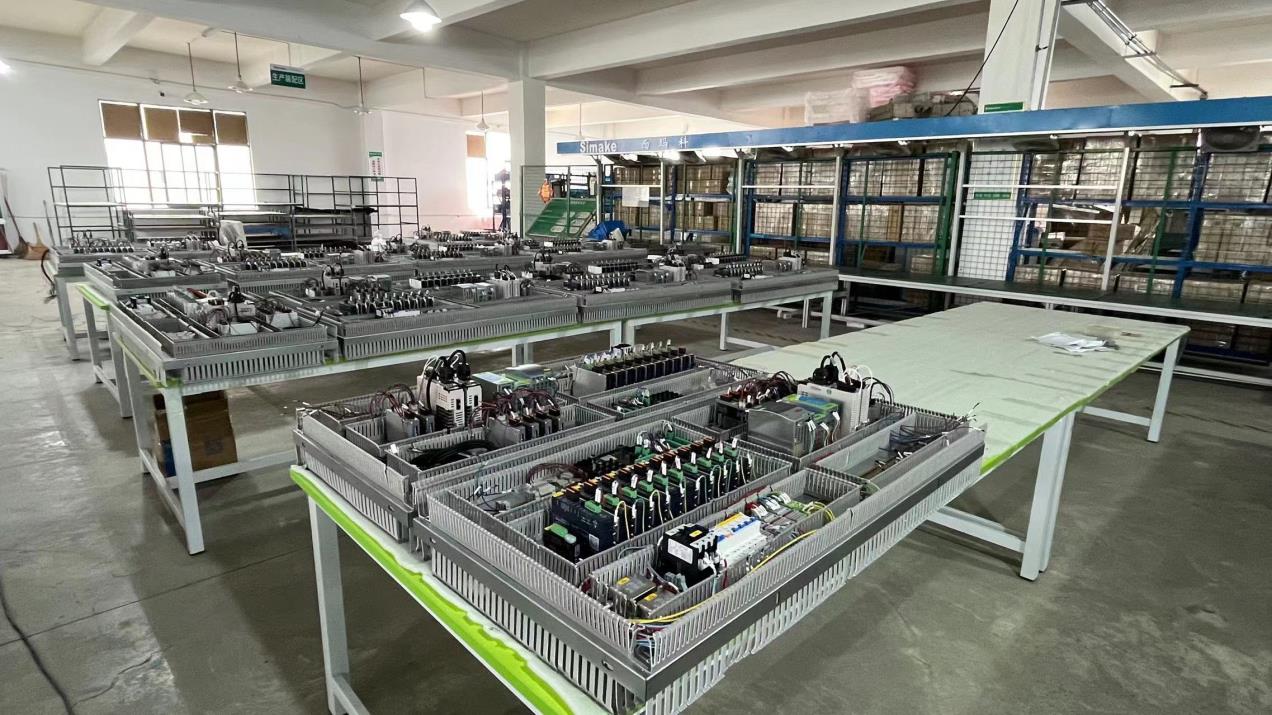
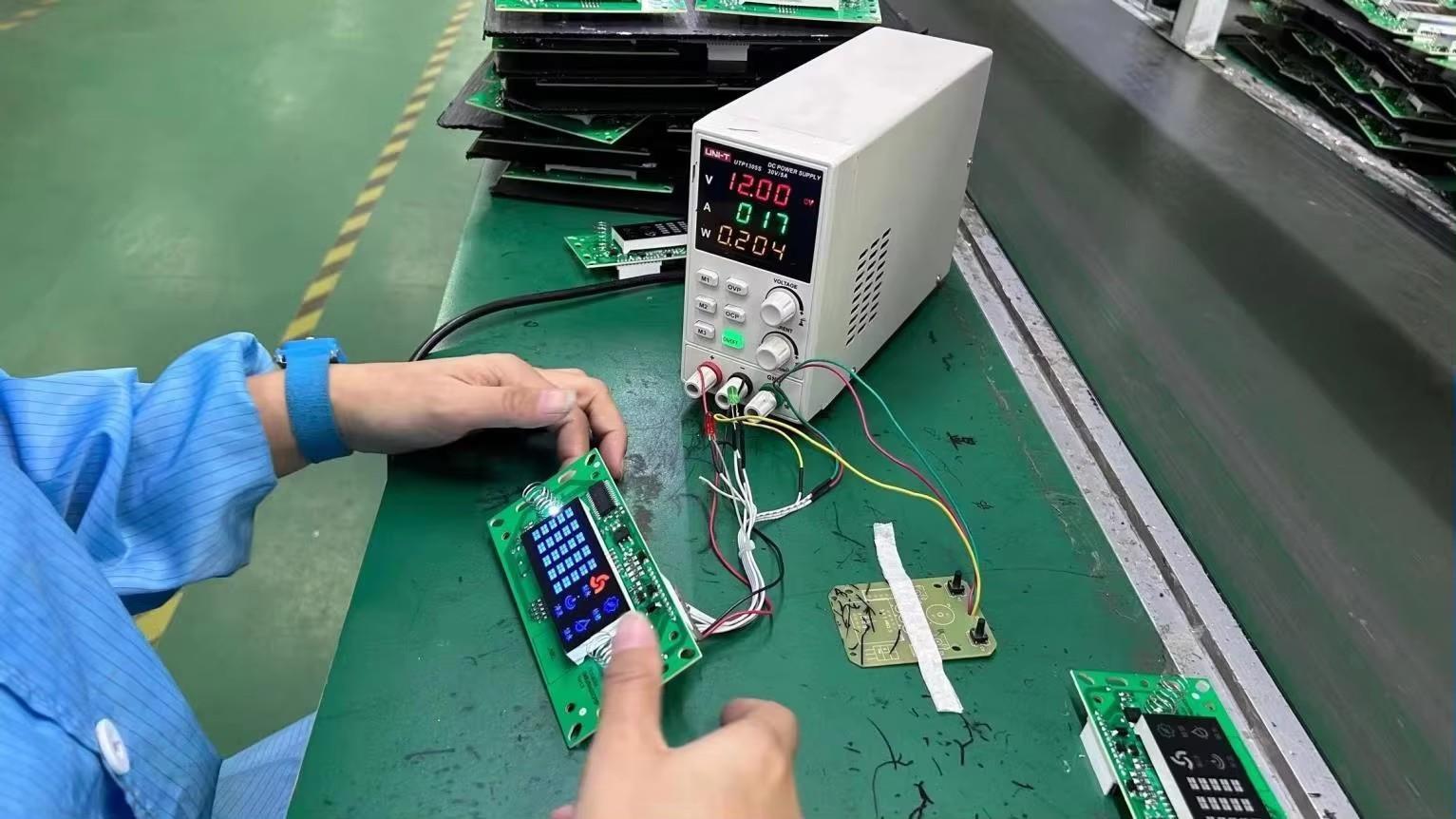
We implement rigorous quality control throughout the production process to ensure stable, long-term performance. By working with top-tier material suppliers and employing automated laser welding and cell grading systems, we guarantee high consistency across all battery packs, minimizing cell imbalance and maximizing the lifespan of our wall-mounted battery systems.
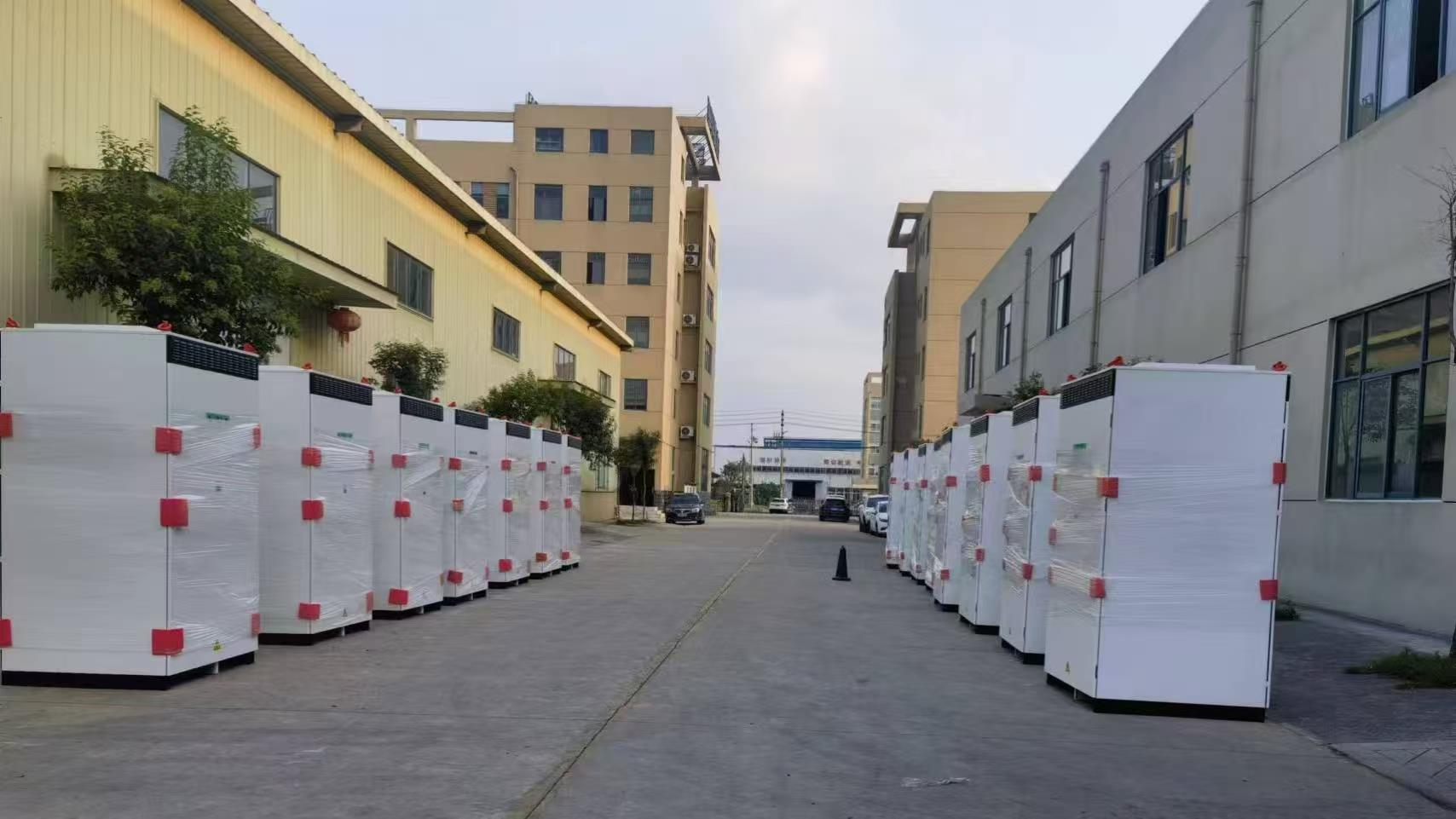
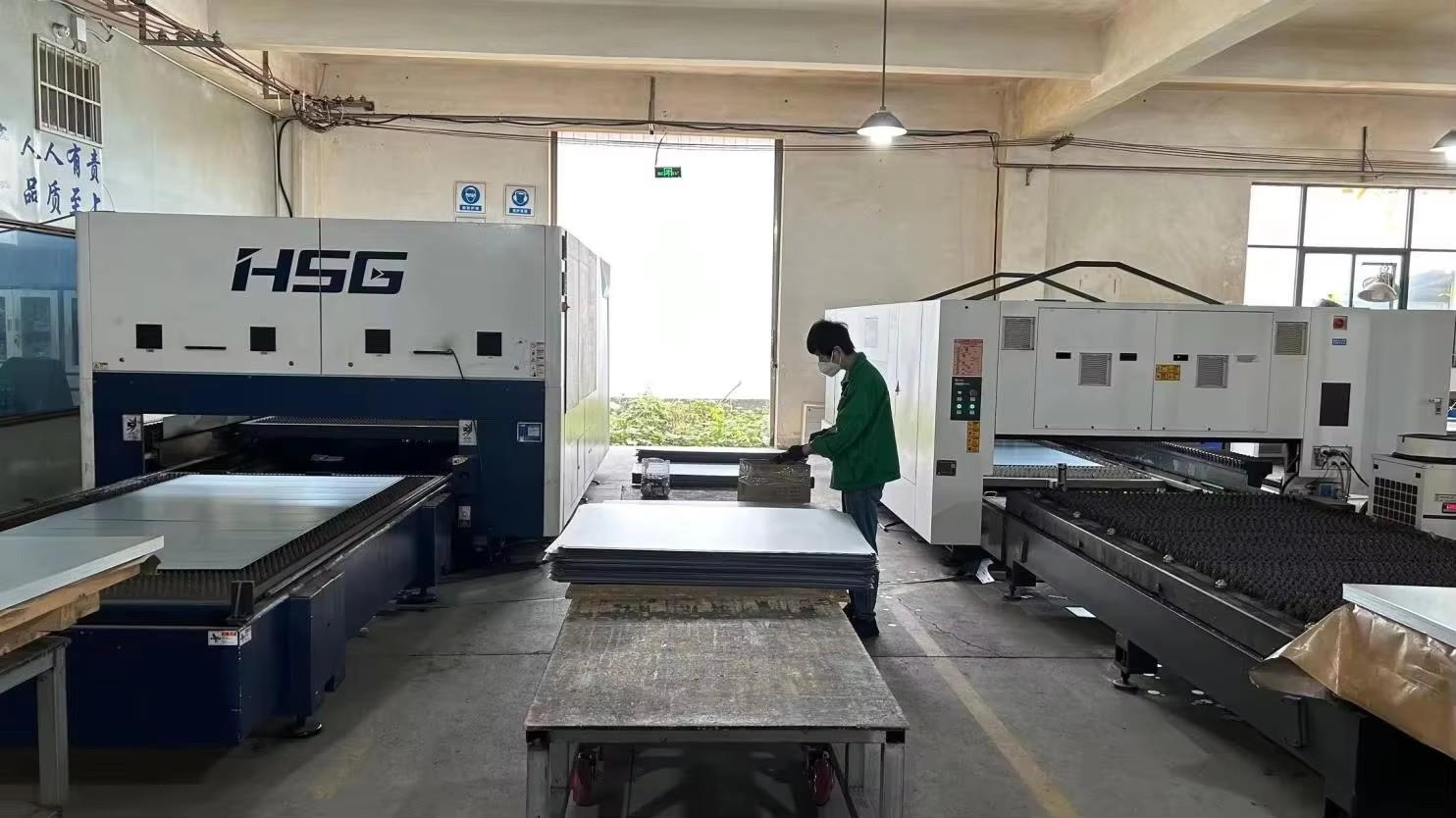
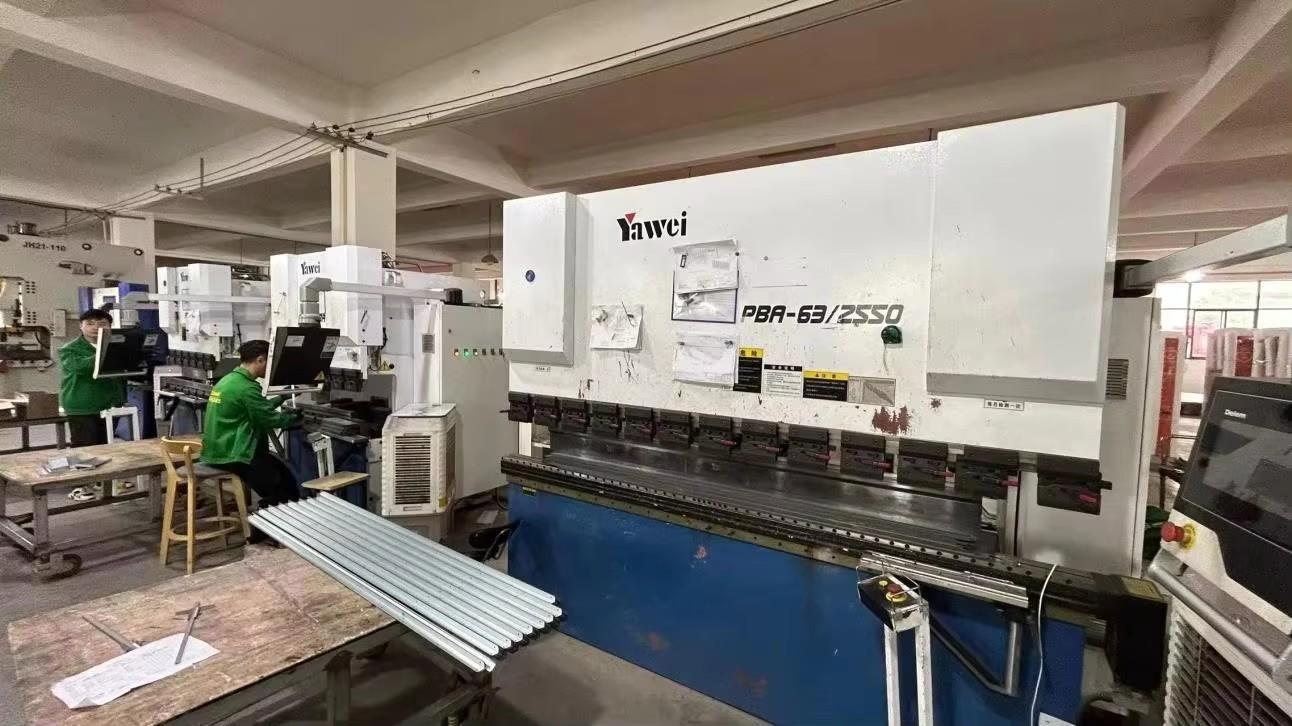
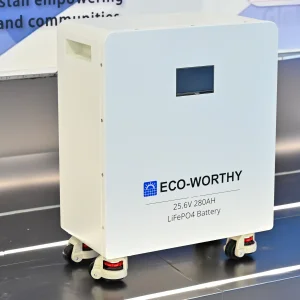
Every wall-mounted battery system is produced through specialized manufacturing stages. Here is a look at our assembly, safety testing, and quality assurance processes:
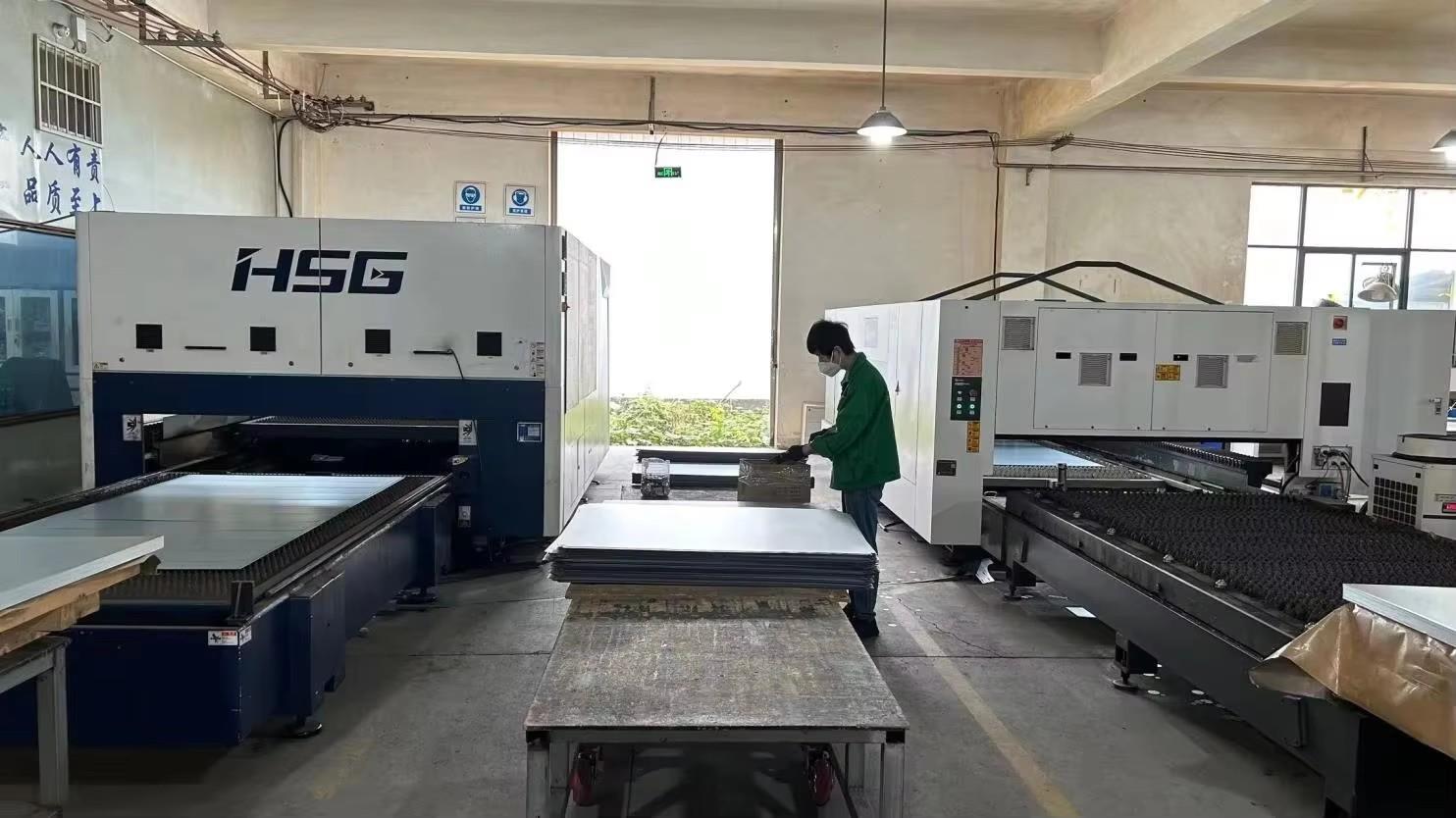
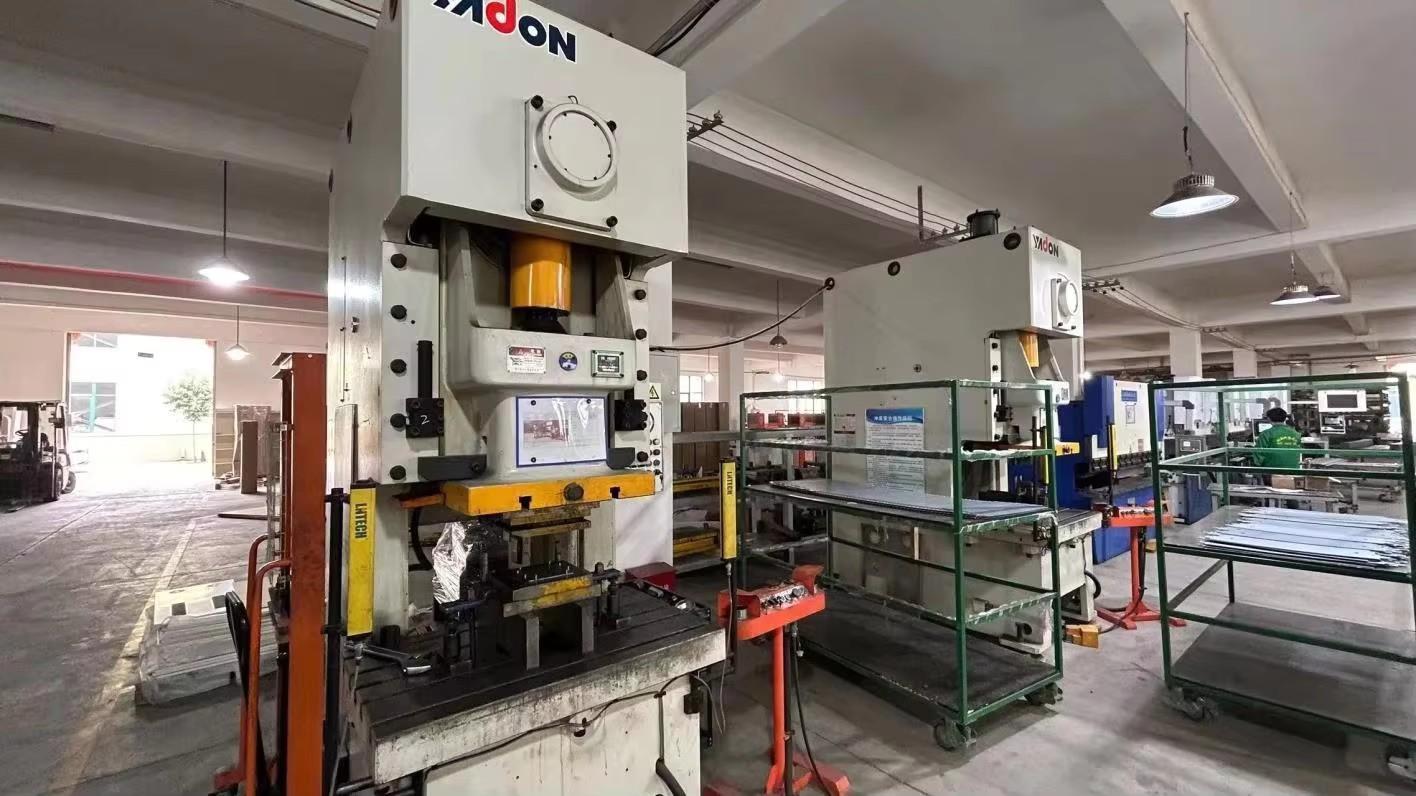
Key compliance, safety, and integration criteria for distributing energy storage solutions in European markets.
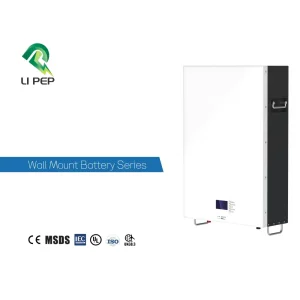
Importing storage equipment into Finland requires full compliance with European standards. Our batteries are certified under CE, UN38.3, IEC 62619, and EN 50549 for safe grid connection.
Equipped with CAN bus and RS485 interfaces, our BMS works with major hybrid inverters, including Victron Energy, SMA, Growatt, Deye, and GoodWe.
By using grade-A LiFePO4 cells, our wall-mounted batteries provide over 6000 cycles at 80% Depth of Discharge (DOD), helping users achieve a lower cost per stored kilowatt-hour (LCOS).
Addressing the technical, logistics, and installation inquiries of B2B solar distributors and engineering firms in Finland.
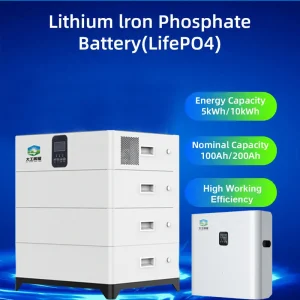
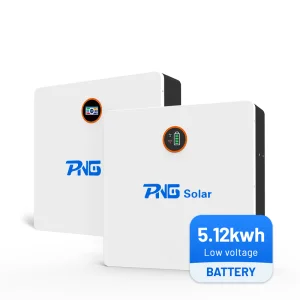
Browse our full range of lithium batteries, including options with integrated hybrid inverters and floor-standing conversions.
 Luzz Solar