Explore our state-of-the-art battery modules and cells designed for high-cycle performance, thermal safety, and seamless solar inverter integration.
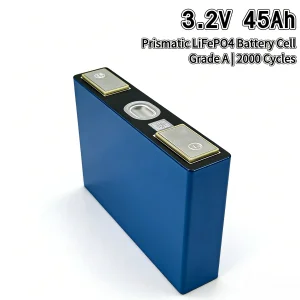
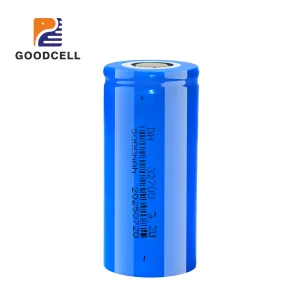
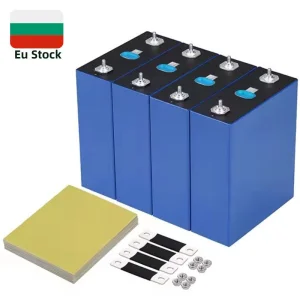
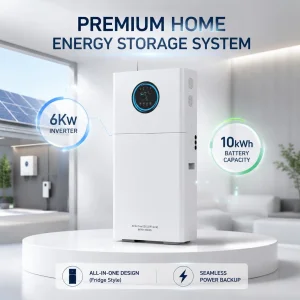
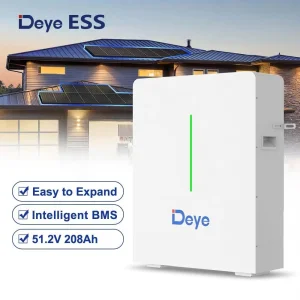
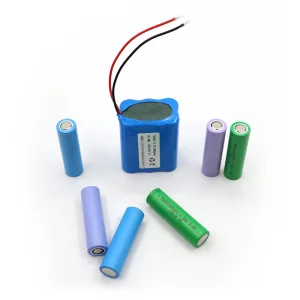
The modern energy storage landscape is experiencing a massive paradigm shift. Lithium Iron Phosphate (LiFePO4 or LFP) has emerged as the definitive chemistry for stationary solar battery storage systems, surpassing older technologies like Lead-Acid and alternative lithium formulations such as Nickel Manganese Cobalt (NMC). This shift is driven by three main operational factors: safety, longevity, and supply chain security.
Unlike NMC chemistries, LiFePO4 cells do not experience thermal runaway until significantly higher temperatures (exceeding 270°C), making them inherently stable under high-stress conditions. In addition, the lack of cobalt—which faces severe ethical and geographic supply constraints—guarantees stable production cost curves for industrial-scale deployment.
“By transitioning to LiFePO4 architectures, solar ESS operators realize a significantly lower Levelized Cost of Storage (LCOS), thanks to systems that regularly deliver more than 6,000 to 8,000 cycles at 80% Depth of Discharge (DoD).”
For engineering departments and procurement officers worldwide, selecting a reliable manufacturer is not merely about cell chemistry, but also about securing consistent physical formatting (such as 32700 cylindrical cells or heavy-duty prismatic designs), advanced laser-welded terminals, and integrated intelligent battery management systems (BMS).
What procurement departments must evaluate when auditing LiFePO4 manufacturers for utility, telecom, and home battery projects.
Tier-1 manufacturers implement automated grading systems to match cell capacity, internal resistance (IR), and self-discharge rates. This ensures balanced packs with minimal cell-to-cell deviation over years of active field operations.
Modern commercial battery systems require robust control architectures. Look for units supporting CAN, RS485, and Modbus communication protocols to integrate smoothly with Tier-1 solar hybrid inverters (e.g., Deye, Growatt, Victron).
Outdoor or rugged deployment (like telecom base stations) requires ingress protection. Systems featuring IP54 to IP65 enclosures protect internal cells and circuit boards from ambient humidity, fine particulate intrusion, and dust.
| Battery Configuration | Common Voltage (V) | Nominal Capacity (Ah) | Key Industry Application | Standard Cycle Life (80% DoD) |
|---|---|---|---|---|
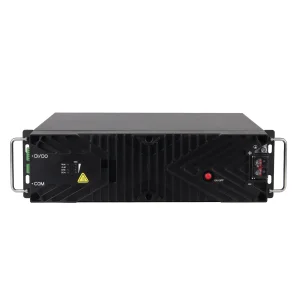
| Telecom Rack Mount | 48V / 51.2V | 100Ah / 200Ah | Telecom BTS, Remote Datacenters, Micro-grids | 5,000 - 6,000 Cycles |
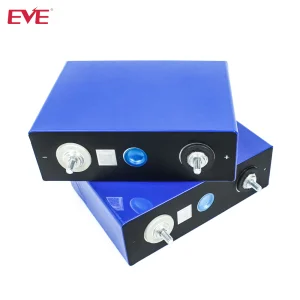
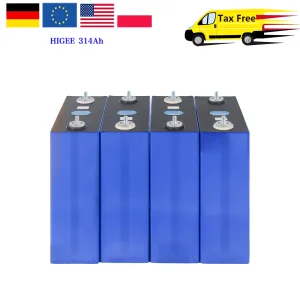
| Prismatic Cells (Grade A) | 3.2V | 100Ah / 280Ah / 314Ah | Custom Pack Assembly, Heavy Utility ESS | 6,000 - 8,000 Cycles |
| Cylindrical Cells | 3.2V | 6Ah / 20Ah | Small-scale solar lights, EV mobility, portable packs | 4,000 - 5,000 Cycles |
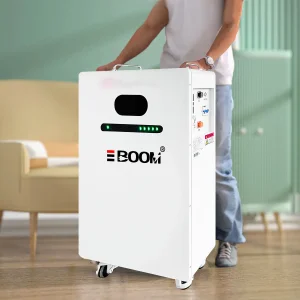
| All-in-One Home ESS | 51.2V / High Voltage | 200Ah + (scalable) | Residential PV Backup, Peak Shaving | 6,000 - 8,000 Cycles |
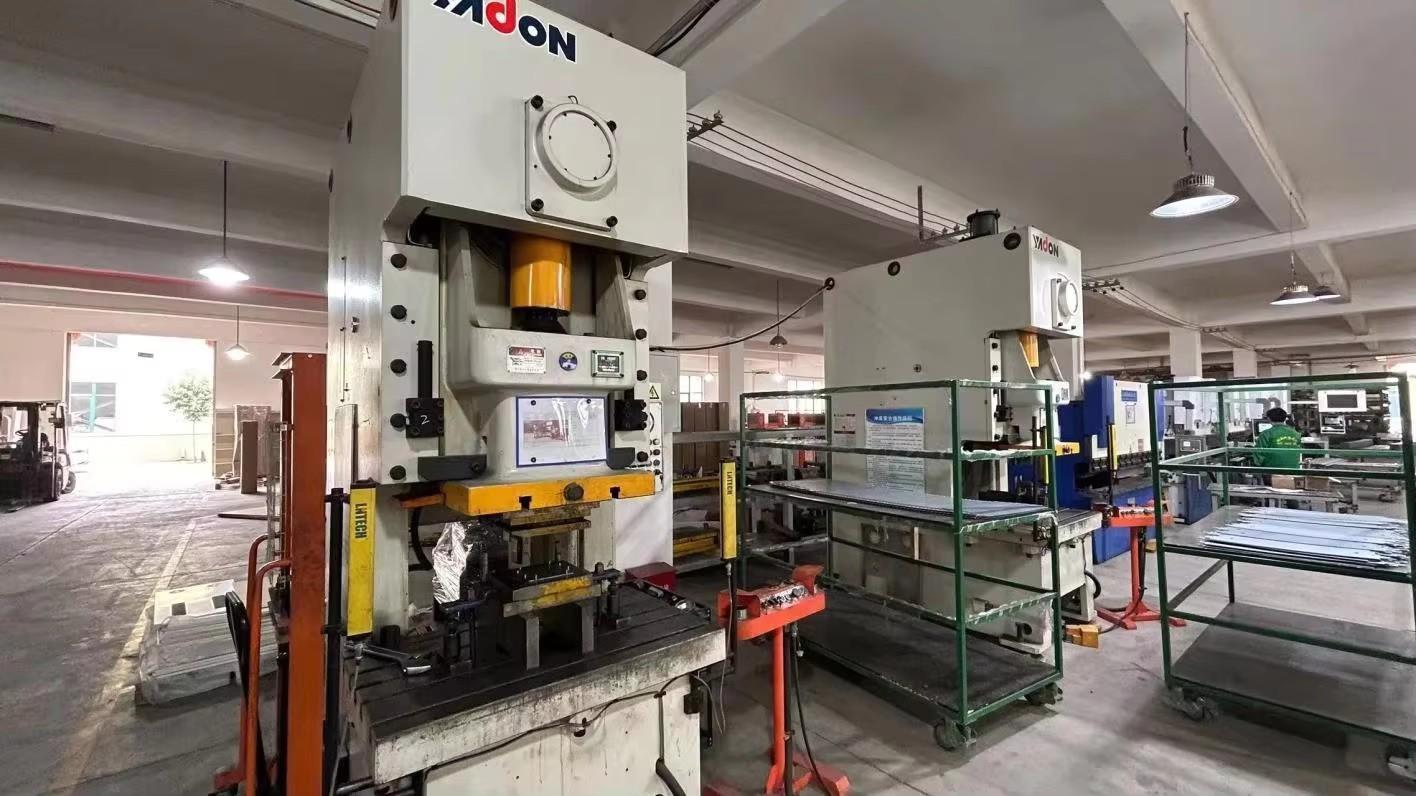
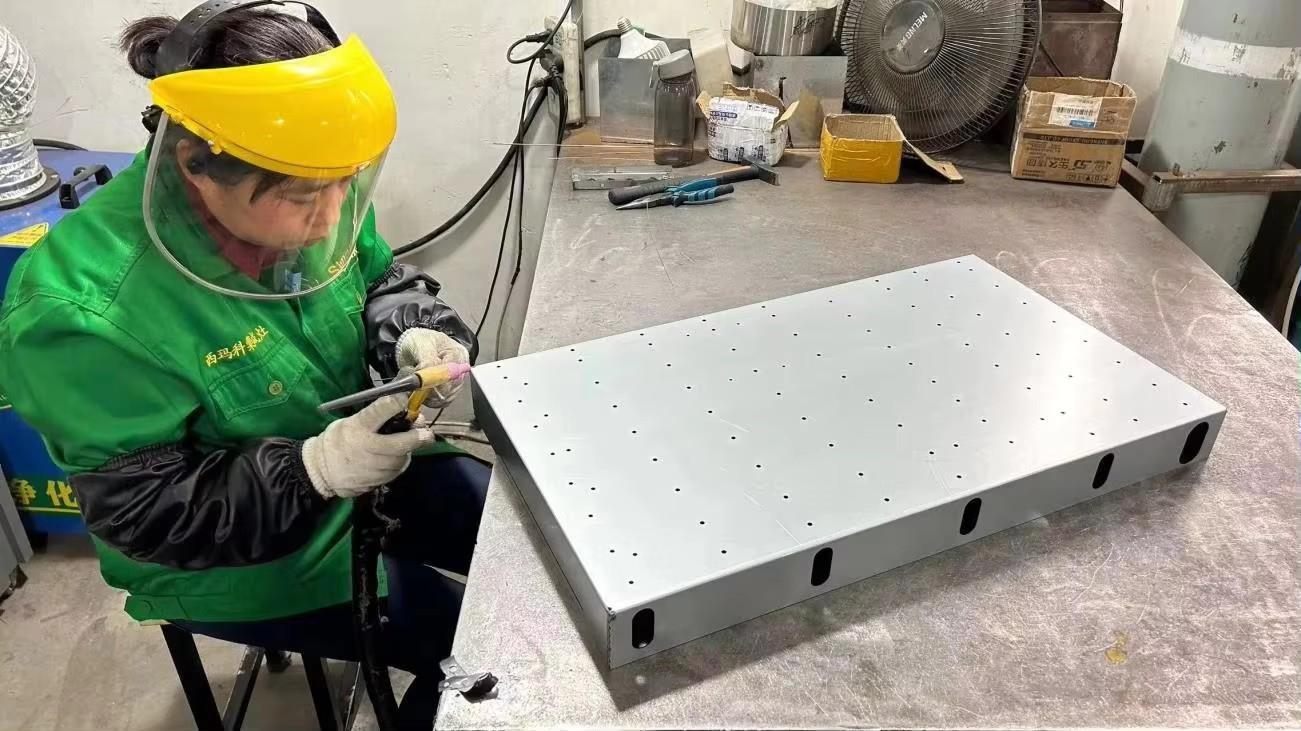
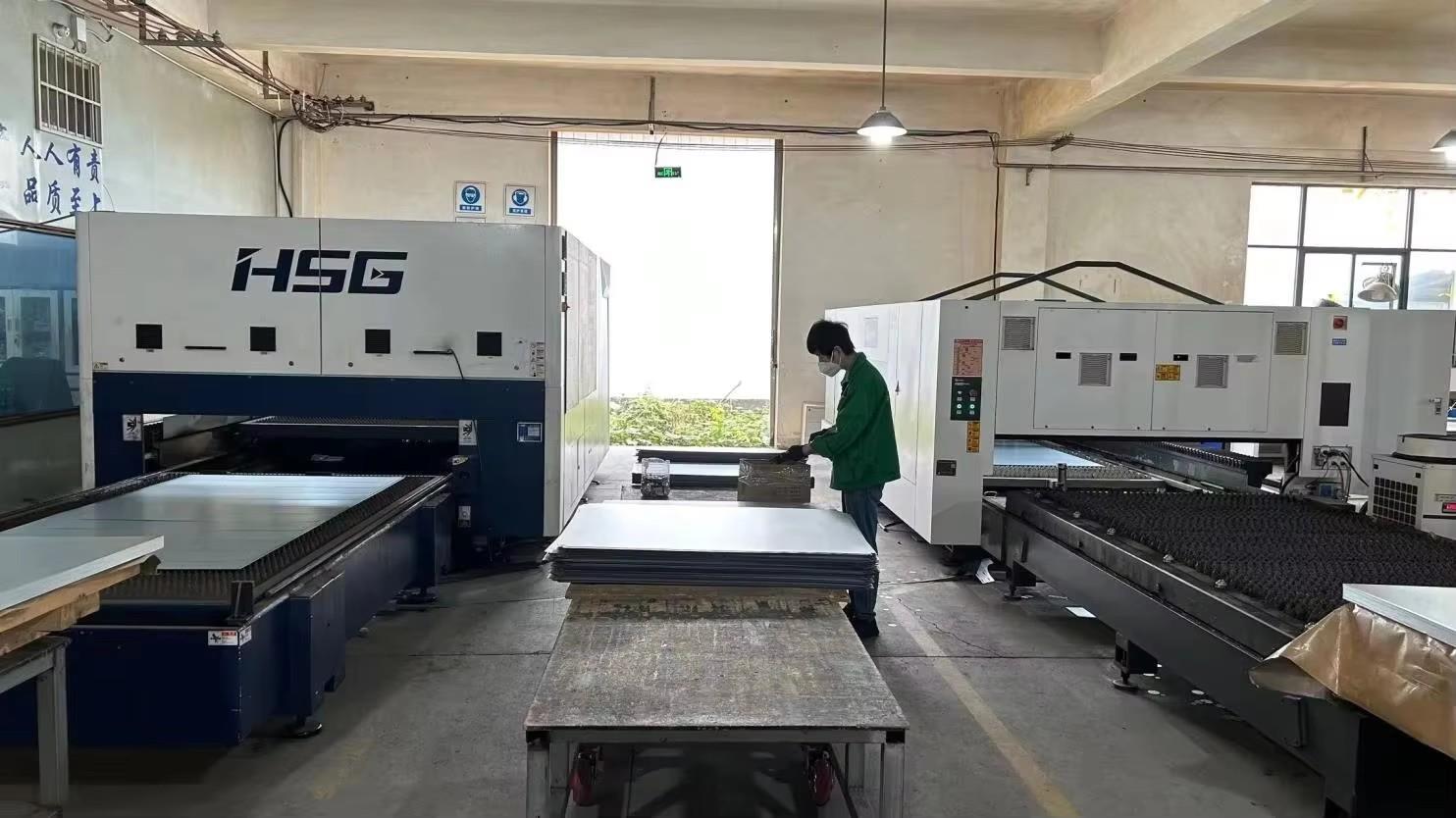
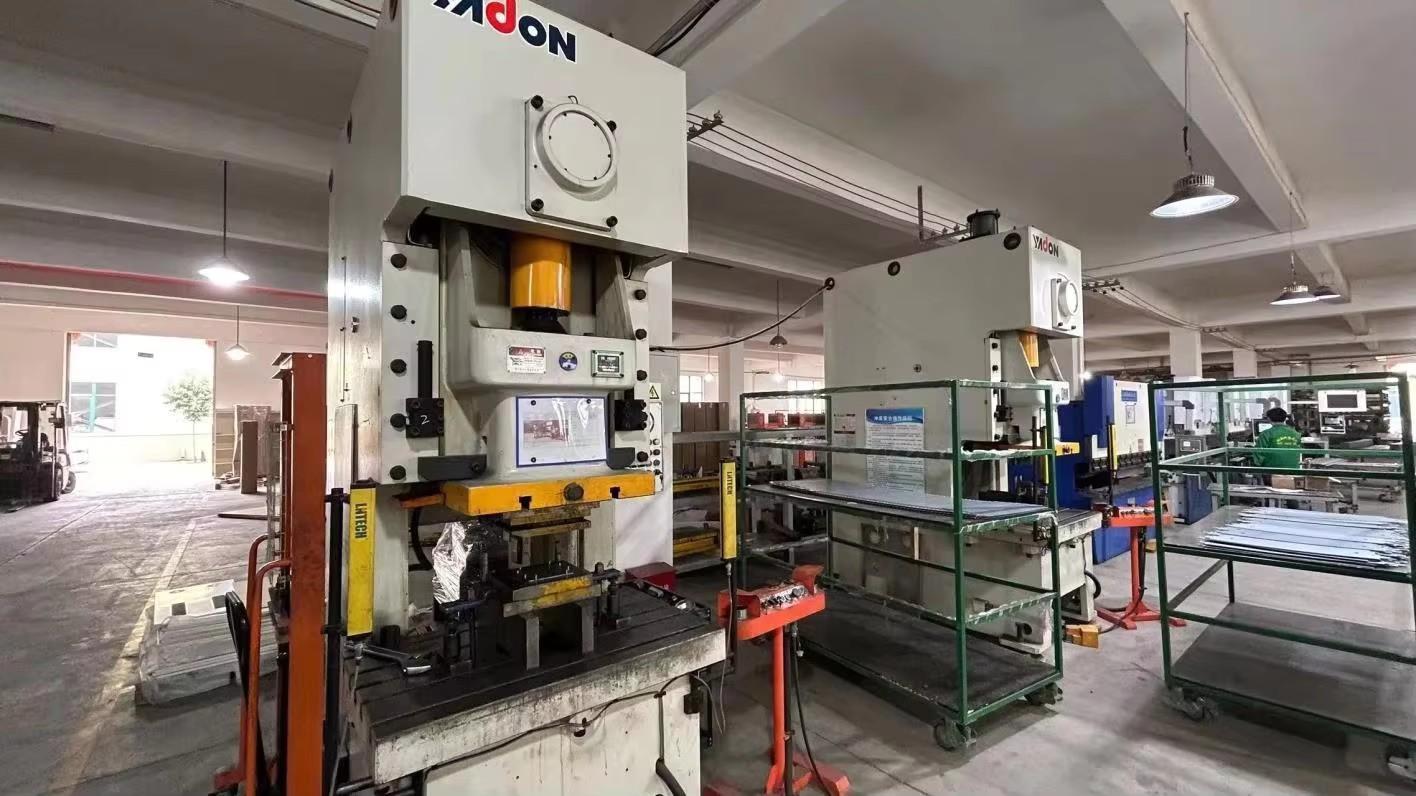
Qingdao Luzz Solar Co., Ltd. is a professional new energy enterprise specializing in the development, manufacturing, and global distribution of photovoltaic (PV) products and integrated energy storage solutions. Located in Qingdao, China, the company benefits from a well-established renewable energy industrial base and advanced manufacturing capabilities.
With the accelerating global transition toward carbon neutrality and sustainable development, Luzz Solar is committed to providing efficient, reliable, and cost-effective clean energy solutions to customers worldwide. Our product portfolio includes high-efficiency solar photovoltaic modules, energy storage systems, and integrated solar application solutions designed for residential, commercial, and utility-scale projects.
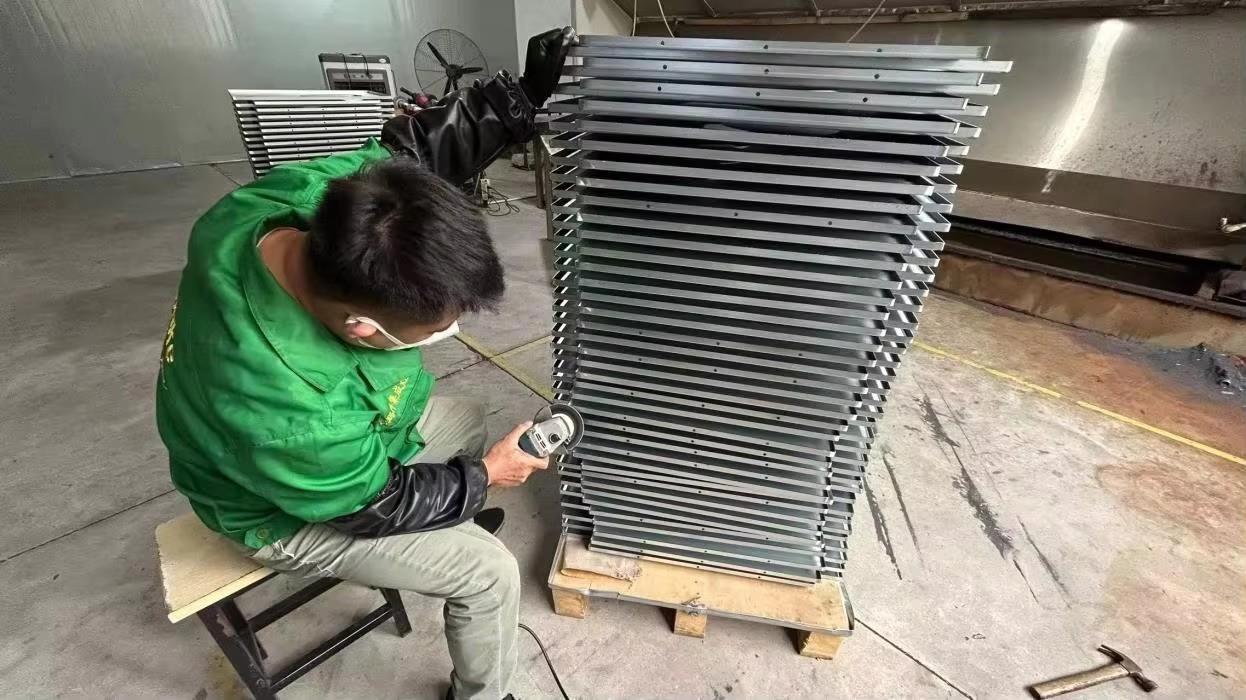
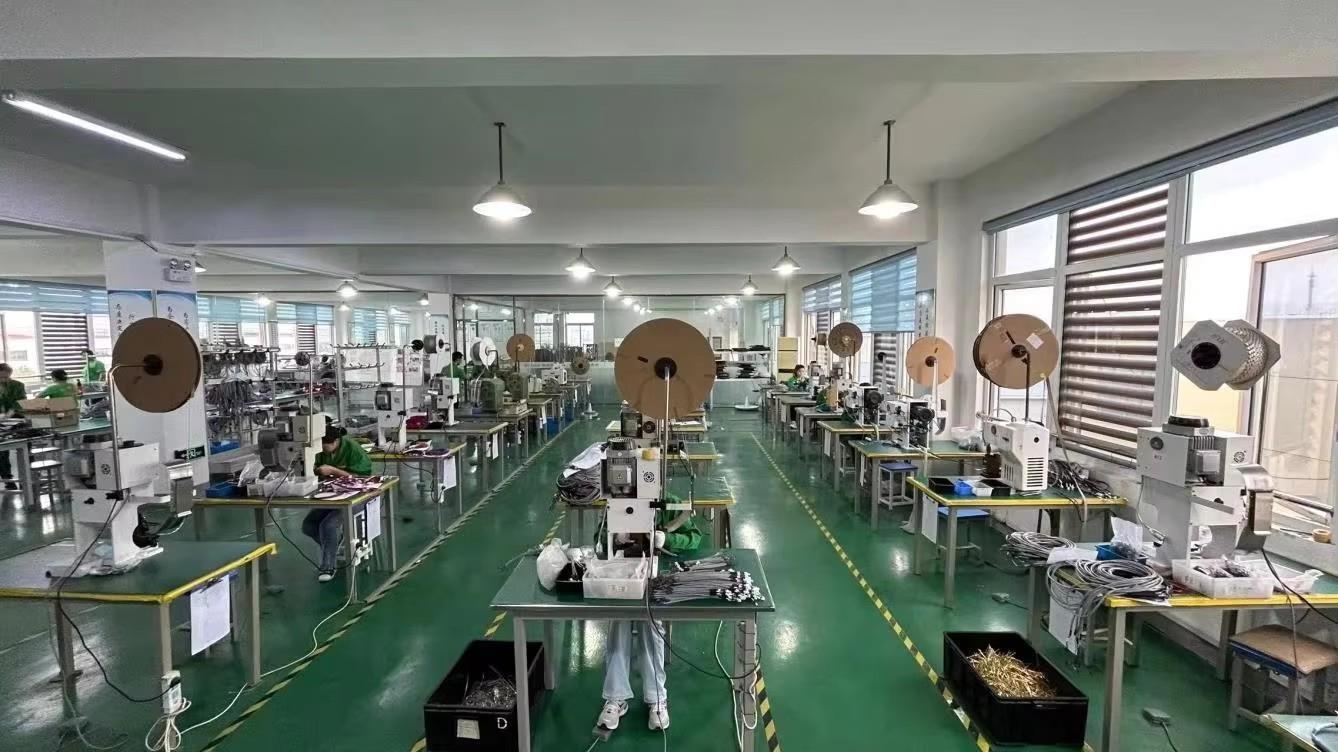
Driven by technological innovation and quality excellence, the company continuously invests in R&D and production optimization to improve product performance, energy conversion efficiency, and system reliability. We strictly adhere to international quality standards and implement rigorous quality control throughout the entire production process to ensure stable and long-term product performance.
Qingdao Luzz Solar actively expands its global market presence, with business coverage across Asia, Europe, the Middle East, Africa, and Latin America. By working closely with international partners, we are committed to delivering tailored energy solutions that meet diverse regional needs and support the global energy transition.
Guided by the core values of integrity, innovation, cooperation, and sustainability, Luzz Solar strives to become a trusted global partner in the new energy industry. We are dedicated to advancing solar technology and contributing to a greener, more sustainable future.
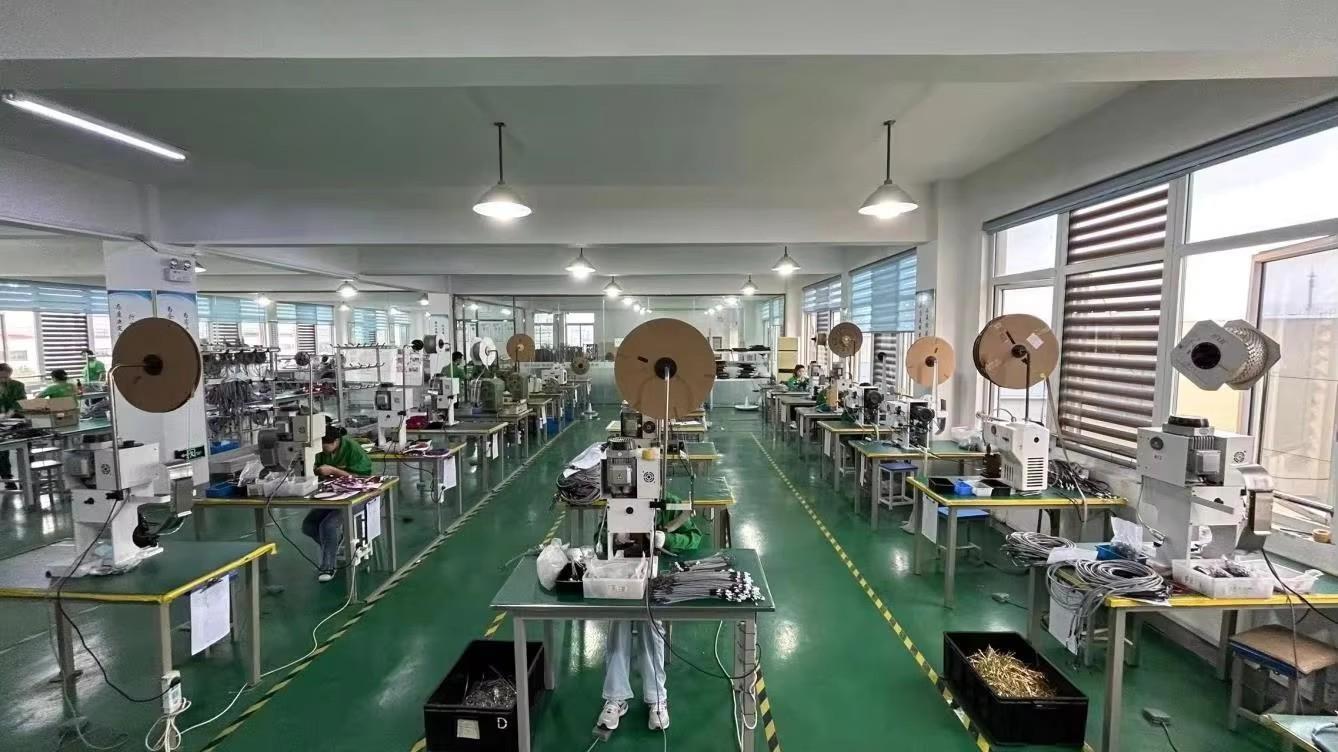
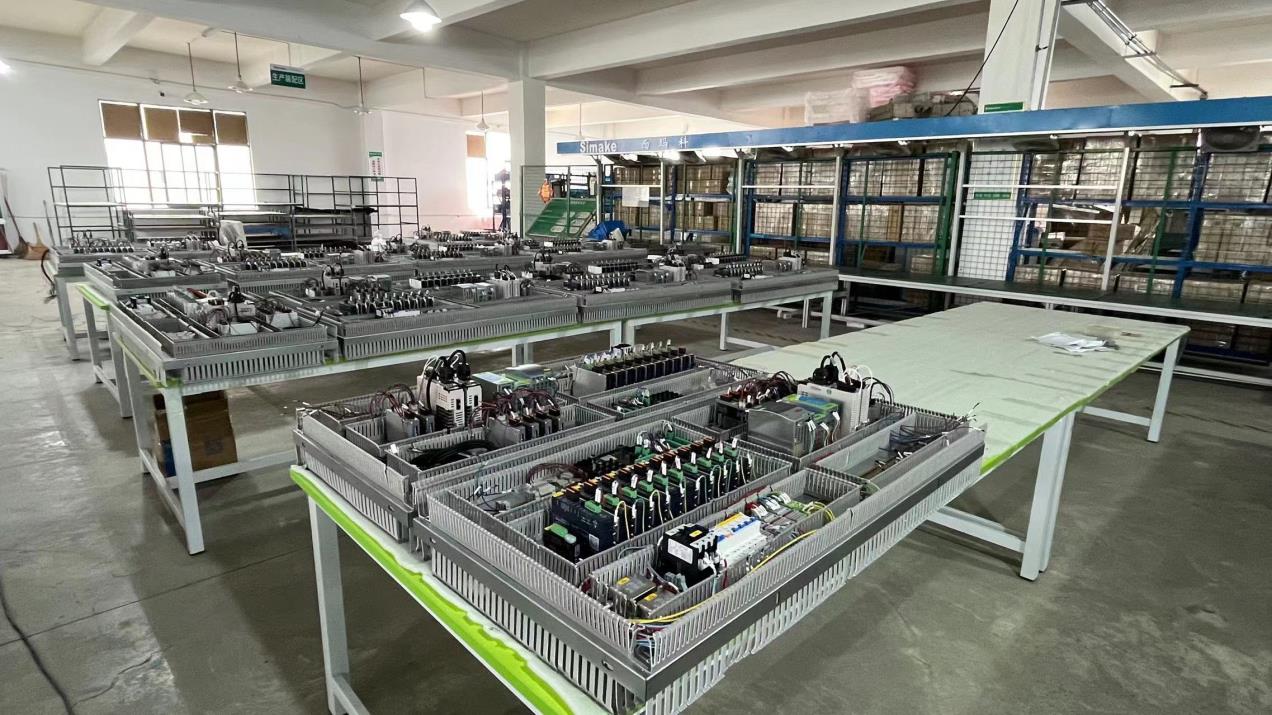
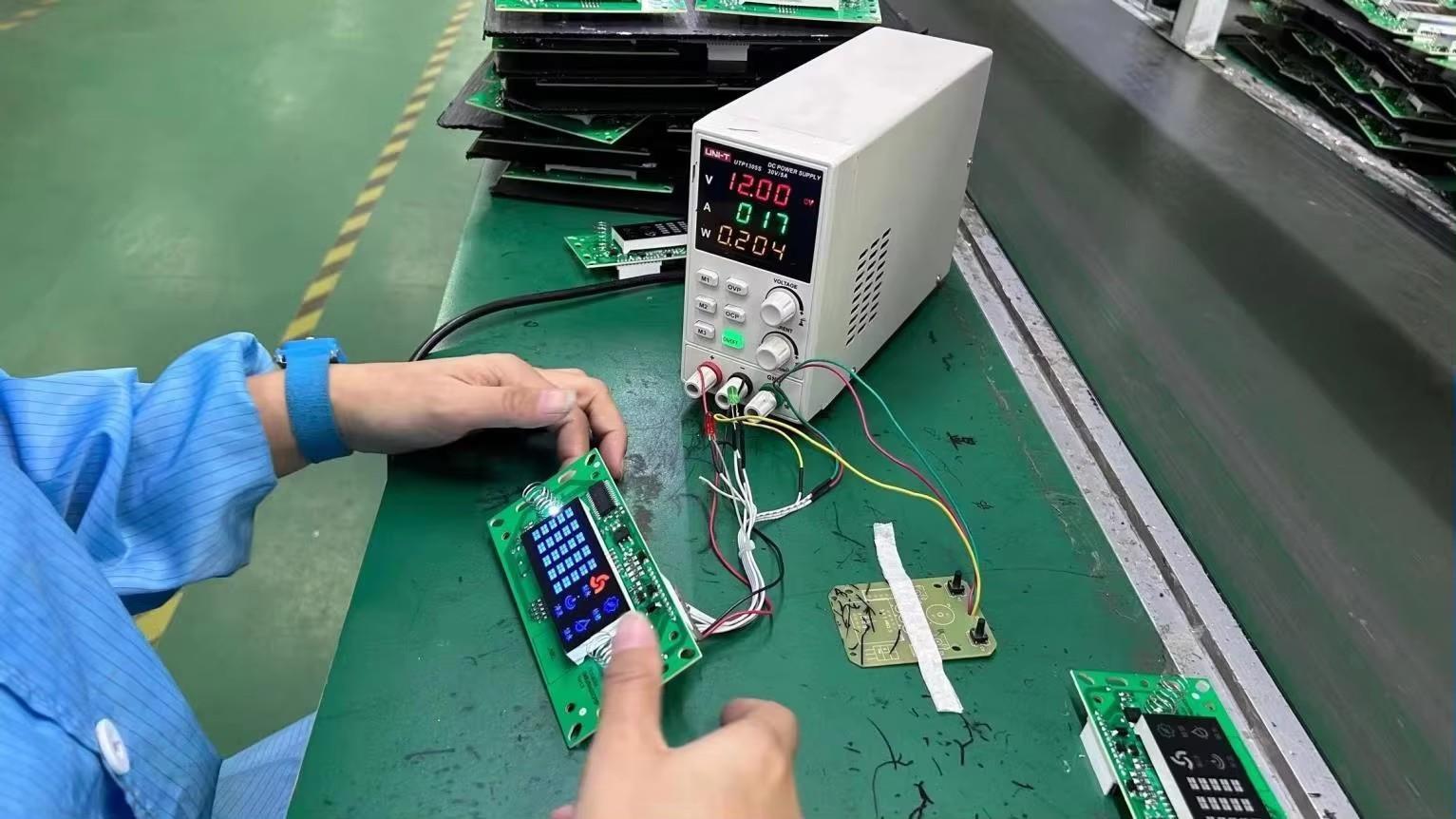
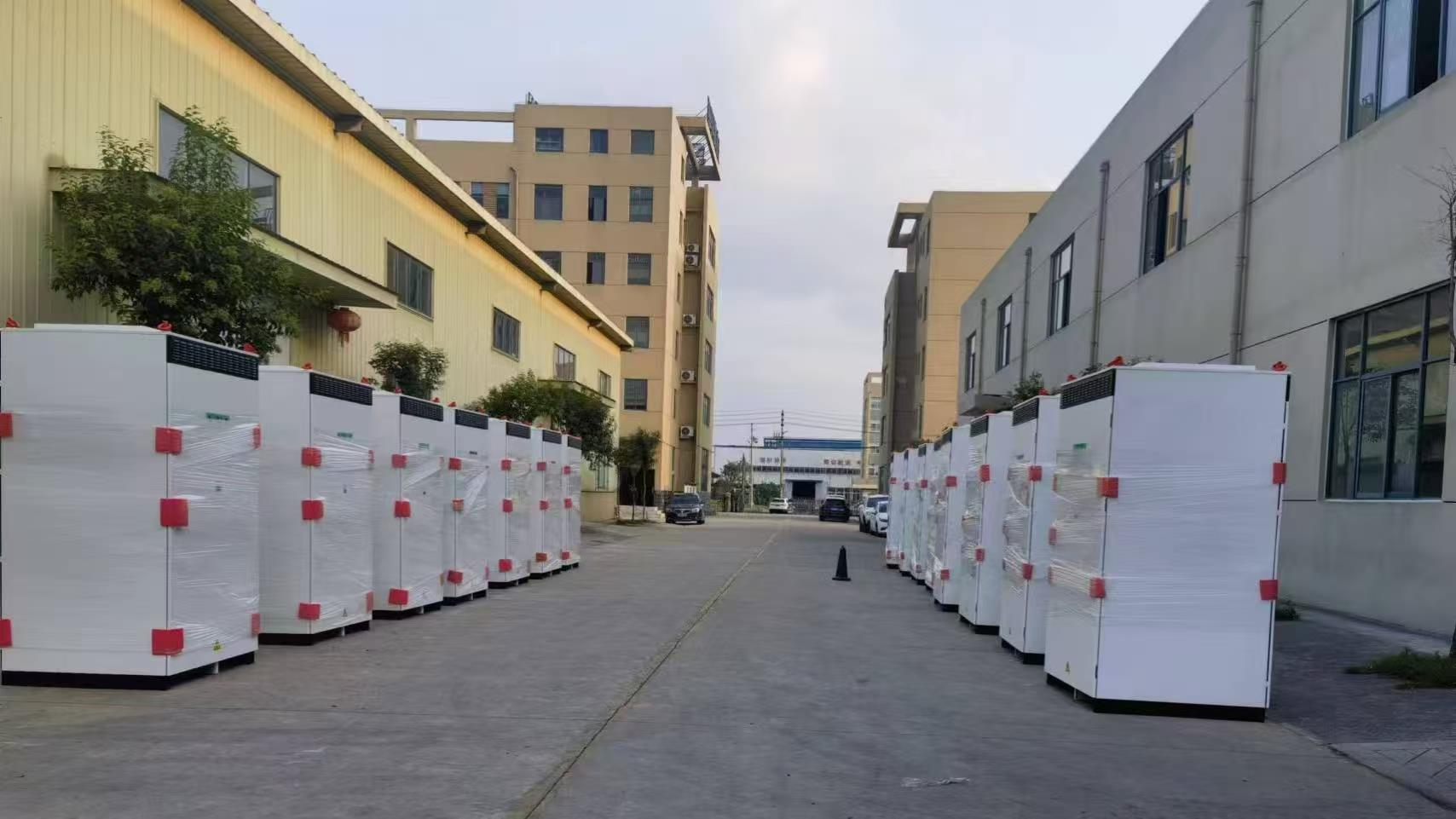
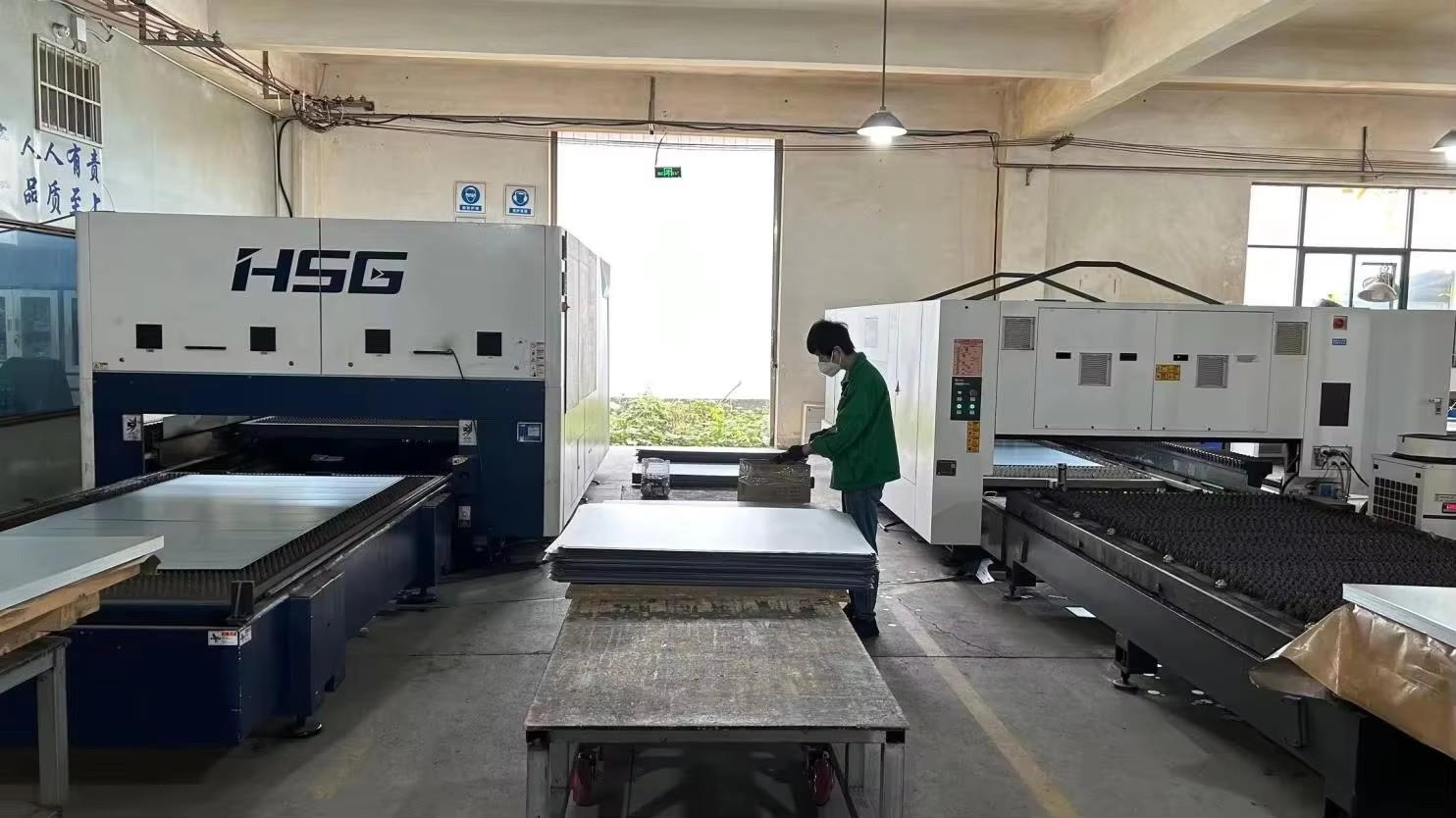
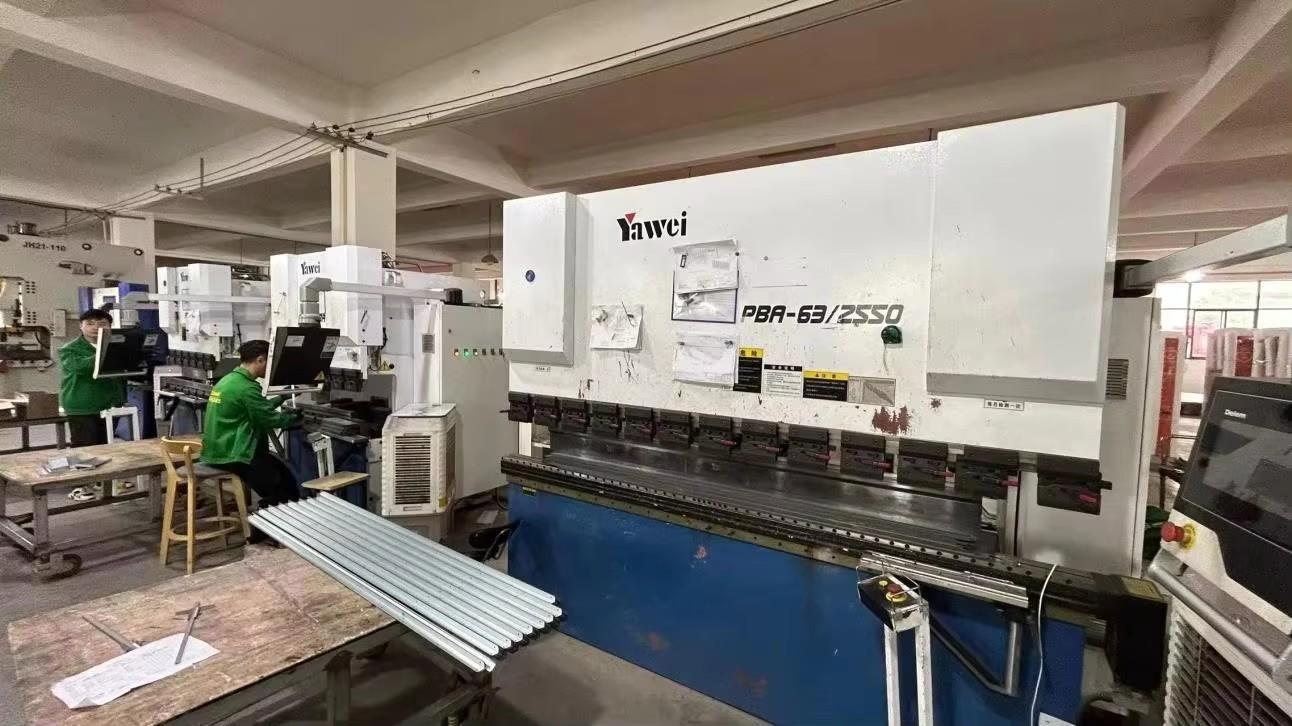
From standard rack cabinets to multi-megawatt systems, we adapt LiFePO4 technology to meet the demands of modern electrical grids.
Our 48V telecom battery units replace standard lead-acid batteries in transceiver base stations. The small size, light weight, and long cycle life of these units reduce site maintenance costs, especially in regions with unstable utility grids.
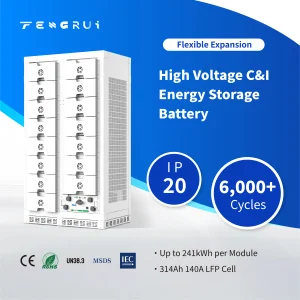
We supply modular, rack-mounted battery systems (up to 160.76kWh and above) with smart thermal management. These systems allow factories and offices to shave peak demand, store excess solar power, and maintain stable backup energy.
Our home backup systems range from 5kW to 12kW and can scale from 10kWh to 50kWh. They feature simple installation, high-voltage efficiency, and clean designs that blend seamlessly into modern garages or utility rooms.
Operating global distribution networks requires strict adherence to international safety standards and fast delivery paths.
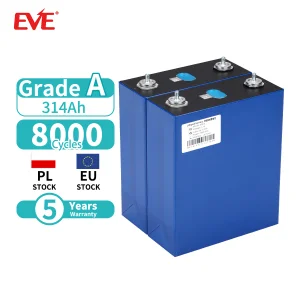
To lower transport costs and cut delivery lead times, we maintain local stock in key European Union and United States warehouses. This allows us to dispatch Grade A prismatic cells (like 280Ah and 314Ah models) and home ESS units within days, bypassing long ocean freight wait times and import customs hurdles.
All our manufacturing lines follow ISO 9001 and ISO 14001 guidelines. Our battery systems hold key safety certificates—including UN38.3 for shipping safety, CE for European market access, and select listings for UL1973 / IEC62619. These certifications guarantee that every pack has passed testing for overcharging, short-circuiting, thermal stability, and impact resistance.
How our battery designs are evolving to meet the demands of tomorrow's energy networks.
Moving beyond standard 6,000-cycle performance, our newer cell structures use special chemical stabilizers to reduce capacity loss. This extends the service life of utility systems to more than 15 years.
Our cylindrical cells (like the 32700 line) are transitioning toward semi-solid state electrolytes. This upgrade increases energy density and improves cold-weather performance (down to -15°C).
Future battery packs will feature cloud-linked BMS software. This system predicts cell failures and reports system performance to help solar operators manage large battery installations remotely.
Answers to common engineering, logistics, and layout questions for LFP battery packs.
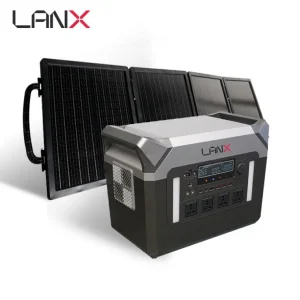
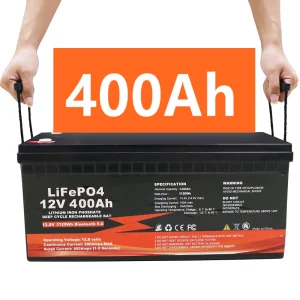
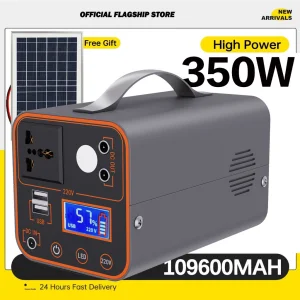
Browse more premium battery packs, high-capacity cells, and portable energy stations ready for shipment.
 Luzz Solar