Qingdao Luzz Solar Co., Ltd. is a leading global enterprise specializing in the design, engineering, and manufacturing of clean energy solutions. With its core facility located in the industrial manufacturing hub of Qingdao, China, the company bridges advanced raw material access with cutting-edge engineering paradigms. Our core mission is to provide resilient, stackable, and high-performance clean energy architectures for residential, utility, and hybrid microgrid operations.
As a pioneer in modular battery design, Luzz Solar has engineered residential and commercial solutions that maximize thermodynamic efficiency, optimize structural space, and offer unparalleled lifecycle parameters. Backed by rigorous international standards, our manufacturing processes utilize industrial robotics and advanced welding systems to guarantee durability, thermal stabilization, and system reliability over decades of operations.
Unlike traditional monolithic battery packs, Stackable Residential BESS (Battery Energy Storage Systems) offer scalable capacity without the footprint expansion. Our systems stack individual LFP (Lithium Iron Phosphate) modules vertically, utilizing proprietary high-speed wireless interconnects or centralized plug-and-play wiring harnesses. This optimizes both physical installation timelines and energy transfer metrics.
The residential energy landscape is shifting from dynamic load consumption to decentralized grid generation. Homeowners are transitionally evolving into "prosumers" who demand absolute energy autonomy. Stackable Residential BESS technologies represent the absolute vanguard of this transition. By deploying stackable setups, users bypass complex electrical re-engineering, allowing systems to dynamically grow alongside household load profiles. This modular flexibility ensures that a system configured for basic backup power can seamlessly expand to support electric vehicle (EV) fast charging, heat pump integration, or complex off-grid operations.
Key industry trends driving this sector include:
For international distributors, energy brokers, and EPC (Engineering, Procurement, and Construction) contractors, sourcing stackable residential BESS systems demands stringent verification pathways. Global supply chains mandate that products adhere to strict mechanical and chemical regulatory protocols.
Procurement agencies assess suppliers based on three primary pillars: Safety Certifications (including UL9540, UL9540A, IEC62619, and UN38.3 for maritime shipping), Inverter Compatibility (plug-and-play communication protocols with mainstream hybrid inverters such as SMA, Growatt, Deye, and Victron Energy), and Supply Chain Traceability (ethical sourcing of raw battery cells, particularly cobalt-free Lithium Iron Phosphate chemistry).
At Qingdao Luzz Solar Co., Ltd., our production facility operates on advanced Factory 4.0 tenets. We combine high-speed laser welding, automatic cell grading, and computerized multi-point electrical testing to deliver defect-free BESS hardware. Below is an inside look at our specialized manufacturing processes:
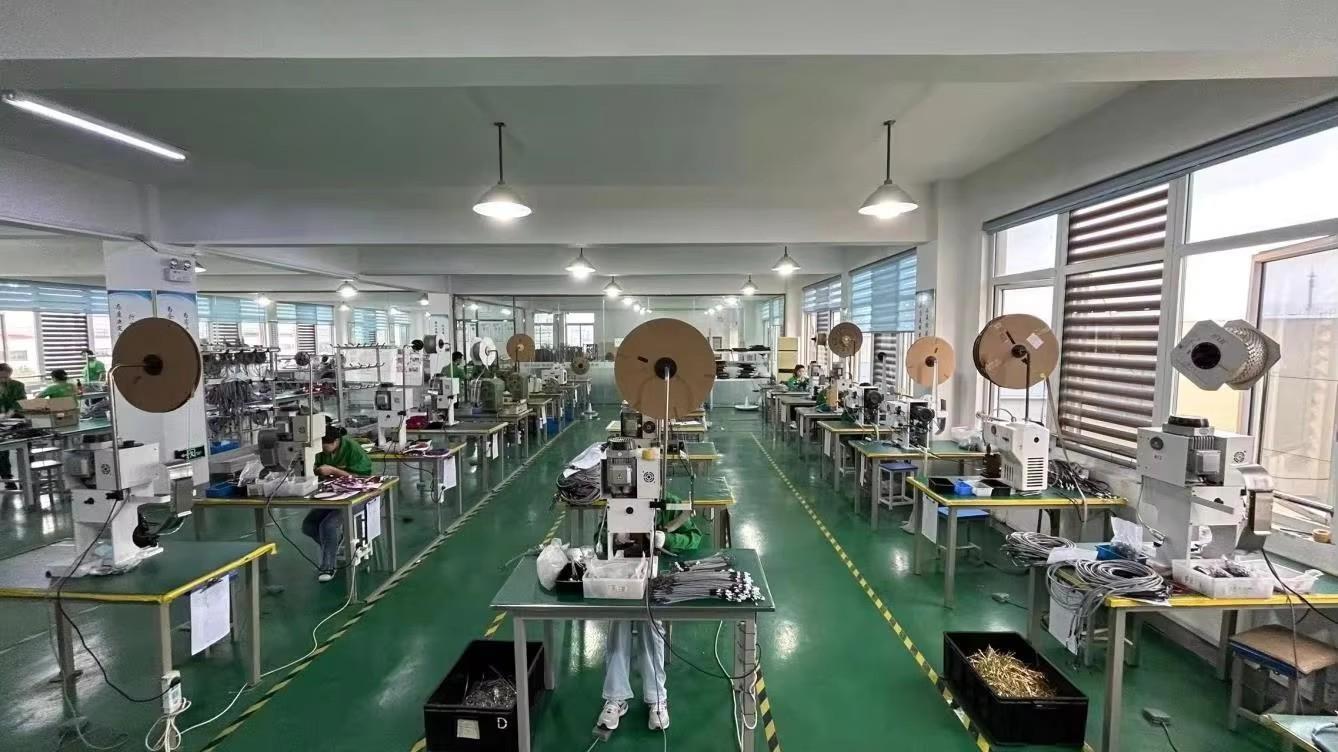
High-voltage cables and signals are routed using silicone-insulated copper wiring harnesses, engineered to resist thermal degradation and internal resistance.
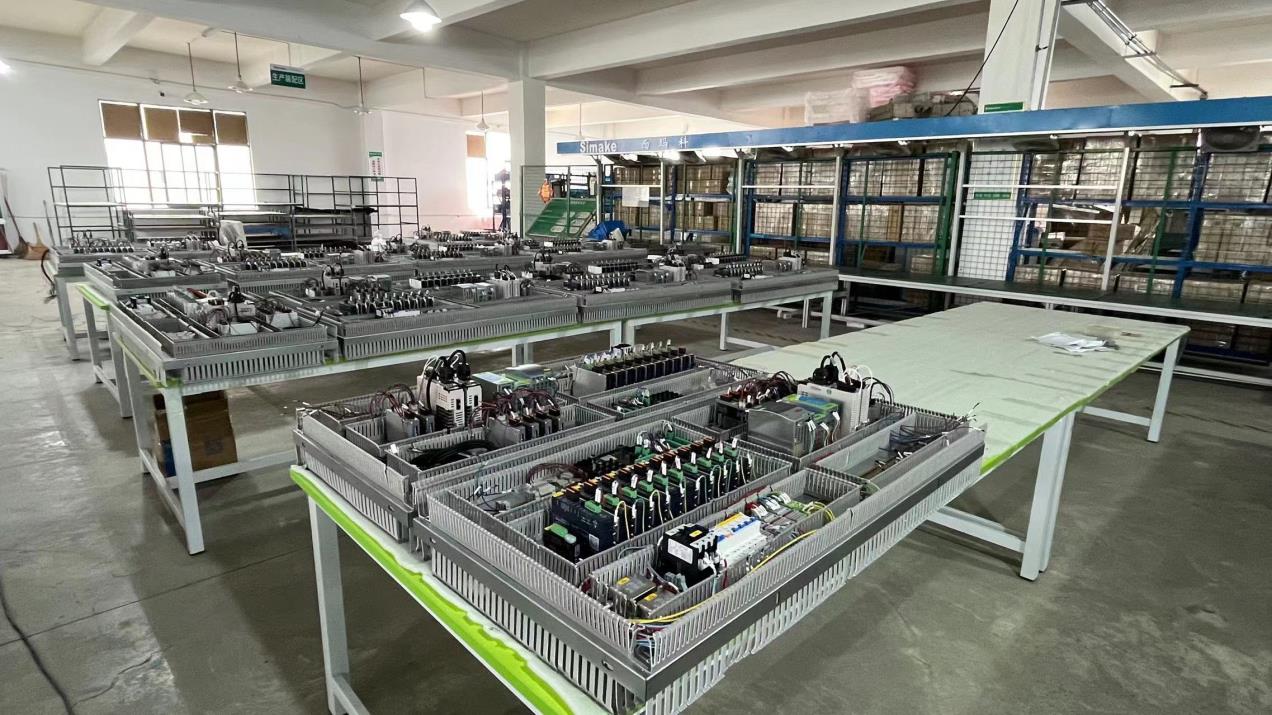
Standardized automated lines position LFP prismatic cells into precise chassis alignments, integrating integrated cell spacers and BMS control units.
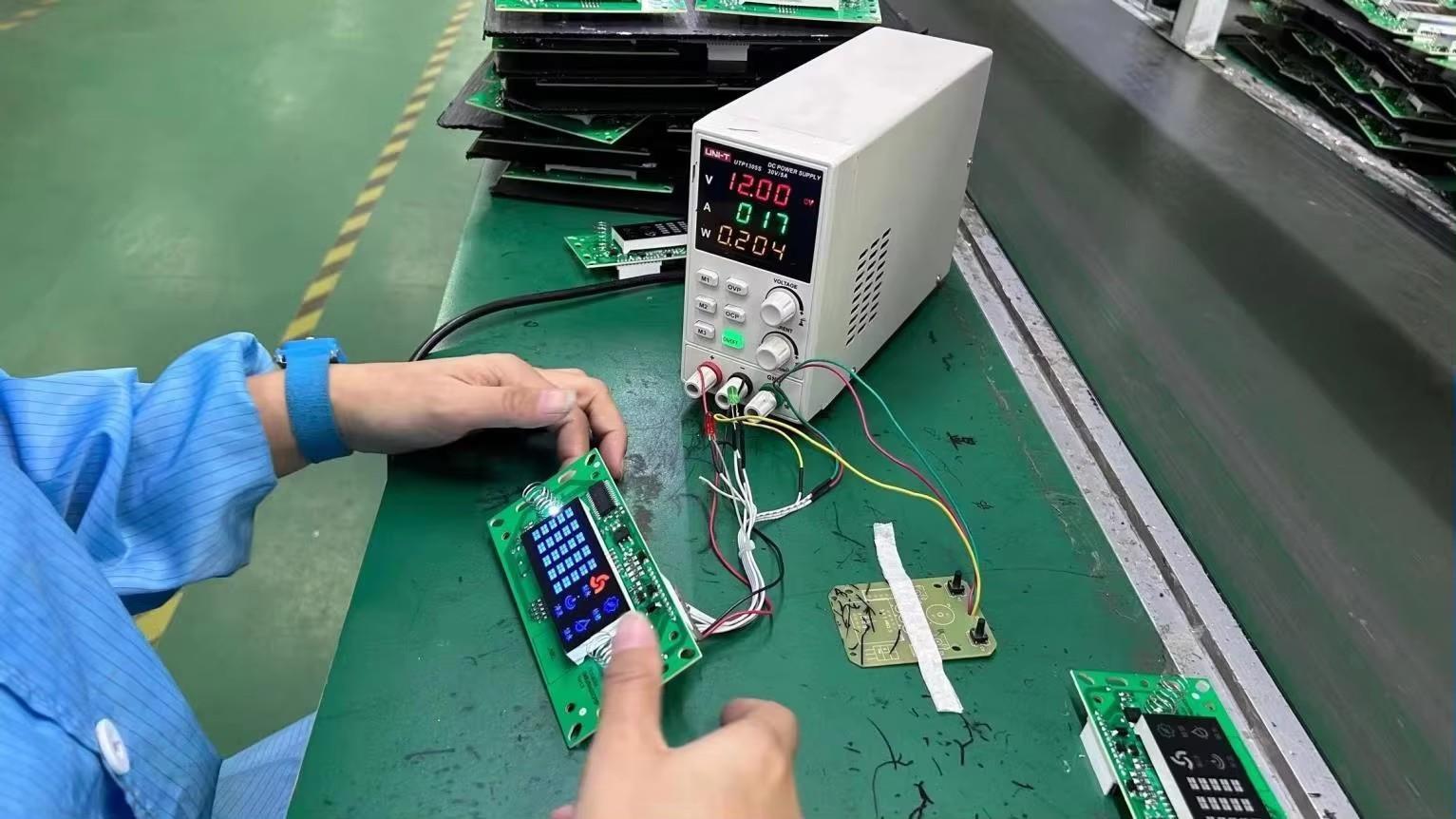
Every finished stackable module undergoes full charge-discharge testing cycles, insulation resistance mapping, and CAN bus telemetry calibration.
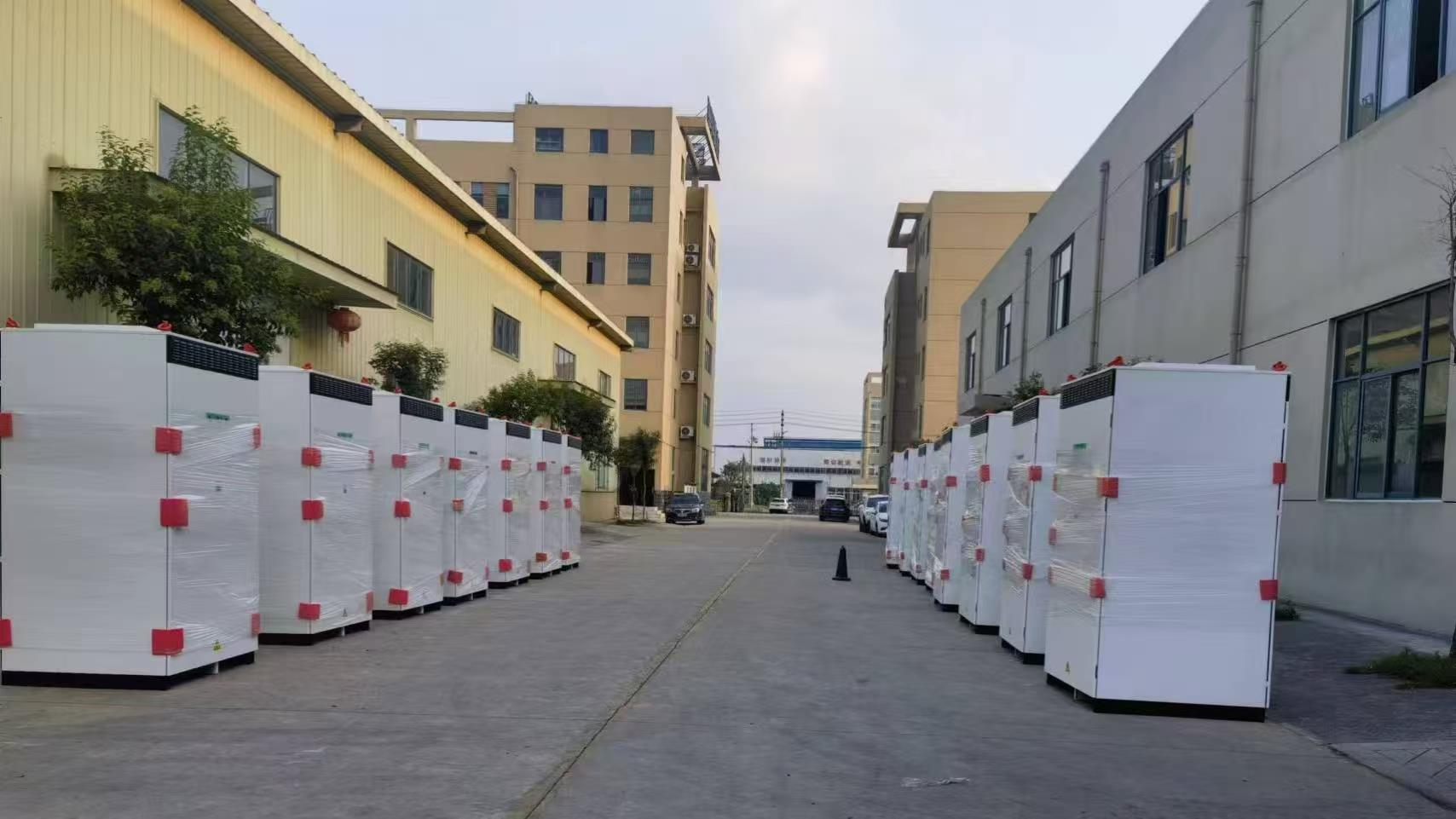
Custom UN-approved wooden casing protects battery modules against dynamic mechanical stress and humidity during international sea transit.
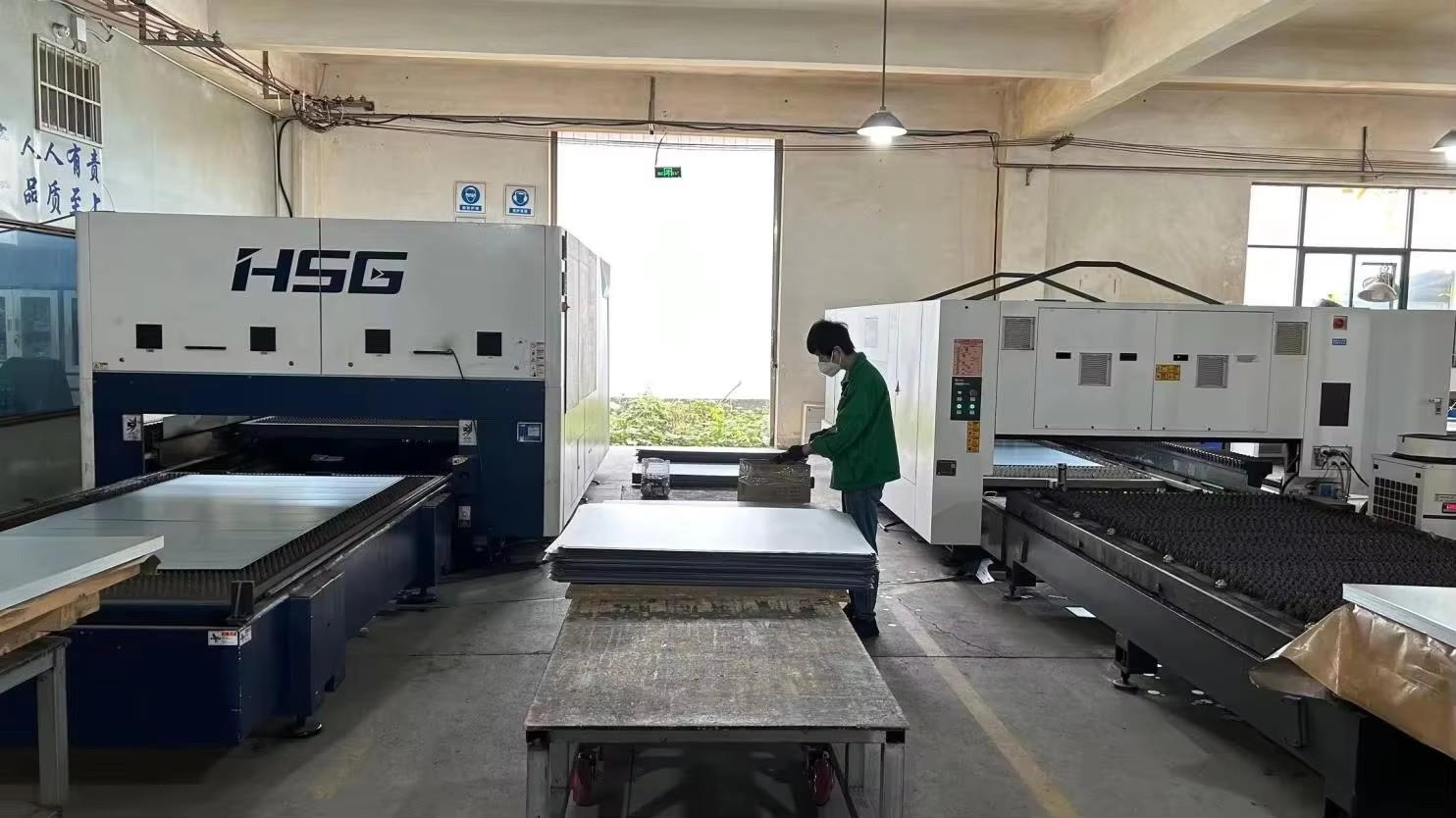
High-precision fiber laser cutting systems profile the external heavy-gauge steel enclosures, ensuring tolerances down to sub-millimeter scales.
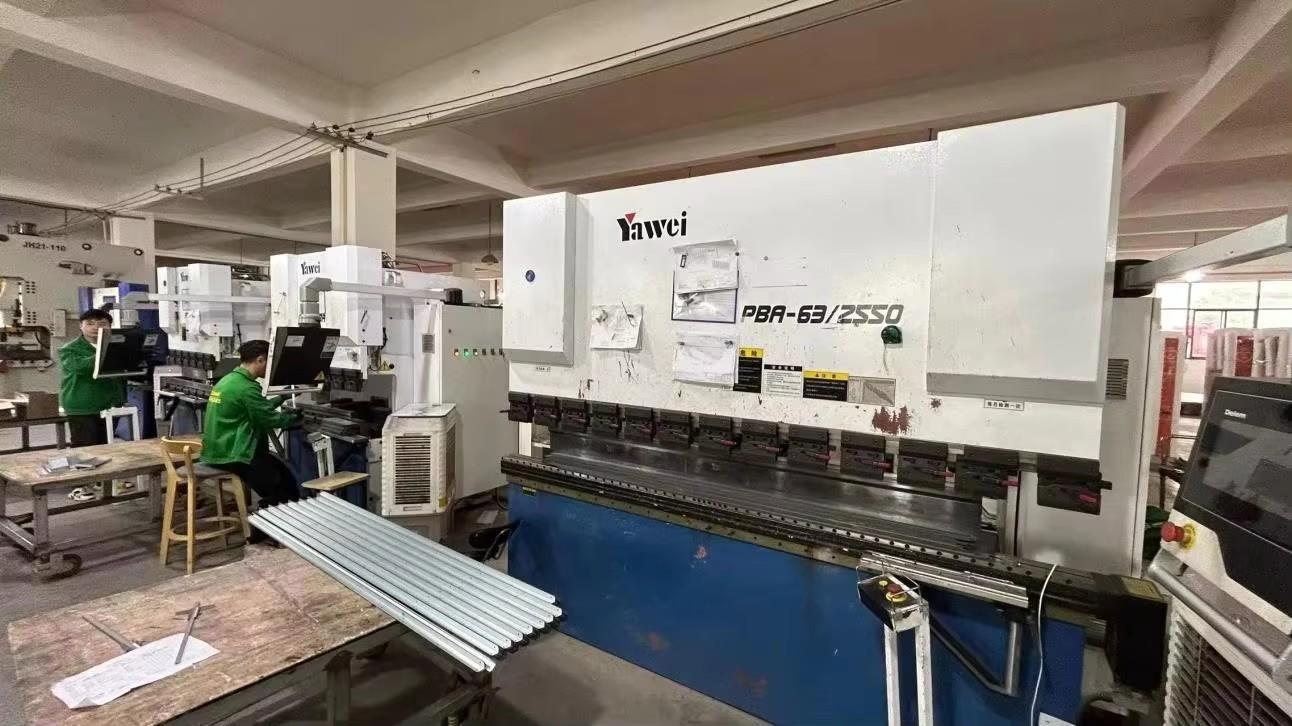
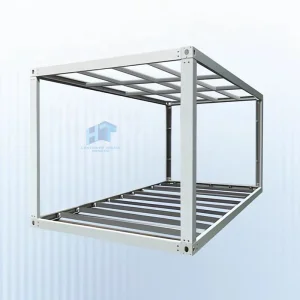
CNC press brakes mold sheet metal into structurally optimized battery enclosures, featuring engineered ventilation pathways and mounting brackets.
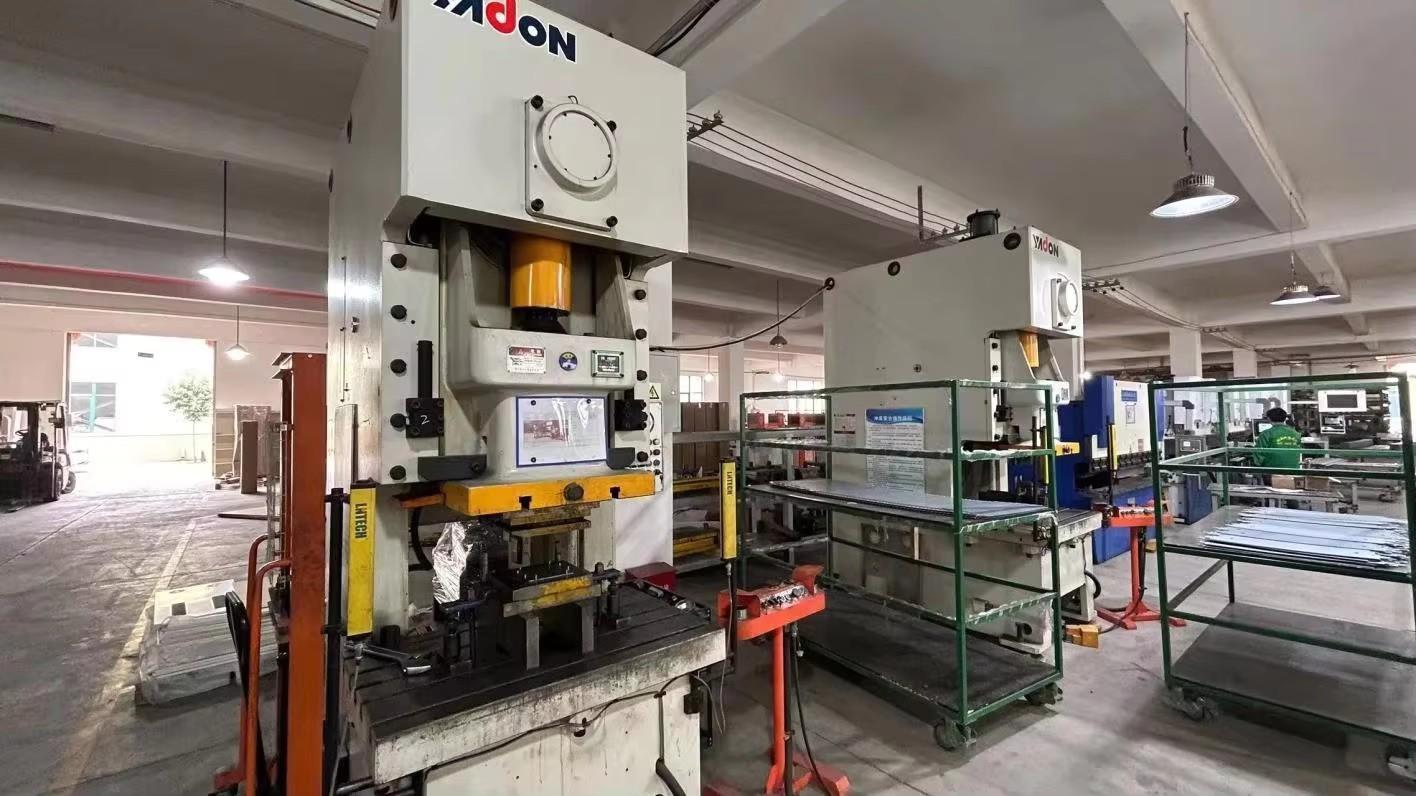
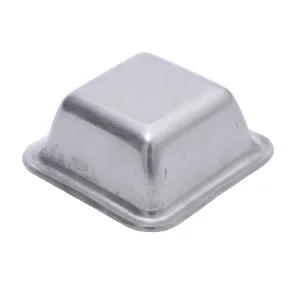
Automated mechanical stamping dies press structural components, ensuring uniformity across brackets, locking pins, and terminal cover caps.
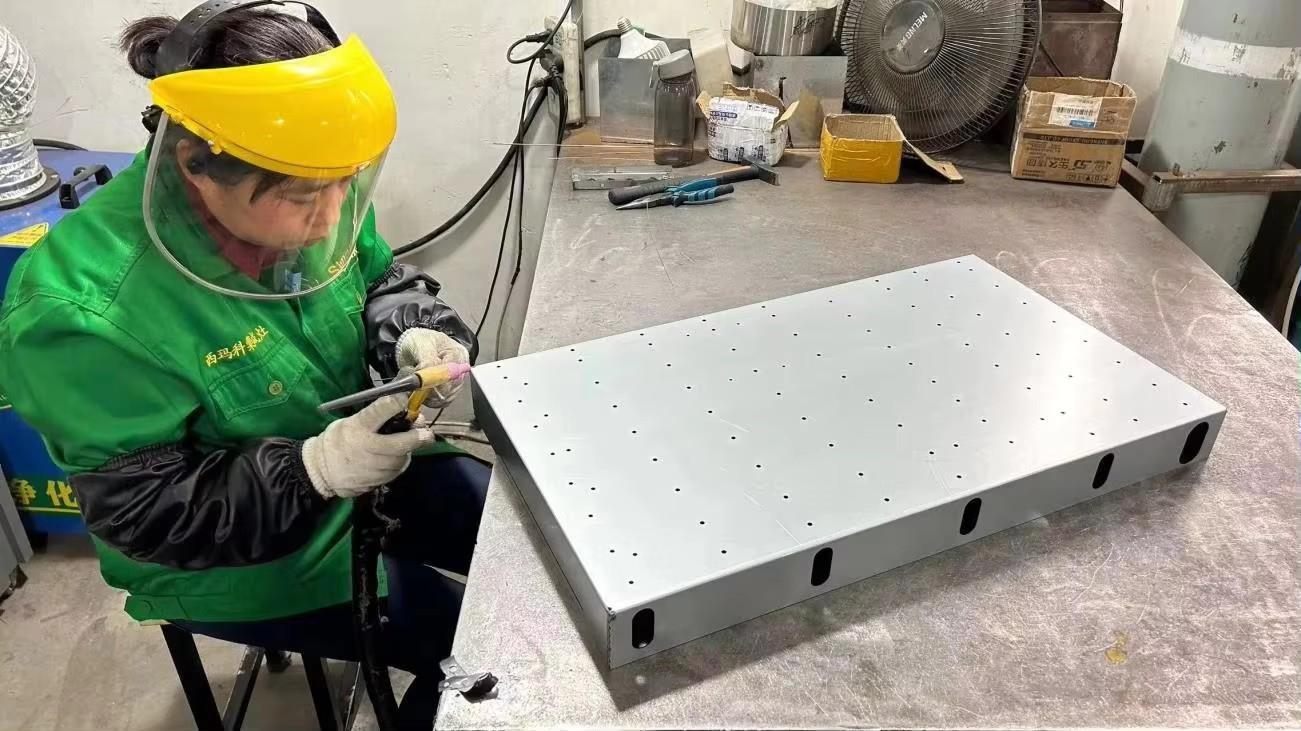
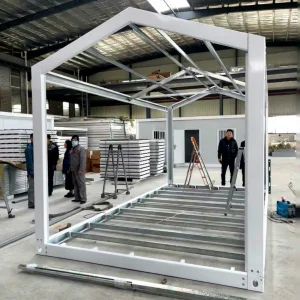
Robotic weld cells fuse structural seams, guaranteeing IP65 ingress protection seals and long-term environmental resilience for outdoor installations.
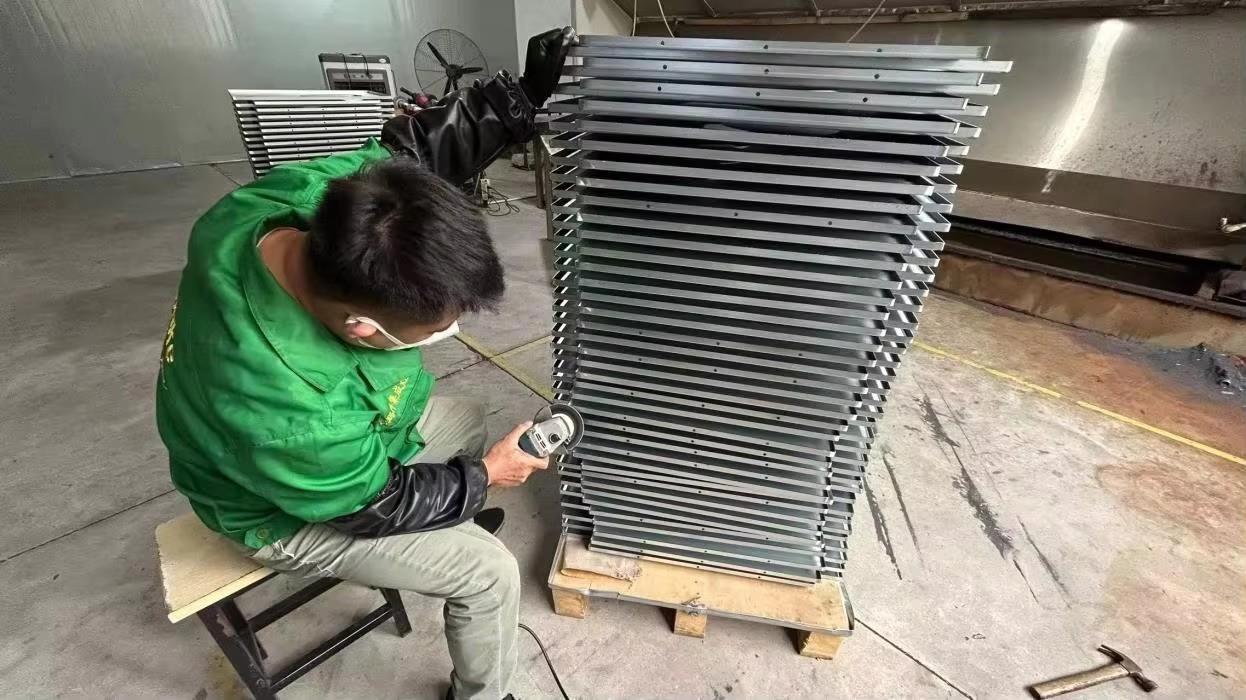
Manual and mechanical finishing phases deburr sharp edges and prepare structural steel for anti-corrosive powder coating applications.
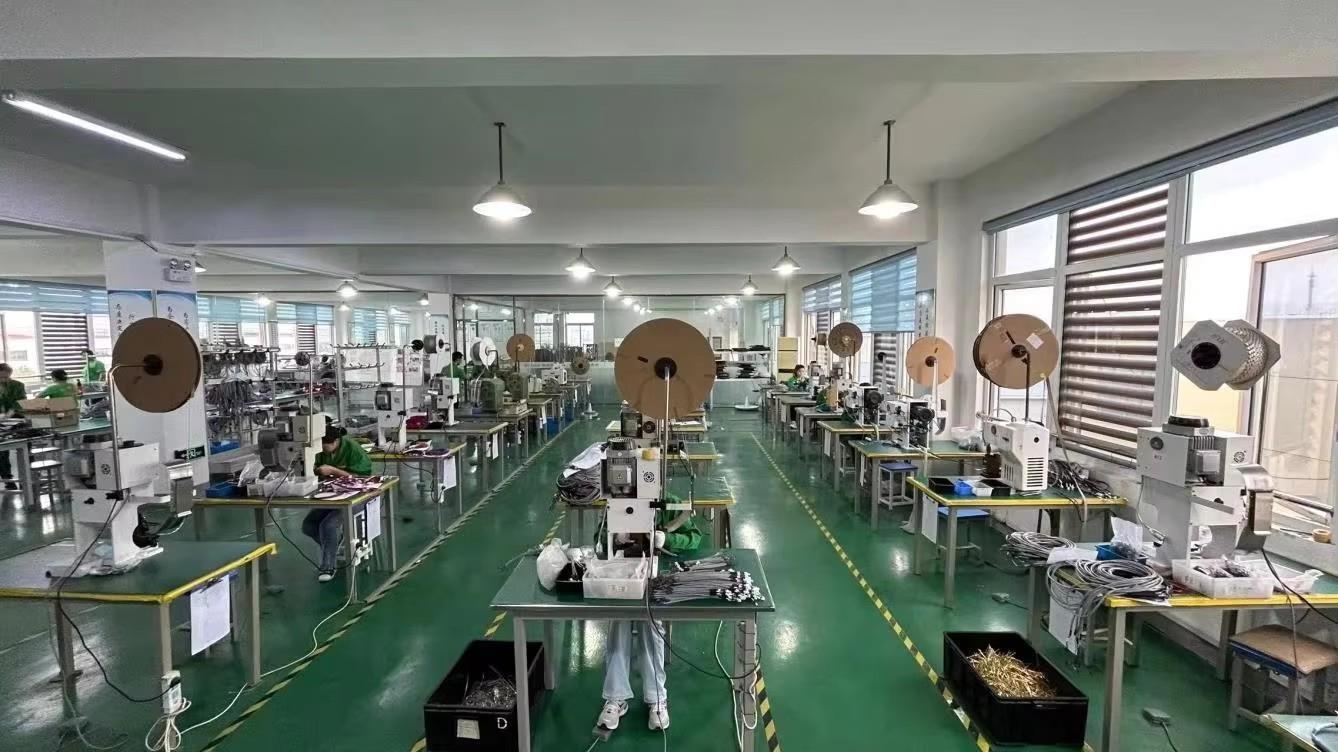
Ultra-precise wire terminals are crimped under controlled pressure to eliminate resistance, ensuring high-current handling interfaces remain cool under load.
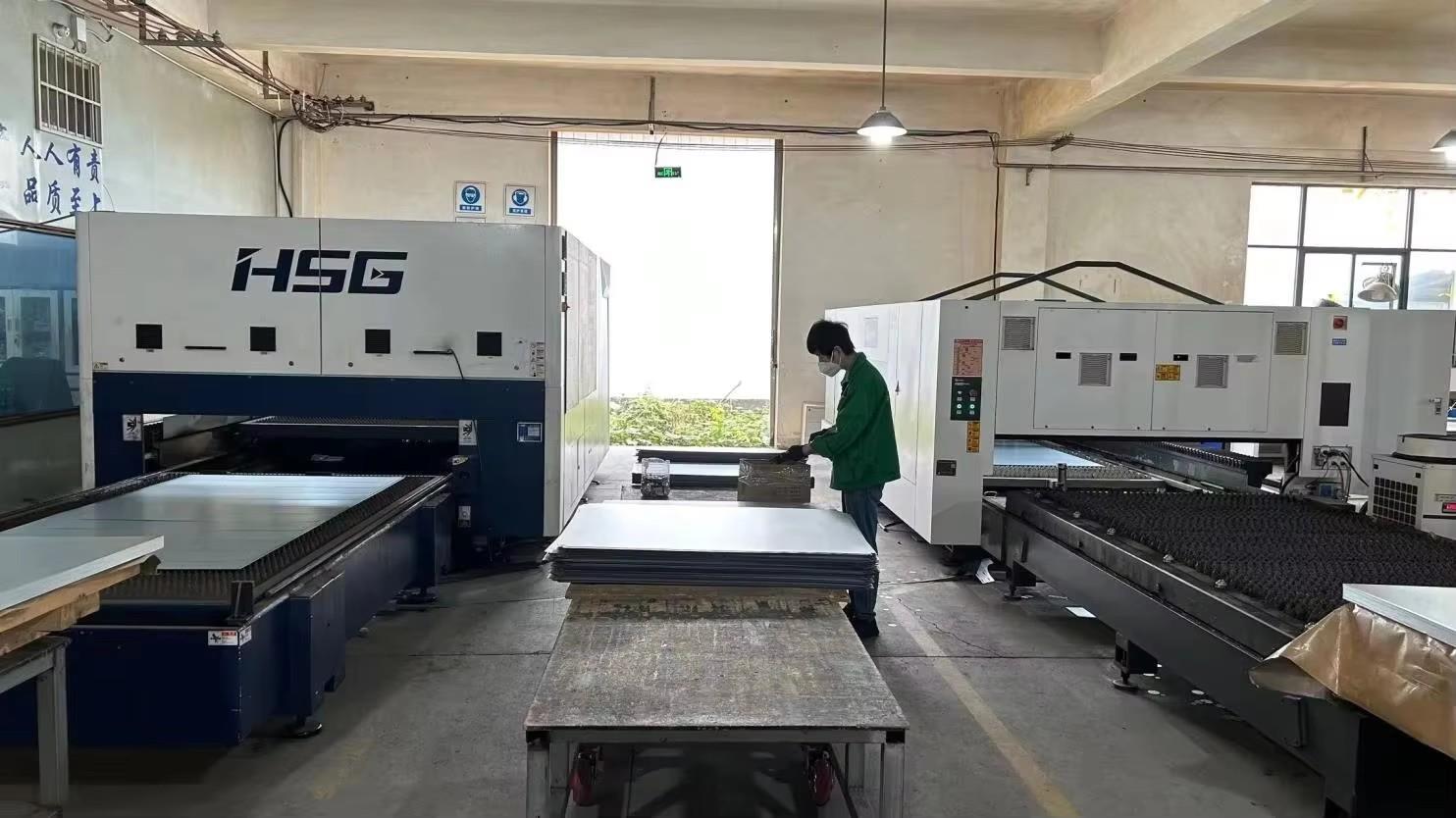
High-power laser welding bonds copper-aluminum busbars directly to battery terminals, ensuring low-resistance contacts and long-term durability.
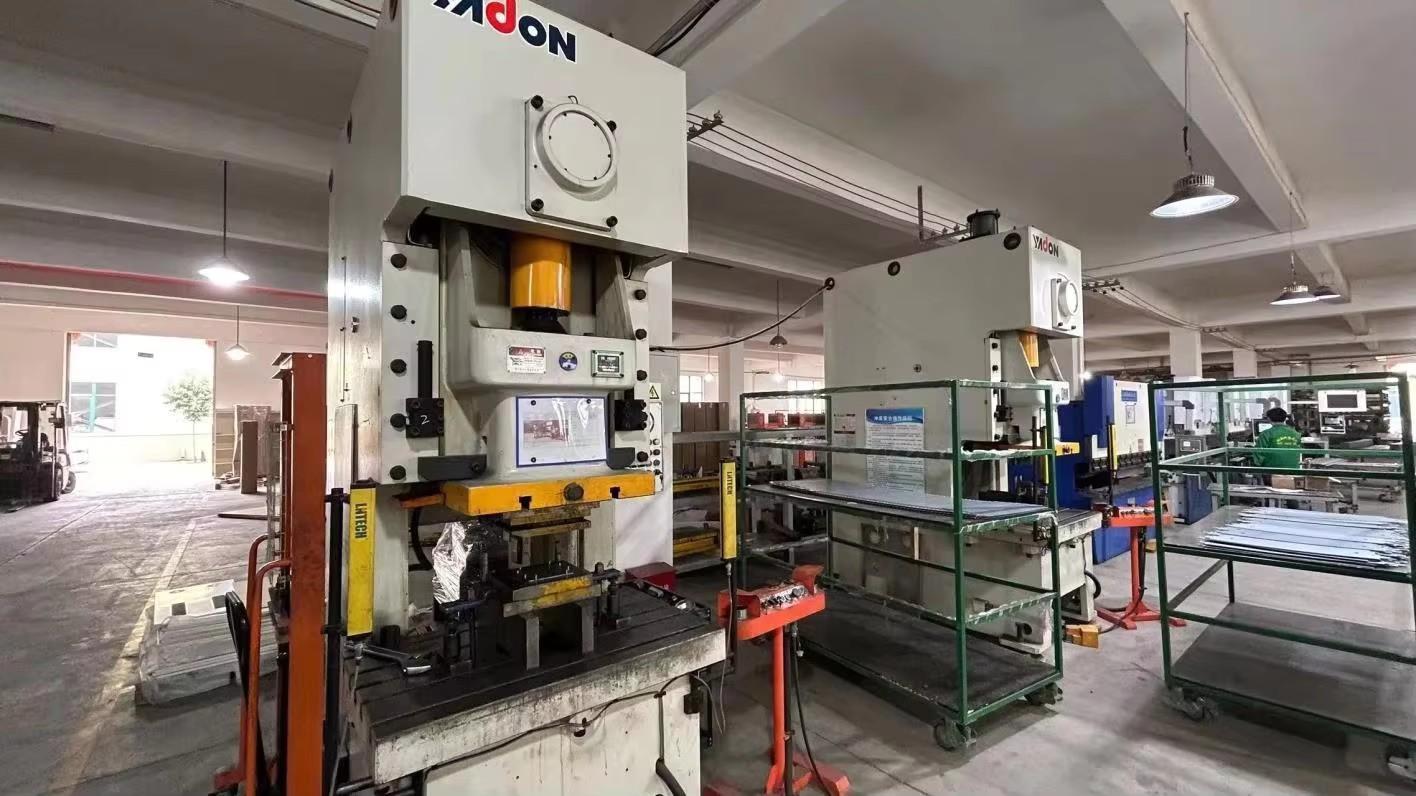
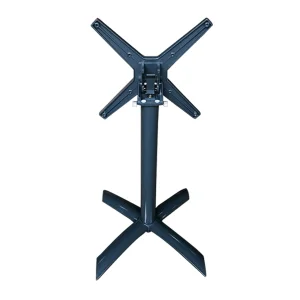
Heavy-duty industrial stamping presses form thick structural baseplates, designed to support the vertical load of stackable module configurations.
In high-tariff regions like California (NEM 3.0), Germany, and Australia, local electricity providers levy steep demand charges during peak afternoon and evening periods. Stackable BESS configurations allow automated Time-of-Use scheduling. The system charges via solar generation or during overnight off-peak grid phases, discharging during peak pricing windows to dramatically lower domestic utility bills.
For rural properties, islands, or remote installations where grid connection is financially unfeasible, stackable designs simplify power scaling. Users can configure large battery capacities (up to 40kWh+ on a single footprint) by stacking modules vertically. Combined with smart hybrid inverters, these systems provide stable output to support inductive loads like deep-well pumps and heavy tools.
In northern markets such as Scandinavia and Canada, battery chemistry is susceptible to cold-induced capacity loss. Our stackable systems feature integrated smart heating elements within each unit. If temperatures drop below 0°C, the system uses input solar power to warm the cells, ensuring uninterrupted performance and protecting battery health.
In areas prone to extreme weather events, high-capacity stackable storage acts as a reliable backup system. The ultra-fast UPS-class transfer switch (less than 10 milliseconds) guarantees that home offices, medical equipment, and security systems remain operational during power outages.
 Luzz Solar