Explore our tier-1 engineering selection of MPPT solar charge controllers and integrated hybrid off-grid systems designed for maximum PV harvest performance.
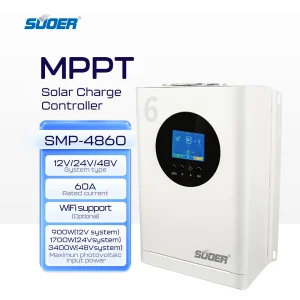
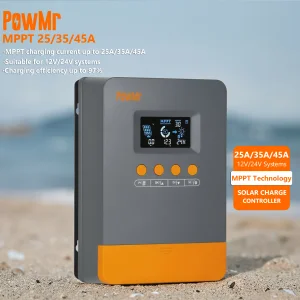
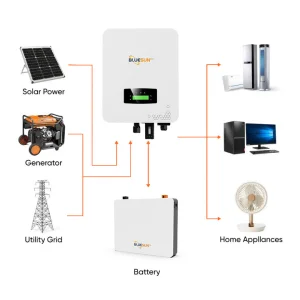
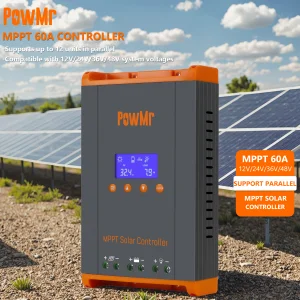
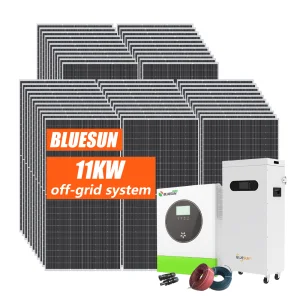
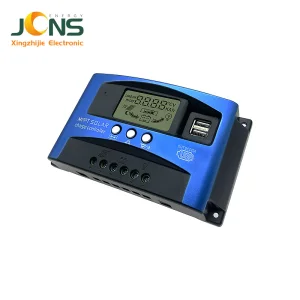
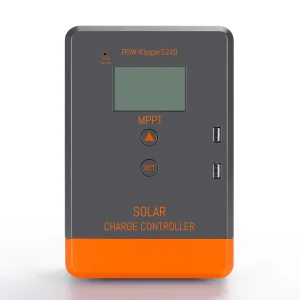
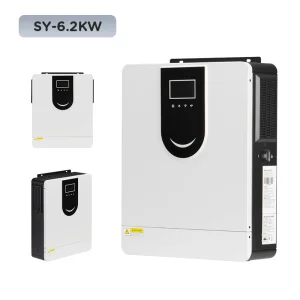
The convergence of carbon-neutrality initiatives and battery chemistry development has placed Maximum Power Point Tracking (MPPT) at the core of industrial growth.
Rapid deployment of utility-scale storage, mini-grids in developing nations, and micro-generation across Europe are driving the demand for smart solar controllers. Standard PWM regulation is no longer sufficient; global markets require dynamic, wide-voltage-input range capabilities to maximize photovoltaic yield.
Modern MPPT systems implement fast Perturb and Observe (P&O) algorithms and Incremental Conductance tracking. This secures a conversion efficiency exceeding 99%, even under rapid solar irradiance changes caused by cloud cover or partial environmental shading.
Transitioning from silicon-based MOSFETs to Gallium Nitride (GaN) and Silicon Carbide (SiC) switches has transformed heat dissipation thresholds. Advanced controllers operate with minimum thermal derating in hot climates, lowering system failure rates.
The global push toward distributed energy architecture has led commercial entities to optimize their PV balance-of-system (BOS). MPPT controllers play a central role, acting as the interface between changing PV array outputs and chemically sensitive energy storage systems.
With massive investments in LiFePO4 battery infrastructure globally, controllers must feature custom firmware mapping to protect cell balance, manage high charging currents, and prevent over-voltage degradation.
Engineering parameters to review when evaluating tier-1 suppliers:
| Specification Parameter | Industrial Threshold |
|---|---|
| MPPT Tracking Speed | < 1 Second |
| Static Conversion Efficiency | ≥ 99.5% |
| Peak Operating Efficiency | > 98.2% |
| Self-Consumption Loss | ≤ 0.5W |
| Thermal Derating Start Point | +45°C Ambient |
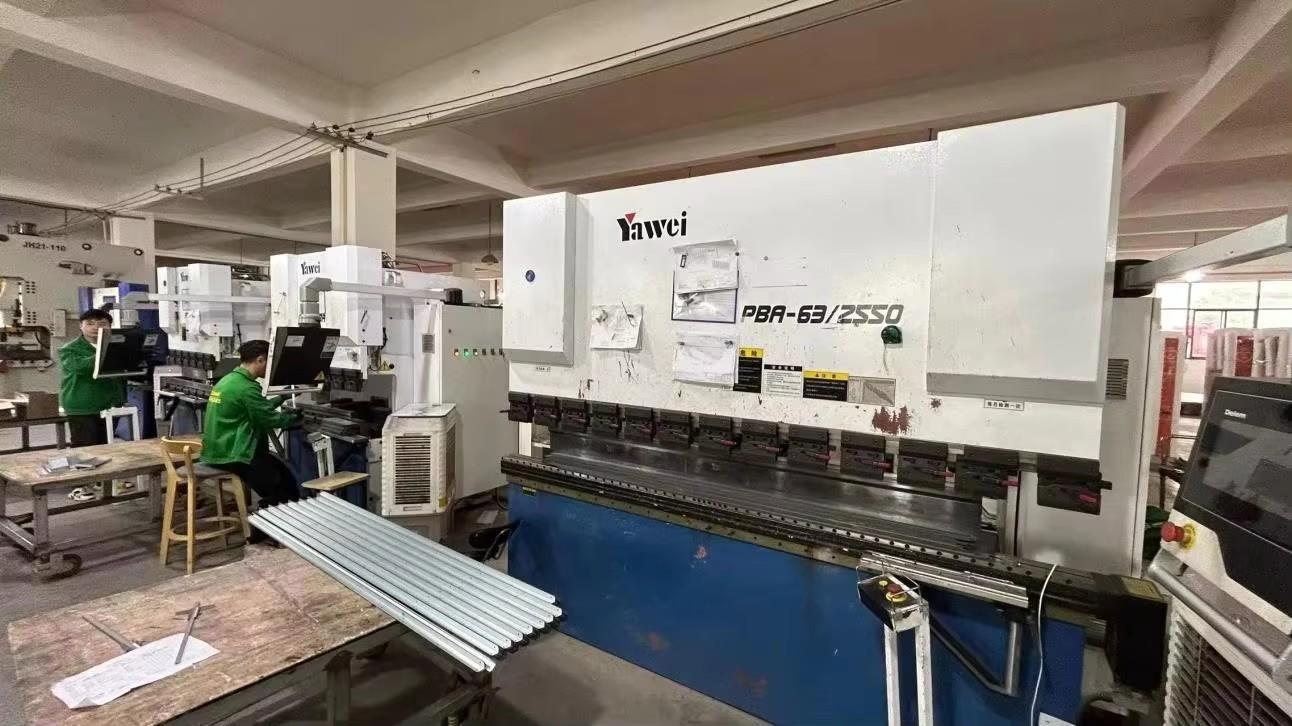
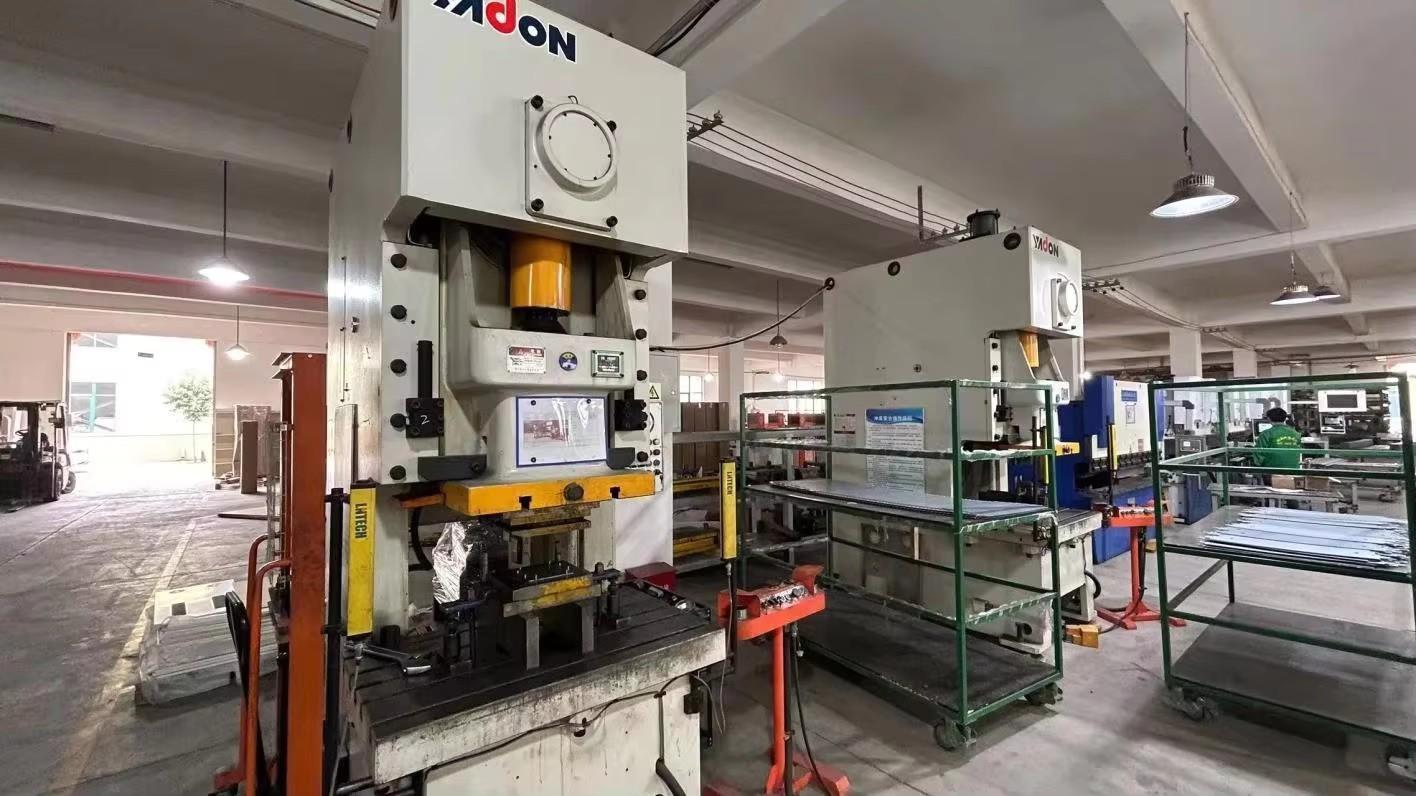
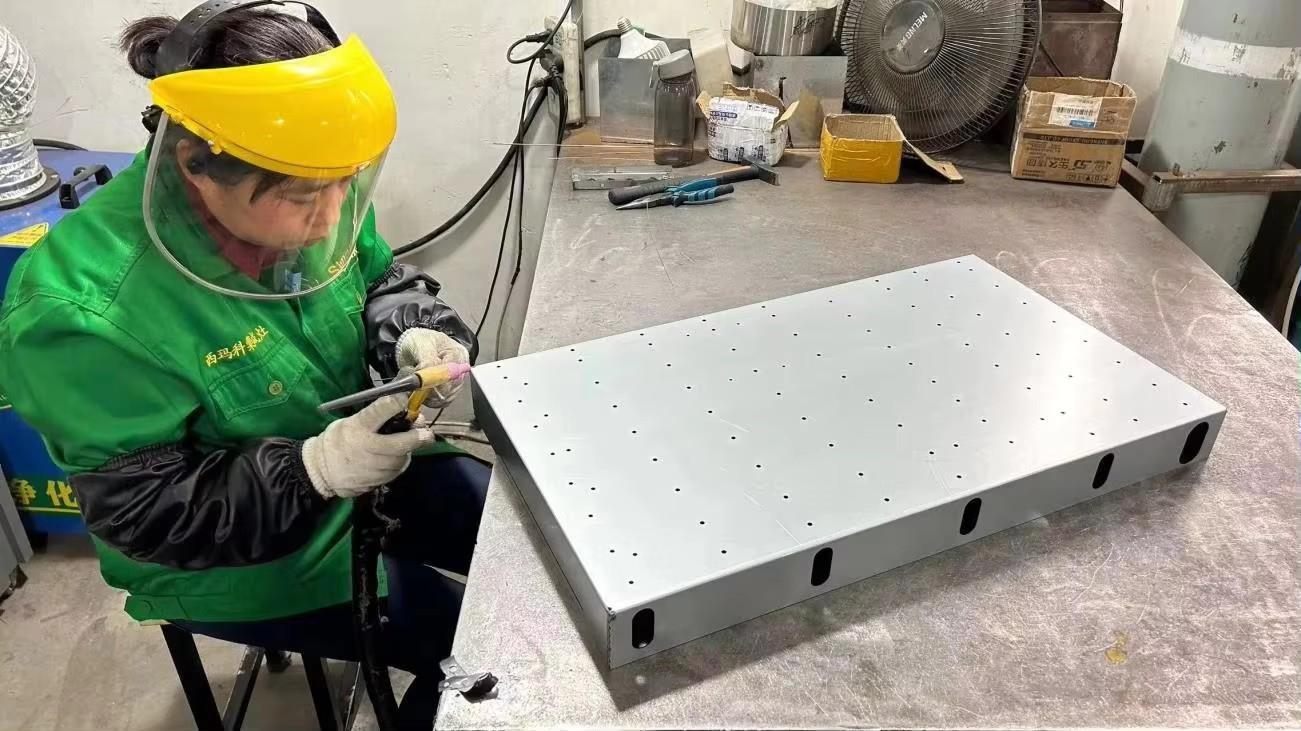
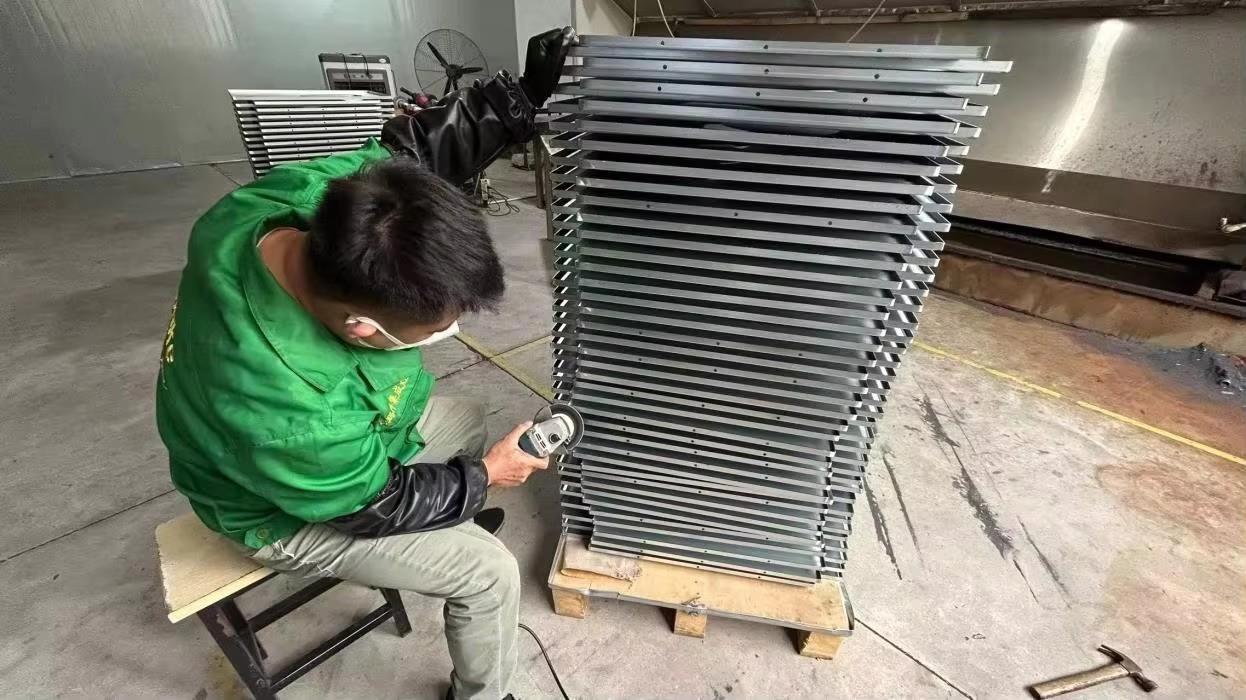
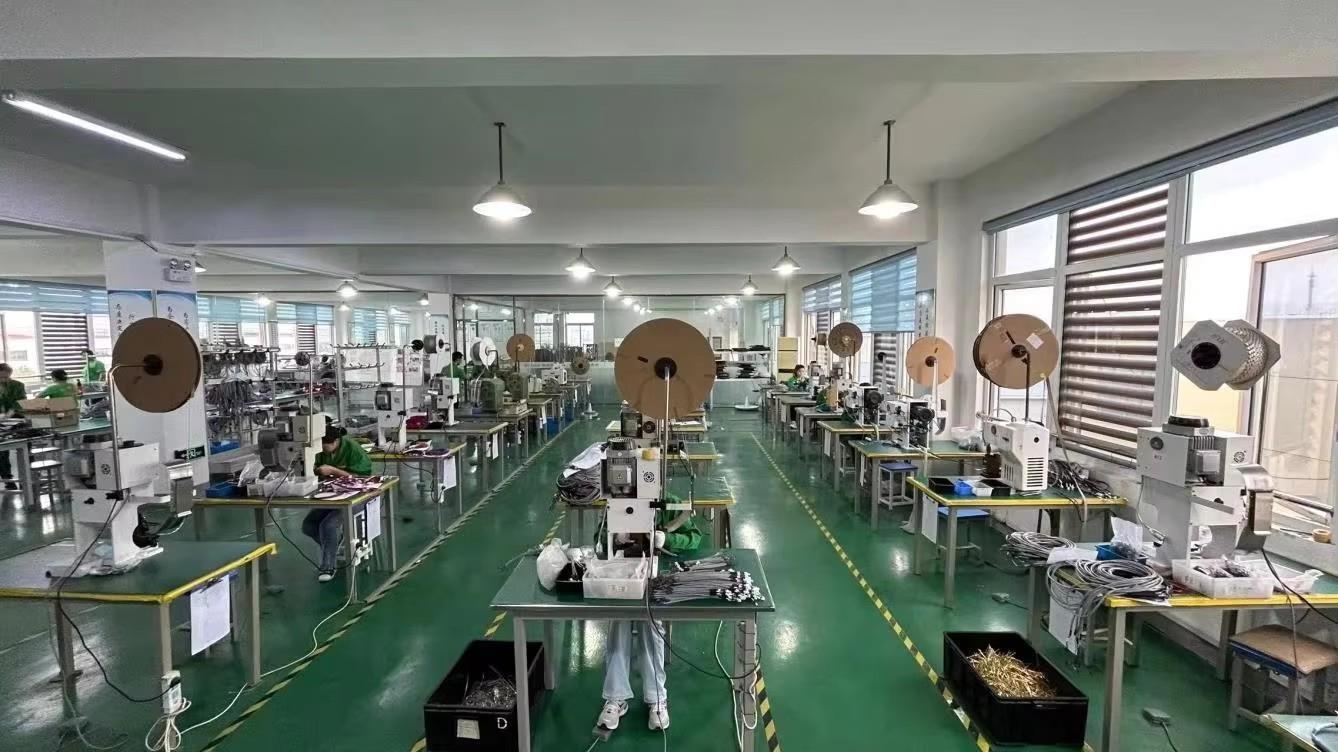
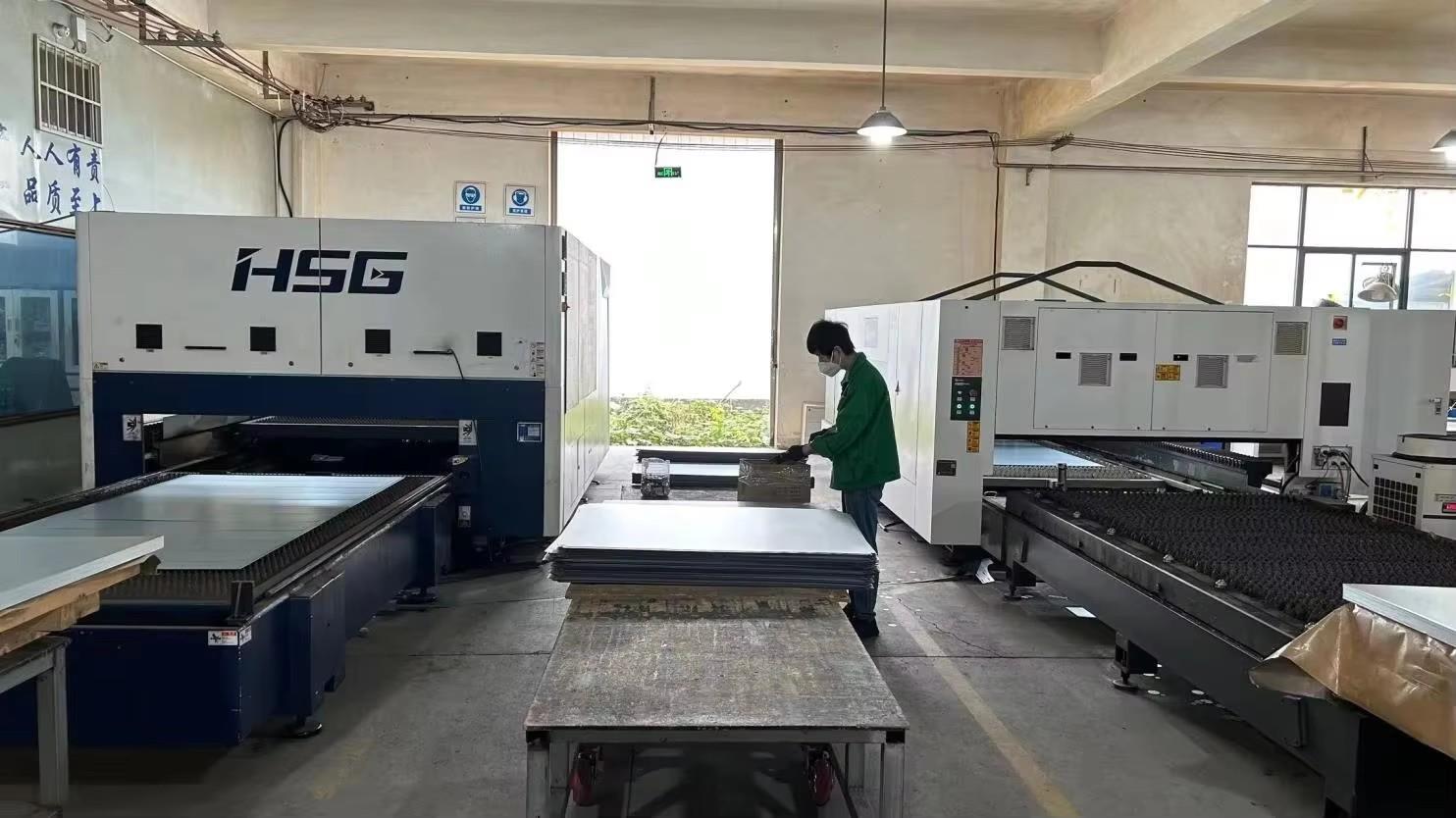
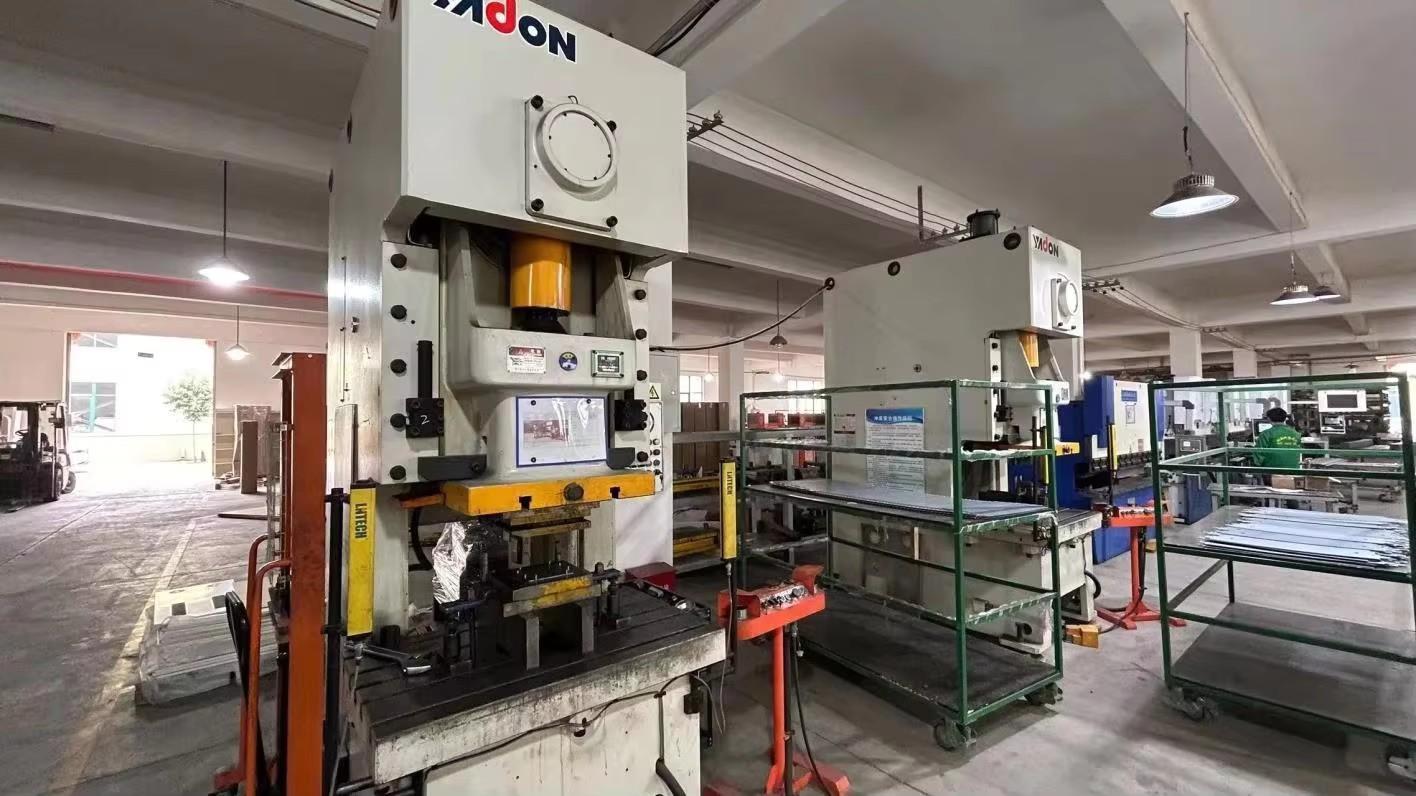
A look into the facility processes, automated machinery, and quality control routines deployed to ensure long-term product reliability in demanding environments.
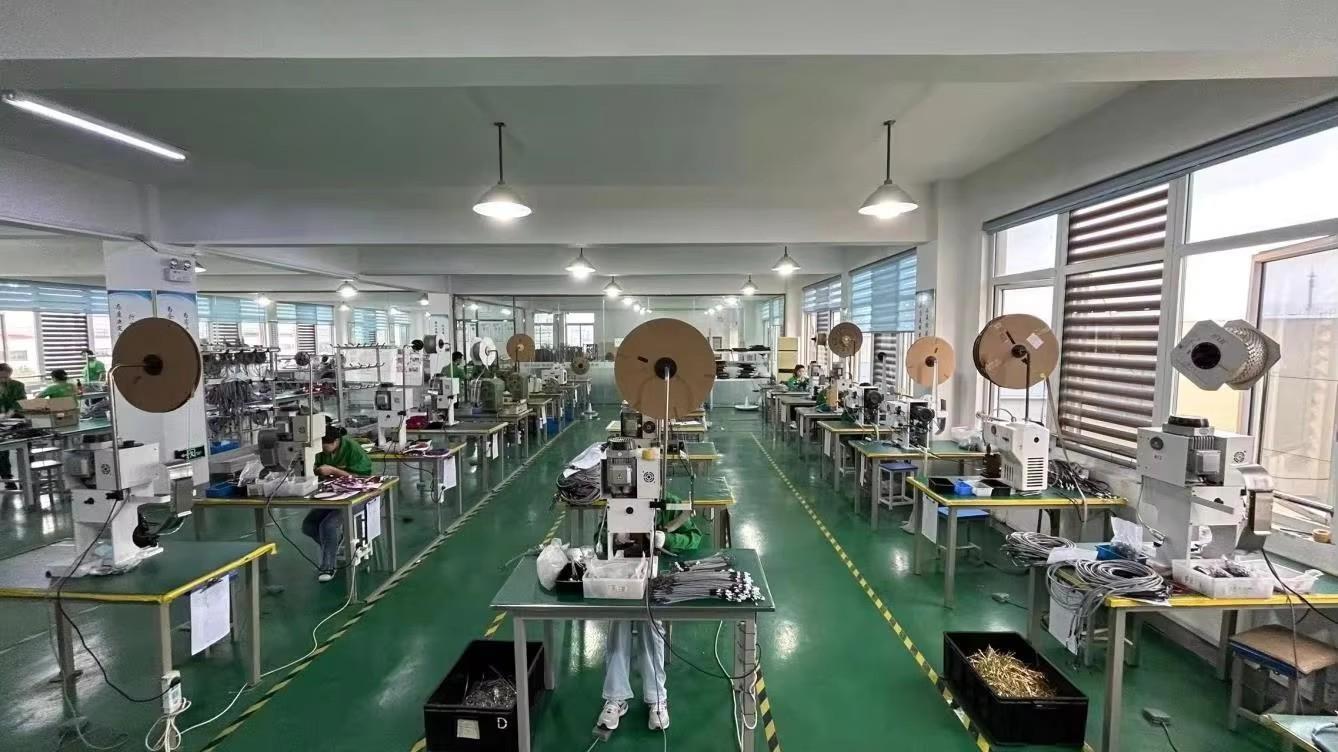
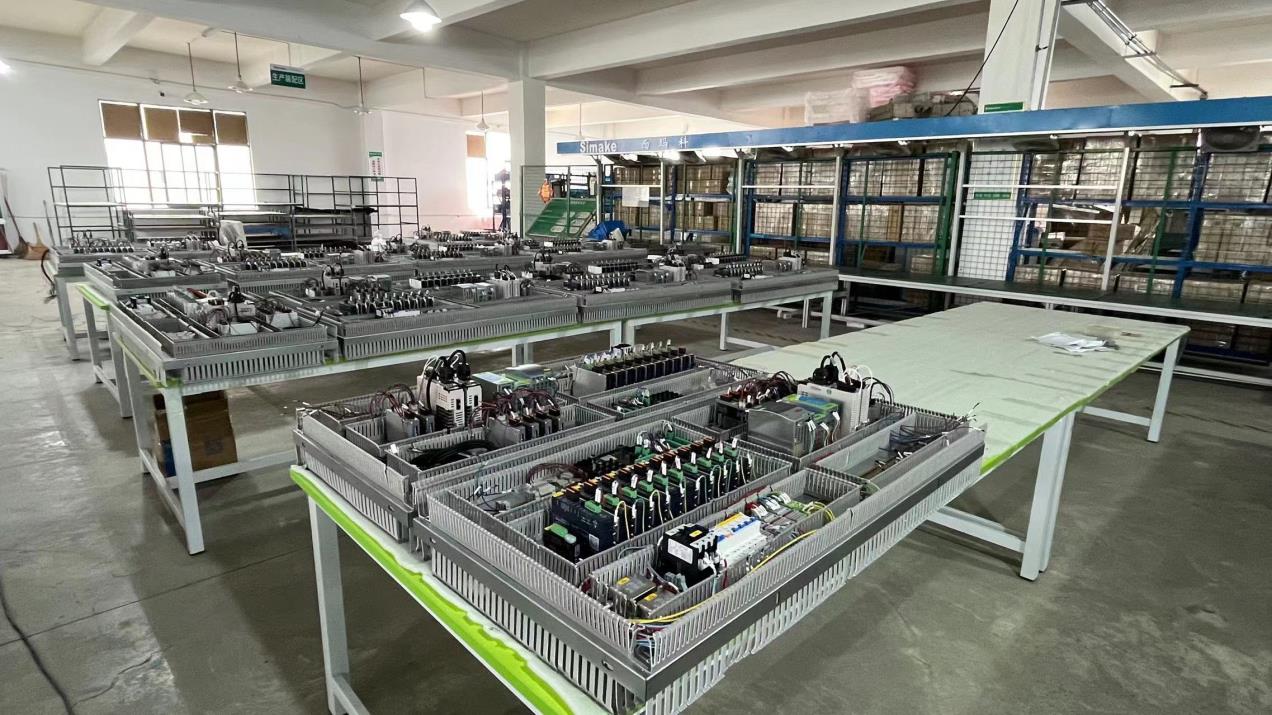
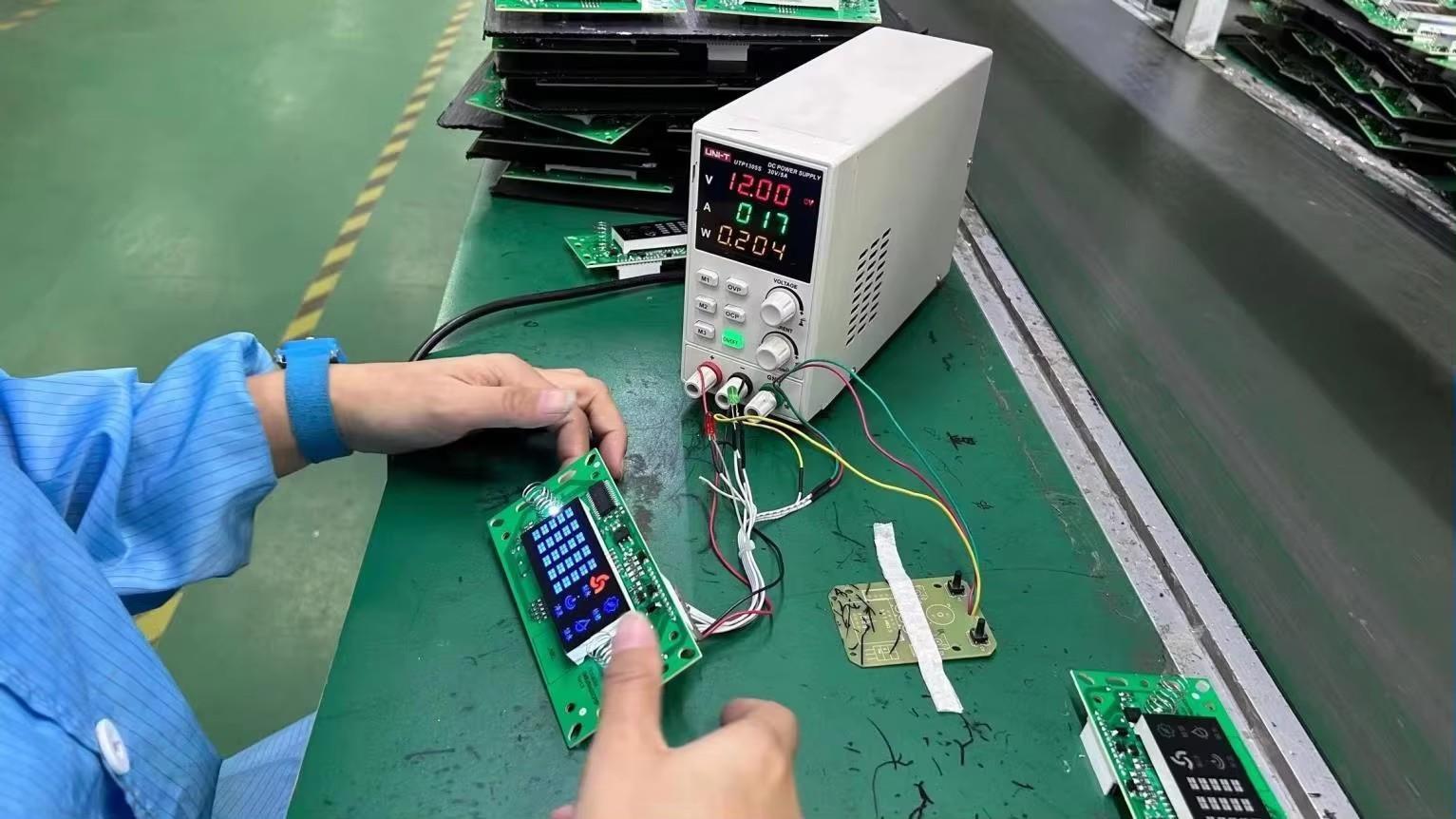

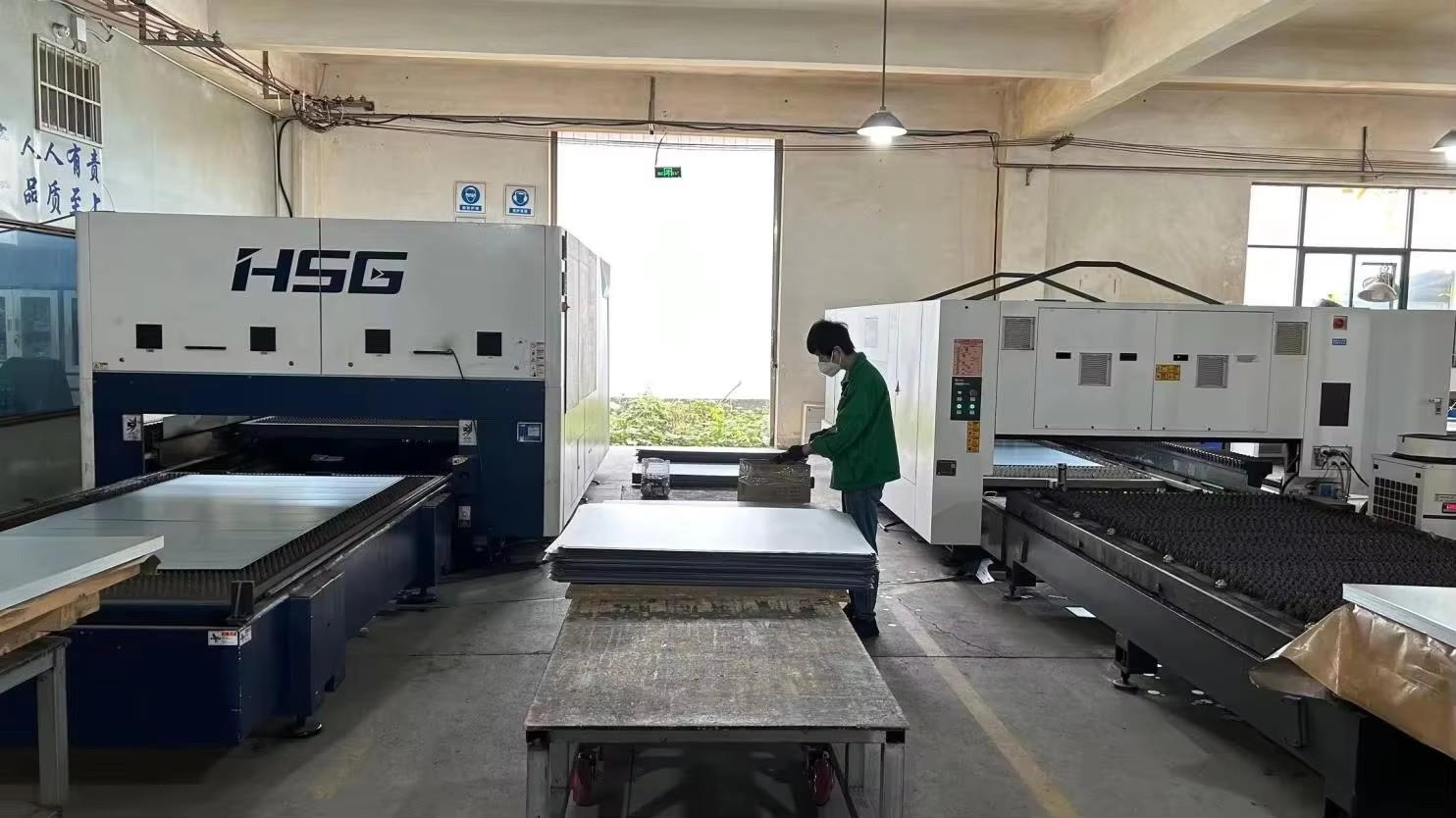
Providing engineered answers to the distinct off-grid power challenges across diverse geological and economic regions.
Challenge: Extreme ambient temperatures (+45°C), high dust index, and remote deployments.
Solution: Passive cooling, IP67 sealed designs, and low-frequency inductors combined with custom firmware to prevent thermal thermal runaway while maintaining high charging current capacity.
Challenge: Rapid shifts in sun angle, weak winter irradiance, and freezing climates.
Solution: Multi-peak tracking sweeps designed to extract power from bifacial solar panels under diffuse light, coupled with intelligent low-temperature battery charging profiles.
Challenge: 24/7 continuous operation, electrical noise, and strict load balancing.
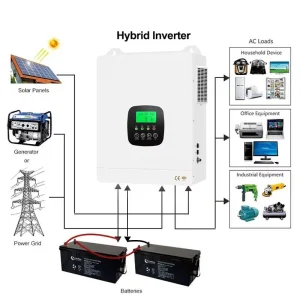
Solution: Parallelable 60A/100A controllers connected with CAN Bus protocols to hybrid inverters. This provides automated generator start-up backup when PV arrays fall below operational minimums.
How next-generation charge control systems are evolving to integrate AI and new battery chemistries.
Integrating local weather forecasts via IoT protocols to pre-configure daily charging curves and battery discharge limits.
Transitioning home and commercial arrays from 150V to 500V/800V PV inputs, reducing copper cable losses and system component costs.
Implementation of decentralized mesh networking to let local power grids balance loads cooperatively without centralized control panels.
Developing charging profiles specifically configured for Sodium-ion cells, which are increasingly adopted in cost-sensitive markets.
Navigating global grid and safety certifications is essential for scale utility, municipal, and commercial off-grid contracts. Our controllers are built and verified to international safety, environmental, and performance standards.
We provide comprehensive technical support, system modeling data (including PVsyst layouts), and customizable firmware configuration options to ensure compatibility with localized grid standards and storage arrays.
Qingdao Luzz Solar Co., Ltd. is a professional new energy enterprise specializing in the development, manufacturing, and global distribution of photovoltaic (PV) products and integrated energy storage solutions. Located in Qingdao, China, the company benefits from a well-established renewable energy industrial base and advanced manufacturing capabilities.
With the accelerating global transition toward carbon neutrality and sustainable development, Luzz Solar is committed to providing efficient, reliable, and cost-effective clean energy solutions to customers worldwide. Our product portfolio includes high-efficiency solar photovoltaic modules, energy storage systems, and integrated solar application solutions designed for residential, commercial, and utility-scale projects.
Driven by technological innovation and quality excellence, the company continuously invests in R&D and production optimization to improve product performance, energy conversion efficiency, and system reliability. We strictly adhere to international quality standards and implement rigorous quality control throughout the entire production process to ensure stable and long-term product performance.
Qingdao Luzz Solar actively expands its global market presence, with business coverage across Asia, Europe, the Middle East, Africa, and Latin America. By working closely with international partners, we are committed to delivering tailored energy solutions that meet diverse regional needs and support the global energy transition.
Guided by the core values of integrity, innovation, cooperation, and sustainability, Luzz Solar strives to become a trusted global partner in the new energy industry. We are dedicated to advancing solar technology and contributing to a greener, more sustainable future.
Get answers to critical engineering, installation, and procurement questions regarding MPPT solar charge controllers.
An MPPT (Maximum Power Point Tracking) controller actively monitors the voltage and current output of your solar panels in real-time, matching it to the optimal electrical load profile. It operates as an adjustable DC-to-DC converter to lower panel voltage to battery charging voltage while boosting current. PWM (Pulse Width Modulation), on the other hand, operates as a simple switch connecting panels directly to the battery, pulling panel voltages down to match the battery voltage, which results in power loss of up to 15-30%.
Higher Maximum PV open-circuit voltage (Voc) allows you to wire multiple solar panels in series rather than parallel. Running panels in series increases system voltage while keeping amperage low, which minimizes power loss across wire runs and reduces cable costs. It also ensures the solar array starts charging the batteries earlier in the morning and continues later into the evening, when panel voltages are lower due to reduced solar irradiance.
Yes. Modern controllers feature configurable battery type presets (including LiFePO4, Gel, Sealed Lead Acid, and Flooded). LiFePO4 configurations typically disable float charging and temperature compensation to protect the lithium cells. Users can customize absorption, overvoltage disconnection, and low-voltage recovery parameters through digital interfaces to match the recommendations of their battery manufacturer.
Most high-power controllers (40A and above) feature anodized aluminum heat sinks. Depending on the design, they may use passive convection cooling or temperature-controlled smart cooling fans. Integrated software protections monitor the temperature of internal components. If temperatures exceed 65°C, the controller will automatically reduce its output power. If the temperature reaches 80°C, charging will stop entirely until the system cools down.
Explore high-capacity controllers and system integrations suitable for telecom power systems, mini-grids, and residential energy storage.
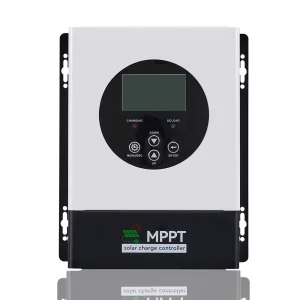
 Luzz Solar