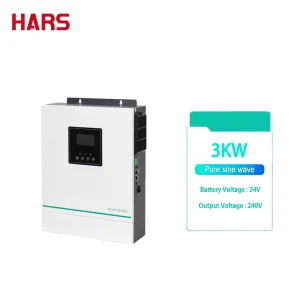
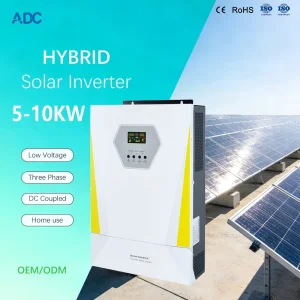
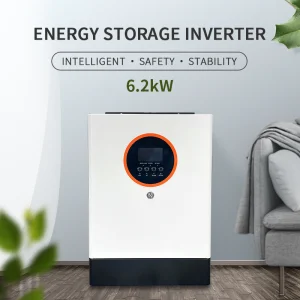
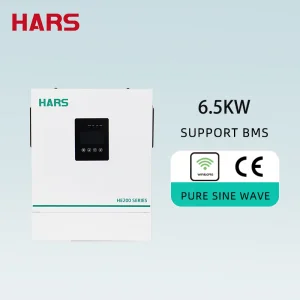
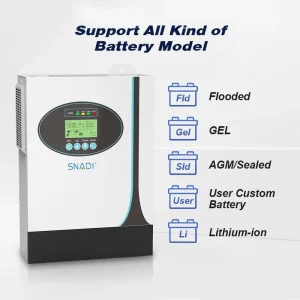
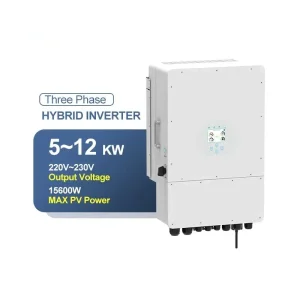
Explore our industrial and residential grade hybrid storage converters deployed globally
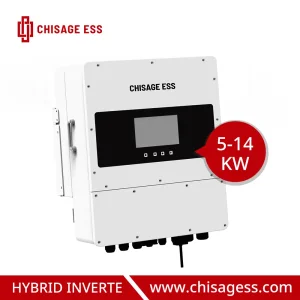
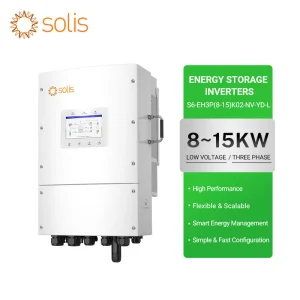
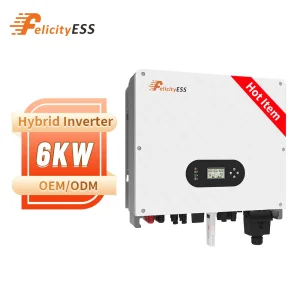
The transition toward carbon neutrality has moved beyond a regulatory compliance exercise to become a core strategic pillar for Commercial & Industrial (C&I) sectors worldwide. Hybrid solar inverters, by acting as the foundational gateway between photovoltaic generation, local storage media, and utility grids, now play a critical role. Over the past five years, utility rate structures have shifted drastically, resulting in peak-shaving, time-of-use (ToU) arbitrage, and grid participation mechanisms becoming vital to corporate energy management.
Globally, commercial enterprises face severe challenges including localized grid congestion, high demand charges, and intermittent outages. In modern distributed energy networks, hybrid solar inverters serve as local energy dispatchers. In Europe, escalating dynamic tariffs drive businesses to deploy multi-megawatt systems to maximize self-consumption. In developing markets across the Middle East and Africa, they function as primary power stabilizers, replacing diesel dependency with stable solar-plus-storage topologies. Understanding these system requirements enables engineering teams to design installations that lower Levelized Cost of Storage (LCOS) and maximize long-term savings.
By coordinating bi-directional energy conversion, modern systems minimize the depth-of-discharge degradation on battery systems. Selecting the correct conversion hardware allows operators to protect cells while meeting peak load shifts. This systematic balance between battery health and dynamic tariff optimization provides significant financial yields across 10 to 15-year facility lifespans.
A trusted global supplier specializing in the research, engineering, and manufacturing of solar technology solutions.
Qingdao Luzz Solar Co., Ltd. is a professional new energy enterprise specializing in the development, manufacturing, and global distribution of photovoltaic (PV) products and integrated energy storage solutions. Located in Qingdao, China, the company benefits from a well-established renewable energy industrial base and advanced manufacturing capabilities.
With the accelerating global transition toward carbon neutrality and sustainable development, Luzz Solar is committed to providing efficient, reliable, and cost-effective clean energy solutions to customers worldwide. Our product portfolio includes high-efficiency solar photovoltaic modules, energy storage systems, and integrated solar application solutions designed for residential, commercial, and utility-scale projects.
Driven by technological innovation and quality excellence, the company continuously invests in R&D and production optimization to improve product performance, energy conversion efficiency, and system reliability. We strictly adhere to international quality standards and implement rigorous quality control throughout the entire production process to ensure stable and long-term product performance.
Qingdao Luzz Solar actively expands its global market presence, with business coverage across Asia, Europe, the Middle East, Africa, and Latin America. By working closely with international partners, we are committed to delivering tailored energy solutions that meet diverse regional needs and support the global energy transition.
Guided by the core values of integrity, innovation, cooperation, and sustainability, Luzz Solar strives to become a trusted global partner in the new energy industry. We are dedicated to advancing solar technology and contributing to a greener, more sustainable future.
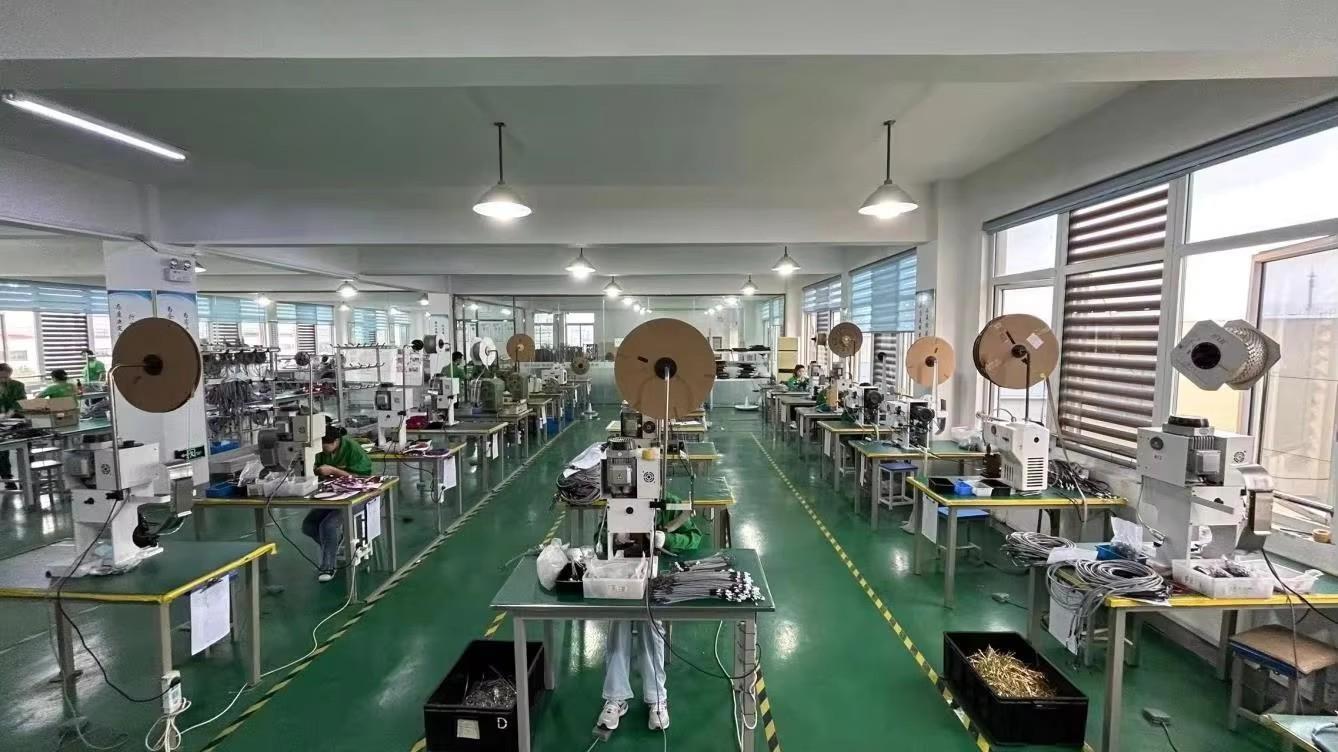
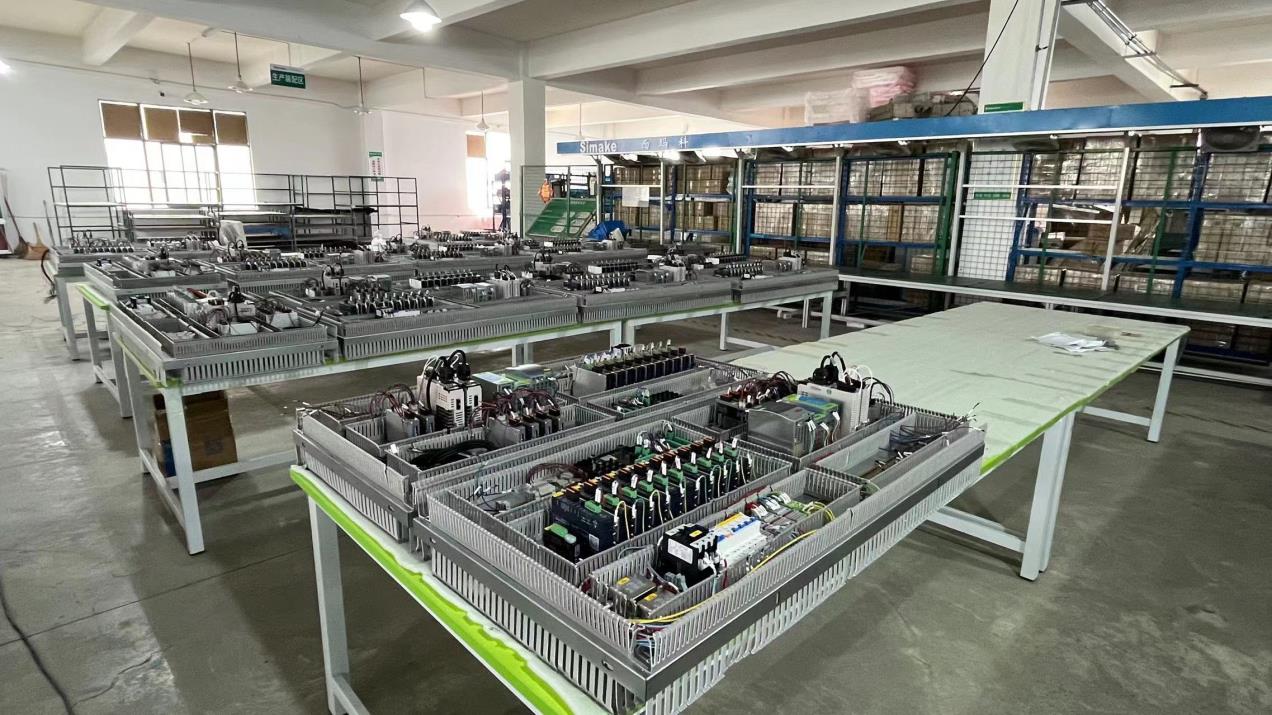
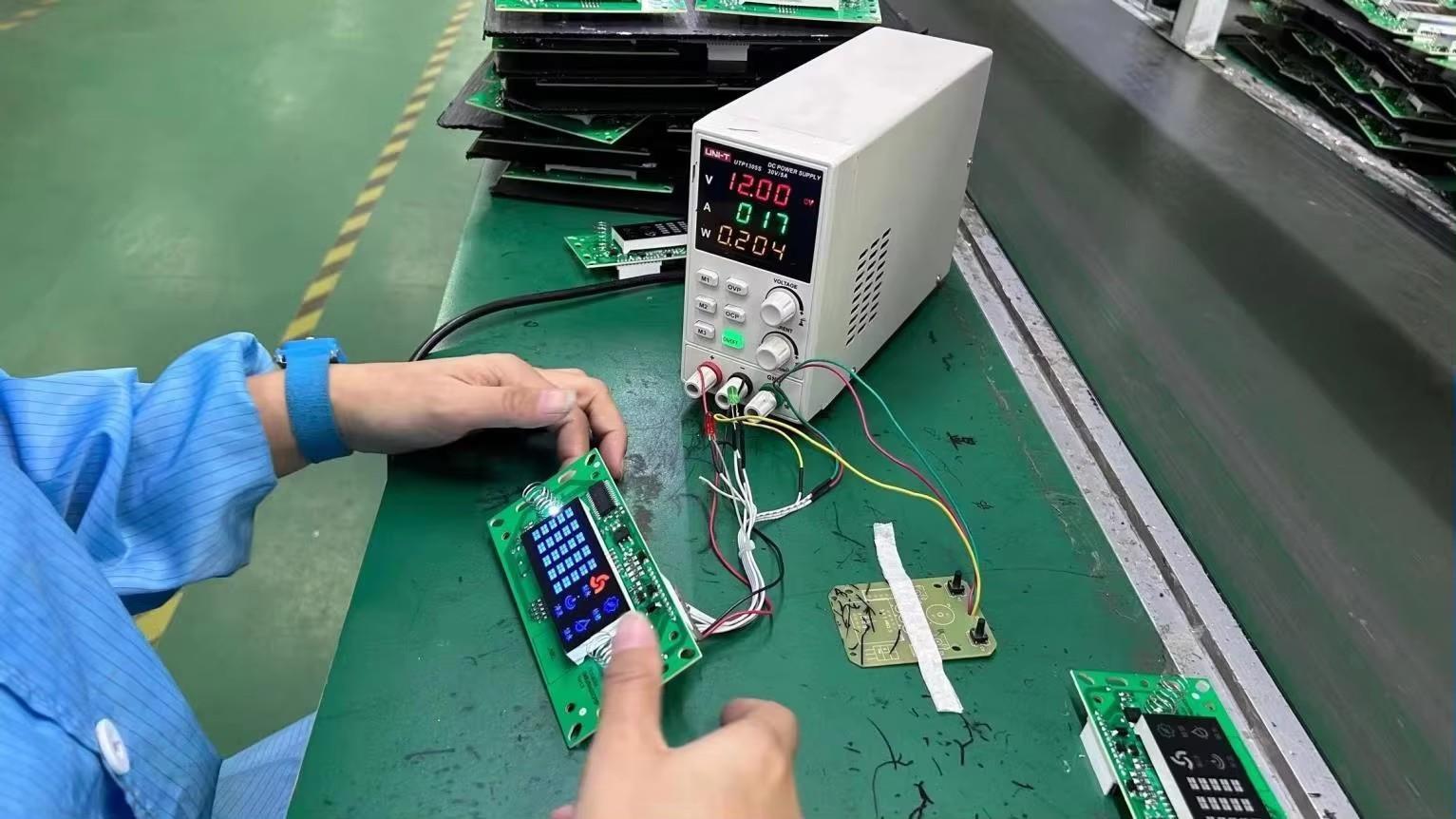
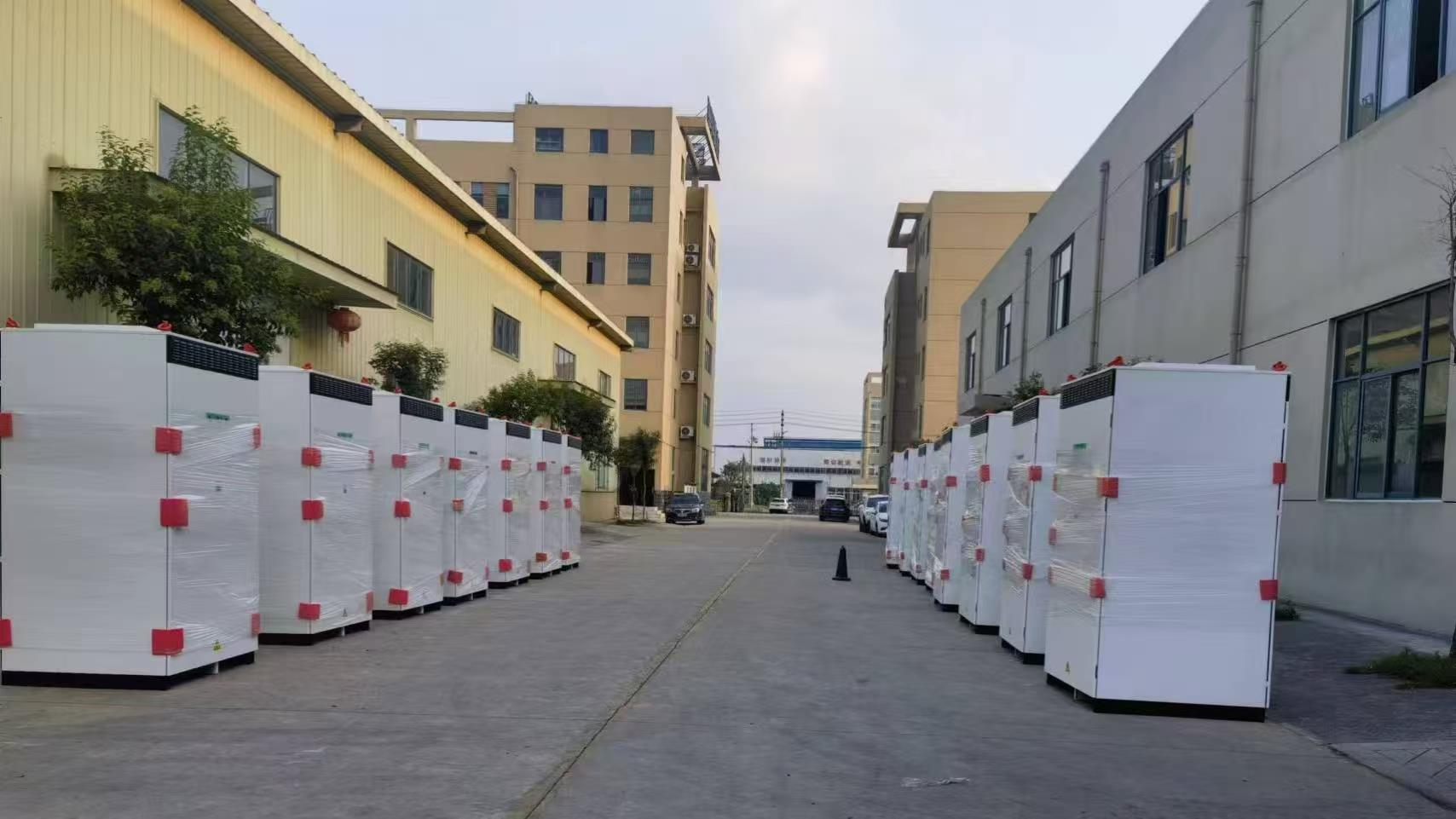
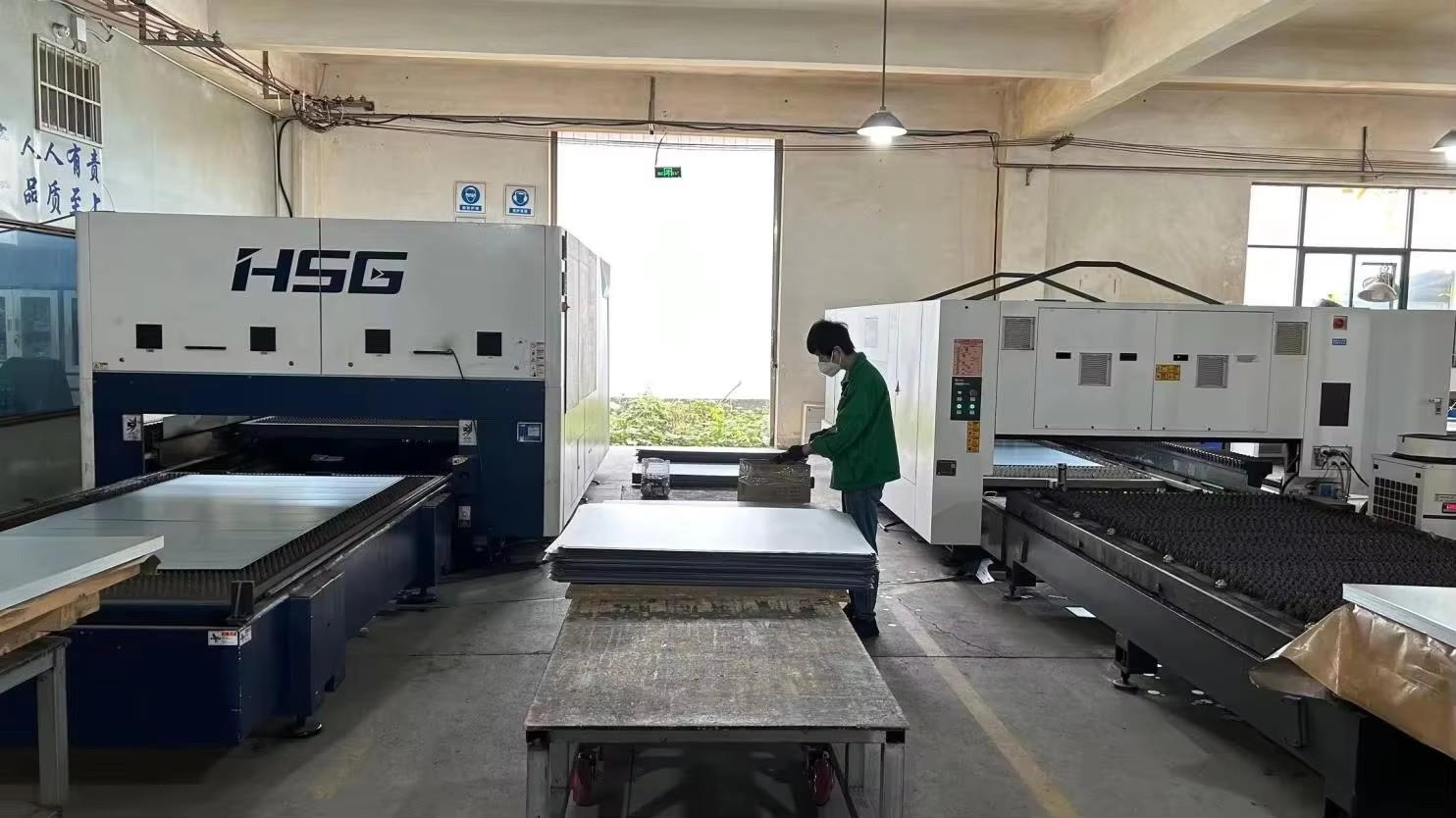
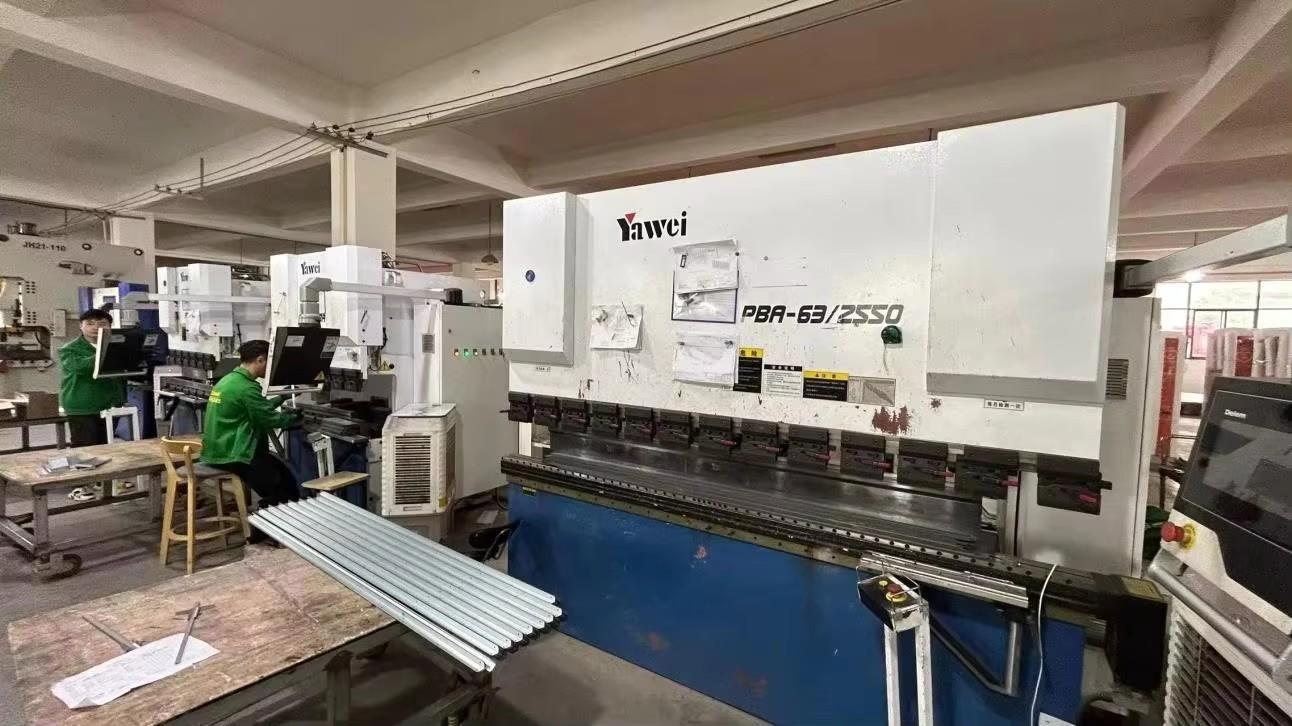
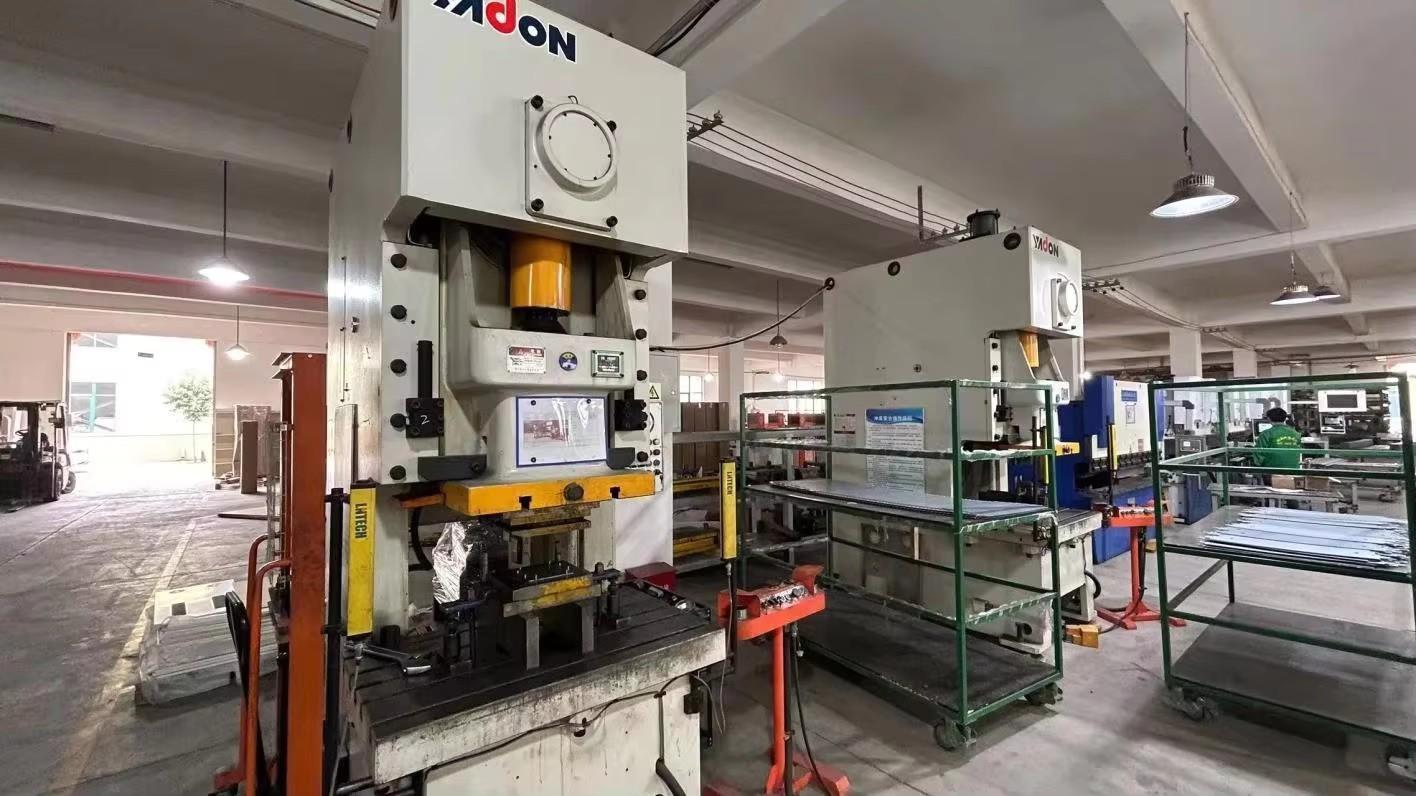
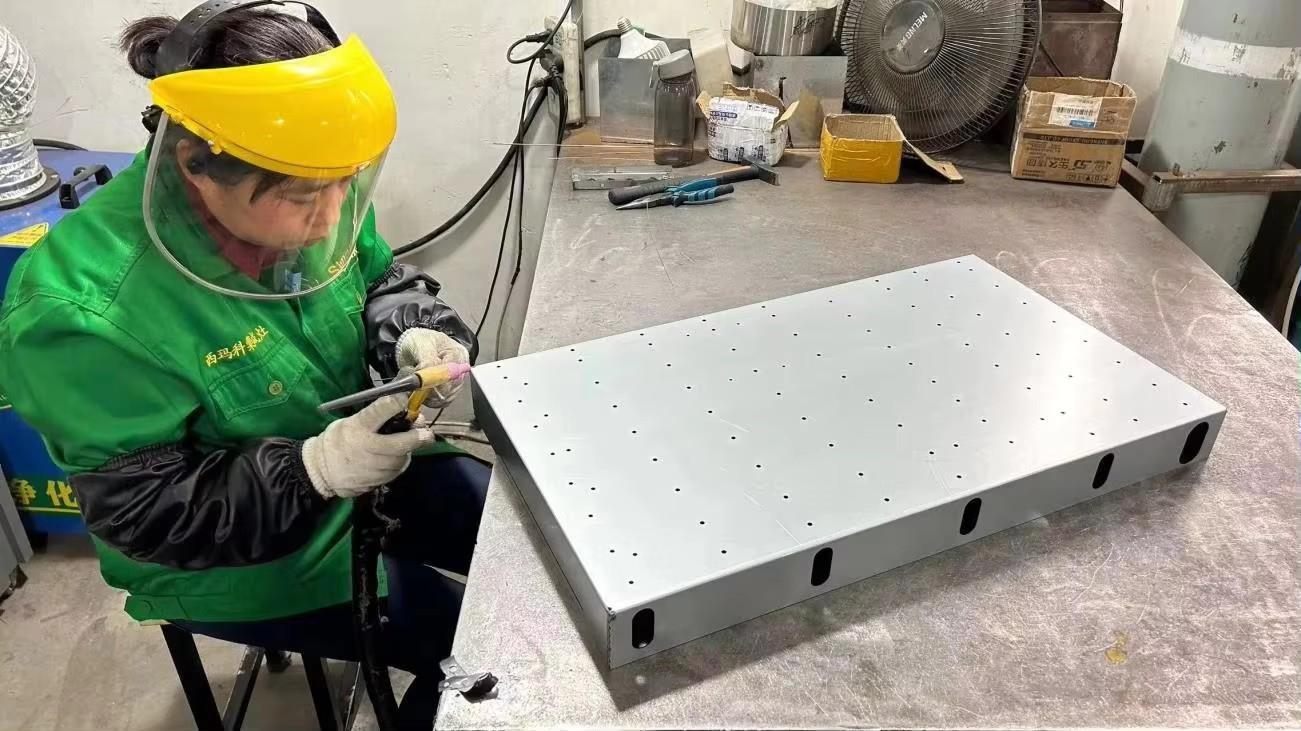
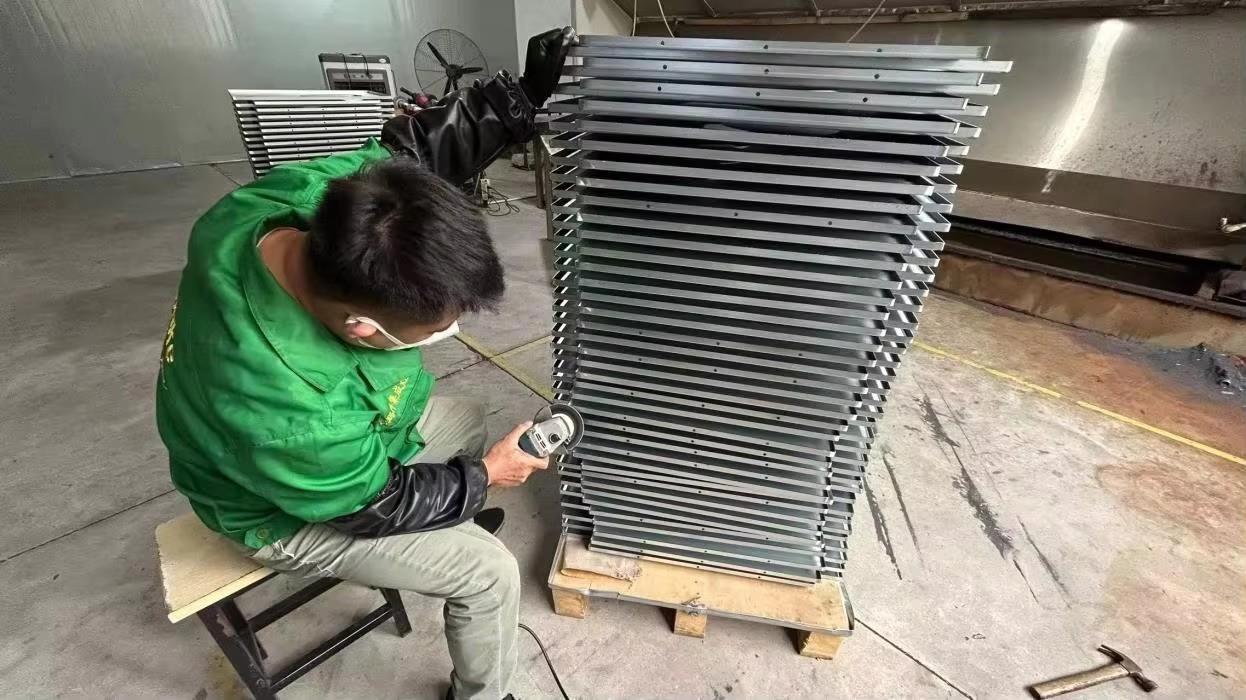
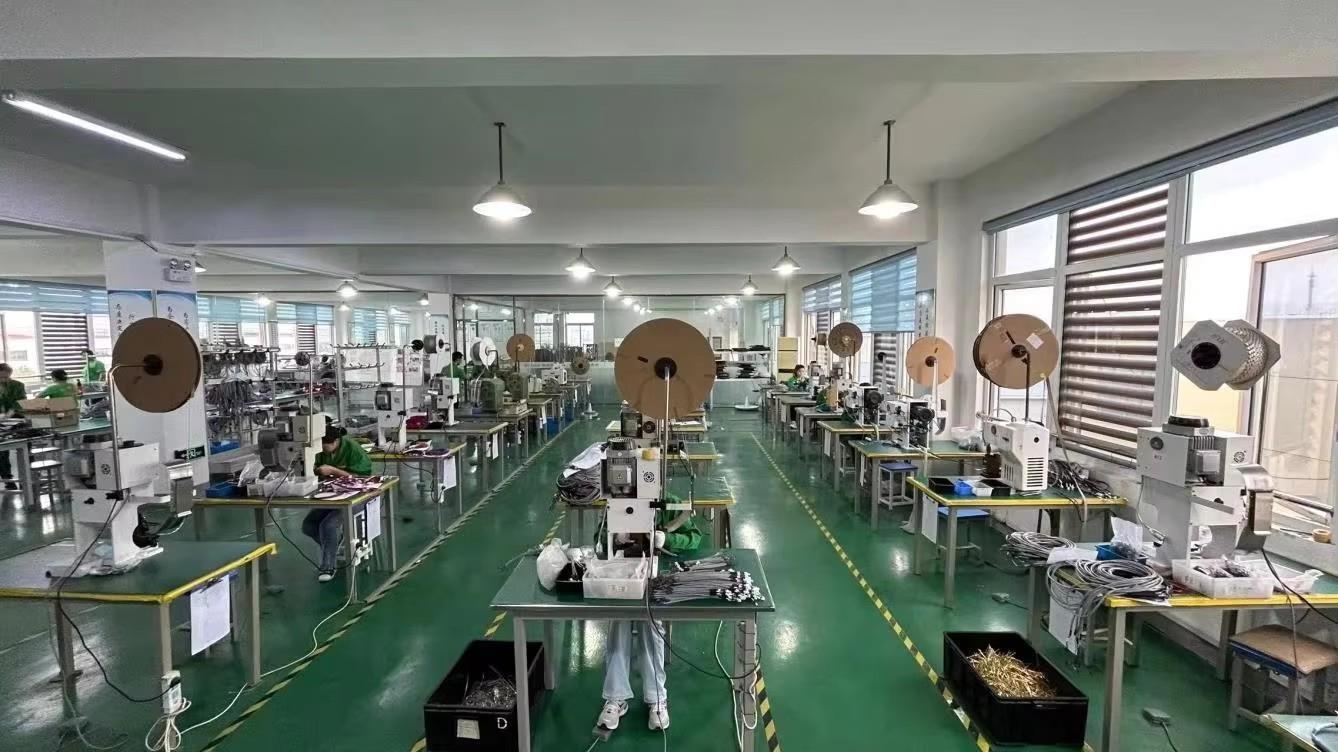
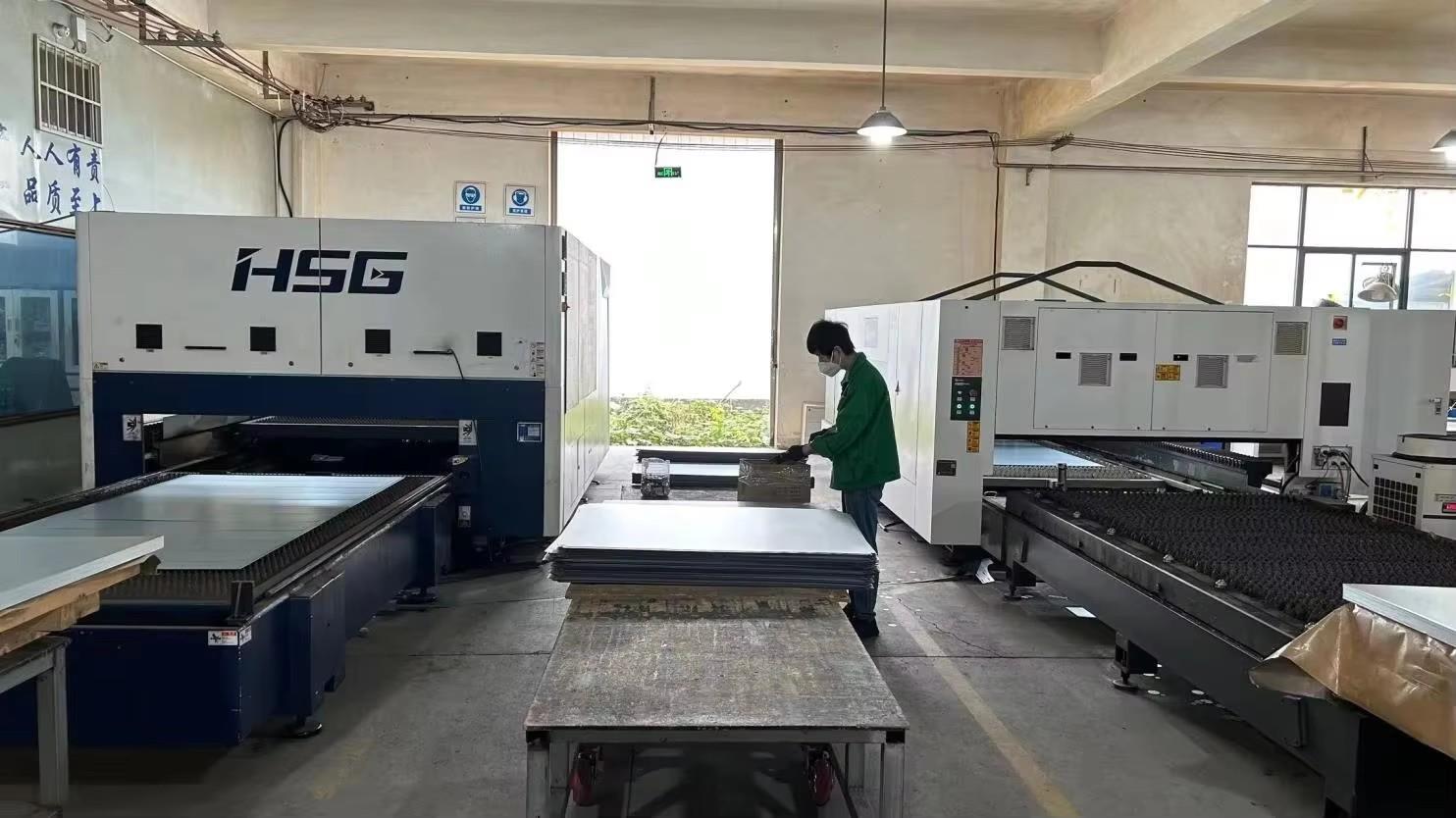
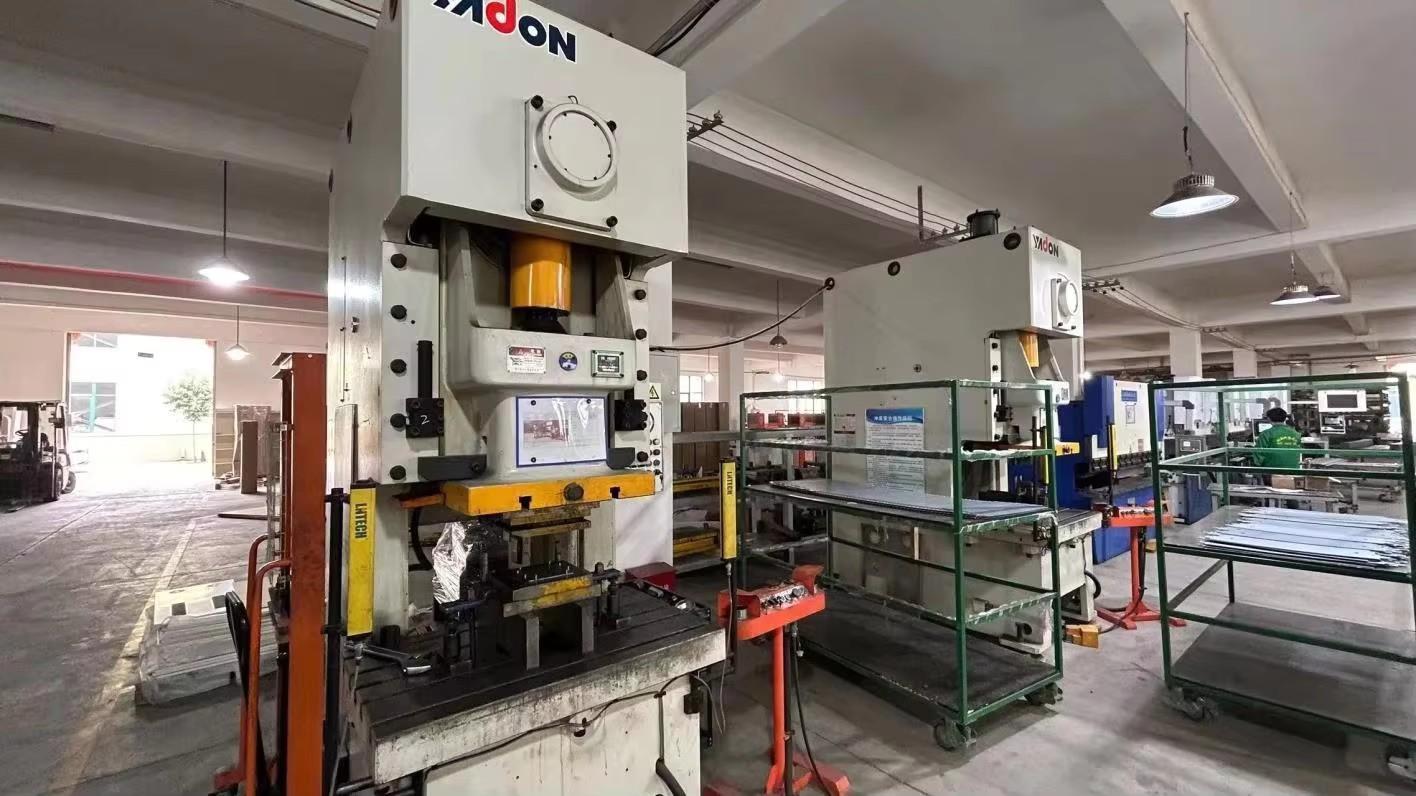
Proximity to lithium battery manufacturing hubs and semiconductor testing facilities ensures rapid hardware iterations. Our integration engineers work alongside component developers to deploy the latest in wide-bandgap SiC transistors, minimizing power losses and cooling requirements across heavy industrial duty cycles.
China's dominance in clean energy manufacturing is not simply a product of scale, but of highly concentrated supply chain ecosystems. Within regions like Shandong, Jiangsu, and Guangdong, factories operate within a specialized industrial matrix. Inverter manufacturers benefit from localized access to high-frequency copper inductors, specialized sheet metal stamping, multi-layer printed circuit boards, and integrated testing facilities. This proximity minimizes raw material transit, simplifies quality control, and dramatically compresses overall research and development cycles.
This concentrated ecosystem translates to direct advantages for global distributors and system developers. Custom configurations—such as shifting from standard 48V low-voltage architecture to advanced high-voltage systems, or tailoring communication interfaces for regional microgrids—can be prototyped, tested, and certified far faster than in isolated manufacturing hubs. In addition, deep automation ensures that performance characteristics remain consistent across large production batches, providing global partners with predictable, high-performing grid infrastructure.
How our hybrid energy conversion topologies adapt to challenging industrial and residential environments.
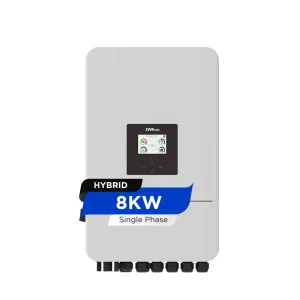
Designed for residential installations, these systems prioritize near-silent operation, compact wall-mounted profiles, and intuitive configuration. Featuring rapid dual MPPT trackers, they handle complex, shaded roofs to deliver stable, clean output, maximizing energy self-sufficiency and ensuring seamless backup transition during grid disturbances.
For C&I facilities, high-capacity systems mitigate expensive peak demand charges. By storing energy during low-tariff hours and discharging during peak operational windows, these high-current units flatten demand spikes and protect facilities from costly regional utility utility surcharges.
In rural and island configurations, hybrid converters form autonomous local grids. Designed to synchronize with external diesel generators, battery banks, and solar arrays, they manage load balancing, regulate system voltage, and provide reliable primary power for remote infrastructure.
Procuring commercial-grade solar power conversion hardware requires rigorous technical evaluation. B2B buyers, EPC contractors, and project developers must look beyond simple capacity ratings to analyze core engineering metrics that affect return on investment. Essential criteria include the maximum DC input voltage, MPPT operational voltage ranges, and current capacity per string, which dictate the flexibility of module strings and ease of installation.
Furthermore, thermal performance is a critical factor for long-term reliability. Look for advanced cooling topologies—natural convection heat dissipation for smaller modules to reduce failure points, and smart fan cooling systems for high-power units. Environmental sealing, such as an IP65 or IP66 rating, ensures performance in dust and high-humidity climates. Buyers must also verify compliance with international standards (such as IEC 62109, UL 1741, CE, and AS4777), ensuring the equipment is approved for utility grid interconnection and meets local electrical safety regulations.
"When comparing solutions, check the battery voltage range compatibility. Low-voltage (48V) systems offer cost-effective scaling for smaller sites, while high-voltage (HV) systems (typically 150V to 800V) deliver higher round-trip efficiency, reduced cable losses, and are ideal for large commercial arrays."
The next generation of grid integration will define the future of industrial power conversion.
Next-generation systems are shifting from grid-following models to advanced grid-forming technology. Rather than merely synchronizing with the grid, these inverters can establish voltage and frequency baselines, enabling isolated microgrids to run smoothly during utility outages.
Modern commercial platforms rely on AI-driven EMS. By analyzing weather forecasts, historical load patterns, and real-time utility rates, the smart inverter determines when to charge, discharge, or export power, optimizing overall system economics.
Equipped with fast communication interfaces, modern hybrid fleets can be grouped into virtual power plants. This aggregation allows operators to participate in frequency regulation and grid balancing markets, turning commercial storage into an active revenue source.
Essential design, integration, and operational questions answered by our engineering department.
Browse our robust off-grid and three-phase models designed for deep cycling and harsh environmental conditions
 Luzz Solar