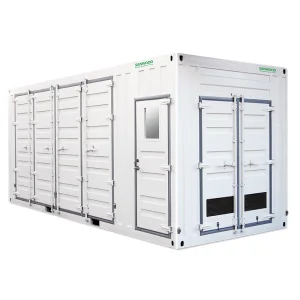
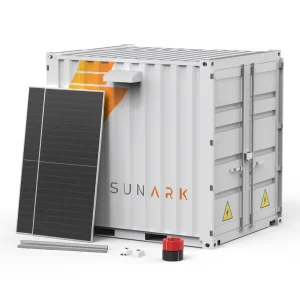
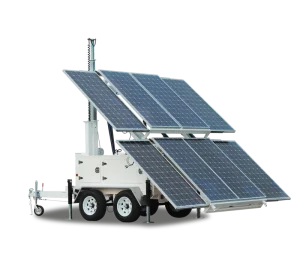
Premium grid-scale, commercial, and industrial containerized units manufactured to stringent global standards
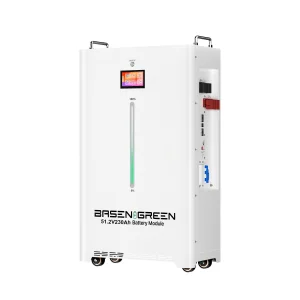
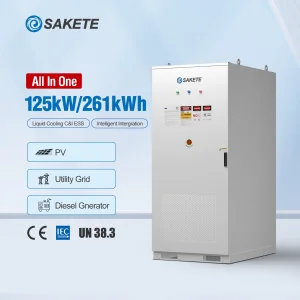
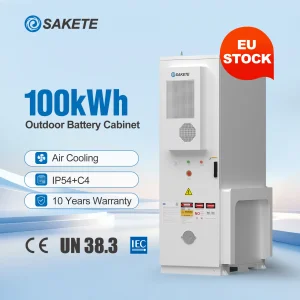
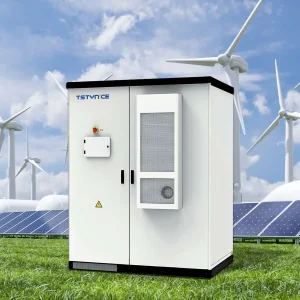
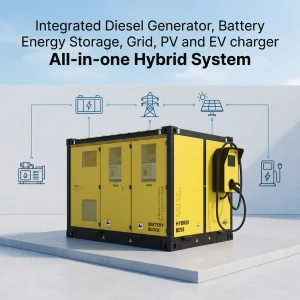
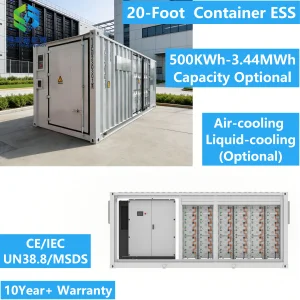
The integration of global power grids with intermittent renewable energy sources, notably solar photovoltaic and wind energy, has catalyzed an urgent need for large-scale energy storage technology. Containerized Battery Energy Storage Systems (BESS) represent the zenith of this technology, shifting energy from a volatile, real-time commodity to a dispatchable asset.
For grid operators, utility managers, and heavy industrial facilities, implementing a containerized ESS is no longer a pilot project; it is the cornerstone of technical viability and economic survivability. The contemporary BESS container utilizes advanced Lithium Iron Phosphate (LFP / LiFePO4) chemistry, providing safe, high-density energy containment configurations that interface with advanced power conversion technology (PCS) and energy management controllers.
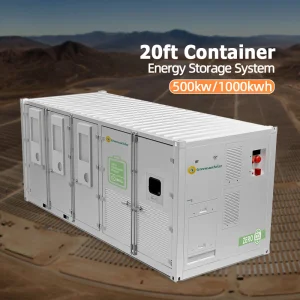
"By encapsulating the cells, thermal management fluid lines, multi-level fire suppression systems, power electronics, and auxiliary monitoring networks within standard ISO container parameters (10ft, 20ft, or 40ft), developers drastically compress onsite EPC schedules, mitigate risks, and secure high-value grid interconnection slots."
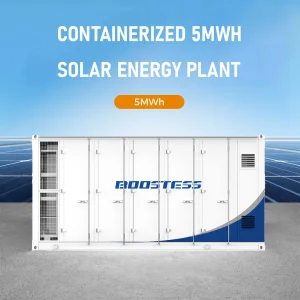
An enterprise-grade containerized ESS requires a highly orchestrated, multi-tier hardware and software stack. At the cell level, chemical performance must be optimized for temperature stability. Most high-capacity industrial storage cabinets, such as the BoostESS Power 40ft 5MWh or the Sunark 1MWh BESS, employ high-voltage architectures (up to 1500V DC) to minimize I2R copper transmission losses and increase volumetric energy density.
Thermal distribution determines both system life cycle longevity and security profile. Traditional air cooling depends on HVAC systems running internal ducting to cycle cool air across battery racks. While cost-effective for smaller commercial applications, air systems run the risk of temperature gradients up to 5°C to 8°C between the core and the periphery of the rack.
Conversely, modern systems like the 300kWh Smart Industrial Energy Storage System leverage direct-to-plate liquid cooling technology. Fluid-glycol mixtures circulate through high-conductive plates adjacent to individual cells. This stabilizes spatial gradients within ±2°C, effectively extending standard cell lifetimes by 20% to 30%, and significantly lowering the probability of thermal runaway cascades.
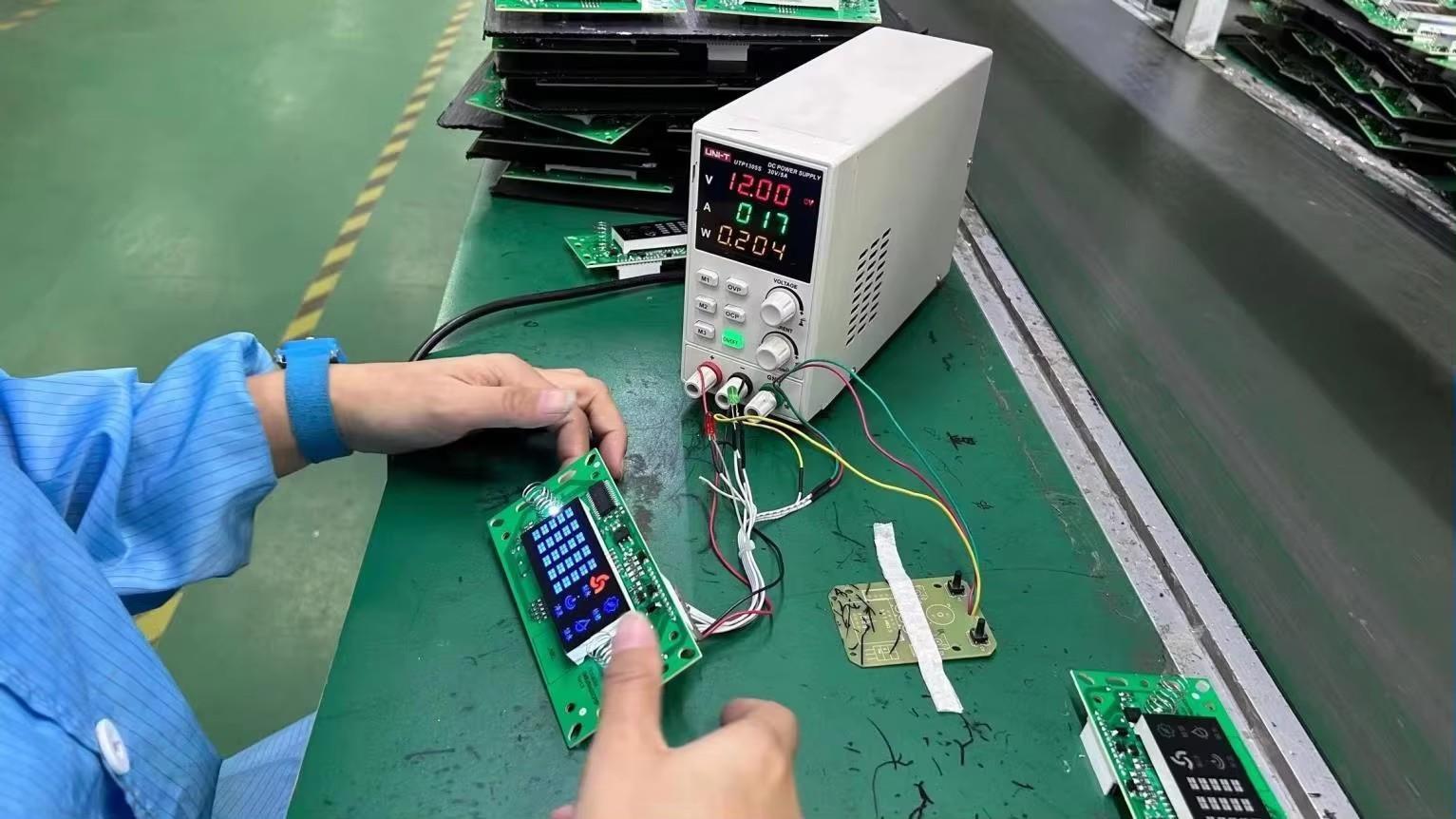
China represents the epicenter of global battery production, offering unrivaled integration from raw lithium extraction and cathode precursors refining to automated module manufacturing. This integrated chain enables manufacturers like Qingdao Luzz Solar Co., Ltd. to optimize every stage of the manufacturing stack.
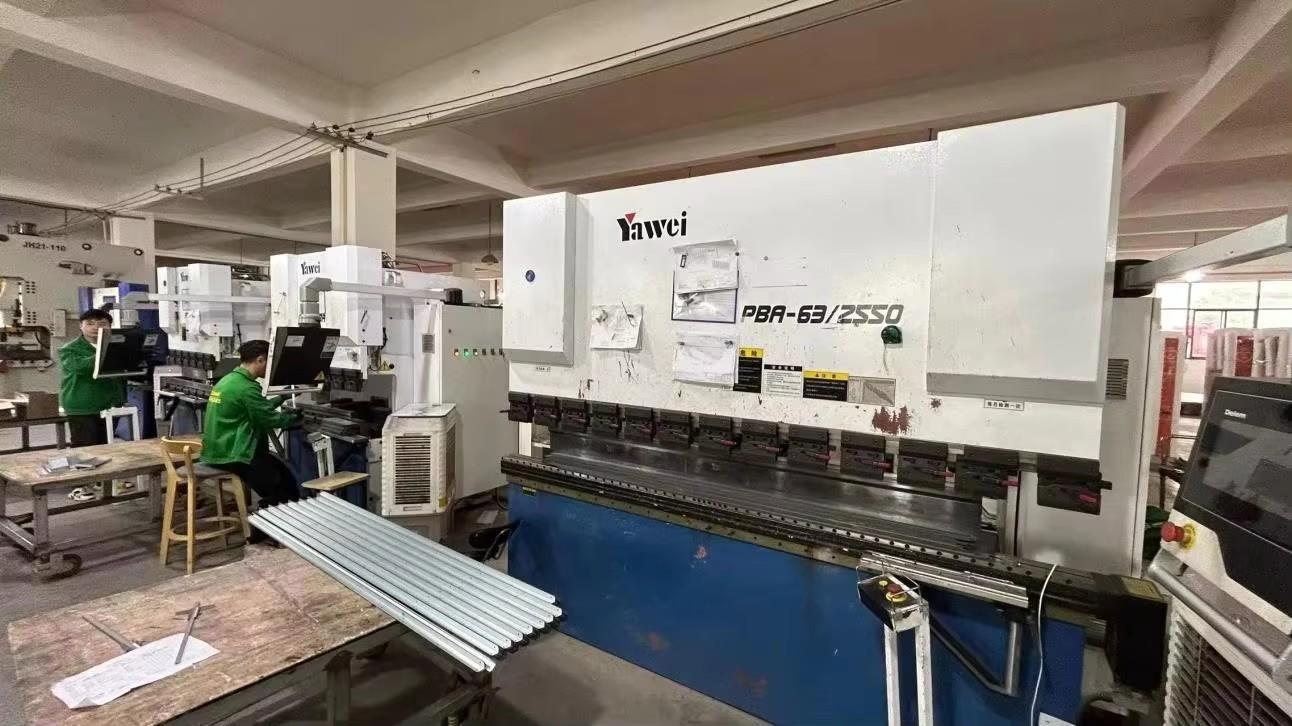
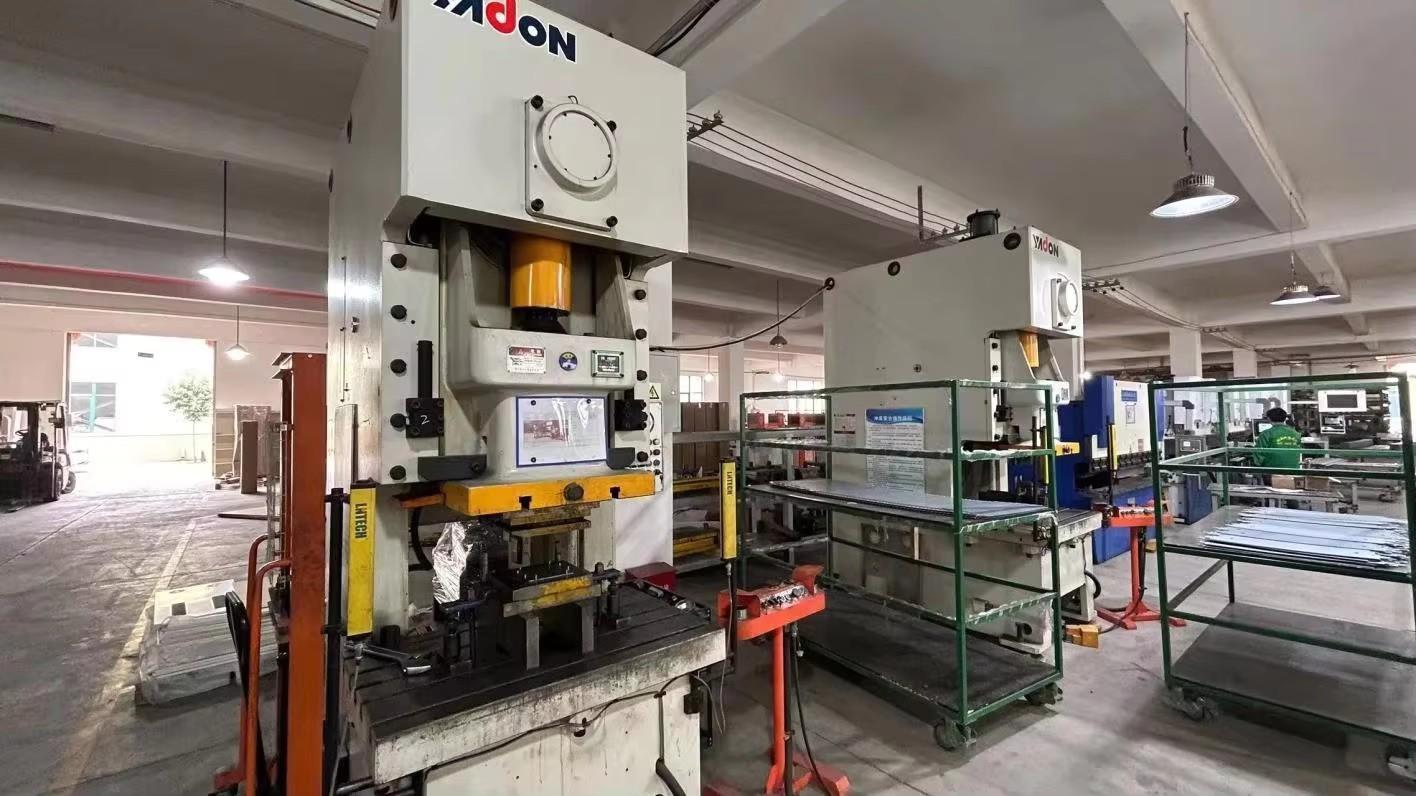
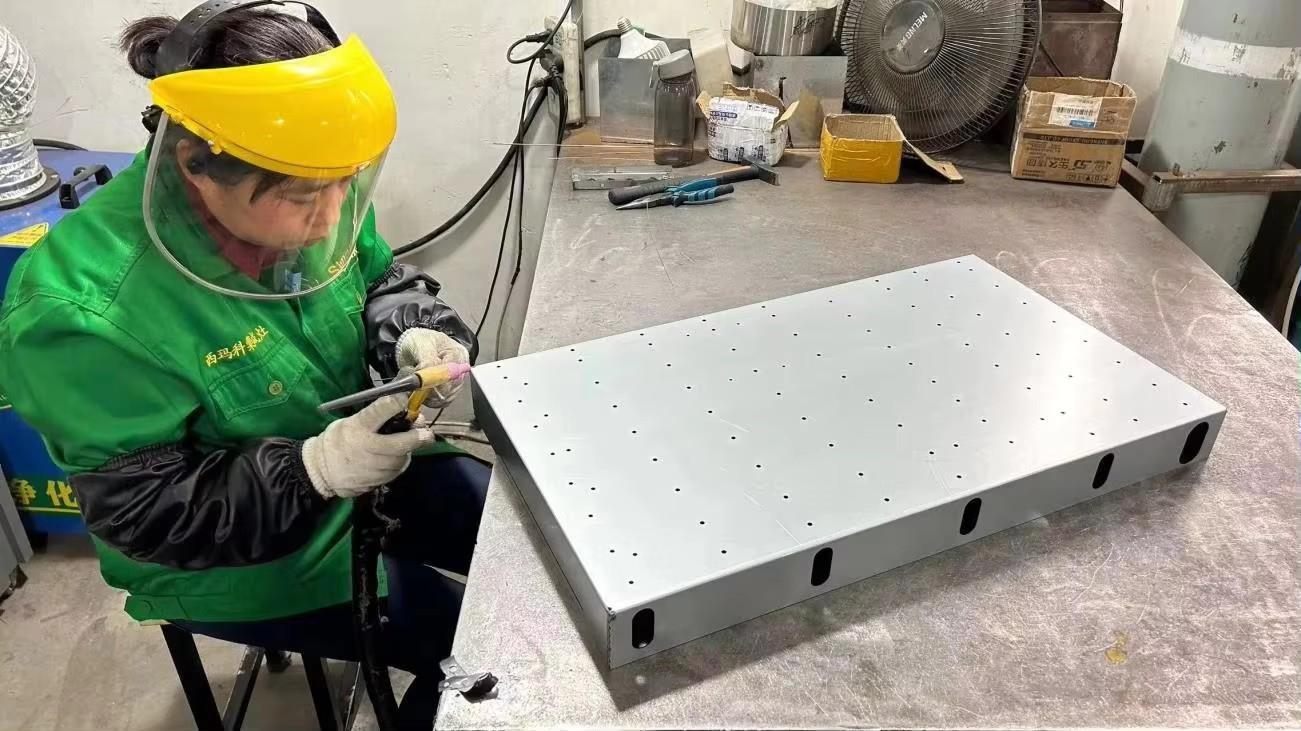
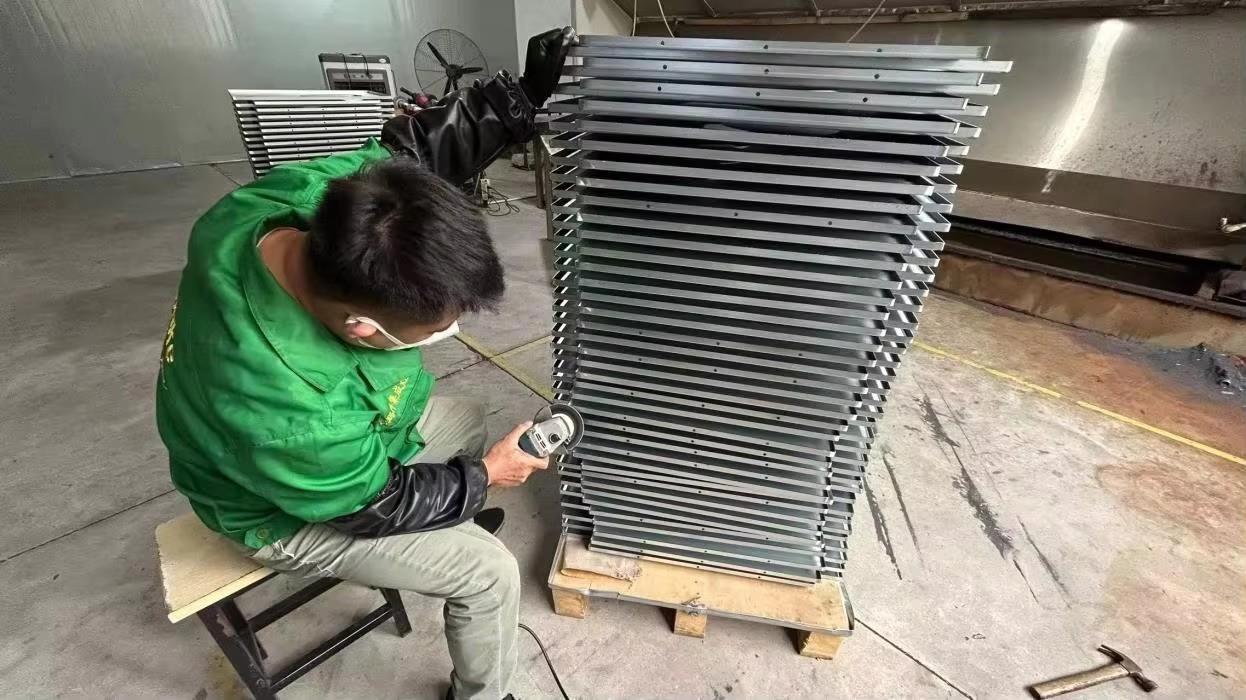
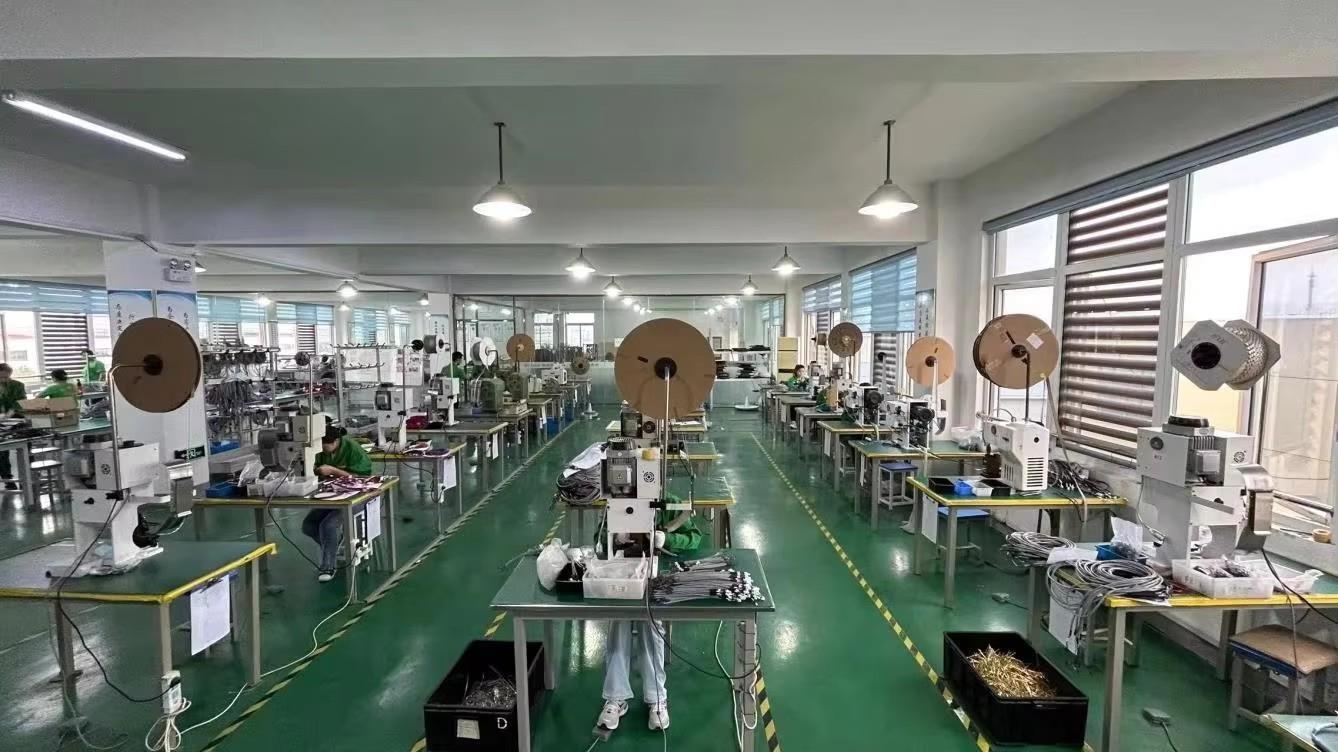
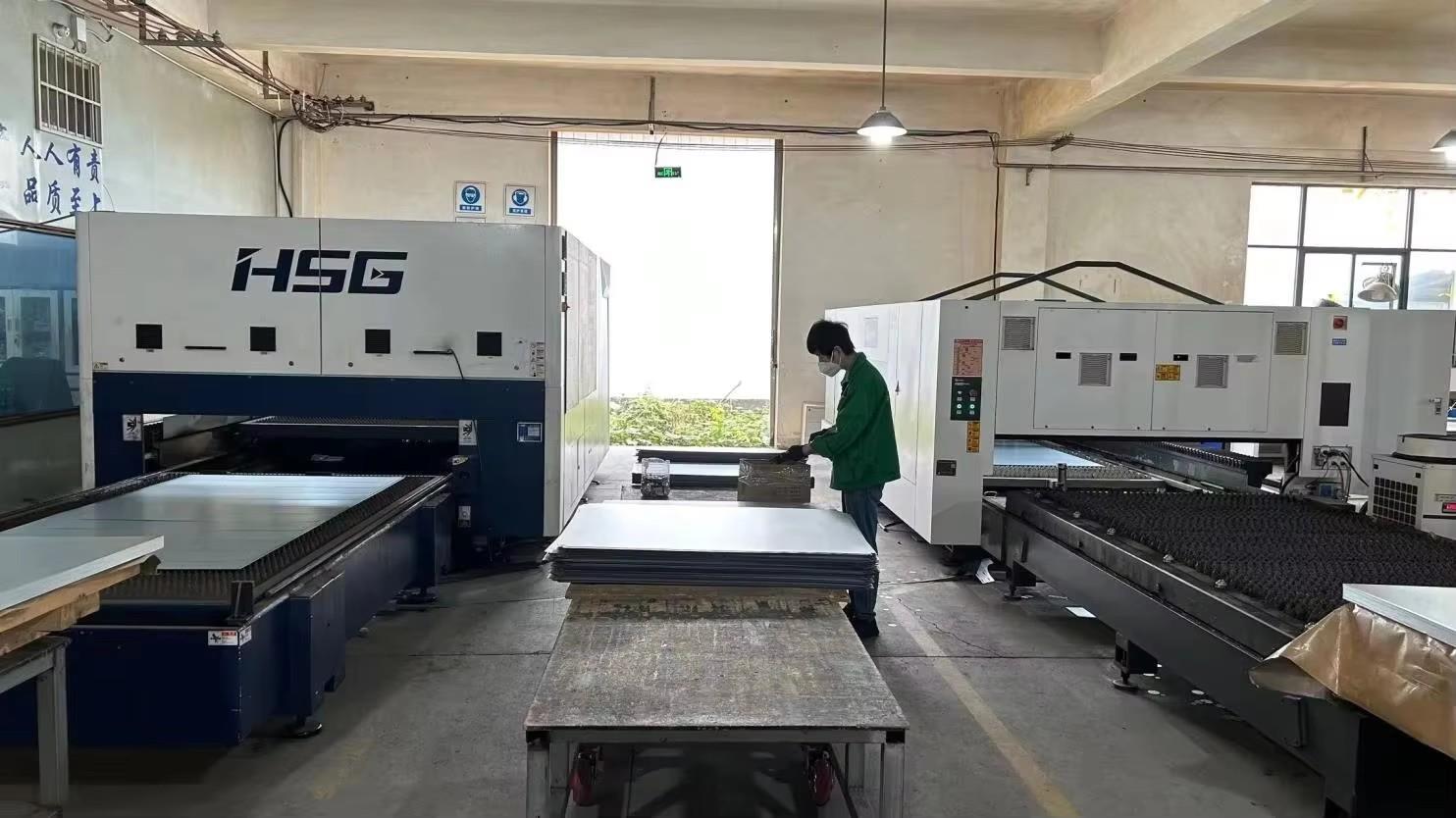
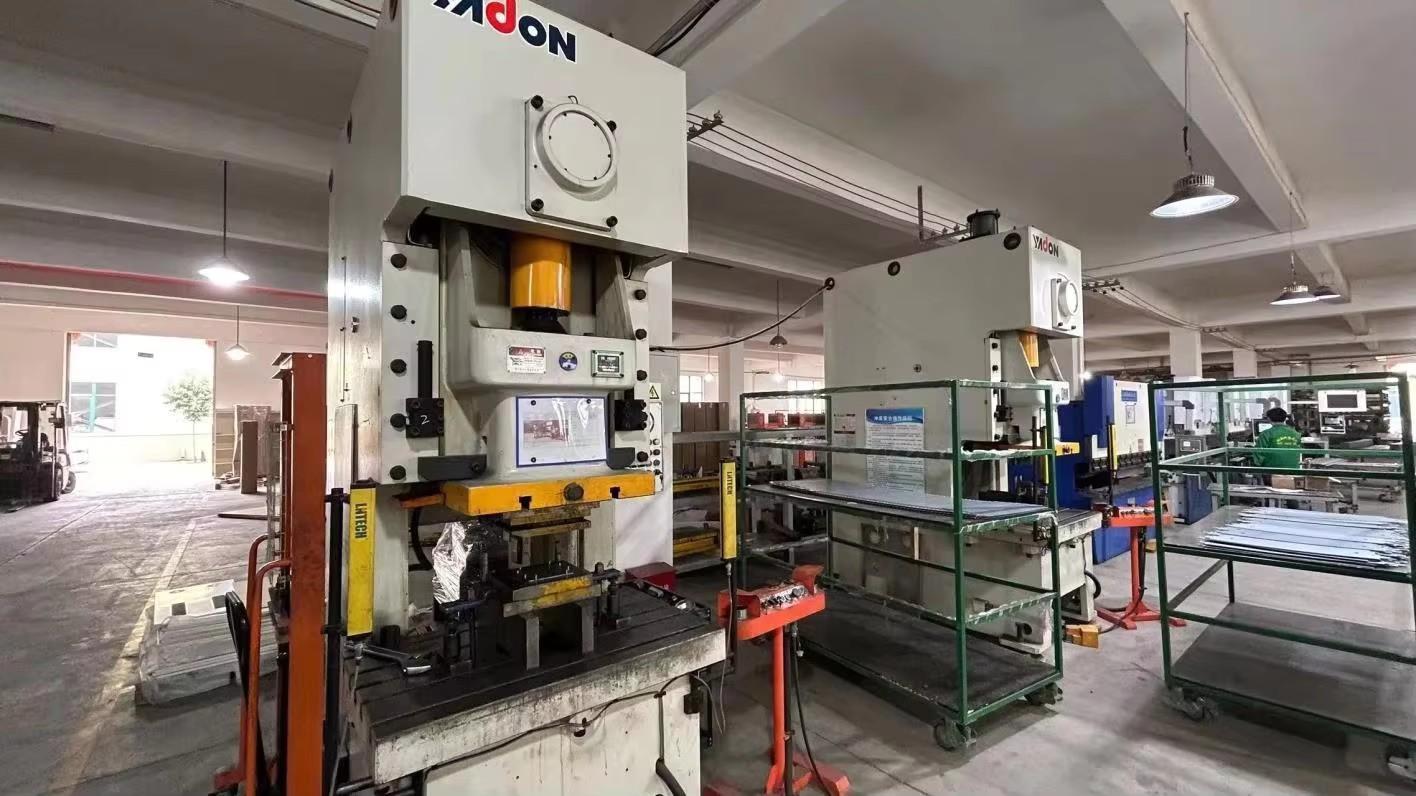
By sourcing high-grade components locally and maintaining strict internal quality gates, Chinese factories ensure rapid design iterations and consistent system validation. Under one industrial framework, sheet metal fabrication, PCB fabrication, wiring harness assembly, and cell matching work in tandem to optimize the total cost of ownership.
Every Containerized Energy Storage System exported worldwide undergoes a strictly documented industrial workflow. Below are the operational stages executed in our specialized manufacturing plant:
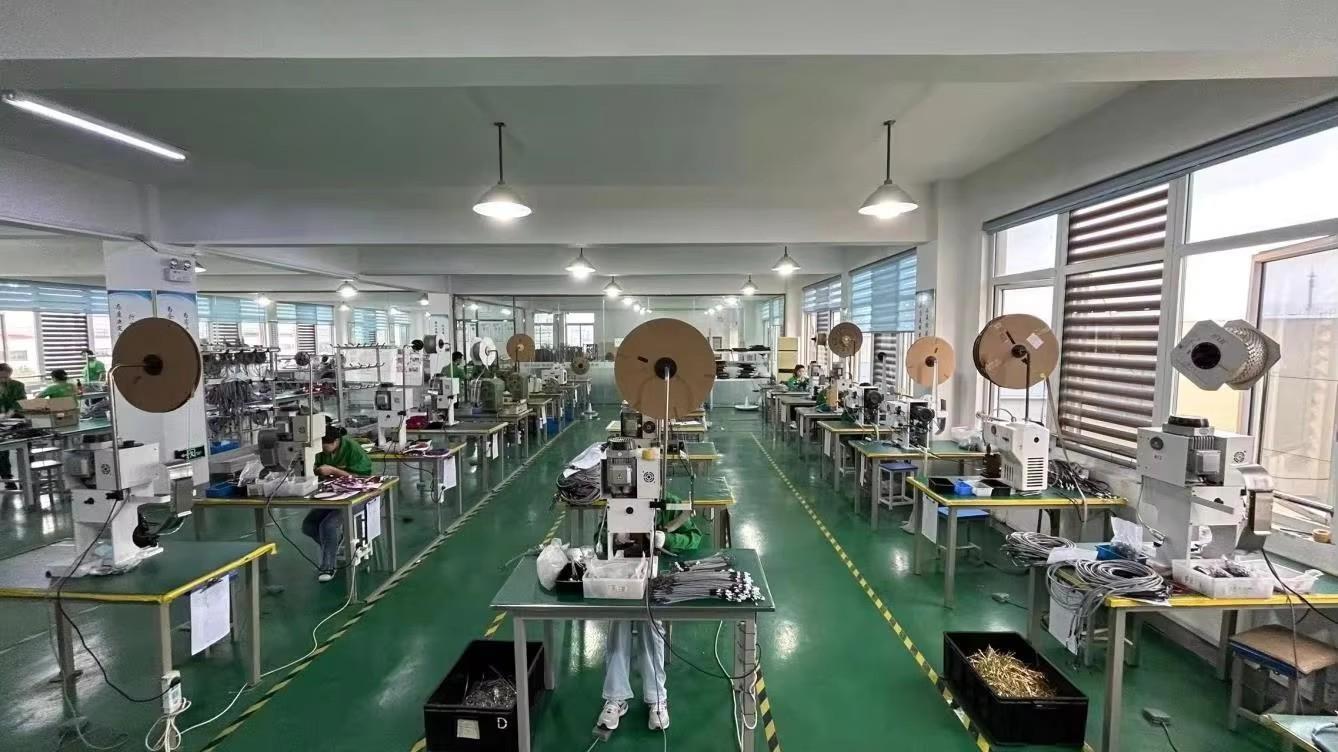
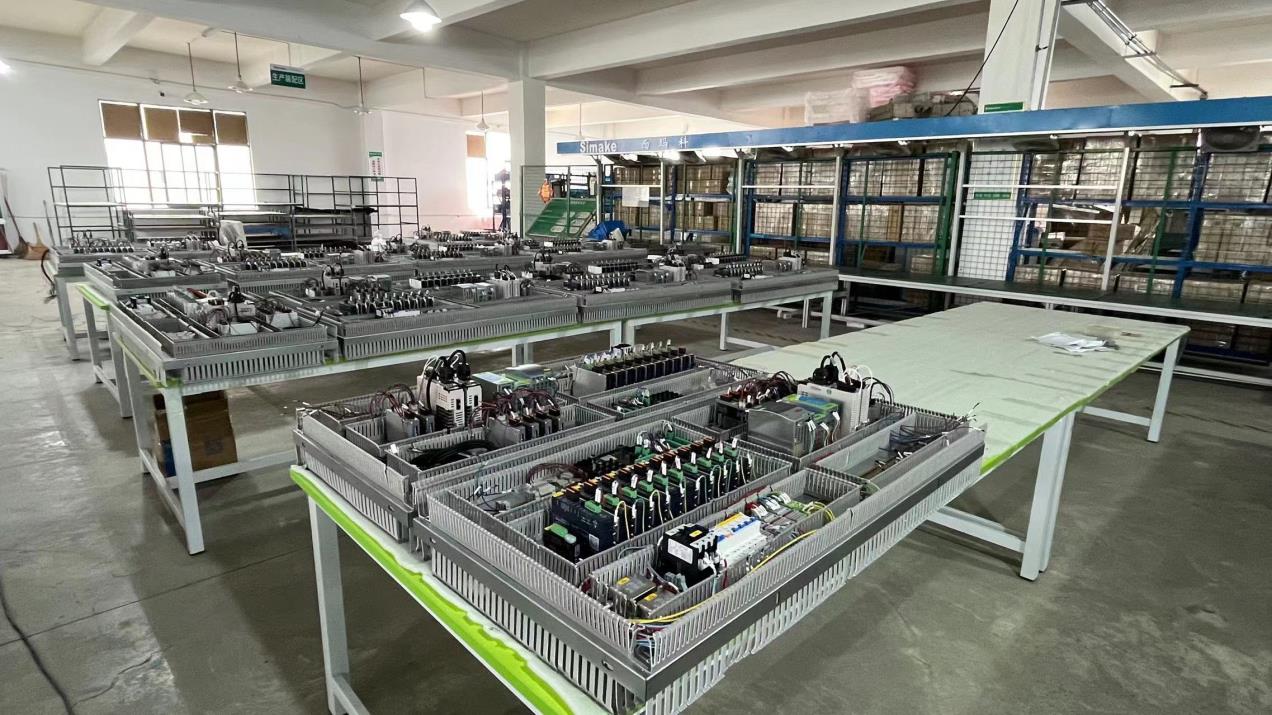
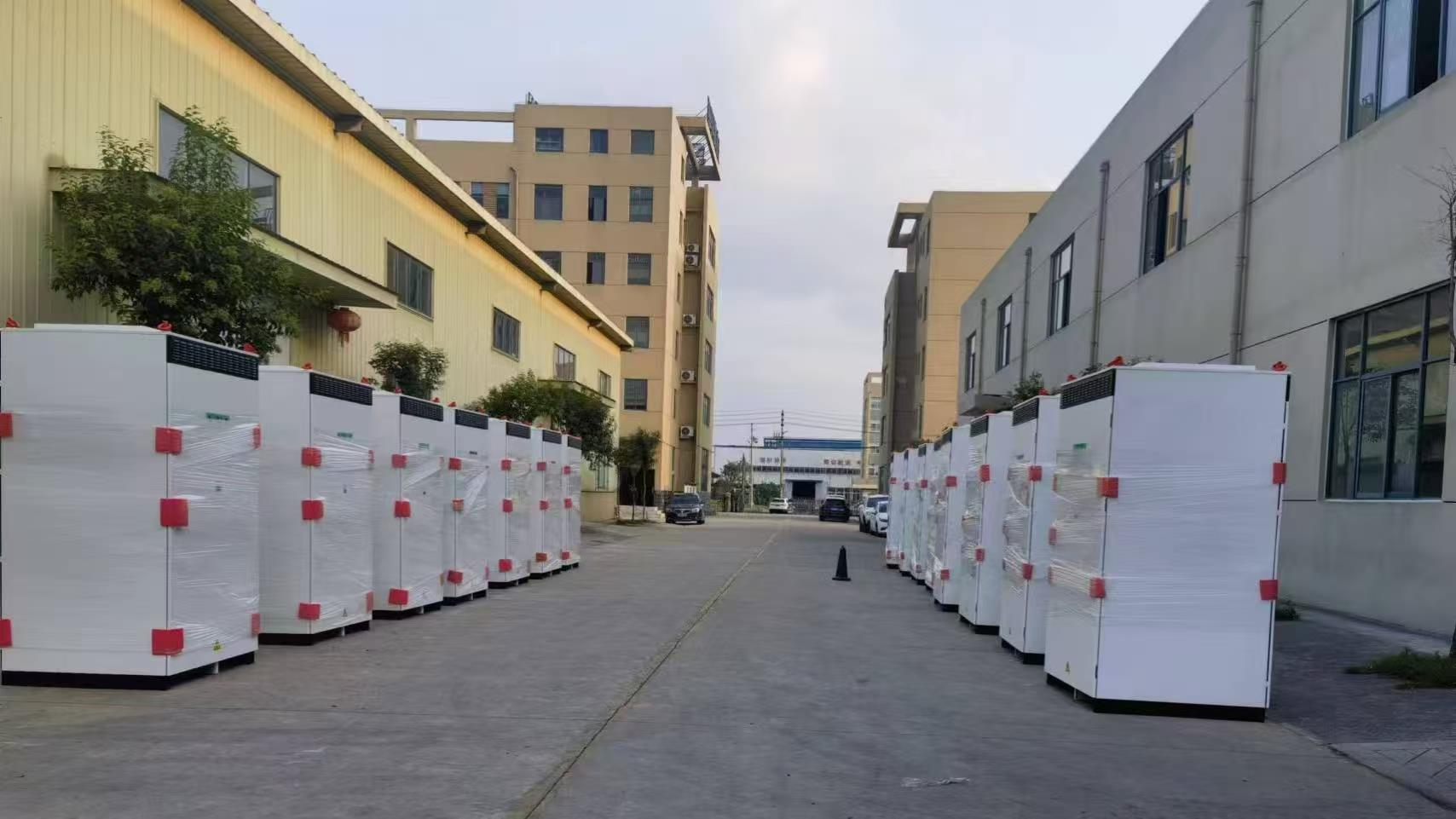
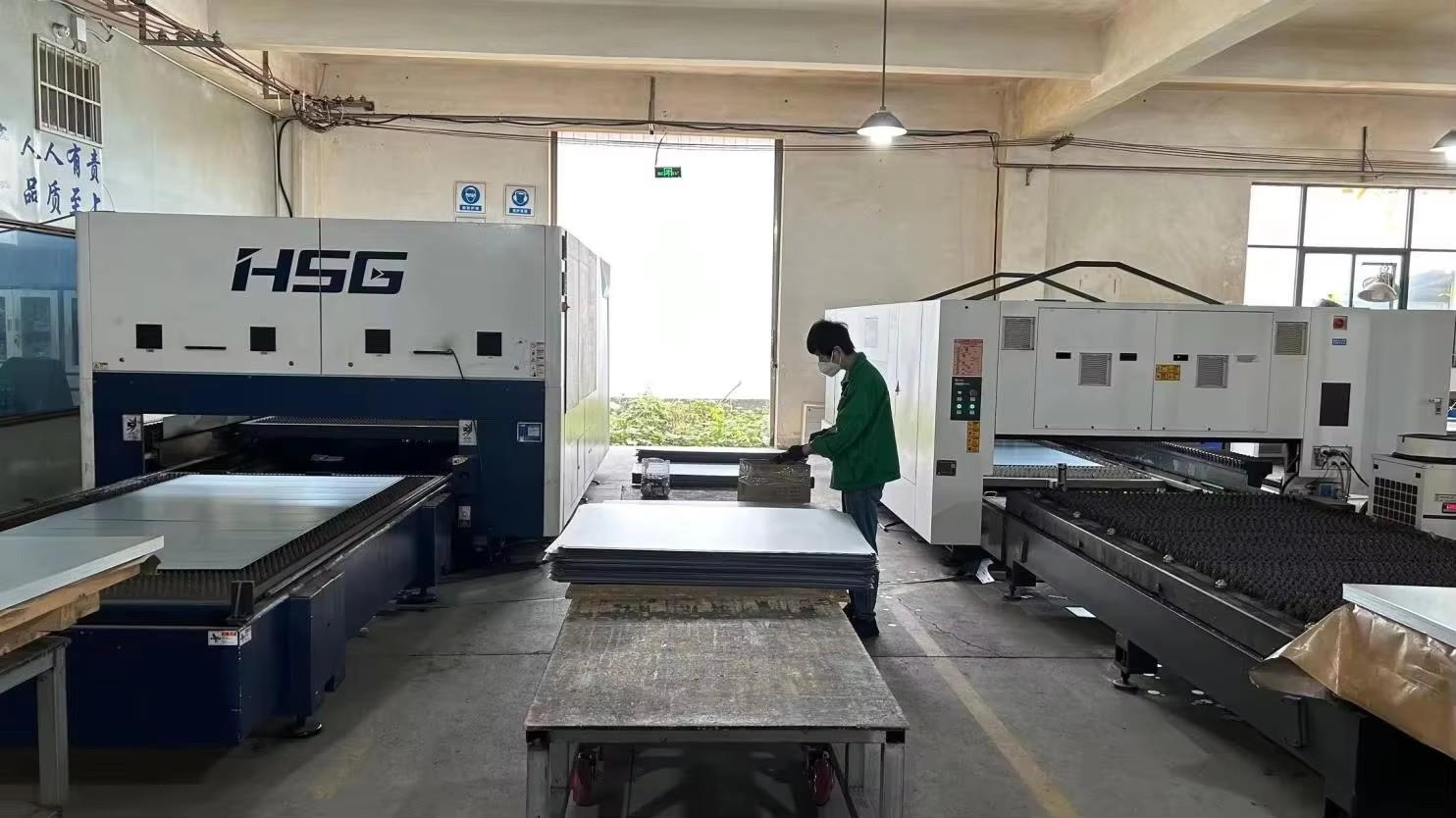
Procuring containerized energy storage units involves navigating complex, region-specific technical requirements. A container built for the European market cannot be directly deployed in the North American grid without substantial modification. For global compliance, exporters must align with three primary regulatory vectors:
Compliance with UL 9540 (standard for safety of energy storage systems) and UL 9540A (fire exposure testing) is mandatory. Without these, municipal fire departments and utilities will reject permits.
Deployments in EU member states mandate validation under IEC 62619 (safety of lithium cells) and IEC 62933 (BESS safety guidelines), ensuring structural and electrical integrity under extreme operating conditions.
Lithium systems are classified as Class 9 Dangerous Goods. Global export demands comprehensive UN38.3 testing to guarantee safety during rail, ocean, and terrestrial shipping.
Furthermore, local grid codes—such as IEEE 1547 in the US and EN 50549 across Europe—dictate active voltage control, low-voltage ride-through (LVRT), and response speeds. Our engineering services adapt high-voltage battery system controllers (EMS) to directly communicate with local Utility SCADA networks, ensuring seamless commissioning.
Containerized energy systems are deployed across diverse applications, each requiring specialized sizing, cycles, and C-rates:
A trusted pioneer in advanced clean energy storage and photovoltaic integration
Qingdao Luzz Solar Co., Ltd. is a professional new energy enterprise specializing in the development, manufacturing, and global distribution of photovoltaic (PV) products and integrated energy storage solutions. Located in Qingdao, China, the company benefits from a well-established renewable energy industrial base and advanced manufacturing capabilities.
With the accelerating global transition toward carbon neutrality and sustainable development, Luzz Solar is committed to providing efficient, reliable, and cost-effective clean energy solutions to customers worldwide. Our product portfolio includes high-efficiency solar photovoltaic modules, energy storage systems, and integrated solar application solutions designed for residential, commercial, and utility-scale projects.
Driven by technological innovation and quality excellence, the company continuously invests in R&D and production optimization to improve product performance, energy conversion efficiency, and system reliability. We strictly adhere to international quality standards and implement rigorous quality control throughout the entire production process to ensure stable and long-term product performance.
Qingdao Luzz Solar actively expands its global market presence, with business coverage across Asia, Europe, the Middle East, Africa, and Latin America. By working closely with international partners, we are committed to delivering tailored energy solutions that meet diverse regional needs and support the global energy transition. Guided by the core values of integrity, innovation, cooperation, and sustainability, Luzz Solar strives to become a trusted global partner in the new energy industry. We are dedicated to advancing solar technology and contributing to a greener, more sustainable future.
Expert insights on sizing, thermal control, compliance, and shipping logistics
Under standard operating conditions—defined as a 0.5C charge/discharge rate at 25°C ambient temperature—premium Lithium Iron Phosphate (LiFePO4) systems can achieve 6,000 to 8,000 cycles before battery capacity degrades to 80% of its original rating. For a system cycled once daily, this equates to a service life of approximately 15 to 20 years. Implementing liquid cooling rather than air cooling further extends cell health by minimizing thermal stress.
Thermal runaway mitigation is achieved through a multi-tier safety architecture. First, cells are separated by insulation barriers to prevent thermal propagation. Second, the Battery Management System (BMS) monitors cell voltage and temperature in real-time, isolating racks dynamically if anomalies arise. Third, containers are equipped with early-warning gas sensors (detecting CO and H2) and automatic fire suppression systems, typically utilizing clean agents (FK-5-1-12 / Novec 1230) and aerosol units, integrated with water sprinkler connections as required by local codes.
Moving from a 1000V DC system to a 1500V DC system allows for higher string lengths, reducing the total amount of cabling, combiner boxes, and DC switchgear. It also increases the power output per unit area of the inverter, improving overall system efficiency and reducing installation costs by up to 10% to 15%. This has become the industry standard for utility-scale deployments globally.
Grid compliance is dictated by local transmission and distribution network codes. In the United States, IEEE 1547 and UL 1741 SA/SB apply, specifying grid-support functions like ride-through and reactive power compensation. In Europe, EN 50549 governs connection regulations. We customize the system firmware and Power Conversion Systems (PCS) to match these local requirements before shipment.
Depending on the container's structural design and local weight limit regulations, systems can either be transported with cells pre-installed or shipped as separate modules for onsite installation. Typically, smaller 10ft and 20ft systems (up to 2MWh) are designed to withstand structural transport dynamics when fully populated. 40ft units are often shipped with pre-installed racks, and battery modules are secured separately to comply with shipping weight limitations.
Scalable storage options for microgrids, commercial facilities, and remote power requirements
 Luzz Solar