High-reliability energy management modules, storage systems, and distribution components engineered to global utilities standards.
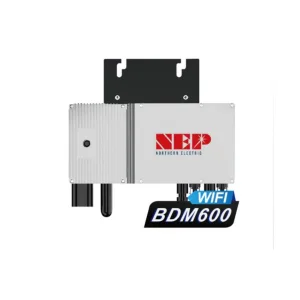
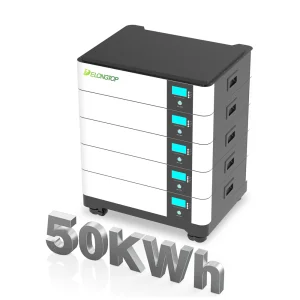
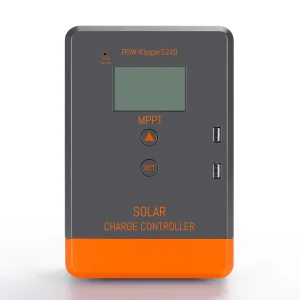
Qingdao Luzz Solar Co., Ltd. is a leading new energy enterprise specializing in the design, engineering, advanced manufacturing, and global deployment of high-efficiency photovoltaic (PV) modules and smart energy storage systems (BESS). Strategically headquartered in the industrial port city of Qingdao, China, Luzz Solar capitalizes on China's premier heavy industry clusters, sophisticated domestic semiconductor supply chains, and highly optimized marine logistics channels. Our geographic footprint allows us to deliver state-of-the-art energy technologies to international developers, commercial installers, and utility scale projects efficiently and cost-competitively.
As the world transitions toward strict carbon-neutral targets and distributed microgrid architectures, the role of intermittent renewables requires more than basic solar power generation. It demands smart grid readiness. Luzz Solar is at the forefront of this evolution, engineering systems that feature intelligent frequency stabilization, high-speed peak shaving, and active voltage regulation. Our advanced utility solutions integrate harmoniously with modern grid communications, ensuring seamless interoperability with centralized distribution systems and local regional grids alike.
Continuous capital investment in research and development remains a cornerstone of Luzz Solar's operational model. Our laboratories focus heavily on increasing PV cell power conversion efficiency, maximizing the degradation resistance of Lithium Iron Phosphate (LiFePO4) battery packs, and refining advanced Maximum Power Point Tracking (MPPT) logic inside our proprietary inverter controllers. Every step of our manufacturing pipeline adheres strictly to ISO 9001 and ISO 14001 frameworks, with extensive certifications including CE, UL, TUV, VDE, and RoHS, validating our long-term reliability and environmental stewardship in over 60 countries across Europe, the Americas, Asia-Pacific, and Africa.
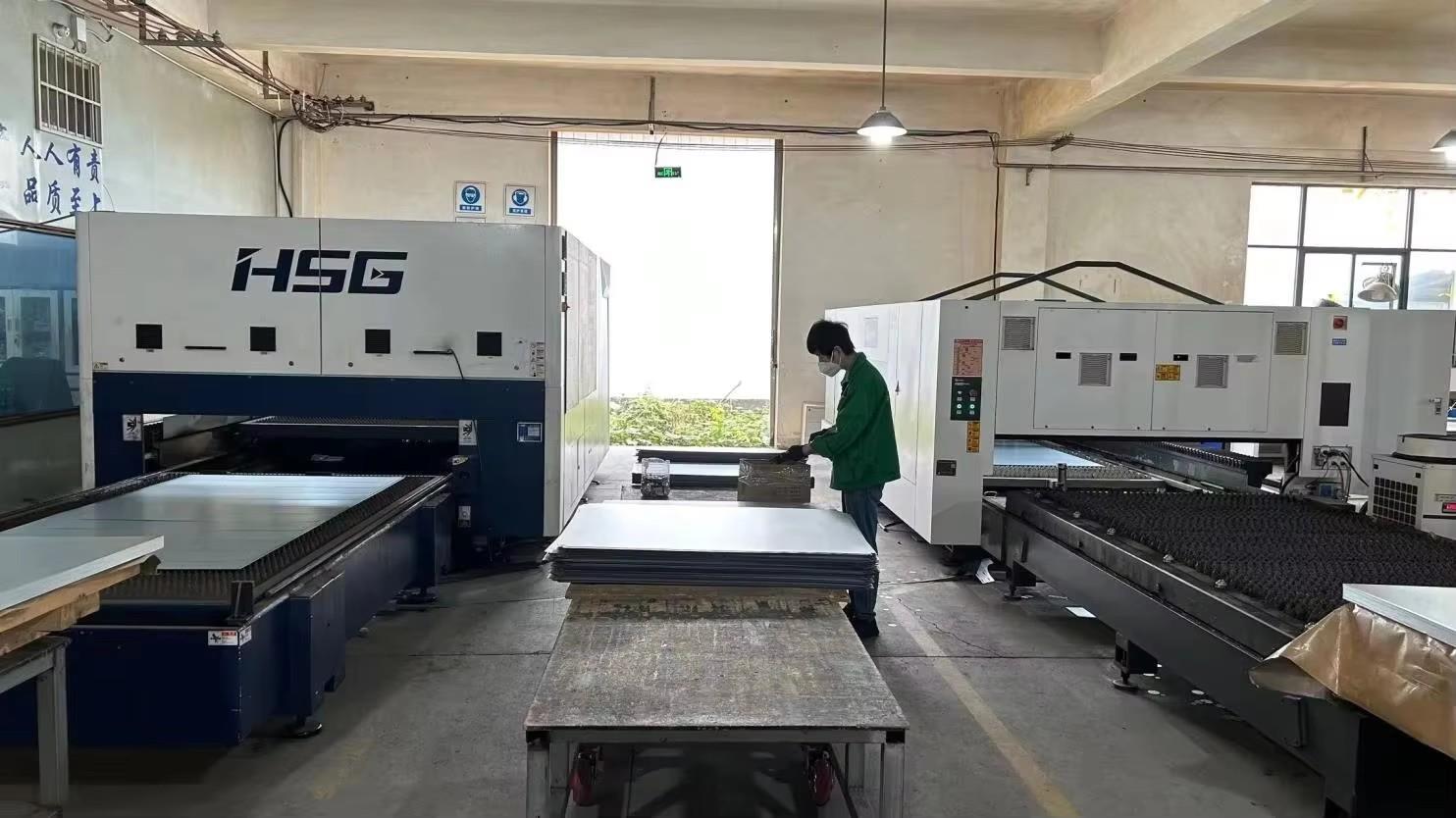
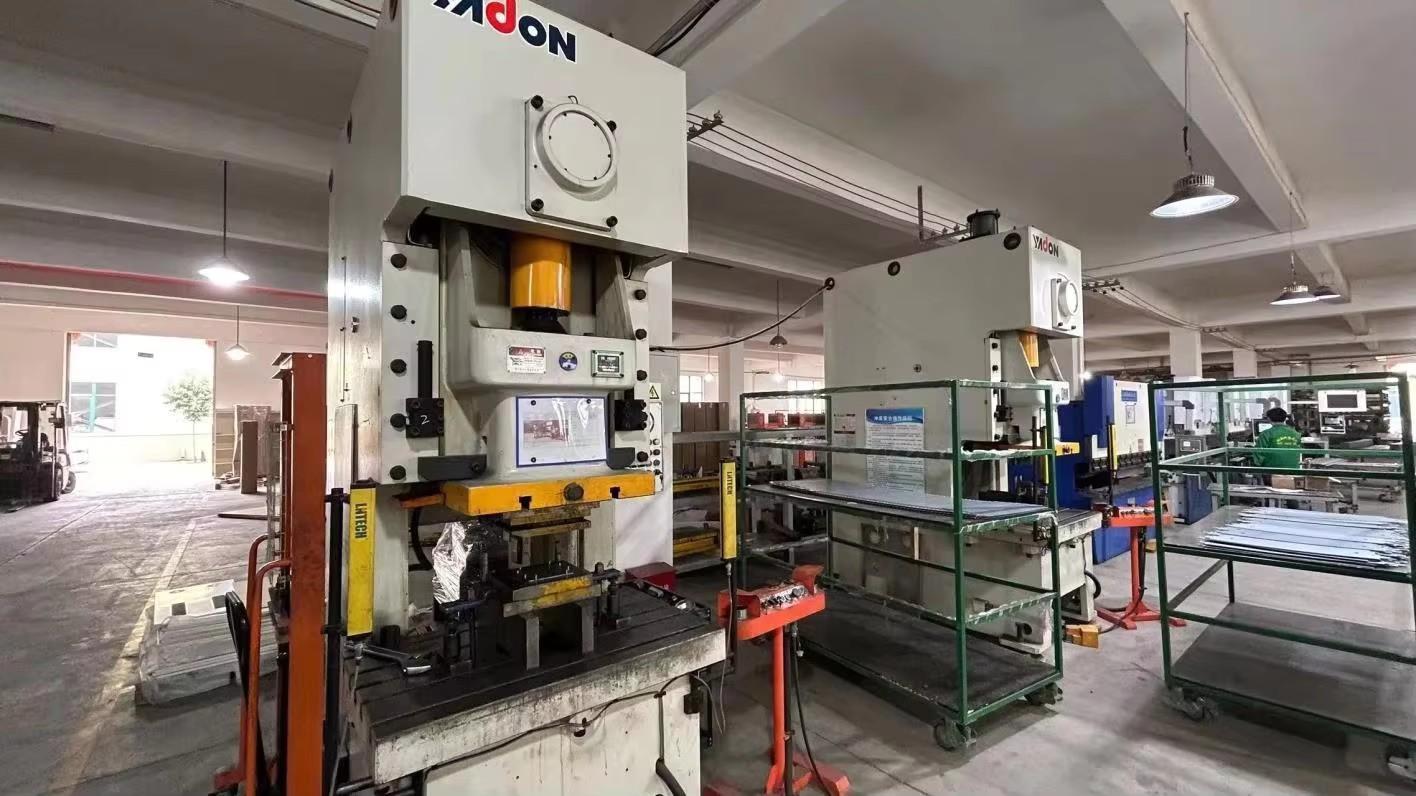
Luzz Solar controls the entire production chain to guarantee structural and electrical integrity. Our smart grid hardware manufacturing utilizes advanced CNC machinery, automated laser welding, and dynamic electronic testing stations. Explore our key assembly, fabrication, and quality verification workflows:
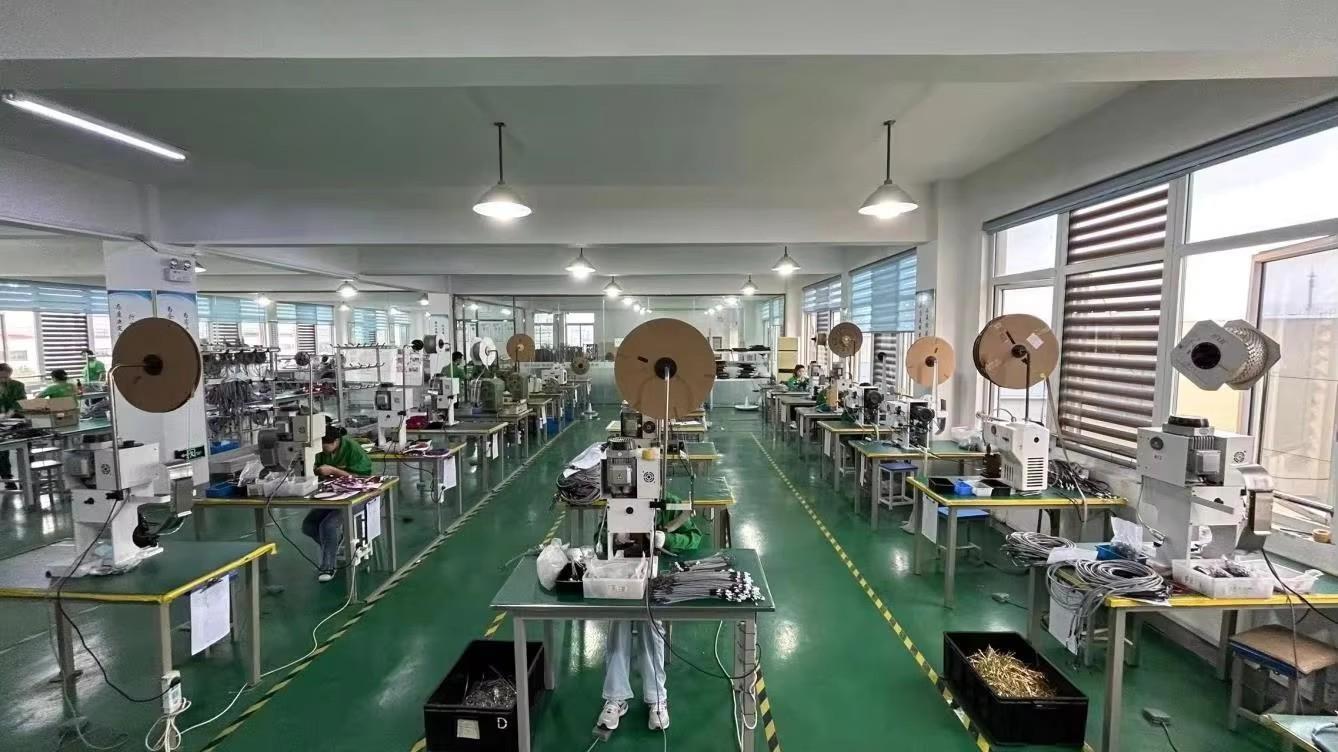
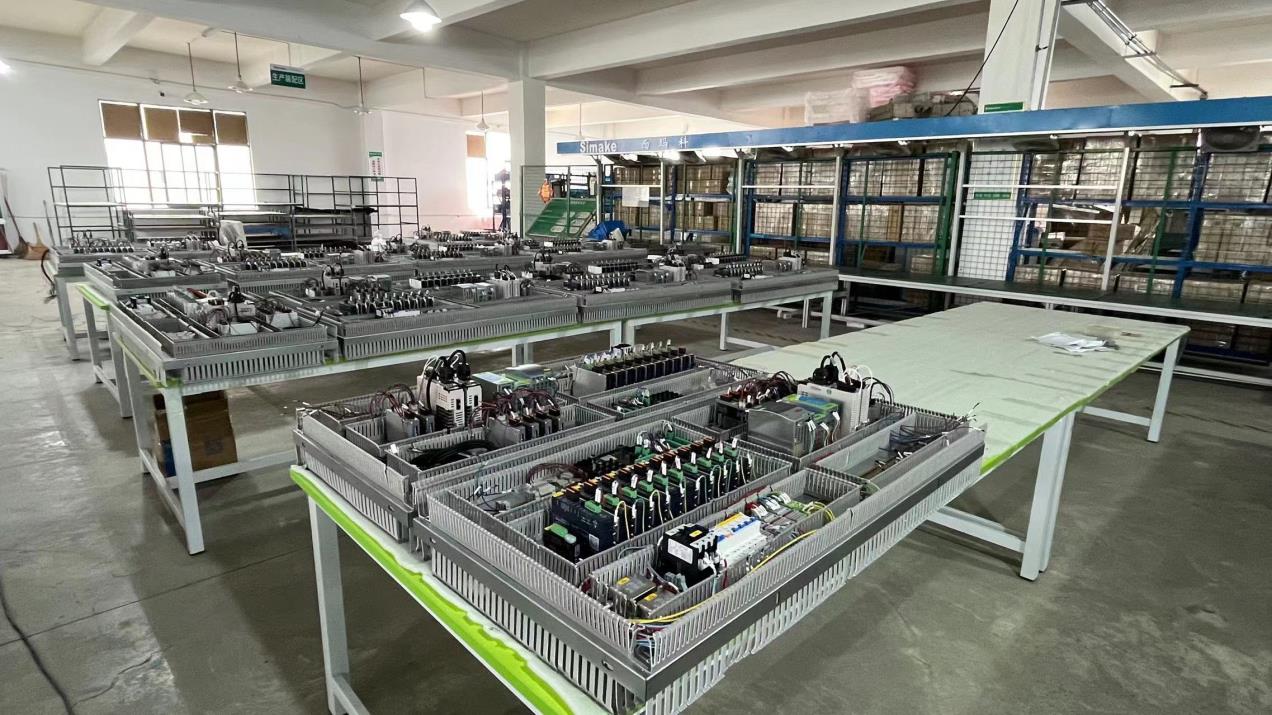
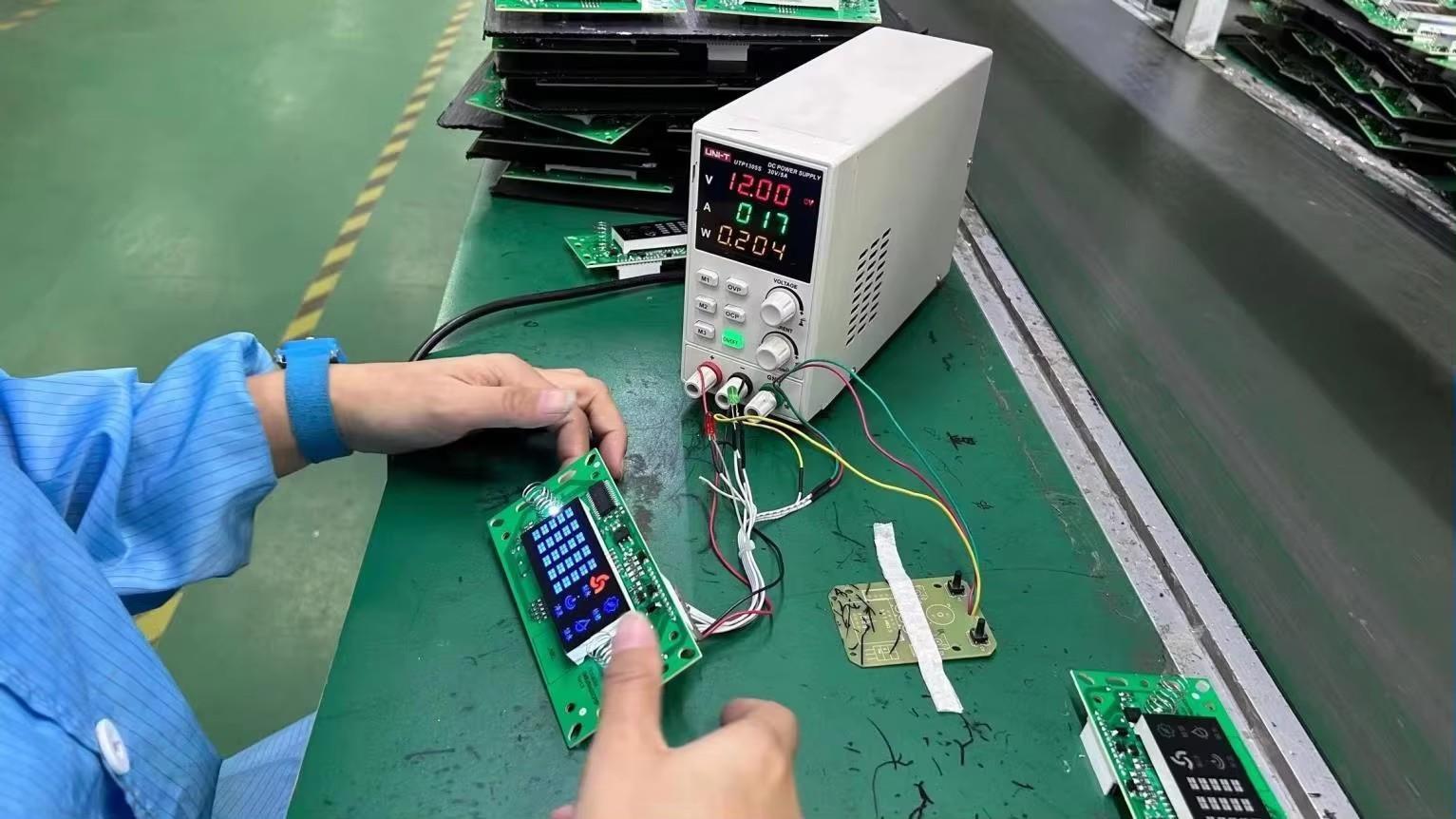
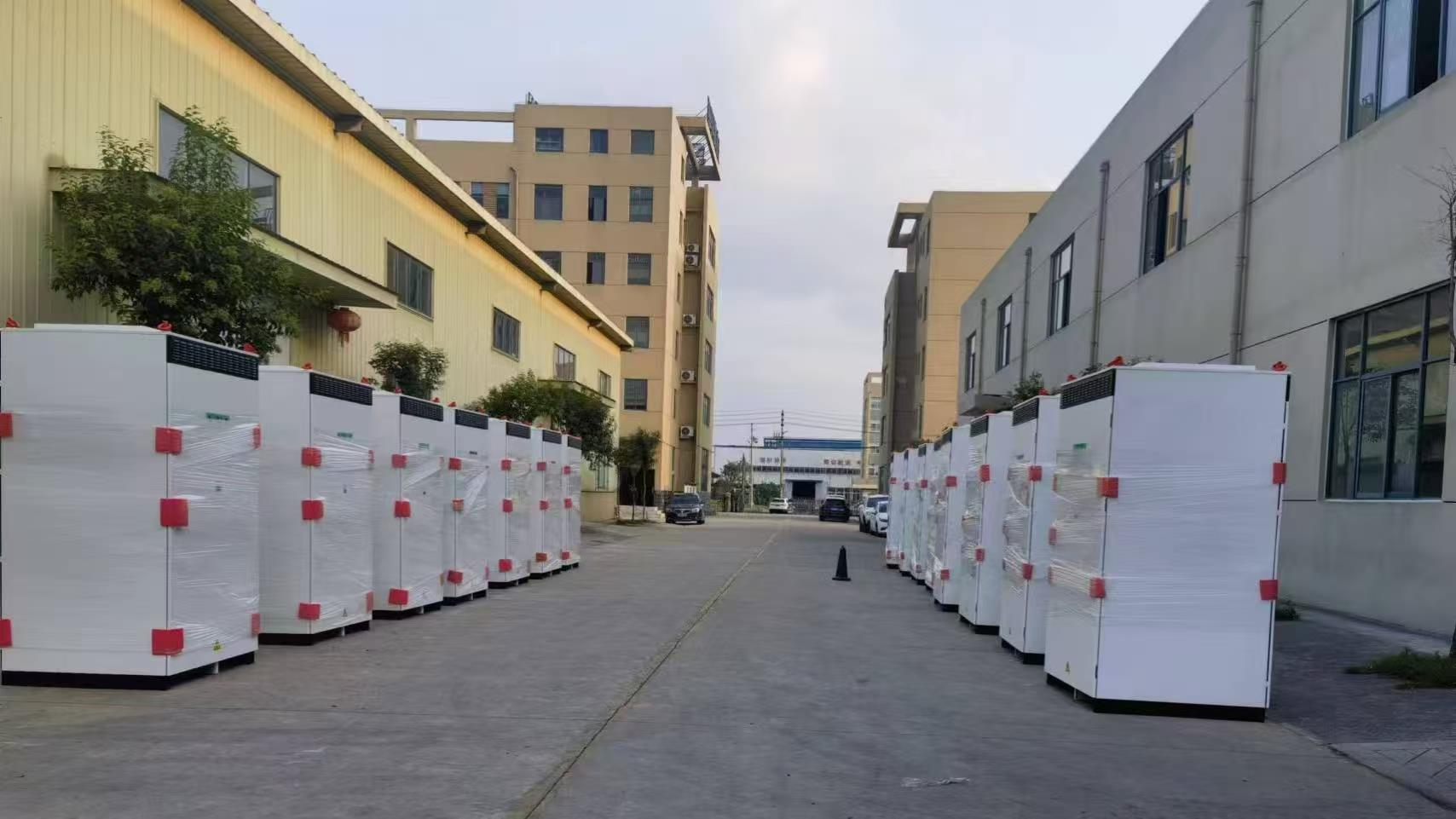
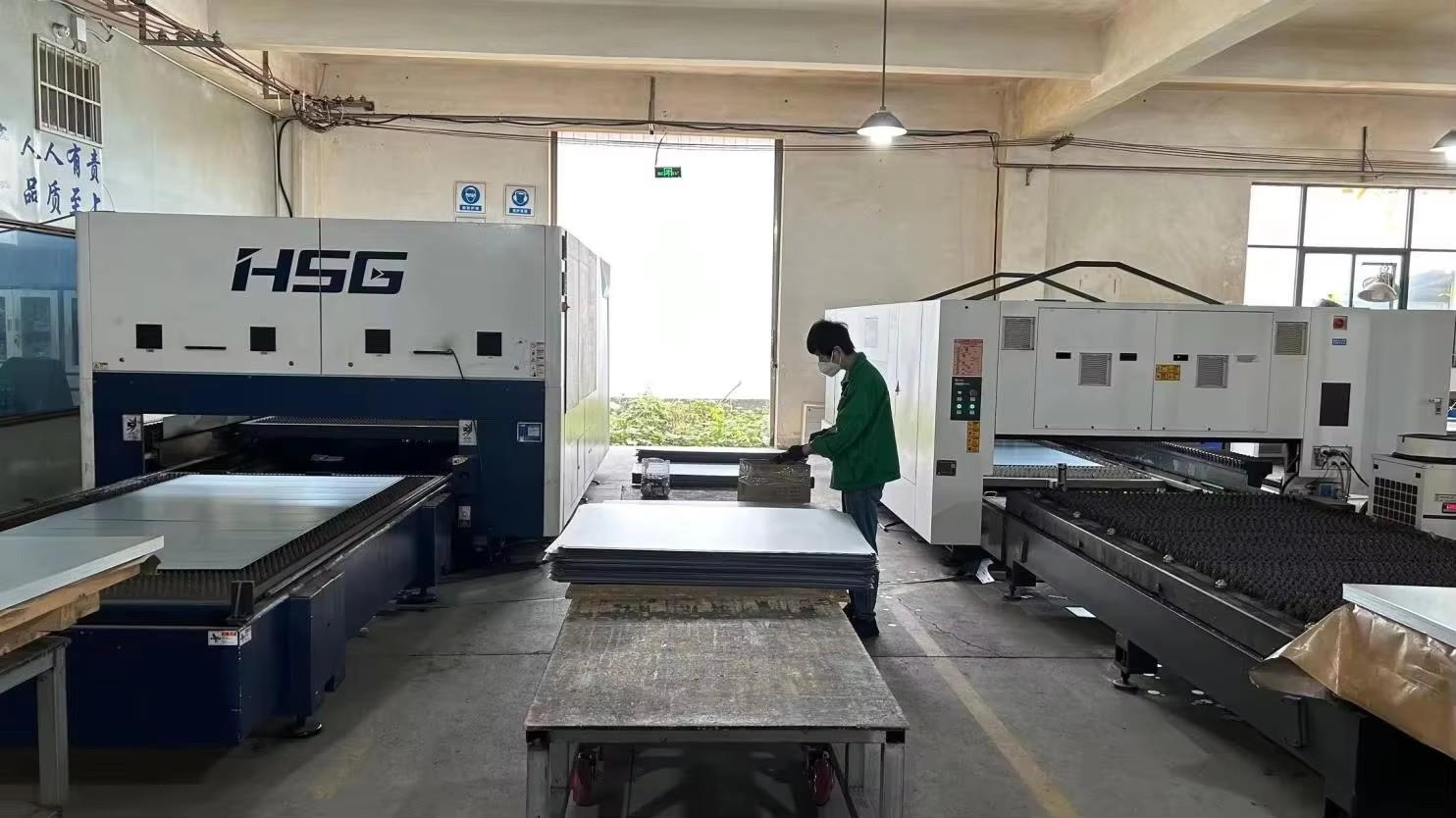
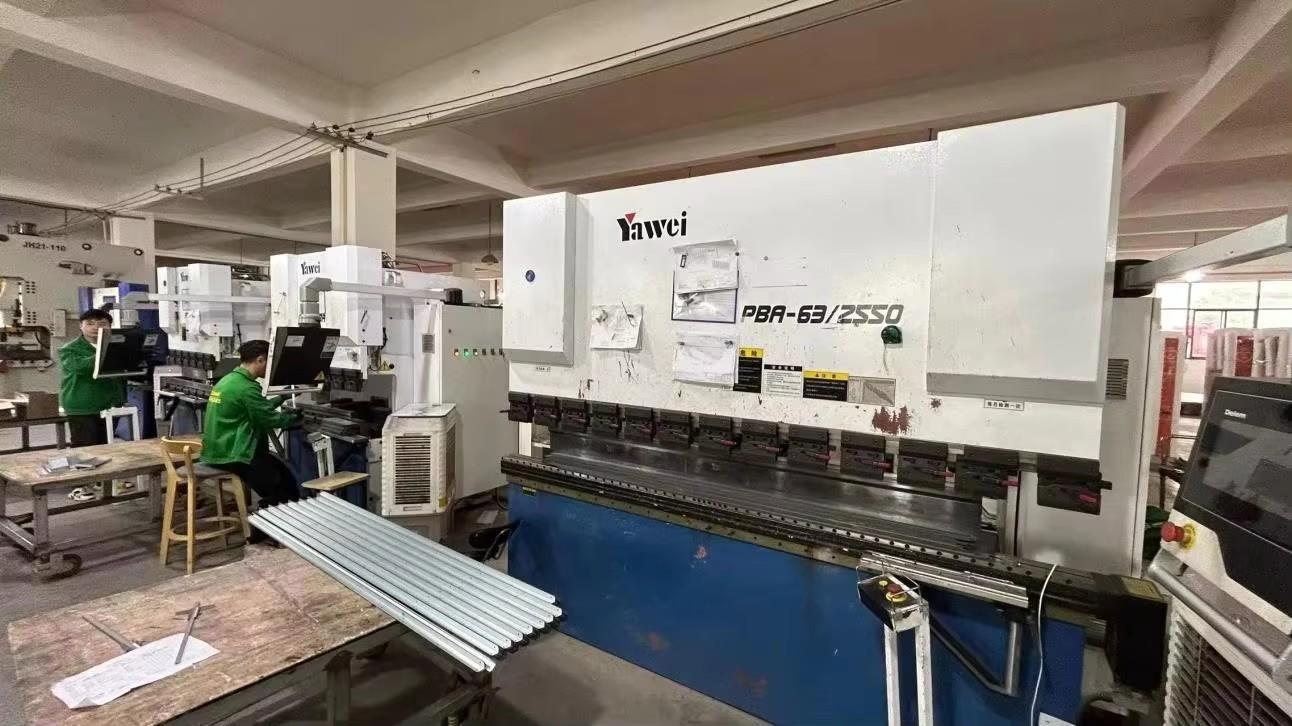
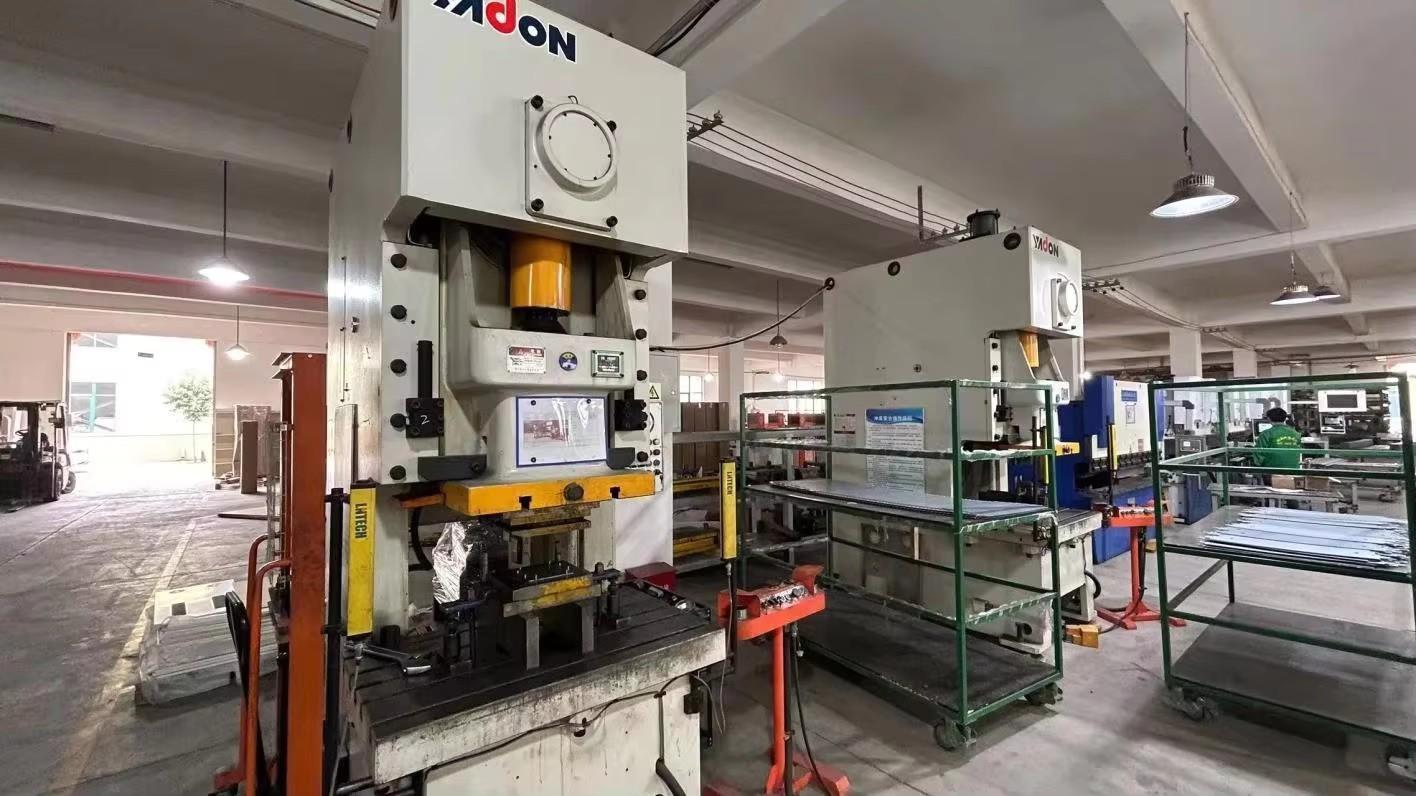
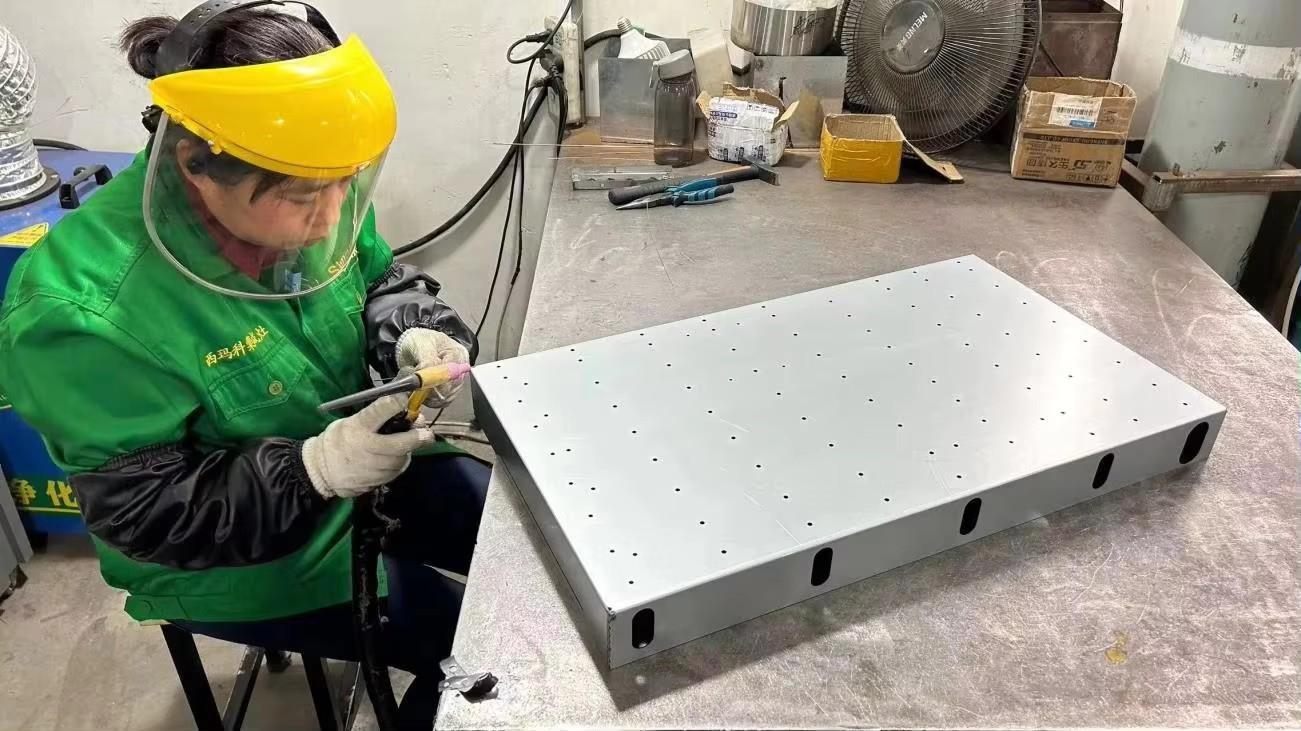
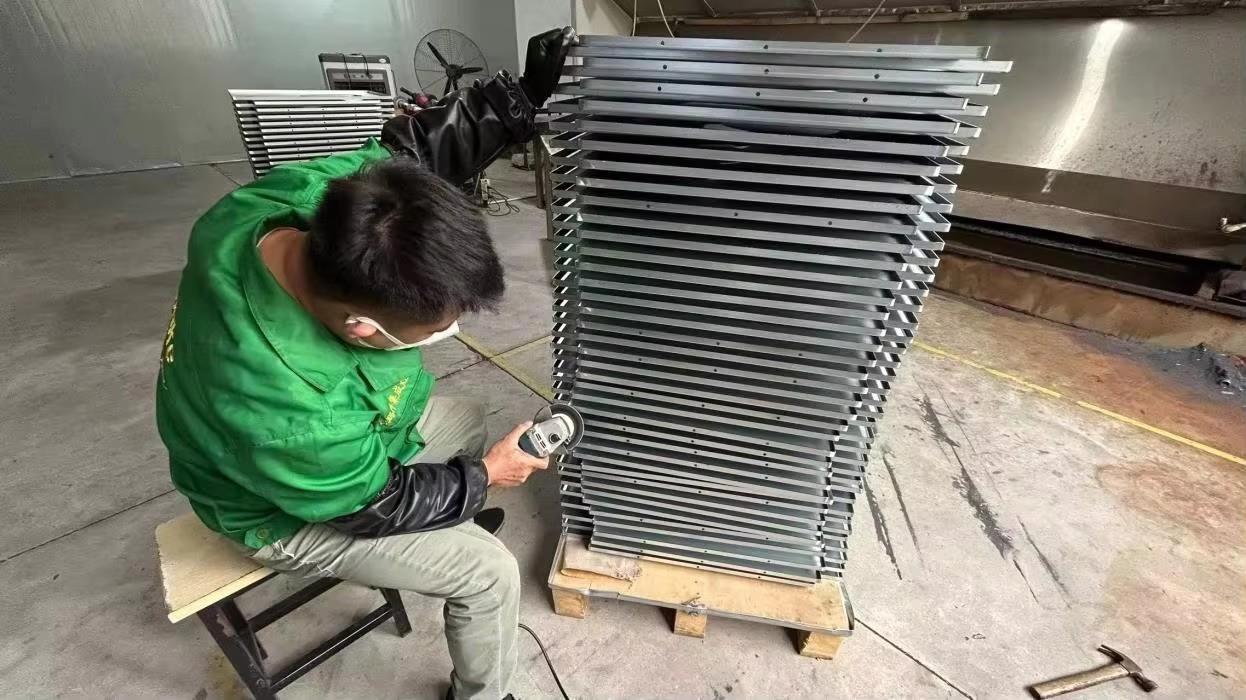
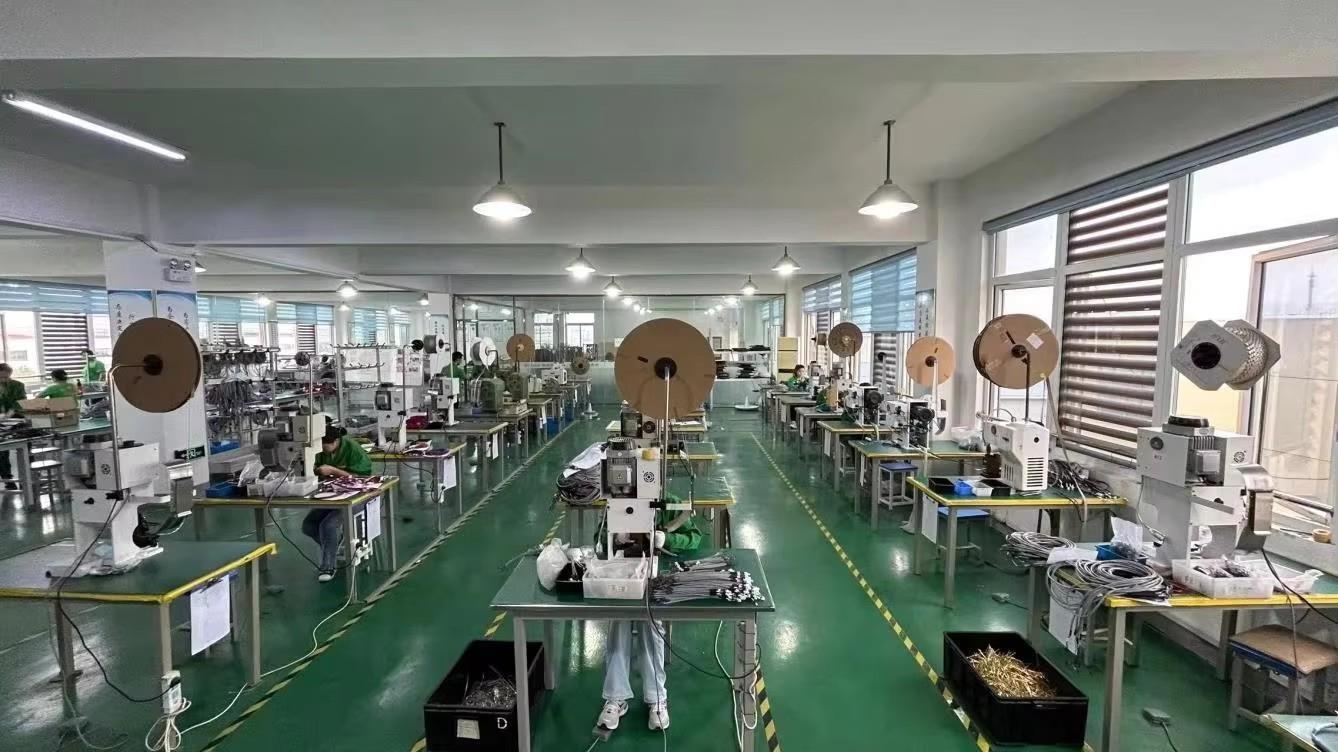
In the global transition to smart grids, supply chain availability determines project completion speeds. China's energy industry ecosystem provides unparalleled advantages that go beyond low-cost labor. By basing our primary manufacturing assets in Qingdao, Luzz Solar integrates directly into a complete ecosystem that spans raw material extraction, silicon processing, advanced battery chemistry production, and microchip assembly.
From raw lithium chemical processing to automated cell matching and power electronics assembly, our localized vertical integration minimizes shipping delays and reduces component incompatibility issues.
Direct sourcing of high-grade copper, structural steel platforms, cleanroom workbench materials, and silicon wafers insulates us from volatile international supply fluctuations, ensuring stable pricing models.
Qingdao Port's deep-water international container terminals provide direct, weekly shipping lines to Europe, North America, and the Middle East, reducing land transport costs and ocean freight transit times.
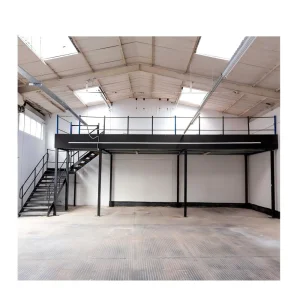
Furthermore, our production scale allows us to support custom structural designs. This is why our catalog includes heavy-duty warehouse mezzanine structural steel platforms alongside high-capacity lithium batteries. We provide comprehensive infrastructure design services, helping global buyers set up efficient battery assembly labs, localized storage facilities, and complete regional distribution centers.
Smart grids are highly regulated environments. Interconnecting an energy storage system (ESS) or a utility-scale solar tracker to a regional transmission network requires strict compliance with local grid codes and safety directives. At Luzz Solar, we design and configure our electrical equipment to satisfy local regulations in each target market:
Our grid-tied inverters and server-rack lithium batteries fully comply with EN 50549-1/2 and Germany's strict VDE-AR-N 4105 low-voltage connection standards, featuring active frequency droop controls and reactive power support.
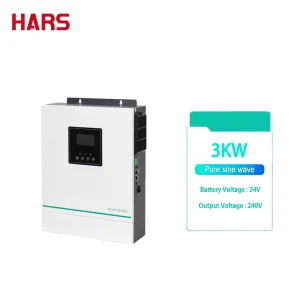
Battery systems are engineered to pass UL 1973 (for stationary applications) and UL 9540A fire safety standards. Our smart hybrid inverters integrate IEEE 1547 compliant auto-disconnection parameters to ensure utility lineman safety during blackouts.
Lithium battery packs undergo rigorous thermal abuse, impact, and short-circuit testing to maintain valid UN38.3 certifications, facilitating hassle-free customs clearance and safe maritime freight.
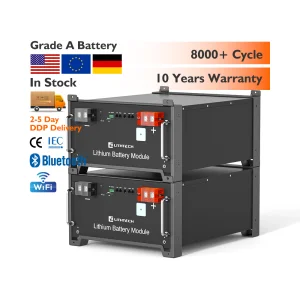
To assist European and American developers in reducing transit-related project risk, we maintain stock in regional hubs, including our dedicated Germany warehouse. This enables prompt delivery of LiFePO4 server rack batteries and backup power supplies across Europe within 48 to 72 hours, eliminating import tariffs and transport delays.
Every installation scenario presents distinct operational challenges. Luzz Solar offers customized engineering configurations for residential, commercial, and utility-scale installations:
For institutions like hospitals, universities, and server farms, grid downtime is not an option. Our 1MW utility-scale tracking solar solutions use automated single-axis solar trackers to maximize morning and evening power generation. This reduces dependence on peak utility rates and integrates with localized industrial backup generators.
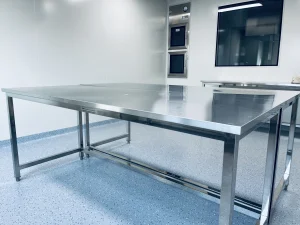
Industrial facilities combine solar generation with storage to lower peak demand charges. Our heavy-duty mezzanine platforms maximize floor space by positioning energy storage racks directly above operational areas, while custom cleanroom tables support local battery servicing and electrical testing facilities.
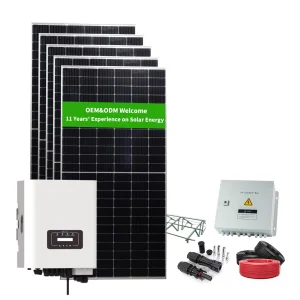
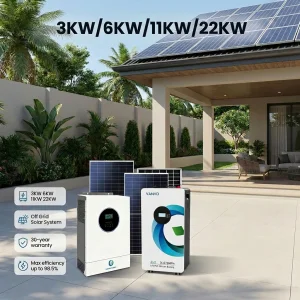
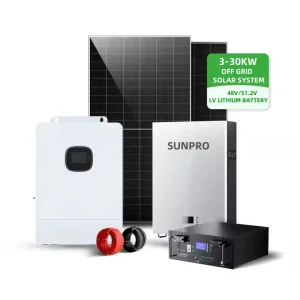
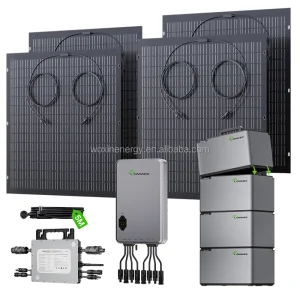
Urban residences and remote locations utilize modular solar configurations. Our DIY balcony systems and off-grid hybrid kits allow homeowners to build energy independence gradually. They feature plug-and-play connections, Bluetooth monitoring, and stackable LiFePO4 batteries that fit easily into residential environments.
The integration of Artificial Intelligence (AI) and Edge Computing is transforming energy distribution from a top-down network to a dynamic, bidirectional grid. Modern smart grids require hardware capable of processing operational data in real time at the point of consumption.
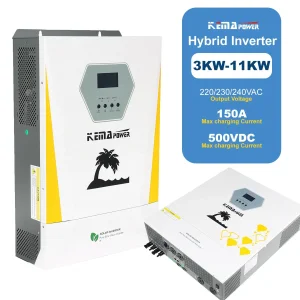
Luzz Solar is developing inverters and Battery Management Systems (BMS) equipped with edge processing capabilities. These controllers monitor local weather patterns, historical energy usage, and real-time utility rates to optimize power distribution. For example, if storm clouds are predicted, the system shifts stored energy to critical reserve mode. When utility rates spike, the hybrid inverter discharges stored energy to power local loads, protecting owners from peak energy pricing.
Another major development is the growth of Virtual Power Plants (VPPs). By connecting thousands of distributed residential battery systems and micro-inverters into a unified digital network, utilities can draw energy from distributed reserves during peak grid strain. This approach reduces the need for fossil-fuel peaking plants, stabilizes regional voltages, and allows homeowners to generate revenue by selling stored energy back to the utility grid.
Review answers to common technical, regulatory, and logistics questions from professional project developers, utility engineers, and commercial buyers:
Browse our selection of specialized solar kits, micro-inverters, structural components, and auxiliary equipment.
 Luzz Solar