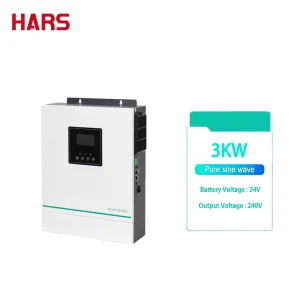
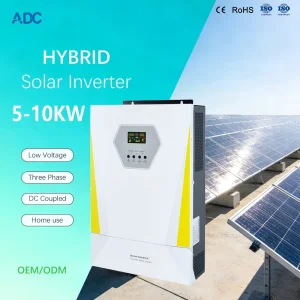
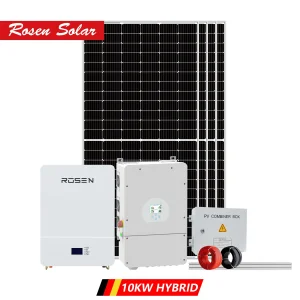
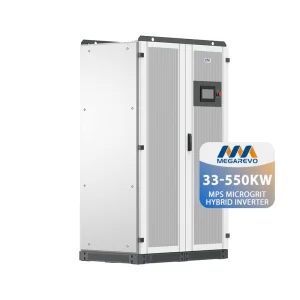
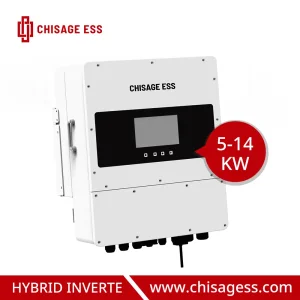
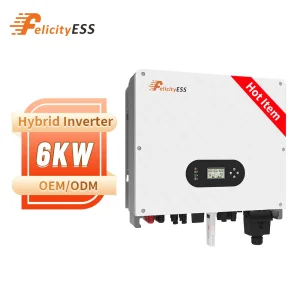
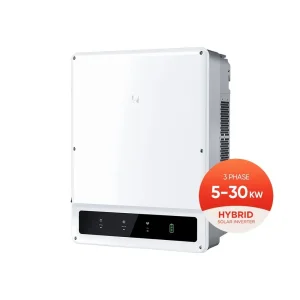
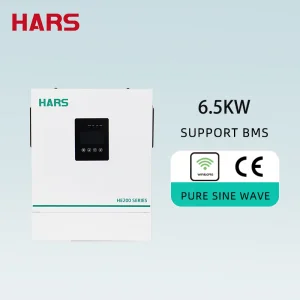
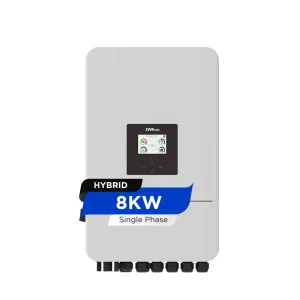
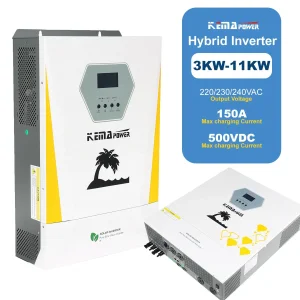
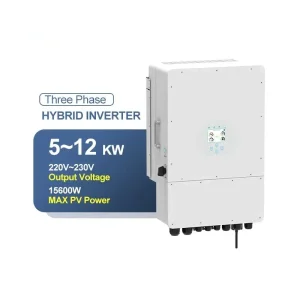
Designed to fully comply with Uruguay's UTE Net-Metering Framework and local electrical infrastructure requirements, these premium hybrid solar inverters maximize solar yields under high UV indices.
Uruguay stands as a global beacon for renewable power generation, frequently sourcing over 97% of its electricity grid supply from a combination of wind, biomass, hydro, and solar utilities. However, this high reliance on seasonal hydro and variable wind power exposes commercial, agricultural, and residential stakeholders to dynamic tariff shifts and occasional localized grid instability.
With the regulatory environment governed by UTE (Administración Nacional de Usinas y Trasmisiones Eléctricas) and microgeneration decrees such as Decreto 173/010, installing high-performance hybrid solar inverters has transitioned from an environmental gesture to an absolute economic necessity. For businesses operating in Montevideo, Canelones, or rural agricultural zones, securing a stable multi-source energy system guarantees peak efficiency and continuous operations.
Uruguay's solar landscape is characterized by high solar irradiance levels, particularly in northern zones like Salto and Artigas, reaching up to 1,700 kWh/m²/year. During hot maritime summers, temperature spikes can cause standard grid-tied string inverters to undergo thermal derating, leading to severe power yield loss.
Our specialized hybrid designs integrate advanced active cooling and high-temperature tolerance margins, guaranteeing continuous nominal outputs at up to 50°C ambient temperatures. By balancing PV solar, energy storage batteries, and the utility grid, these inverters deliver consistent performance under challenging local conditions.
Deploying advanced technology backed by certified performance ensures the highest system efficiency and long-term financial returns for your commercial and industrial investments.
Our systems are engineered to meet and exceed global and local compliance regulations, ensuring smooth integration into the Uruguayan power infrastructure.
Equipped with integrated anti-islanding protection, ultra-low total harmonic distortion (THD < 3%), and precise reactive power regulation mechanism. These safety-focused features fully align with the strict requirements of UTE grid operators, simplifying the grid-connection approval process.
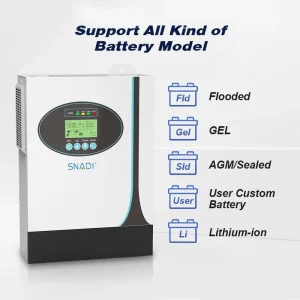
Supports complex power management options including Time-of-Use (ToU) optimization, off-grid backup prioritization, and smart PV power limiting. The system is designed to work seamlessly with both lithium-iron-phosphate (LiFePO4) and lead-acid batteries, providing maximum flexibility.
Features integrated DC disconnect switches, Type II surge protection devices (SPDs) on both the PV input and AC output sides, and fast-acting arc fault circuit interrupter (AFCI) safety features. These systems ensure long-term operations even under unpredictable environmental conditions.
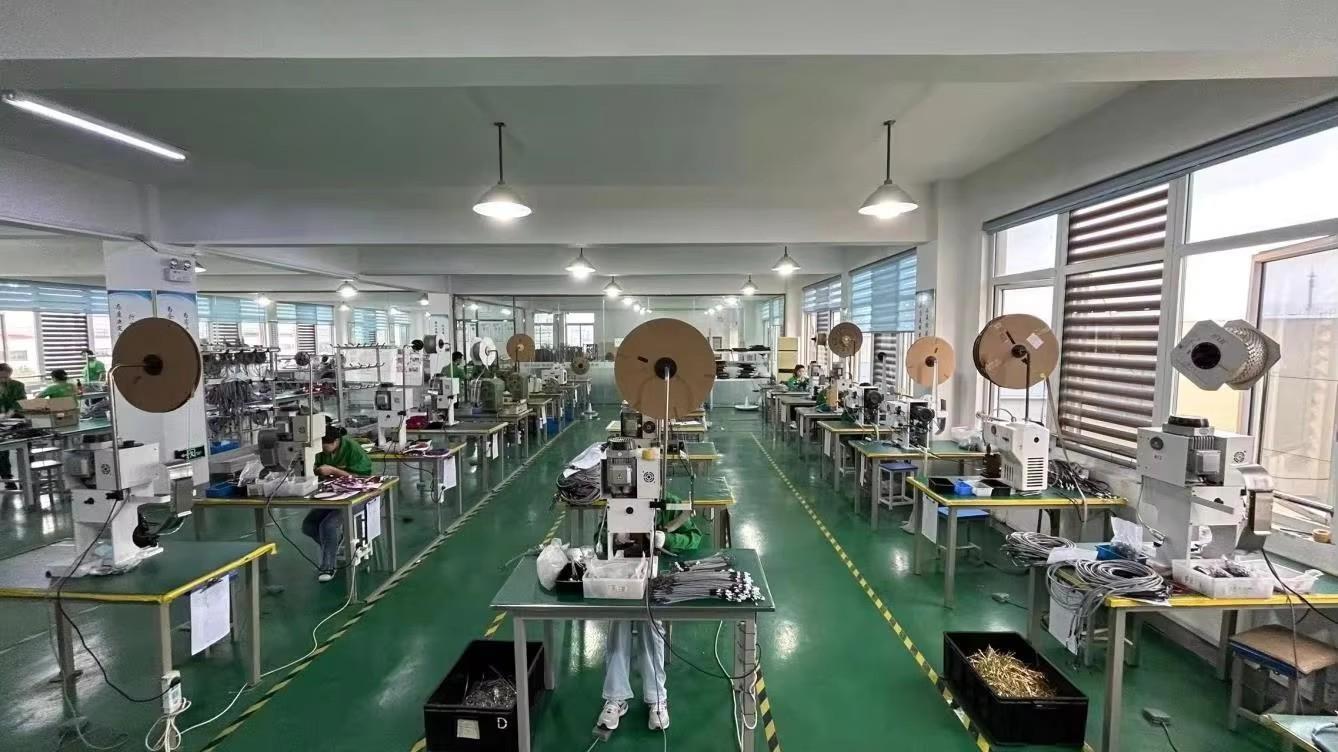
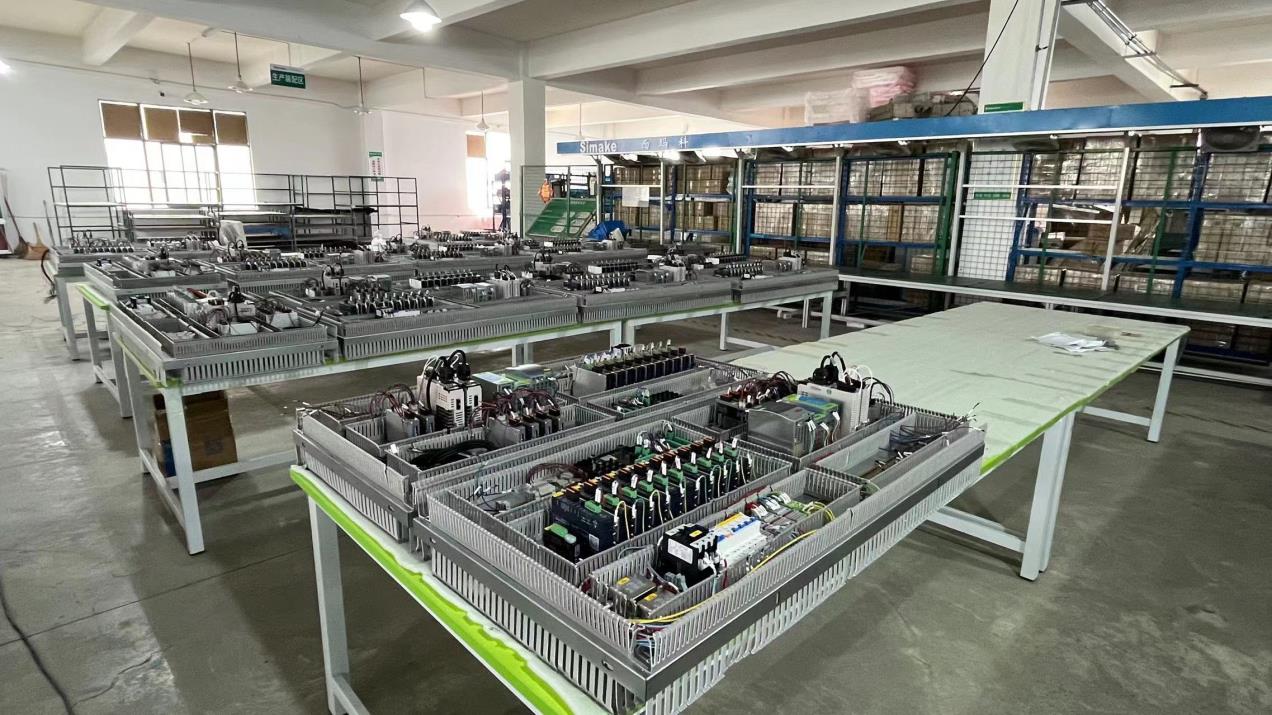
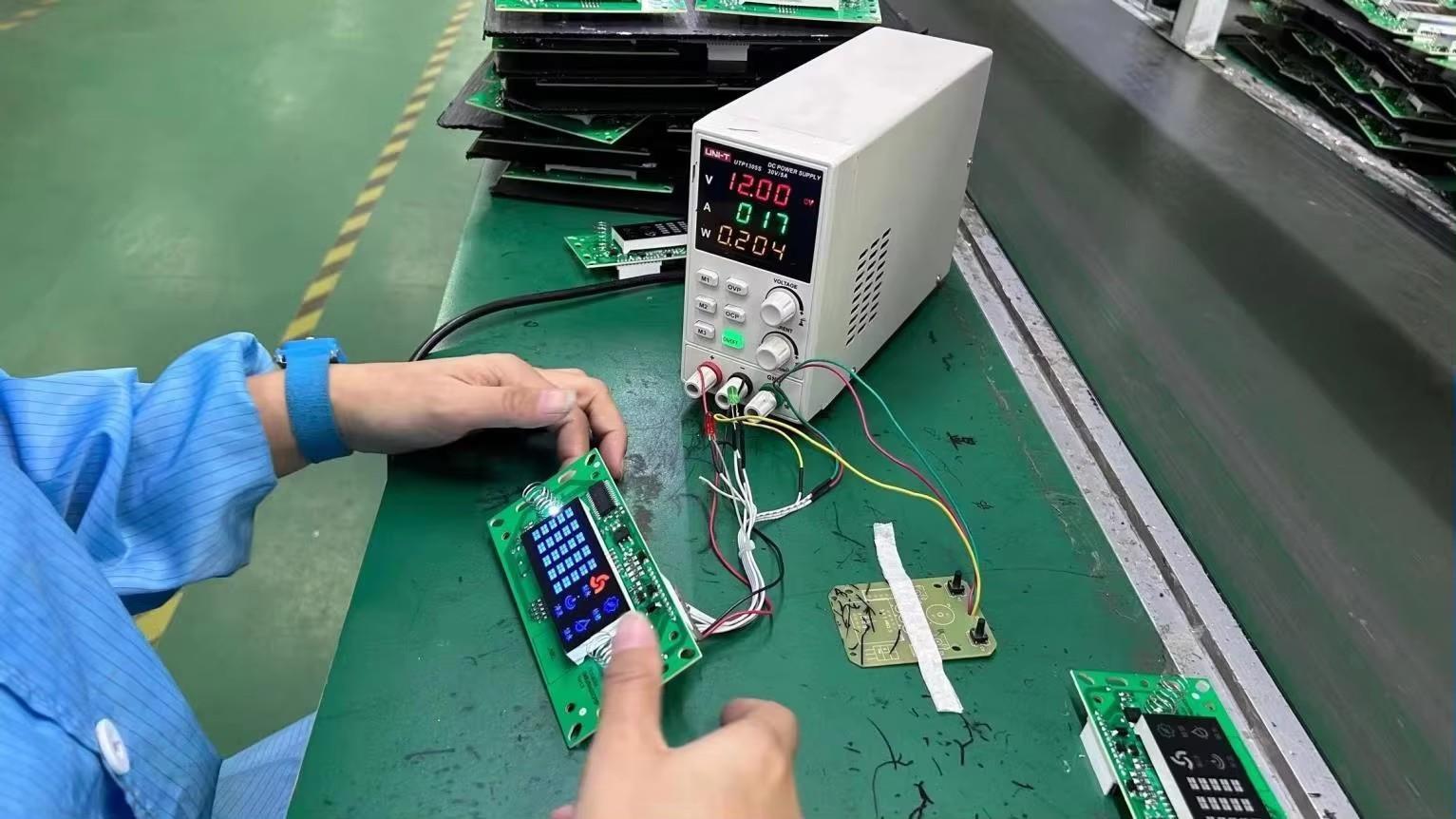
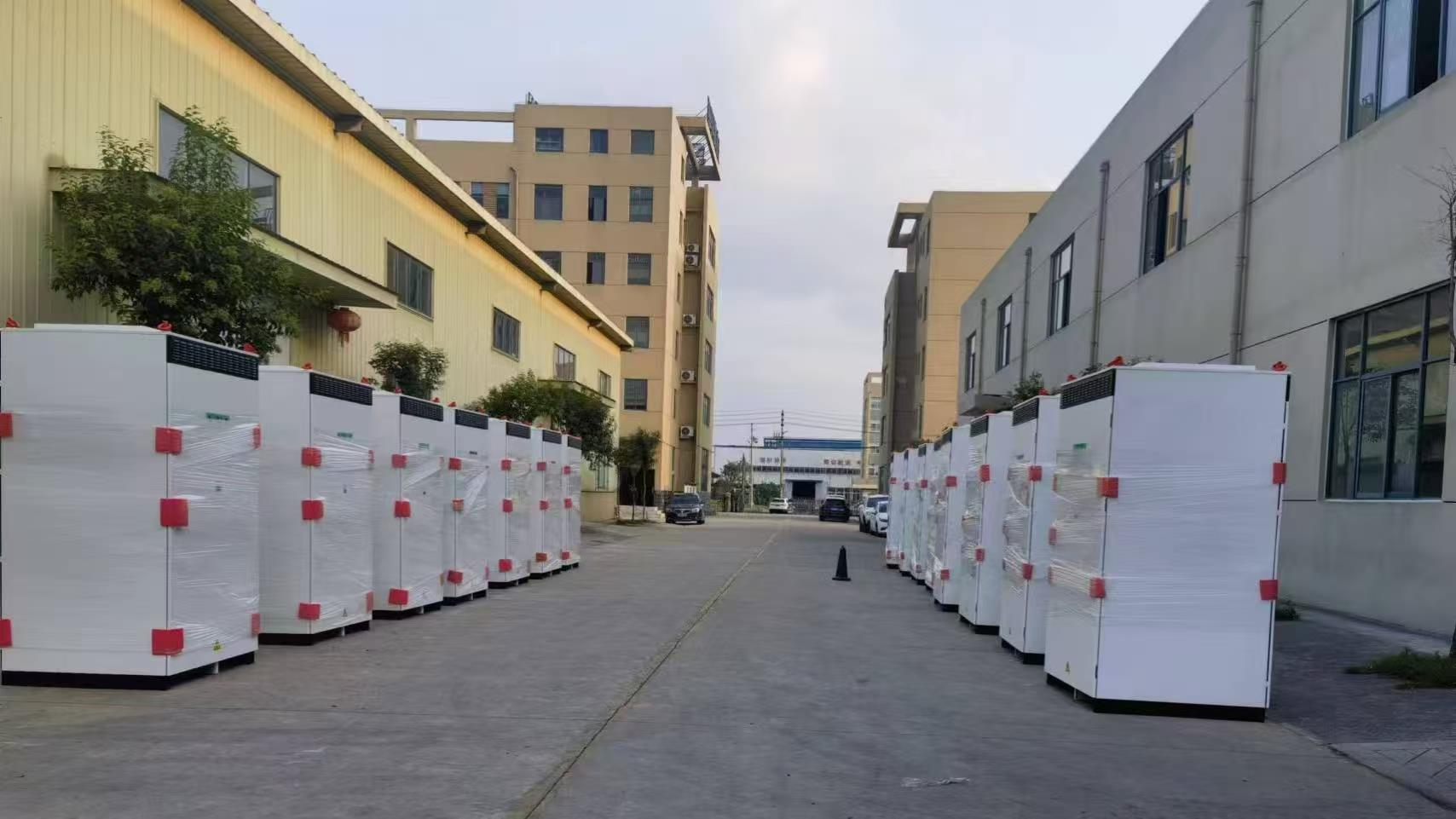
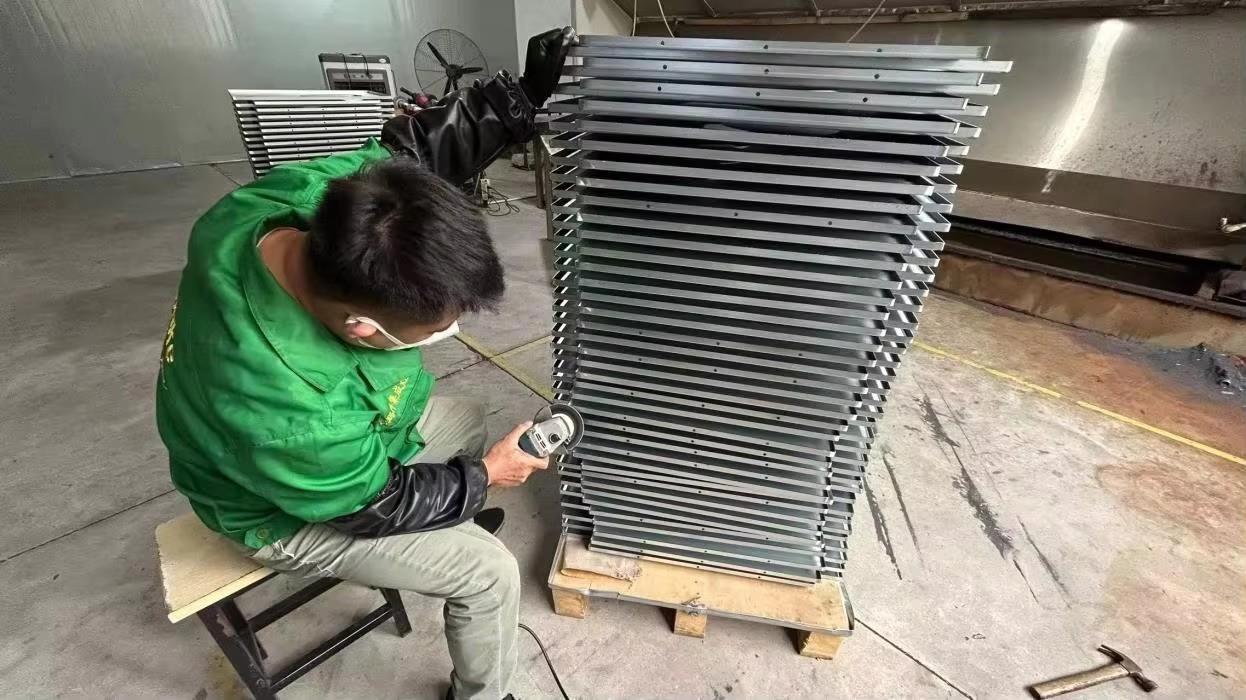
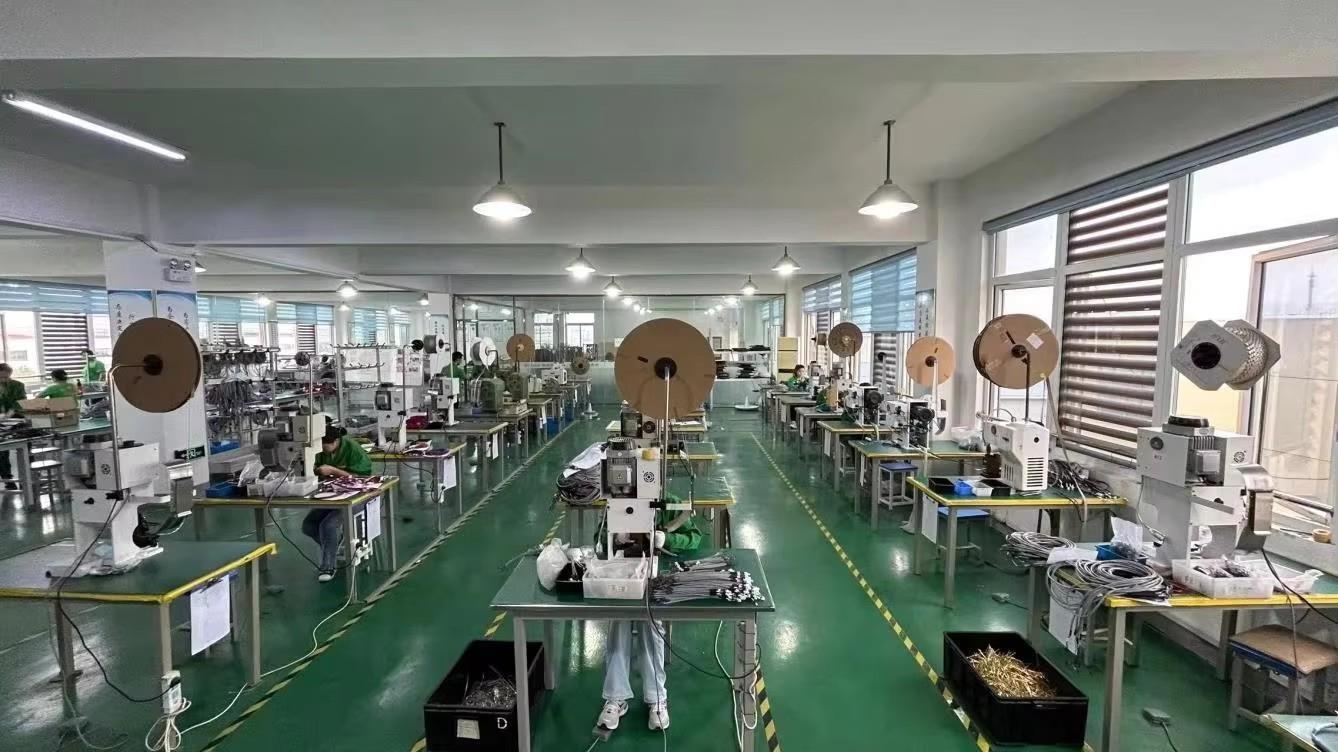
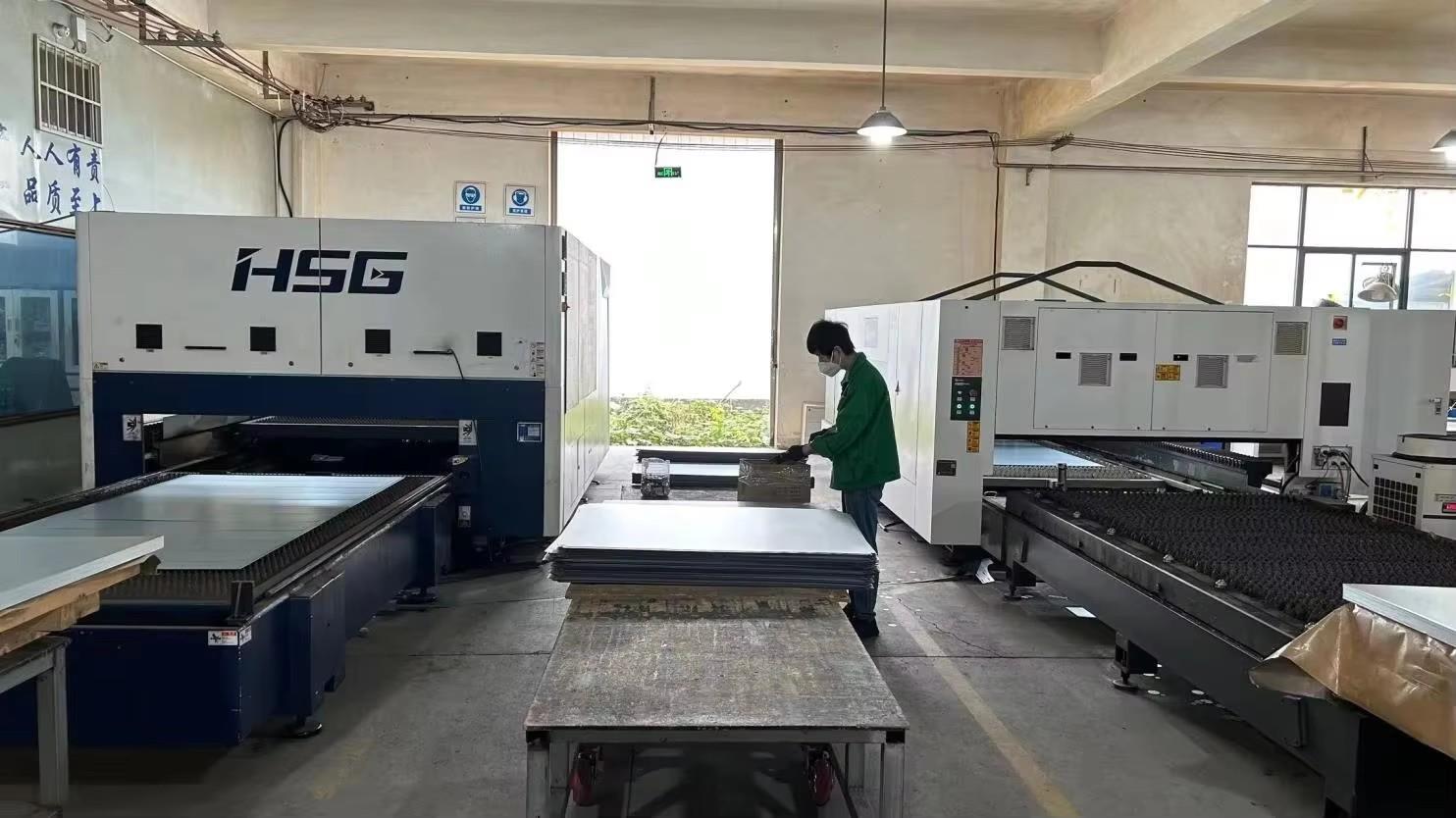
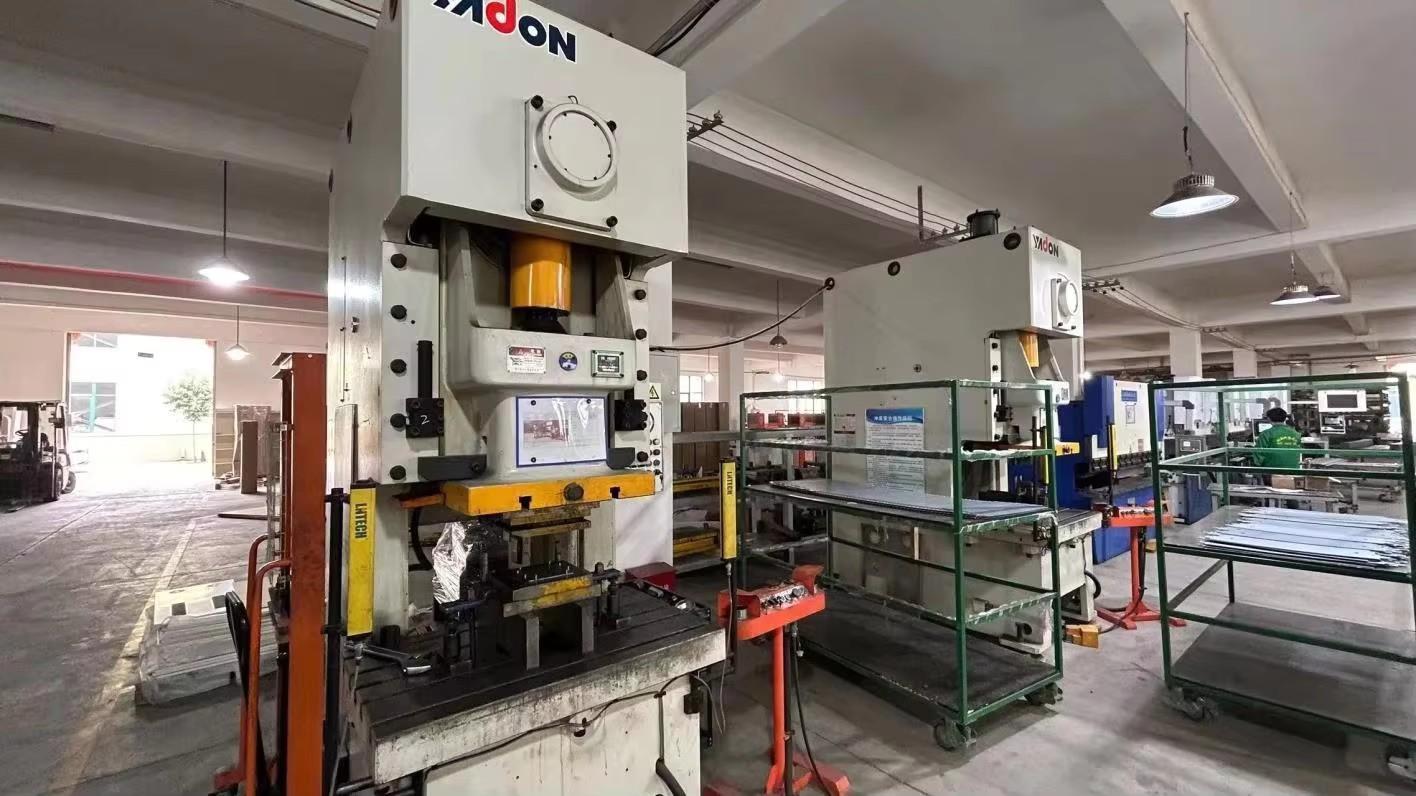
Qingdao Luzz Solar Co., Ltd. is a leading new energy enterprise specializing in the design, manufacturing, and global distribution of advanced photovoltaic (PV) products and integrated energy storage solutions. Located in the coastal industrial hub of Qingdao, China, the company benefits from a well-established renewable energy ecosystem and advanced port logistics, facilitating efficient global delivery.
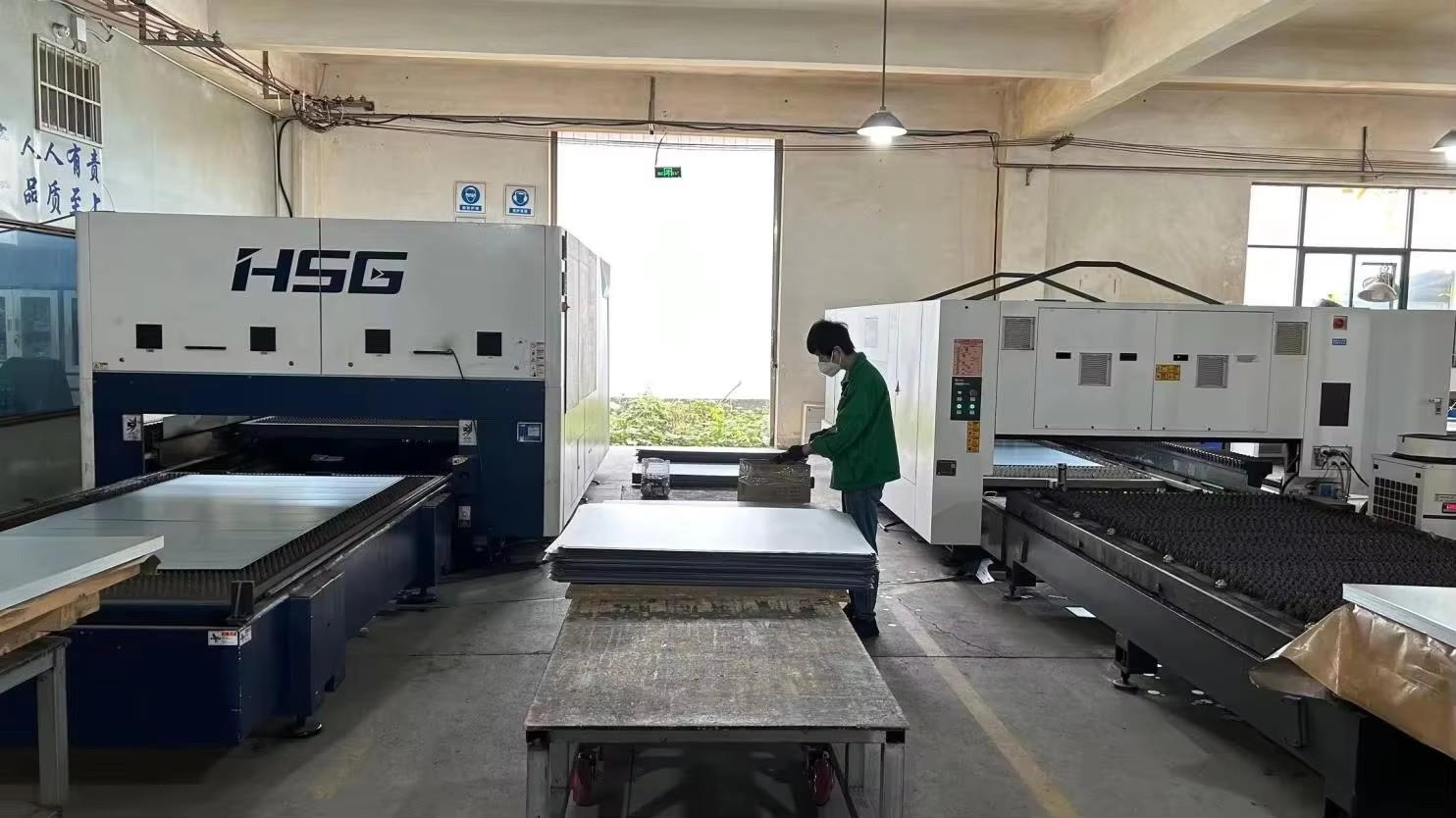
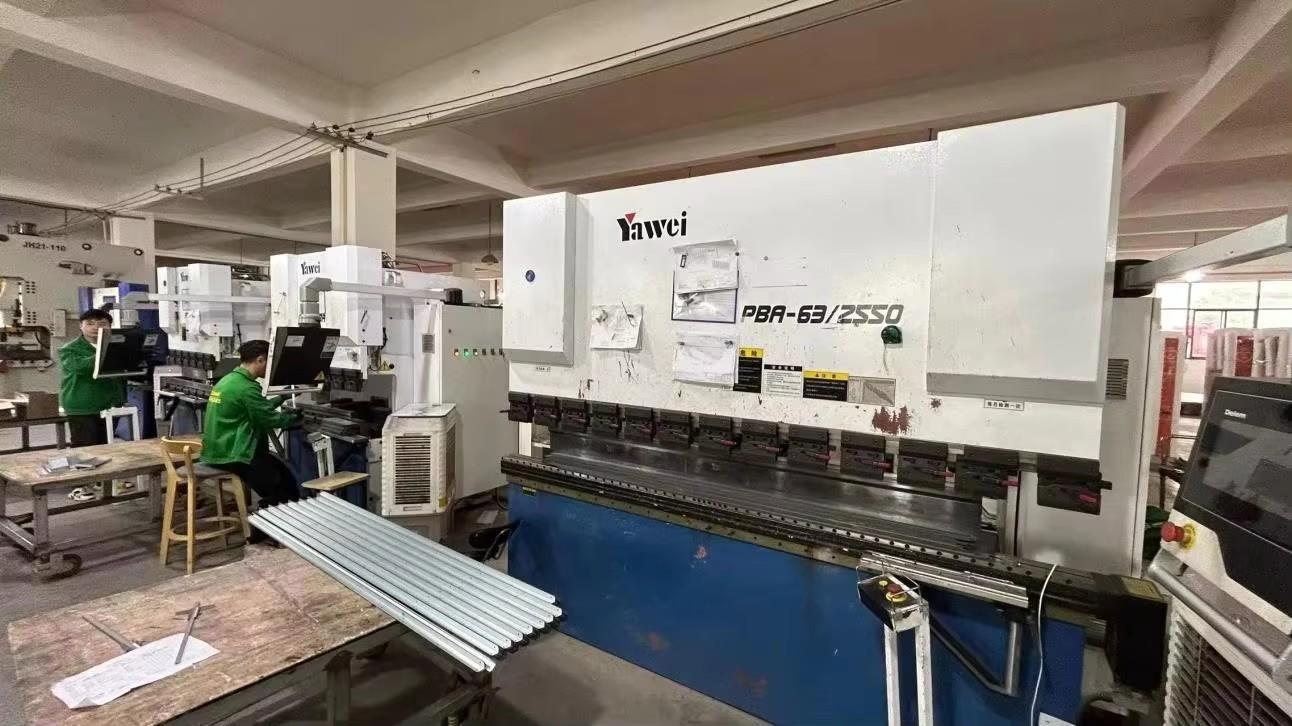
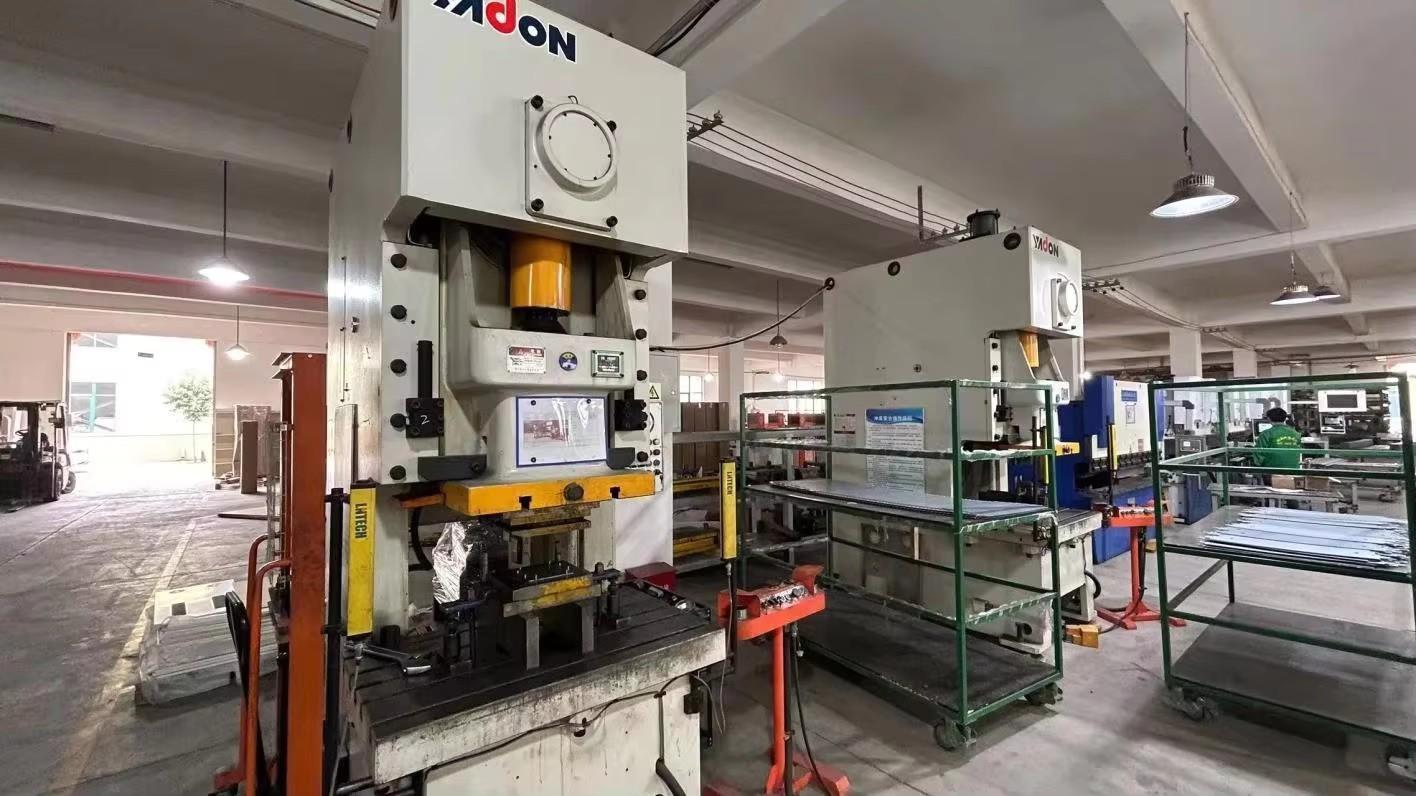
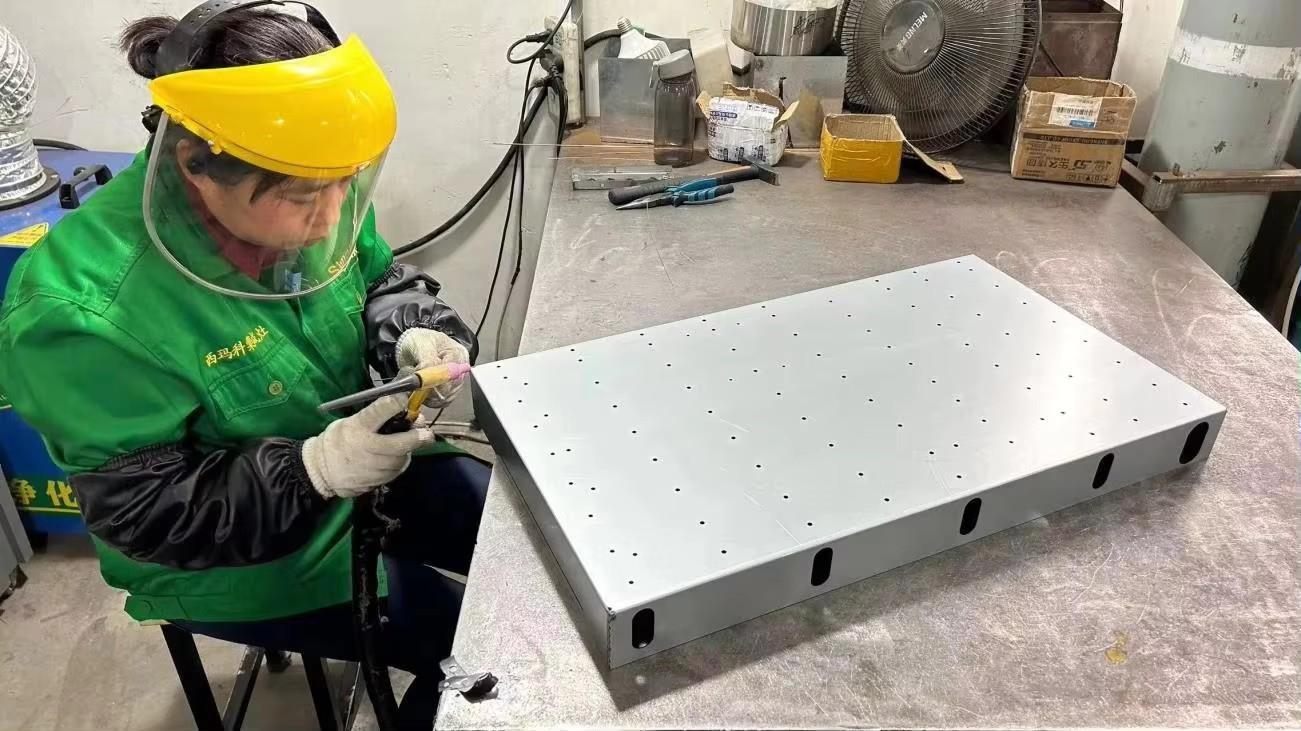
Driven by technological innovation and strict quality standards, we continuously invest in advanced manufacturing systems and R&D. Our production facilities strictly adhere to international quality guidelines, ensuring that every hybrid inverter we deliver meets demanding performance and durability standards. Guided by the core values of integrity, innovation, cooperation, and sustainability, we are committed to providing reliable clean energy solutions to clients worldwide.
Designed to handle real-world challenges, our hybrid inverter technology delivers dependable power configurations for residential, commercial, and agricultural installations.
Dairy operations and vineyards in regions like Colonia, San José, and Canelones require stable electrical supply for milking machines, cooling tanks, and processing facilities. Our hybrid systems deliver reliable power backup and dynamic load shifting, protecting key agricultural operations from grid disruptions.
Commercial buildings, private clinics, and offices in Montevideo face high peak-tariff rates during high-demand windows. Our smart inverters store low-cost off-peak power in batteries and discharge it during peak times, lowering overall operation costs.
From coastal homes in Maldonado to eco-friendly ranches in Rocha, our hybrid solutions combine solar generation, battery storage, and grid backup to secure energy independence while maintaining full grid-tied functionality.
Explore our complete catalog of industrial, commercial, and residential hybrid solar solutions, engineered for high reliability, system safety, and clean power delivery.
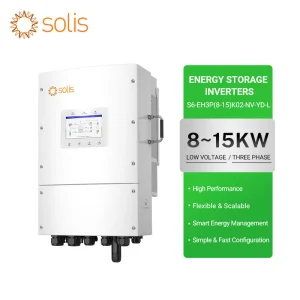
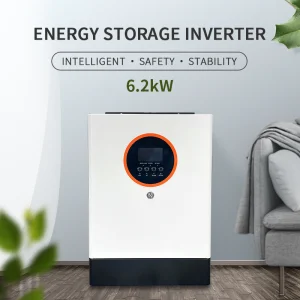
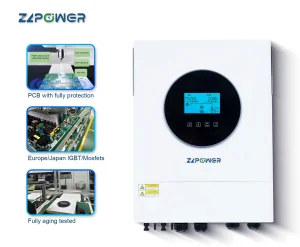
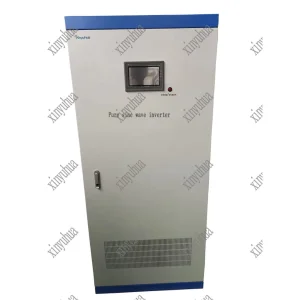
Adapting to the future energy grid transition, our roadmap focuses on incorporating AI-driven load management, dynamic energy distribution, and Virtual Power Plant (VPP) compatibility.
As grid operators in South America explore decentralized generation, our development roadmap prioritizes Virtual Power Plant (VPP) protocols. This enables aggregated systems of residential and industrial batteries to respond dynamically to grid signals, helping stabilize local infrastructure and providing operators with additional grid-balancing revenue options.
Our smart hybrid inverters integrate standard Modbus, CAN, and Wi-Fi/4G communication protocols, offering remote monitoring and seamless integration with existing building management systems (BMS).
Future operational efficiency depends on smart software algorithms. Our inverters include integrated machine-learning EMS that analyze weather forecasts, local load history, and grid tariff schedules to optimize battery charging cycles.
By prioritizing onsite consumption during peak rates and pre-charging batteries when utility rates are low or solar output is high, our systems reduce dependency on the utility grid while lowering energy costs.
Find clear answers to common questions about installing, integrating, and operating hybrid solar inverters under Uruguay’s electrical standards.
 Luzz Solar