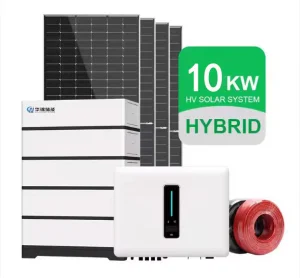
Direct-from-factory systems tailored to comply with California’s stringent electrical codes, high-efficiency requirements, and zero-export utility demands.
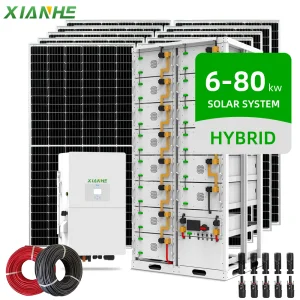
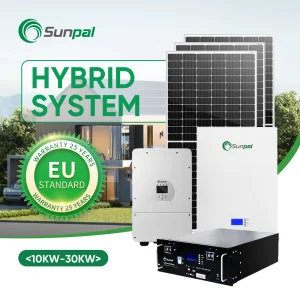
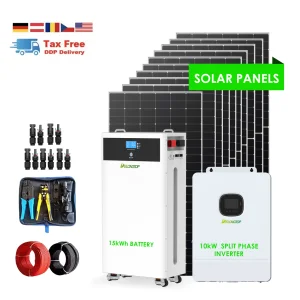
The San Francisco Bay Area is experiencing a massive paradigm shift in its clean energy sector. Rising electricity utility rates from Pacific Gas and Electric (PG&E)—which are currently among the highest in the entire United States—coupled with the California Public Utilities Commission’s (CPUC) implementation of NEM 3.0 (Net Billing Tariff), have fundamentally altered the economics of traditional net-metered PV systems. Under NEM 3.0, export compensation rates have decreased by approximately 75-80%, rendering standard grid-tied solar systems economically inefficient without substantial storage capacities.
Consequently, commercial enterprises, luxury estates, and agricultural facilities in Northern California are moving rapidly toward completely grid-independent, zero-export, or hybrid PV-storage systems. Off-grid systems bypass the lengthy, expensive utility interconnection processes governed by Rule 21 and provide guaranteed operational uptime during Public Safety Power Shutoff (PSPS) events driven by seasonal wildfire risks in Napa, Sonoma, and San Mateo counties.
During a PSPS or Grid Failure event, grid-tied solar systems automatically disconnect to protect line-workers. Only an off-grid active system or AC-coupled hybrid storage system with physical isolation switching (Microgrid Interconnect Device) can maintain operations. This makes factory-level system design critical for hardware-level compatibility.
Deploying energy systems in San Francisco and the wider Bay Area demands strict compliance with California's rigorous building codes, fire regulations, and structural guidelines. For any off-grid or hybrid solar deployment, ensuring that equipment is certified by Nationally Recognized Testing Laboratories (NRTL) is paramount for zoning approval, insurance validity, and municipal sign-off.
Our off-grid systems and manufacturing pipelines are optimized to supply products compliant with local standards:
San Francisco structures must account for high seismic activity. Our ground-mount and roof-mount systems feature advanced structural wind and seismic calculations, supporting installation in high seismic risk areas (ASCE 7-16 calculations). Moreover, high-voltage battery architecture reduces system current levels, minimizing wiring sizes, system heat generation, and power loss.
Combining advanced Chinese production scale with high-grade cell selection to deliver reliable clean energy systems globally.
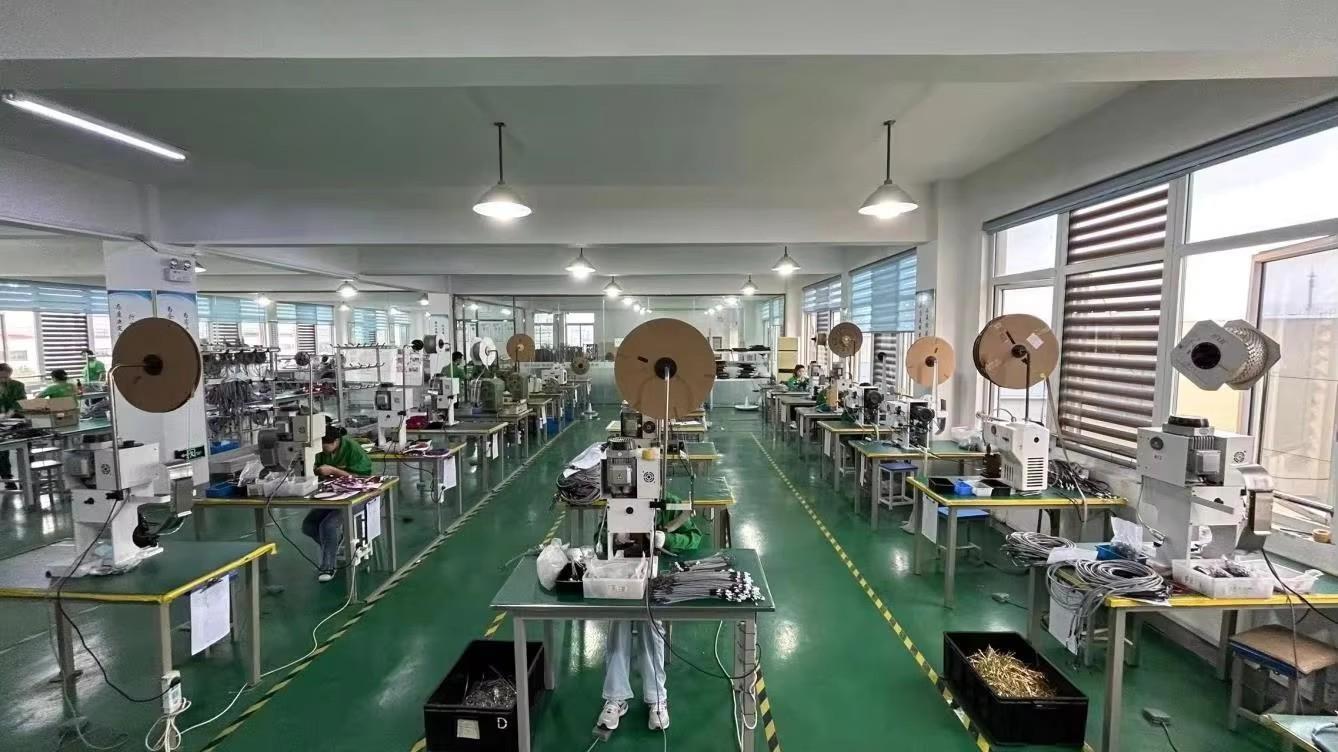
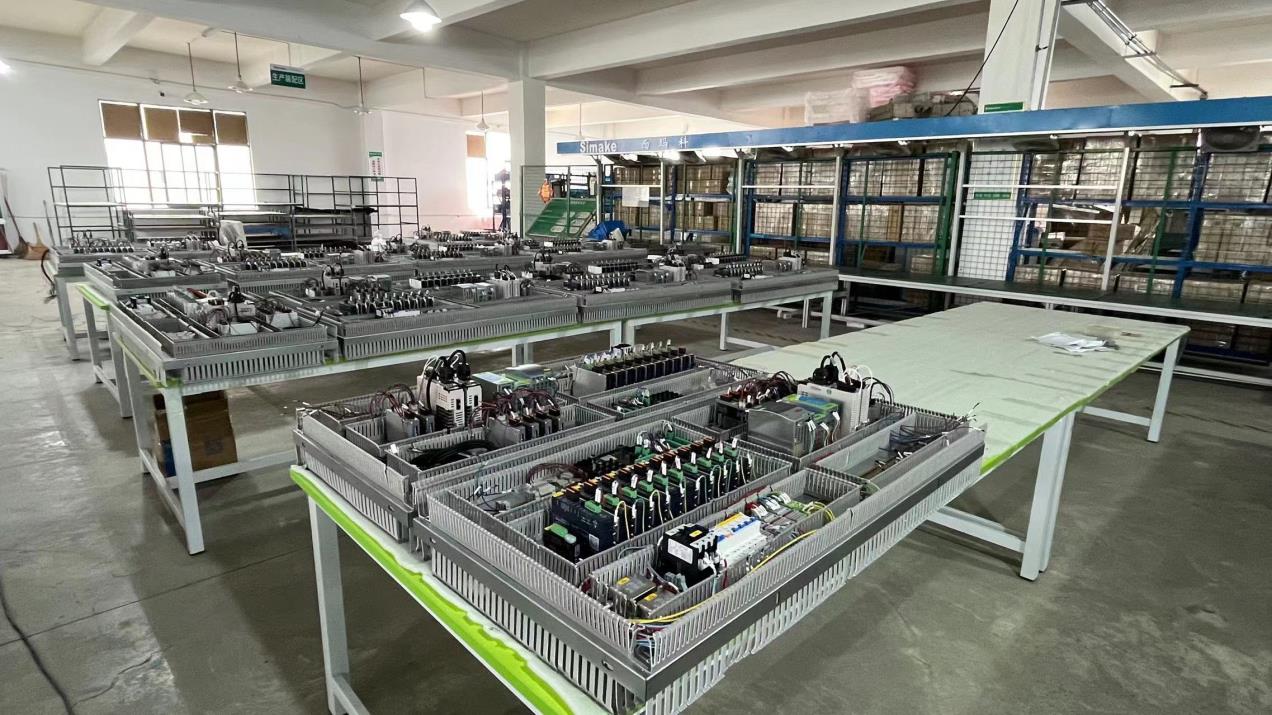
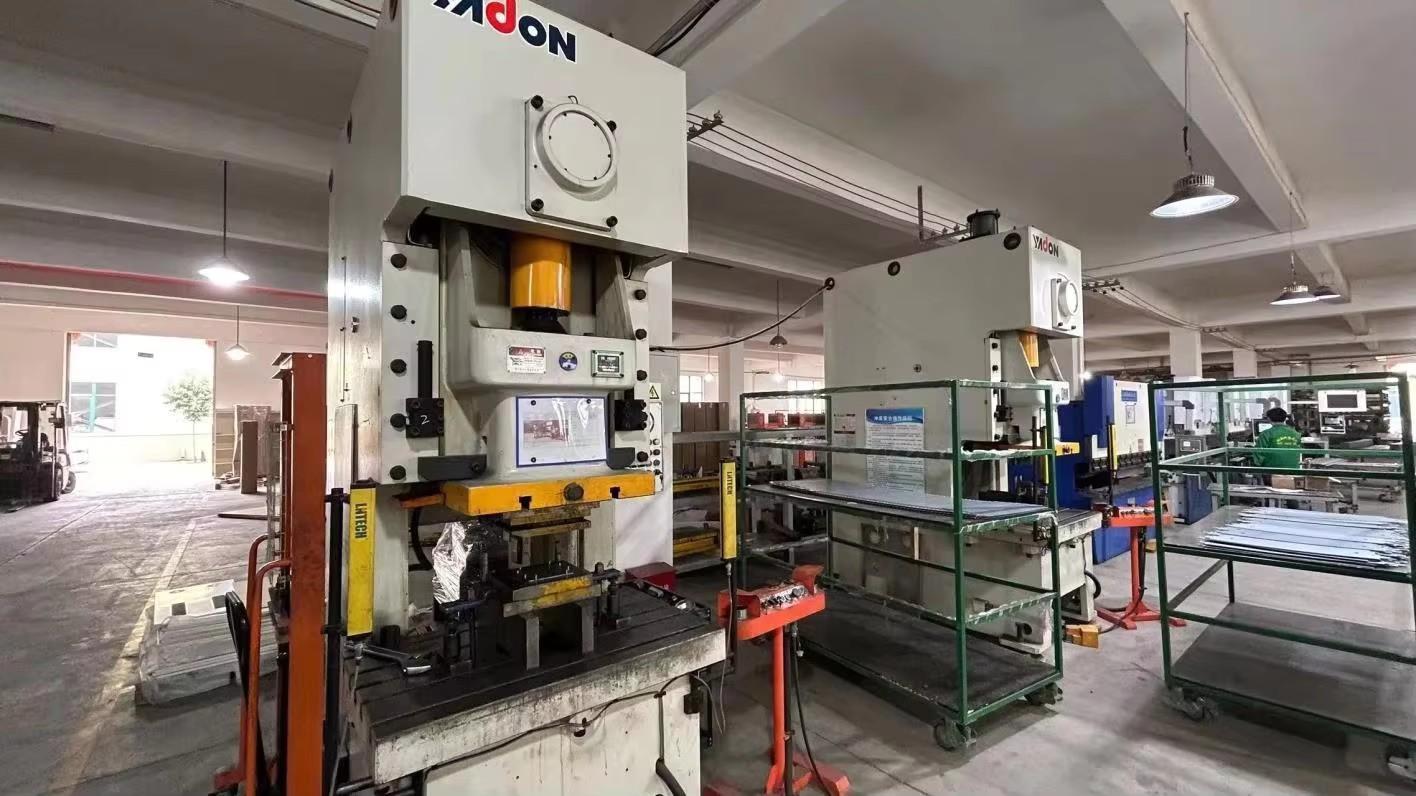
Qingdao Luzz Solar Co., Ltd. is a professional new energy enterprise specializing in the development, manufacturing, and global distribution of photovoltaic (PV) products and integrated energy storage solutions. Located in Qingdao, China, the company benefits from a well-established renewable energy industrial base, advanced manufacturing capabilities, and seamless logistics via Qingdao Port. Driven by technological innovation and quality excellence, we continuously invest in R&D and production optimization to improve conversion efficiency, system reliability, and long-term stability.
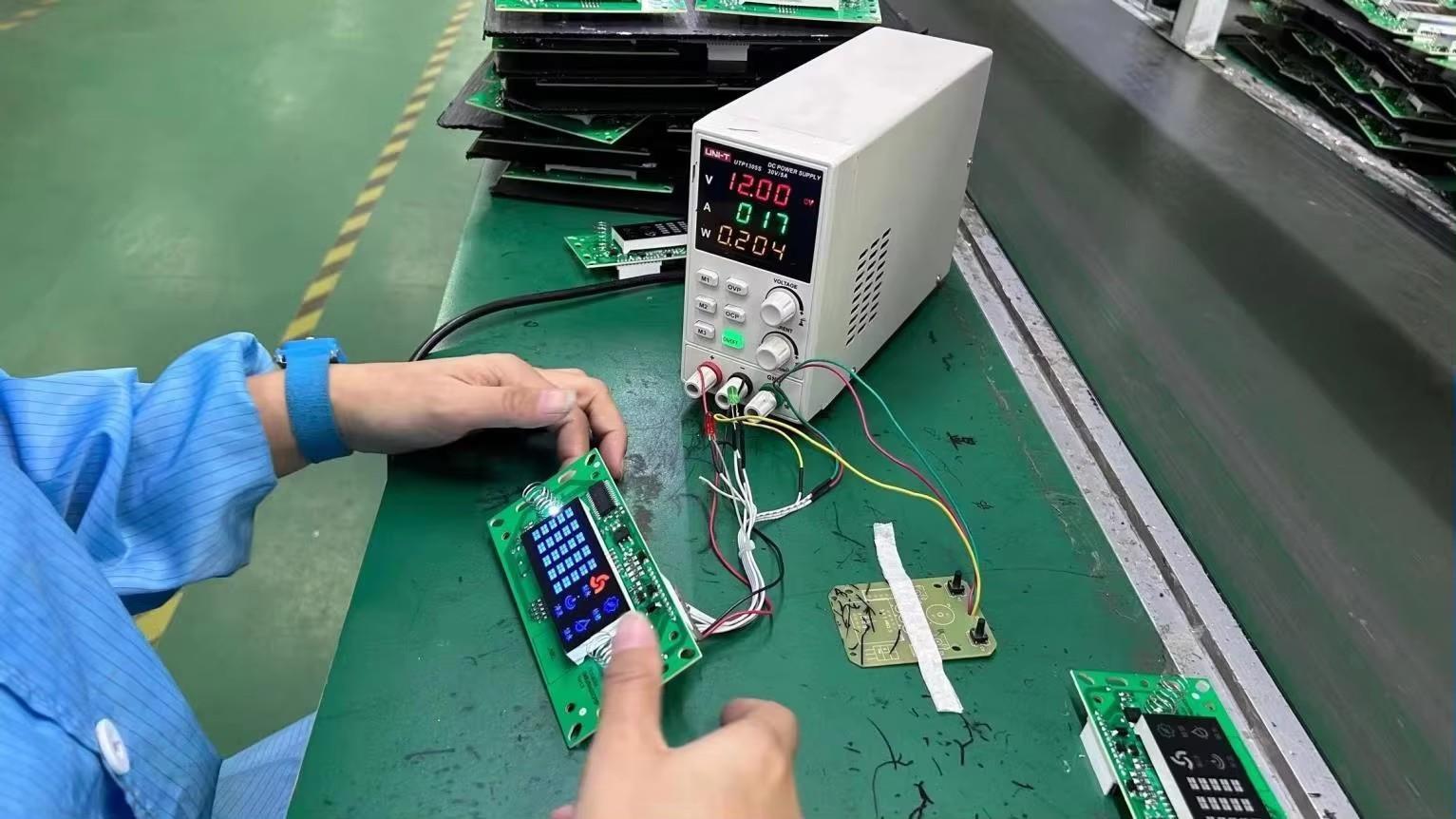
We strictly adhere to international quality standards and implement rigorous quality control throughout the entire production process to ensure stable and long-term product performance. Guided by the core values of integrity, innovation, cooperation, and sustainability, Luzz Solar strives to become a trusted global partner in the new energy industry, supporting the global transition to clean, resilient power.
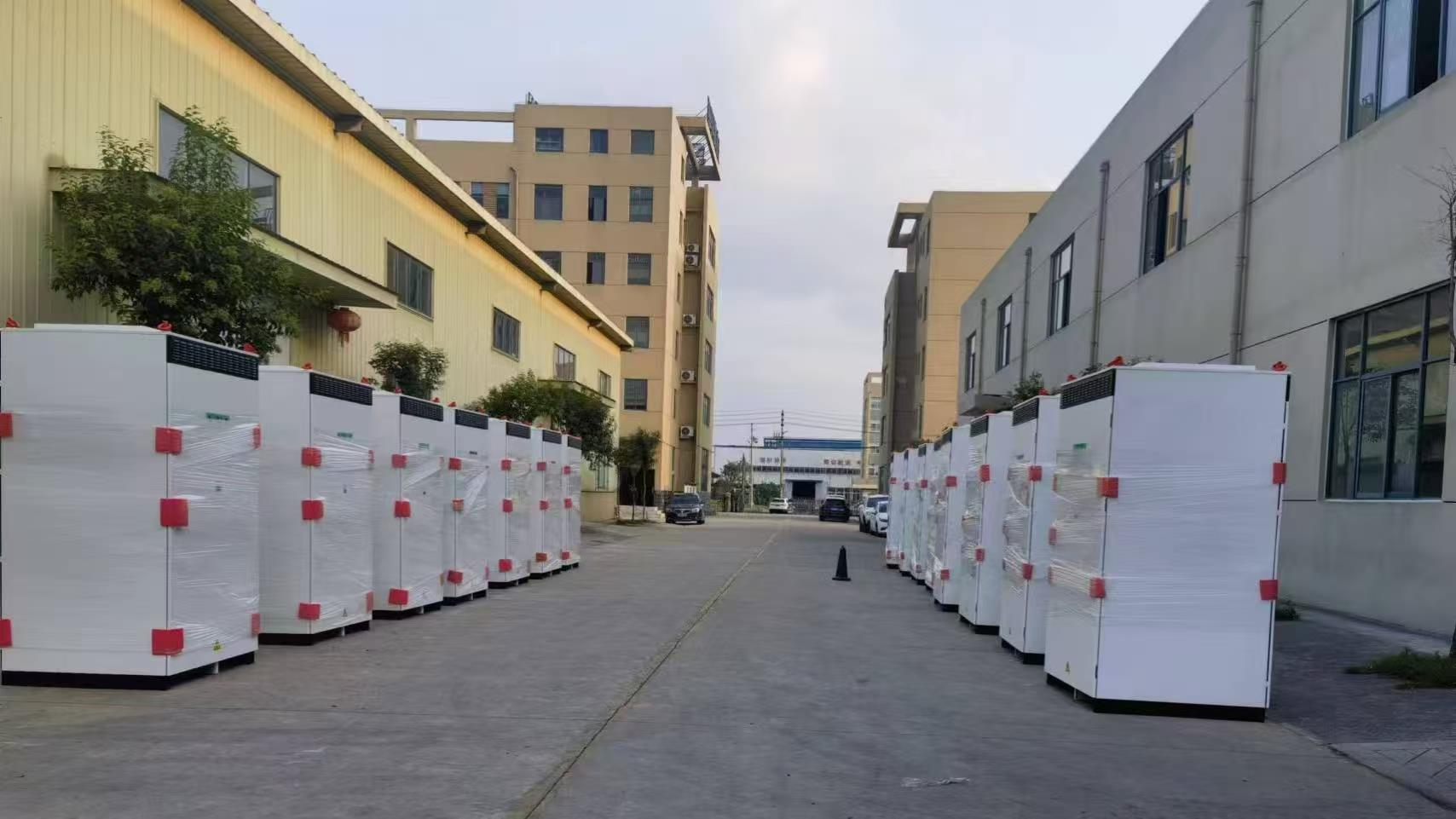
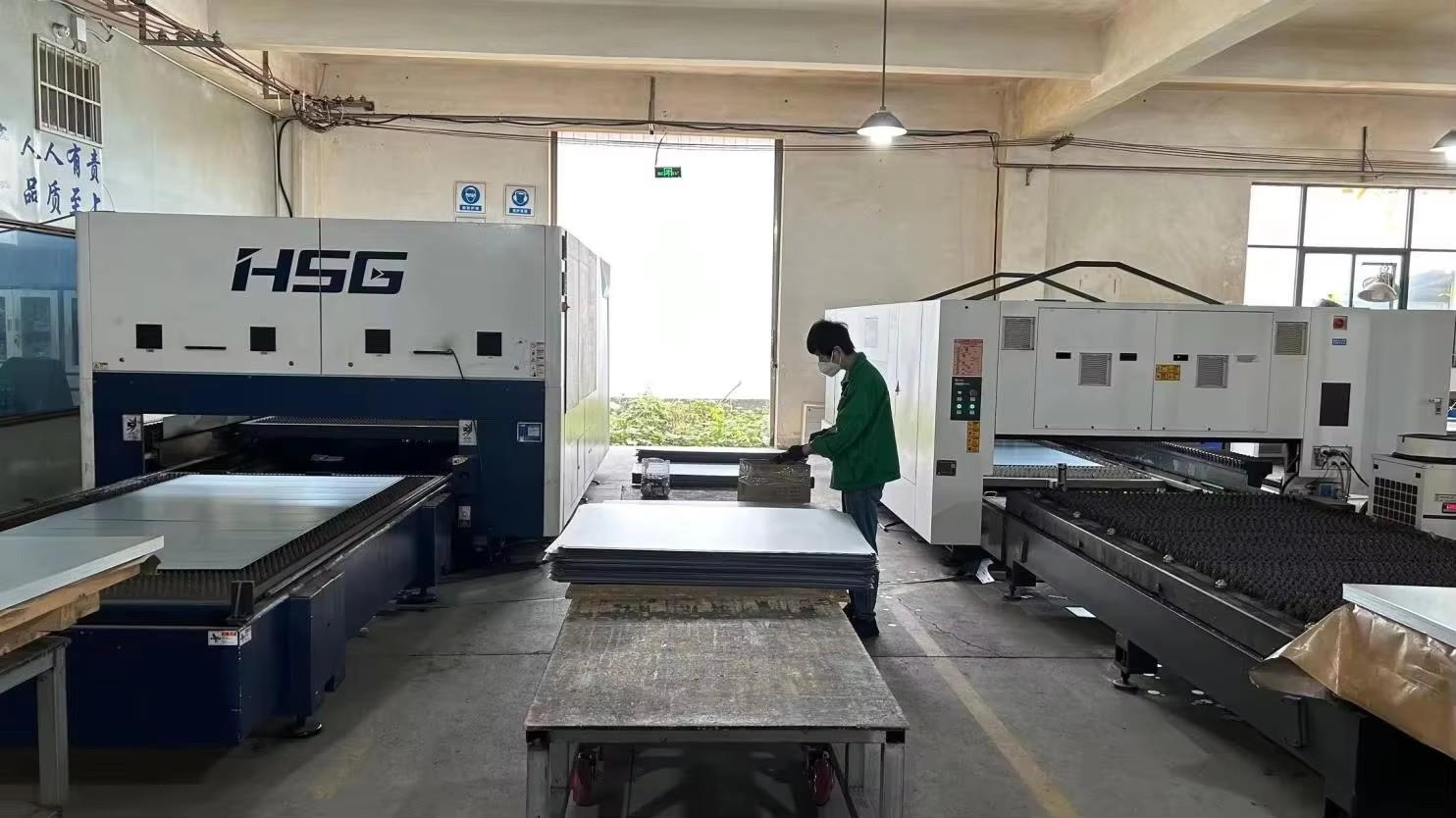
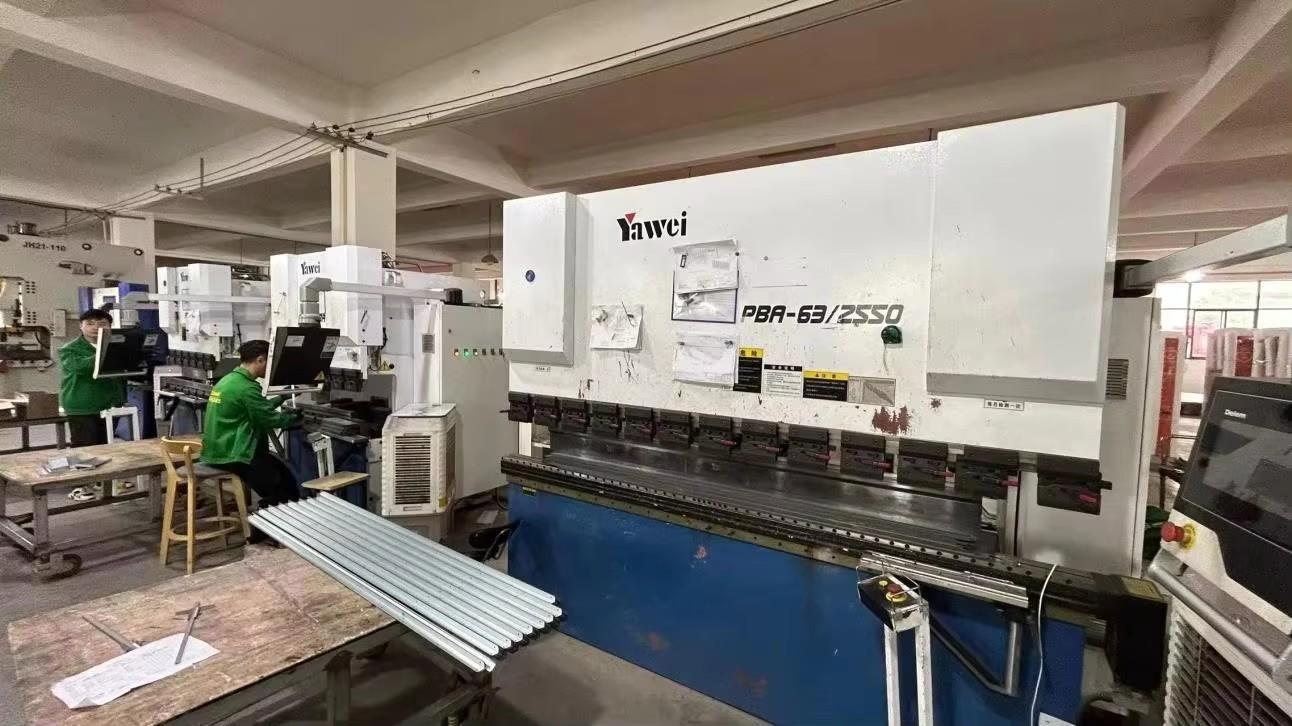
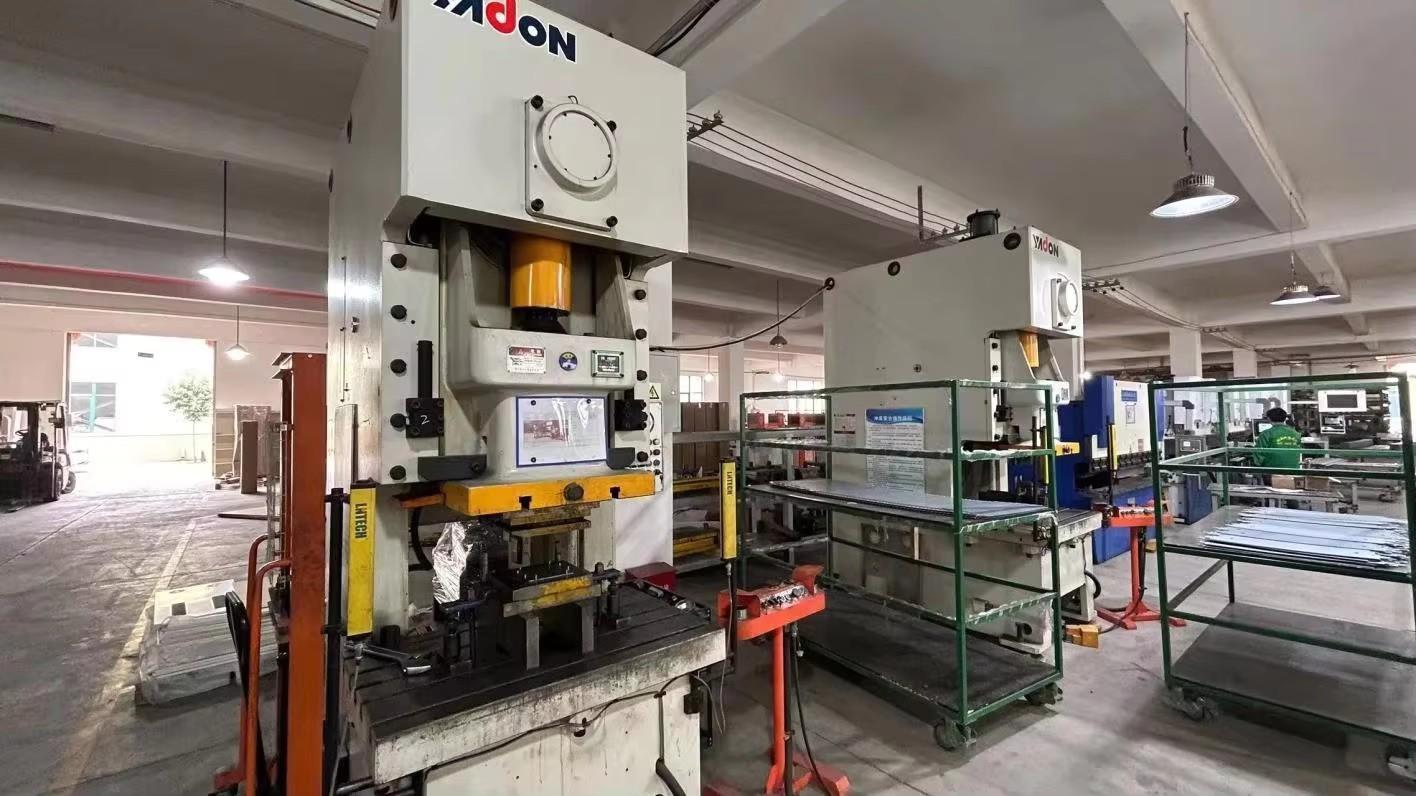
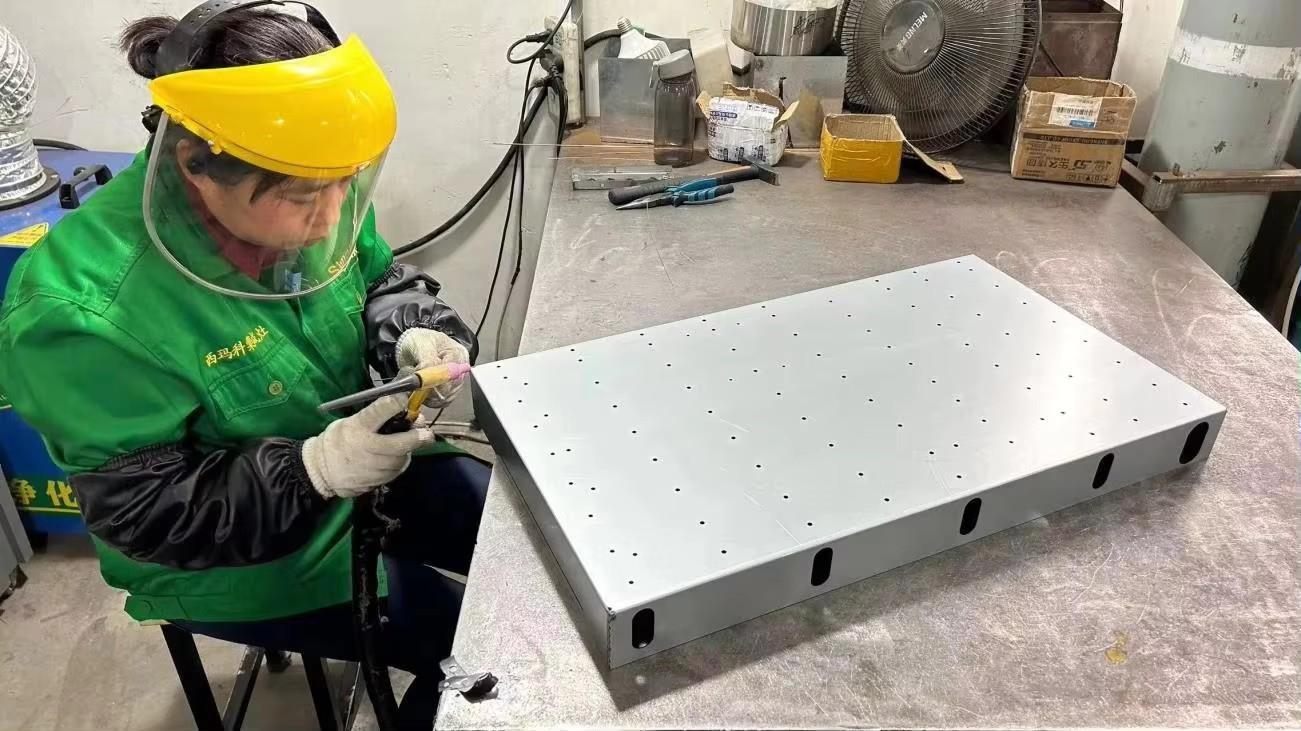
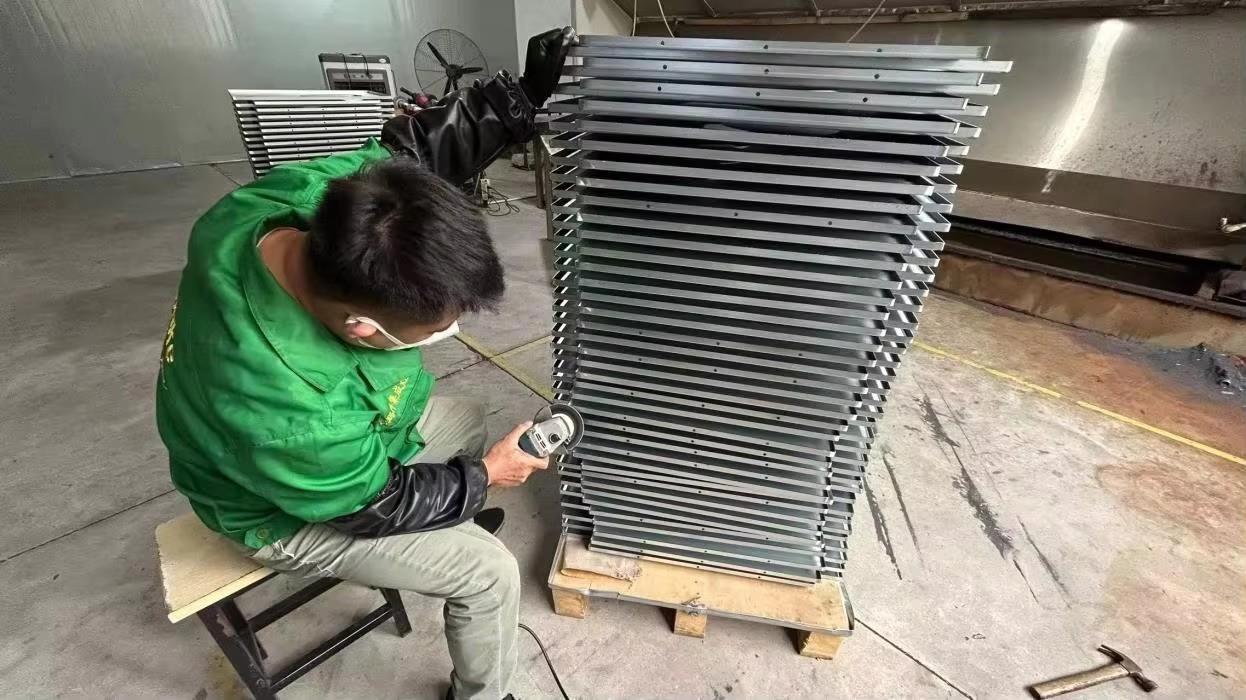
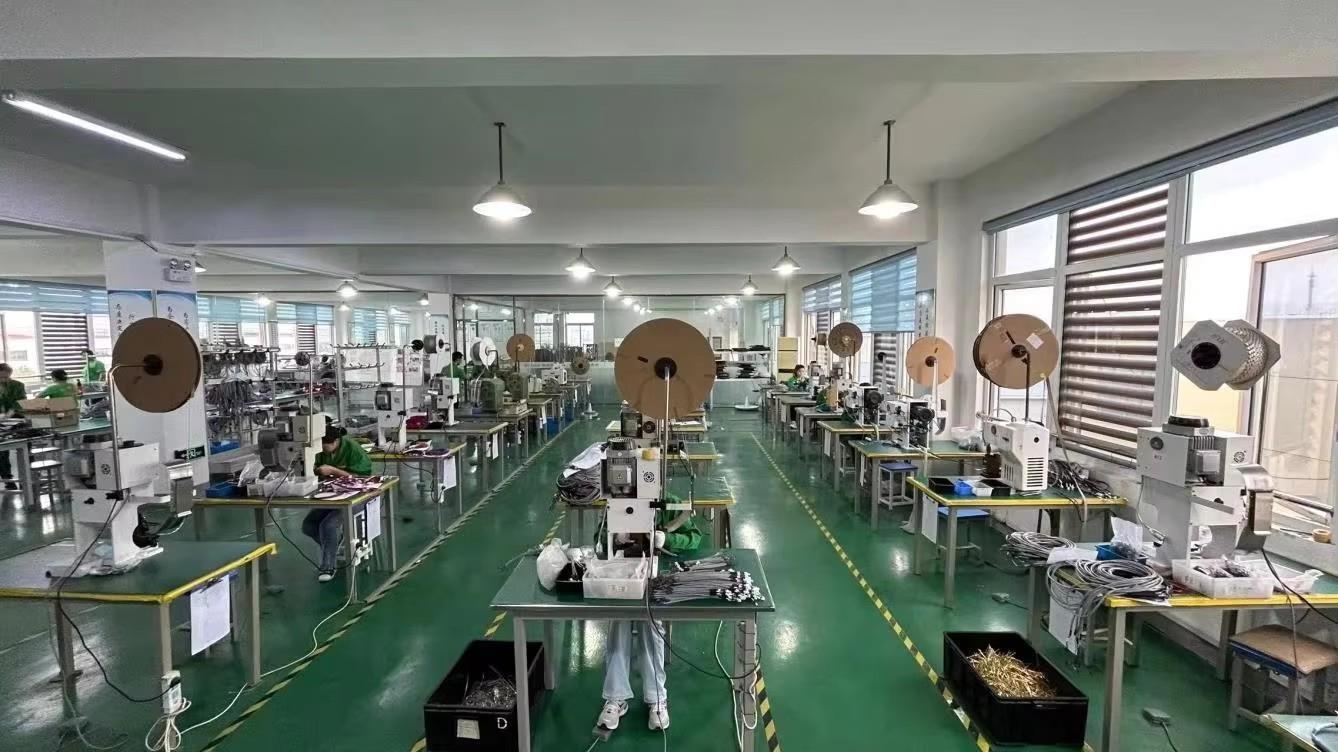
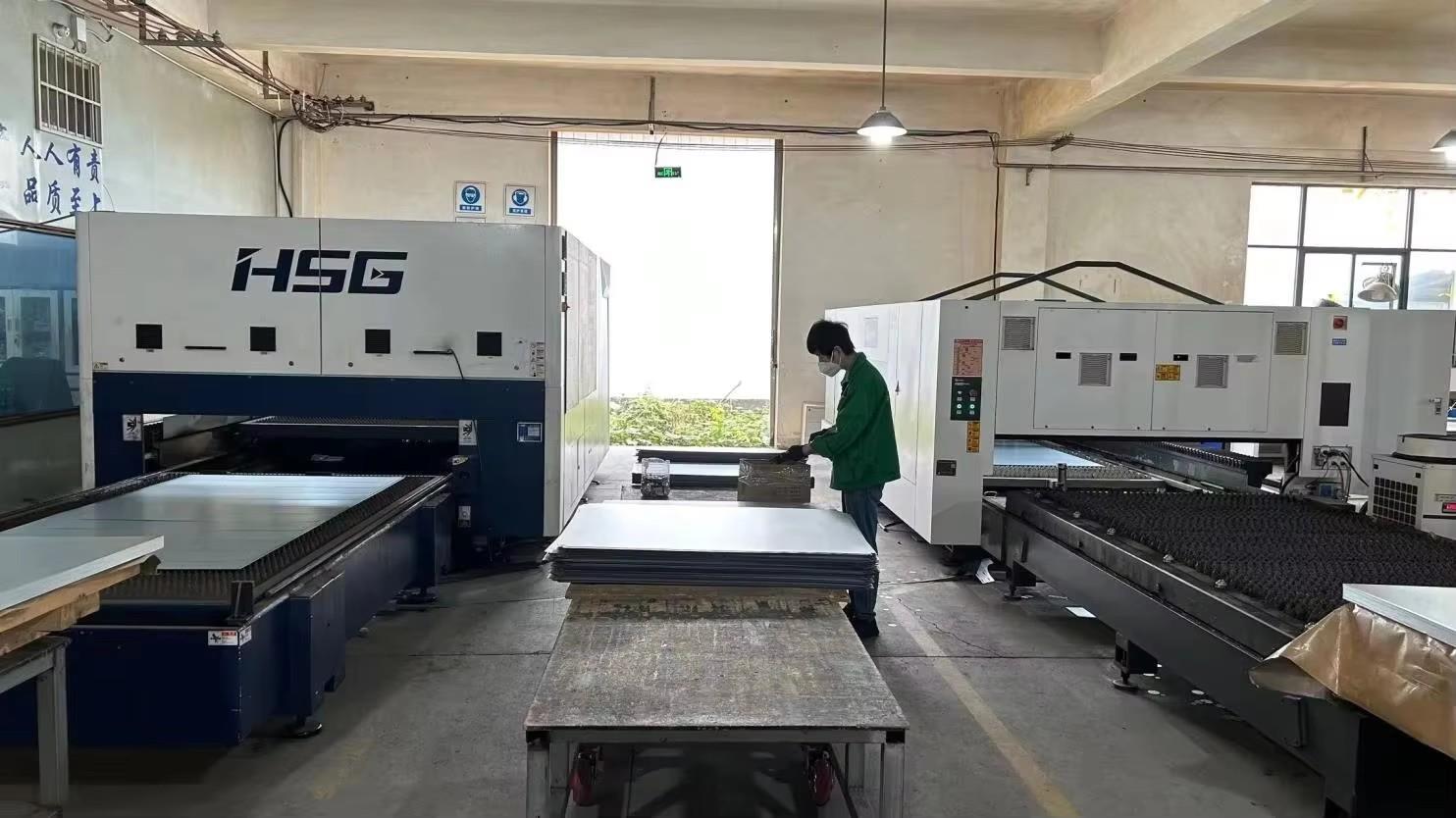
From high-tech campuses to coastal estates, off-grid systems meet various deployment needs across Northern California.
For large properties in Marin County, the Oakland Hills, and Woodside, interconnecting with the utility grid is often prohibitively expensive or delayed due to infrastructure bottlenecks. Large-scale battery storage system kits (15kWh to 40kWh) combined with 10kW to 20kW solar arrays provide reliable power without relying on the public grid.
To insulate critical tech operations from brownouts and frequency drops without high diesel generator running costs, companies use hybrid off-grid packages. By segregating server loads onto dedicated PV-battery setups, operations continue seamlessly during grid maintenance or emergency outages.
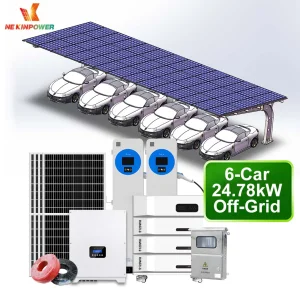
With California pushing for complete electrification of fleet transport, the demand on subpanels is increasing. Off-grid solar carports equipped with lithium storage buffers bypass utility upgrade charges, transforming underutilized parking space into self-sustaining power stations.
Napa and Sonoma wineries require highly reliable microgrids to prevent inventory loss from refrigeration failure. Off-grid solar water pumping and climate-control setups protect operations from high demand charges and utility grid vulnerability.
Sourcing complete off-grid solar equipment from Chinese manufacturing hubs requires careful management of shipping logistics, customs compliance, and technical standards alignment. For US solar developers and EPC firms, the benefits of factory-direct sourcing—such as wholesale pricing and custom tailoring—are maximized when paired with verified logistics protocols.
Our facility near Qingdao Port offers direct container shipping routes to the Port of Oakland. This facilitates streamlined ocean freight, predictable customs clearance times, and reduced overland transportation fees. We assist clients with DDP (Delivered Duty Paid) or CIF (Cost, Insurance, and Freight) terms to ensure transparent delivery budgets.
Technical developments that are increasing the efficiency, life, and returns of modern microgrid installations.
The industry is transitioning from low-voltage (48V) battery banks to high-voltage (HV) systems (typically 200V to 800V DC). High-voltage configurations reduce currents, allowing for thinner cable runs, lower inverter heating, and improved round-trip efficiency in commercial-scale installations.
Lithium Iron Phosphate (LiFePO4) chemistry remains the benchmark for stationary energy storage due to its safety and lifecycle longevity. Improvements in cell energy density are reducing physical footprints, facilitating installation in space-restricted urban areas.
Modern off-grid and hybrid energy systems rely on AI-driven EMS controllers. These systems monitor local weather forecasts, historic consumption, and grid rate schedules to optimize battery charging, discharging, and load shedding.
As electric vehicles become common, integrating V2H (Vehicle-to-Home) and V2G (Vehicle-to-Grid) features into off-grid systems allows EV batteries to serve as supplementary energy storage for residential and commercial systems.
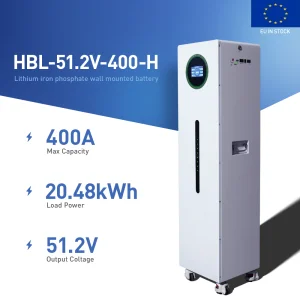
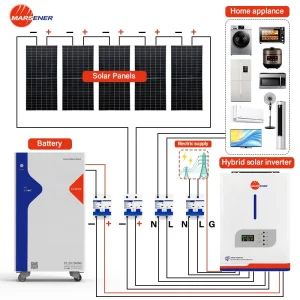
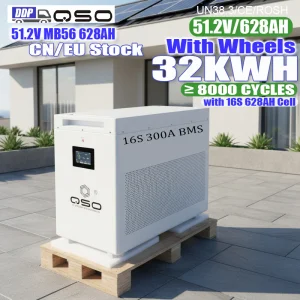
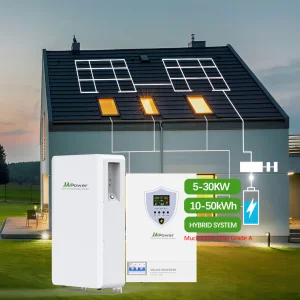
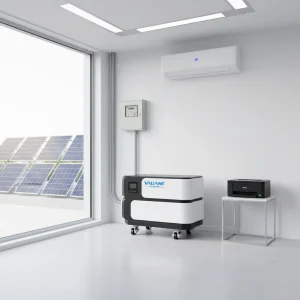
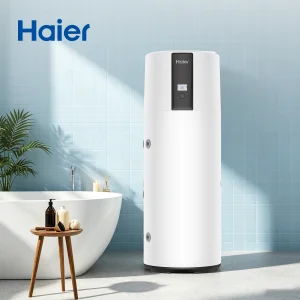
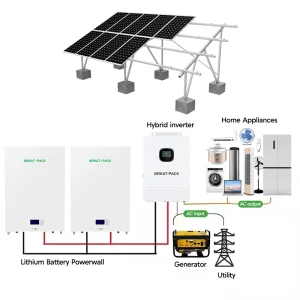
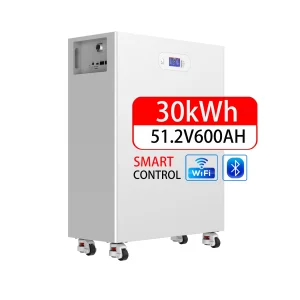
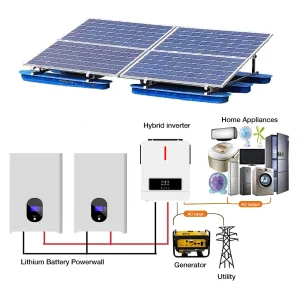
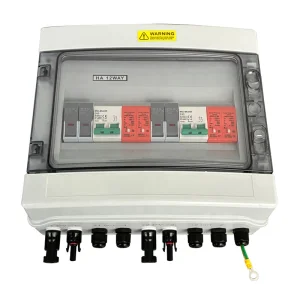
Explore our complete catalog of solar systems, high-voltage battery storage packs, and integrated components designed for heavy-duty applications.
Addressing key technical and regulatory questions regarding off-grid solar equipment procurement and compliance.
Contact Luzz Solar’s engineering and logistics teams to design your custom off-grid solar and storage system, request technical drawings, or get direct factory-to-port shipping rates.
Send Inquiry Now Luzz Solar