China Wholesale Containerized Energy Storage Solution Exporter & Exporters

Empowering Global Grid Stability, C&I Decarbonization, and High-Capacity Renewable Integration with Smart, Tier-1 LiFePO4 BESS Platforms

Containerized Battery Energy Storage Systems (BESS) Whitepaper

An Industrial Guide to Wholesale Integration, Engineering Excellence, and Grid-Code Compliance

In the global pursuit of carbon neutrality, the integration of high-density, reliable grid infrastructure is no longer a luxury—it is an absolute necessity. As renewable energy generation from wind and solar photovoltaic (PV) sources rises exponentially, the grid is challenged by systemic intermittency. The primary technical solution is the deployments of utility-scale and Industrial & Commercial (C&I) Containerized Battery Energy Storage Systems (BESS). These massive, modular platforms act as virtual power plants, stabilizing voltage, mitigating curtailment, and enabling rapid frequency response.

As an industry-leading China wholesale exporter of containerized energy storage solutions, Qingdao Luzz Solar Co., Ltd. stands at the forefront of this technological migration. We design, manufacture, and integrate systems utilizing high-capacity Lithium Iron Phosphate (LiFePO4) cell chemistry, intelligent multi-tiered Battery Management Systems (BMS), active liquid cooling architectures, and advanced fire suppression mechanisms compliant with strict international codes.

SEO Insight & Information Gain: While standard batteries provide simple backup power, our containerized BESS platforms provide advanced grid ancillary services, such as Black Start capabilities, Dynamic Frequency Regulation, and peak-shaving efficiencies exceeding 92% round-trip efficiency (RTE). Read below for detailed system architectures, manufacturing insights, and compliance matrices.

6000+
Life Cycles @80% DOD
314 Ah
High Density Cells
IP55 / IP65
Enclosure Protection
< 3°C
Temp Delta (Liquid Cool)
1. Macro Industry Outlook & Global BESS Trends

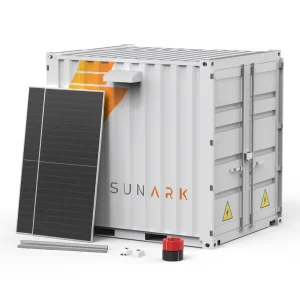
The global energy storage landscape has experienced a monumental shift from small-scale backup storage to utility-scale, high-voltage grid integrations. As transmission system operators (TSOs) enforce stringent grid-code requirements, developers must implement scalable solutions that are easily transportable and rapidly deployable. Standard ISO container designs (10-foot, 20-foot, and 40-foot modular configurations) have emerged as the industry standard due to ease of transport, structural durability, and the capability to pre-assemble, wire, and test the full system before leaving the factory.

In major markets like North America, Europe, and the Asia-Pacific region, grid congestion is driving high curtailment rates for solar farms and wind assets. Containerized BESS functions as a buffer, storing surplus energy during peak solar noon or periods of high wind, and injecting it back into the high-voltage transmission lines during peak demand periods. This process, known as energy arbitrage, yields significant financial returns for asset owners while stabilizing the local grid.

2. The Technical Architecture of Wholesale Containerized BESS

A high-performance containerized energy storage solution is far more than a container packed with battery racks. It represents a complex synergy of mechanical, thermal, electrical, and control engineering:

Advanced LiFePO4 Chemistry

We leverage industrial-grade 280Ah and 314Ah Lithium Iron Phosphate cells. LiFePO4 features exceptional thermal runaway thresholds (~270°C) and operates reliably across thousands of deep discharge cycles.

Dynamic Liquid Cooling

Our container features state-of-the-art chiller-based liquid distribution. Liquid coolant plates keep cell temperature differentials within 3°C, extending overall battery lifespan by 20% compared to traditional air-cooled setups.

NFPA 855 Fire Suppression

Equipped with multi-stage gas, heat, and smoke sensors paired with Novec 1230 / FK-5-1-12 or water-sprinkler systems, assuring maximum mitigation of thermal runaway propagation risks.

The core control hub is the three-tier Battery Management System (BMS). The slave BMS monitors individual cell voltages and temperatures. The master BMS controls the rack-level dynamics, and the system-level BMS interface integrates directly with the Power Conversion System (PCS) and Energy Management System (EMS). Together, they optimize load balance, monitor State of Health (SOH) and State of Charge (SOC), and isolate any system anomalies in microseconds.

Parameters Standard 20ft Container (1.2 - 2.5 MWh) Standard 40ft Container (3.4 - 5.0 MWh)
Cell Chemistry & Capacity LiFePO4 (LFP) 280Ah / 314Ah LiFePO4 (LFP) 314Ah / 530Ah (Next-Gen)
System Nominal Voltage DC 1000V / 1500V Options DC 1500V Optimized Grid Tie
Thermal Control Type Intelligent HVAC Air or Liquid Cooling Dual-Loop Smart Liquid Cooling System
IP Protection Class IP54 / IP55 (Industrial Outdoor Grade) IP55 Standard, Custom marine coatings
Fire Fighting Integration Aerosol / FK-5-1-12 Gas and Deflagration Fans Dual-gas FK-5-1-12 & Direct-to-pack Water Sprinkler
Communication Interfaces Modbus TCP/IP, CAN, Ethernet IEC 61850, Modbus, DNP3
3. Localized Application Scenarios

BESS is not a one-size-fits-all product; it is highly dynamic depending on geography and electrical grid codes. Our engineering team customizes container layouts for a range of localized applications:

  • Remote Island and Off-Grid Systems: Working alongside off-grid PV architectures, containerized batteries act as the primary voltage source, reducing reliance on costly, high-emission diesel generators in remote areas.
  • Heavy Manufacturing Peak Shaving: Factories operating high-capacity CNC setups, metal forging, or heavy stamping equipment experience high demand charges. Deploying a BESS container mitigates peak demands, shaving energy expenses.
  • EV Ultra-Fast Charging Buffers: As charging hubs integrate 350kW DC chargers, localized utility grids face heavy strain. BESS acts as a reserve buffer, discharging during rapid charging events and charging during off-peak hours.
Company Profile & Advanced Factory Manufacturing

Qingdao Luzz Solar Co., Ltd. is a professional new energy enterprise specializing in the development, manufacturing, and global distribution of photovoltaic (PV) products and integrated energy storage solutions.

Located in the industrial hub of Qingdao, China, Luzz Solar leverages a well-established renewable energy supply network and state-of-the-art manufacturing infrastructure. With the accelerating global transition toward carbon neutrality and sustainable development, Luzz Solar is committed to providing efficient, reliable, and cost-effective clean energy solutions to customers worldwide. Our product portfolio includes high-efficiency solar photovoltaic modules, energy storage systems, and integrated solar application solutions designed for residential, commercial, and utility-scale projects.

Driven by technological innovation and quality excellence, we continuously invest in R&D and production optimization to improve product performance, energy conversion efficiency, and system reliability. We strictly adhere to international quality standards and implement rigorous quality control throughout the entire production process to ensure stable and long-term product performance.

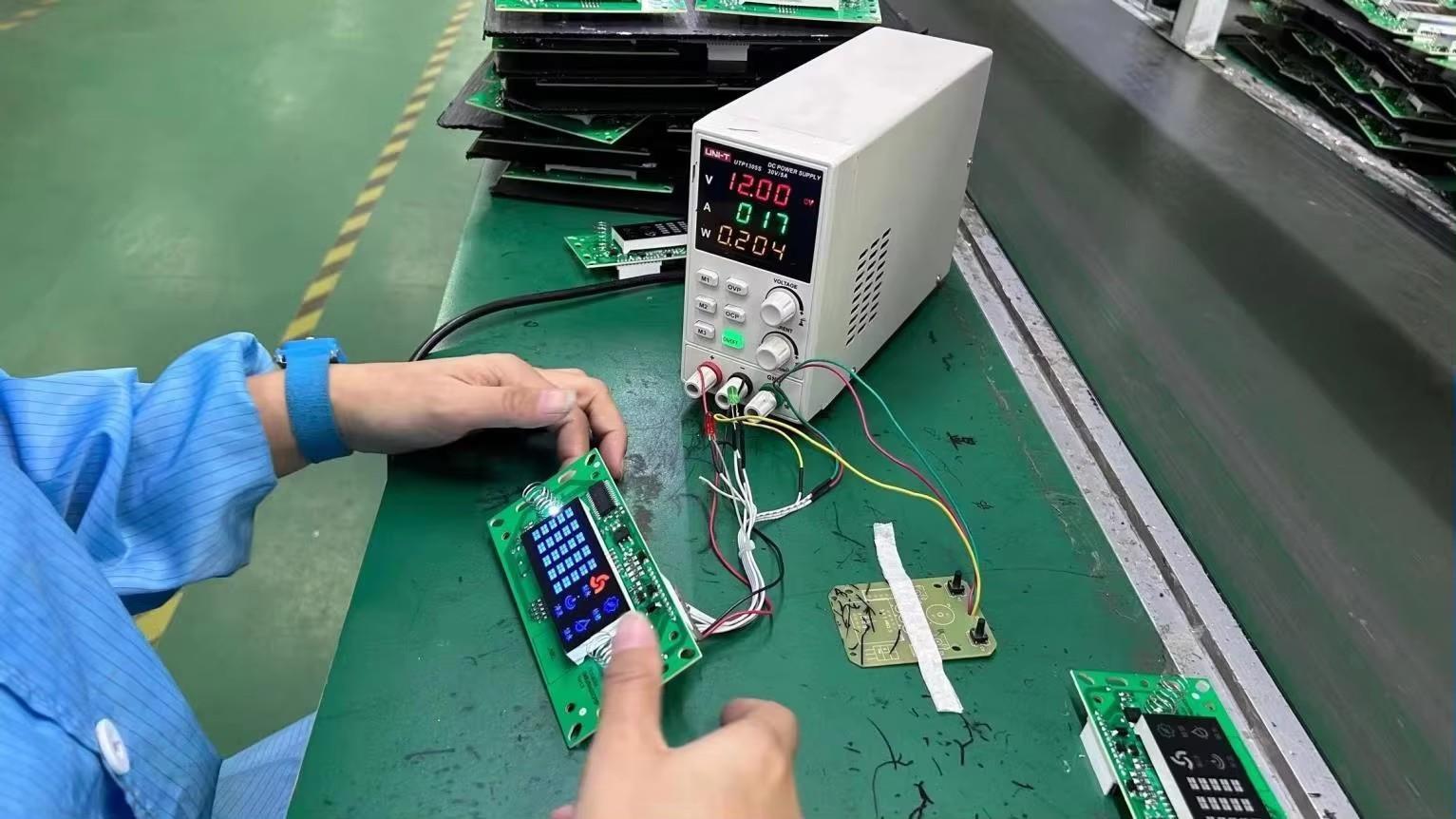
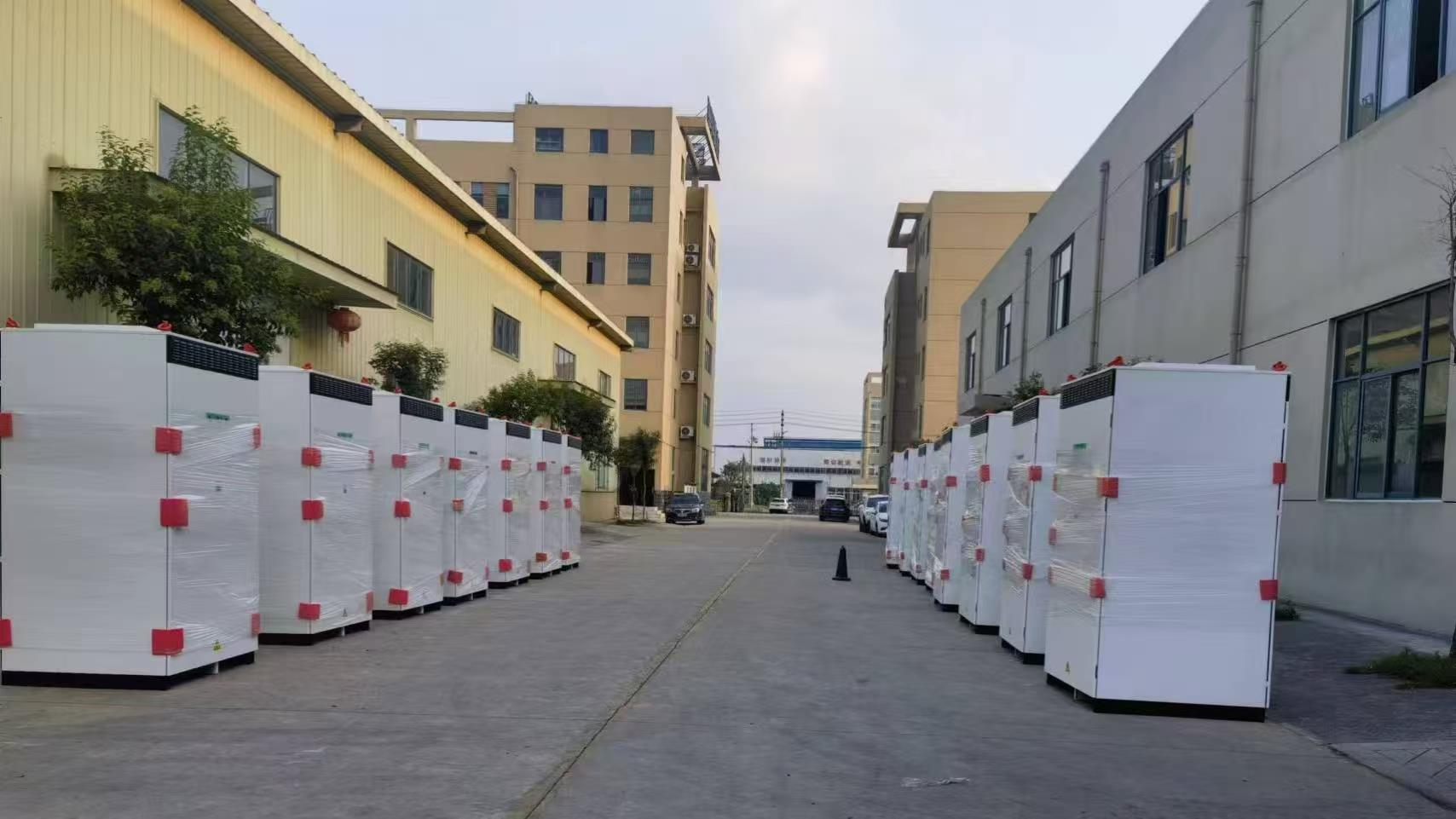
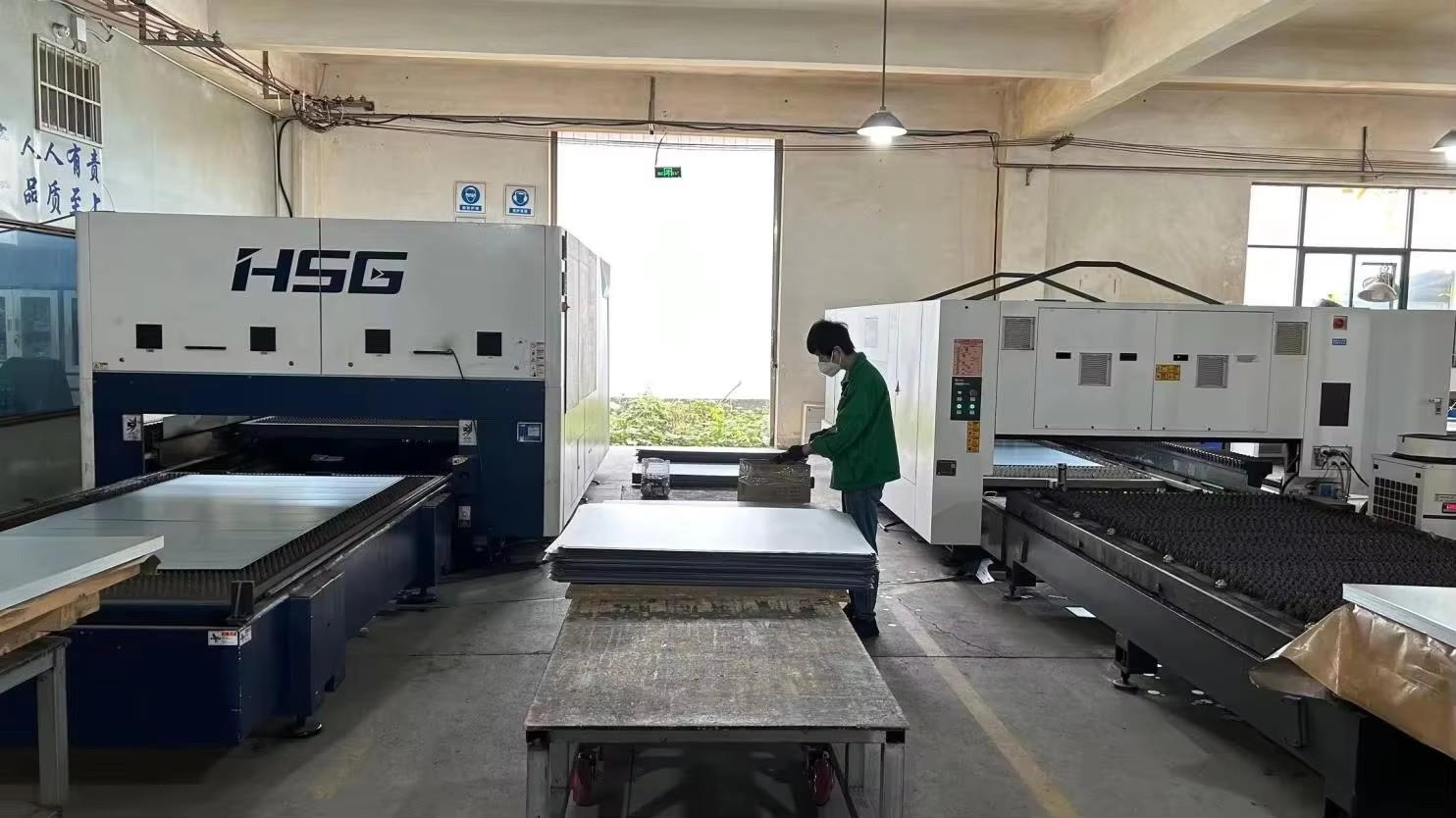
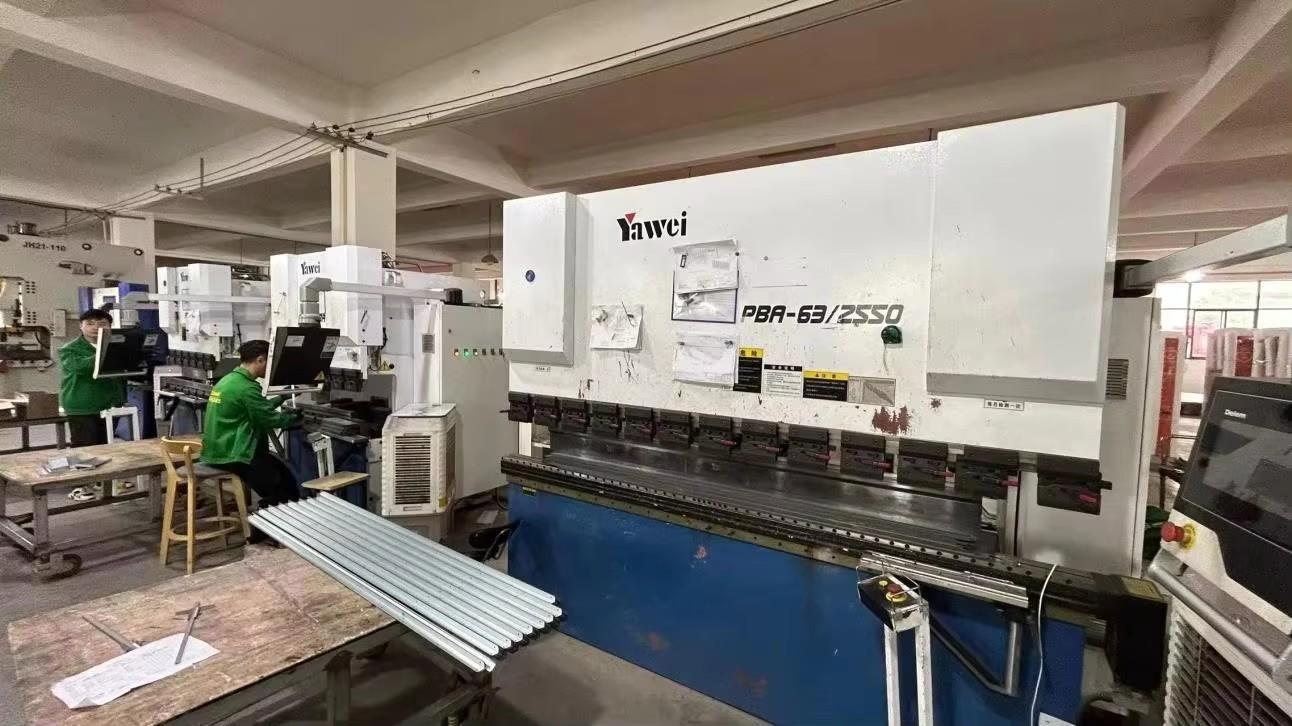
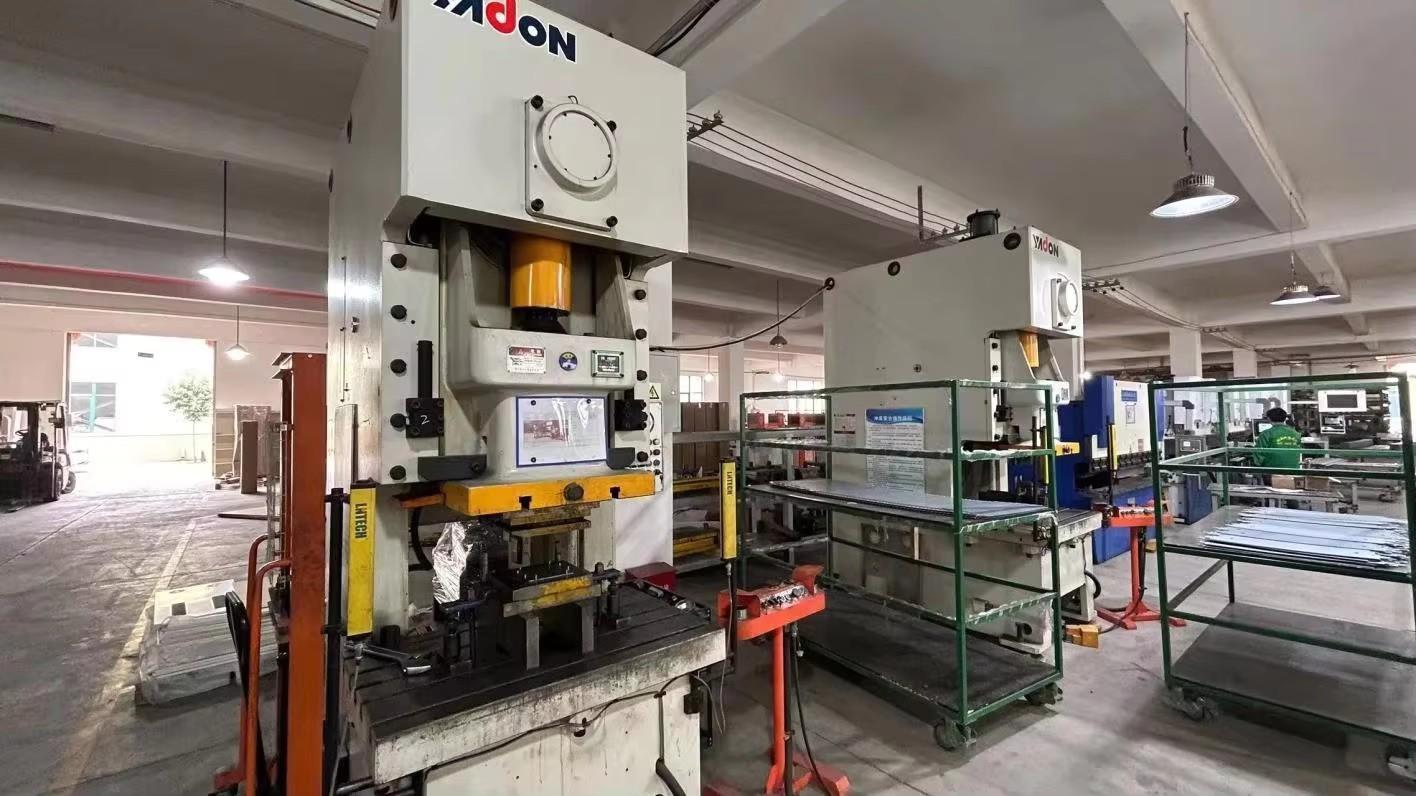
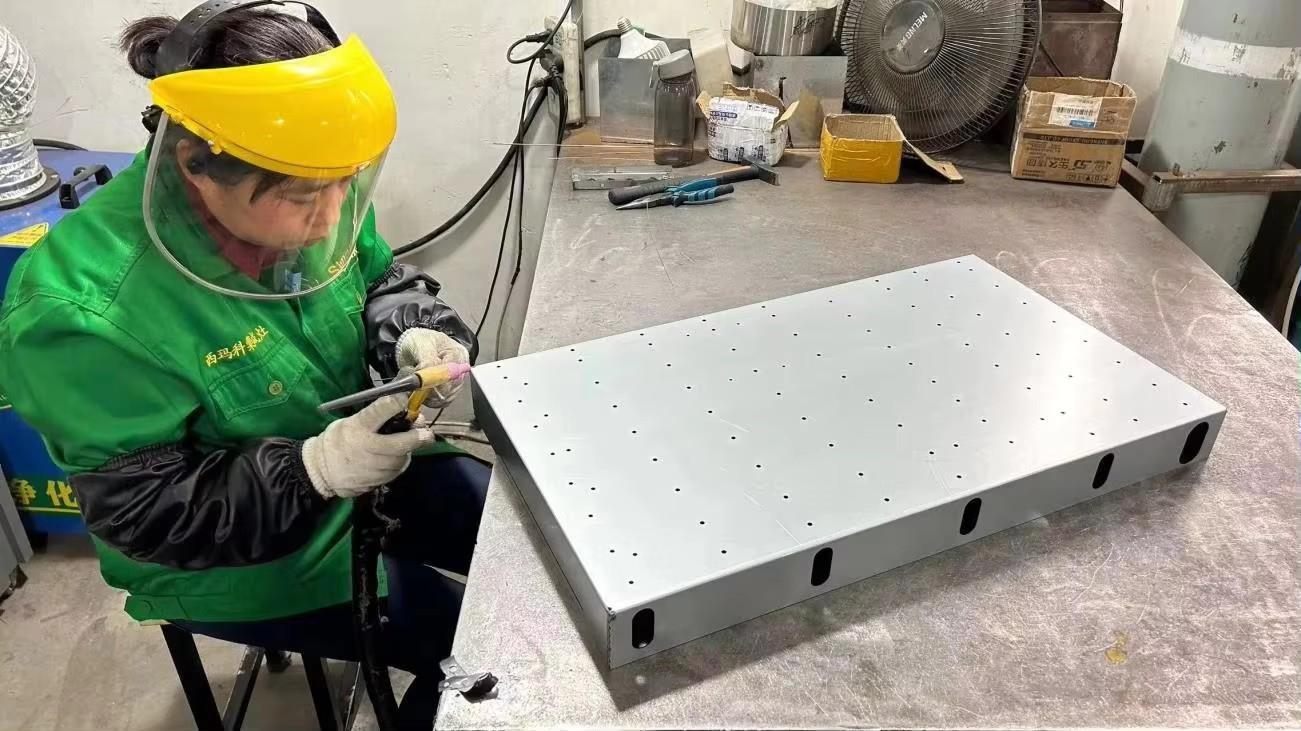
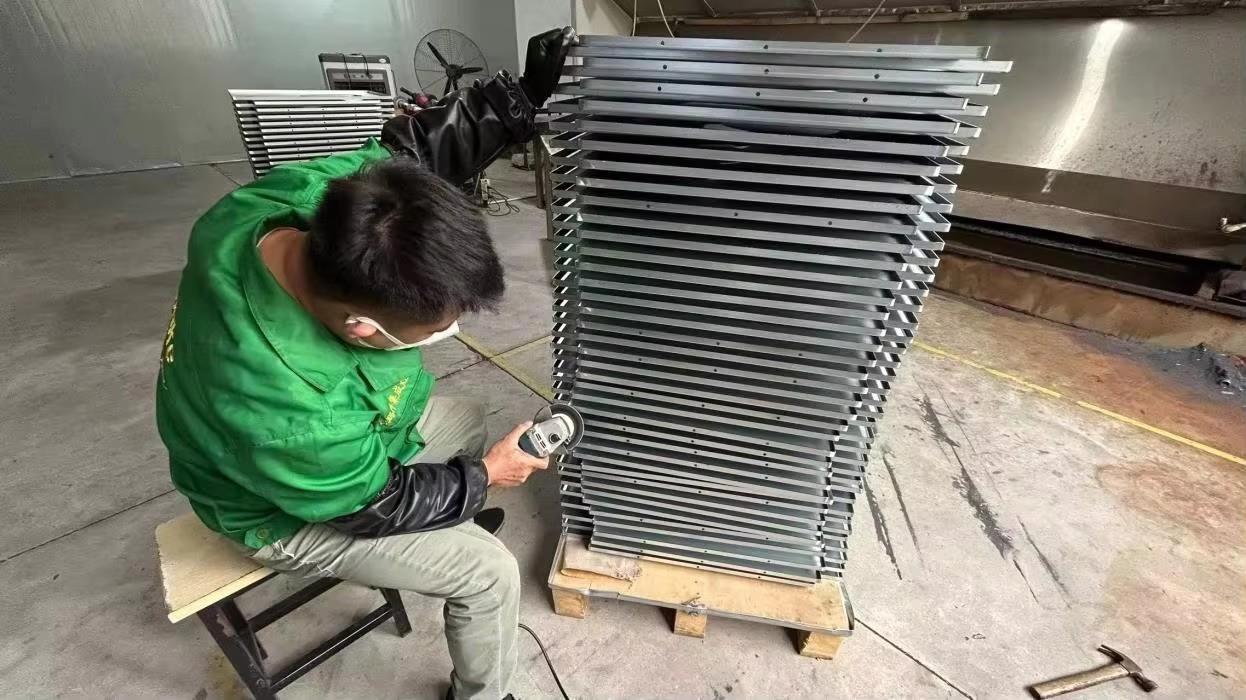
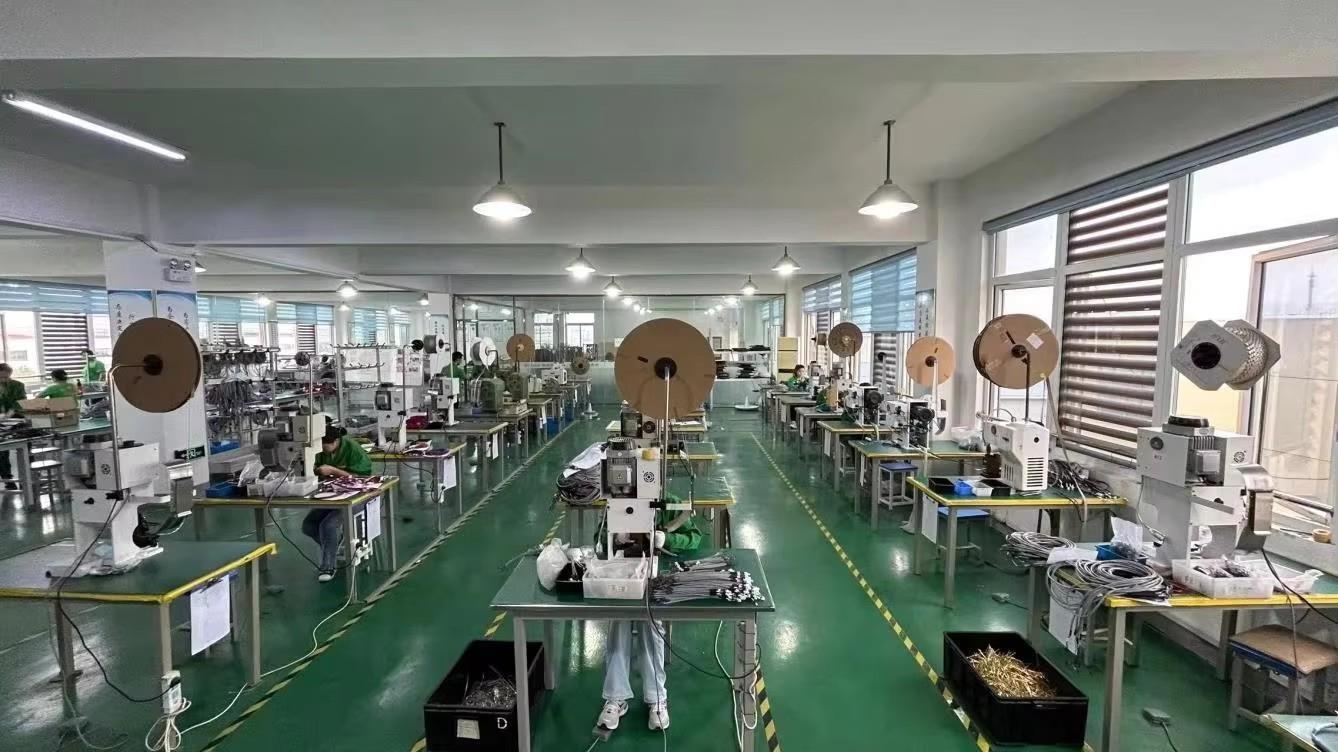
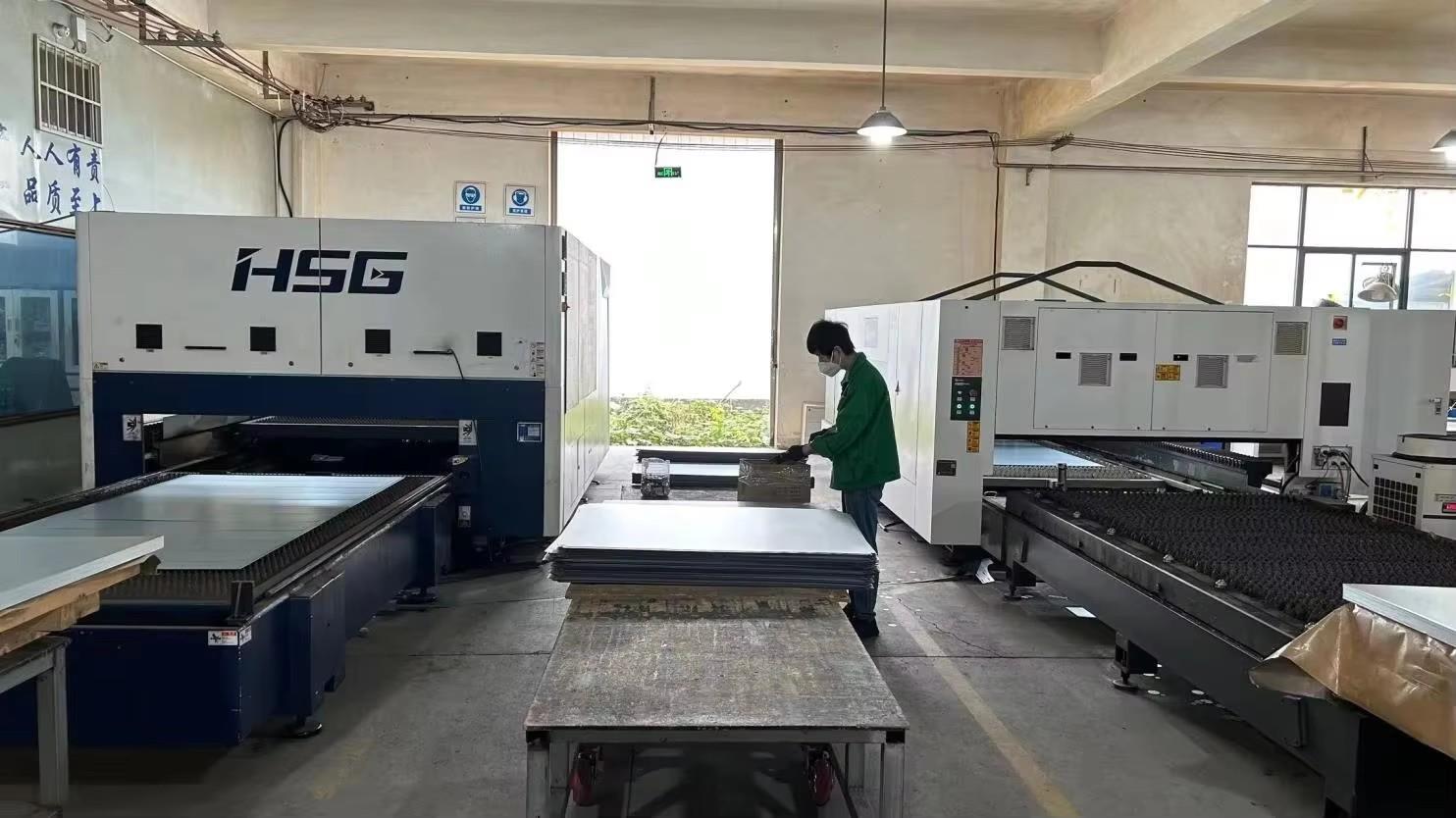
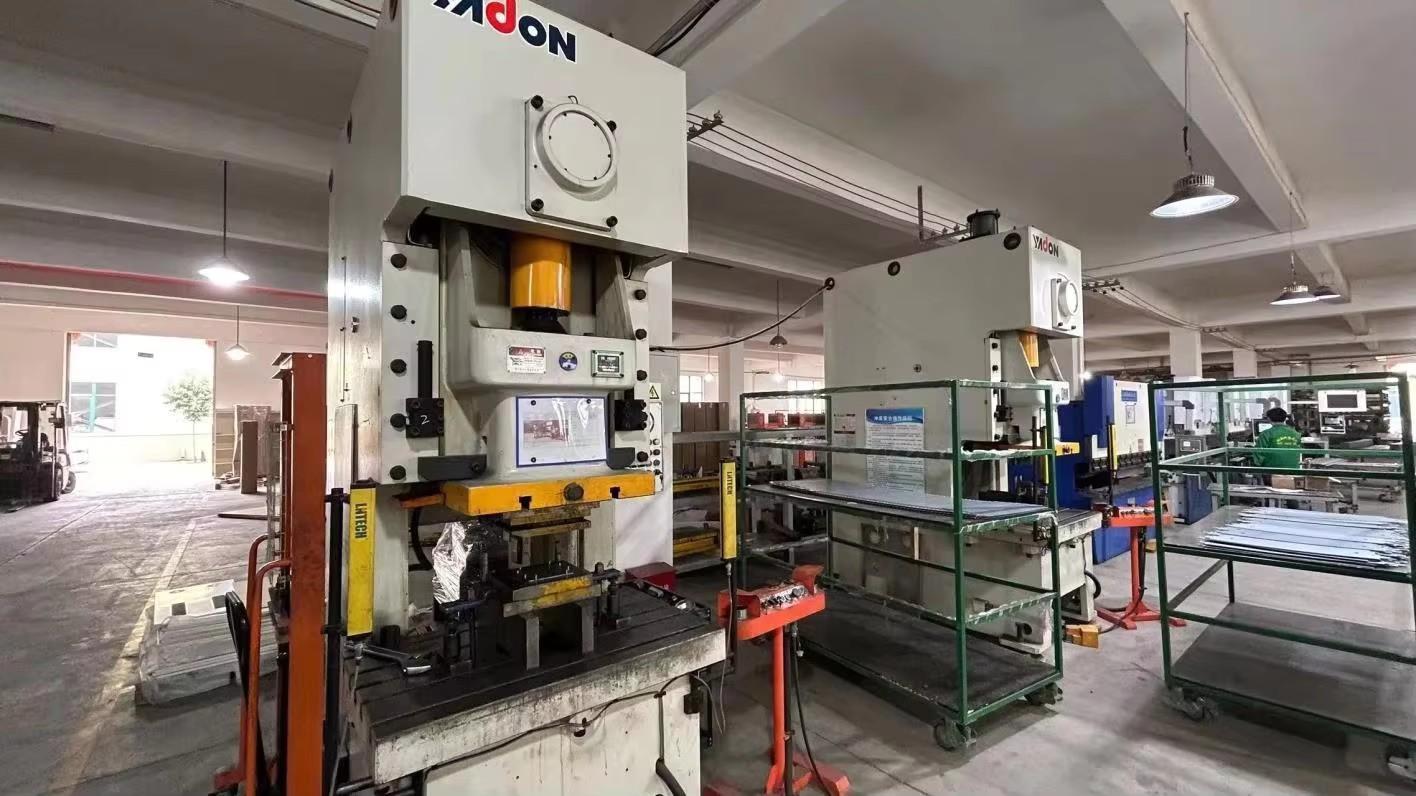
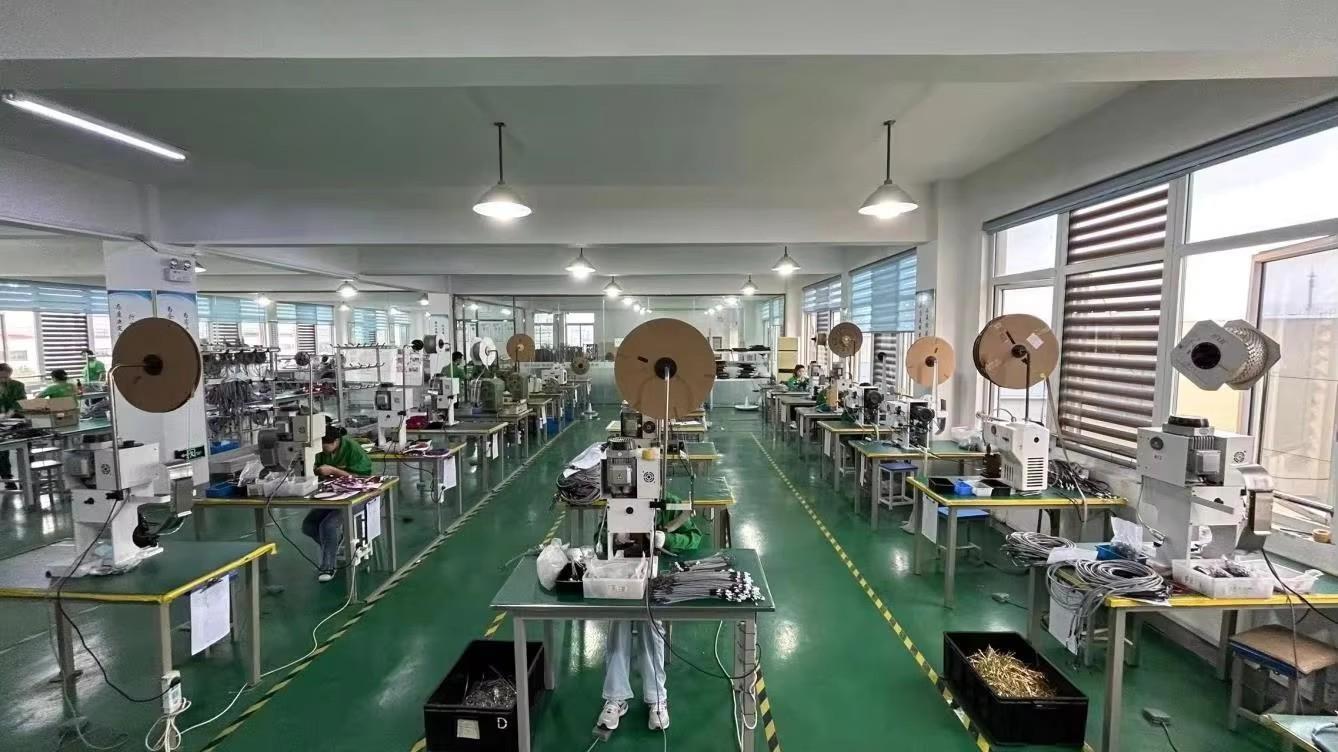
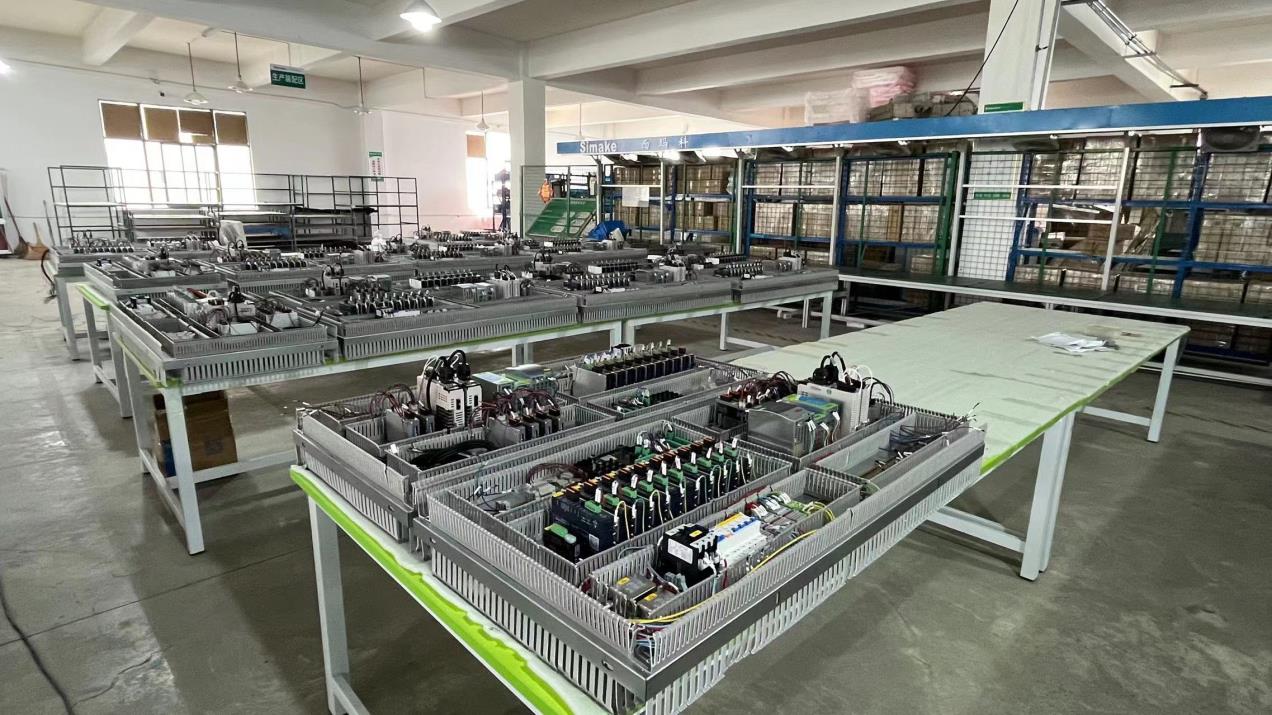
Our manufacturing facility contains dedicated lines for laser welding, wire harness preparation, sheet metal stamping, and automated container assembly. View our standard manufacturing steps below:

wiring harness
Wiring Harness Preparation
Assembly
Automated Assembly
Detection
Detection & Performance Calibration
packing
Industrial Packing
Cutting
Precision Laser Cutting
Bending
CNC Sheet Bending
Stamping
Heavy-Duty Stamping
Welding
Robotic Welder Line
Grinding
Manual Grinding & Finish
Silent Terminal Machine
Silent Terminal Processing
Laser Welding Machine
Cell-to-Pack Laser Welder
Stamping Machine
High Precision Stamping Machine
4. Localized Support & Global Compliance Guarantees

Navigating international grids and trade jurisdictions requires extensive regulatory certification. A BESS system cannot legally connect to any power grid without complying with local safety and interconnect requirements. At Qingdao Luzz Solar Co., Ltd., we assure complete engineering compliance.

UL 9540 / 9540A
IEC 62619 / 63056
CE / LVD / EMC
UN 38.3 (Safe Transport)
NFPA 855 Compliant

Our engineering packages include full hardware design schematics, dynamic short-circuit analyses, and thermal runaway propagation testing protocols. Furthermore, we work alongside international freight forwarders to manage Class 9 Dangerous Goods transport certifications, ensuring safe sea and land delivery of high-capacity lithium container systems directly to project sites.

5. Technology Roadmap & Next-Generation Upgrades

To ensure long-term value, Qingdao Luzz Solar Co., Ltd. continuously innovates. Our product roadmap outlines major technological improvements designed to optimize system reliability and efficiency:

Transition to 530Ah Cells

Moving beyond standard 314Ah formats, we are developing high-density cells that double the volumetric energy density. This allows for a 5MWh+ capacity footprint within a standard 20-foot container.

AI-Driven Diagnostic BMS

Our upcoming cloud-connected BMS integrates machine learning models to analyze real-time battery degradation, predicting potential cell thermals up to 24 hours before they manifest.

Sodium-ion (Na-Ion) Integrations

We are testing sodium-ion chemistry configurations for cold-climate regions. Sodium-ion performs down to -40°C and minimizes dependency on lithium supply networks.

Technical & Commercial FAQ (Q&A)

Get instant answers to the most common questions regarding containerized storage solutions, factory processes, and system commissioning.

What is the standard delivery configuration of a Luzz Solar BESS Container?
We deliver fully integrated systems including battery racks, three-tier BMS, thermal management (liquid or HVAC air), fire extinguishing systems, and communication cabinets. Depending on site layouts, the Power Conversion System (PCS) can be integrated inside the same container or supplied as a standalone external step-up station.
Why is liquid cooling preferred over traditional air cooling?
Liquid cooling features a higher heat transfer coefficient. It maintains cell-to-cell temperature variations under 3°C, compared to 6-8°C with air cooling. This uniformity minimizes localized cell degradation, resulting in improved system lifespan and efficiency.
Does your system comply with the UL 9540A safety test?
Yes, our utility-scale systems undergo UL 9540A testing, which assesses cell-level, module-level, and rack-level thermal runaway behaviors. This guarantees that any localized thermal anomaly is contained, preventing catastrophic spread within the container.
Can the containerized systems operate in extreme environmental conditions?
Absolutely. Our containers are built with double-walled insulation and rated IP55. They can operate in temperatures ranging from -30°C to +55°C. For coastal deployments, we add C5-M high-durability anti-corrosion coatings to protect against saltwater mist.
What is the standard warranty and lifetime expectancy?
We provide a standard performance warranty of 5 to 10 years, ensuring at least 6,000 cycles at 80% Depth of Discharge (DOD). The mechanical design and cabinet enclosure have a projected design life of over 20 years.