
As the global clean energy transition accelerates toward structural carbon neutrality, the optimization of solar system efficiency has migrated from raw panel capacity to intelligent power electronics. Maximum Power Point Tracking (MPPT) solar charge controllers sit at the absolute nerve center of this transformation. This industry report details the technological, economic, and supply chain paradigms of China's top MPPT manufacturing ecosystems, serving as a comprehensive procurement framework for commercial, utility-scale, and industrial solar integrators.
Utilizing ultra-fast DSP processors to execute incremental conductance tracking under rapid atmospheric fluctuations.
Strict alignment with UL 1741, IEC 62109-1/-2, and CE LVD standards to guarantee grid safety and local compliance.
Pioneering the implementation of GaN and SiC switches to elevate power densities while minimizing thermal signatures.
Traditional Pulse Width Modulation (PWM) controllers act as basic electronic switches, pulling solar array voltages down to match the nominal terminal voltage of the battery storage system. This linear voltage matching introduces severe mismatch losses, often discarding up to 30% of the photovoltaic array's potential energy yield.
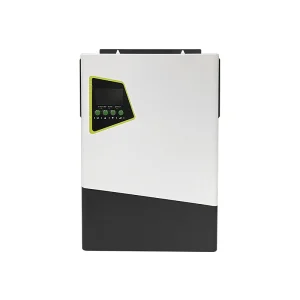
Modern MPPT controller topologies rely on step-down (Buck) or step-up/down (Buck-Boost) DC-to-DC converters. By utilizing a digital signal processor (DSP) to calculate the instantaneous product of voltage (V_pv) and current (I_pv), the controller modulates the converter's duty cycle to lock the PV array at its Maximum Power Point. Standard tracking efficiency ratings of tier-one Chinese factories now exceed 99.5%, with dynamic peak conversion efficiency metrics hovering between 97% and 99% depending on output configuration.
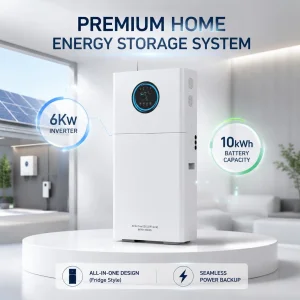
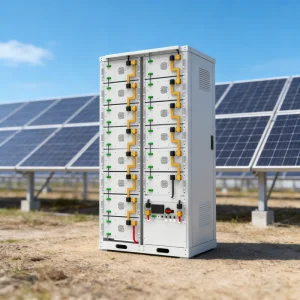
Qingdao Luzz Solar Co., Ltd. is a professional new energy enterprise specializing in the development, manufacturing, and global distribution of photovoltaic (PV) products and integrated energy storage solutions. Located in Qingdao, China, the company benefits from a well-established renewable energy industrial base and advanced manufacturing capabilities.
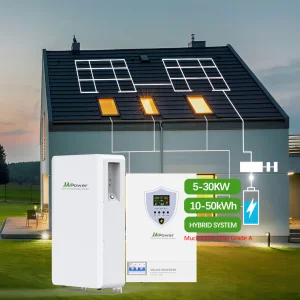
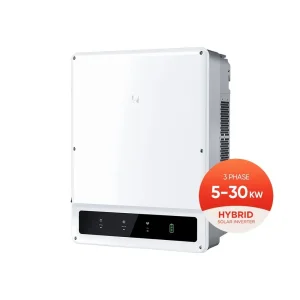
With the accelerating global transition toward carbon neutrality and sustainable development, Luzz Solar is committed to providing efficient, reliable, and cost-effective clean energy solutions to customers worldwide. Our product portfolio includes high-efficiency solar photovoltaic modules, energy storage systems, and integrated solar application solutions designed for residential, commercial, and utility-scale projects.
Driven by technological innovation and quality excellence, the company continuously invests in R&D and production optimization to improve product performance, energy conversion efficiency, and system reliability. We strictly adhere to international quality standards and implement rigorous quality control throughout the entire production process to ensure stable and long-term product performance.
Qingdao Luzz Solar actively expands its global market presence, with business coverage across Asia, Europe, the Middle East, Africa, and Latin America. By working closely with international partners, we are committed to delivering tailored energy solutions that meet diverse regional needs and support the global energy transition.
Guided by the core values of integrity, innovation, cooperation, and sustainability, Luzz Solar strives to become a trusted global partner in the new energy industry. We are dedicated to advancing solar technology and contributing to a greener, more sustainable future.
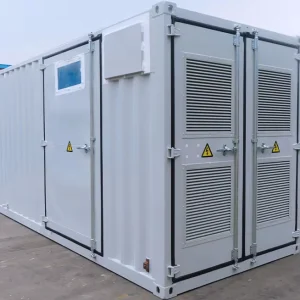
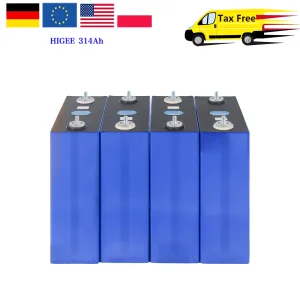
Our state-of-the-art facility integrates precise automated processes, advanced raw material treatments, and stringent testing methodologies to ensure every MPPT controller, battery pack, and system kit maintains long-term field survivability.
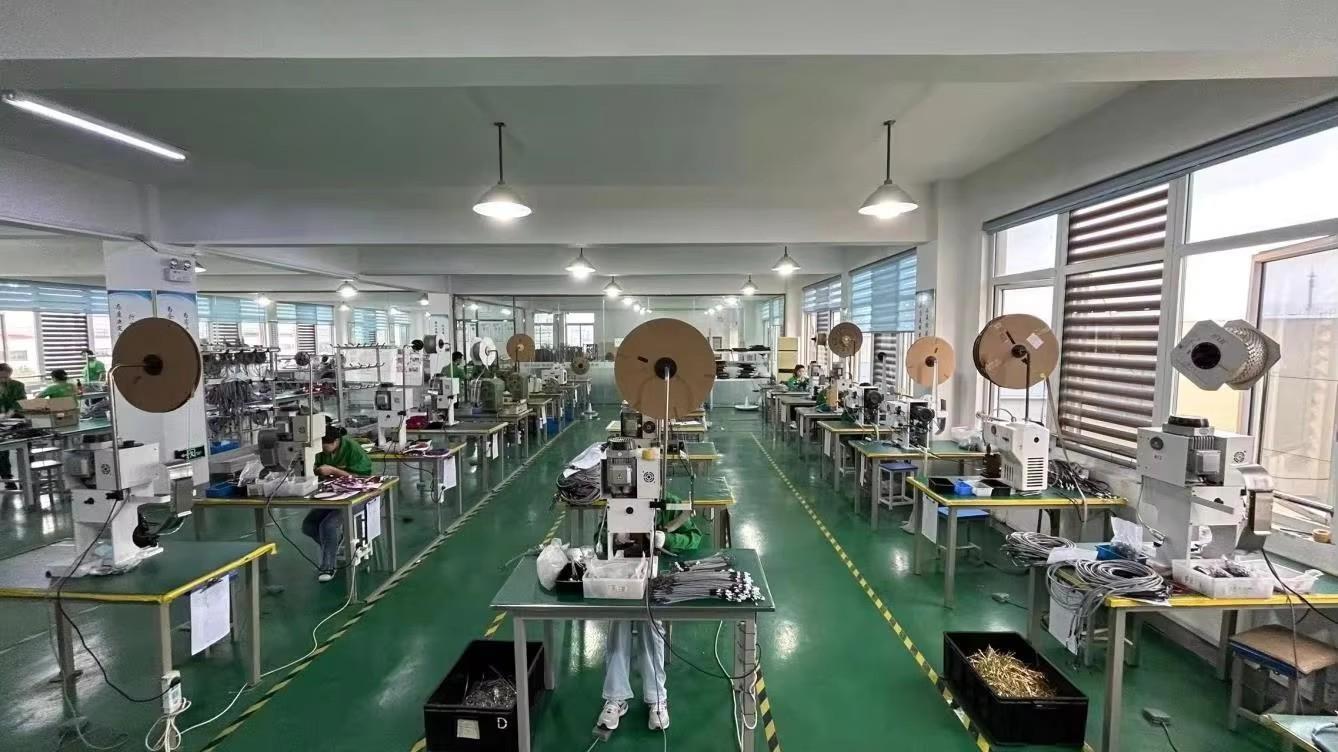
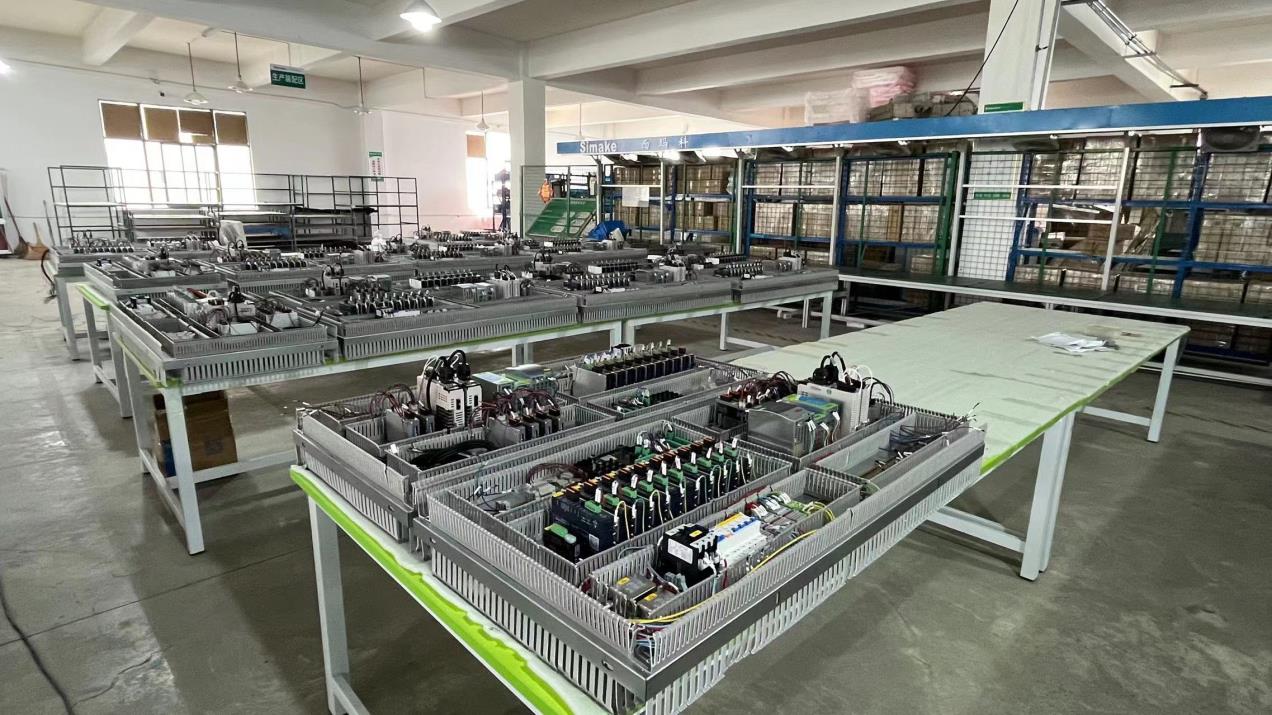
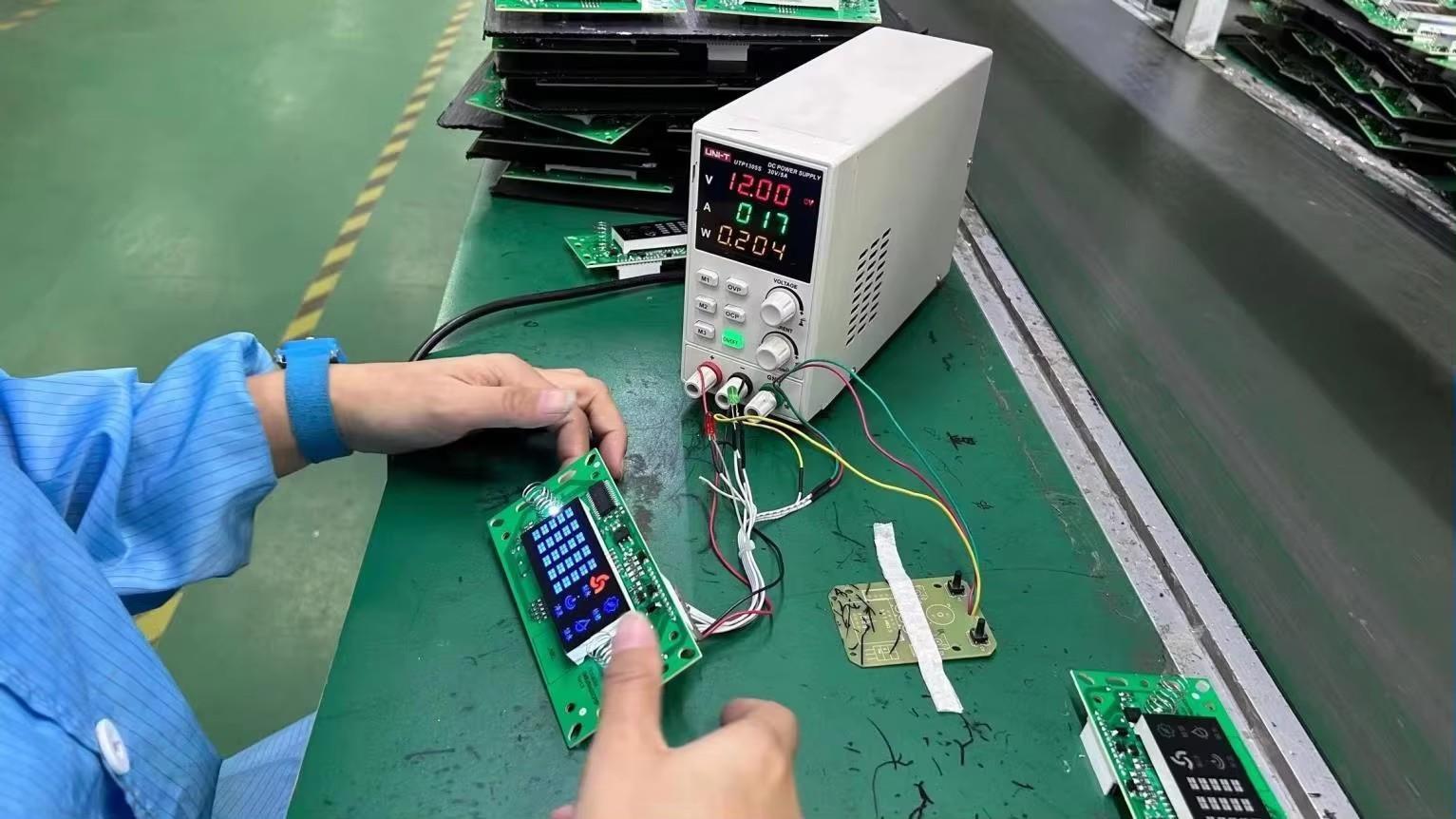
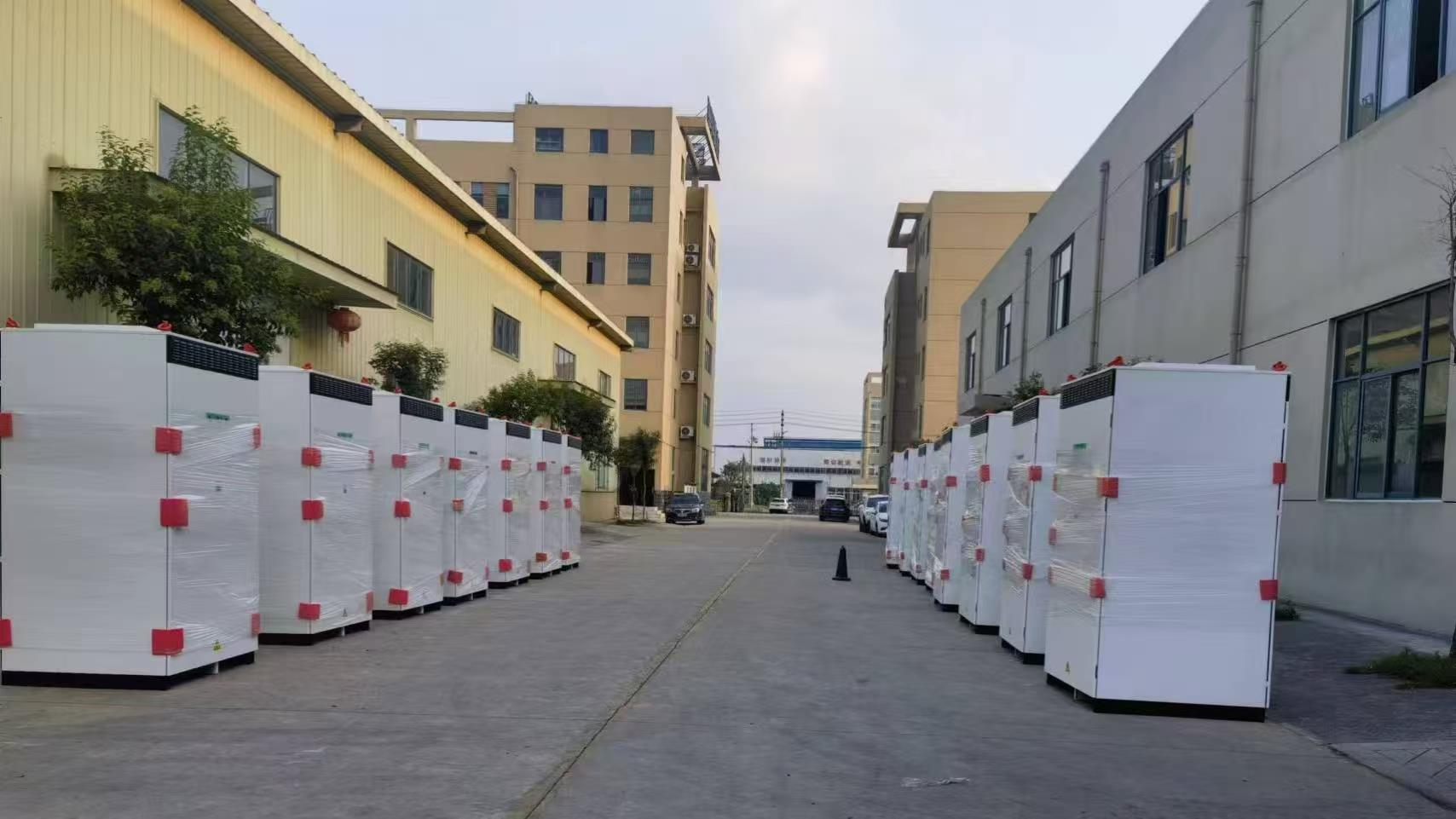
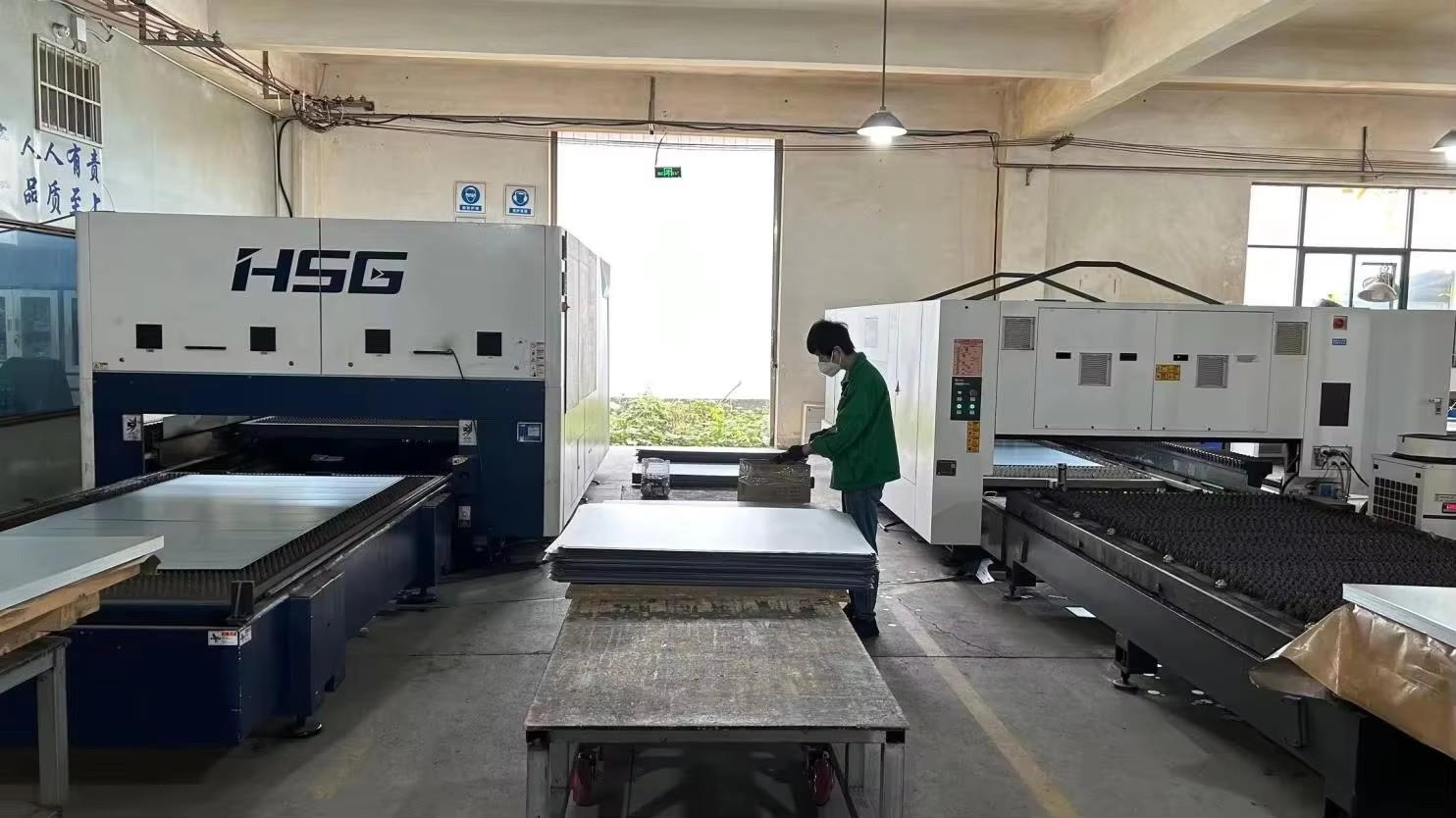
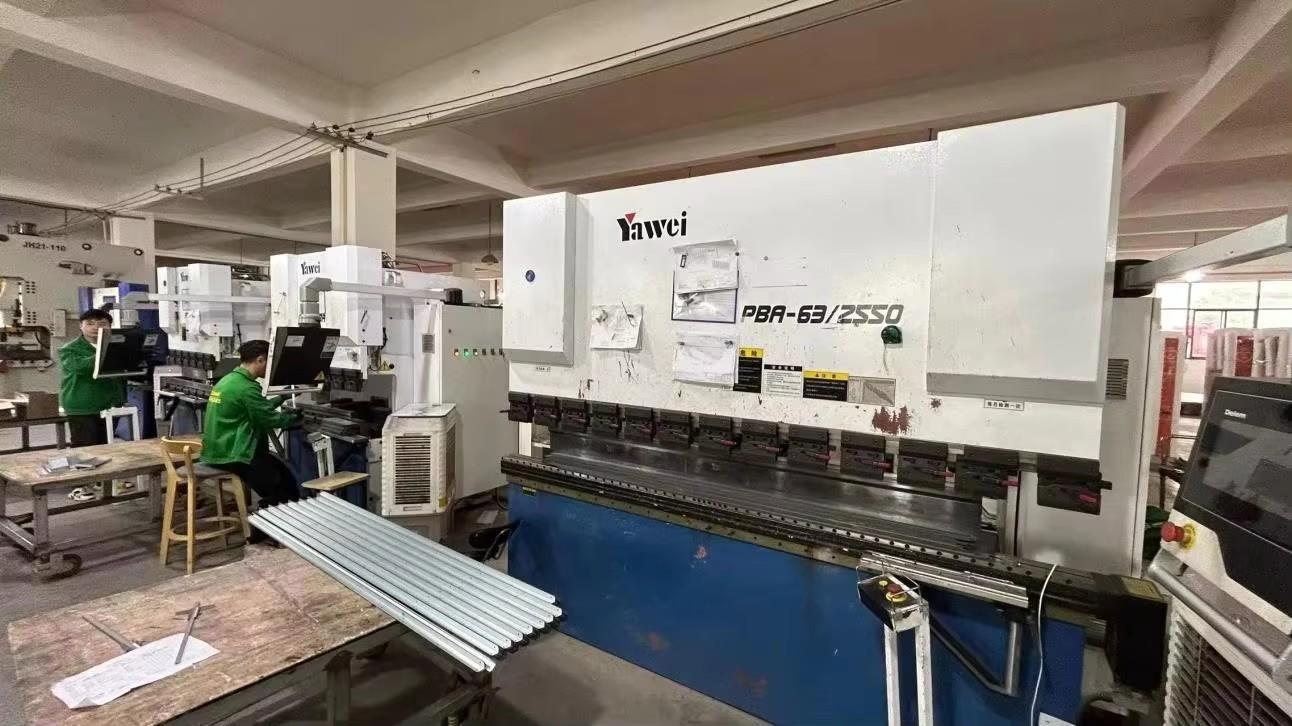
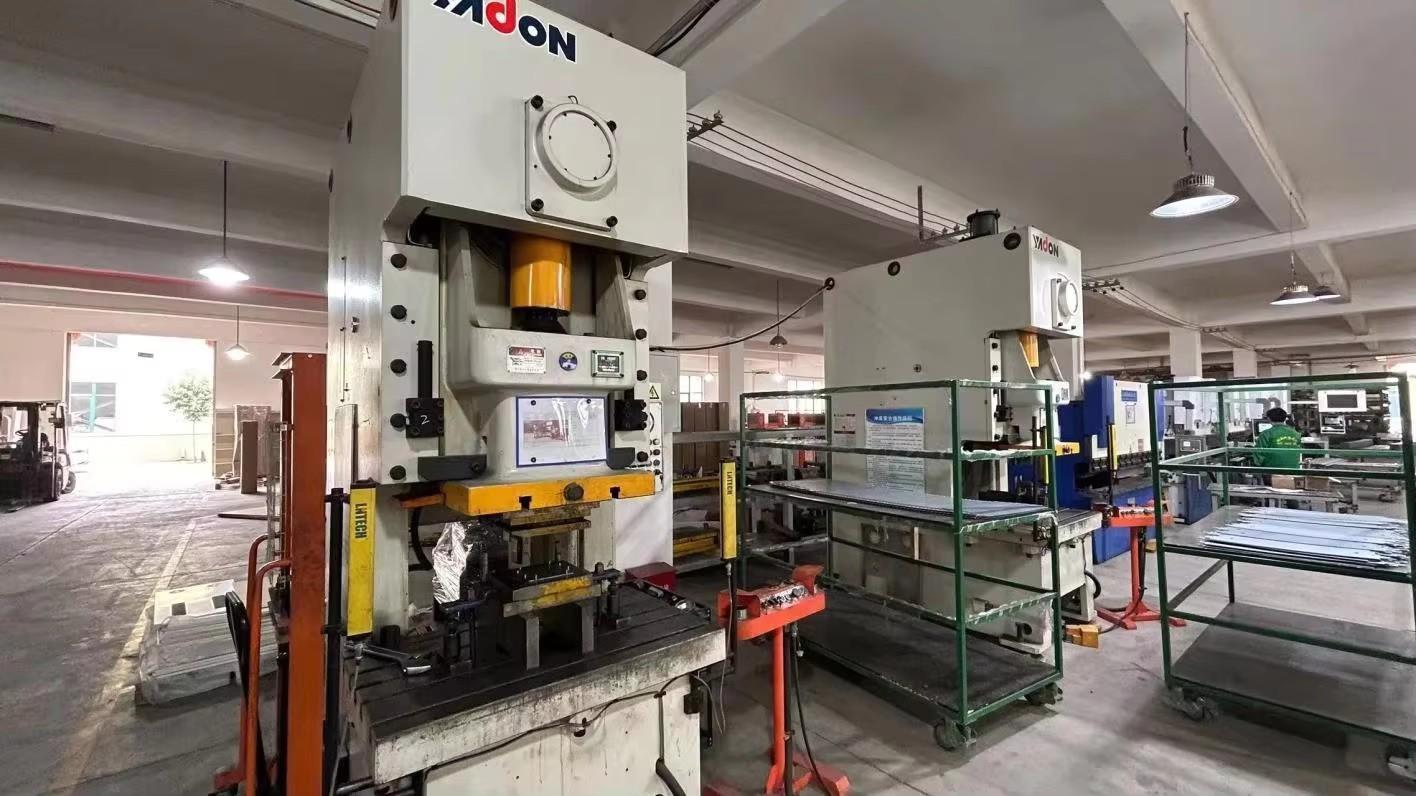
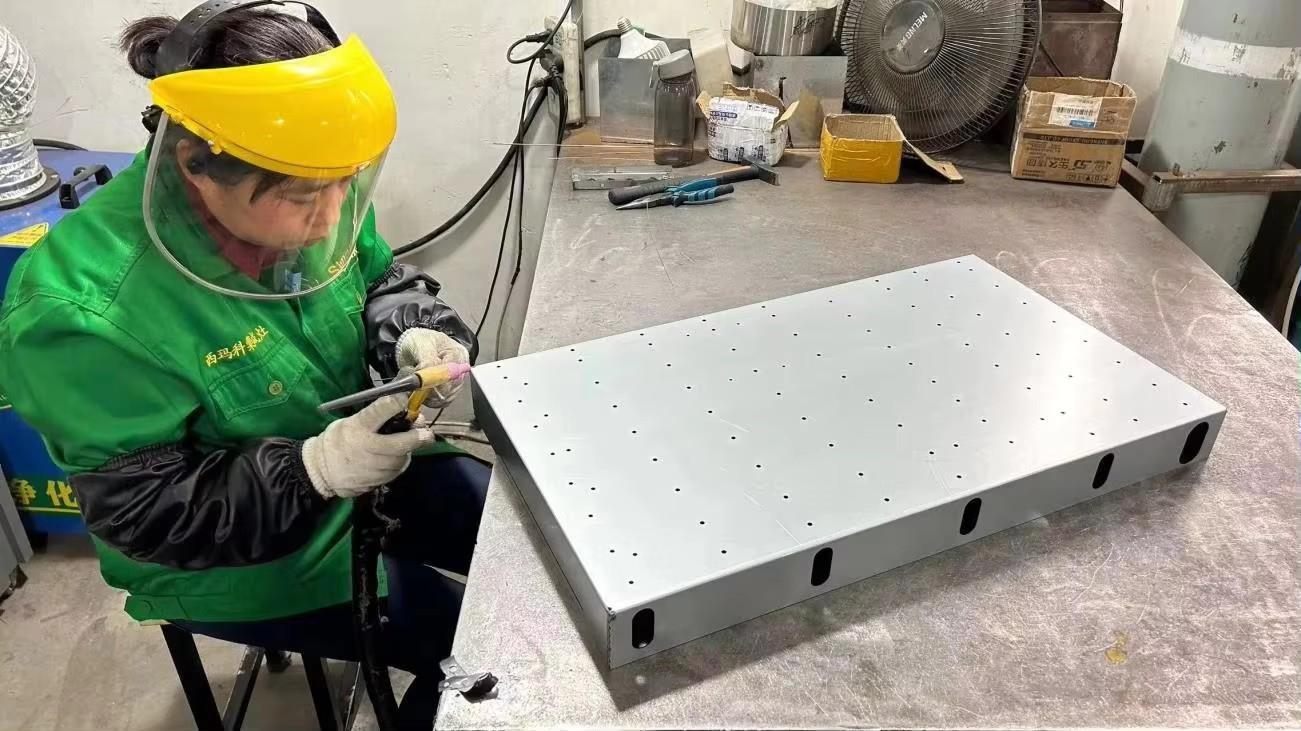
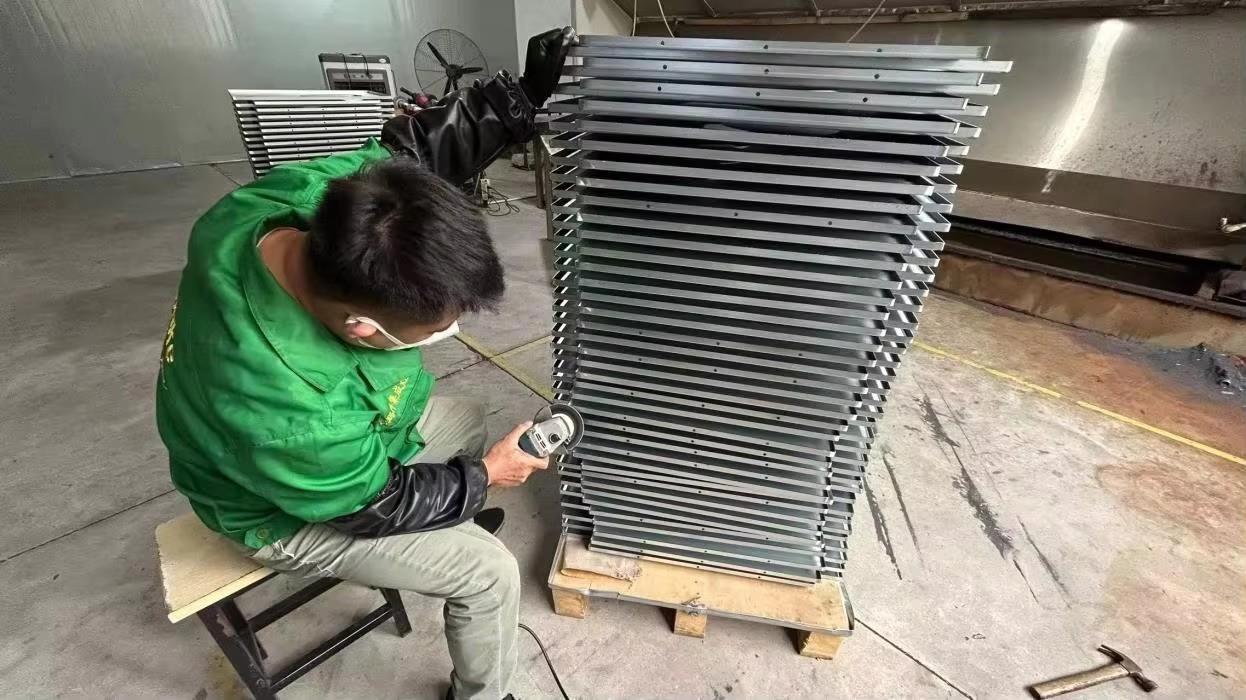
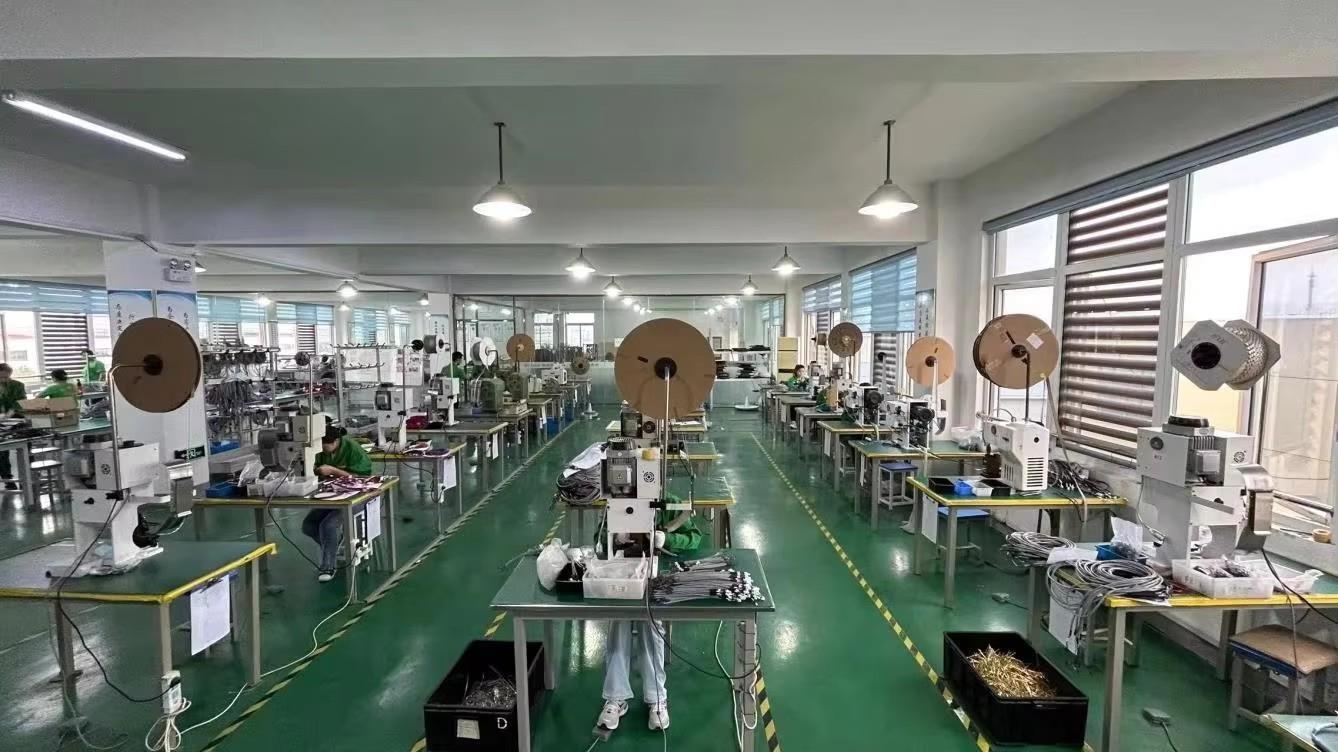
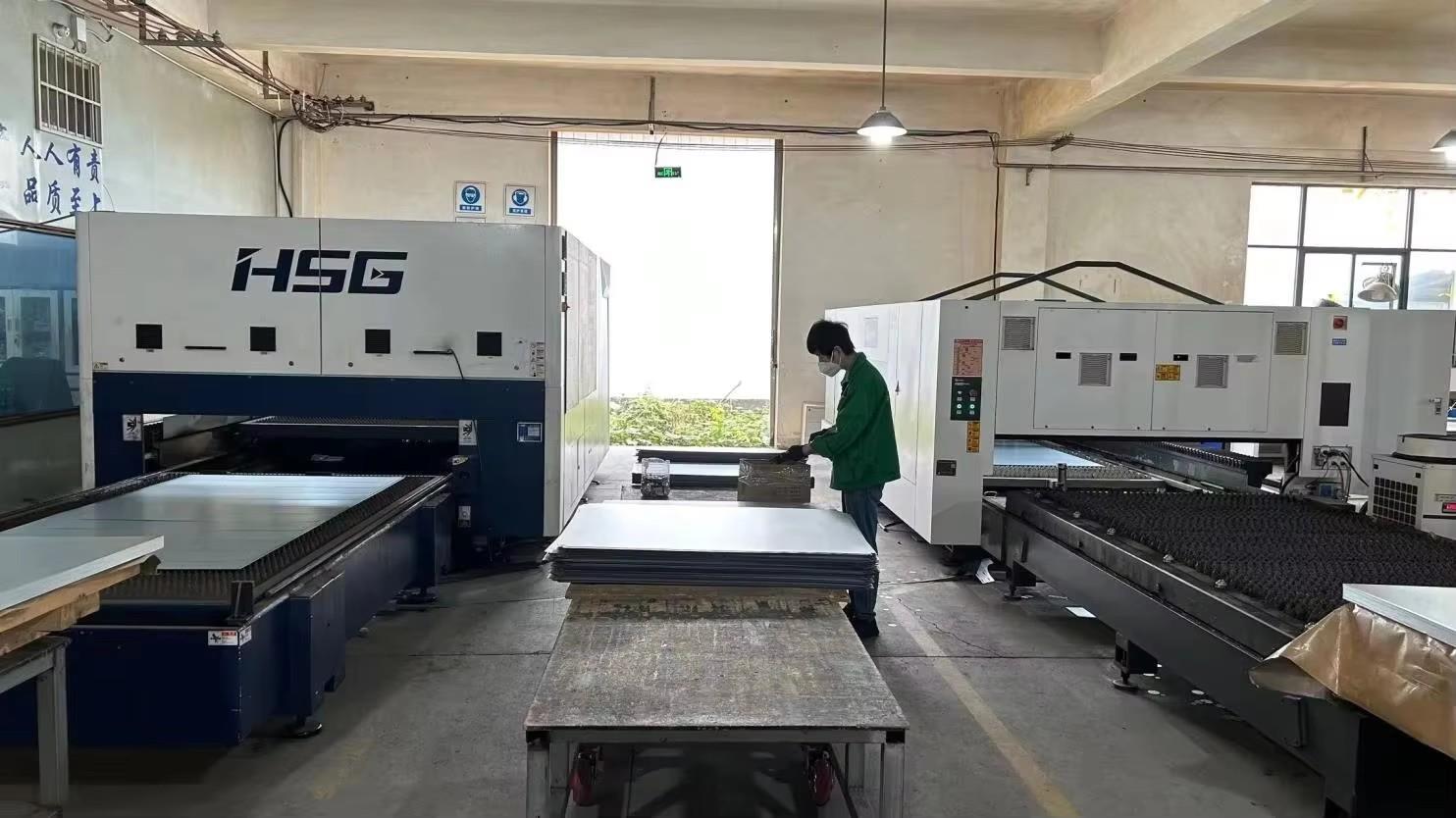
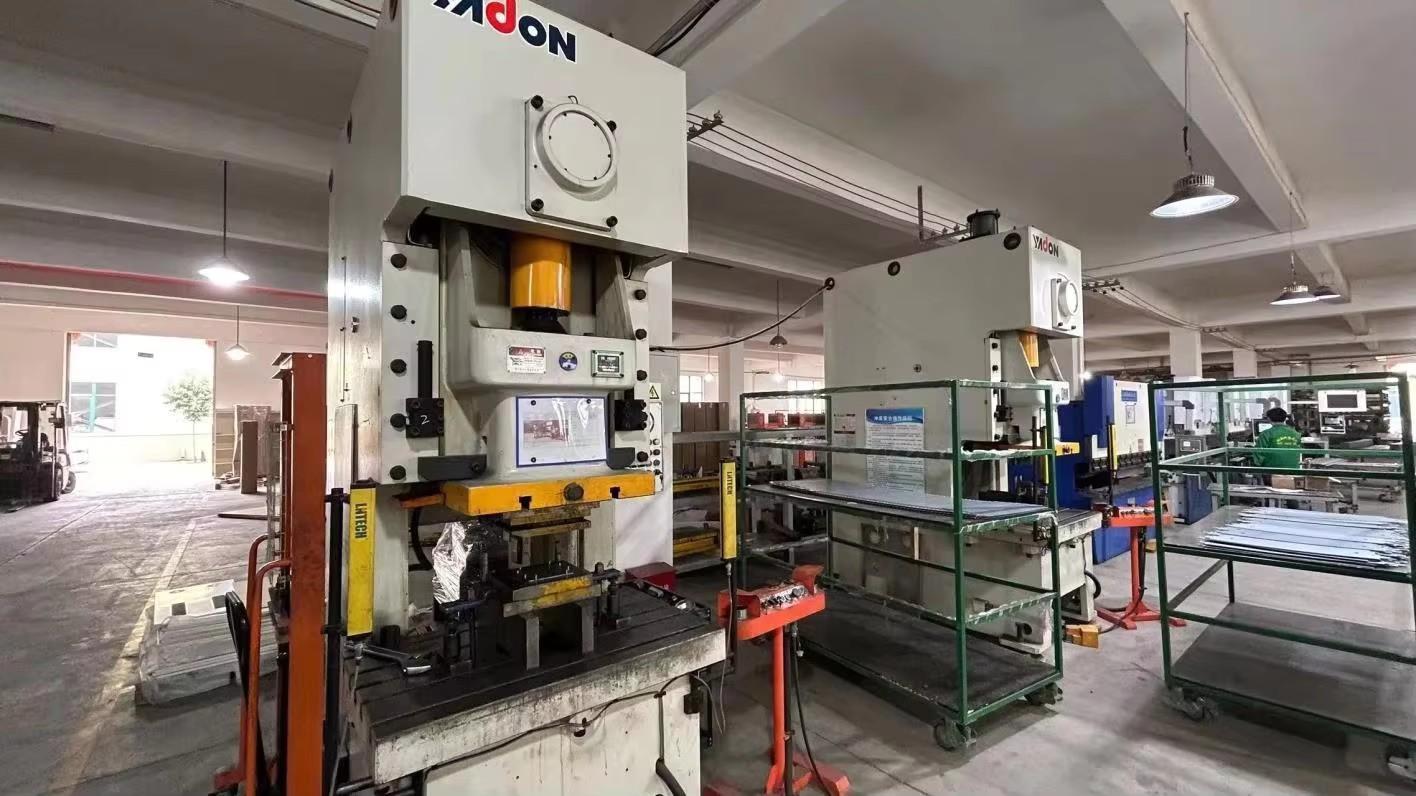
Why does the vast majority of global utility-scale and consumer MPPT technology originate from Chinese industrial zones like Qingdao? The answers are rooted in absolute clustering benefits, raw material vertical integration, and hyper-optimized logic board layout speed.
Co-location near copper alloy mills, high-grade semiconductor packaging foundries, and aluminum extrusion clusters reduces structural component transport costs to near zero.
Prototypes can be customized and field-tested in days rather than months. If a client needs a modified CAN bus protocol or a custom heat dissipation flange, engineers can deploy changes instantly.
Comprehensive environmental chambers allow factory-level testing under real-world simulations: humidity cycling, prolonged thermal overload, vibration, and EMI compatibility testing.
Deploying commercial off-grid solar or battery storage systems in highly regulated jurisdictions requires absolute adherence to grid compliance and safety codes. Qingdao Luzz Solar products align directly with these regional requirements:
Procurement directors must look beyond price-per-watt metrics. To secure long-term reliability and low operational expenditure (OPEX) profiles for institutional solar projects, you must grade your MPPT manufacturer on four performance pillars:
MPPT controllers running continuously under heavy electrical load generate substantial heat. Fanless (passive) designs rely on oversized aluminum heatsinks. Forced-convection layouts use smart fans. If a controller's thermal management fails, it will trigger thermal derating (reducing charging current to protect internal components), lowering the system's daily yield. Verify the supplier's derating curves: a premium controller should deliver 100% output up to 45°C ambient temperature.
The higher the allowable input voltage (e.g., 150V, 200V, or even 250V), the more solar modules can be wired in series. Long series strings minimize transmission currents, reduce copper cabling costs, and limit voltage drop over long wire runs. Always specify controllers with safety margins that prevent overvoltage damage during freezing temperatures (when module Voc naturally rises).
Under mixed-sky conditions, the solar irradiance profile changes within milliseconds. A slow sweep speed (10-20 seconds) fails to capture fast-moving irradiance peaks. Fast sweep cycles (under 1 second) keep the power electronic system locked to the highest potential power peak, yielding up to 15% more daily energy compared to slower, cheaper controllers.
The MPPT space is evolving from isolated power converters into connected grid assets. We are witnessing rapid adoption of IoT Integration, where controllers stream operational data to the cloud via 4G, LoRa, or WiFi networks. This allows for predictive maintenance and remote troubleshooting.
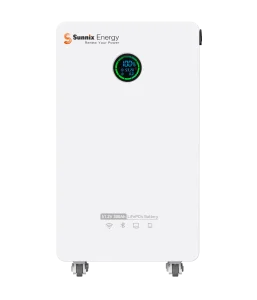
Furthermore, the convergence of MPPT algorithms directly with Smart Lithium Energy Storage Systems (BMS integration) ensures that charging curves dynamically adapt to the battery pack’s internal chemistry, cell temperatures, and health indices, maximizing battery longevity.
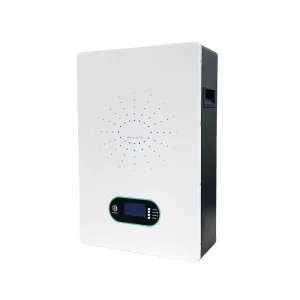

 Luzz Solar