Engineered for high performance, compliance, and absolute reliability. Browse our featured tier-1 solutions below.
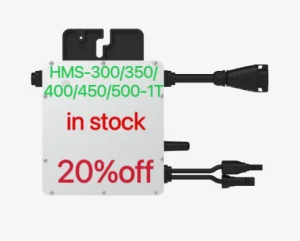
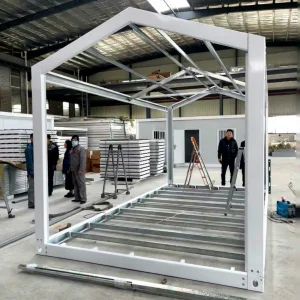
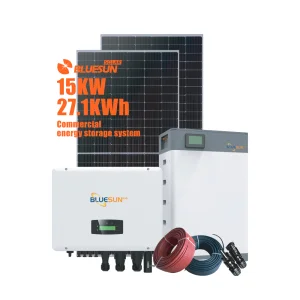
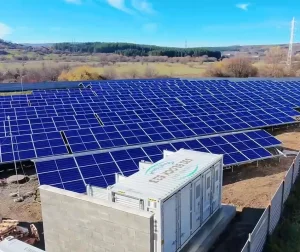
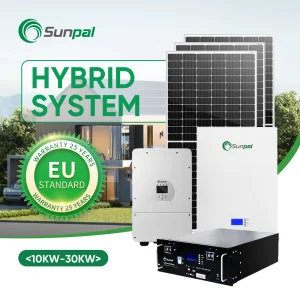
As the international transition towards carbon neutrality accelerates, battery storage solutions have evolved from peripheral electrical components into the bedrock of modern utility, commercial, and industrial grid topologies. However, integrating massive electrochemical storage systems into sensitive municipal and commercial grids presents severe engineering and safety liabilities. Sourcing CE certified advanced battery solutions from accredited exporters is no longer just a compliance box—it is the baseline risk-mitigation standard for high-investment infrastructure projects.
A legitimate CE mark on an Advanced Battery Energy Storage System (BESS) certifies compliance with key European directives: the Electromagnetic Compatibility Directive (EMC 2014/30/EU), the Low Voltage Directive (LVD 2014/35/EU), and RoHS (2011/65/EU). Furthermore, robust systems incorporate cell-level compliance to IEC 62619 (safety requirements for industrial lithium battery packs) and system-level conformance to IEC 62477-1. Sourcing these certified technologies mitigates the risks of thermal runaway, electromagnetic interference in signal-sensitive environments, and structural component degradation.
Global procurement teams must look beyond superficial spec sheets. Highly reliable advanced battery solutions require an integrated engineering architecture that combines high-performance cells, intelligent Battery Management Systems (BMS), thermal dynamics controls, and structural shielding. Without strict adherence to CE safety parameters, high-voltage battery modules risk catastrophic failures (including dendrite formation, electrolyte vaporization, and uncontainable fire arcs), which instantly compromise localized environments and corporate liabilities.
Understanding the underlying mechanics of battery manufacturing explains why China remains the global powerhouse for exporting advanced battery solutions. The Chinese supply chain is characterized by unparalleled vertical integration, scaling from the procurement of raw materials (such as lithium carbonate, cobalt, synthetic graphite, and high-purity copper foils) to automated cell manufacturing, state-of-the-art BMS programming, and ultimate grid integration.
Chinese factories leverage massive industrial clusters. In places like Qingdao, Shandong, clean energy hubs draw on localized engineering talent, deep-sea shipping logistics (Qingdao Port), and automated manufacturing infrastructure. This geographical clustering reduces structural costs, accelerates the time-to-market for custom client configurations, and enables factories to enforce rigid quality-assurance policies at every stage of the production cycle.
By leveraging advanced technologies such as robotic laser welding, automatic wire harnessing, and rigorous computerized end-of-line (EOL) performance tests, Chinese battery exporters deliver sophisticated, CE-certified systems at optimized Levelized Cost of Storage (LCOS) values that Western manufacturers struggle to match.
Adapting advanced battery technologies to unique operational conditions requires customized systems designed for specific deployment scales.
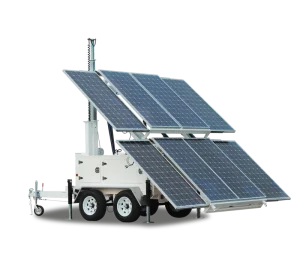
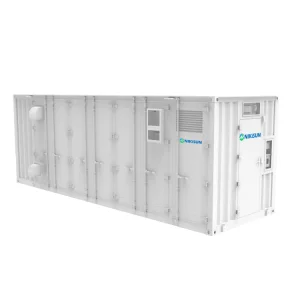
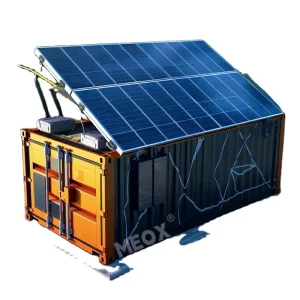
In locations with unstable grid access or isolated terrains, microgrid setups utilizing high-voltage containerized Battery Energy Storage Systems (BESS) from 500KW to 3MW are critical. Paired with high-capacity solar arrays and centralized hybrid inverters, these systems utilize EMS (Energy Management Systems) to dynamically balance load spikes, manage battery health, and run backup diesel generator controls to provide 99.99% operational uptime.
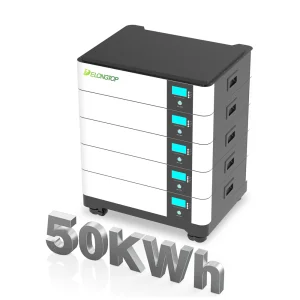
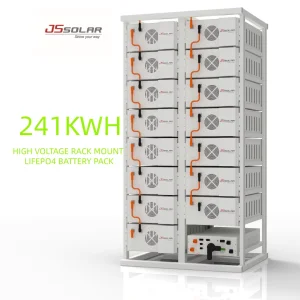
For manufacturers and heavy industrial plants, peak demand charges compose up to 40% of their utility bills. Scalable battery solutions (such as modular stacked 50kWh LiFePO4 configurations and high-voltage container systems) allow facilities to perform load shifting. The battery packs charge during low-tariff off-peak hours and discharge automatically when facility consumption hits peak thresholds, reducing utility costs and providing seamless UPS power security.
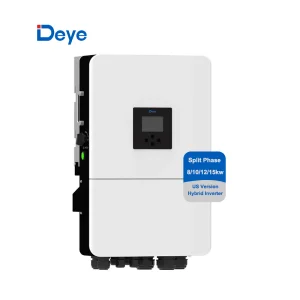
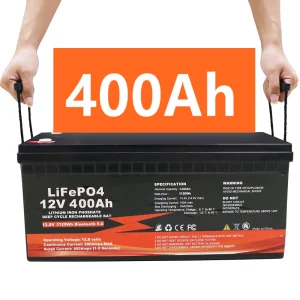
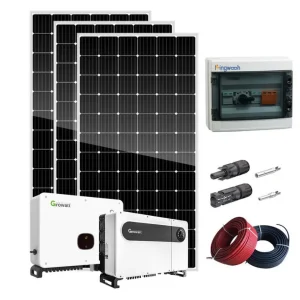
At the residential level, integration of smart split-phase inverters (such as Deye 8kW-15kW series) and sleek, modular LiFePO4 battery storage packs (48V 200Ah to 300Ah) enables homeowners to maximize self-consumption of rooftop PV generation. These systems transition from grid-interactive to backup islanding modes within milliseconds of a grid failure, ensuring continuous operation of key household appliances, medical equipment, and security arrays.
| Application Scenario | Recommended Technology Spec | Primary Technical Advantage | Compliance Priority |
|---|---|---|---|
| Utility Microgrid / IPP | 1MW - 5MWh BESS Liquid Cooling Container | Thermal stability, high round-trip efficiency (RTE) | IEC 62619, CE, UN38.3 |
| Commercial & Industrial | 100kWh - 500kWh Modular Cabinet Systems | Scalability, active fire-suppression integration | CE, UL 1973, IEC 62477 |
| Residential / SME | 5kW - 15kW Hybrid Inverter + 48V Stacked LiFePO4 | Plug-and-play installation, fast switching (<10ms) | CE, EN 50549, CEI 0-21 |
Procuring advanced energy storage equipment requires careful evaluation to ensure long-term ROI and operational reliability. Global engineering procurement corporations (EPCs), utilities, and distributors prioritize specific structural requirements when auditing Chinese factories:
Qingdao Luzz Solar Co., Ltd. is a professional new energy enterprise specializing in the development, manufacturing, and global distribution of photovoltaic (PV) products and integrated energy storage solutions. Located in Qingdao, China, the company benefits from a well-established renewable energy industrial base and advanced manufacturing capabilities.
With the accelerating global transition toward carbon neutrality and sustainable development, Luzz Solar is committed to providing efficient, reliable, and cost-effective clean energy solutions to customers worldwide. Our product portfolio includes high-efficiency solar photovoltaic modules, energy storage systems, and integrated solar application solutions designed for residential, commercial, and utility-scale projects.
Driven by technological innovation and quality excellence, the company continuously invests in R&D and production optimization to improve product performance, energy conversion efficiency, and system reliability. We strictly adhere to international quality standards and implement rigorous quality control throughout the entire production process to ensure stable and long-term product performance.
Qingdao Luzz Solar actively expands its global market presence, with business coverage across Asia, Europe, the Middle East, Africa, and Latin America. By working closely with international partners, we are committed to delivering tailored energy solutions that meet diverse regional needs and support the global energy transition.
Guided by the core values of integrity, innovation, cooperation, and sustainability, Luzz Solar strives to become a trusted global partner in the new energy industry. We are dedicated to advancing solar technology and contributing to a greener, more sustainable future.
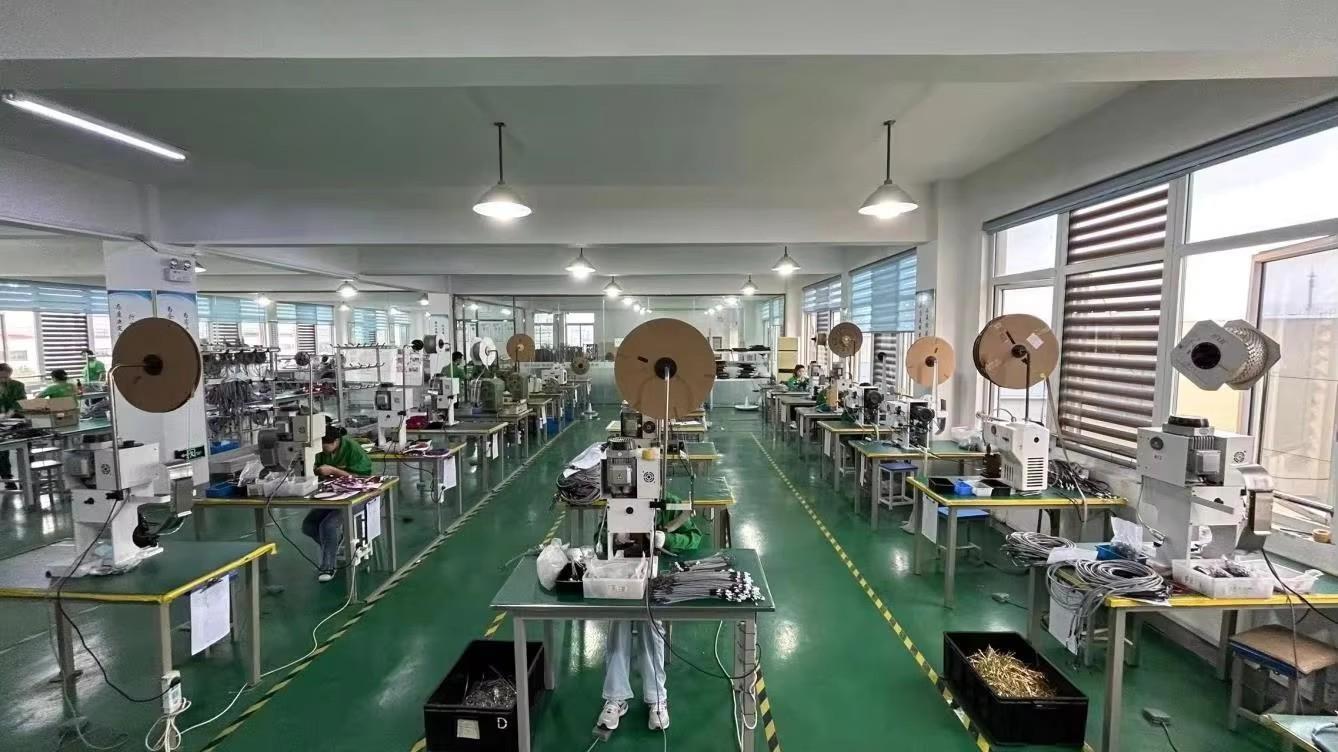
wiring harness
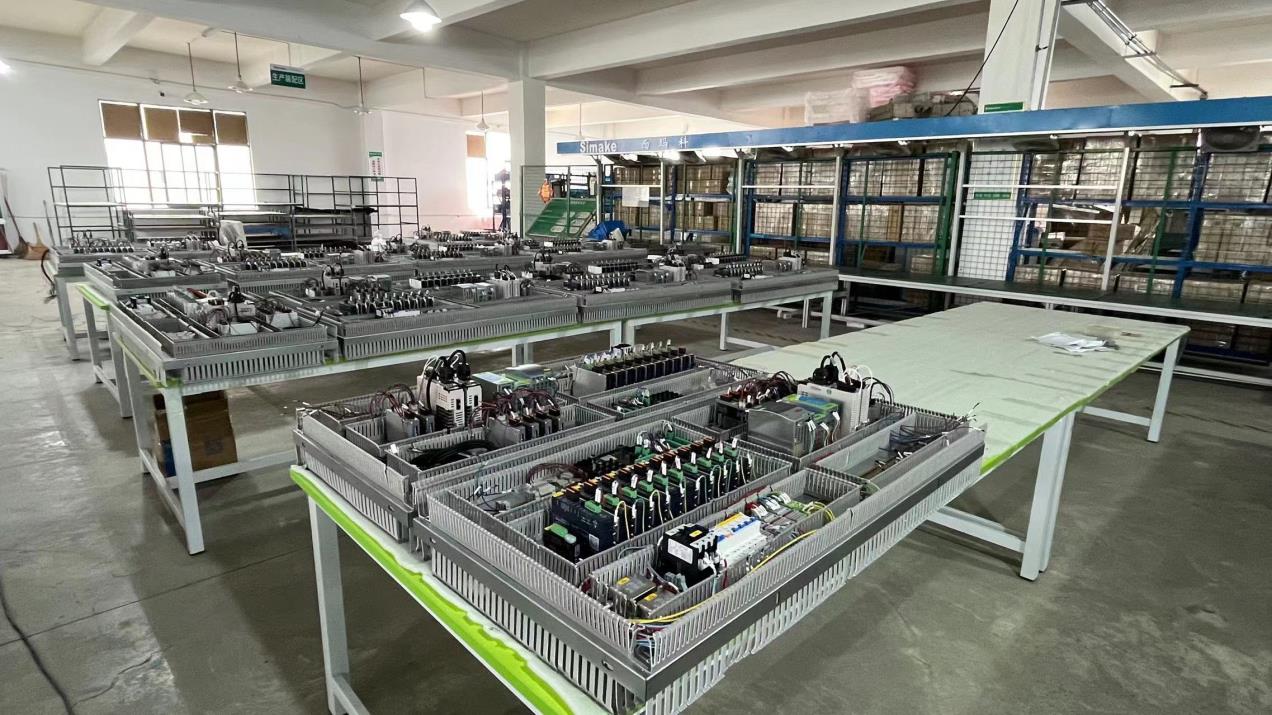
Assembly
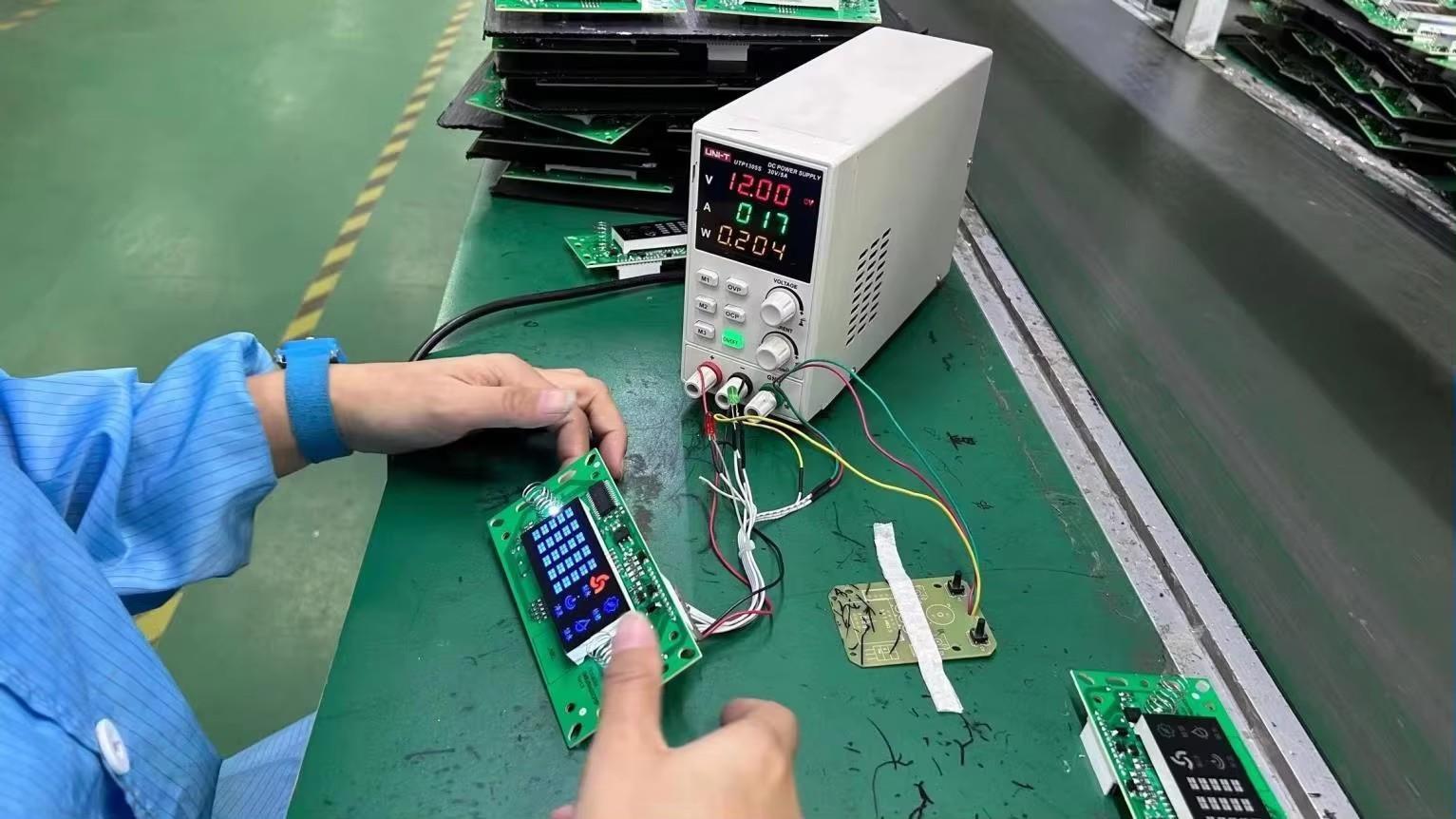
Detection
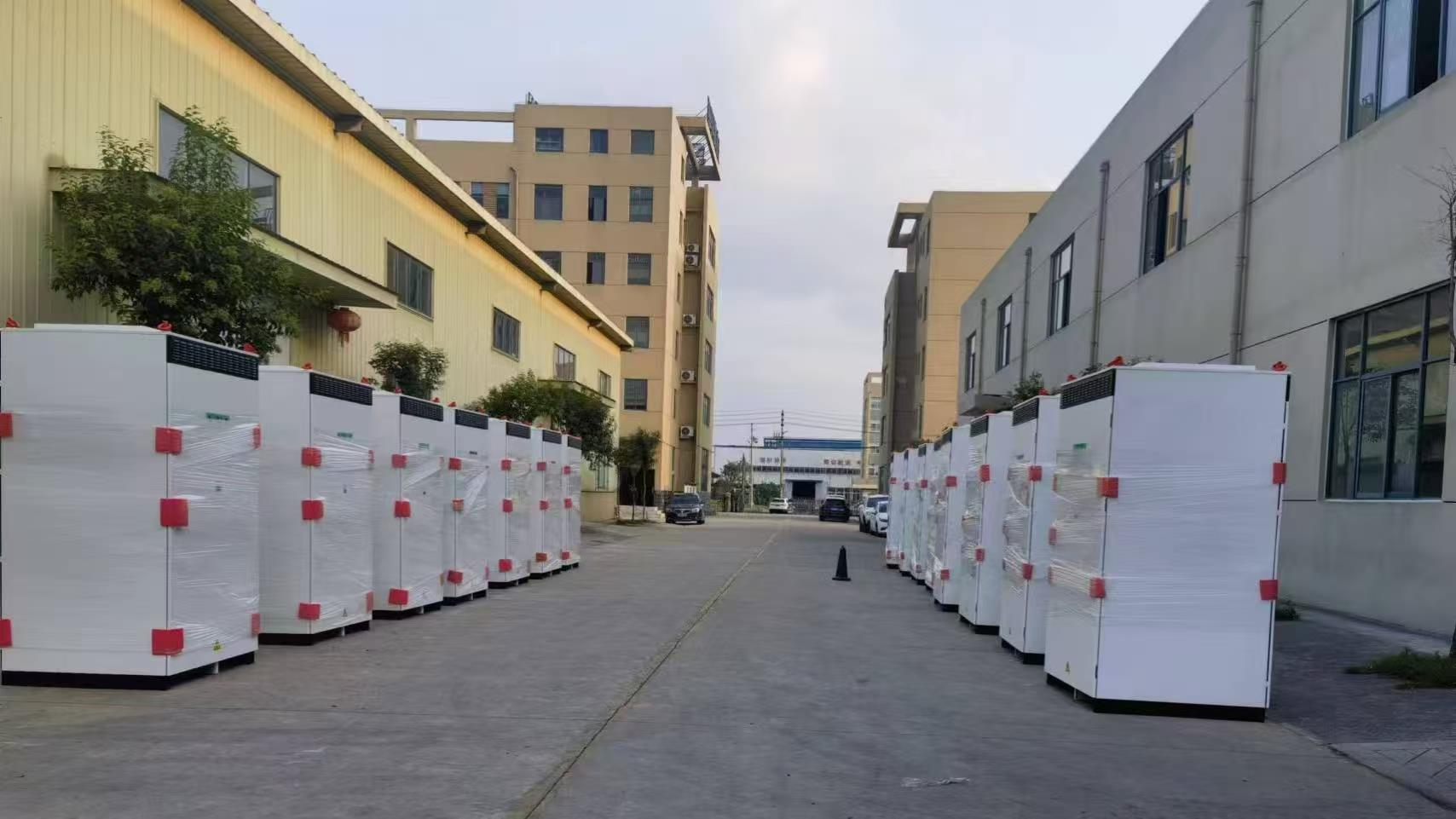
packing
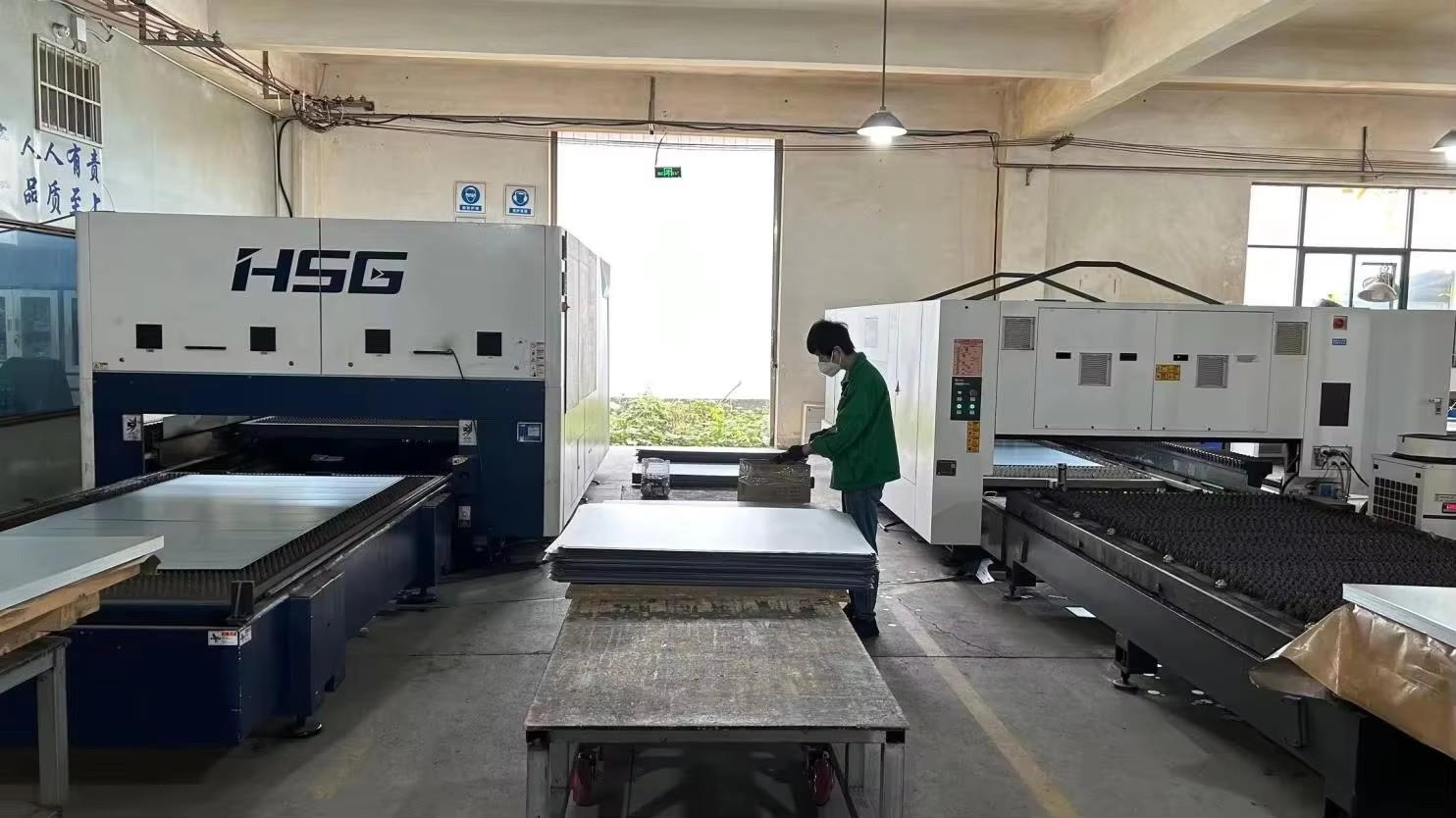
Cutting
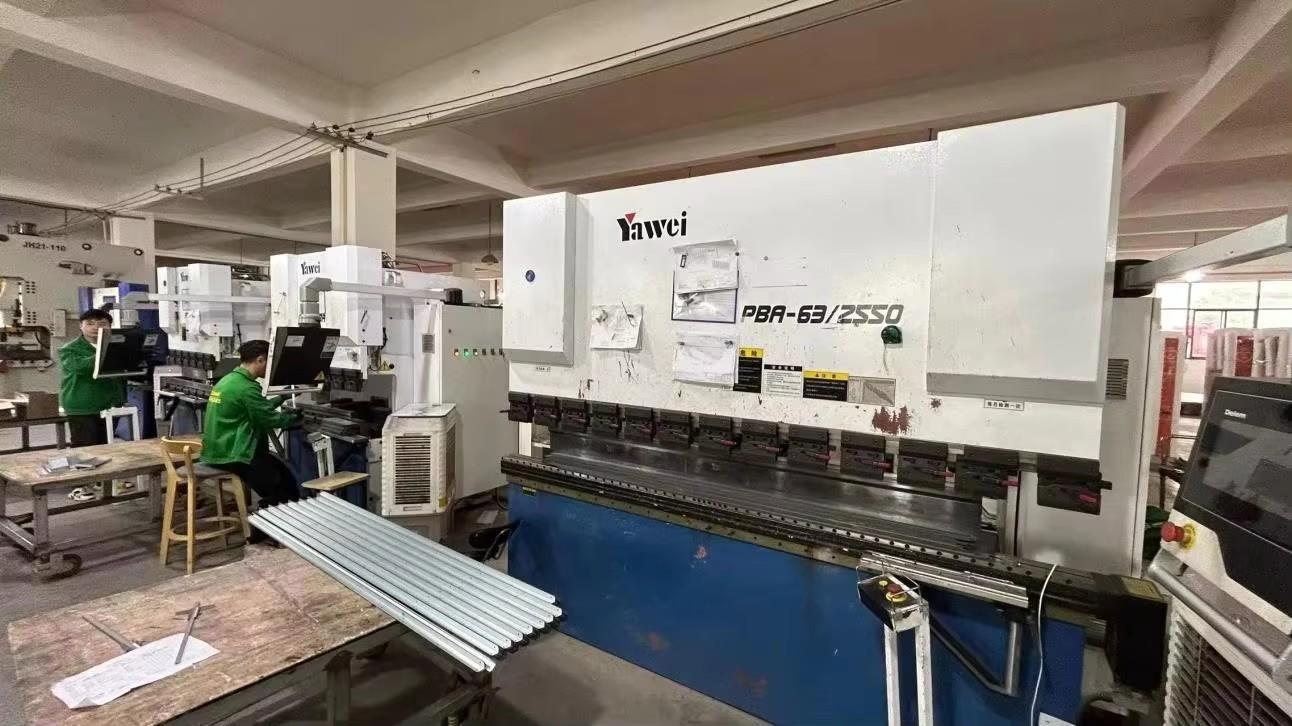
Bending
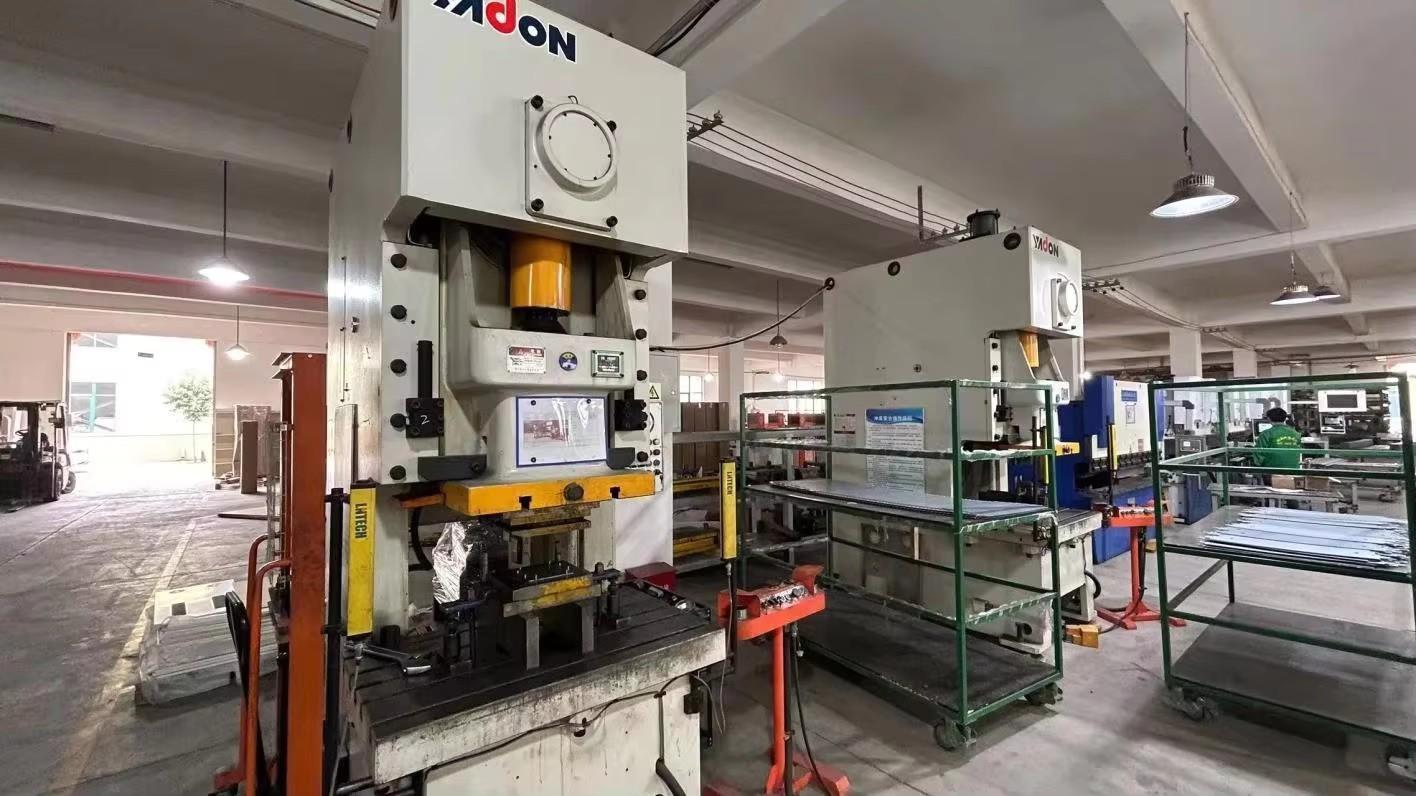
Stamping
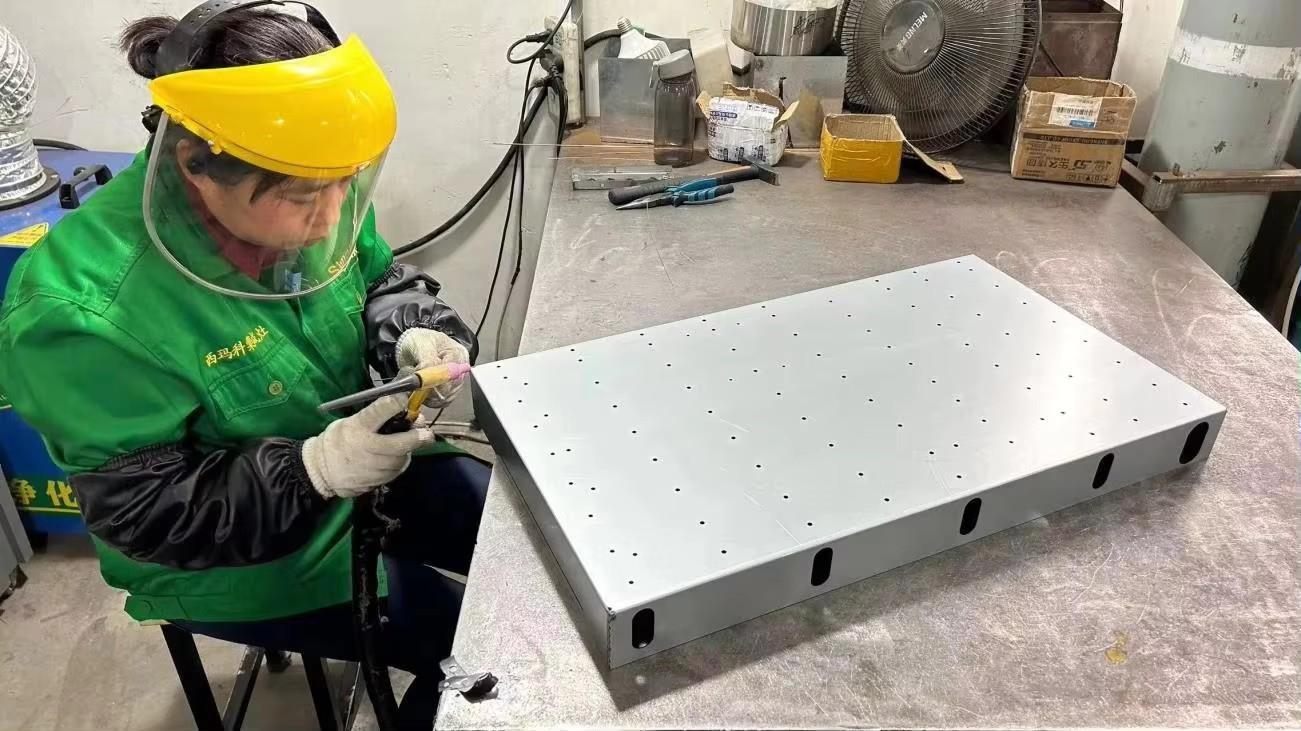
Welding
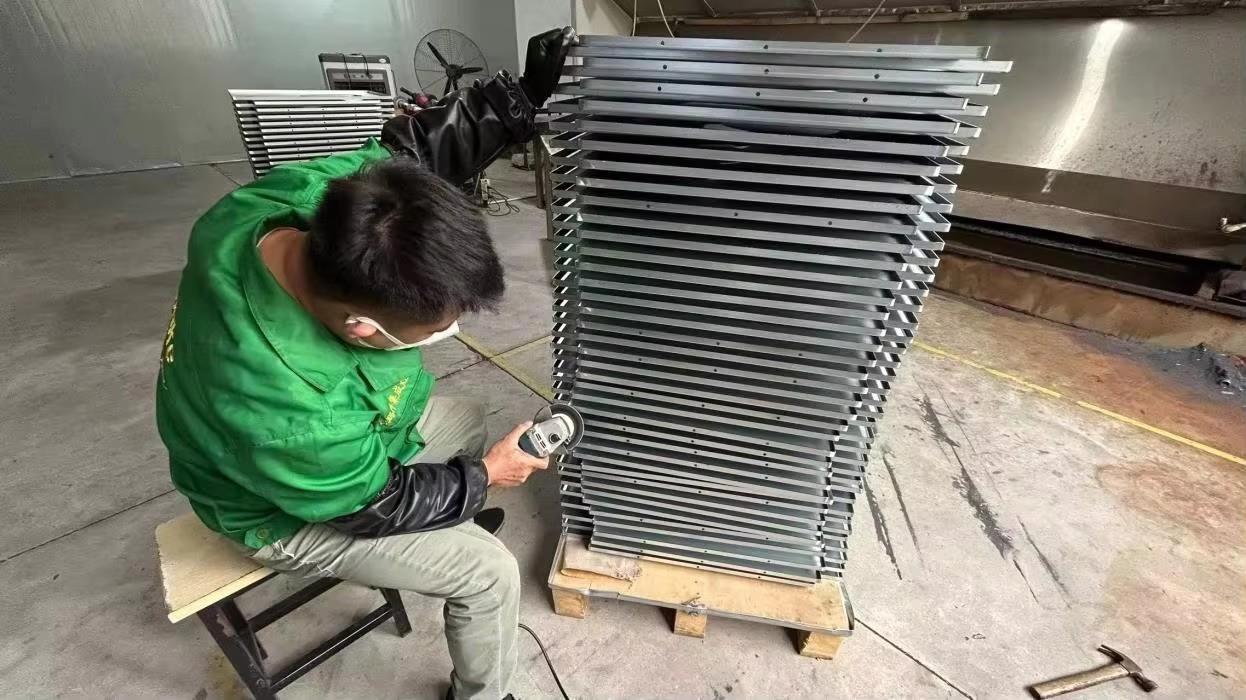
Grinding
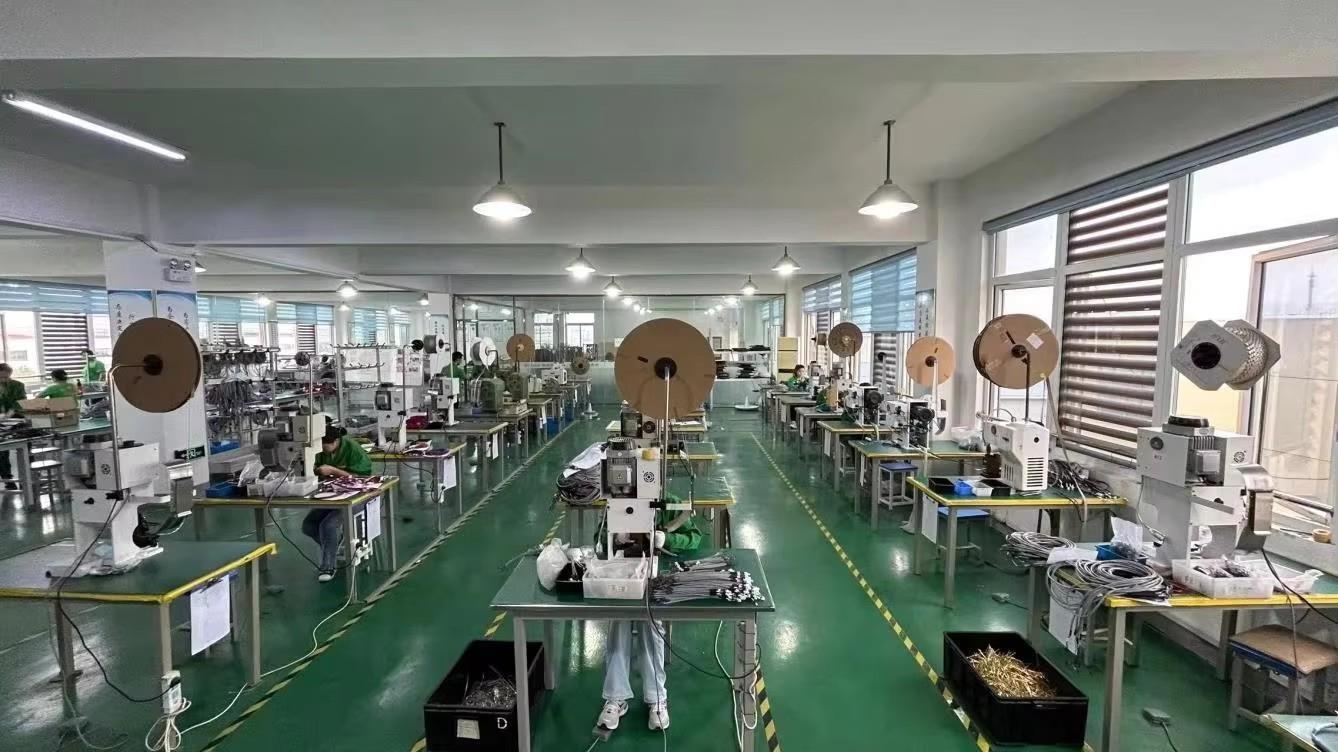
Silent Terminal Machine
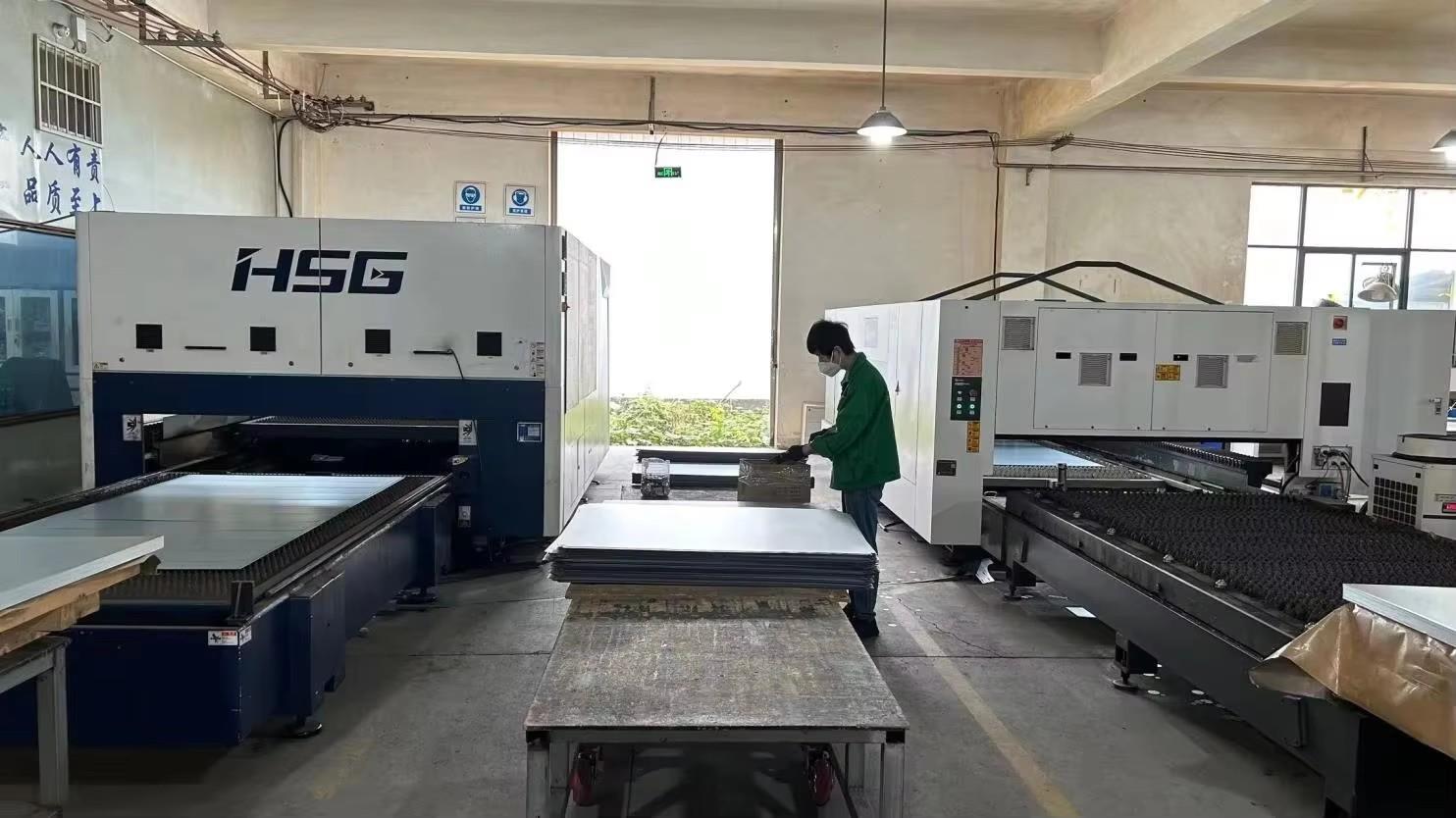
Laser Welding Machine
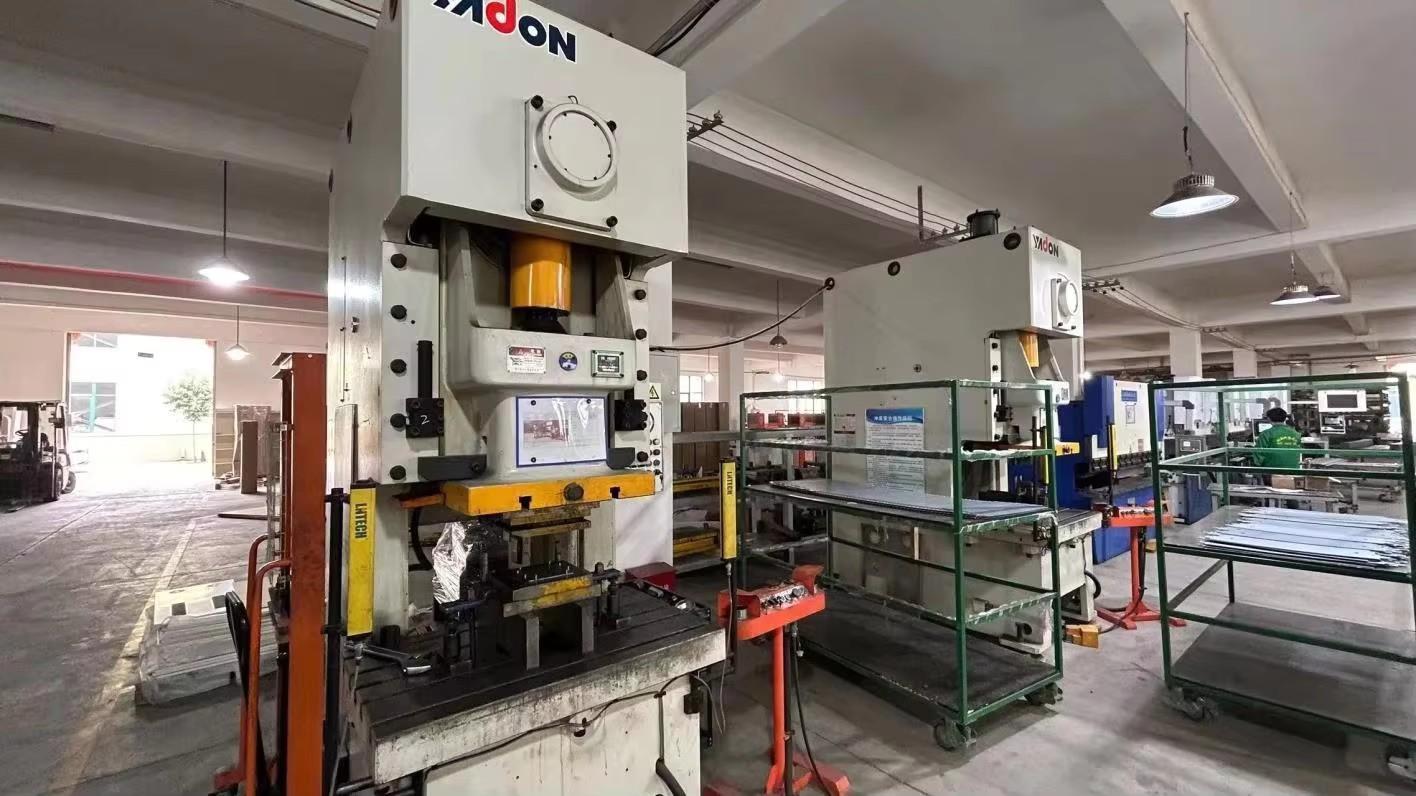
Stamping Machine
The global battery storage landscape is shifting. To help procurement teams future-proof their supply chains, we monitor key structural transitions in electrochemical design and energy management:
Traditional utility containers utilized 280Ah cells. The industry is rapidly standardizing on 314Ah and larger lithium iron phosphate (LiFePO4) cell form factors. This transition yields an approximate 12% increase in energy density, reducing the physical footprint of massive utility-scale containers (e.g., packing 5MWh of storage capacity into a standard 20-foot shipping container), thereby minimizing civil engineering, shipping, and installation costs.
Thermal stability is the single most critical factor in mitigating system degradation. Modern containerized battery solutions have rapidly transitioned to closed-loop liquid cooling designs. Liquid cooling provides precise temperature uniformity across large arrays (keeping temperature variations under 2.5°C between cells), extending the overall cycle life of the pack by 20% compared to traditional forced-air ventilation options.
Advanced battery solutions are increasingly defined by their software intelligence. Today's Battery Management Systems (BMS) leverage predictive algorithms and machine learning to analyze cell behaviors, estimate precise state-of-health (SoH), predict potential thermal anomalies before they manifest, and optimize charge/discharge dynamics to maximize round-trip efficiency (RTE) and prolong cell life.
Answering key structural and regulatory questions for global project developers and import specialists.
Lithium Iron Phosphate (LiFePO4) offers superior thermal stability, safety, and cycle longevity compared to Lithium Nickel Manganese Cobalt (NMC). LFP cells run cooler, do not release oxygen during high thermal stress (reducing fire propagation risks), and achieve 6,000+ full charge/discharge cycles at 80% Depth of Discharge (DoD) before hitting 80% capacity retention. This long operational lifespan significantly lowers the Levelized Cost of Storage (LCOS).
CE testing checks compliance with the LVD (Low Voltage Directive) to ensure insulation resistance, dielectric strength, and functional safety. The EMC (Electromagnetic Compatibility) tests ensure the battery does not emit electrical noise that could disrupt nearby electronic hardware, and that it is resistant to electrostatic discharge (ESD) and power surges. Systems must also meet RoHS requirements to limit hazardous substances.
Liquid-cooled BESS containers use coolant channels running directly alongside the battery cells. This configuration yields up to 30% lower energy consumption for cooling systems, maintains a highly consistent temperature across all cells (typically ±2°C deviation), and eliminates hot spots. This design increases round-trip energy efficiency and reduces thermal degradation, even under high charge/discharge C-rates.
Large-scale battery packs are classified as Class 9 dangerous goods (UN 3480). Safe shipping requires UN38.3 test report certification, verifying that the cells and pack systems can survive rigorous testing for vibration, impact, thermal abuse, external short circuits, overcharging, and forced discharge. Batteries are shipped at a low State of Charge (typically 30% SoC) in compliance with international maritime (IMDG) and aviation regulations.
High-performance industrial energy containers, microgrid components, and modular solutions designed for rapid integration.
 Luzz Solar