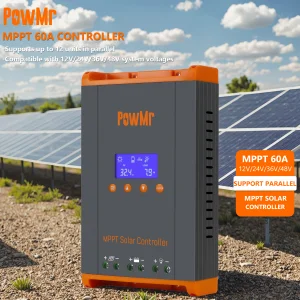
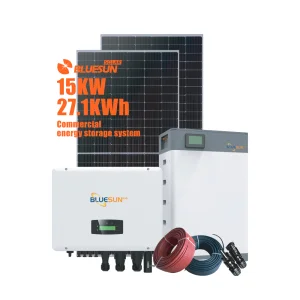
Advanced Maximum Power Point Tracking systems customized for the challenging solar profiles of Northern Europe.
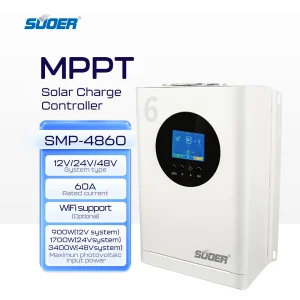
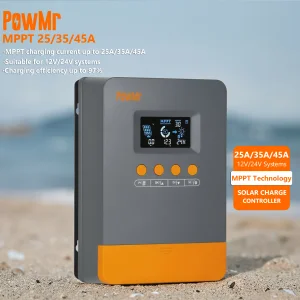
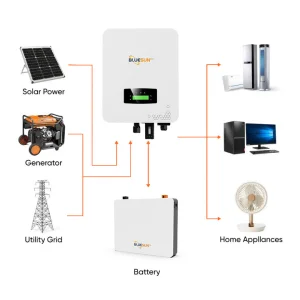
In-depth insights into deploying photovoltaic power management systems within sub-zero, high-latitude environments.
Norway is accelerating its transition to clean, decentralized energy systems. Historically dominated by grid-connected hydroelectricity, the country is witnessing an unprecedented surge in solar power adoption. This shift is driven by localized factors, such as rising grid transmission tariffs, electrification of remote off-grid cabins (popularly known as Hytter), maritime electrification, and high-altitude telecommunications towers. However, deploying solar arrays at high latitudes (ranging from 58°N in Kristiansand to over 71°N in Nordkapp) presents intense engineering hurdles that demand highly specialized power management units, specifically high-efficiency Maximum Power Point Tracking (MPPT) solar charge controllers.
From a global perspective, the solar industry is shifting from legacy PWM (Pulse Width Modulation) technology to ultra-fast, multi-peak tracking MPPT topologies. In Norway, where irradiance profiles fluctuate wildly between summer's midnight sun and winter's prolonged polar nights, an ordinary charge controller is insufficient. System designs require advanced algorithms capable of capturing micro-amplitudes of solar energy during low-angle, diffuse sky conditions, while safely regulating high open-circuit voltages caused by low ambient temperatures.
Cold winter weather significantly increases the efficiency of photovoltaic cells, causing them to generate a higher open-circuit voltage (Voc). When snow is on the ground, the albedo effect reflects up to 90% of incident sunlight back onto the panels. These dual factors mean a solar array in Norway can output power surges exceeding its nominal rating. An advanced MPPT controller must be rated for elevated input voltages (typically 150V to 500V max PV input) to avoid catastrophic electrical failure while maximizing this high-efficiency yield.
Norway's off-grid installations increasingly utilize LiFePO4 (Lithium Iron Phosphate) battery banks due to their superior cycle life and deep discharge capabilities compared to traditional lead-acid systems. However, charging lithium chemistries below 0°C without precise temperature regulation can cause lithium plating, rendering batteries permanently damaged. Modern MPPT controllers designed for Norway must feature:
The technical trajectory of solar controllers is defined by digitalization and integration. The industry has progressed from basic step-down buck regulators to multi-phase synchronous rectification systems with conversion efficiencies exceeding 98%. The current roadmap emphasizes IoT-enabled connectivity. Commercial, marine, and industrial operators in Norway expect real-time telemetry transmitted via Modbus (RS485), CAN bus, or integrated Wi-Fi and Bluetooth to cloud-based monitoring portals. In a country where servicing a remote off-grid site in winter might require a snowmobile or helicopter, predictive maintenance and remote configuration parameters are critical operational requirements.
Engineered for maximum yield, durability, and integration in harsh environments.
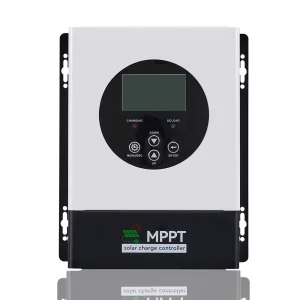
Our proprietary tracking algorithm continuously scans the full I-V curve within milliseconds, ensuring instantaneous adjustment to fluctuating cloud cover and high-altitude conditions.
Supporting high PV array configurations up to 150V, 230V, and 500V DC. This minimizes cable power loss across long distances from the PV array to the controller house.
Out-of-the-box support and fully programmable parameters for LiFePO4, Lithium-Ion, AGM, Gel, and flooded Lead-Acid batteries with custom charging profiles.
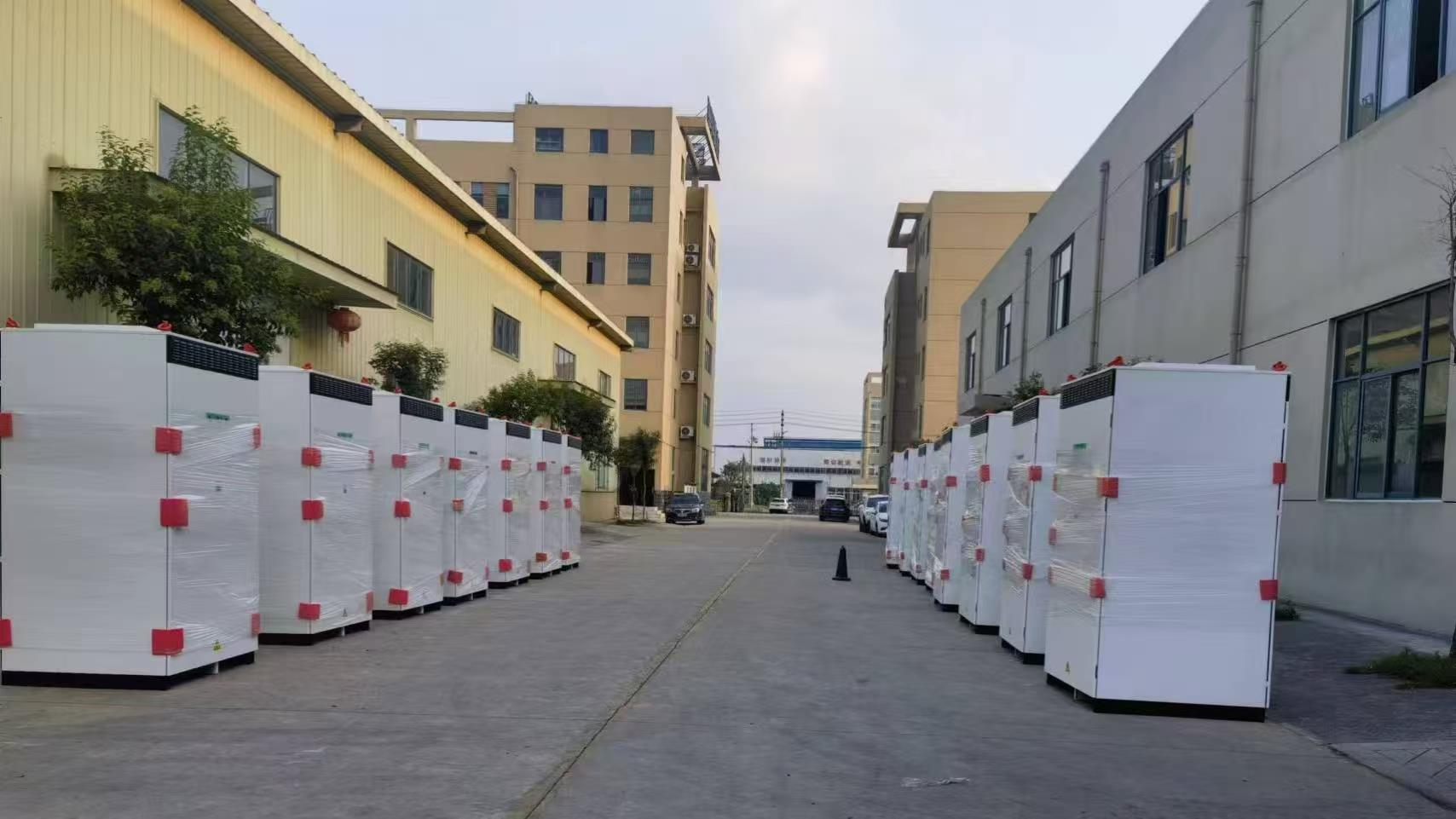
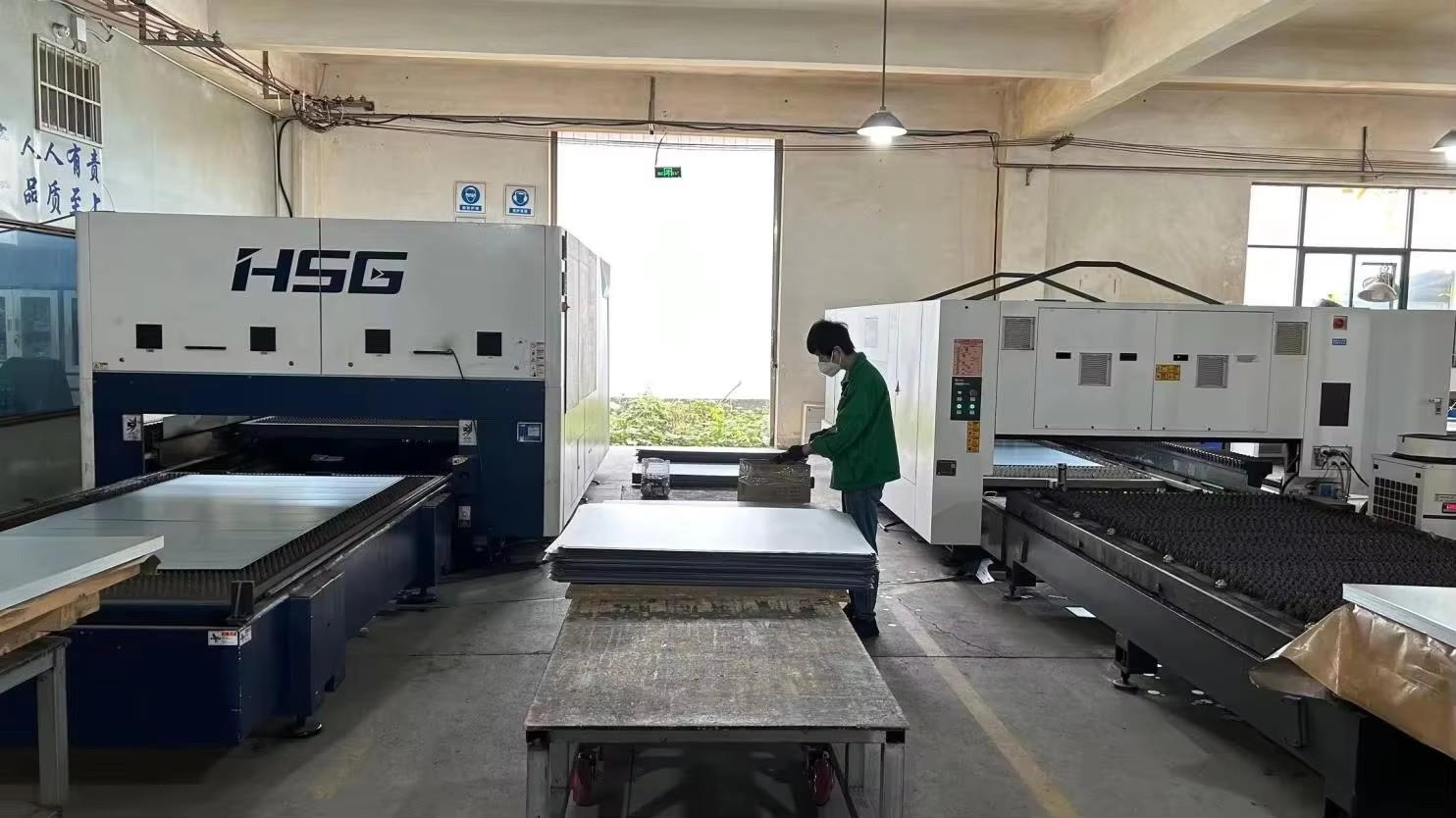
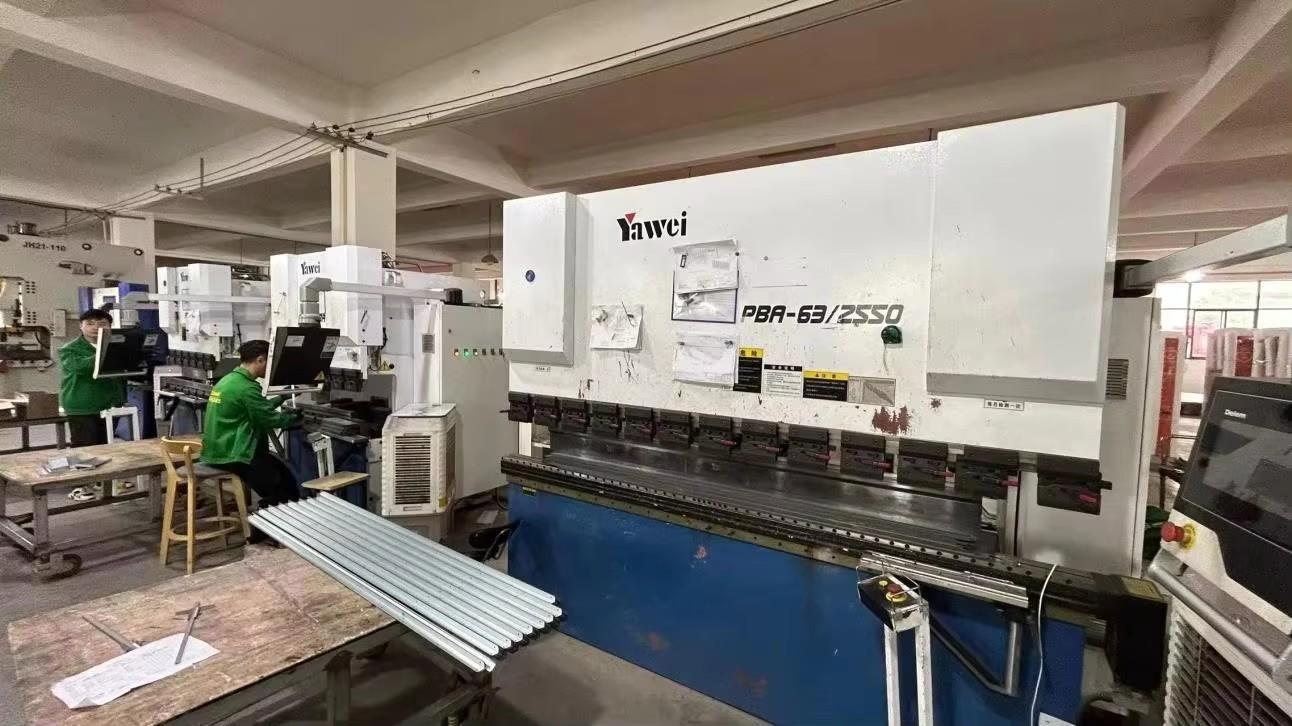
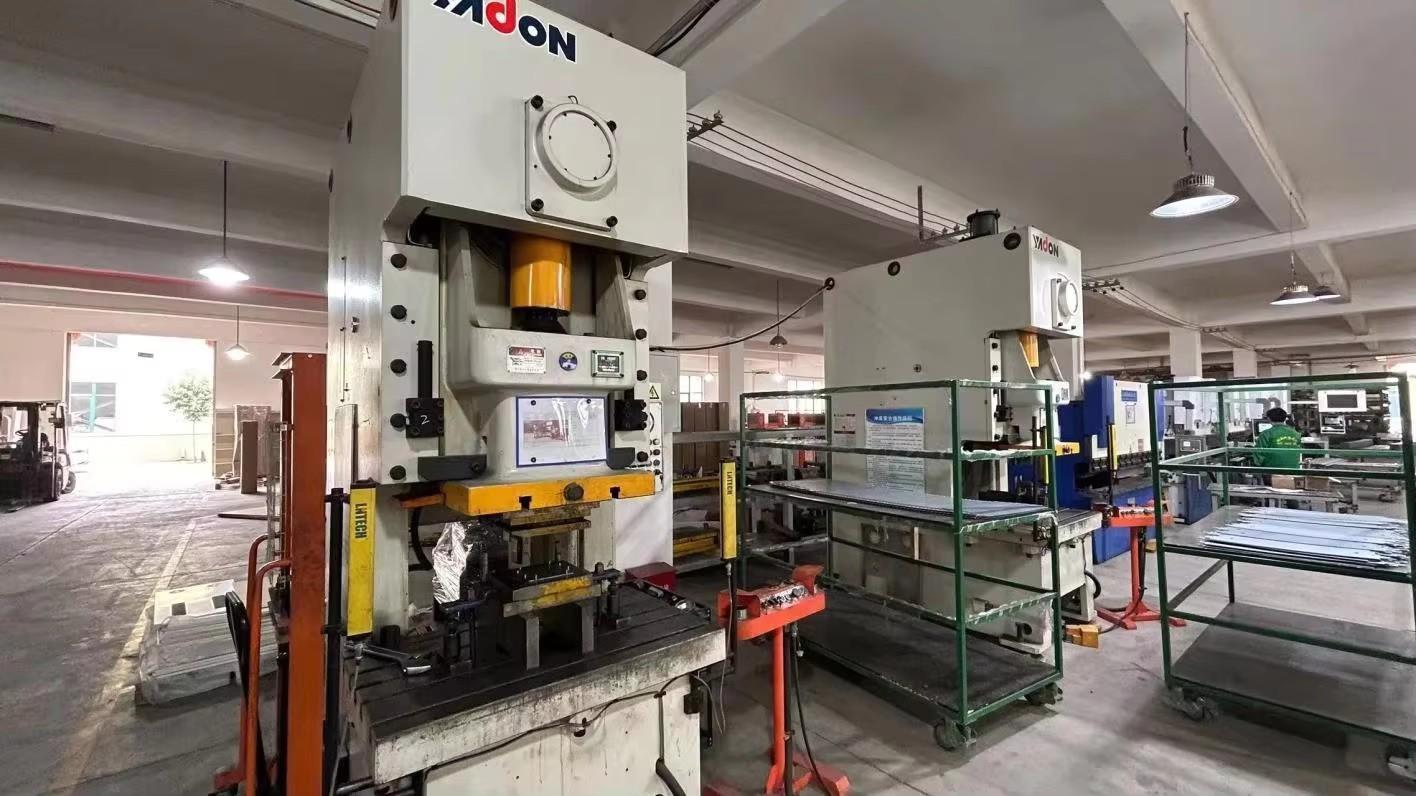
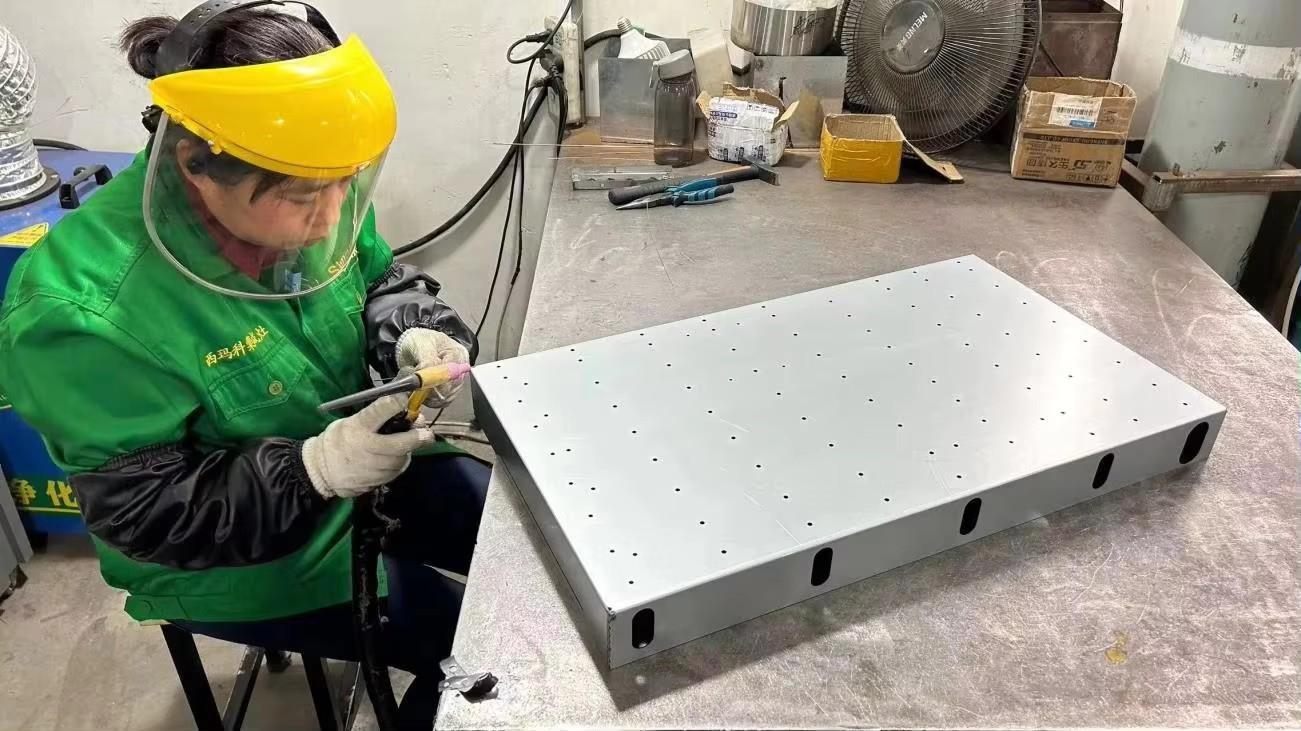
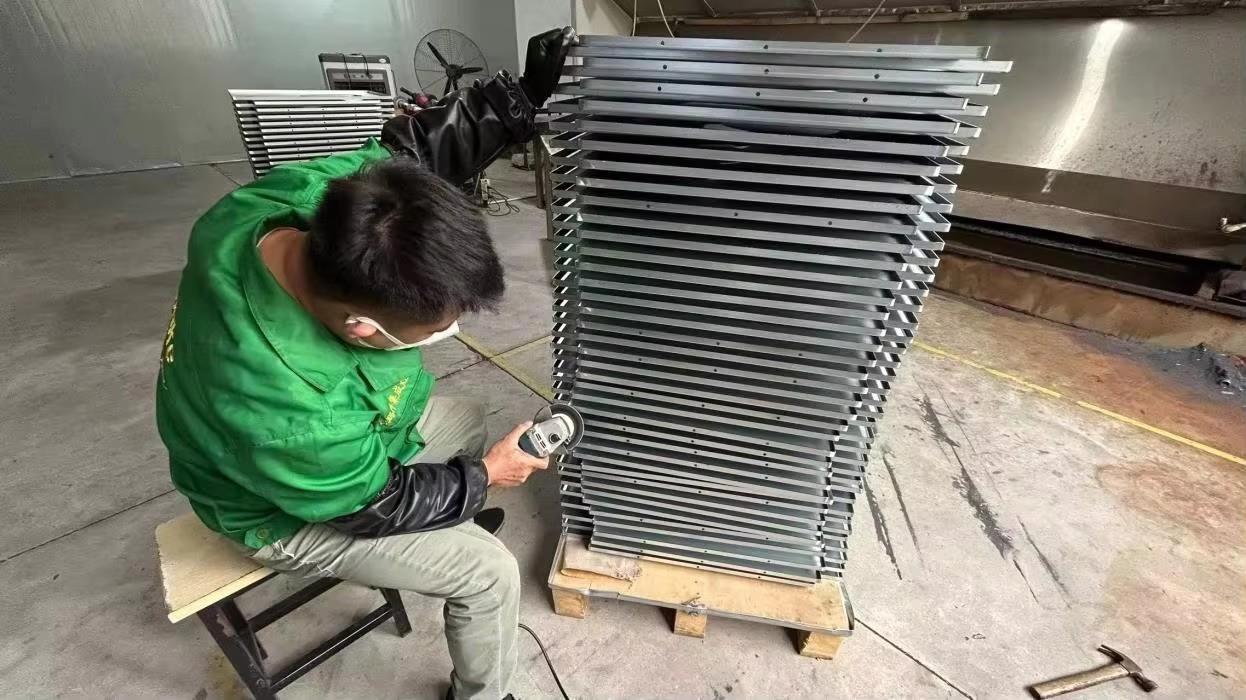
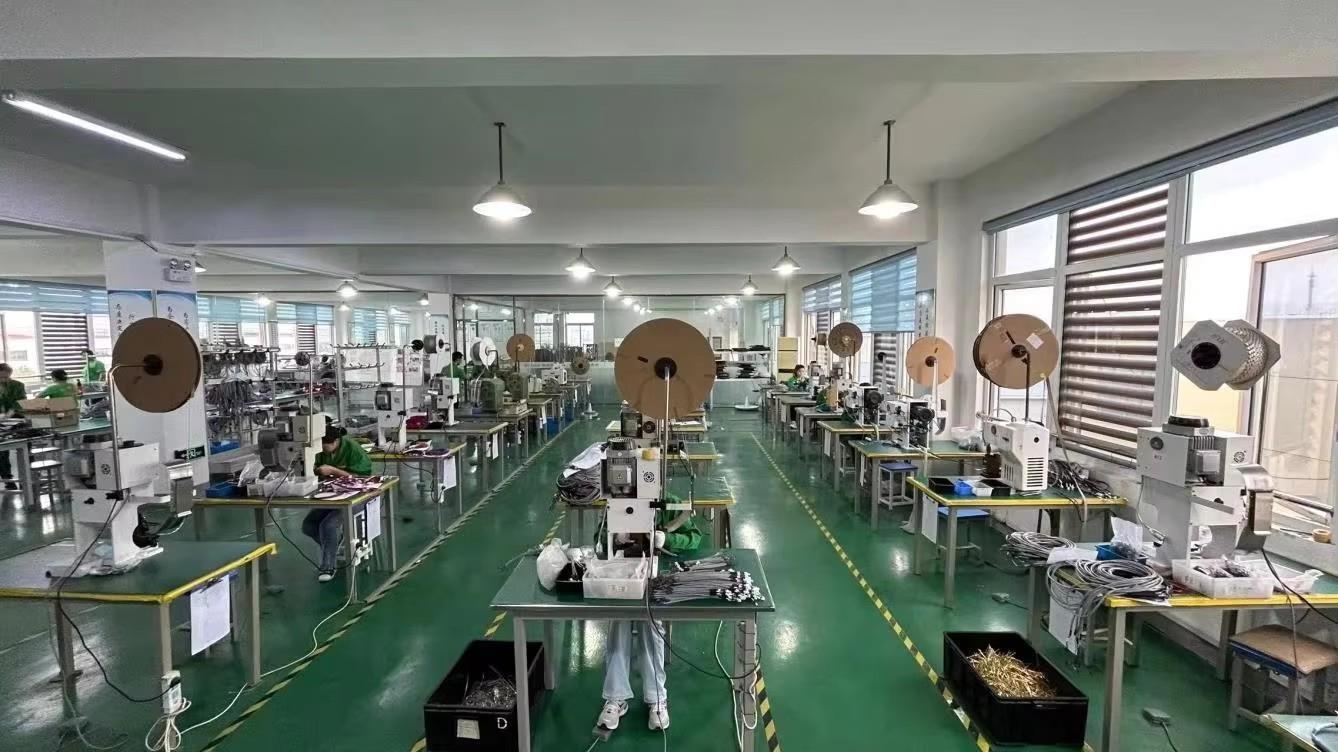
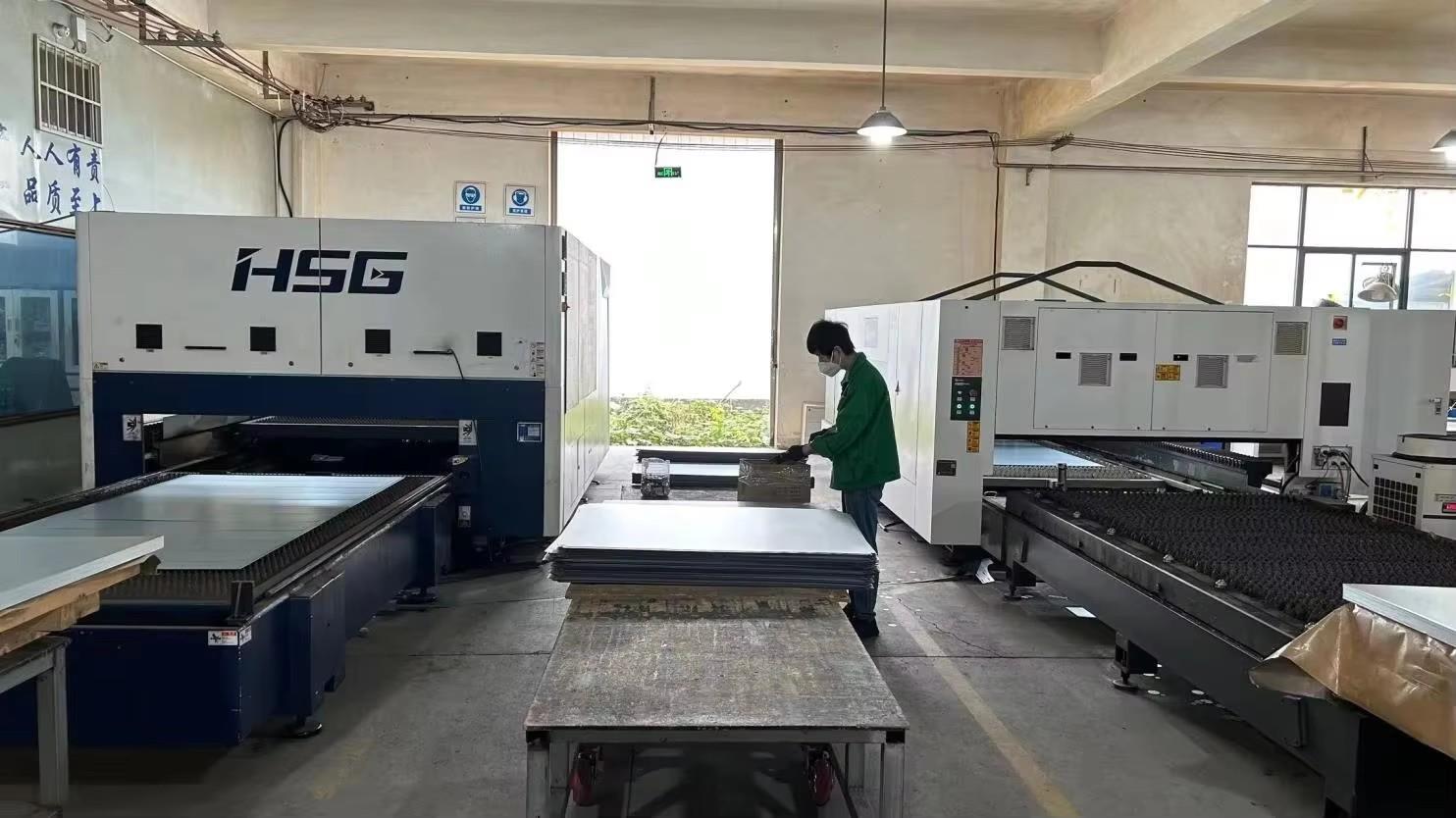
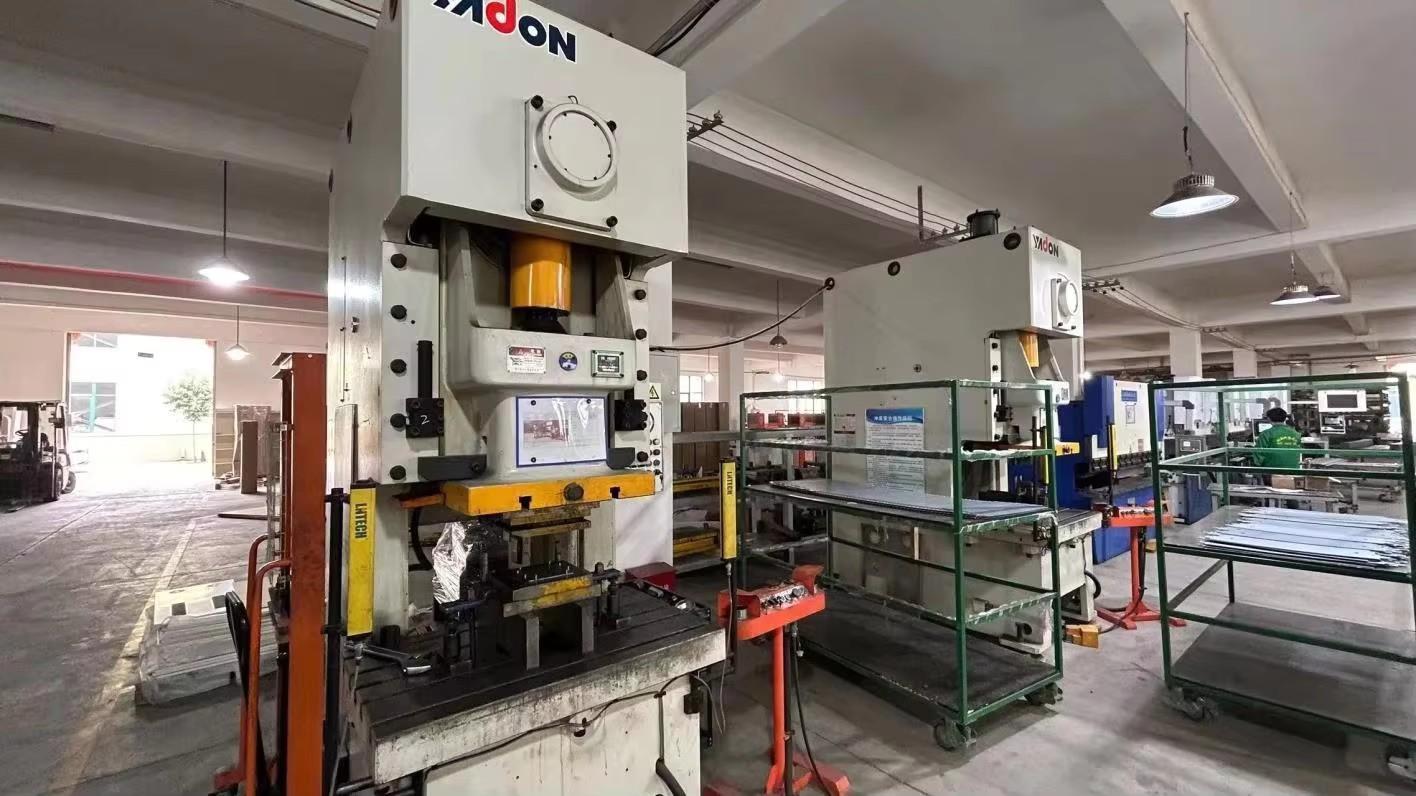
Learn how Qingdao Luzz Solar Co., Ltd. builds and tests advanced PV control electronics.
Qingdao Luzz Solar Co., Ltd. is a professional new energy enterprise specializing in the development, manufacturing, and global distribution of photovoltaic (PV) products and integrated energy storage solutions. Located in Qingdao, China, the company benefits from a well-established renewable energy industrial base and advanced manufacturing capabilities.
With the accelerating global transition toward carbon neutrality and sustainable development, Luzz Solar is committed to providing efficient, reliable, and cost-effective clean energy solutions to customers worldwide. Our product portfolio includes high-efficiency solar photovoltaic modules, energy storage systems, and integrated solar application solutions designed for residential, commercial, and utility-scale projects.
Driven by technological innovation and quality excellence, the company continuously invests in R&D and production optimization to improve product performance, energy conversion efficiency, and system reliability. We strictly adhere to international quality standards and implement rigorous quality control throughout the entire production process to ensure stable and long-term product performance.
Qingdao Luzz Solar actively expands its global market presence, with business coverage across Asia, Europe, the Middle East, Africa, and Latin America. By working closely with international partners, we are committed to delivering tailored energy solutions that meet diverse regional needs and support the global energy transition. Guided by the core values of integrity, innovation, cooperation, and sustainability, Luzz Solar strives to become a trusted global partner in the new energy industry. We are dedicated to advancing solar technology and contributing to a greener, more sustainable future.
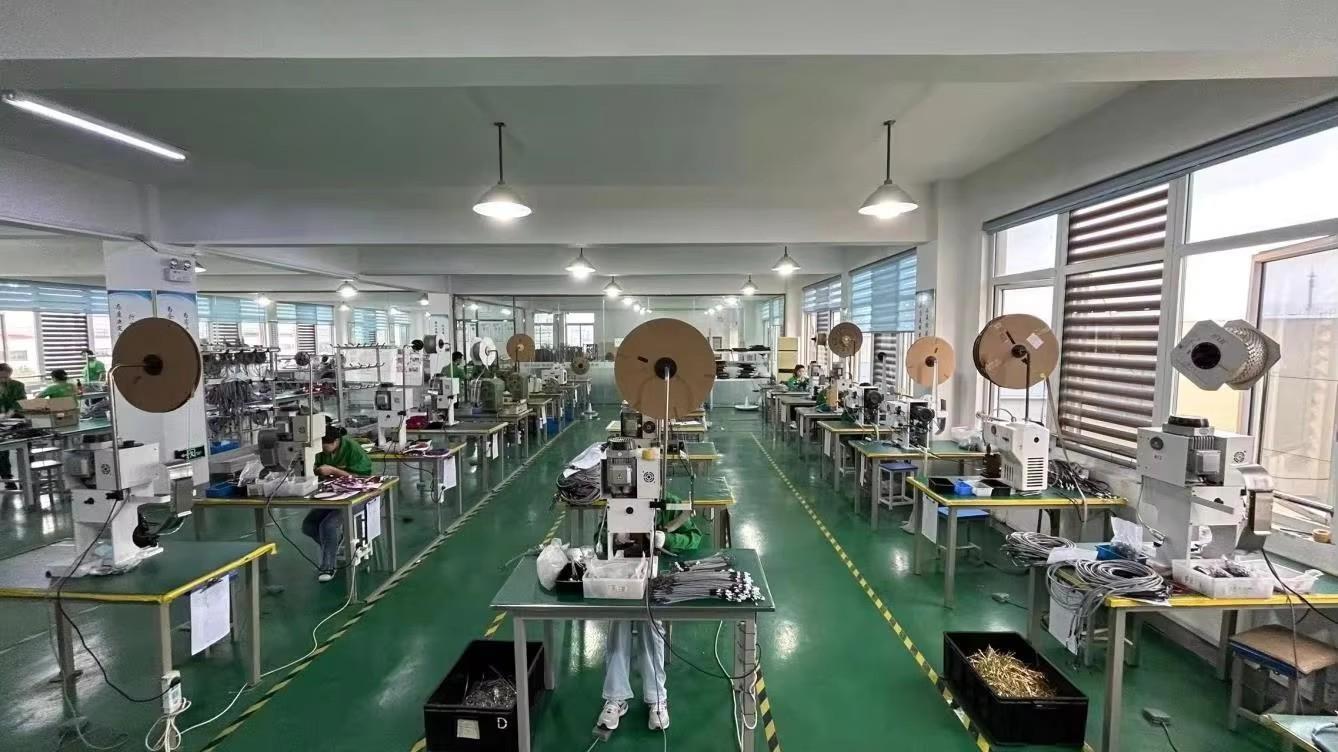
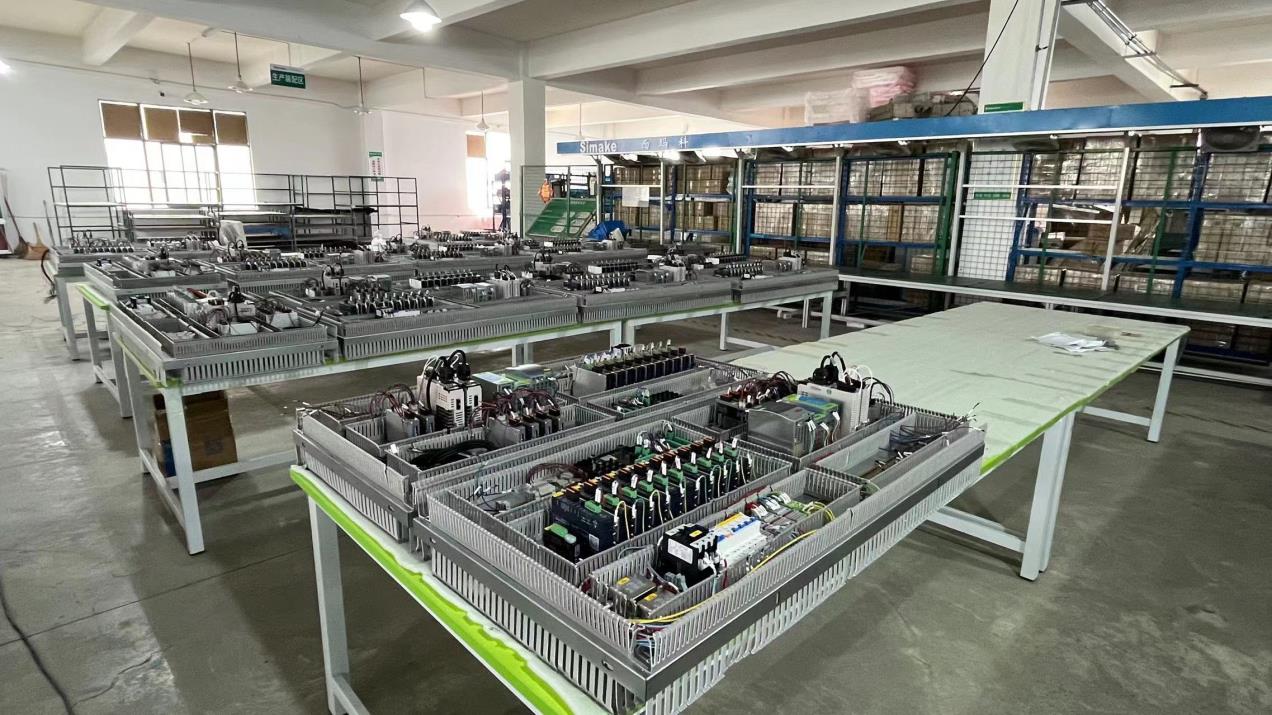
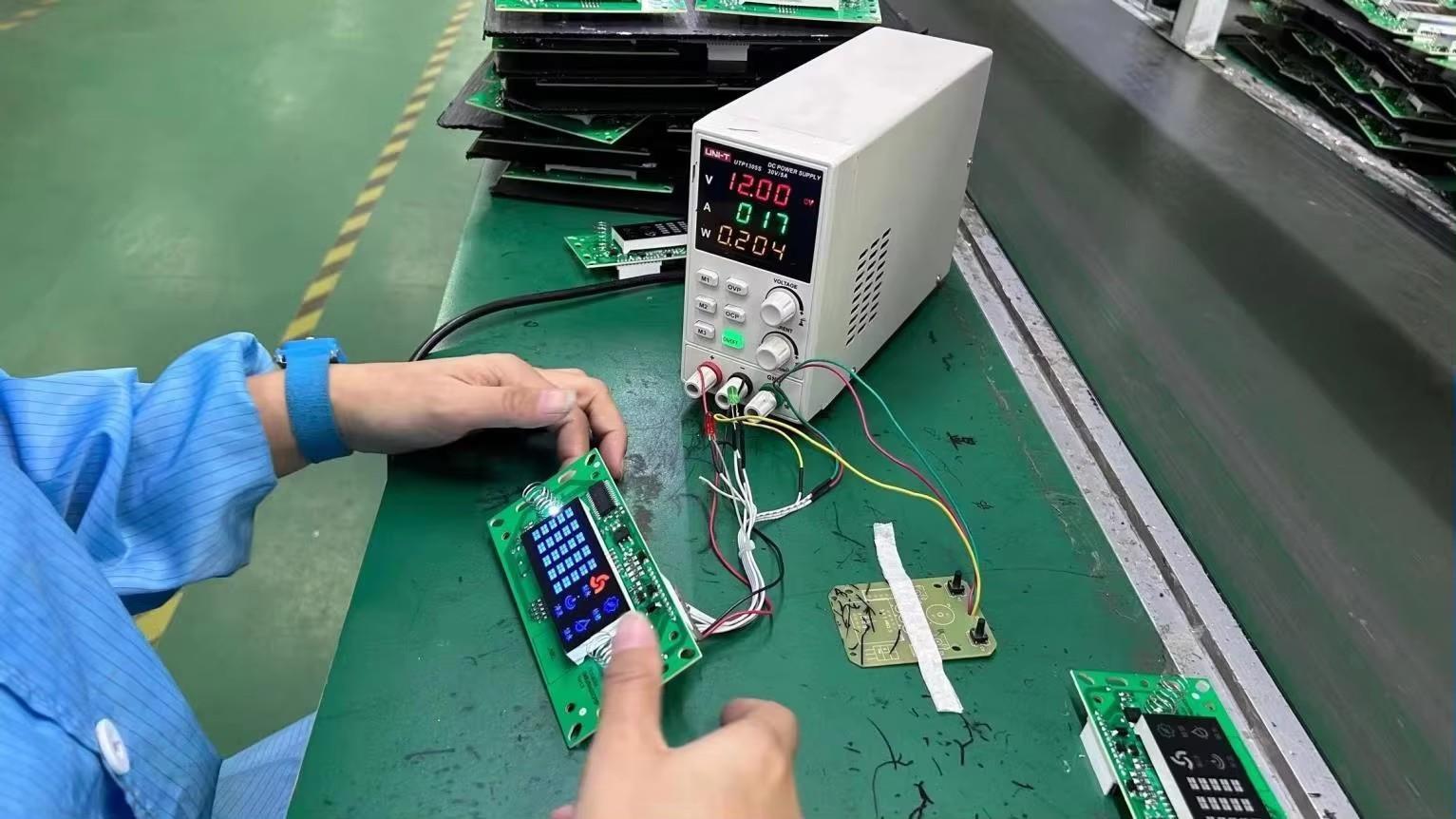
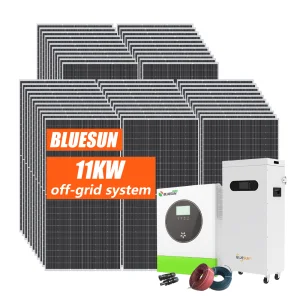
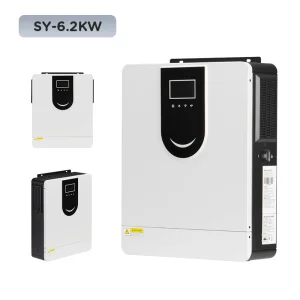
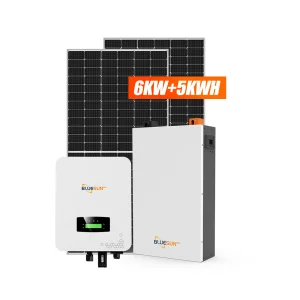
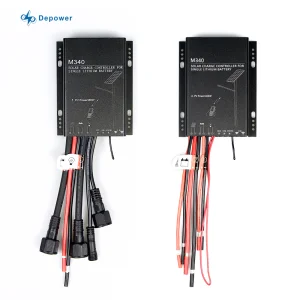
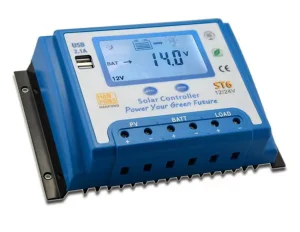
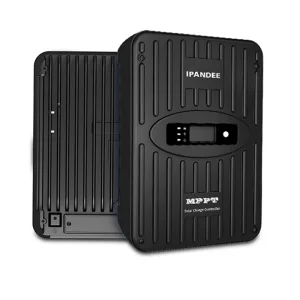
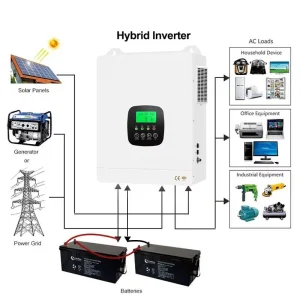
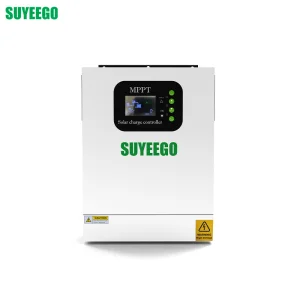
Explore our highly integrated systems compatible with Norway's industrial and domestic grid requirements.
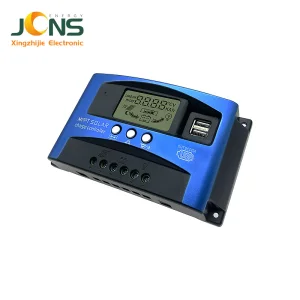
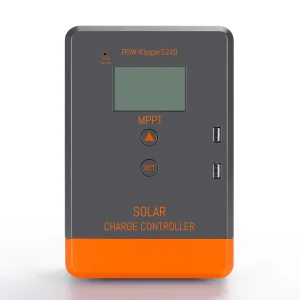
Real-world engineering case studies showing performance under arctic environments.
With more than 400,000 seasonal cabins scattered across mountain passes like Jotunheimen and Hardangervidda, Norwegian homeowners demand absolute reliability. These cabins are unoccupied during harsh winters but require continuous micro-powering to run security systems, temperature monitors, and cellular modems. An advanced MPPT controller paired with a small vertical bifacial PV array captures diffuse ground reflections from the snow. A critical engineering criteria here is low self-consumption (typically < 15mA in sleep mode), ensuring the controller itself does not deplete the battery bank during weeks of dark, overcast weather.
Norway's salmon farming industry spans deep coastal fjords where grid connections are physically impossible. Feed barges rely on diesel generators. To reduce operating costs, carbon taxes, and noise pollution, operators are integrating hybrid PV-diesel-lithium plants. These marine structures require IP67 or IP68 industrial-grade encapsulated MPPT controllers with high-spec anti-corrosion coatings (such as conformal silicone coatings on PCBs) to withstand constant salt spray, vibration, and marine air moisture while maximizing energy harvest during the summer's extended sun hours.
Fjord mountains and surrounding pine trees create dynamic partial shading conditions on coastal PV arrays. Classic MPPT controllers can lock onto a false maximum power point (local peak) rather than the absolute optimum (global peak). Our controllers utilize advanced multi-peak sweeping algorithms to locate the true optimum point within 2 seconds, boosting energy harvest by up to 30% in shaded locations compared to standard tracking algorithms.
High-altitude telemetry and weather stations in Norway operate under heavy wind, icing conditions, and extreme sub-zero temperatures. In these sites, wind turbine and solar PV hybrid configurations are common. The MPPT solar charge controller acts as the central power brain, feeding the DC bus. Systems must be certified to function reliably down to -40°C, utilizing high-grade industrial solid capacitors and aerospace-grade components that do not degrade or fail under heavy cold-thermal shocks.
Answering high-intent engineering and procurement questions regarding MPPT integration.
Photovoltaic panels have a negative temperature coefficient, meaning their open-circuit voltage (Voc) increases as the ambient temperature drops. In Norway, where temperatures can fall below -30°C in inland regions, a PV string that measures 120V Voc at 25°C standard test conditions (STC) can easily spike to over 145V Voc. If the MPPT controller's input voltage rating is strictly 150V, this leaves a dangerously thin safety margin. We recommend designing system configurations with a minimum safety factor of 1.2x of the Voc at STC, or opting for our 230V or 500V high-voltage MPPT controller series to handle extreme cold-induced voltage spikes safely.
Our MPPT solar charge controllers feature a fully programmable low-temperature charging cutoff. If your LiFePO4 battery does not have an integrated internal heater, the controller can be set to disable charging below 0°C (or any specified threshold) while still allowing discharging to power essential loads. Additionally, the programmable auxiliary dry contact relay can be configured to activate external battery heaters using available solar energy before starting the actual charge cycle, ensuring maximum battery longevity in cold weather.
Our advanced MPPT models support RS485 interfaces utilizing the industry-standard Modbus-RTU protocol, as well as CAN bus configurations. This allows seamless integration with industrial PLC systems, SCADA setups, and IoT gateways (like Victron Cerbo GX or custom Linux-based single board computers). Built-in Wi-Fi and Bluetooth options are also available for localized monitoring using native mobile applications, providing immediate status data without requiring external cabling.
Active cooling fans introduce mechanical points of failure, especially in cabins that remain unoccupied and unheated for months. Dust, insects, and moisture can freeze or lock the fan, leading to thermal throttling or controller failure. Our professional off-grid MPPT controllers are built with massive, optimized die-cast aluminum heat sinks designed for natural convection cooling. This guarantees silent, maintenance-free operation and extreme reliability over a design life exceeding 15 years.
 Luzz Solar