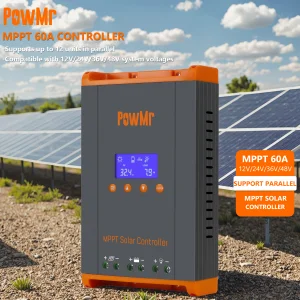
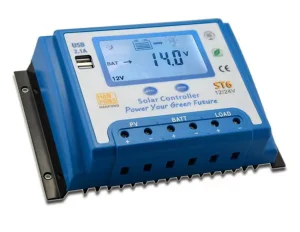
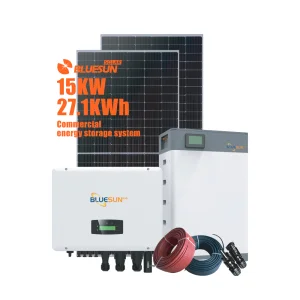
Highly efficient Maximum Power Point Tracking (MPPT) solutions designed to withstand high-temperature derating and maximize yields in the Southeast Asian monsoon climate.
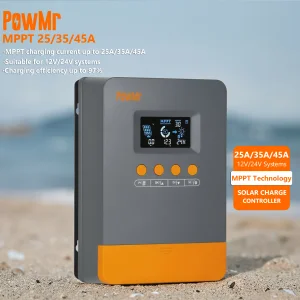
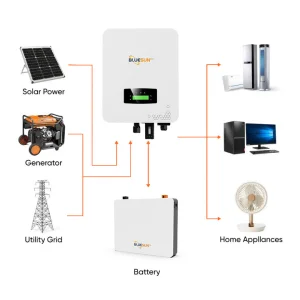
Thailand is undergoing a profound transition toward distributed clean energy, propelled by the Government's Alternative Energy Development Plan (AEDP 2018-2037). Under this directive, the nation targets a robust increase in renewable energy, aiming for renewables to contribute up to 30% of total energy consumption by 2037. The deployment of high-performance photovoltaics has shifted from centralized grid-feed systems to localized, decentralized topologies in commercial, industrial (C&I), and agricultural sectors.
Within this landscape, the Maximum Power Point Tracking (MPPT) solar charge controller functions as the critical hub of energy conversion. Given Thailand's geographic location near the equator, solar installations benefit from average solar radiation ranges between 19 and 21 MJ/m² daily in the Northeast and Central plains. However, this high irradiance is coupled with substantial ambient humidity and temperatures regularly exceeding 38°C, which triggers thermal voltage drops in photovoltaic arrays. Utilizing advanced MPPT tracking topologies with ultra-fast sweep speeds is essential to optimize power extraction and protect battery storage banks against rapid voltage fluctuations.
The requirements for charge controller hardware in Thailand diverge significantly by region and end-use application. System designs must be optimized for localized electrical loads and environmental realities:
Note for Design Engineers: When deploying systems in Southern Thailand coastal regions, ensure that the MPPT solar charge controllers selected have salt-spray certifications and passive, fan-less cooling to eliminate internal ambient dust ingestion.
For many years, simple Pulse Width Modulation (PWM) controllers were the default standard due to their low cost. However, in tropical climates, the efficiency delta between PWM and MPPT becomes extreme.
Because solar panels exhibit negative temperature coefficients for voltage (typically around -0.3% to -0.4% per degree Celsius), a module's output voltage drops considerably as cell temperatures exceed 65°C under the direct Thai sun. A PWM controller forces the panel's operational voltage down to the battery bank's level, discarding the remaining panel power. By contrast, a high-efficiency MPPT controller continuously tracks the Maximum Power Point (Vmp) through high-frequency step-down switching (buck converter). It dynamically translates the excess voltage into charging current, recovering up to 30% of energy that would otherwise be lost in thermal dissipation.
Our research focuses on multi-peak tracking algorithms. In situations where tropical vegetation, utility lines, or dust from industrial zones create partial shading, conventional controllers can get stuck at a false local maximum power point. Our controllers employ a full PV curve sweep within milliseconds to locate the absolute global maximum point, yielding 10-15% more power under partial shading than basic MPPT algorithms.
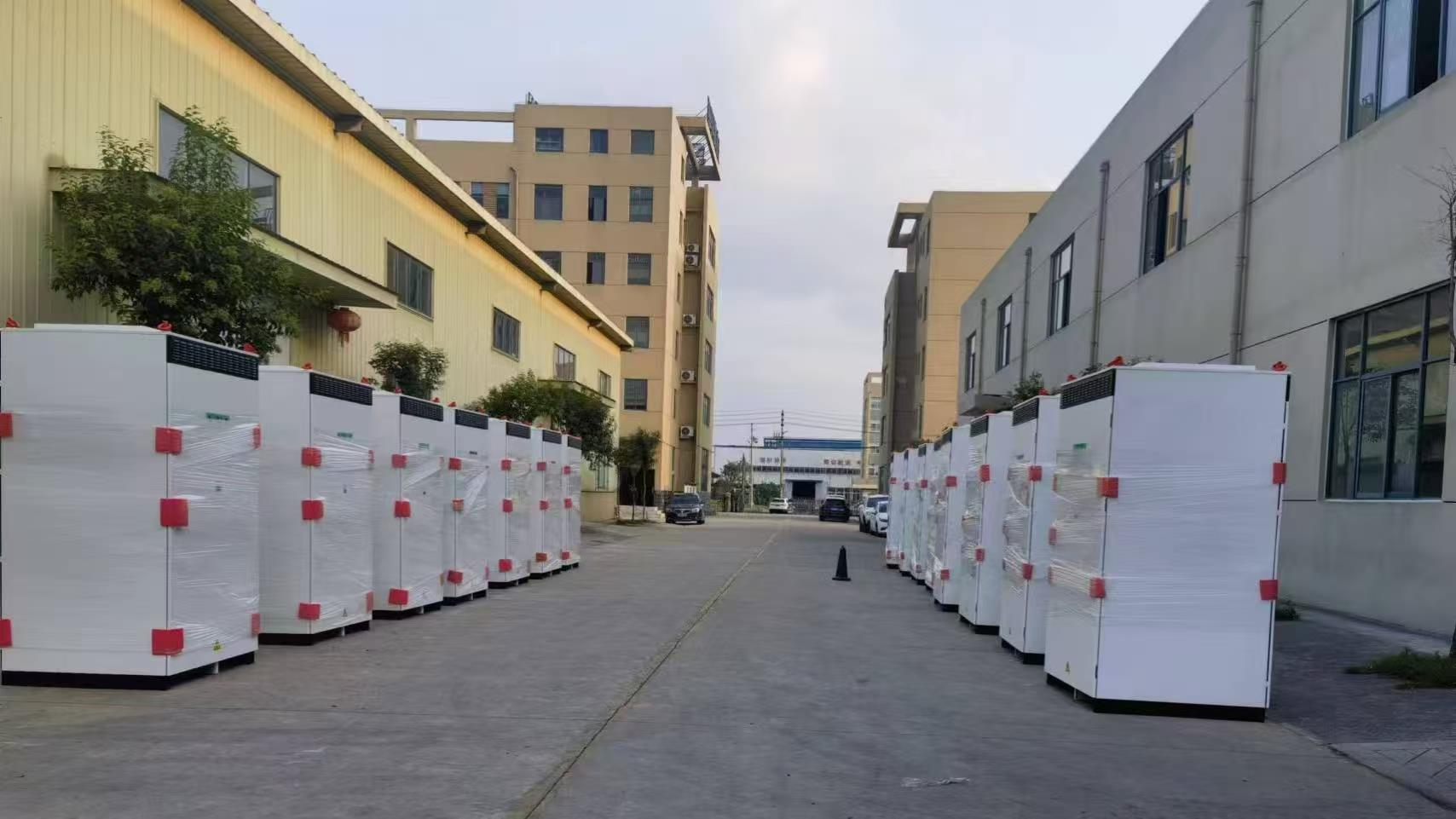
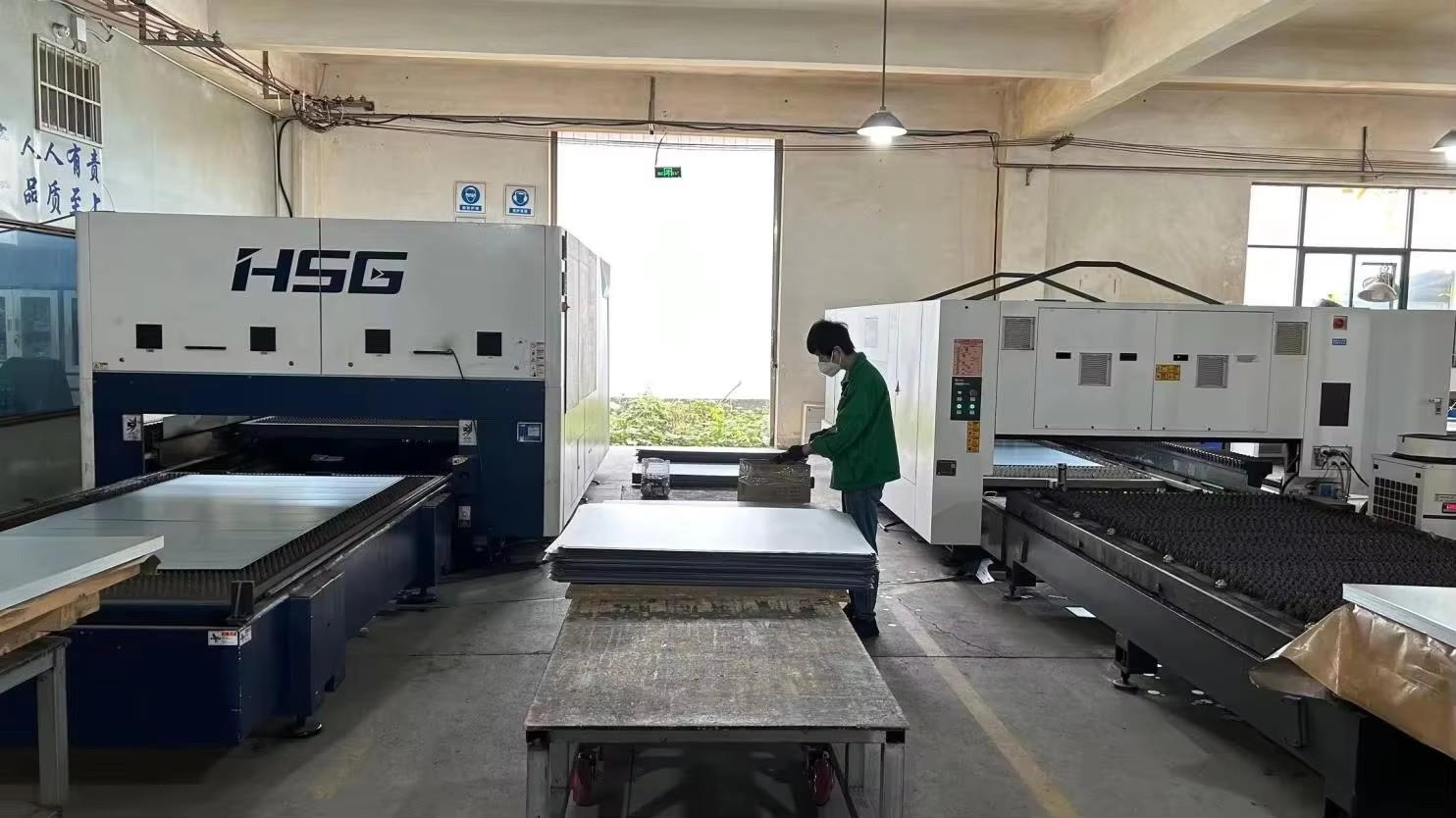
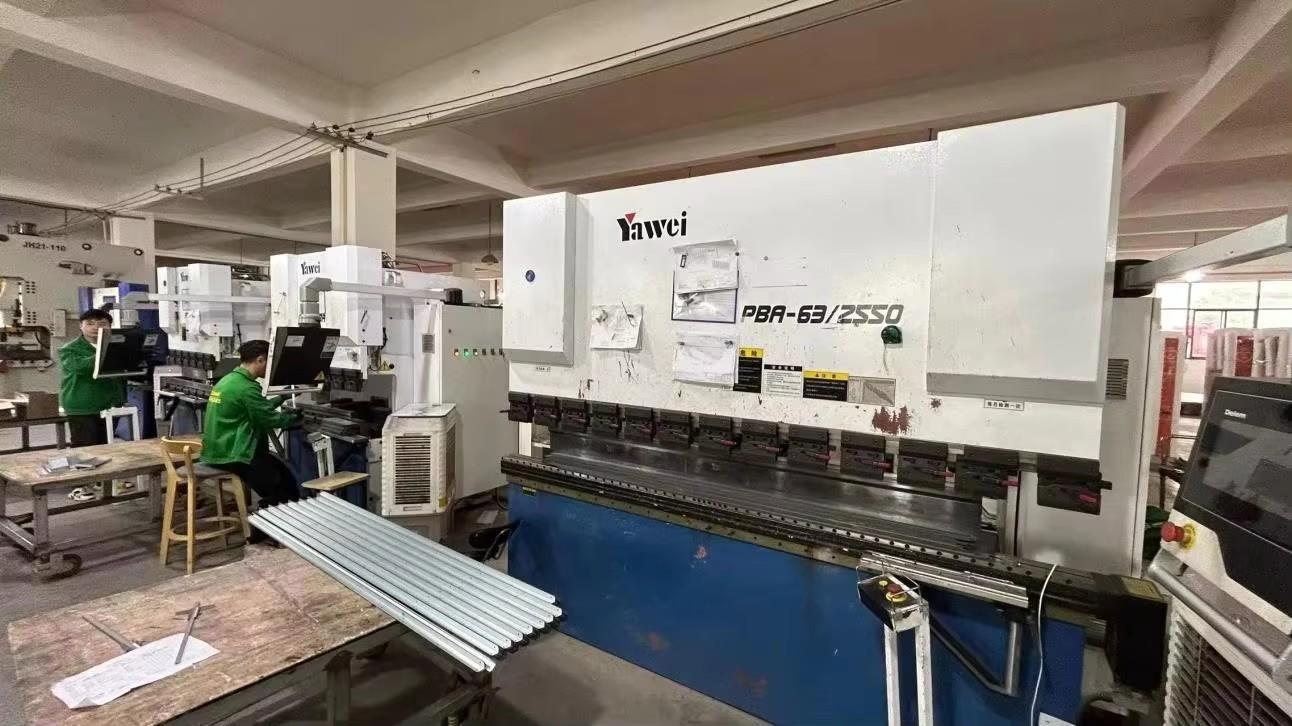
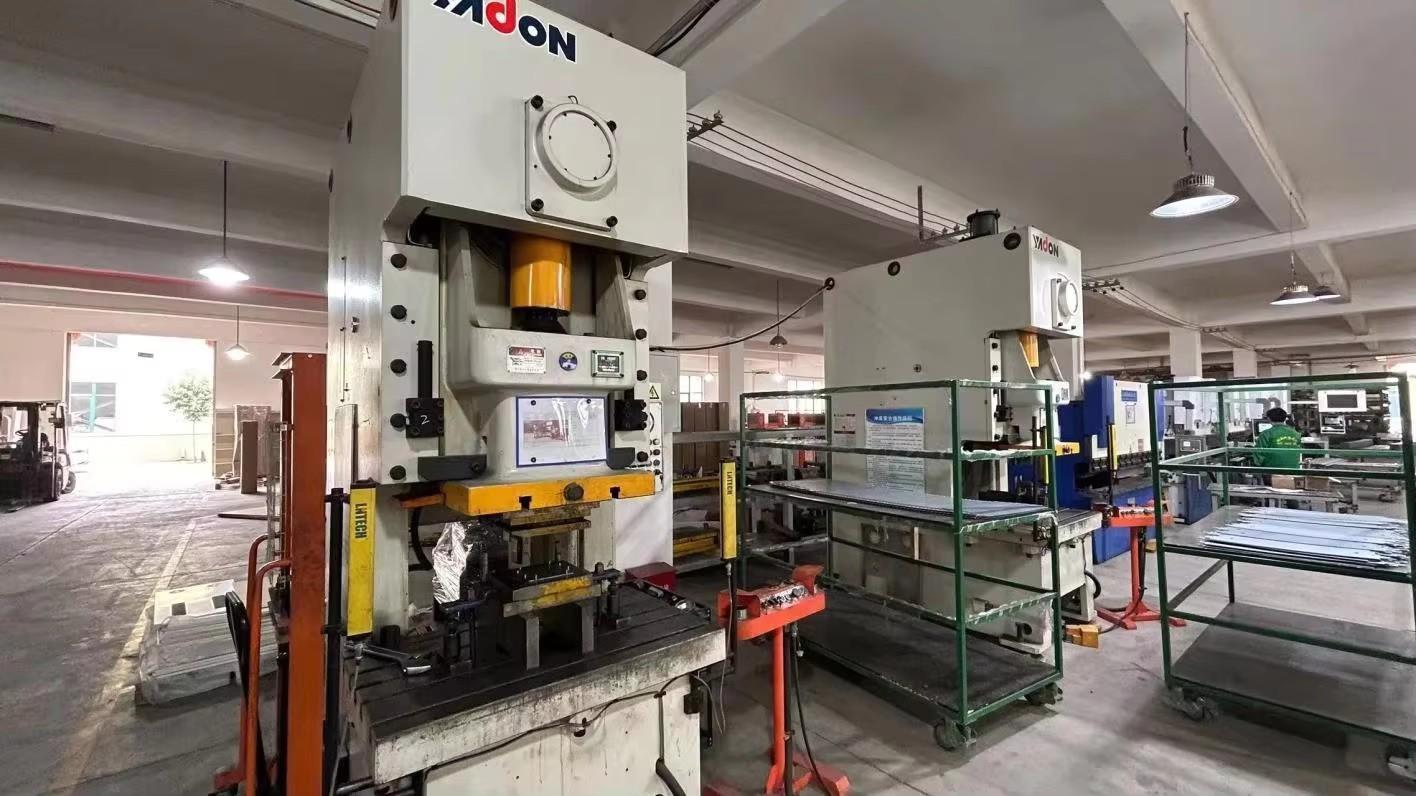
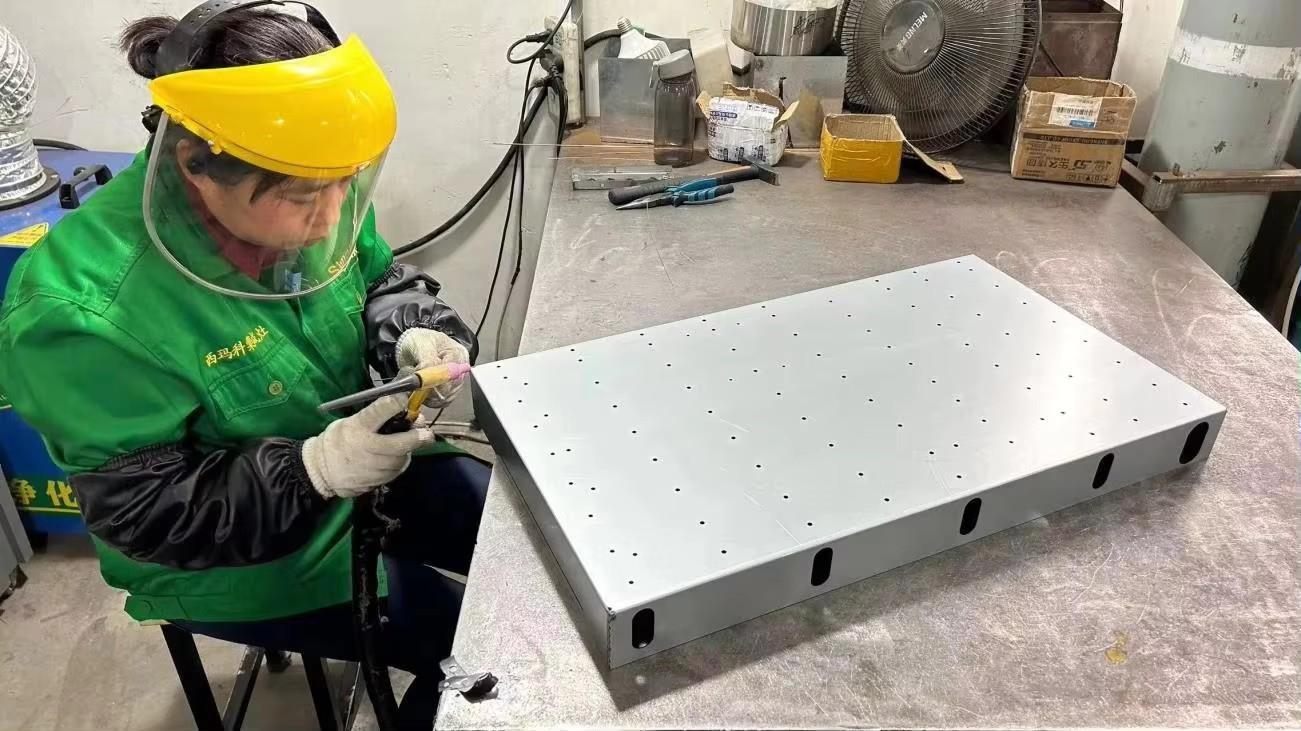
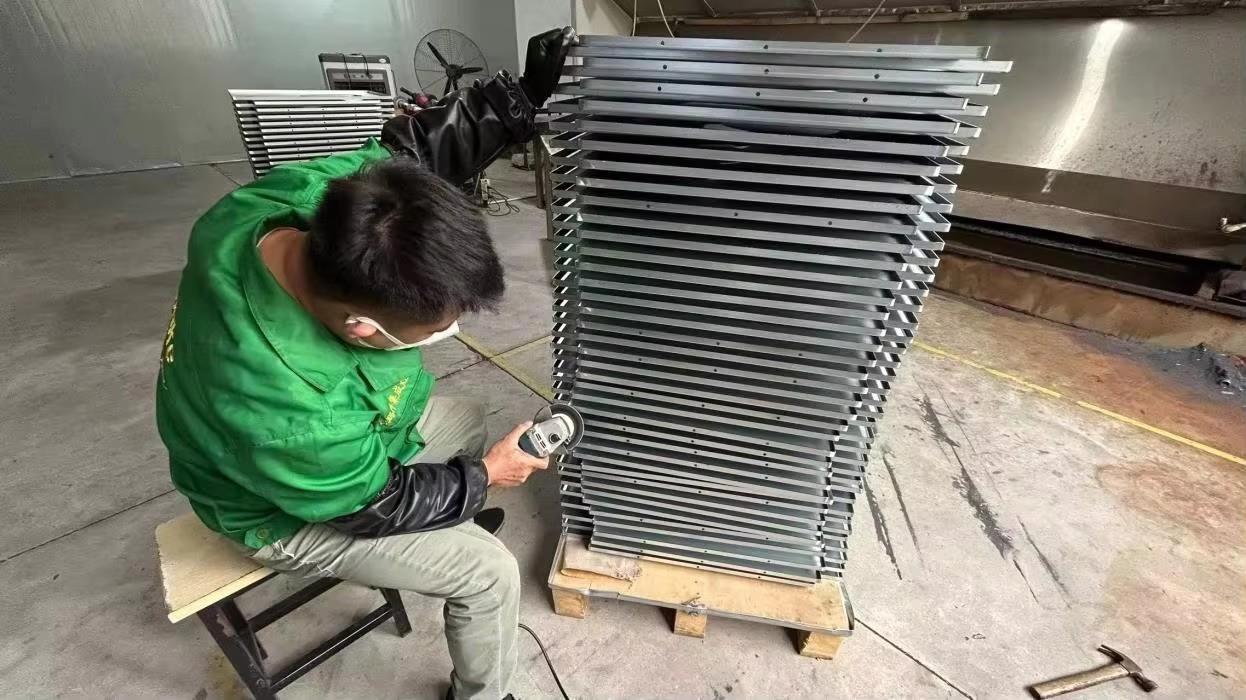
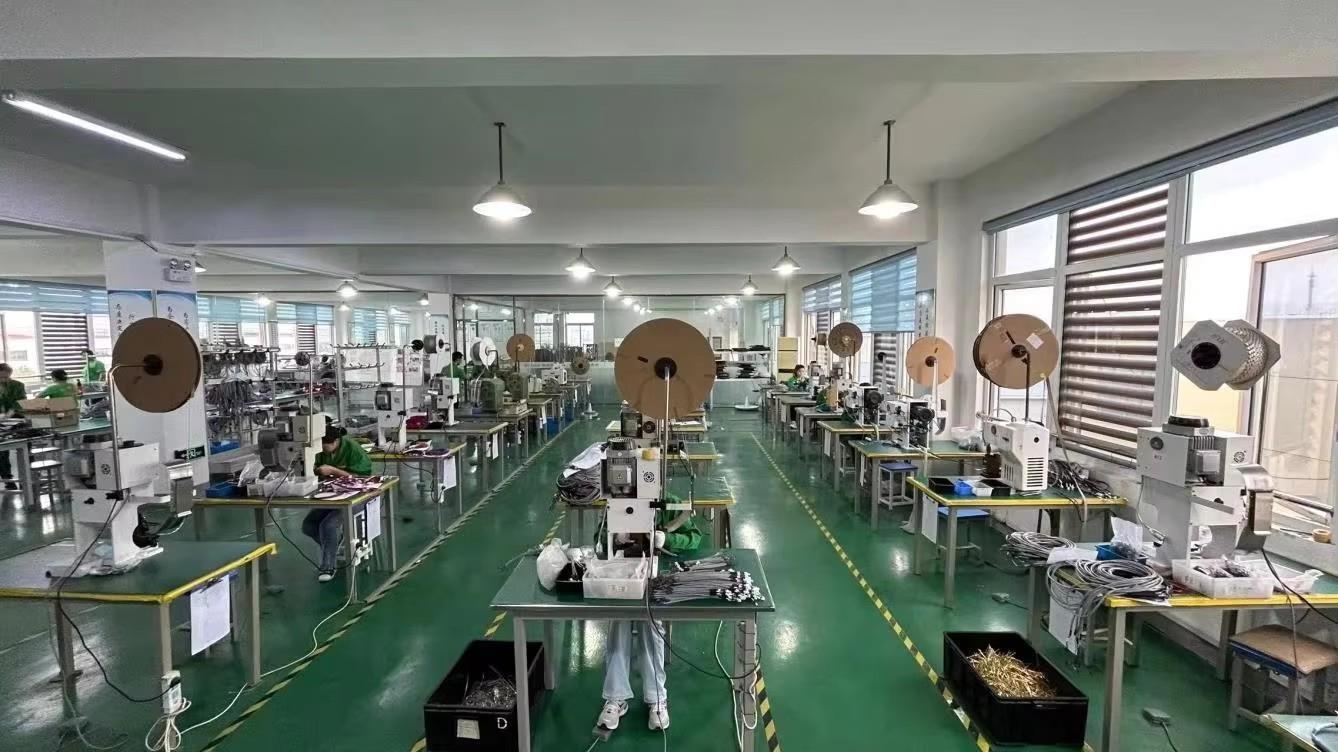
For distributors and project integrators in Bangkok, Pattaya, and across Thailand, supply chain reliability is paramount. Qingdao Luzz Solar provides high-throughput capacity and quality control standards. Leveraging mainland China's advanced semiconductor, magnetic component, and terminal connector supply networks, we ensure consistent raw material sourcing, preventing delays in projects.
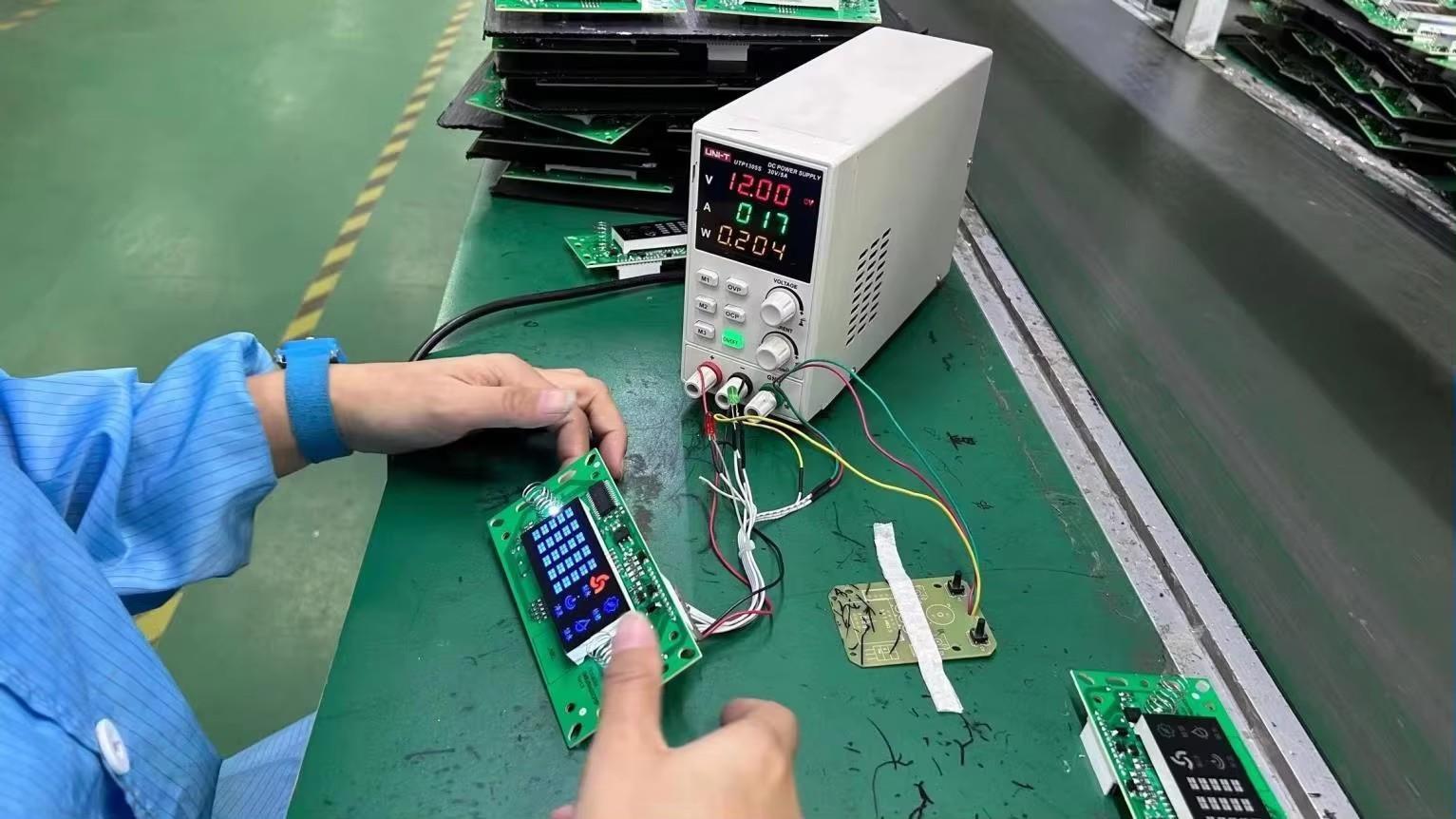
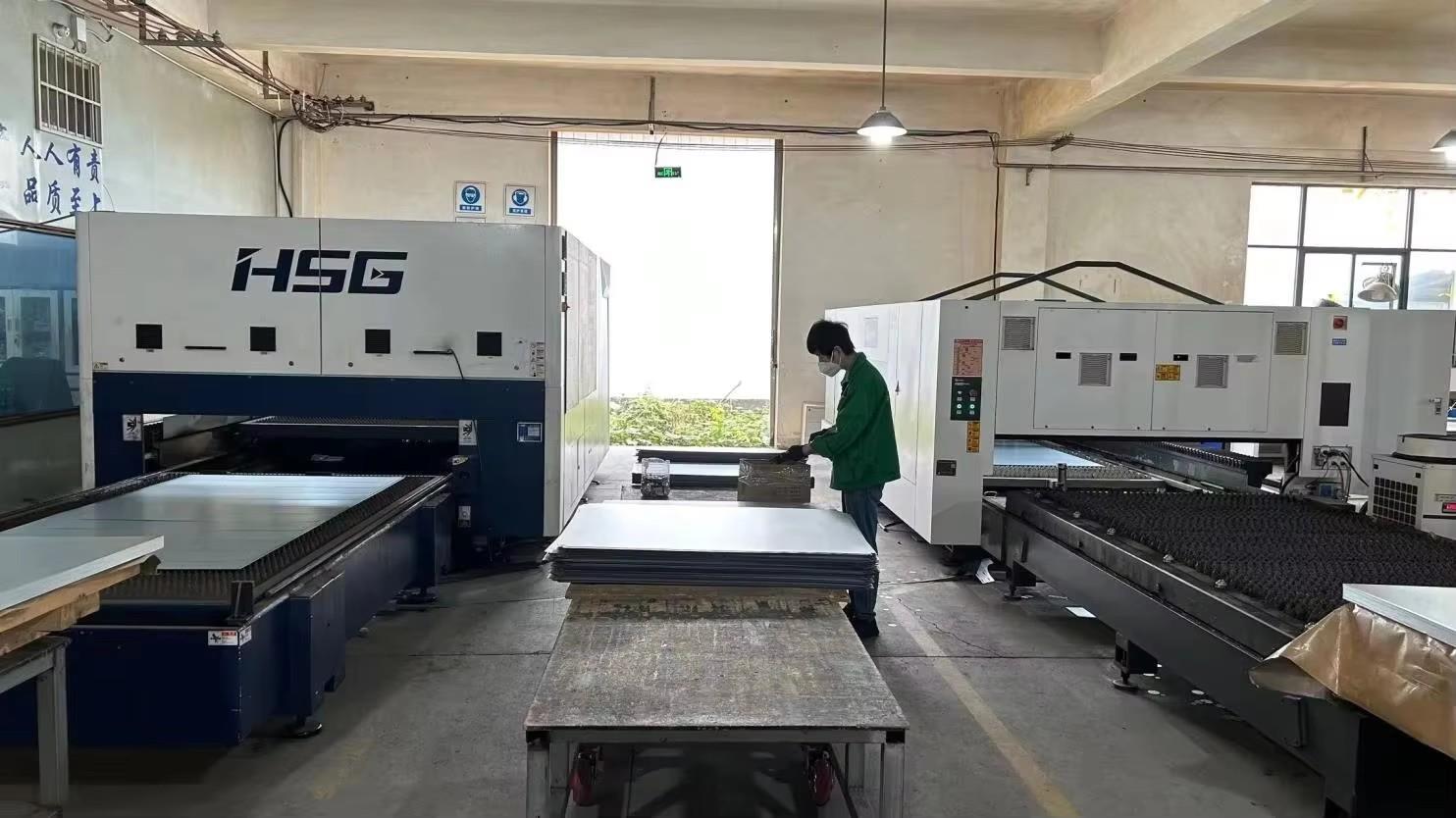
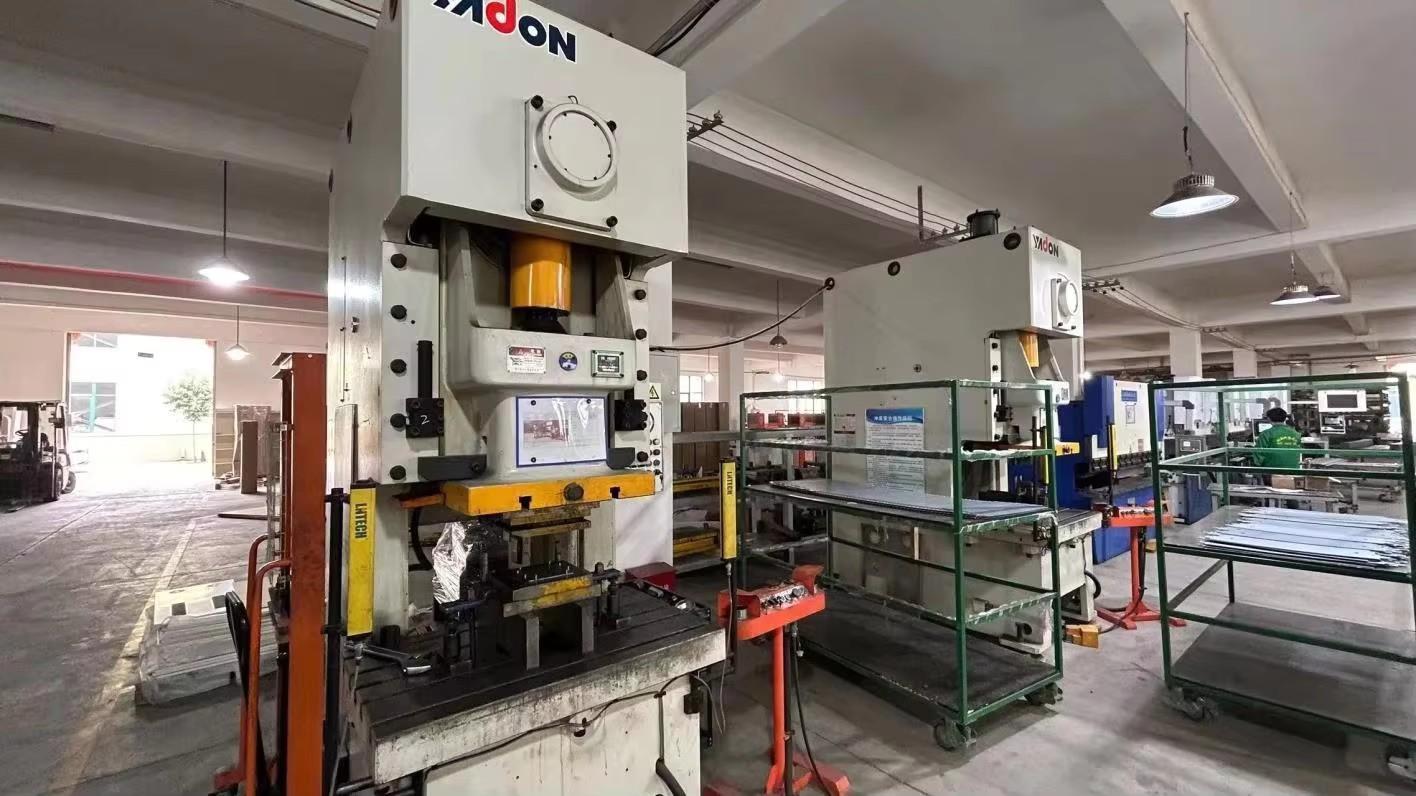
Our automated SMT (Surface Mount Technology) lines and high-temperature aging chambers ensure that every controller shipped to Thailand is built to withstand thermal stress. By sourcing high-grade components, such as Japanese Nippon Chemi-Con capacitors and Infineon MOSFETs, our devices maintain an MTBF (Mean Time Between Failures) exceeding 100,000 operational hours.
Deploying power electronics in Thailand requires strict adherence to safety standards set by the Metropolitan Electricity Authority (MEA) and the Provincial Electricity Authority (PEA), along with general TISI (Thai Industrial Standards Institute) safety guidelines.
Imported controllers must comply with electromagnetic compatibility (EMC) regulations to prevent interference with sensitive local communications grids. Our manufacturing systems are certified to ISO 9001:2015, and all MPPT controller configurations carry CE, RoHS, and FCC certifications. By ensuring electrical safety, low harmonic distortion, and safe fault isolation, we provide Thai engineers with a reliable, ready-to-deploy product.
Qingdao Luzz Solar Co., Ltd. is a professional new energy enterprise specializing in the development, manufacturing, and global distribution of photovoltaic (PV) products and integrated energy storage solutions. Located in Qingdao, China, the company benefits from a well-established renewable energy industrial base and advanced manufacturing capabilities.
With the accelerating global transition toward carbon neutrality and sustainable development, Luzz Solar is committed to providing efficient, reliable, and cost-effective clean energy solutions to customers worldwide. Our product portfolio includes high-efficiency solar photovoltaic modules, energy storage systems, and integrated solar application solutions designed for residential, commercial, and utility-scale projects.
Driven by technological innovation and quality excellence, the company continuously invests in R&D and production optimization to improve product performance, energy conversion efficiency, and system reliability. We strictly adhere to international quality standards and implement rigorous quality control throughout the entire production process to ensure stable and long-term product performance.
Qingdao Luzz Solar actively expands its global market presence, with business coverage across Asia, Europe, the Middle East, Africa, and Latin America. By working closely with international partners, we are committed to delivering tailored energy solutions that meet diverse regional needs and support the global energy transition. Guided by the core values of integrity, innovation, cooperation, and sustainability, Luzz Solar strives to become a trusted global partner in the new energy industry. We are dedicated to advancing solar technology and contributing to a greener, more sustainable future.
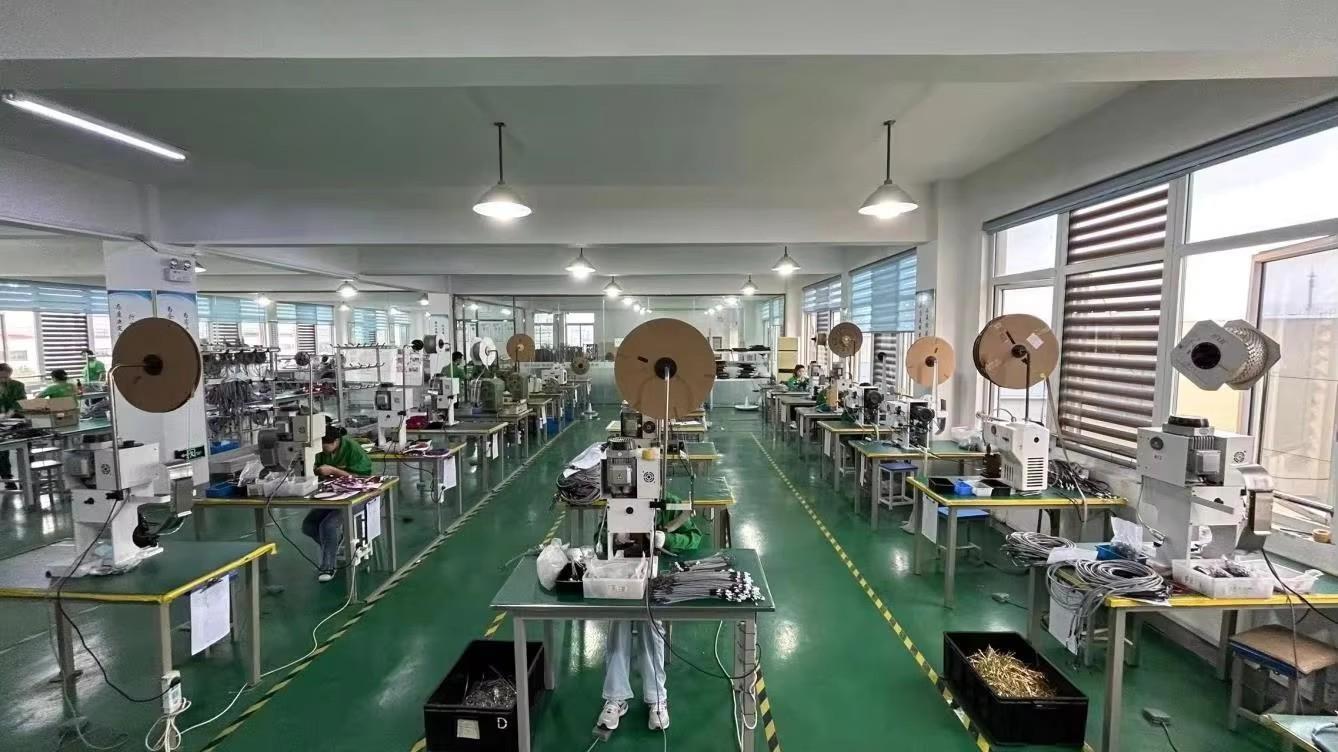
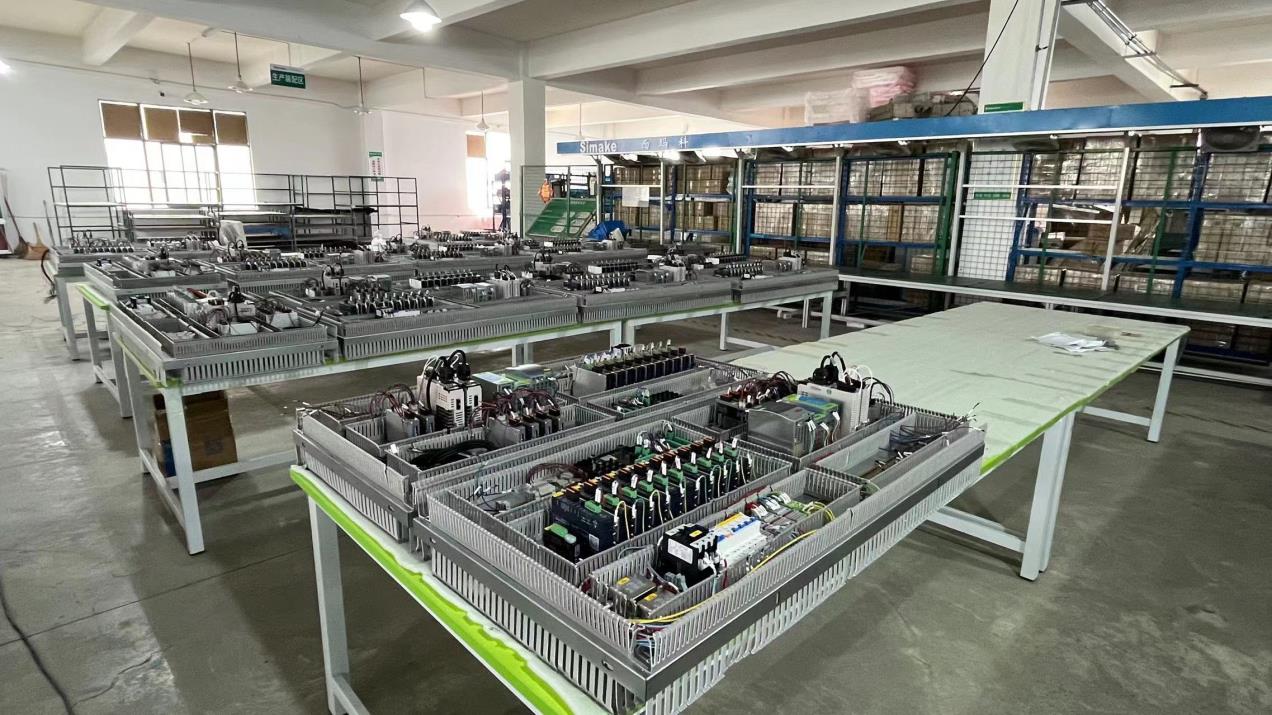
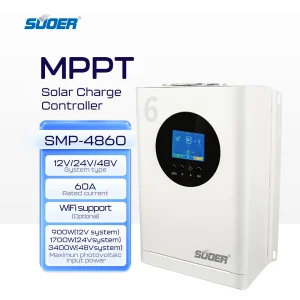
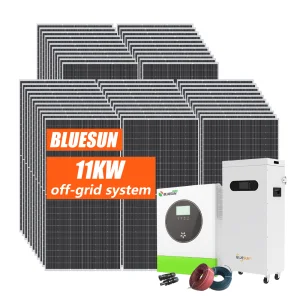
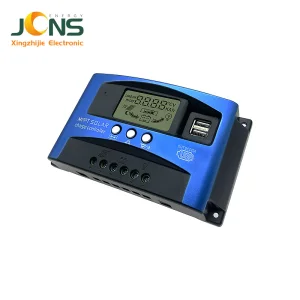
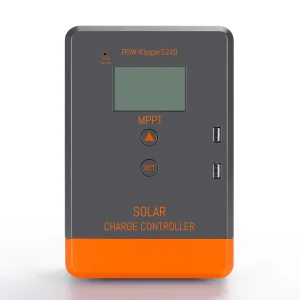
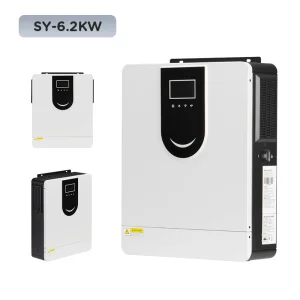
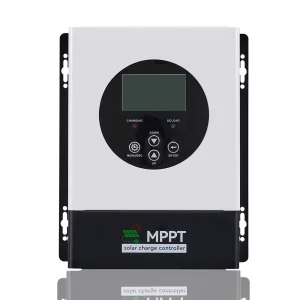
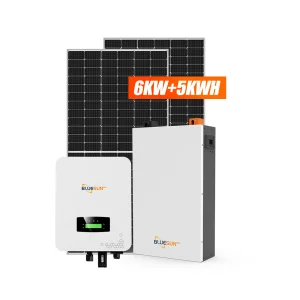
High-power solar controllers, off-grid pure sine wave inverters, and complete hybrid kits optimized for regional distribution and infrastructure projects.
 Luzz Solar