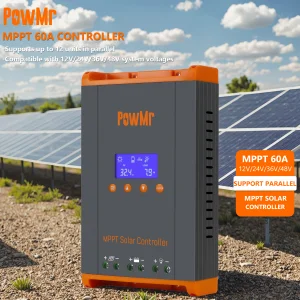
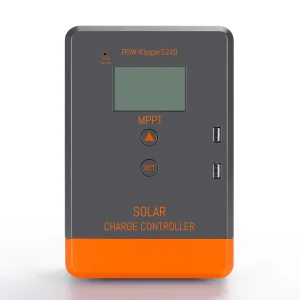
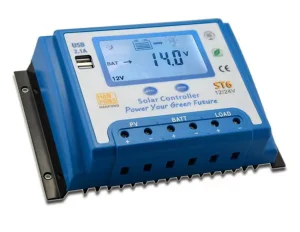
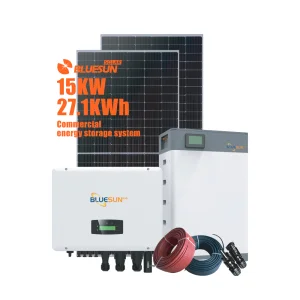
High-reliability models optimized for South Korea's grid requirements, advanced PV infrastructure, and smart energy storage networks.
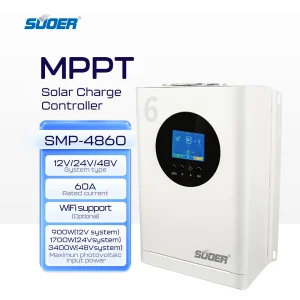
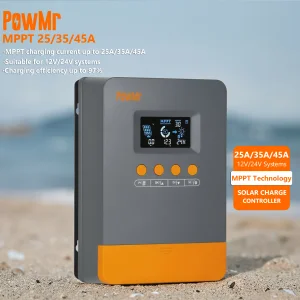
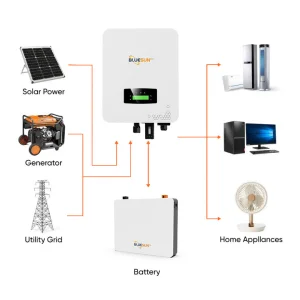
An authoritative analysis of South Korea's transition to smart distributed grids and how high-performance MPPT solar regulators address complex environmental, structural, and regulatory challenges.
South Korea's PV market is undergoing rapid evolution. Driven by the ambitious Renewable Energy 3020 plan and the national pledge to achieve carbon neutrality by 2050, the country is shifting from central utility-scale power projects to complex, distributed microgrids and commercial energy systems. For global supply chain managers, EPC contractors, and domestic importers, this landscape requires a deep understanding of local constraints. The Korean government enforces strict guidelines on grid stabilization, power safety, and electromagnetic compatibility.
Specifically, the Renewable Portfolio Standard (RPS) in Korea incentivizes the integration of Energy Storage Systems (ESS) with photovoltaic installations. High-efficiency MPPT (Maximum Power Point Tracking) controllers serve as the critical bridge, ensuring maximum energy yield is harvested from PV panels under fluctuating irradiation profiles and directly transferred to Lithium Iron Phosphate (LiFePO4) or Nickel Manganese Cobalt (NMC) chemistries without thermal or electric instability.
Unlike flat desert solar corridors, South Korea’s geography is heavily mountainous. More than 70% of the Korean peninsula is covered by hills, causing localized microclimates, sudden fog, and frequent partial shading from neighboring peaks, buildings, or forestry. Standard solar regulators fail under these conditions by getting trapped in local power maximums rather than the absolute global maximum power point.
To counteract this, our premium MPPT algorithms utilize high-frequency sweep scanning and state-space prediction. When a shadow hits a solar array in Gangwon-do or Gyeongsang-do, our controllers sweep the entire V-I curve within milliseconds to identify the true peak. This delivers up to a 30% yield increase compared to legacy PWM (Pulse Width Modulation) controllers and traditional low-cost MPPT tracking models, maximizing ROI for Korean commercial operations.
Advanced tracking algorithms scan the full PV voltage window within 1.5 seconds, dodging localized false maximums caused by mountain shadow profiles.
Seamlessly integrates with KEPCO (Korea Electric Power Corporation) telemetry standards, maintaining grid compliance and safe power factor values.
Designed for South Korea’s hot, humid summers (monsoon season) and freezing winters, utilizing heavy-duty thermal heat sinks and potted electronics.
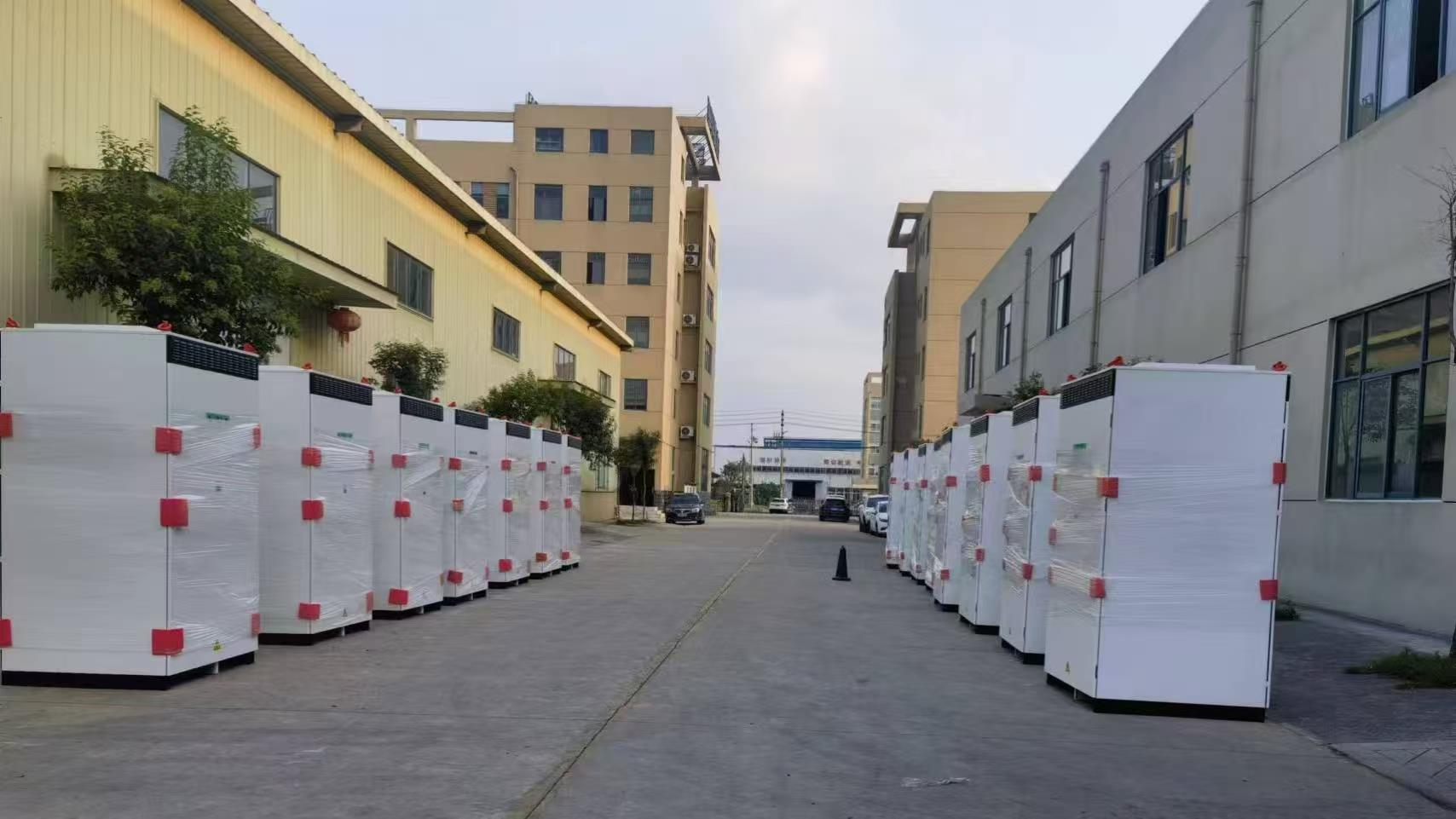
Procuring industrial solar components requires a robust logistical partner. Based in the strategic port city of Qingdao, China—directly across the Yellow Sea from the Korean Peninsula—Qingdao Luzz Solar Co., Ltd. offers unparalleled supply-chain efficiency. We provide direct shipping routes to major Korean sea terminals including Busan, Incheon, and Pyeongtaek, with transit times often under 48 hours.
This geographical proximity minimizes warehouse storage overhead and reduces inventory carrying costs for Korean distributors. In addition to geographical advantages, our engineering team handles custom labeling, custom packaging, English/Korean installation manuals, and provides native technical documents for effortless customs clearance, meeting all Korea Customs Service standards.
Safety is paramount in South Korea's renewable infrastructure. All electronic products imported for residential and commercial solar installations must adhere to the Korea Certification (KC Certificate) framework, which tests for electrical safety, electromagnetic compatibility (EMC), and environmental resilience.
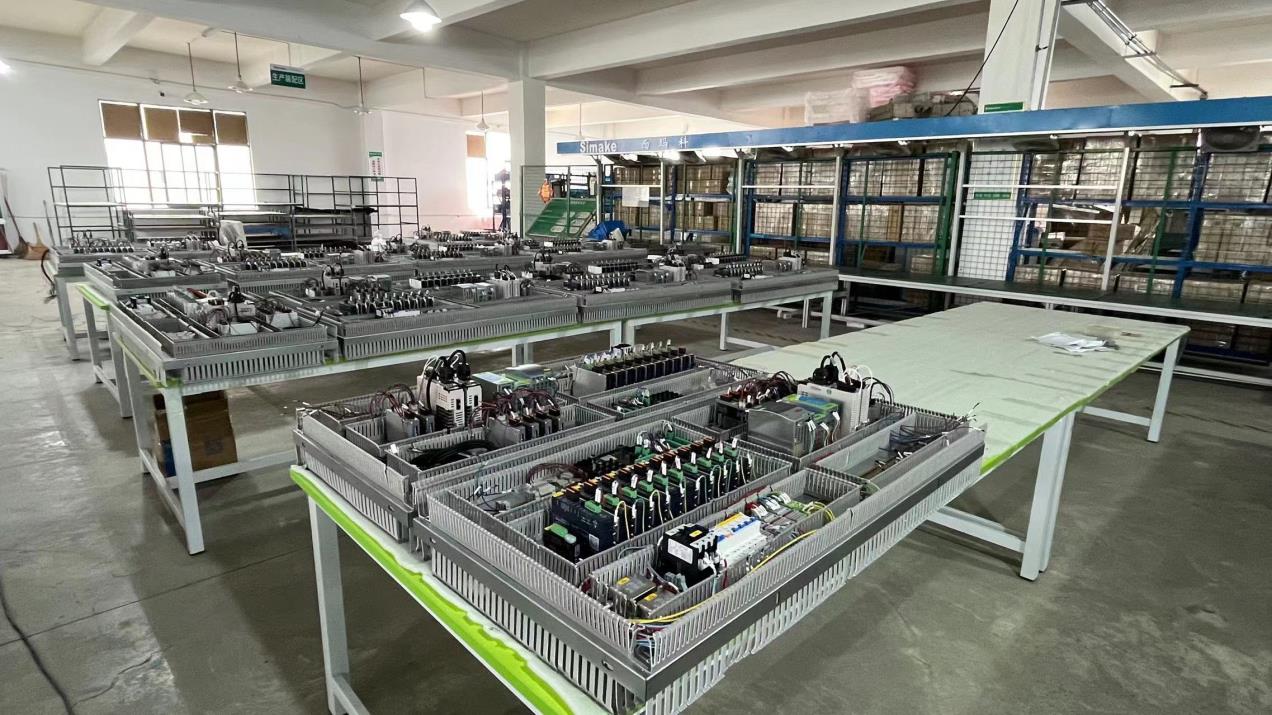
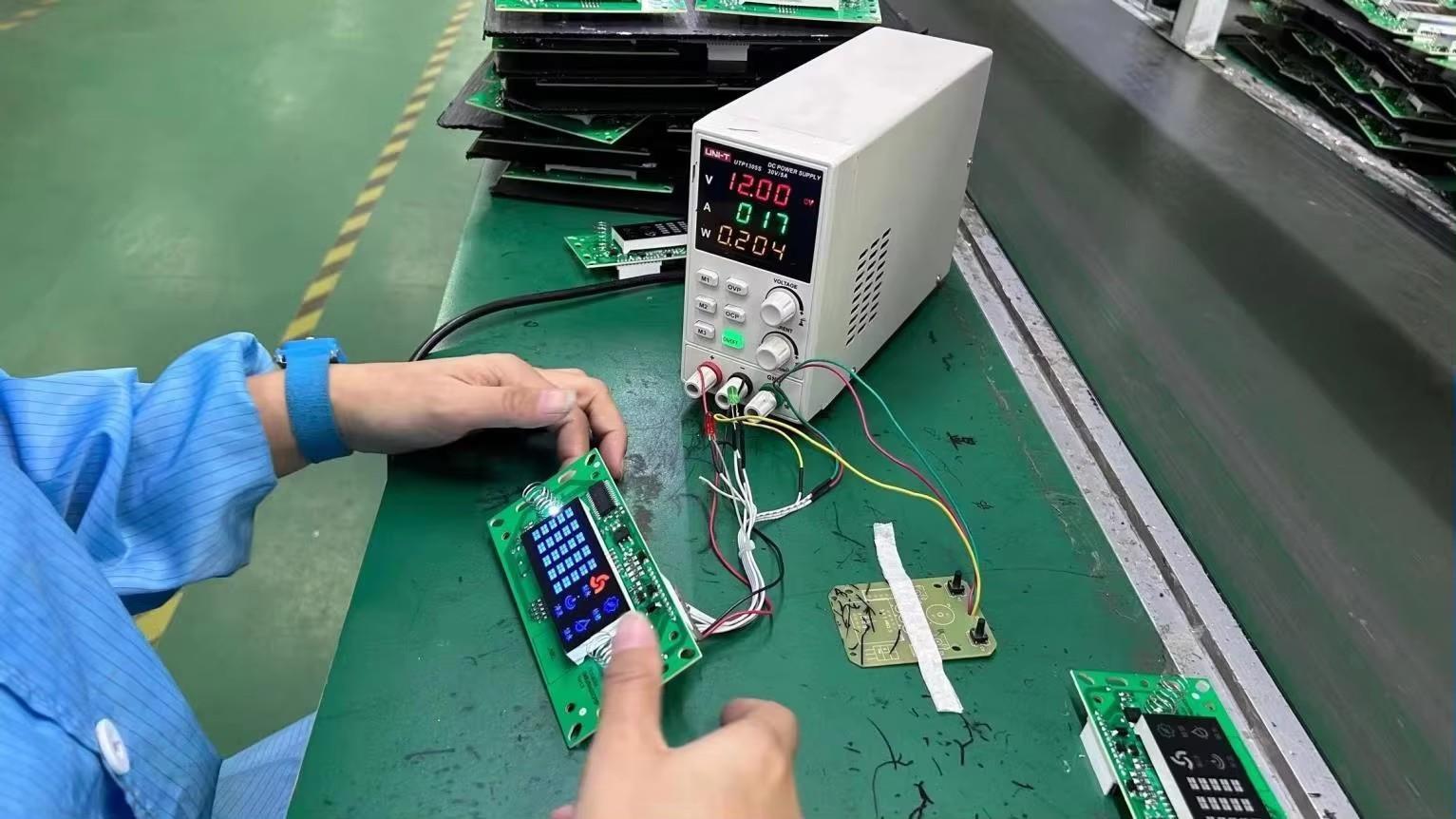
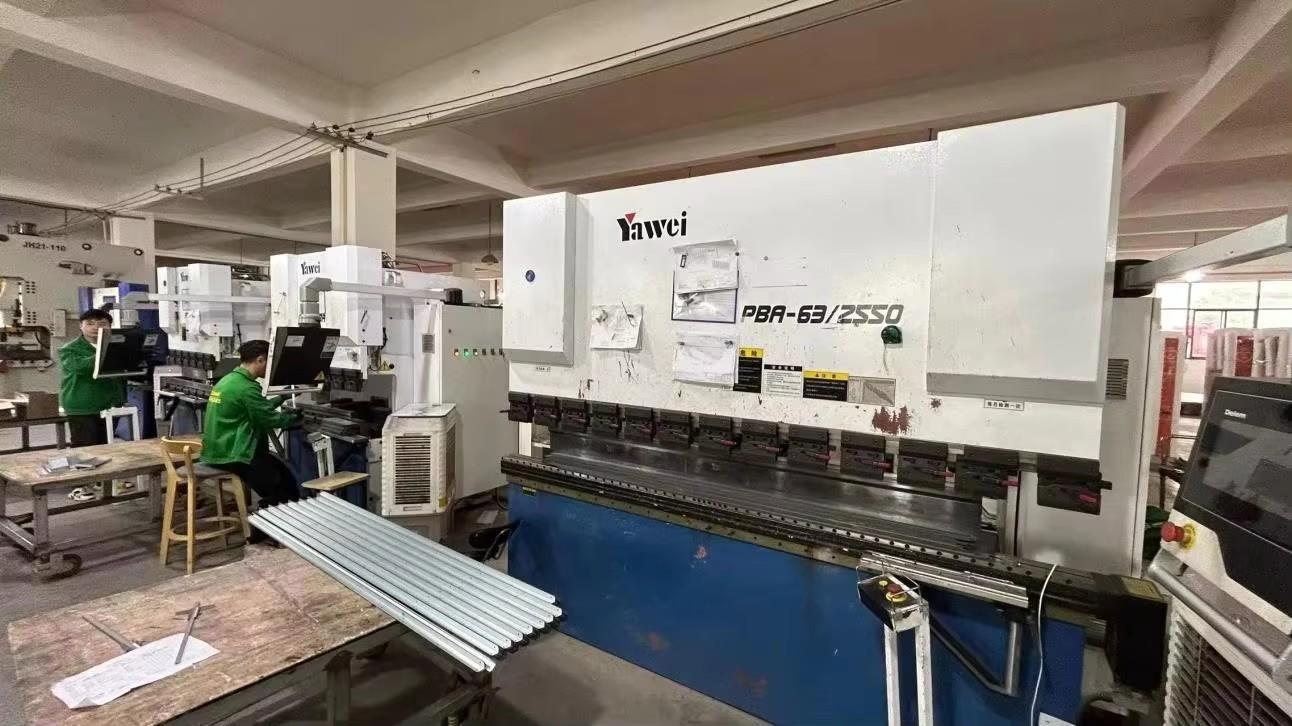
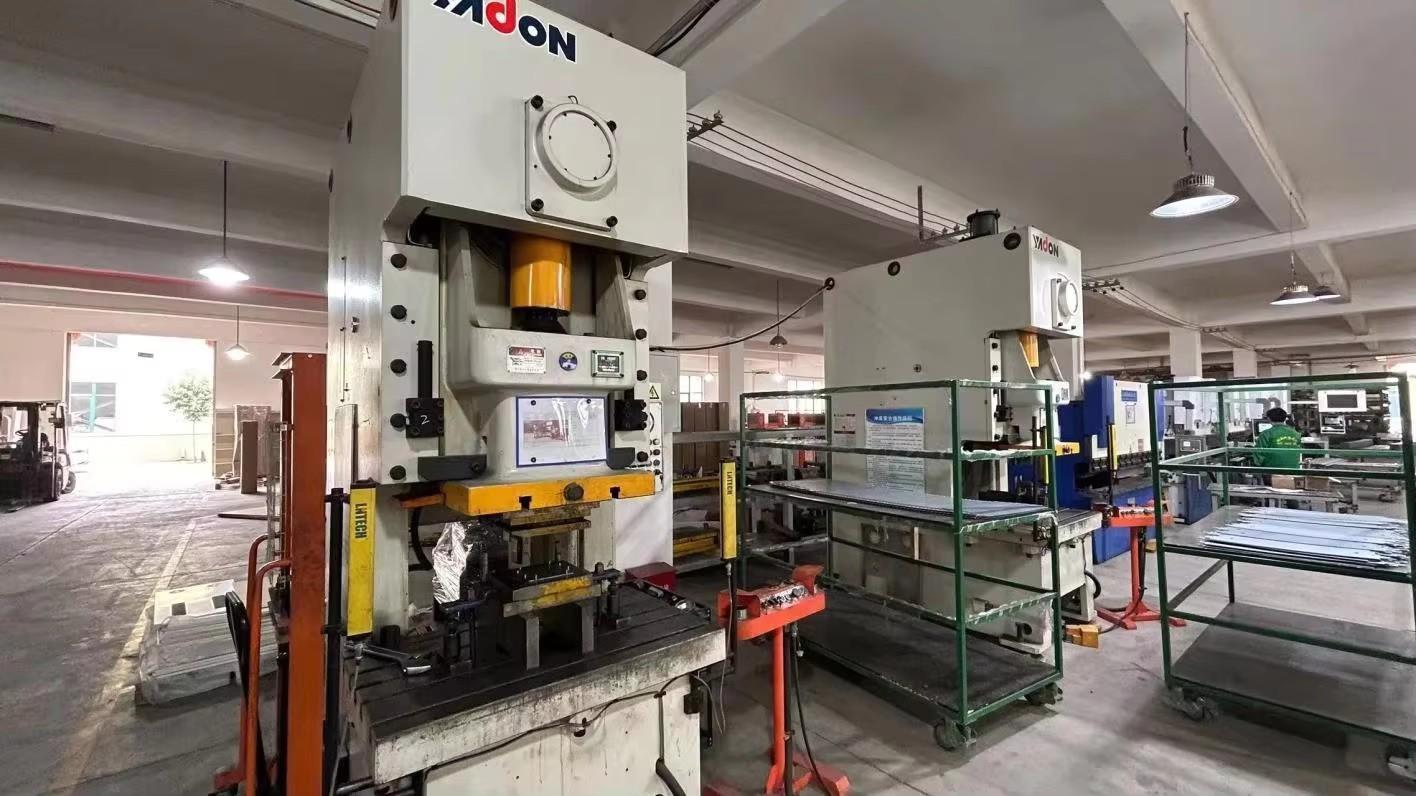
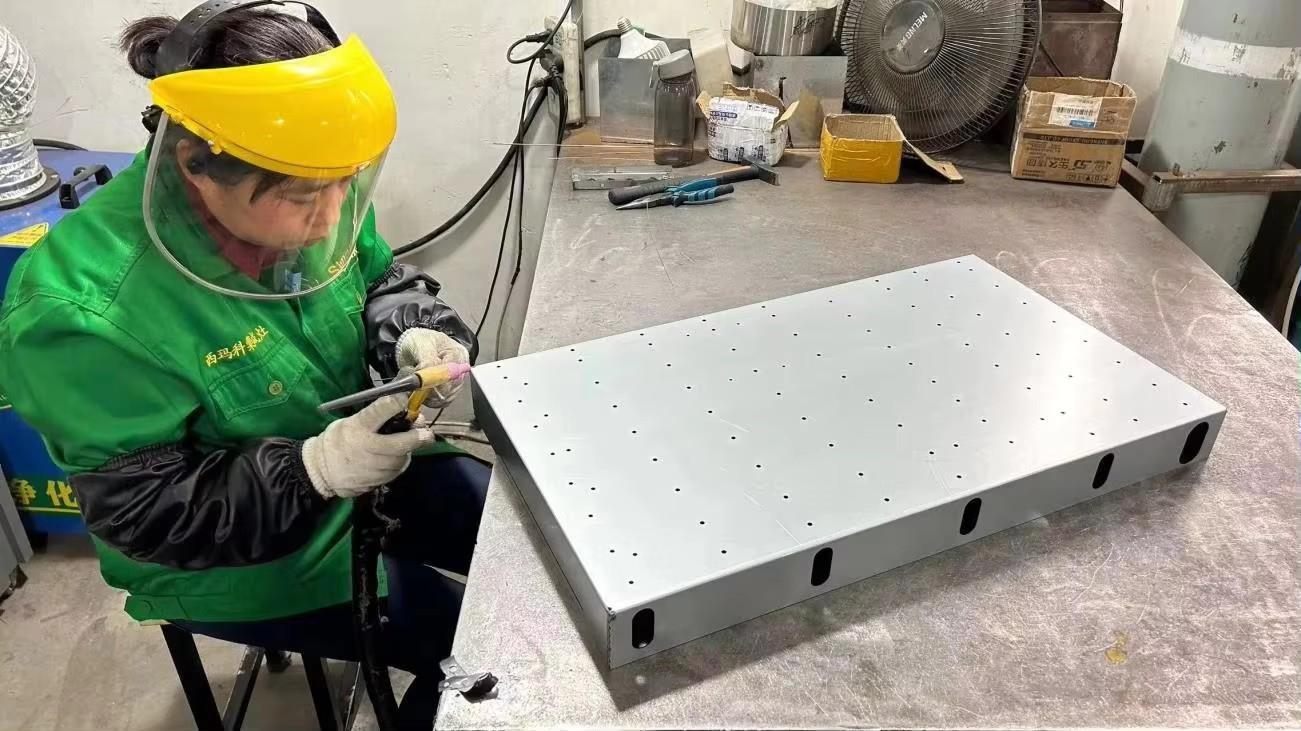
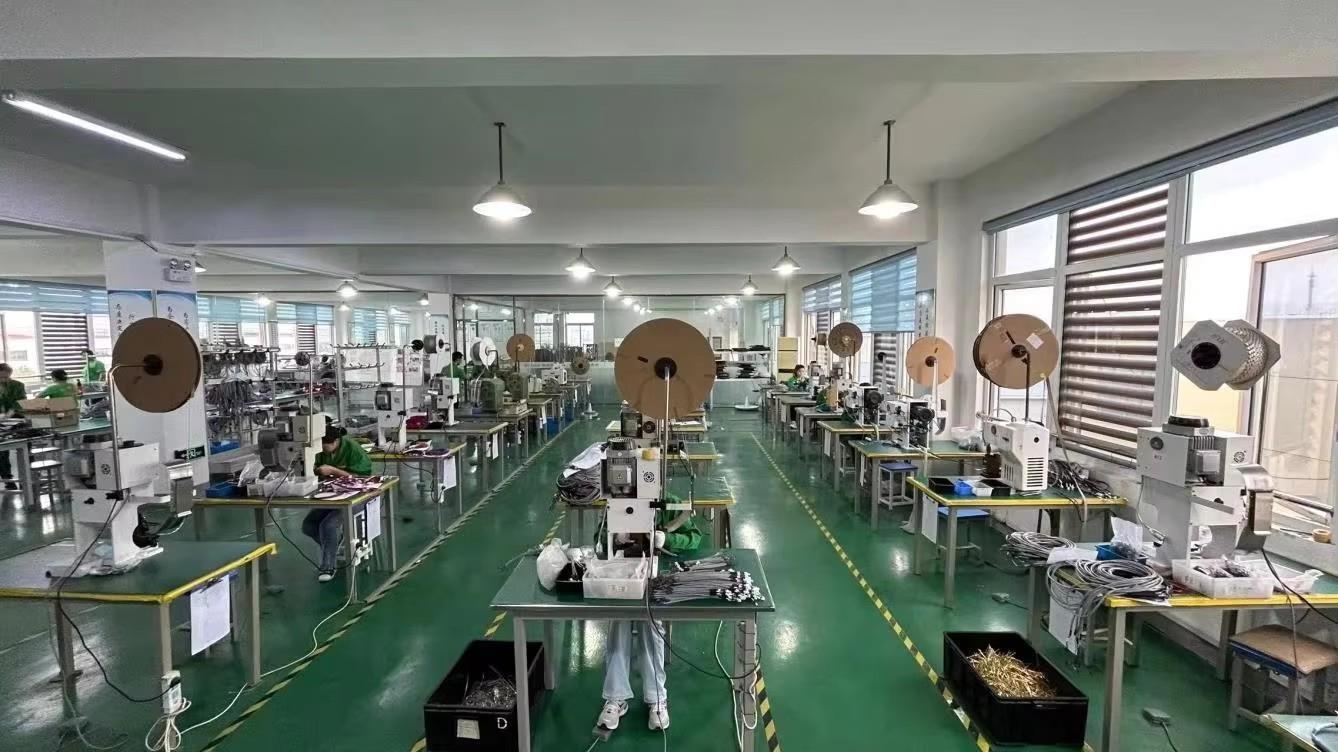
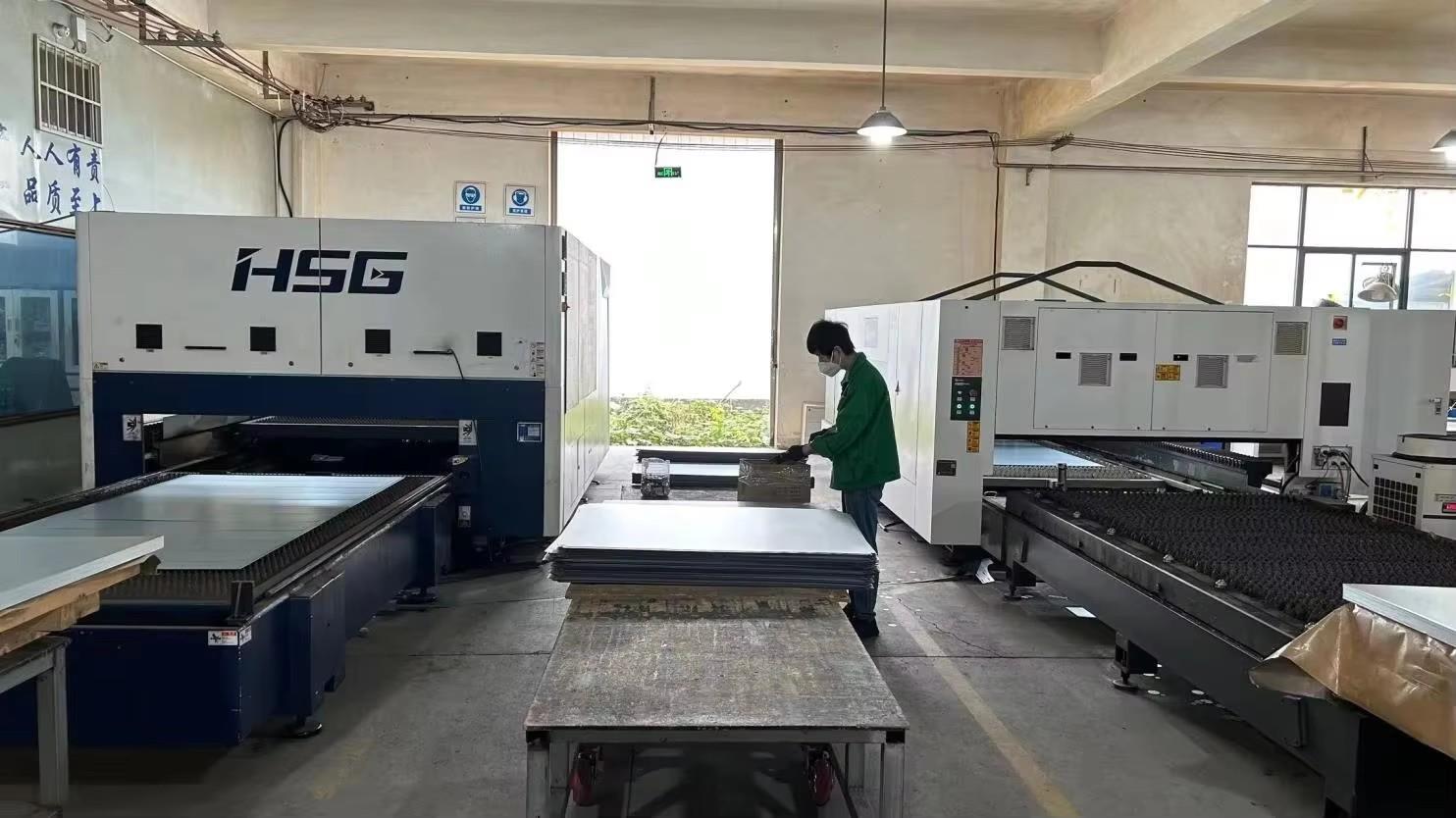
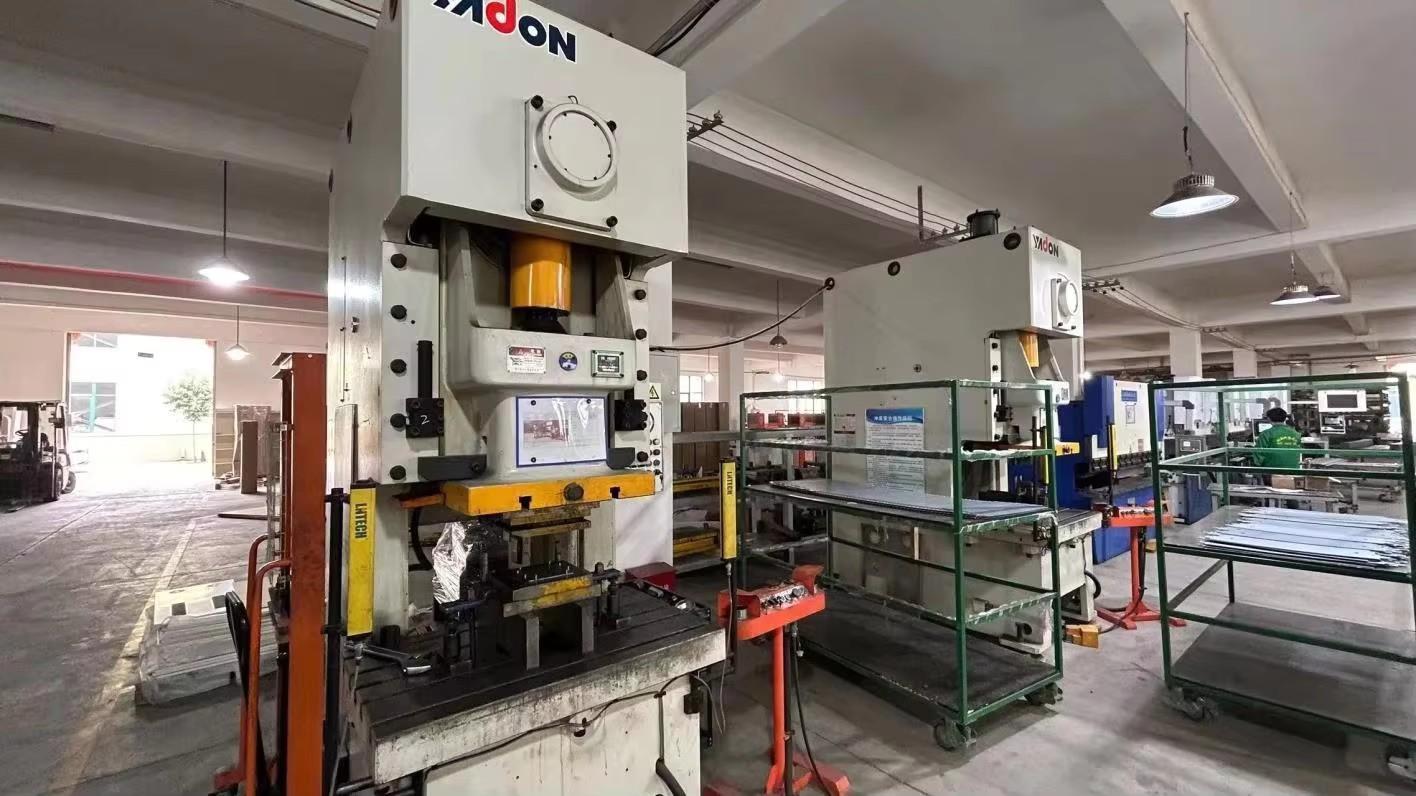
Our manufacturing plant operates under ISO 9001 and ISO 14001 certifications. Our MPPT Solar Charge Controllers are built using premium, industry-grade components: high-temperature Japanese capacitors, low-loss German Infineon MOSFETs, and high-performance microprocessors. We offer safety layers including over-voltage protection, reverse-polarity protection, short-circuit protection, and thermal derating. This ensures compliance with South Korean building fire codes and KEPCO safety guidelines.
The next generation of PV charging technology centers around wide-bandgap (WBG) semiconductors, such as Silicon Carbide (SiC) and Gallium Nitride (GaN). These materials enable higher switching frequencies, reducing the physical size of inductors and transformers while elevating efficiency to over 99.7%.
Our R&D team is currently developing integration capabilities for cloud-based AI EMS (Energy Management Systems). Soon, Korean installers will be able to monitor system health and run machine-learning predictive maintenance cycles directly through local mobile apps, reducing the need for onsite service calls to remote off-grid solar stations.
Your Premium Global OEM/ODM Manufacturer of High-Efficiency Photovoltaic Products
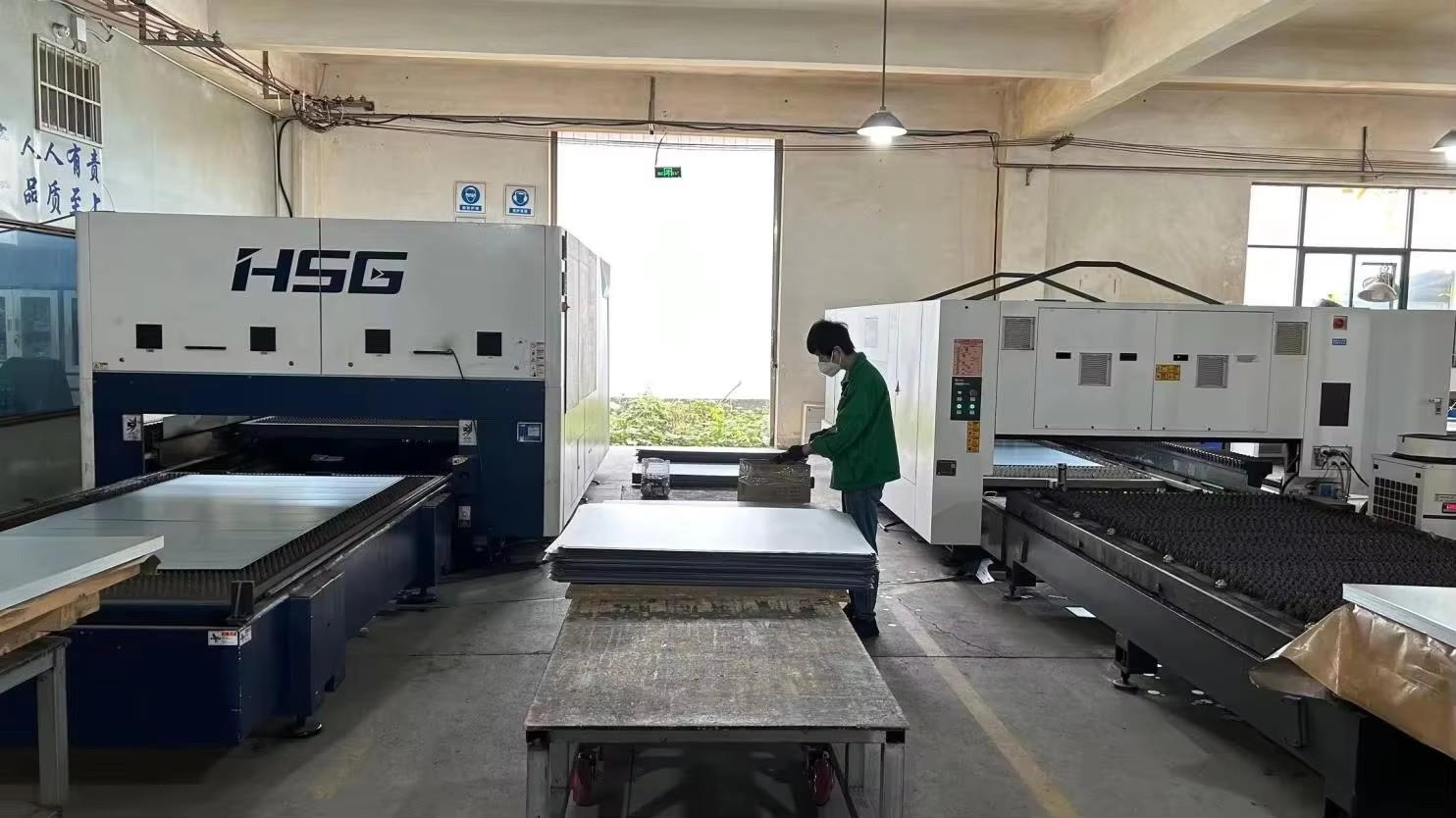
Qingdao Luzz Solar Co., Ltd. is a professional new energy enterprise specializing in the development, manufacturing, and global distribution of photovoltaic (PV) products and integrated energy storage solutions. Located in Qingdao, China, the company benefits from a well-established renewable energy industrial base and advanced manufacturing capabilities.
With the accelerating global transition toward carbon neutrality and sustainable development, Luzz Solar is committed to providing efficient, reliable, and cost-effective clean energy solutions to customers worldwide. Our product portfolio includes high-efficiency solar photovoltaic modules, energy storage systems, and integrated solar application solutions designed for residential, commercial, and utility-scale projects.
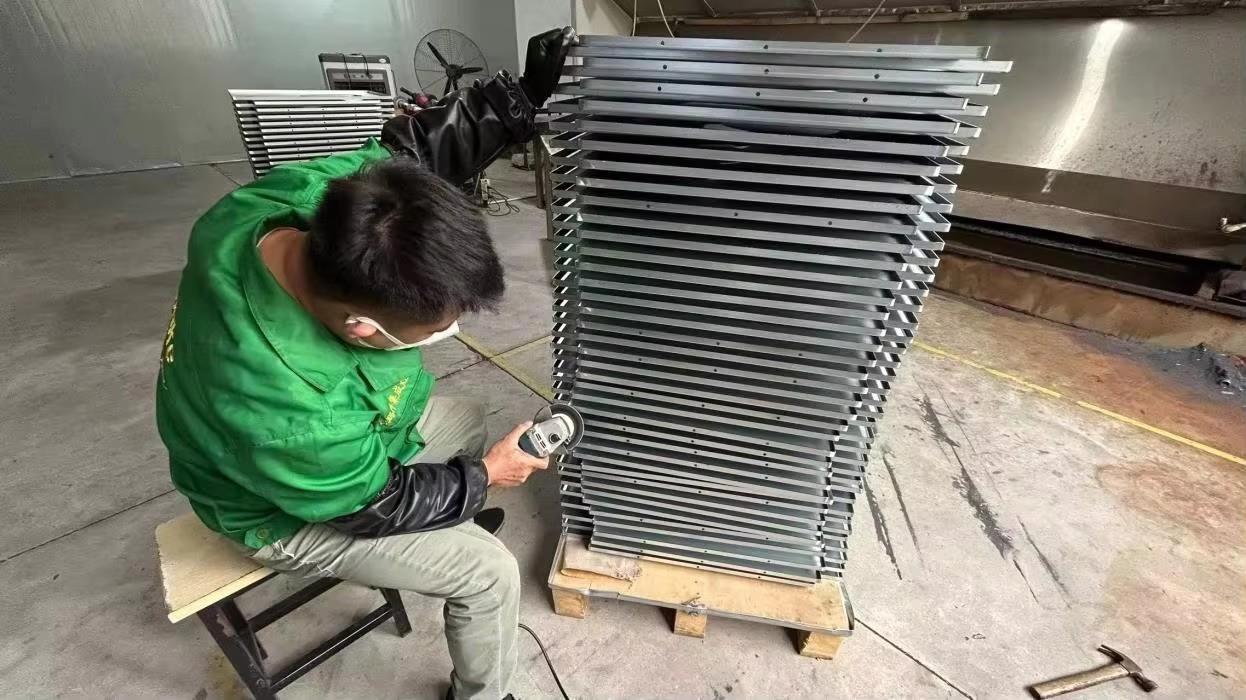
Driven by technological innovation and quality excellence, the company continuously invests in R&D and production optimization to improve product performance, energy conversion efficiency, and system reliability. We strictly adhere to international quality standards and implement rigorous quality control throughout the entire production process to ensure stable and long-term product performance.
Qingdao Luzz Solar actively expands its global market presence, with business coverage across Asia, Europe, the Middle East, Africa, and Latin America. By working closely with international partners, we are committed to delivering tailored energy solutions that meet diverse regional needs and support the global energy transition.
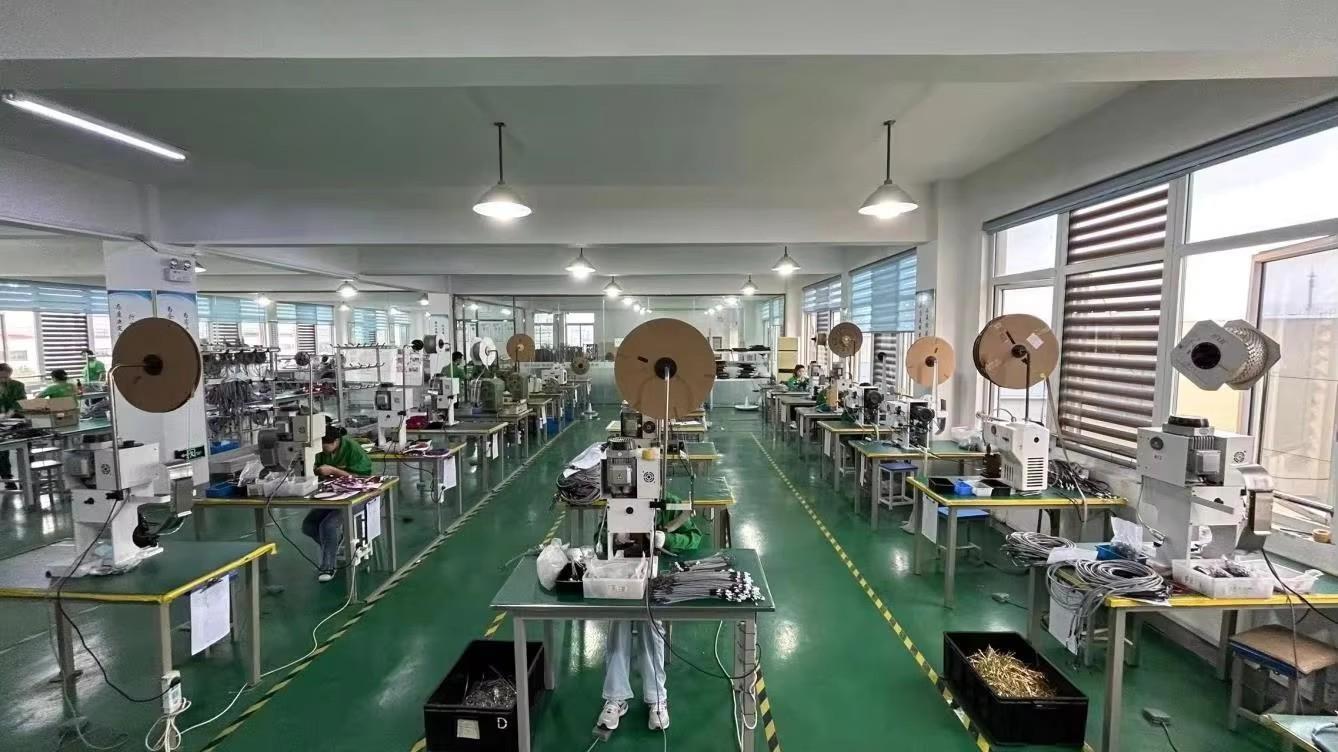
Crucial technical and logistical insights for Korean solar project developers, purchasing managers, and system installers.
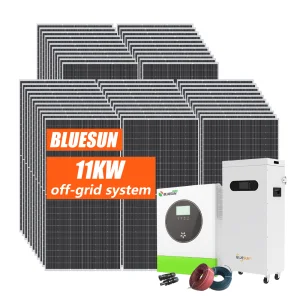
Explore our full catalog of high-capacity regulators, hybrid PV inverters, and battery charge modules engineered for Korean grid deployments.
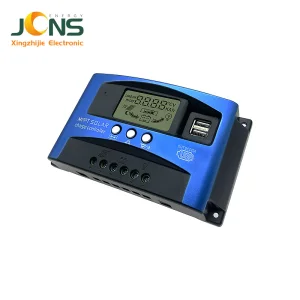
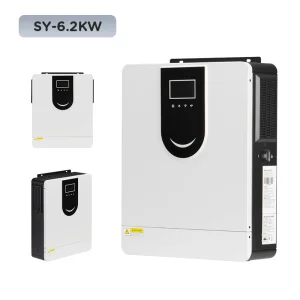
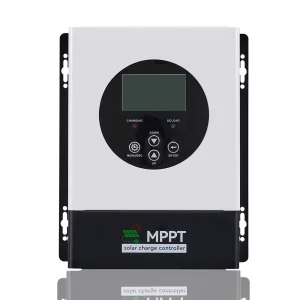
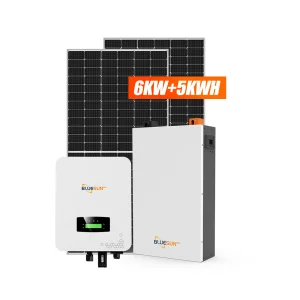
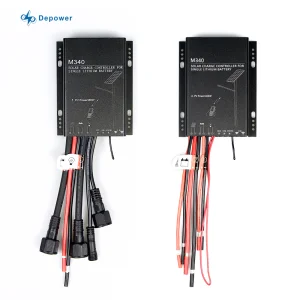
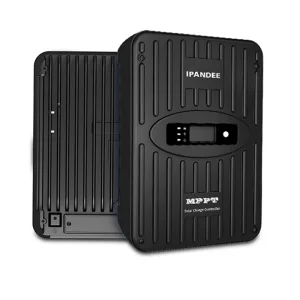
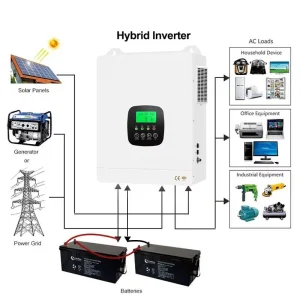
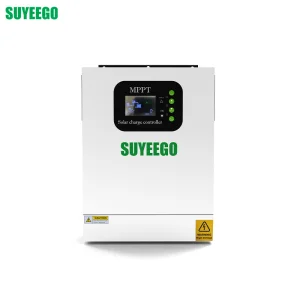
Partner with Qingdao Luzz Solar Co., Ltd. for certified, industrial-grade MPPT Solar Charge Controllers optimized for South Korea's commercial, residential, and distributed grid applications.
Send Inquiry Now Luzz Solar