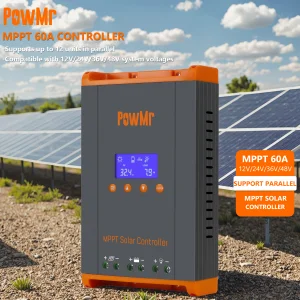
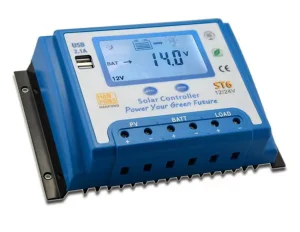
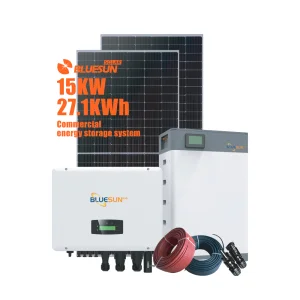
High-performance solar integration units engineered for California's rigorous compliance standards and diverse operational environments.
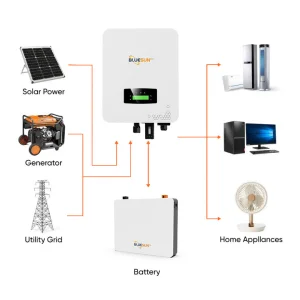
Southern California, anchored by the metropolitan expanse of Los Angeles, stands at the absolute vanguard of the global energy transition. Propelled by progressive mandates such as California's Title 24 Building Energy Efficiency Standards and Senate Bill 100 (which targets 100% clean electricity by 2045), developers and industrial facility managers face intense pressure to deploy highly efficient, exceptionally reliable solar systems. The transition from legacy Net Energy Metering (NEM 2.0) to the Net Billing Tariff (NEM 3.0) has radically shifted the economic landscape, making localized energy storage and intelligent control systems a critical requirement for reasonable return-on-investment (ROI).
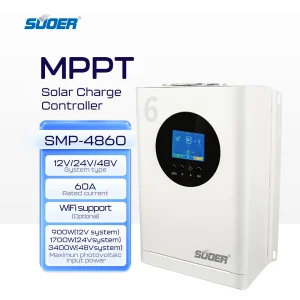
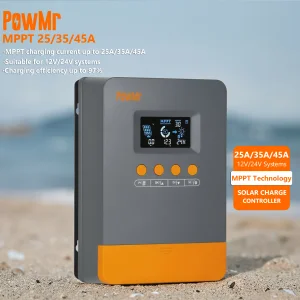
In this high-stakes environment, Maximum Power Point Tracking (MPPT) solar charge controllers are no longer optional accessories—they are the critical computational hubs that define system efficiency. Standard Pulse Width Modulation (PWM) controllers are fundamentally inadequate for modern commercial PV arrays due to their inability to step down high-voltage array outputs without massive energy loss. MPPT charge controllers act as dynamic DC-to-DC converters, constantly recalculating the optimal voltage-to-current ratio to extract peak power, regardless of panel temperature or shifting sunlight.
Furthermore, Los Angeles is a hub for logistics, aerospace, defense, and maritime ports. The Port of Los Angeles and Port of Long Beach are aggressively pursuing electrification targets, including zero-emission cargo handling equipment by 2030. Sourcing high-capacity MPPT charge controllers that integrate seamlessly with high-density lithium-ion battery chemistries (such as LiFePO4) is a core procurement priority for public and private engineering entities throughout Southern California.
Globally, the solar charge controller market is witnessing a profound shift toward intelligent, communication-enabled, and wide-voltage MPPT solutions. This evolution is driven by several key factors:
Today's industrial systems require real-time data streaming. Integrated RS485, CAN bus, Wi-Fi, and cellular communication ports allow system administrators in offices in downtown LA to monitor remote telecom or agricultural power stations in real time, detecting anomalies before they cause critical system downtime.
Modern commercial installations design PV strings with open-circuit voltages (Voc) reaching 150V, 250V, or even higher to reduce wire thickness and installation labor cost. Leading MPPT controllers must support these elevated inputs, operating with conversion efficiencies exceeding 98% while delivering multi-stage battery profiling.
With Lithium Iron Phosphate (LiFePO4) establishing dominance in commercial applications due to its superior safety and cycle life, charge controllers must support customizable charge cut-off voltages, temperature-compensated charging, and low-temperature protection to prevent charging below freezing points.
Request custom manufacturing quotes, engineering datasheets, and direct volume pricing for industrial-grade MPPT solutions.
Send Inquiry NowWhile regional distributors in Los Angeles play a vital role in local logistics, warehousing, and immediate engineering support, direct partnerships with high-tier Chinese manufacturers are critical for achieving cost-efficiency and technical customization. The contemporary Chinese PV supply chain has progressed far beyond simple cost advantages; it has transitioned into a highly automated "Factory 4.0" ecosystem.
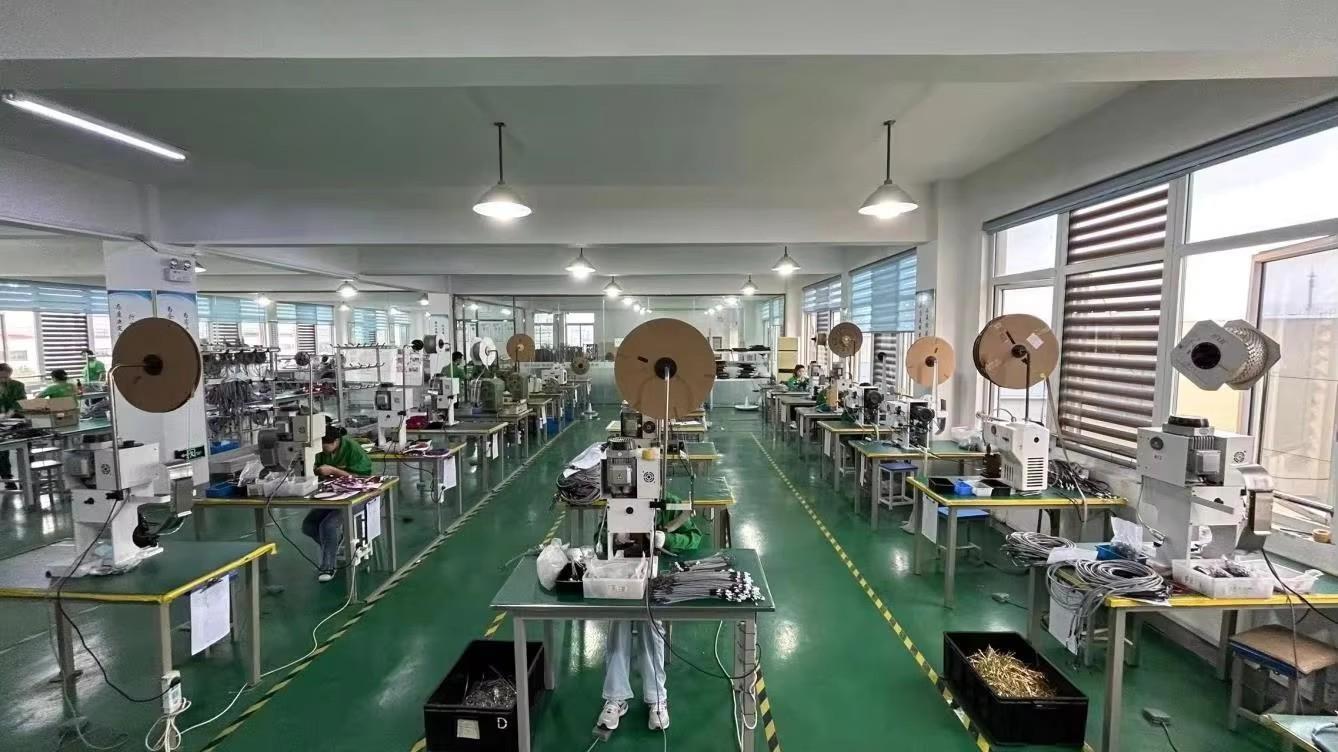
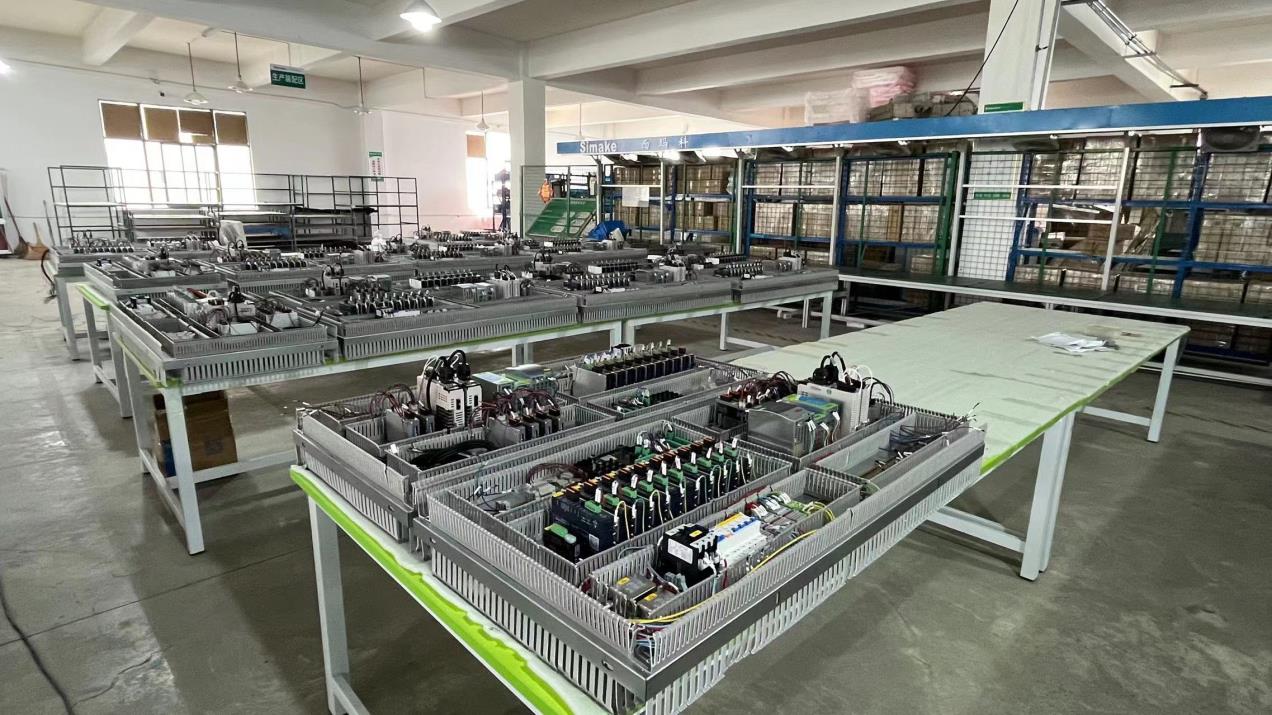
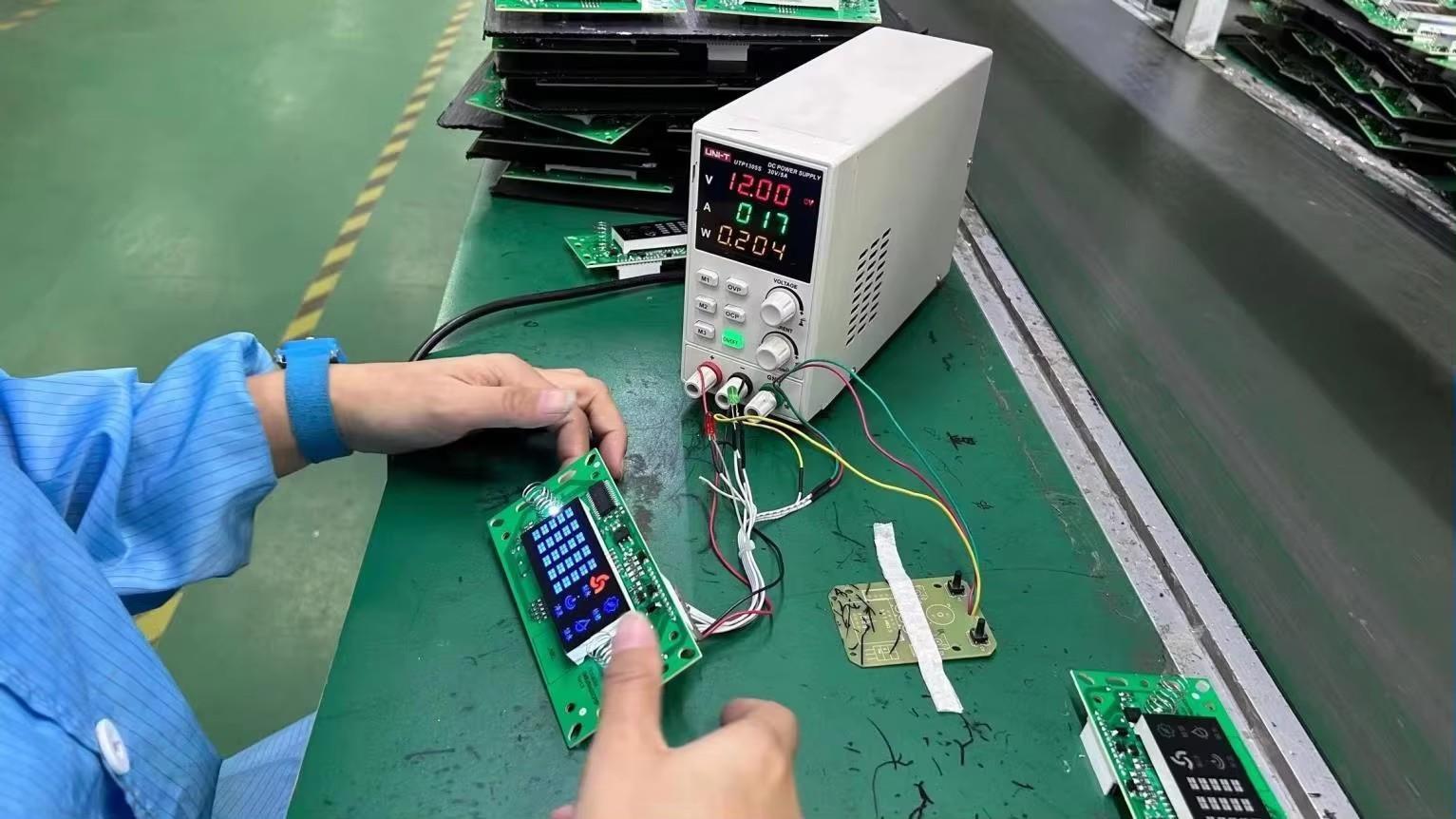
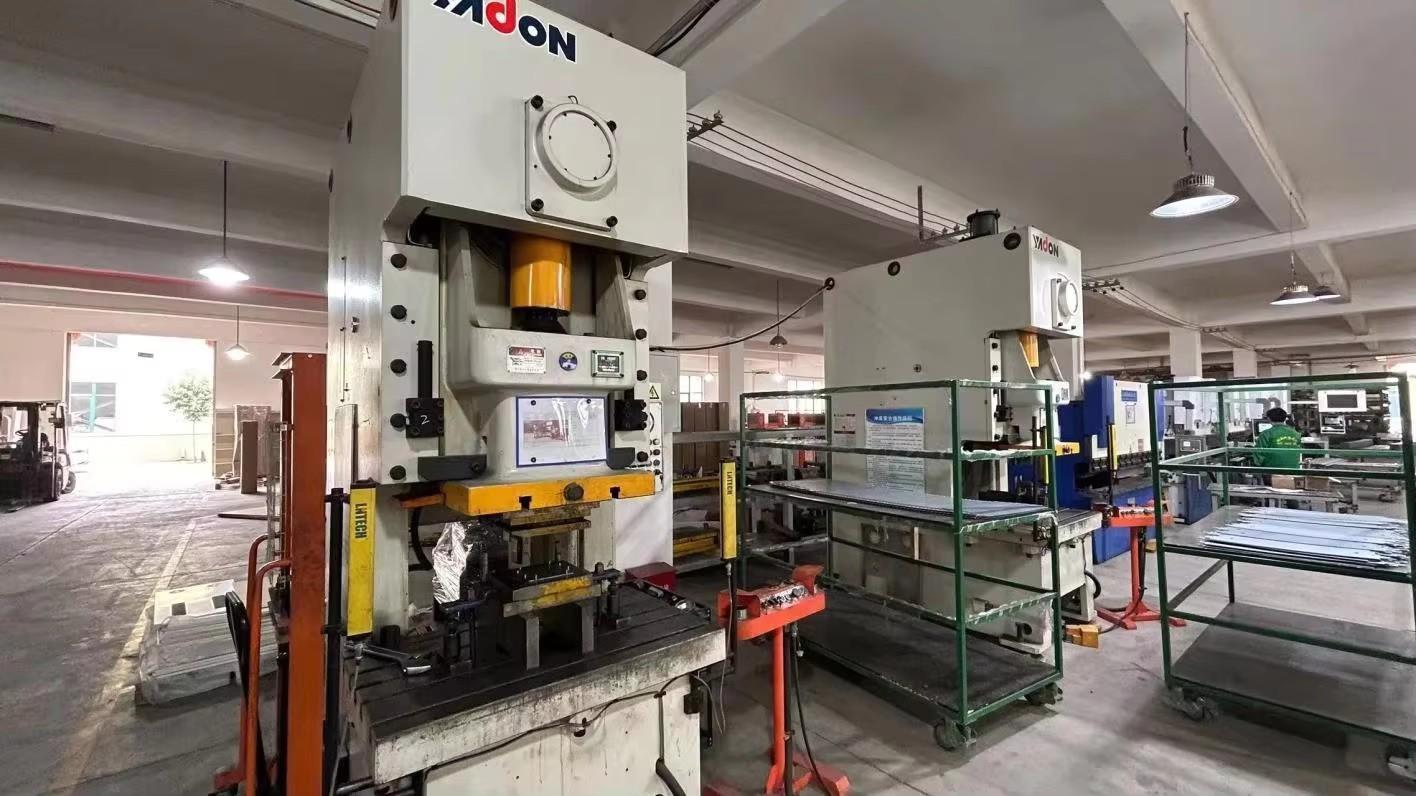
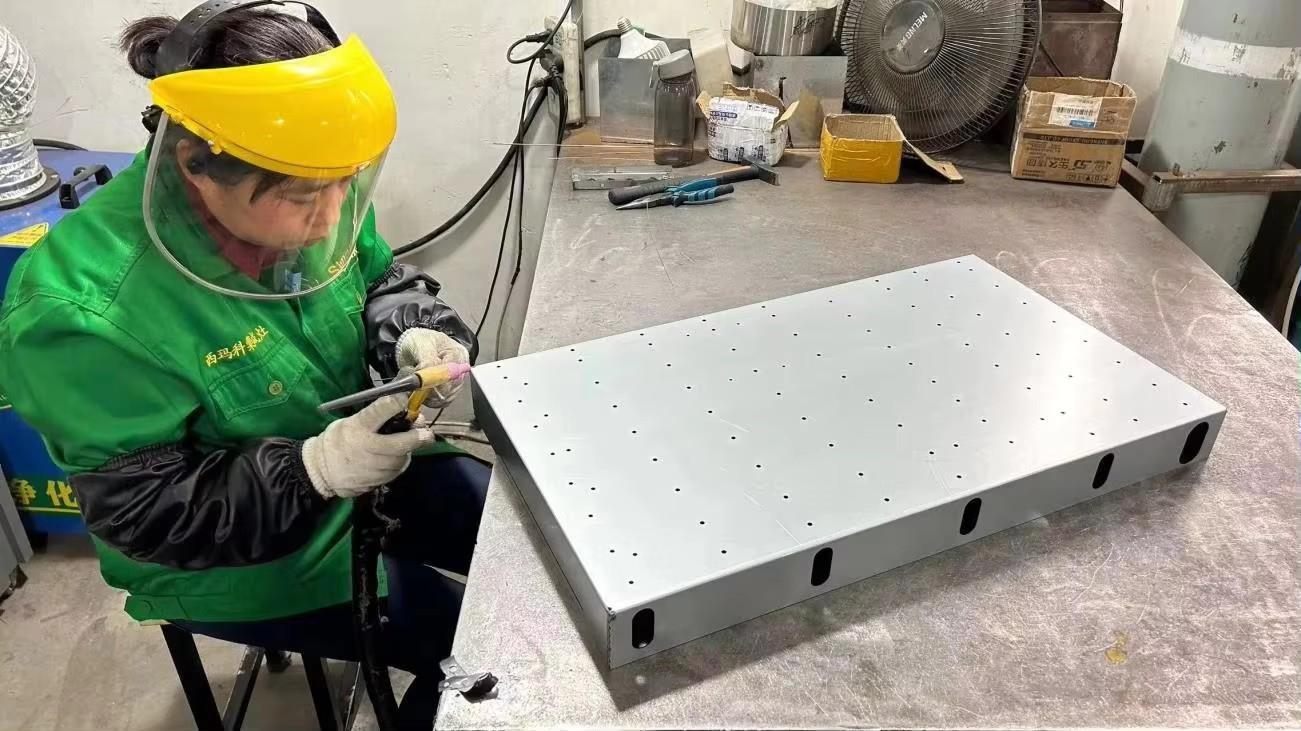
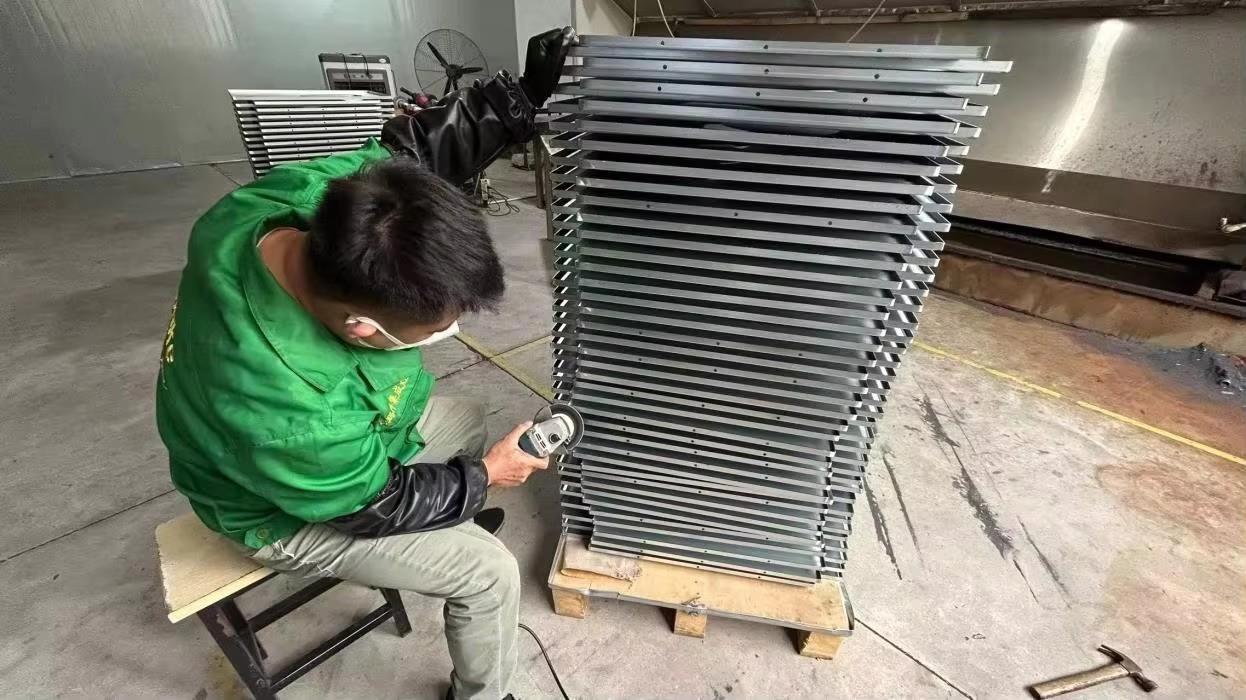
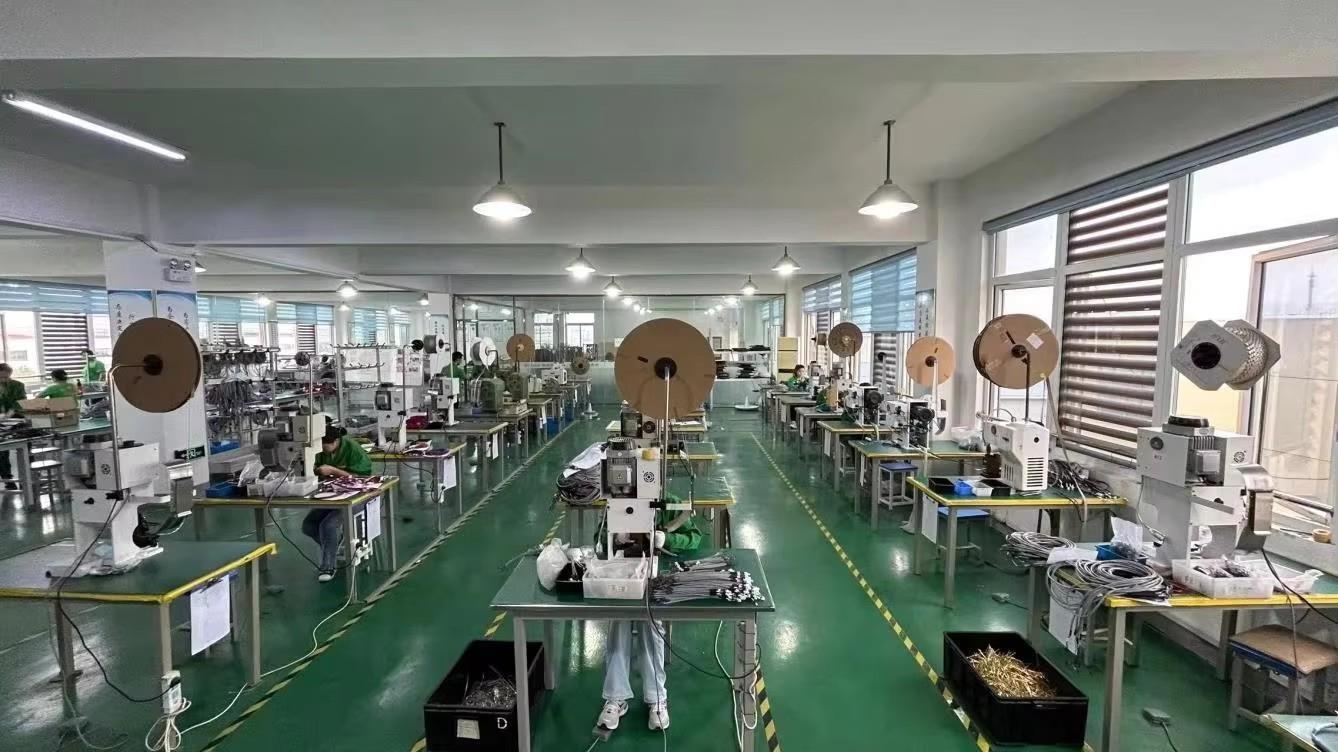
Modern smart factories, such as Qingdao Luzz Solar Co., Ltd., deploy advanced robotic manufacturing lines, computer-vision inspection systems, and integrated Enterprise Resource Planning (ERP) frameworks. These upgrades guarantee that every unit, from a compact 10A street light controller to an industrial 120A system, adheres to exact specifications. These automated processes drastically reduce warranty claim rates and guarantee reliability throughout a 10-to-15 year operating lifespan.
Bridging Advanced R&D, International Standards, and Resilient Global Clean Energy Pipelines.
Qingdao Luzz Solar Co., Ltd.
Qingdao Luzz Solar Co., Ltd. is a professional new energy enterprise specializing in the development, manufacturing, and global distribution of photovoltaic (PV) products and integrated energy storage solutions. Located in Qingdao, China, the company benefits from a well-established renewable energy industrial base and advanced manufacturing capabilities.
With the accelerating global transition toward carbon neutrality and sustainable development, Luzz Solar is committed to providing efficient, reliable, and cost-effective clean energy solutions to customers worldwide. Our product portfolio includes high-efficiency solar photovoltaic modules, energy storage systems, and integrated solar application solutions designed for residential, commercial, and utility-scale projects.
Driven by technological innovation and quality excellence, the company continuously invests in R&D and production optimization to improve product performance, energy conversion efficiency, and system reliability. We strictly adhere to international quality standards and implement rigorous quality control throughout the entire production process to ensure stable and long-term product performance.
Qingdao Luzz Solar actively expands its global market presence, with business coverage across Asia, Europe, the Middle East, Africa, and Latin America. By working closely with international partners, we are committed to delivering tailored energy solutions that meet diverse regional needs and support the global energy transition.
Guided by the core values of integrity, innovation, cooperation, and sustainability, Luzz Solar strives to become a trusted global partner in the new energy industry. We are dedicated to advancing solar technology and contributing to a greener, more sustainable future.
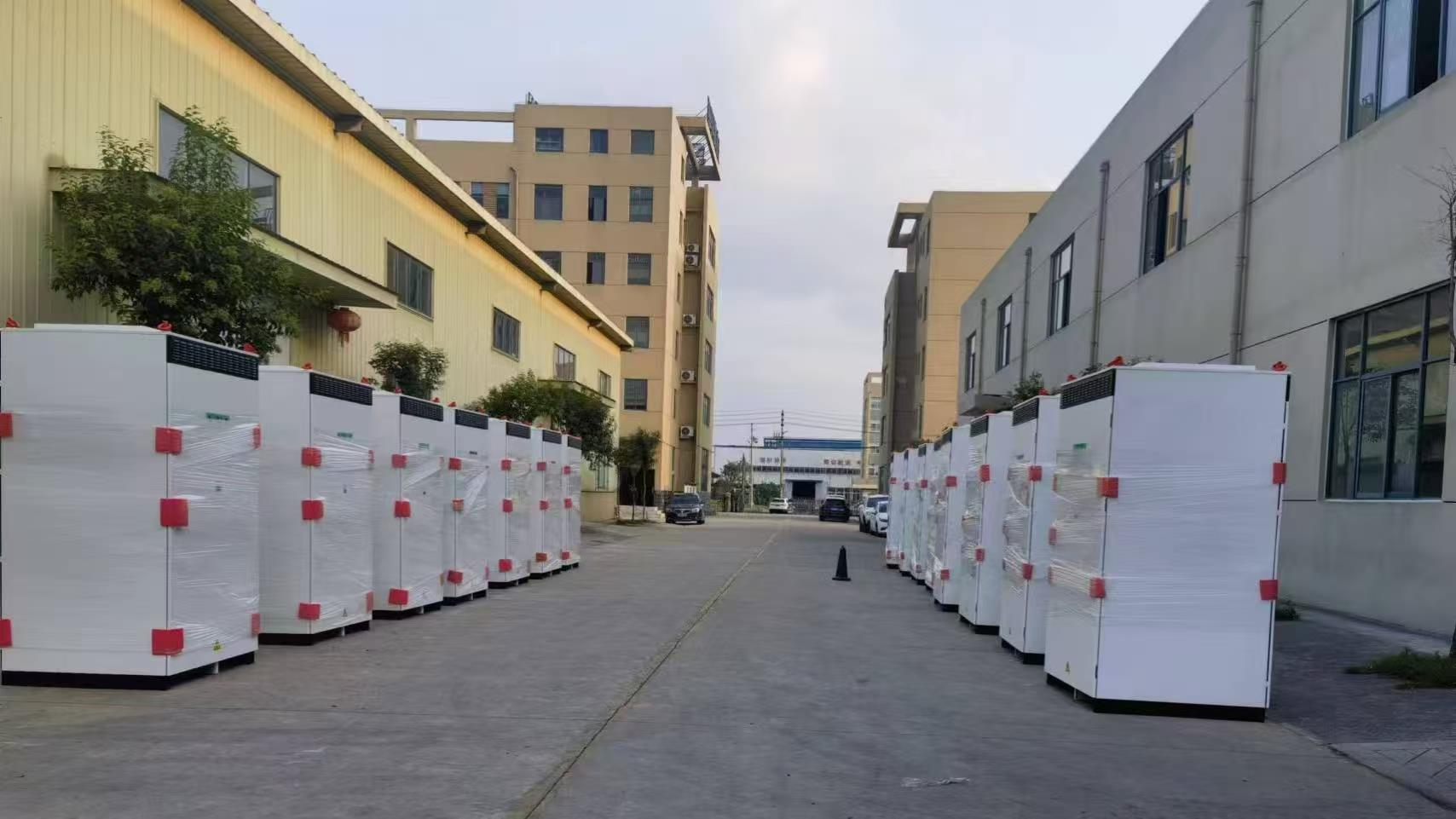
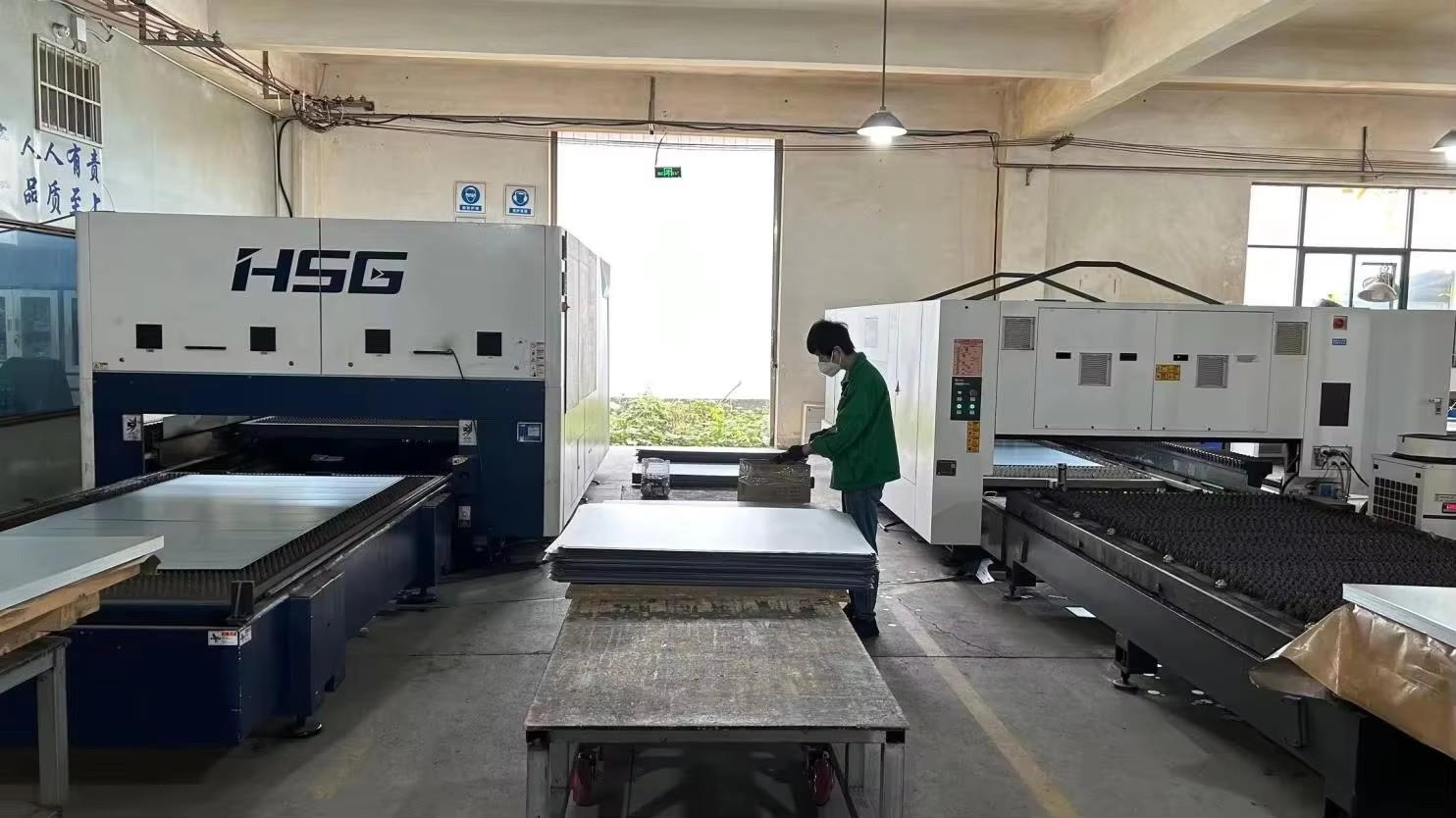
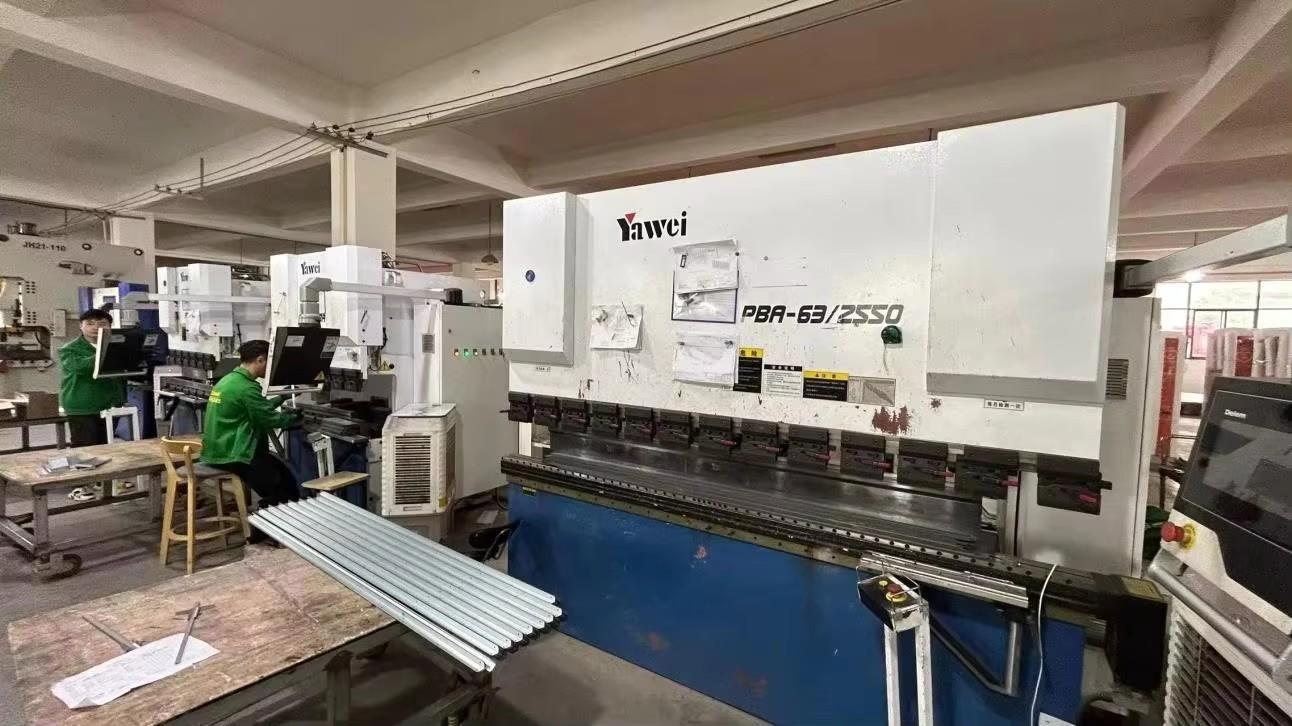
From raw metals to finished clean energy hardware, inspect our verified internal production steps.
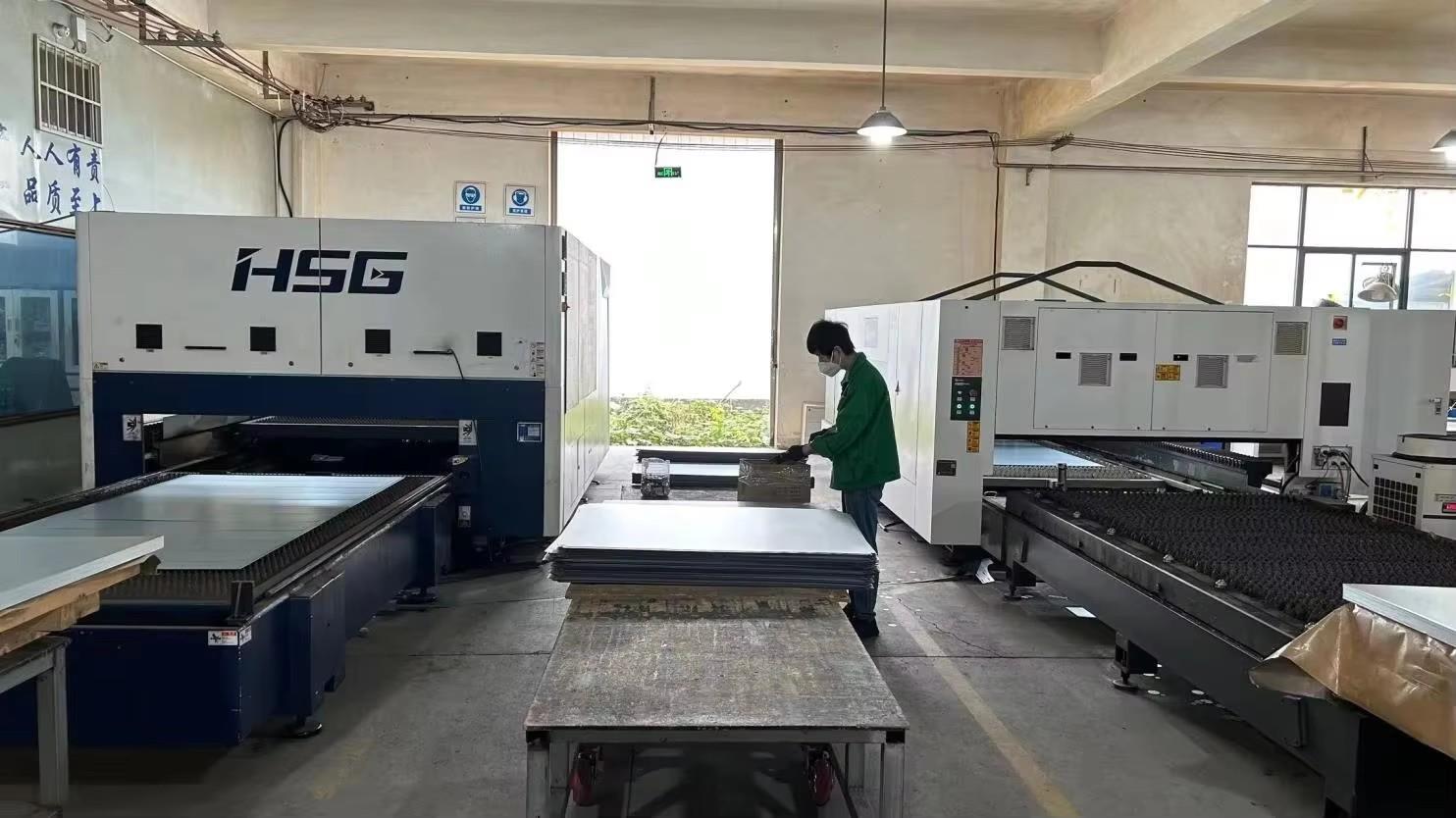
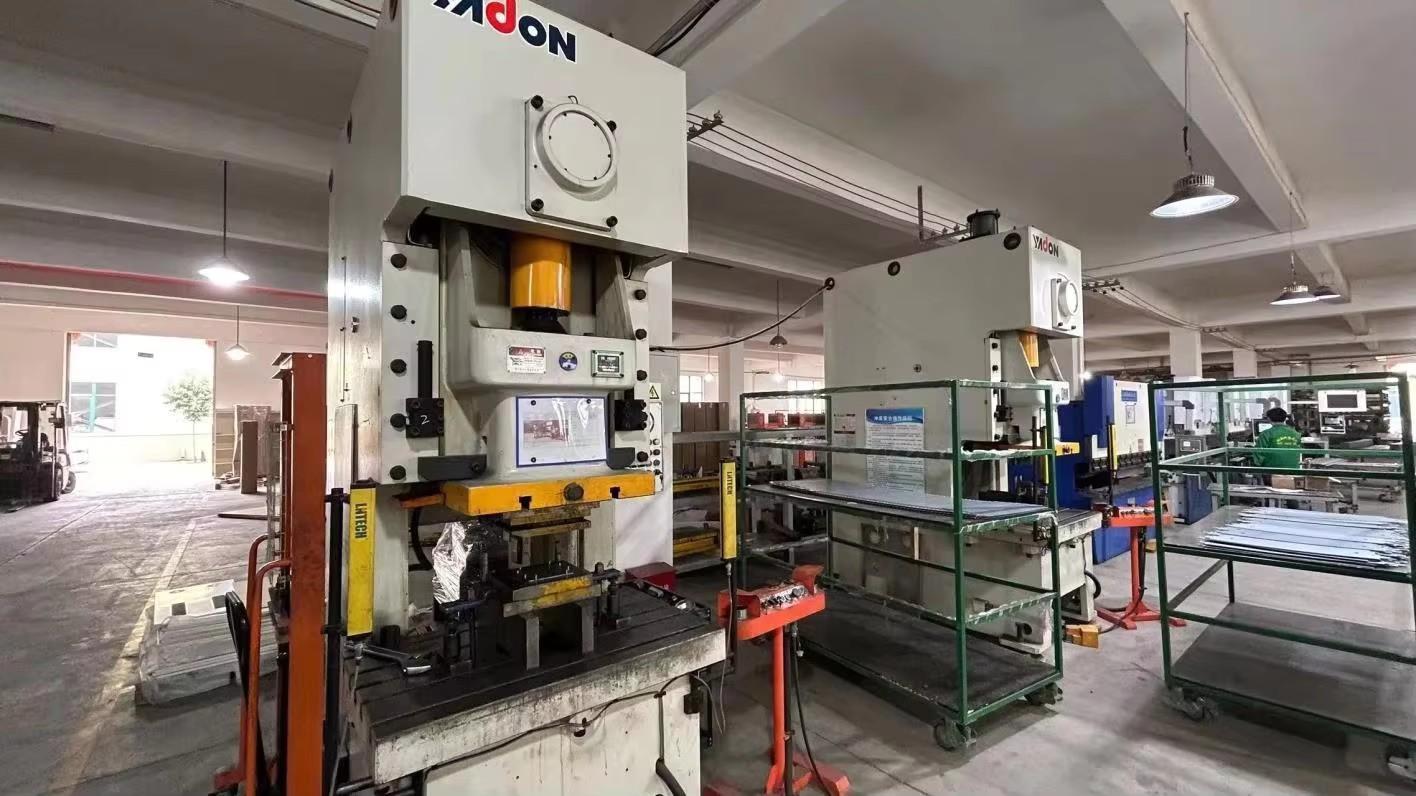
Selecting the correct MPPT configurations depends heavily on the specific deployment scenario. In the Los Angeles basin, the surrounding mountains, and deserts, several applications present distinct challenges:
In logistics parks located in Commerce and Torrance, fleet operators are integrating solar canopies with off-grid battery hubs to bypass grid capacity bottlenecks. Large-scale MPPT systems step down 600V string arrays to 48Vdc or 96Vdc battery banks, delivering high-current flows to level-2 chargers with minimized energy conversion loss.
In mountain regions like the Angeles National Forest or the adjacent Mojave Desert, utility SCADA systems and telecom towers operate completely off-grid. These sites experience wide seasonal temperature swings. Industrial MPPT charge controllers with wide-temperature operation range (-40°C to +60°C) and robust passive heat sinking are essential to prevent field failures where technician access is difficult and expensive.
Municipal departments across Southern California are updating smart street poles. These units require compact, waterproof MPPT controllers, often with integrated LED drivers and programmable night timers, to squeeze the highest possible energy yields from space-constrained pole-mounted solar panels.
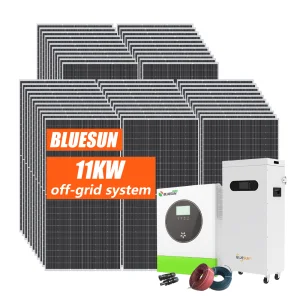
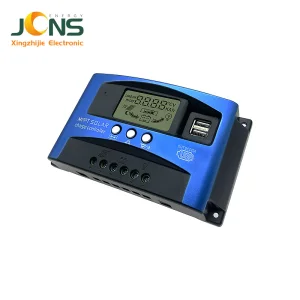
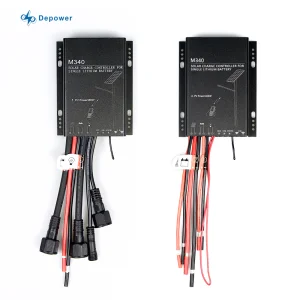
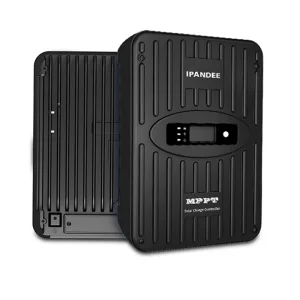
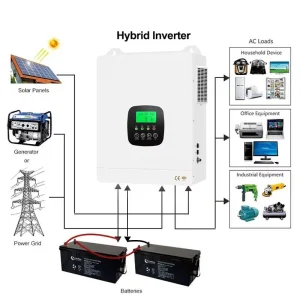
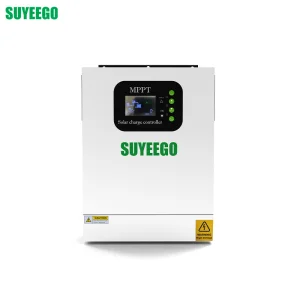
Explore our full engineering portfolio, featuring high-efficiency MPPT charge controllers and integrated solar inverter systems.
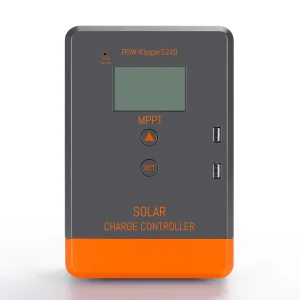
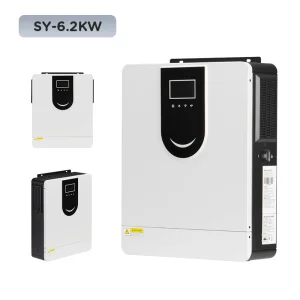
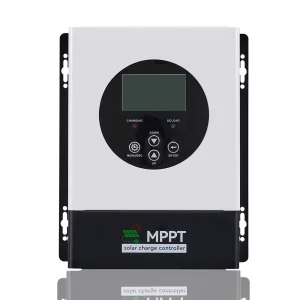
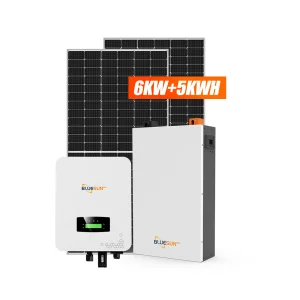
Key system design and installation parameters for regional engineers in Southern California.
MPPT (Maximum Power Point Tracking) controllers dynamically step down higher voltage PV arrays to match low-voltage battery banks, preserving up to 30% more energy than PWM. In California, where rooftop area is expensive and thermal losses are high, maximizing solar panel efficiency is essential to achieve a reasonable ROI. MPPT systems also handle higher string voltages, which reduces copper wiring costs and installation complexity.
Under NEM 3.0, the value of exporting solar power to the grid has been cut by roughly 75%. To capture financial value, commercial and residential owners must store solar energy on-site. Highly configurable MPPT controllers are crucial to manage clean power flow into LiFePO4 storage during peak daylight hours. The stored energy is then dispatched during expensive Time-of-Use (TOU) windows in the evening.
Yes. Quality industrial-grade controllers like our 60A and 120A series feature parallel communication protocols (CAN bus or RS485). This allows multiple units to synchronize their charging cycles (Bulk, Absorption, Float) for a single large battery bank, preventing conflict between the individual controllers' voltage sensors.
Solar panel voltage decreases as operating temperature increases. A standard controller can drop off the maximum charging curve on hot days. A quality MPPT controller continuously adjusts the operating point to track maximum output, while integrated thermal-foldback circuitry limits charging current if the ambient temperature exceeds 50°C (122°F), protecting the electronics from thermal failure.
Our manufacturing facility processes include 12 distinct verification steps, including automated terminal analysis, laser weld testing, multi-stage electronic diagnostics under load, and comprehensive thermal chamber burn-in. All shipments comply with international CE, FCC, and RoHS certifications to ensure they meet US industrial market expectations.
Connect with Qingdao Luzz Solar Co., Ltd. for direct-from-factory pricing, customized OEM design services, and robust supply chain coordination.
Send Inquiry Now Luzz Solar