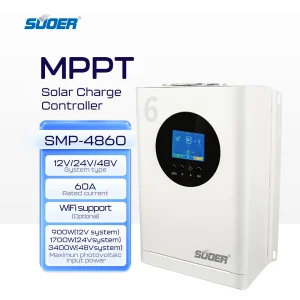
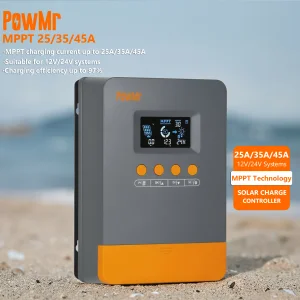
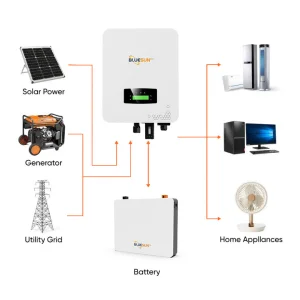
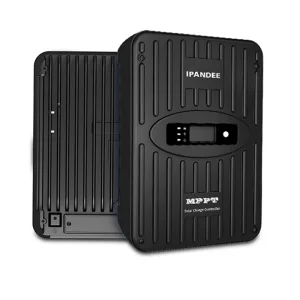
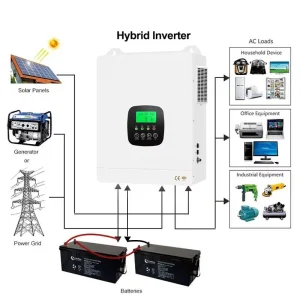
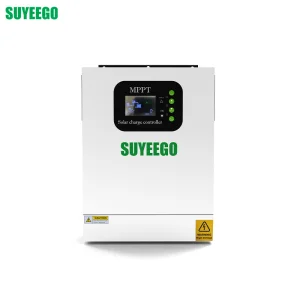
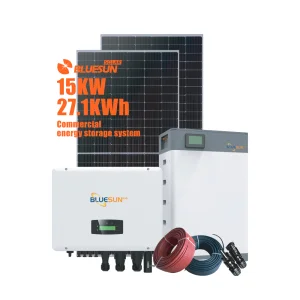
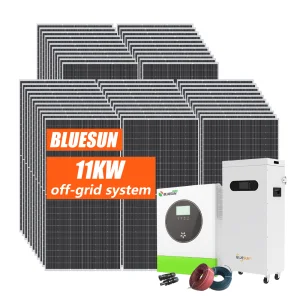
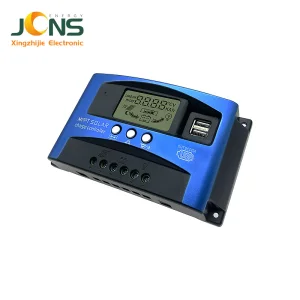
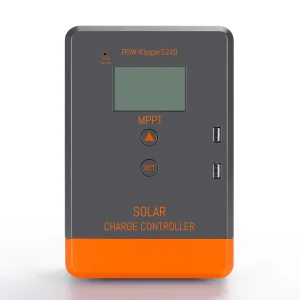
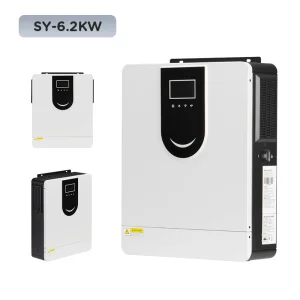
Highly optimized MPPT solar charge controllers and smart hybrid modules matching Services Industriels de Genève (SIG) power criteria.
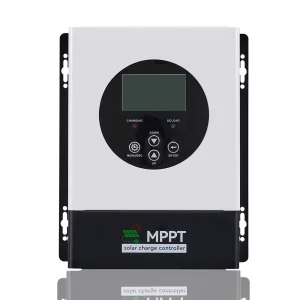
The Canton of Geneva is driving towards aggressive decarbonization under its master plan (Plan directeur cantonal de l'énergie), demanding smart buildings, microgrids, and high-yield decentralized energy systems. In Geneva’s unique meteorological landscape—characterized by seasonal Alpine temperature variations, winter cloud cover, and low sun angles—traditional photovoltaic conversion components face challenges. Maximum Power Point Tracking (MPPT) solar charge controllers are the critical link, optimizing dynamic solar yields when environmental conditions fluctuate. Compared to basic Pulse Width Modulation (PWM) technology, MPPT architectures capture up to 30% more energy, securing a faster return on investment for Swiss EPC (Engineering, Procurement, and Construction) companies and property developers.
Geneva's commercial infrastructure (e.g., ZIPLO in Plan-les-Ouates, international organization headquarters near the Nations district, and rural estates in the Mandement region) requires clean backup and generation. Local utility provider Services Industriels de Genève (SIG) enforces strict rules on energy feed-in quality. Solar charge controllers must feature advanced electromagnetic compatibility (EMC), high conversion efficiency, and seamless grid-tied or hybrid operational transitions. By implementing MPPT technology with real-time communication modules, plant operators ensure compatibility with smart building management systems (BMS) utilizing Modbus RTU or KNX protocols.
Commercial installations in Switzerland often employ high-voltage PV strings to minimize transmission line losses and installation cabling costs. This requires charge controllers with a wide maximum power point tracking range (up to 150V or 230V or even 500V, as seen in our built-in WiFi SUYEEGO 120A system). When scaling up to larger arrays (above 10kW), maintaining communication coherence between parallelized MPPTs is vital. Integrated controllers must distribute load profiles dynamically across parallel units to maximize life cycle reliability for LiFePO4 or Lead-acid battery storage. The dynamic synchronization prevents backfeeding and optimizes thermal distribution across the individual controller modules.
In high-altitude areas surrounding Lake Geneva and the neighboring alpine terrains, solar components face intense ultraviolet radiation, high wind loads, and rapid thermal cycling. To ensure long-term reliability:
Qingdao Luzz Solar Co., Ltd.: Driving Technological Innovation and Industrial Quality Control in Photovoltaic Systems
Qingdao Luzz Solar Co., Ltd. is a professional new energy enterprise specializing in the development, manufacturing, and global distribution of photovoltaic (PV) products and integrated energy storage solutions. Located in Qingdao, China, the company benefits from a well-established renewable energy industrial base and advanced manufacturing capabilities.
With the accelerating global transition toward carbon neutrality and sustainable development, Luzz Solar is committed to providing efficient, reliable, and cost-effective clean energy solutions to customers worldwide. Our product portfolio includes high-efficiency solar photovoltaic modules, energy storage systems, and integrated solar application solutions designed for residential, commercial, and utility-scale projects.
Driven by technological innovation and quality excellence, the company continuously invests in R&D and production optimization to improve product performance, energy conversion efficiency, and system reliability. We strictly adhere to international quality standards and implement rigorous quality control throughout the entire production process to ensure stable and long-term product performance.
Qingdao Luzz Solar actively expands its global market presence, with business coverage across Asia, Europe, the Middle East, Africa, and Latin America. By working closely with international partners, we are committed to delivering tailored energy solutions that meet diverse regional needs and support the global energy transition.
Our state-of-the-art facility utilizes precision tooling, automated bending, and advanced optical inspection (AOI) to meet European reliability metrics.
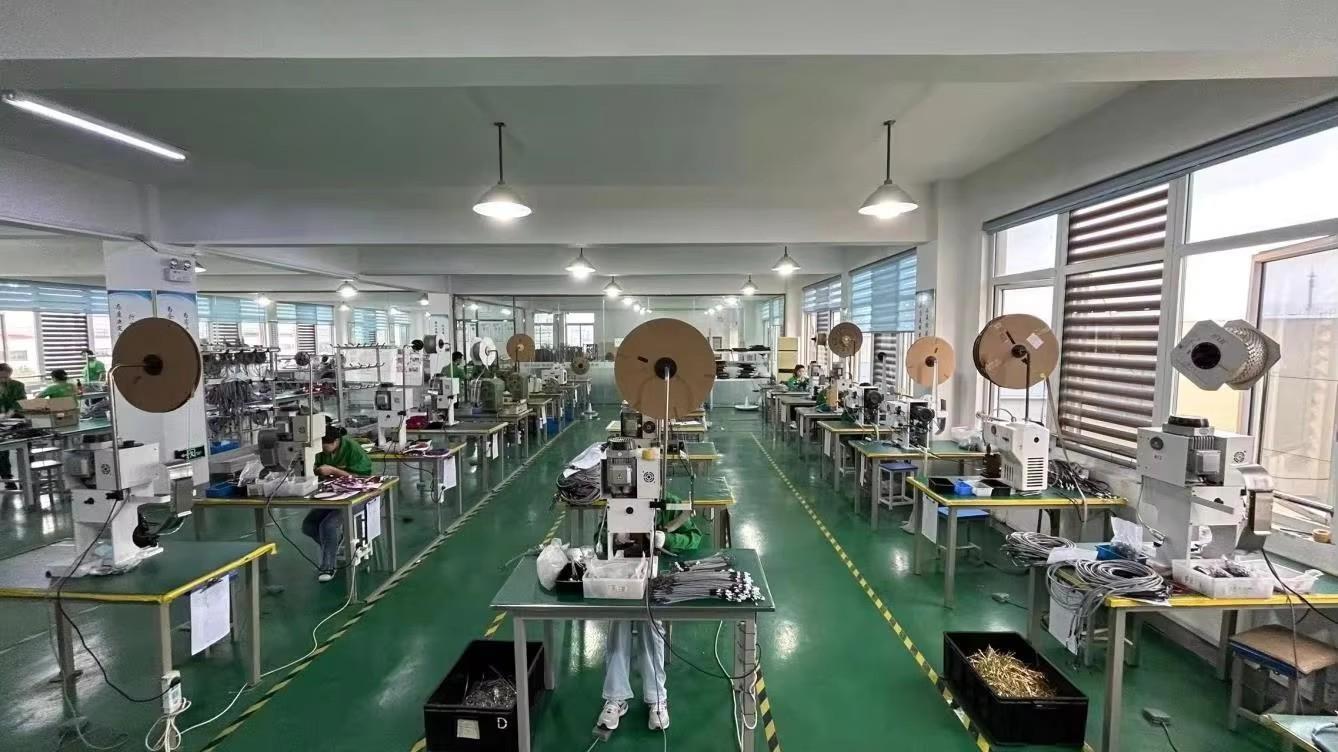
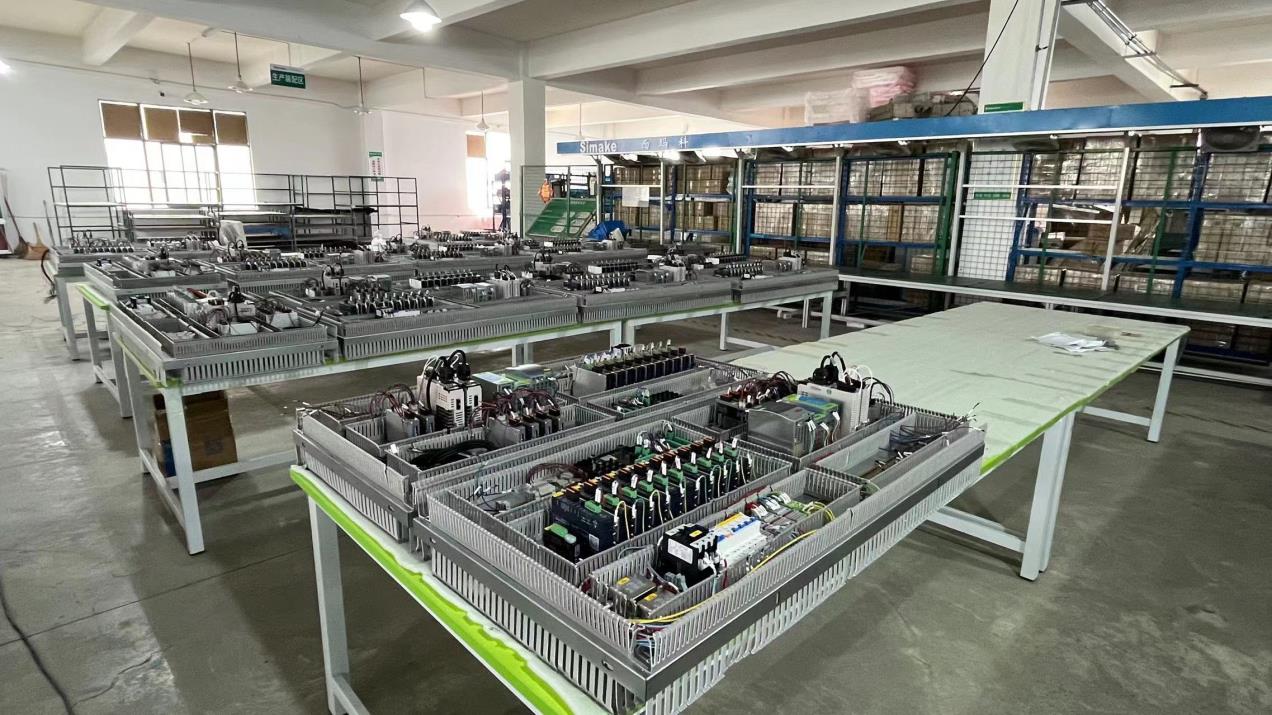
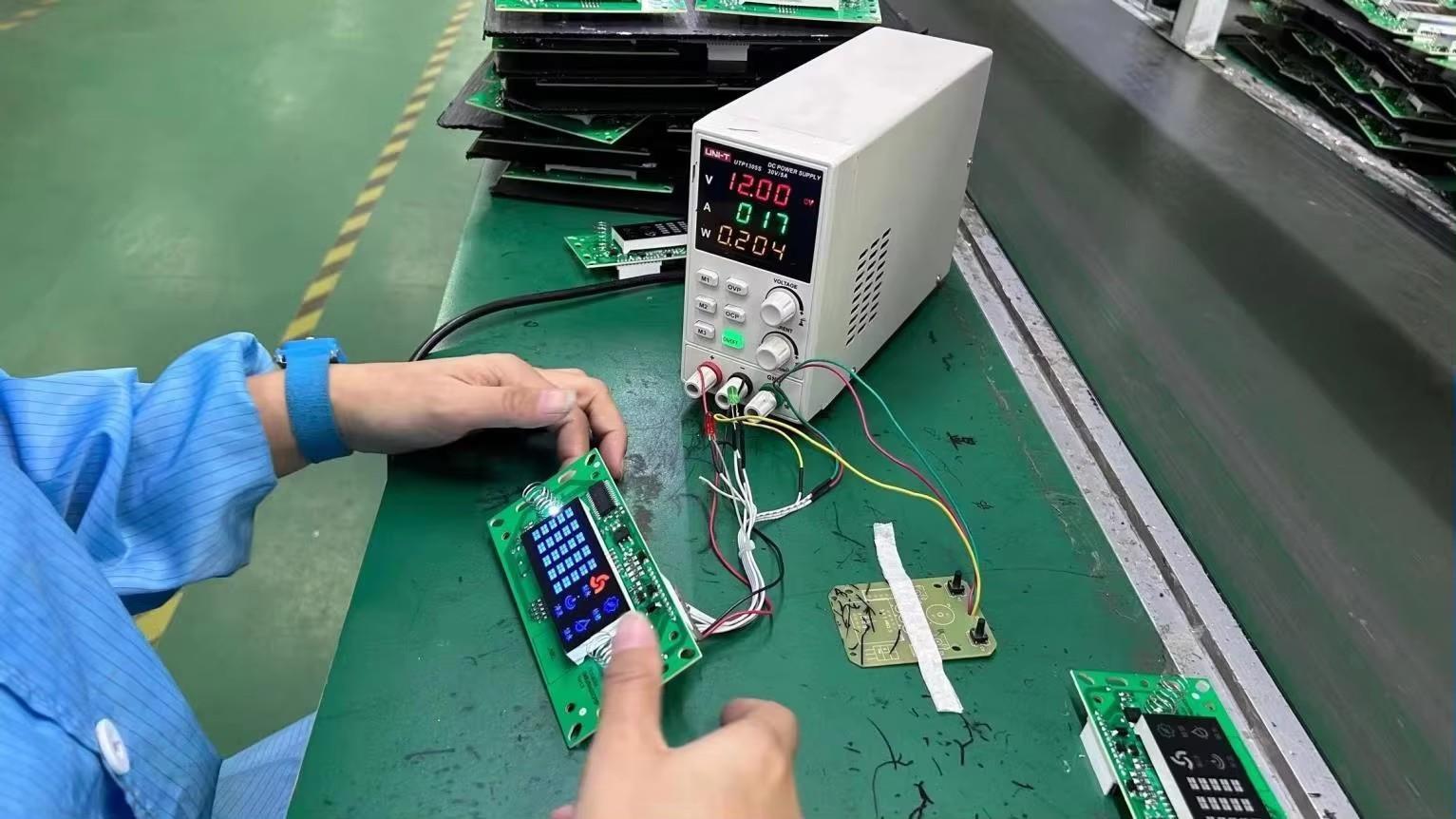
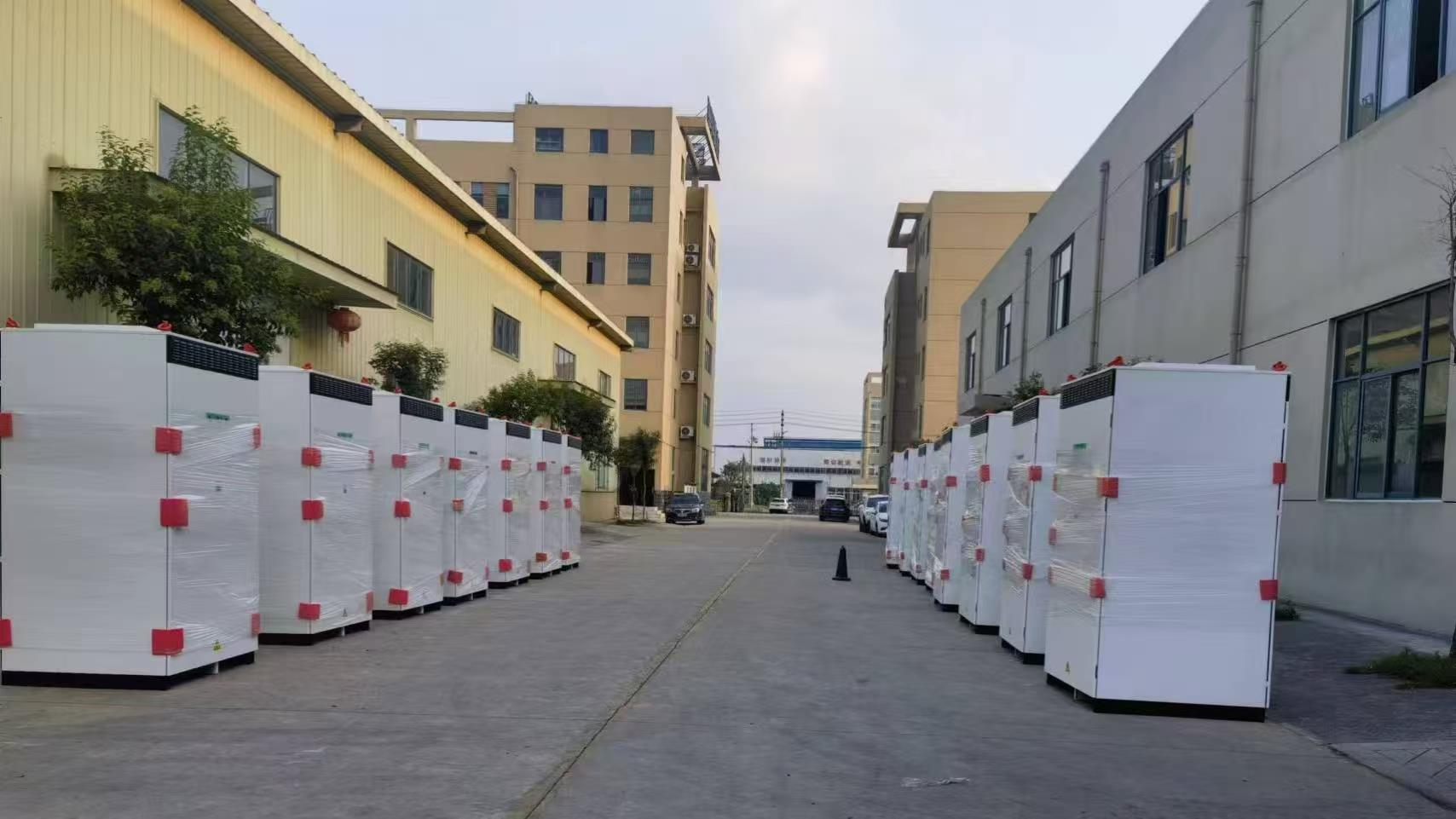
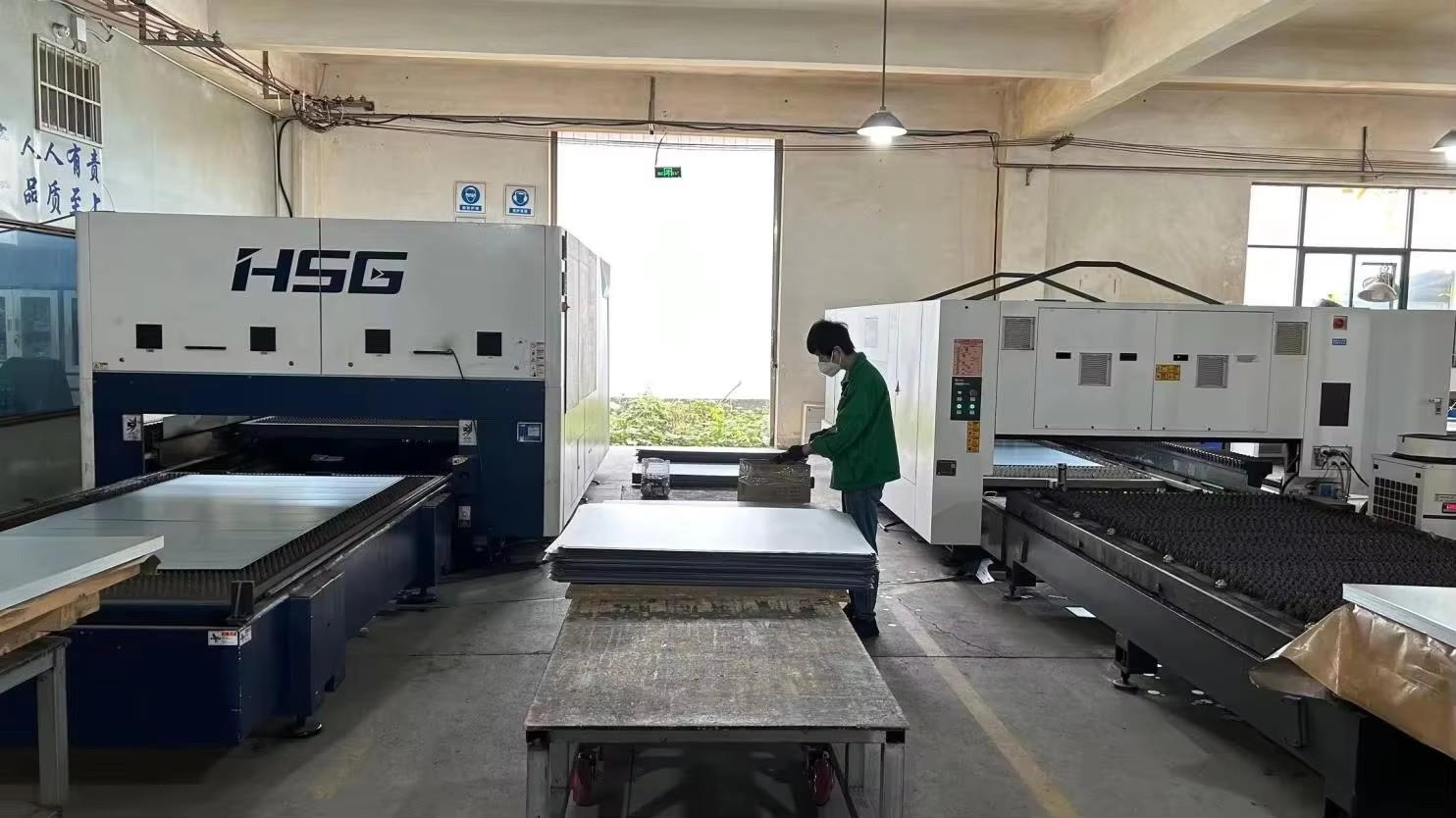
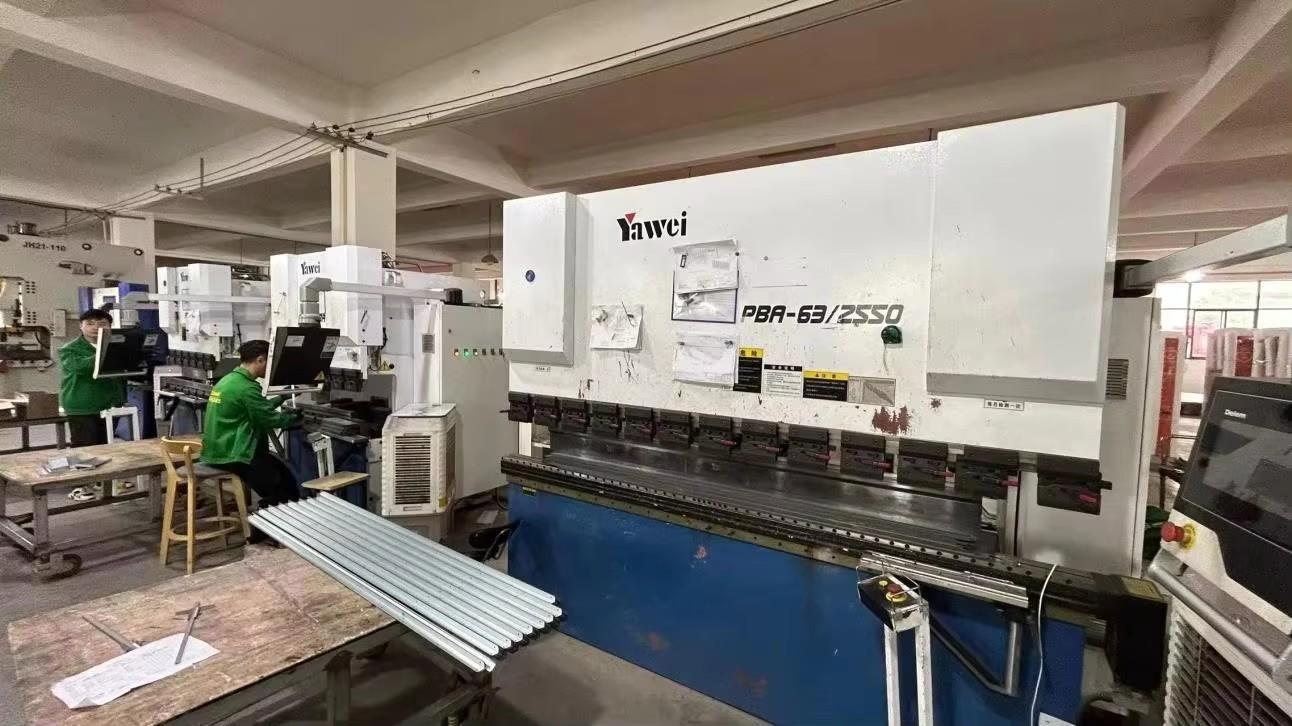
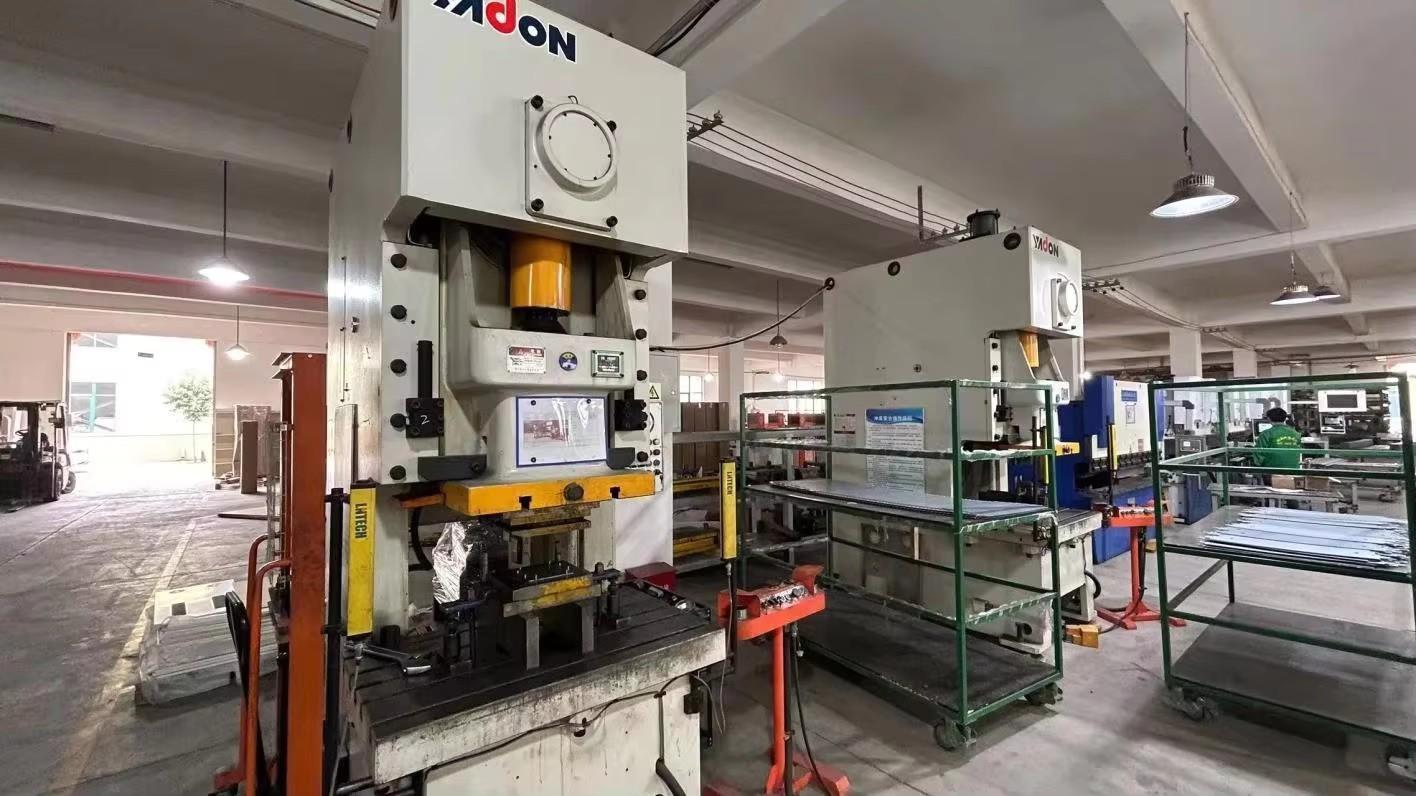
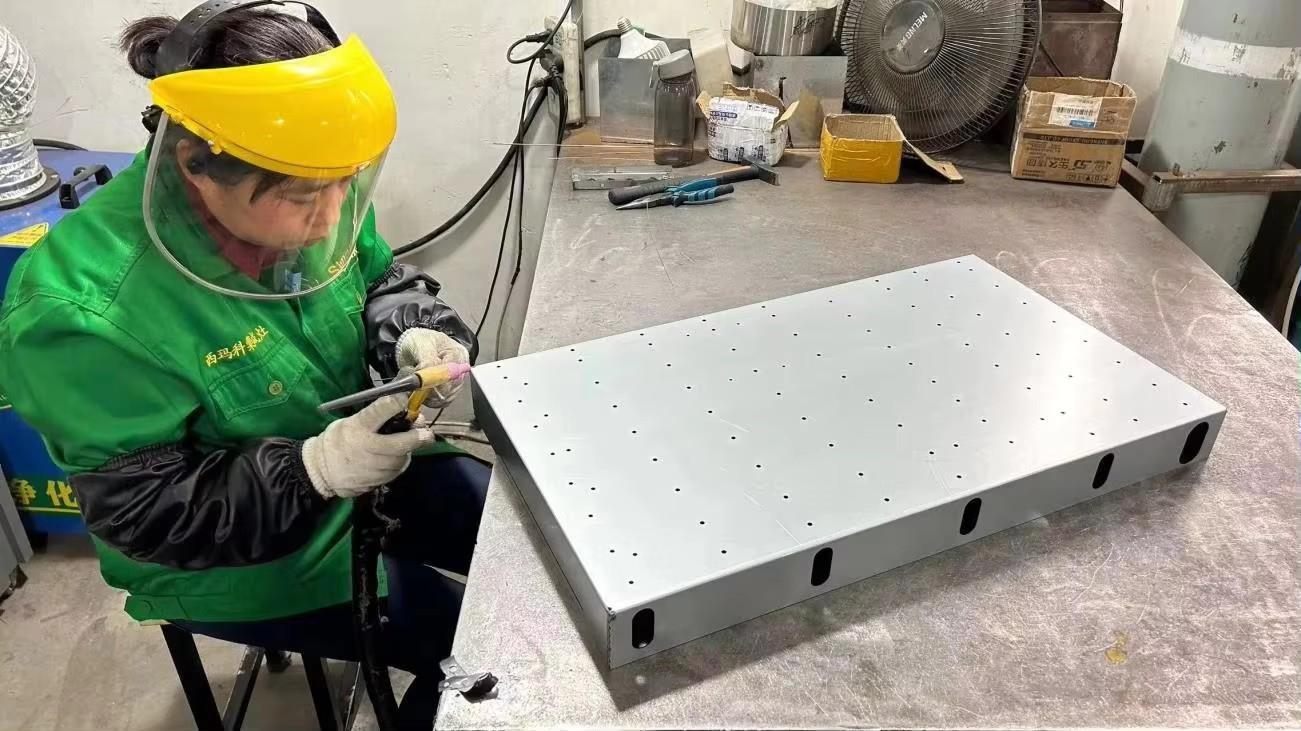
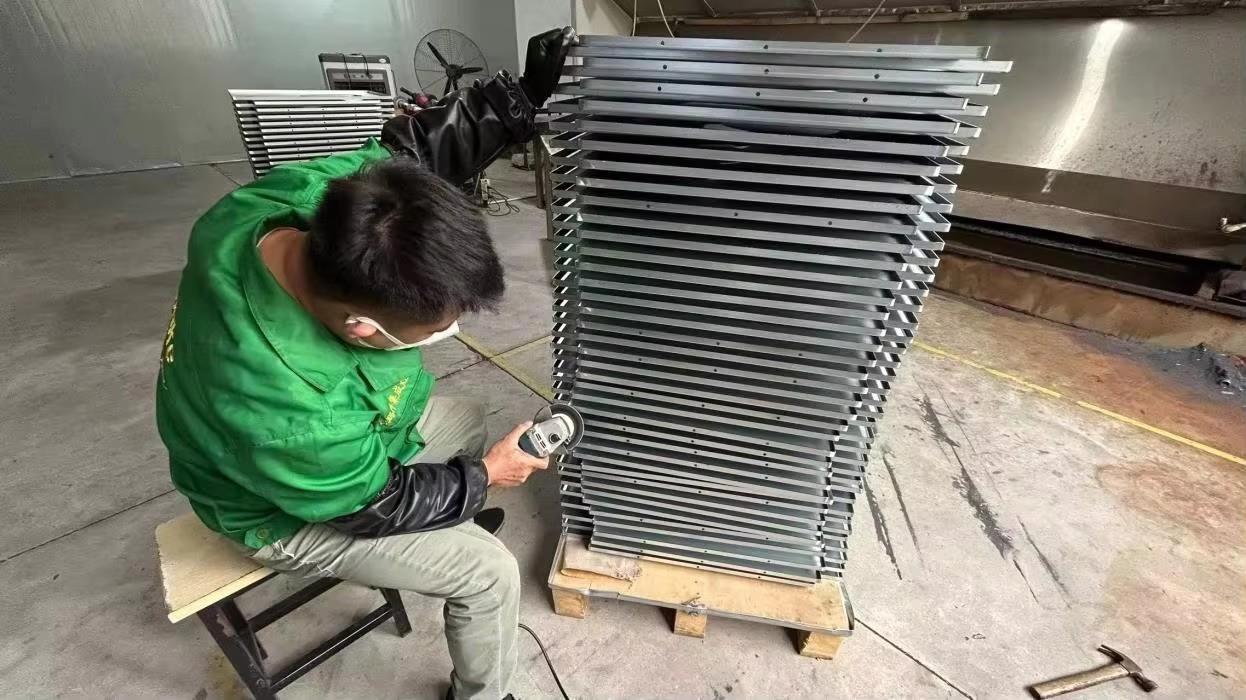
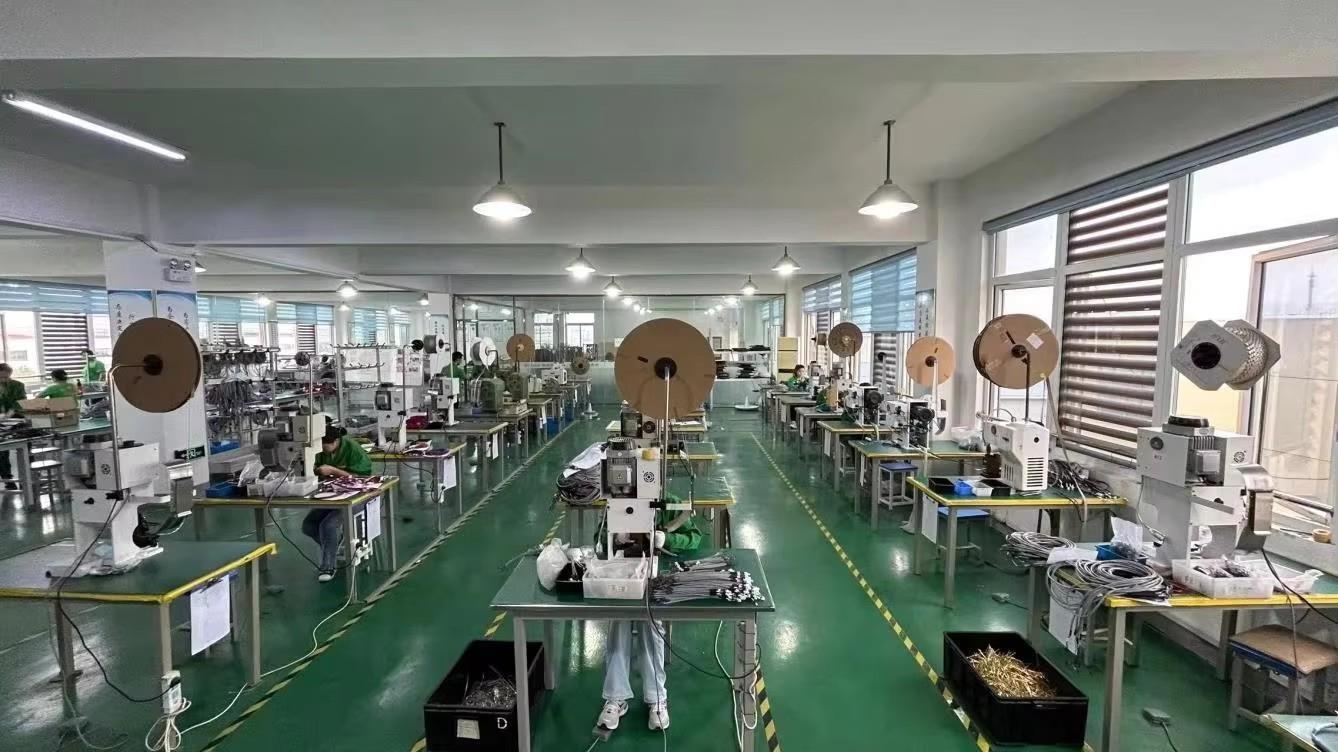
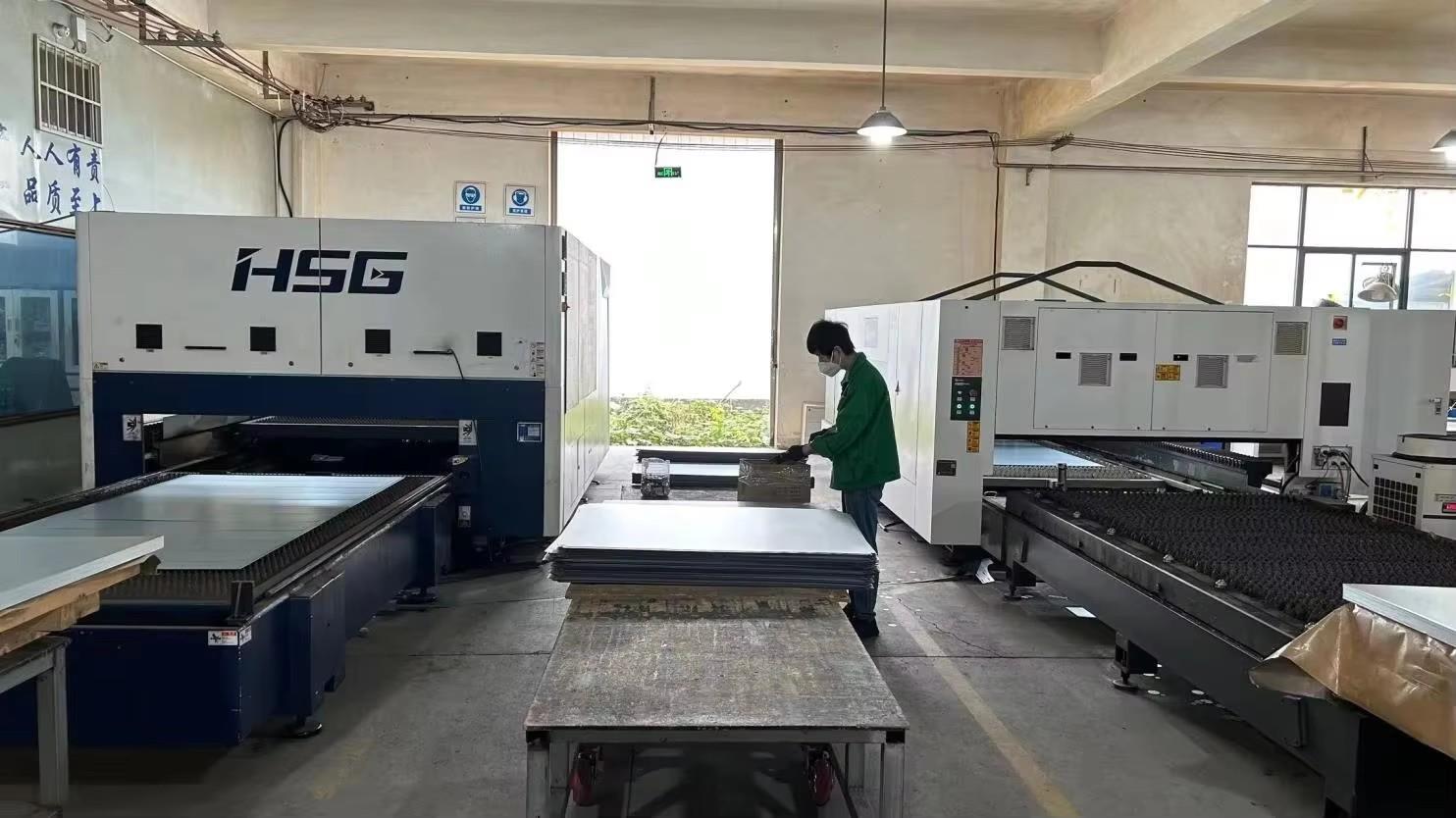
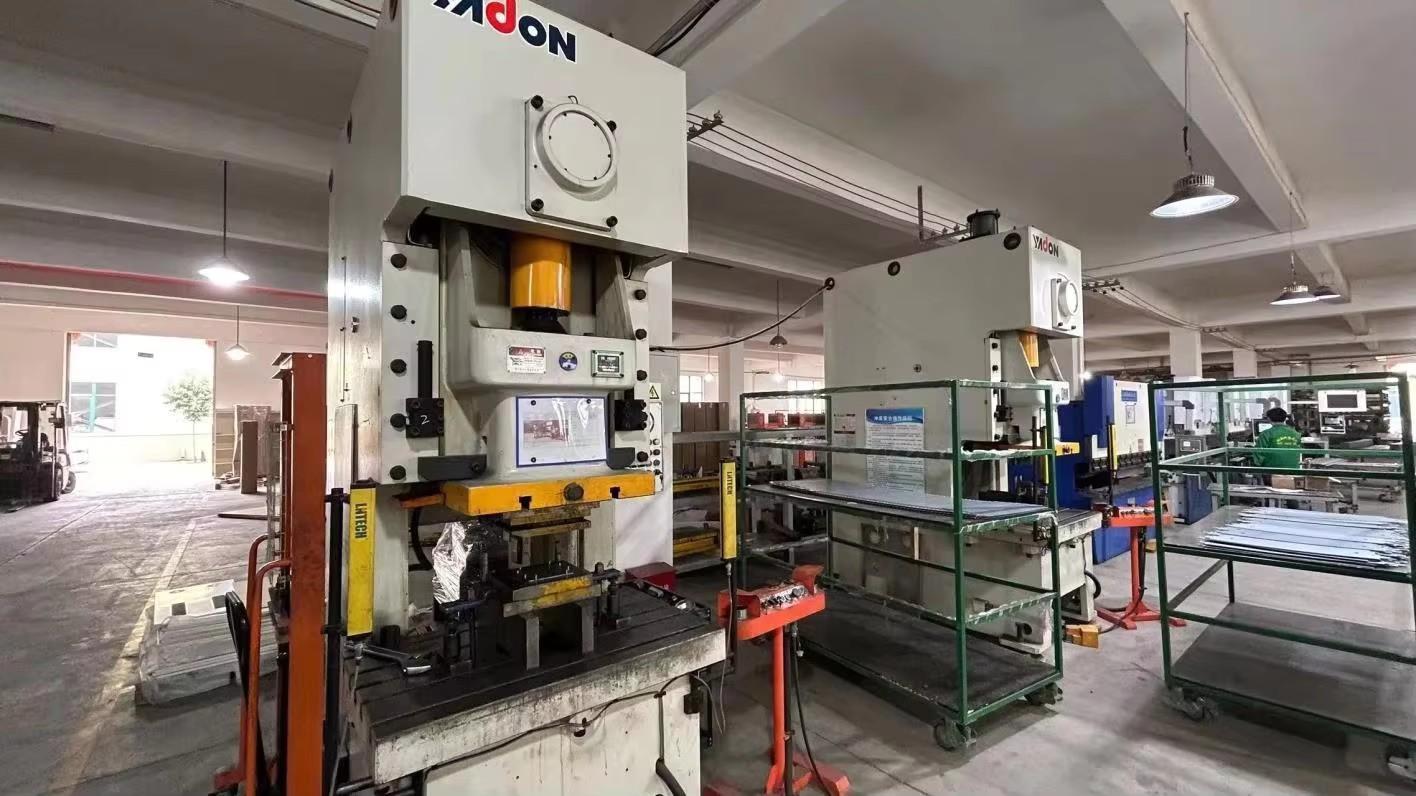
Explore our highly integrated models supporting varying capacities, multi-stage charging parameters, and low-voltage grid interfaces.
Clarifying technical doubts on compliance, temperature coefficient calculations, and microgrid design in the Swiss energy ecosystem.
To import and install solar charge controllers in Geneva, products must comply with Swiss safety standards supervised by the Federal Inspectorate for Heavy Current Installations (ESTI). Standard requirements include CE marking, RoHS compliance, EN 62109-1/2 (safety of power converters in PV systems), and electromagnetic compatibility under EN 61000-6-2/4. Qingdao Luzz Solar ensures all European-bound units carry verified certification papers for seamless custom clearances and local grid approvals.
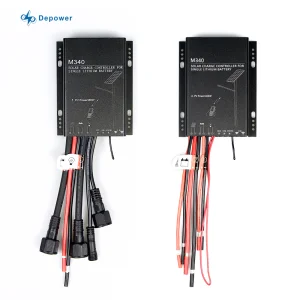
During the Swiss winter, temperatures drop significantly, which raises the PV module's voltage and alters the charge acceptance of batteries. LiFePO4 cells risk permanent plating if charged aggressively below 0°C. An MPPT controller with temperature sensors dynamically adjusts peak charging cutoffs or communicates with the BMS to trigger pre-heating circuits, preserving battery health and extending cycle life to over 6000 cycles.
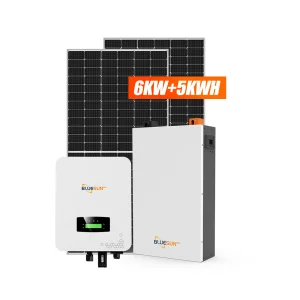
Yes. Our mid-to-high capacity MPPT solar charge controllers and hybrid inverters feature industrial-grade RS485 interfaces utilizing Modbus RTU protocols. This configuration allows direct integration into local smart grids, building automation systems (such as KNX networks or Loxone controllers), and cloud monitoring systems via integrated WiFi modules, aligning with Geneva’s "Smart City" energy mandates.
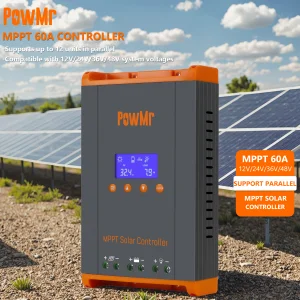
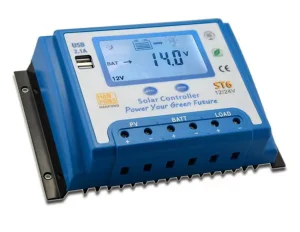
In Swiss rooftops with multiple orientations (e.g. East-West structures or architectural facades prone to partial shading from adjacent buildings), a single large solar charge controller suffers from mismatch losses. Parallel-capable MPPTs (like our PowMr 60A and 100A systems) track separate peak power points independently, ensuring that shading on one section does not drag down the performance of the entire photovoltaic array.
Qingdao Luzz Solar provides complete intermodal logistics. We offer air freight direct to Geneva Cointrin Airport (GVA) or Zurich Airport (ZRH) for urgent project components. For heavy-volume commercial cargo, we coordinate sea-rail transport arriving at European inland ports, followed by direct customs handling to Geneva warehouse sites, guaranteeing secure delivery under competitive DDP/CIF terms.
 Luzz Solar