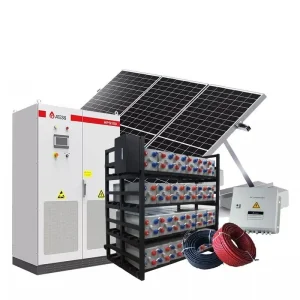
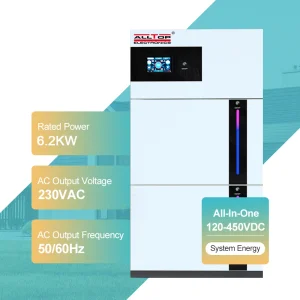
Ex-factory primary solar configurations built to meet Namibian national grid synchronization requirements and severe climatic conditions.
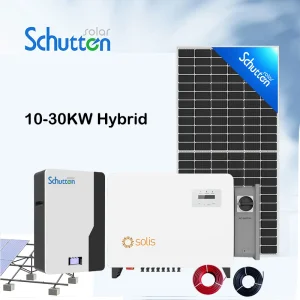
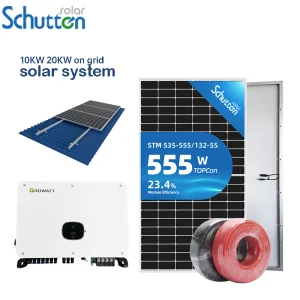
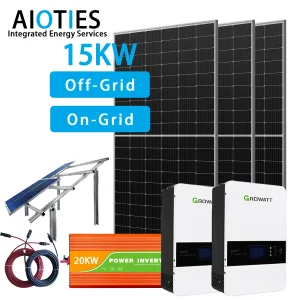
Leveraging global factory direct PV architectures to achieve local operational independence under NamPower and regional municipal grid structures.
Namibia's Electricity Control Board (ECB) enforces strict Net Metering Rules for systems up to 150 kW, allowing commercial entities to feed excess generation back into local grids (e.g., City of Windhoek, Erongo RED, NORED, Cenored). For larger installations, the Modified Single Buyer (MSB) model enables contestable customers to import up to 30% of their energy from independent solar generation plants, altering the commercial payback calculation of grid-tied assets.
With an average of over 300 sunny days per year and global horizontal irradiance (GHI) exceeding 2,200 kWh/m²/year across the Namib Desert and central highlands, thermal degradation is a major design risk. System bills of materials (BOM) must utilize Tier-1 PV modules with low temperature coefficients (e.g., -0.34%/°C for N-type TOPCon) and high-ambient smart string inverters to sustain output under 40°C+ conditions.
How modern solar system factories adapt their production lines for next-generation Southern African energy grids.
The global shift toward decentralized utility grids has driven factory innovations in solar manufacturing. In Namibia, grid stability issues require grid-tied systems to act as active grid participants rather than passive generators. Manufacturers are optimizing utility-scale and large commercial system packages to include:
Qingdao Luzz Solar Co., Ltd. is a professional new energy enterprise specializing in the development, manufacturing, and global distribution of photovoltaic (PV) products and integrated energy storage solutions. Located in Qingdao, China, the company benefits from a well-established renewable energy industrial base and advanced manufacturing capabilities.
With the accelerating global transition toward carbon neutrality and sustainable development, Luzz Solar is committed to providing efficient, reliable, and cost-effective clean energy solutions to customers worldwide. Our product portfolio includes high-efficiency solar photovoltaic modules, energy storage systems, and integrated solar application solutions designed for residential, commercial, and utility-scale projects.
Driven by technological innovation and quality excellence, the company continuously invests in R&D and production optimization to improve product performance, energy conversion efficiency, and system reliability. We strictly adhere to international quality standards and implement rigorous quality control throughout the entire production process to ensure stable and long-term product performance.
Qingdao Luzz Solar actively expands its global market presence, with business coverage across Asia, Europe, the Middle East, Africa, and Latin America. By working closely with international partners, we are committed to delivering tailored energy solutions that meet diverse regional needs and support the global energy transition.
Guided by the core values of integrity, innovation, cooperation, and sustainability, Luzz Solar strives to become a trusted global partner in the new energy industry. We are dedicated to advancing solar technology and contributing to a greener, more sustainable future.
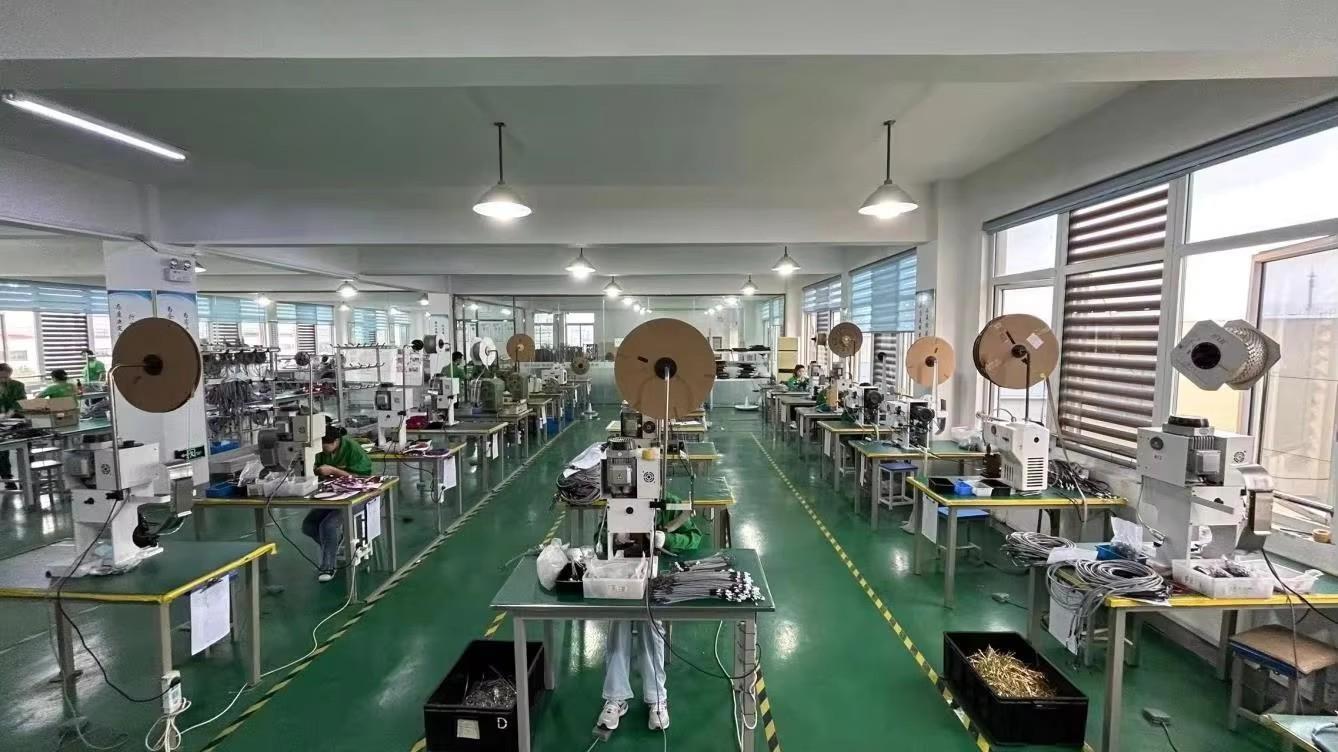
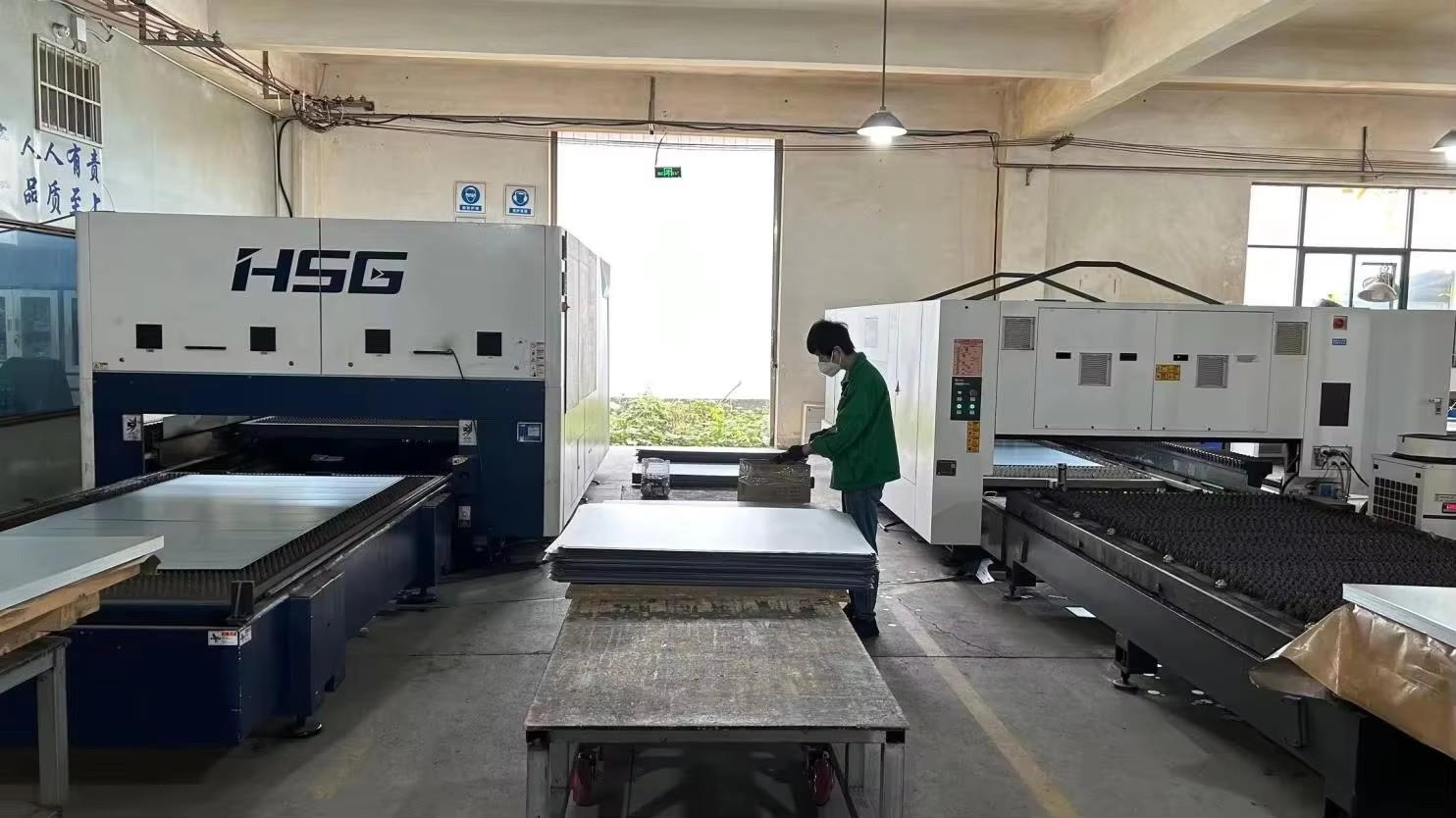
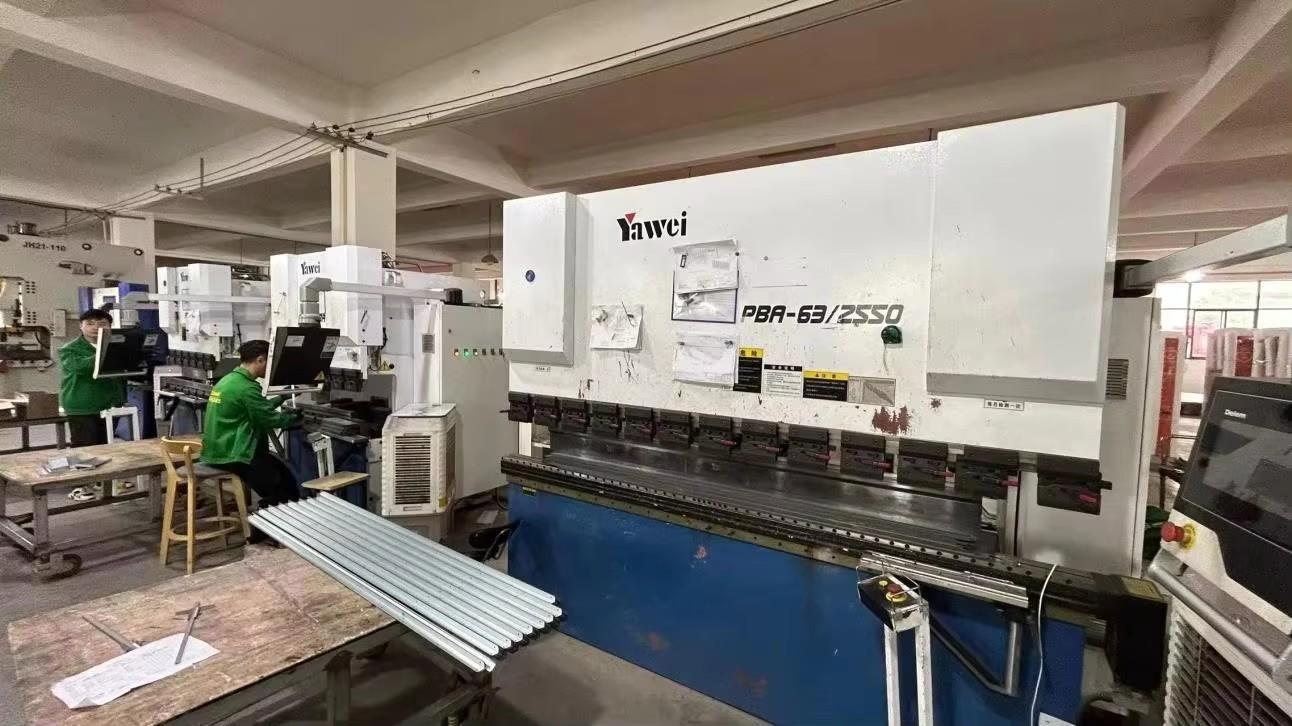
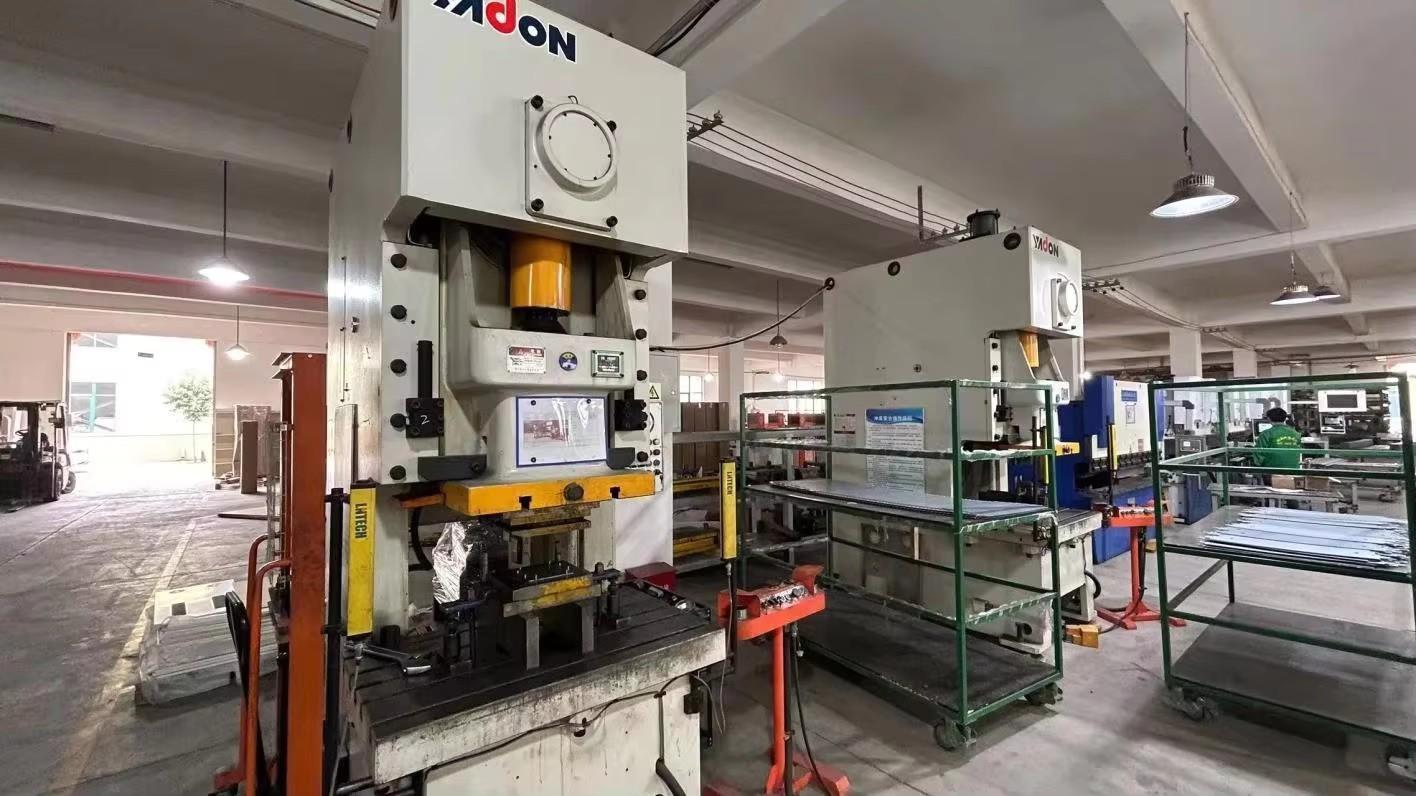
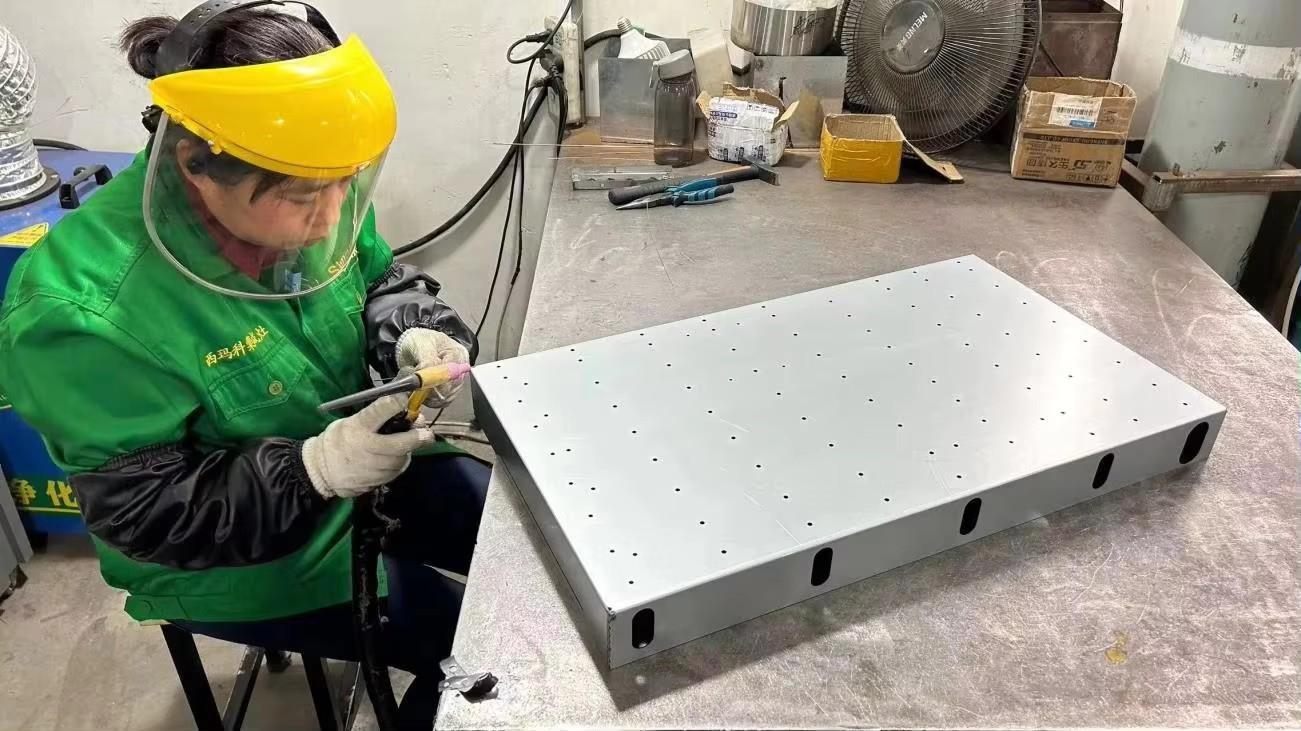
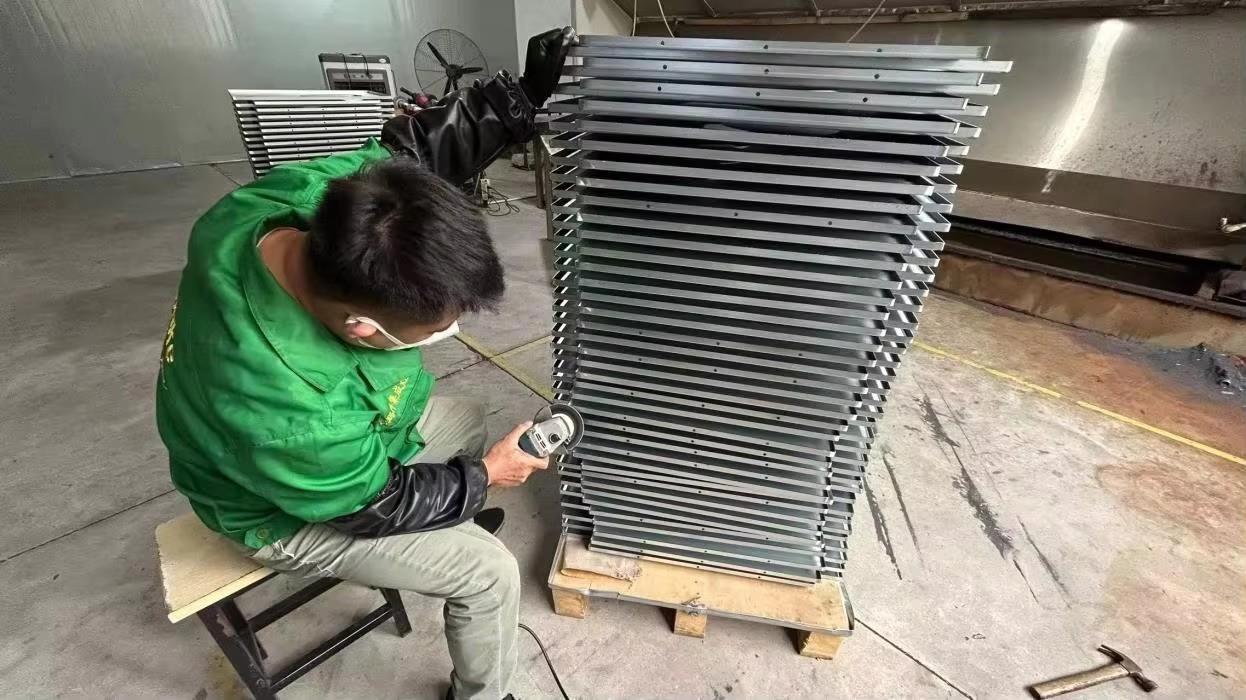
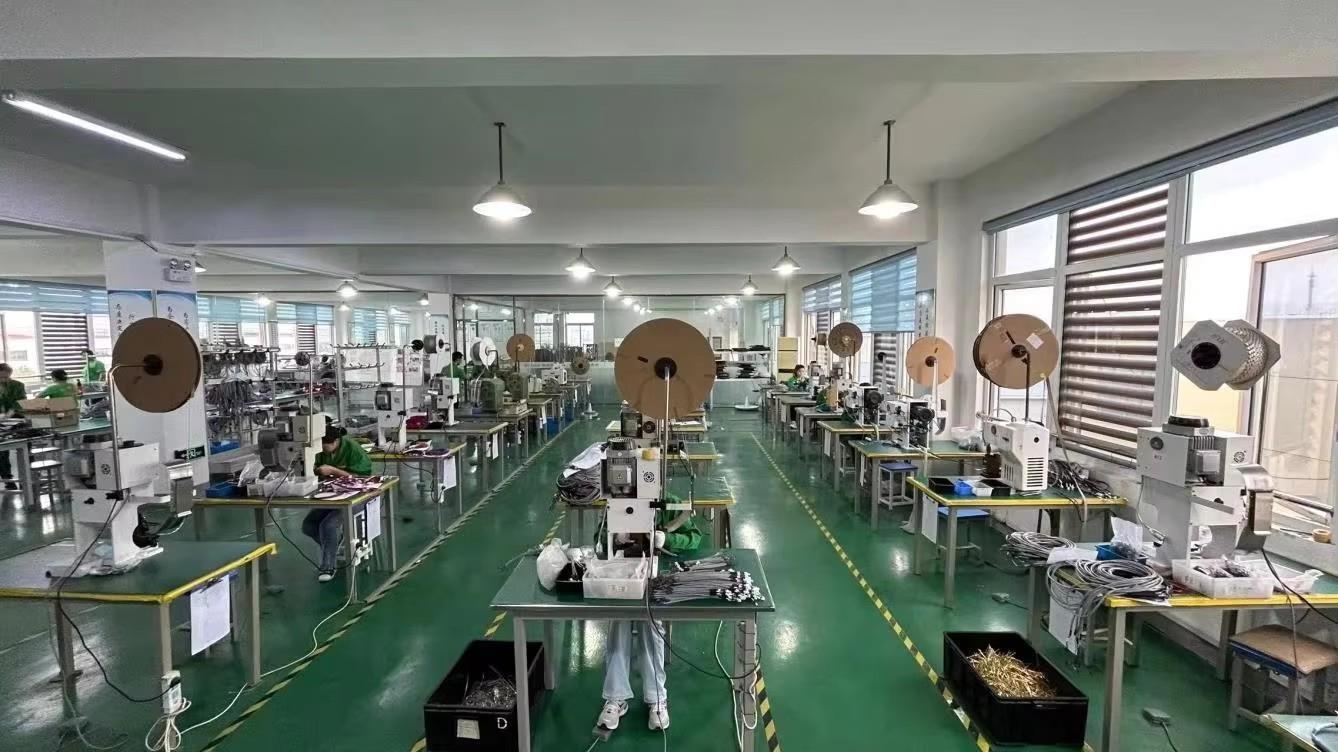
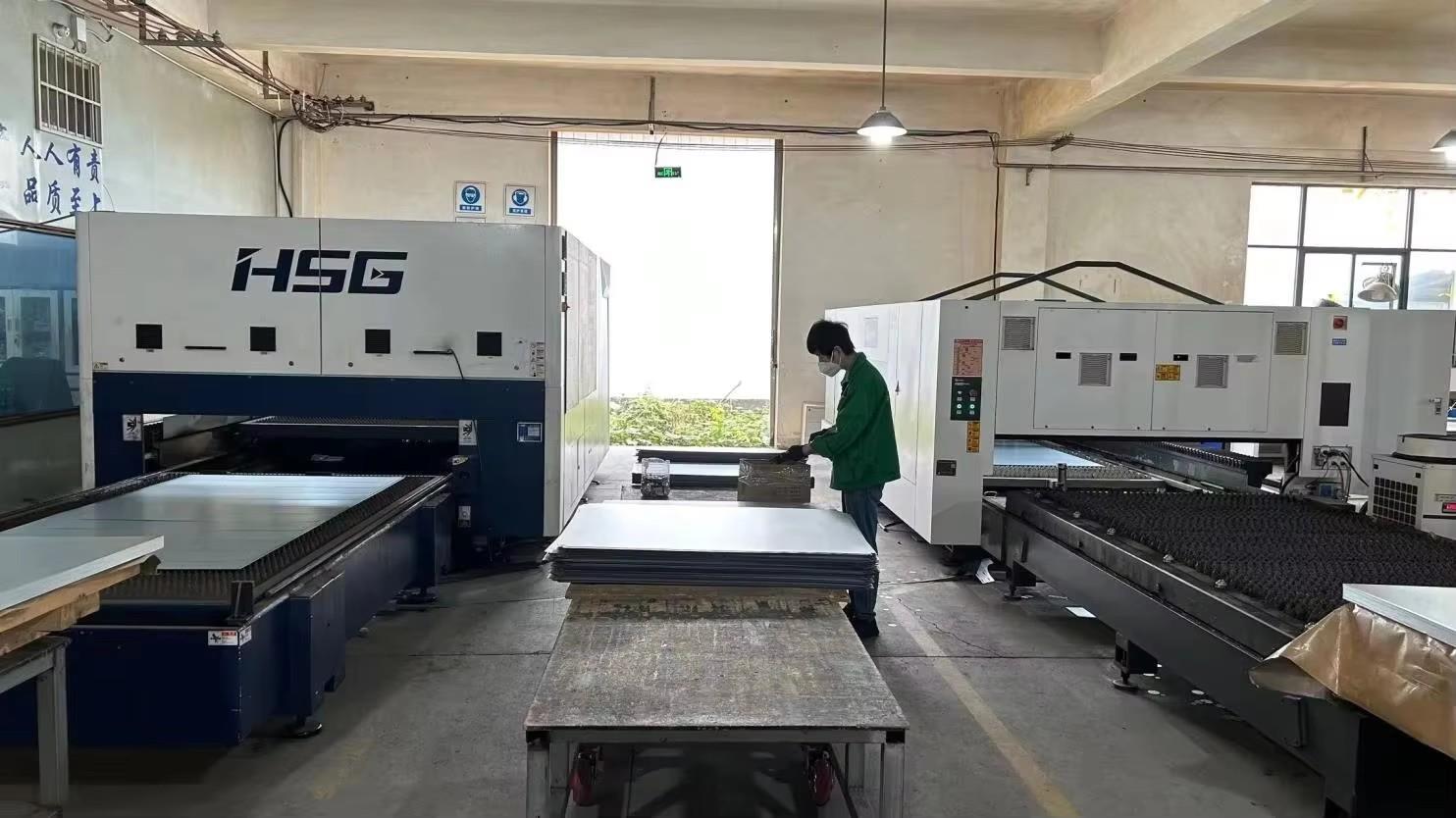
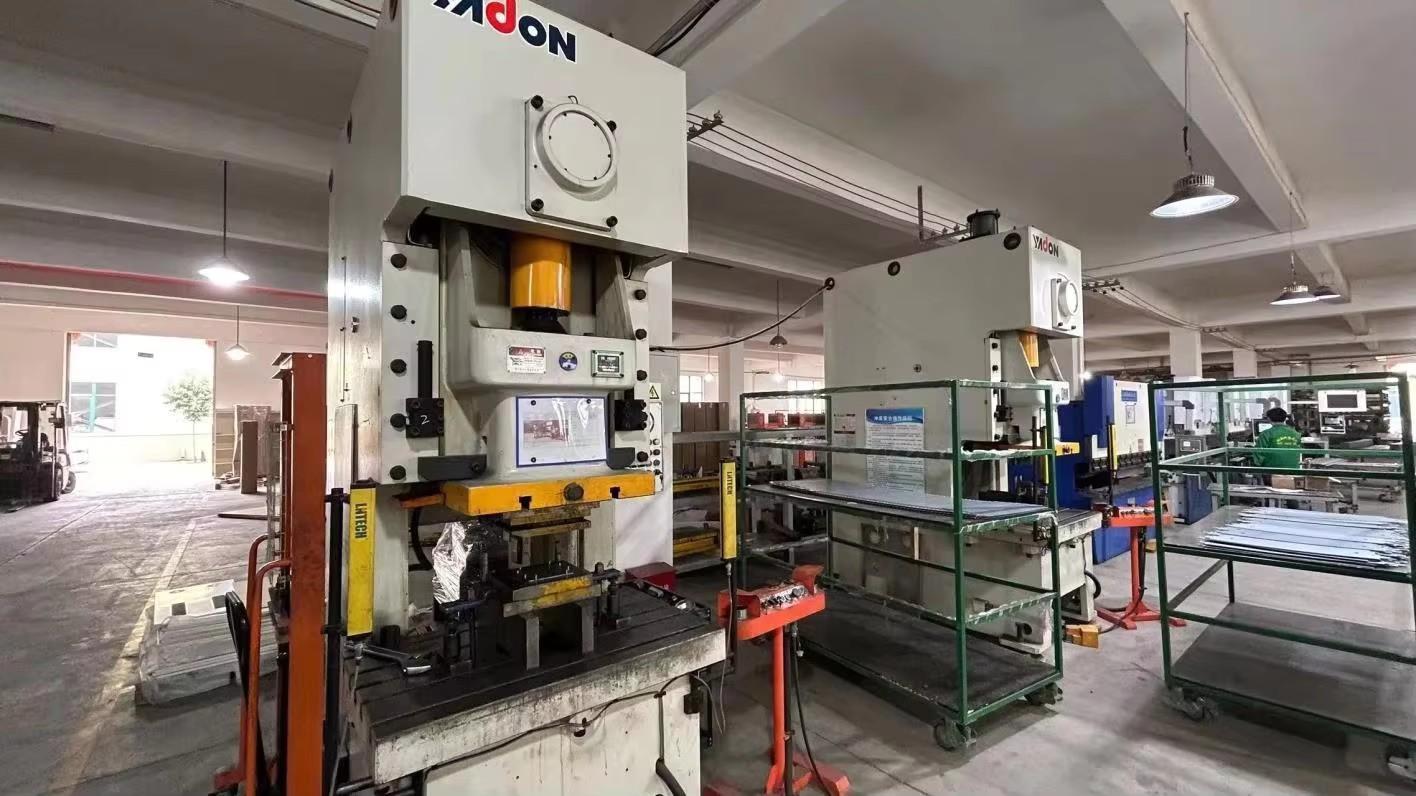
Every step in our ISO 9001-certified factory is calibrated to construct systems that withstand high-UV and desert conditions.
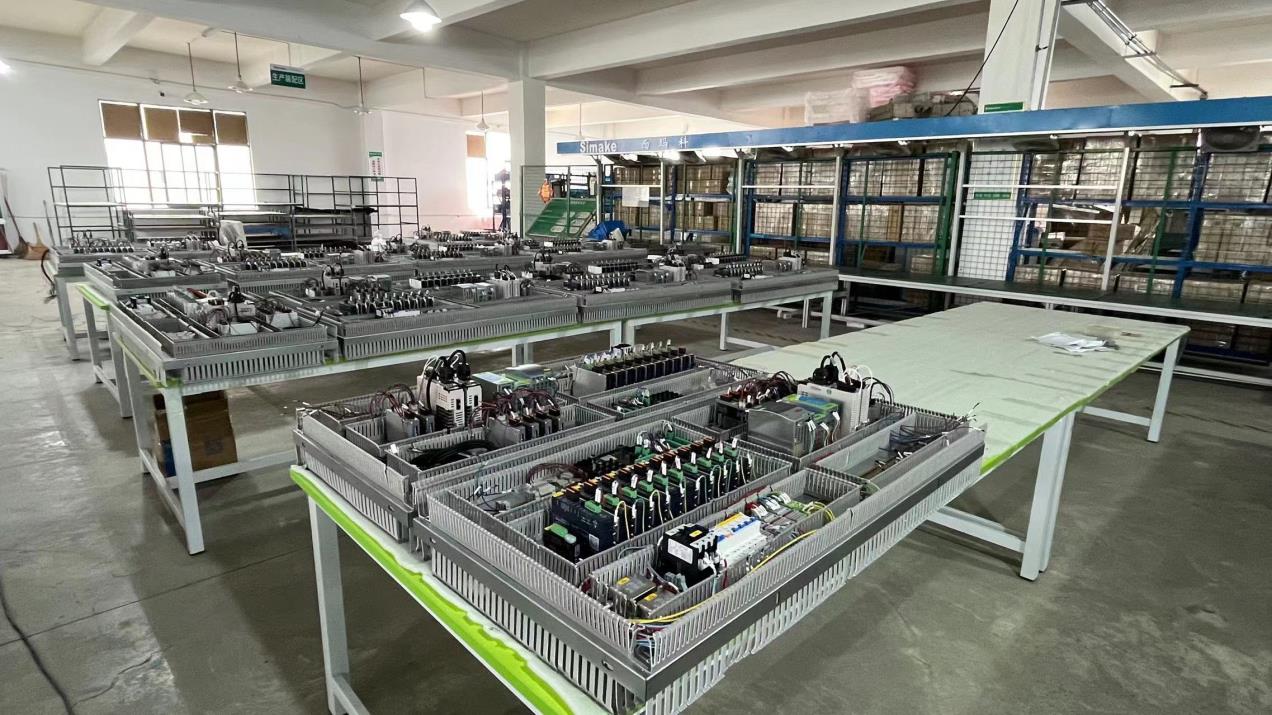

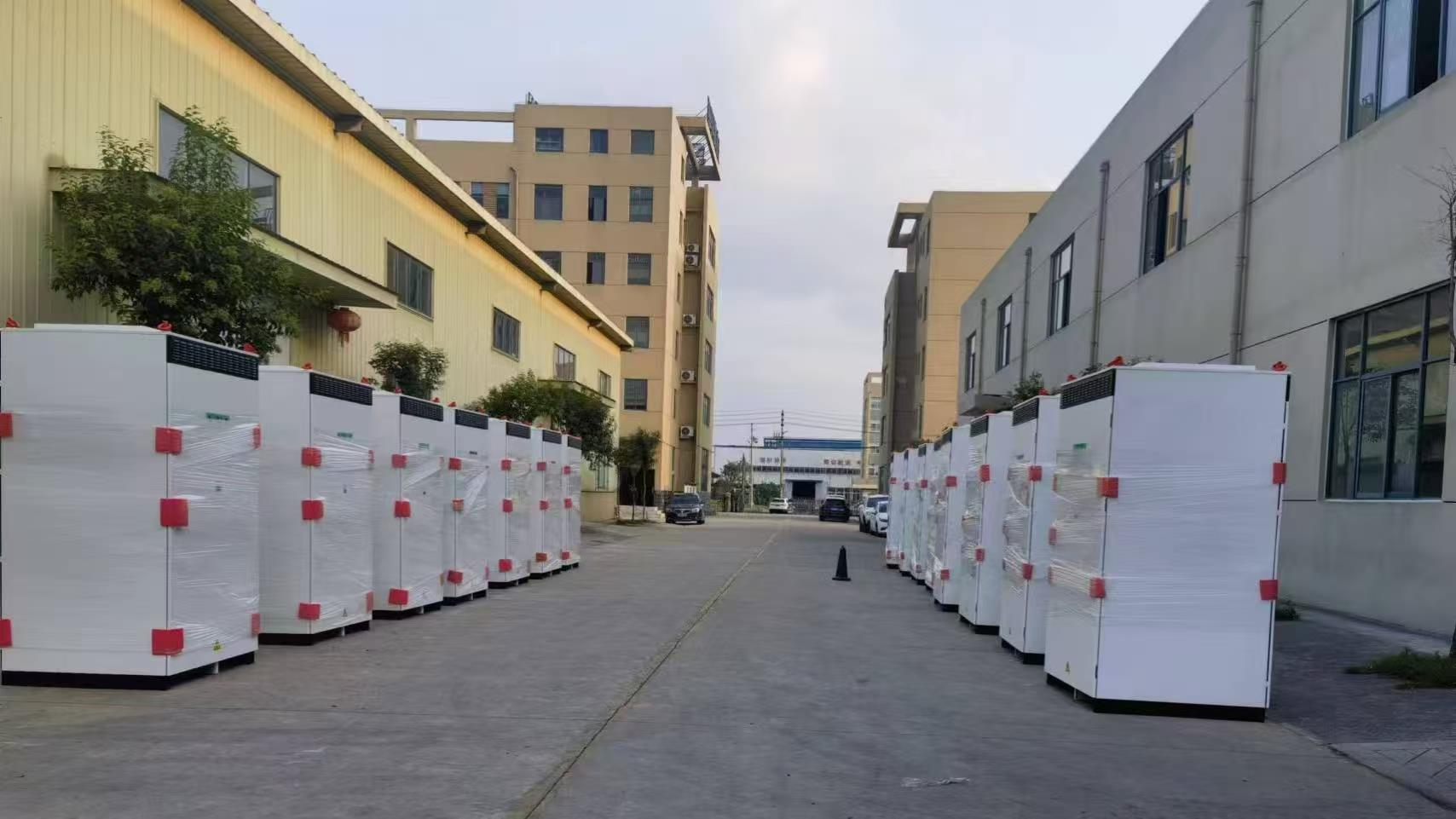
How engineering procurement managers mitigate implementation risks throughout the project lifecycle.
Sourcing direct from a tier-1 grid-tied solar system factory ensures alignment between design specifications and local power utility policies. Luzz Solar addresses critical macro-market challenges in Namibia through several structural strategies:
NamPower transmission lines experience voltage fluctuations. Our factory-configured inverter systems support active voltage regulation, low-voltage ride-through (LVRT), and reactive power control parameters required by national grid-connection standards.
Coastal assets near Walvis Bay and Swakopmund are subject to highly corrosive marine air. We supply structures with hot-dip galvanized steel coatings (≥85 microns) and C5-M anti-corrosion rated enclosures to prevent degradation.
Navigating import processes and technical specifications for smooth Namibian port clearance and licensing.
Importing renewable equipment into Namibia demands compliance with both international standards and South African Bureau of Standards (SABS/SANS) regulatory overlays. Luzz Solar provides all documentation to expedite customs clearance at Walvis Bay Port and secure local approvals:
Integrating energy storage capabilities to transition standard grid-tied assets into microgrids.
As the Namibian electricity market migrates towards the Modified Single Buyer model, the economic returns of solar setups depend on energy storage. The Luzz Solar technical roadmap highlights the transition from standard grid-tied to hybrid microgrids. By combining high-voltage lithium iron phosphate (LFP) batteries with grid-tied configurations, C&I users can hedge against peak demand tariffs (Time-of-Use) and manage load-shedding risks without redundant generator capacity.
Technical answers to key concerns raised by Namibian solar consultants, engineers, and procurement specialists.
Under the Electricity Control Board (ECB) Net Metering rules, systems must not exceed 150 kW AC per connection point. Installers must submit an application form to the local distributor (e.g., City of Windhoek, Erongo RED) detailing the grid-tied inverter's type test certificates, grid-disconnect times (under 2 seconds), and anti-islanding parameters matching international standards.
Our PV modules feature low temperature coefficients (down to -0.30% / °C), ensuring minimal power output drop at module temperatures exceeding 65°C. Inverters are equipped with active liquid-cooling or dual-fan smart cooling designs to prevent thermal derating under typical ambient temperatures in regions like Outjo, Gobabis, or Mariental.
Luzz Solar handles direct FOB/CIF container shipping from Qingdao Port to Walvis Bay Port. We secure seaworthy packaging (reinforced wood boxes with internal moisture-absorbing materials) and coordinate container tracking so local freight forwarders can arrange customs transit along the Trans-Kalahari or Trans-Caprivi corridors.
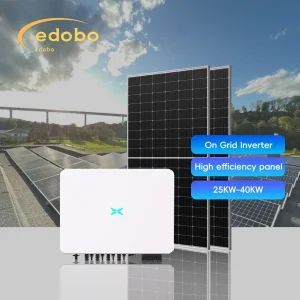
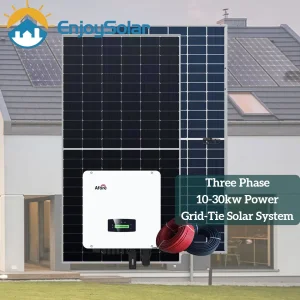
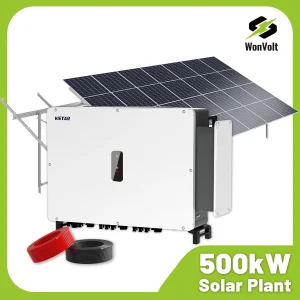
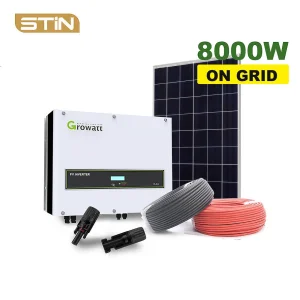
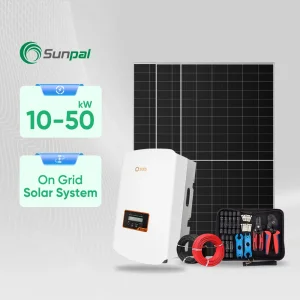
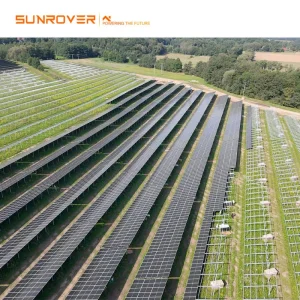
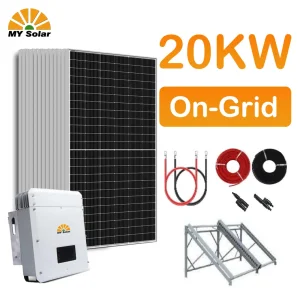
Explore our complete manufacturing portfolio optimized for Southern African commercial sites, farm networks, and utility-scale installations.
 Luzz Solar