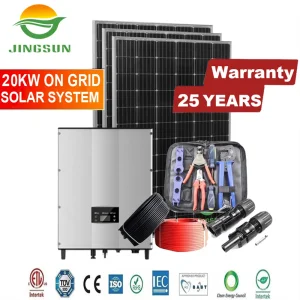
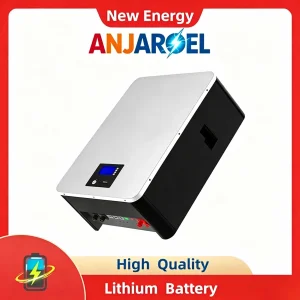
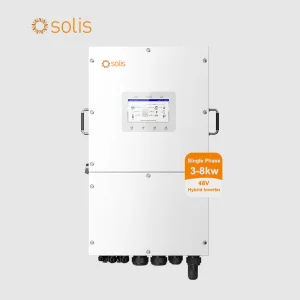
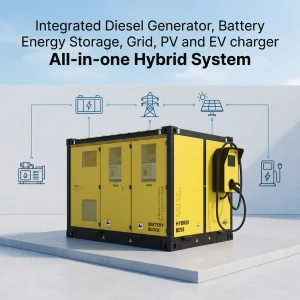
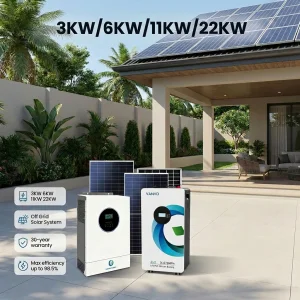
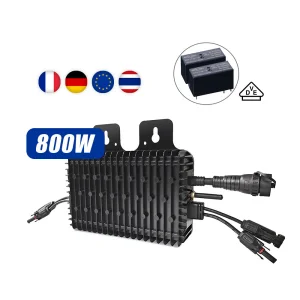
The global energy landscape is undergoing an unprecedented structural transition. Volatility in fossil fuel pricing, coupled with stringent international decarbonization policies, has transformed grid-tied solar solutions from a progressive environmental choice into an absolute operational necessity for commercial, industrial, and utility-scale organizations. Modern grid-tied solar systems operate at the intersection of power electronics, semiconductor innovation, and cloud-based energy management. They offer a unique advantage: combining the economic reliability of centralized grid structures with the cost-containment benefits of decentralized clean energy generation.
As primary exporters and suppliers, we recognize that our clients require more than off-the-shelf hardware. They demand robust, future-proof infrastructures engineered to withstand fluctuating grid dynamics, maintain dynamic grid synchronization, and offer advanced energy storage capability. The integration of high-performance micro-inverters, optimized Maximum Power Point Tracking (MPPT) architectures, and utility-scale Battery Energy Storage Systems (BESS) represents the state-of-the-art in minimizing Levelized Cost of Energy (LCOE) while ensuring uninterrupted operational uptime.
To make informed energy decisions, modern industrial planners must dissect the mechanisms that govern high-efficiency solar infrastructures. Unlike localized off-grid setups that function strictly within isolated storage environments, commercial grid-tied systems are deeply integrated into complex utility ecosystems. They rely on real-time grid synchronization where the phase angle, voltage profile, and frequency of the solar output must align precisely with the utility baseline. This is executed using advanced smart-inverters equipped with Phase Locked Loop (PLL) microcontrollers.
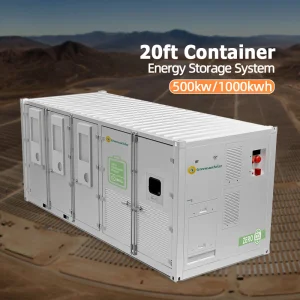
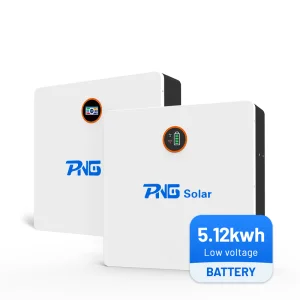
One of the major cost-reduction structures for businesses implementing grid-tied systems is peak demand shaving. Most industrial facilities are billed not only on total kilowatt-hours (kWh) consumed but also on their maximum peak demand (measured in kW) during peak operational periods. By integrating high-voltage battery storage (such as our 500kW to 2MWh commercial BESS systems) alongside grid-tied arrays, operators can feed stored solar power directly into their internal grids during these peak windows, dramatically lowering peak tariffs. This process, coupled with Feed-in Tariffs (FiT) and net metering policies, allows companies to export surplus clean energy back to the public utility grid, creating secondary revenue streams and ensuring that no generated watt is wasted.
"Dynamic grid interactions dictate the operational longevity of solar hardware. Implementing smart MPPT controllers alongside grid-forming inverters allows industrial complexes to operate with unmatched resilience, ensuring localized frequency control during grid load variations."
Moreover, the global shift towards stricter carbon disclosure mandates (such as the EU's Carbon Border Adjustment Mechanism - CBAM and ESG compliance requirements) demands high-accuracy metering. The integration of IoT gateway communications (using protocols such as Modbus TCP/IP, CAN, and RS485) into our systems enables remote monitoring via mobile applications and SCADA systems. This provides businesses with verifiable, auditable carbon offset data, essential for maintaining regulatory compliance and global market accessibility.
The next decade of grid-tied technology will be defined by smart-grid compatibility, higher operating voltages, and chemical stability in storage systems. As your global export partner, Qingdao Luzz Solar Co., Ltd. continuously updates its production lines to incorporate these key advancements:
Transitioning from traditional P-type PERC technology to N-type tunnel oxide passivated contact (TOPCon) structures enables modules to achieve conversion efficiencies exceeding 22.5%. This reduces the necessary installation footprint while yielding superior performance in diffuse light and high-temperature environments.
Moving away from low-voltage 48V setups in commercial segments, modern industrial scale designs favor high-voltage systems (ranging from 400V to over 800V DC). Higher operational voltages dramatically decrease current flow requirements, minimizing I²R thermal losses and optimizing round-trip efficiency (RTE) to over 95%.
While standard grid-tied systems rely on the grid to set the reference voltage (grid-following), next-generation hybrid systems deploy grid-forming technology. These inverters can mimic synchronous machines, providing artificial inertia and virtual impedance to stabilize weak or rural transmission lines.
To maintain strict compliance with global interconnection standard codes such as IEEE 1547 in North America and EN 50549 across Europe, grid-tied architectures must feature active power curtailment, reactive power adjustment capabilities, and anti-islanding protection. This ensures that in the event of a grid blackout, the solar system automatically isolates from the grid within milliseconds to protect utility workers. This functional separation is maintained while retaining the capability to switch into localized microgrid backup mode for uninterrupted critical operational functions.
Qingdao Luzz Solar Co., Ltd. is a professional new energy enterprise specializing in the development, manufacturing, and global distribution of photovoltaic (PV) products and integrated energy storage solutions. Located in Qingdao, China, the company benefits from a well-established renewable energy industrial base and advanced manufacturing capabilities.
With the accelerating global transition toward carbon neutrality and sustainable development, Luzz Solar is committed to providing efficient, reliable, and cost-effective clean energy solutions to customers worldwide. Our product portfolio includes high-efficiency solar photovoltaic modules, energy storage systems, and integrated solar application solutions designed for residential, commercial, and utility-scale projects.
Driven by technological innovation and quality excellence, the company continuously invests in R&D and production optimization to improve product performance, energy conversion efficiency, and system reliability. We strictly adhere to international quality standards and implement rigorous quality control throughout the entire production process to ensure stable and long-term product performance.
Qingdao Luzz Solar actively expands its global market presence, with business coverage across Asia, Europe, the Middle East, Africa, and Latin America. By working closely with international partners, we are committed to delivering tailored energy solutions that meet diverse regional needs and support the global energy transition.
Guided by the core values of integrity, innovation, cooperation, and sustainability, Luzz Solar strives to become a trusted global partner in the new energy industry. We are dedicated to advancing solar technology and contributing to a greener, more sustainable future.
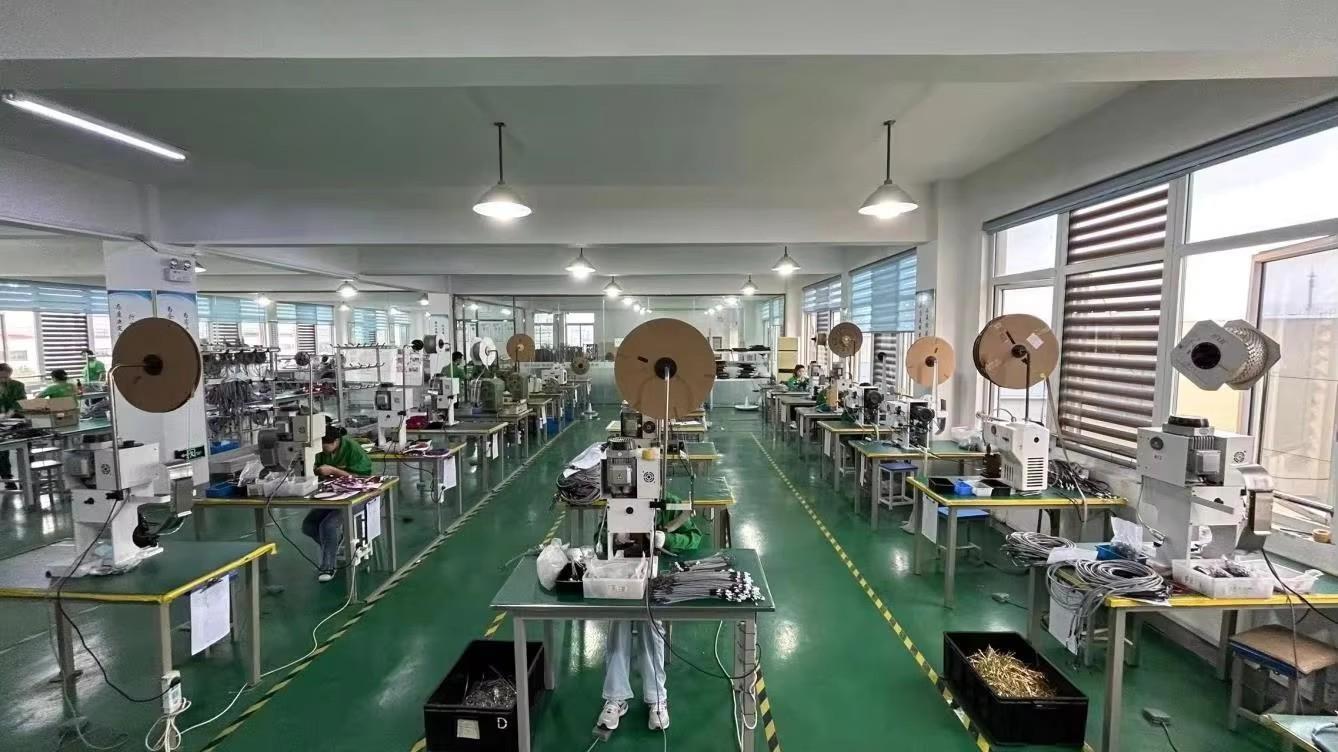
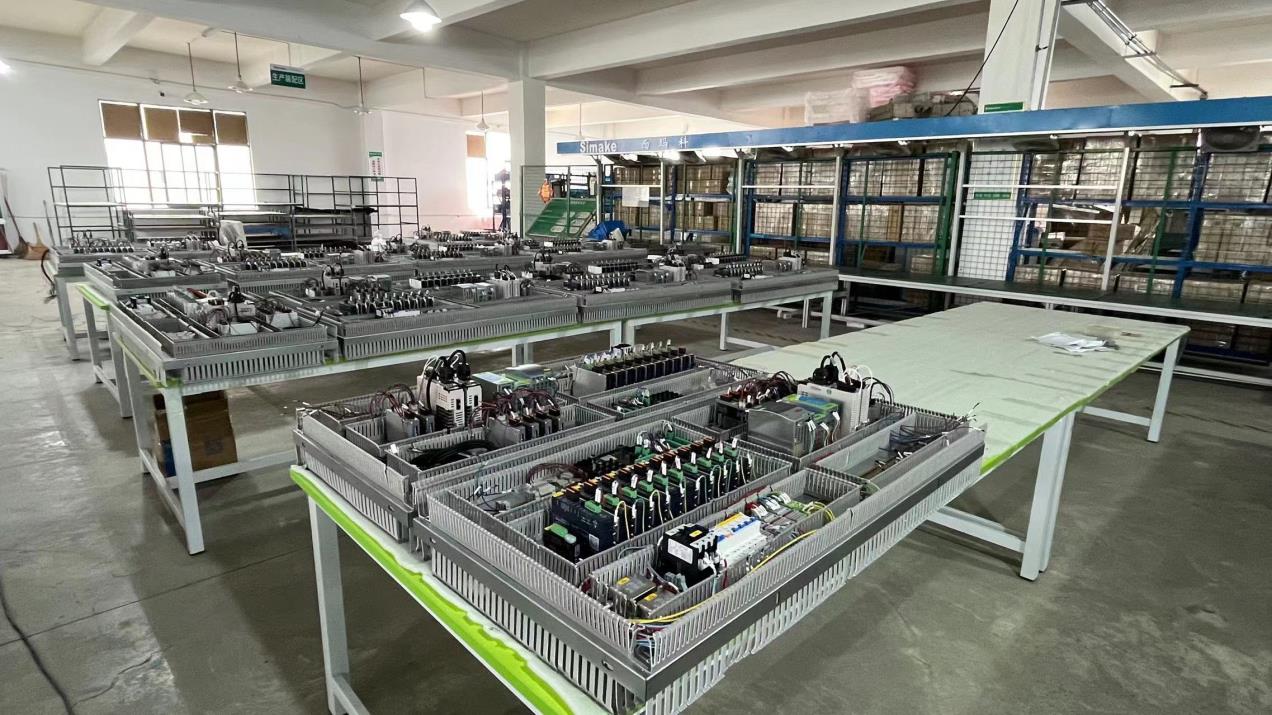
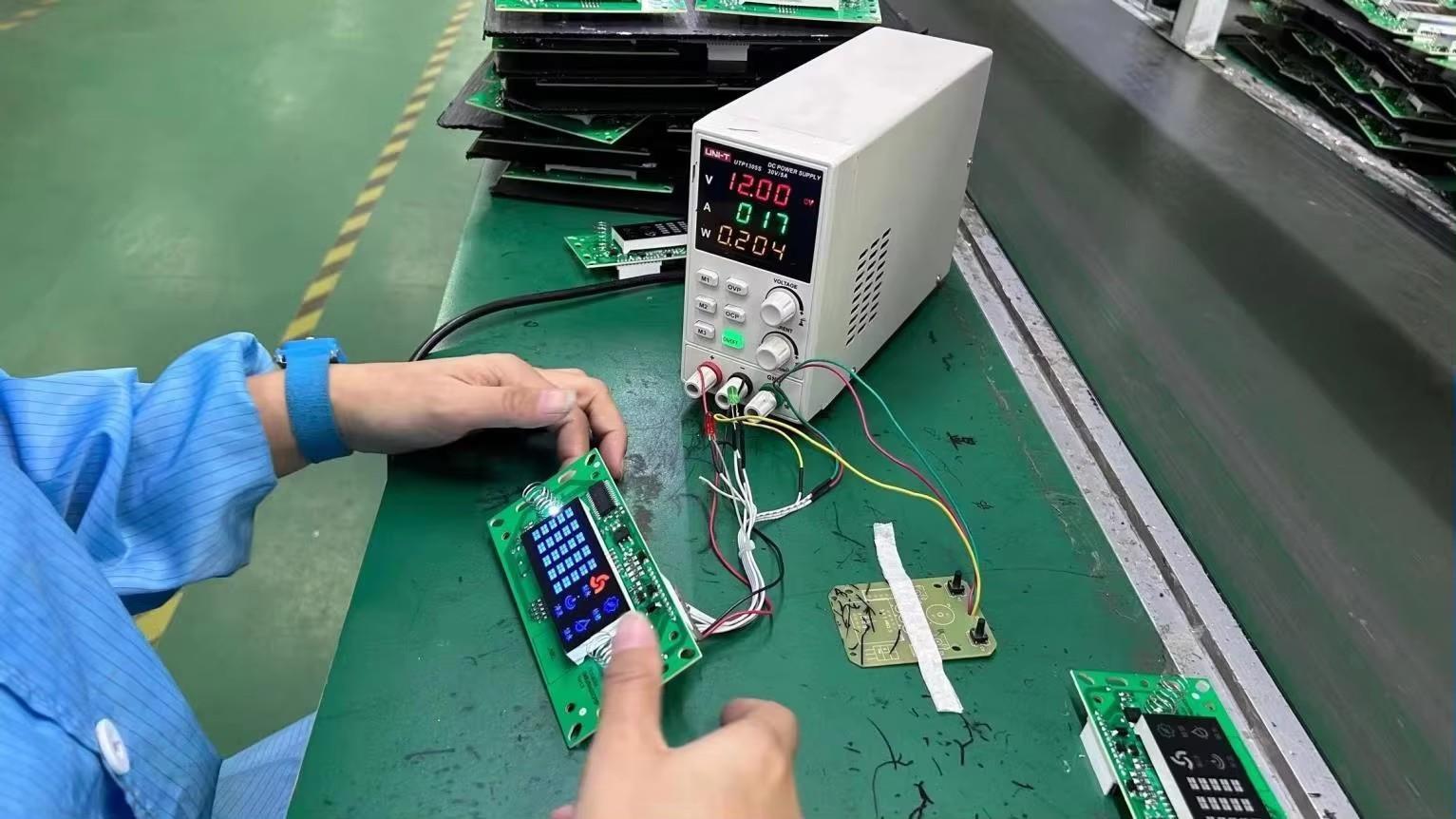
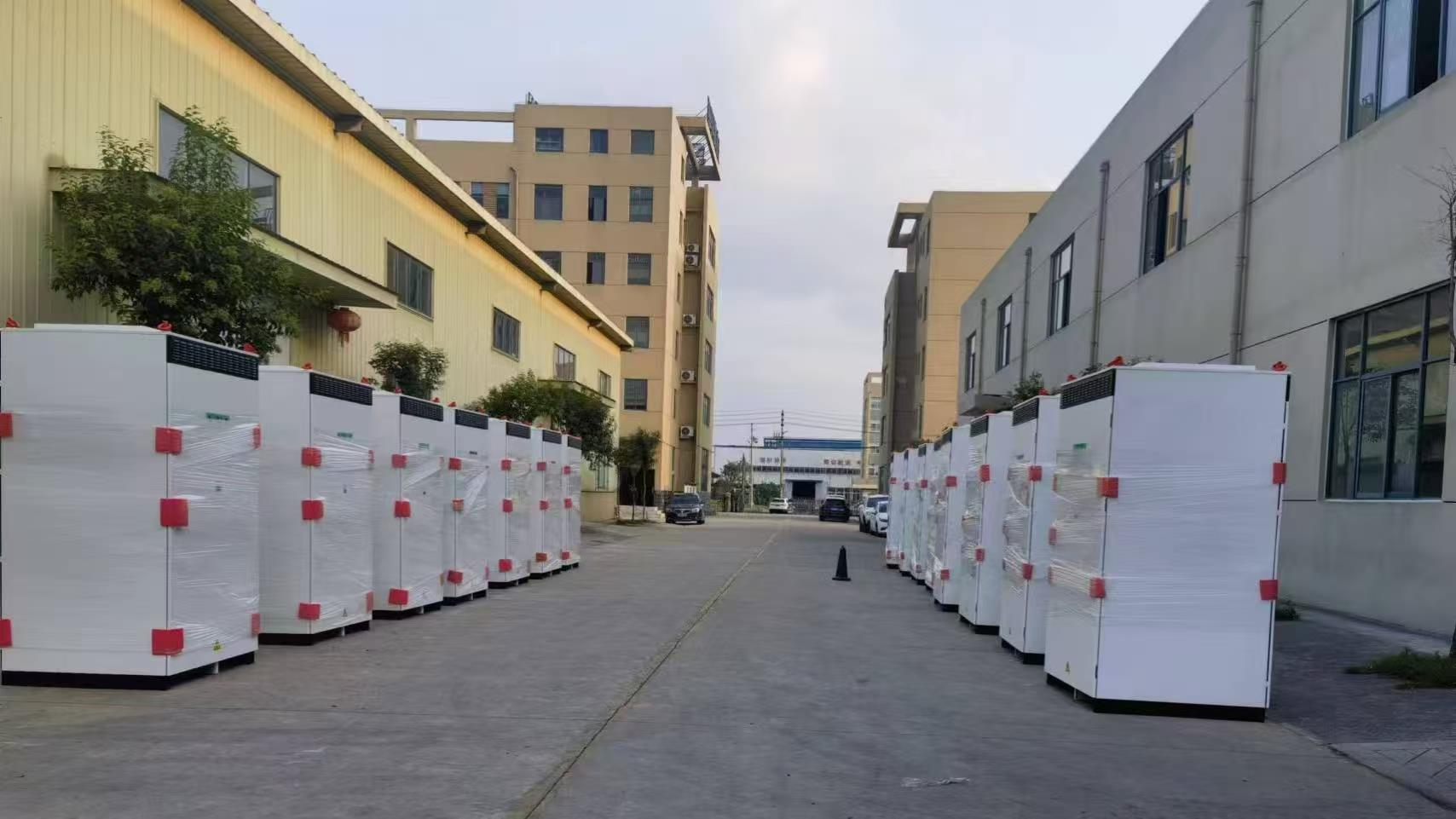
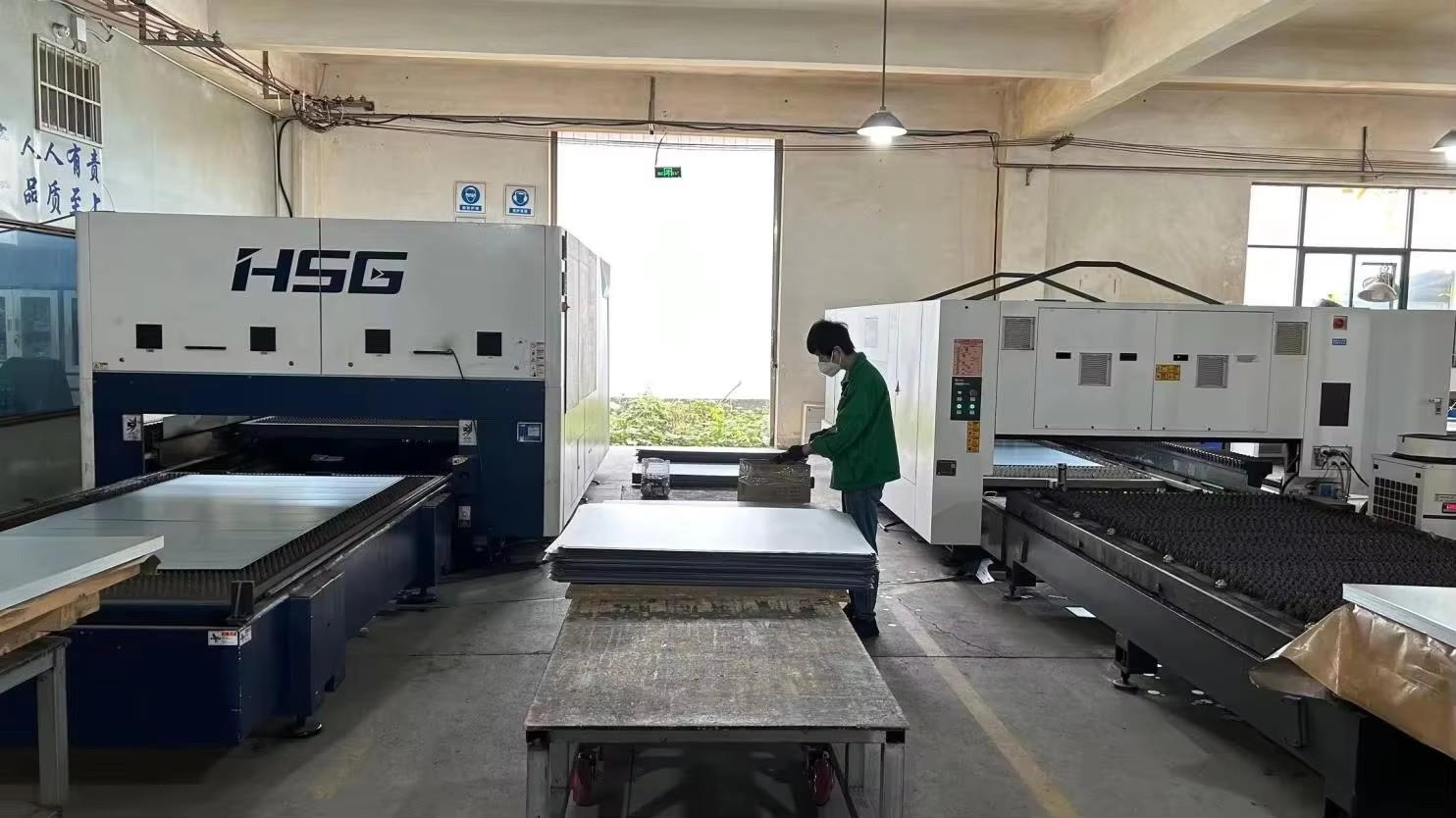
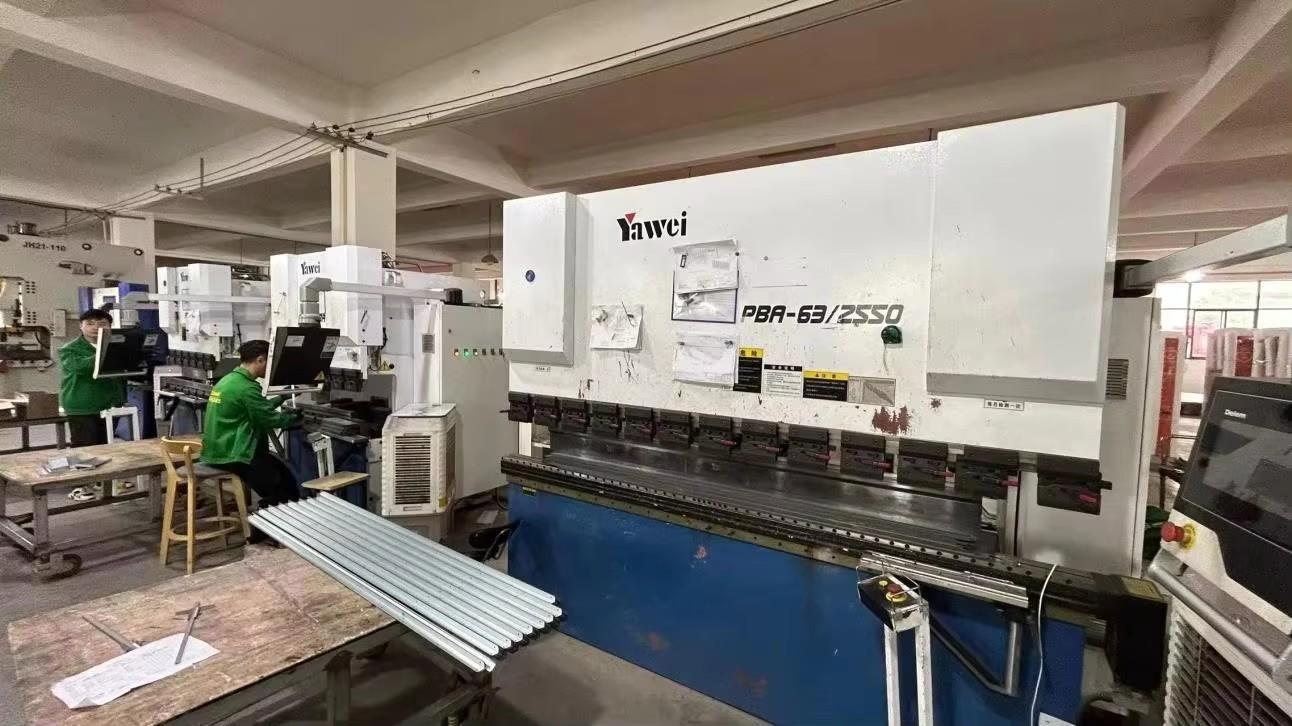
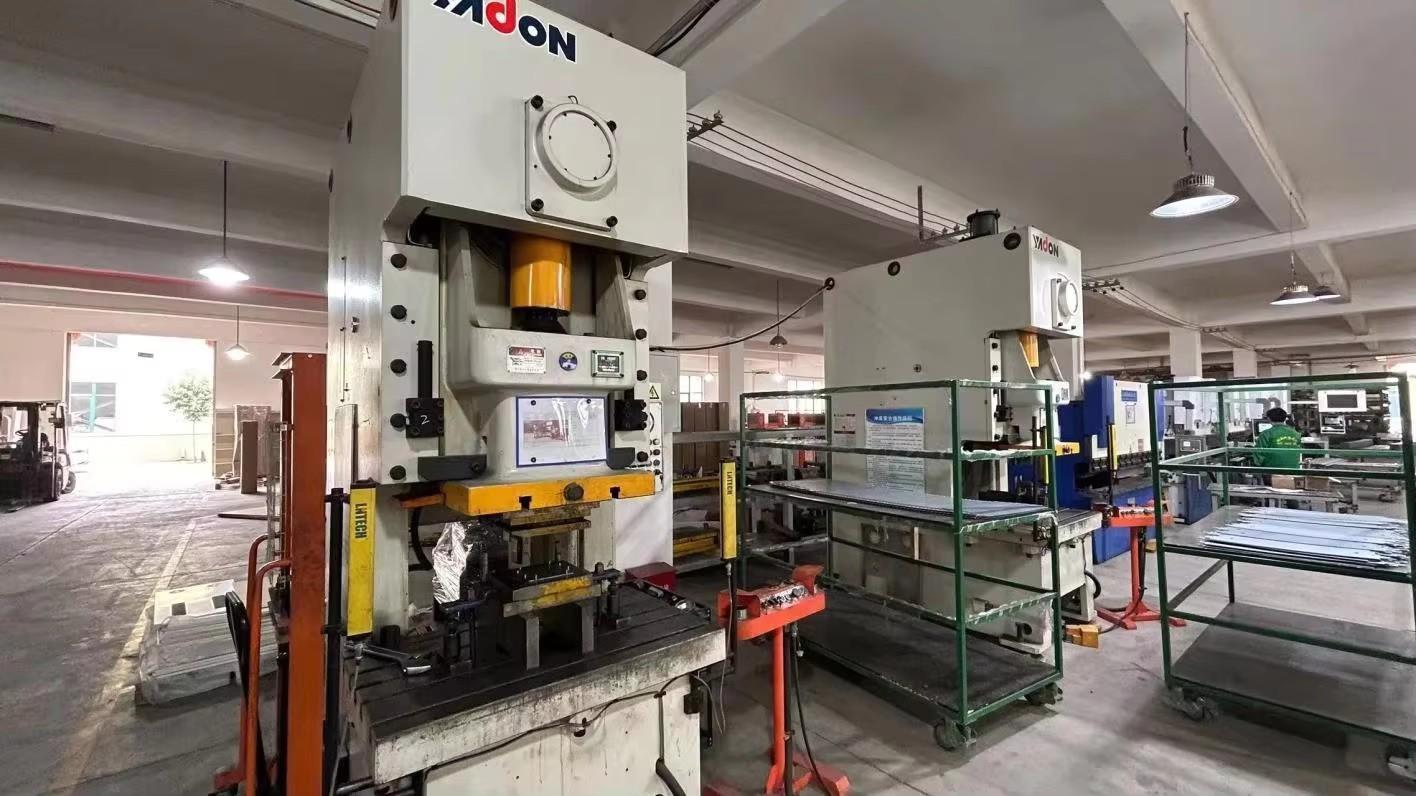
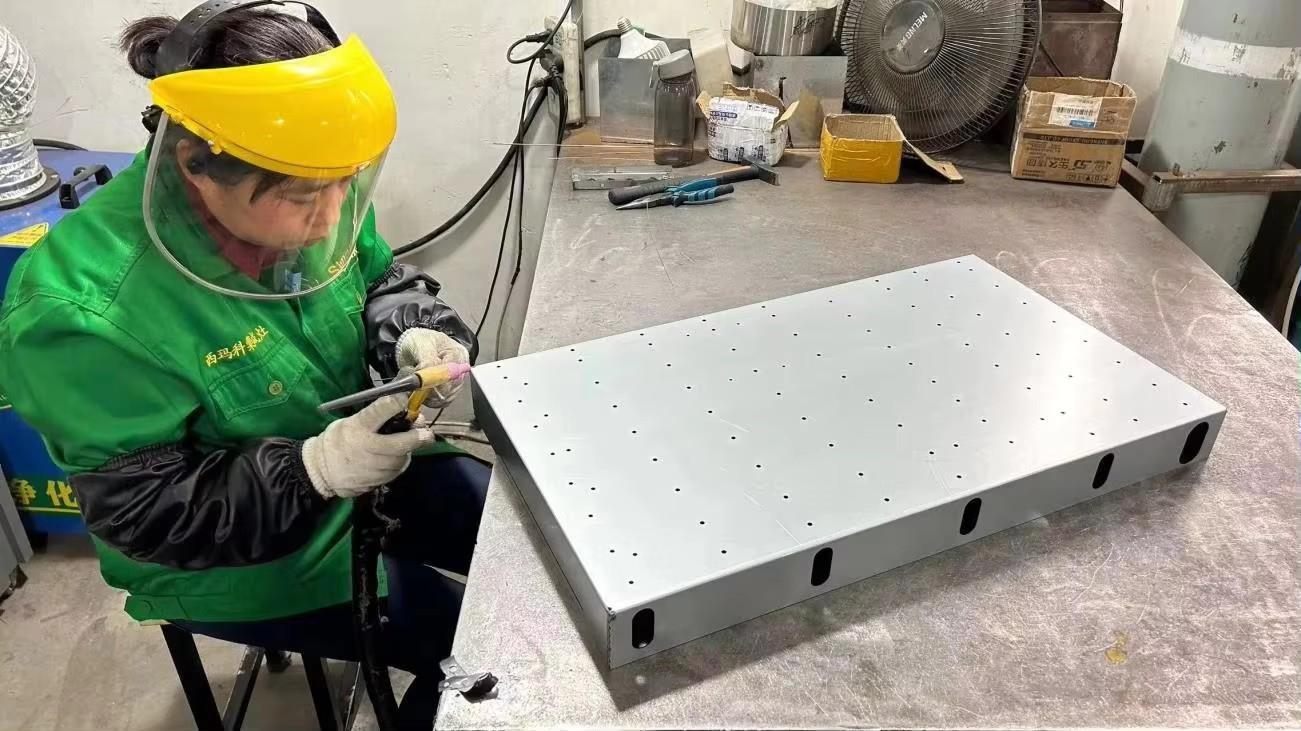
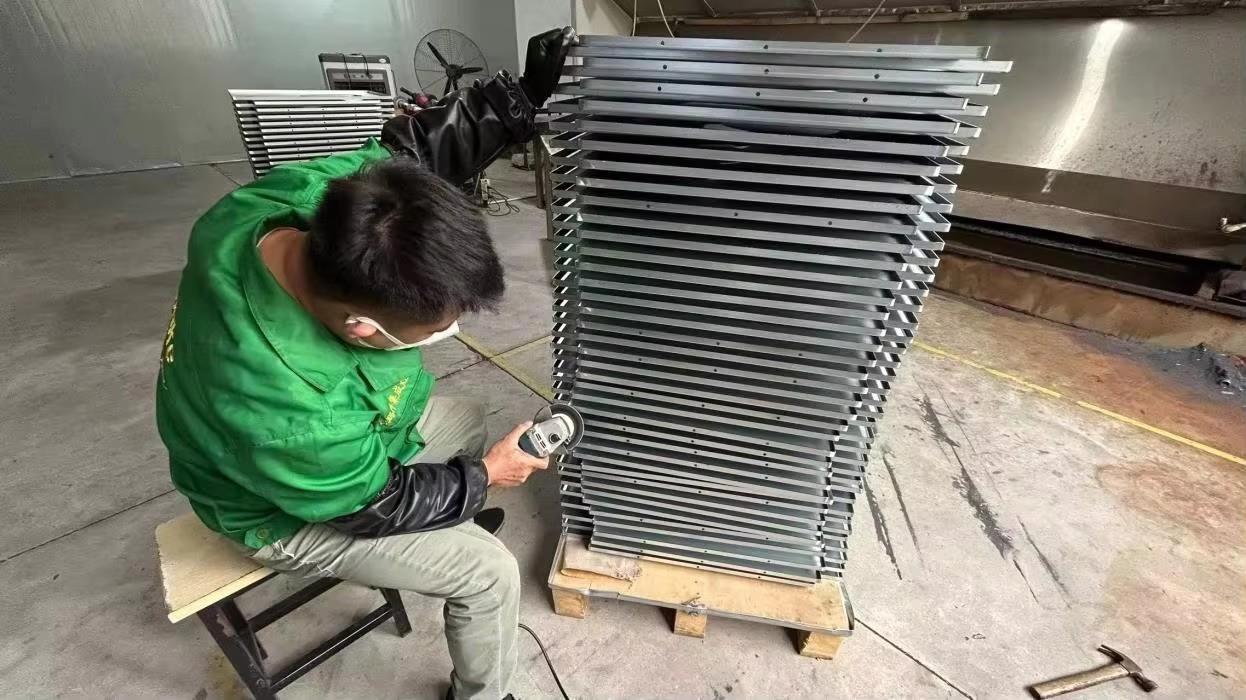
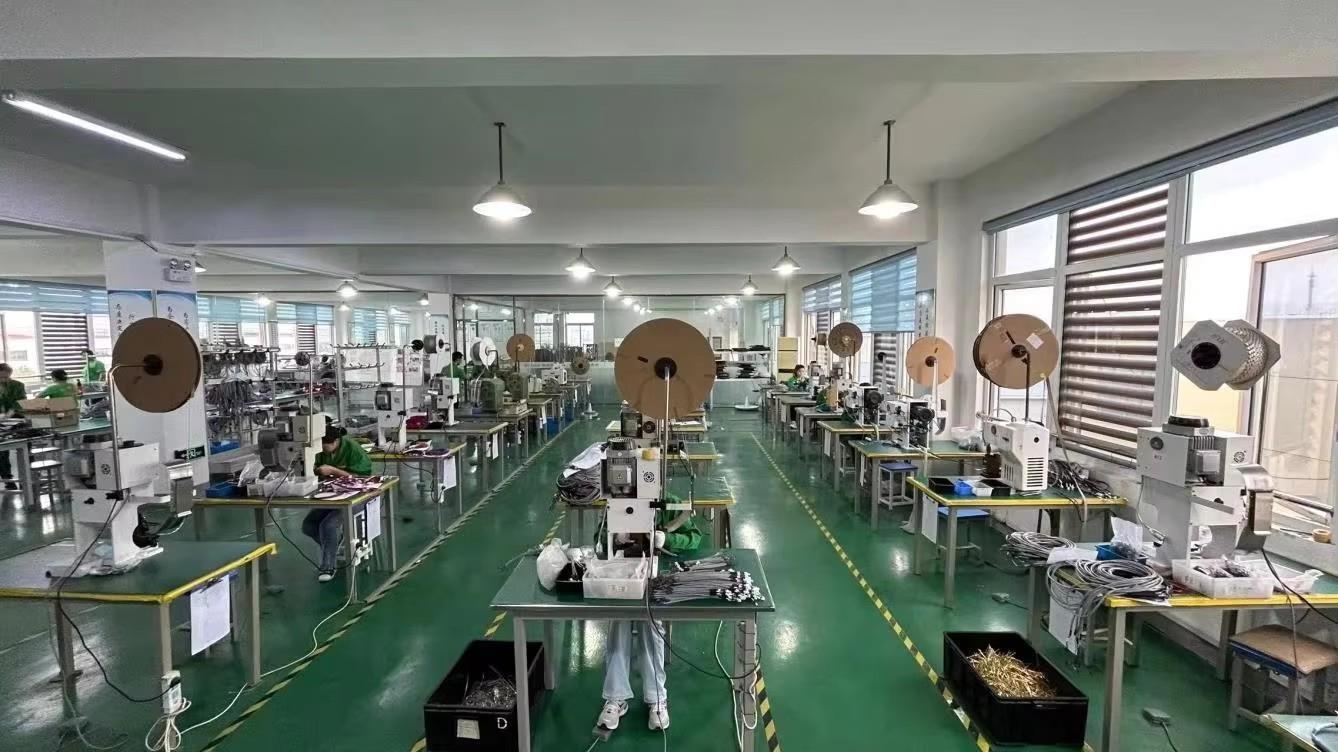
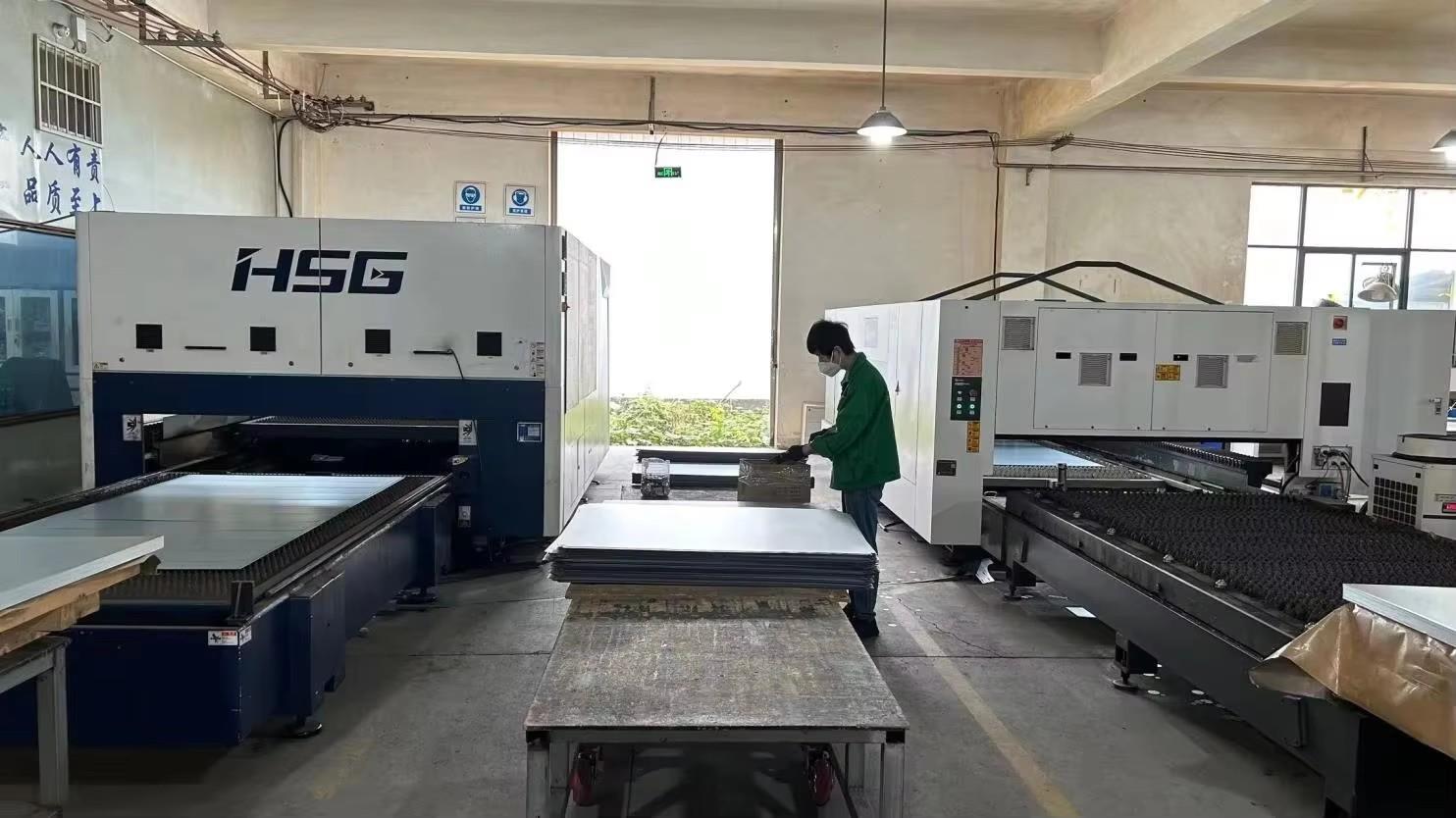
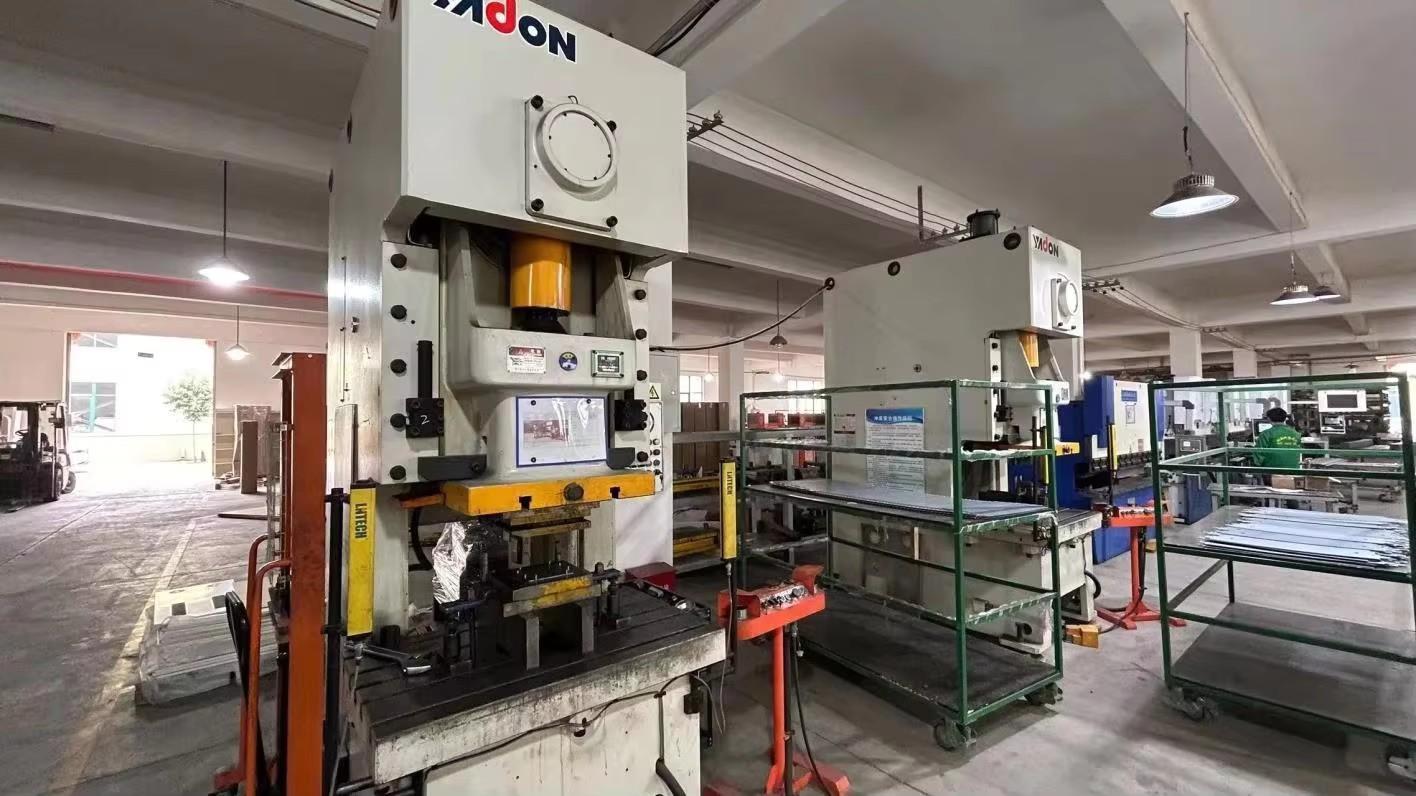
Our manufacturing line integrates high-precision machinery and rigorous testing protocols to ensure that all exported products comply with ISO 9001, CE, TUV, and UL certificates. Our step-by-step assembly, cutting, bending, and quality assurance workflows are highlighted below:
Geographical location dictates the engineering requirements of a grid-tied installation. Environmental parameters, solar irradiance patterns, localized grid stability, and local utility regulations shape the system's overall topology. We provide customized, macro-level adaptations engineered for distinct regional applications:
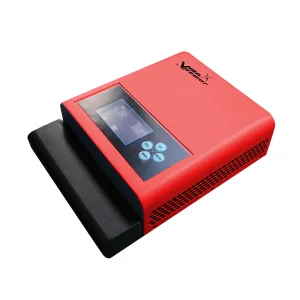
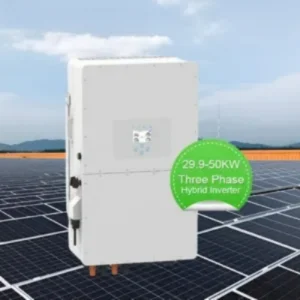
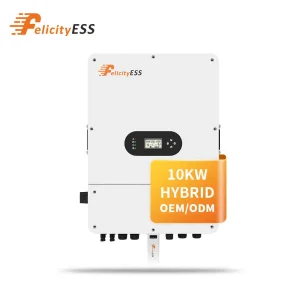
In highly regulated markets like the US and the European Union, grid compliance and fire safety codes are non-negotiable. Interconnections require systems to integrate strict *rapid shutdown* devices at the module level (compliant with NEC 2017/2020) to eliminate high-voltage DC hazards during emergencies. For these markets, our micro-inverters and smart single-phase/three-phase hybrid inverters (such as the Solis and Deye ranges) offer integrated Arc Fault Circuit Interrupter (AFCI) protection and native Modbus connectivity. These units interface smoothly with localized utilities while satisfying zero-export conditions when local grids do not support back-feeding.
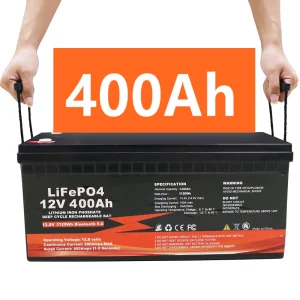
For rapid industrial zones across Latin America, optimizing operational costs remains the highest priority. Energy price volatility makes grid-tied systems with integrated battery storage highly competitive. By deploying high-voltage LFP storage container solutions (e.g., 100kWh to 200kWh architectures up to 1MWh/2MWh configurations), industrial facilities can stabilize raw voltage drops, secure back-up power during rolling blackouts, and store clean solar power to bypass high tariffs during peak periods.
High ambient temperatures and heavy dust deposition present distinct engineering hurdles. Silicon panels lose efficiency as temperatures climb (governed by the temperature coefficient of Pmax). Under these conditions, N-type TOPCon panels paired with smart active-cooled MPPT charge controllers and IP65 dust-proof hybrid inverters ensure optimal yields. In regions where utility grids are unstable or weak, we design modular hybrid microgrids that leverage high-frequency hybrid inverters to shift seamlessly between grid-tied operation, battery back-up, and local diesel generator controls.
Gain a deeper insight into system integration, regulatory criteria, and economic parameters with these comprehensive, expert-level analyses.
Grid-following (GFL) inverters represent the standard configuration in most commercial grid-tied systems. They rely on an active external reference voltage and frequency from the utility grid to synchronize their output. Using phase-locked loops (PLL), GFL inverters inject current into the grid matching the existing voltage waveform.
In contrast, grid-forming (GFM) inverters behave as voltage sources. They control their internal voltage phase angle and amplitude to actively regulate the local grid's voltage and frequency. This capability allows systems to establish standalone microgrids, stabilize weak local grids, and integrate larger shares of renewable energy without causing voltage collapse.
Low-voltage (typically 48V to 96V) storage systems require extremely heavy, thick cabling to handle the high currents needed for large industrial loads. This increases installation complexity, system footprint, and thermal losses.
High-voltage (HV) systems (operating between 400V and 1000V DC) require significantly lower current to deliver the same electrical power (P = V × I). The lower current reduces resistance losses (I²R), lowering operating temperatures and extending battery lifecycle. Higher voltage matches the DC bus voltage of commercial solar inverters, removing the need for lossy voltage-conversion steps and maximizing overall round-trip efficiency (RTE) up to 95-98%.
Exporting grid-tied equipment requires compliance with various regional electrical codes:
Our manufacturing process incorporates testing to meet these standards, guaranteeing smooth customs clearance and compliant local commissioning.
Solar panels are rated at a Standard Test Condition (STC) temperature of 25°C. As the operating temperature of the cell increases, its open-circuit voltage decreases, reducing the overall power output. This reduction rate is determined by the module's *temperature coefficient of Pmax*.
Traditional P-type cells exhibit temperature coefficients of -0.38% to -0.42% per °C. In contrast, N-type TOPCon and HJT cells achieve coefficients of -0.30% to -0.34% per °C. In high-ambient environments like the Middle East or Africa, N-type modules preserve more of their rated power, delivering higher energy yields compared to older technologies.
In regions without net metering framework or where back-feeding utility grids is prohibited, zero-export controls are essential. The system monitors real-time building demand using current transformers (CTs) installed at the main grid connection point.
This data is sent directly to the grid-tied inverter's controller. If the solar array generates more power than the facility currently consumes, the controller dynamically limits the inverter's output (using MPPT modulation) to match the internal building load in real-time. This prevents any surplus energy from feeding back into the public grid, preventing utility penalties.
 Luzz Solar