Top China MPPT Charge Controllers Manufacturers & Manufacturer

Global Industrial-Grade Solar Power Infrastructure, Intelligent Max Power Point Tracking Systems & LiFePO4 Energy Storage Integration

1. B2B Procurement Strategy for High-Performance MPPT Charge Controllers

In the rapidly scaling global renewable energy matrix, selecting the correct Maximum Power Point Tracking (MPPT) charge controller is critical to maximizing Levelized Cost of Energy (LCOE) efficiency. Industrial procurement professionals no longer evaluate MPPT technology strictly on upfront capital expenditure (CAPEX). Instead, modern engineering procurement focuses on long-term operational resilience, conversion efficiency curves across partial shading scenarios, and complex thermal derating metrics.

China has emerged as the definitive global manufacturing hub for solar control systems, leading in power electronics integration and cost efficiency. When reviewing Tier-1 Chinese MPPT controller manufacturers, procurement directors must evaluate key technical indicators:

99.8%
Tracking Efficiency
>98.5%
Peak Conversion
IP67
Ingress Protection
15+ Yrs
Operational Lifespan

Beyond peak performance data, the reliability of the controller's communication interfaces—specifically Modbus-RTU over RS485 or CAN bus protocols—is essential. As solar infrastructure integrates with commercial and industrial (C&I) Energy Storage Systems (ESS), charge controllers must communicate seamlessly with advanced Battery Management Systems (BMS). This ensures optimal performance for diverse battery chemistries, including LiFePO4, lead-acid, and emerging sodium-ion technologies.

Strategic Procurement Insight: Modern MPPT systems must deliver at least 99.8% dynamic tracking efficiency under rapid cloud-transit conditions to minimize systemic mismatches and maximize return on investment (ROI).

2. Macro-Industrial Solutions: Solar Control Across Complex Environments

Industrial PV installations face highly diverse environmental stresses. These range from high-salinity marine environments in coastal regions to extreme thermal cycling in high-altitude desert settings. High-capacity MPPT charge controllers serve as the primary power processing unit, stabilizing erratic PV generation and converting it into steady DC power for direct usage or battery storage.

Key applications of these systems include:

  • Telecommunications & Remote Infrastructure: Unattended base transceiver stations (BTS) rely on MPPT controllers to manage off-grid solar inputs, ensuring uninterruptible power supply (UPS) operations under extreme weather conditions.
  • Agricultural Microgrids & Solar Pumping: Solar pumping systems require specialized dynamic MPPT algorithms capable of adapting to sudden changes in solar irradiance while starting highly inductive motor loads without causing system trips.
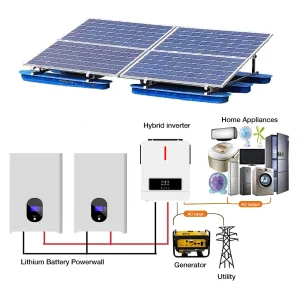
  • Hybrid C&I Off-Grid Microgrids: Combining PV arrays with wind turbines, diesel generators, and heavy-duty battery banks requires smart controllers with multi-port energy management systems (EMS) to optimize fuel efficiency and balance battery cycles.

3. Technical Roadmap & Future Engineering Architecture

The solar power electronics industry is transitioning toward wide-bandgap (WBG) semiconductors, such as Silicon Carbide (SiC) and Gallium Nitride (GaN). Integrating SiC and GaN into MPPT buck-boost converter topologies enables significantly higher switching frequencies. This reduces the physical footprint of magnetic components (inductors and transformers) while keeping thermal losses to a minimum.

Phase 1: Present Tech
Silicon MOSFETs & Multi-Peak Tracking: Dynamic Perturb and Observe (P&O) algorithms designed to locate the true global maximum power point during partial shading, preventing the controller from locking onto false local peaks.
Phase 2: Emerging Integration
Silicon Carbide (SiC) Topologies & Bidirectional DC-DC: Transitioning to high-frequency SiC components to reduce thermal output, boost power density, and enable bidirectional charging configurations for advanced microgrid applications.
Phase 3: The AI Horizon
AI-Driven Predictive Tracking & Edge Analytics: Integrating machine learning models directly into the controller's DSP (Digital Signal Processor). These models predict solar irradiance patterns using historical data and local weather feeds, optimizing output efficiency in real-time.

4. Inside Qingdao Luzz Solar Co., Ltd. - Manufacturing & Quality Operations

Qingdao Luzz Solar Co., Ltd.

Qingdao Luzz Solar Co., Ltd. is a professional new energy enterprise specializing in the development, manufacturing, and global distribution of photovoltaic (PV) products and integrated energy storage solutions. Located in Qingdao, China, the company benefits from a well-established renewable energy industrial base and advanced manufacturing capabilities.

With the accelerating global transition toward carbon neutrality and sustainable development, Luzz Solar is committed to providing efficient, reliable, and cost-effective clean energy solutions to customers worldwide. Our product portfolio includes high-efficiency solar photovoltaic modules, energy storage systems, and integrated solar application solutions designed for residential, commercial, and utility-scale projects.

Driven by technological innovation and quality excellence, the company continuously invests in R&D and production optimization to improve product performance, energy conversion efficiency, and system reliability. We strictly adhere to international quality standards and implement rigorous quality control throughout the entire production process to ensure stable and long-term product performance.

Qingdao Luzz Solar actively expands its global market presence, with business coverage across Asia, Europe, the Middle East, Africa, and Latin America. By working closely with international partners, we are committed to delivering tailored energy solutions that meet diverse regional needs and support the global energy transition.

Guided by the core values of integrity, innovation, cooperation, and sustainability, Luzz Solar strives to become a trusted global partner in the new energy industry. We are dedicated to advancing solar technology and contributing to a greener, more sustainable future.
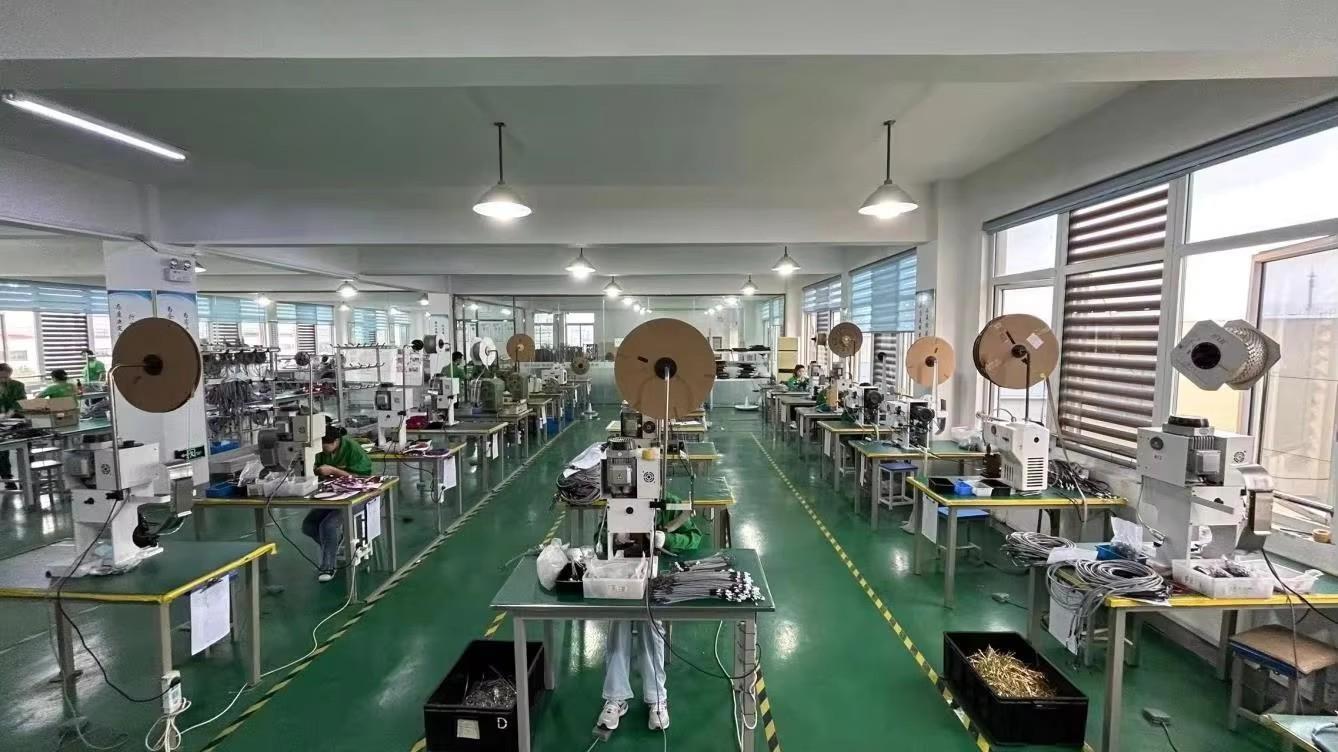
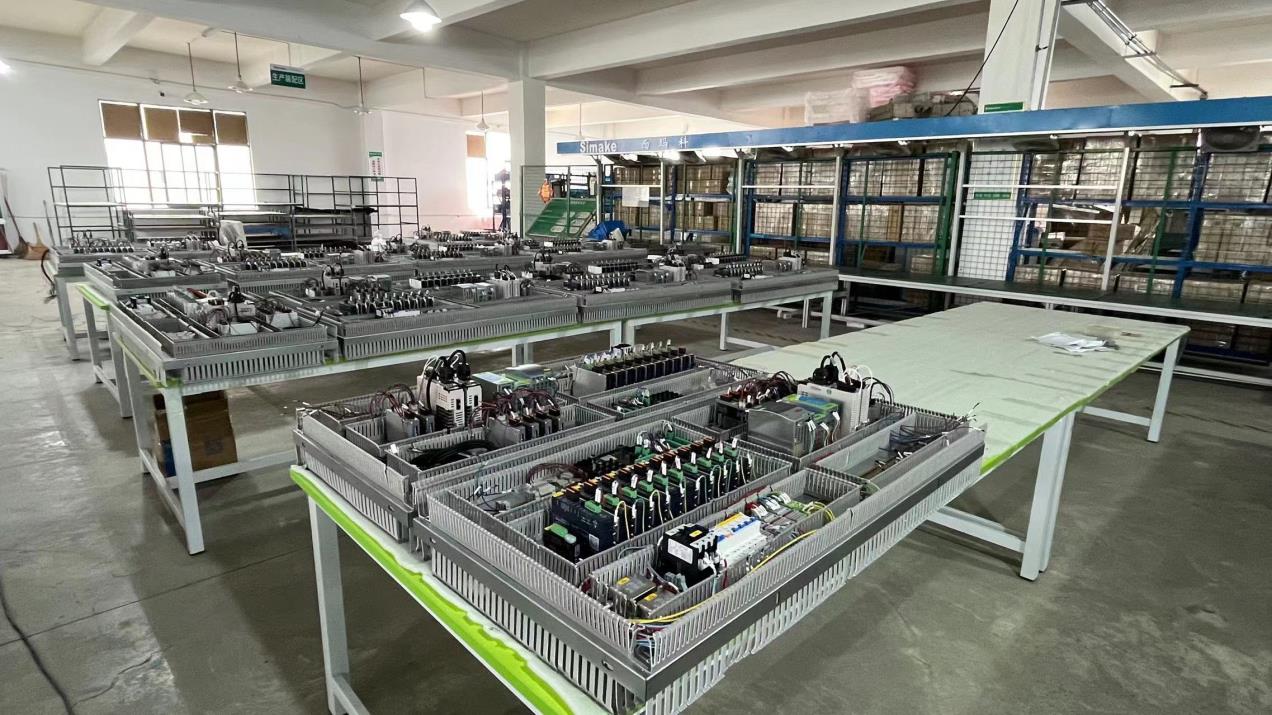
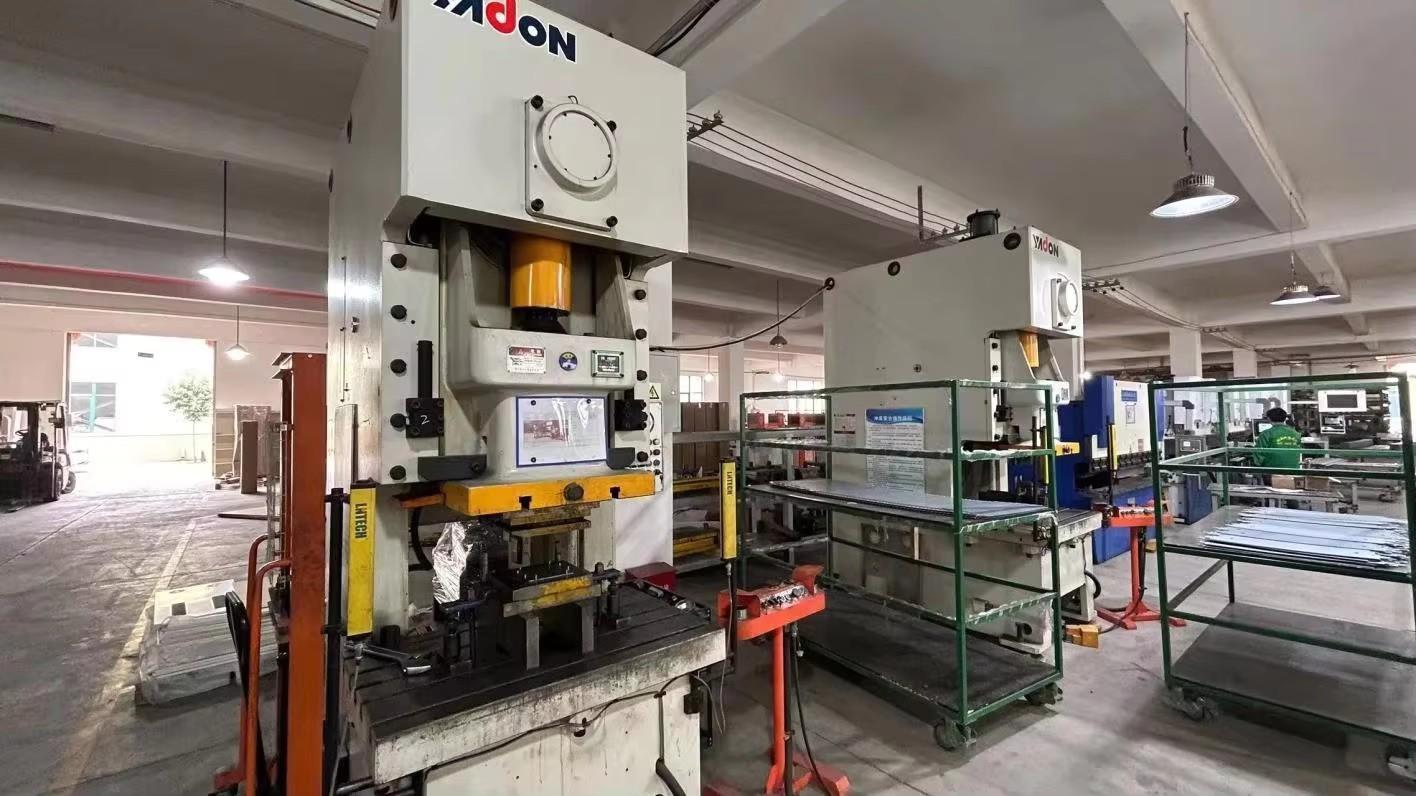
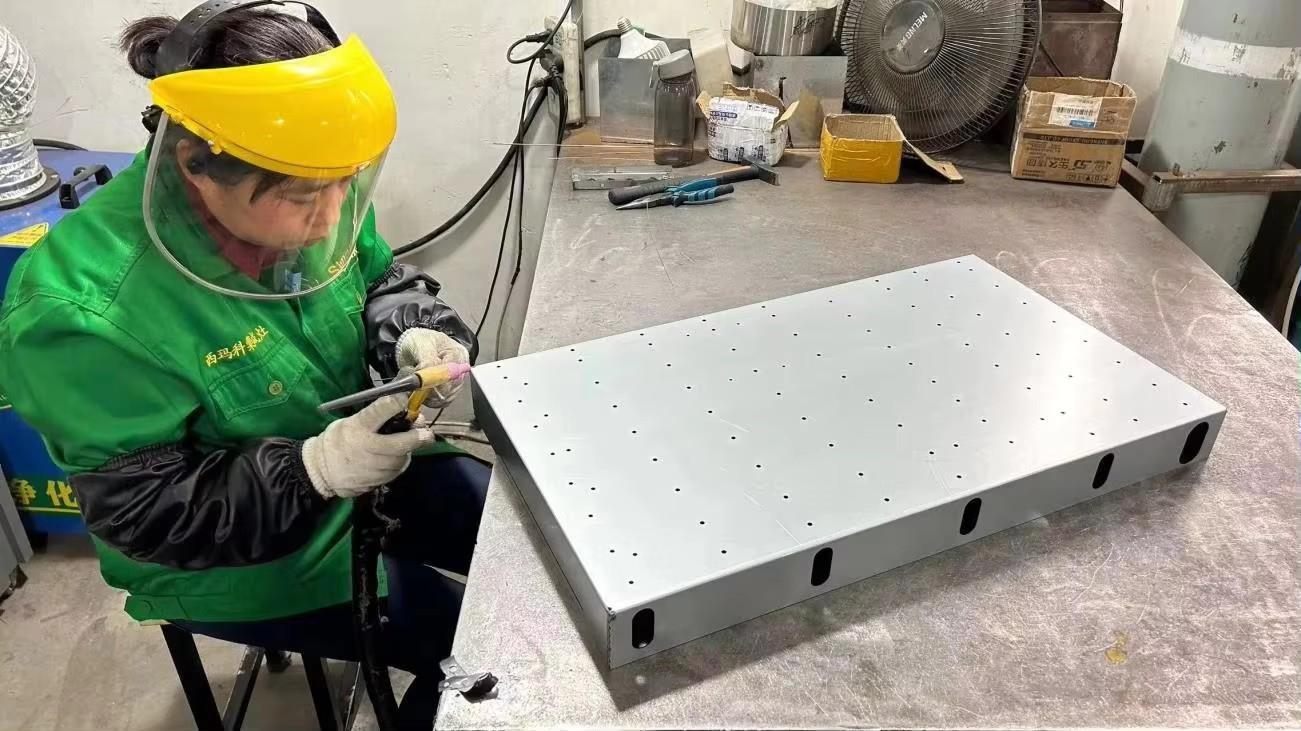
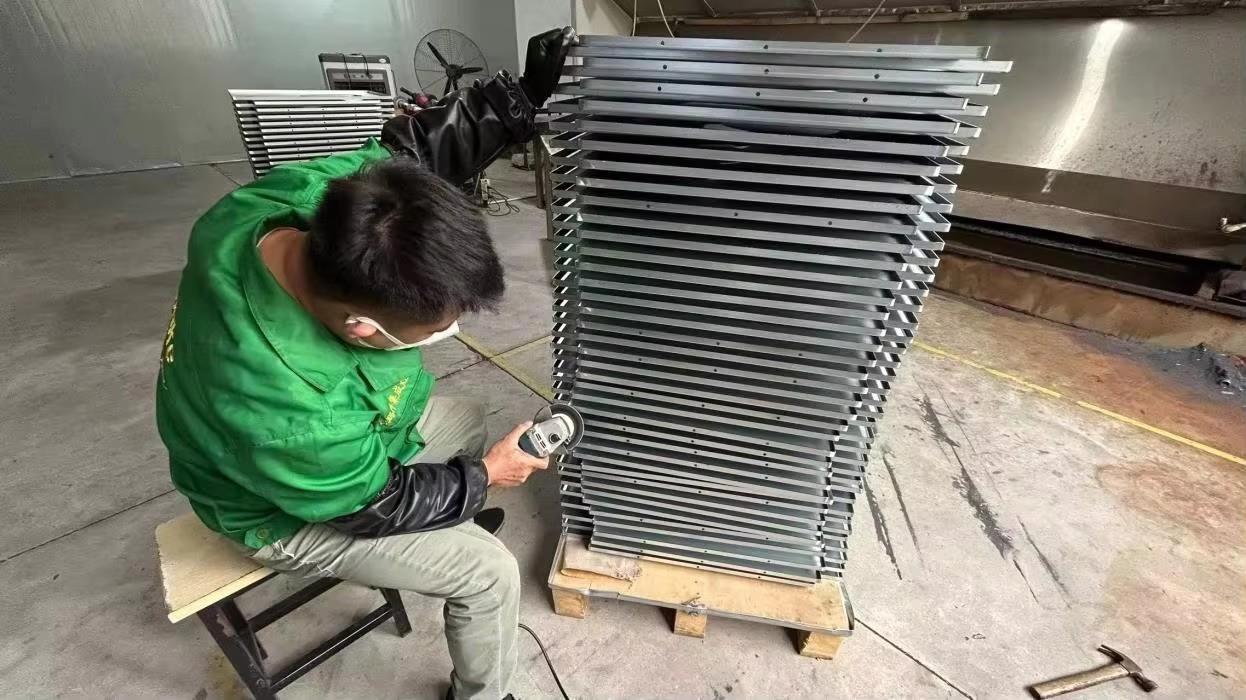
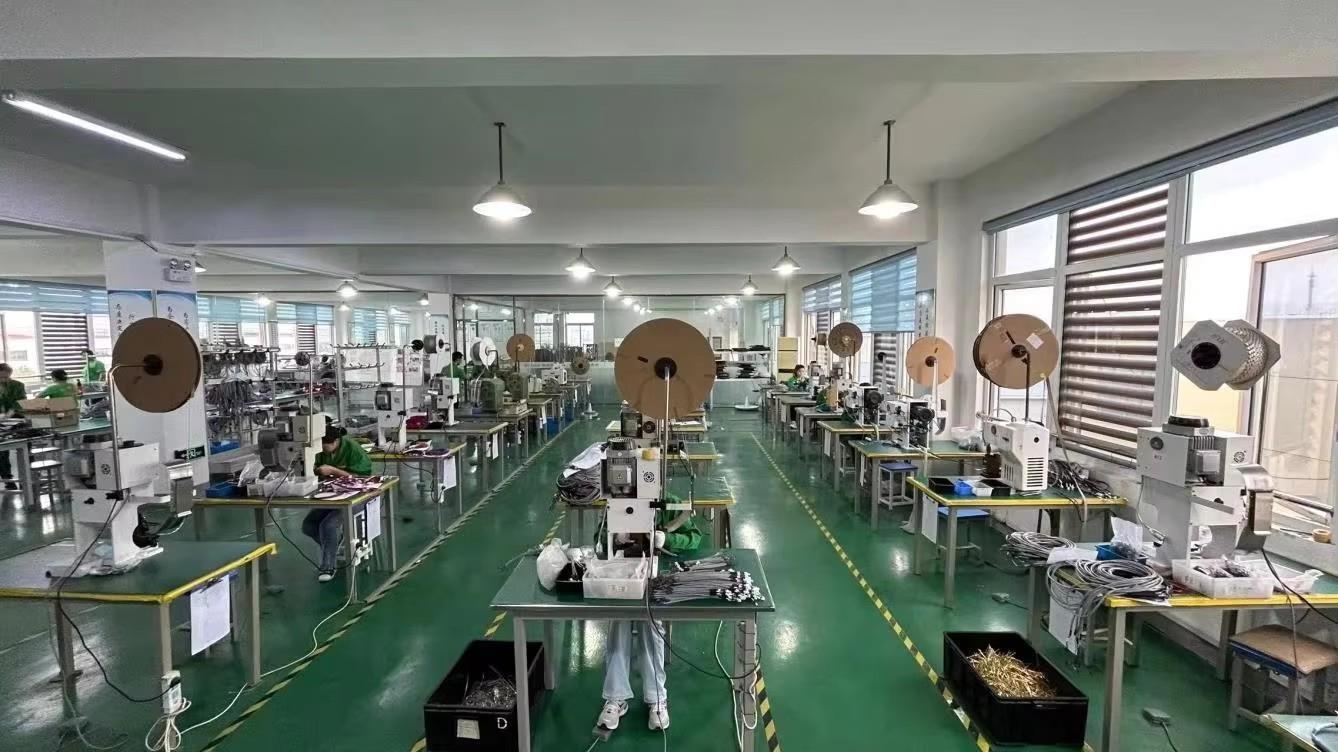
Standardized Manufacturing Process & Facilities

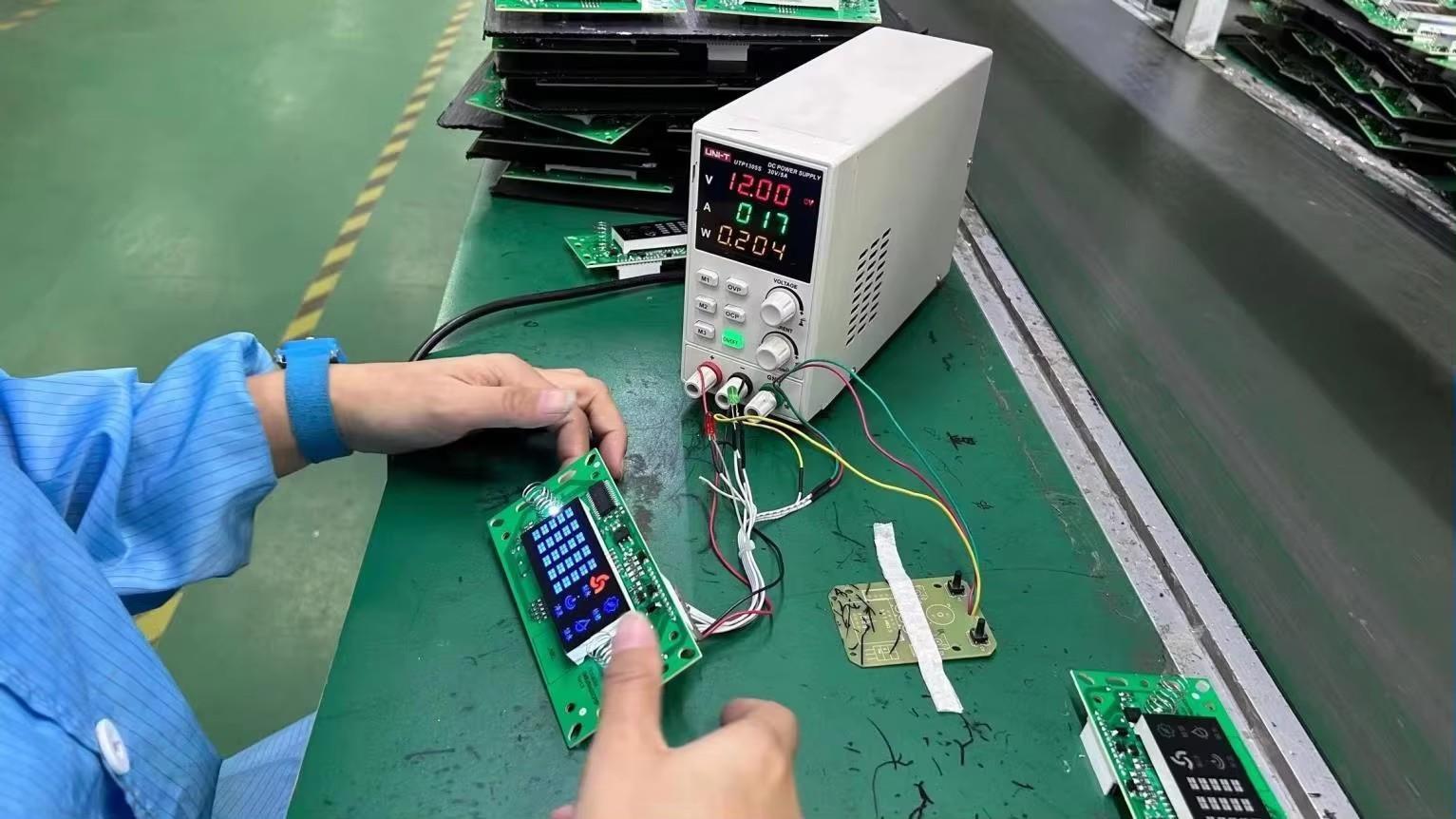
wiring harness
wiring harness
Assembly
Assembly
Detection
Detection
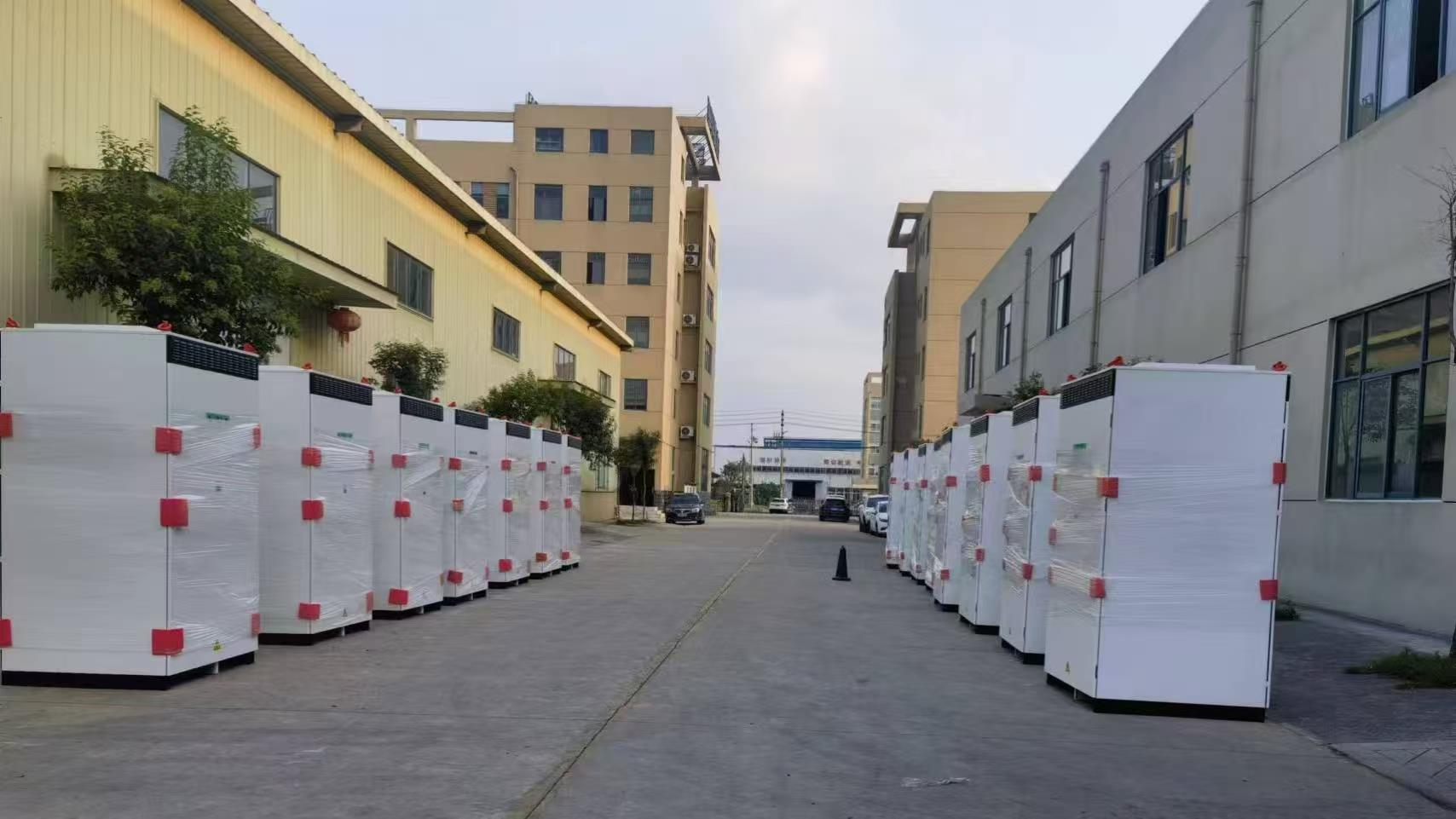
packing
packing
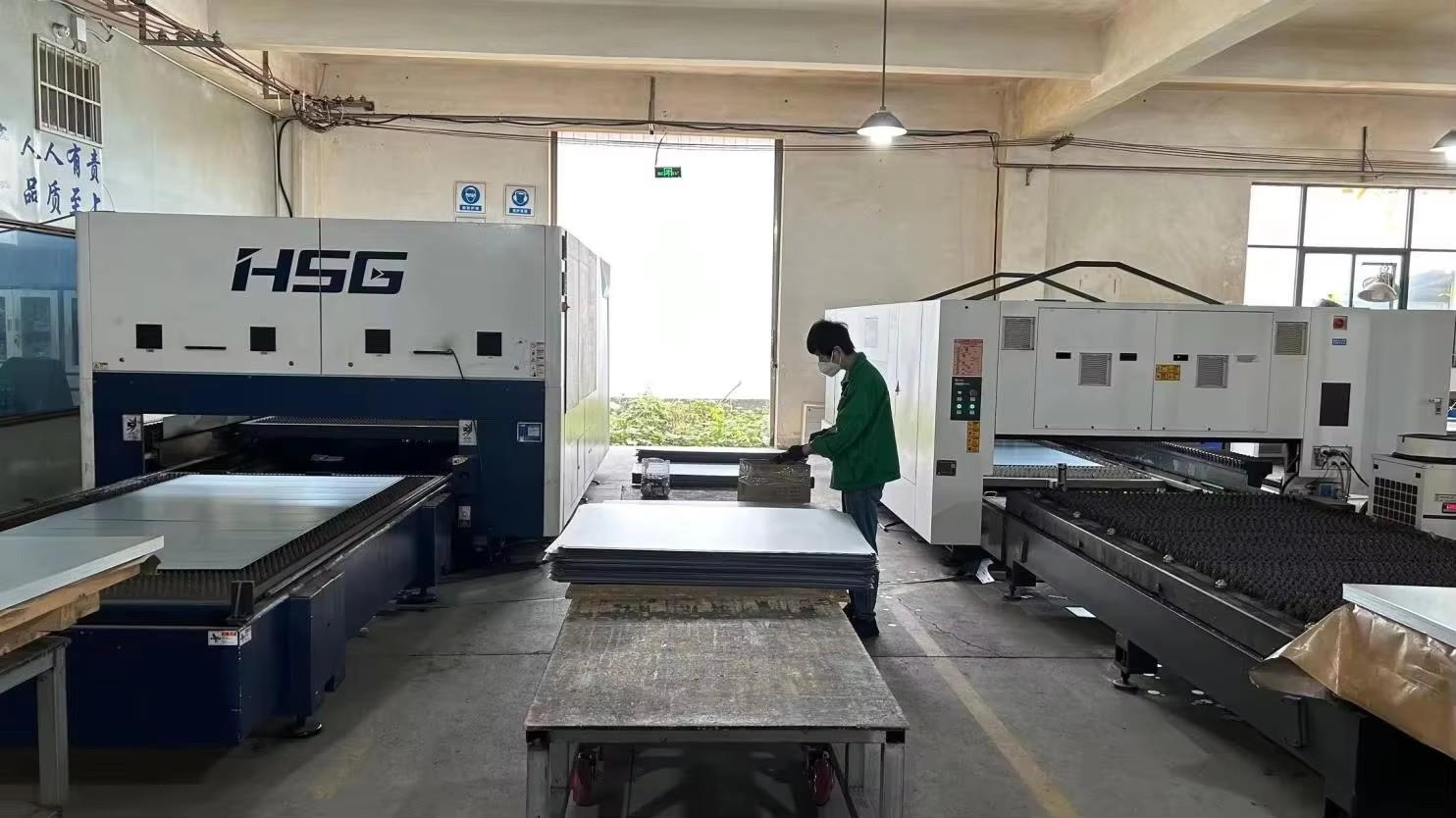
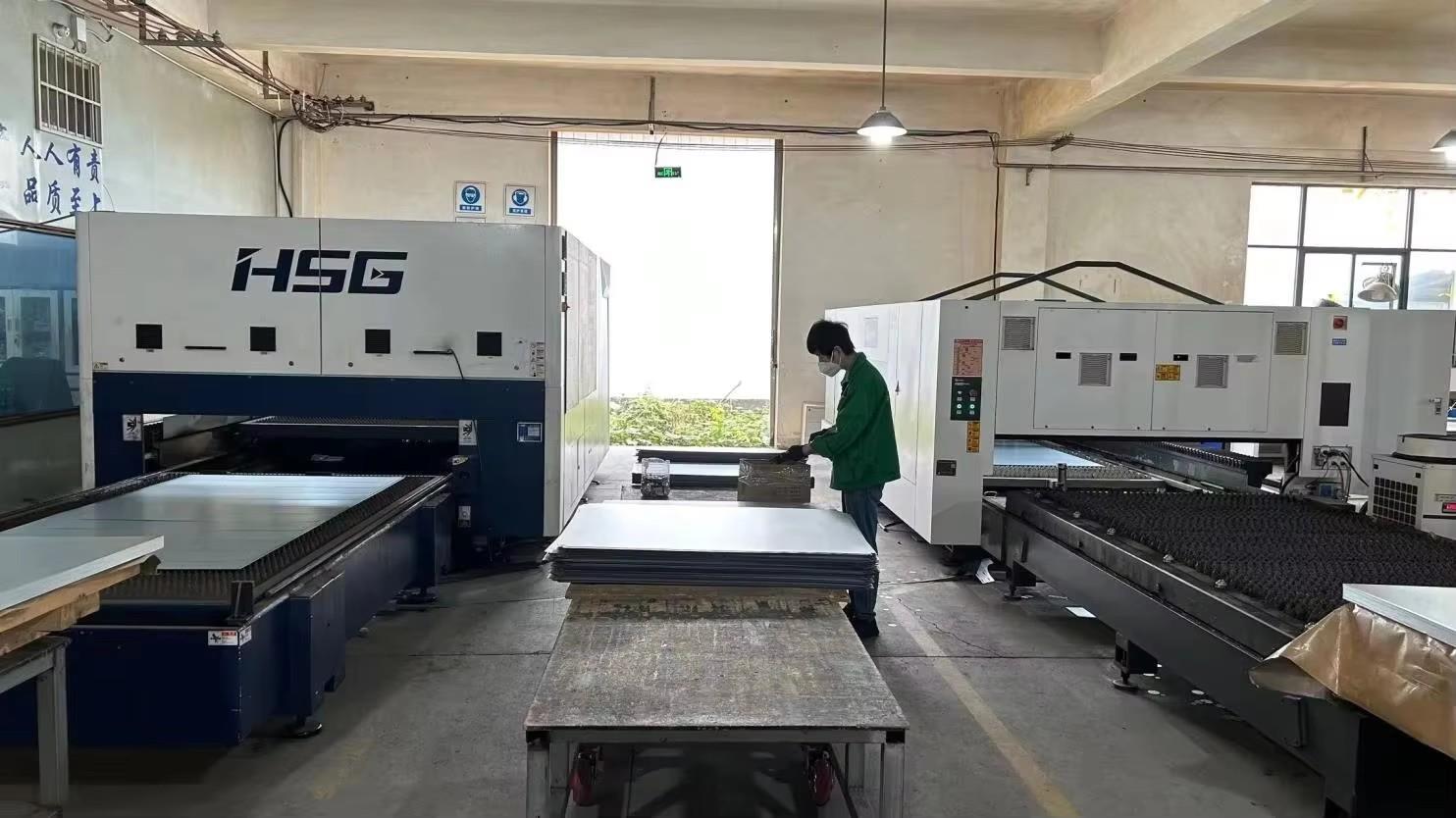
Cutting
Cutting
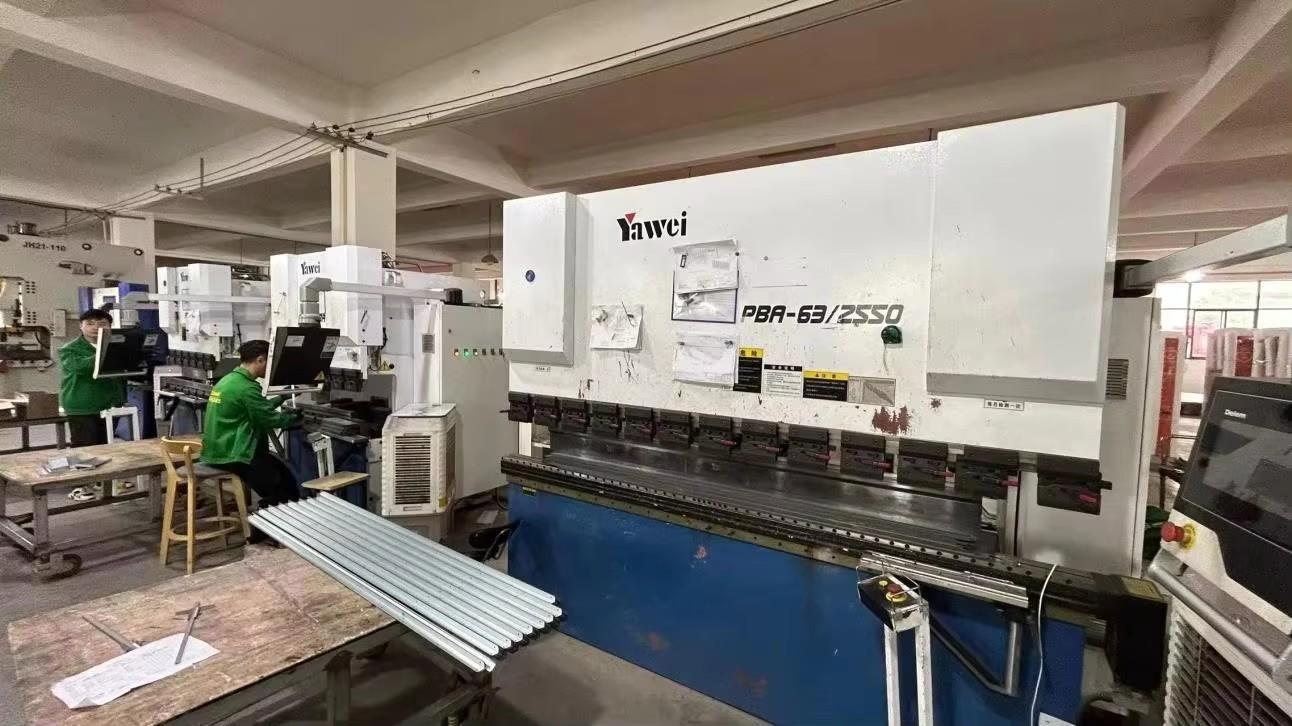
Bending
Bending
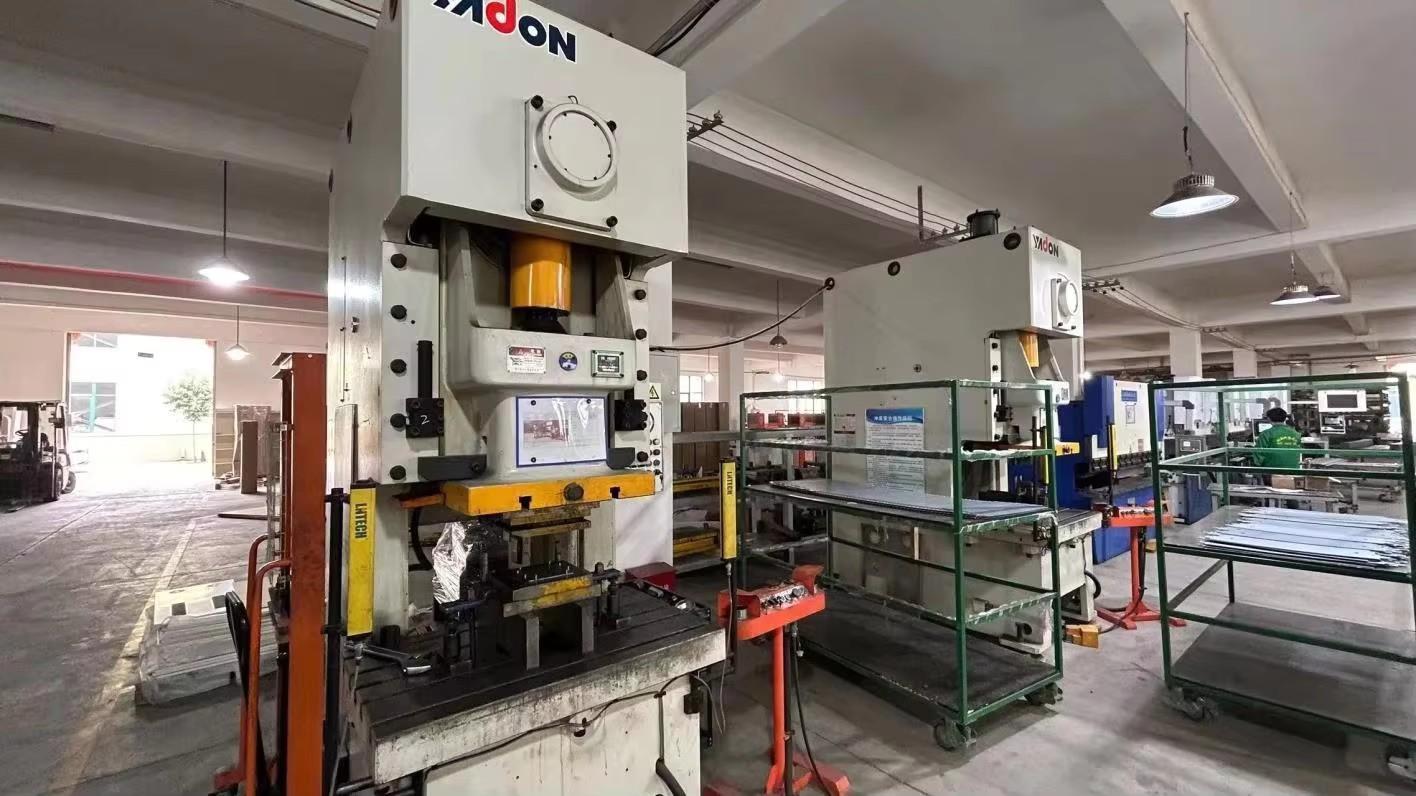
Stamping
Stamping
Welding
Welding
Grinding
Grinding
Silent Terminal Machine
Laser Welding Machine
Stamping Machine
Stamping Machine

5. Compliance Frameworks, Grid Standards & Supply Chain Localization

Exporting industrial solar equipment to markets in the European Union, North America, and Australia requires strict adherence to international electrical safety and electromagnetic standards. Power electronics must operate safely without introducing disruptive harmonics to local grids or nearby communication systems.

Essential certifications and compliance standards for global deployment include:

  • IEC 62109-1 & IEC 62109-2: Critical safety standards for power converters utilized in photovoltaic power systems, defining insulation, thermal, and mechanical risk parameters.
  • EN 61000-6-2 / EN 61000-6-4: Electromagnetic compatibility (EMC) standards that verify industrial immunity and emission performance in electrically noisy environments.
  • UL 1741 & CSA C22.2 No. 107.1: Required certifications for commercial grid integration within North American markets, validating grid-interconnection safety and islanding prevention.
  • RoHS & REACH: Compliance frameworks verifying that assemblies are free of restricted hazardous substances, ensuring environmentally safe recycling at end-of-life.

To minimize lead times and avoid international shipping delays, Luzz Solar has established robust local warehousing and distribution hubs in major European and US logistics centers. This localization strategy ensures rapid supply of essential LiFePO4 battery modules, solar system accessories, and spare parts, drastically reducing downtime for critical infrastructure.
6. Technical FAQ: Deep-Dive Industry Insights for Engineering Teams

What are the main advantages of an MPPT controller over a standard PWM controller in large-scale installations?
Unlike PWM controllers, which pulse-width modulate solar panel output to battery voltage, MPPT controllers continuously monitor the current-voltage (I-V) curve of the solar array. This allows them to adjust the operating voltage to capture peak power, delivering 15% to 30% higher energy harvesting efficiency. This makes MPPT controllers essential for utility-scale and commercial projects.
How do MPPT charge controllers handle dynamic changes during partial shading?
Partial shading creates multiple peaks on the P-V curve of a solar array. Standard controllers can get stuck on a lower local peak, significantly reducing efficiency. Advanced MPPT controllers use smart sweep tracking algorithms to periodically sweep the entire range to locate the global maximum power point, ensuring optimal power output even under complex shade.
Why is communications compatibility (such as CAN bus and Modbus) critical for modern battery integration?
To charge lithium batteries safely and efficiently, the charge controller must communicate with the Battery Management System (BMS) in real time. Standard protocols like CAN bus and Modbus allow the BMS to dynamically set charging current and voltage based on cell temperatures and states of charge, preventing overcharging and extending battery life.
How does ambient temperature affect the rating and performance of solar controllers?
High temperatures increase internal switching losses, causing solar controllers to derate their output power to protect internal components. Premium MPPT controllers are designed with advanced heat sinks, thermal interface materials, and active cooling to maintain full rated output at higher ambient temperatures.
Can these controllers be integrated into existing hybrid configurations with diesel generators?
Yes, industrial-grade MPPT controllers feature programmable auxiliary ports and dry contact relays. This allows them to integrate into hybrid systems, sending start/stop signals to backup diesel generators when battery voltage drops below a specified threshold, maintaining system reliability.