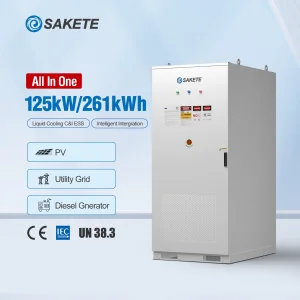
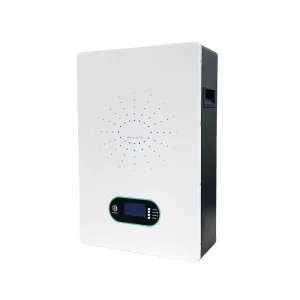
High-efficiency conversion components, integrated battery system nodes, and enterprise scale balance-of-system solutions.
Strategic deployment patterns, conversion topology requirements, and grid dynamic integration at scale.
Modern commercial grids require extreme compliance to local frequency and voltage regulations. Modern solar power inverters must dynamically adapt to transient spikes and dips, offering active and reactive power support (VAR control) that prevents micro-grid drops and stabilizes larger utility architectures.
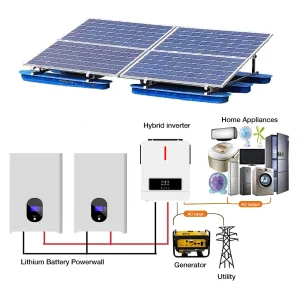
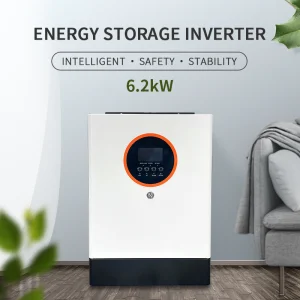
For industrial consumers, integrating high-capacity hybrid solar inverters with automated battery dispatch algorithms mitigates expensive Peak Demand charges. Modern solar inversion hardware acts as the traffic controller, balancing incoming PV panels, battery chemistry reservoirs, and utility power flows in real time.
Utility-scale projects are increasingly situated in remote areas characterized by harsh conditions, such as high-altitude high-UV deserts, maritime salinized zones, and tropical environments. Our design focus uses advanced materials and thermal isolated topologies (IP65 protection classes) to ensure long product lifespans.
Why domestic high-performance assembly infrastructures outperform global competitors in scalability, precision, and velocity.
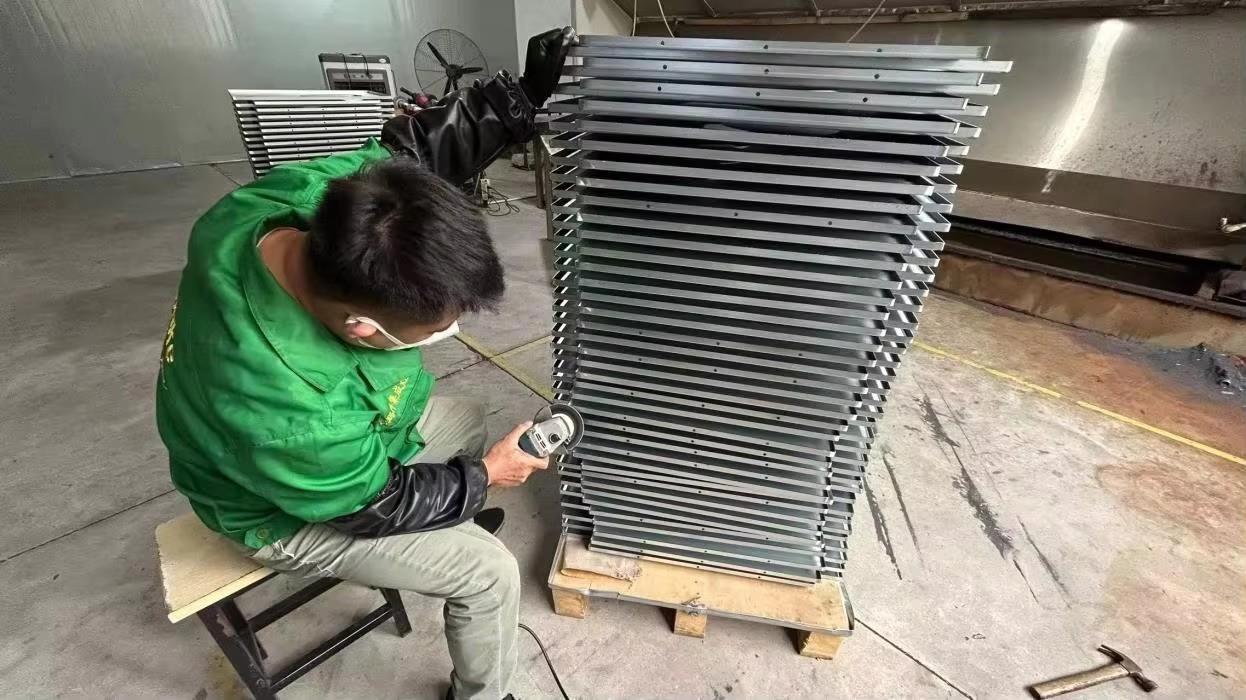
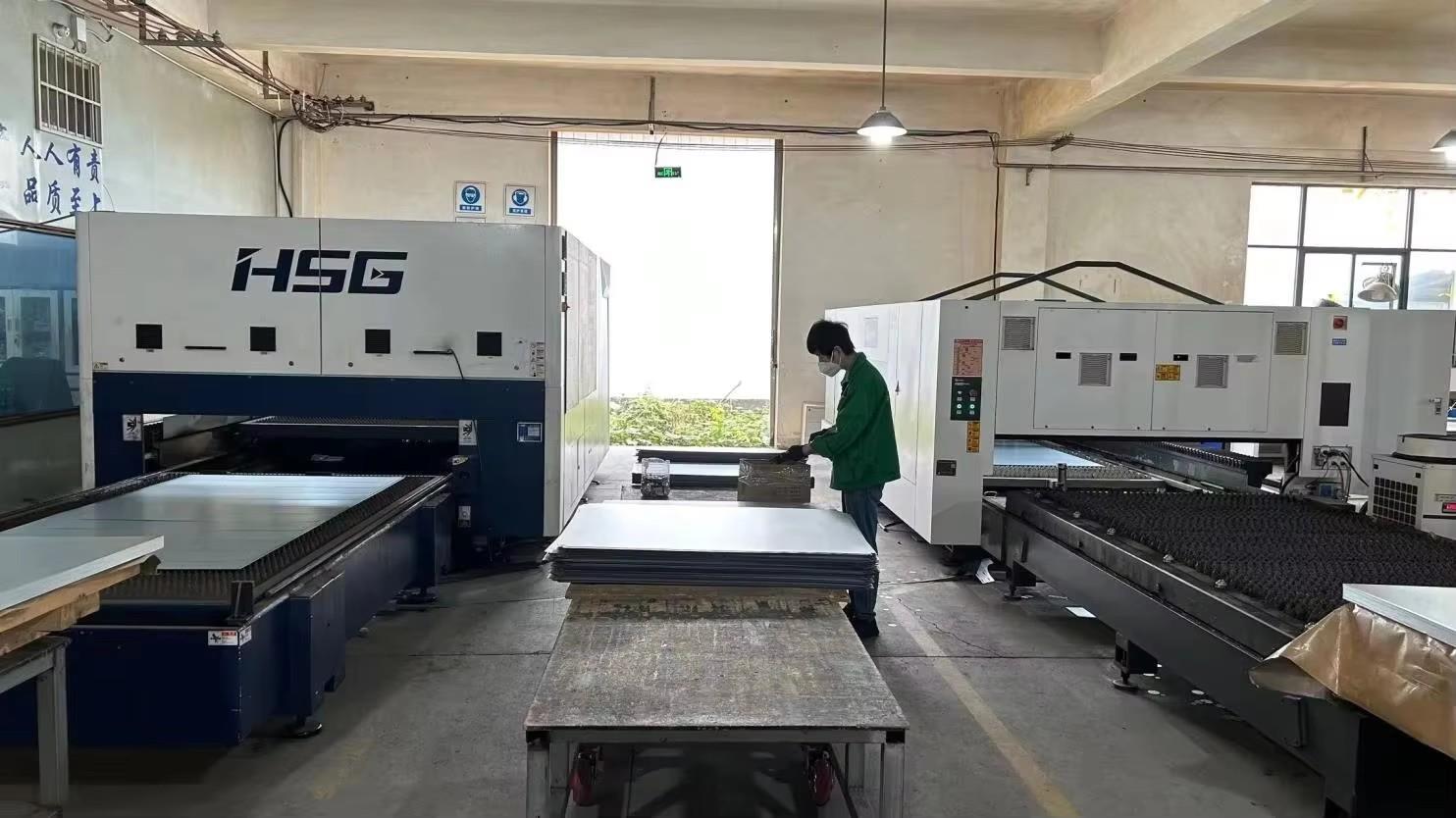
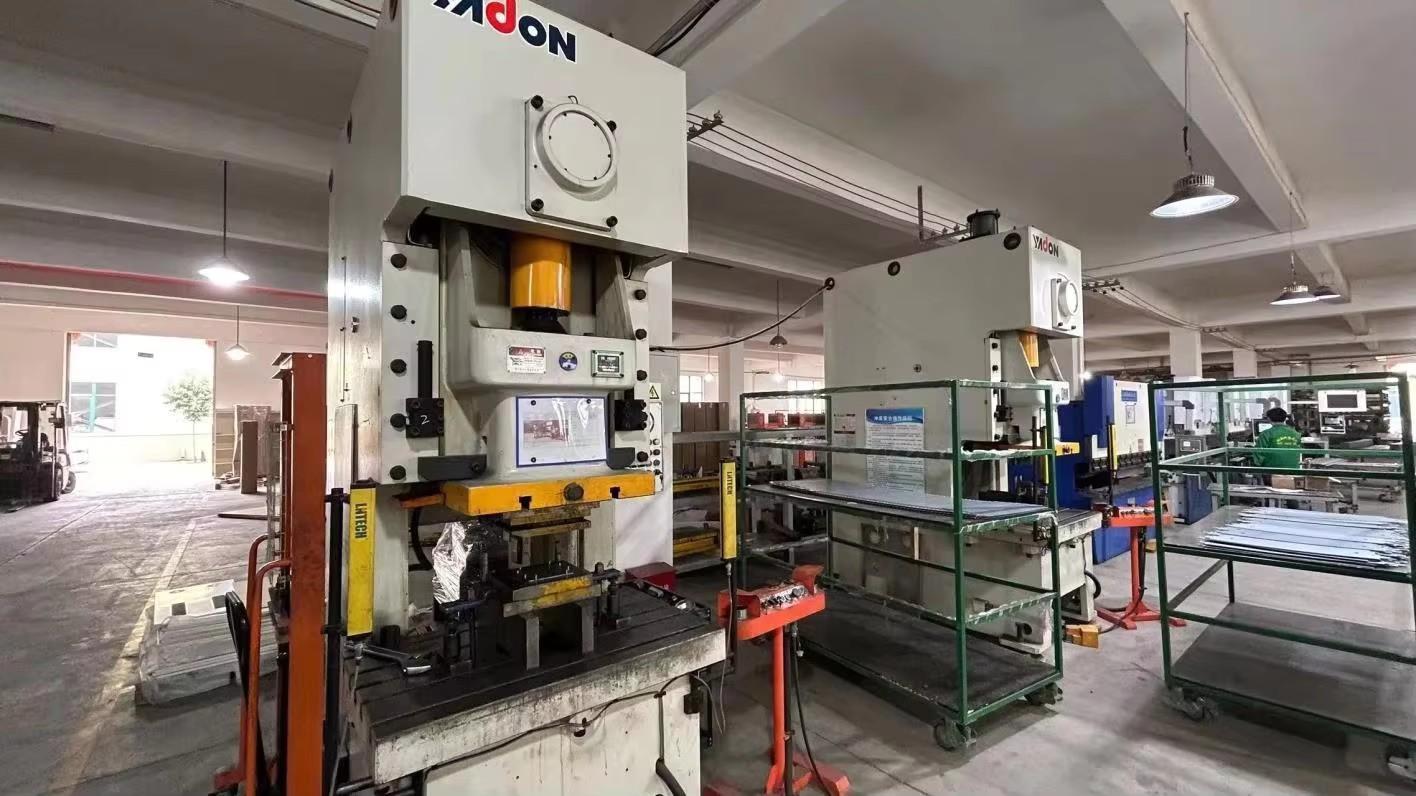
Qingdao is located at the center of the massive Shandong manufacturing corridor, providing direct local access to core solar components, copper winding, structural sheet metals, and microelectronics. This proximity shortens procurement cycles and insulates production timelines from international raw material disruptions.
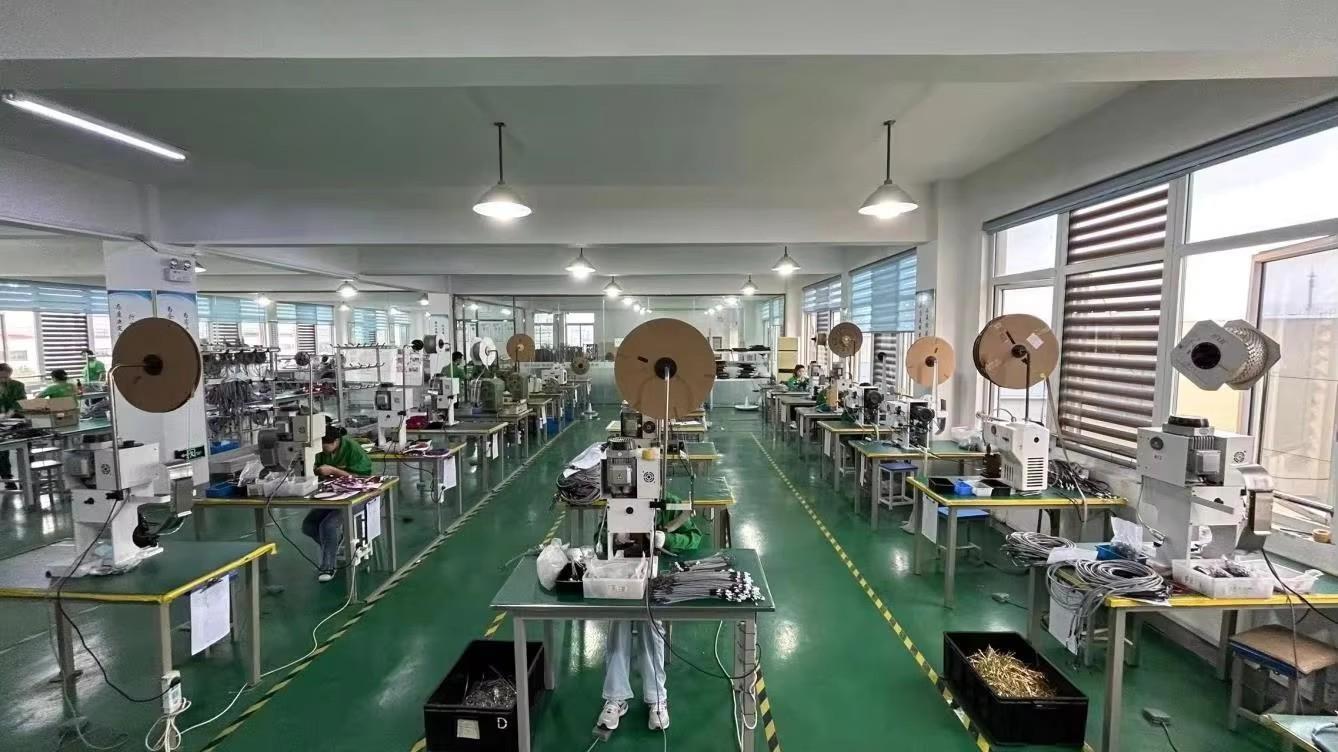
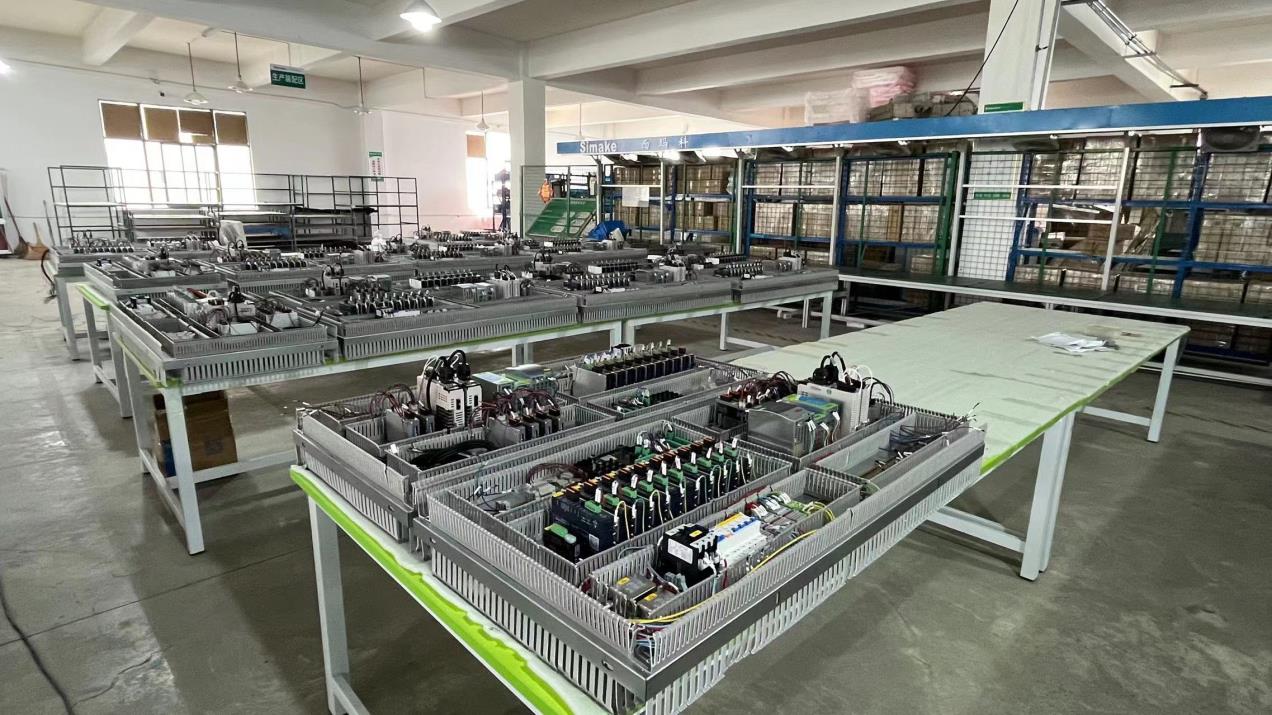
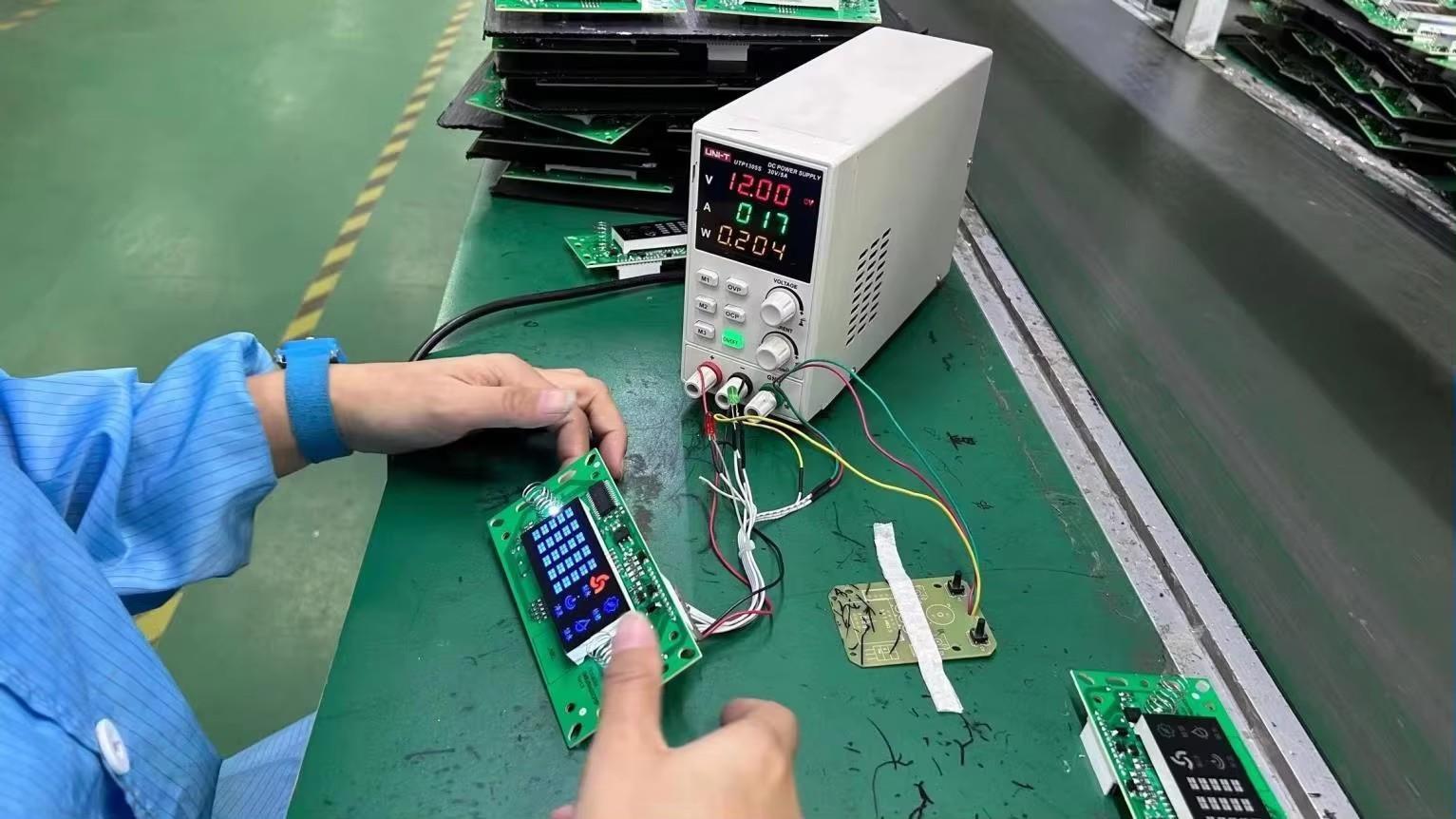
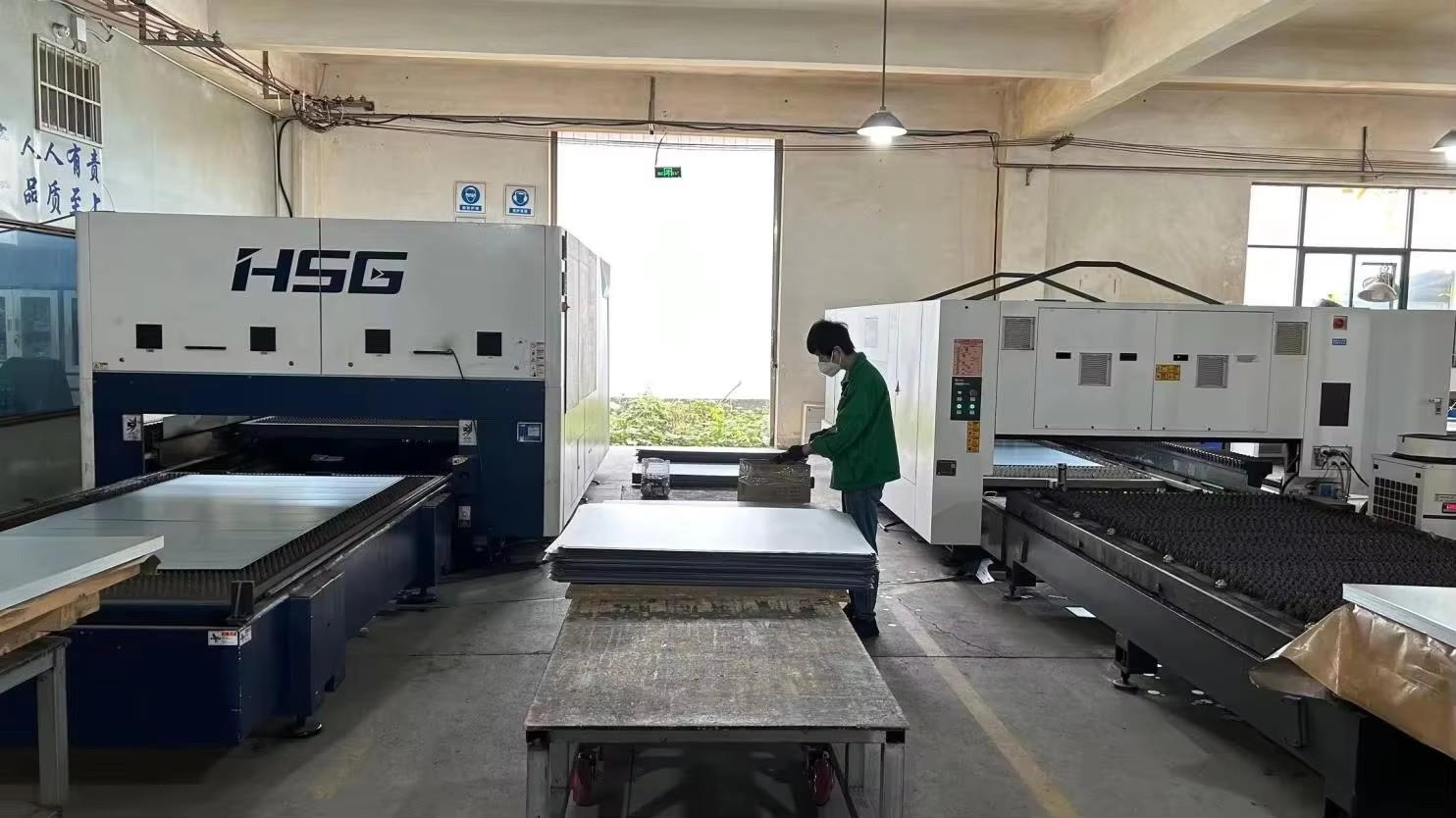
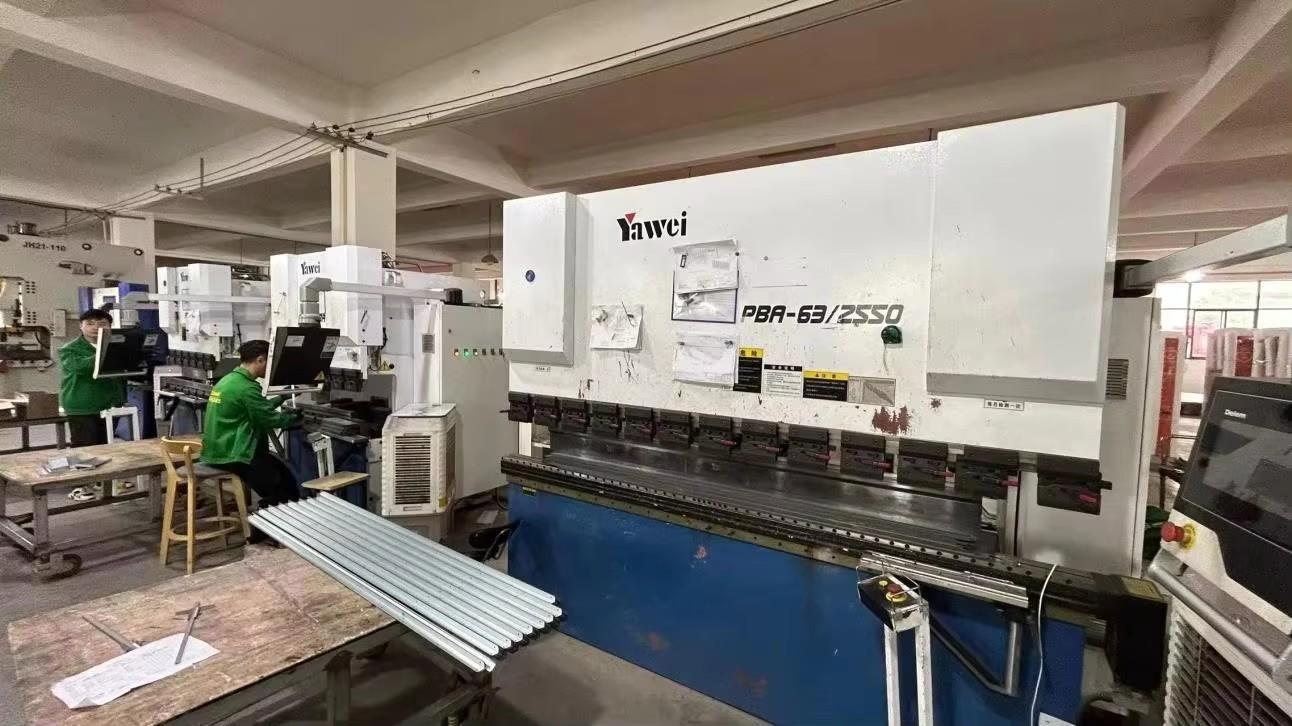
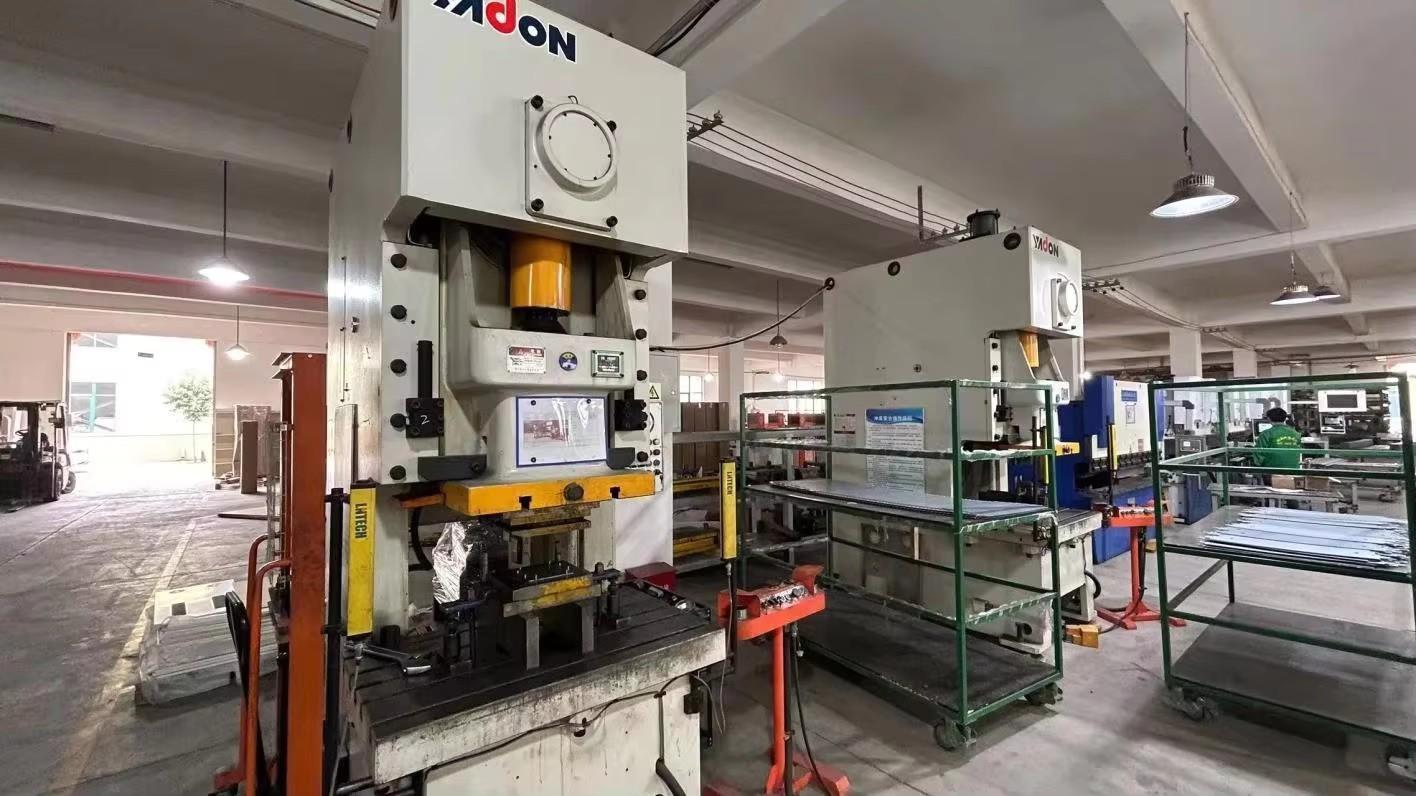
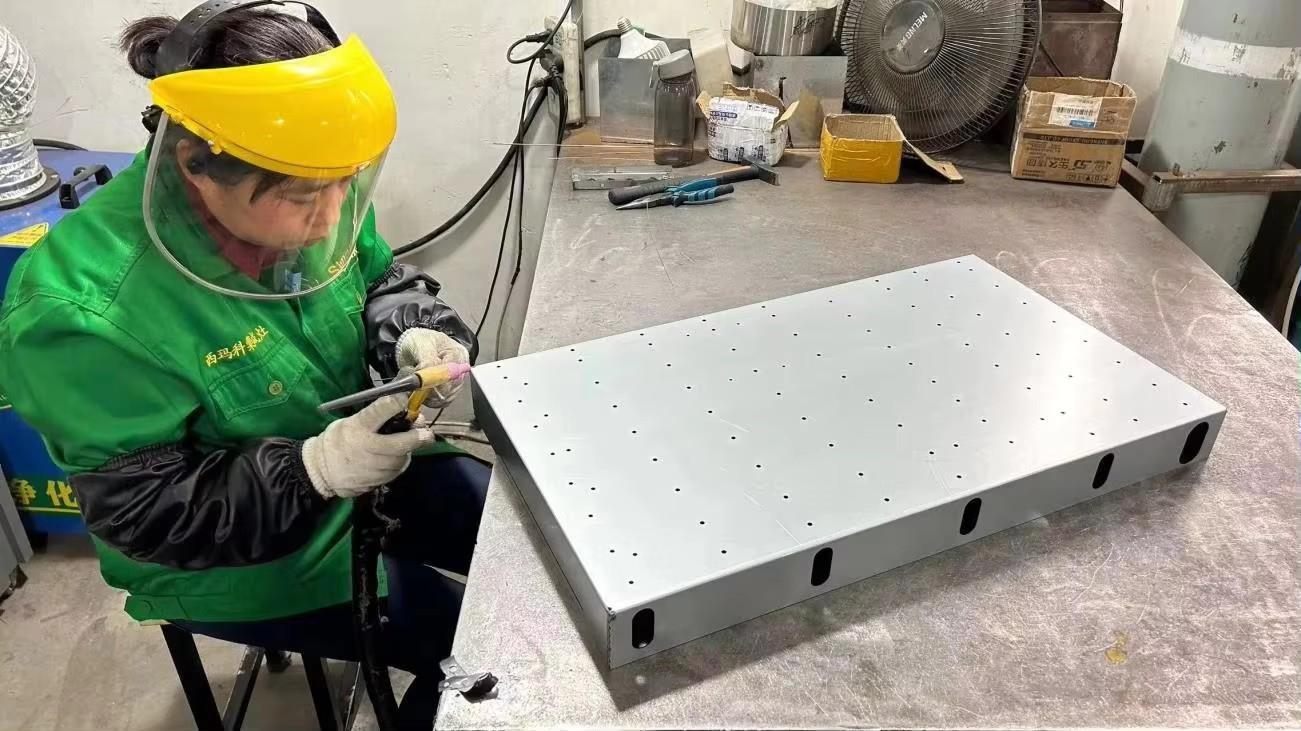
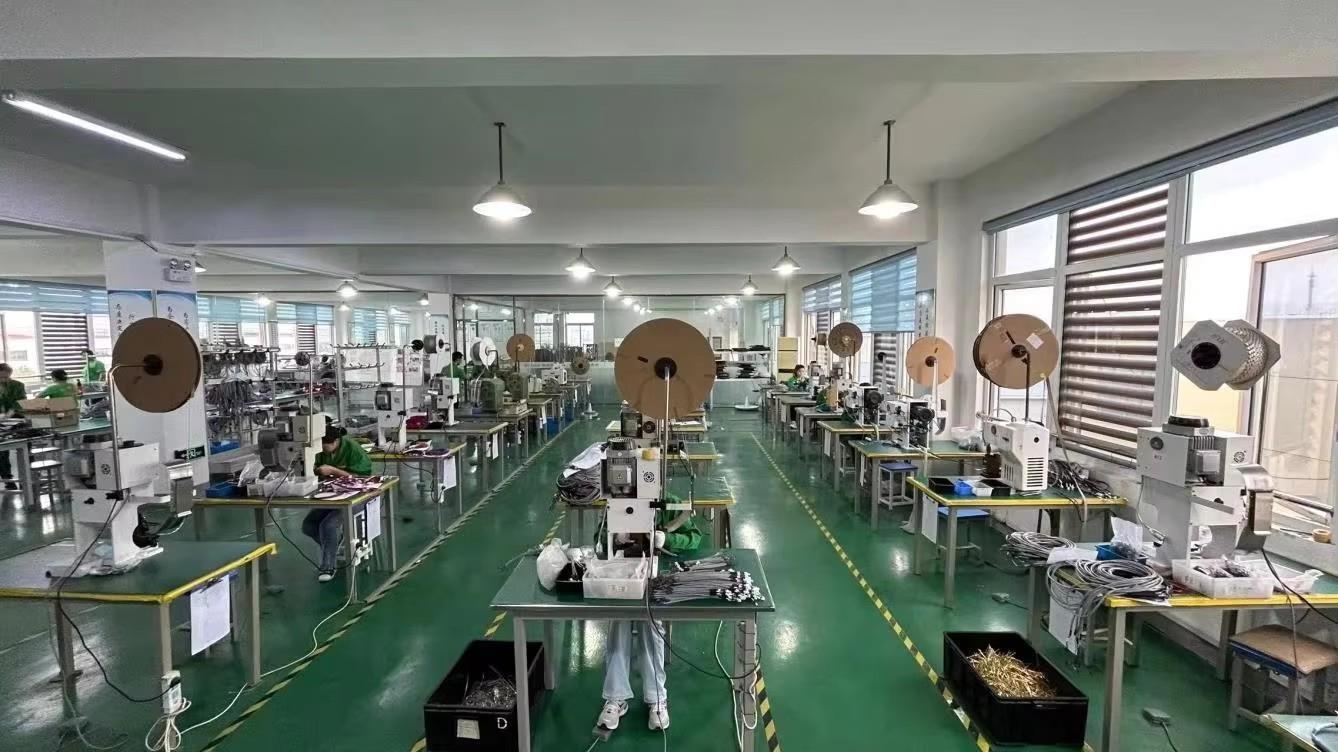
Through state-of-the-art robotic wire processing and automated optical inspections (AOI), structural integrity risks are minimized. Advanced thermal stress profiling is performed directly on the assembly floor, ensuring that every product exported meets rigorous operational standards.
Our engineering structure is optimized for rapid hardware adjustments. Whether a project requires tailored communication protocols like Modbus TCP/IP, regional standard conversions (such as split-phase 120V/240V for North America), or unique enclosure configurations, we can finalize and test custom designs within days.
Integrating technical engineering, rigorous testing, and industrial craftsmanship at Qingdao Luzz Solar.
Qingdao Luzz Solar Co., Ltd. is a professional new energy enterprise specializing in the development, manufacturing, and global distribution of photovoltaic (PV) products and integrated energy storage solutions. Located in Qingdao, China, the company benefits from a well-established renewable energy industrial base and advanced manufacturing capabilities.
With the accelerating global transition toward carbon neutrality and sustainable development, Luzz Solar is committed to providing efficient, reliable, and cost-effective clean energy solutions to customers worldwide. Our product portfolio includes high-efficiency solar photovoltaic modules, energy storage systems, and integrated solar application solutions designed for residential, commercial, and utility-scale projects.
Driven by technological innovation and quality excellence, the company continuously invests in R&D and production optimization to improve product performance, energy conversion efficiency, and system reliability. We strictly adhere to international quality standards and implement rigorous quality control throughout the entire production process to ensure stable and long-term product performance.
Qingdao Luzz Solar actively expands its global market presence, with business coverage across Asia, Europe, the Middle East, Africa, and Latin America. By working closely with international partners, we are committed to delivering tailored energy solutions that meet diverse regional needs and support the global energy transition.
Guided by the core values of integrity, innovation, cooperation, and sustainability, Luzz Solar strives to become a trusted global partner in the new energy industry. We are dedicated to advancing solar technology and contributing to a greener, more sustainable future.
How our custom inverter systems perform in various regional operating environments.
Critical public services require continuous power supply. By using fast transfer switches (less than 10ms) and intelligent hybrid solar configurations, hospitals and medical centers can safeguard intensive care units, refrigeration units, and surgical suites during utility power drops.
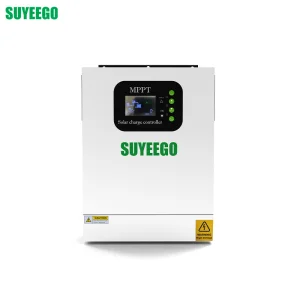
Remote agricultural locations rely on hybrid off-grid systems. The integrated Maximum Power Point Tracking (MPPT) logic in our high-power controllers enables variable solar generation to feed pumps and processing lines directly, reducing reliance on expensive diesel generators.
Off-grid telecom stations require highly efficient power conversion to maintain network uptime. Deploying smart-BMS integrated LiFePO4 battery modules combined with low-voltage hybrid inverters delivers stable 48V DC power directly to signal repeaters, minimizing cooling needs and conversion losses.
Key parameters and compliance standards used by global engineers to evaluate inverter systems.
Industrial systems need to maintain efficiency under high operating temperatures. When selecting hardware, engineers should check the thermal derating curves. Our premium inverters are designed to run at full rated capacity up to 45°C, using forced air circulation to mitigate thermal loss.
To run delicate machinery, high-frequency pure sine wave outputs are required. Low-quality inverters can generate distortion that overheats inductive loads. Luzz Solar systems maintain Total Harmonic Distortion (THD) below 3%, helping protect equipment and prolong operational life.
For large-scale solar arrays, reliable data connectivity is essential. Modern inverter architectures must integrate with SCADA systems using industry-standard protocols to allow remote monitoring, fault classification, and parameter adjustments.
Innovations shape the future of solar energy production and grid-level integration.
The transition from traditional silicon switches to Silicon Carbide (SiC) and Gallium Nitride (GaN) components is increasing switching frequencies and reducing energy loss. This technology allows for smaller, lighter inverter designs with improved thermal efficiency.
Newer system designs feature bidirectional power flow between solar modules, storage systems, and the utility grid. Using common DC bus architectures helps reduce redundant power conversion stages, improving overall round-trip efficiency.
As coal and gas plants phase out, solar inverters must play a larger role in maintaining grid stability. Grid-forming technologies allow inverters to act as virtual synchronous generators, maintaining stable voltage and frequency profiles on the local network.
Addressing design queries, testing standards, customization limits, and supply logistics.
Premium grid-forming modules, industrial micro-inverters, and structural support systems.
 Luzz Solar