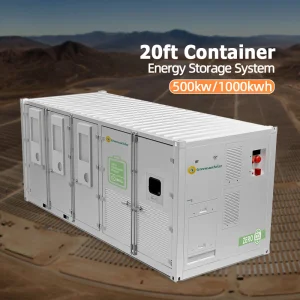
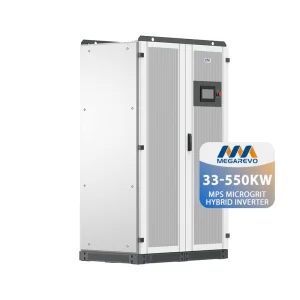
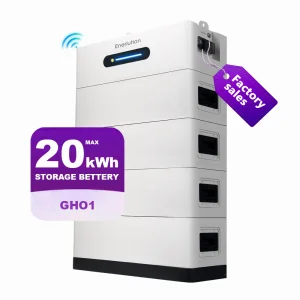
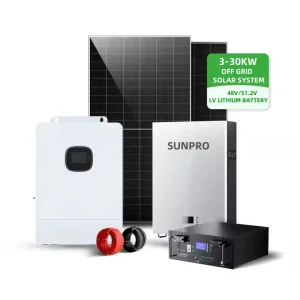
Deploying a resilient solar microgrid requires highly specialized power conversion topologies, physical containerization, and grade-A energy storage chemistry. Explore our premier engineering products designed for utility-scale stability and commercial customization.
In the contemporary landscape of global energy transition, solar microgrids stand as the pinnacle of decentralized utility solutions. Characterized by their capacity to operate autonomously or in concert with the primary distribution grid, microgrids offer unprecedented energy security, cost mitigation, and carbon zero operations. Driven by volatility in fossil fuel markets, under-developed national utility networks, and corporate sustainability mandates, global demand for highly reliable industrial and commercial solar microgrids has surged exponentially.
As global energy grids face challenges from aging infrastructure and climate change, microgrids act as resilient energy nodes. By integrating photovoltaic arrays, bidirectional hybrid power conversion systems (PCS), intelligent energy management, and long-lifetime lithium battery storage (BESS), microgrids can load-shift, peak-shave, and ensure uninterrupted power supply (UPS) for critical facilities. Navigating this complex technical ecosystem requires a partner with deep supply chain integration, state-of-the-art engineering capabilities, and international regulatory experience.
The global market for solar microgrid systems is highly competitive, yet Chinese manufacturers consistently lead in scaling capacity, technical precision, and cost structures. The foundations of this dominance rest on a unique combination of structural advantages:
From raw lithium extraction and chemical processing of LFP (Lithium Iron Phosphate) precursors to precision semiconductors for high-power hybrid inverters, China hosts a complete supply chain. This physical proximity reduces transport bottlenecks and enables rapid iterations in battery and inverter topologies.
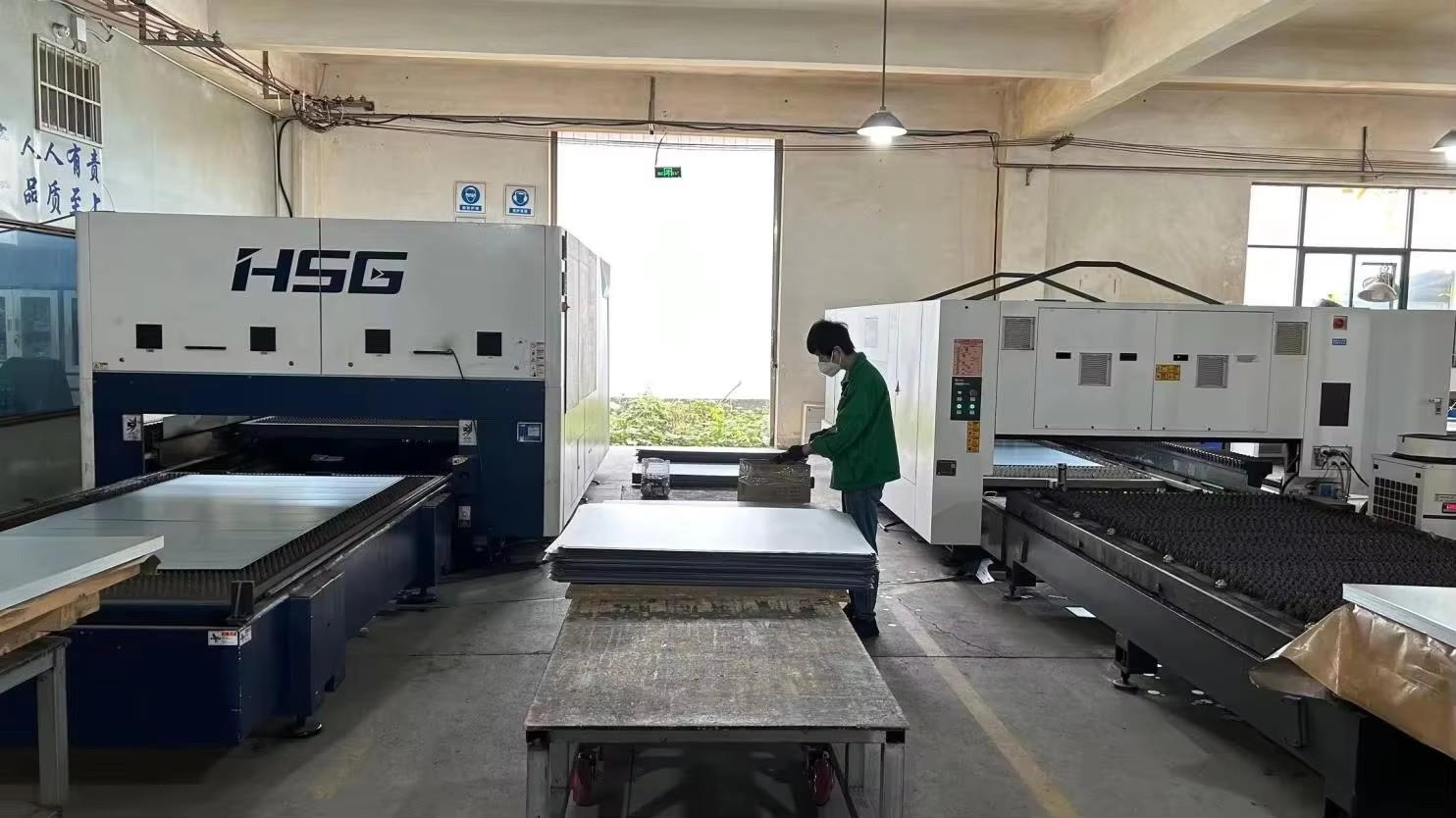
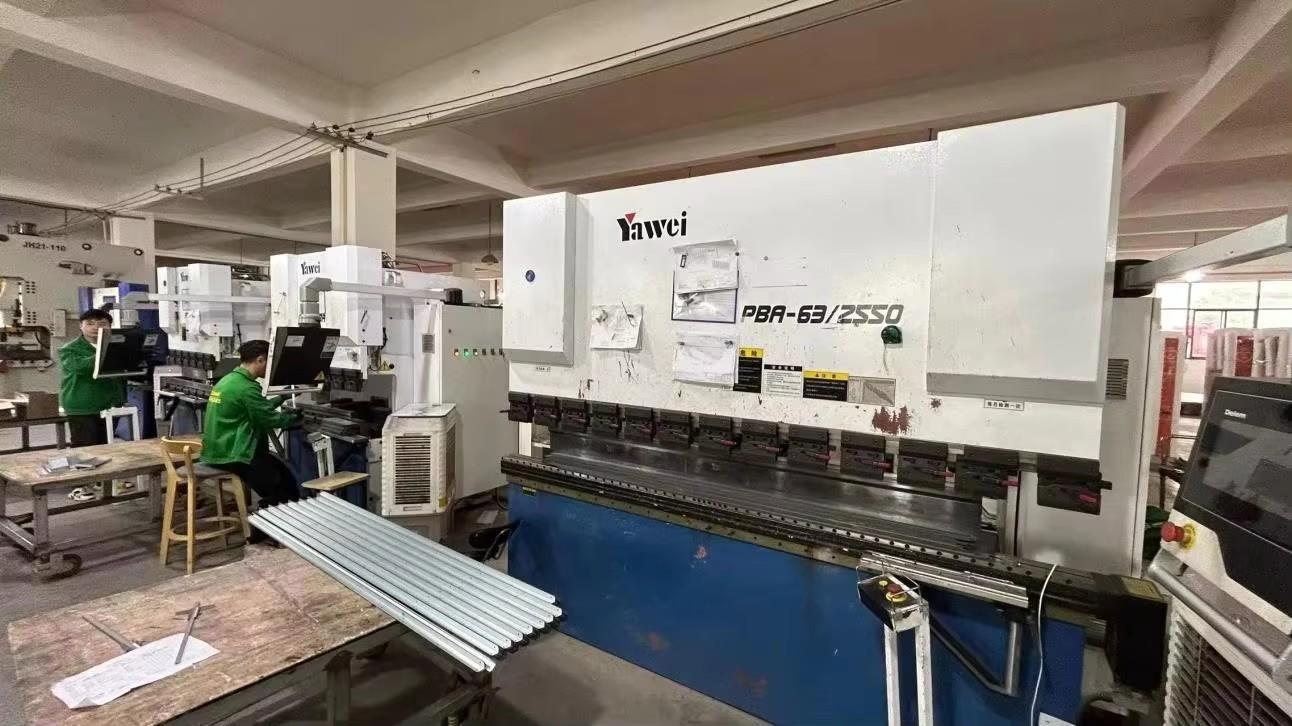
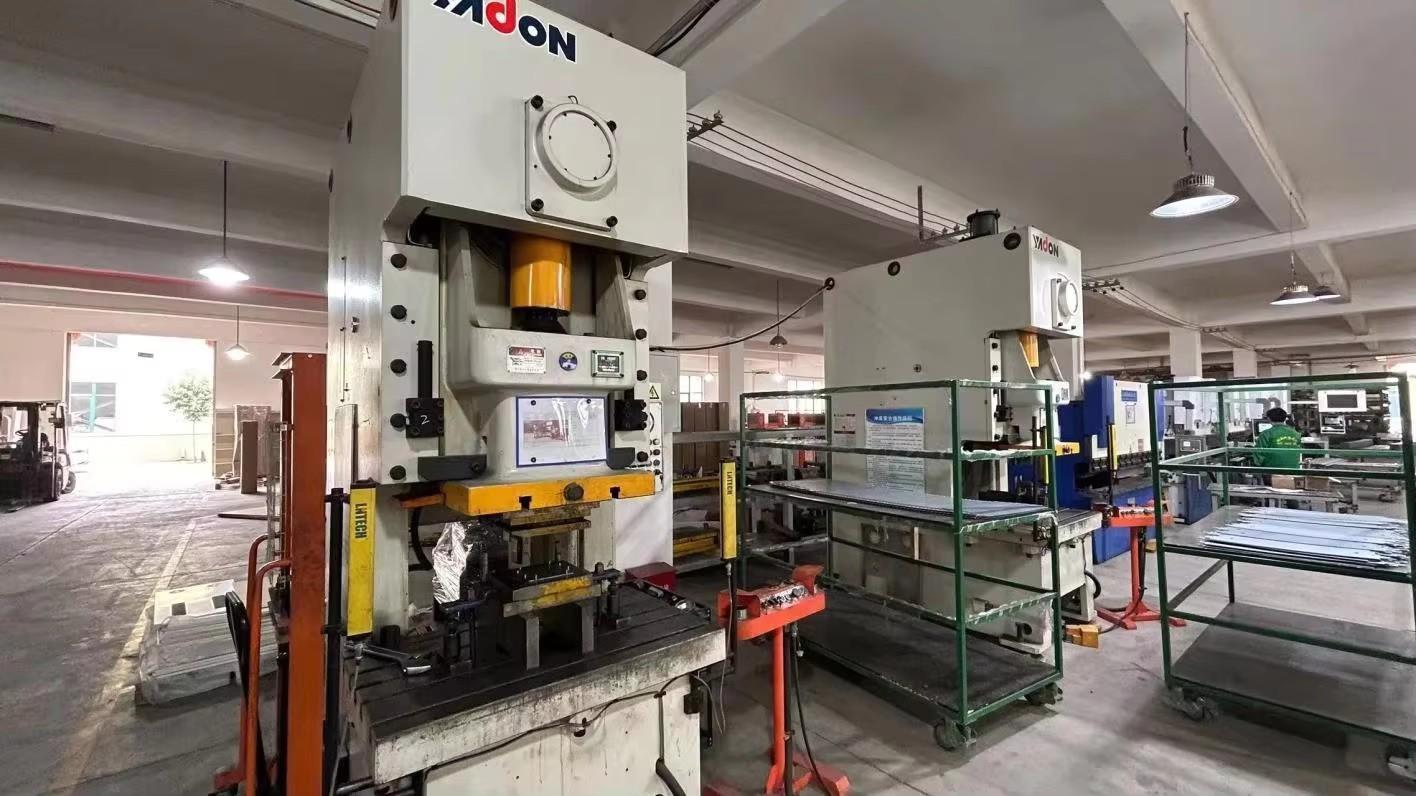
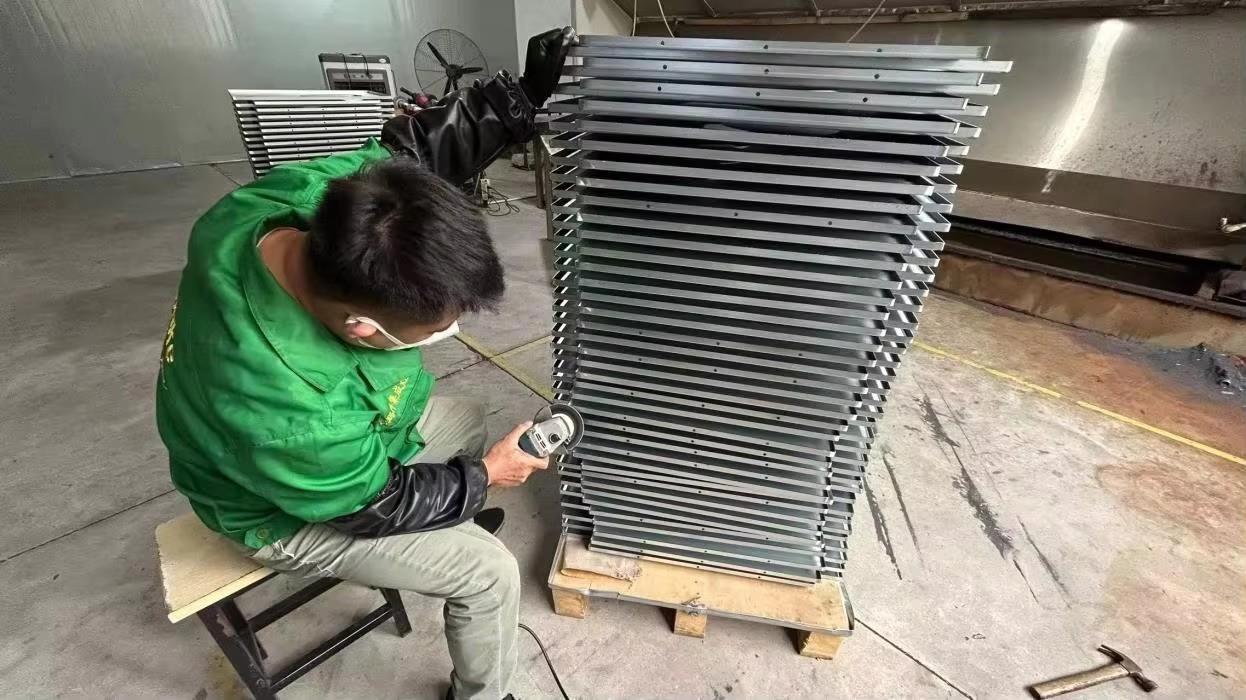
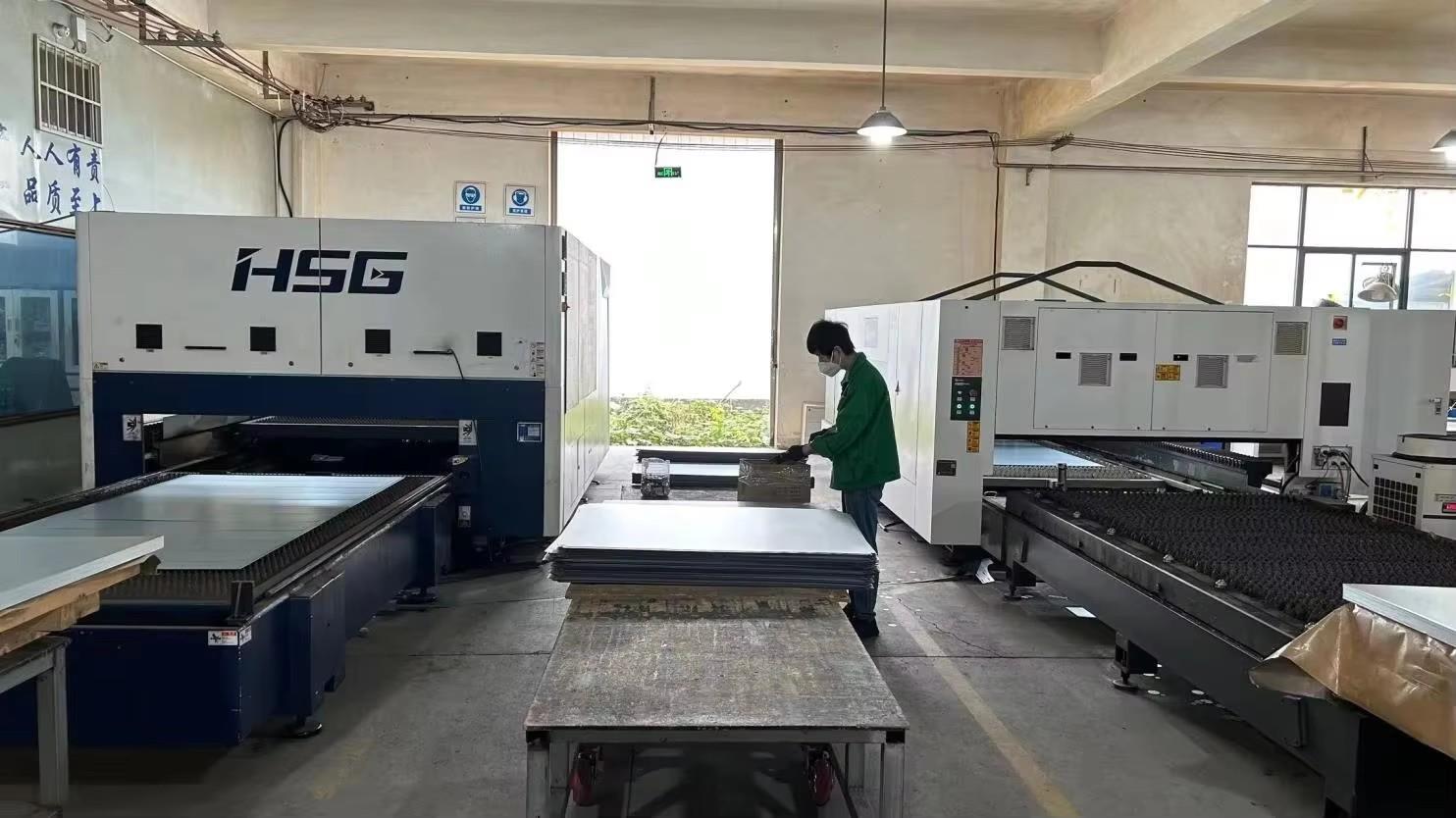
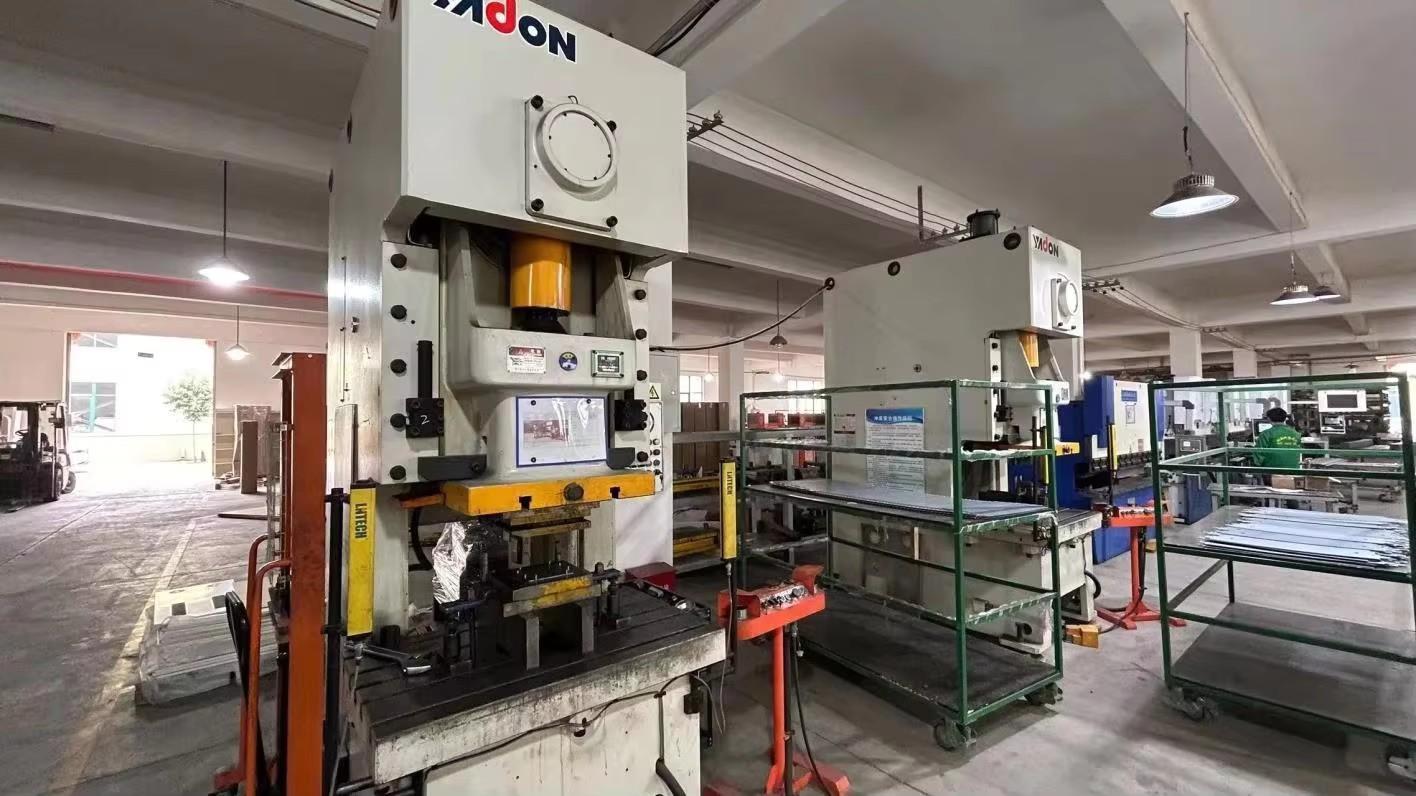
Leading factories utilize advanced manufacturing execution systems (MES), robotic laser welding stations, and high-speed CNC metal processing. Automation ensures consistent tolerances, eliminates human assembly errors, and maintains high reliability across large volume production runs.
Proximity to major world-class deep-water ports, such as Qingdao Port, allows for seamless containerized ocean freight. Exporters can coordinate complex logistical shipments of mega-watt BESS containers, pre-fabricated steel structures, and delicate solar panels efficiently.
Qingdao Luzz Solar Co., Ltd. is a professional new energy enterprise specializing in the development, manufacturing, and global distribution of photovoltaic (PV) products and integrated energy storage solutions. Located in Qingdao, China, the company benefits from a well-established renewable energy industrial base and advanced manufacturing capabilities.
With the accelerating global transition toward carbon neutrality and sustainable development, Luzz Solar is committed to providing efficient, reliable, and cost-effective clean energy solutions to customers worldwide. Our product portfolio includes high-efficiency solar photovoltaic modules, energy storage systems, and integrated solar application solutions designed for residential, commercial, and utility-scale projects.
Driven by technological innovation and quality excellence, the company continuously invests in R&D and production optimization to improve product performance, energy conversion efficiency, and system reliability. We strictly adhere to international quality standards and implement rigorous quality control throughout the entire production process to ensure stable and long-term product performance.
Qingdao Luzz Solar actively expands its global market presence, with business coverage across Asia, Europe, the Middle East, Africa, and Latin America. By working closely with international partners, we are committed to delivering tailored energy solutions that meet diverse regional needs and support the global energy transition.
Guided by the core values of integrity, innovation, cooperation, and sustainability, Luzz Solar strives to become a trusted global partner in the new energy industry. We are dedicated to advancing solar technology and contributing to a greener, more sustainable future.
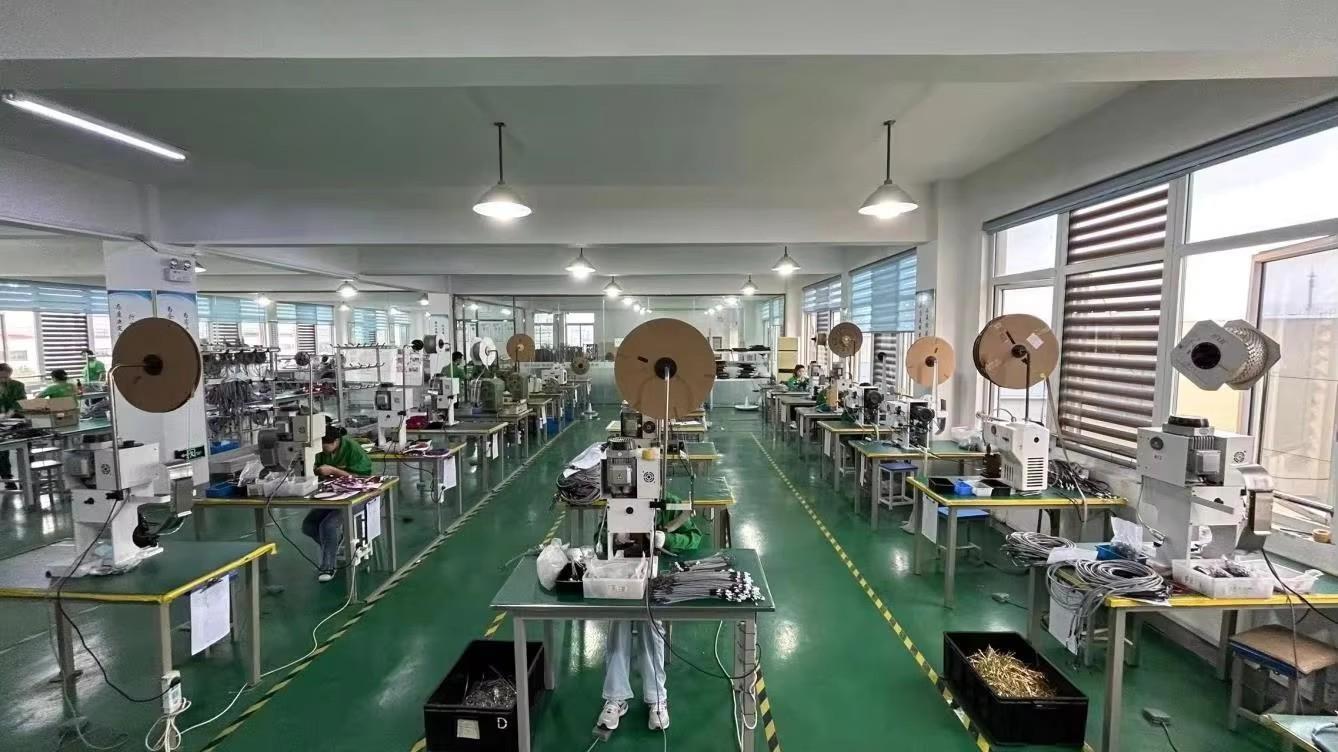
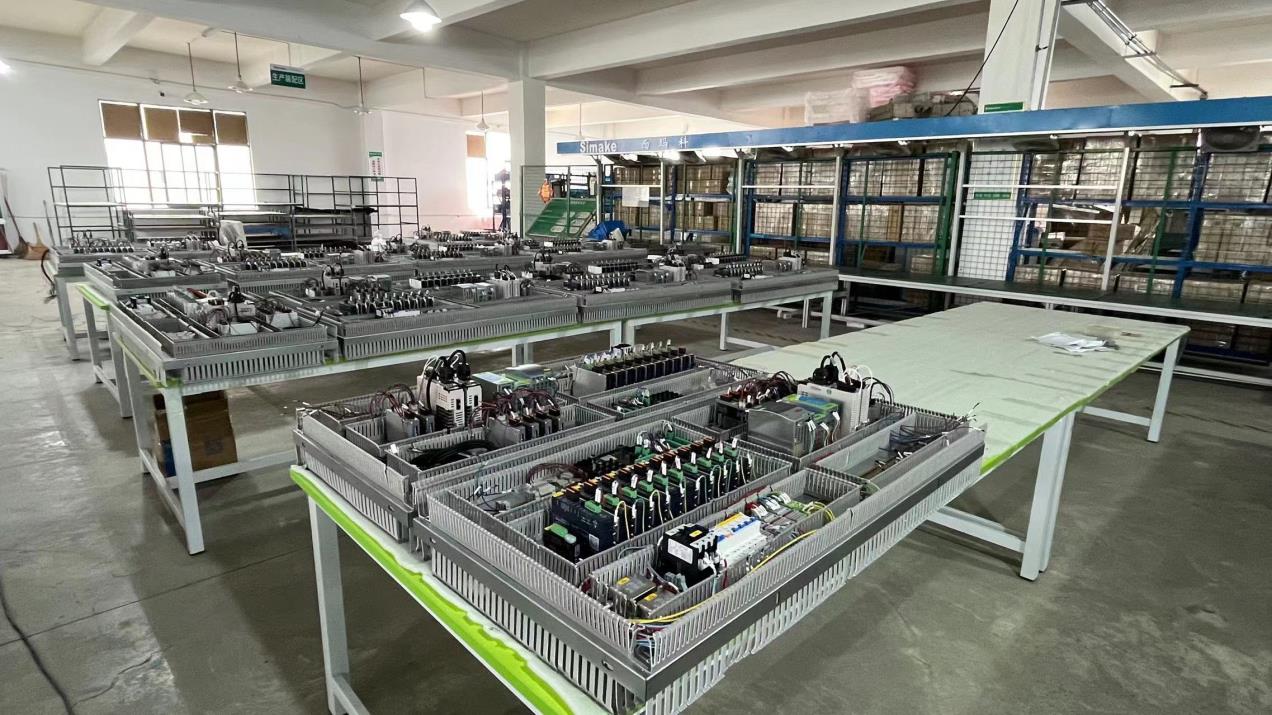
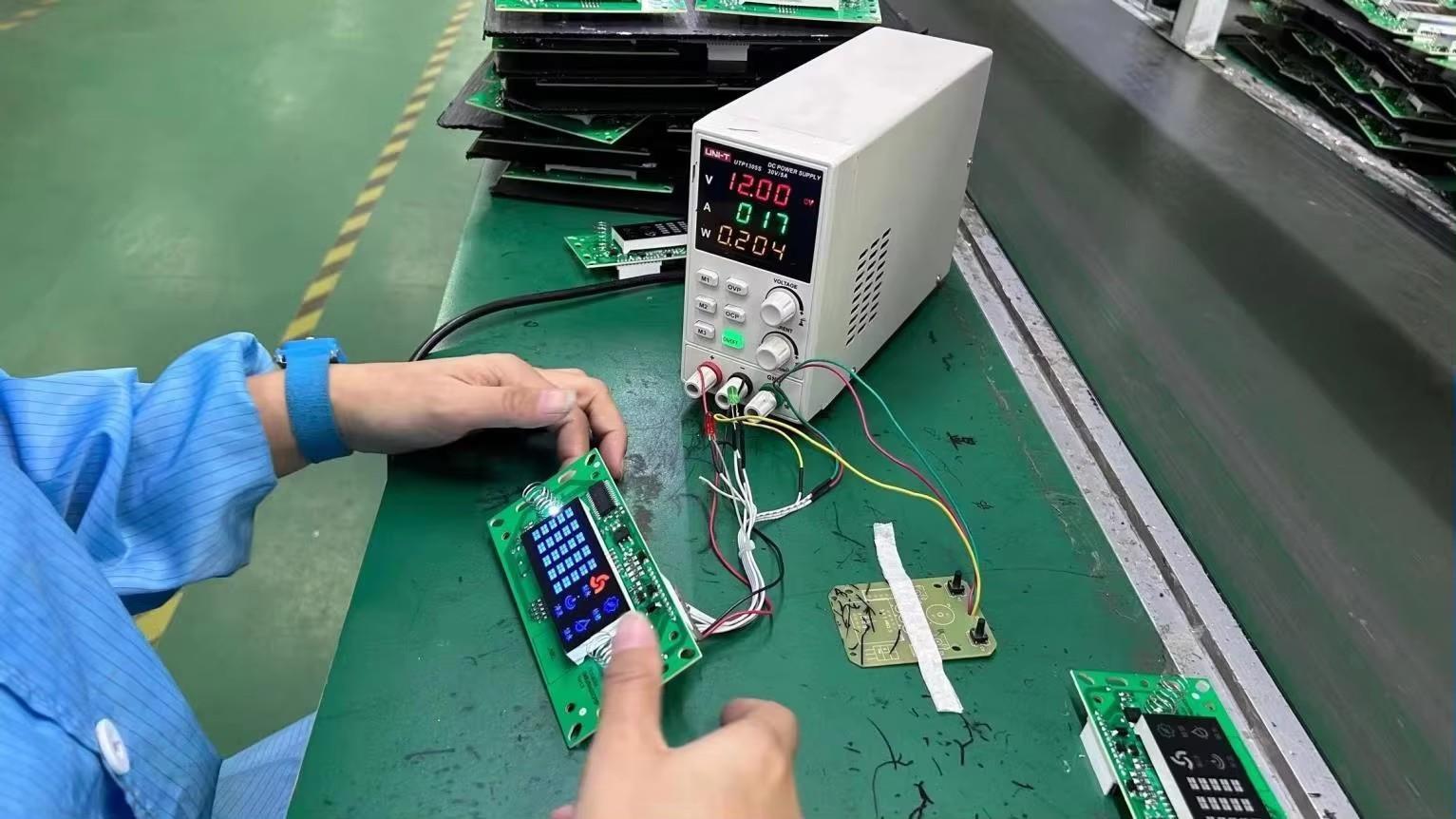
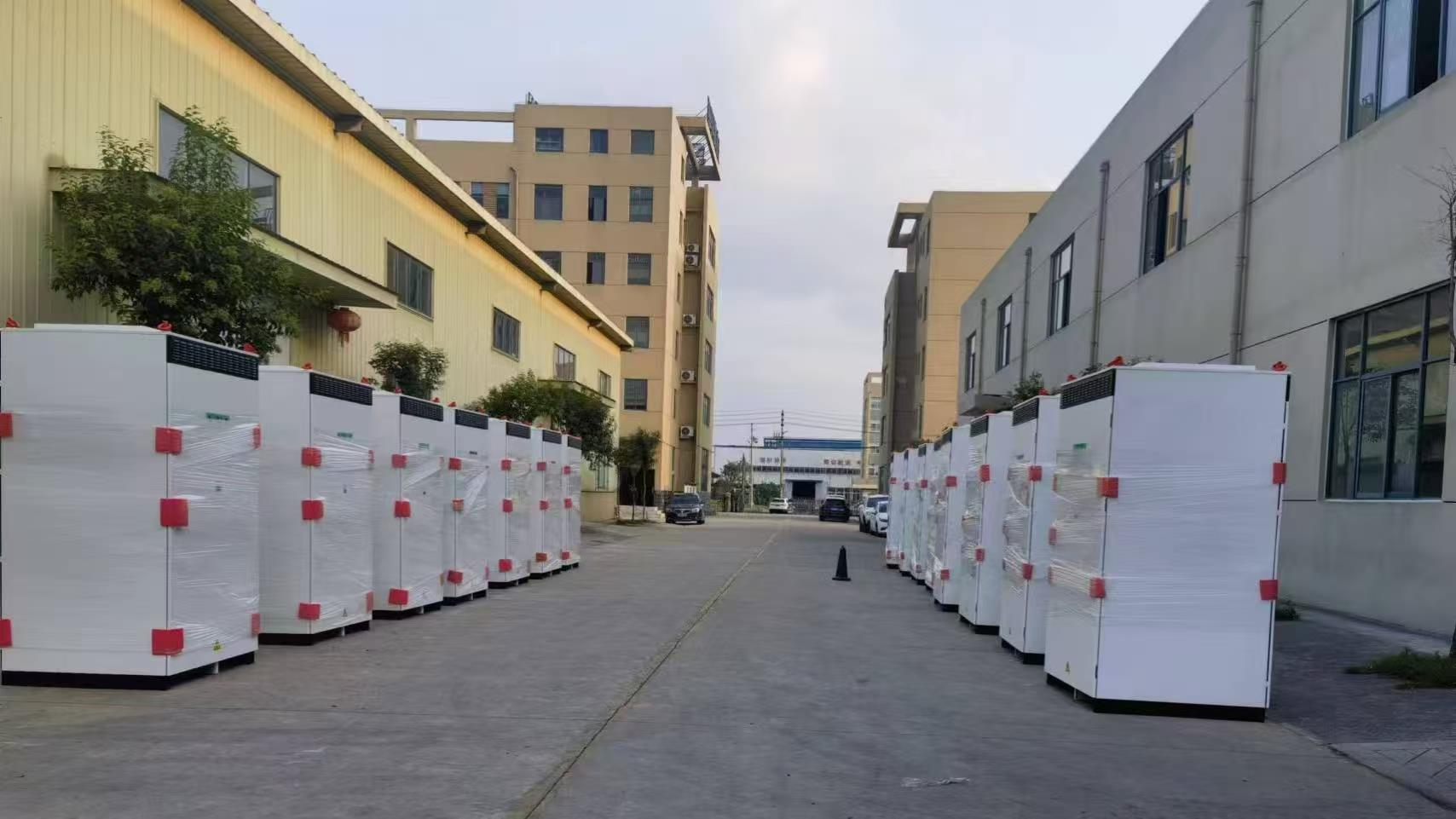
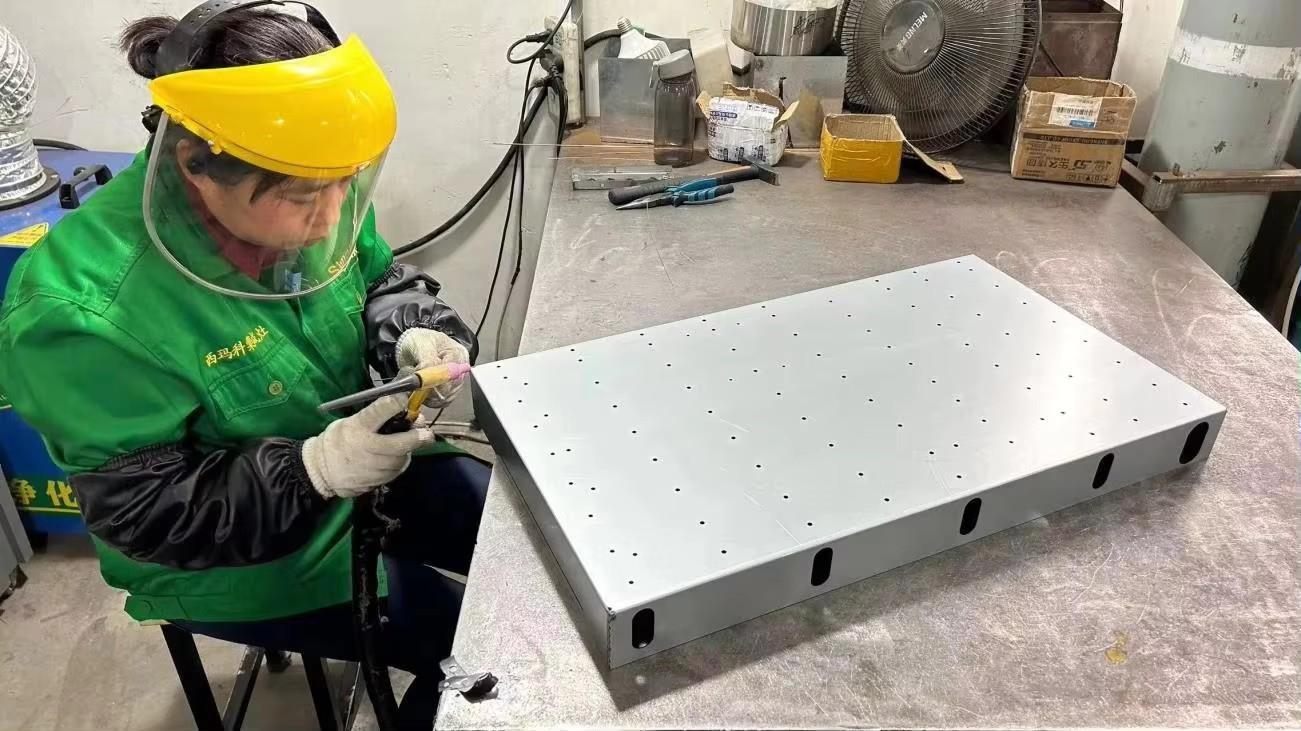
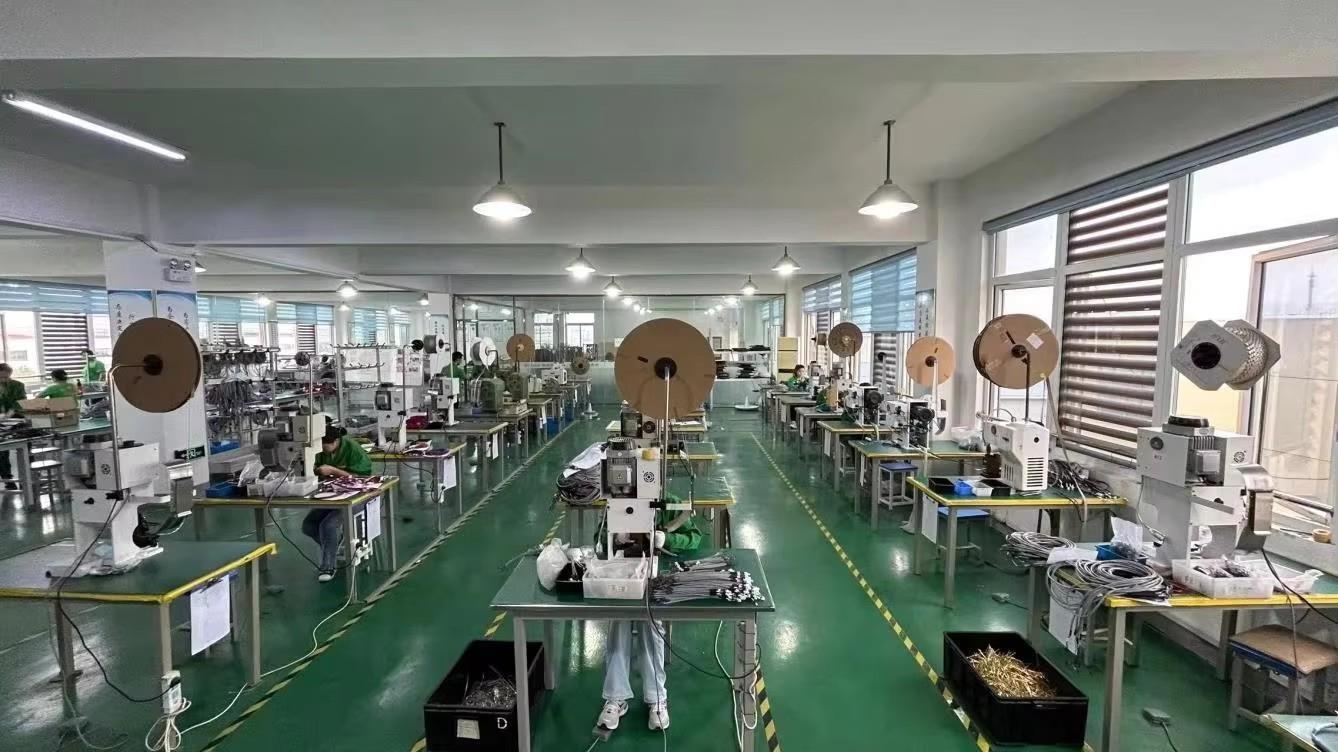
Quality assurance at Qingdao Luzz Solar Co., Ltd. relies on a systematic, technology-driven manufacturing workflow. Each phase of production, from raw sheet metal fabrication to electronic system testing and packaging, is executed to meet international standards. Below are the core segments of our integrated production line:
A robust solar microgrid is not merely a collection of parts; it is an optimized ecosystem. Selecting the proper components requires understanding how they interact under transient loads and environmental stress.
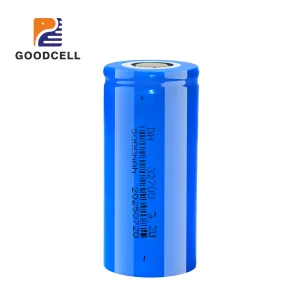
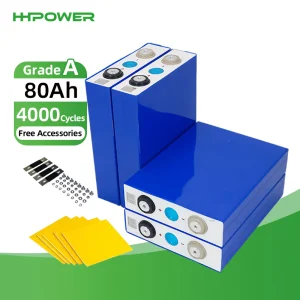
Modern microgrids rely on Lithium Iron Phosphate (LiFePO4) chemistry due to its thermal stability, safety profile, and long cycle life. In utility and commercial applications, prismatic cells (like the 3.2V 80Ah cells) and semi-solid state cylindrical cells (such as the 32700 20Ah) are standard. With cycle lives ranging from 4,000 to over 8,000 cycles at 80% Depth of Discharge (DoD), LFP delivers a low Levelized Cost of Storage (LCOS) compared to lead-acid or alternative lithium formulations.
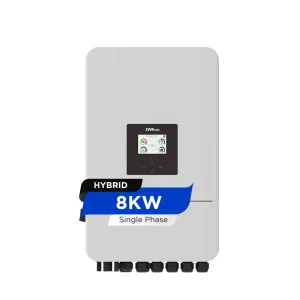
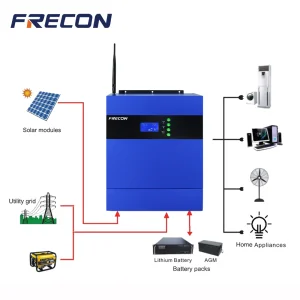
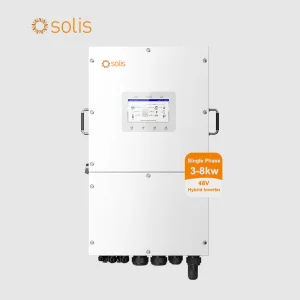
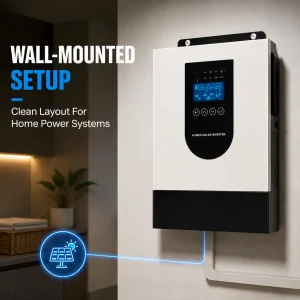
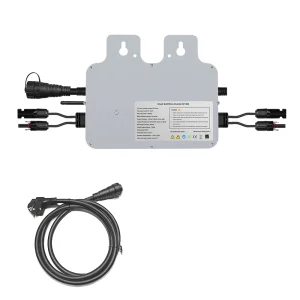
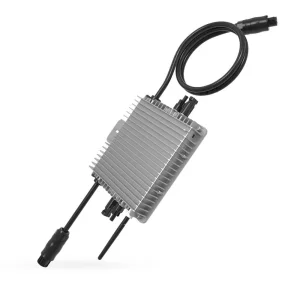
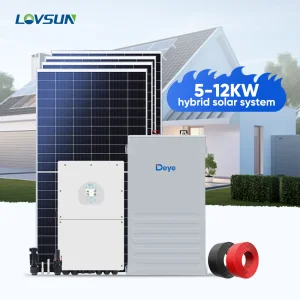
The PCS, or hybrid inverter, serves as the system's brain. Devices ranging from residential-scale hybrid inverters (e.g., Deye 8kW or Solis low-voltage platforms) to mega-watt scale commercial hybrid inverters (e.g., Megarevo 100kW to 500kW PCS) regulate power flow between the PV array, BESS, load, and grid. Modern PCS features fast transition times (<10ms) to maintain continuous operations during grid outages.
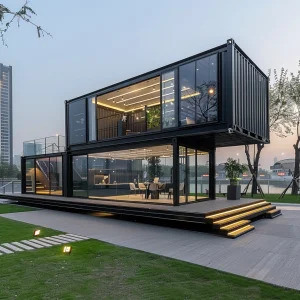
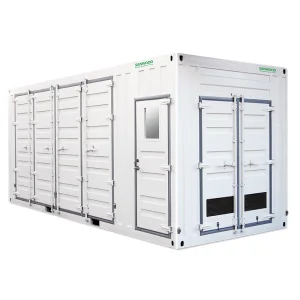
For commercial, industrial, and utility projects, modular deployment is key. Containerized Energy Storage Systems (ESS) integrate battery racks, hybrid inverters, HVAC thermal management, and fire suppression into standard ISO shipping containers. This pre-fabricated design minimizes site civil works, reduces installation time, and protects components from harsh environmental conditions.
Solar microgrids are deployed globally across diverse sectors, each addressing specific energy challenges:
For manufacturing plants and data centers, power quality issues and outages can disrupt operations. A solar microgrid with a containerized ESS provides backup power, peak shaving, and demand charge management. Peak shaving allows facilities to draw from stored energy during peak utility rate hours, lowering electricity bills.
Extending transmission lines to remote villages, agricultural sites, or mining projects is often cost-prohibitive. Off-grid solar microgrid kits, combining solar arrays, heavy-duty LFP battery banks, and off-grid hybrid inverters, deliver reliable electricity, reducing dependence on diesel generator fuel transport.
Eco-resorts, pop-up retail stores, and emergency medical stations use containerized designs. Prefabricated shipping containers can house both retail spaces and integrated solar/BESS power supplies, enabling rapid deployment in off-grid tourist destinations or disaster relief zones.
Modern agriculture requires consistent power for pumps and processing equipment. Solar microgrids run irrigation systems directly during the day and store surplus energy for night operations, ensuring food supply security without grid connection issues.
EPC contractors and wholesale importers must evaluate several key factors when sourcing solar microgrid systems to ensure performance and compliance:
1. Technical Compatibility and Voltage Matching: The selected hybrid inverter and energy storage system must match the local grid configuration. Buyers must specify whether they require single-phase systems (e.g., European 230V, US 120/240V split-phase) or three-phase systems (e.g., 380V/400V/480V for industrial applications).
2. Certification Standards: High-voltage battery systems must comply with international safety regulations, including UN38.3 for transport safety, IEC 62619 for industrial lithium storage safety, and UL 1973/UL 9540A for North American projects. Inverters must meet local grid-tied certifications (such as EN50549, VDE-AR-N 4105, or UL 1741).
3. Scalability and Modular Architecture: Energy demands typically grow over time. System architectures should support parallel battery and inverter expansion, allowing capacity additions without requiring a full system redesign.
Here we address technical questions frequently raised by EPC partners, electrical engineers, and procurement directors:
Single-phase hybrid inverters (typically 3kW to 8kW, such as the Deye or Solis models) are designed for residential use and light commercial circuits, managing single phase loads. Three-phase hybrid inverters (ranging from 10kW to 500kW) are built for industrial applications, supporting three-phase motor loads and large commercial facilities, while balancing phases during off-grid operations.
Prismatic LiFePO4 cells (e.g., 3.2V 80Ah) offer high volumetric energy density and mechanical stability in large battery packs, making them suitable for containerized BESS. Cylindrical cells (e.g., 32700 20Ah) provide excellent thermal dissipation, mechanical reliability under vibration, and high granularity, which is helpful for smaller, custom-shaped mobile applications or modular configurations.
Laser welding creates low-resistance joints between cell terminals and busbars, reducing heat and energy loss during high-current charging and discharging. The silent terminal machine secures wire harness connections, minimizing contact resistance and preventing mechanical connection failures under thermal cycling.
Yes. Containerized Energy Storage Systems (ESS) are built with insulated sandwich panels and industrial HVAC units to regulate internal temperatures. This thermal control keeps the LiFePO4 cells operating within their optimal range (15°C to 35°C), protecting cycle life even in ambient conditions ranging from -20°C to +50°C.
Modern hybrid inverters feature transit times under 10 milliseconds, which prevents connected IT equipment or control circuits from resetting. When grid outages occur, the internal transfer switch disconnects from the utility grid and transition to battery power, using the BESS as the voltage source.
Explore our complete range of high-efficiency micro-inverters, multi-megawatt container solutions, and scalable LFP battery packs designed for global export:
 Luzz Solar