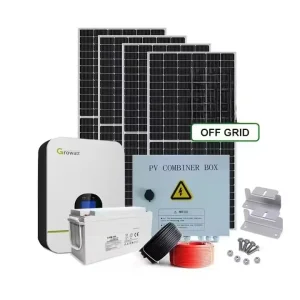
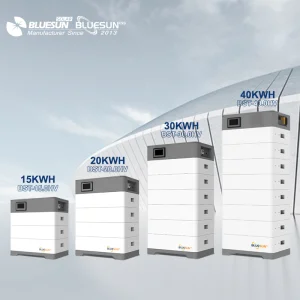
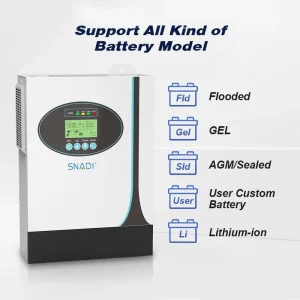
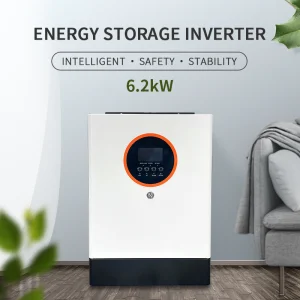
Explore our foundational grid-tied, hybrid, and storage-ready configurations engineered for long-term reliability and seamless grid integration.
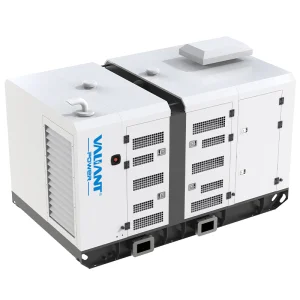
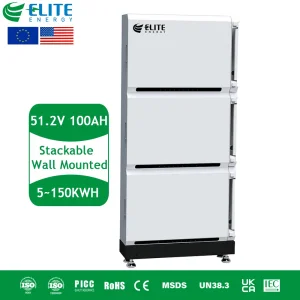
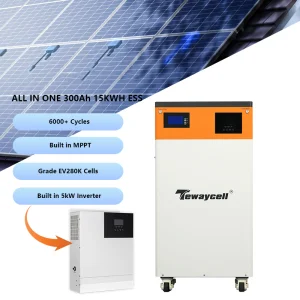
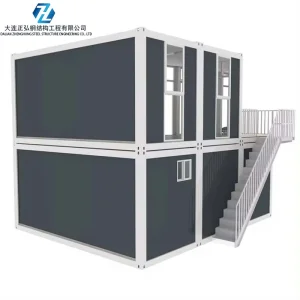
Modern grid-tied solar systems represent the pinnacle of decentralized utility management. Unlike simple stand-alone systems, a grid-tied framework integrates PV arrays, high-efficiency hybrid inverters, and battery storage subsystems to operate in absolute synchrony with local utility infrastructure. These systems convert DC electricity generated by PV panels into stable AC electricity matching the phase, voltage, and frequency of the distribution network.
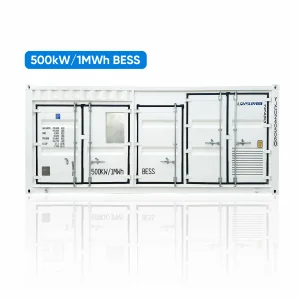
At the center of this integration are grid-tied inverters. These units utilize advanced MPPT (Maximum Power Point Tracking) algorithms to maximize energy harvest from solar arrays under variable atmospheric conditions. When battery backups are introduced, such as the CATL Lithium-Ion Battery Energy Storage System (BESS) or high-voltage LiFePO4 packs, the system transitions into an active grid-support entity. It can absorb excess generation during peak sunlight hours and discharge it during peak demand times, optimizing Levelized Cost of Energy (LCOE) and reducing reliance on fossil-fuel peaking plants.
Grid-tied solutions are not one-size-fits-all. Different geographical, regulatory, and commercial realities demand specialized engineering designs to achieve optimal efficiency.
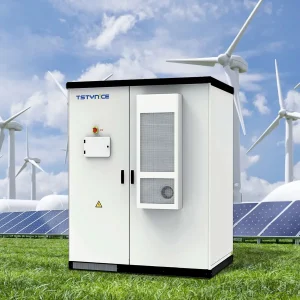
For industrial facilities, peak demand charges can constitute up to 50% of the total monthly electricity bill. Deploying high-capacity grid-tied storage container systems (e.g., 1MWh to 5MWh ESS) allows facilities to run on stored solar energy when grid tariffs peak, delivering immediate operational expense reductions.
In mature residential energy markets, dynamic export tariffs reward homeowners for sending power back to the grid during shortages. A system combining stackable 48V/51.2V LiFePO4 units with an intelligent 5kW-15kW grid-tied inverter enables dynamic self-consumption optimization and automated net-metering participation.
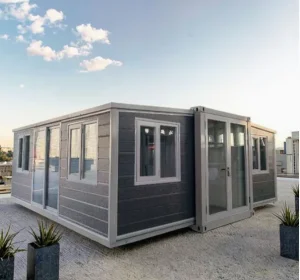
Remote commercial sites, eco-resorts, and smart modular residential units like the 20ft/40ft Expandable Container Homes are increasingly designed with integrated solar microgrids. Combining building-integrated photovoltaics (BIPV) with compact high-voltage ESS allows these structures to feed surplus energy back to local grids while maintaining absolute off-grid resilience during grid outages.
China stands at the center of the global green energy supply chain, accounting for over 80% of global PV manufacturing capacity. As a leading manufacturer based in Qingdao, China, Qingdao Luzz Solar Co., Ltd. represents the standard of precision fabrication, advanced materials sourcing, and vertical integration. Our factory employs specialized production lines to guarantee the structural integrity and electrical accuracy of every system component.
Our ISO-certified facility features advanced equipment and strict quality control measures. Below is a detailed view of our core manufacturing and processing stages:
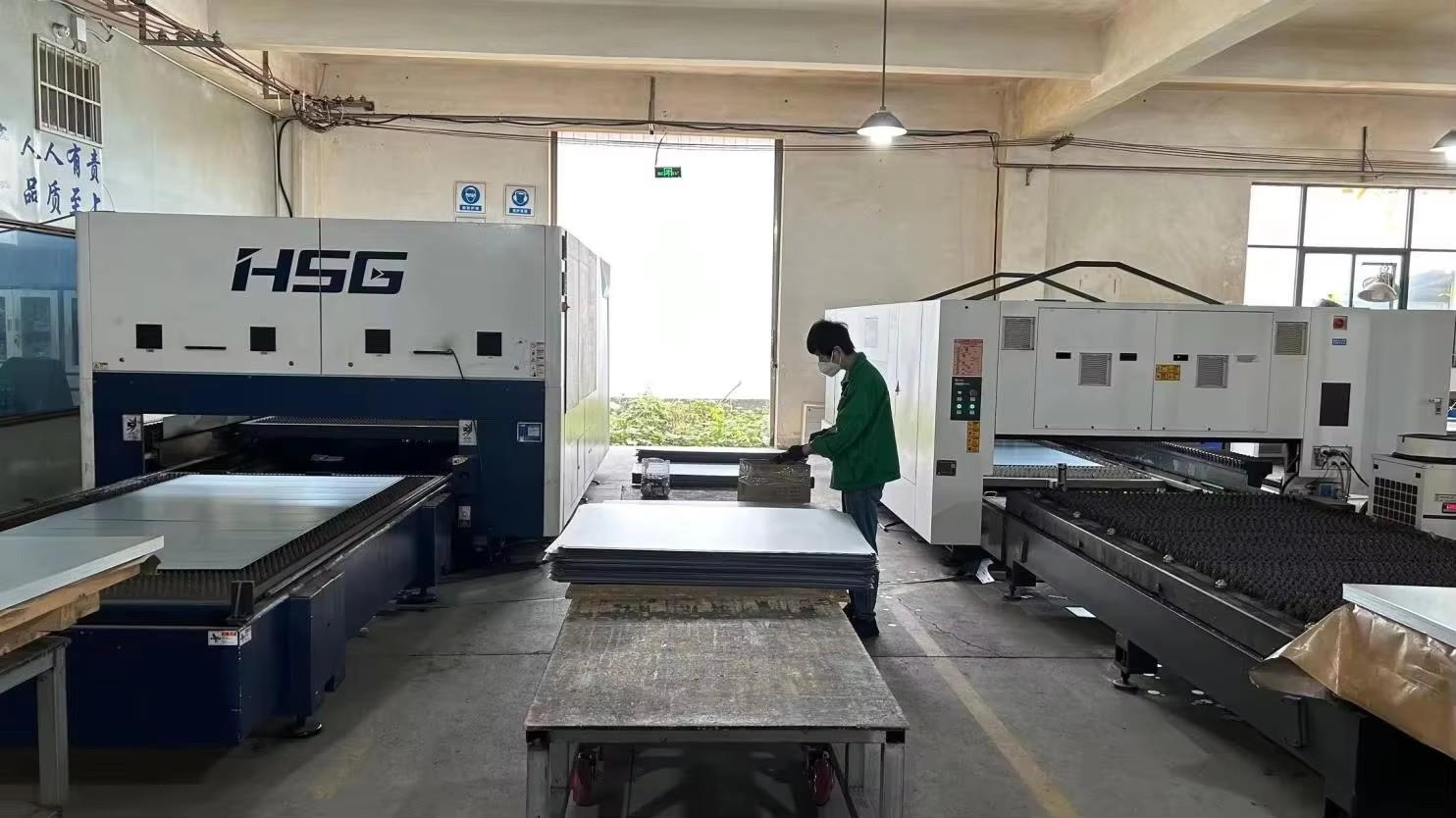
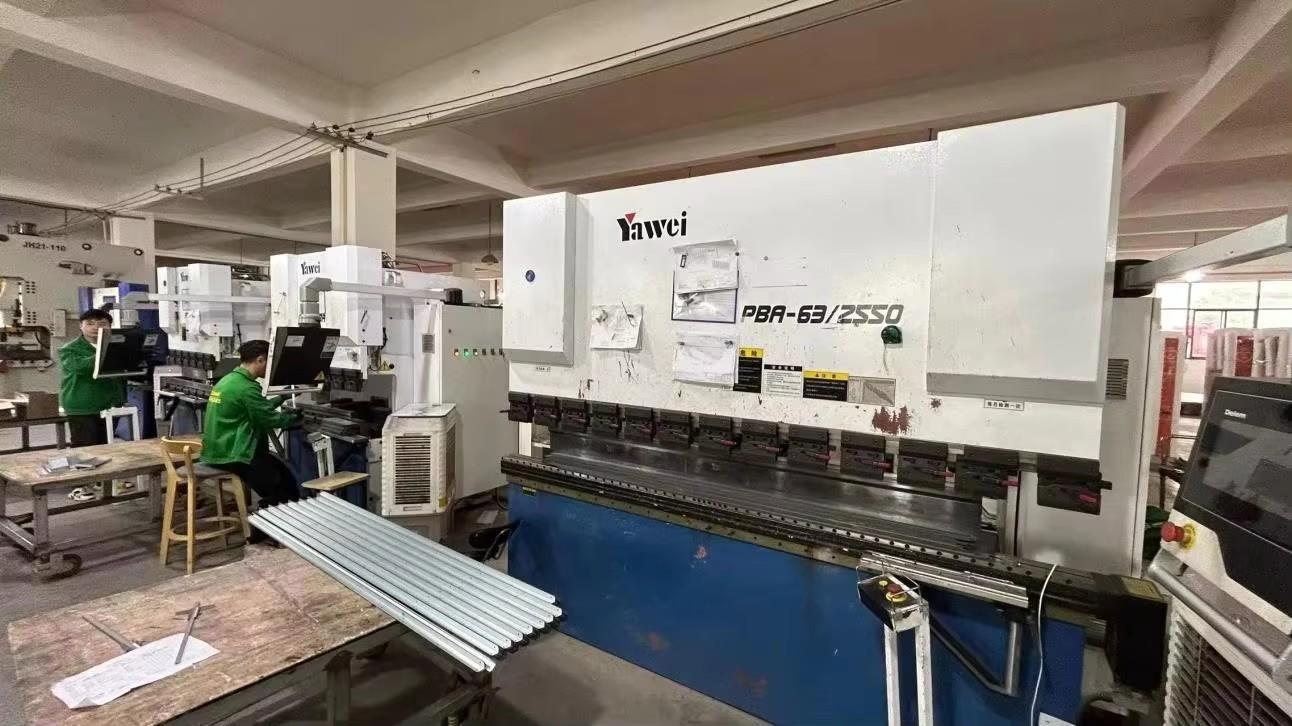
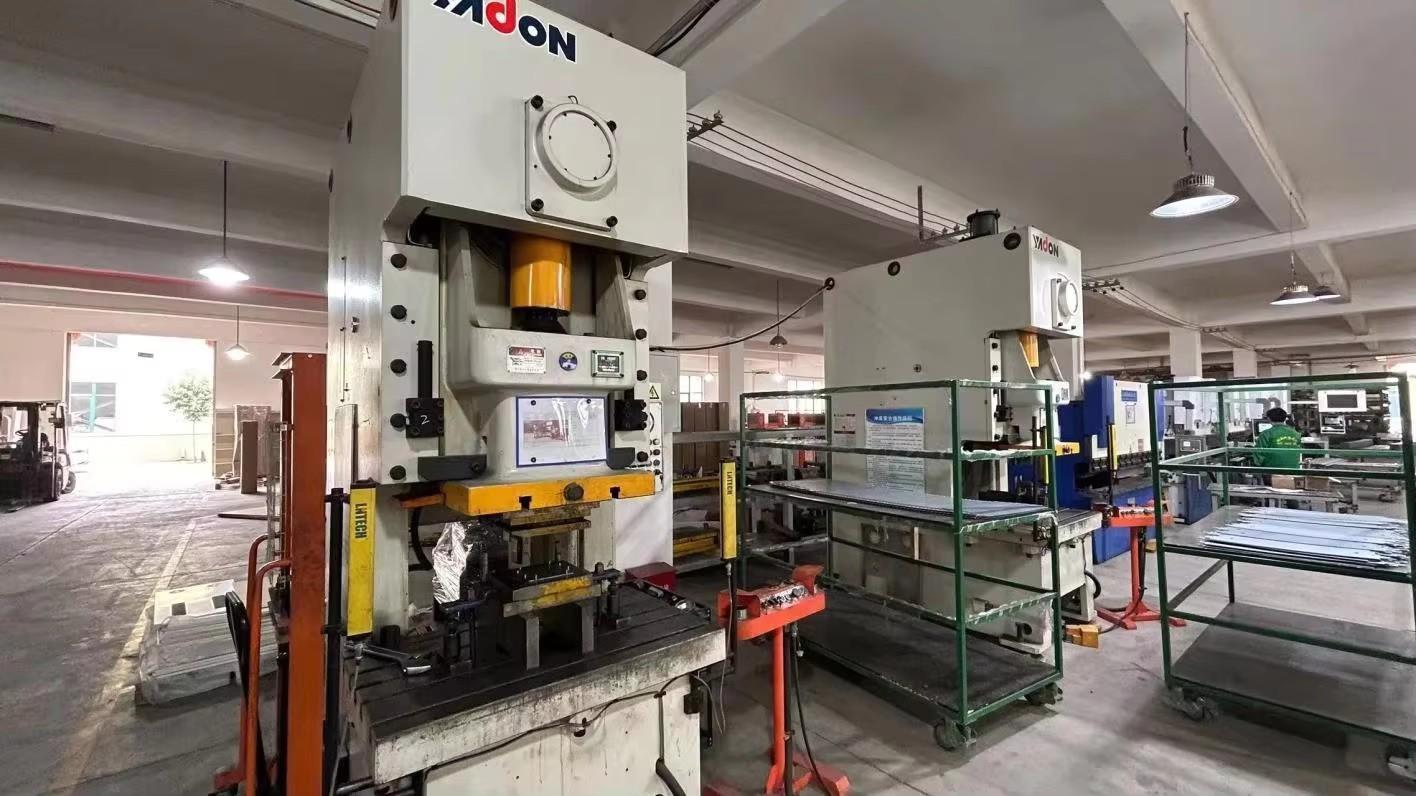
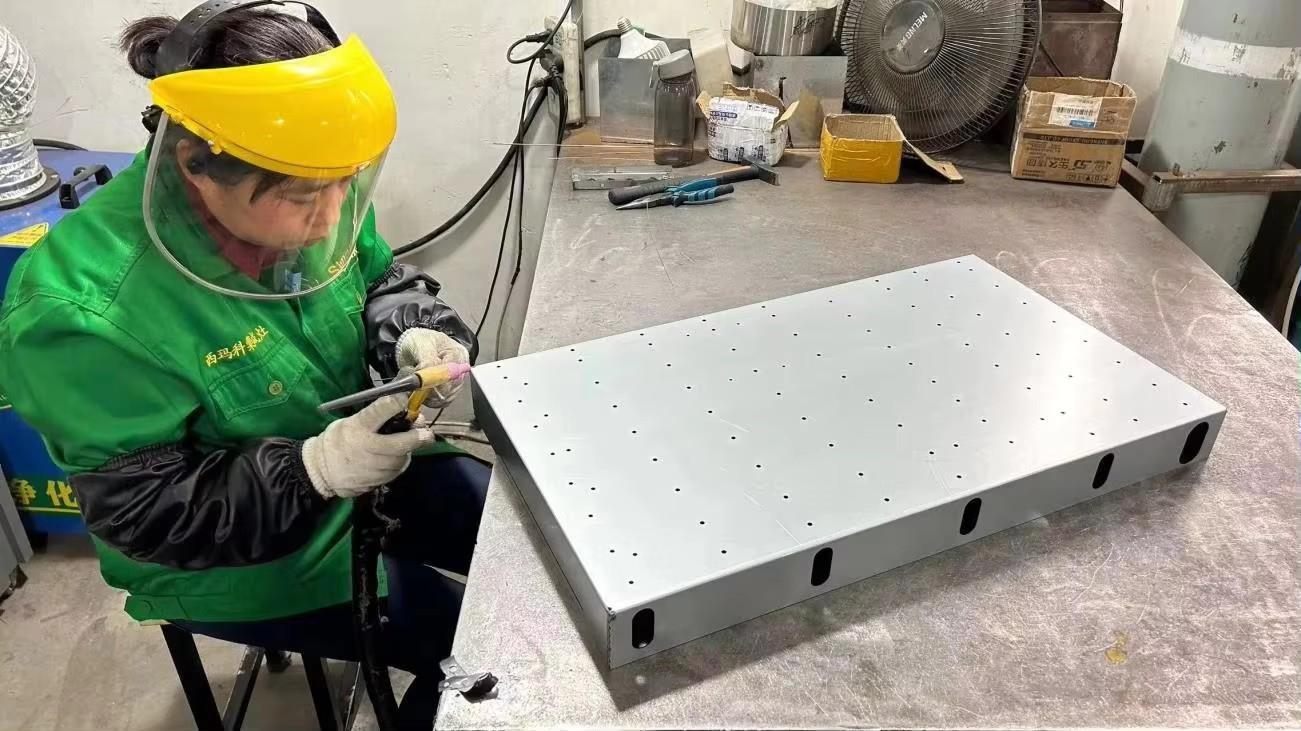
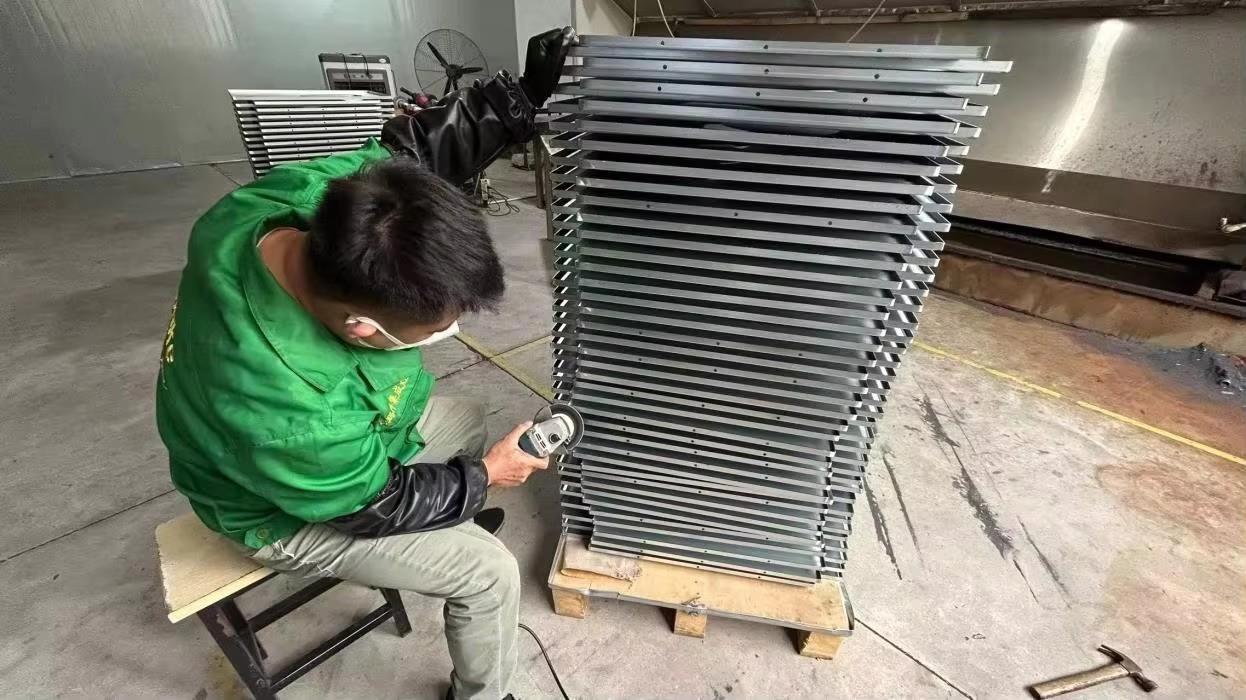
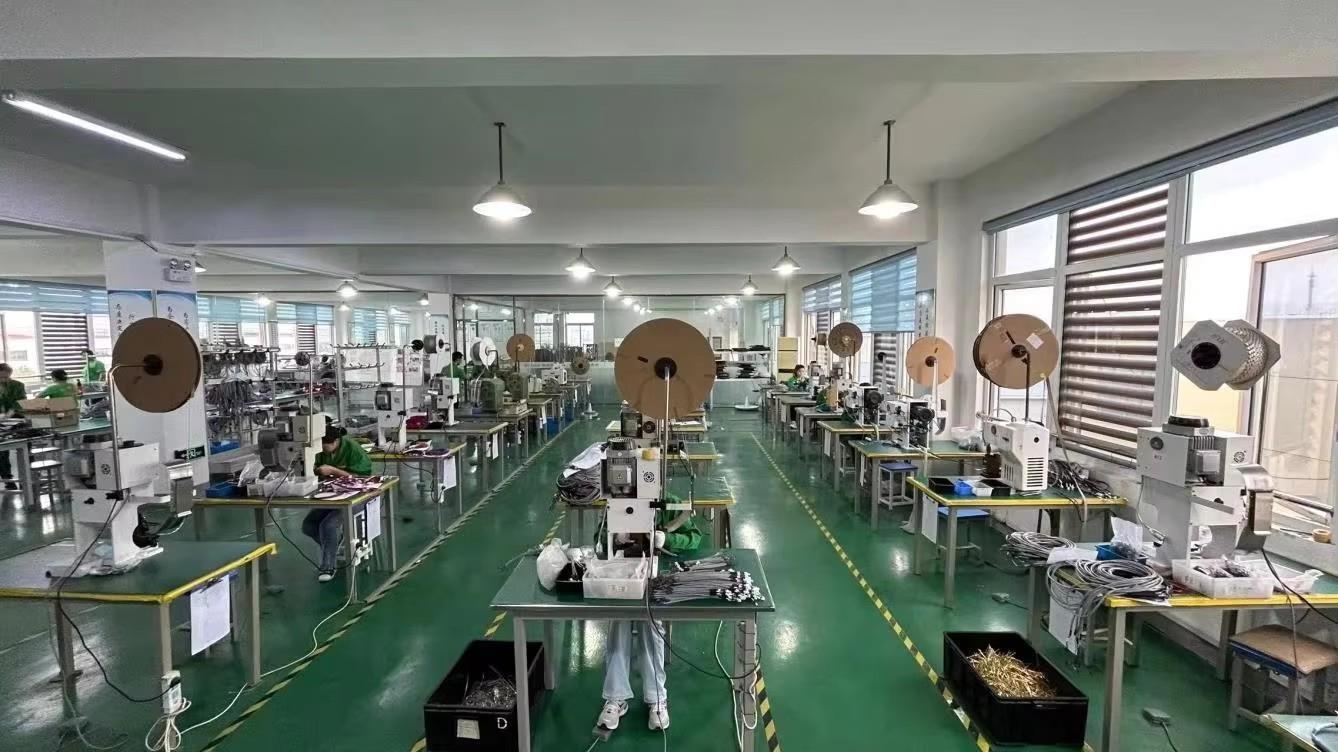
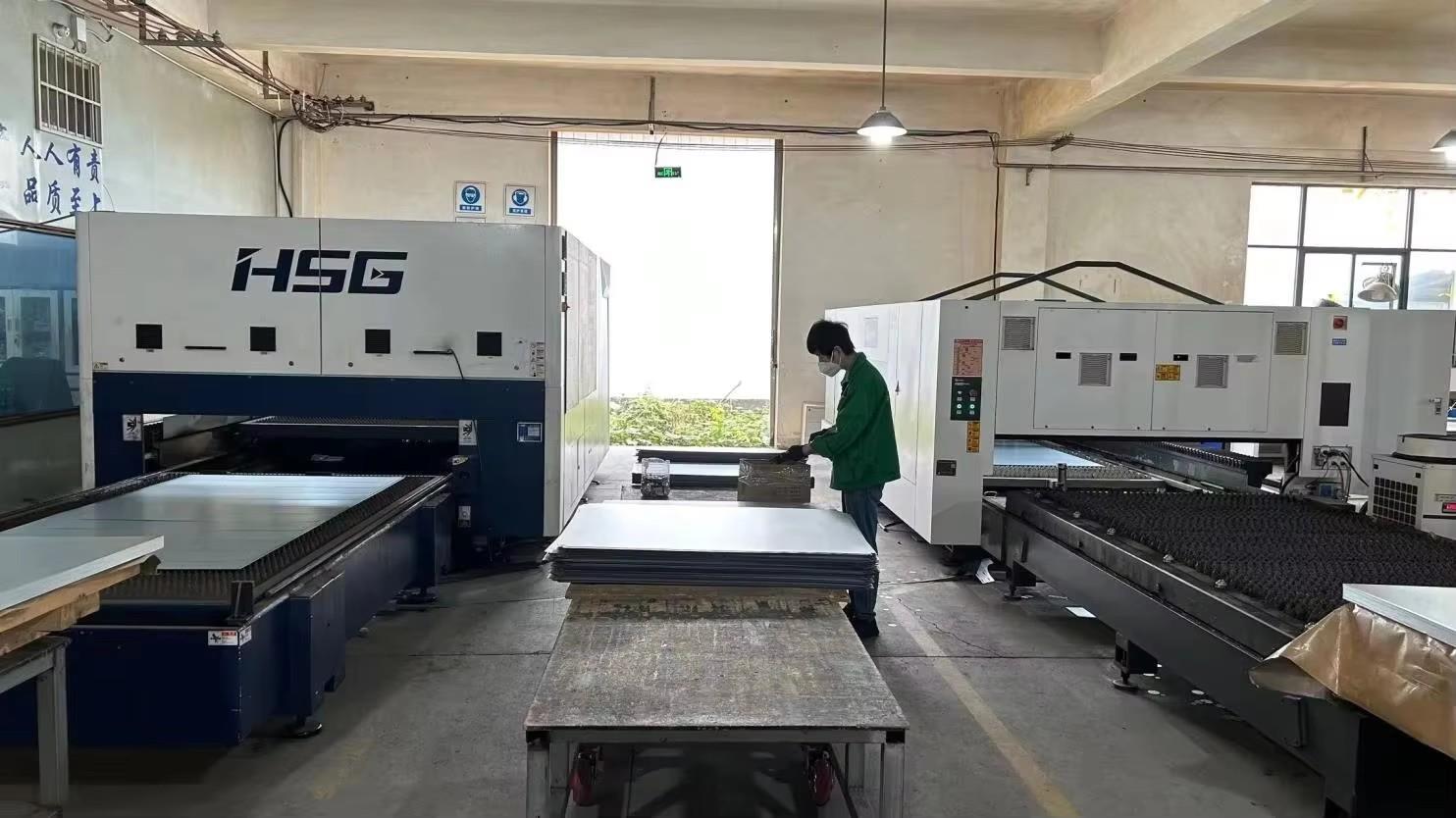
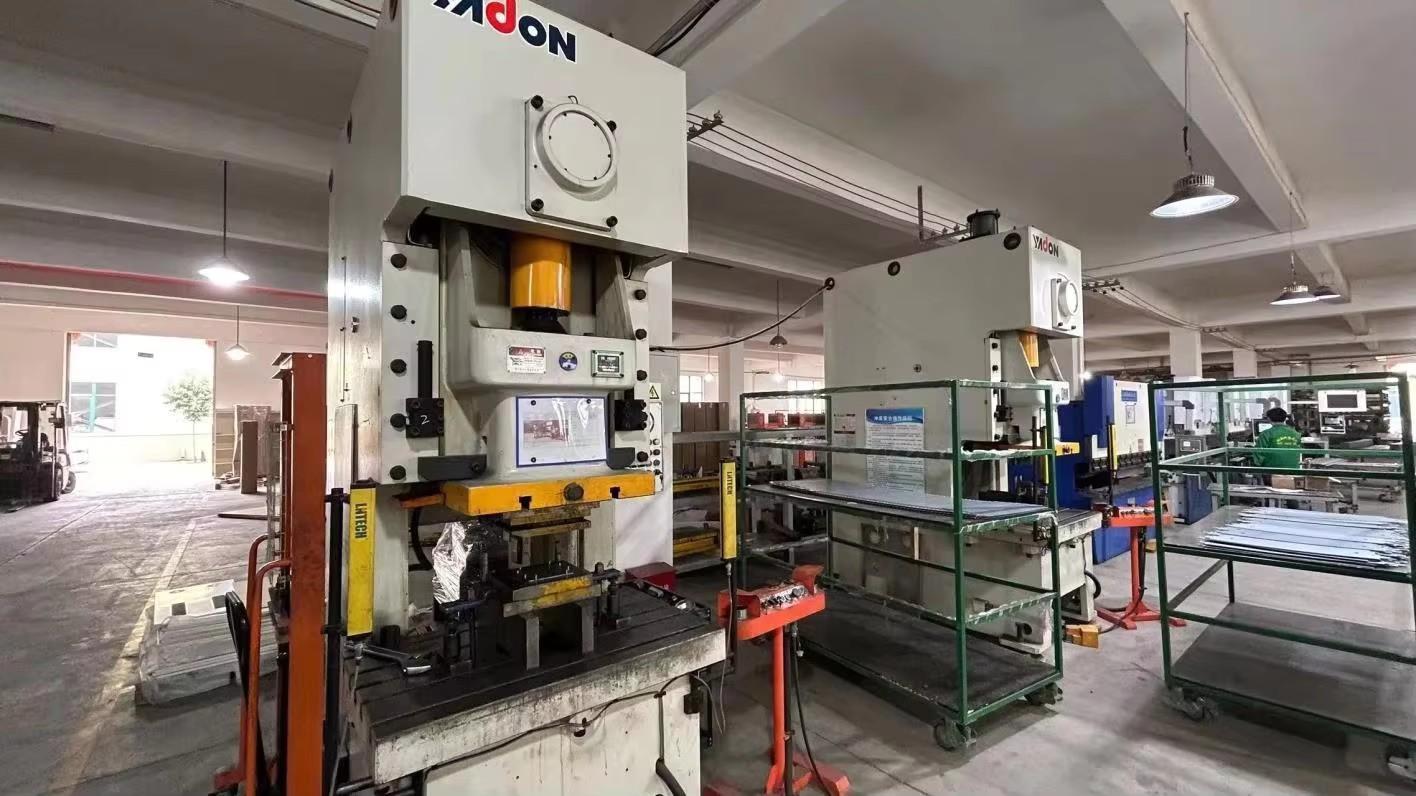
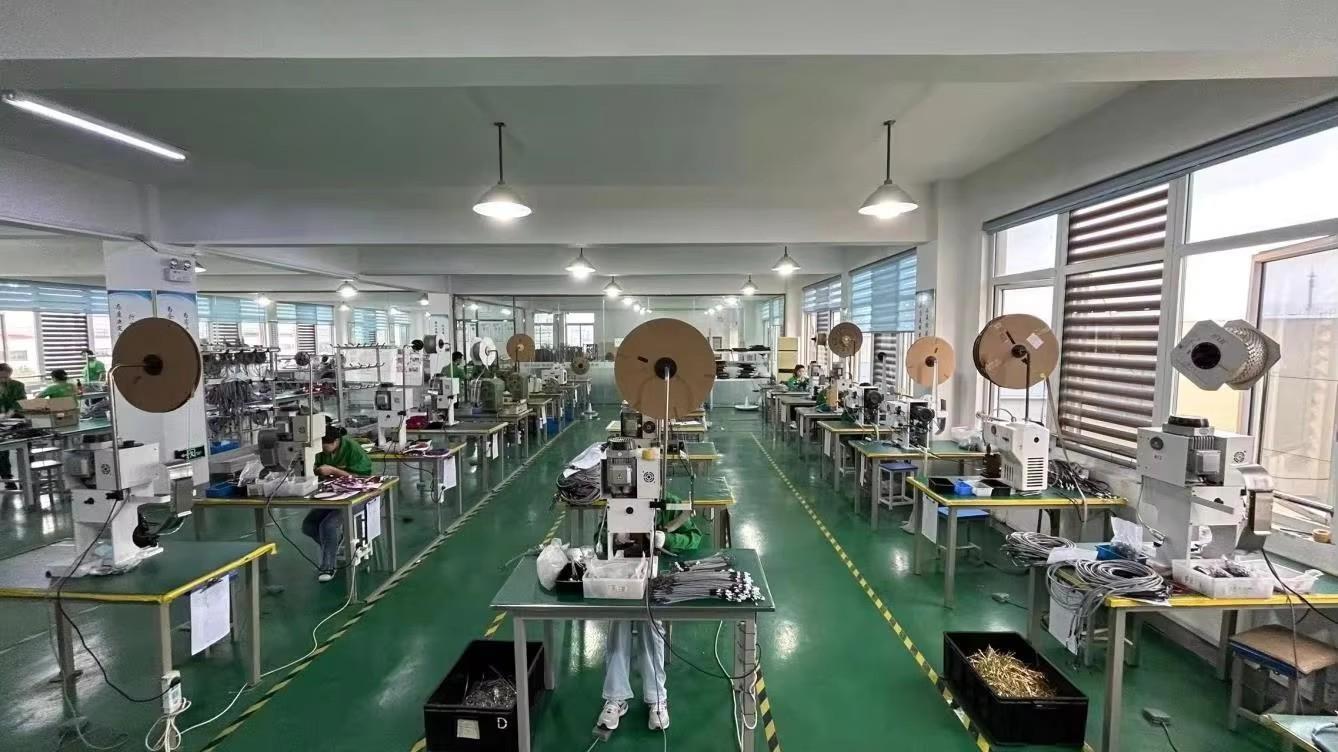
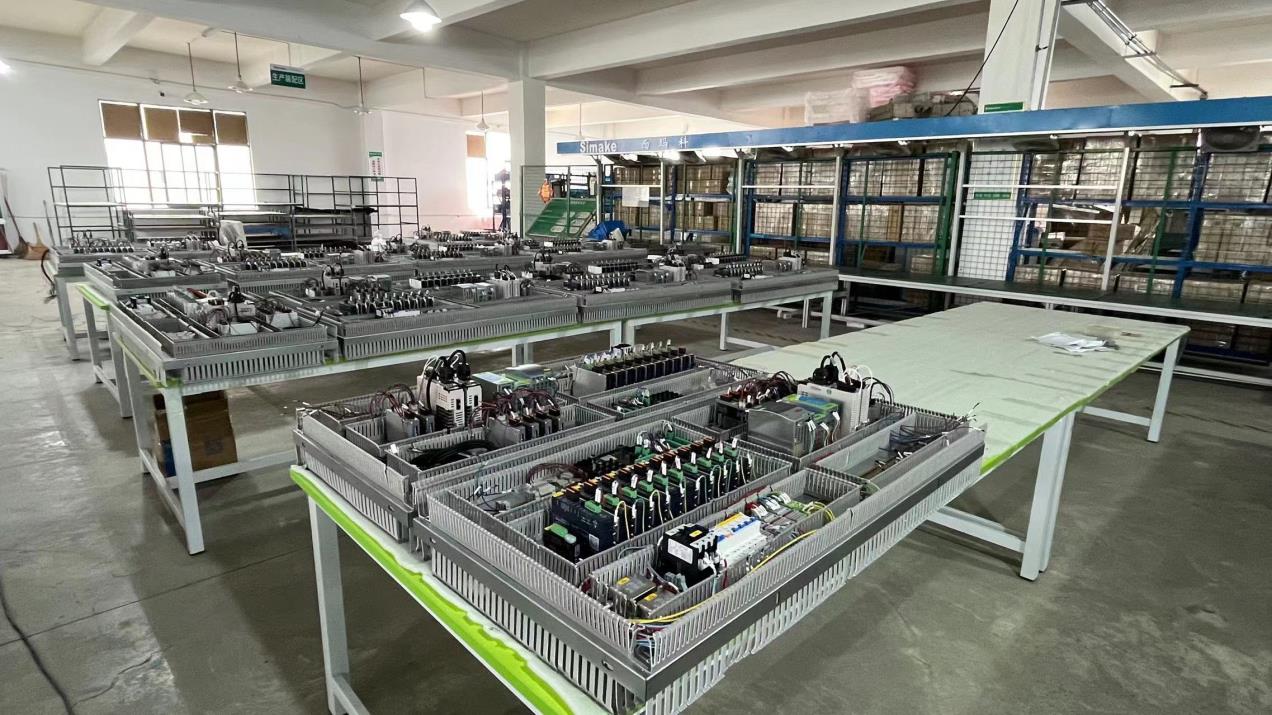
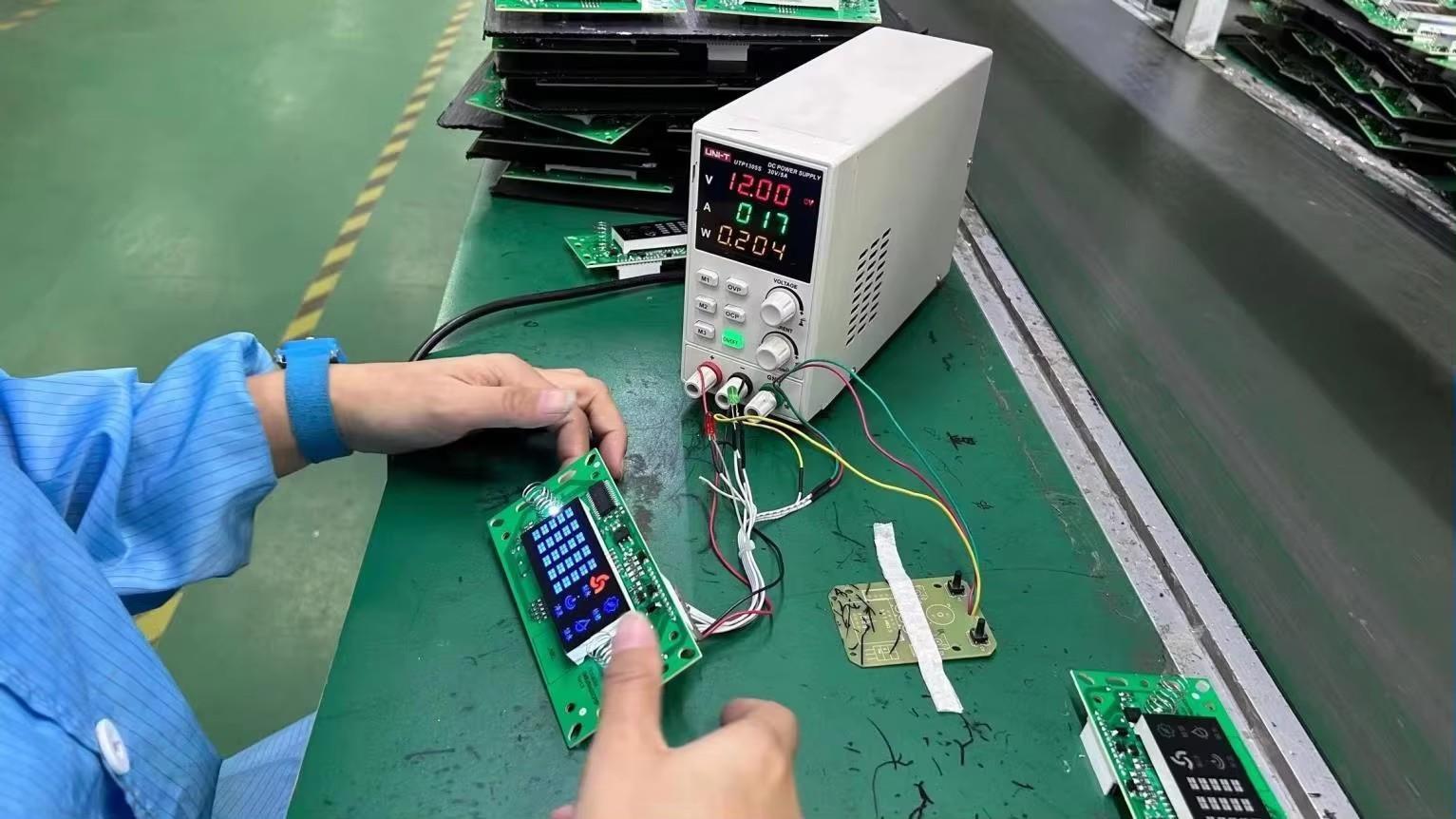
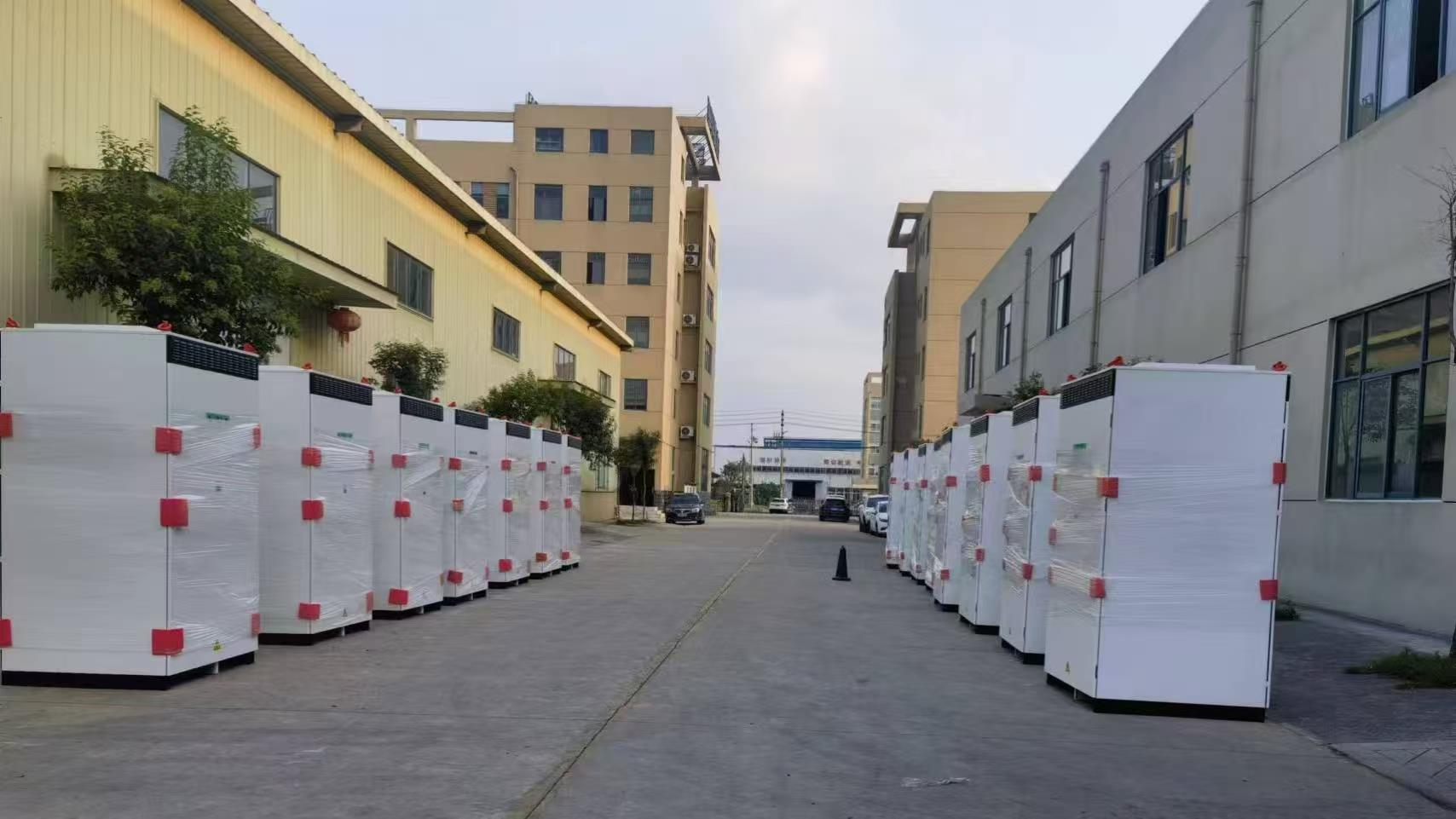
Our raw material sourcing is highly managed; we utilize automotive-grade lithium-iron-phosphate (LiFePO4) chemistry directly from premier suppliers like CATL to produce commercial-grade storage systems. By carrying out metal stamping, laser welding, and automated quality testing in-house, we reduce intermediary supply chain costs, passing those savings directly to international EPC contractors and solar distributors.
Connecting generation systems to public grids requires strict compliance with international utility standards. Different jurisdictions have built complex compliance barriers to prevent damage to public infrastructure and protect maintenance personnel from islanding hazards.
Anti-Islanding Protection (IEEE 1547 / UL 1741): In the event of a utility grid outage, a grid-tied inverter must immediately disconnect from the grid to prevent backfeeding power, which could endanger line workers. Luzz Solar's grid-tied and hybrid inverters feature active and passive anti-islanding mechanisms that respond in milliseconds.
Low Harmonic Distortion (THD): Injecting unstable electricity into the grid can overheat transformers and disrupt local appliances. Our smart inverters keep current THD below 3%, satisfying strict utility rules worldwide.
Grid Code Compliance: Our systems are engineered to meet key regional certifications, including CE (LVD/EMC) for European markets, VDE-AR-N 4105 for German grid entry, AS/NZS 4777.2 for Australia, and G98/G99 for the United Kingdom. We supply complete compliance reports to our distribution partners to help streamline local grid connection approvals.
For B2B buyers, purchasing grid-tied solar hardware is an investment calculated over a 10-to-25-year operational lifecycle. Key metrics like round-trip efficiency (RTE), C-rate, degradation rates, and local support are critical factors during vendor evaluations.
Our logistics network handles the shipping of complex energy products, including heavy containerized battery systems and high-precision electronic controllers. With near-port warehousing in Qingdao, we offer secure container packing, hazardous materials shipping certification for lithium battery arrays (UN38.3, MSDS), and customized documentation to support smooth customs clearance in destination ports.
The global grid-tied sector is transitioning from simple net-metering toward active grid management. Two major trends are leading this shift:
1. Virtual Power Plants (VPPs) and Dynamic Dispatch: Modern grid-tied storage systems are increasingly integrated into VPP software networks. Through cloud platforms, energy companies can aggregate thousands of small-scale residential and commercial batteries to act as a single virtual power station. This allows system owners to generate revenue by providing ancillary services, such as frequency regulation, back to the utility grid.
2. High-Voltage Battery Architectures: High-voltage storage configurations (ranging from 200V to over 800V DC) are becoming standard for residential and commercial systems. Compared to traditional 48V systems, high-voltage setups reduce cable thickness, minimize transmission energy loss, and improve overall system efficiency.
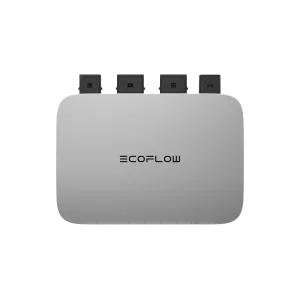
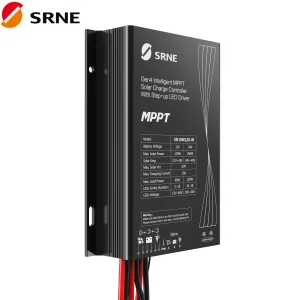
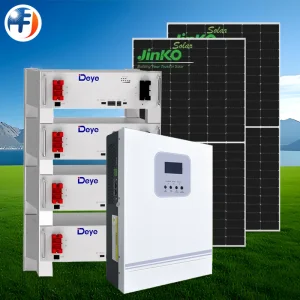
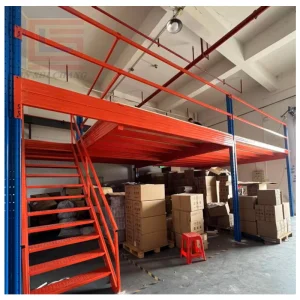
Complete your project requirements with our specialized solar controllers, high-efficiency hybrid inverters, industrial racking platforms, and microinverters.
Qingdao Luzz Solar Co., Ltd. is a professional new energy enterprise specializing in the development, manufacturing, and global distribution of photovoltaic (PV) products and integrated energy storage solutions. Located in Qingdao, China, the company benefits from a well-established renewable energy industrial base and advanced manufacturing capabilities.
With the accelerating global transition toward carbon neutrality and sustainable development, Luzz Solar is committed to providing efficient, reliable, and cost-effective clean energy solutions to customers worldwide. Our product portfolio includes high-efficiency solar photovoltaic modules, energy storage systems, and integrated solar application solutions designed for residential, commercial, and utility-scale projects.
Driven by technological innovation and quality excellence, the company continuously invests in R&D and production optimization to improve product performance, energy conversion efficiency, and system reliability. We strictly adhere to international quality standards and implement rigorous quality control throughout the entire production process to ensure stable and long-term product performance.
Qingdao Luzz Solar actively expands its global market presence, with business coverage across Asia, Europe, the Middle East, Africa, and Latin America. By working closely with international partners, we are committed to delivering tailored energy solutions that meet diverse regional needs and support the global energy transition.
Guided by the core values of integrity, innovation, cooperation, and sustainability, Luzz Solar strives to become a trusted global partner in the new energy industry. We are dedicated to advancing solar technology and contributing to a greener, more sustainable future.
Get answers to key technical and commercial questions about importing and deploying grid-tied systems from China.
 Luzz Solar