What are the primary benefits of transitioning to solar energy?
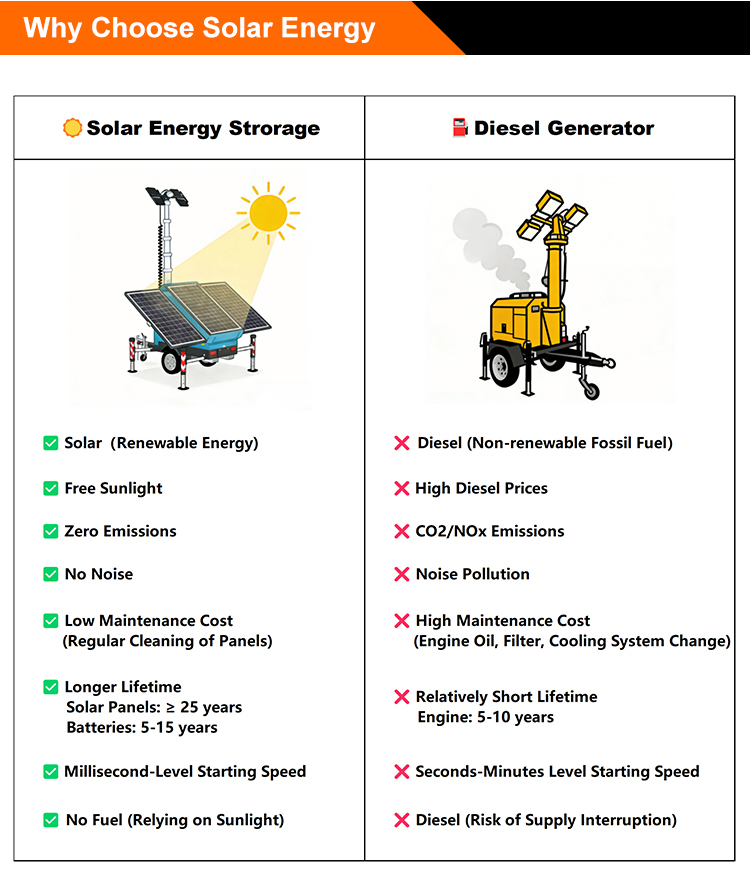
Transitioning to solar energy helps significantly lower monthly electricity costs, decreases reliance on public utility grids, increases property values, and drastically reduces greenhouse gas emissions for a cleaner environment.
How do I choose the correct solar panel setup for my project?
Selecting the right configuration depends on your total energy usage, available roof space or ground area, regional sunlight exposure, and long-term storage requirements. High-efficiency monocrystalline panels are ideal for limited-space installations.
What maintenance does a typical solar energy system require?
Solar panels require very minimal maintenance. Keep them clear of debris, dust, and leaves by washing them periodically with water. Annual professional inspections are recommended to ensure electrical components and mounting structures remain secure.
Can solar panel arrays generate electricity during cloudy or rainy days?
Yes, solar panels continue to operate on overcast or rainy days by utilizing diffuse light. However, their power generation efficiency will be lower compared to direct, bright sunlight.
What is the expected lifetime of a commercial-grade solar panel?
Modern high-performance solar panels are designed to last between 25 and 30 years. Over this timeframe, they maintain a high generation capacity, with standard performance degradation rates of less than 0.5% per year.
Is a battery backup system necessary for all solar installations?
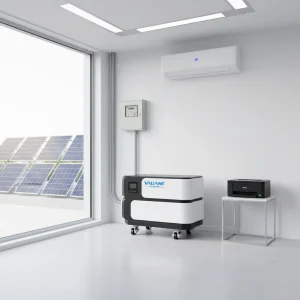
While grid-tied solar systems run efficiently without batteries, integrating a lithium battery backup allows you to store excess power for night use or emergency blackouts, maximizing your overall energy independence.
 Luzz Solar