Engineered for high temperature resilience, seamless inverter integration, and stable performance under Morocco’s national grid profile.
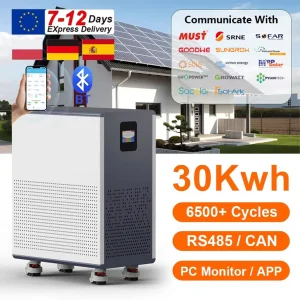
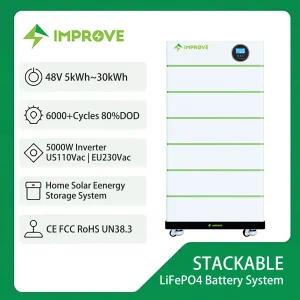
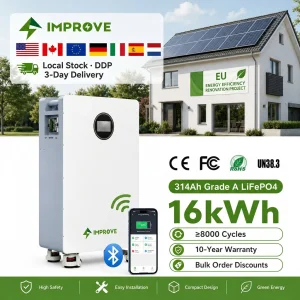
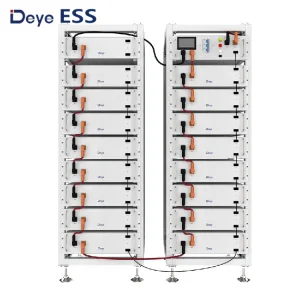
As a global leader in renewable energy deployment, Morocco is aggressively executing its National Energy Strategy, targetting more than 52% of its installed electrical capacity from renewable sources by 2030. The massive injection of intermittent solar energy—from mega-scale projects like the Noor Ouarzazate Complex to localized rooftop arrays—creates a critical need for rapid-response frequency regulation, grid stabilization, and peak shaving.
For commercial, industrial, and agricultural end-users across Casablanca, Tangier, and Marrakech, grid fluctuations represent a operational vulnerability. Standard energy infrastructure is increasingly supplemented with modular, rack-mounted LiFePO4 battery storage systems (ESS). These units provide instantaneous backup power, absorb excess daytime photovoltaic yield, and mitigate the penalties associated with peak-load tariffs.
Morocco's distinct topography and climate zones present unique operating requirements. Our server rack lithium solutions are configured for targeted high-demand applications:
In regions like Souss-Massa, diesel-dependent drip-irrigation networks are rapidly transitioning to hybrid solar storage. High-voltage rack-mounted batteries provide the high starting currents required for deep-well pumps, smoothing out transient solar drops due to cloud cover.
With massive investments in 5G expansion, networks require ultra-reliable back-up systems capable of continuous operation in remote Atlas Mountain terrain and hot Saharan zones. Our 19-inch 48V standard modules fit directly into existing telecom cabinets.
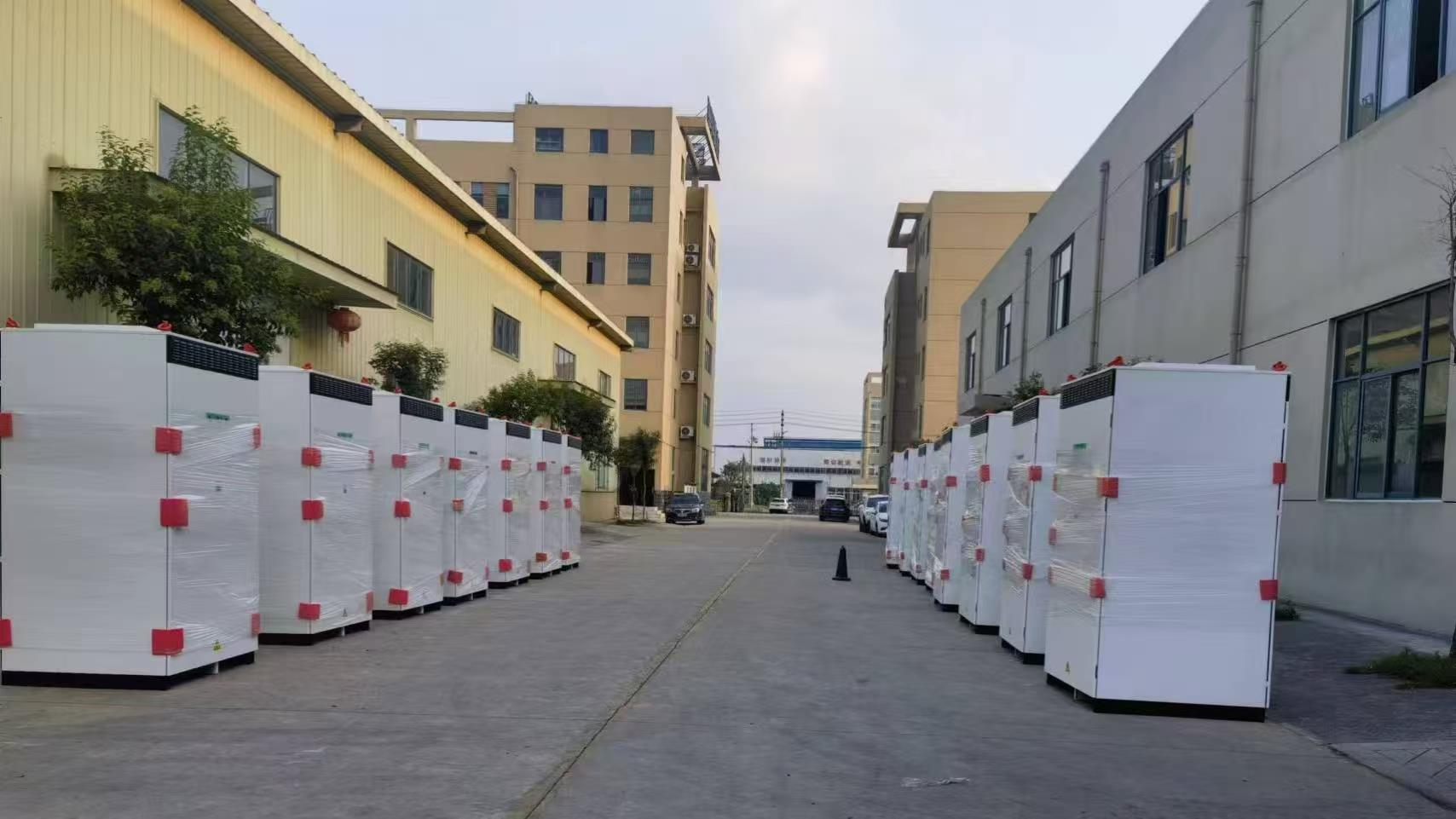
Automotive and aerospace hubs in Tangier Mediterranean and Kenitra Eco-Zones deploy our high-voltage containerized energy storage units (ESS) to optimize tariff arbitrage, run emergency operations, and achieve strict zero-carbon corporate mandates.
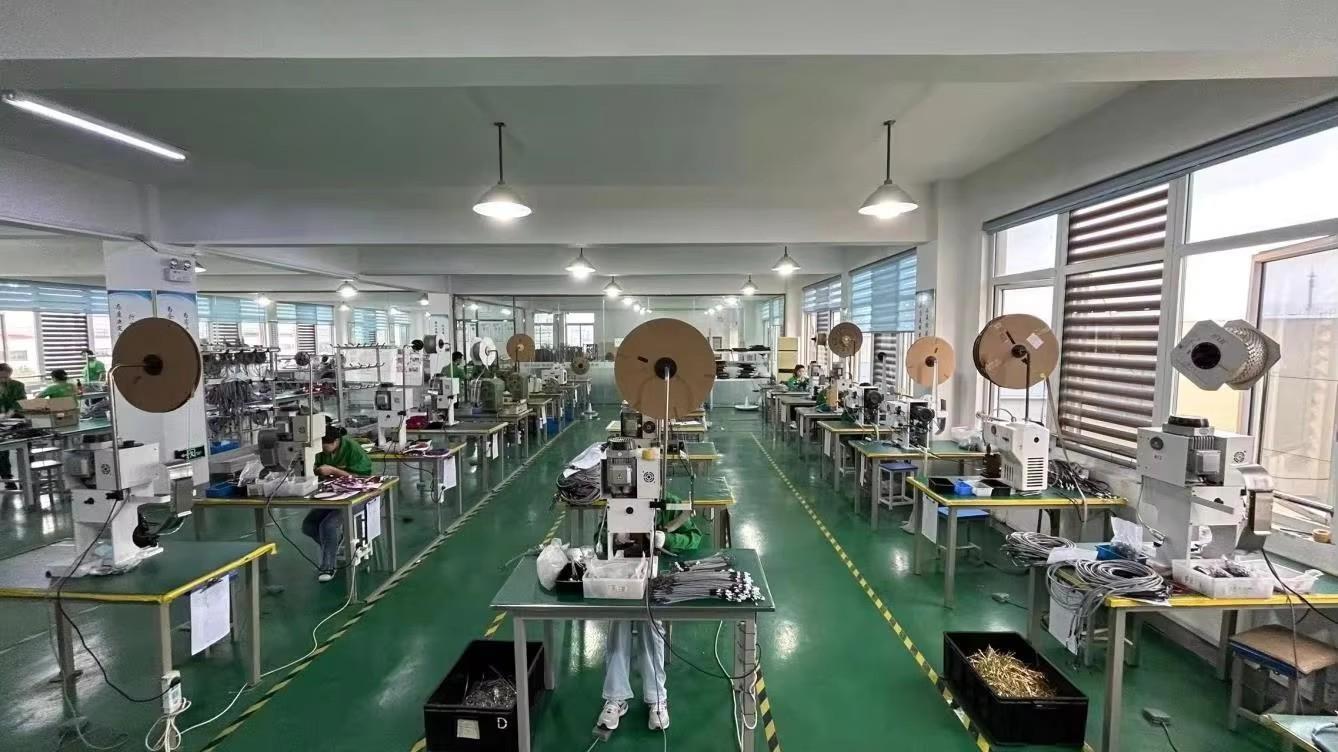
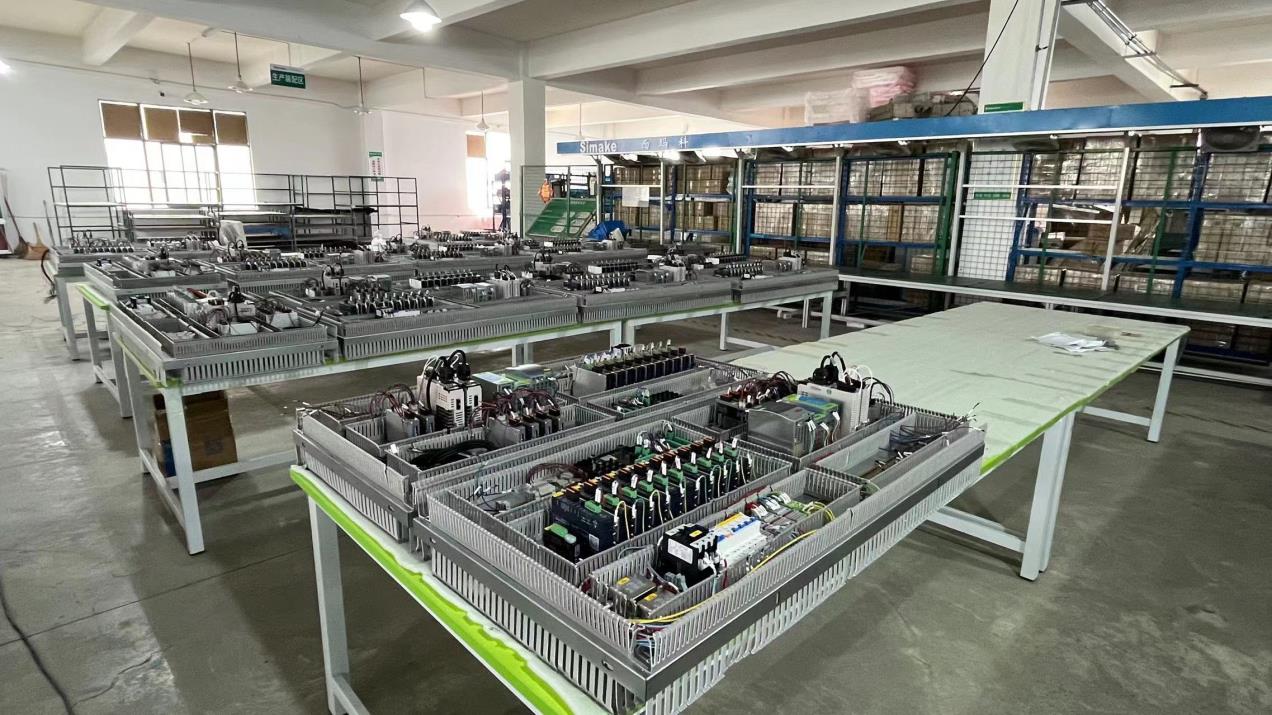
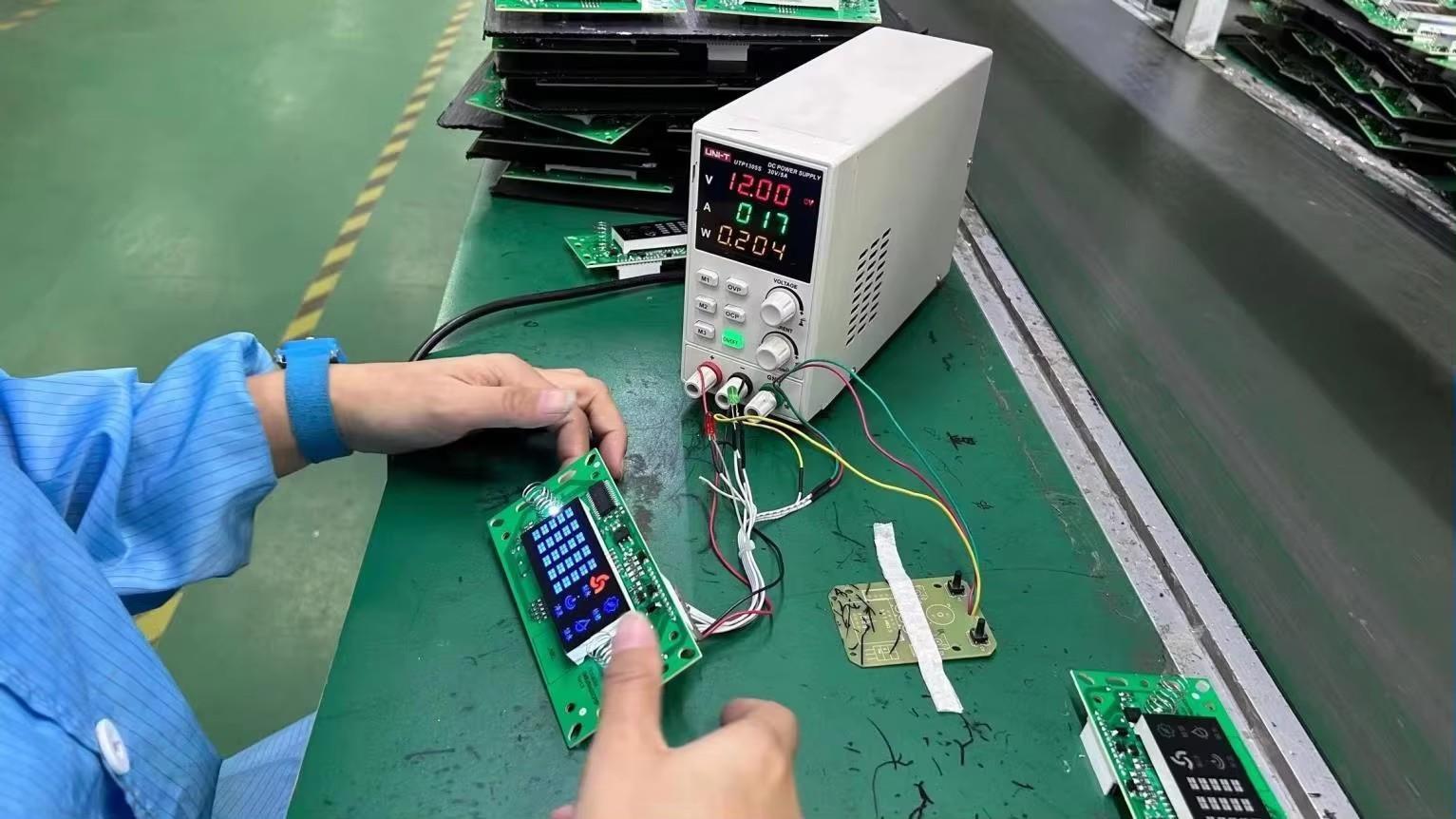
Operating from our state-of-the-art production base in Qingdao, China, **Qingdao Luzz Solar Co., Ltd.** integrates end-to-end manufacturing capabilities. By overseeing every production phase—from structural sheet metal stamping and bending to laser cell-busbar welding and automated hardware-in-the-loop (HIL) testing—we ensure that every rack battery meets international safety standards. Our manufacturing process utilizes advanced technology to guarantee optimal reliability for Moroccan energy system installers.
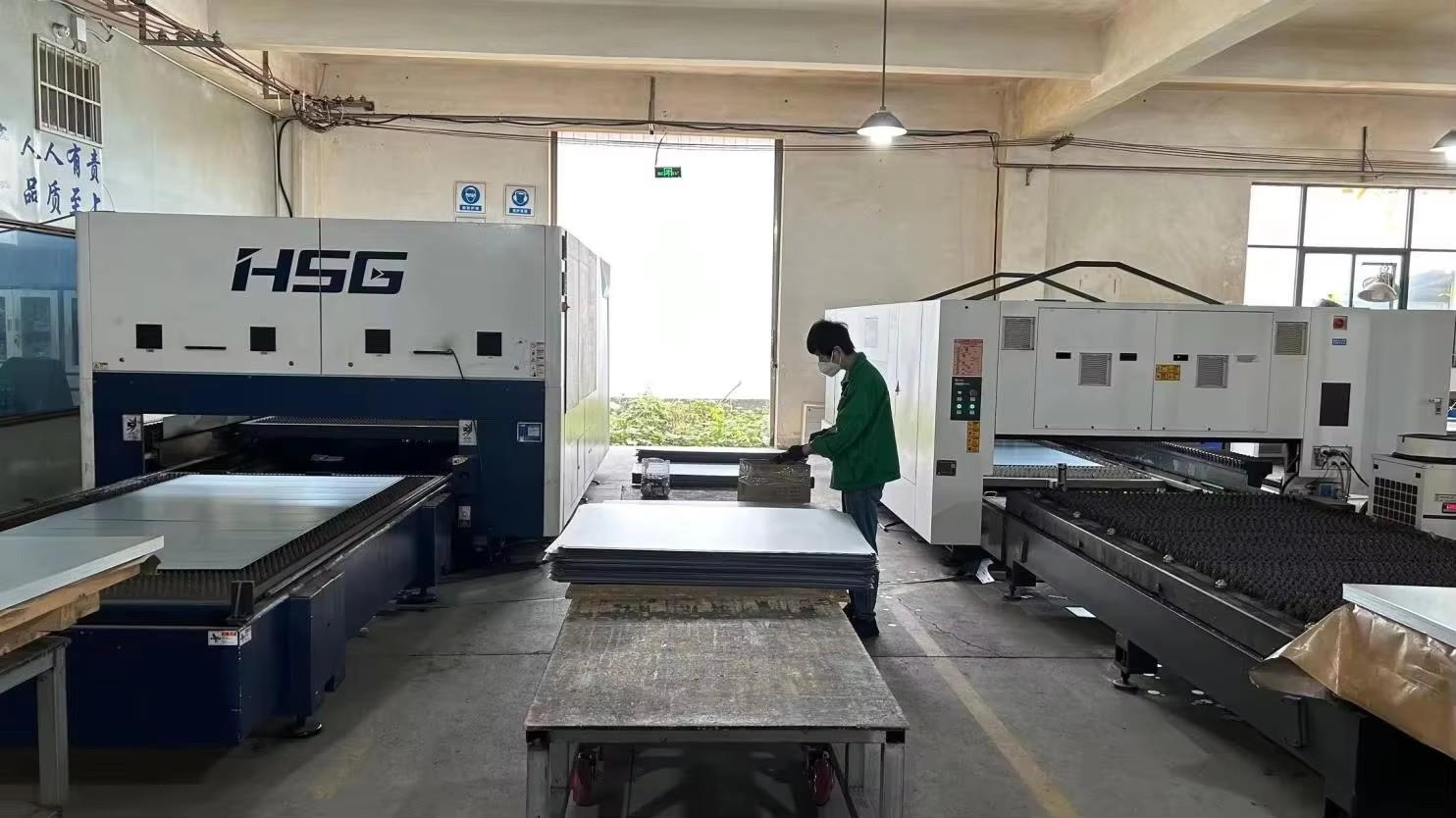
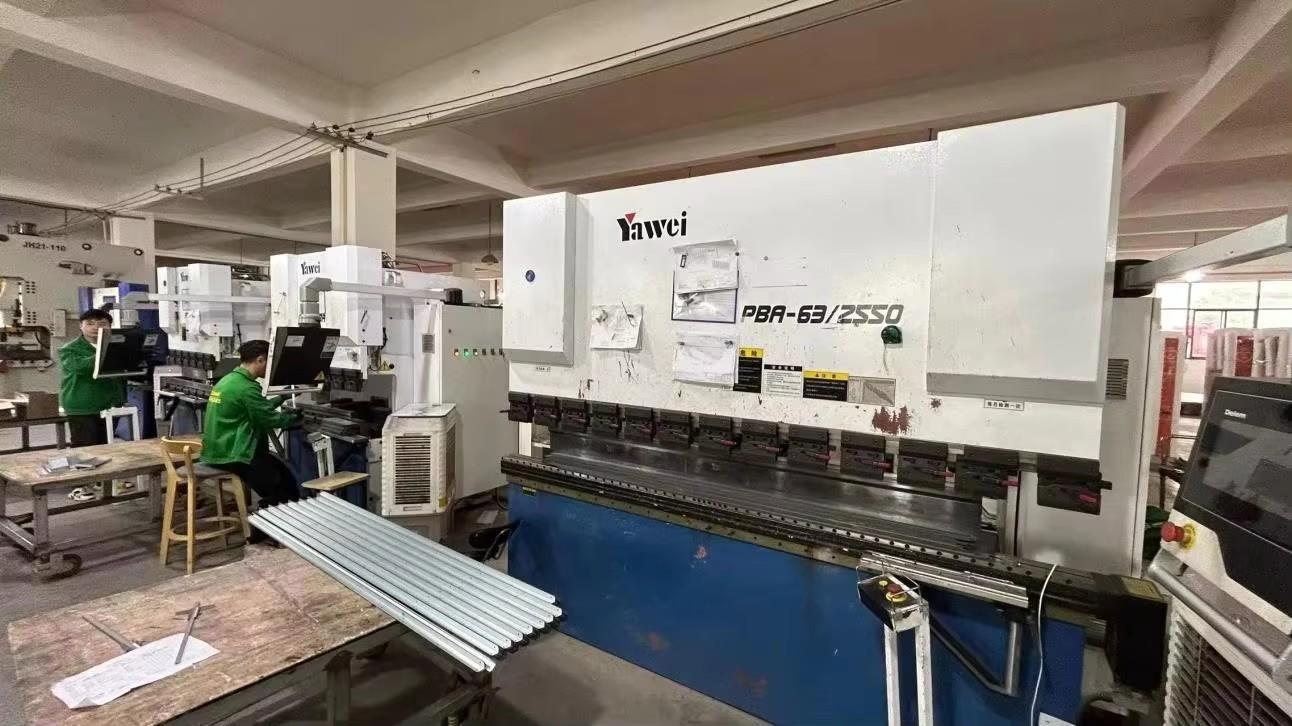
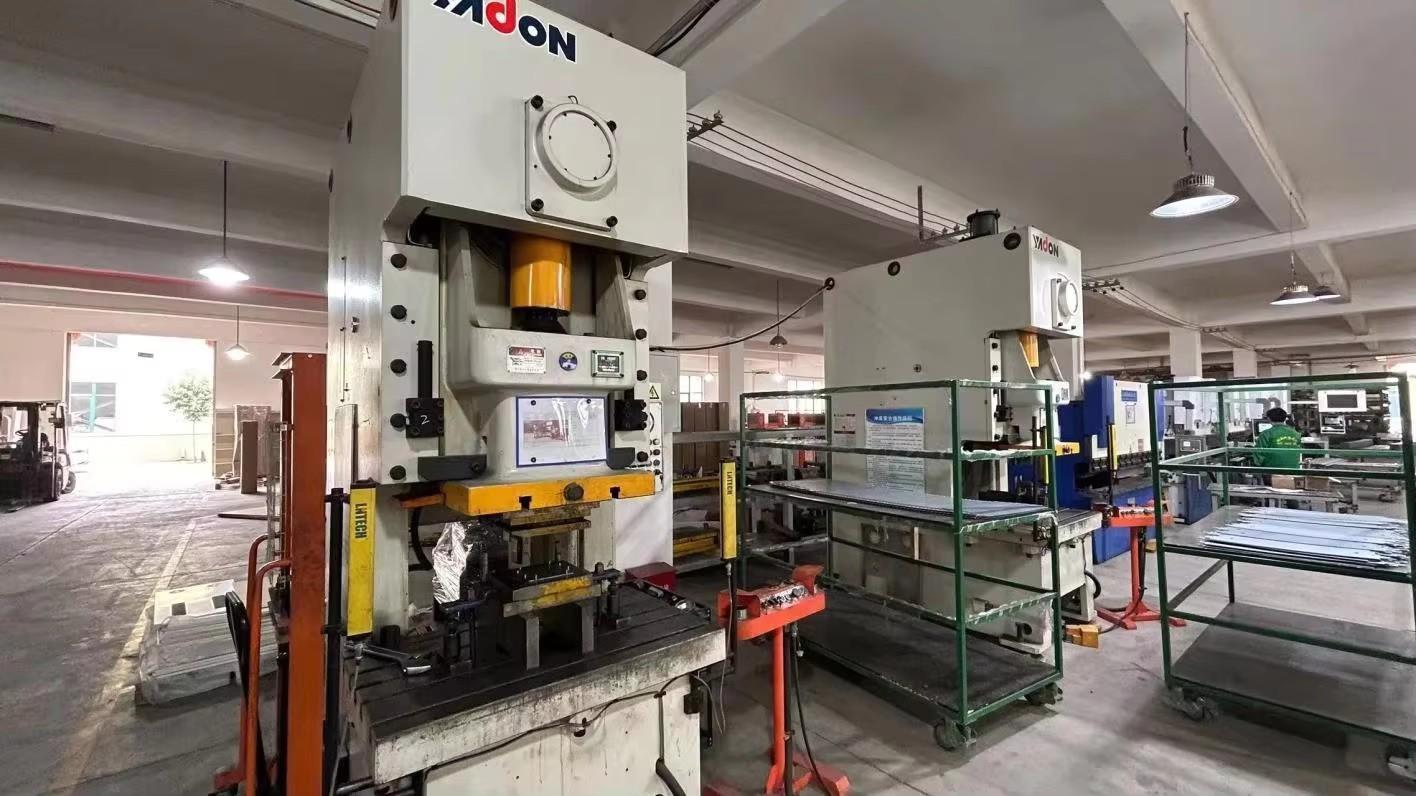
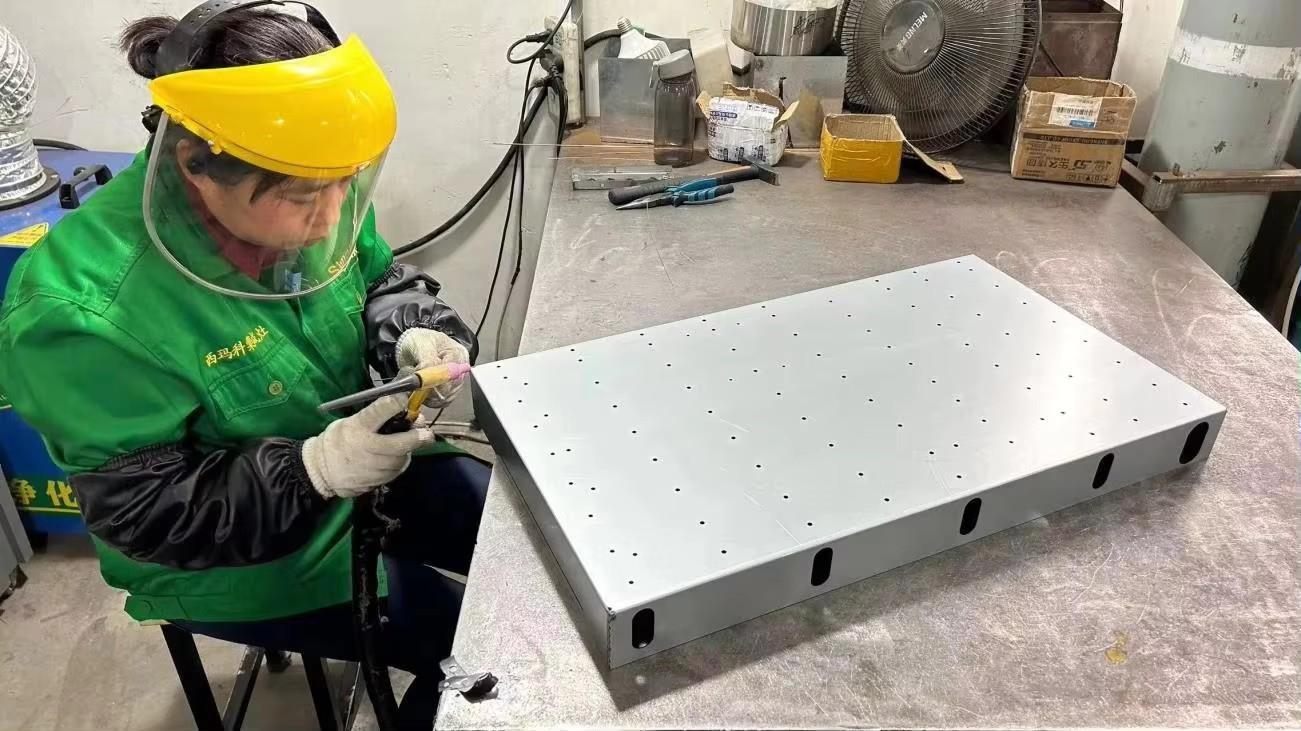
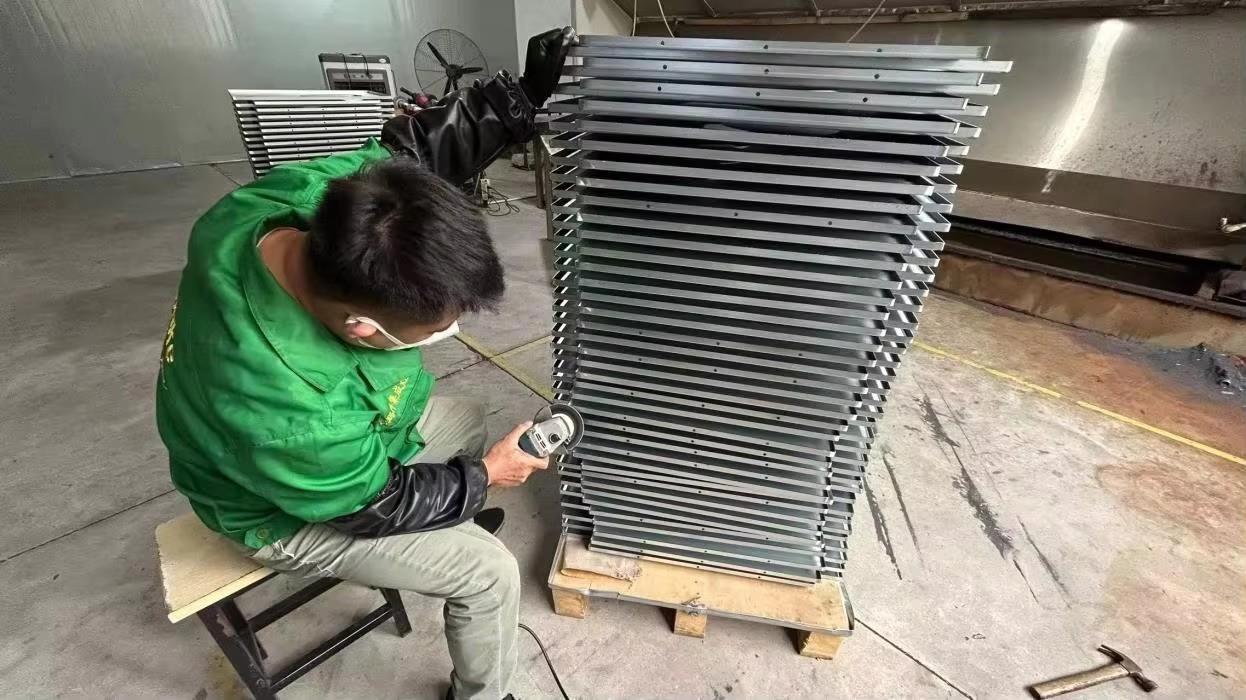
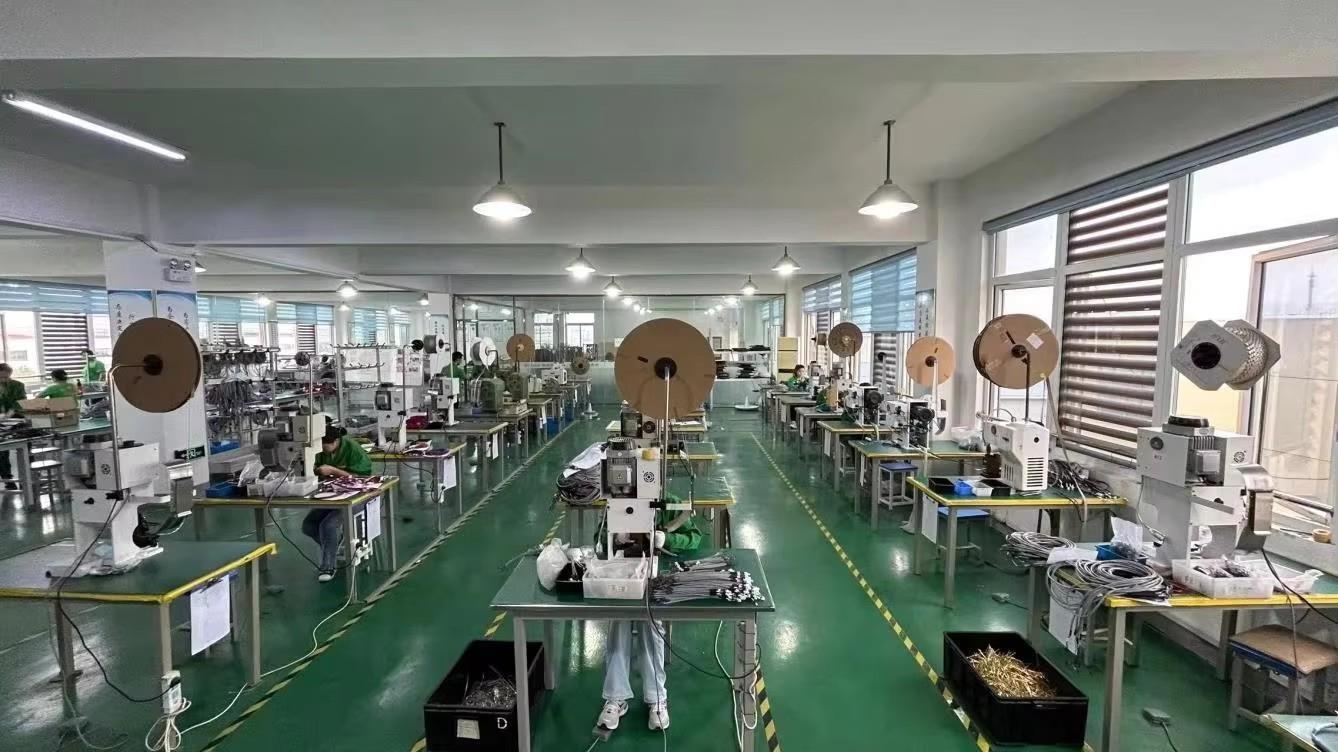
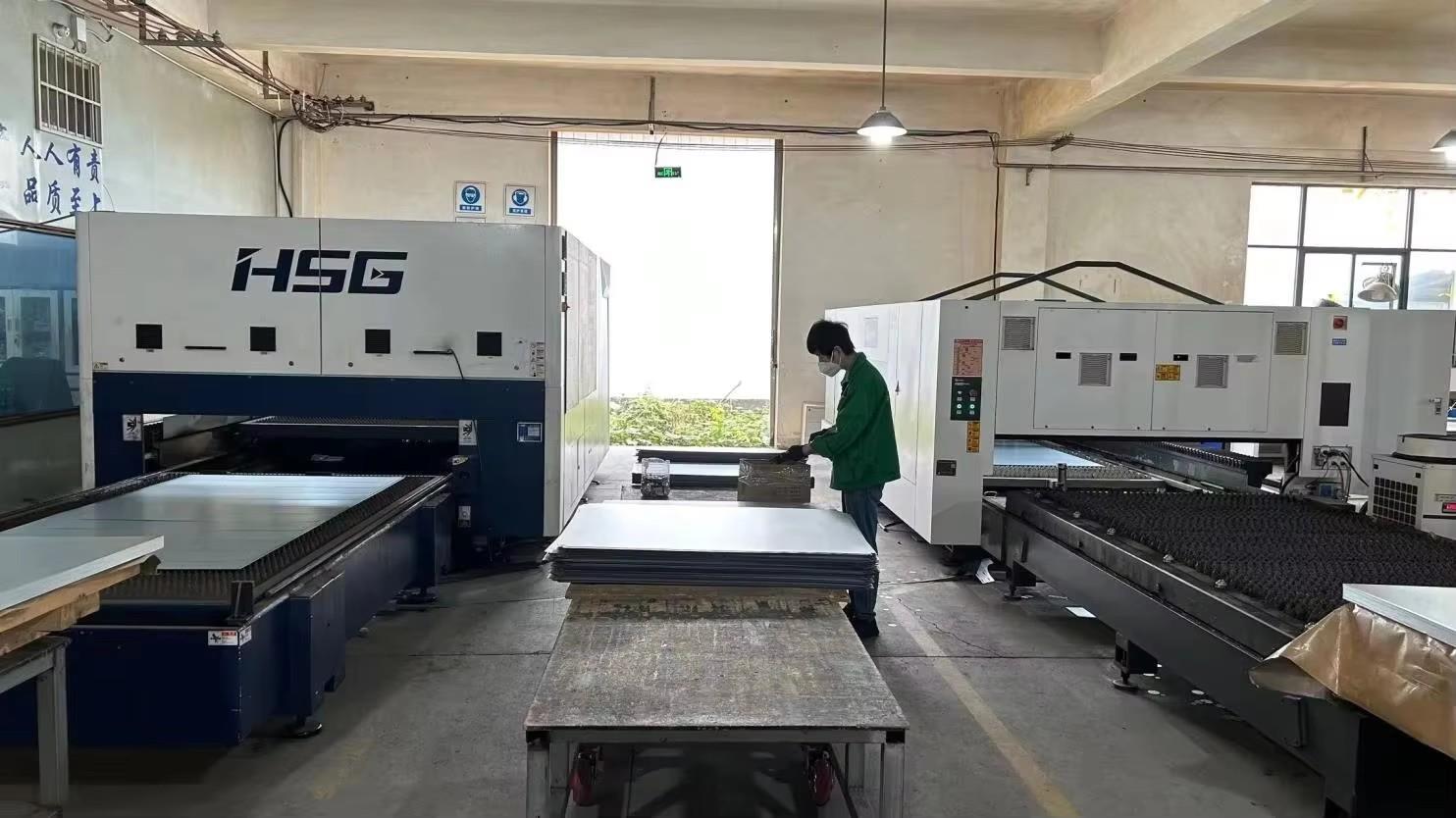
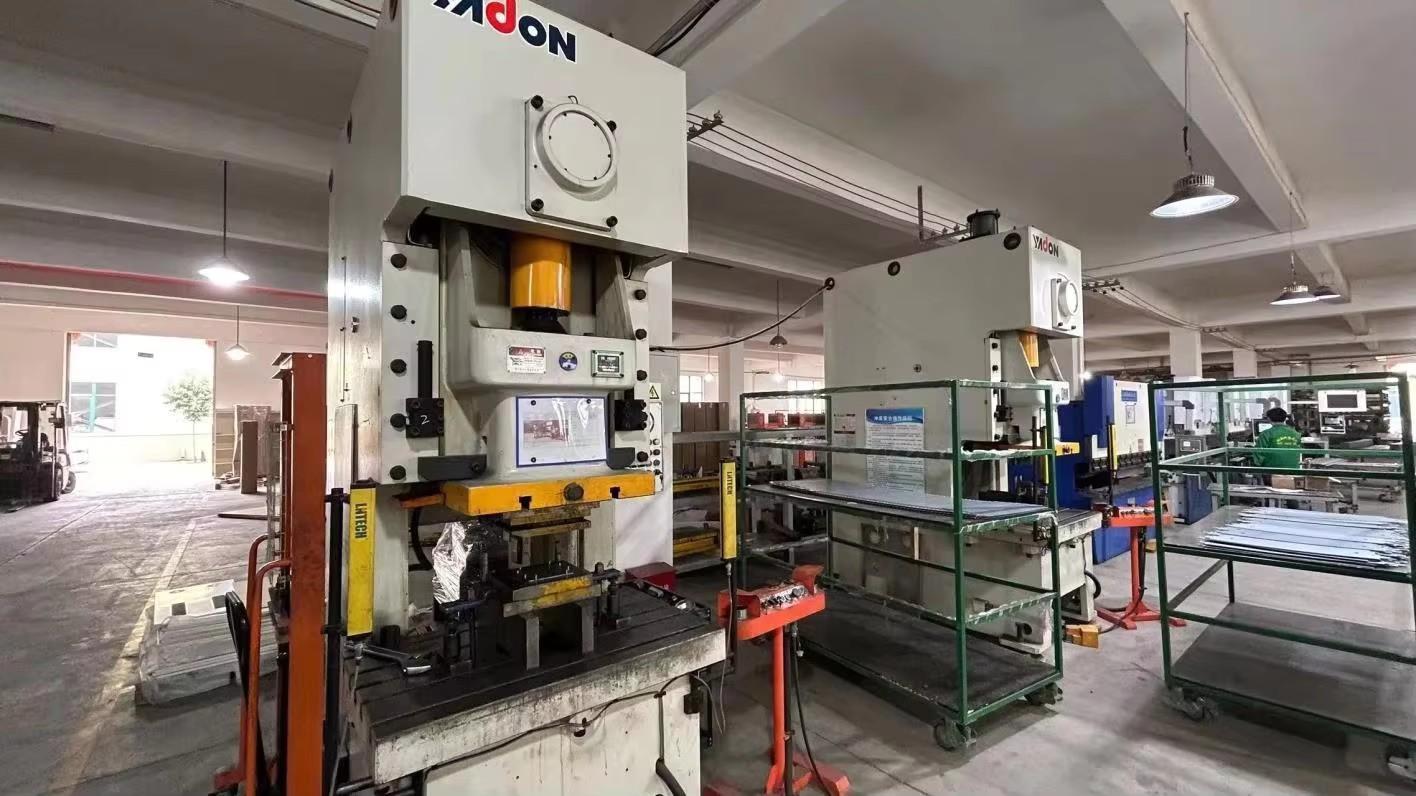
Morocco’s desert regions experience extreme thermal swings, with ambient temperatures regularly exceeding 40°C. In such climates, standard lithium-ion batteries degrade rapidly. Our rack-mounted systems mitigate this through a proprietary physical and thermal architecture:
Choosing the correct voltage profile is vital to system efficiency. This comparison table highlights our modular design parameters for Moroccan engineers:
| System Parameter | Low-Voltage (LV) Server Rack | High-Voltage (HV) Stacked ESS | Containerized High-Voltage ESS |
|---|---|---|---|
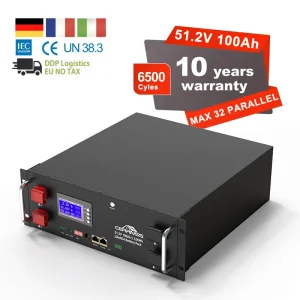
| Nominal Voltage Range | 48V / 51.2V | 200V - 400V | 600V - 1000V+ |
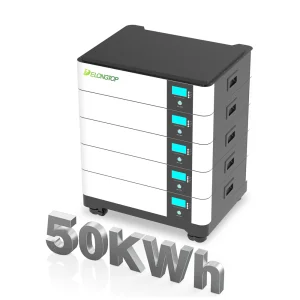
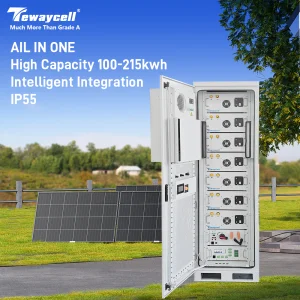
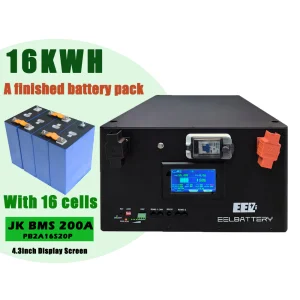
| Standard Capacity Modules | 5.12 kWh / 10 kWh | 15 kWh - 50 kWh Stackable | 100 kWh - 2MWh+ Container |
| Ideal Applications | Residential solar, SMB Server closets, Telecom BTS | Small-medium C&I, Agricultural microgrids | Industrial parks, grid-scale substations, mining |
| Efficiency (Round Trip) | > 95% | > 97% | > 98.2% (Low resistance layout) |
| BMS Communication | CAN / RS485 / Bluetooth / Wi-Fi | Modbus RTU / TCP, CAN-bus | Ethernet TCP/IP, SCADA Integration |
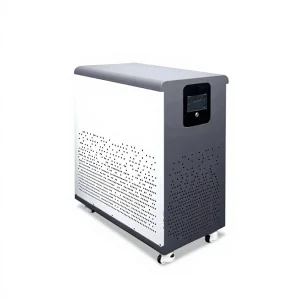
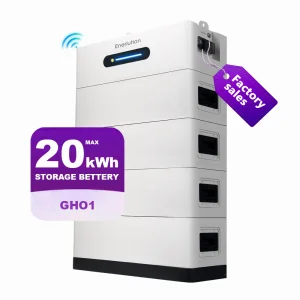
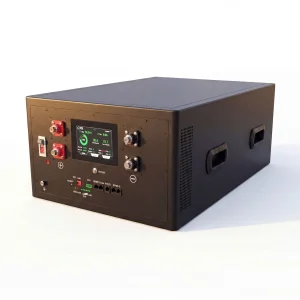
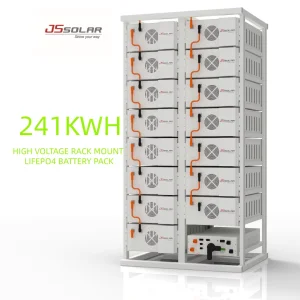
Our complete range of customizable LiFePO4 batteries, designed to meet the strict procurement requirements of Moroccan and global grid developers.
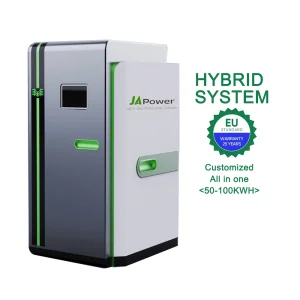
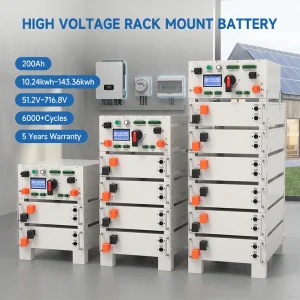
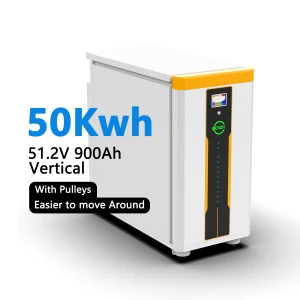
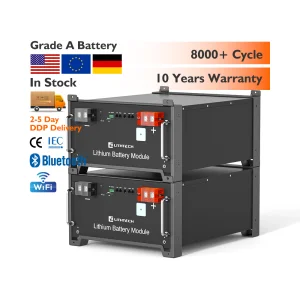
As an experienced industrial supplier, Qingdao Luzz Solar has developed a robust logistic corridor serving key Moroccan ports, including Tanger-Med and Casablanca. We handle all international regulatory frameworks to ensure seamless customs clearances for import-restricted operations in North Africa:
Here are detailed answers to the most common questions from energy developers, procurement officers, and engineering contractors in Morocco:
 Luzz Solar