Explore our flagship systems engineered for commercial, industrial, and high-capacity residential applications.
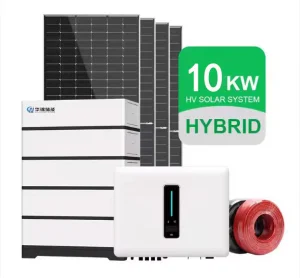
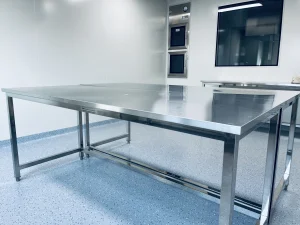
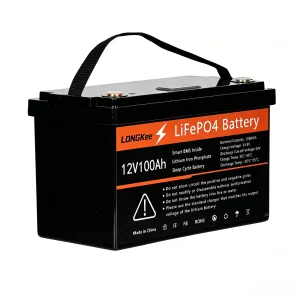
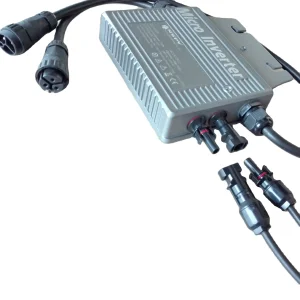
Architecting robust, low-LCOE utility and residential models to secure modern grid parity.
The global transition to net-zero is accelerated by three driving forces: energy security, economic viability, and regulatory carbon compliance. At Qingdao Luzz Solar Co., Ltd., we design systems targeting this intersection. By pairing utility-scale photovoltaic infrastructure with dynamic, software-defined energy storage, we help businesses transition from passive power consumers into active, grid-interactive producers (prosumers).
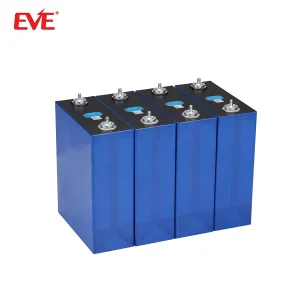
Our commercial battery solutions actively monitor loading profiles to discharge storage during peak pricing hours. This mitigates demand charges, enhances the capacity of existing substations, and delivers reliable backup power.
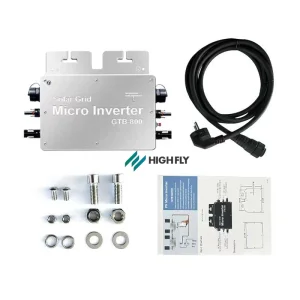
Traditional string architectures often fail to optimize performance due to localized shading and mismatched modules. Our high-efficiency microinverters, built with dual-MPPT technology, operate at 99% efficiency to maximize yield at the individual module level.
How multinational corporations leverage off-grid and hybrid architectures to mitigate operational risks.
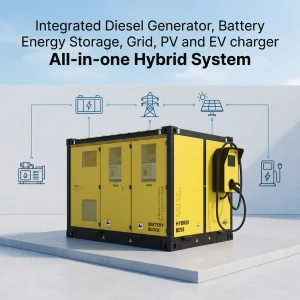
Across Europe, the Americas, and APAC, escalating commercial grid tariffs and mandatory ESG audits have turned on-site solar storage from a sustainability goal into a financial necessity. For heavy manufacturers, agricultural hubs, and data centers, downtime equals lost revenue. The deployment of decentralized LiFePO4 Containerized Energy Storage Systems (BESS) provides reliable multi-megawatt backup capabilities that shield businesses from volatile local grids.
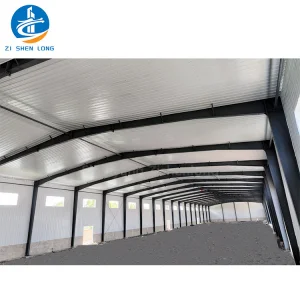
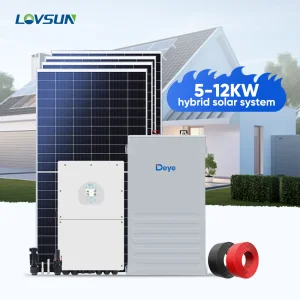
Furthermore, by pairing custom structural steel frame industrial buildings with roof-mounted photovoltaic arrays, modern developers can install turn-key manufacturing plants that generate their own utility offsets. From single-phase balcony systems for residential spaces to containerized 100kWh/200kWh grid-tied infrastructure for high-load commercial facilities, Luzz Solar provides high-integrity components designed to perform under harsh conditions.
Qingdao Luzz Solar Co., Ltd. is a professional new energy enterprise specializing in the development, manufacturing, and global distribution of photovoltaic (PV) products and integrated energy storage solutions. Located in Qingdao, China, the company benefits from a well-established renewable energy industrial base and advanced manufacturing capabilities.
With the accelerating global transition toward carbon neutrality and sustainable development, Luzz Solar is committed to providing efficient, reliable, and cost-effective clean energy solutions to customers worldwide. Our product portfolio includes high-efficiency solar photovoltaic modules, energy storage systems, and integrated solar application solutions designed for residential, commercial, and utility-scale projects.
Driven by technological innovation and quality excellence, the company continuously invests in R&D and production optimization to improve product performance, energy conversion efficiency, and system reliability. We strictly adhere to international quality standards and implement rigorous quality control throughout the entire production process to ensure stable and long-term product performance.
Qingdao Luzz Solar actively expands its global market presence, with business coverage across Asia, Europe, the Middle East, Africa, and Latin America. By working closely with international partners, we are committed to delivering tailored energy solutions that meet diverse regional needs and support the global energy transition.
Guided by the core values of integrity, innovation, cooperation, and sustainability, Luzz Solar strives to become a trusted global partner in the new energy industry. We are dedicated to advancing solar technology and contributing to a greener, more sustainable future.
Inside our state-of-the-art facility: How we engineer durable, high-yield clean energy hardware.
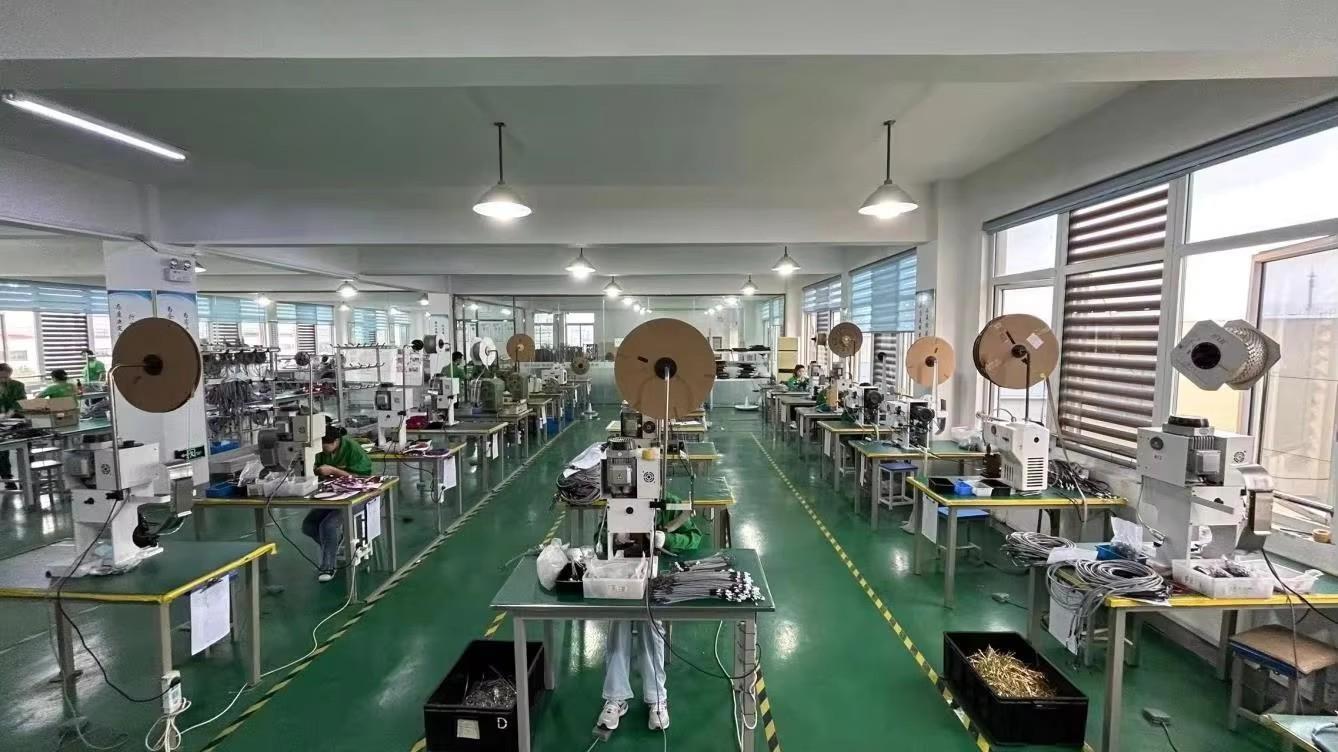
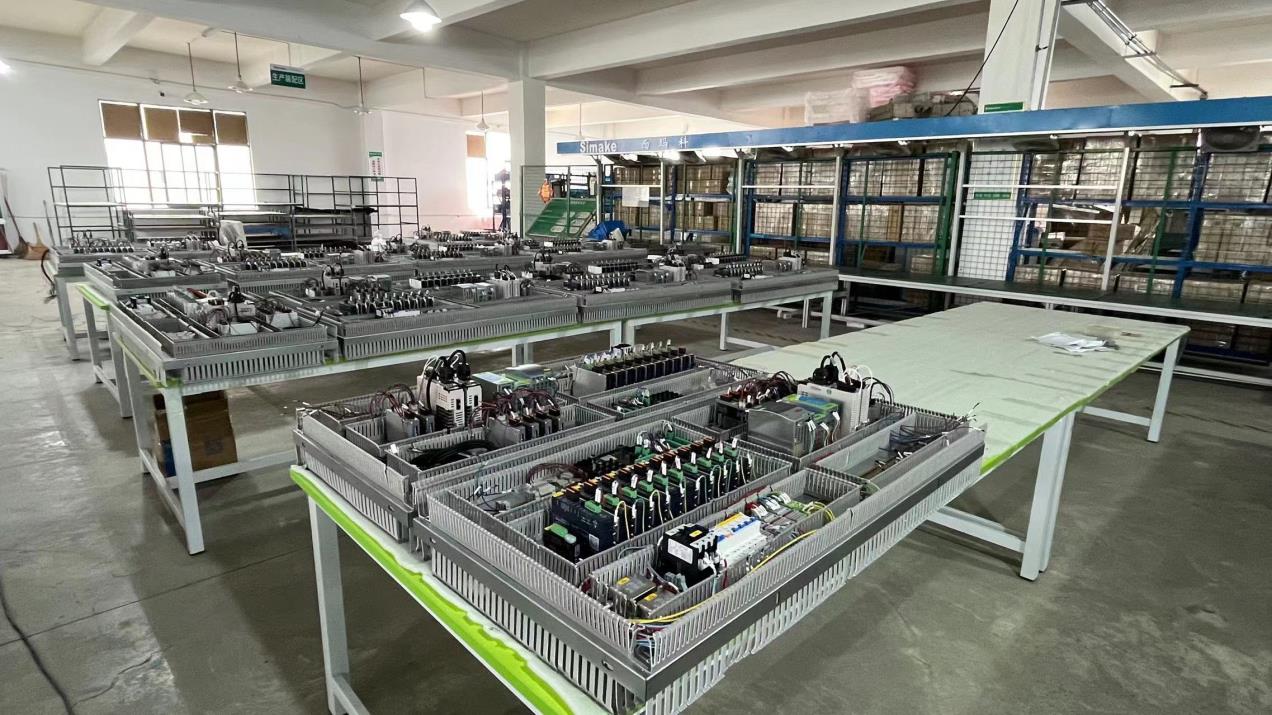
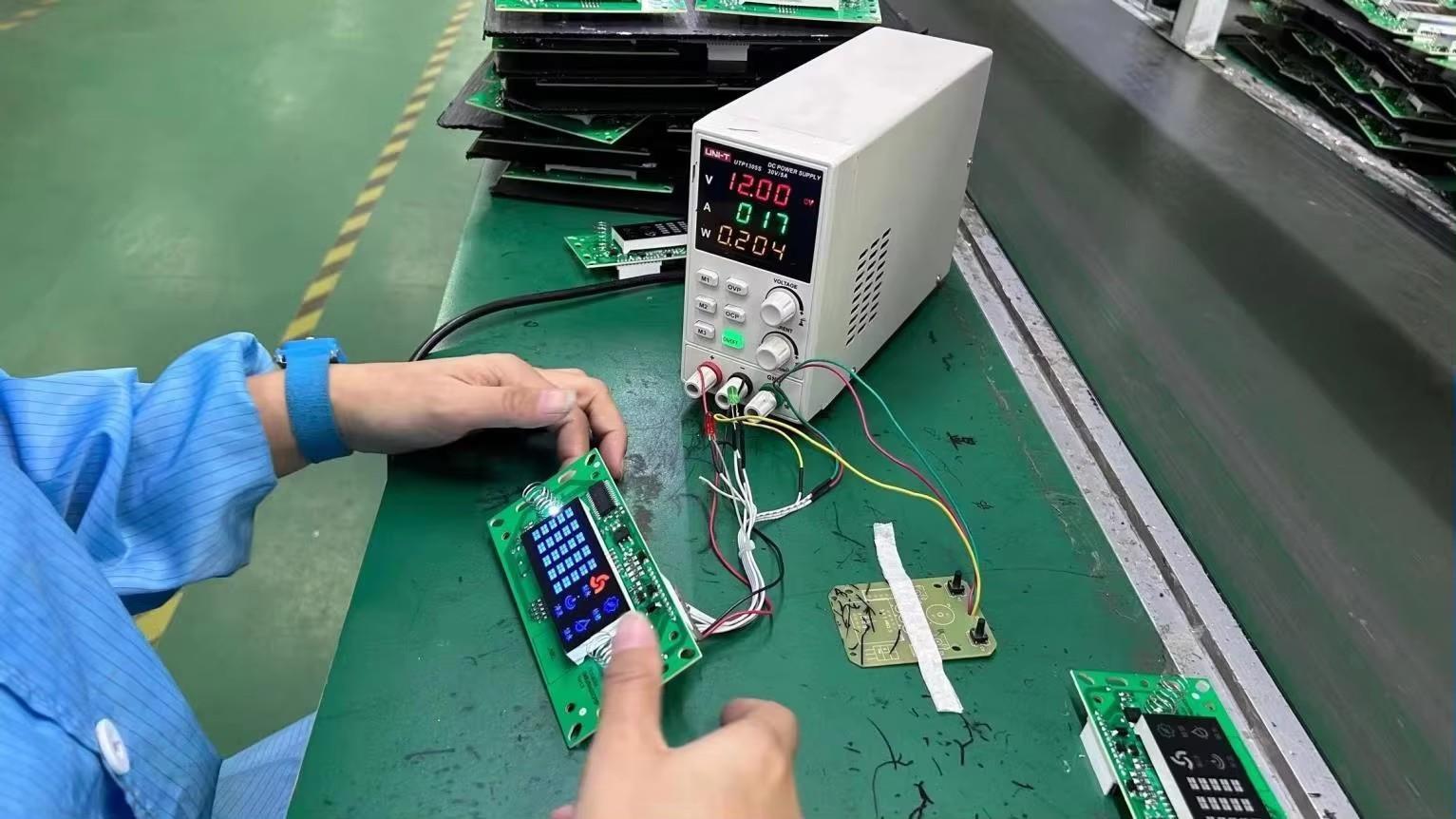
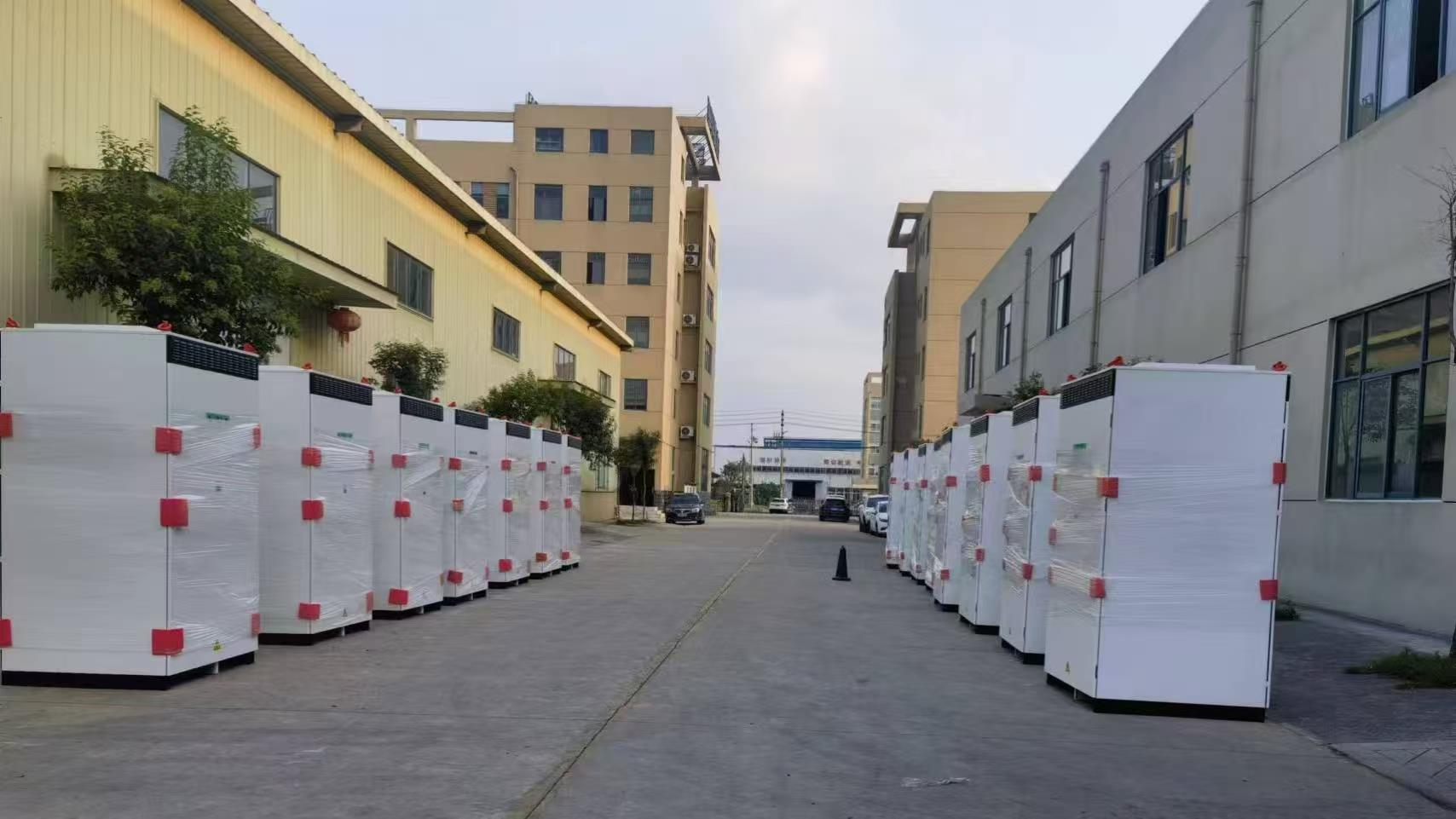
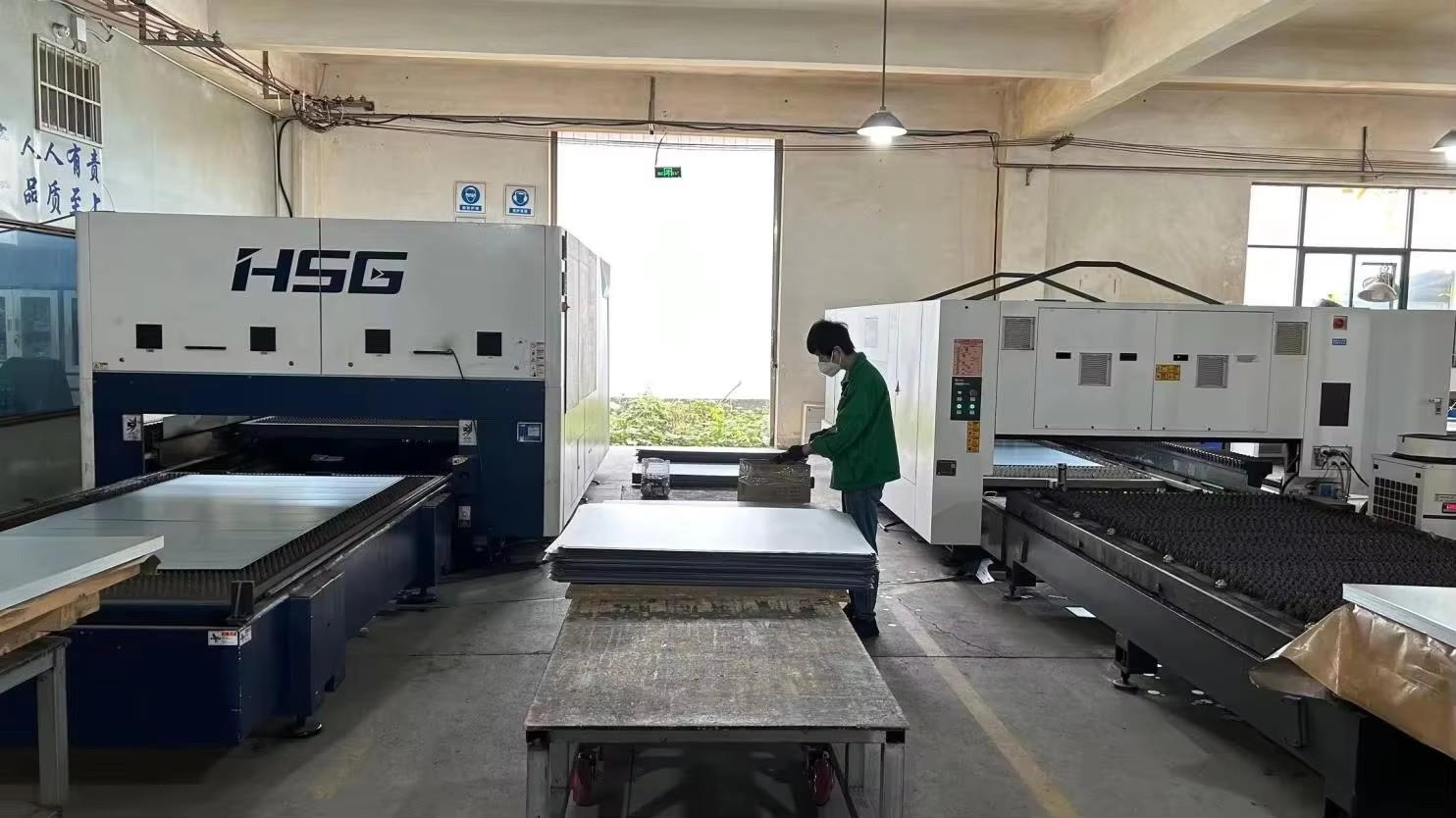
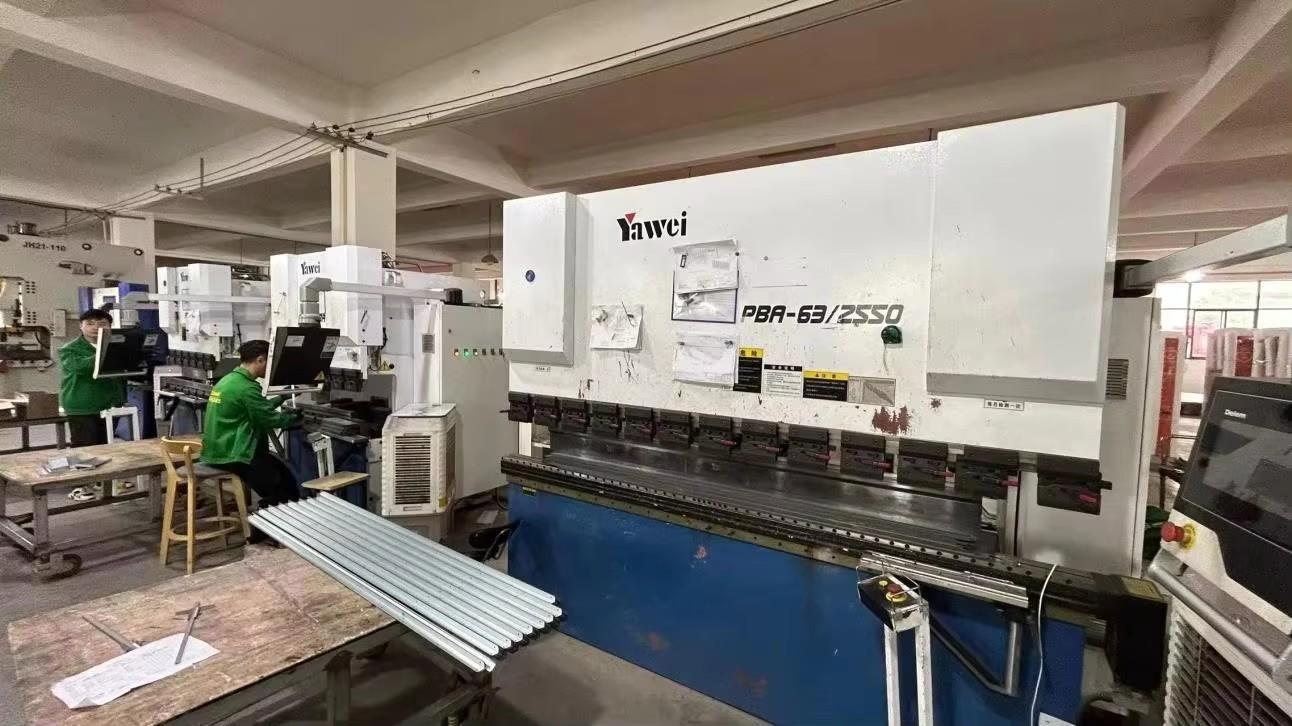
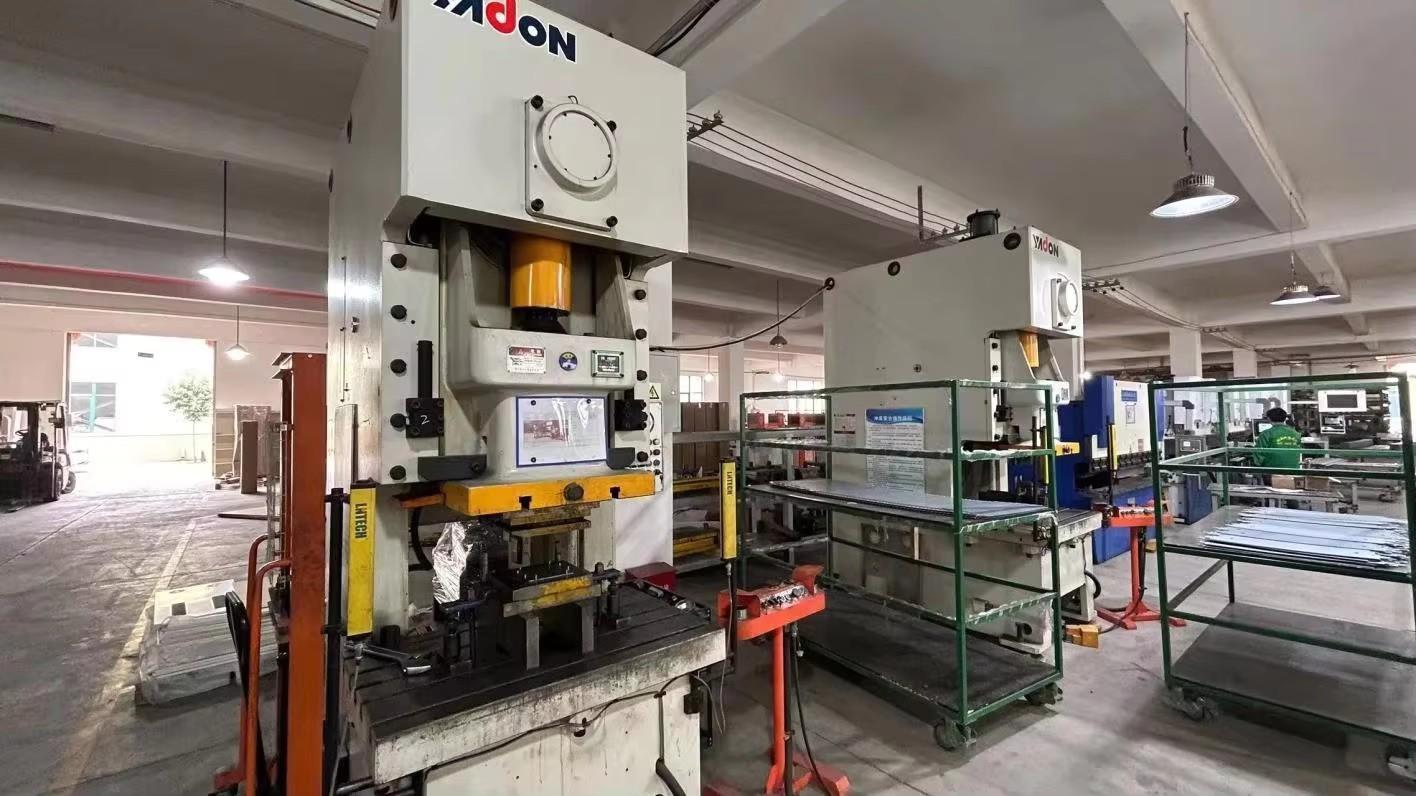
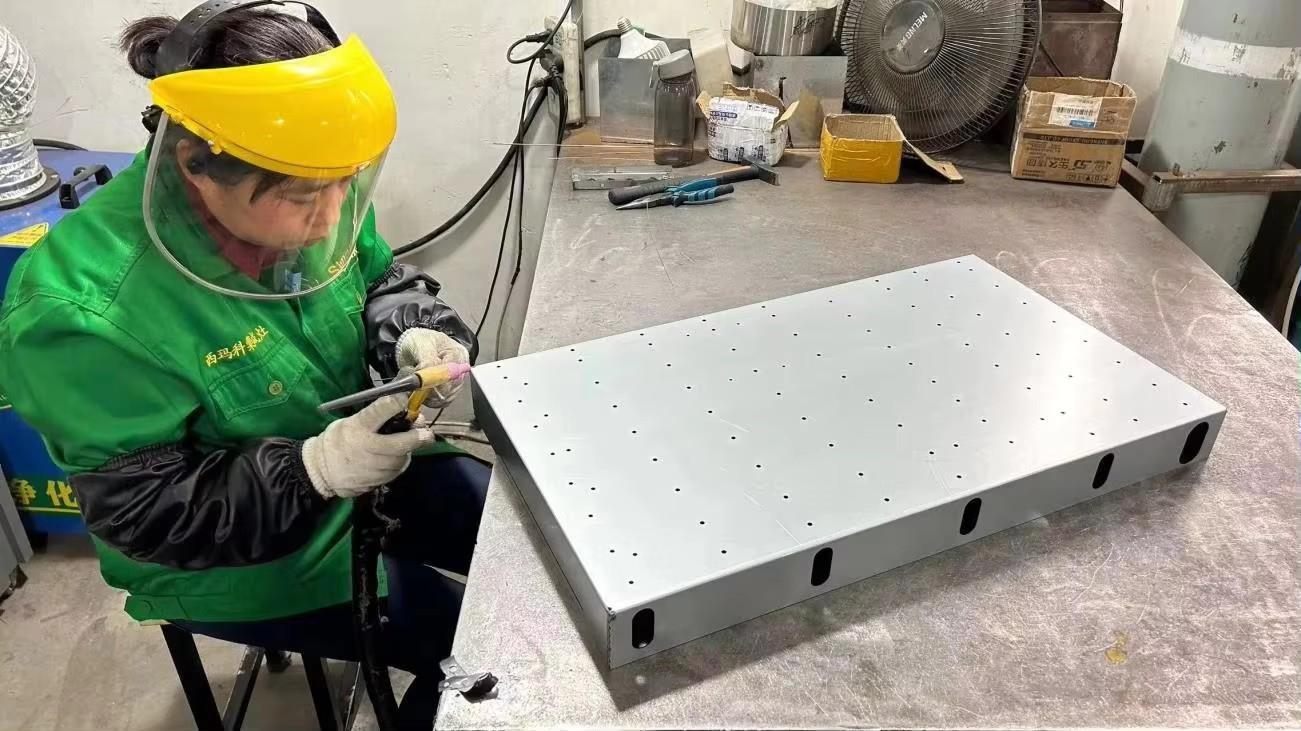
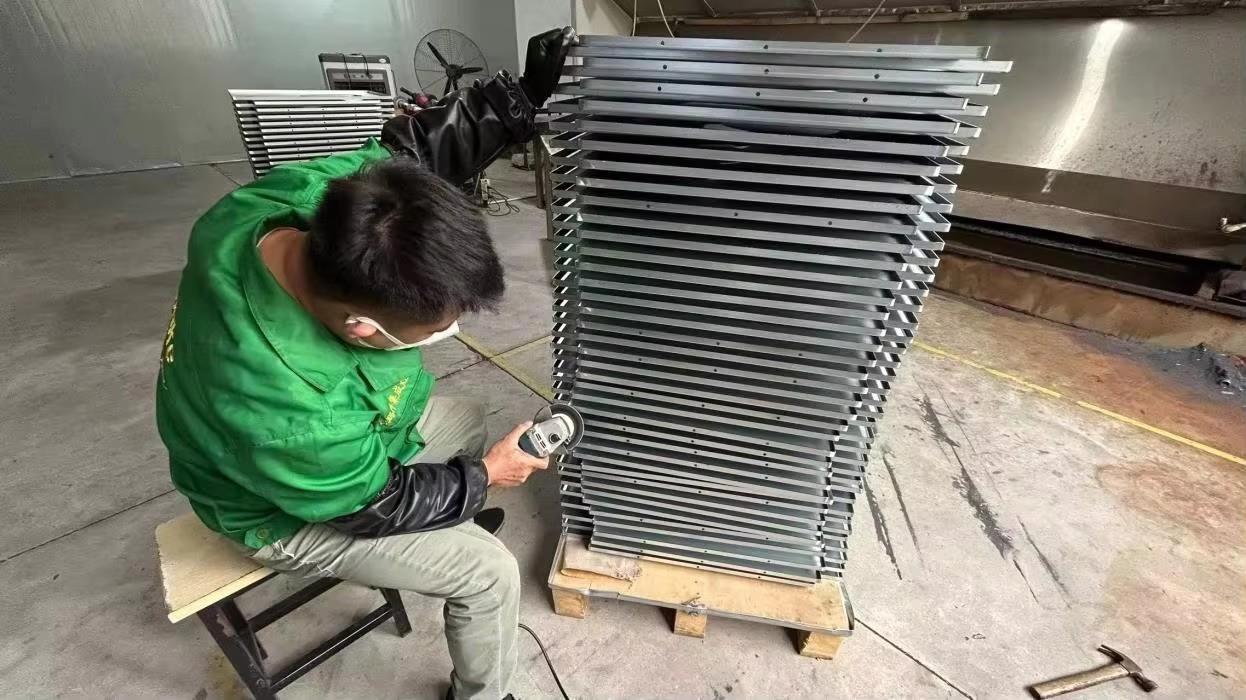
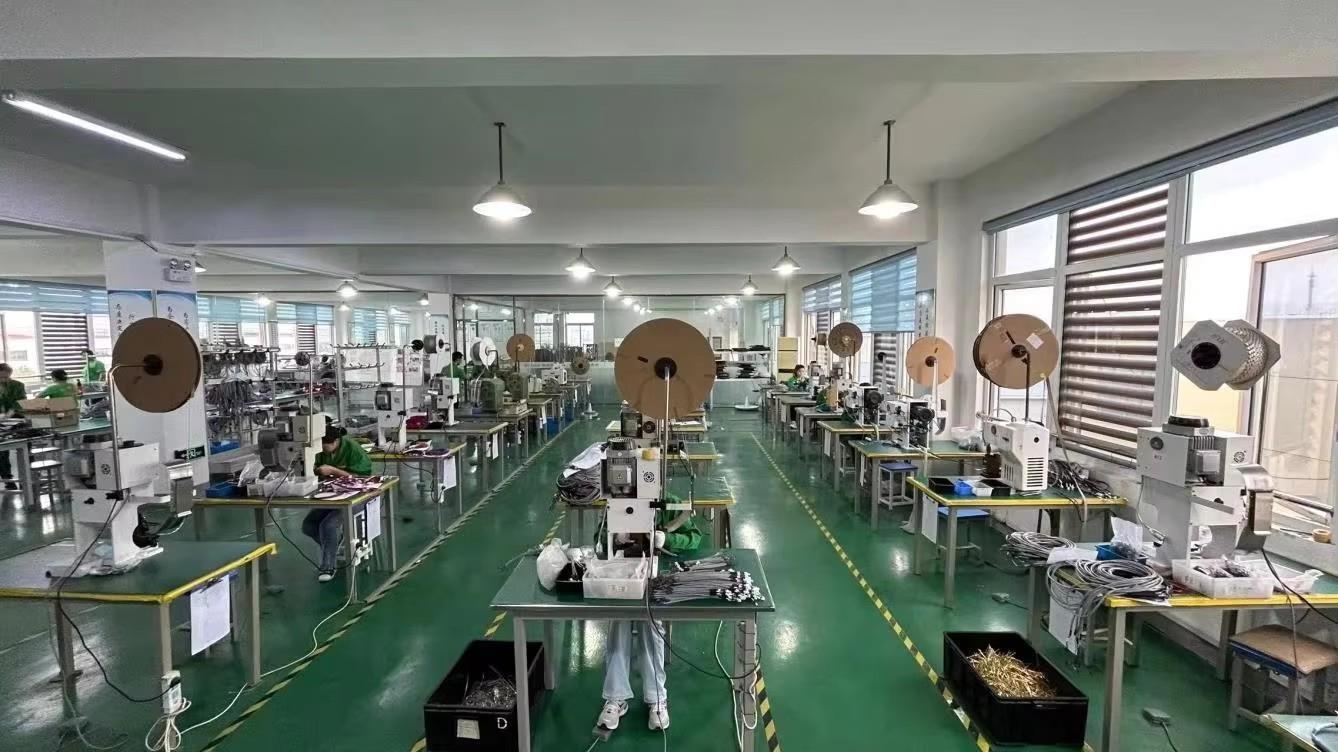
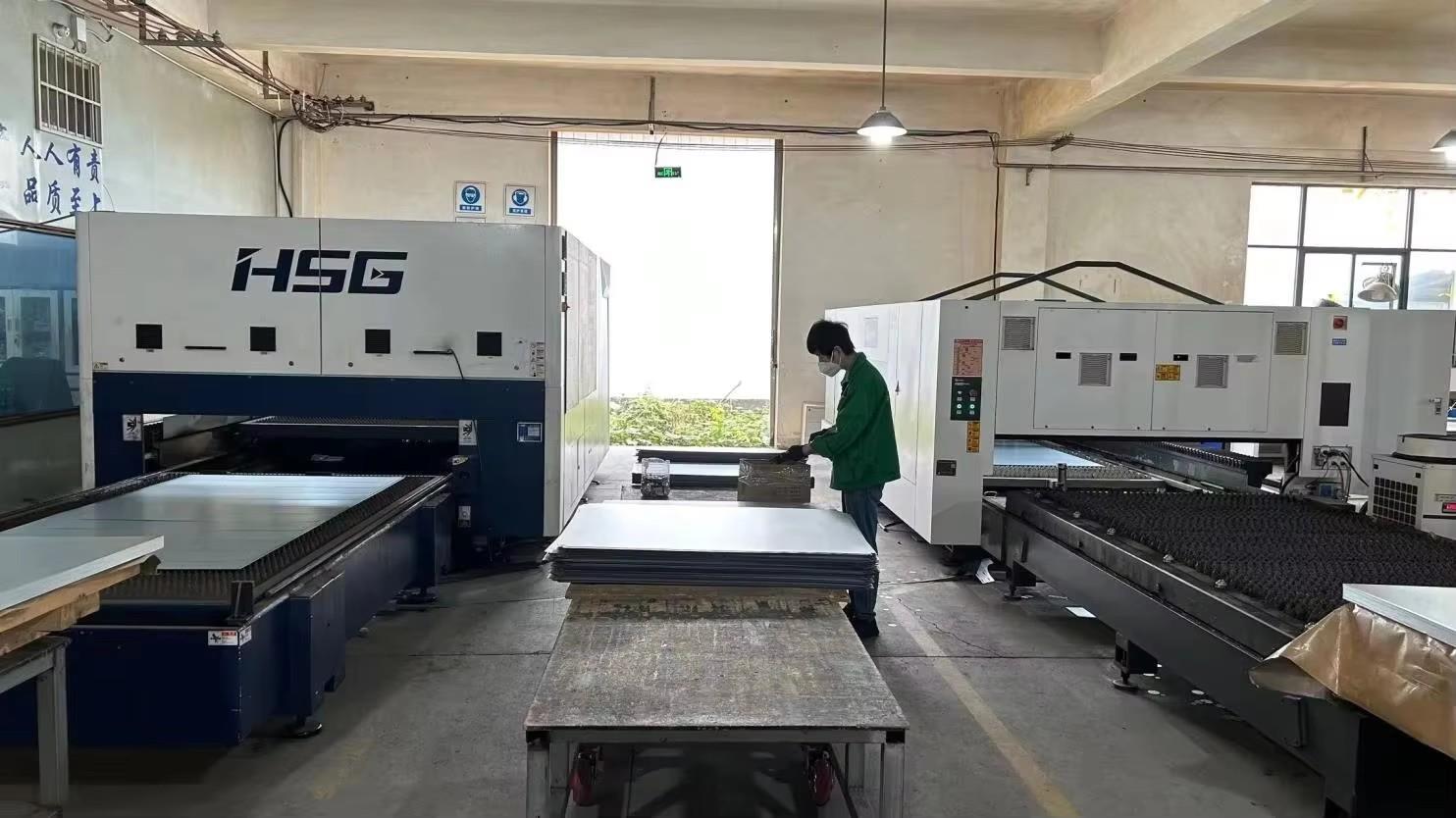
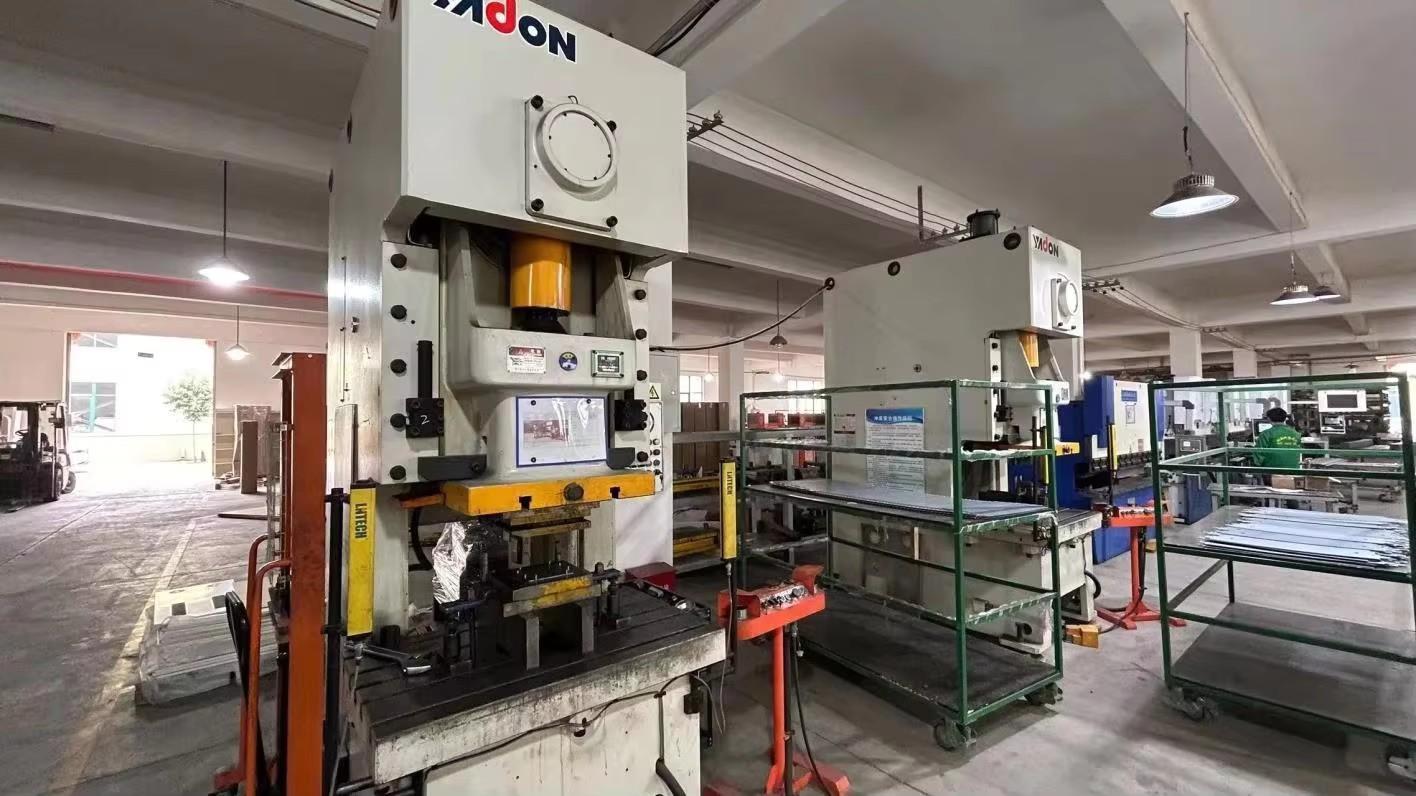
Developing next-generation clean energy solutions through materials science and IoT integration.
To maintain our position as a leading energy exporter, Luzz Solar invests heavily in advanced clean energy technologies. Our research focuses on transition pathways that increase cell efficiency, extend battery cycle life, and improve overall system intelligence.
We are transitioning our PV manufacturing lines toward N-type TOPCon and Heterojunction (HJT) cell architectures. These advanced cells offer lower temperature coefficients and bi-facial factors exceeding 80%, increasing energy production under diffuse light.
Our chemical R&D is focused on next-generation solid-state battery electrolytes and lithium iron phosphate (LFP) refinements. These advancements aim to eliminate thermal runaway risks while increasing energy density beyond 200 Wh/kg.
We are developing cloud-native Energy Management Systems (EMS) featuring predictive AI forecasting. These systems allow localized microinverters and battery storage networks to participate in local Virtual Power Plants (VPPs) for grid services.
Ensuring seamless grid integration and safety compliance across diverse regulatory zones.
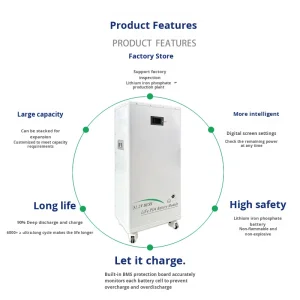
Exporting energy systems globally requires compliance with strict safety and grid standards. Luzz Solar products are engineered and tested to satisfy international regulatory frameworks, facilitating smooth local approvals and installation. Our lithium-based energy storage solutions feature integrated, multi-level Battery Management Systems (BMS) that provide redundant safety protections to satisfy local regulations.
Expert insights on sizing, chemistry, safety, and system optimization.
Explore our high-voltage battery storage, commercial solar kits, and modular infrastructure systems.
 Luzz Solar