Premium high-capacity storage modules, balcony microinverters, and off-grid hybrid power systems selected for industrial stability.
The global requirement for reliable, independent power sources is undergoing an unprecedented shift. Historically dependent on loud, pollutant-heavy internal combustion engine (ICE) generators, modern commercial applications, disaster response units, and remote operations are rapidly transitioning toward lithium-ion battery storage systems. This shift is driven by requirements for silent operations, zero localized carbon emissions, and deep integration with solar photovoltaic (PV) setups.
Commercial-scale portable power stations and modular battery configurations now function as vital micro-infrastructure assets. Businesses utilize these high-capacity stations to guarantee operations during localized grid outages, optimize utility pricing structures through strategic peak-shaving, and supply clean, pure-sine-wave electricity to precise medical or communication arrays in remote zones.
As integration protocols advance, contemporary portable power platforms serve not just as temporary backup solutions, but as highly responsive grid-interactive components. They combine sophisticated MPPT algorithms and bi-directional charging interfaces to achieve round-the-clock efficiency.
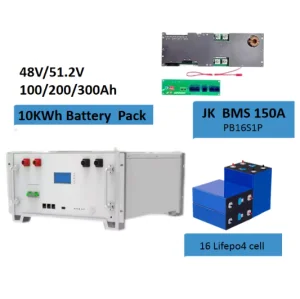
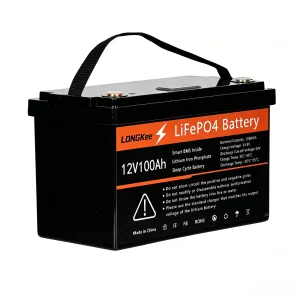
LiFePO4 cells offering 3,000+ thermal cycles to 80% capacity for extreme industrial longevity.
Multi-layered Battery Management Systems (BMS) checking temperature, current, and voltage.
Millisecond-level power failover switching ensures continuous uptime for sensitive server networks.
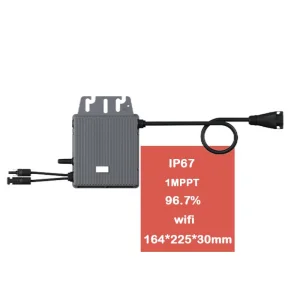
Native communication protocols for quick plug-and-play setup with residential balcony PV arrays.
The quantitative metrics driving commercial off-grid deployment, industrial scalability, and global compliance.
The manufacturing of high-capacity portable power systems requires a highly integrated supply chain. China's industrial zones offer unmatched structural advantages, supplying over 75% of the world's lithium-ion cells and raw chemical compounds. In regions like Shandong and Guangdong, manufacturers are located directly alongside processing plants for core minerals (lithium, cobalt, and natural graphite) as well as specialized producers of active battery management components and high-power inverters.
This concentration of resources allows leading suppliers to conduct rapid prototyping, perform automated, multi-stage stress tests, and easily source specialized components. By optimizing Bill of Materials (BOM) logistics, Chinese exporters can supply advanced off-grid equipment that complies with strict global regulatory and safety standards, such as UN38.3, CE, UL1973, and FCC certifications.
How industries utilize portable power and stationary battery units to resolve specific regional energy challenges.
In densely populated European metropolitan areas, apartments lack the roof space required for traditional, large-scale residential solar installations.
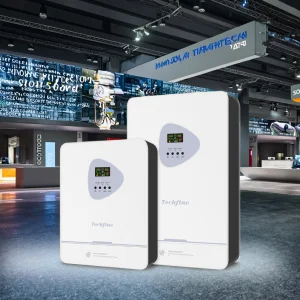
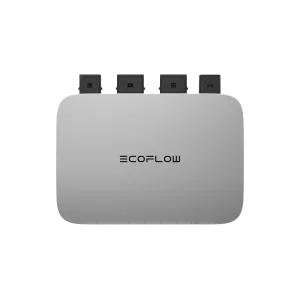
Compact, plug-and-play balcony PV setups combined with efficient microinverters allow urban renters and homeowners to easily feed clean solar energy directly into their local outlets. This lowers baseline electricity expenses and provides a reliable backup power source during emergency grid failures.
Industrial operations like mining, telecommunications, and geological research stations operate far beyond the reach of standard municipal power grids.
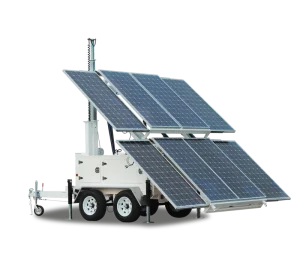
Deploying heavy-duty, mobile power trailers and rugged lithium-iron battery packs eliminates the need for expensive fuel shipments and reduces generator noise. These systems keep sensitive telemetry, communications arrays, and field sensors powered under harsh weather conditions.
Following natural disasters, medical field units and disaster relief teams require immediate, clean electricity to run diagnostic tools and life-support devices.
Because traditional internal combustion generators emit toxic exhaust, they cannot be operated inside enclosed tents or clinical spaces. Portable lithium power systems provide clean, silent power indoors, keeping critical medical devices, lighting, and communication gear operational.
Qingdao Luzz Solar Co., Ltd. is a professional new energy enterprise specializing in the development, manufacturing, and global distribution of photovoltaic (PV) products and integrated energy storage solutions. Located in Qingdao, China, the company benefits from a well-established renewable energy industrial base and advanced manufacturing capabilities.
With the accelerating global transition toward carbon neutrality and sustainable development, Luzz Solar is committed to providing efficient, reliable, and cost-effective clean energy solutions to customers worldwide. Our product portfolio includes high-efficiency solar photovoltaic modules, energy storage systems, and integrated solar application solutions designed for residential, commercial, and utility-scale projects.
Driven by technological innovation and quality excellence, the company continuously invests in R&D and production optimization to improve product performance, energy conversion efficiency, and system reliability. We strictly adhere to international quality standards and implement rigorous quality control throughout the entire production process to ensure stable and long-term product performance.
Qingdao Luzz Solar actively expands its global market presence, with business coverage across Asia, Europe, the Middle East, Africa, and Latin America. By working closely with international partners, we are committed to delivering tailored energy solutions that meet diverse regional needs and support the global energy transition.
Guided by the core values of integrity, innovation, cooperation, and sustainability, Luzz Solar strives to become a trusted global partner in the new energy industry. We are dedicated to advancing solar technology and contributing to a greener, more sustainable future.
From raw metal fabrication to automated testing arrays, here is how we ensure extreme field reliability.
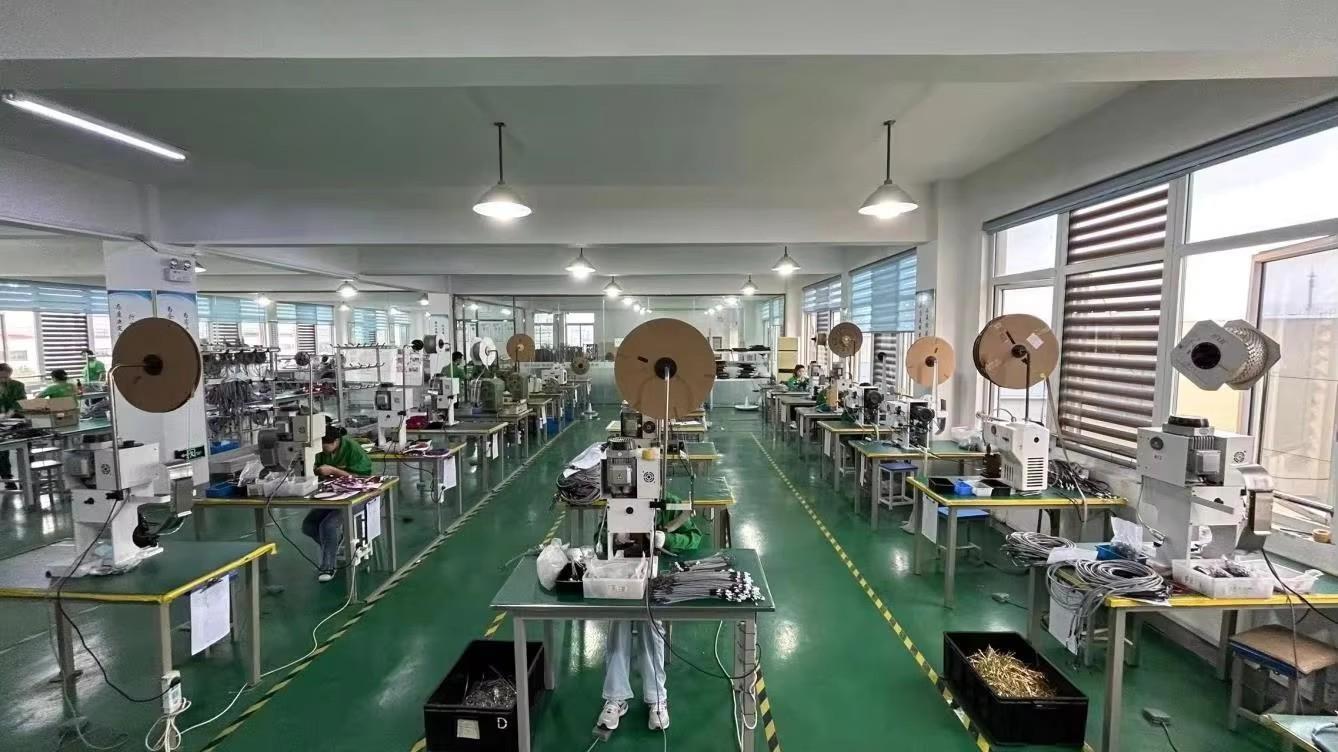
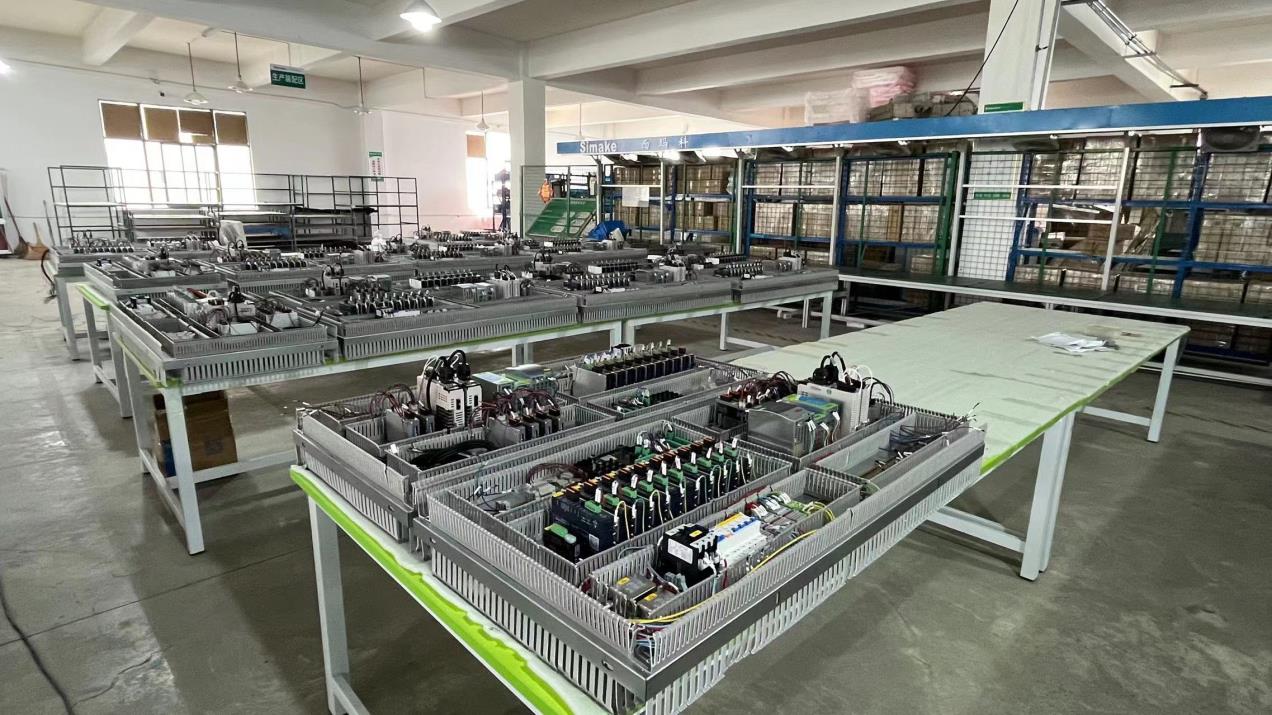
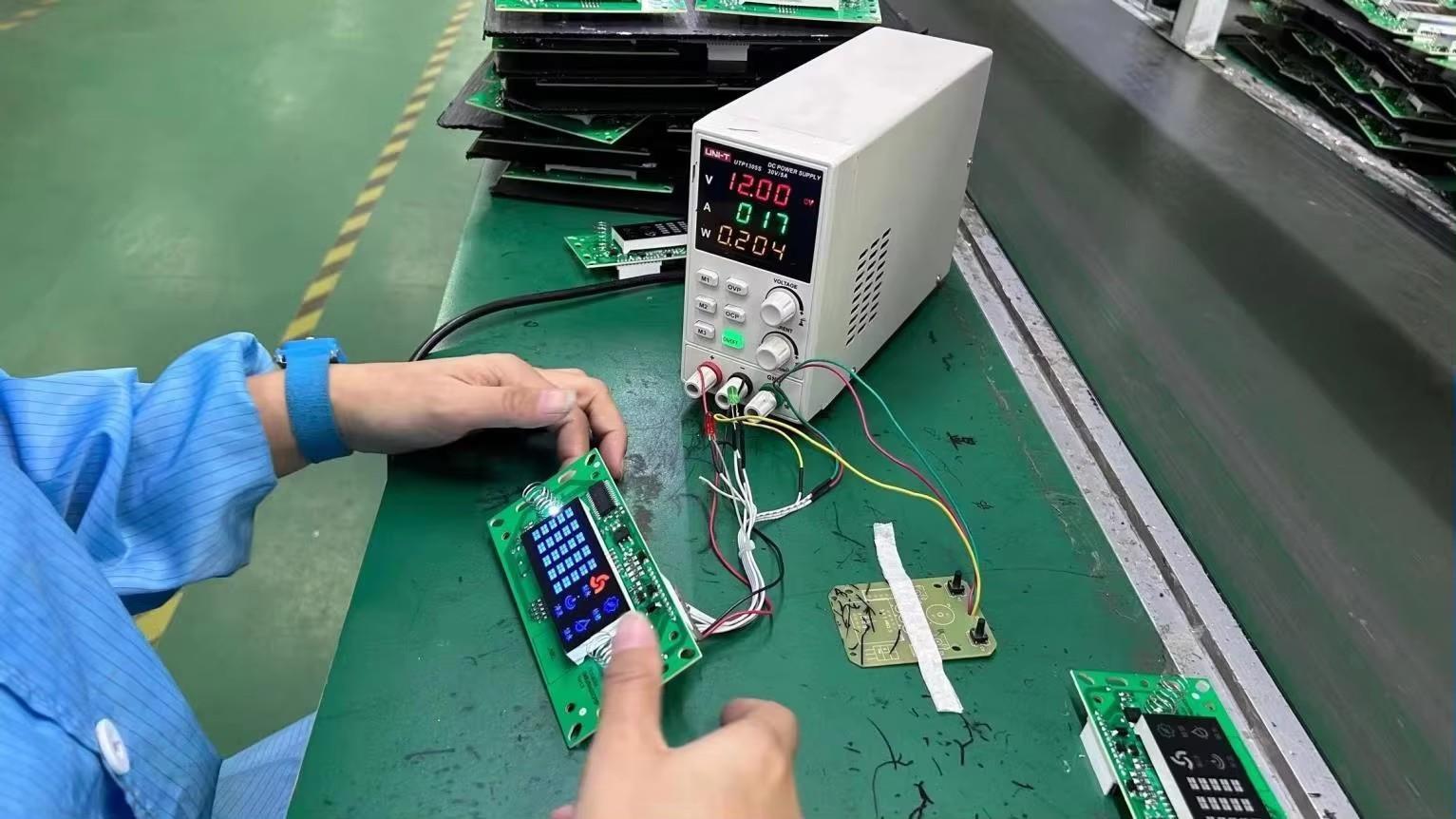
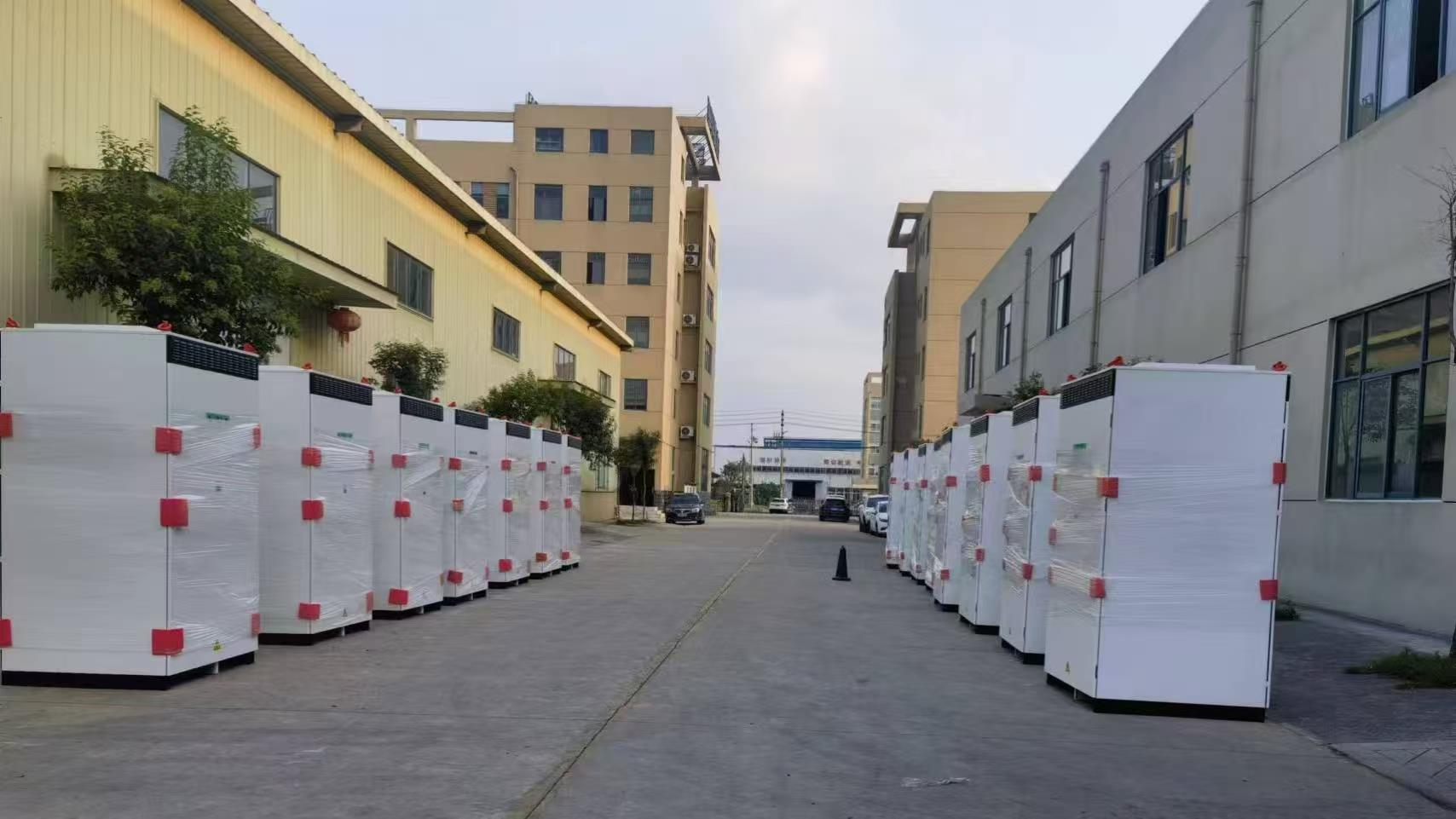
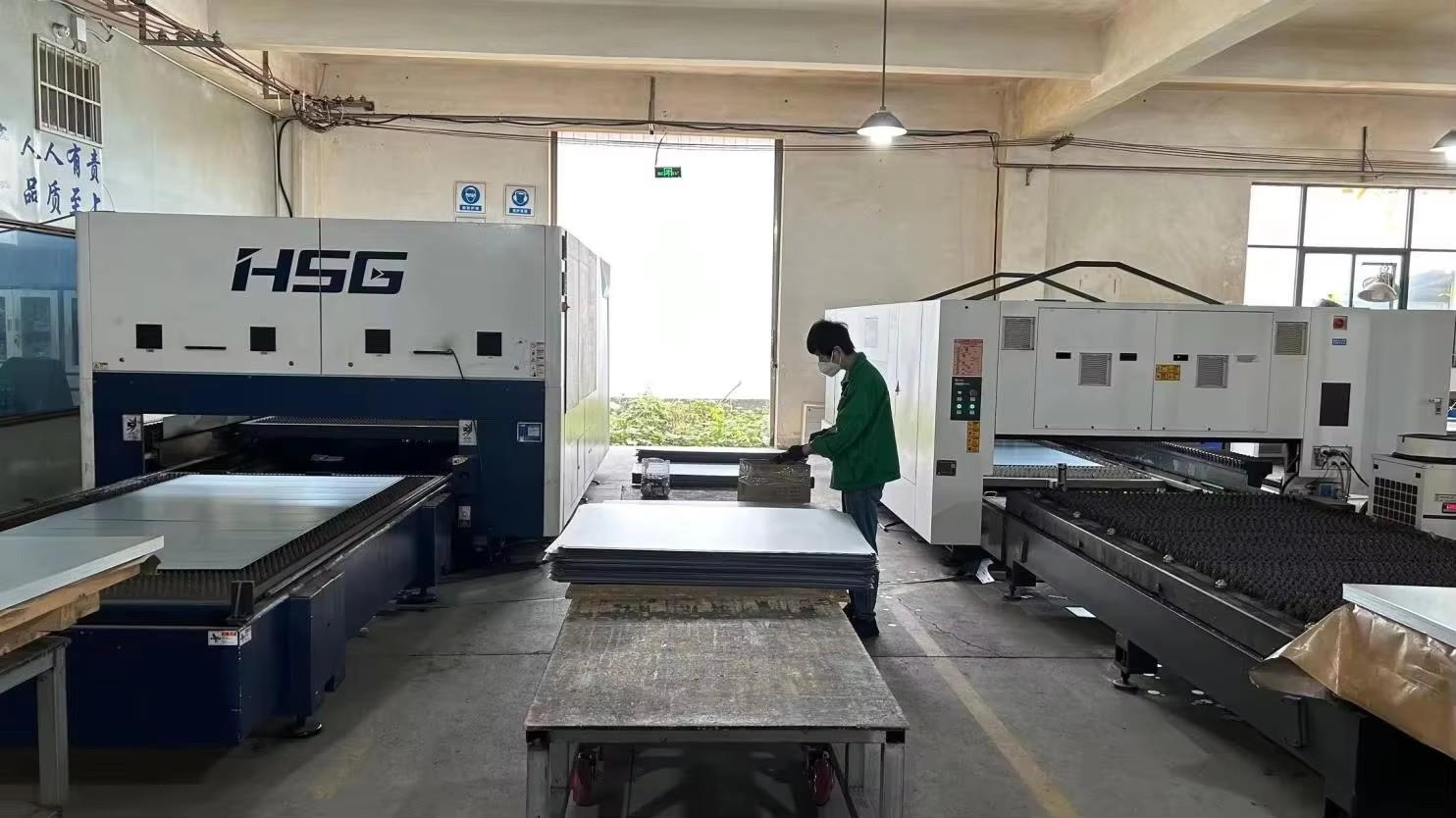
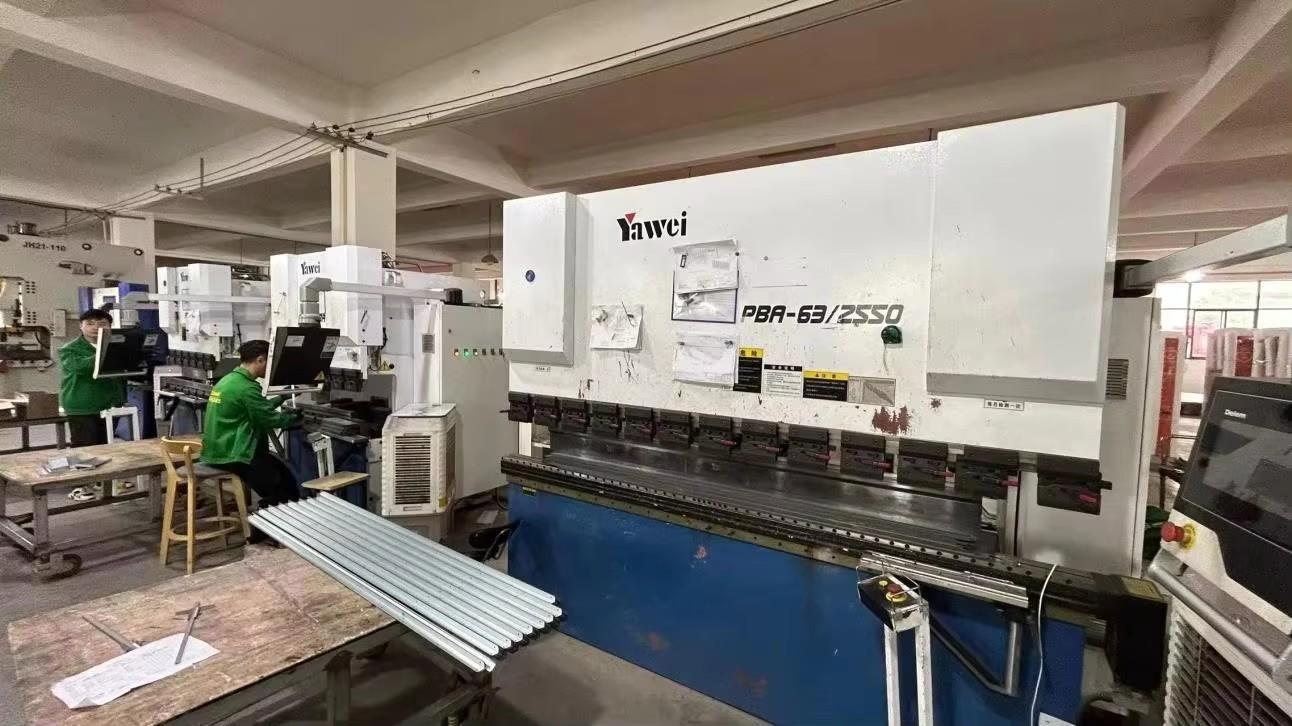
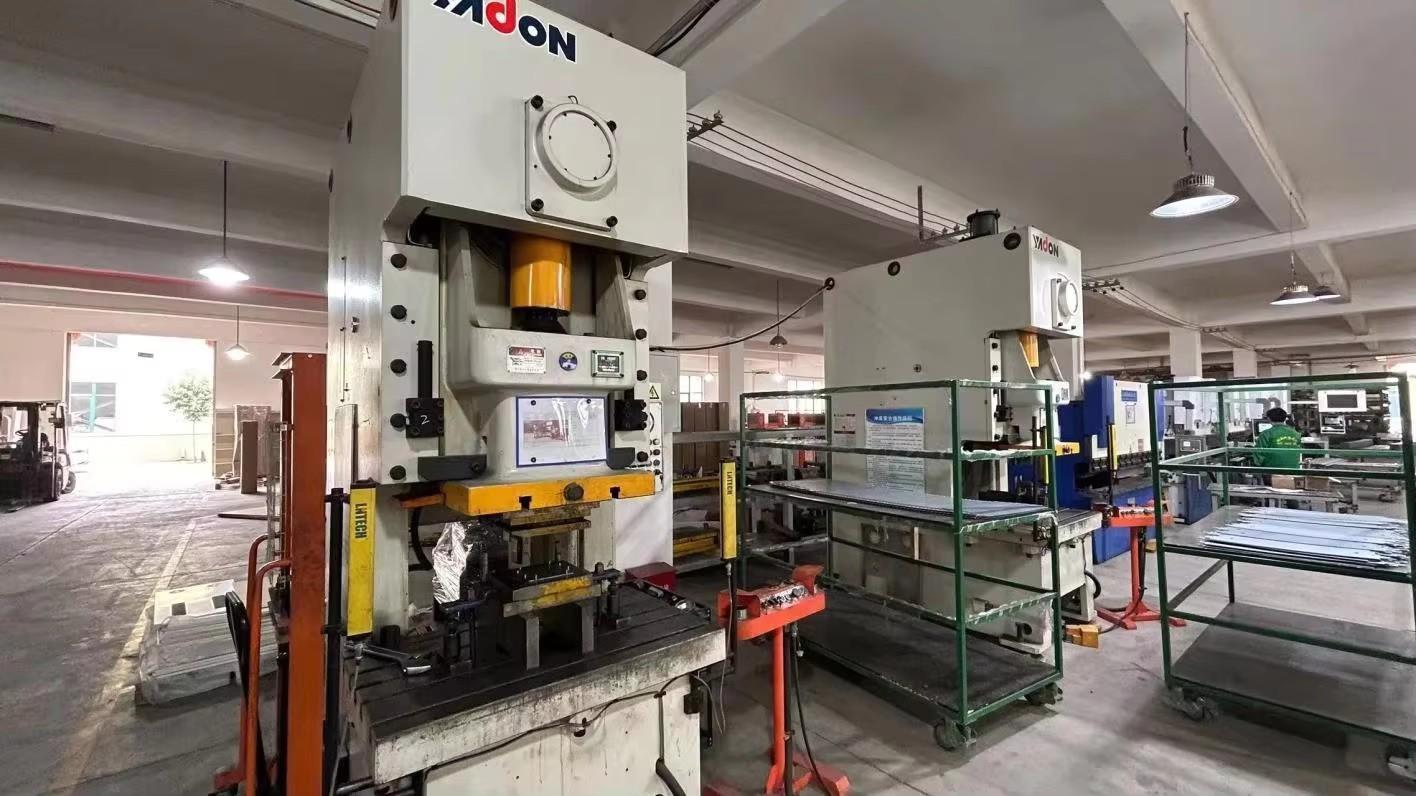
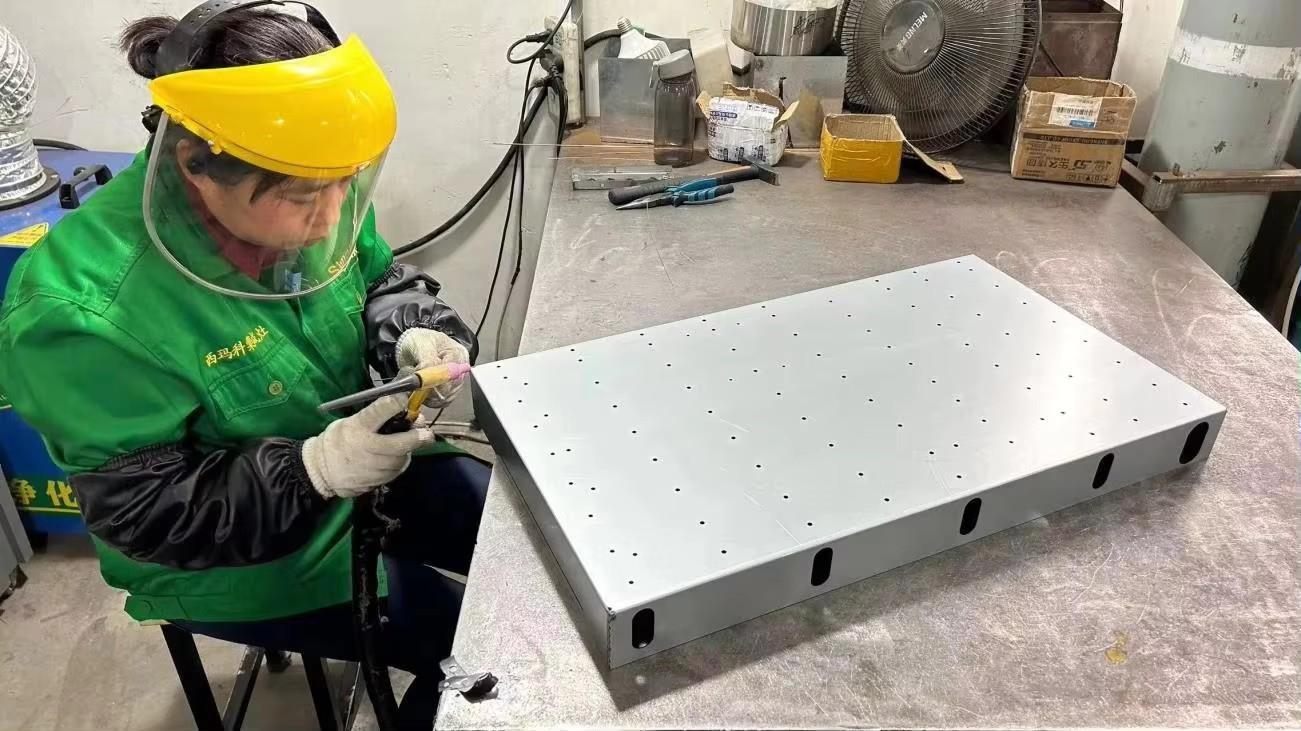
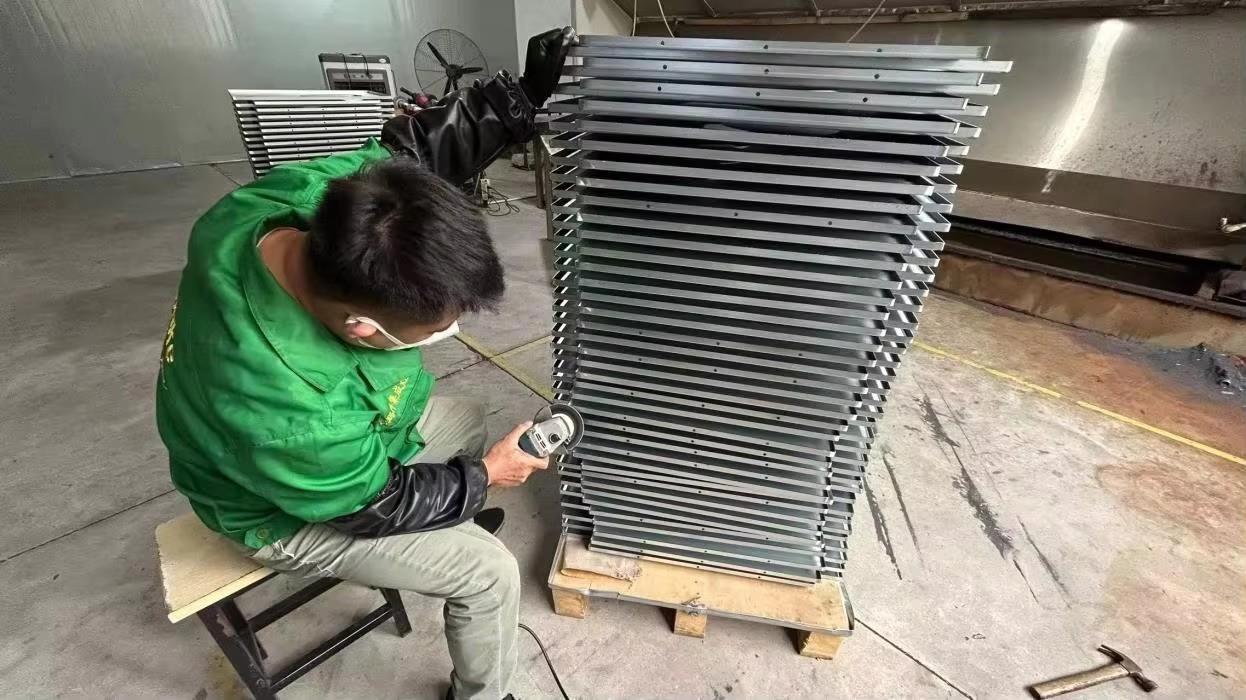
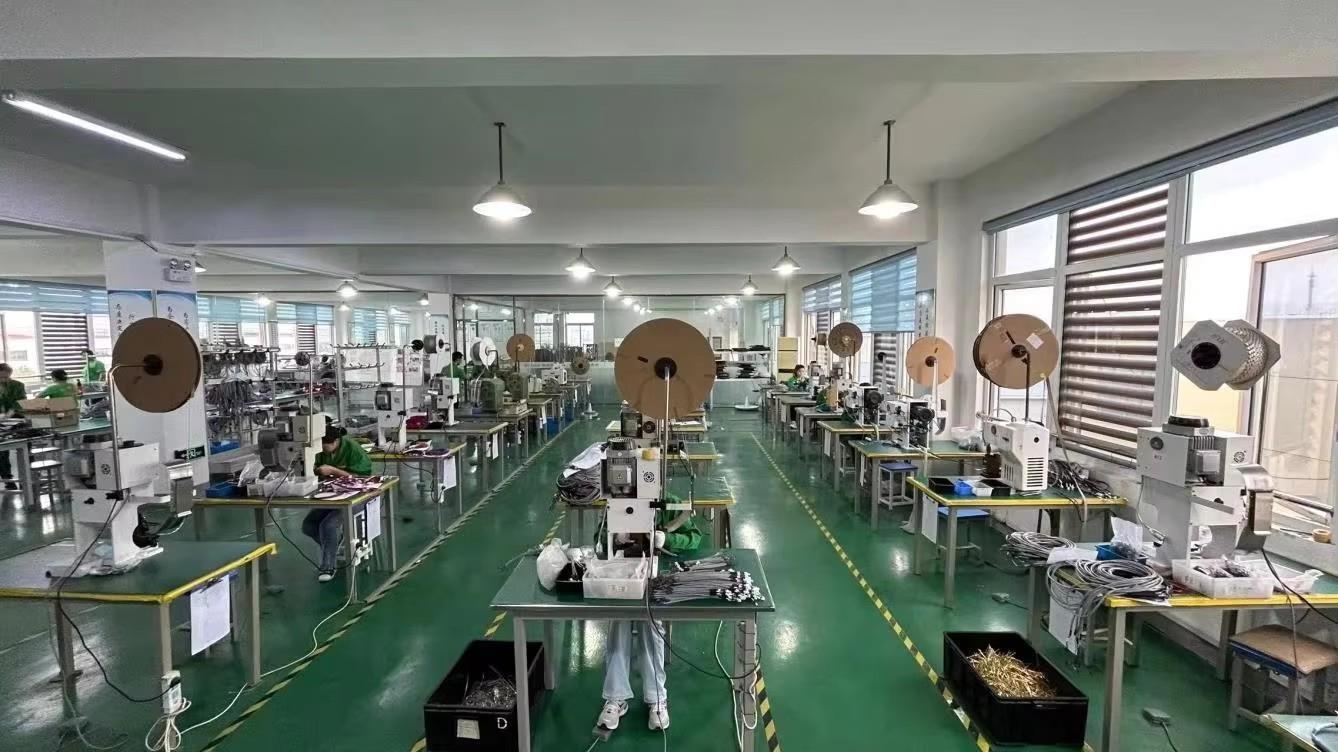
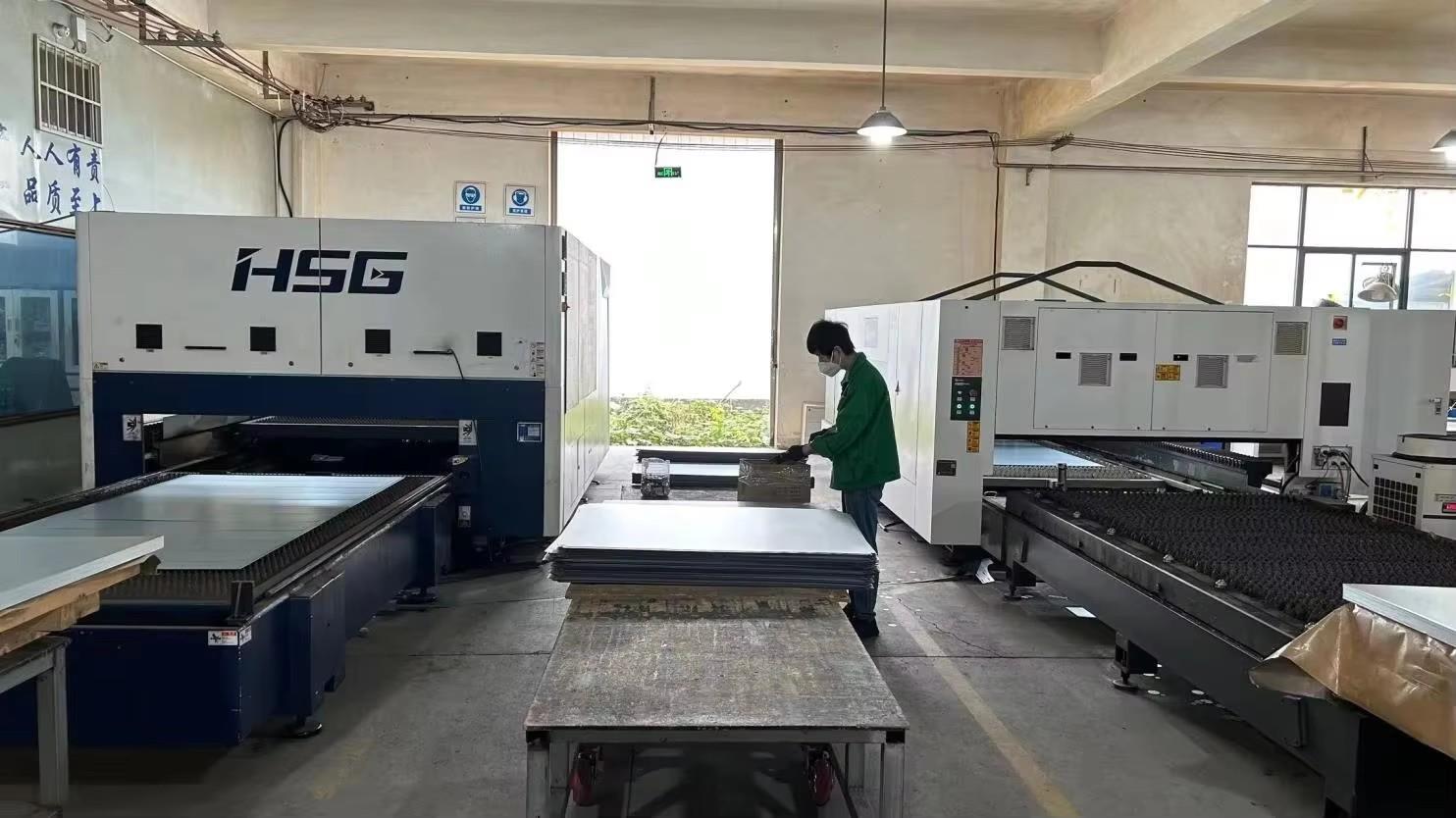
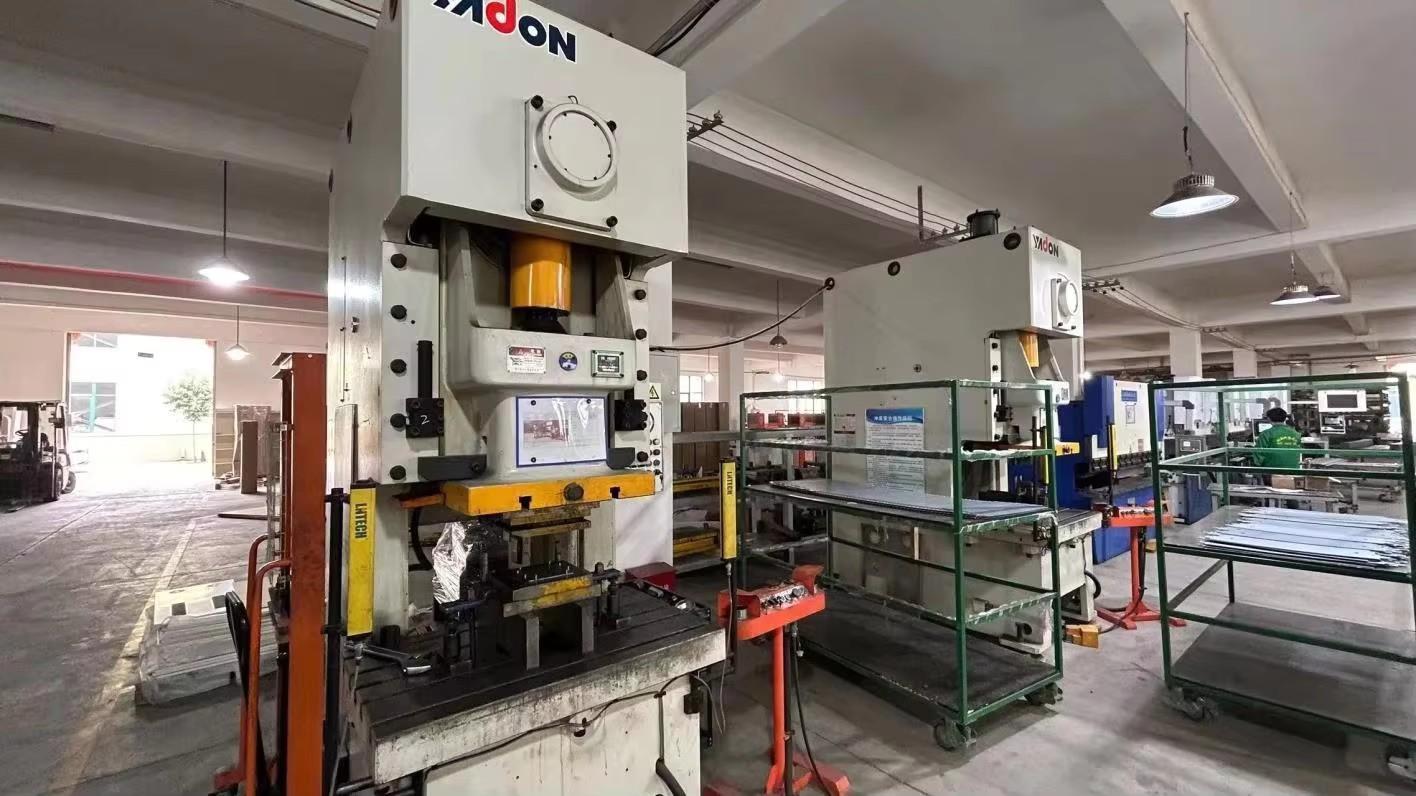
Evaluating overseas portable power and stationary battery suppliers requires a thorough assessment of technical compliance and operational capabilities. This framework highlights the four most critical criteria for global procurement professionals.
Always verify certifications like UN38.3 (essential for shipping lithium cells), IEC 62133, UL 1973, and CE/FCC marks. Lack of proper certification can lead to regulatory delays and shipment seizures.
High-performance portable power stations require a smart BMS that dynamically manages thermal thresholds, cell balancing, and prevents over-charging or deep discharges.
Look for pure sine wave inverters with at least 92% conversion efficiency. High-frequency inverters can cause electrical noise that damages sensitive diagnostic tools and computers.
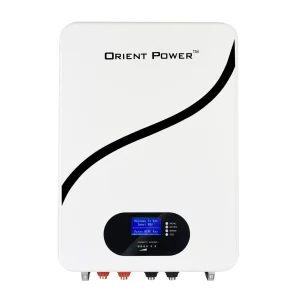
Select suppliers that offer modular, stackable batteries. This allows clients to expand their storage capacity without having to replace their entire inverter system.
Bidirectional charging protocols enable rapid recharges via standard AC outlets or solar panels, minimizing system downtime.
A thorough manufacturing partner will perform vibration tests, climate chamber simulations, and detailed cycle decay analyses on every production batch.
Expert technical insights regarding international shipping, chemistry specifications, and integration standards.
Lithium Iron Phosphate (LiFePO4/LFP) provides superior thermal and chemical stability compared to Lithium Nickel Manganese Cobalt Oxide (NMC). LFP cells will not experience thermal runaway until reaching approximately 270°C, and they do not release oxygen during high-temperature failures. Furthermore, LFP battery configurations deliver a much longer service life, maintaining over 80% of their original capacity after 3,000 to 5,000 charge cycles, whereas NMC batteries typically degrade after 800 to 1,000 cycles.
Because lithium batteries are classified as Class 9 Dangerous Goods, customs authorities require a comprehensive set of safety documentation. This includes a valid UN38.3 test report (verifying thermal, vibration, impact, and short-circuit testing), a safety data sheet (SDS/MSDS), and a certified marine or air transport declaration. Additionally, target markets like the EU require CE markings and WEEE registration, while North American imports require compliance with UL standards (such as UL 1973 for stationary batteries or UL 2743 for portable power packs).
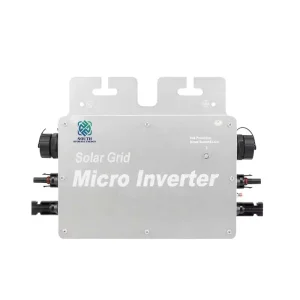
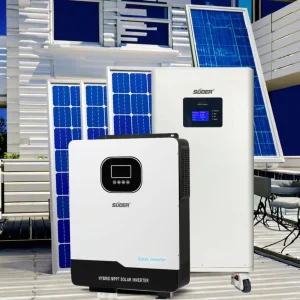
Balcony PV microinverters operate on a single-channel basis, tracking the Maximum Power Point (MPPT) for each individual solar panel. In traditional string systems, if one panel is partially shaded by a railing or adjacent building, the performance of the entire loop is limited to the output of the shaded panel. Microinverters isolate each panel, ensuring that shading on one panel has no impact on the others. They also convert DC power to AC directly at the panel level, eliminating the safety risks of routing high-voltage DC cabling through residential spaces.
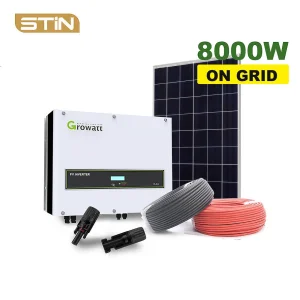
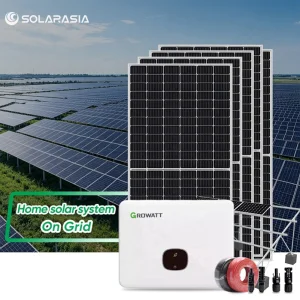
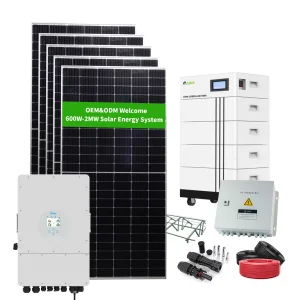
Grid-tied systems route solar electricity directly to your facility and export any excess to the municipal grid, but shut down during utility blackouts to ensure safety for line workers. Off-grid systems are entirely independent of local utility grids, storing all generated power in batteries for immediate or later use. Hybrid configurations combine the best of both approaches: they remain connected to the utility grid for power balance while utilizing local battery storage to provide backup power during outages and optimize energy bills through peak-shaving.
Pure Sine Wave inverters produce clean AC electricity with very low harmonic distortion, matching the quality of utility power. Cheap modified sine wave alternatives can cause overheating in inductive loads like motors, compression pumps, and refrigeration systems. They can also introduce significant electrical noise, leading to malfunctions in sensitive electronic equipment, medical monitors, and telecommunications gear.
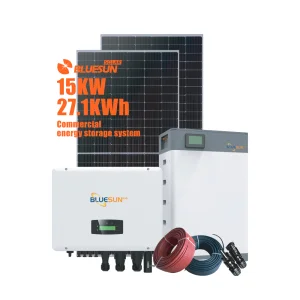
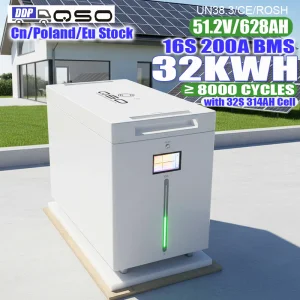
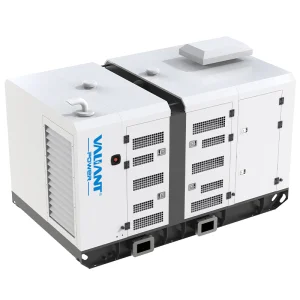
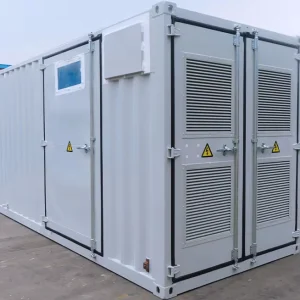
Extended high-capacity platforms, containerized battery arrays, and heavy-duty hybrid off-grid mobile trailers.
 Luzz Solar