Q
1. What is a solar energy system?
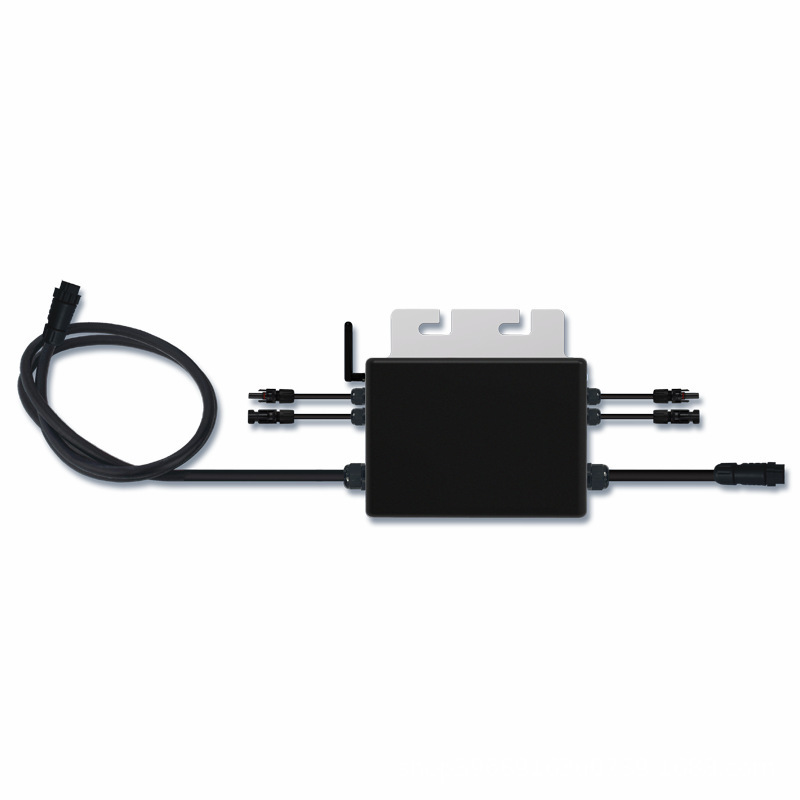
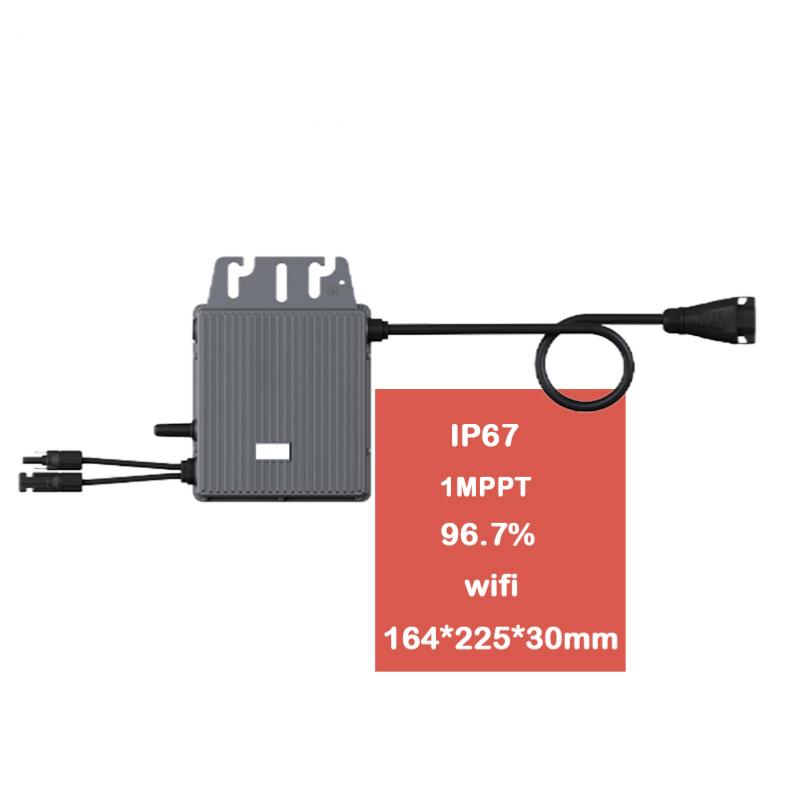
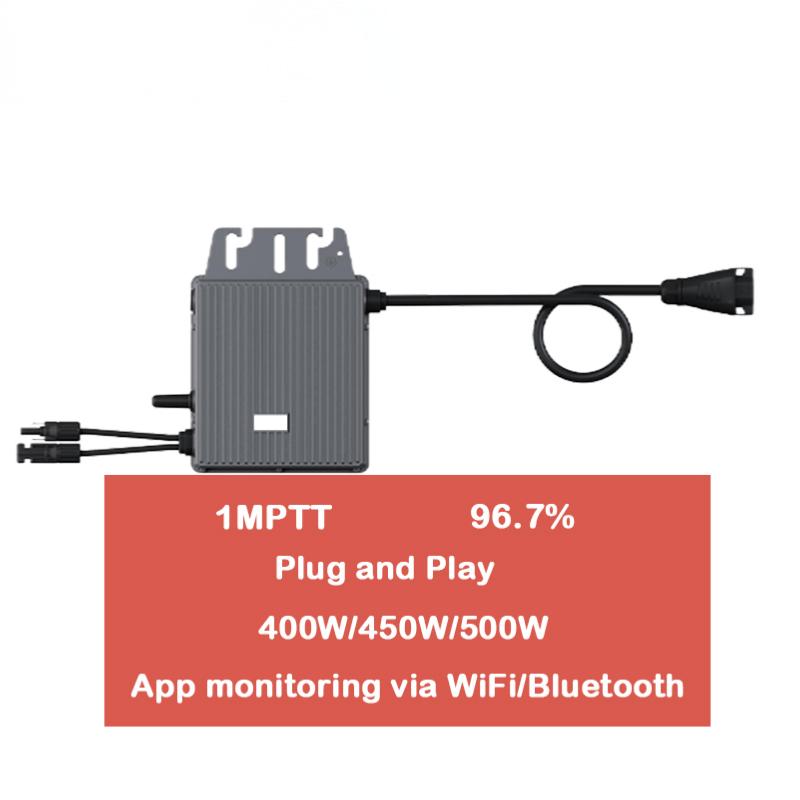
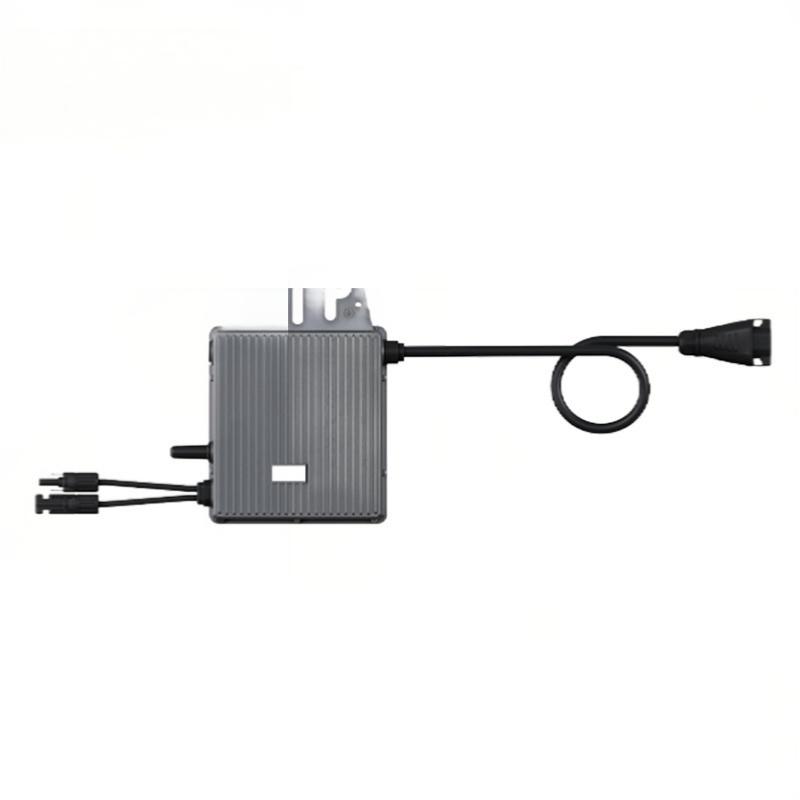
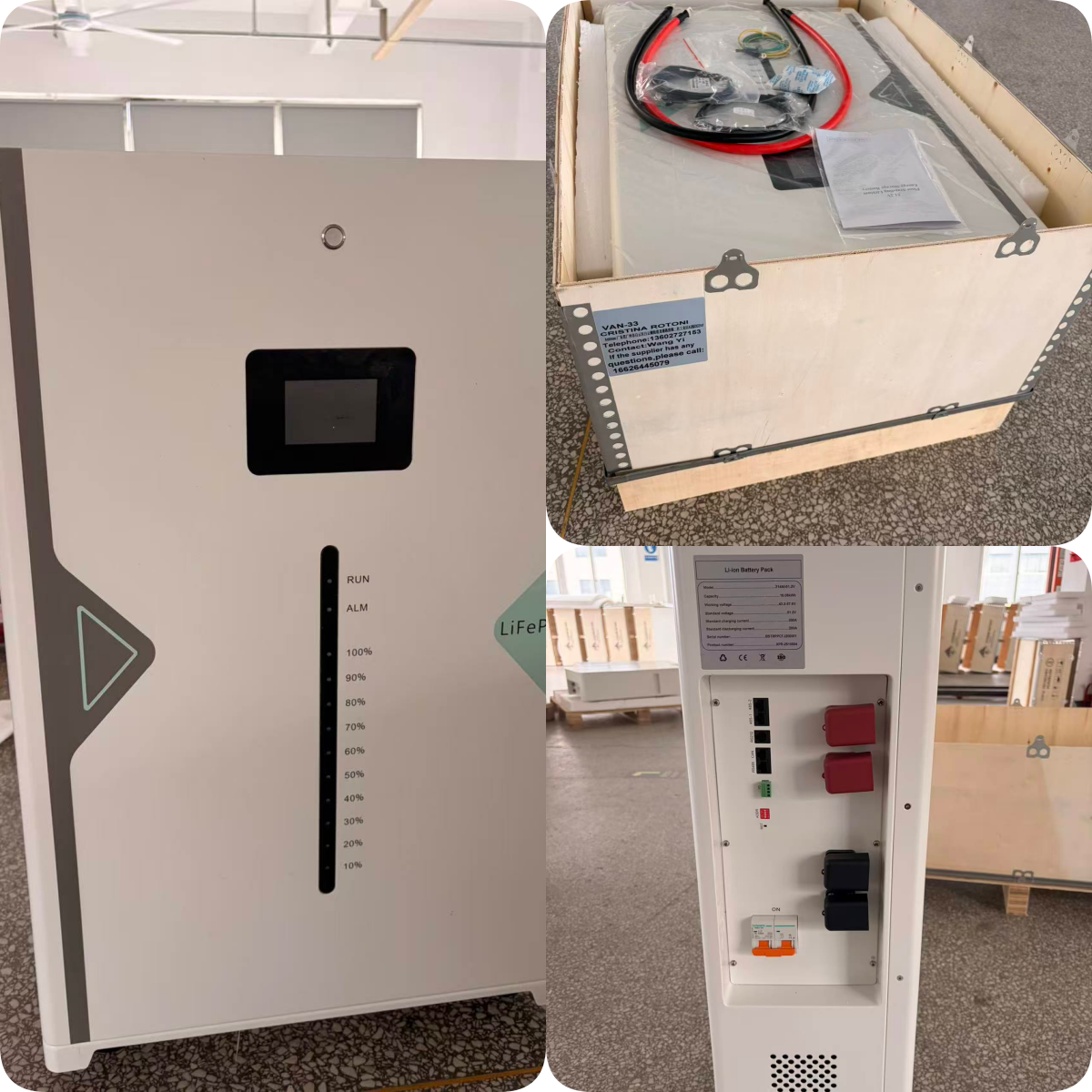
A solar energy system is a device that uses solar photovoltaic panels to convert sunlight into electrical energy. It typically includes components such as solar panels, inverters, batteries (optional), and brackets.
Q
2. What are the types of solar energy systems?
On-grid system: Connected to the public power grid, excess electricity can be sold back to the grid;
Off-grid system: Operates independently and is suitable for areas without grid coverage, requiring energy storage batteries;
Hybrid system: Combining grid-connected and off-grid characteristics, it has energy storage function and can be connected to the power grid.
Q
3. What are the requirements for installing a solar energy system?
Adequate sunshine conditions; suitable installation space (such as roof, floor); and compliance with local regulations and grid access requirements (if applicable).
Q
4. How long is the lifespan of a solar energy system?
The typical lifespan of solar panels is over 25 years; the lifespan of the inverter is approximately 10-15 years; and the lifespan of batteries (if any) is generally 5-10 years, depending on the type and usage situation.
Q
5. How to maintain the solar energy system?
Regularly clean the dust and debris on the surface of the panel; check if the cables and connections are secure; and monitor the power generation performance of the monitoring system to promptly address any abnormalities.
Q
6. Can the solar system still work on cloudy or rainy days?
Sure, but the power generation efficiency will decrease. Modern solar energy systems can still generate a certain amount of electricity under low light conditions.
 Luzz Solar