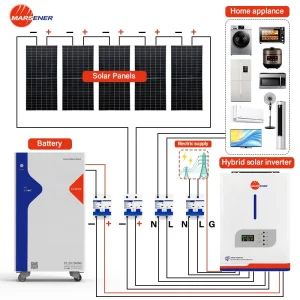
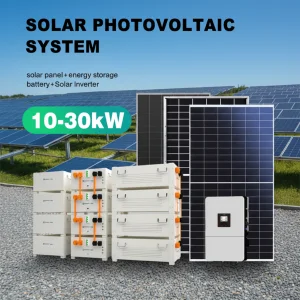
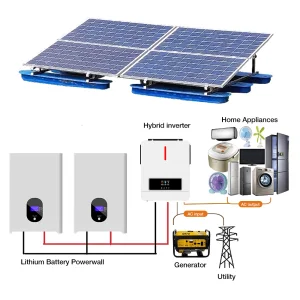
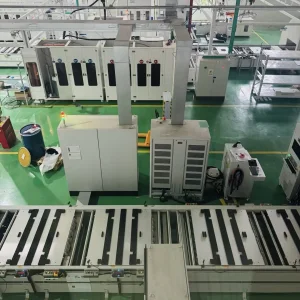
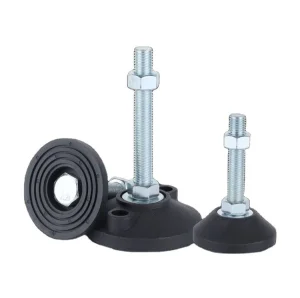
Discover high-performance components engineered to deliver reliable electrical integration in harsh operational environments. These systems represent the forefront of off-grid technological advancement.
In an era marked by accelerating climate volatility, aging centralized grid infrastructures, and aggressive global decarbonization mandates, the demand for high-reliability off-grid power solutions has transitioned from niche remote applications to core industrial strategies. Modern off-grid systems no longer serve merely as emergency backup; they act as primary energy hubs powering critical infrastructure, commercial developments, and microgrids worldwide.
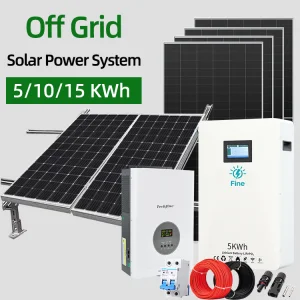
Modern developers and engineers prioritize solutions that integrate advanced battery chemistries (principally Lithium Iron Phosphate, or LiFePO4), highly responsive Maximum Power Point Tracking (MPPT) controllers, and robust hybrid split-phase inverters. These components must withstand intense operational strain, high thermal variations, and demanding load profiles. By shifting toward modular, pre-configured off-grid energy nodes, operators drastically lower their Levelized Cost of Energy (LCOE) and secure complete energy independence.
Selecting the appropriate hardware configuration defines the performance envelope and lifespan of any decentralized electrical network. Engineers evaluate off-grid topologies based on three core architectural pillars:
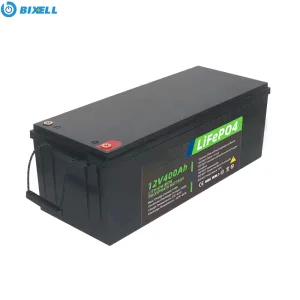
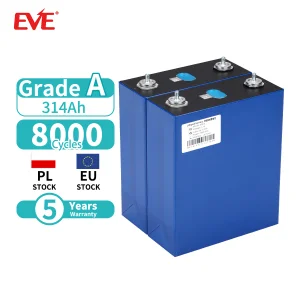
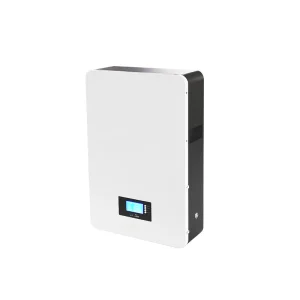
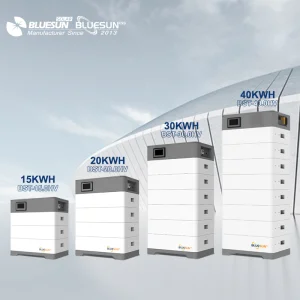
The standard chemistry has shifted permanently to LiFePO4 due to its safety profile, thermal stability, and exceptional cyclic longevity. Modern industrial applications deploy prismatic cells (such as EVE 280Ah/314Ah configurations) operating on high-voltage DC buses. Higher voltage architectures lower nominal current requirements, reduce thermal losses, minimize cable sizing costs, and support massive dynamic surges during heavy inductive motor start-ups.
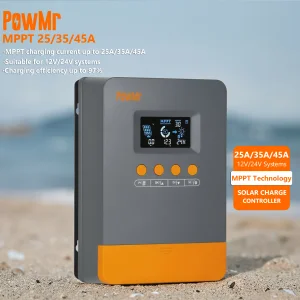
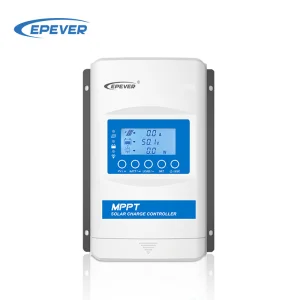
Maximum Power Point Tracking (MPPT) is crucial for commercial-scale off-grid installations, operating at over 99% conversion efficiency. By dynamically matching the solar array's operating voltage to the battery bank's charging requirements, MPPT controllers extract up to 30% more energy than legacy Pulse Width Modulation (PWM) systems, particularly in overcast conditions or extreme climates where solar irradiance fluctuates rapidly.
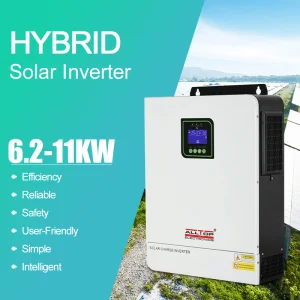
Next-generation off-grid inverters possess grid-forming capabilities. Instead of merely matching an existing electrical waveform, they establish the voltage and frequency references for the entire localized network. Split-phase inverters support unbalanced loads and seamlessly manage bidirectional energy flows, allowing clean transitions between solar, battery storage, auxiliary generators, and utility grids.
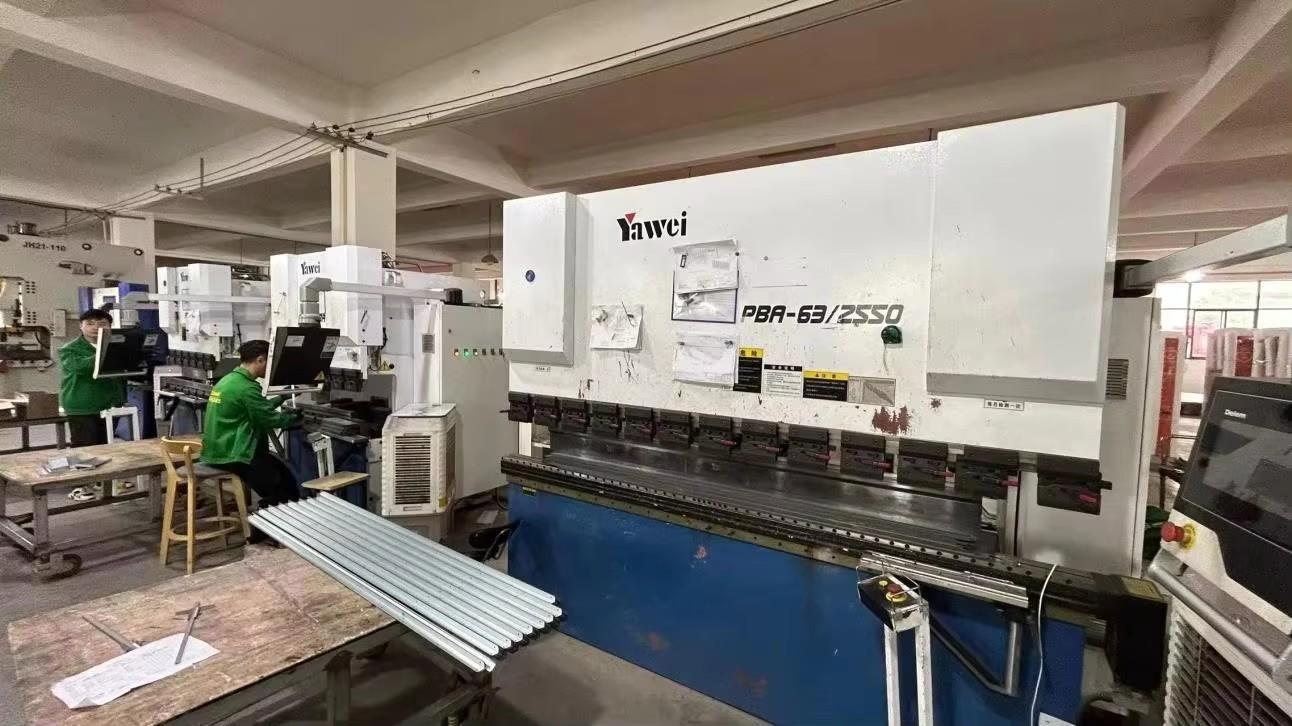
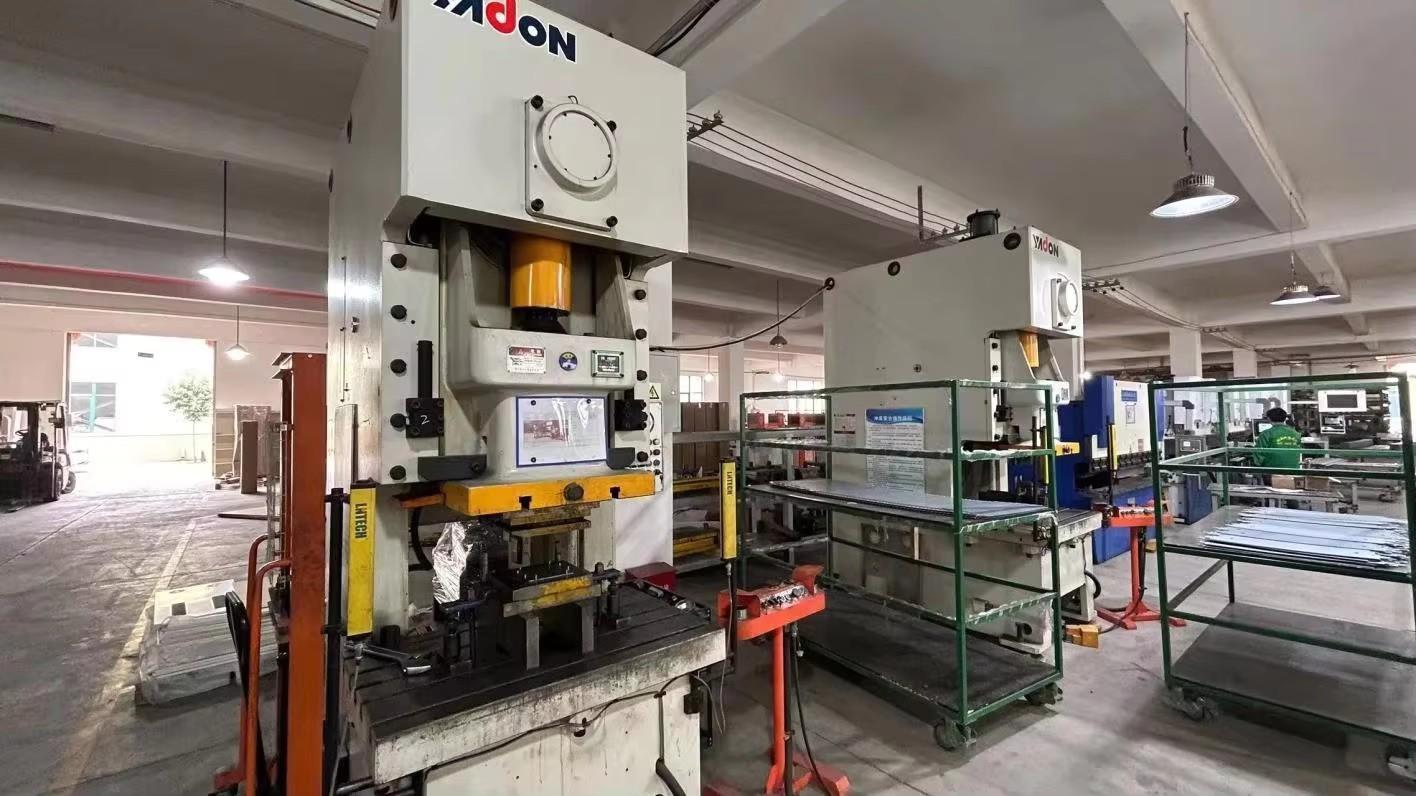
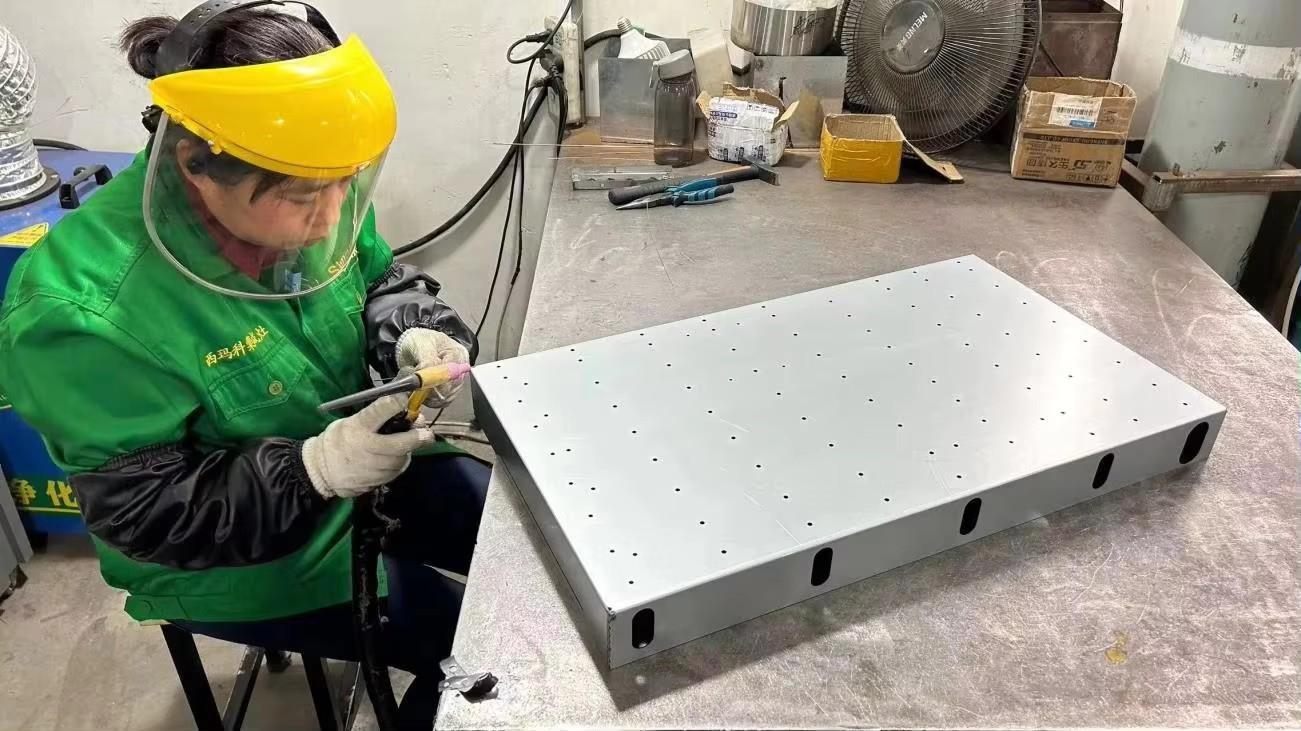
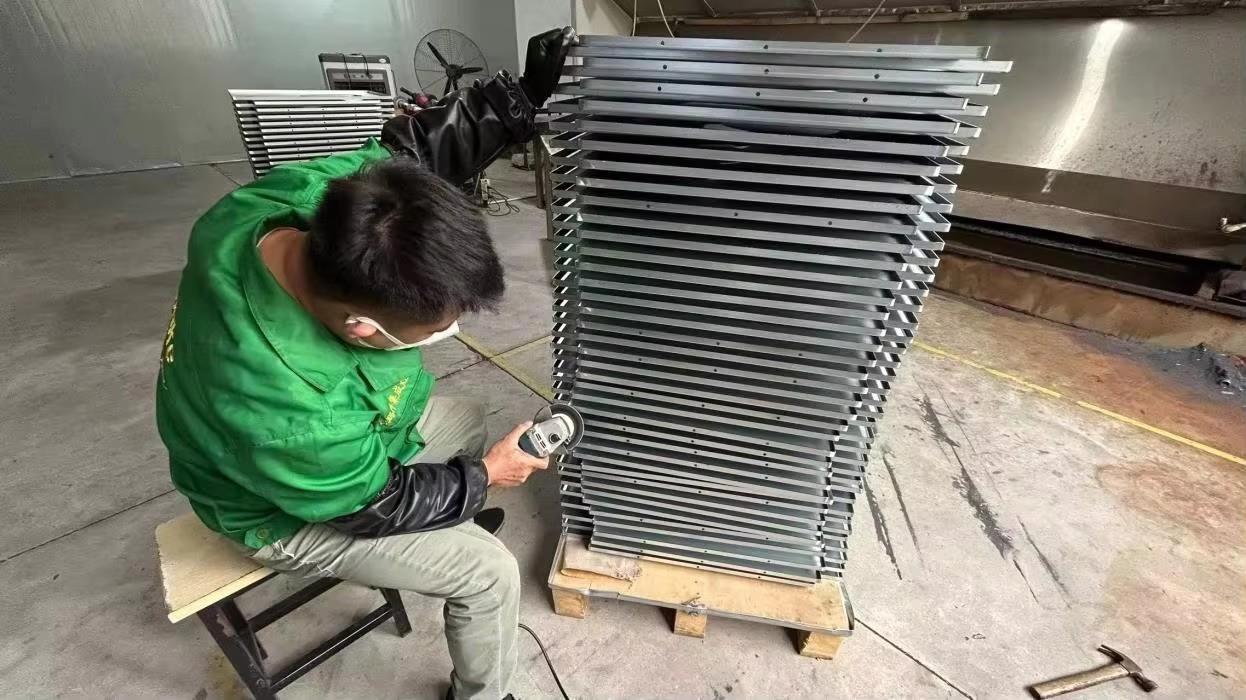
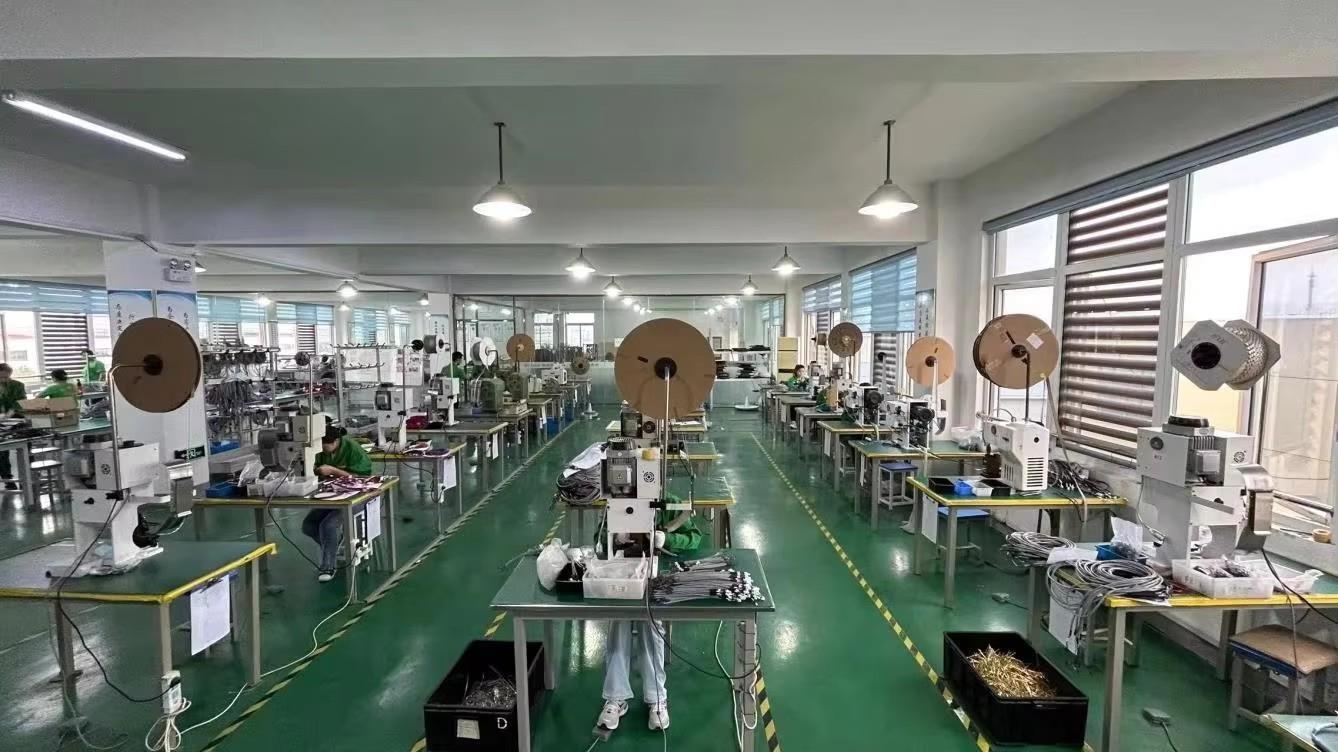
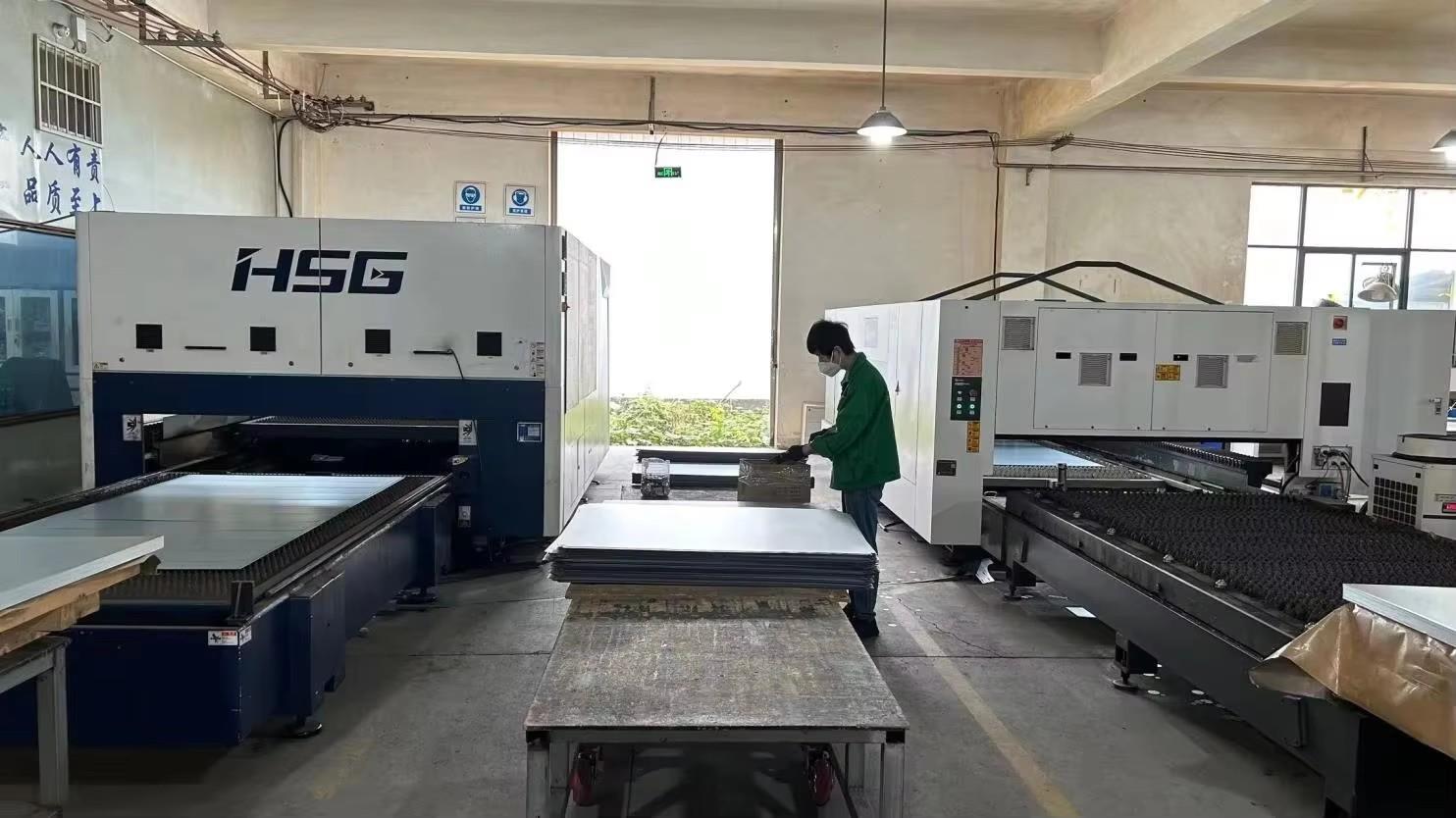
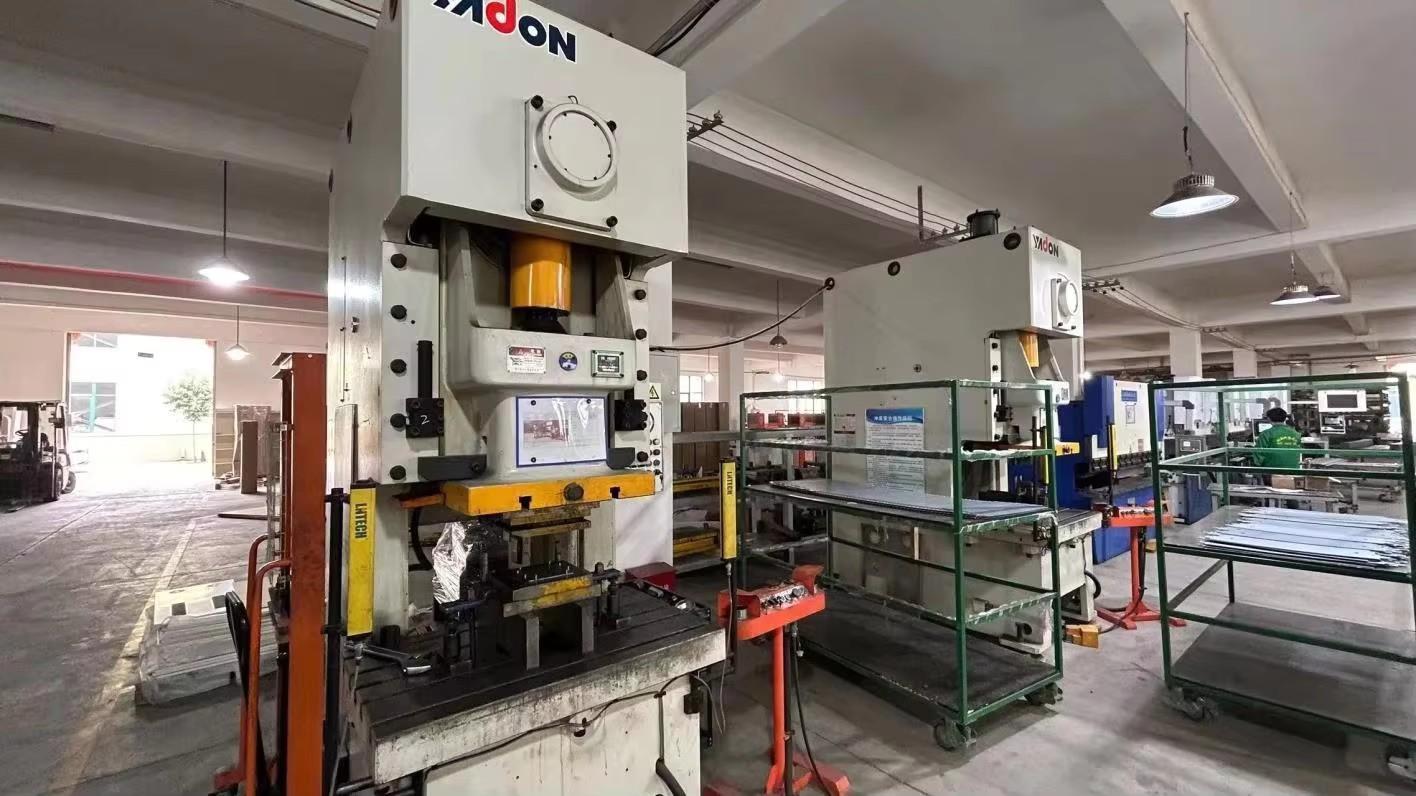
A closer examination of manufacturing excellence, highlighting advanced production protocols and technological infrastructure.
Qingdao Luzz Solar Co., Ltd. is a professional new energy enterprise specializing in the development, manufacturing, and global distribution of photovoltaic (PV) products and integrated energy storage solutions. Located in Qingdao, China, the company benefits from a well-established renewable energy industrial base and advanced manufacturing capabilities.
With the accelerating global transition toward carbon neutrality and sustainable development, Luzz Solar is committed to providing efficient, reliable, and cost-effective clean energy solutions to customers worldwide. Our product portfolio includes high-efficiency solar photovoltaic modules, energy storage systems, and integrated solar application solutions designed for residential, commercial, and utility-scale projects.
Driven by technological innovation and quality excellence, the company continuously invests in R&D and production optimization to improve product performance, energy conversion efficiency, and system reliability. We strictly adhere to international quality standards and implement rigorous quality control throughout the entire production process to ensure stable and long-term product performance.
Qingdao Luzz Solar actively expands its global market presence, with business coverage across Asia, Europe, the Middle East, Africa, and Latin America. By working closely with international partners, we are committed to delivering tailored energy solutions that meet diverse regional needs and support the global energy transition.
Guided by the core values of integrity, innovation, cooperation, and sustainability, Luzz Solar strives to become a trusted global partner in the new energy industry. We are dedicated to advancing solar technology and contributing to a greener, more sustainable future.
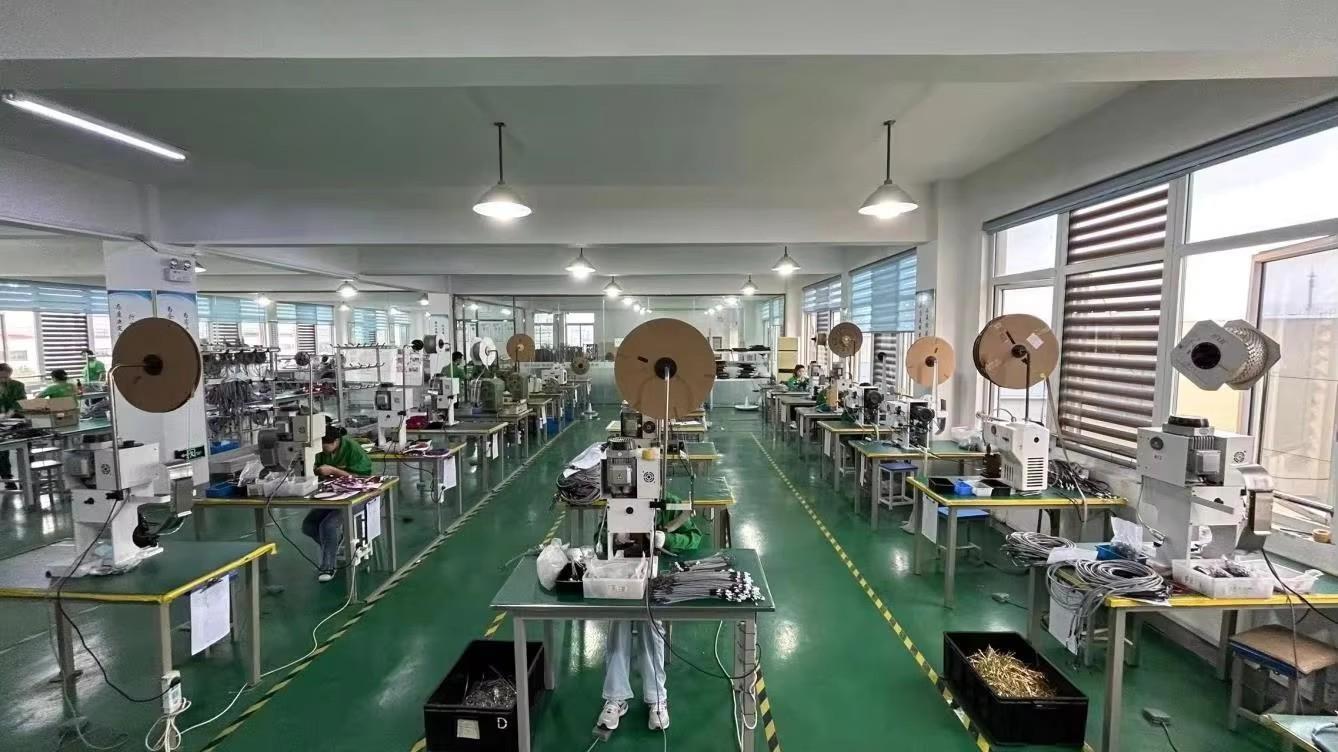
Maintaining high reliability across off-grid installations requires stringent manufacturing standards. Below is the step-by-step assembly, fabrication, and quality control pipeline implemented inside the modern production facilities:
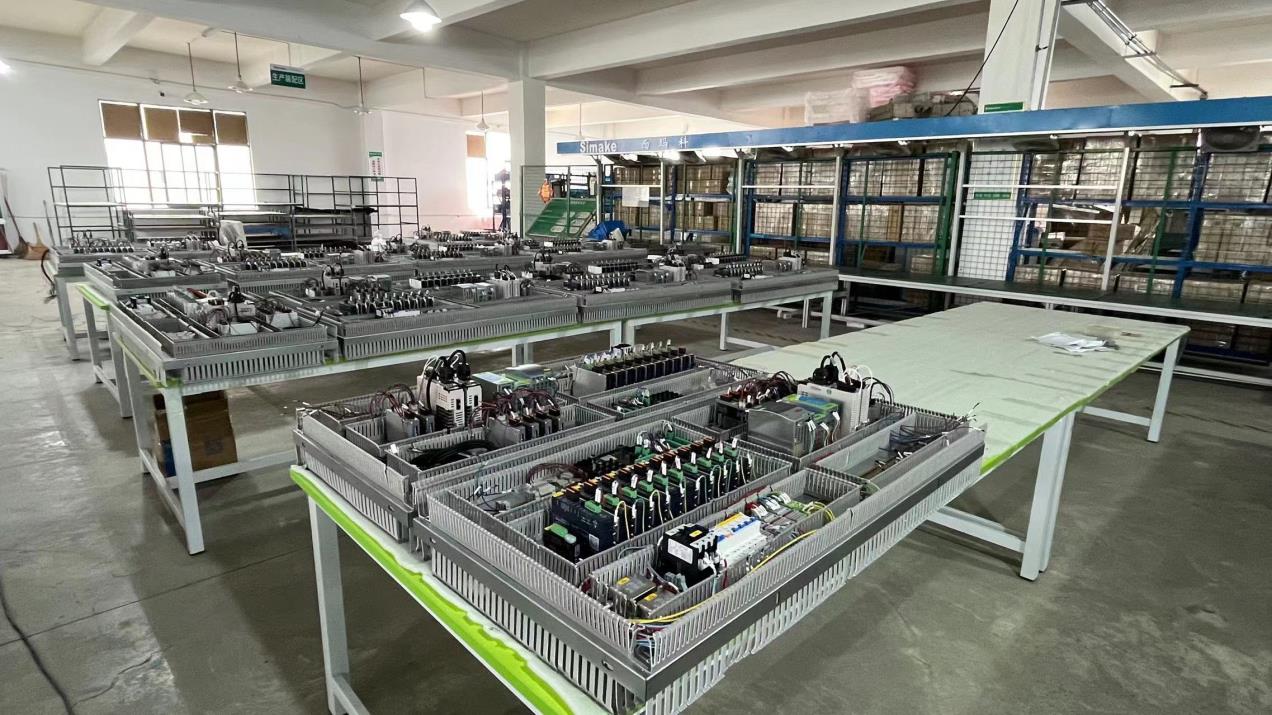
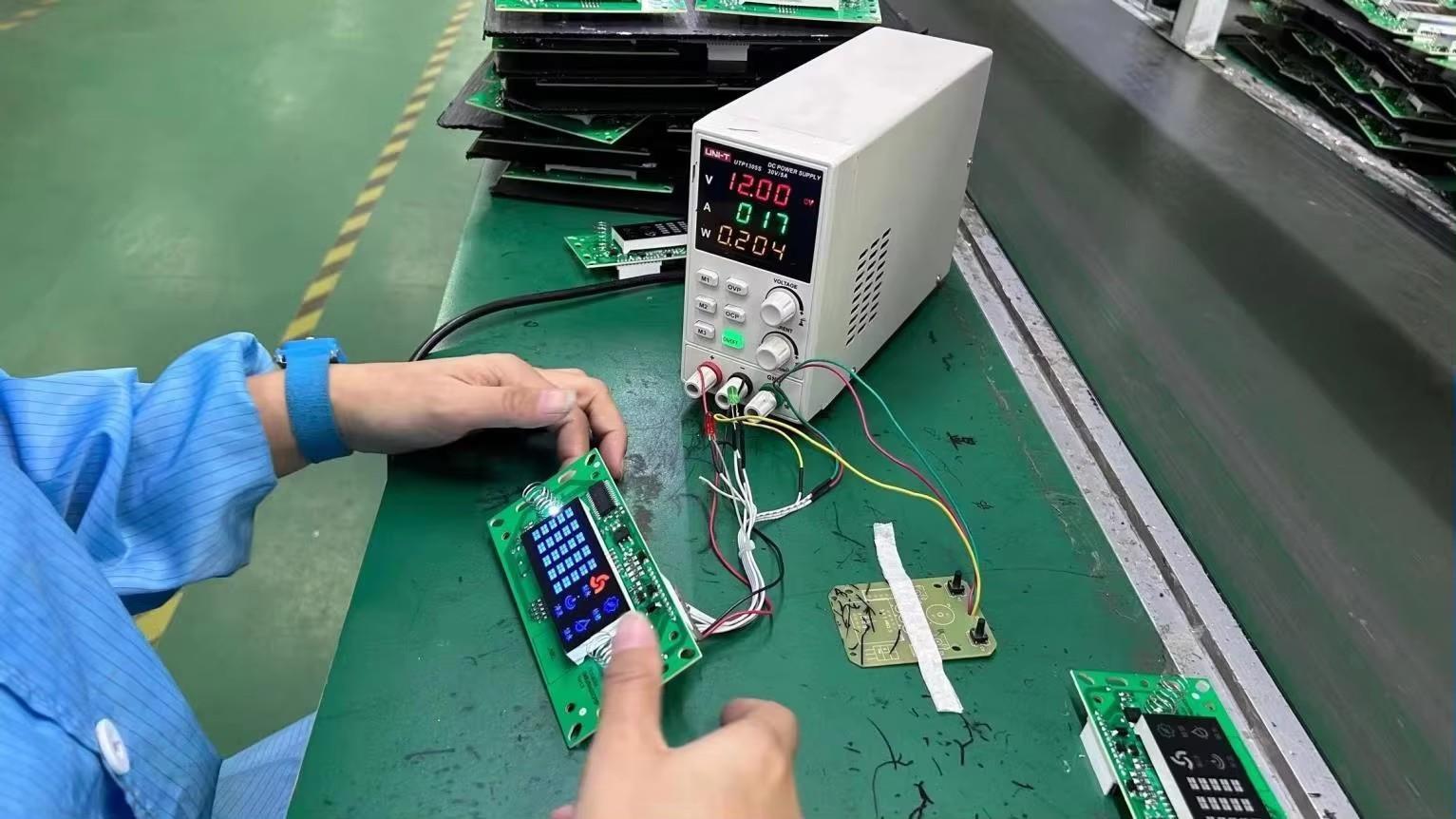
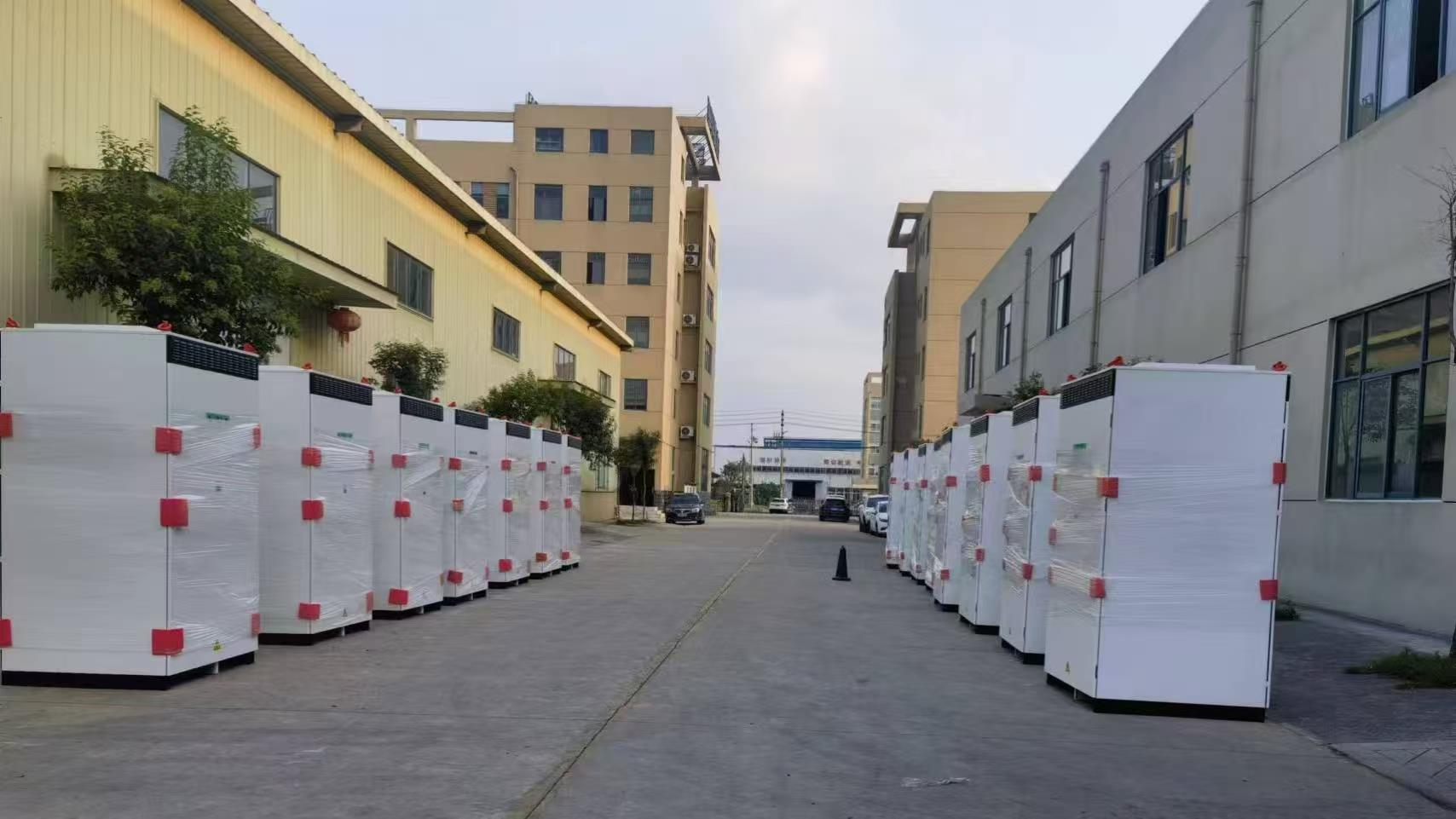
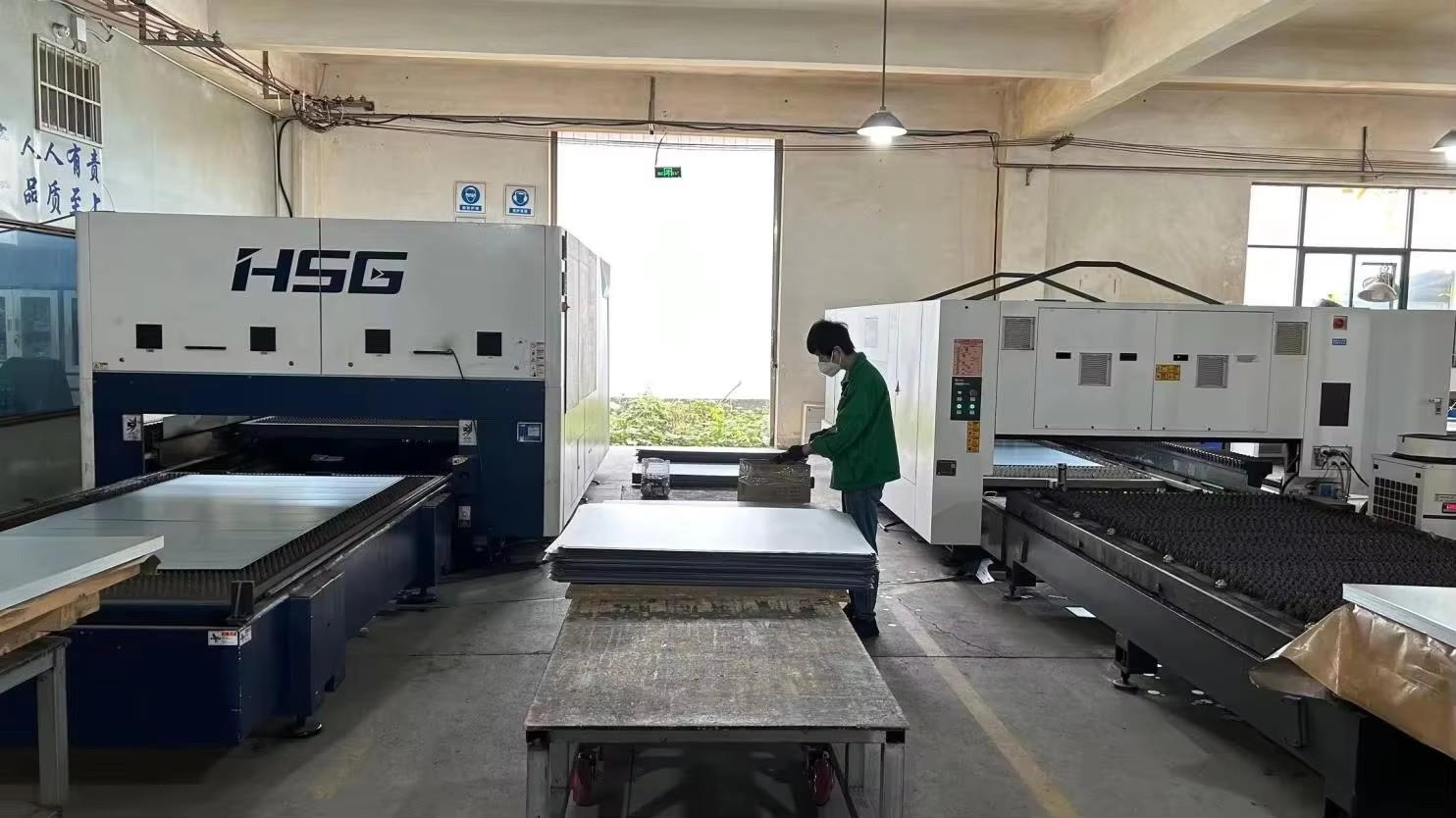
Deploying systems internationally requires deep alignment with diverse regulatory frameworks and physical environments. Compliance is a prerequisite for security, financial backing, and long-term performance.
| Regional Market | Required Core Certifications | Environmental & Grid Adaptation Requirements | Design Compliance Strategy |
|---|---|---|---|
| European Union | CE, EN 62619, RED Directive, RoHS | Low-temperature performance, grid back-feed compliance, high-efficiency building integration. | Integrated heated battery arrays, strict electromagnetic shielding, modular space-saving designs. |
| North America | UL 1973, UL 9540A, NEC 2020/2023, FCC | Rapid shutdown safety systems, split-phase configurations (120V/240V), fire-propagation containment. | High-capacity outdoor NEMA 3R/4X rated enclosures, active cell-level mitigation systems. |
| Asia-Pacific & Africa | IEC 62109, IEC 62619, regional approvals | High ambient humidity, dust ingress mitigation, unstable grid interactions, cost-performance balancing. | IP65 protected enclosures, high-capacity dust filters, robust surge suppression, cost-efficient scaling. |
Beyond certifications, physical safety standards like UL 9540A evaluate thermal runaway behavior in battery systems. Selecting equipment from suppliers that perform large-scale thermal abuse testing ensures that in the rare event of internal cell failure, the system contains the thermal event within a single module, protecting the surrounding facility.
Off-grid systems are engineered for diverse environments, each presenting unique challenges. Real-world applications demonstrate how modular configurations resolve electrical bottlenecks globally:
Remote telecommunication towers and deep mining outposts demand continuous power in extreme weather. Deploying industrial floor-standing or containerized energy storage units coupled with automated diesel-generator dispatch loops minimizes operational costs. The battery absorption phase reduces generator runtime, extending equipment lifespan and cutting diesel fuel costs by up to 60%.
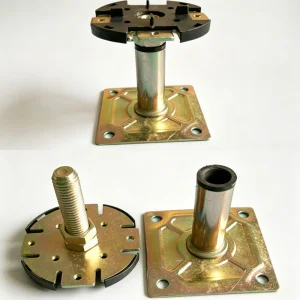
Luxury modular developments, eco-tourism projects, and remote residential clusters rely on pre-fabricated solar systems. Using high-strength galvanized steel support pedestals, sub-flooring infrastructure, and unified battery cabinets simplifies structural assembly in rugged locations. This approach delivers residential comfort without disruptive environmental impact or extensive ground excavation.
Modern farms utilize localized solar setups to run high-torque water pumps without pulling power from the utility grid. These systems feature customized variable frequency drives (VFD) and MPPT controllers. By aligning water pumping rates directly with real-time solar intensity, they eliminate the need for expensive battery banks, using elevated water tanks as gravitational energy storage instead.
Explore these advanced off-grid products, featuring high-efficiency hybrid inverters, industrial-grade storage racks, and precise MPPT controllers designed for demanding duty cycles.
The landscape of decentralized energy is evolving rapidly. Developers must anticipate shifts in battery chemistry and grid architecture to avoid technology obsolescence:
Here are technical answers to common queries from grid engineers, procurement directors, and project developers:
Increasing the battery bank's operating voltage (e.g., from 48V to 400V or higher) reduces current flow for the same power output. Because resistive losses are proportional to the square of the current (I²R), operating at higher voltage reduces copper losses, permits smaller wire diameters, improves system efficiency, and enhances performance under heavy startup loads.
In cold temperatures, the operating voltage (Voc) of solar modules increases significantly. A PWM controller forces the solar panels to operate at the battery's nominal voltage, wasting this additional thermal voltage headroom. An MPPT controller down-converts this voltage surplus into usable charging current, yielding 25% to 35% more energy extraction during winter conditions.
LiFePO4 (LFP) offers superior thermal stability and structural integrity under cyclic stress compared to NMC or LCO chemistries. It operates safely up to 60°C without runaway risks, sustains 6,000+ cycles at 80% Depth of Discharge, and contains no toxic cobalt, simplifying disposal and recycling compliance.
Split-phase inverters output two 120V AC hot lines out of phase with a central neutral, providing both 120V (for standard electronics) and 240V (for heavy machinery, pumps, and HVAC) from a single unit. They handle load imbalances between phases, eliminating the need for external autotransformers.
Deploying heavy battery enclosures and power electronic racks on elevated steel floor pedestals protects delicate connections from moisture, water ingress, and floor vibrations. This design allows routing high-current DC cables underneath for clean, secure wiring in remote utility structures.
 Luzz Solar