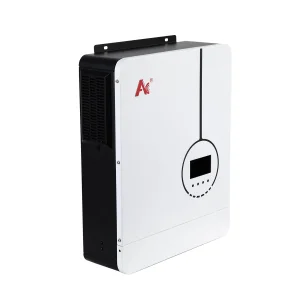
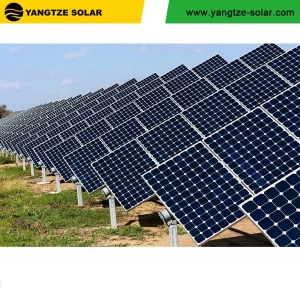
Deploy industrial-grade solar generation and lithium storage setups designed for continuous, high-efficiency commercial operation.
Qingdao Luzz Solar Co., Ltd. is a professional new energy enterprise specializing in the development, manufacturing, and global distribution of photovoltaic (PV) products and integrated energy storage solutions. Located in Qingdao, China, the company benefits from a well-established renewable energy industrial base and advanced manufacturing capabilities.
With the accelerating global transition toward carbon neutrality and sustainable development, Luzz Solar is committed to providing efficient, reliable, and cost-effective clean energy solutions to customers worldwide. Our product portfolio includes high-efficiency solar photovoltaic modules, energy storage systems, and integrated solar application solutions designed for residential, commercial, and utility-scale projects.
Driven by technological innovation and quality excellence, the company continuously invests in R&D and production optimization to improve product performance, energy conversion efficiency, and system reliability. We strictly adhere to international quality standards and implement rigorous quality control throughout the entire production process to ensure stable and long-term product performance.
Qingdao Luzz Solar actively expands its global market presence, with business coverage across Asia, Europe, the Middle East, Africa, and Latin America. By working closely with international partners, we are committed to delivering tailored energy solutions that meet diverse regional needs and support the global energy transition.
Guided by the core values of integrity, innovation, cooperation, and sustainability, Luzz Solar strives to become a trusted global partner in the new energy industry. We are dedicated to advancing solar technology and contributing to a greener, more sustainable future.
Fully integrated vertical production lines adhering to CE, IEC, UL, and ISO 9001/14001 certification paradigms.
The global energy paradigm is undergoing a monumental shift. Rising electricity tariffs, stringent carbon taxation, and grid vulnerabilities are driving commercial and industrial (C&I) enterprises to re-evaluate their power infrastructure. Renewable energy applications—incorporating high-capacity photovoltaic generation, hybrid inversion, and electrochemical energy storage systems (BESS)—are no longer just environmentally conscious options; they are vital financial safeguards for modern enterprises.
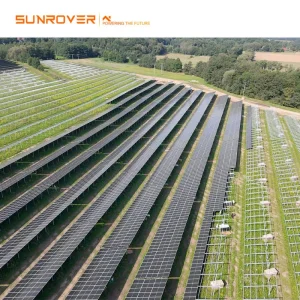
Across key economic zones such as North America, Europe, and the Asia-Pacific region, commercial facilities are deploying solar arrays combined with smart battery units to achieve peak-shaving, load-shifting, and emergency backup power. By converting solar energy on-site, businesses can mitigate peak demand charges, which can account for up to 50% of an industrial plant's monthly electricity bill. In addition, the integration of heavy-duty structural components ensures that systems can withstand environmental challenges, from seismic activity to harsh coastal winds.
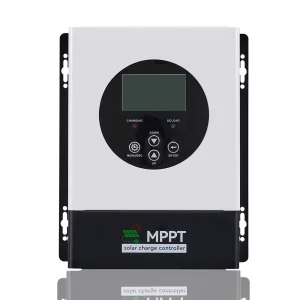
Multi-national corporations face strict Scope 1, 2, and 3 emission audits under ESG governance. Utilizing microgrid architectures with high-efficiency MPPT solar charge controllers and modular LiFePO4 battery storage units allows industrial producers to slash carbon footprints, satisfy audit criteria, and build carbon-neutral product lifecycles.
We control the entire supply chain—from high-precision steel structural stamping to advanced battery management system (BMS) wiring and automated quality inspections.
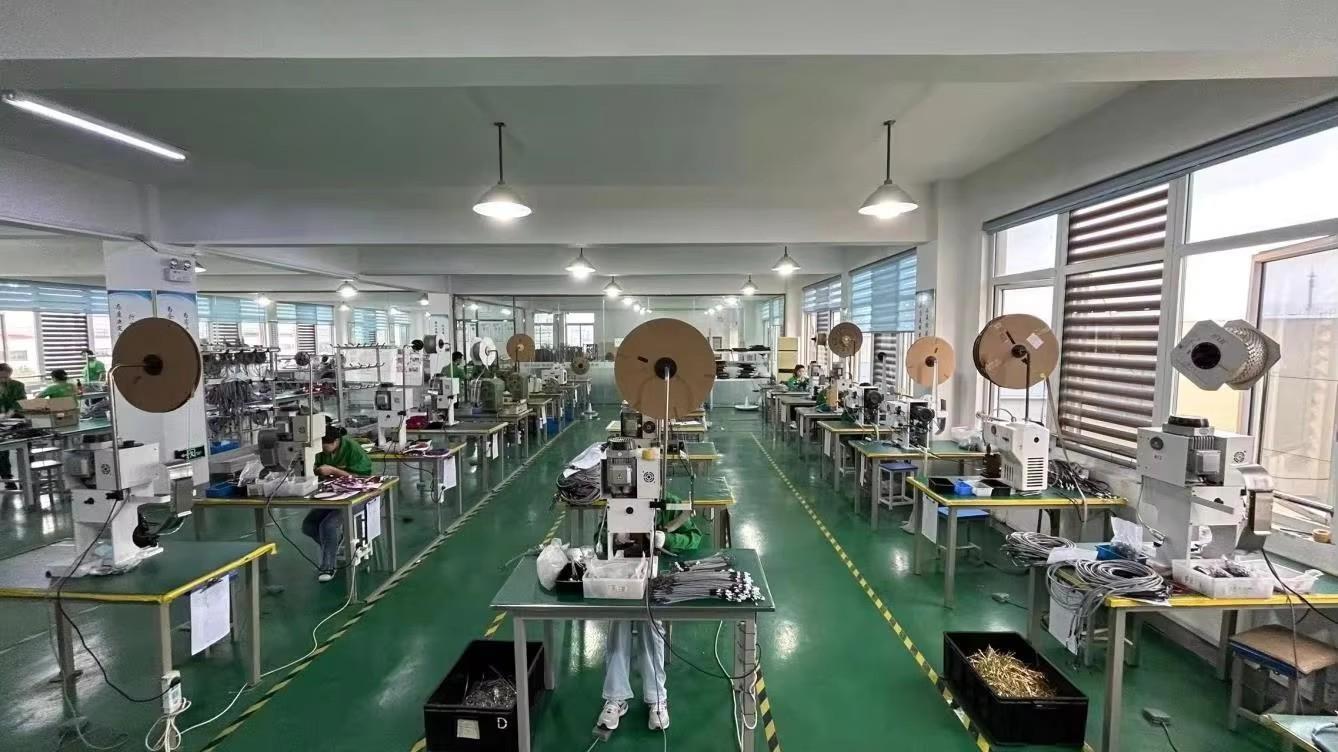
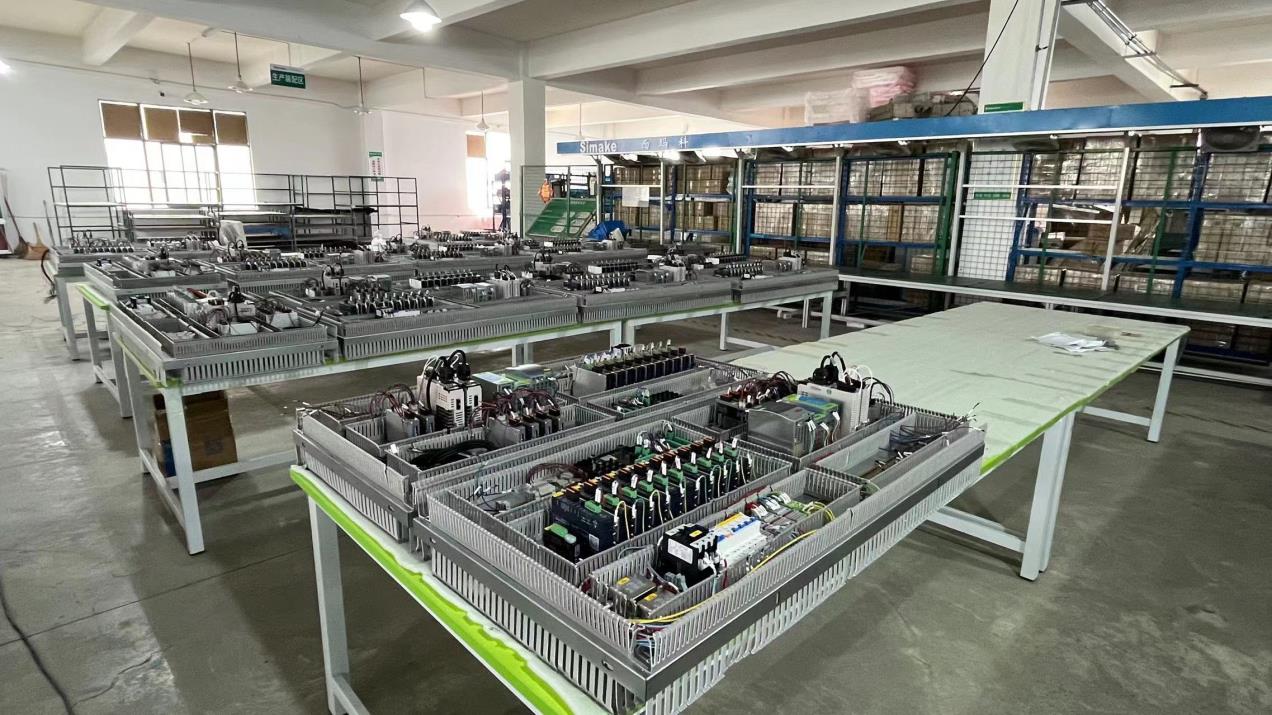
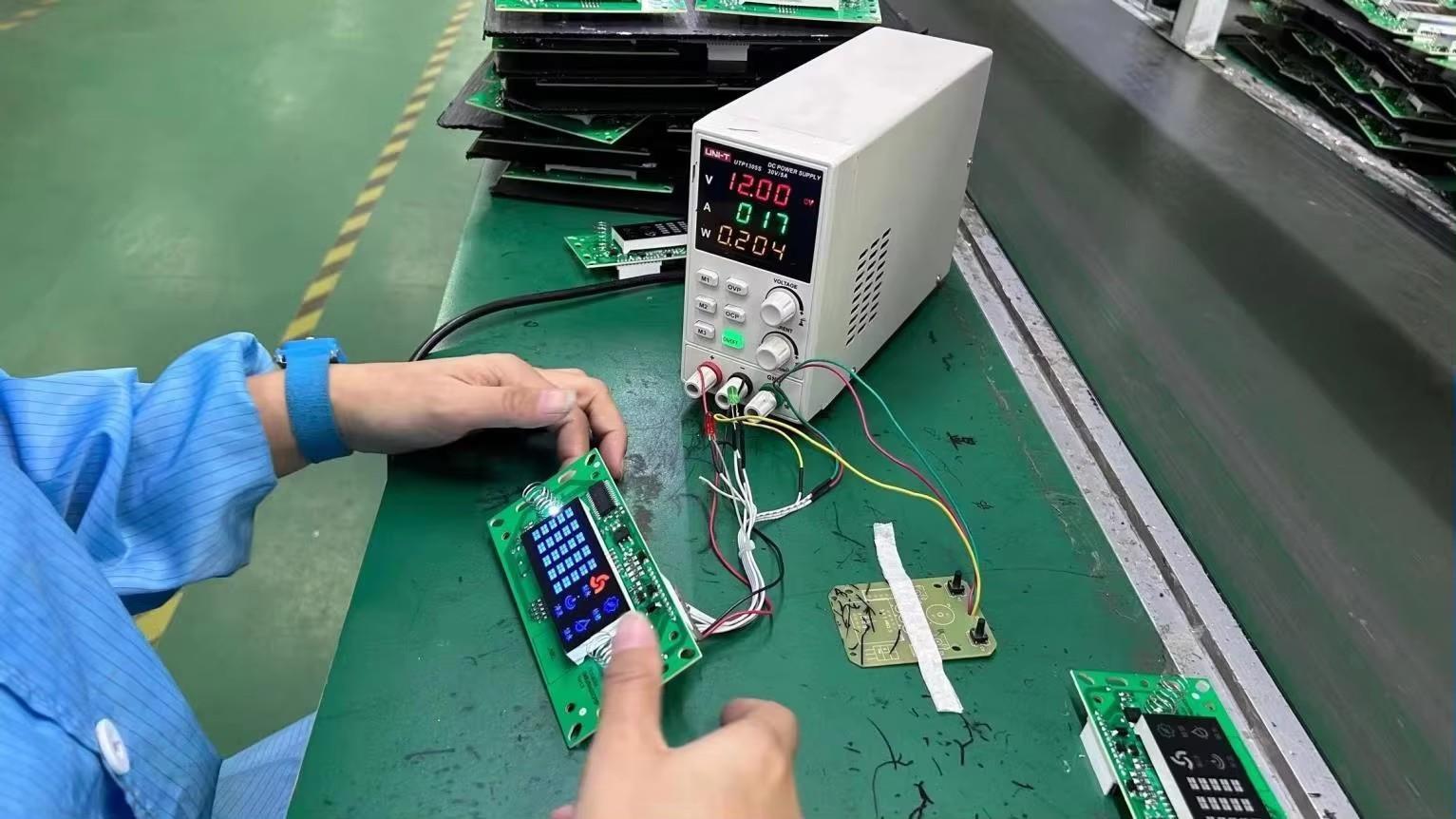
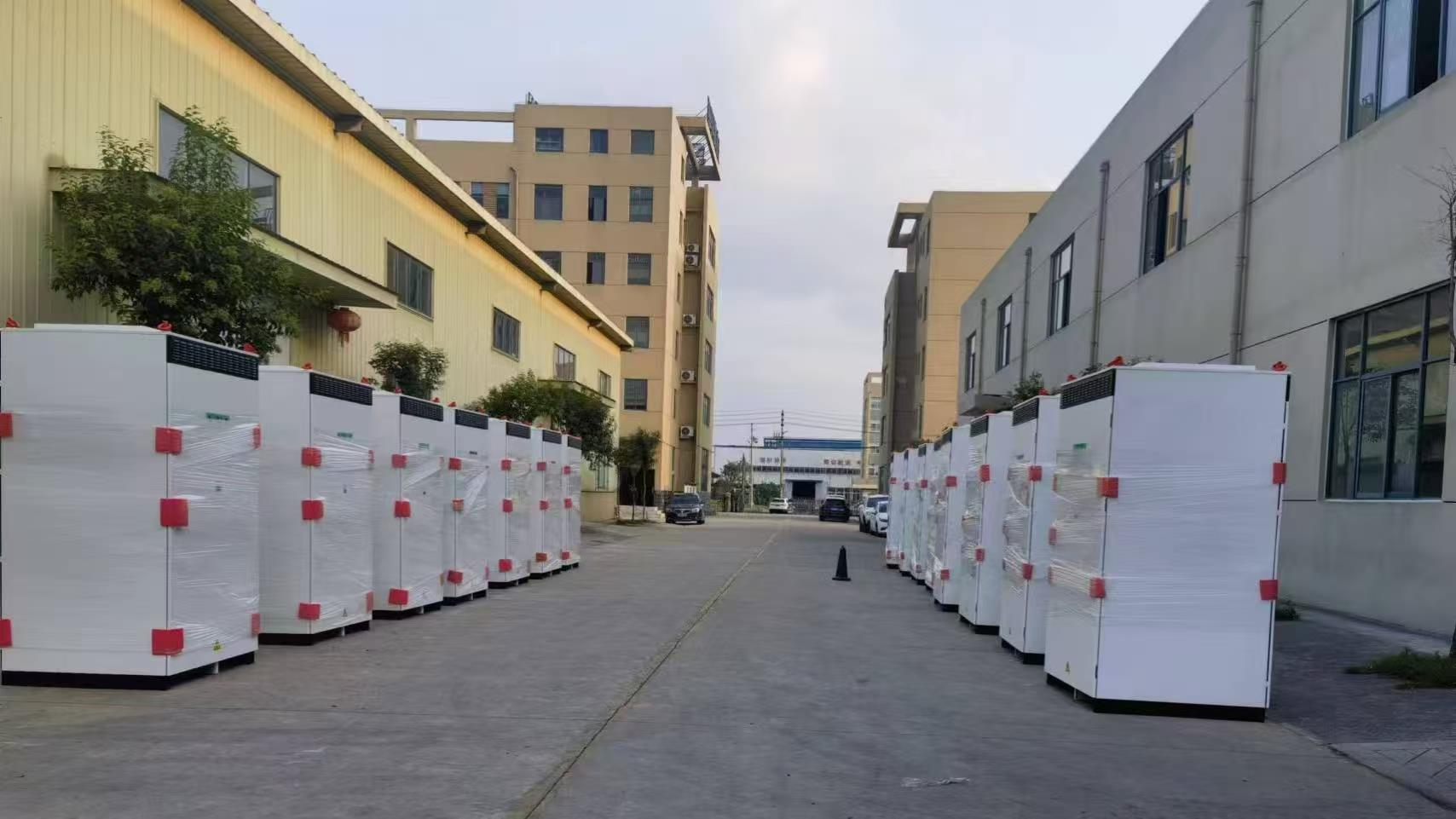
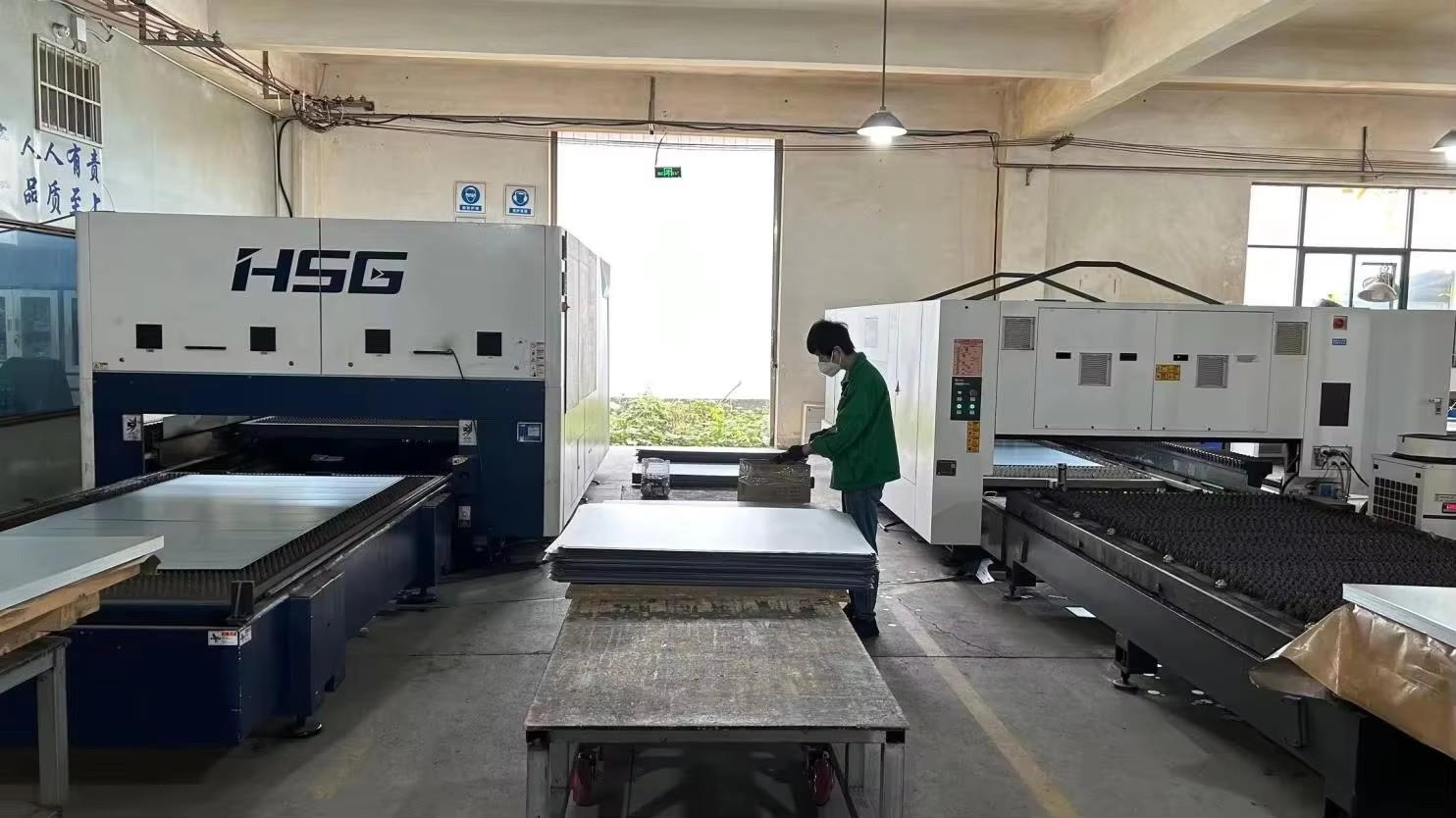
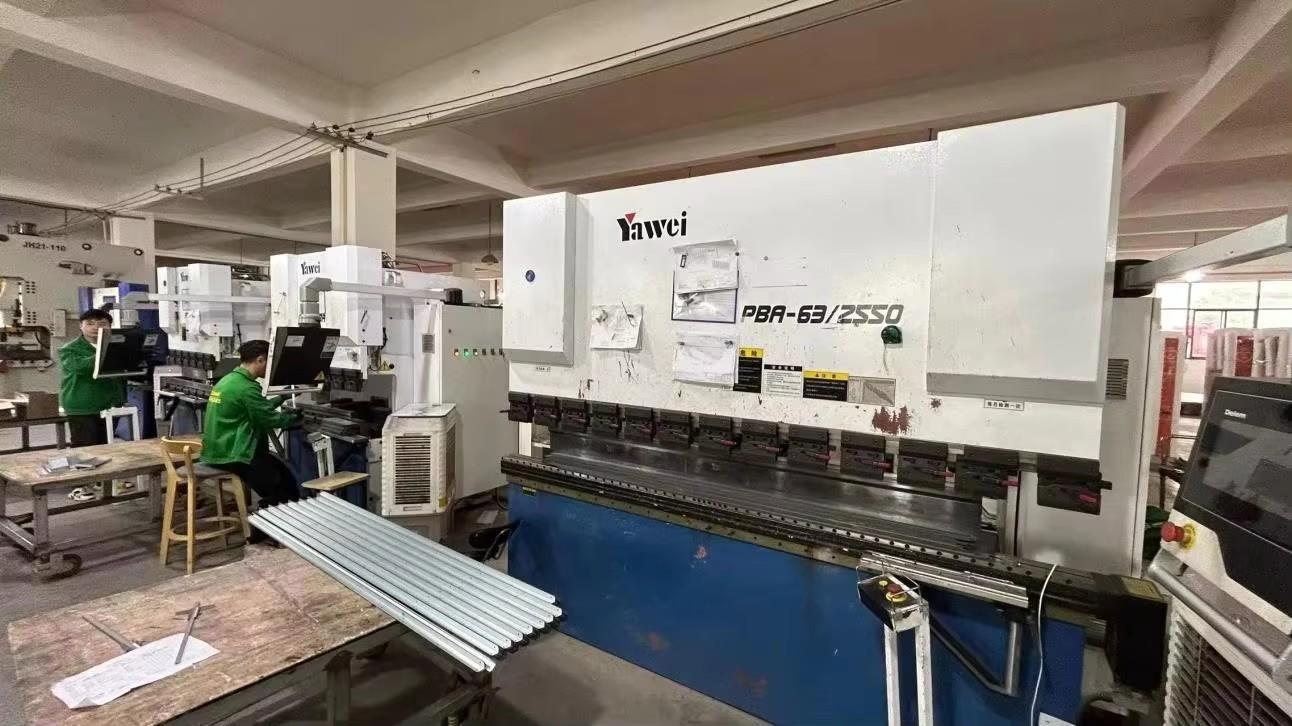
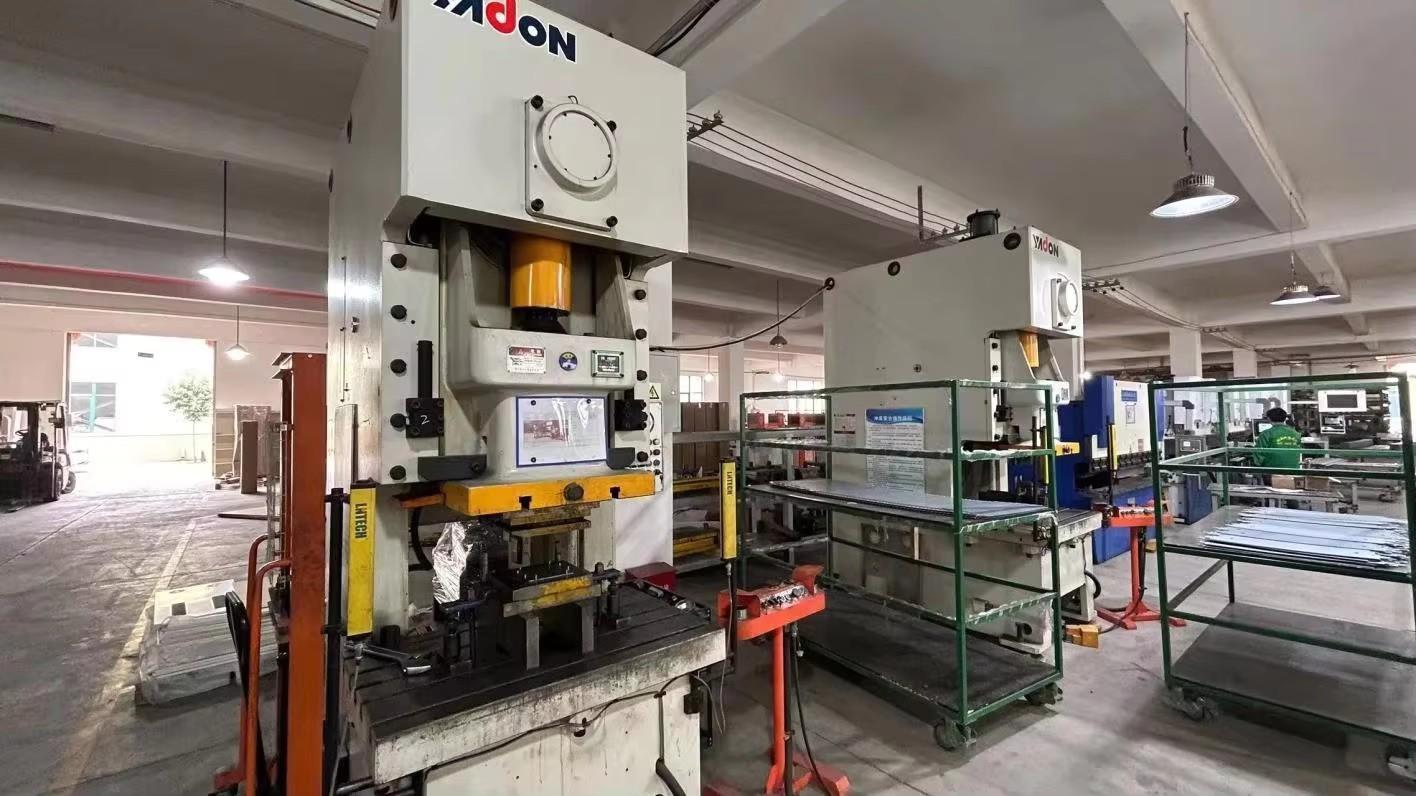
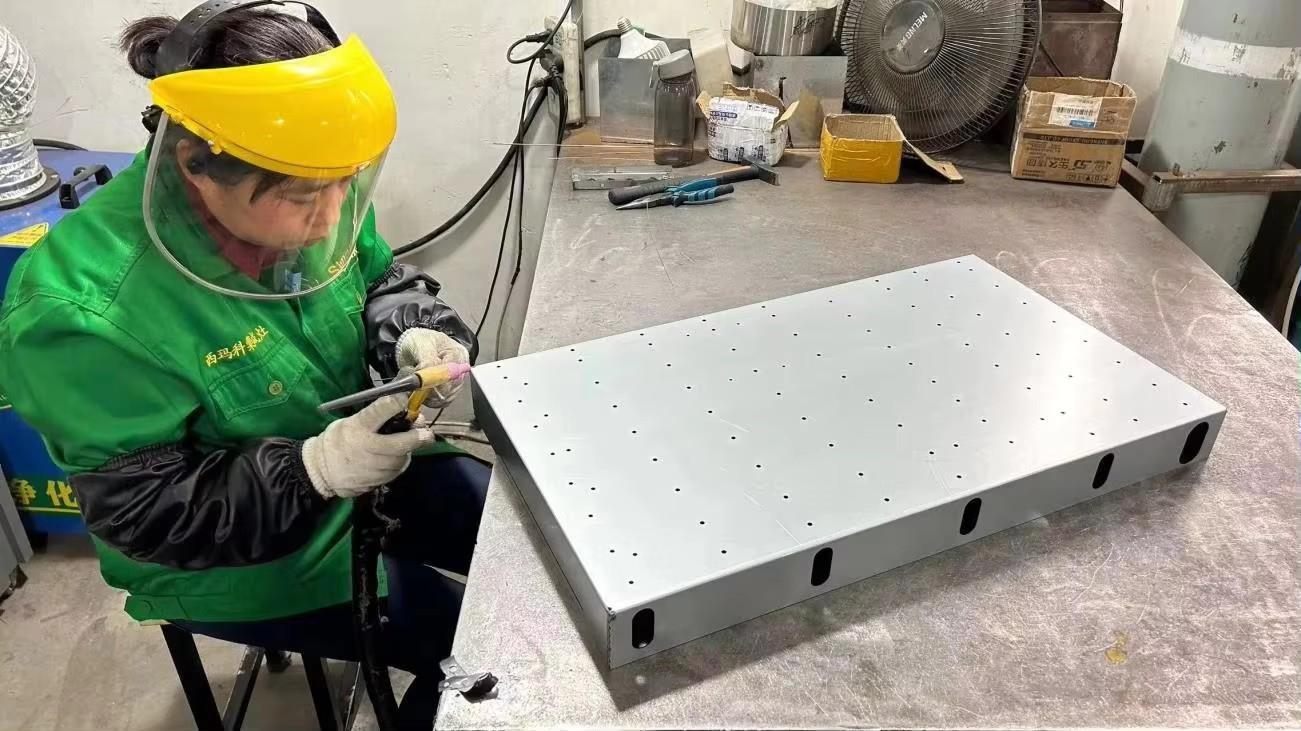
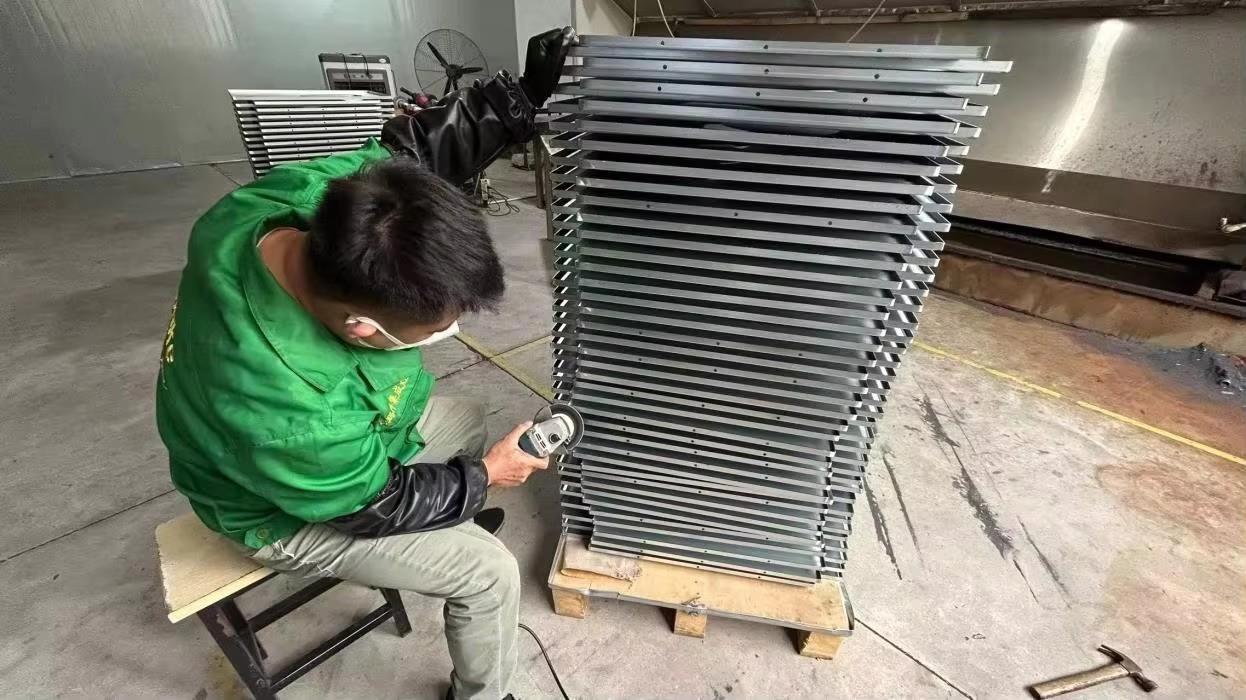
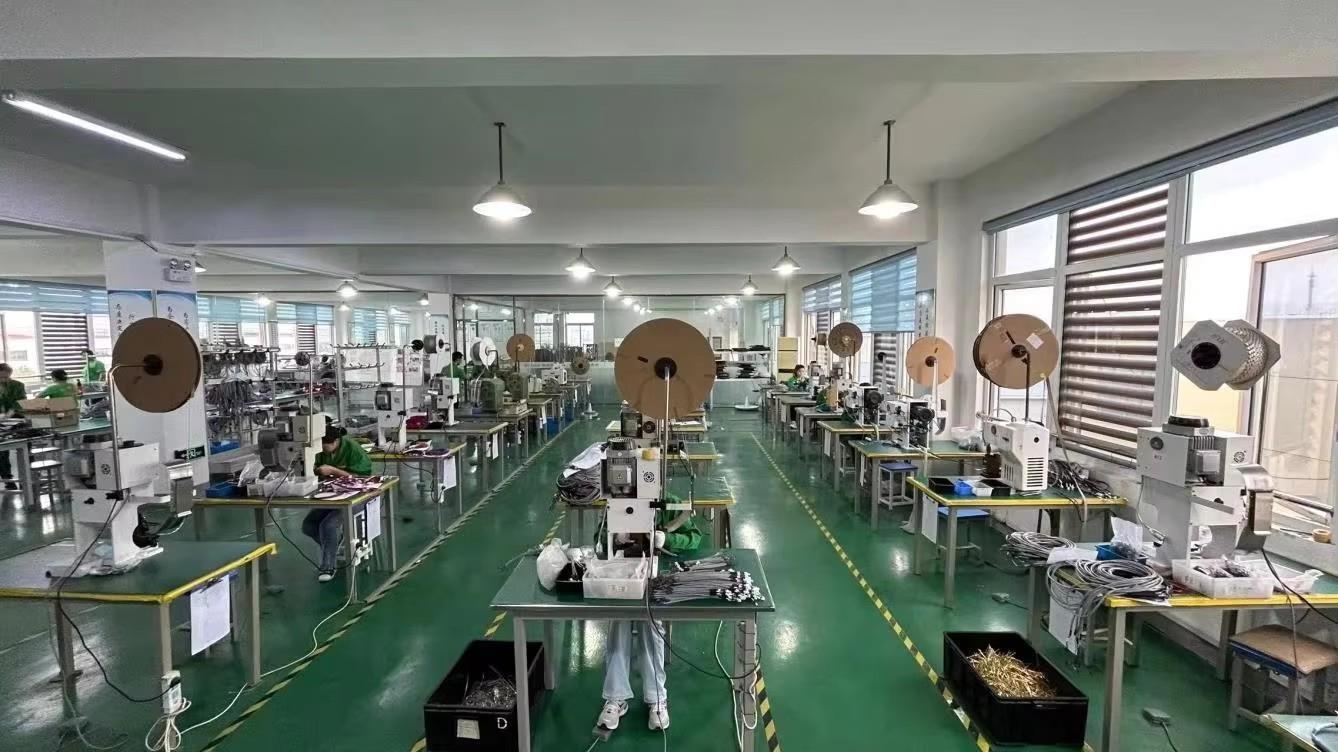
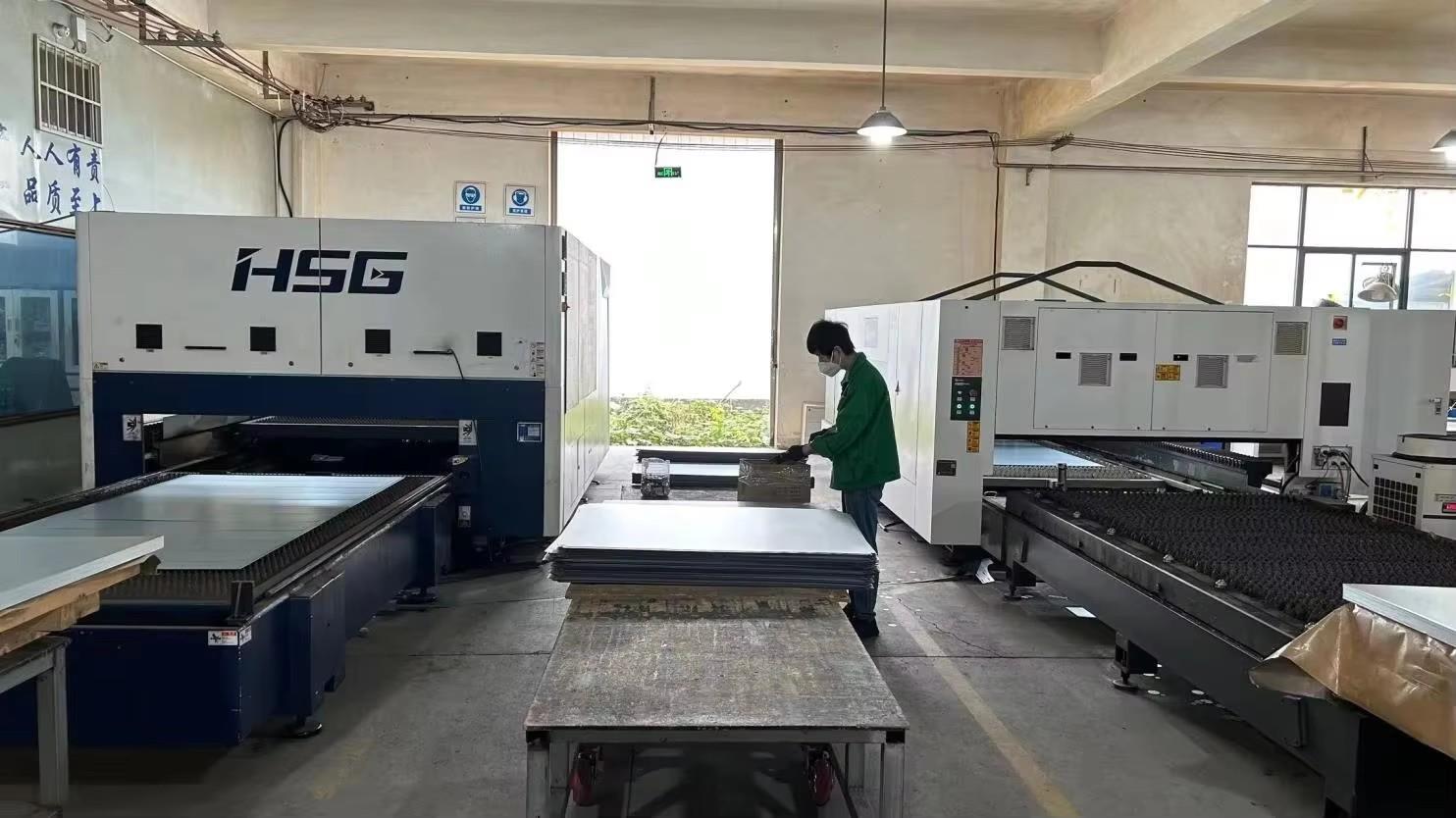
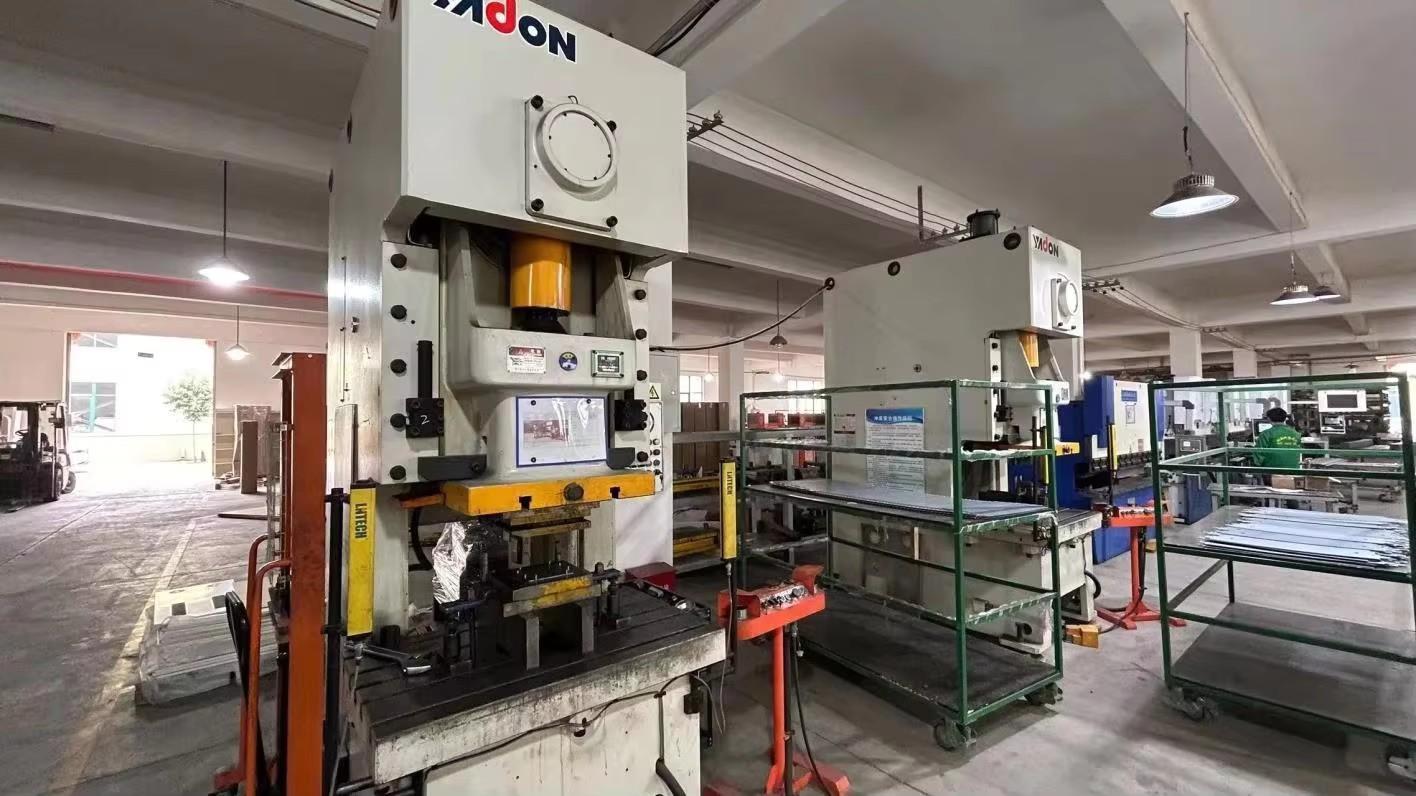
China's clean energy supply chain delivers unmatched efficiencies, technical integration, and cost-effectiveness. In Qingdao, a major logistics hub, factories leverage established industrial networks to source premium components and transport them efficiently to global ports.
At Luzz Solar, we integrate advanced manufacturing, raw material sourcing, and specialized steel fabrication under one roof. Our facilities handle high-volume metal processing (including cutting, bending, stamping, and grinding) to build durable physical housings and foundations for our energy storage and metallurgy solutions. Advanced machinery like our Silent Terminal Machines and automated Laser Welding Machines ensure precise tolerances, stable electrical connections, and robust mechanical structures.
This integration of electrical assembly and structural engineering enables Luzz Solar to supply complex equipment configurations at competitive prices, helping partners bypass standard global supply bottlenecks.
Our systems are engineered for diverse environments, offering customized performance profiles across industrial, municipal, and rural installations.
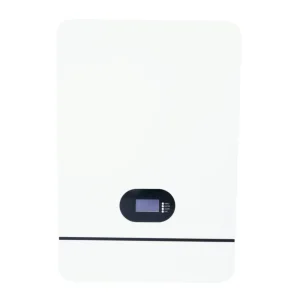
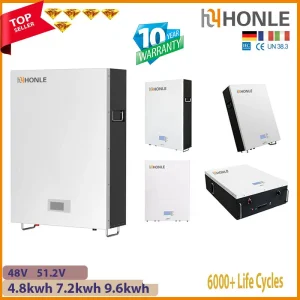
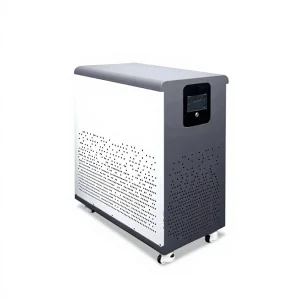
Deploy wall-mounted LiFePO4 battery banks (such as our 48V 100Ah/200Ah models) and high-power hybrid inverters to store off-peak electricity. This stored energy is discharged during peak tariff windows, helping commercial facilities lower operational energy expenses.
For remote mining operations or telecom infrastructure, our 50kW–150kW grid-tied and hybrid configurations deliver reliable, independent energy. Supported by high-input MPPT solar regulators, they reduce reliance on costly, diesel-powered generation systems.
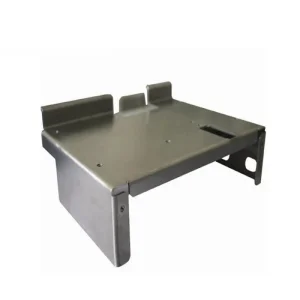
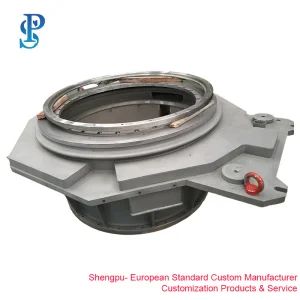
Large metallurgy and smelting furnaces utilize our custom-stamped carbon steel foundations. Constructed using heavy-duty welding and grinding techniques, these platforms secure smelting equipment under extreme thermal and mechanical loads.
The renewable energy sector is evolving rapidly, driven by improvements in chemical formulation, power control topologies, and structural safety. Key trends shaping commercial energy infrastructure include:
Industrial applications increasingly demand longer lifecycles and enhanced thermal stability. Today's LiFePO4 chemistry incorporates advanced battery management systems (BMS) to regulate thermal profiles, prevent runway risks, and support up to 6,500 charging cycles at 80% Depth of Discharge (DoD).
Transitioning from low-voltage DC setups to higher voltage grids helps reduce transmission losses and wire sizes across solar arrays. Multi-inverter combinations and high-voltage charge controllers enable developers to streamline system design and lower Levelized Cost of Energy (LCOE).
Modern solar installations require structural mountings capable of quick onsite assembly while remaining resilient against high wind and seismic activity. Precision metal fabrication, combining laser welding with computerized stamping, provides the durability needed for demanding ground mounts and commercial rooftops.
Procurement teams sourcing renewable equipment must verify strict technical compliance and build clear communications on customization. Below is our typical framework for evaluating international supply contracts:
Confirm that all PV inverters and storage batteries carry valid CE, TUV, IEC, and UL certifications, ensuring compliance with grid safety standards across targeted deployment regions.
Ensure steel bases, mounts, and casings are built to ISO-certified standards, incorporating weather-resistant coatings to prevent degradation in high-humidity or industrial environments.
Work with manufacturers capable of modifying inverter software parameters, battery pack dimensions, and steel plate specifications to meet localized electrical and physical project profiles.
Review answers to common questions regarding technical details, customization options, and international supply chain logistics.
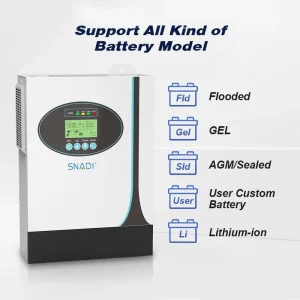
MPPT (Maximum Power Point Tracking) regulators monitor solar panel voltage and current dynamically, adjusting output to capture up to 30% more energy than standard PWM (Pulse Width Modulation) controllers. This is especially valuable in variable weather conditions, where MPPT controllers maximize energy harvest from high-voltage arrays.
Our battery packs use Grade-A lithium iron phosphate cells and integrated smart Battery Management Systems (BMS). The BMS manages cell balancing, over-voltage, under-voltage, over-current, and temperature profiles, preventing thermal runaway and helping the cells achieve a design life of over 6,000 charge cycles.
Yes. Using our onsite metal fabrication equipment, we produce custom carbon and stainless steel structures, including heavy stamping bases, bent supports, and laser-welded structural components. These are engineered to handle the mechanical loads and thermal stresses of smelting furnaces and heavy machinery.
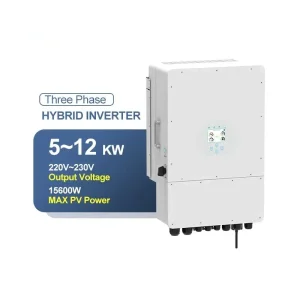
Our inverters, including our Deye models, are certified to major grid codes such as EN50549, VDE4105, AS4777, and UL1741. They support zero-export modes, grid-shaving, peak peak-shifting, and automatically transition to off-grid backup mode within 10 milliseconds of a grid failure.
Standard product orders usually ship within 20 to 30 days. Custom configurations requiring metal stamping, specialized wiring harnesses, or custom battery housings generally ship within 35 to 50 days, depending on project complexity and material specifications.
Yes, our inverters and energy storage systems feature integrated RS485, CAN, Wi-Fi, and GPRS connectivity, allowing operators to monitor performance metrics, load distributions, and battery states in real time via a web portal or mobile app.
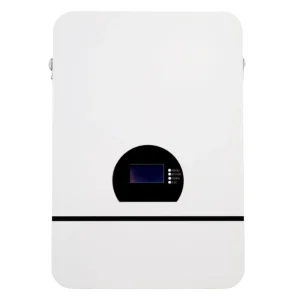
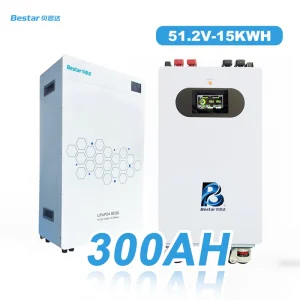
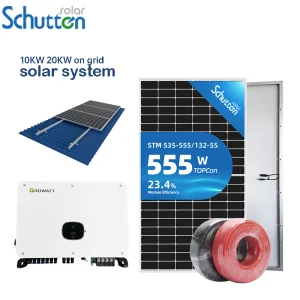
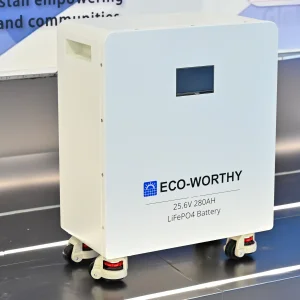
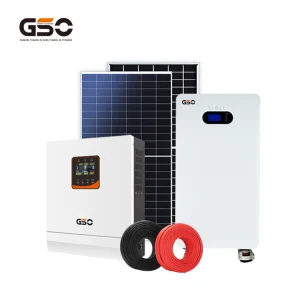
Select from our comprehensive inventory of grid-tied kits, high-output pure sine wave hybrid inverters, and high-capacity backup batteries.
 Luzz Solar