Deploying robust power conversion and solar components is the foundational step of any integrated commercial, industrial, or residential Energy Management System (EMS).
Industrial and commercial operations worldwide face unprecedented pressure to cut carbon footprints and dynamic power costs. Energy Management Systems (EMS) have evolved from simple metering instruments into AI-powered, automated optimization cores that integrate solar generation, storage assets, and grid demand response in real time.
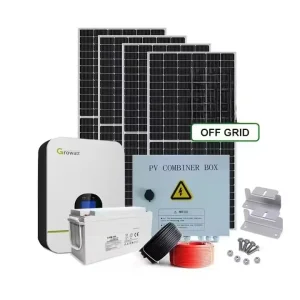
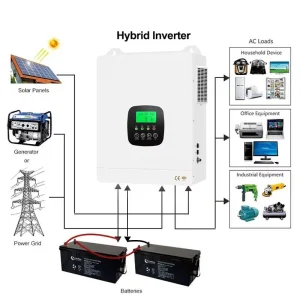
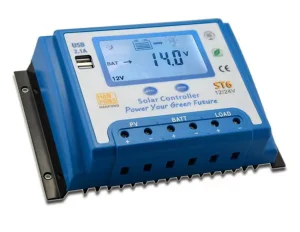
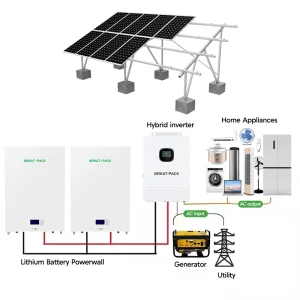
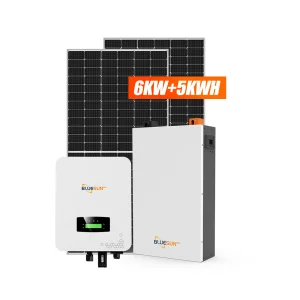
Effective EMS relies on robust hardware platforms. Integrating high-performance MPPT solar controllers, pure sine-wave hybrid inverters, and high-capacity LiFePO4 battery modules allows enterprises to implement smart peak shaving, backup power systems, and off-grid reliability protocols smoothly.
Chinese EMS manufacturers deliver significant value through advanced vertical integration. By handling cell fabrication, structural metal platform engineering, circuit assembly, and software programming under one ecosystem, we offer superior cost-per-watt ratios and robust system lifetimes.
In the current global energy transition, commercial and industrial (C&I) sectors require complete visibility and active control over their energy profiles. A modern Energy Management System (EMS) is not merely software; it is a unified technology stack. This architecture links energy harvest equipment, such as photovoltaic (PV) modules, with energy storage solutions (like LiFePO4 server rack batteries) and dynamic distribution networks. Manufacturers in China lead this integration by combining power conversion hardware with smart IoT communication protocols.
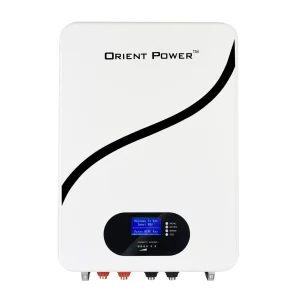
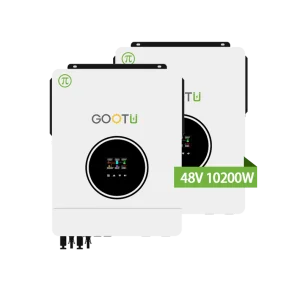
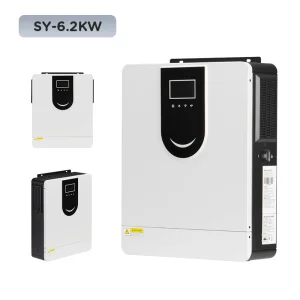
A resilient EMS relies heavily on its physical power components. A hybrid solar inverter sits at the center, converting variable direct current (DC) from solar panels into clean alternating current (AC) for industrial use, while managing bidirectional power flow to and from battery banks. Equipped with high-speed Maximum Power Point Tracking (MPPT) controllers, these systems maximize utility during low-irradiance conditions, securing consistent energy yields.
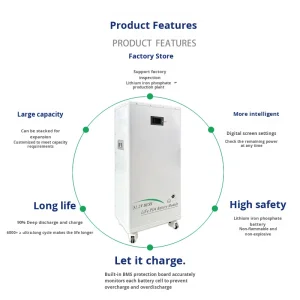
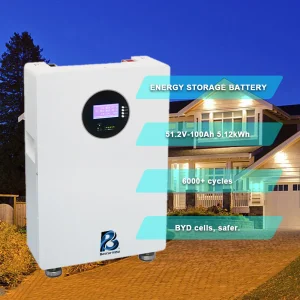
Meanwhile, battery storage systems using Lithium Iron Phosphate (LiFePO4) cells provide long-lasting, safe, and highly cycles-resilient performance. Industrial operators leverage this setup to implement Peak Shaving (drawing from battery power during peak price rates to lower demand charges) and Load Shifting (charging batteries during off-peak periods when electricity is inexpensive, or storing excess solar energy generated during the day for night use).
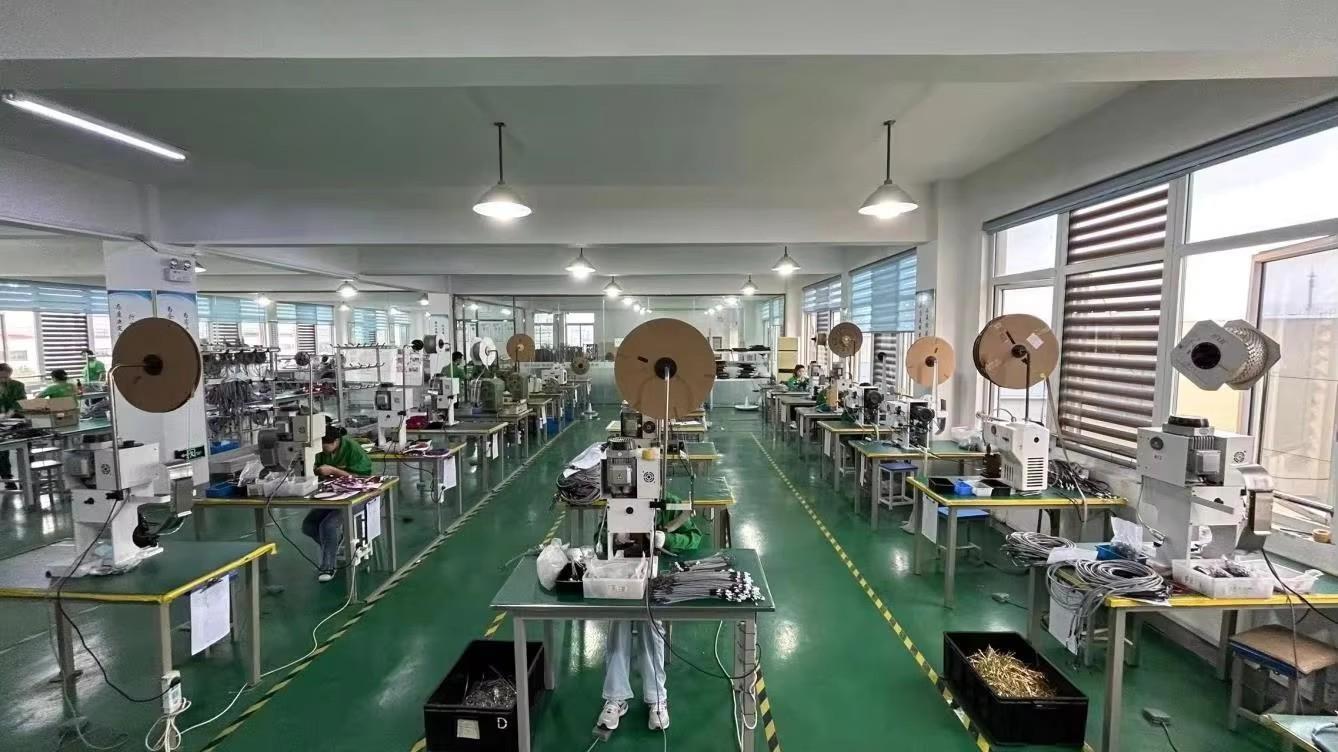
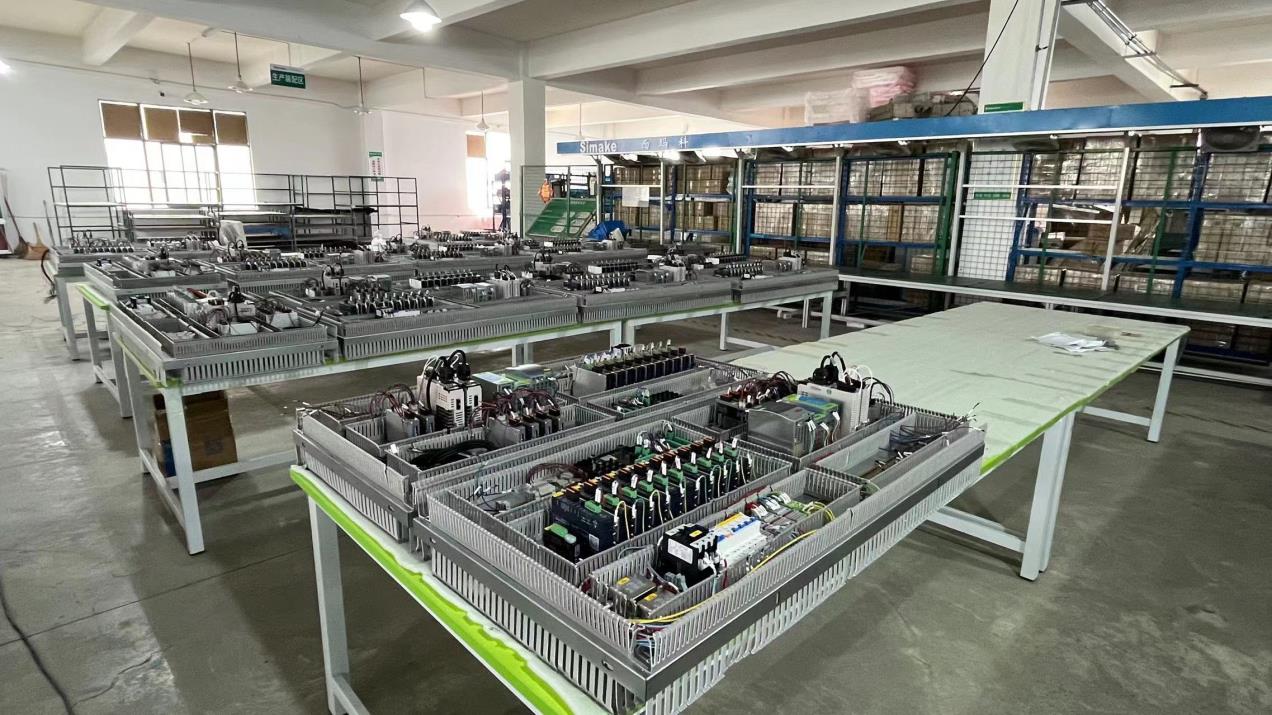
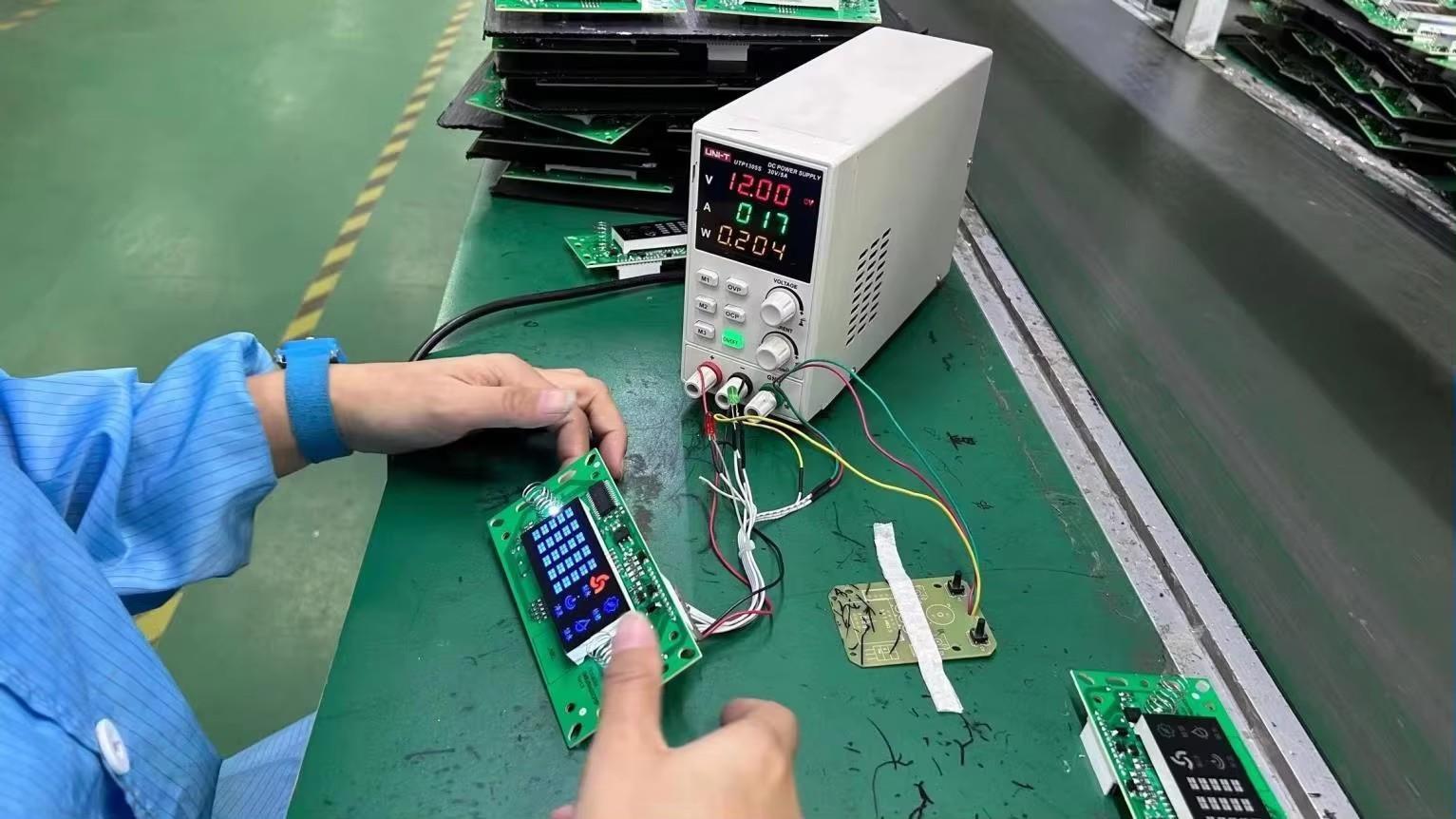
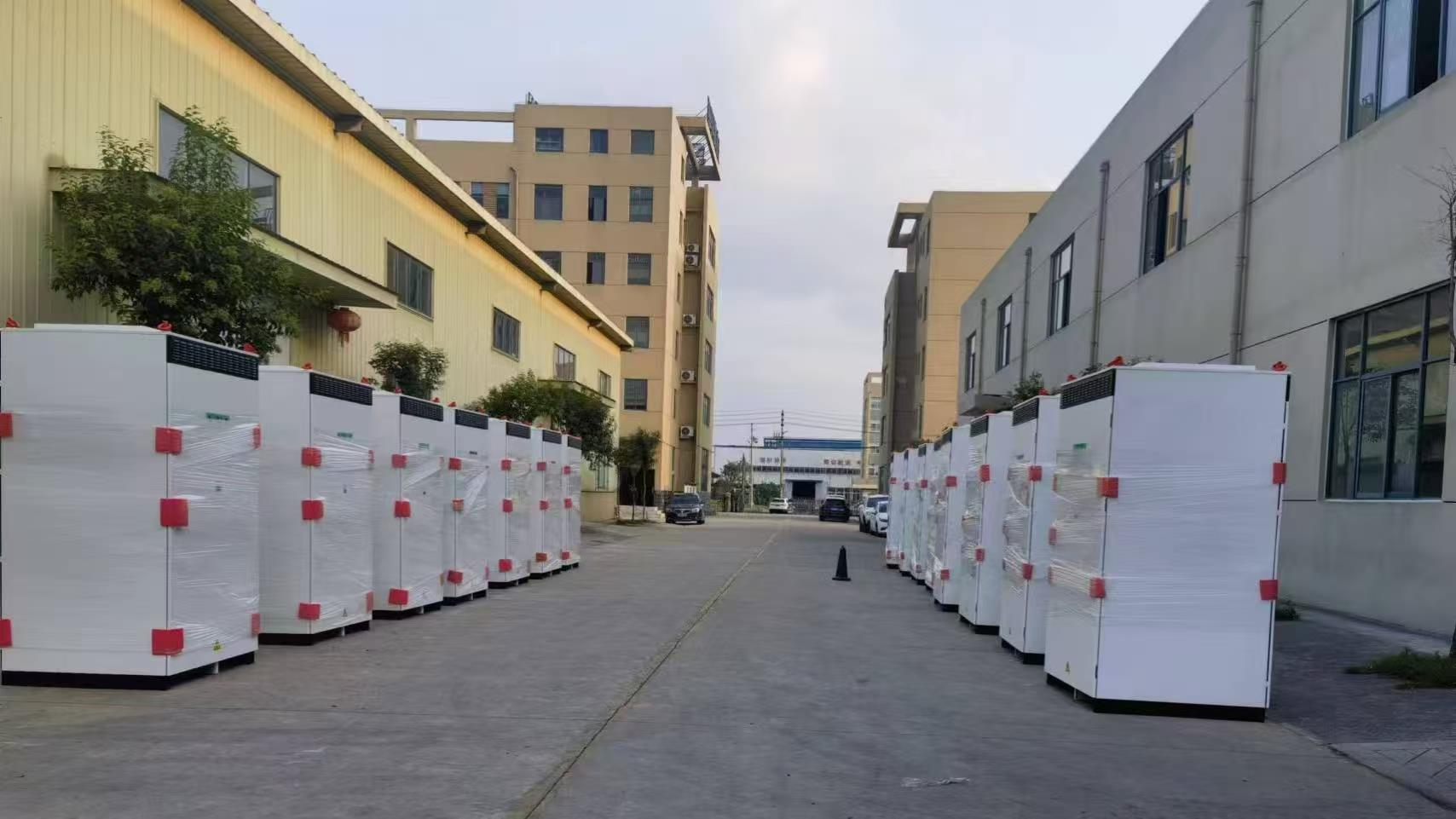
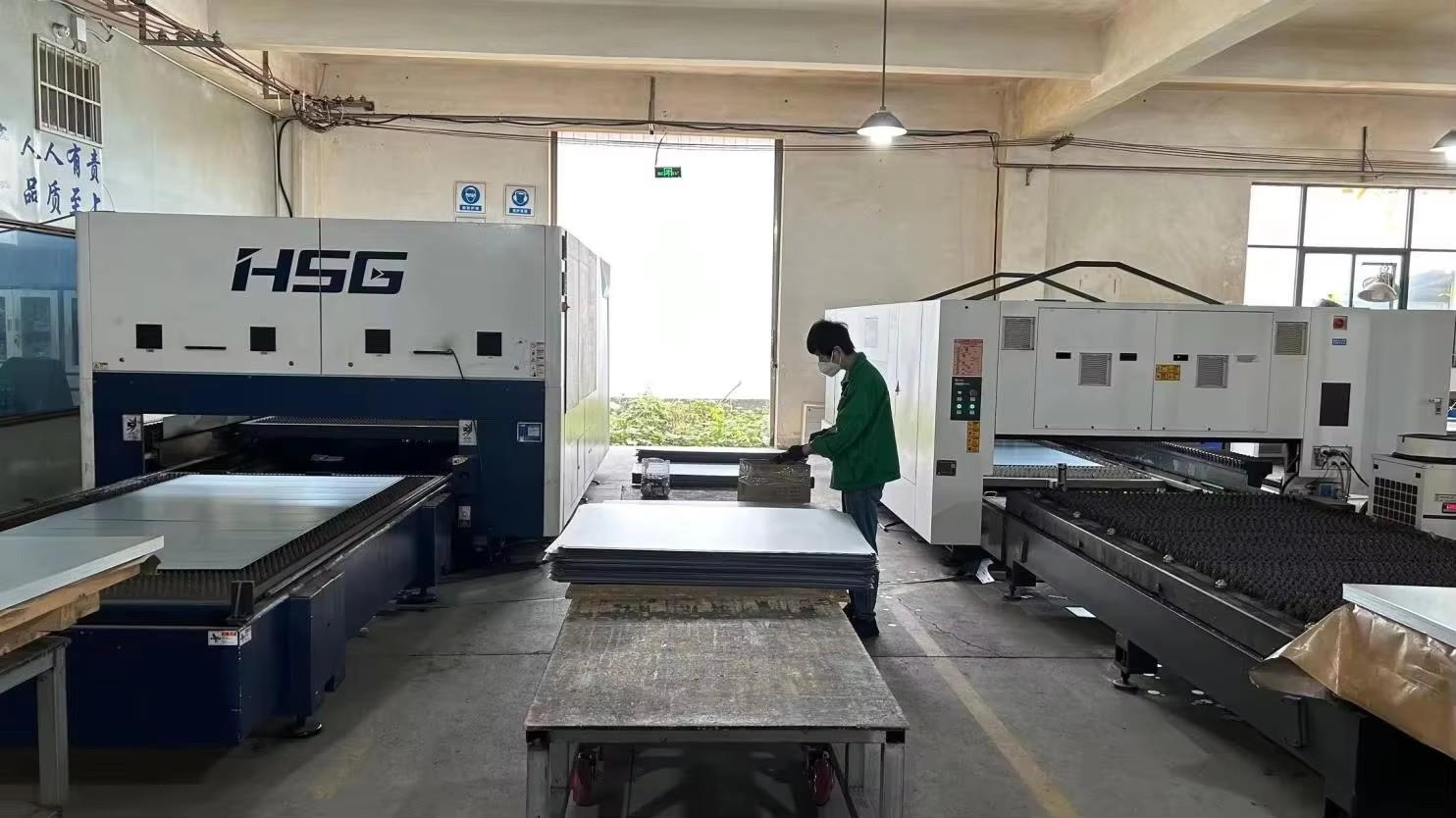
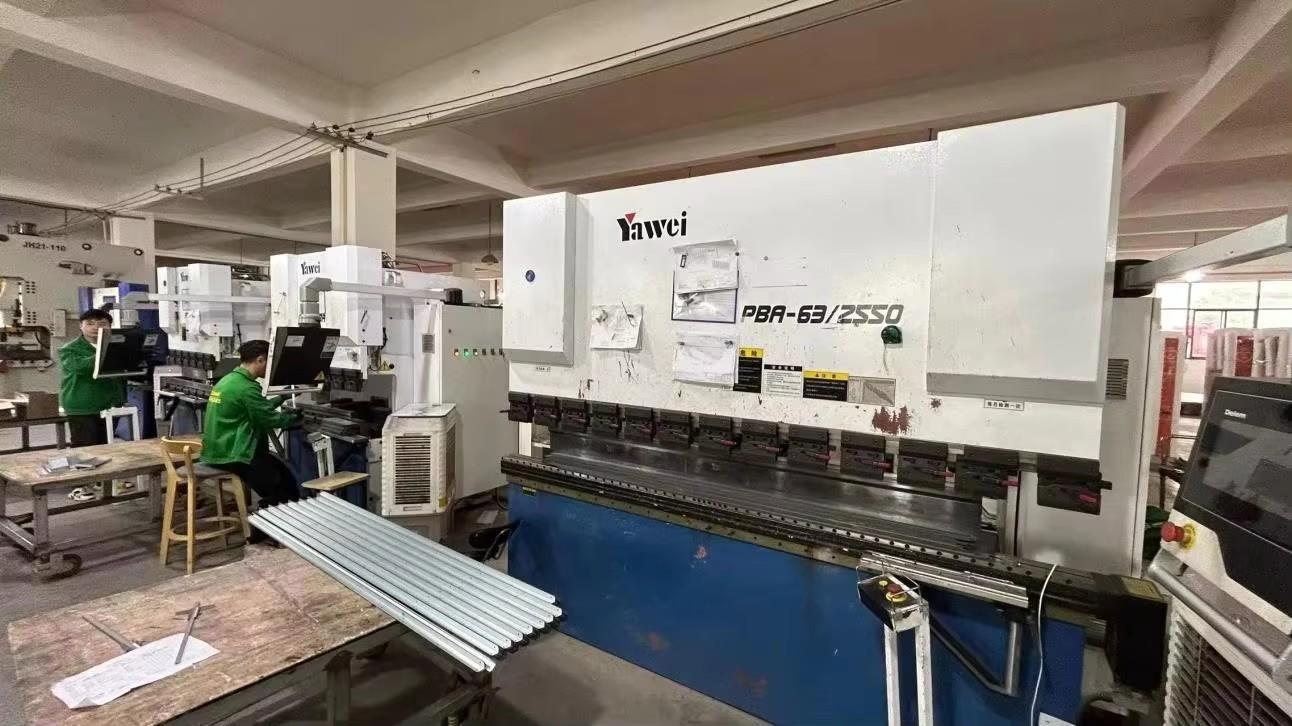
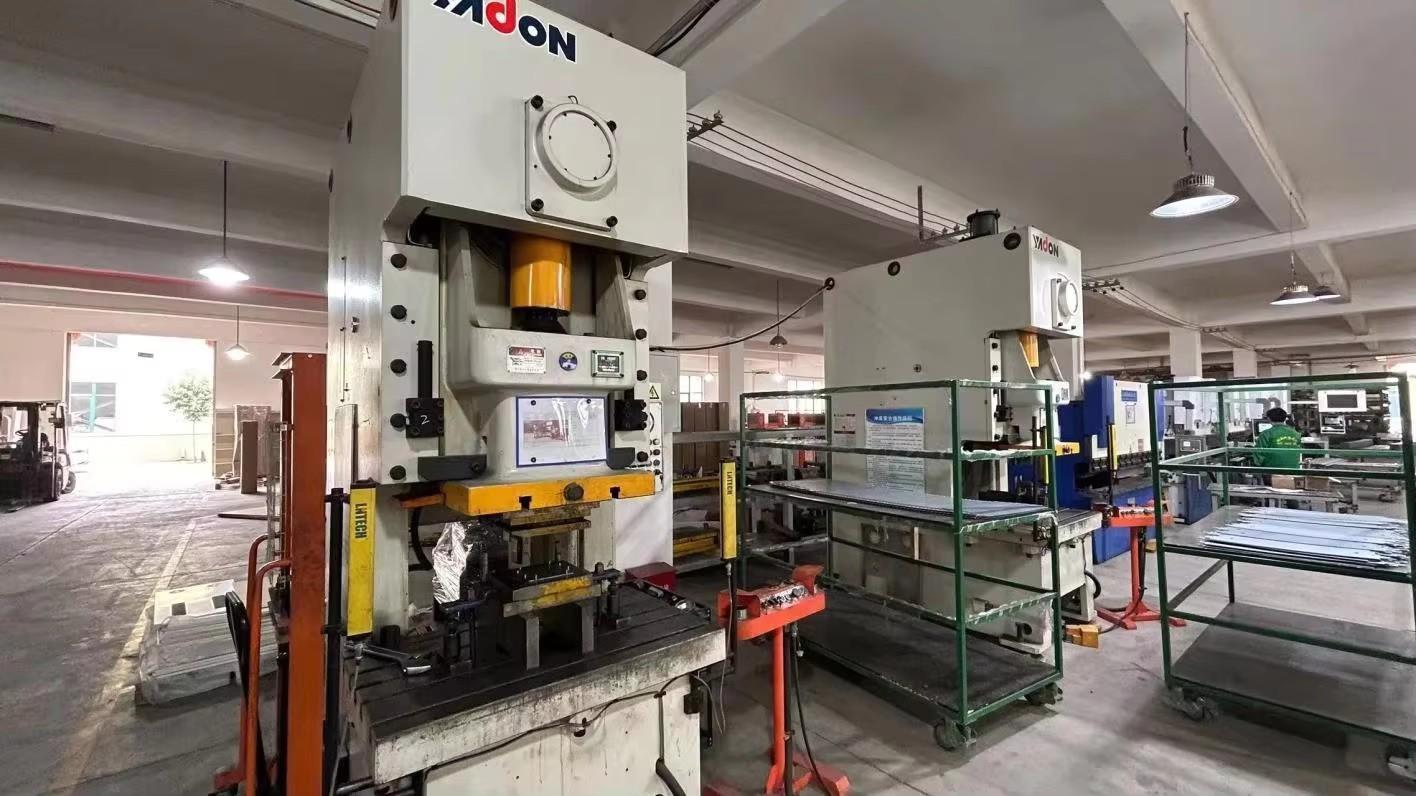
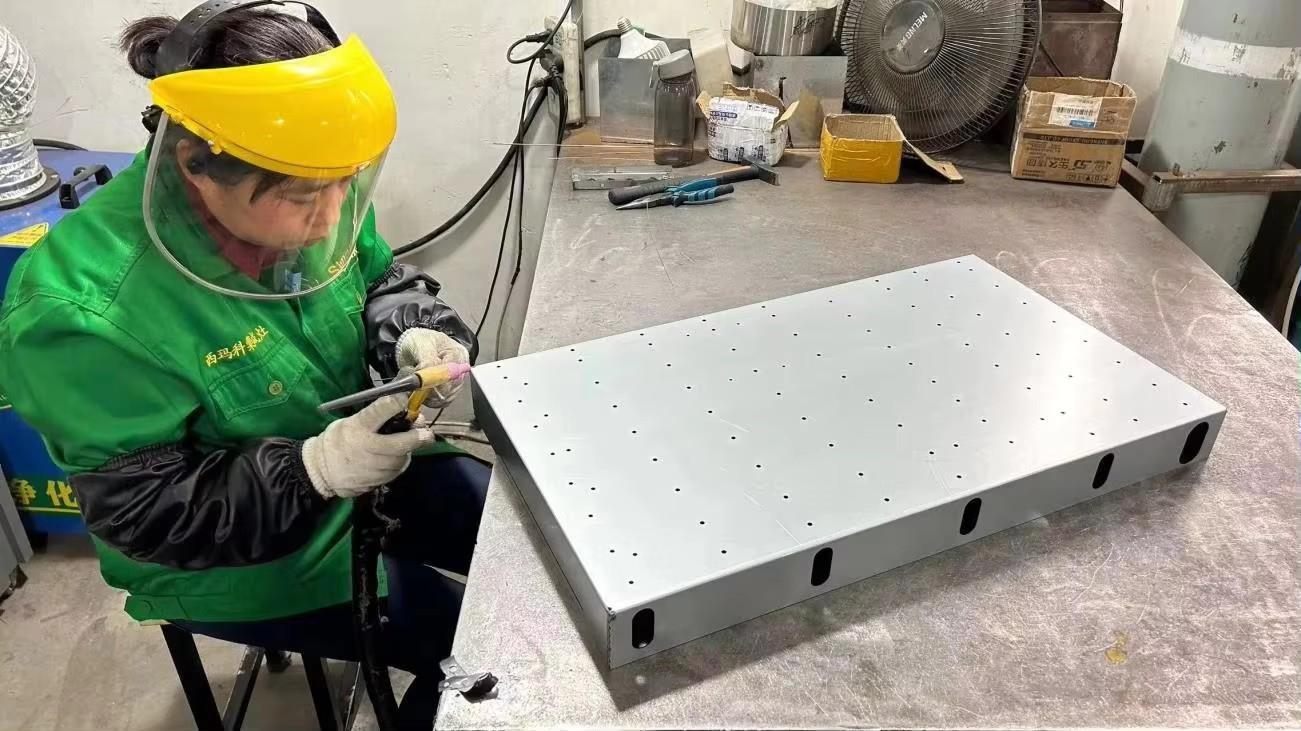
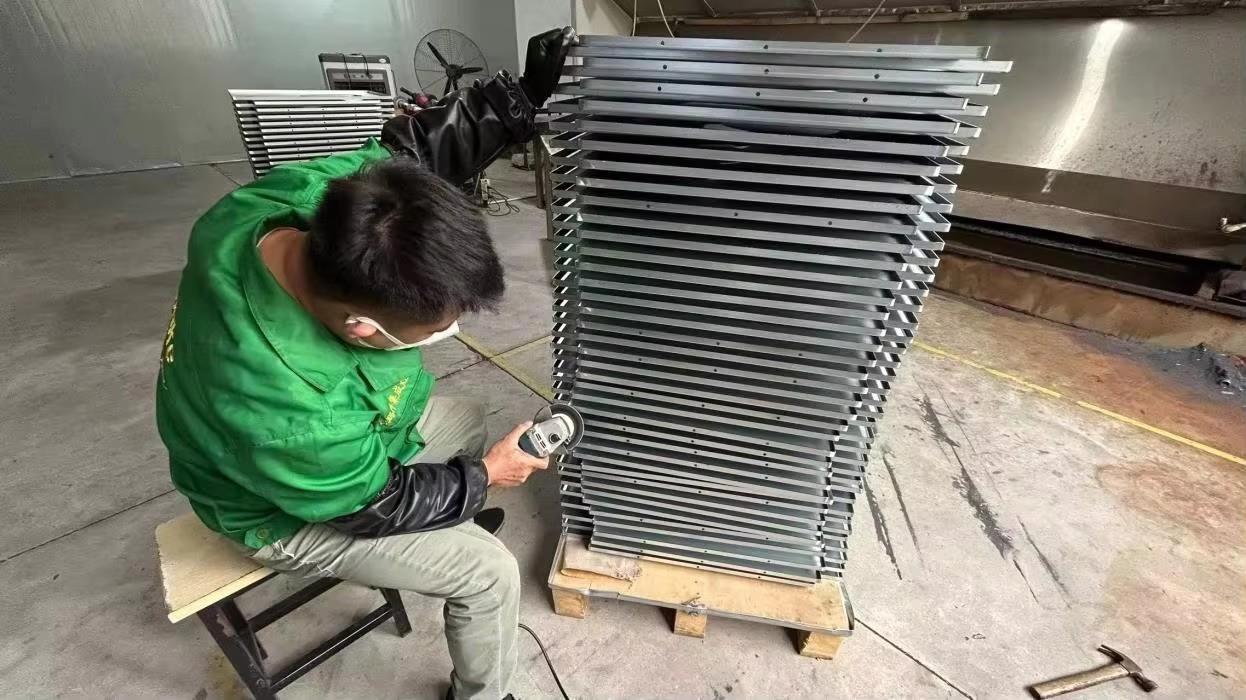
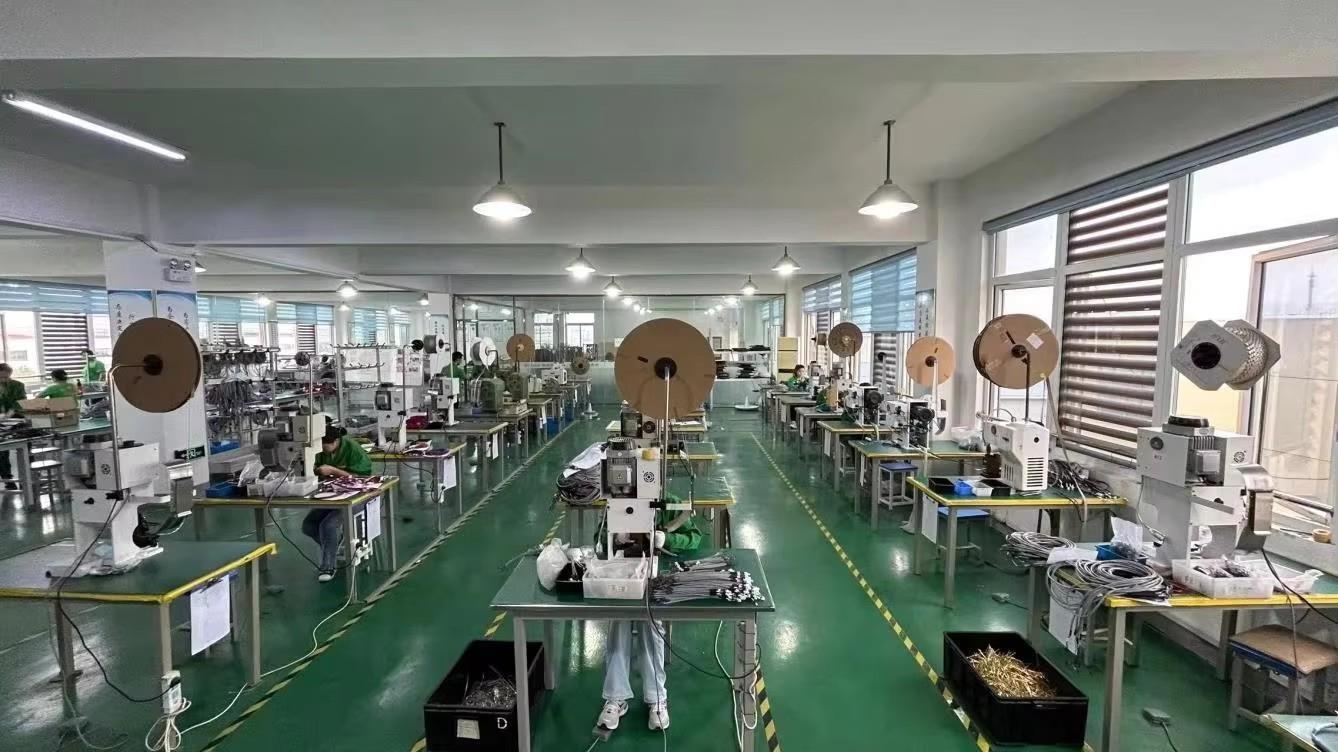
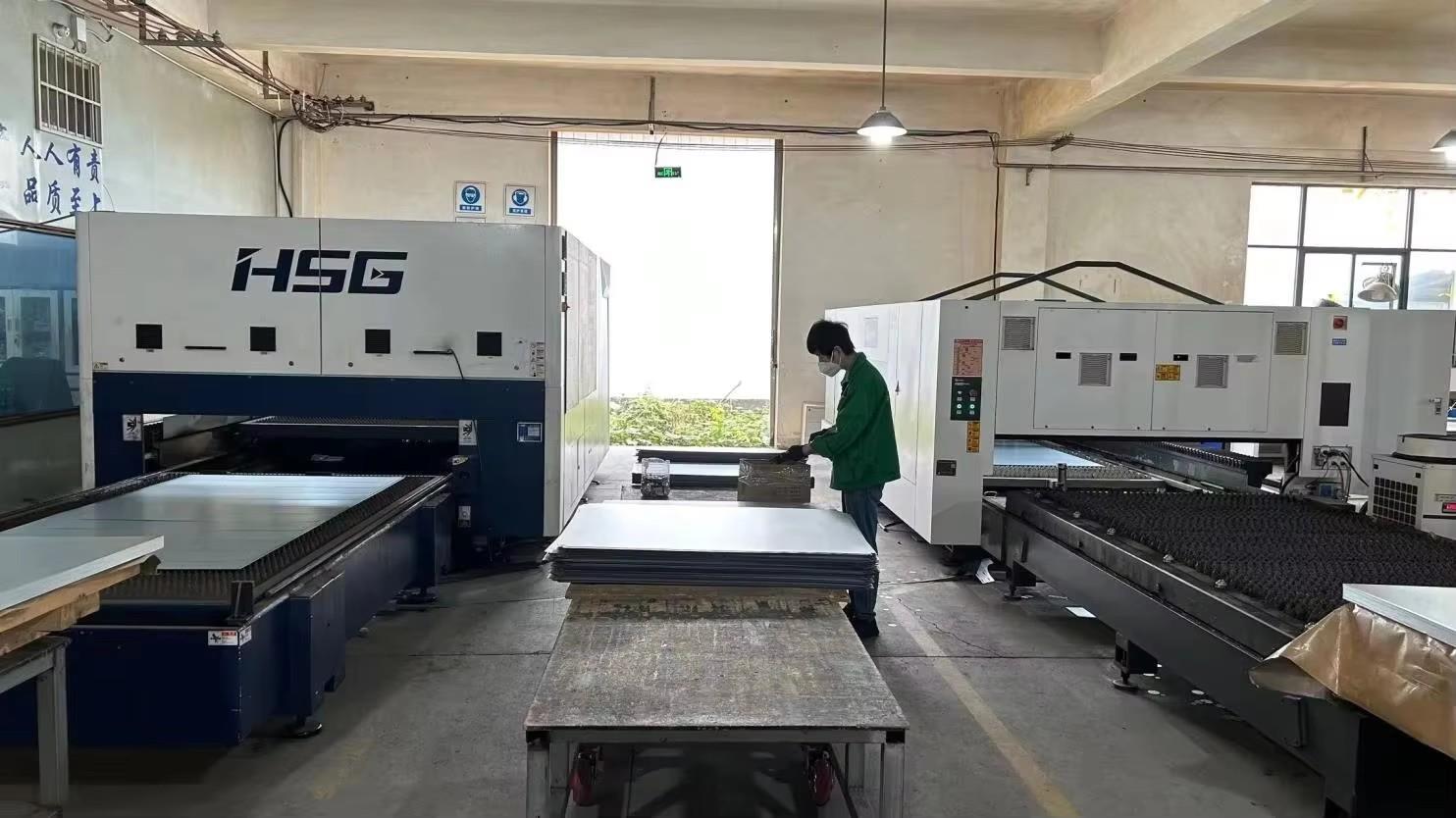
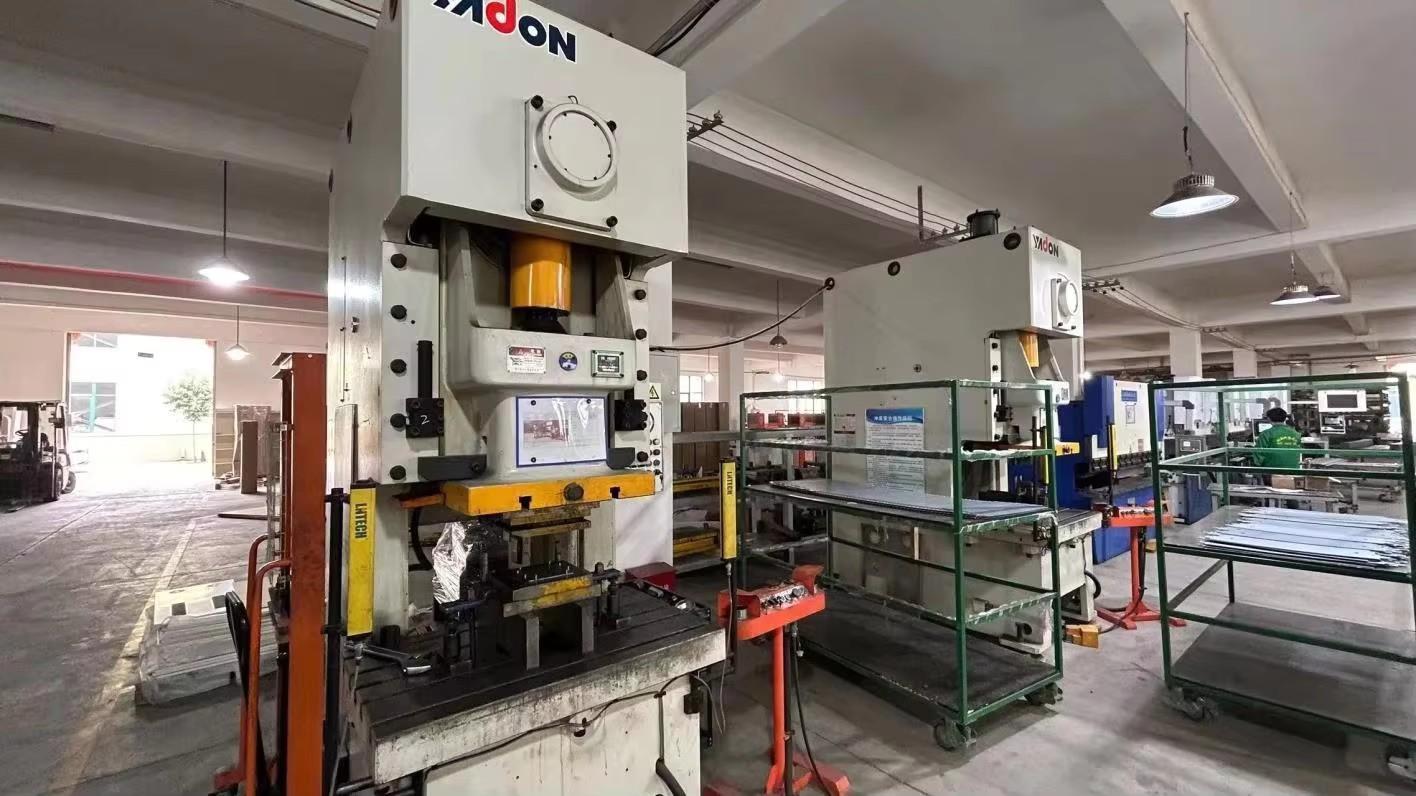
China's global leadership in EMS manufacturing comes down to supply chain density and manufacturing process automation. Key industrial hubs, like Qingdao, integrate every production phase: raw lithium cell processing, metal frame stamping, precision welding, harness assembly, and final system integration. This close configuration cuts transit times, reduces manufacturing costs, and ensures strict quality control across the production line.
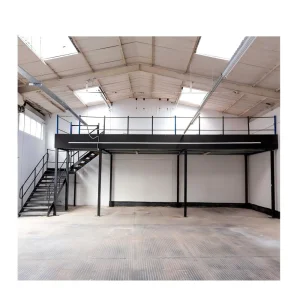
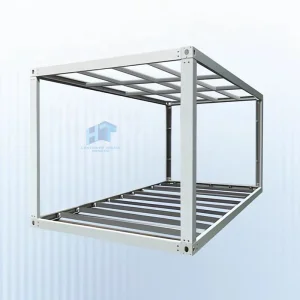
Additionally, advanced engineering capabilities permit factories to offer customized components, structural platforms, and tailored wiring solutions. This custom flexibility allows commercial partners to buy complete, pre-configured microgrids or solar kits ready for quick onsite installation, lowering labor costs and reducing commission delays.
Qingdao Luzz Solar Co., Ltd. is a professional new energy enterprise specializing in the development, manufacturing, and global distribution of photovoltaic (PV) products and integrated energy storage solutions. Located in Qingdao, China, the company benefits from a well-established renewable energy industrial base and advanced manufacturing capabilities.
With the accelerating global transition toward carbon neutrality and sustainable development, Luzz Solar is committed to providing efficient, reliable, and cost-effective clean energy solutions to customers worldwide. Our product portfolio includes high-efficiency solar photovoltaic modules, energy storage systems, and integrated solar application solutions designed for residential, commercial, and utility-scale projects.
Driven by technological innovation and quality excellence, the company continuously invests in R&D and production optimization to improve product performance, energy conversion efficiency, and system reliability. We strictly adhere to international quality standards and implement rigorous quality control throughout the entire production process to ensure stable and long-term product performance.
Qingdao Luzz Solar actively expands its global market presence, with business coverage across Asia, Europe, the Middle East, Africa, and Latin America. By working closely with international partners, we are committed to delivering tailored energy solutions that meet diverse regional needs and support the global energy transition.
Guided by the core values of integrity, innovation, cooperation, and sustainability, Luzz Solar strives to become a trusted global partner in the new energy industry. We are dedicated to advancing solar technology and contributing to a greener, more sustainable future.
How international projects configure China-made Energy Management Systems to solve localized electrical grid challenges.
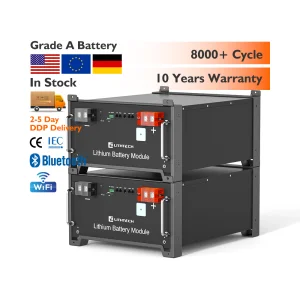
High utility demand charges and volatile spot market pricing in Europe and North America drive industrial operators to adopt local EMS. Utilizing a combination of server rack Lifepo4 battery systems and hybrid inverters, factories automate load shedding and optimize solar self-consumption. This setup reduces grid dependence during peak tariff windows, helping meet carbon-compliance goals.
In regions with weak grids or high outage rates, a hybrid backup system functions as a mini microgrid. Systems configure multi-inverter arrays (up to 12kW or 3-phase setups) with solar arrays to power crucial operations, telecommunications towers, and remote agricultural projects. This ensures 24/7 runtimes even during long grid blackouts.
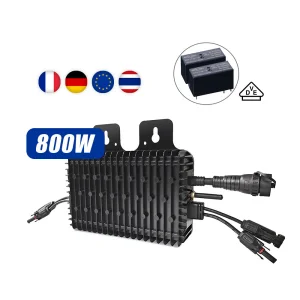
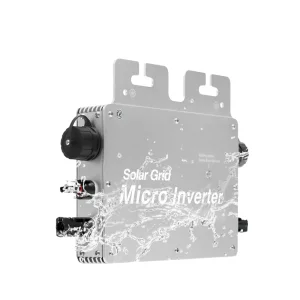
Densely populated urban zones increasingly employ balcony power plants. Operating simple 800W microinverters with mobile monitoring apps allows residential tenants to harvest local solar energy. This energy feeds directly into the home circuit, reducing base-load grid draw without requiring large-scale rooftop solar setups.
Sourcing commercial energy systems requires careful assessment of certifications, compatibility, and life cycle costs. When sourcing EMS hardware, standard procurement guidelines should address:
The energy sector is moving quickly toward deeper software-hardware integration. Three major trends define this shift:
1. AI-Driven Forecasting: Future EMS software integrates machine learning models that analyze local weather forecasts, historic grid pricing, and consumption patterns to optimize energy charge and discharge schedules proactively.
2. EV Fleet Integration (V2G/V2H): Bidirectional EV charging standards allow fleet vehicles to act as mobile battery resources. Smart inverters will play a key role in routing power from electric vehicles back into industrial buildings or the grid during high-demand events.
3. Transition to Higher Density Chemistries: As industrial users demand more power from smaller footprints, manufacturers are developing compact, high-capacity, high-voltage battery modules. These systems reduce installation footprints and optimize thermal performance.
Answers to common technical, design, and sourcing questions about Energy Management Systems and components.
From balcony microinverters to utility-scale LiFePO4 battery modules, explore our full range of certified clean energy components.
 Luzz Solar