Explore our industrial-grade, certified solar generation, conversion, and battery storage subsystems engineered for global distribution.
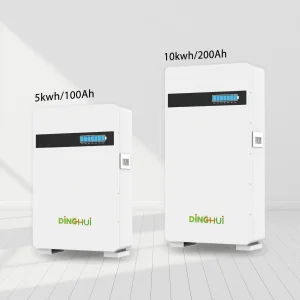
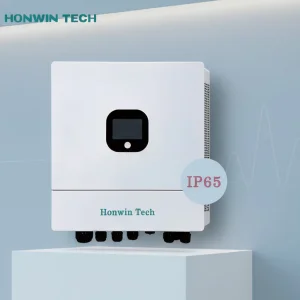
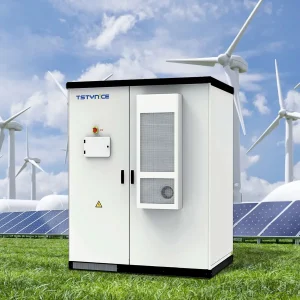
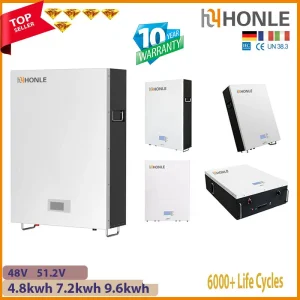
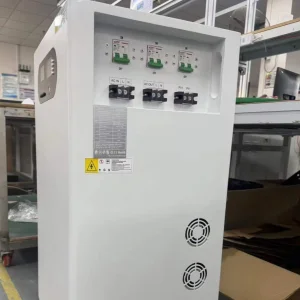
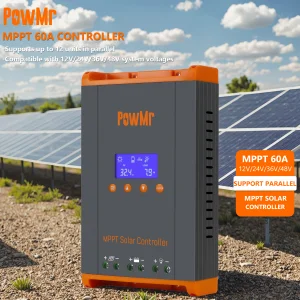
The global energy architecture is undergoing an unprecedented paradigm shift. Industrial and commercial entities are no longer passive consumers of electricity; they are active agents in decentralized grid ecosystems. Factors such as volatile geopolitical energy pricing, strict decarbonization legislation (e.g., the European Union's CBAM - Carbon Border Adjustment Mechanism and the United States' Inflation Reduction Act (IRA)), and volatile spot market power rates have forced modern enterprises to implement micro-generation and large-scale battery storage.
In manufacturing and high-intensity processing, energy efficiency is no longer solely about reducing power consumption. It is about peak shaving, load shifting, and leveraging intelligent Battery Energy Storage Systems (BESS) to capture arbitrage opportunities. Global factory operations in Asia, the Americas, and Europe are investing heavily in containerized solar storage configurations to safeguard supply chains against localized grid disruptions and high demand charges. By utilizing high-capacity LiFePO4 storage packs coupled with high-efficiency grid-tied inverters, commercial complexes can achieve up to 80% energy self-sufficiency, drastically reducing their Scope 1 and Scope 2 emissions profiles.
Simultaneously, the convergence of AI-driven Energy Management Systems (EMS) and power electronics has allowed factories to forecast consumption spikes and dynamically manage batteries. Suppliers in China's manufacturing clusters are at the forefront of this technology, integrating Tier-1 cell chemistries (such as CATL cells) with custom battery management systems (BMS) to deliver reliable, long-cycle energy storage solutions to global distributors.
The viability of industrial renewable energy rests on two core pillars: solar-to-AC conversion efficiency and chemical battery degradation characteristics. Let us dissect the standard technical path for modern microgrids:
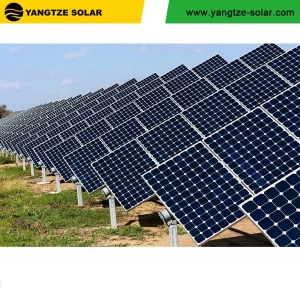
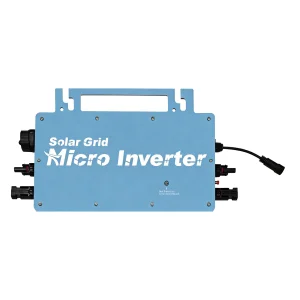
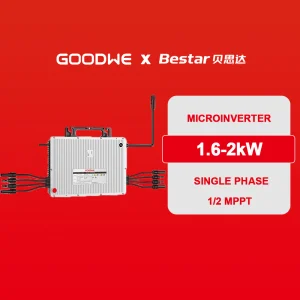
Legacy solar systems suffered from high conversion losses. The introduction of high-speed Maximum Power Point Tracking (MPPT) controllers allows real-time voltage-current matching even in high-temperature or partially shaded scenarios. When matched with hybrid string microinverters, conversion efficiency reaches up to 21.7%. These architectures allow modular, localized panel-level shutdown and prevent the "Christmas lights" effect, where a failure in one panel degrades the output of the entire array.
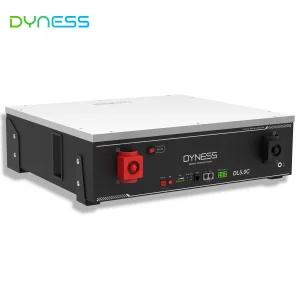
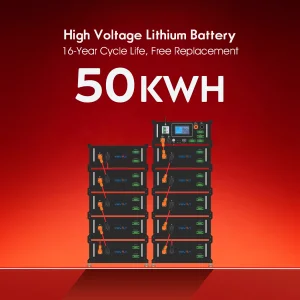
Furthermore, modern high-efficiency battery packs leverage solid-state and advanced LiFePO4 (Lithium Iron Phosphate) technologies. LiFePO4 provides superior chemical and thermal stability, virtually eliminating the risk of thermal runaway. It also offers a long life cycle, typically retaining over 80% capacity after 6,000 deep cycles. The shift to liquid-cooled battery containers further optimizes performance by maintaining uniform cell temperatures within a ±2°C range, preventing localized cell degradation and ensuring safe, long-term operation.
Grid operators globally are imposing stringent limits on reverse power feed-in. Modern plug-and-play microinverters incorporate anti-backflow mechanisms. These systems monitor consumption at the main service panel in real time, adjusting inverter output to match localized demand. This enables commercial sites to deploy clean energy systems without lengthy utility permitting processes.
Qingdao Luzz Solar Co., Ltd. is a professional new energy enterprise specializing in the development, manufacturing, and global distribution of photovoltaic (PV) products and integrated energy storage solutions. Located in Qingdao, China, the company benefits from a well-established renewable energy industrial base and advanced manufacturing capabilities.
With the accelerating global transition toward carbon neutrality and sustainable development, Luzz Solar is committed to providing efficient, reliable, and cost-effective clean energy solutions to customers worldwide. Our product portfolio includes high-efficiency solar photovoltaic modules, energy storage systems, and integrated solar application solutions designed for residential, commercial, and utility-scale projects.
Driven by technological innovation and quality excellence, the company continuously invests in R&D and production optimization to improve product performance, energy conversion efficiency, and system reliability. We strictly adhere to international quality standards and implement rigorous quality control throughout the entire production process to ensure stable and long-term product performance.
Qingdao Luzz Solar actively expands its global market presence, with business coverage across Asia, Europe, the Middle East, Africa, and Latin America. By working closely with international partners, we are committed to delivering tailored energy solutions that meet diverse regional needs and support the global energy transition.
Guided by the core values of integrity, innovation, cooperation, and sustainability, Luzz Solar strives to become a trusted global partner in the new energy industry. We are dedicated to advancing solar technology and contributing to a greener, more sustainable future.
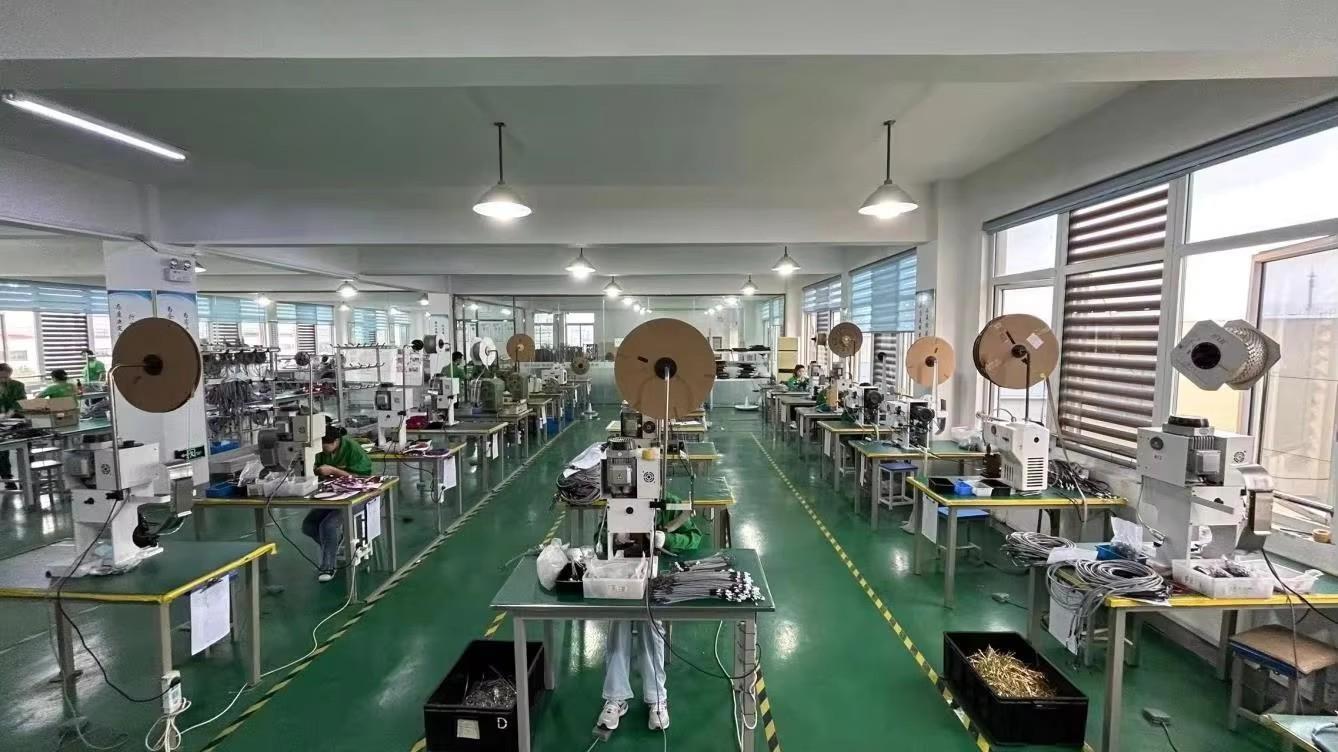
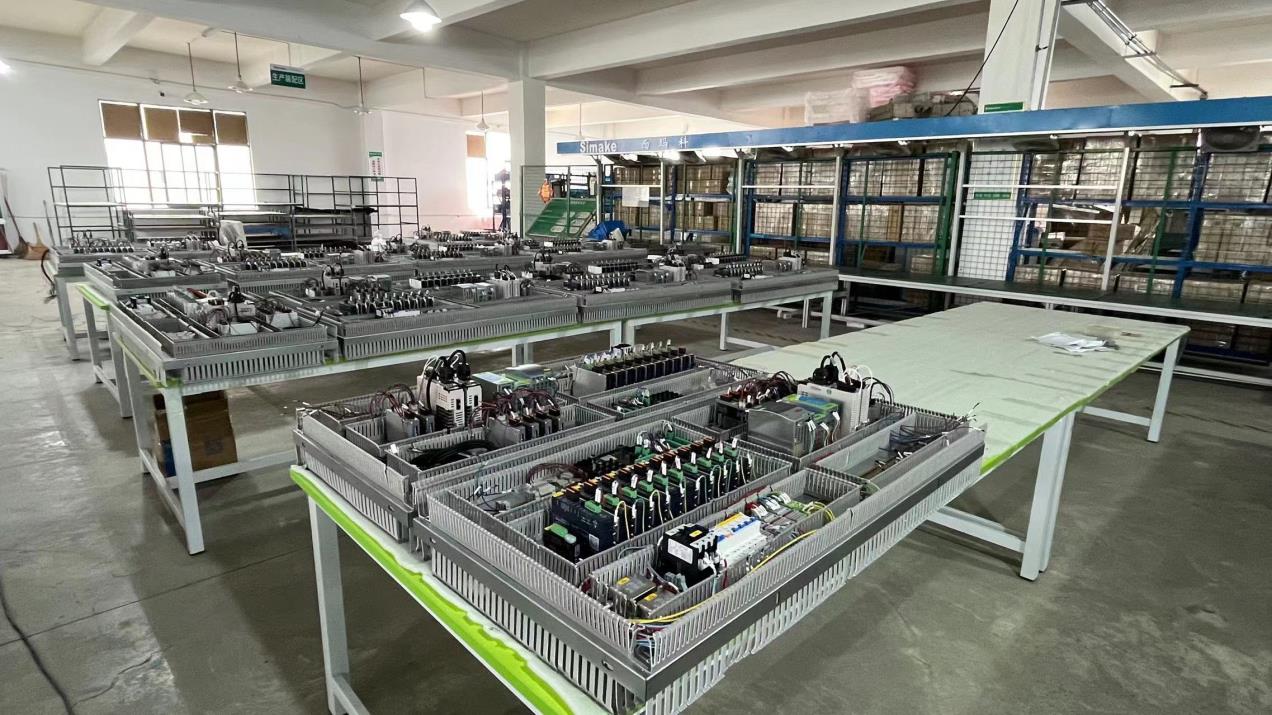
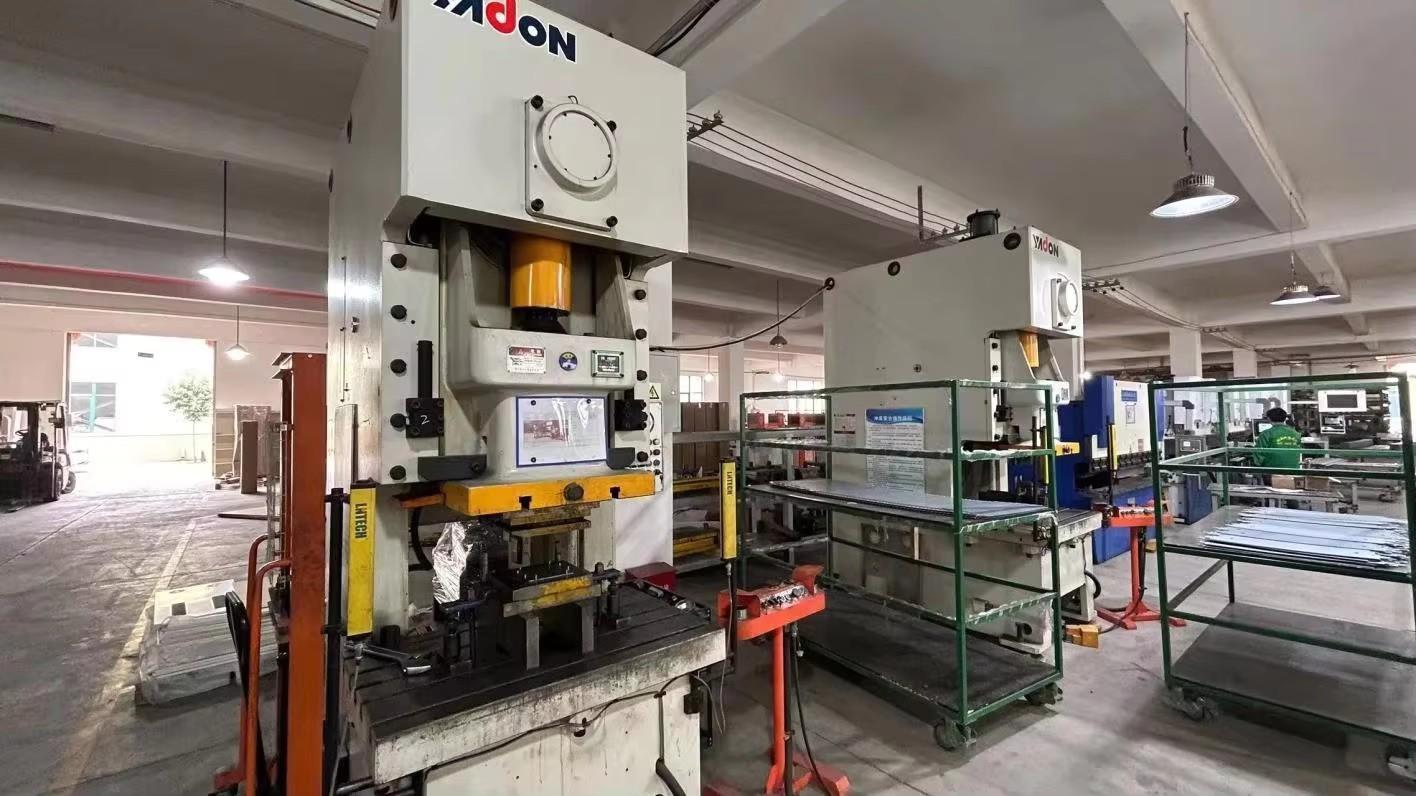
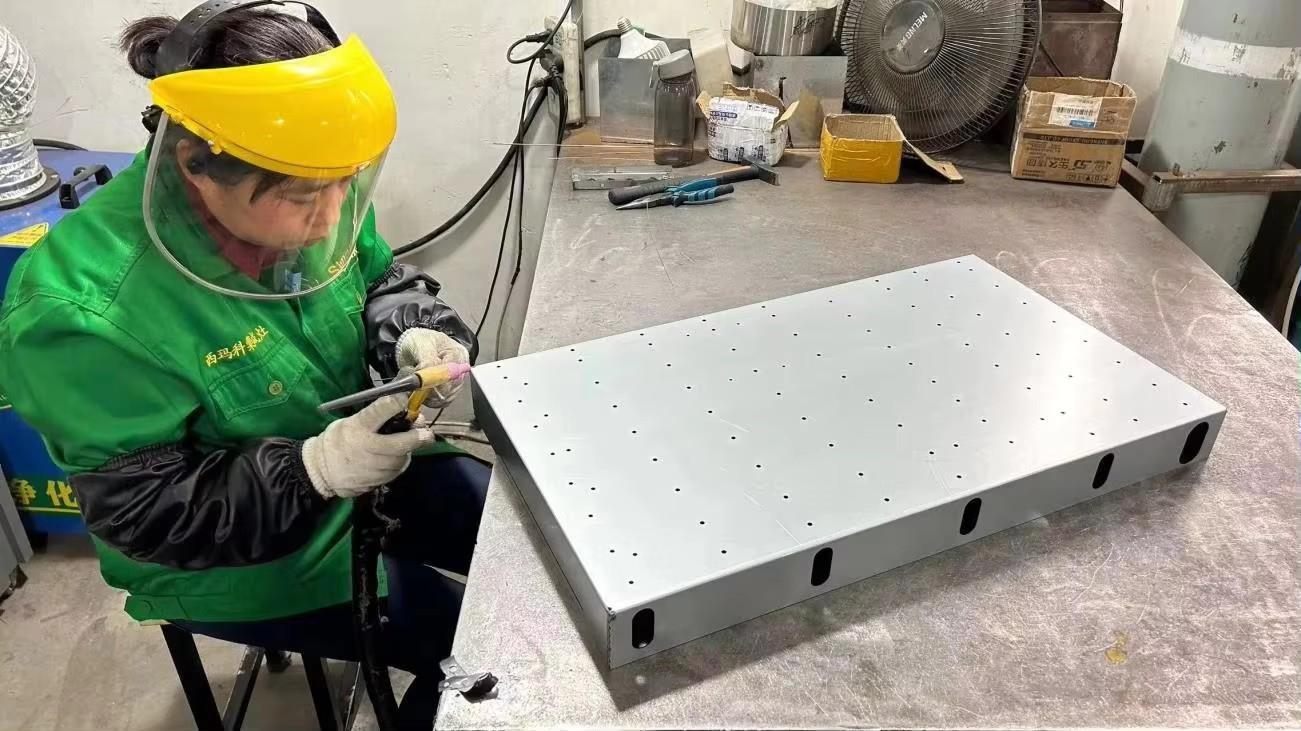
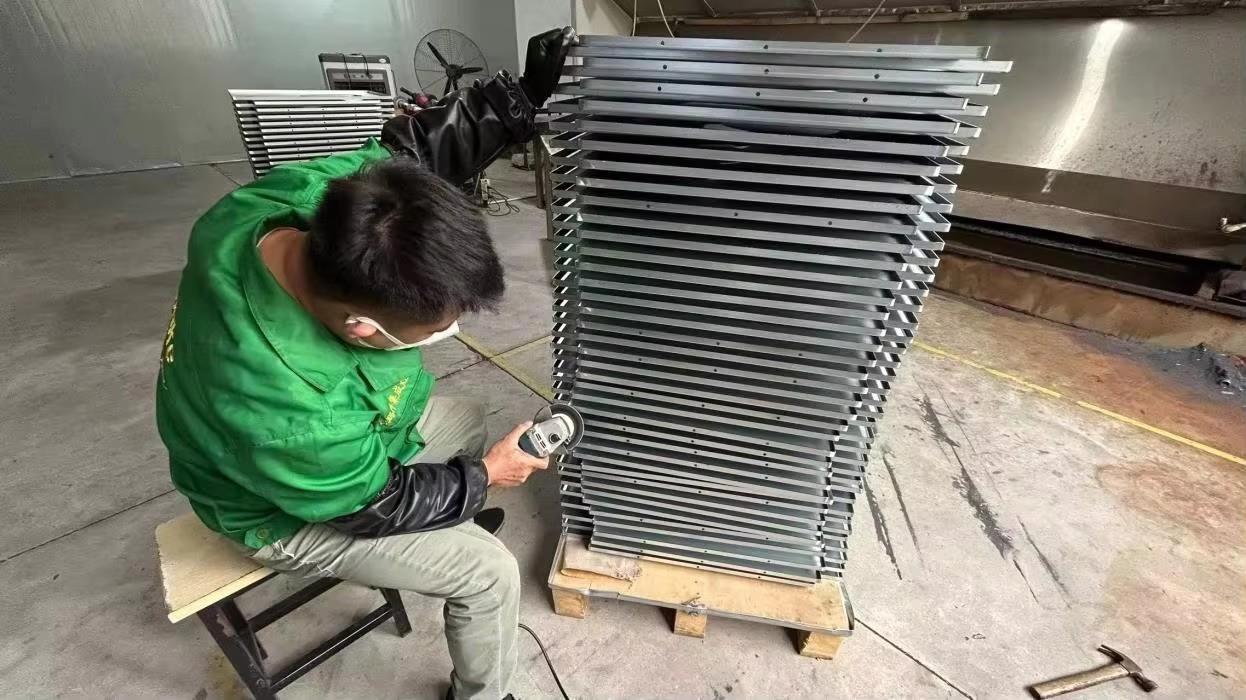
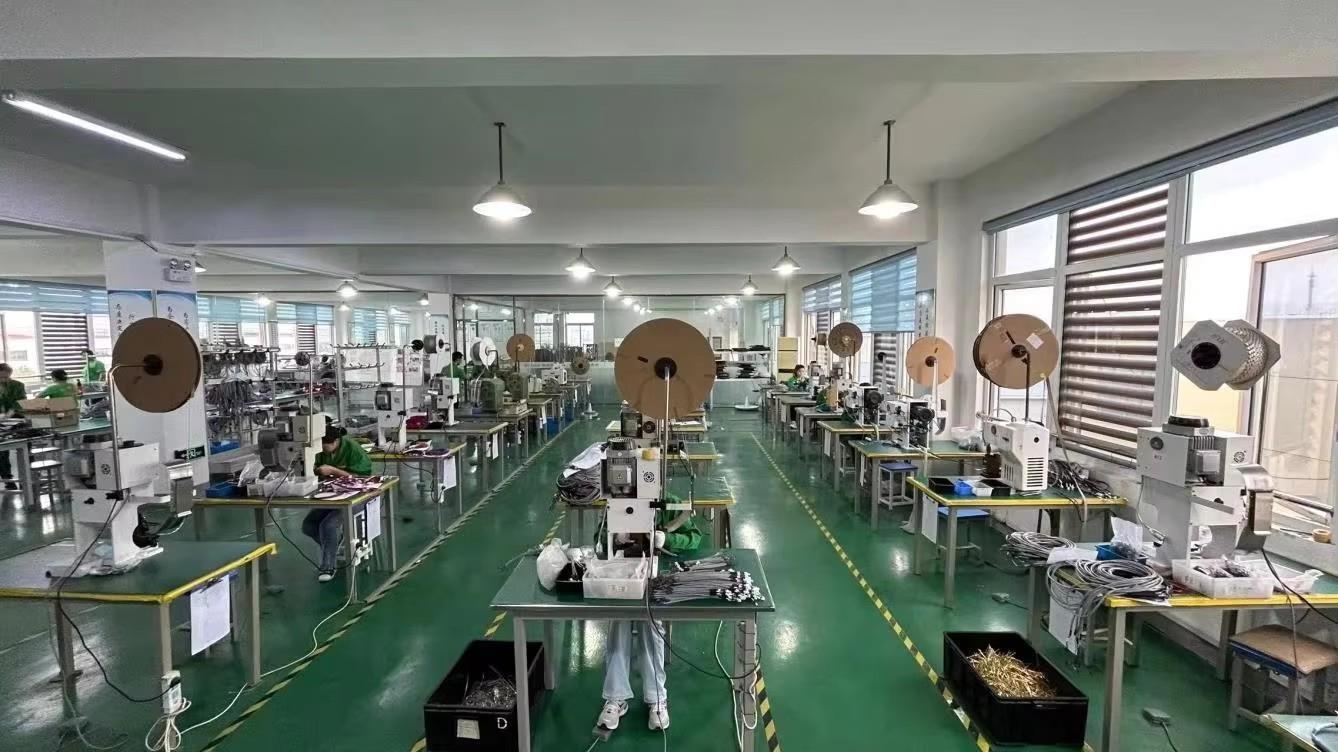
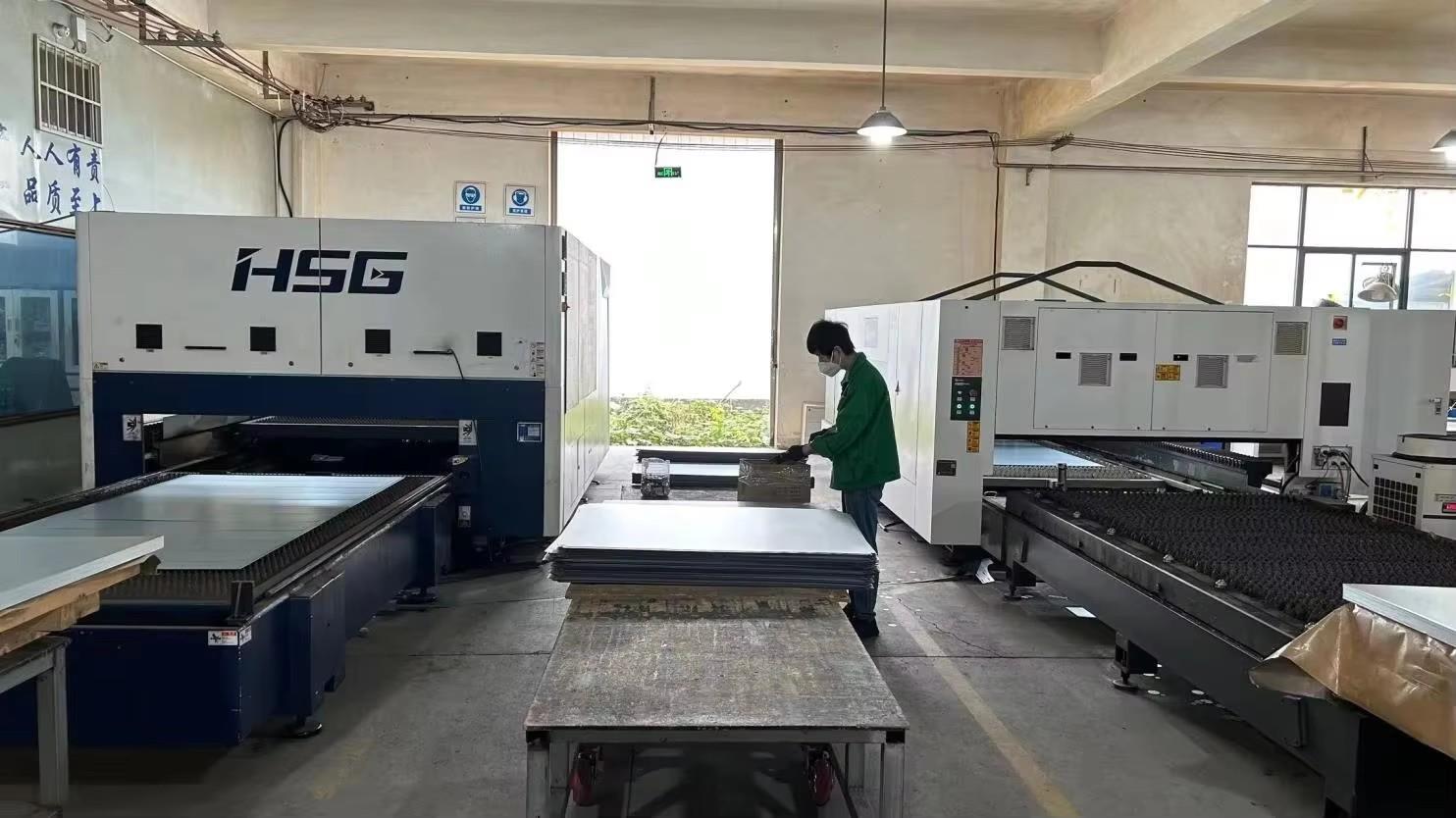
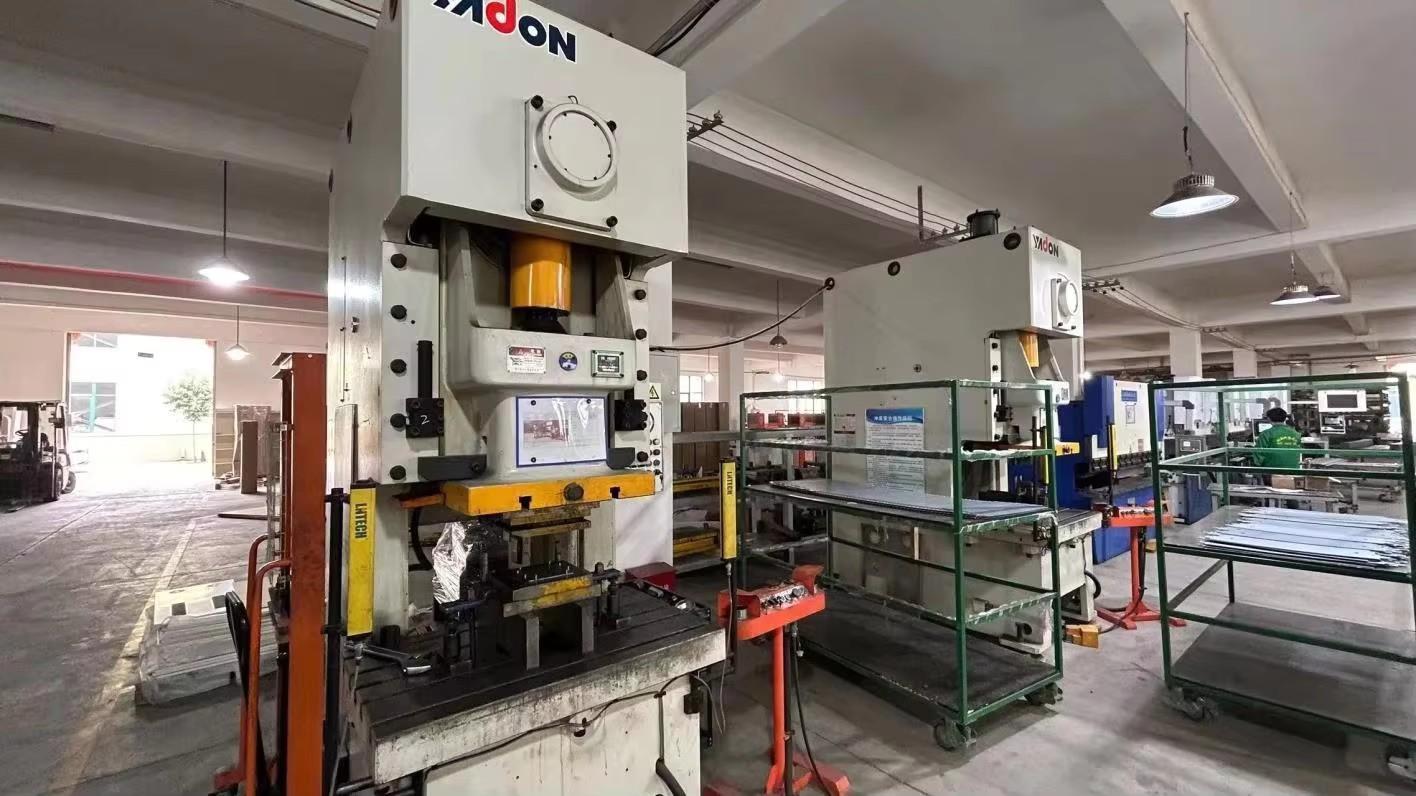
A detailed view of the high-precision manufacturing, testing, and packaging processes at our Qingdao facility.
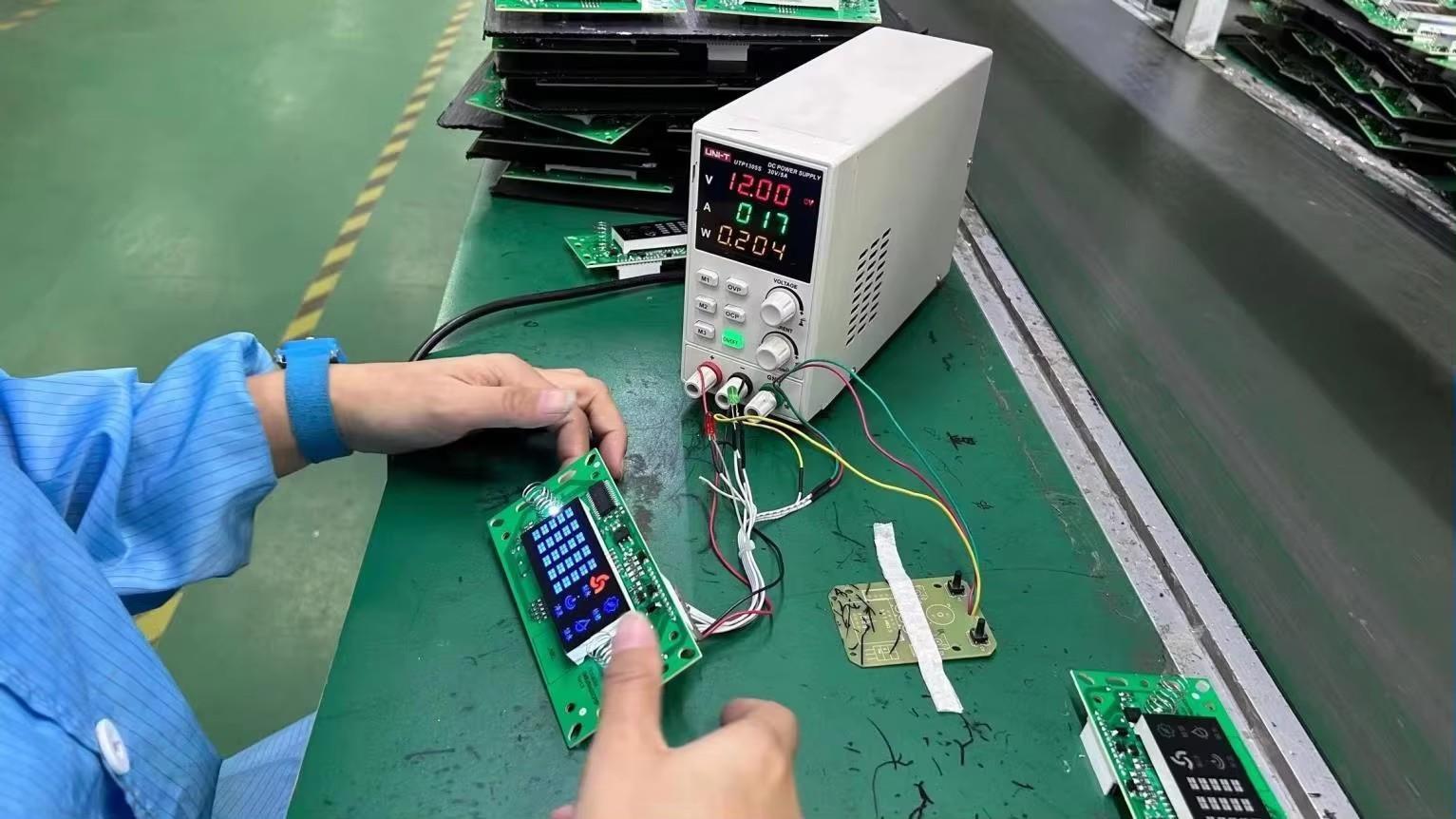
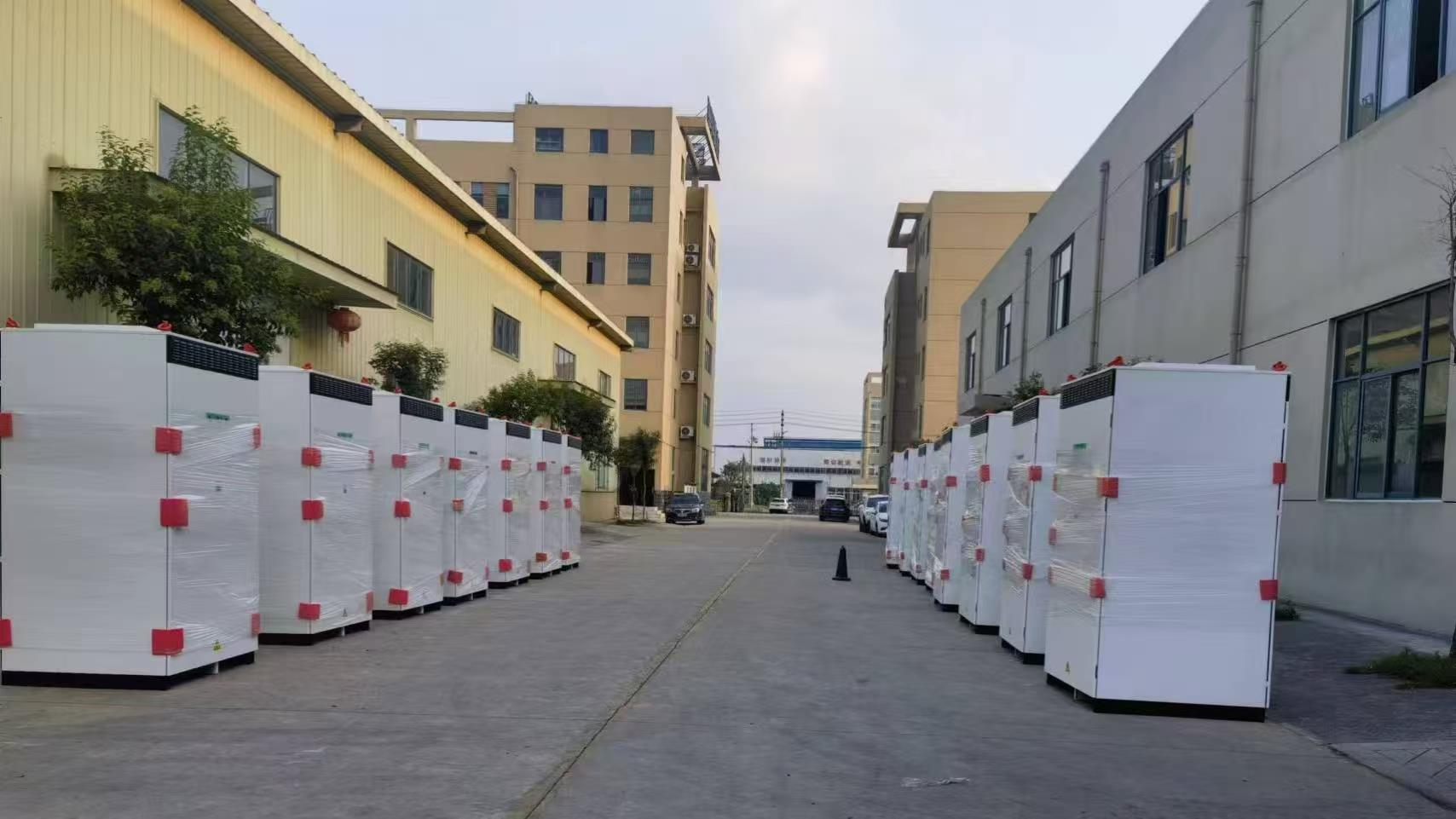
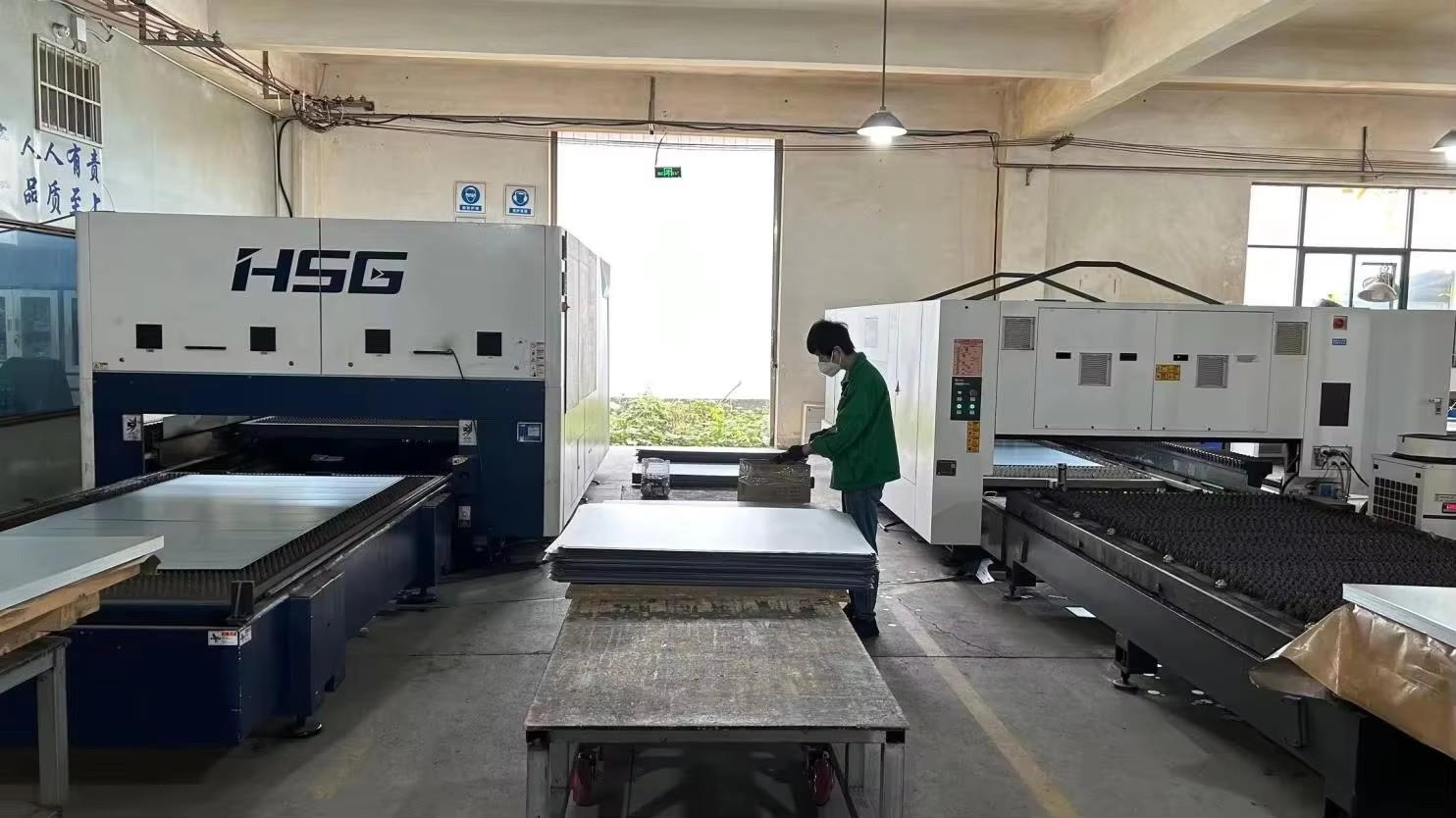
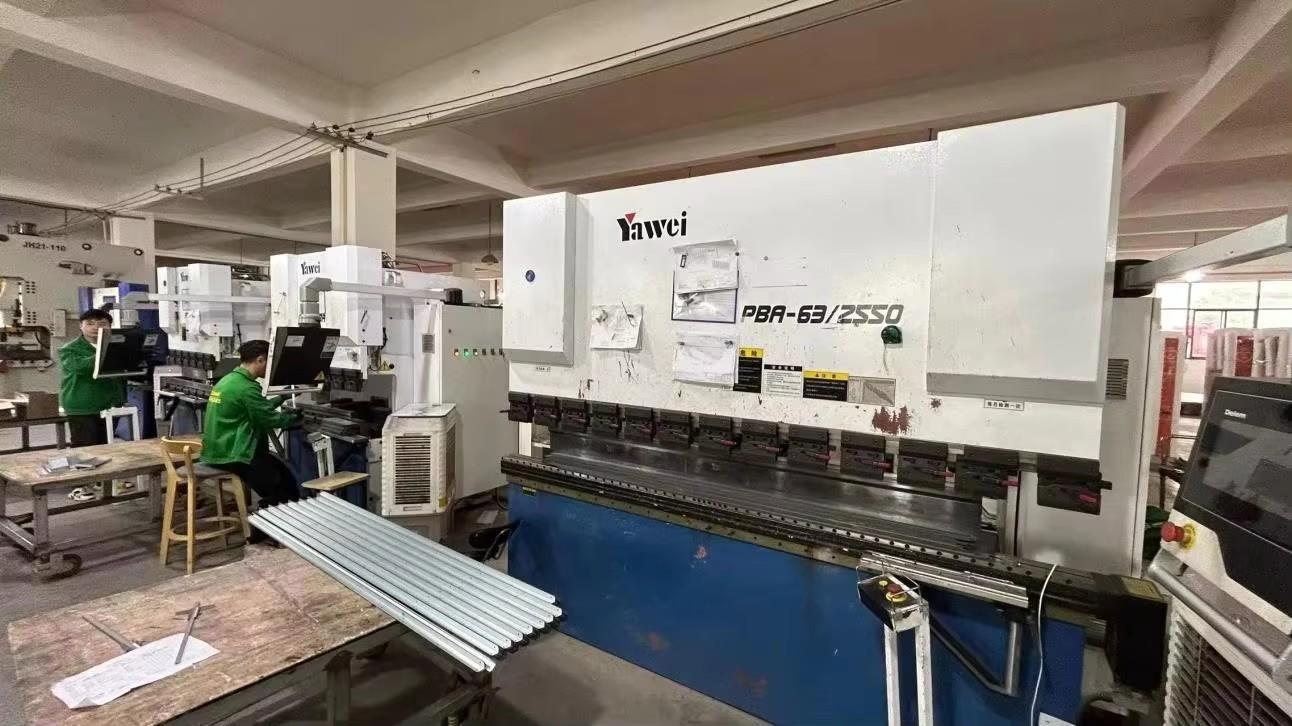
Renewable infrastructure is not a one-size-fits-all solution. Different geographic markets require tailored configurations based on localized grid codes, environmental conditions, and zoning rules:
In central and northern Europe, residential customers face high electricity rates and limited roof space. Compact, plug-and-play balcony microinverters (600W to 2400W) integrated with compact LiFePO4 batteries allow renters and apartment owners to easily offset baseline loads. These systems plug directly into standard wall outlets and utilize integrated anti-backflow sensors to prevent feeding power back into the public grid without authorization.
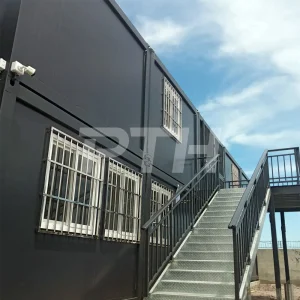
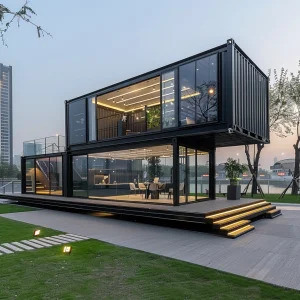
Remote operations, such as mining complexes or agricultural sites in the Middle East and Africa, require reliable, high-voltage off-grid power. In these applications, containerized lithium-ion battery energy storage systems (BESS) with liquid cooling and capacities exceeding 50 kWh provide an ideal alternative to diesel generators. By integrating modular, prefabricated shipping container retail hubs and power stations, developers can build fully functional off-grid microgrids in a matter of weeks.
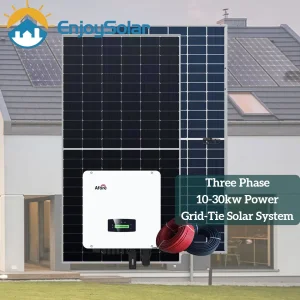
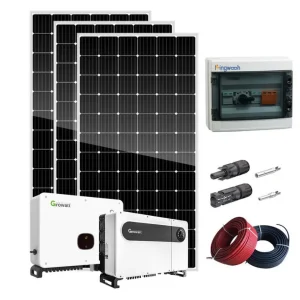
For logistics hubs and manufacturing plants in North America and Asia, large-scale, grid-tied rooftop solar systems (ranging from 15kW to 50kW) help offset daytime peak rates. Integrated with smart, hybrid solar inverters, these facilities can dynamically switch between grid power, battery storage, and direct solar generation. This capability helps mitigate high demand charges and ensures continuous operations during localized grid outages.
Technical guidance and design recommendations for engineers, procurement managers, and systems integrators.
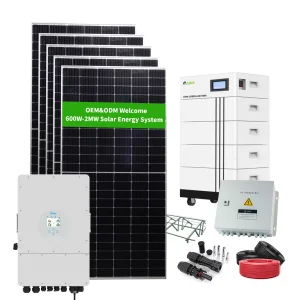
Explore our industrial solar integration solutions, modular battery banks, and pre-fabricated structures designed to accelerate field deployment.
 Luzz Solar