Engineered to deliver exceptional conversion efficiency under the intense solar radiation profiles of Australia. Our systems are compliant, rugged, and field-tested.
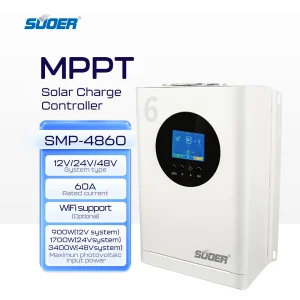
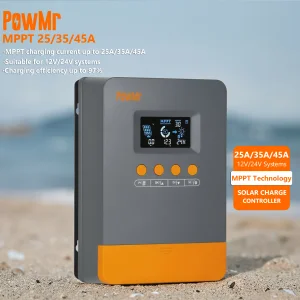
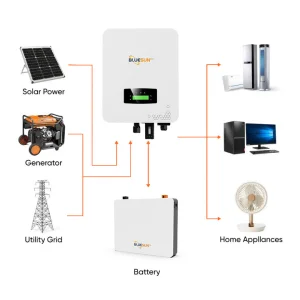
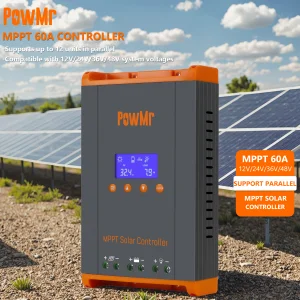
Australia boasts some of the highest solar irradiance levels globally, making solar photovoltaic (PV) generation one of the most effective methods to achieve regional energy independence and meet carbon neutrality goals. However, the unique environmental and geographical conditions of Australia—ranging from extreme desert heat in the interior Outback to coastal marine environments—place extraordinary demands on balance-of-system (BOS) electrical components. At the heart of any off-grid or hybrid solar power system lies the Maximum Power Point Tracking (MPPT) solar charge controller.
This industry paper details the technical specifications, localization requirements, supply-chain considerations, and economic implications of high-capacity MPPT solar charge controllers imported into Australia. As a premier exporter, Qingdao Luzz Solar Co., Ltd. presents this comprehensive framework to support Australian engineering, procurement, and construction (EPC) contractors, mining corporations, agricultural operators, and wholesale distributors in selecting and implementing advanced PV regulation architectures.
The Australian energy market is transitioning rapidly. The retirement of coal-fired assets and the volatility of fossil-fuel pricing have accelerated the adoption of decentralized Commercial and Industrial (C&I) microgrids. Heavy industries, particularly in remote regions of Western Australia (WA), Queensland (QLD), and the Northern Territory (NT), face high transmission costs and grid instability. For remote mine sites and pastoral stations, grid connection is financially unfeasible. Diesel displacement has therefore become the primary economic driver for capital investments in off-grid solar-plus-storage projects.
In these scenarios, standard Pulse Width Modulation (PWM) controllers are inadequate. PWM units pull down solar module voltages near the battery voltage, discarding up to 30% of the potential power yield from high-voltage string arrays. Modern MPPT regulators dynamically track the peak power point ($V_{mp}$, $I_{mp}$) of the photovoltaic panels, stepping down high-voltage DC arrays to match the lower-voltage battery systems while multiplying the charging current. This optimization is vital for achieving rapid return on investment (ROI) in utility-scale agricultural pumping systems and remote telecommunication infrastructure.
Advanced tracking algorithms maximize panel harvest even in rapidly shifting cloud conditions.
Heavy-duty heat sinking and IP54+ enclosures to handle abrasive Outback dust.
Constructed in alignment with AS/NZS 5033 array and AS/NZS 5139 battery standards.
RS485, CANbus, and optional Wi-Fi protocols for seamless BMS and SCADA integration.
Designing system components for the Australian environment requires strict engineering concessions to regional climates. Here are three primary localized application scenarios where our MPPT controller solutions demonstrate maximum value:
Remote telemetry sites, weather stations, and communications repeater towers require 99.999% uptime. These locations experience extreme ambient temperatures often exceeding 48°C. Our industrial-grade MPPT controllers (such as the 96V 100A series and 6200W/8kW hybrid units) feature intelligent thermal derating algorithms. Instead of shutting down when temperatures rise, the system progressively scales charging parameters, keeping electronics within safe operating boundaries while sustaining the load.
Water sourcing is vital in rural Australia. Agricultural installations leverage high-voltage solar panels to drive water-pumping systems. Standard controllers lose efficiency during hot conditions due to temperature-induced voltage drop. Our high-input voltage models (150V to 500V Max PV) accommodate long series strings, reducing the wire gauge (copper size) needed to bridge the distance from the PV array to the bore hole, saving installer costs and minimizing line transmission losses.
From Tasmania's temperate areas to tropical North Queensland, residential off-grid homes and eco-resorts require clean power. Integrating lithium iron phosphate (LiFePO4) storage has replaced heavy lead-acid cells. Our controllers offer custom charging profiles tailored for LiFePO4 chemistry, interacting with local Battery Management Systems (BMS) via CANbus or RS485 communication protocols, preventing overcharging and under-temperature charging damage.
In Central Australia, open-air ambient temperatures can hit 45°C, translating to internal enclosure temperatures of 65°C+.
PV Voltage Drop: For every degree above 25°C, silicon PV module voltage drops by roughly 0.4% per °C. In mid-summer, a nominal 40V panel may drop to 32V.
How Luzz Solar MPPT Responds: The controller continuously adjusts the PWM duty cycle of its buck-converter, operating close to the decreased maximum power point. Advanced multi-phase synchronous rectification minimizes internal heat generation, allowing full-rated power output up to 50°C ambient before linear derating begins.
Request Thermal Derating CurvesThe solar power electronics industry is undergoing rapid innovation. Qingdao Luzz Solar Co., Ltd. continues to fund research and development aimed at introducing wide-bandgap (WBG) materials, such as Silicon Carbide (SiC) and Gallium Nitride (GaN), into our high-power MPPT converter topologies. These semiconductor switches exhibit significantly lower switching losses, allowing higher switching frequencies. The practical benefit for Australian operators is a 40% reduction in inductive and capacitive filter component size, leading to lighter, more compact controllers with conversion efficiencies exceeding 99.4%.
Simultaneously, firmware optimizations focus on dynamic shadowing tracking. Traditional MPPT algorithms can get stuck at a local maximum power point when partial shading occurs (e.g., from dust storms, trees, or bird droppings). Our next-generation firmware performs a global sweep of the I-V curve every 10 minutes to locate the absolute global maximum ($P_{max}$), recovering lost yield that would otherwise bypass standard charge controllers.
On the interface level, integrated Wi-Fi and GPRS cellular modules connect remote field installations directly to centralized monitoring platforms. Engineers in Sydney or Perth can monitor array performance, battery health, and load draw of remote infrastructure in the Pilbara in real-time, receiving instant fault alerts before physical failures occur.
Below is a comparative analysis of our core MPPT controller technologies designed to assist procurement specialists in selecting the appropriate model based on system sizing:
| Controller Series | Input Voltage (PV Max) | Supported Battery Chemistry | Communication Protocol | Ideal Application Scenario |
|---|---|---|---|---|
| Luzz-Compact Series (20A - 40A) | 150V DC | Lead-Acid, AGM, Gel, LiFePO4 | RS485 / Modbus | Caravans, marine, small telemetry |
| Luzz-Power Series (60A - 100A) | 150V - 230V DC | LiFePO4, custom Li-ion, Flooded | RS485 / CANbus / WiFi | Residential off-grid, farm bore pumps |
| Luzz-Industrial Series (100A+) | 230V - 500V DC | High-voltage Lithium storage | CANbus / Modbus TCP / SCADA | Commercial microgrids, remote mining camps |
Qingdao Luzz Solar Co., Ltd. is a professional new energy enterprise specializing in the development, manufacturing, and global distribution of photovoltaic (PV) products and integrated energy storage solutions. Located in Qingdao, China, the company benefits from a well-established renewable energy industrial base and advanced manufacturing capabilities.
Our vertical integration strategy allows us to source premium grade silicon and heavy-duty electrical components directly from localized clusters, reducing transportation lead times and safeguarding production schedules from global supply disruptions. Every component, from wiring harnesses to custom-engineered heat sinks, undergoes strict qualification testing to ensure compliance with international quality standards. We implement rigorous quality control throughout the entire production process to ensure stable and long-term product performance.
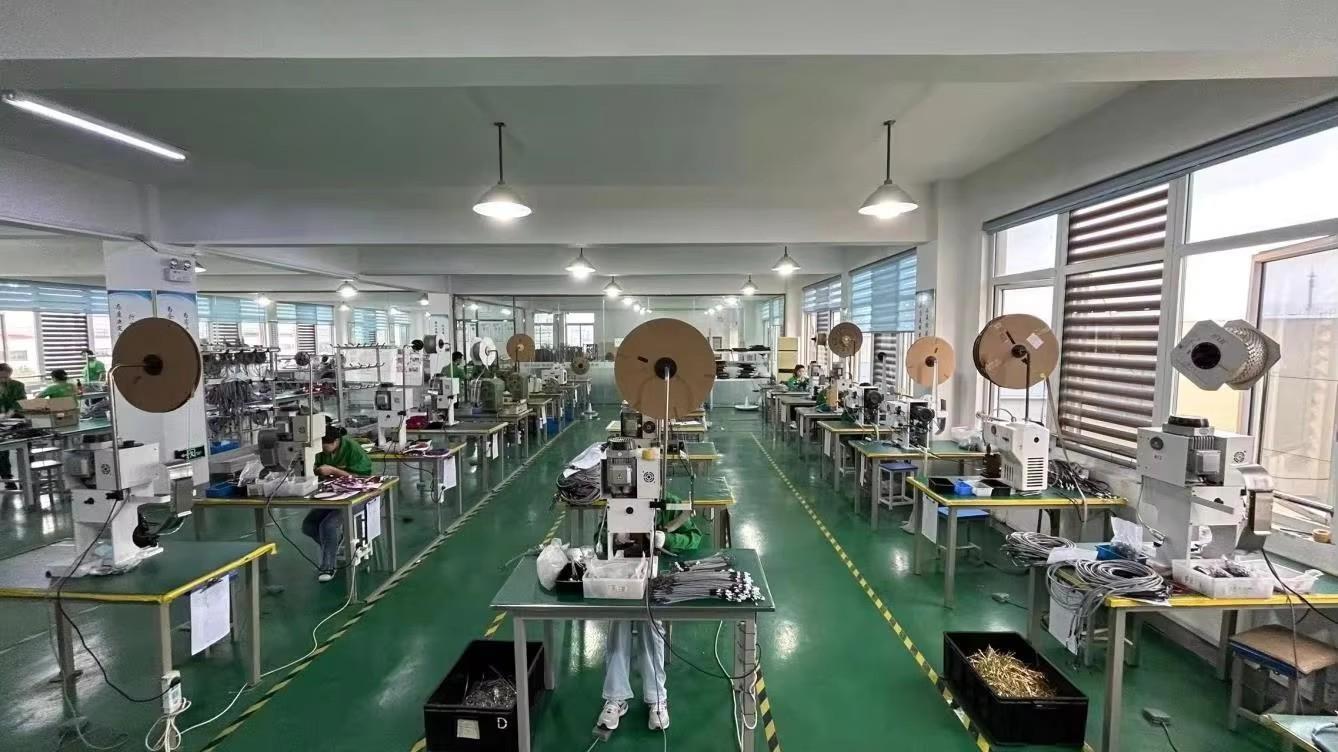
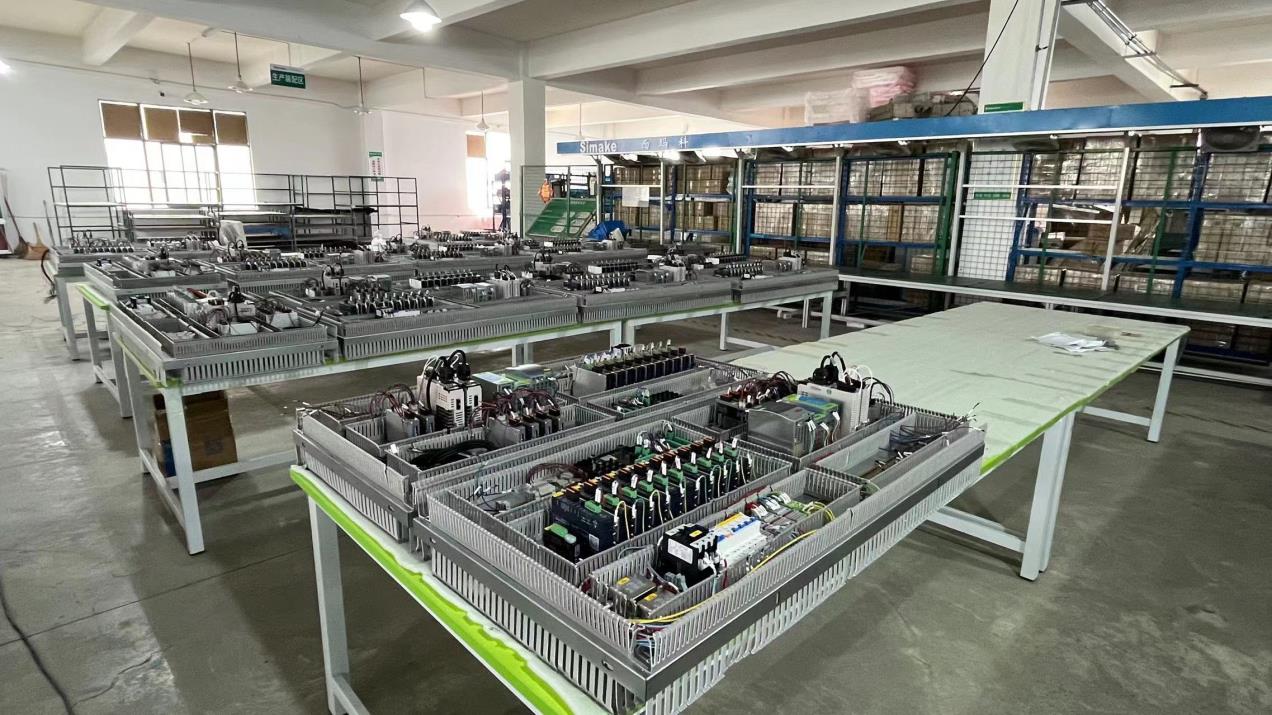
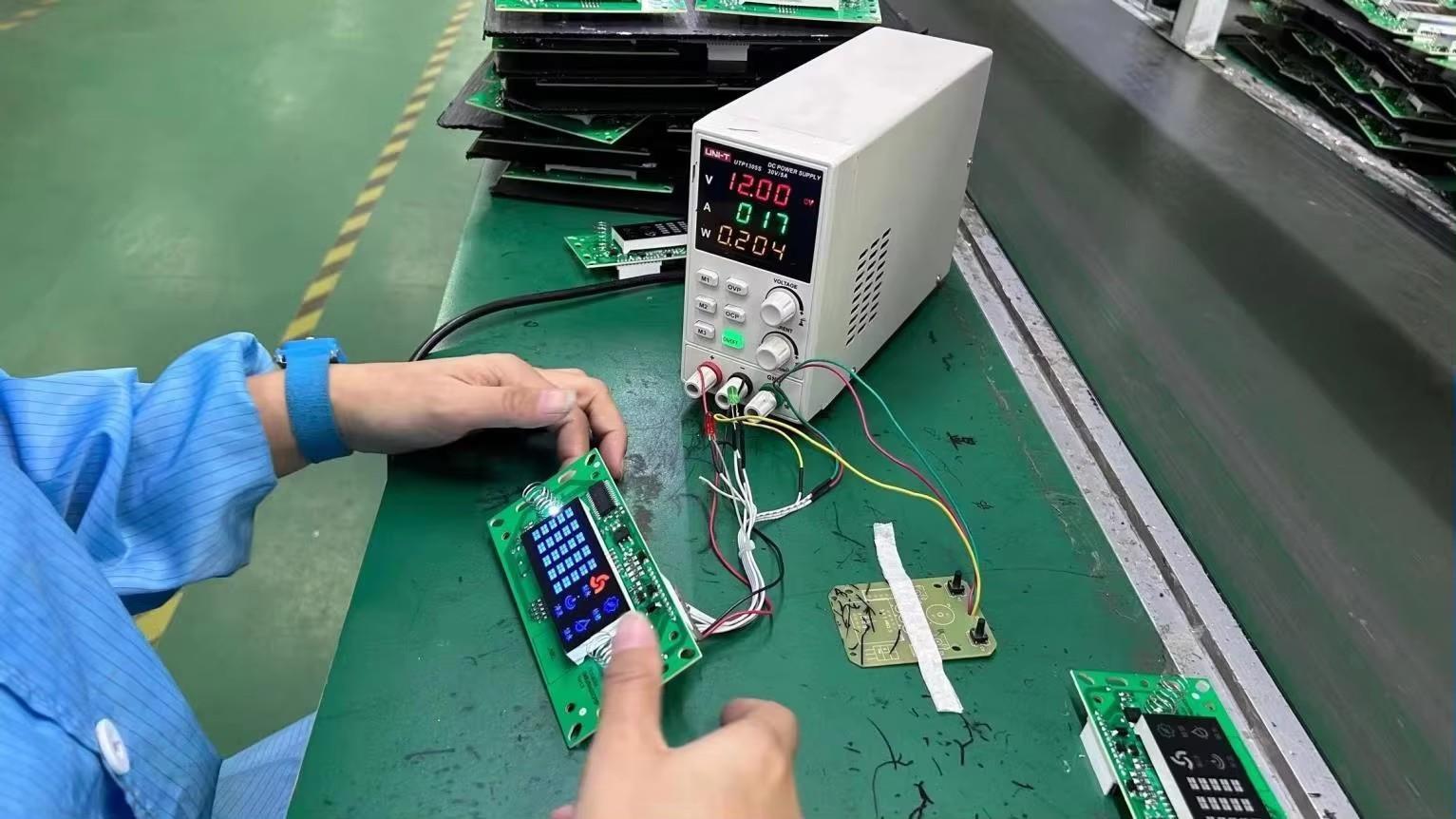
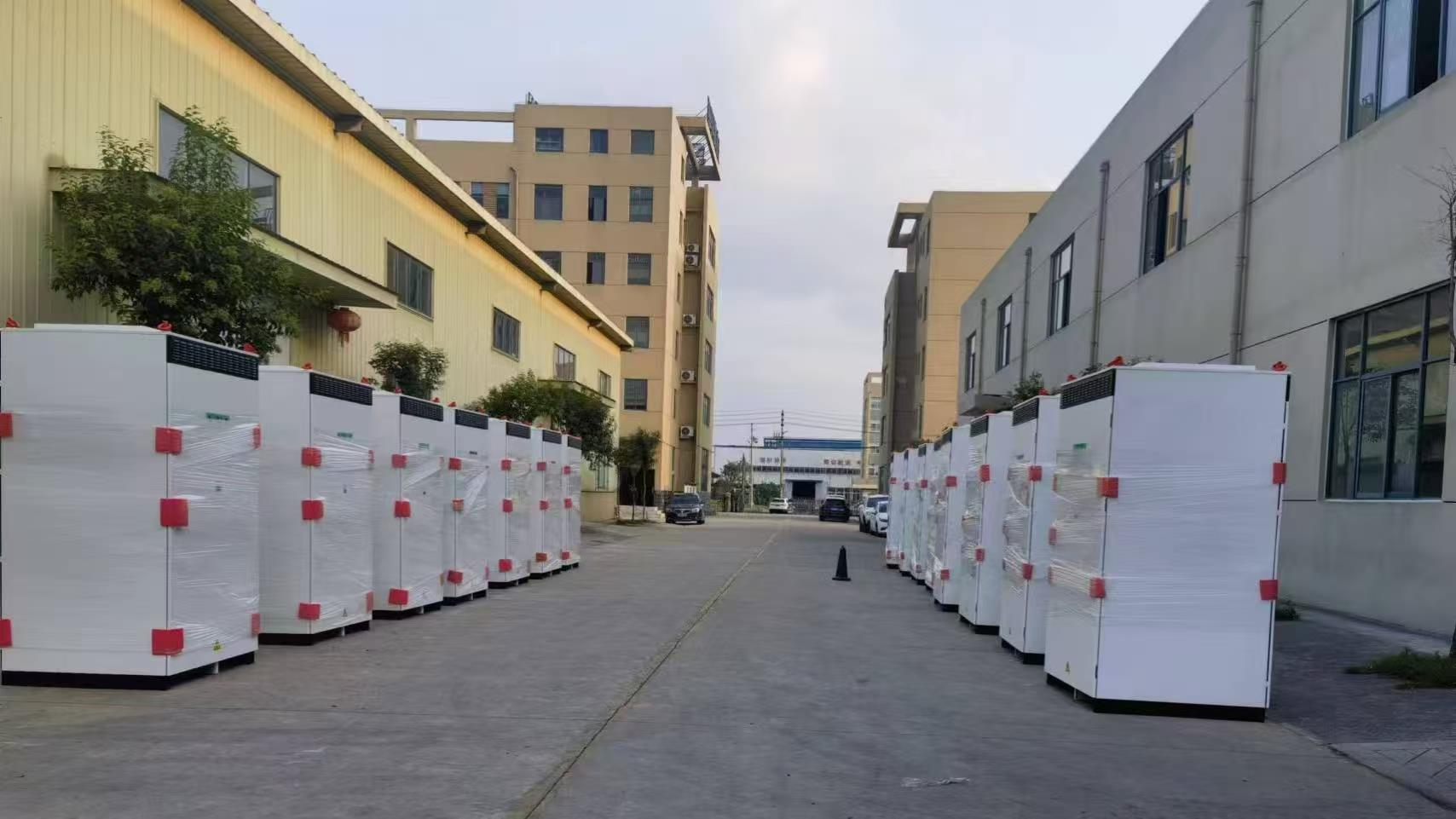
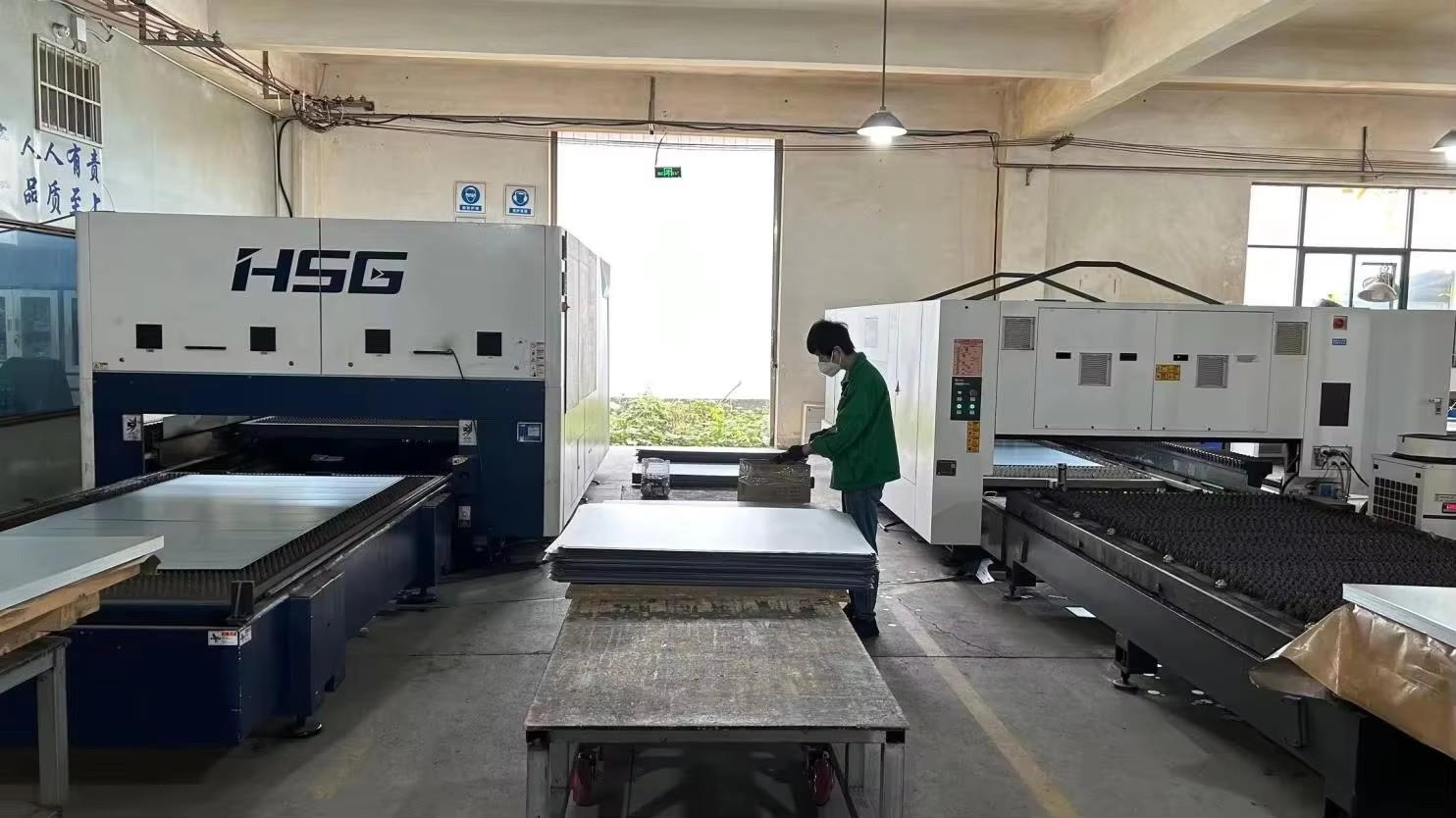
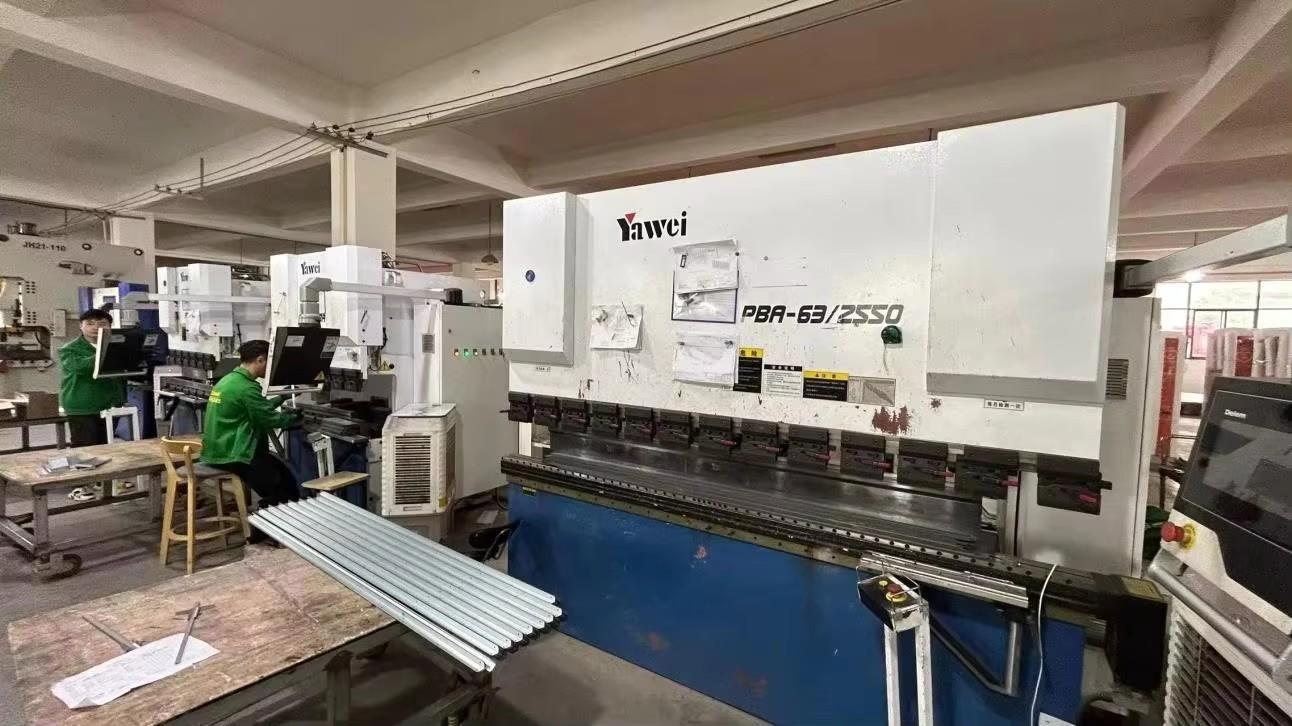
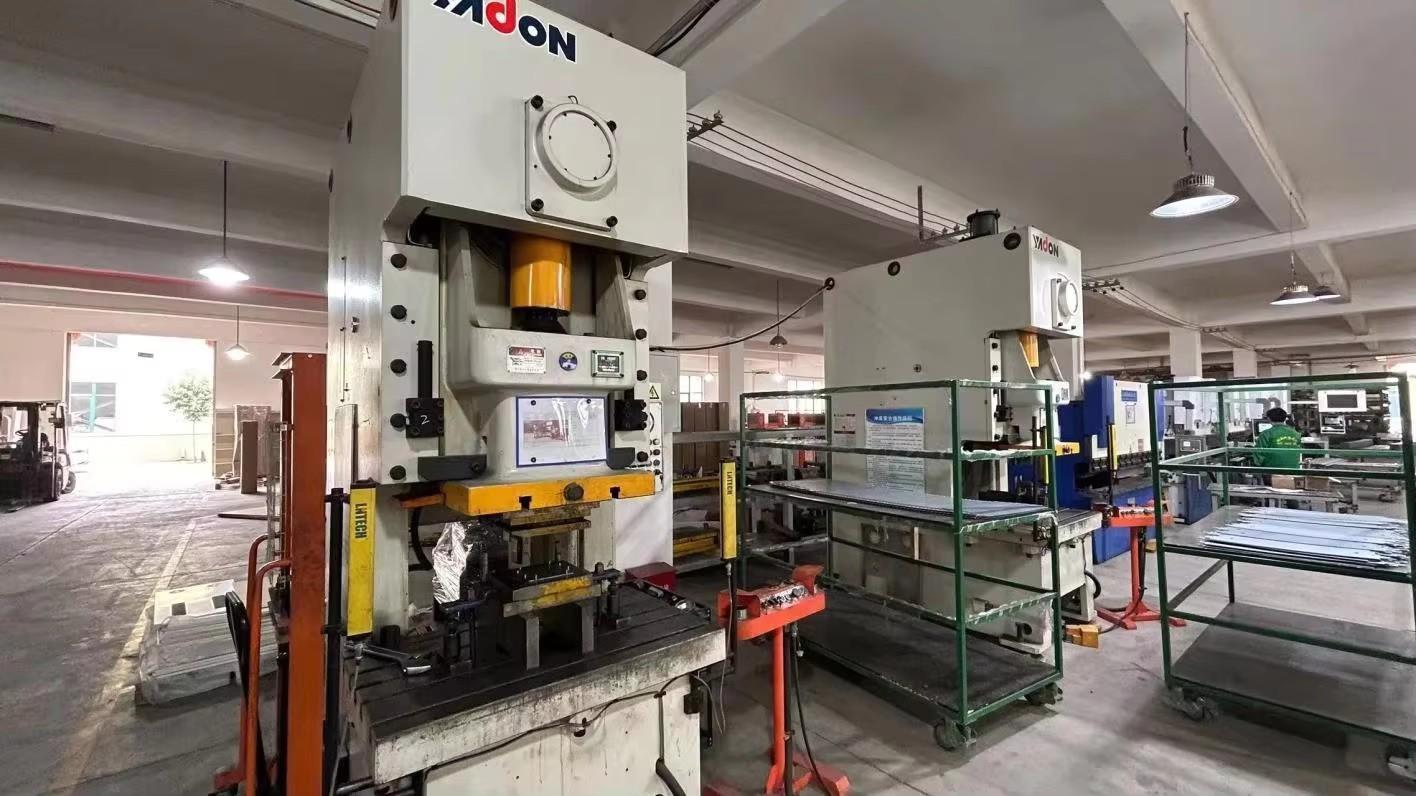
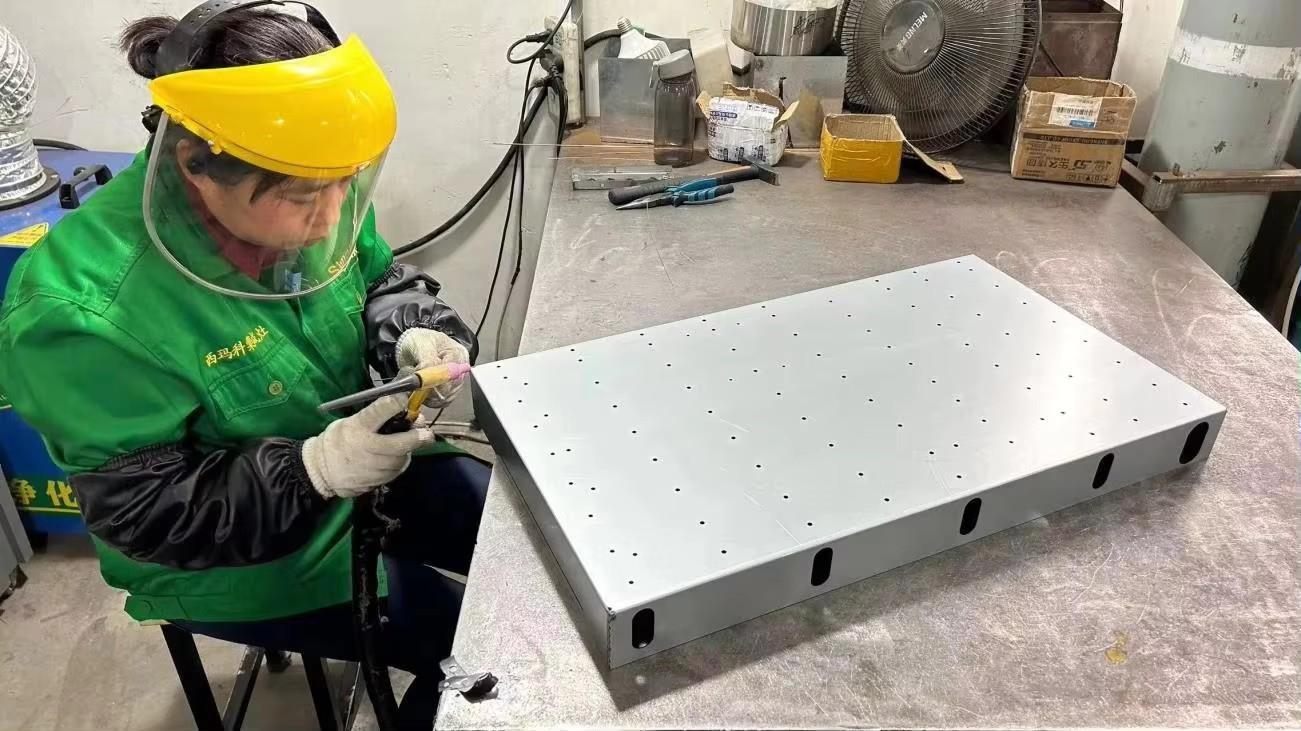
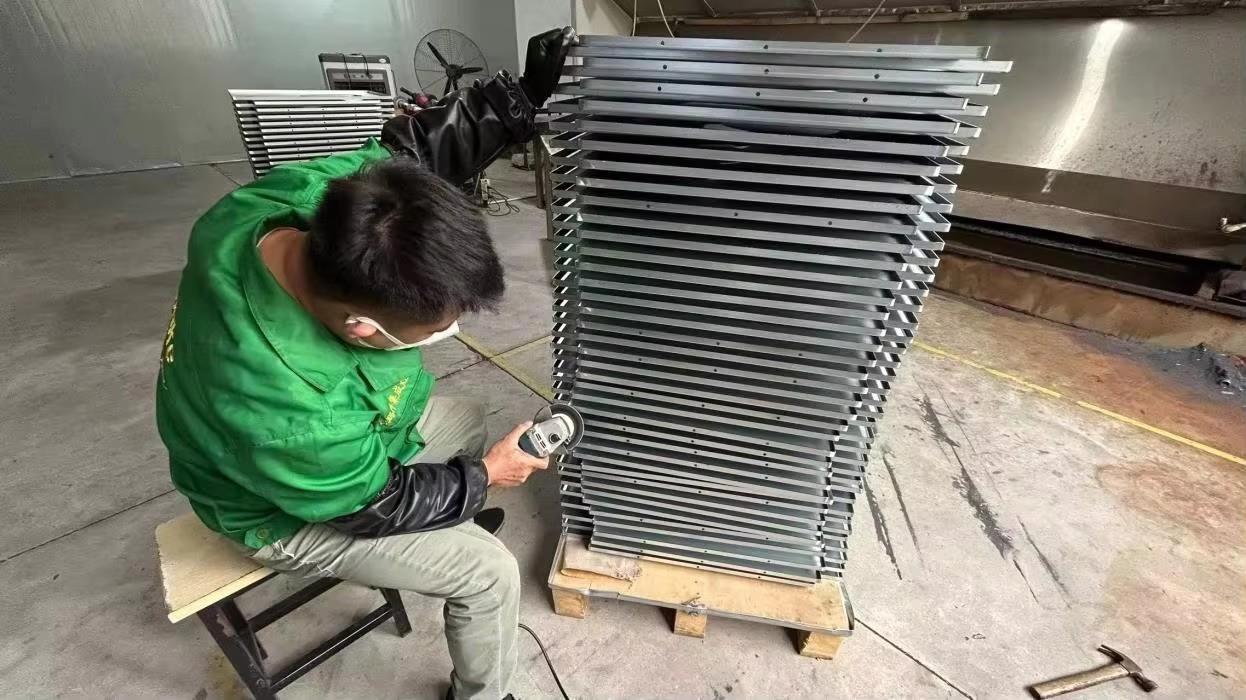
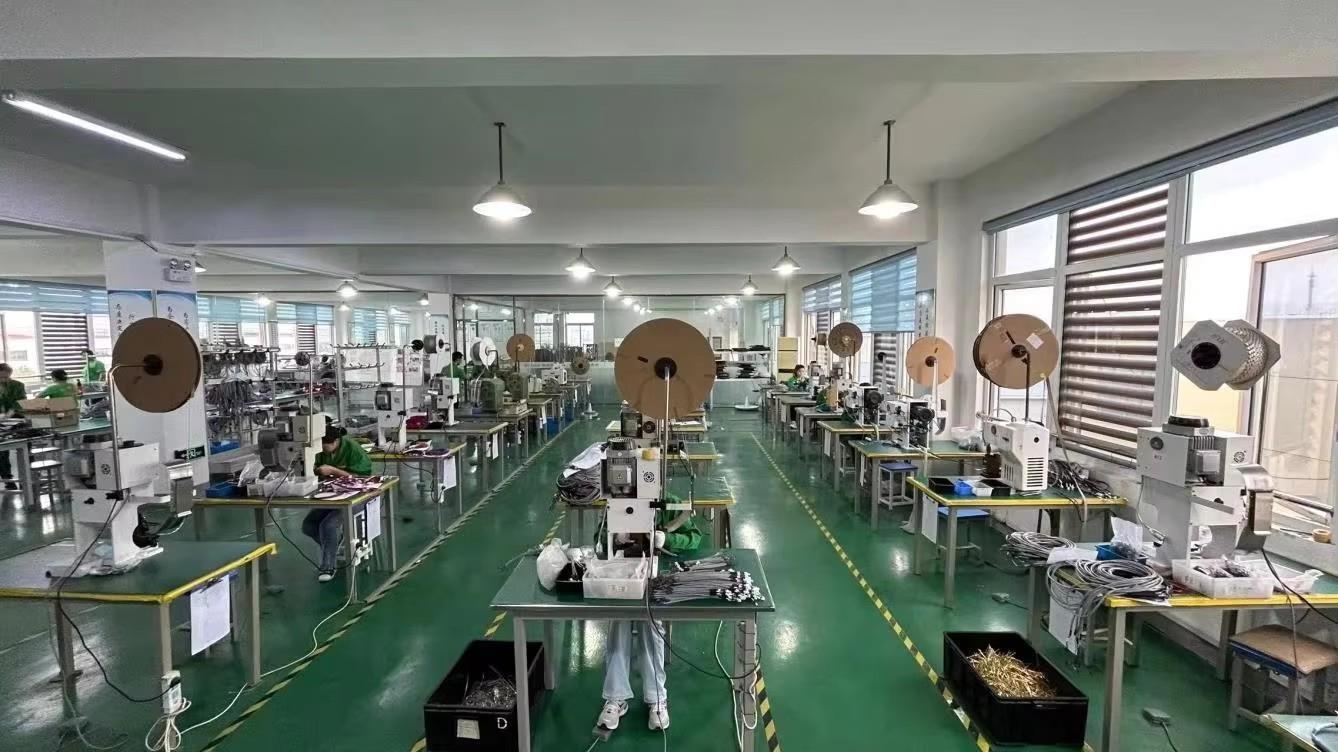
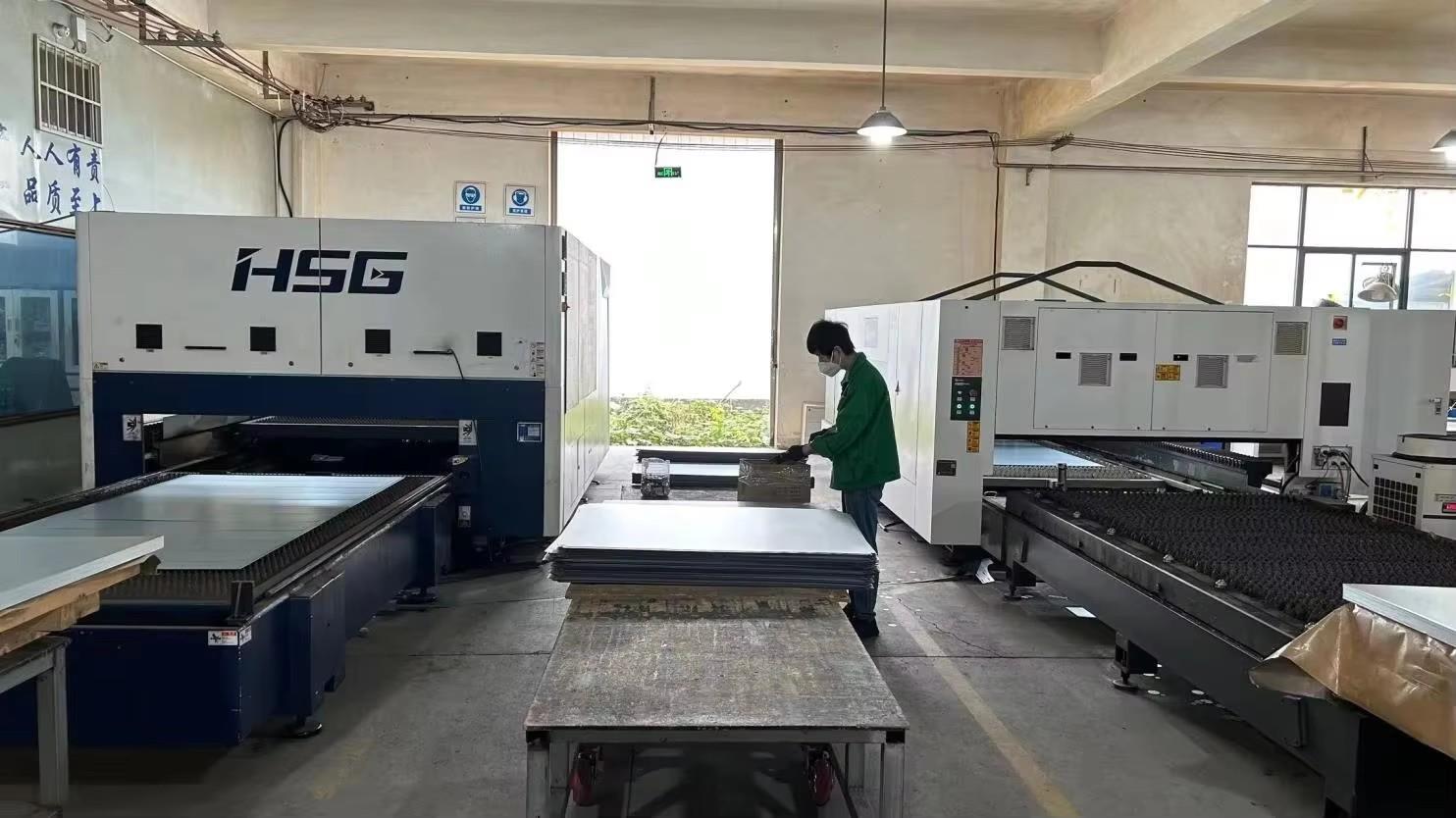
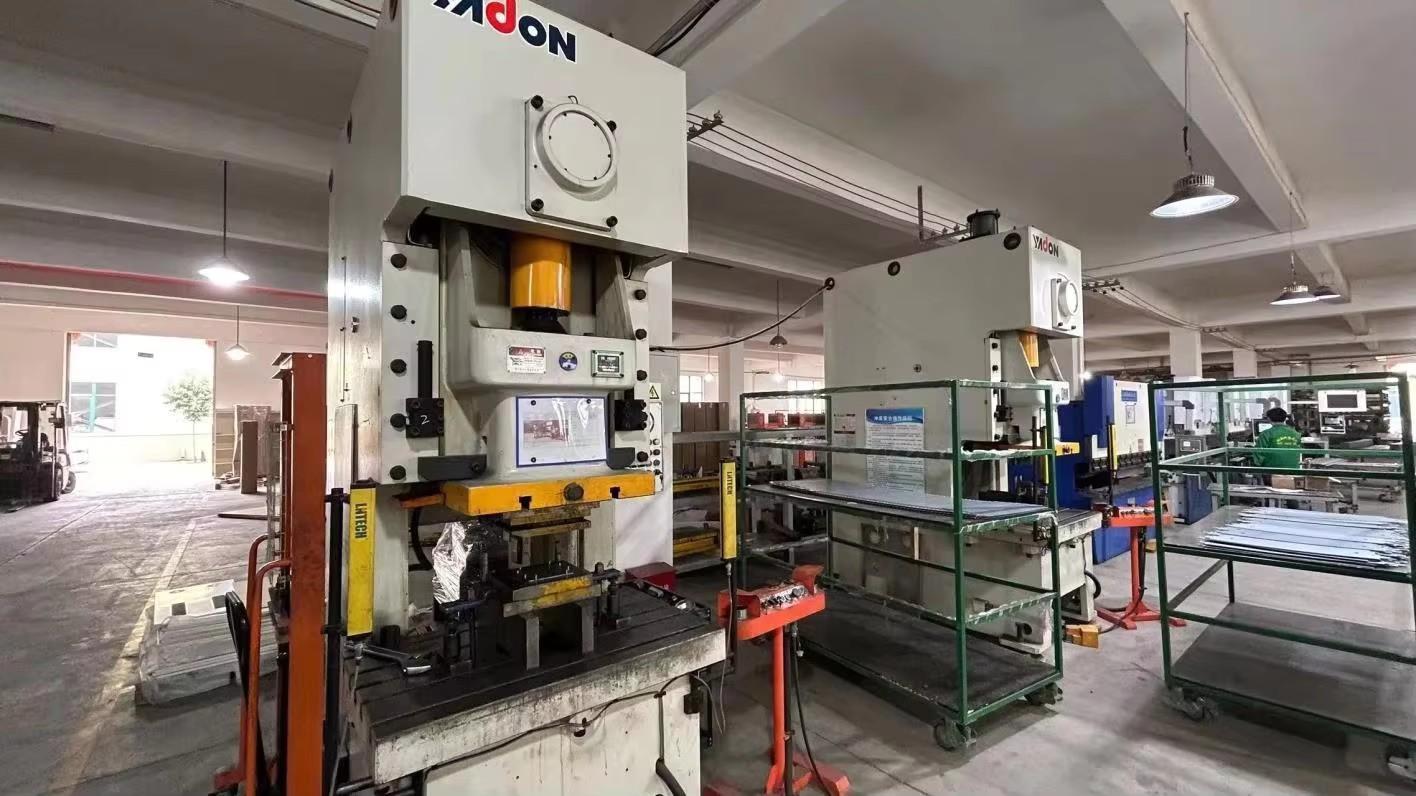
Our facility houses high-precision CNC punching, auto-bending, laser welding stations, and specialized wiring harness machines to build mechanical integrity into each product chassis. Automated circuit testing (ATE) platforms subject completed printed circuit boards (PCBs) to full electrical loads, verifying performance over high temperature thresholds. This thorough diagnostic phase ensures that every MPPT regulator exported to Australia will perform reliably in the field.
Qingdao Luzz Solar actively expands its global market presence, with business coverage across Asia, Europe, the Middle East, Africa, and Latin America. By working closely with international partners, we are committed to delivering tailored energy solutions that meet diverse regional needs and support the global energy transition.
Importing electrical components into Australia requires adherence to strict safety standards to mitigate risks associated with electrical fire, shock, and system failures. When selecting an exporter, commercial buyers must verify compliance with local regulations. Our products align with relevant regulatory paths:
Access high-volume wholesale pricing, customized OEM/ODM options, and certified solar hardware built for the toughest environments.
Send Inquiry NowFrequently asked questions by engineers, importers, and installers regarding MPPT system sizing and operation in Australia.
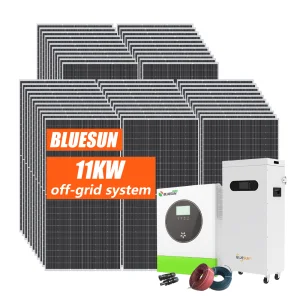
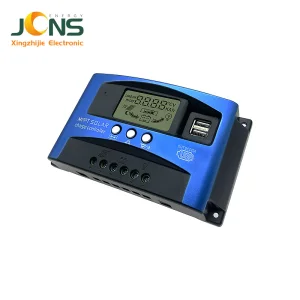
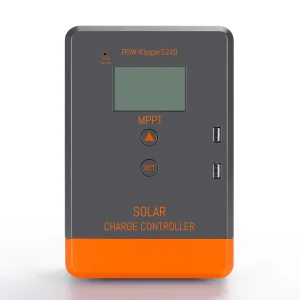
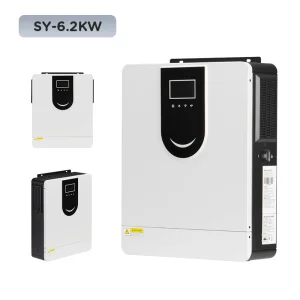
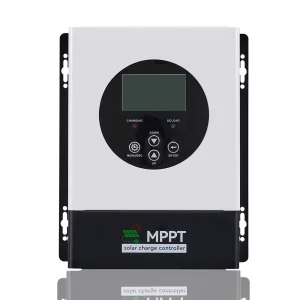
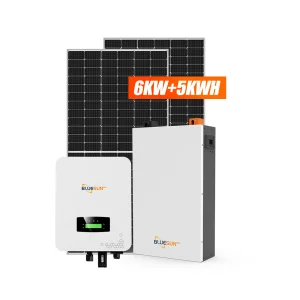
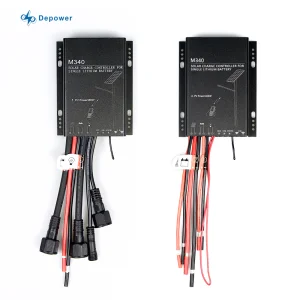
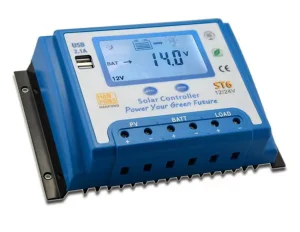
Select from our complete range of off-grid chargers, hybrid inverters, and battery integrated controllers designed for the Australian market.
 Luzz Solar