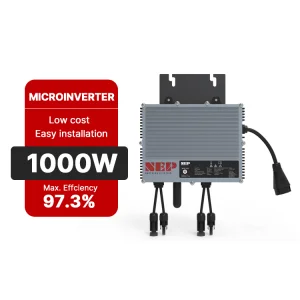
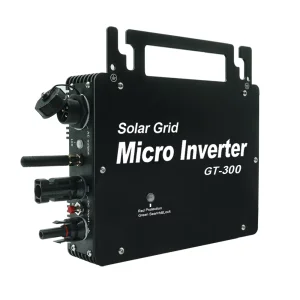
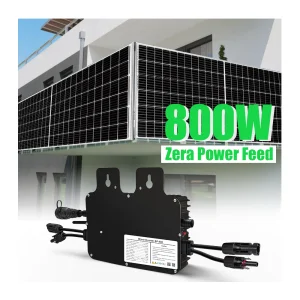
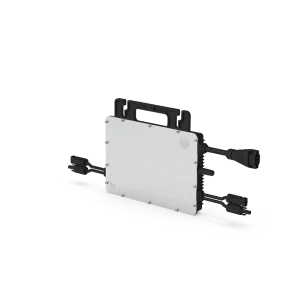
Optimized single-channel and multi-channel solar microinverters specifically configured to withstand local voltage demands and coastal environments.
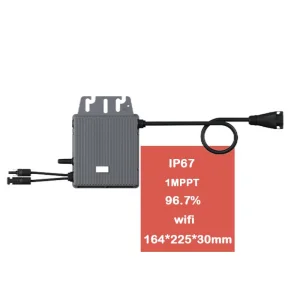
Trinidad and Tobago, traditionally dominated by a robust oil and gas sector, is undergoing a pivotal transition towards diversified renewable energy integration. With the government’s commitment to achieving a 30% reduction in greenhouse gas emissions from the power sector by 2030, localized energy security has become a high-priority investment vector. Microinverter technology represents a massive technological leap forward for this tropical twin-island nation.
Unlike massive utility-scale installations, which face geographic constraints in islands like Tobago, distributed generation—specifically residential and commercial rooftop solar—is fast becoming the economic norm. The local power utility, the Trinidad and Tobago Electricity Commission (T&TEC), manages a centralized grid infrastructure that experiences voltage drops, phase imbalances, and localized storm interruptions. Utilizing module-level power electronics (MLPE) such as microinverters guarantees system redundancy, safety, and continuous energy harvest even when parts of the array are compromised.
This macro-economic shift has created a surging demand for reliable microinverter suppliers in Trinidad and Tobago. Engineering firms, EPC (Engineering, Procurement, and Construction) contractors, and private project developers are actively seeking hardware that can handle the unique challenges of the Caribbean climate: high ambient heat, salt-laden marine air, and extreme weather events.
Trinidad's grid can experience transient voltages. Microinverters dynamically adjust active and reactive power output to stabilize local commercial installations.
Tropical island heat rapidly degrades traditional string inverters. Modern microinverters utilize heat-sinks and high-temperature tolerance components to operate efficiently at up to 65°C ambient.
Proximity to the Atlantic and Caribbean Sea introduces airborne salt and humidity. Our components boast IP67 hermetic seals, ensuring zero internal corrosion over 25-year lifespans.
Analyzing system topologies to determine the most viable long-term investment for commercial, industrial, and residential developers in Trinidad & Tobago.
For decades, traditional string inverters were standard in solar design. However, the tropical conditions of Port of Spain, Chaguanas, and Scarborough highlight the vulnerabilities of centralized systems. If a single panel in a string experiences shading from passing cloud formations, tropical foliage, or accumulated dust, the energy generation of the entire string drops to the level of the lowest-performing module. Microinverters solve this challenge through module-level MPPT (Maximum Power Point Tracking).
| Performance Vector | Traditional String Inverters | Module-Level Microinverters | Trinidad & Tobago Operational Impact |
|---|---|---|---|
| Shading Loss Mitigation | High: Single panel shadow affects the entire string output. | Zero: Each module operates independently with its own MPPT. | Crucial for urban Port of Spain rooftops with surrounding structure shadows. |
| DC System Voltage | High DC (Up to 600V - 1000V). Elevated arc-flash risks. | Low DC (Under 60V). Extremely safe during installation. | Minimizes electrical fire risks in wood-framed residential roofs during storms. |
| System Scalability | Difficult: Requires matching strings and inverter sizing. | Infinite: Modular expansion with individual panels. | Enables micro-businesses to start small and add PV capacity incrementally. |
| Design Warranty | Typically 5 to 10 years. Replacement required mid-life. | 12 to 25 years. Matches the life of the PV module. | Reduces LCOE (Levelized Cost of Energy) and ensures positive long-term ROI. |
| Grid Outage Performance | Shuts down completely (unless hybrid with complex auto-transfer). | Models like IQ8 support grid-forming sunlight backup. | Provides essential power security during hurricanes and tropical depressions. |
Qingdao Luzz Solar Co., Ltd. is a professional new energy enterprise specializing in the development, manufacturing, and global distribution of photovoltaic (PV) products and integrated energy storage solutions. Located in Qingdao, China, the company benefits from a well-established renewable energy industrial base and advanced manufacturing capabilities.
With the accelerating global transition toward carbon neutrality and sustainable development, Luzz Solar is committed to providing efficient, reliable, and cost-effective clean energy solutions to customers worldwide. Our product portfolio includes high-efficiency solar photovoltaic modules, energy storage systems, and integrated solar application solutions designed for residential, commercial, and utility-scale projects.
Driven by technological innovation and quality excellence, the company continuously invests in R&D and production optimization to improve product performance, energy conversion efficiency, and system reliability. We strictly adhere to international quality standards and implement rigorous quality control throughout the entire production process to ensure stable and long-term product performance. Qingdao Luzz Solar actively expands its global market presence, with business coverage across Asia, Europe, the Middle East, Africa, and Latin America. By working closely with international partners, we are committed to delivering tailored energy solutions that meet diverse regional needs and support the global energy transition.
Guided by the core values of integrity, innovation, cooperation, and sustainability, Luzz Solar strives to become a trusted global partner in the new energy industry. We are dedicated to advancing solar technology and contributing to a greener, more sustainable future.
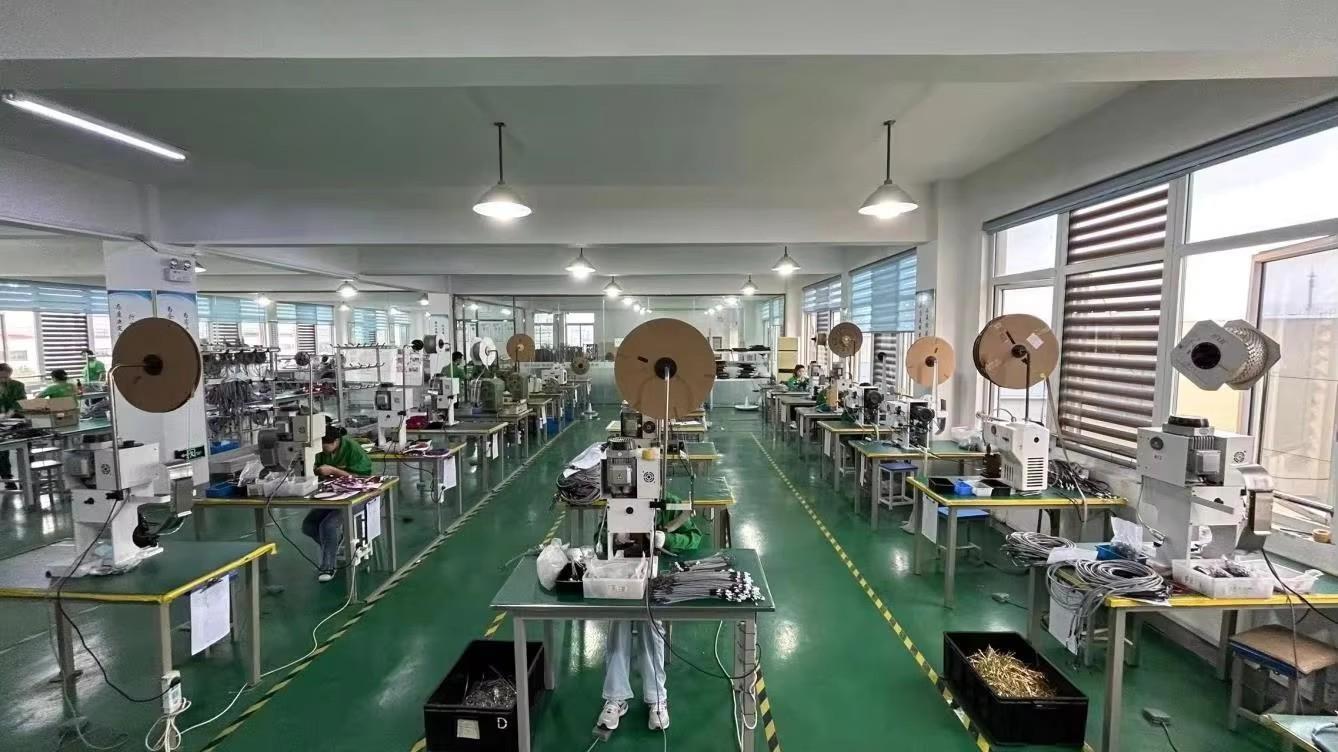
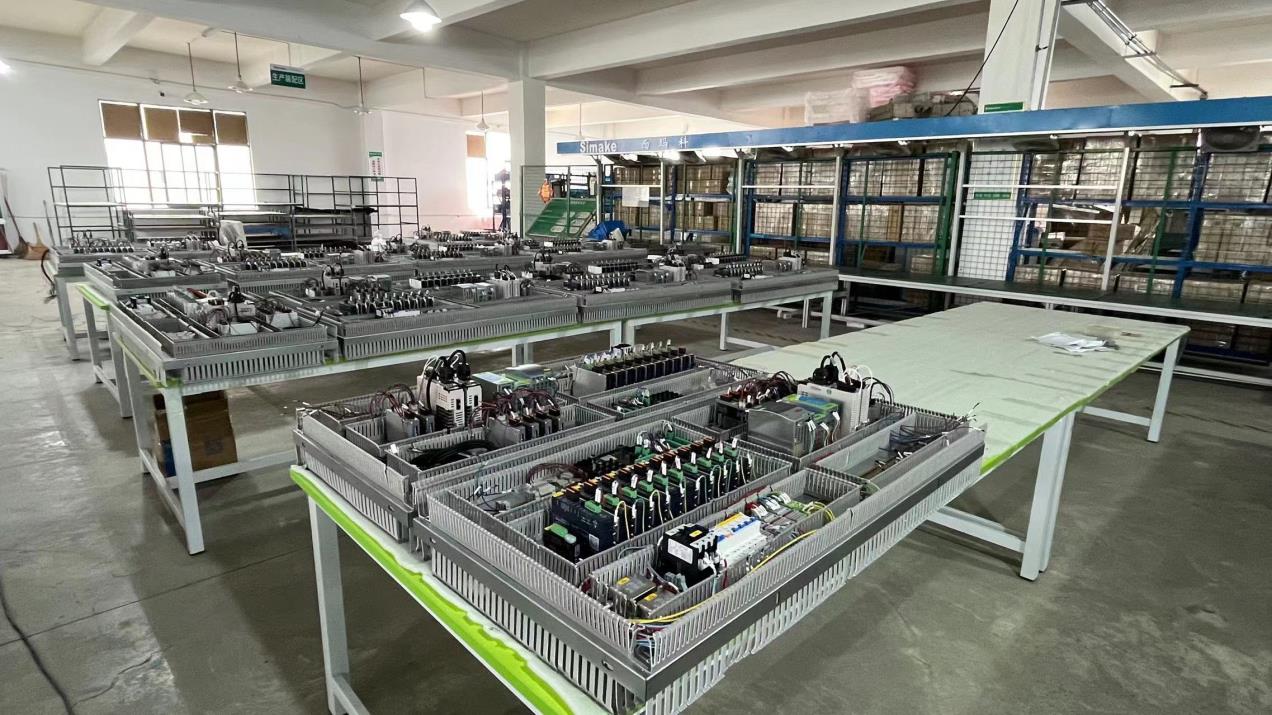
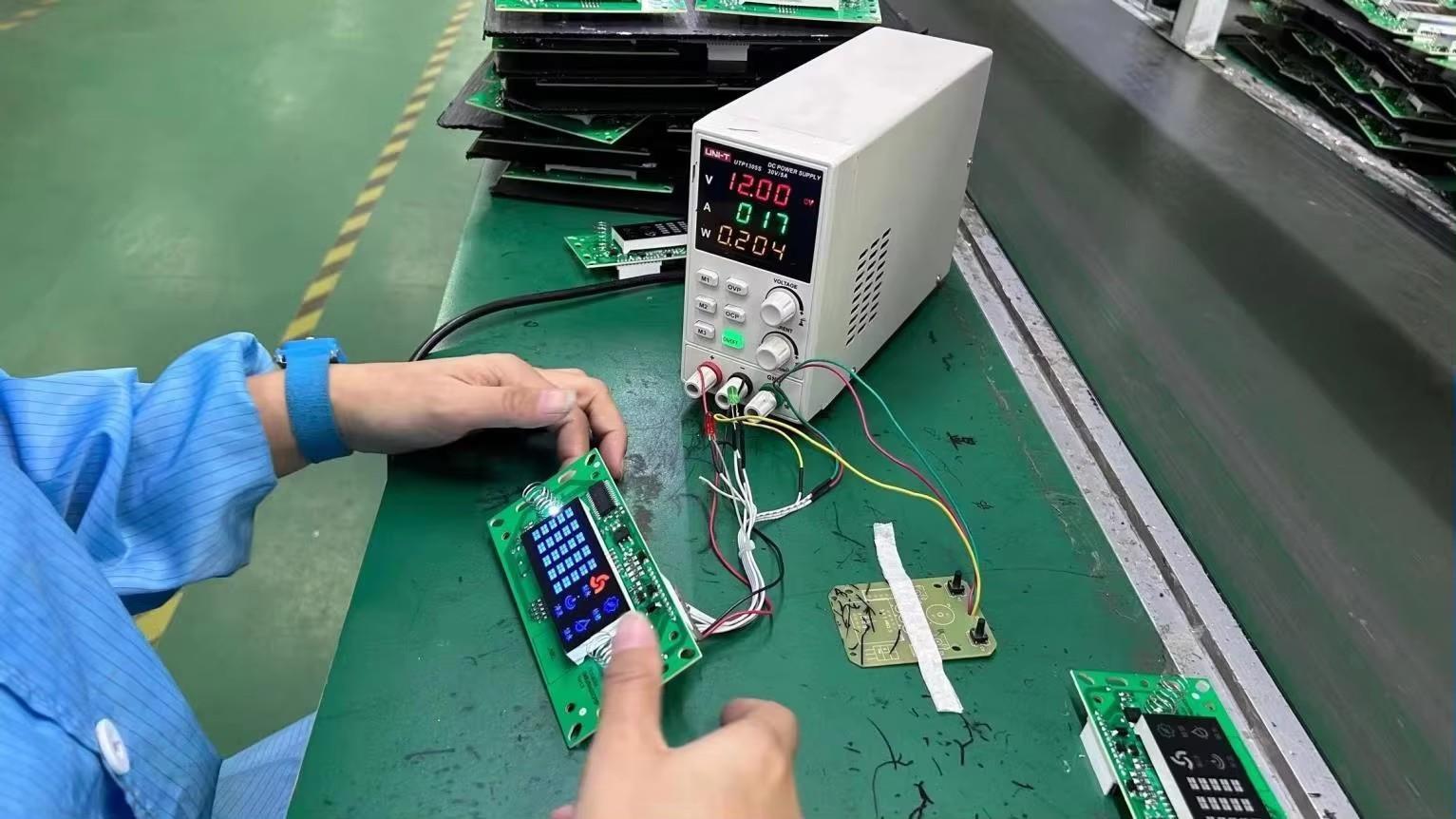
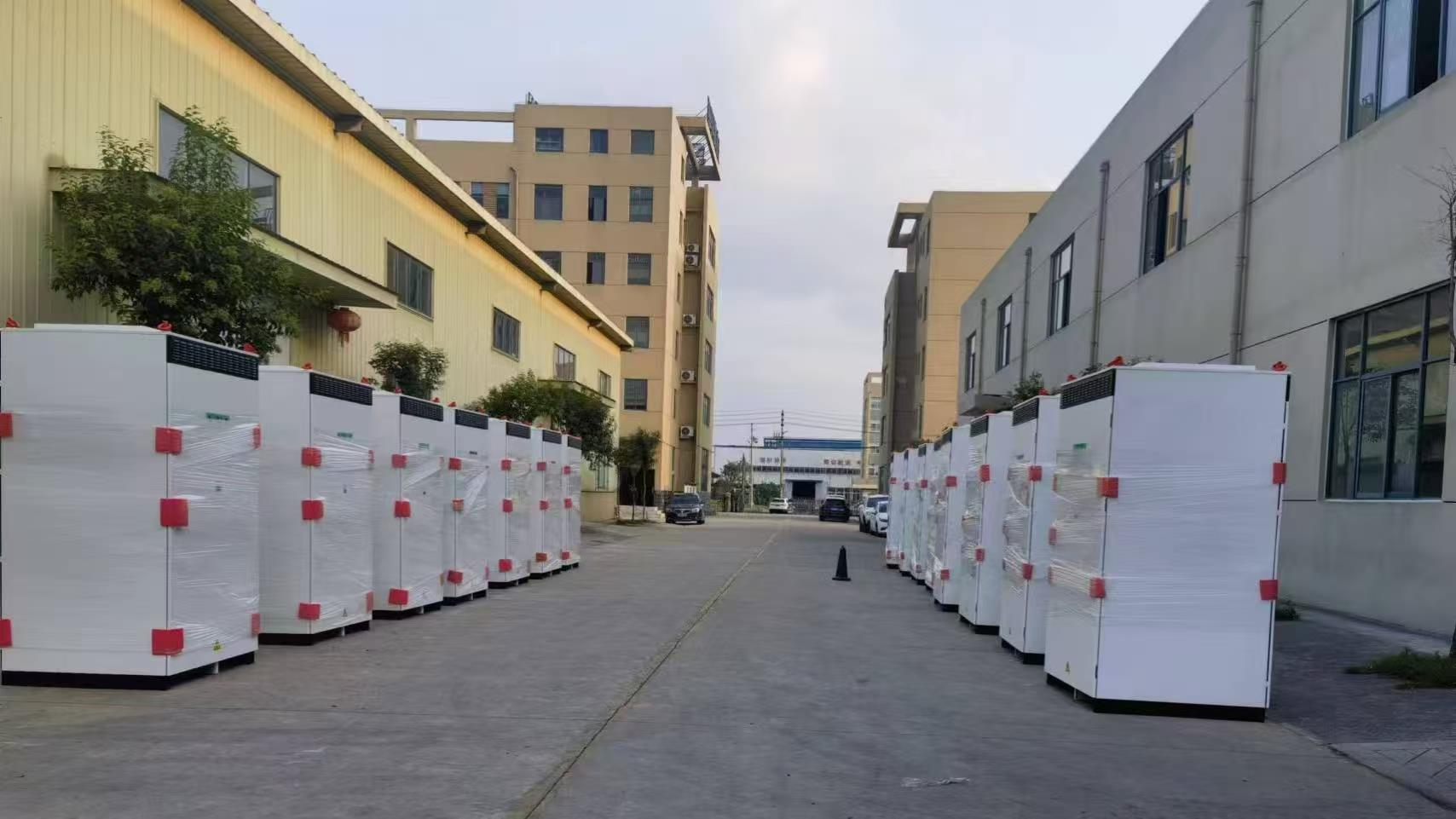
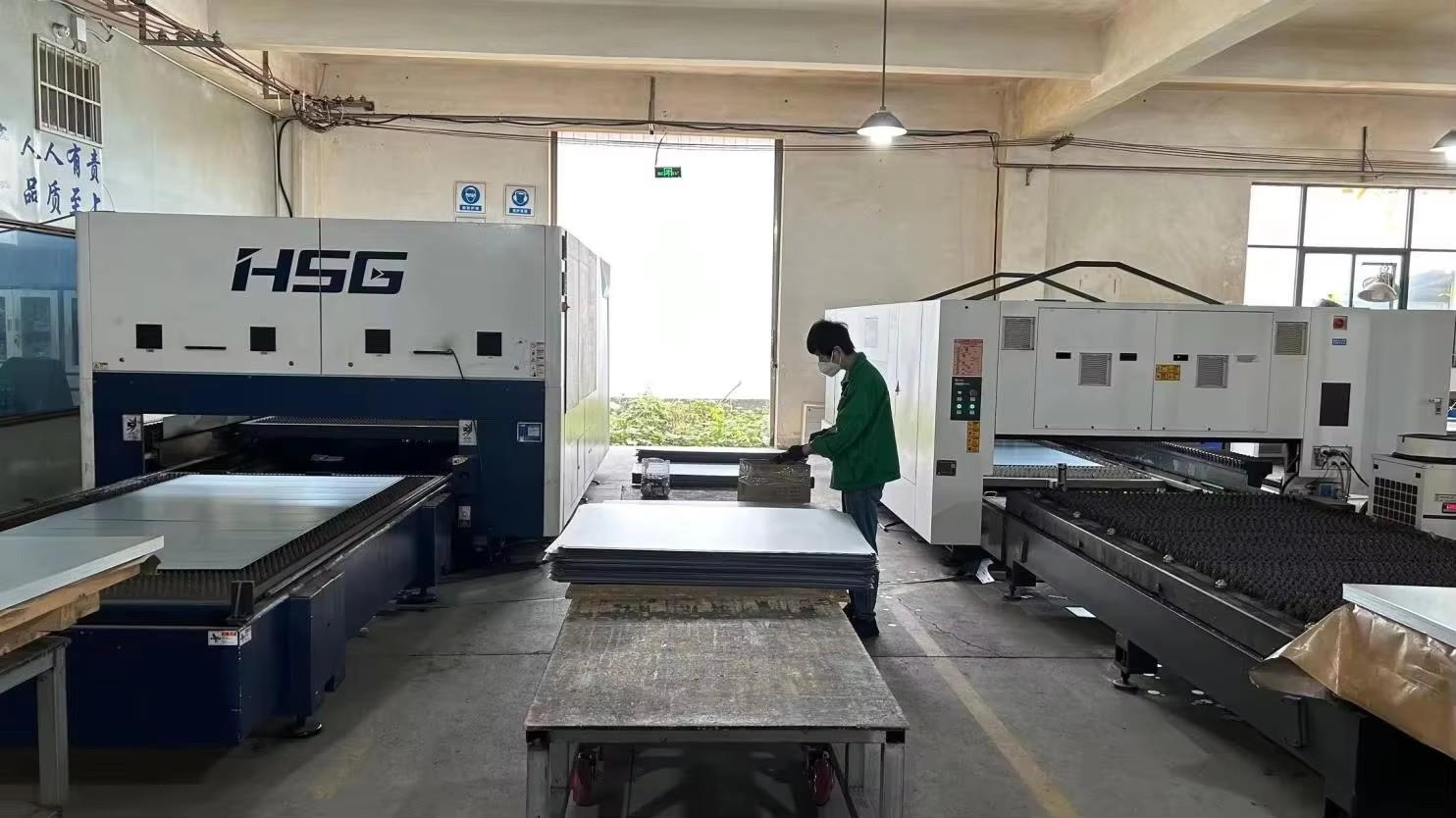
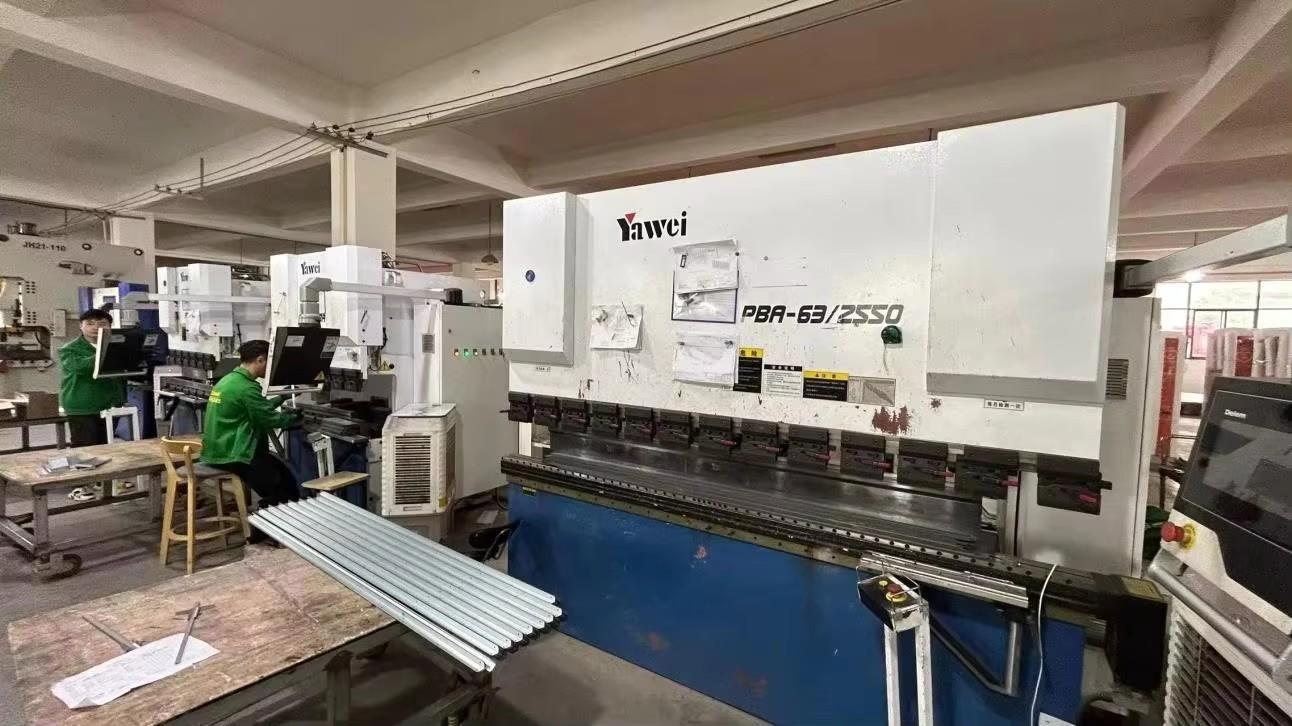
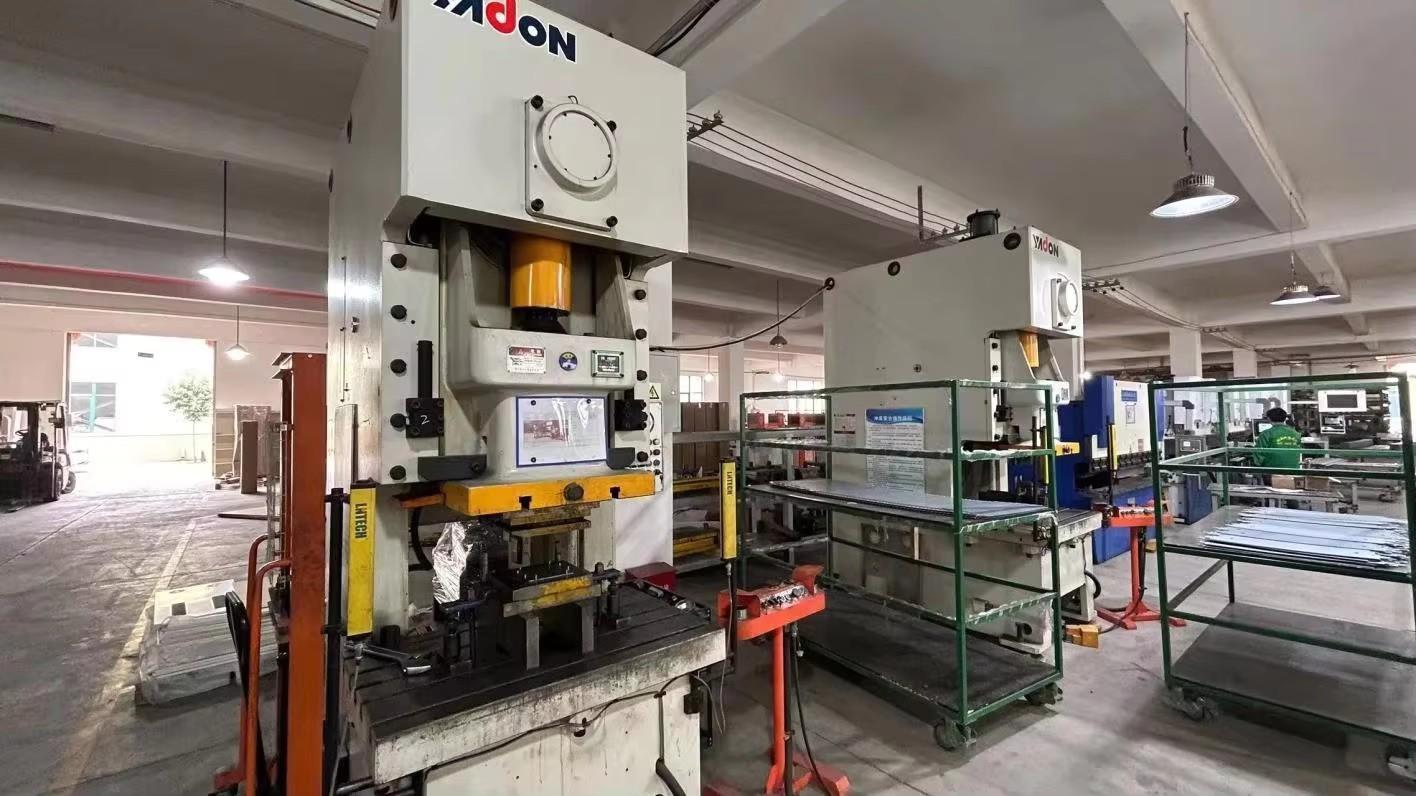
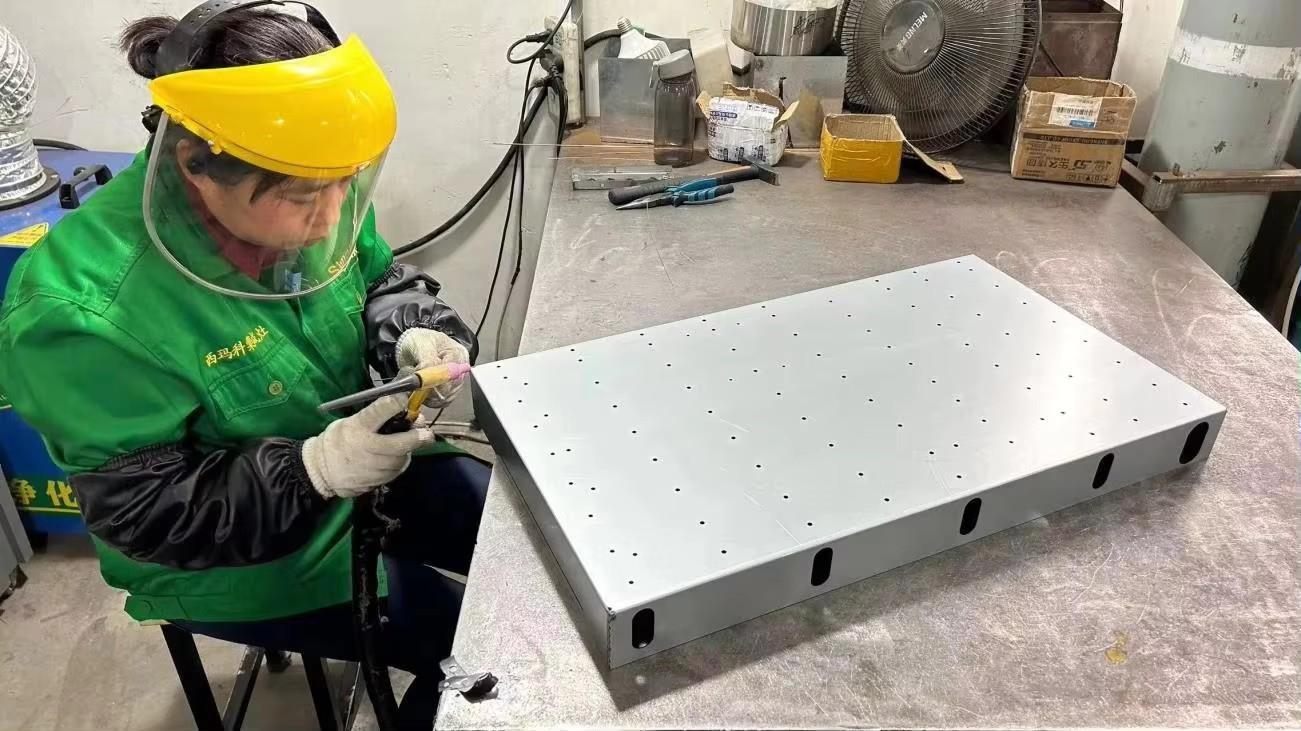
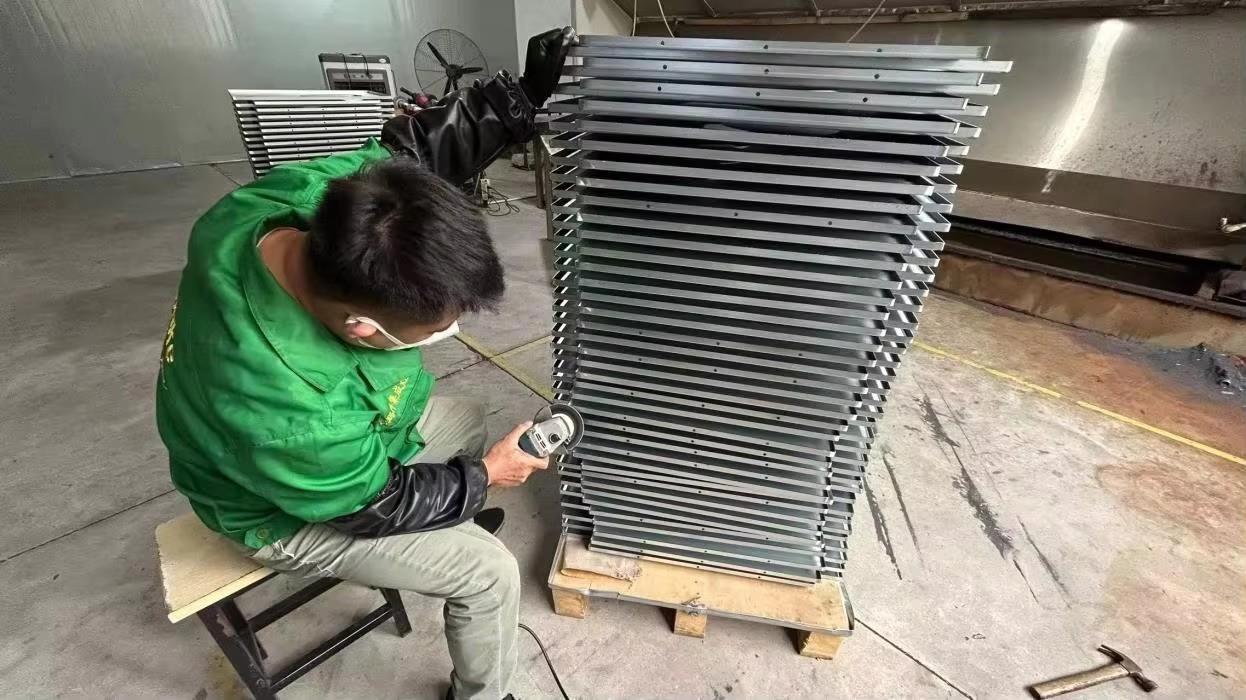
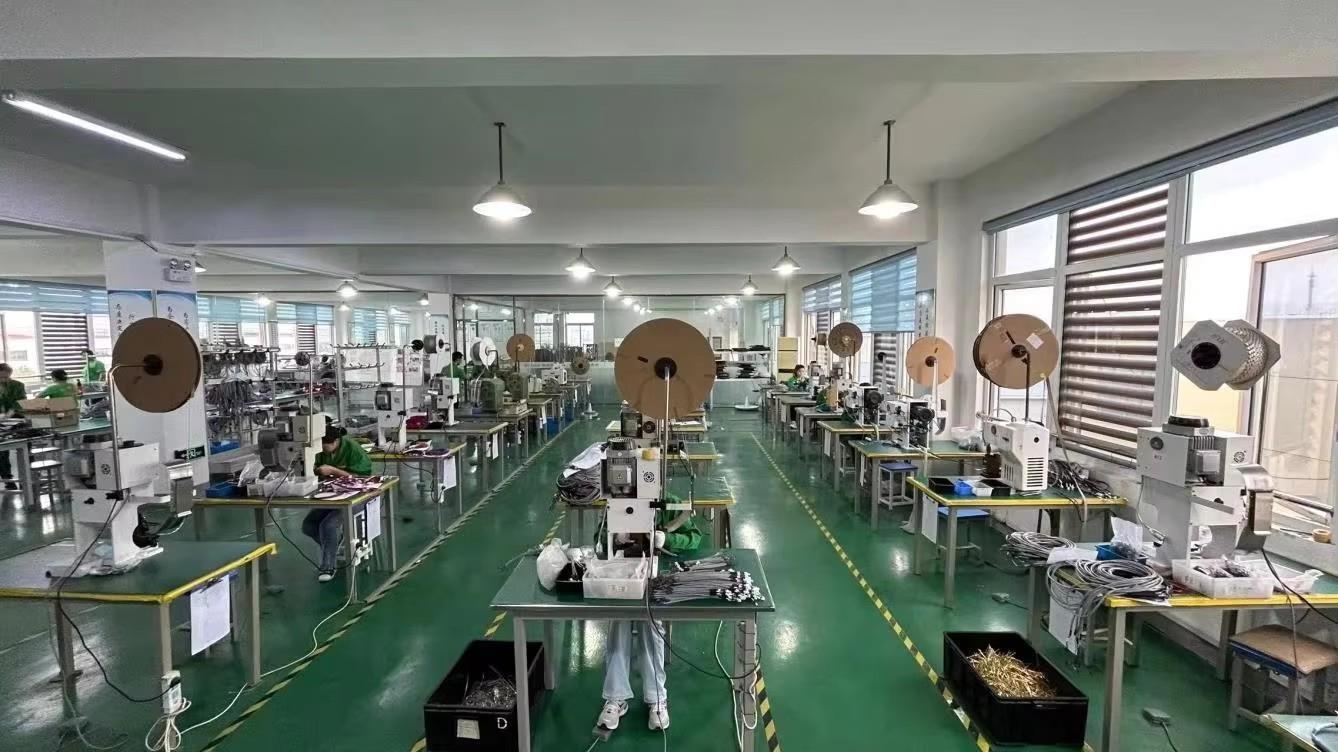
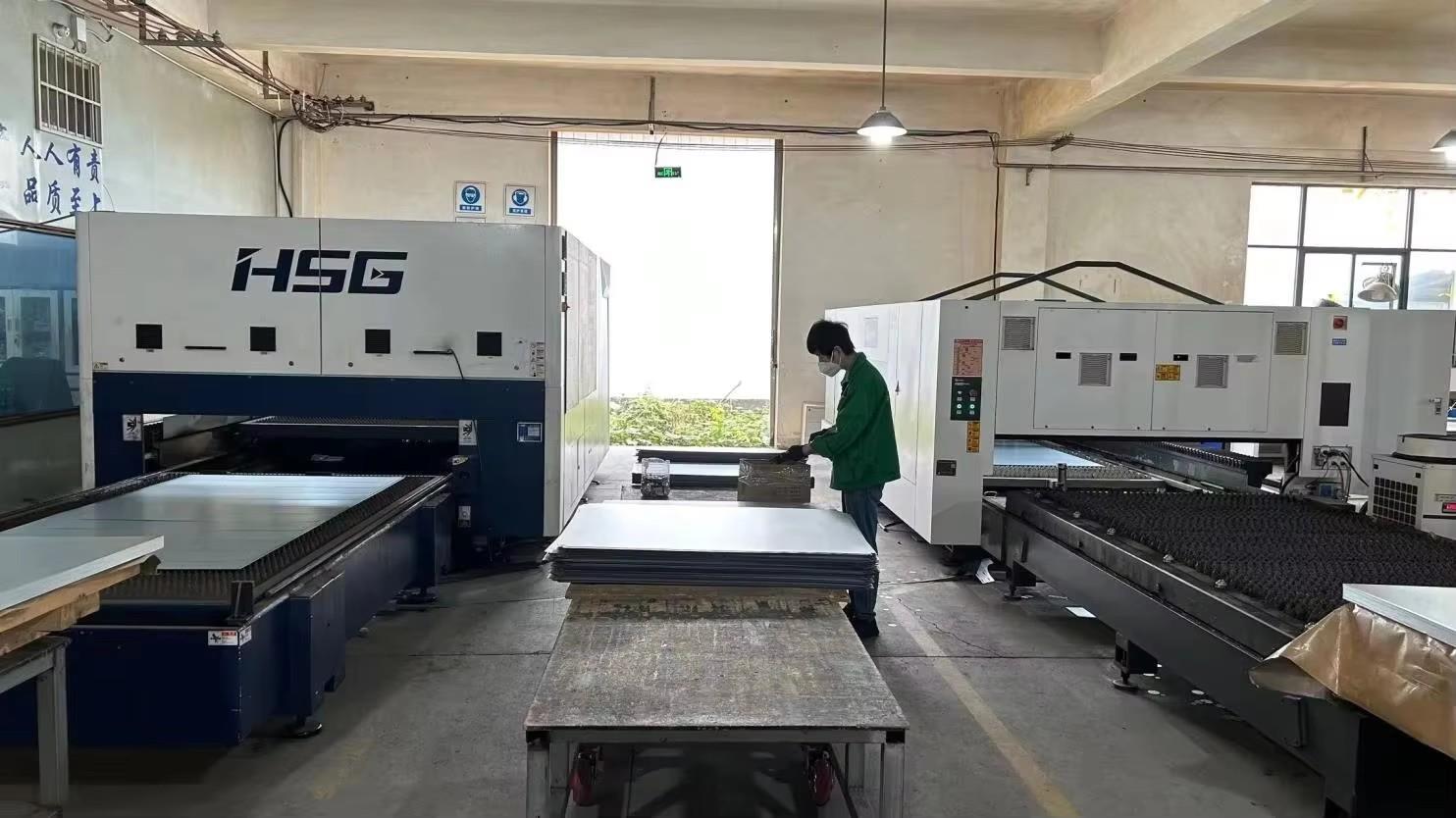
Every microinverter and solar component undergoes a multi-stage production and quality-assurance pipeline to ensure robust performance under high humidity and operating temperatures.
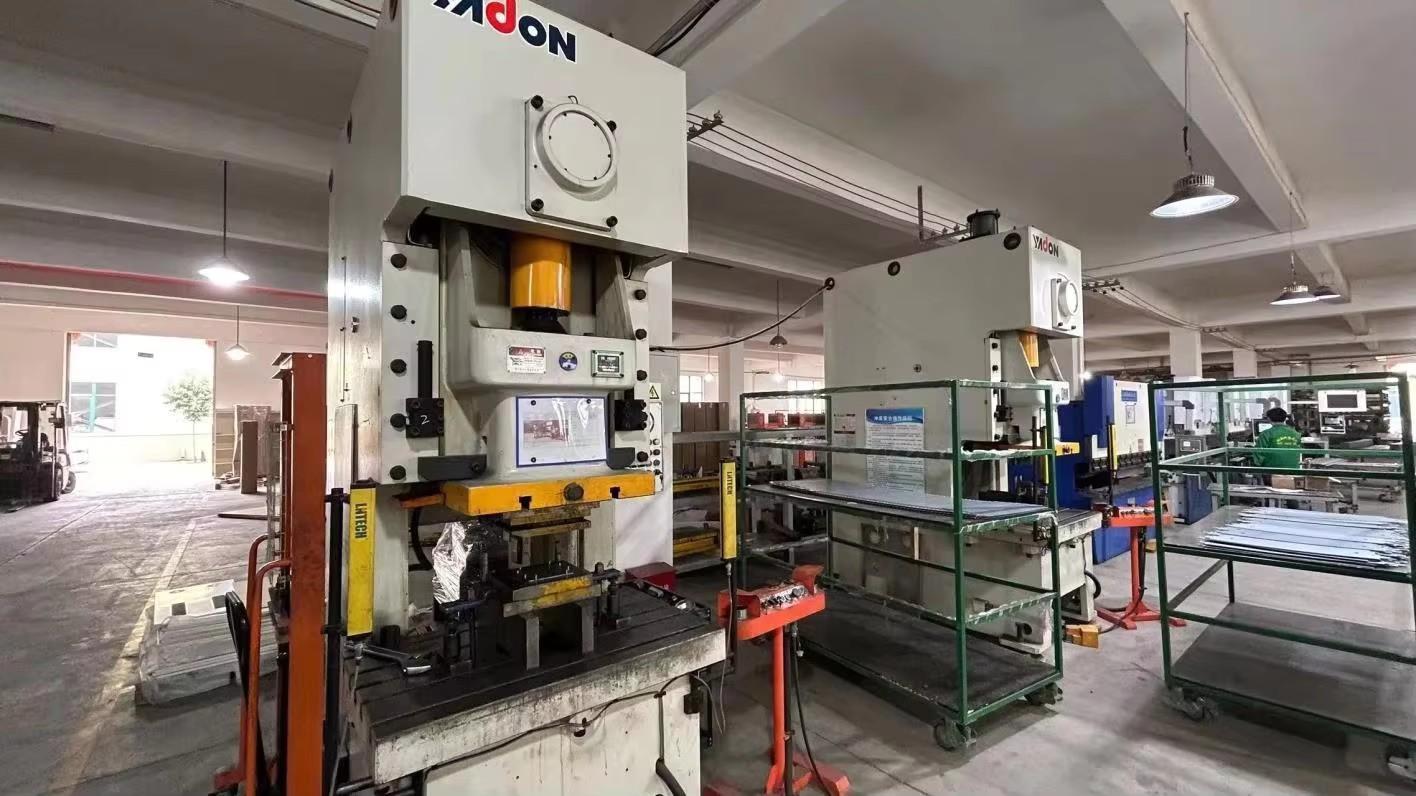
How local microinverter systems adapt to residential, commercial, industrial, and coastal topologies across the islands.
Bacolet, Crown Point, and Pigeon Point hotels face severe maritime humidity. String inverters placed outdoors deteriorate within years due to salty breezes. Utilizing IP67-rated microinverters tucked neatly behind individual solar panels on roofs protects sensitive electronics from salt corrosion and optimizes architectural aesthetics by eliminating bulky inverter rooms.
Heavy industrial plants in Trinidad's Point Lisas Industrial Estate consume high amounts of daytime power. Microinverters allow factory owners to deploy high-wattage PV arrays (utilizing up to 2800W microinverters) without generating hazardous, high-voltage DC runs inside production buildings, maintaining safety compliance and avoiding arc flash risks.
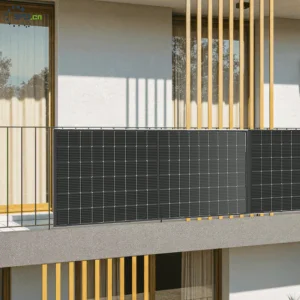
In urban areas like Port of Spain and San Fernando, building space is at a premium. Balcony solar kits utilizing plug-and-play microinverters permit apartment residents to offset air-conditioning baseloads by feeding electricity directly into local wall sockets, bypass complex permitting, and ensuring anti-backflow compliance.
Globally, the solar sector is transitioning away from massive centralized solar farms to distributed generation. Microinverters capture a growing share of the market, especially in regions prone to grid instability. This is driven by grid compliance regulations that require granular performance monitoring and safety mechanisms, such as rapid shutdown (NEC 2017/2020), which is natively supported by microinverter designs.
For international procurement departments and EPC directors, scaling PV systems means evaluating Total Cost of Ownership (TCO). While initial capital expenditure (CAPEX) for microinverters can be higher than string inverters, the elimination of systemic failure points, simplified system design, faster installation times, and longer warranties translate into a significantly lower levelized cost of energy (LCOE).
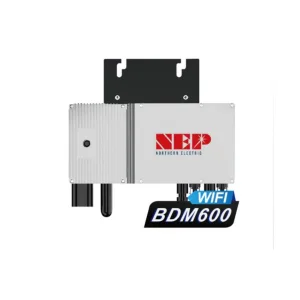
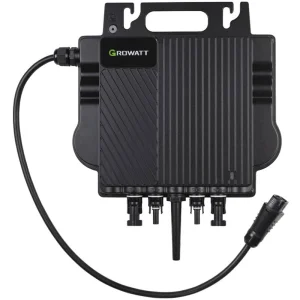
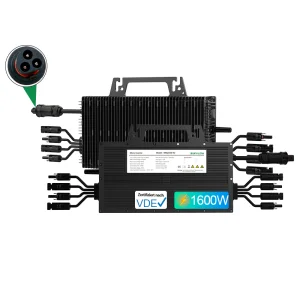
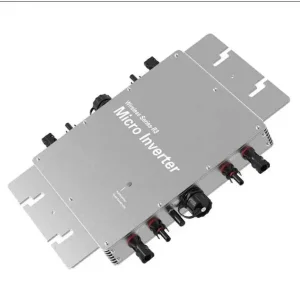
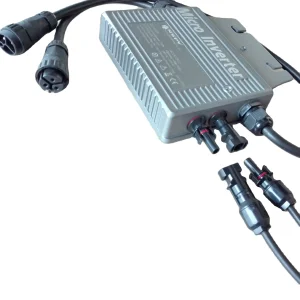
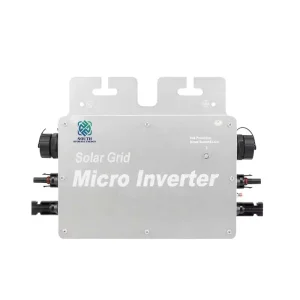
Browse our wide selection of certified grid-tie, off-grid, and hybrid solar microinverters designed for modern clean energy systems.
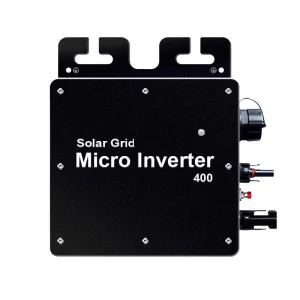
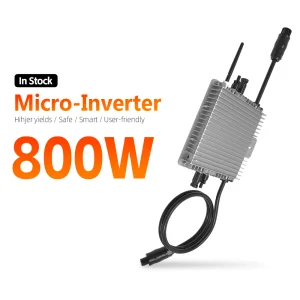
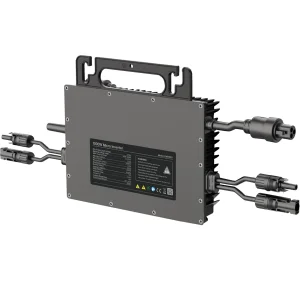
Key technical and commercial answers regarding solar microinverter implementation in Trinidad and Tobago.
 Luzz Solar