Optimized for shade resilience, thermal stability, and immediate grid integration within the Tokyo Metropolitan Area.
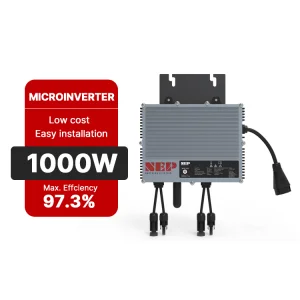
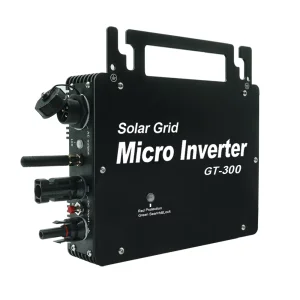
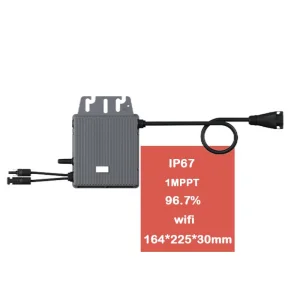
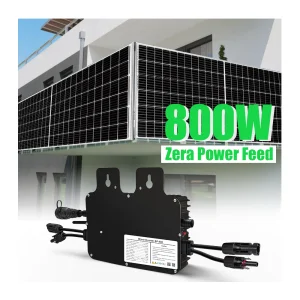
Tokyo is undergoing an unprecedented energy transformation. In alignment with the Tokyo Metropolitan Government's (TMG) aggressive decarbonization targets—specifically the historic 2025 residential solar mandate—developers, builders, and energy engineering firms are searching for systems that optimize power generation under extreme space and safety constraints.
Traditional central and string inverter architectures present significant pain points in Tokyo’s highly dense metropolitan structure. Rooftops are rarely spacious, unobstructed planes. Instead, they are characterized by multi-angle orientations, complex architectural shading from surrounding skyscrapers, and strict zoning limitations. A single shadow cast on a string system can slash energy output for an entire array.
This is where our microinverter technology excels. By performing Module-Level Power Electronics (MLPE) optimization, each solar panel operates independently at its maximum power point (MPPT). This architecture guarantees maximum energy yield even when neighboring buildings or dust cover partial arrays, offering up to a 25% increase in total yield over standard configurations in typical Tokyo locations.
Understanding the fundamental engineering differences between microinverters and string inverters under Japan's rigorous electric utilities standards.
| Performance Vector | Microinverter Architecture | String Inverter Architecture | Tokyo Grid Application Benefit |
|---|---|---|---|
| DC Safety Voltage | Low-Voltage DC (<60V) with direct AC conversion at the module. | High-Voltage DC loops (up to 600V-1000V) routing through walls. | Natively eliminates electrical arc risks, matching strict Tokyo Metropolitan Fire Department codes. |
| Shade Resilience | Individual module MPPT prevents global power dropouts. | The weakest module dictates string efficiency; partial shade ruins performance. | Crucial for high-density districts (e.g., Shinjuku, Minato) where shading is unpredictable. |
| Scalability & Retrofits | Modular structure allows seamless unit addition over time. | Fixed capacity requiring total redesign for system expansions. | Enables homeowners to start small on narrow rooftops and scale capacity later. |
| Disaster Recovery | Decentralized design ensures single component failure does not affect the rest. | Single point of failure shuts down the entire system. | Ensures resilient emergency backup power during seismically active Tokyo events. |
Engineered to meet specific regulatory, spatial, and mechanical demands of residential and light-commercial Tokyo infrastructure.
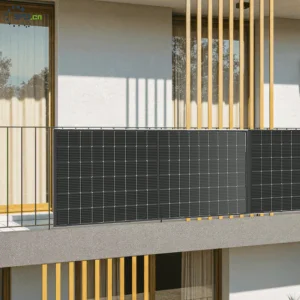
With massive populations residing in condominiums, balcony PV systems have emerged as an essential segment. Our compact, plug-and-play microinverters operate directly with individual panels, converting power cleanly to inject into the residential loop, bypassing complex spatial limitations.
Newly built single-family homes under Tokyo's new construction codes must incorporate green power. The modular design of microinverters permits installation on complex roof shapes, including multi-pitch and narrow dormers, optimizing energy yields where string inverters fail to operate.
Given the vulnerability to earthquakes, Tokyo microgrids need rapid, off-grid capacity. Our bidirectional capability enables microinverters to pair with local energy storage systems, establishing independent power loops for emergency medical devices and communications when the main utility grid fails.
The next decade of decentralization is defined by hardware intelligence. By shifting away from silicon toward high-frequency Gallium Nitride (GaN) power stages, our R&D roadmap achieves lighter profiles and smaller footprints, keeping thermal output low in compact residential settings.
Additionally, integration of Bidirectional V2H (Vehicle-to-Home) interfaces guarantees that solar generation is routed to electric vehicle batteries without double-inversion losses. These advancements position our products at the forefront of modern home energy management systems (HEMS).
In addition to raw power efficiency, modern metropolitan power distributors like TEPCO require smart grid interactive controls. Our microinverter systems utilize AI-enhanced firmware to facilitate grid stabilization mechanisms directly at the point of common coupling (PCC).
Equipped with active voltage regulation, frequency response controls, and real-time reactive power dispatch capabilities, the systems actively help manage voltage fluctuations in local networks. This prevents localized grid spikes and ensures trouble-free grid-tie approvals from Japanese utility regulators.
Qingdao Luzz Solar Co., Ltd. is a professional new energy enterprise specializing in the development, manufacturing, and global distribution of photovoltaic (PV) products and integrated energy storage solutions. Located in Qingdao, China, the company benefits from a well-established renewable energy industrial base and advanced manufacturing capabilities.
With the accelerating global transition toward carbon neutrality and sustainable development, Luzz Solar is committed to providing efficient, reliable, and cost-effective clean energy solutions to customers worldwide. Our product portfolio includes high-efficiency solar photovoltaic modules, energy storage systems, and integrated solar application solutions designed for residential, commercial, and utility-scale projects.
Driven by technological innovation and quality excellence, the company continuously invests in R&D and production optimization to improve product performance, energy conversion efficiency, and system reliability. We strictly adhere to international quality standards and implement rigorous quality control throughout the entire production process to ensure stable and long-term product performance.
Qingdao Luzz Solar actively expands its global market presence, with business coverage across Asia, Europe, the Middle East, Africa, and Latin America. By working closely with international partners, we are committed to delivering tailored energy solutions that meet diverse regional needs and support the global energy transition.
Guided by the core values of integrity, innovation, cooperation, and sustainability, Luzz Solar strives to become a trusted global partner in the new energy industry. We are dedicated to advancing solar technology and contributing to a greener, more sustainable future.
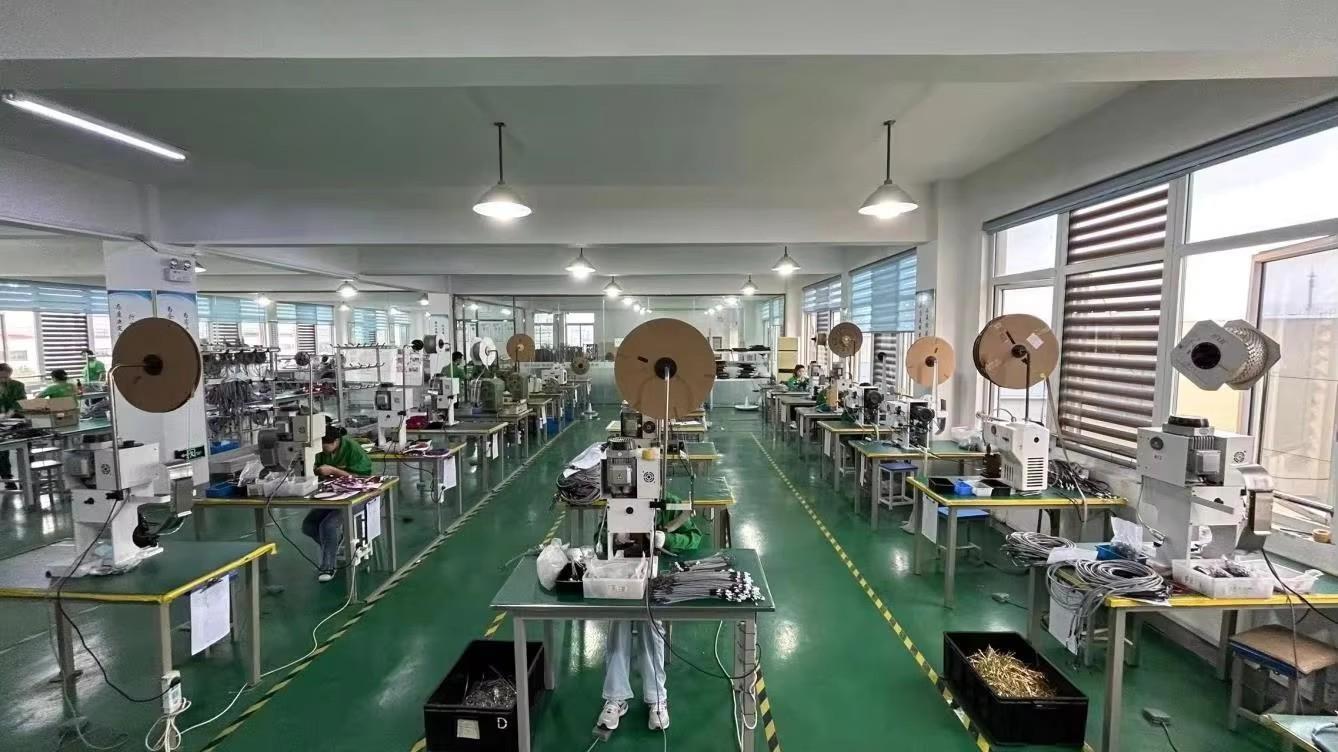
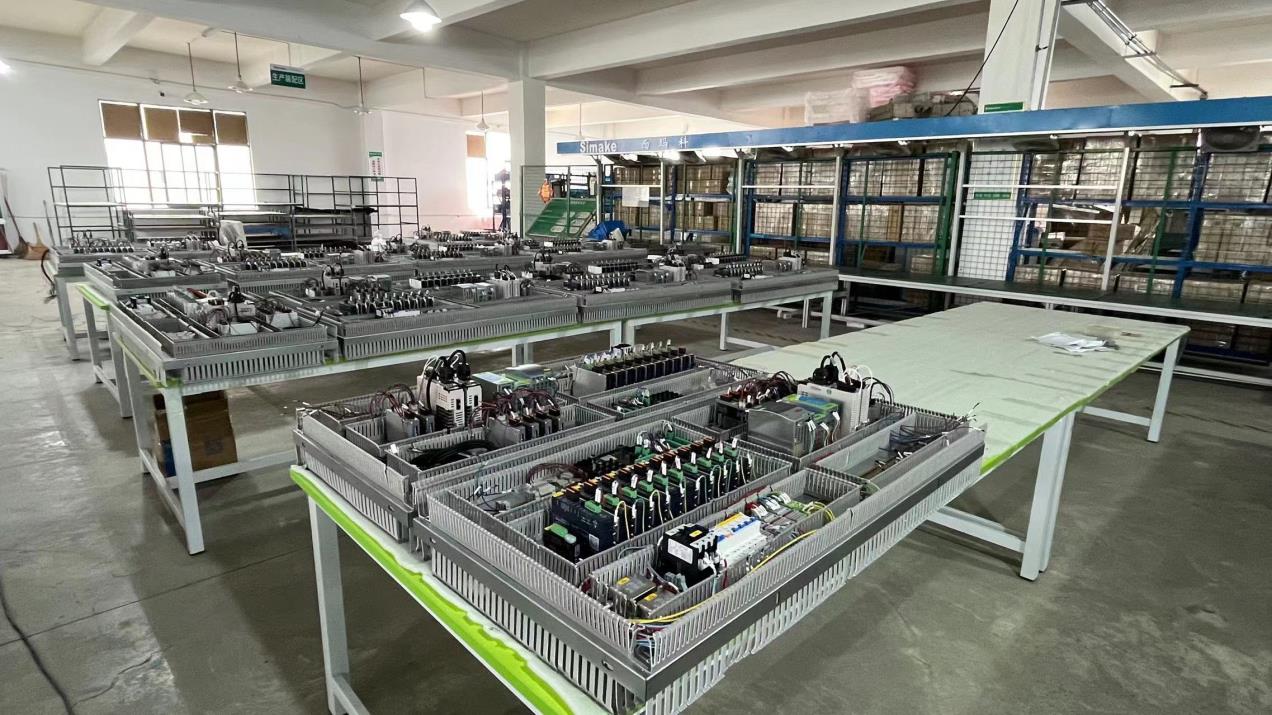
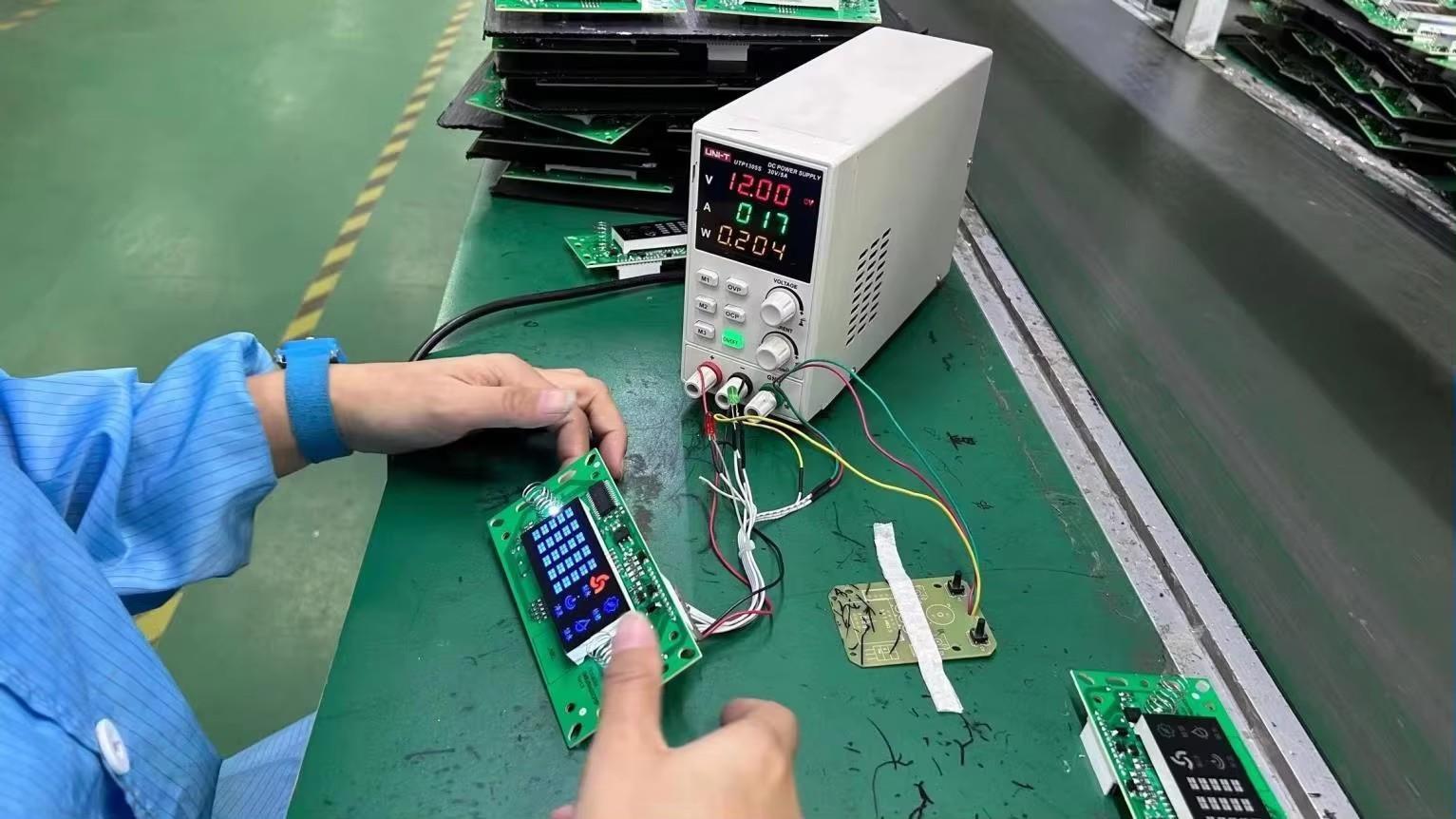
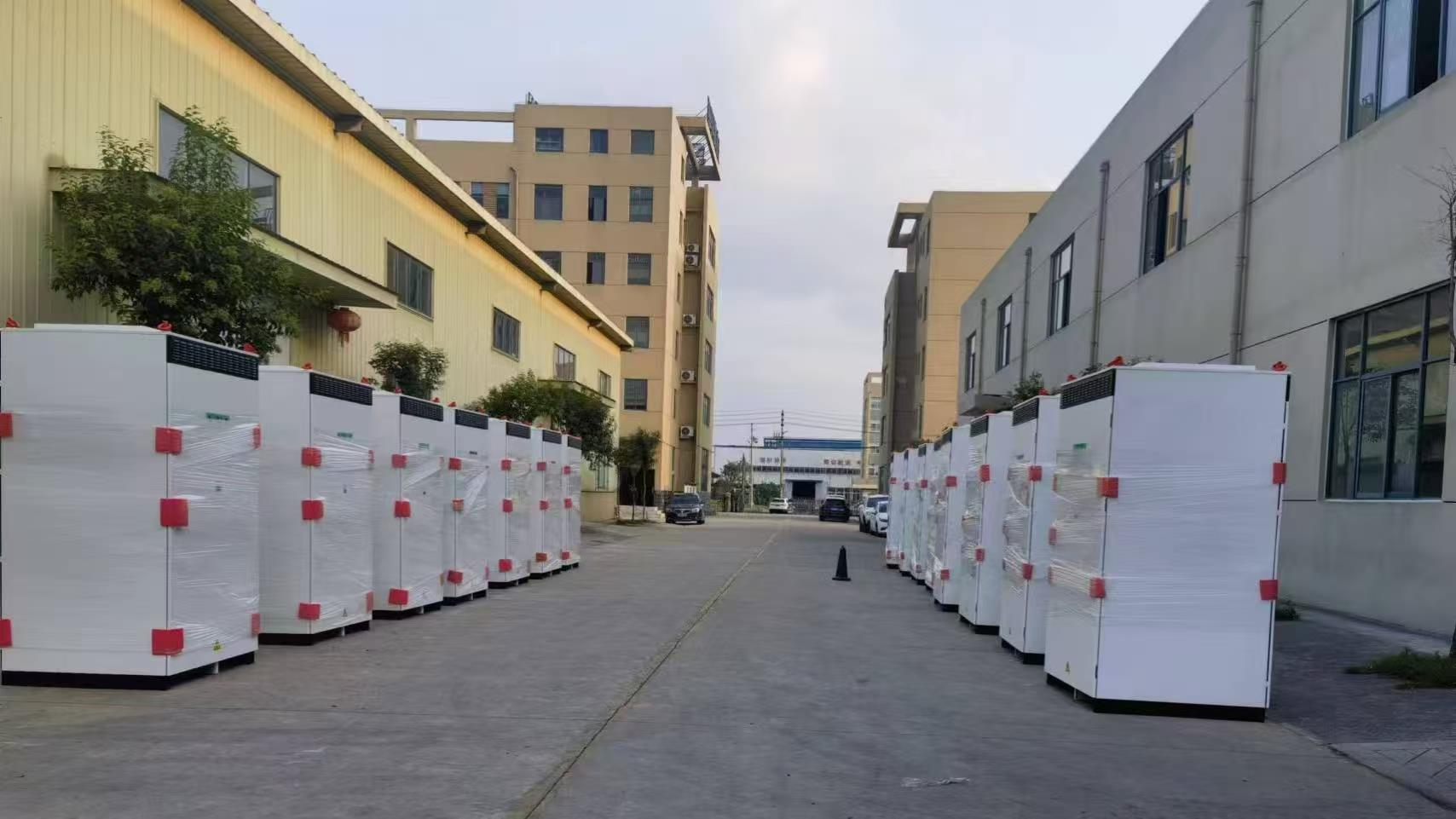
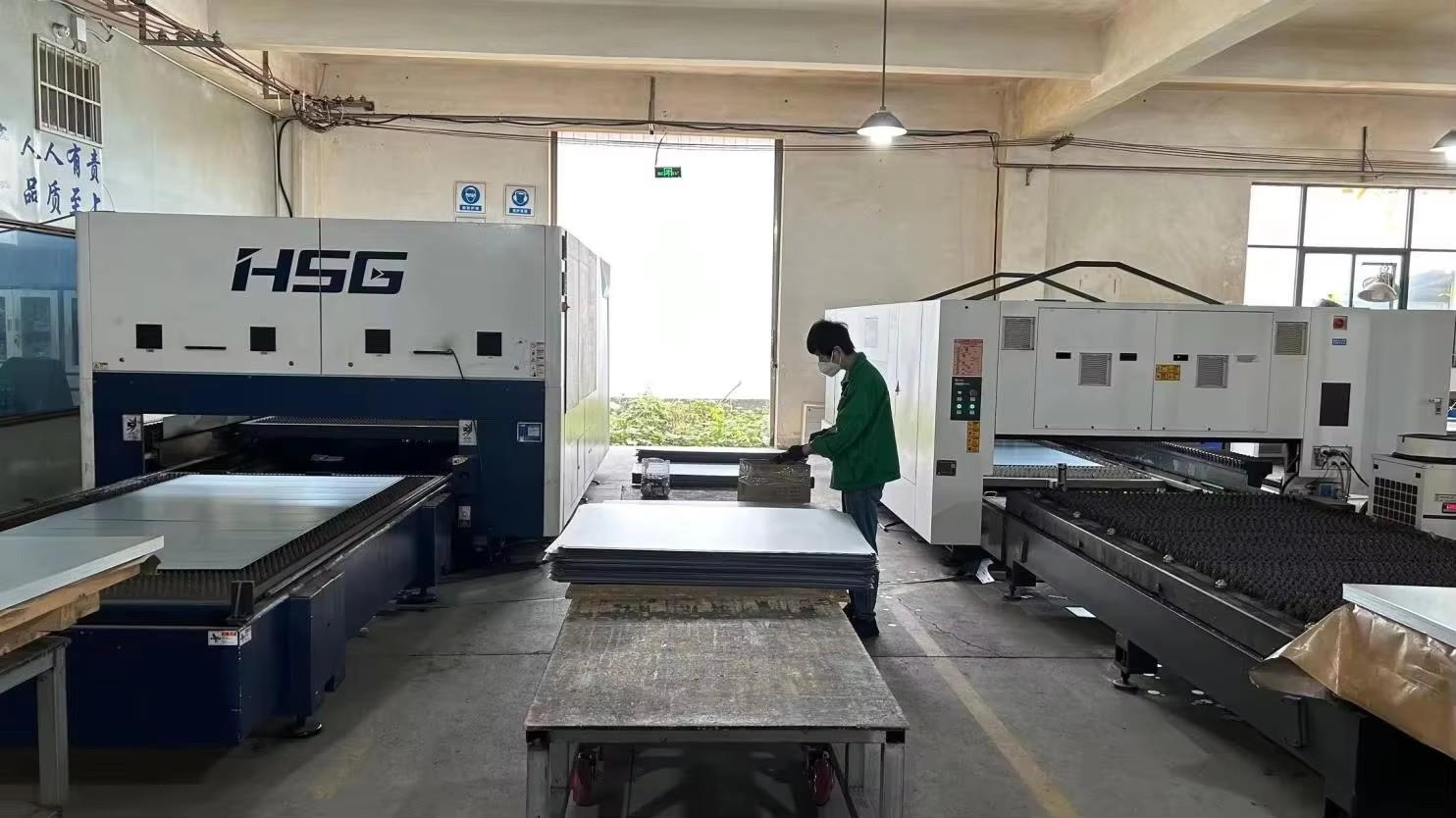
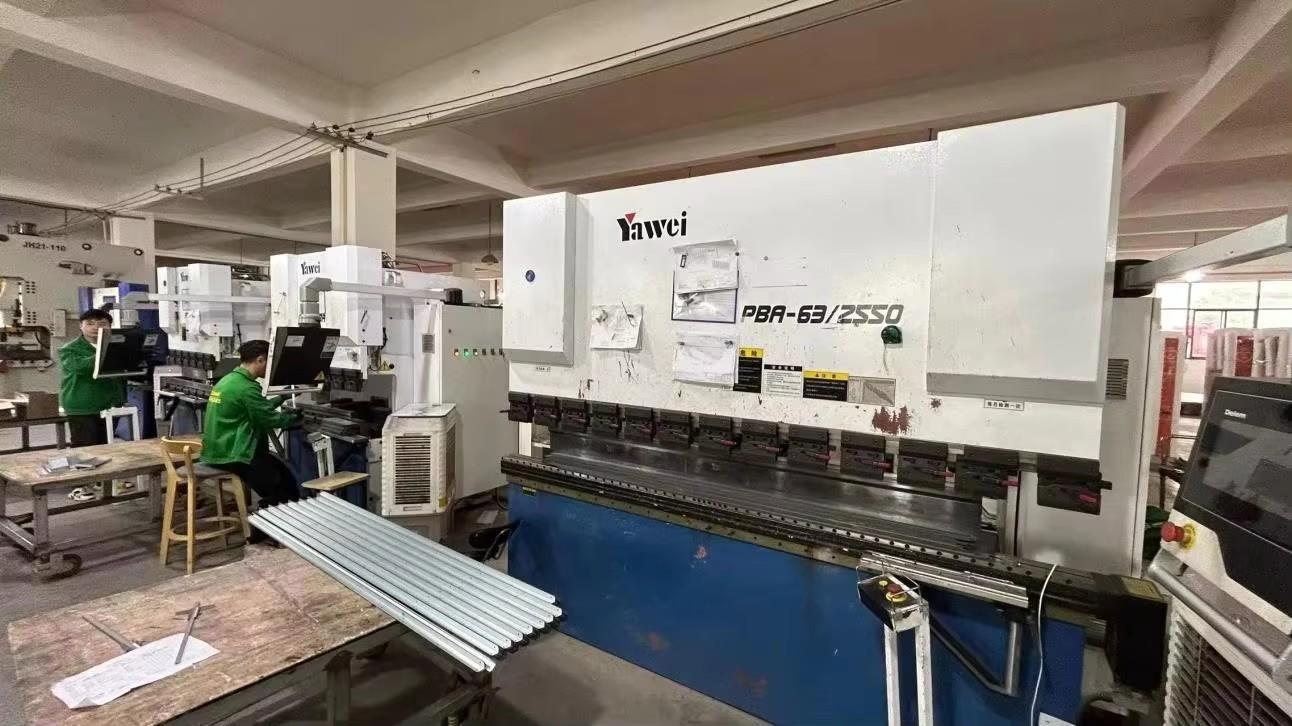
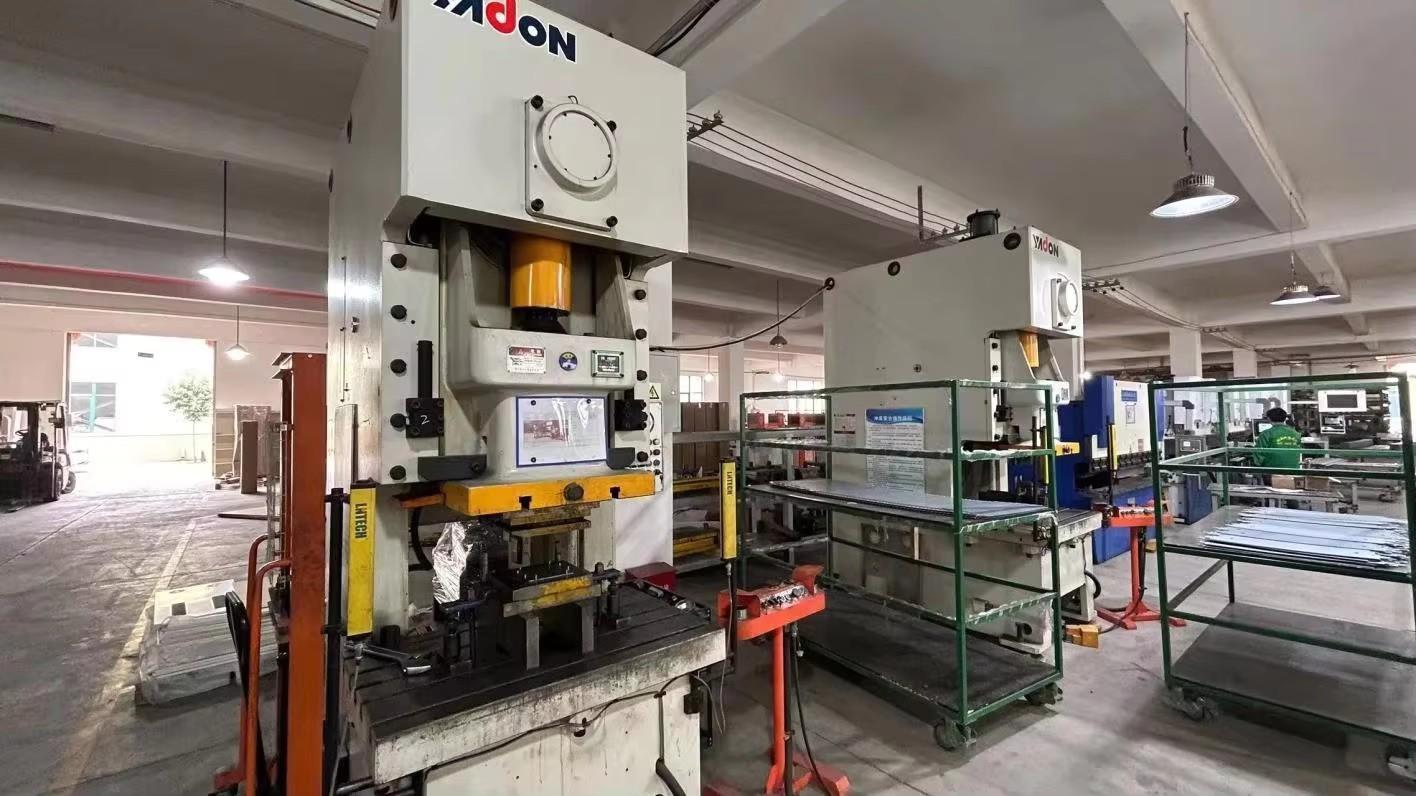
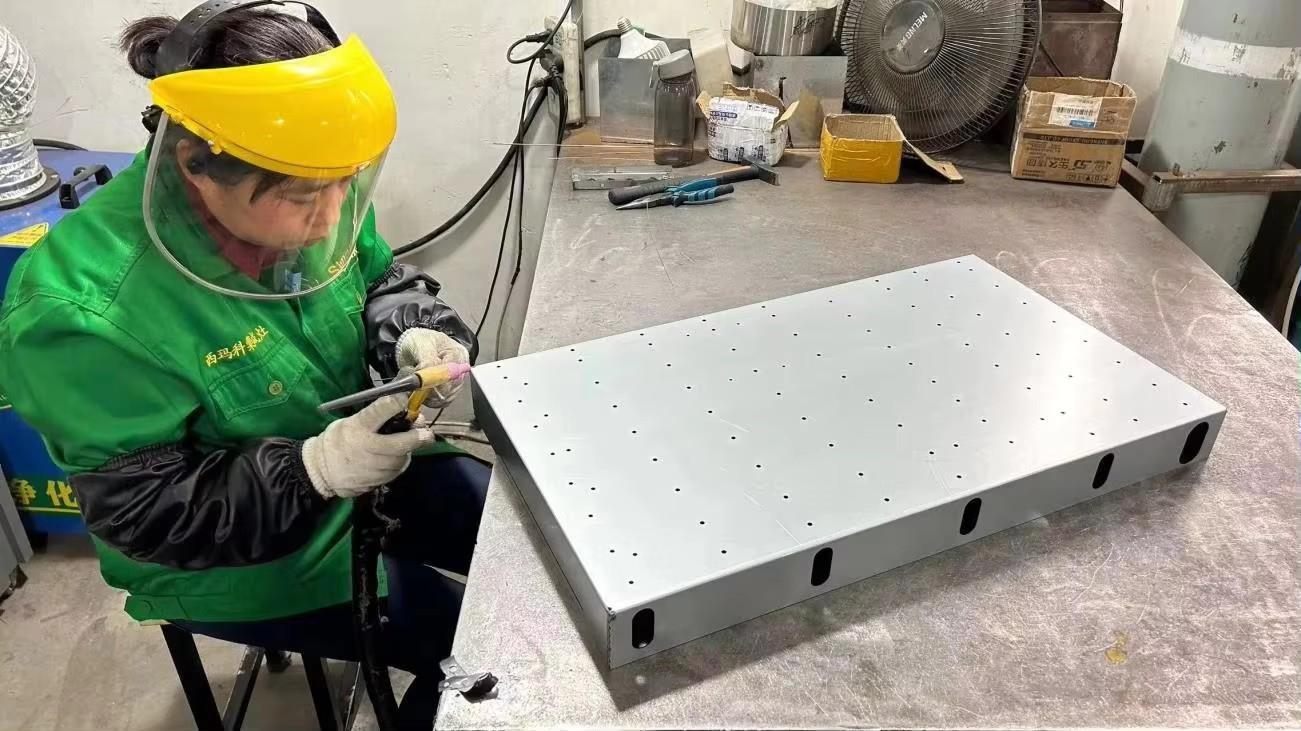
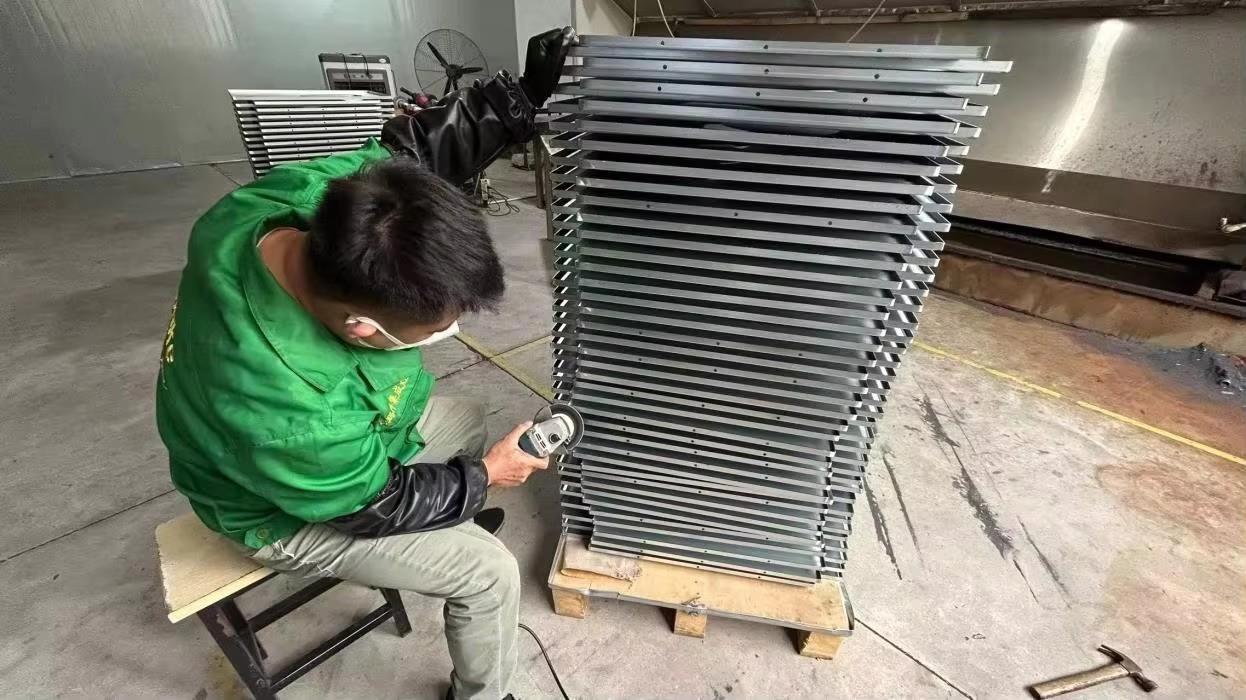
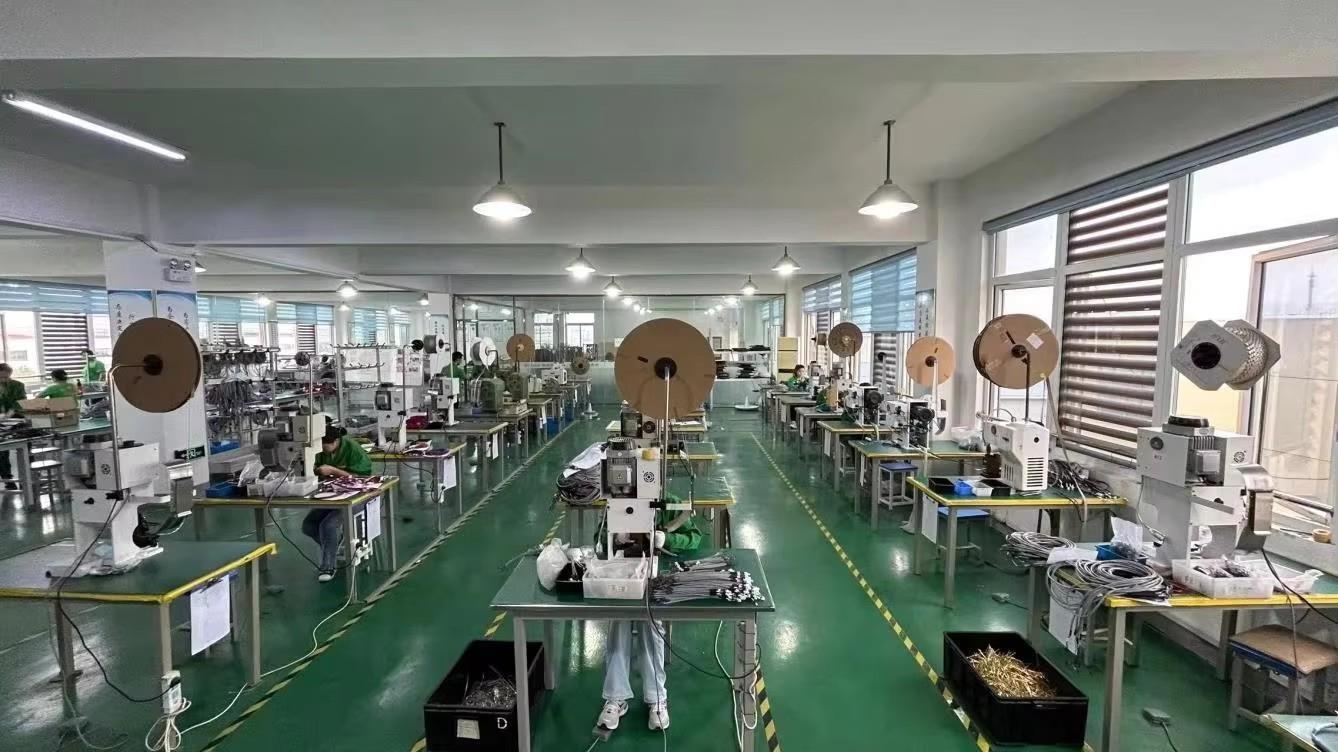
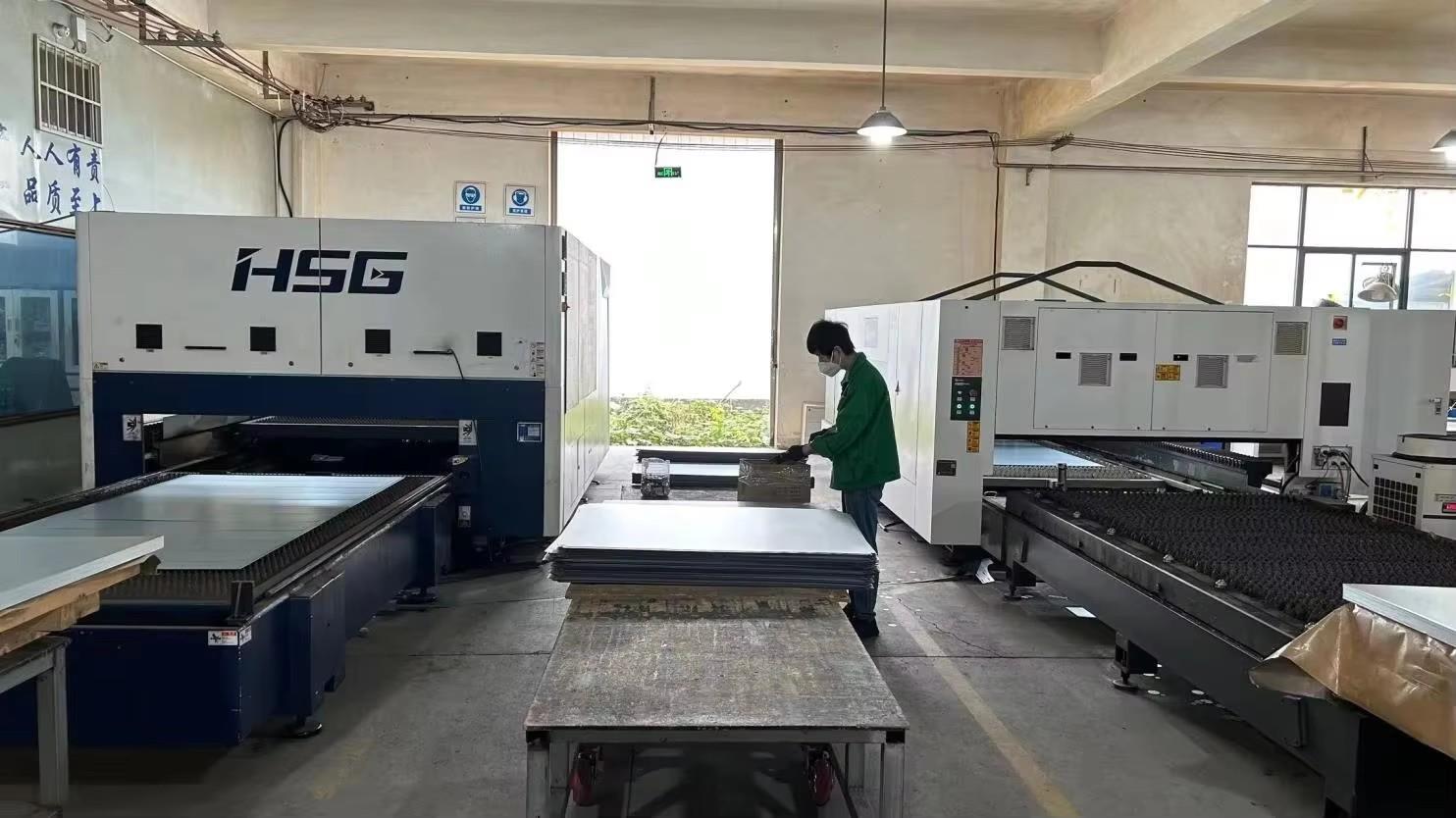
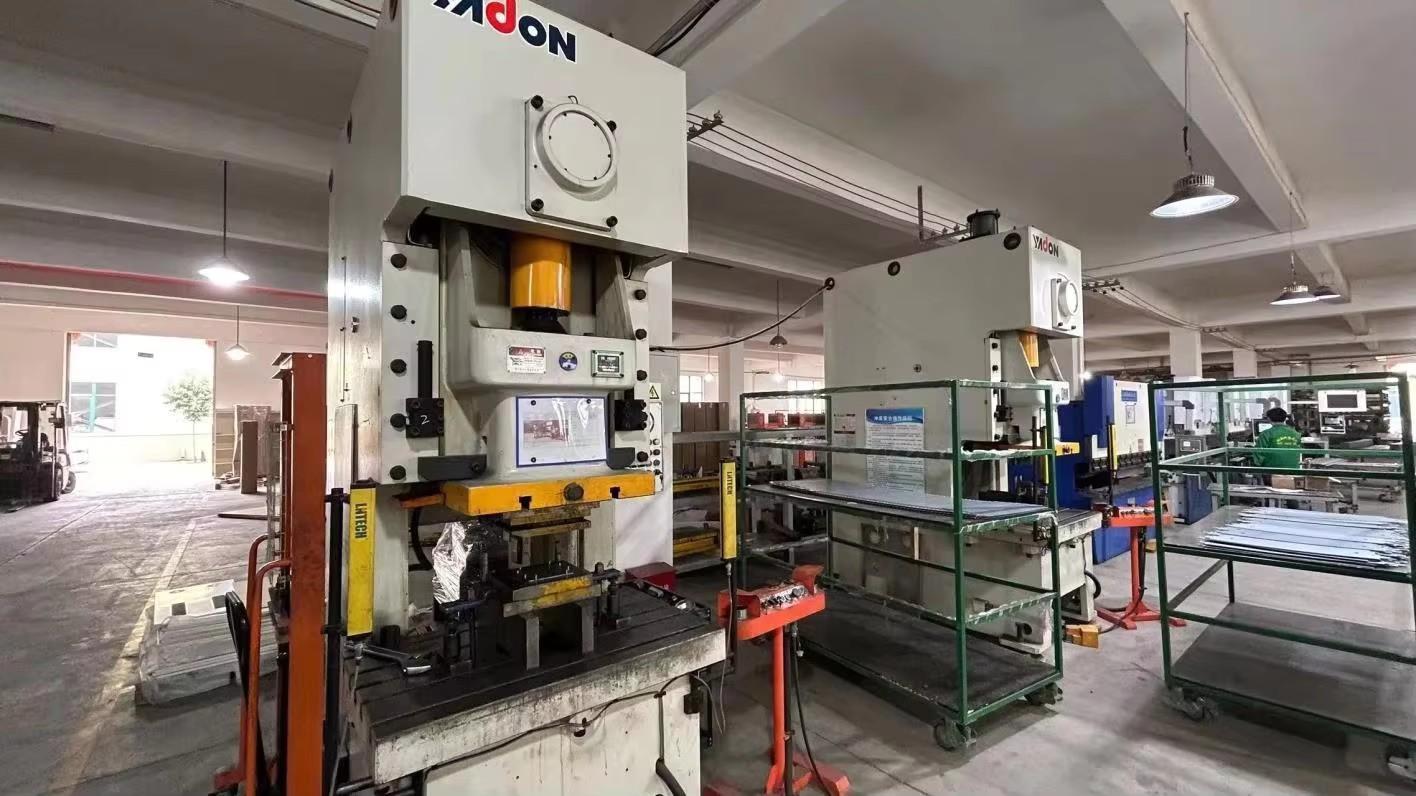
Through our advanced industrial base in Qingdao, China, Luzz Solar capitalizes on a highly integrated clean energy supply chain. We maintain long-term, direct strategic partnerships with primary raw material manufacturers and semiconductor providers. This vertical optimization keeps us insulated from volatile global logistics, providing consistent production runs and secure component allocation during peak manufacturing seasons.
Proximity to the Port of Qingdao—one of Asia's premier shipping hubs—enables fast transport lines directly to the Port of Tokyo. This translates to shortened lead times, allowing Japanese solar distributors and engineering companies to minimize inventory holding costs. Operating out of China's primary high-tech production cluster allows us to maintain strict quality standards while offering price points that support strong installation margins across Japan.
Deploying energy equipment within the Tokyo power infrastructure requires strict compliance with domestic regulatory policies. All Luzz Solar microinverters built for Japan satisfy the required standards to ensure grid connection approval.
We work in alignment with METI (Ministry of Economy, Trade and Industry) technical specifications, securing necessary certifications, including the PSE (Product Safety Electrical Appliance & Material) mark. Our microinverters feature high-level reactive power control algorithms and anti-islanding protection methods specifically designed to comply with local grid codes (including TEPCO guidelines). Installers and distributors can rely on our local engineering support desks for straightforward documentation, grid-connection approval processes, and structural design advice.
Answers to common questions regarding microinverter installations, regulations, and system performance in the Tokyo Metropolitan Area.
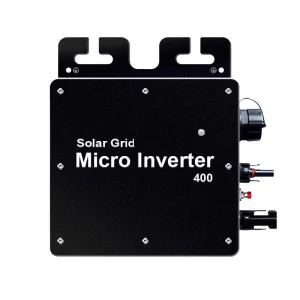
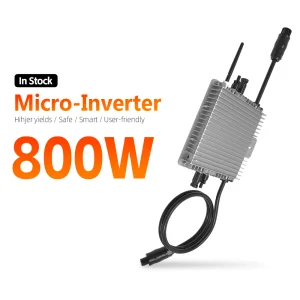
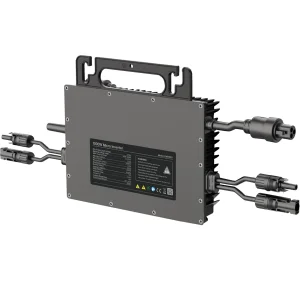
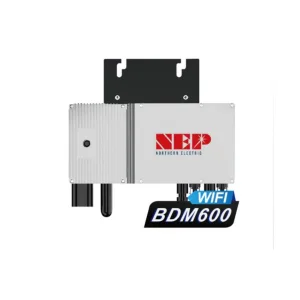
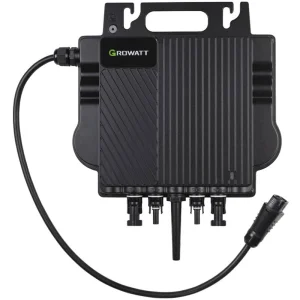
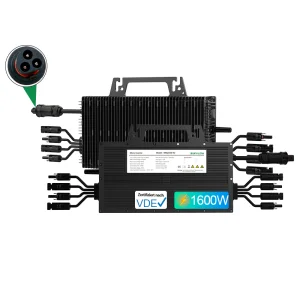
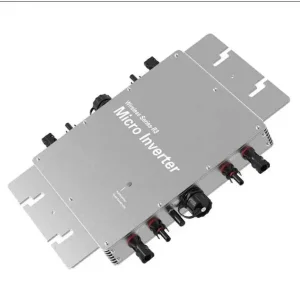
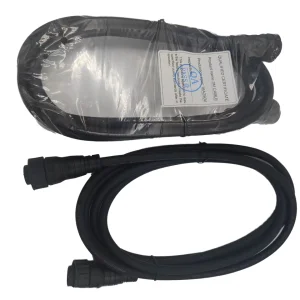
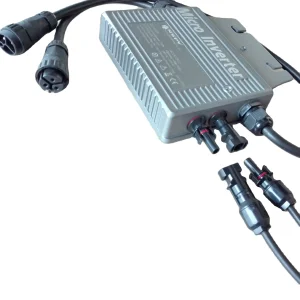
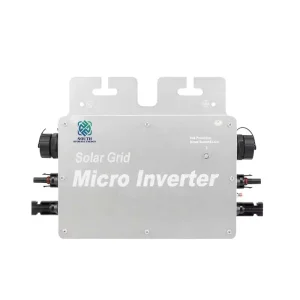
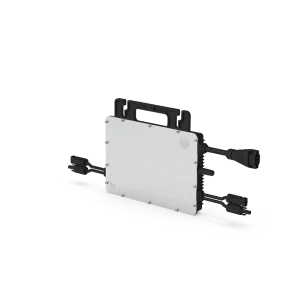
Complete selection of microinverters engineered for various power ratings, voltage stages, and application setups.
 Luzz Solar