Optimized for tropical climate efficiency, localized grid profiles, and high-temperature thermal resilience.
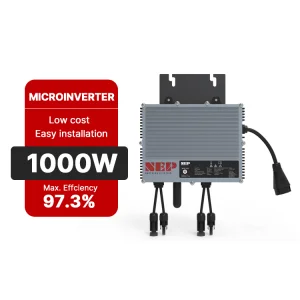
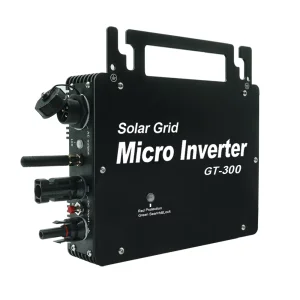
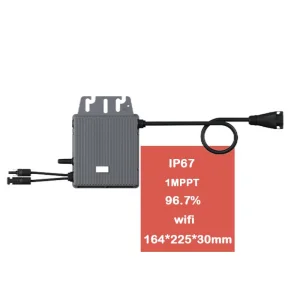
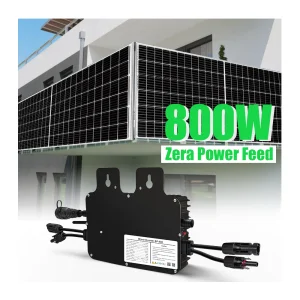
Sri Lanka is currently undergoing a structural transformation in its power generation sector. Historically dependent on fossil fuel imports and large-scale hydro systems, the island nation is rapidly transitioning toward decentralized renewable energy. Under the Sri Lankan Government’s ambitious target to generate 70% of the country’s electricity from renewable sources by 2030, solar photovoltaic installations have emerged as the foundational pillar of national energy security.
However, the rapid scaling of distributed generation has exposed serious grid stability issues within the Ceylon Electricity Board (CEB) infrastructure. Grid frequency swings, local overvoltage tripping, and power quality degradation in high-density solar areas like Colombo, Gampaha, Kandy, and Kurunegala have forced a technological pivot. Traditional string inverters, while economical for large open-field setups, introduce localized design flaws under residential shading conditions and present catastrophic fire hazards with high-voltage DC runs. This is where Module-Level Power Electronics (MLPE), specifically Solar Microinverters, are redefining reliability, safety, and energy harvest efficiency across the South Asian tropical belt.
Deploying solar energy in Sri Lanka requires overcoming intense environmental hurdles. The local climate is characterized by high ambient temperatures, high relative humidity (often exceeding 85% in coastal regions like Galle and Trincomalee), and rapid dust deposition from red latosolic soils. For string inverters, high temperatures lead to severe thermal derating, drastically reducing energy yields during peak noon hours when solar irradiance is at its peak.
Modern microinverters are engineered with fully potted IP67 or IP68 enclosures, utilizing advanced polymer or die-cast aluminum heat sinks. By placing an isolated inverter underneath each individual PV panel, heat is distributed evenly across the array rather than concentrated in a central unit. This physical separation prevents localized thermal stress and guarantees sustained operation up to 65°C ambient temperatures. Additionally, the individual Maximum Power Point Tracking (MPPT) circuit on each microinverter ensures that partial shading from overhead coconut palms, neighboring walls, or localized dust accumulation does not compromise the output of the entire system—a critical advantage over string setups where a single shaded panel reduces the current of the entire string.
Sri Lanka's grid code presents tight tolerances for voltage and frequency deviations. When local substations face load shedding, or when sudden clouds pass over a high-density solar suburb causing rapid voltage fluctuations, microinverters respond with instantaneous active and reactive power control. Modern intelligent microinverters are designed to meet international standards such as VDE-AR-N 4105, EN 50549-1, and UL 1741, which closely align with the CEB’s criteria for automatic disconnection and reconstruction profiles. Features like dynamic grid-support (frequency-dependent active power reduction) and integrated reactive power compensation enable Sri Lankan commercial and industrial (C&I) clients to install larger rooftop arrays without risking grid-compliance penalties.
Qingdao Luzz Solar Co., Ltd. is a professional new energy enterprise specializing in the development, manufacturing, and global distribution of photovoltaic (PV) products and integrated energy storage solutions. Located in Qingdao, China, the company benefits from a well-established renewable energy industrial base and advanced manufacturing capabilities.
With the accelerating global transition toward carbon neutrality and sustainable development, Luzz Solar is committed to providing efficient, reliable, and cost-effective clean energy solutions to customers worldwide. Our product portfolio includes high-efficiency solar photovoltaic modules, energy storage systems, and integrated solar application solutions designed for residential, commercial, and utility-scale projects.
Driven by technological innovation and quality excellence, the company continuously invests in R&D and production optimization to improve product performance, energy conversion efficiency, and system reliability. We strictly adhere to international quality standards and implement rigorous quality control throughout the entire production process to ensure stable and long-term product performance.
Qingdao Luzz Solar actively expands its global market presence, with business coverage across Asia, Europe, the Middle East, Africa, and Latin America. By working closely with international partners, we are committed to delivering tailored energy solutions that meet diverse regional needs and support the global energy transition.
Guided by the core values of integrity, innovation, cooperation, and sustainability, Luzz Solar strives to become a trusted global partner in the new energy industry. We are dedicated to advancing solar technology and contributing to a greener, more sustainable future.
Our state-of-the-art manufacturing facility in China integrates advanced automated machinery, laser welding technology, and strict quality control pipelines to deliver marine-grade resilience for Sri Lanka's demanding environments.
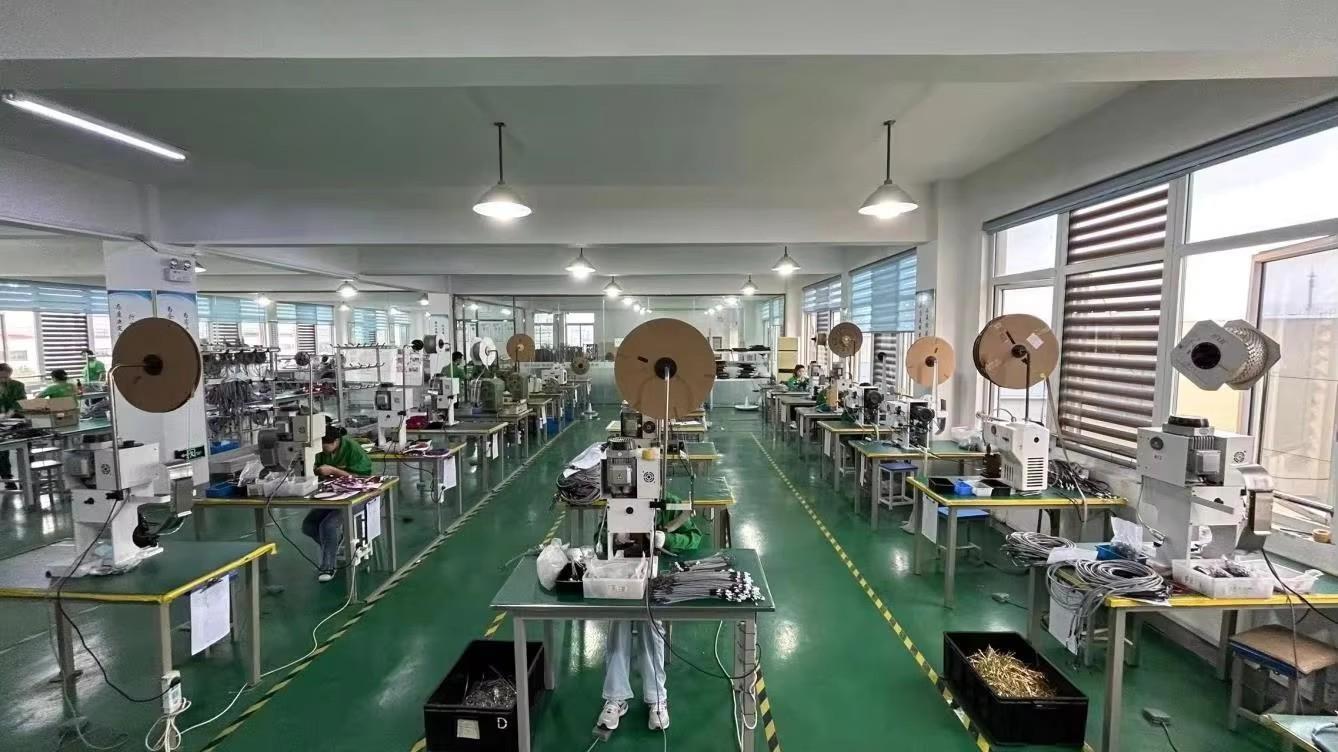
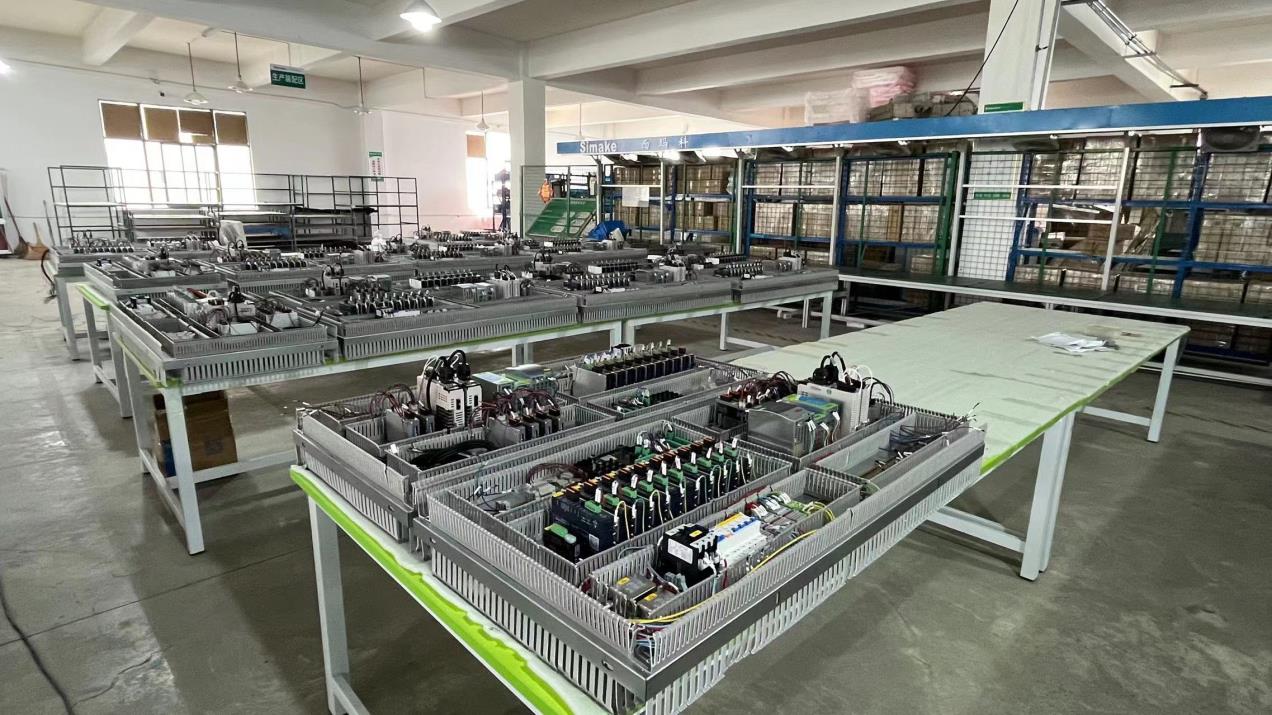
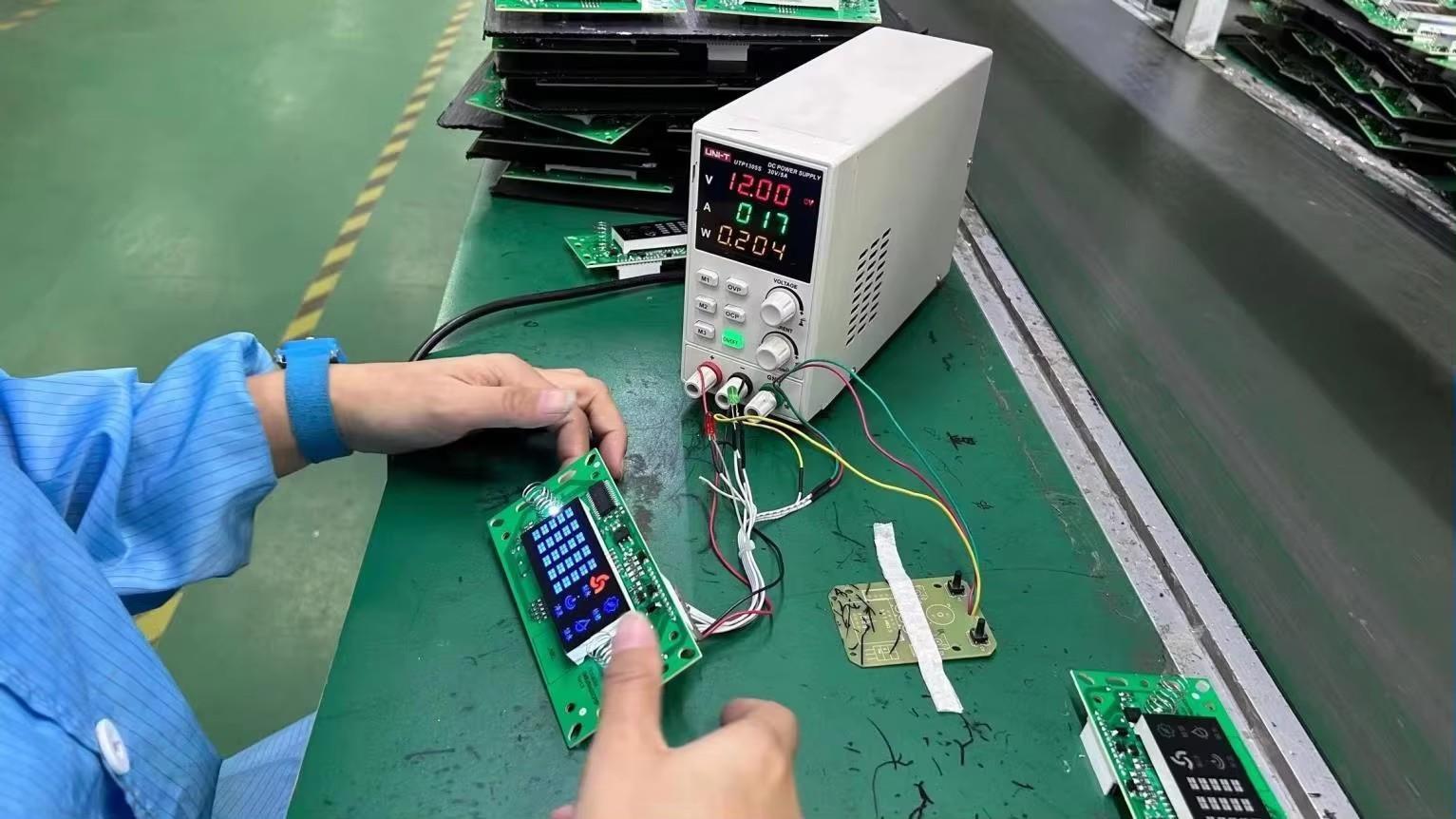
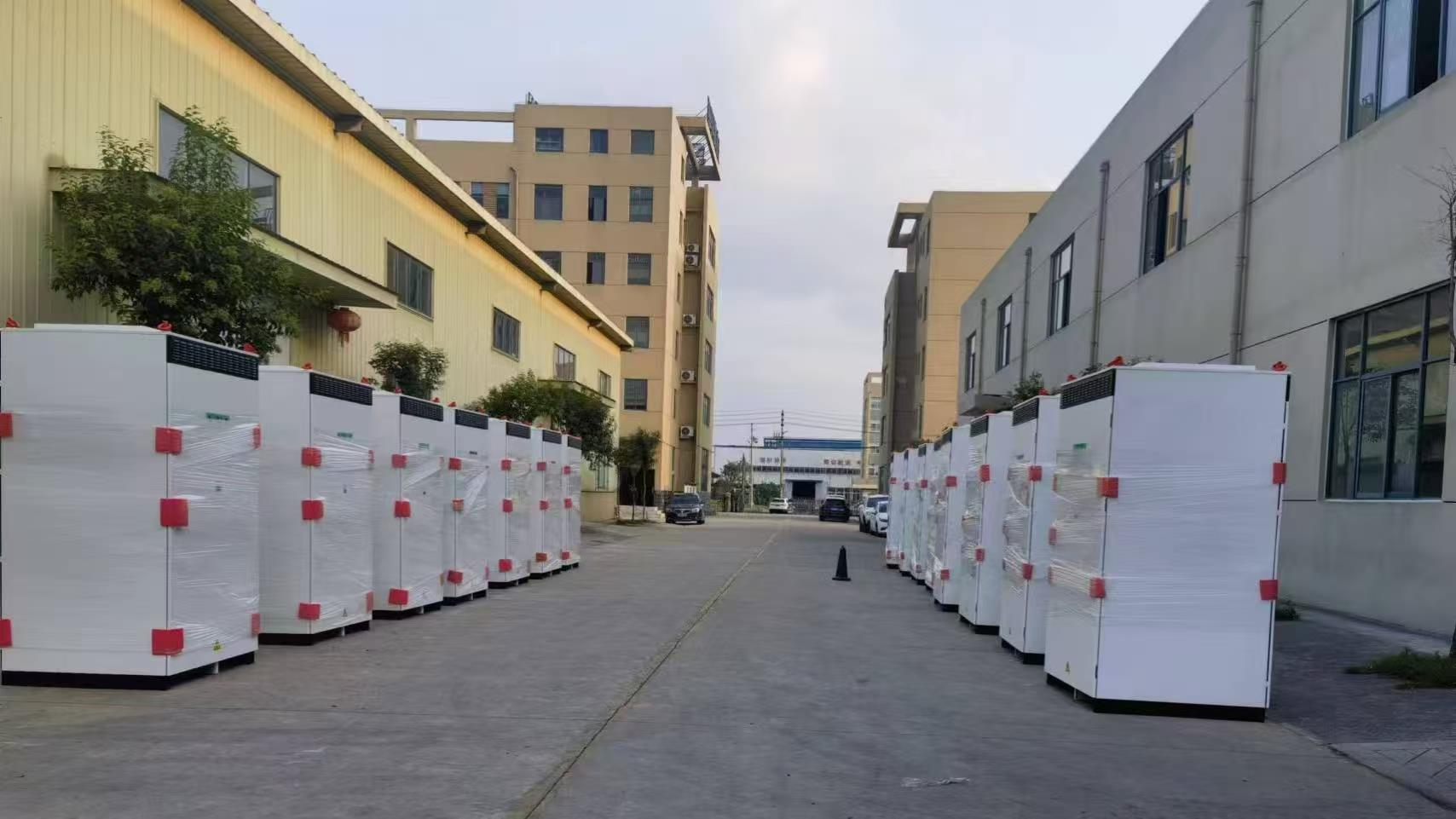
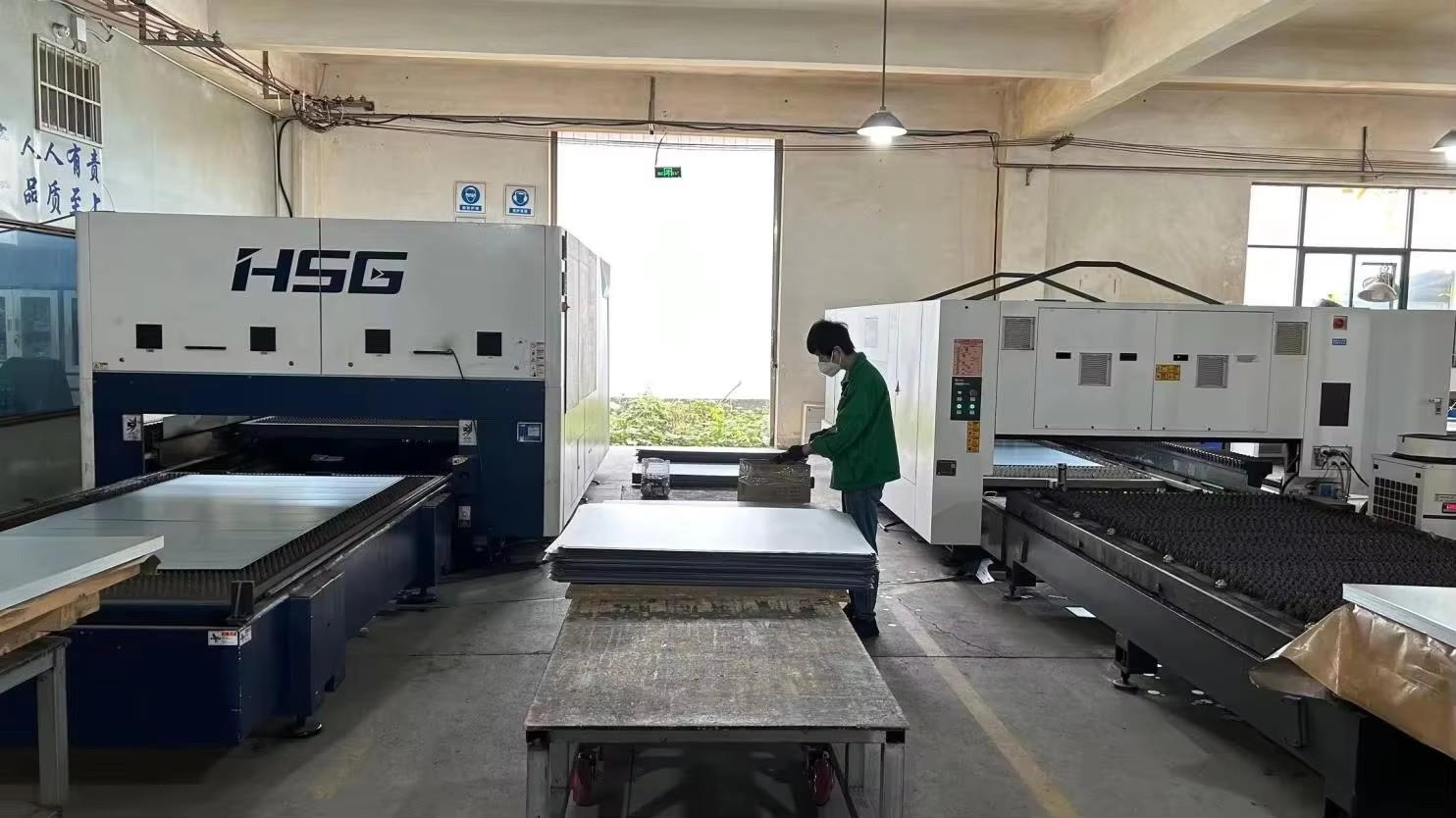
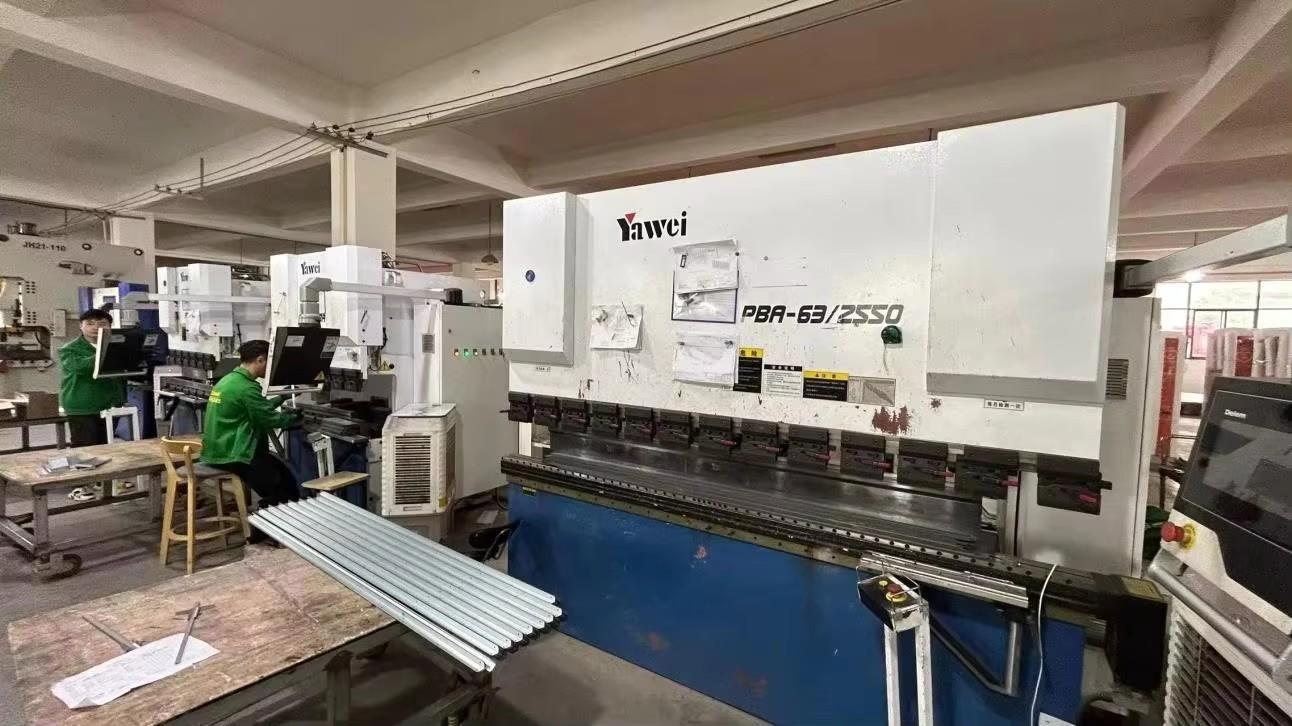
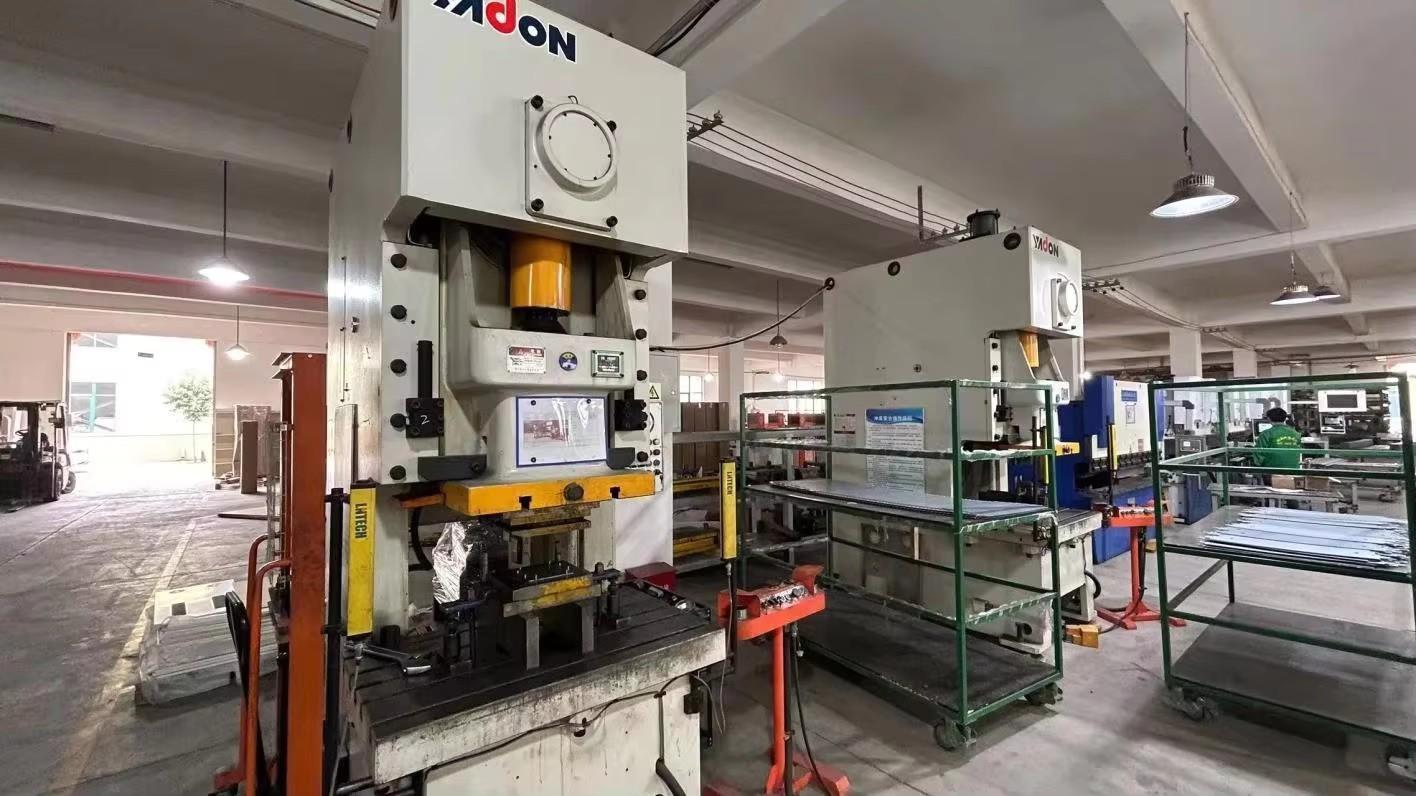
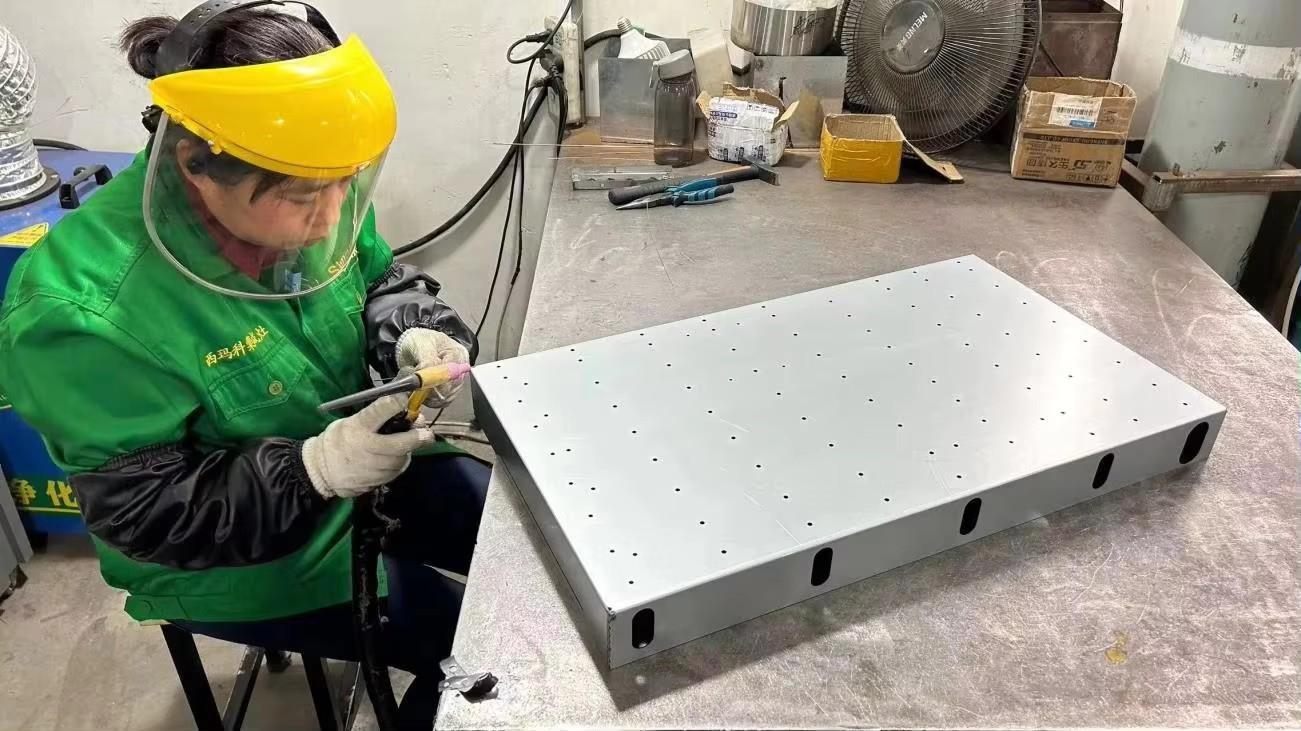
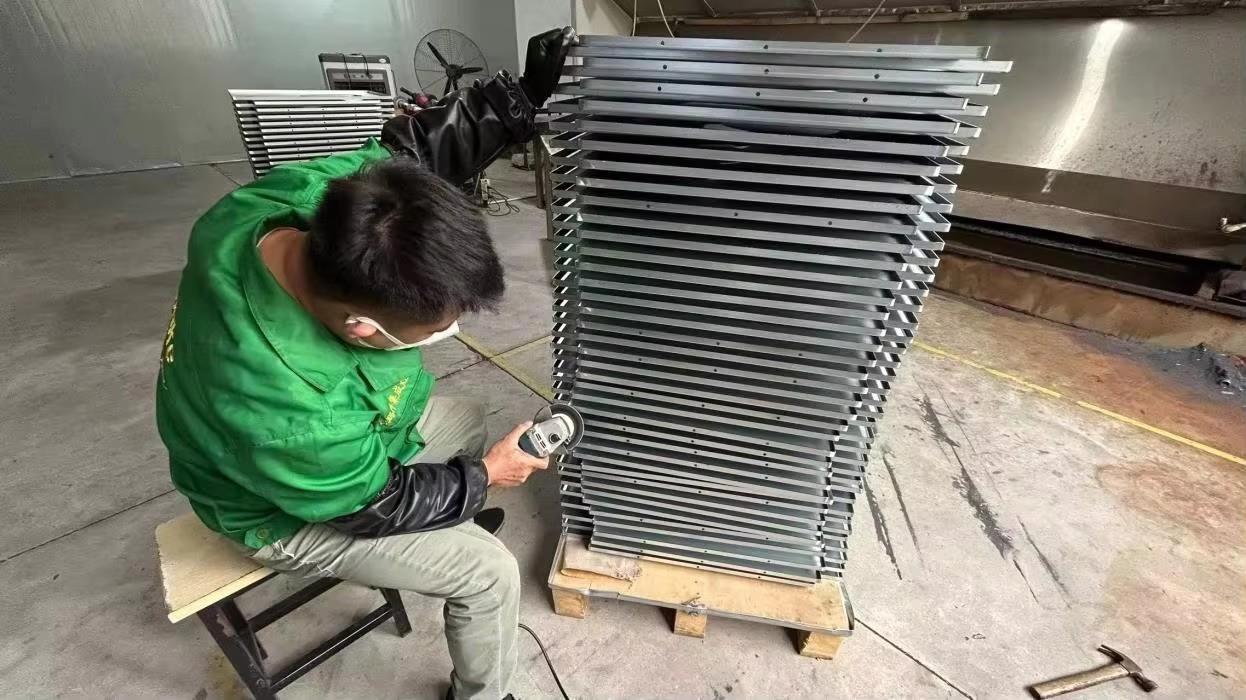
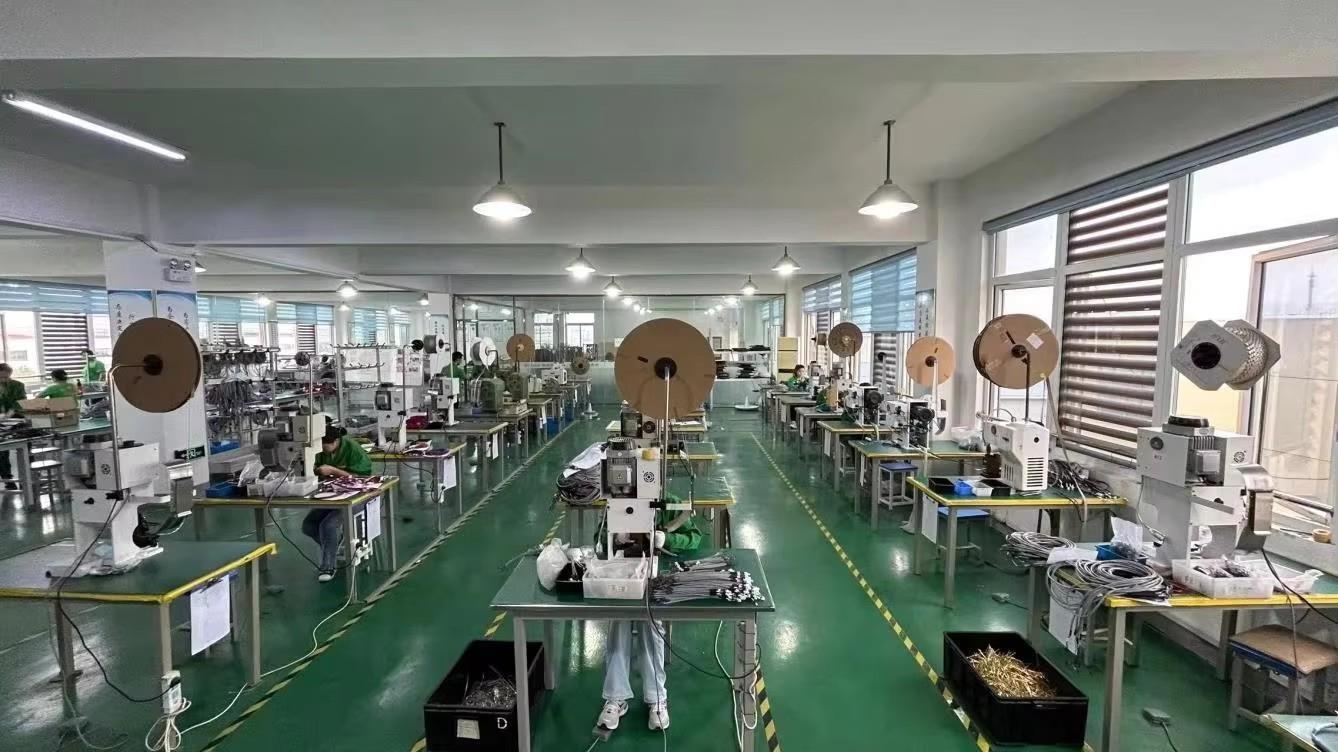
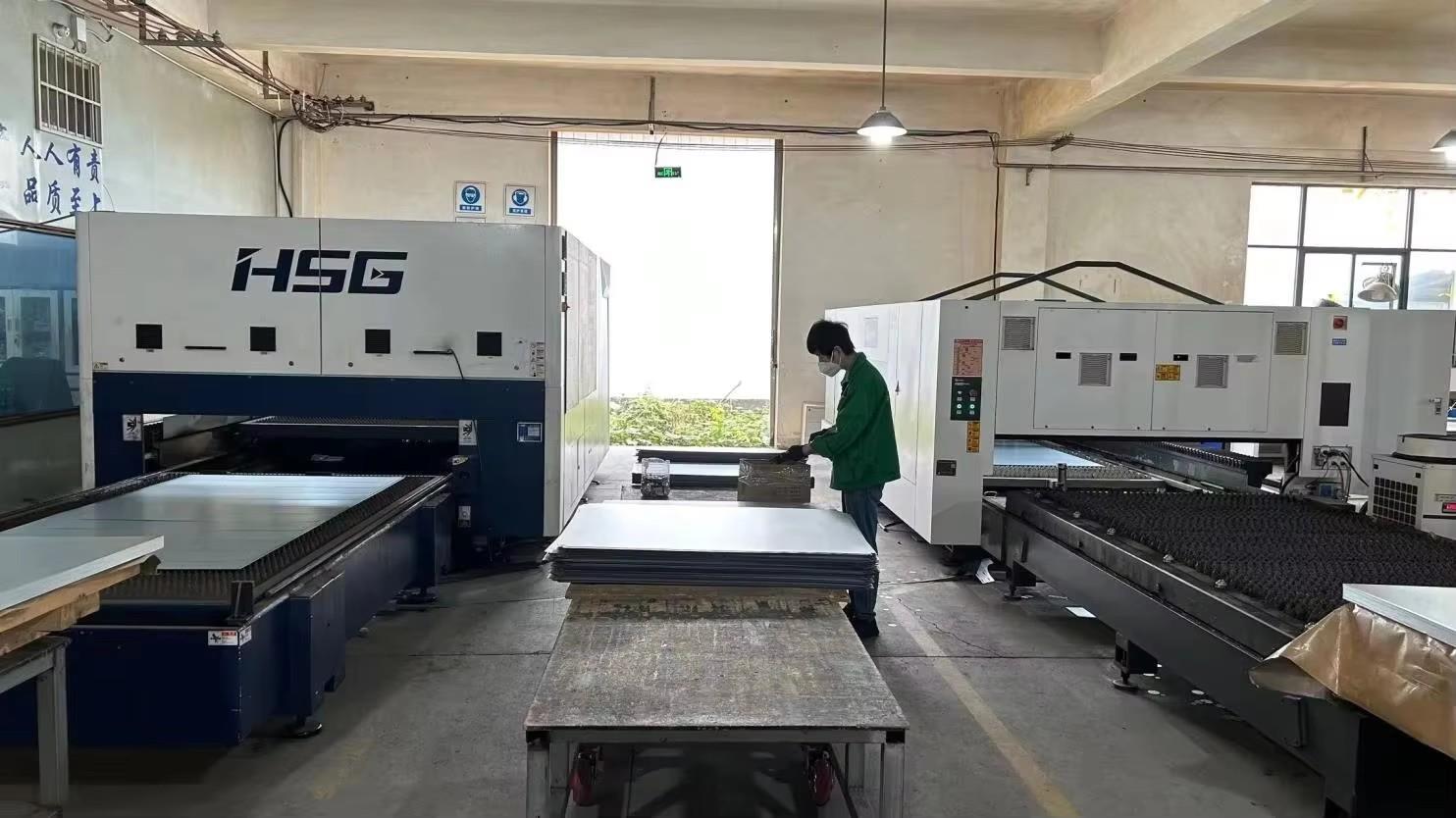
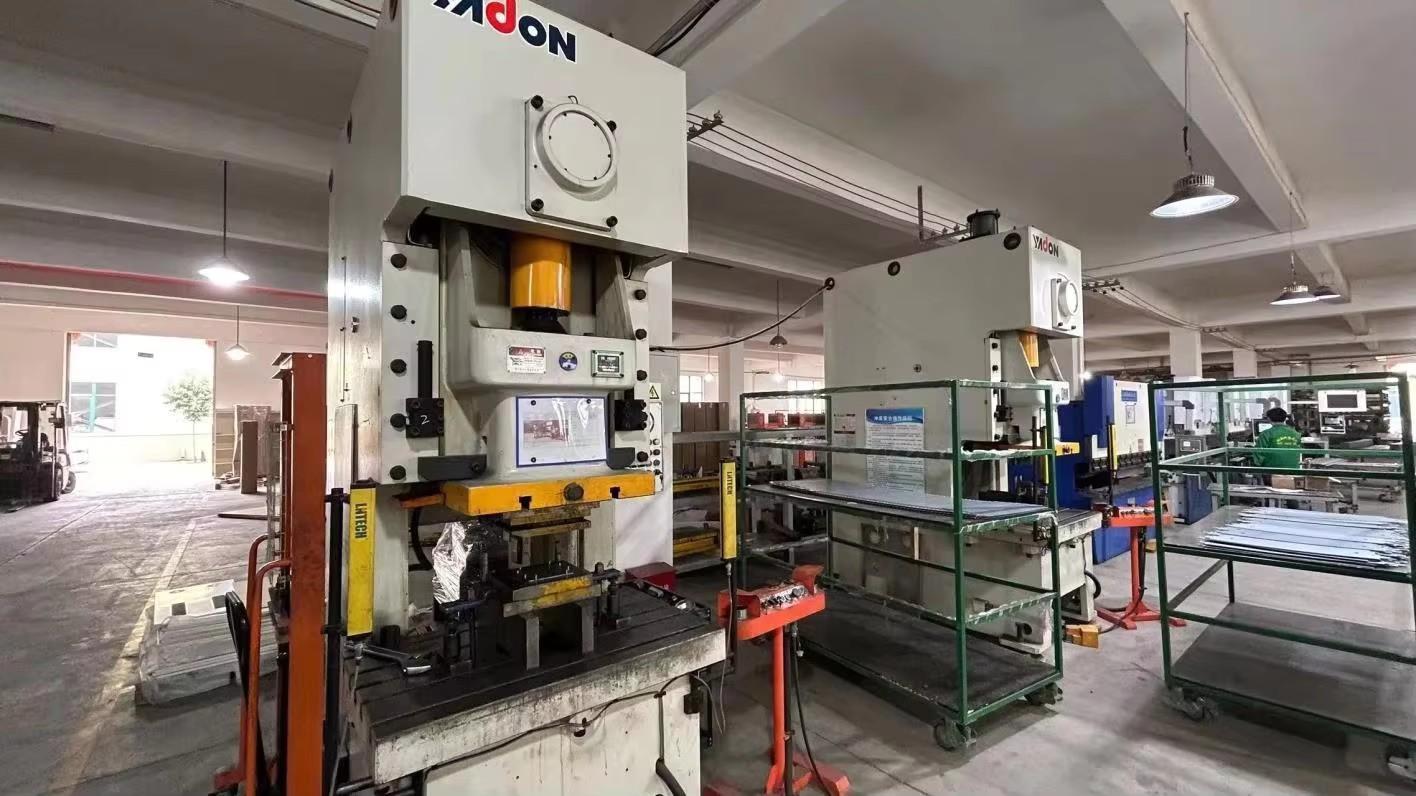
In the wake of international economic volatility, supply chain stability is the primary differentiator for solar EPC contractors and developers in Sri Lanka. Luzz Solar leverages the strategic industrial advantages of Qingdao, a premier coastal shipping hub in China, to deliver unbroken material flow to the Port of Colombo. Our manufacturing operations utilize locally secured, grade-A semiconductor chips and high-grade copper wiring harnesses, shielding our buyers from the global component shortages that frequently delay European and North American suppliers.
Through our comprehensive quality pipeline, each microinverter undergoes rigorous automated visual inspection, stress tests under artificial load, and prolonged high-temperature operational monitoring. By deploying automated laser cutting, robotic welding, and specialized stamping, we achieve perfect mechanical enclosure sealing. This ensures IP67 water and dust ingress protection, making the units impervious to the saline coastal atmosphere of Sri Lanka’s Western and Southern Provinces.
Panels are mapped with dedicated microinverter units (1-in-1, 2-in-1, or 4-in-1 layouts) based on shade profiles, minimizing mismatch losses and ensuring rapid shutdown capability.
Individual Maximum Power Point Trackers continuously track optimal current-voltage (I-V) curves, maximizing output even when coconut trees or adjacent structures cast complex shadow patterns.
High-voltage DC lines (up to 1000V) are completely avoided. Clean 230V AC power is channeled directly from the roof to the home distribution board, preventing arc-fault fire risks.
Wi-Fi and Zigbee modules broadcast per-panel production metrics to the Luzz Solar Smart App, enabling preventative maintenance and rapid diagnostics for the installer.
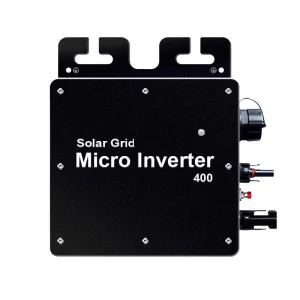
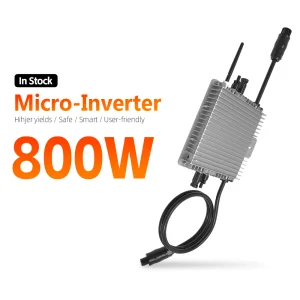
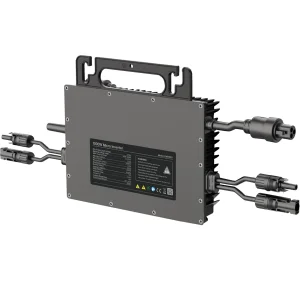
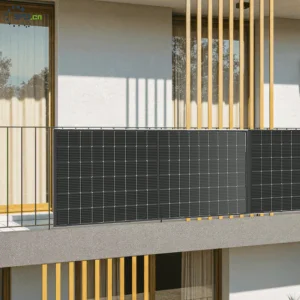
Explore our full line of grid-tied microinverters, plug-and-play balcony solar kits, and intelligent energy management systems.
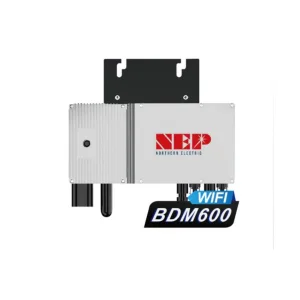
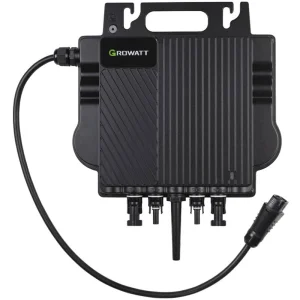
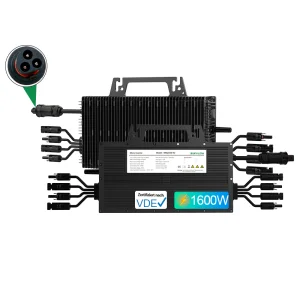
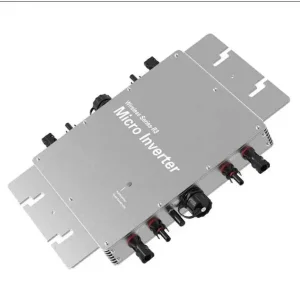
Professional insights and engineering recommendations for Sri Lankan solar developments.
 Luzz Solar