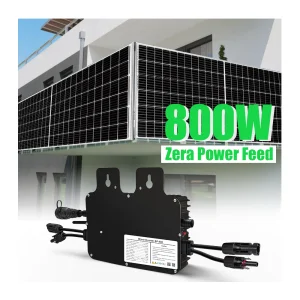
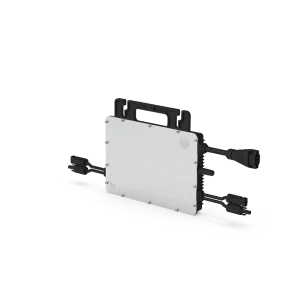
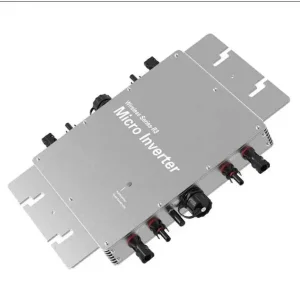
Optimized for the high-density zoning, structural diversity, and shading profiles typical of Boston’s historical residential districts and modern developments.
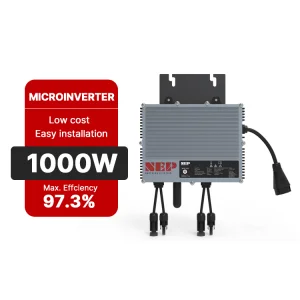
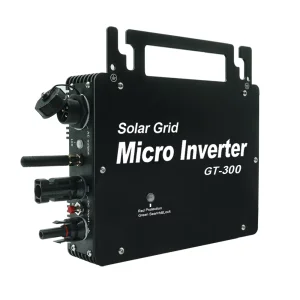
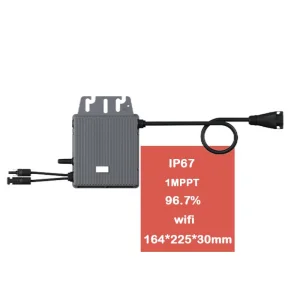
The Greater Boston area presents a unique set of challenges and opportunities for photovoltaic systems. Driven by Massachusetts’ aggressive Net Zero 2050 mandate and the Solar Massachusetts Renewable Target (SMART) program, the commercial, industrial, and residential sectors are rapidly adopting solar infrastructure. However, Boston's urban geography, marked by historic brick brownstones in Back Bay, triple-decker wood frames in Dorchester, and large commercial flat roofs in East Boston, demands absolute versatility.
Standard string inverters fall short in these urban environments due to the “weakest-link” effect caused by multi-angle rooflines, dormer shadows, and severe winter snow cover. High-performance microinverters address this by providing panel-level Maximum Power Point Tracking (MPPT). This ensures that a single shaded panel or snow-drifted module does not drag down the performance of the entire system, yielding up to 25% more energy annually in typical New England climates.
Evaluating structural performance, capital expenditure (CAPEX), and operational efficiency (OPEX) under the extreme climatic conditions of Massachusetts.
| Performance Metrics | High-Efficiency Microinverter Systems | Traditional String Inverter Systems | Boston Local Project Impact |
|---|---|---|---|
| Shading & Soiling Tolerance | Panel-level independent MPPT. Only shaded panels lose power. | String-wide power reduction. Shading on one panel reduces overall string performance. | Crucial for Boston's snow accumulation and mature tree cover. |
| Safety / NEC Compliance | Intrinsic rapid shutdown. Max DC voltage < 60V. | Requires add-on MLPE hardware to meet NEC 690.12 standards. High DC voltage up to 1000V. | Eases approvals with Eversource, National Grid, and local fire departments. |
| System Lifespan | 25-year design life, matching modern PV module lifespans. | 10 to 12-year lifespan, requiring at least one replacement cycle. | Lowers long-term Levelized Cost of Energy (LCOE). |
| Design Flexibility | Unlimited scaling. Can combine different panel brands and tilt angles. | Restricted to matched strings and identical azimuth angles. | Fits uneven historic roof spaces in Cambridge and South Boston. |
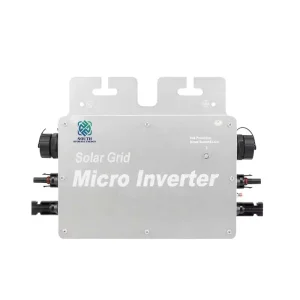
Engineered with wide DC input voltages, advanced thermal dissipation, and real-time WiFi/Zigbee monitoring to support dual-channel high-output configurations.
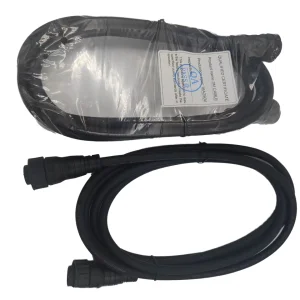
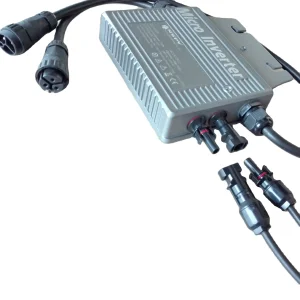
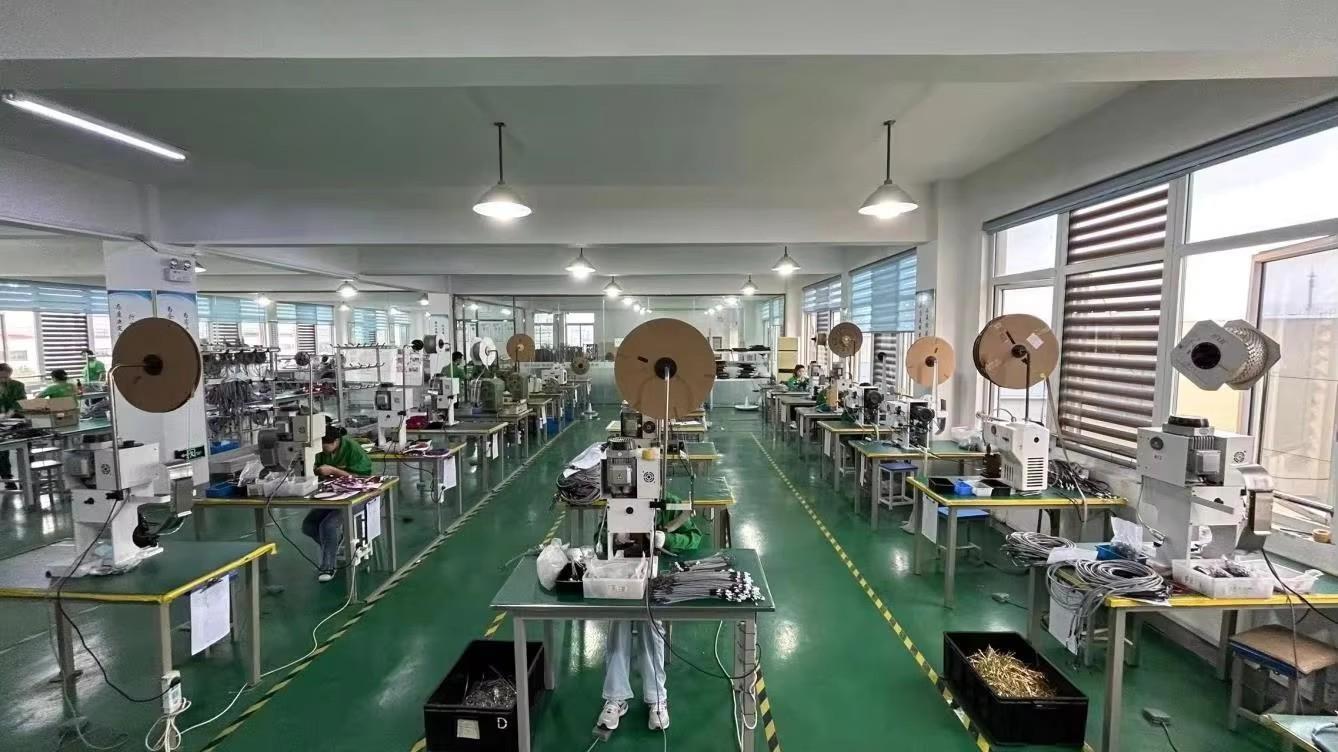
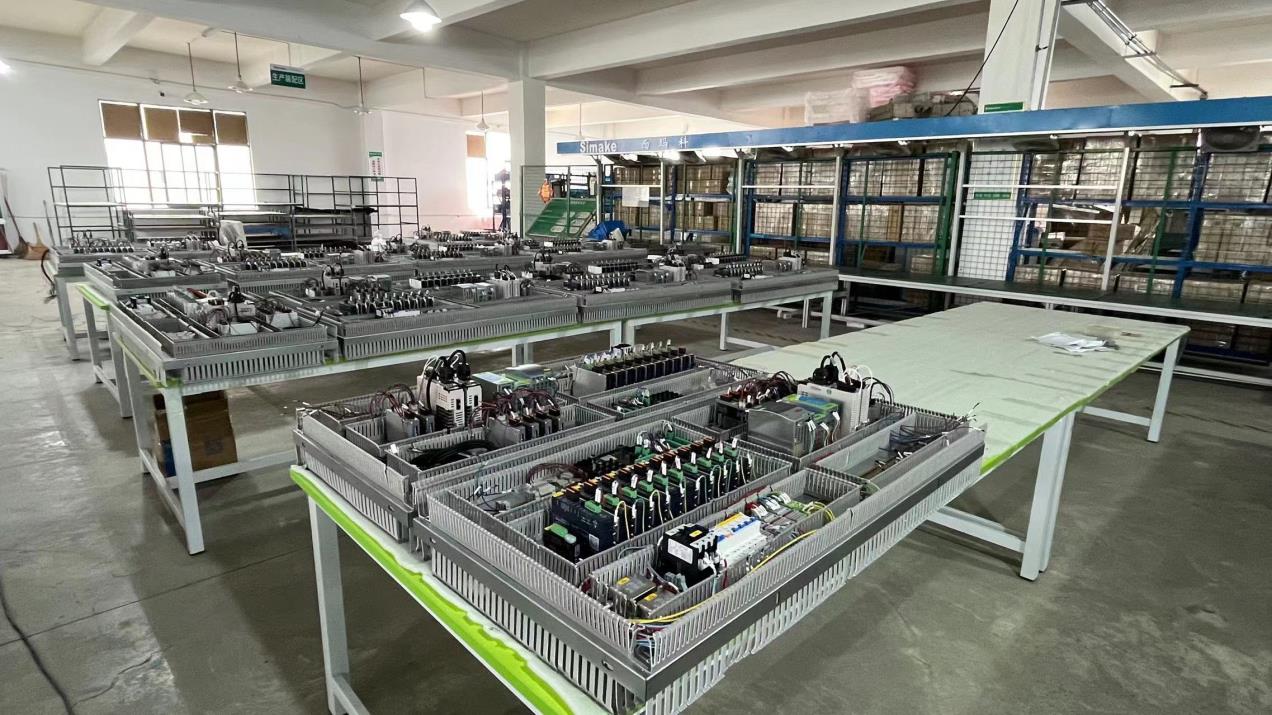
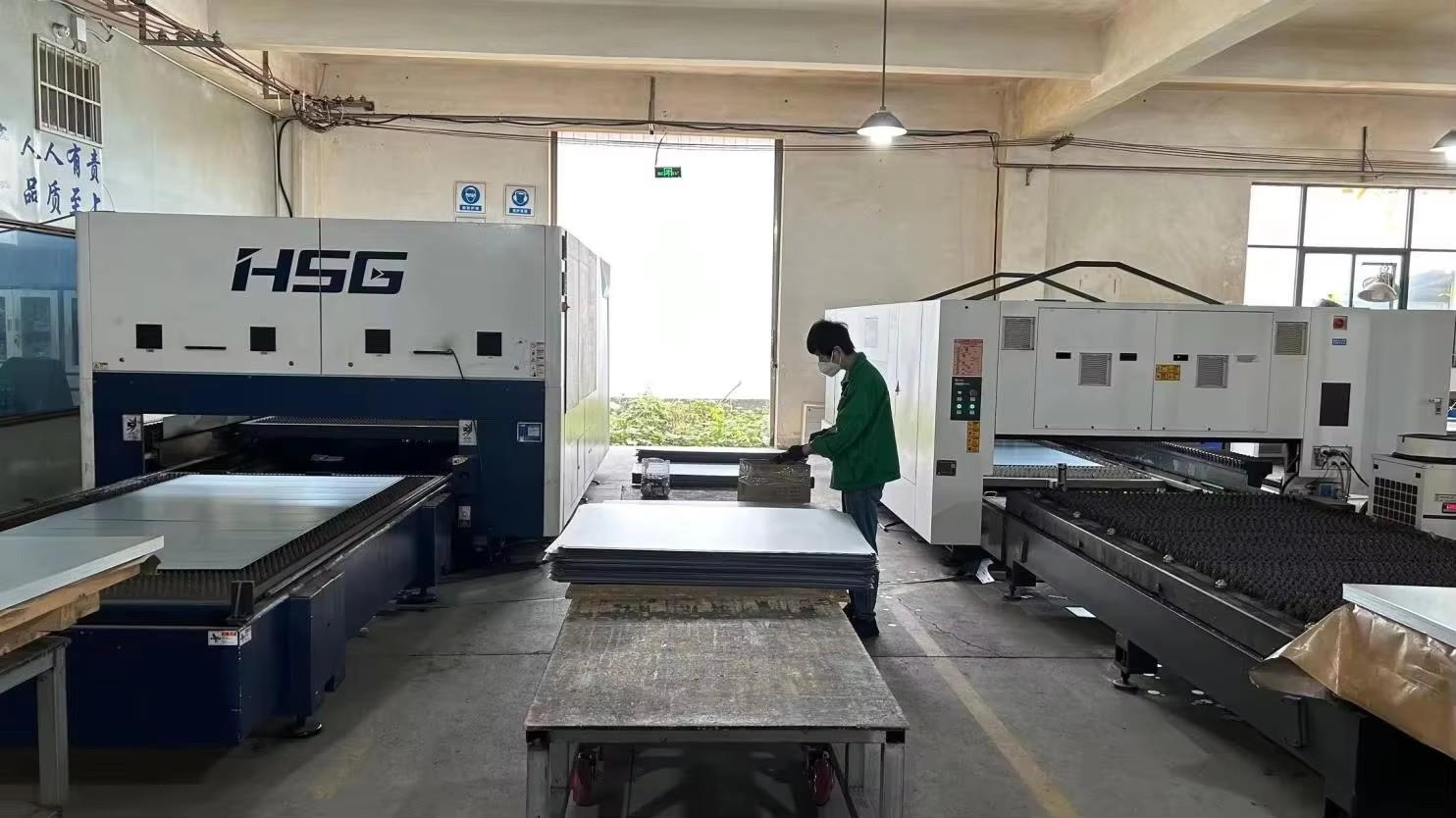
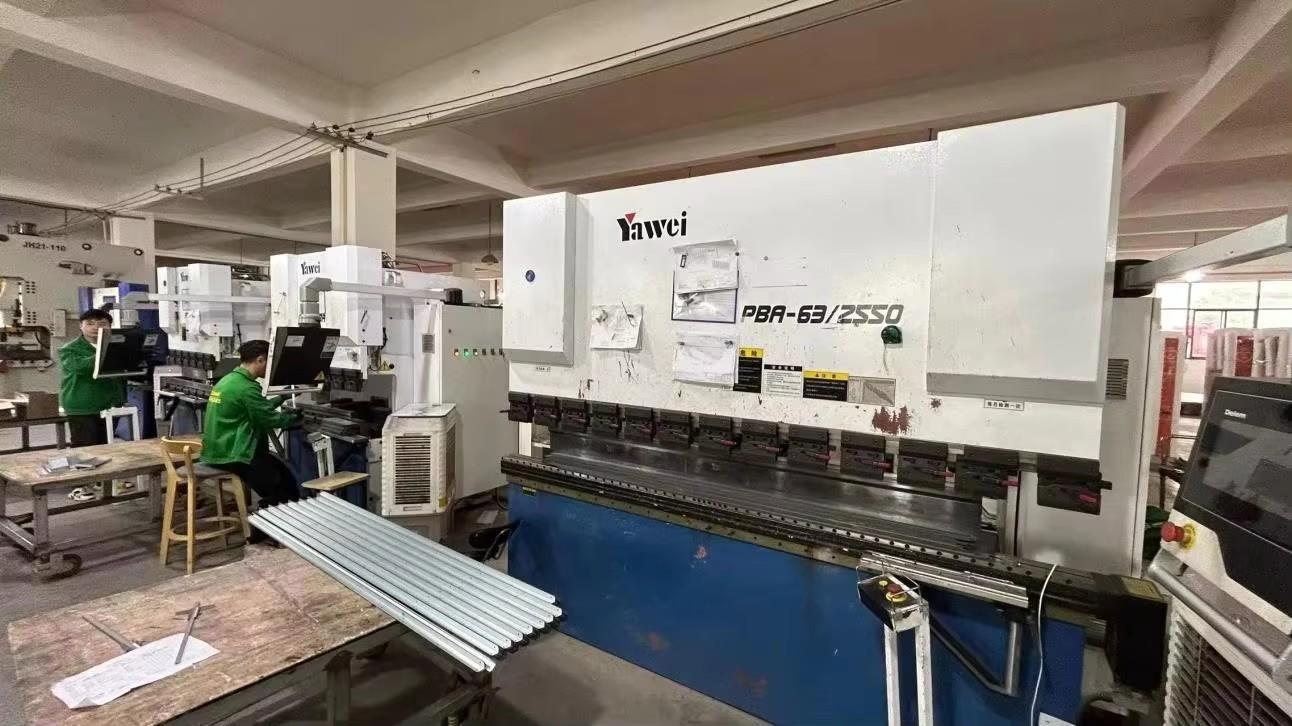
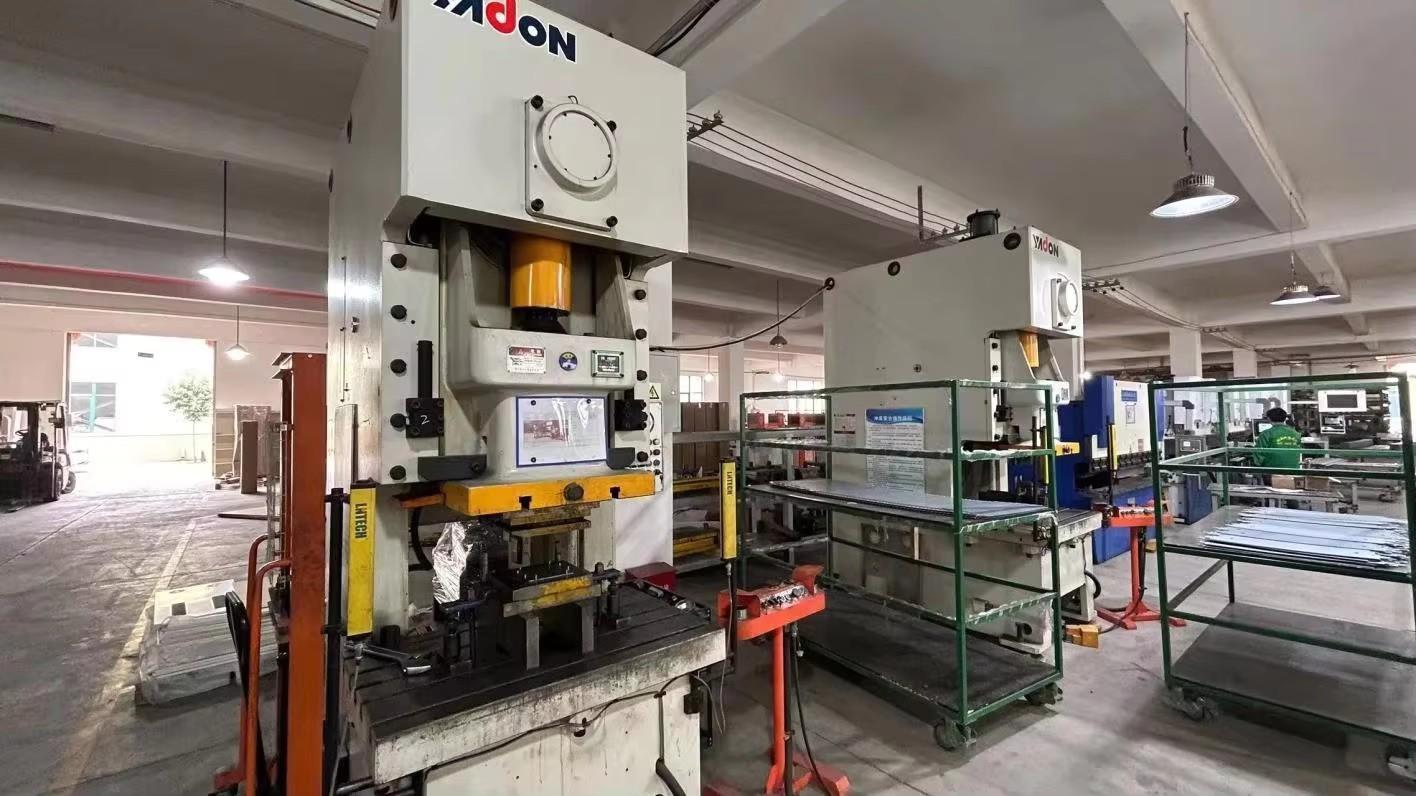
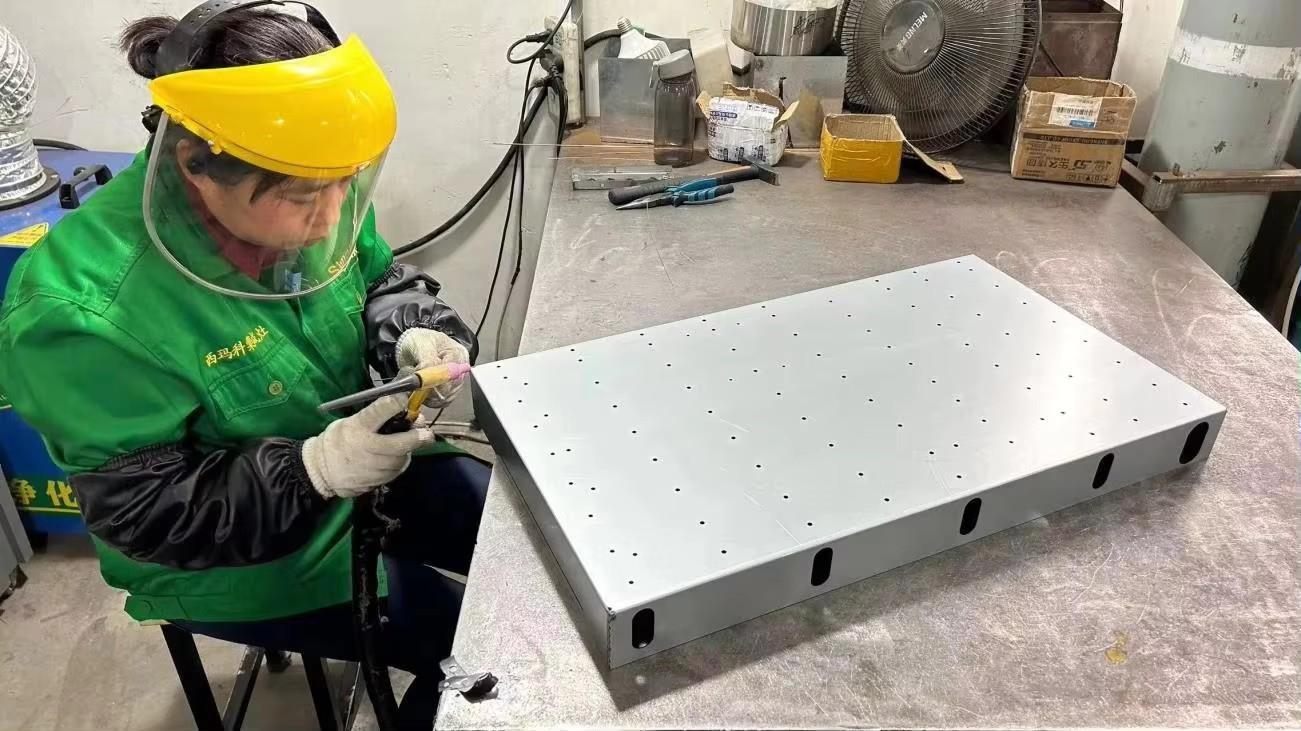
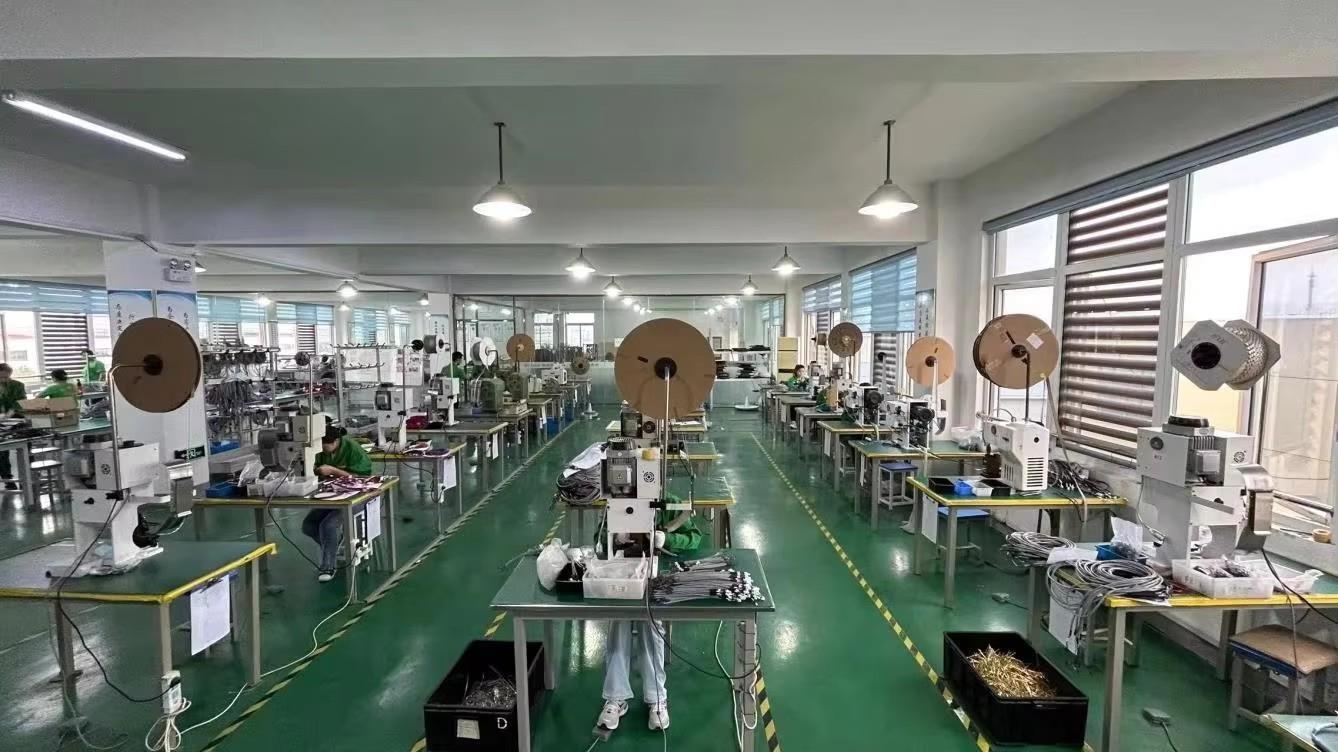
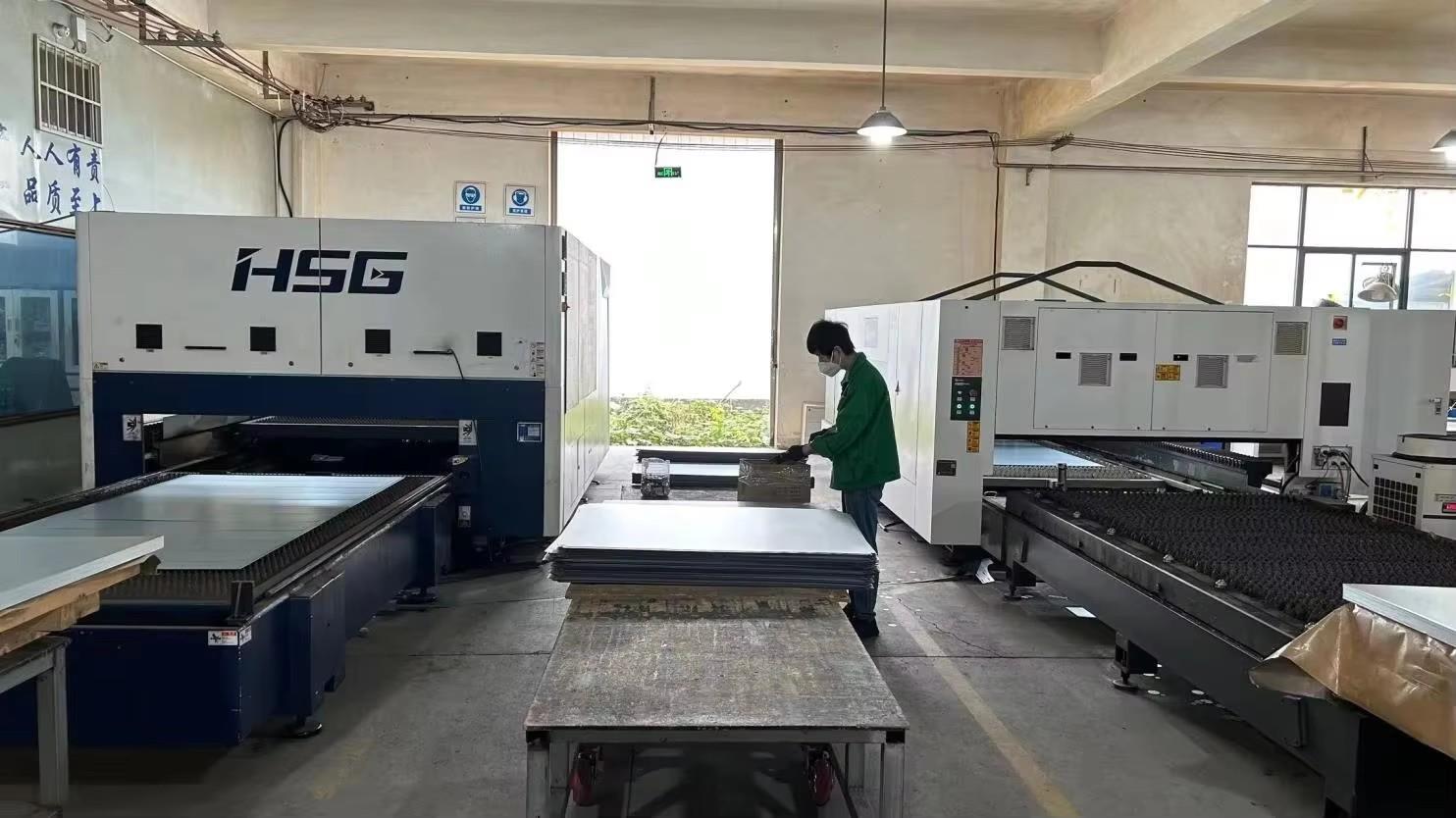
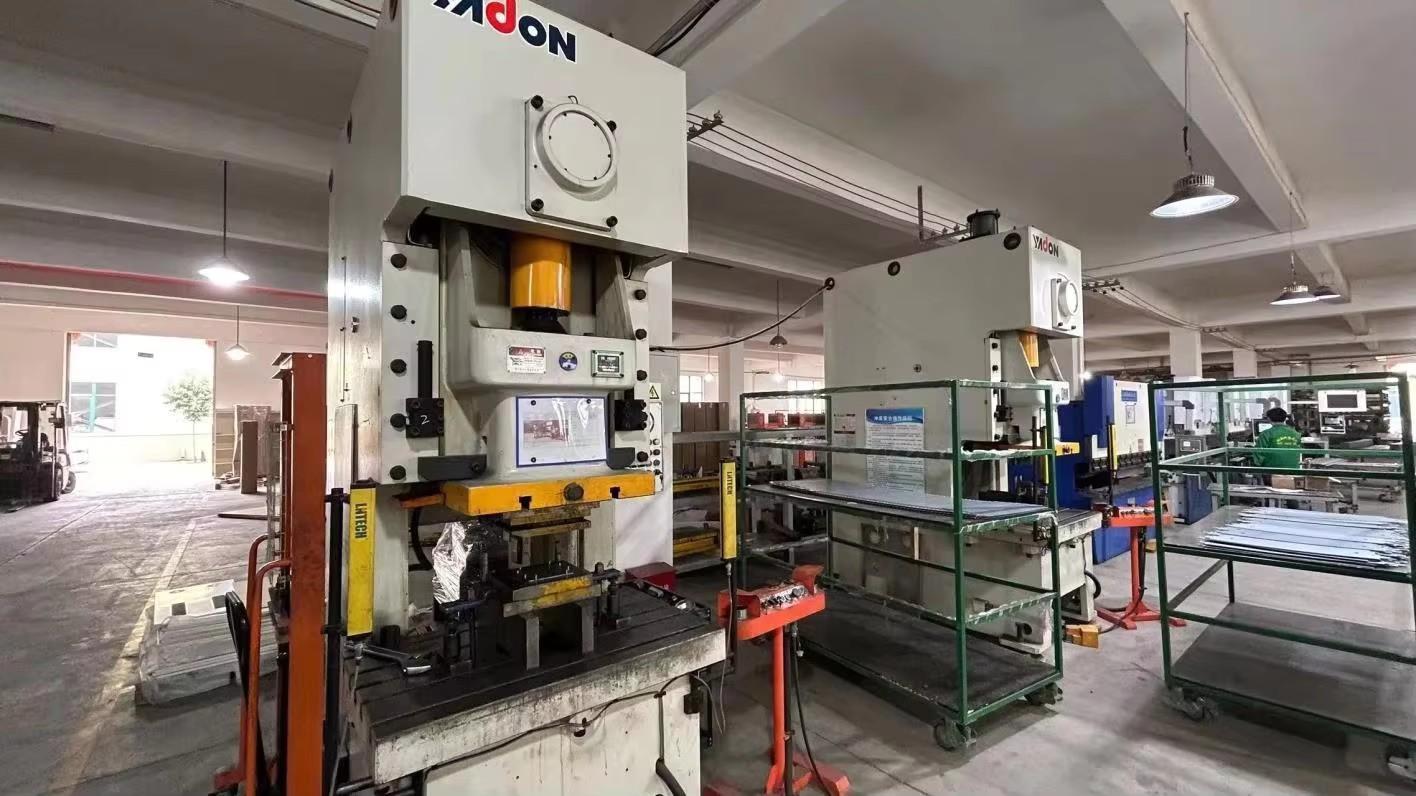
An inside look at our Industry 4.0 production facility, utilizing automated precision engineering to deliver reliable clean energy systems.
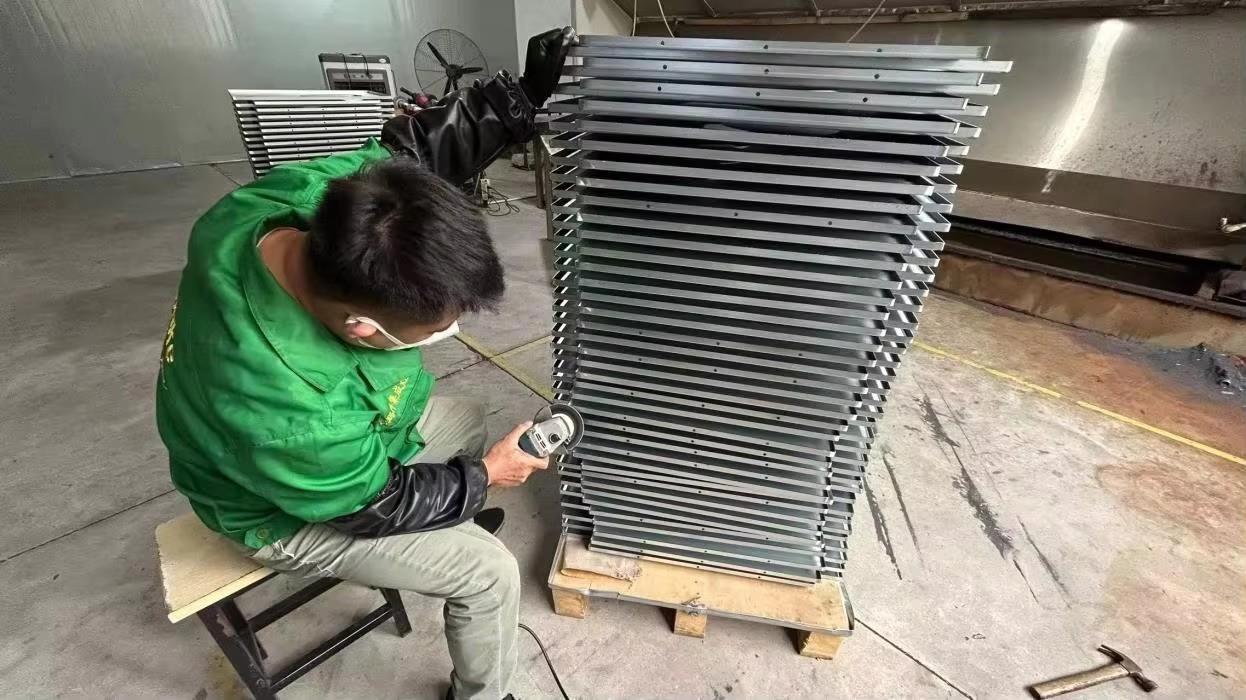
Qingdao Luzz Solar Co., Ltd. is an established manufacturer specializing in the development, production, and global distribution of photovoltaic (PV) products and integrated energy storage solutions. Located in the industrial port city of Qingdao, China, the company leverages regional raw material supply chains and advanced automated manufacturing technologies.
With the global acceleration toward carbon neutrality, Luzz Solar produces high-efficiency solar modules, microinverters, and battery storage systems for residential, commercial, and utility-scale projects. Guided by the values of integrity, innovation, cooperation, and sustainability, we strive to build long-term relationships with regional distributors and EPC contractors worldwide.
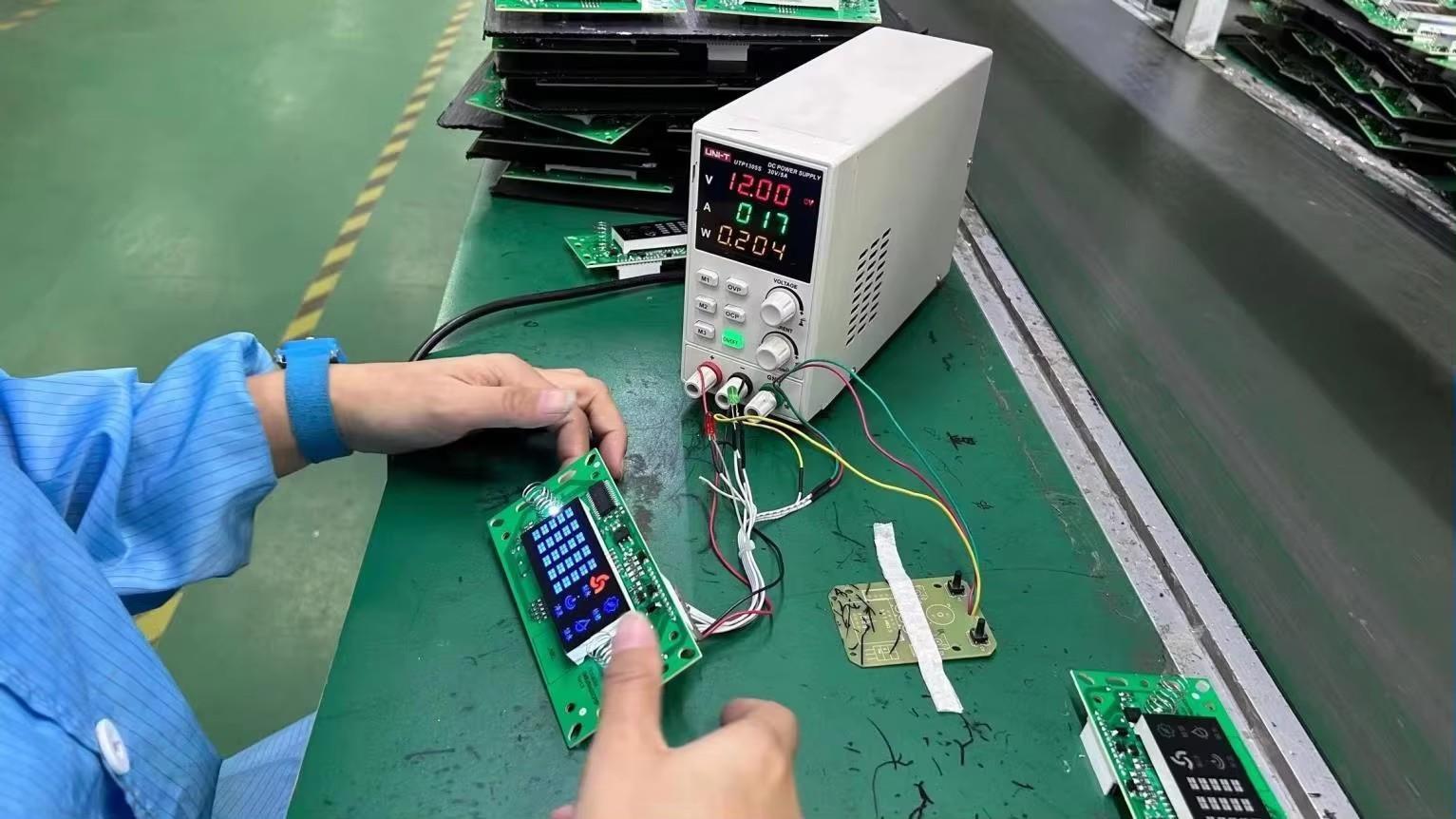
Our microinverters undergo strict quality testing, including automated optical inspection (AOI), high-temperature full-load burn-in testing, and ingress protection verification. This ensures stable operation under variable outdoor conditions, such as New England's harsh winter freeze-thaw cycles and humid coastal summers.

Explore our full product lineup. Designed to deliver reliable AC module power, ease of installation, and utility grid compatibility.
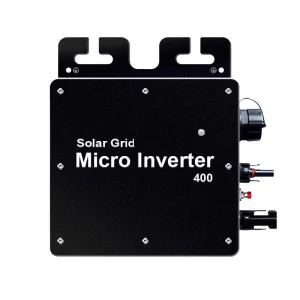
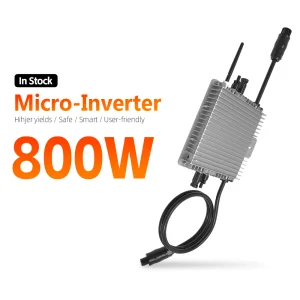
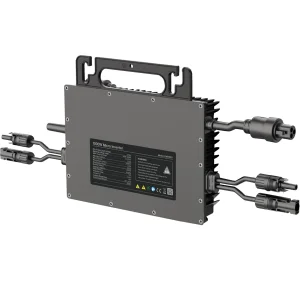
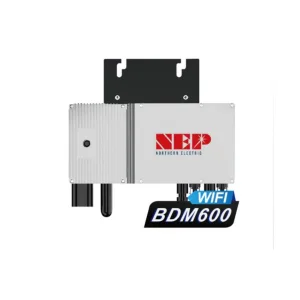
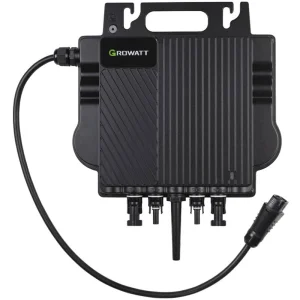
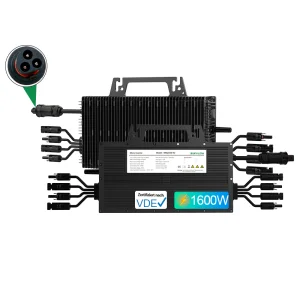
How our streamlined manufacturing process and logistics coordination support distributors and EPC developers in New England.
Our facility integrates automated laser welding and precise terminal crimping machines. By reducing manual assembly, we achieve consistent electrical connections, lower failure rates, and reliable operation across our production lines.
Located in Qingdao, we ship directly from one of China's largest container ports to major East Coast ports, including the Port of Boston. This helps optimize shipping timelines and reduces transshipment delays for overseas orders.
Our products are designed to meet major certification standards, including CE, FCC, VDE, and UL compliance. This simplifies the grid interconnection process with regional utilities in the United States and Europe.
Exploring how different microinverter systems adapt to local architectural and zoning constraints across New England.
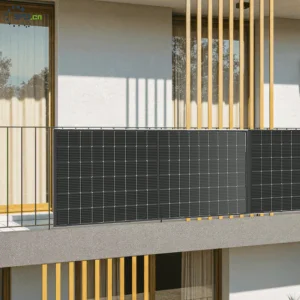
Historic preservation guidelines in downtown Boston often restrict rooftop solar modifications. Compact, plug-and-play balcony microinverters allow residents to utilize terrace spaces and rear decks for solar generation, complying with local building aesthetics.
Commercial flat-roof systems often face micro-shading from HVAC units, exhaust vents, and parapet walls. Using multi-channel microinverters (such as 1600W or 2400W models) maintains the performance of clean modules while simplifying rapid shutdown compliance.
Winter nor'easters can cause power outages in suburban Boston. Systems with battery storage integration and grid-forming microinverters can supply dedicated power to critical loads during grid disruptions.
Important technical and logistics information for distributors, solar installers, and project managers.
Microinverters perform MPPT optimization on each individual panel, mitigating performance losses caused by winter snow cover or uneven rooftop angles. They also feature built-in rapid shutdown capability (NEC 690.12), ensuring compliance with local New England building and fire safety codes without requiring extra components.
Yes. Our microinverters support split-phase 240V AC output, which is standard for residential and light commercial services in Boston. They are designed to meet major grid-tie regulations and operate reliably alongside regional utility providers such as Eversource and National Grid.
FCL (Full Container Load) ocean freight from Qingdao to the Port of Boston typically takes between 35 and 45 days. We coordinate directly with freight forwarders to provide complete tracking documentation, customs clearance assistance, and local delivery arrangements for commercial distributors.
Our microinverters feature cast aluminum housings with IP67 ingress protection. They are designed to operate within a temperature range of -40°C to +65°C. The internal power electronics utilize thermal dissipation techniques to maintain efficiency during winter freezing and hot summer conditions.
For volume pricing, detailed datasheets, or grid integration consulting, contact our technical sales team today. We provide direct shipping and support for distributors and installers.
Send Inquiry Now Luzz Solar