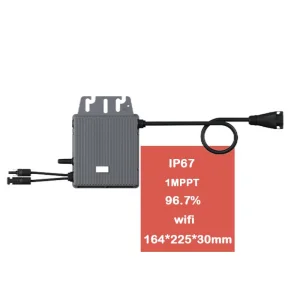
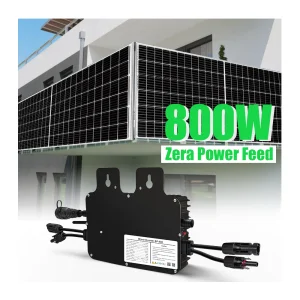
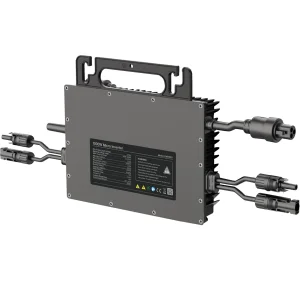
Engineered to handle extreme environmental shifts, wide voltage ranges, and demanding power quality thresholds.
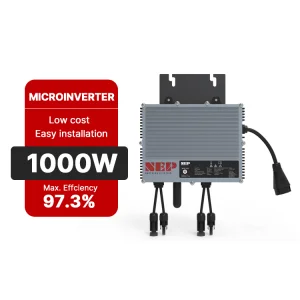
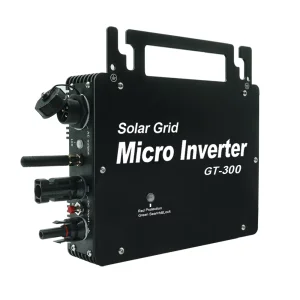
Understanding why Module-Level Power Electronics (MLPE) are essential for Ethiopia’s evolving utility and distributed energy strategy.
Ethiopia, despite being the home of the Grand Ethiopian Renaissance Dam (GERD) and holding an estimated energy capacity surplus, faces local grid stability and transmission bottle-necks. The rural parts of the country and outer edges of metropolitan Addis Ababa undergo load shedding and massive voltage fluctuations. Traditional string inverters shut down completely or sustain internal component degradation during undervoltage and overvoltage transients (ranging from 170V to 260V).
Our microinverters mitigate these issues. By managing power conversion at the individual panel level, they guarantee uninterrupted performance. In grid-tied setups, our adaptive firmware recognizes local grid limits to stabilize output parameters, safeguarding residential equipment and small manufacturing shops from common blackouts.
Ethiopia's unique geography presents distinct challenges for standard electronic devices. The highlands, including Addis Ababa (2,200m above sea level) and the surrounding regions, have thinner air, which reduces convective cooling efficiency. An inverter running at sea level might overheat and experience sudden derating at high altitudes.
Our microinverter factory uses premium components like solid-state capacitors and thermal potting compounds. These components maintain optimal operation at up to 3,000 meters without active fans, ensuring long-term reliability and preventing early thermal shutdown.
Navigating the importing process in East Africa requires strategic coordination. Through the Djibouti Port corridor and the Mojjo Dry Port, solar components face long transport routes and customs checks. Qingdao Luzz Solar works closely with local EPCs and distributors to simplify the procurement process. We supply essential documentation, such as IEC standards and CE certificates, to facilitate swift customs clearance and compliance with the Ethiopian Energy Authority (EEA) and the Ministry of Water and Energy (MoWE).
Explore single and multi-panel system solutions engineered for flexible expansion and high efficiency.
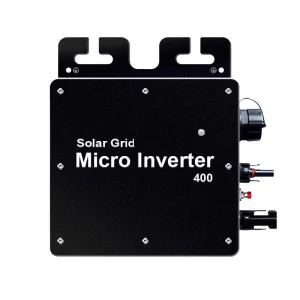
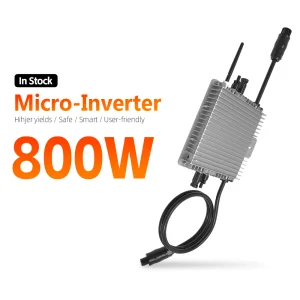
Engineered to support regional mini-grid integrations and stable commercial PV deployments.
Traditional string systems suffer from the "Christmas Light Effect"—if one panel is shaded by dust or debris, the whole string's output drops. In countries like Ethiopia, where dust accumulates during dry seasons, module-level MPPT (Maximum Power Point Tracking) ensures each panel runs at its maximum potential independently. This increases total energy yield by up to 25%.
Local grids can experience frequency fluctuations. Our microinverters feature an auto-frequency adaptation module (ranging from 45Hz to 65Hz) to dynamically synchronize phase angles. The built-in pure sine wave generation minimizes total harmonic distortion (THD < 3%), protecting sensitive appliances and local telecommunication units.
In addition to residential installations, microinverters are increasingly chosen for Commercial & Industrial (C&I) projects in Bole Lemi, Hawassa, and Eastern Industrial Zones. In these industrial hubs, fire safety is critical. Traditional string layouts run high-voltage DC cables (up to 1000V) across rooftops, presenting fire hazards. Microinverters convert DC to AC directly on the roof, limiting DC voltage to under 60V. This significantly reduces the risk of arc faults and fire hazard levels.
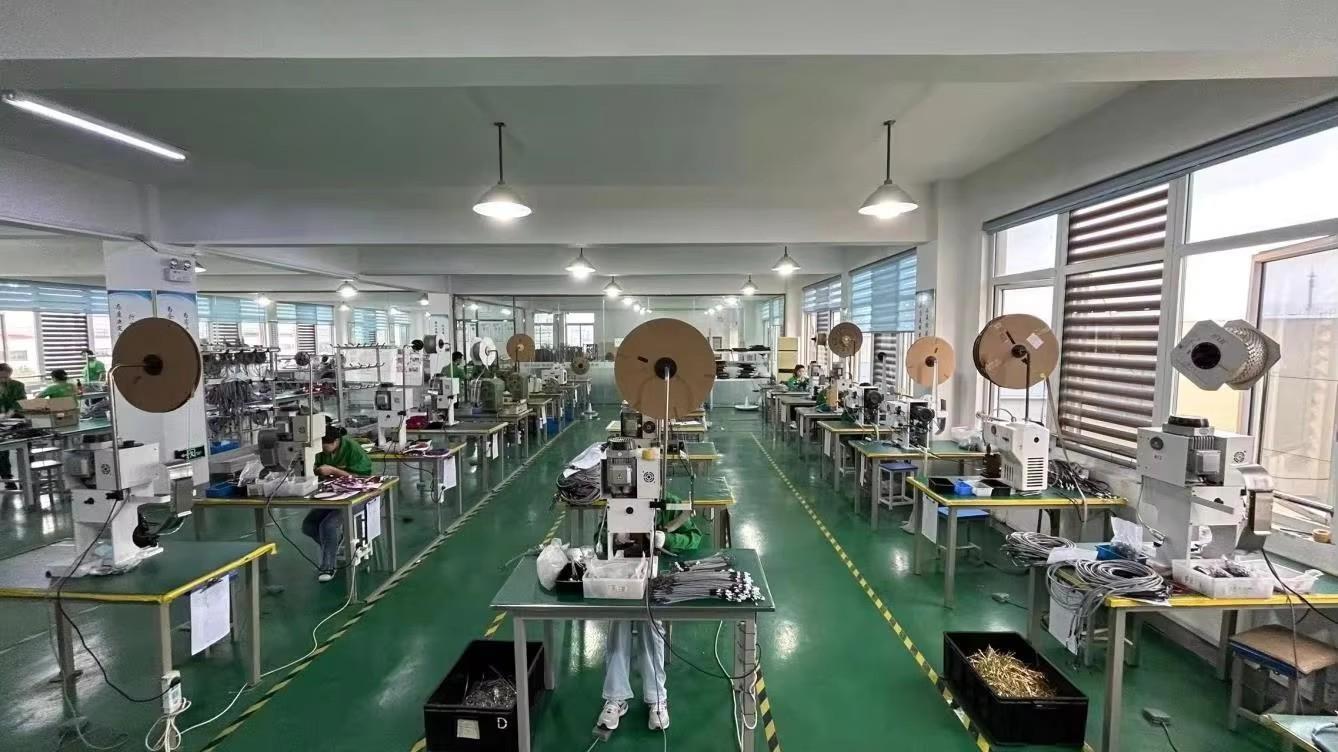
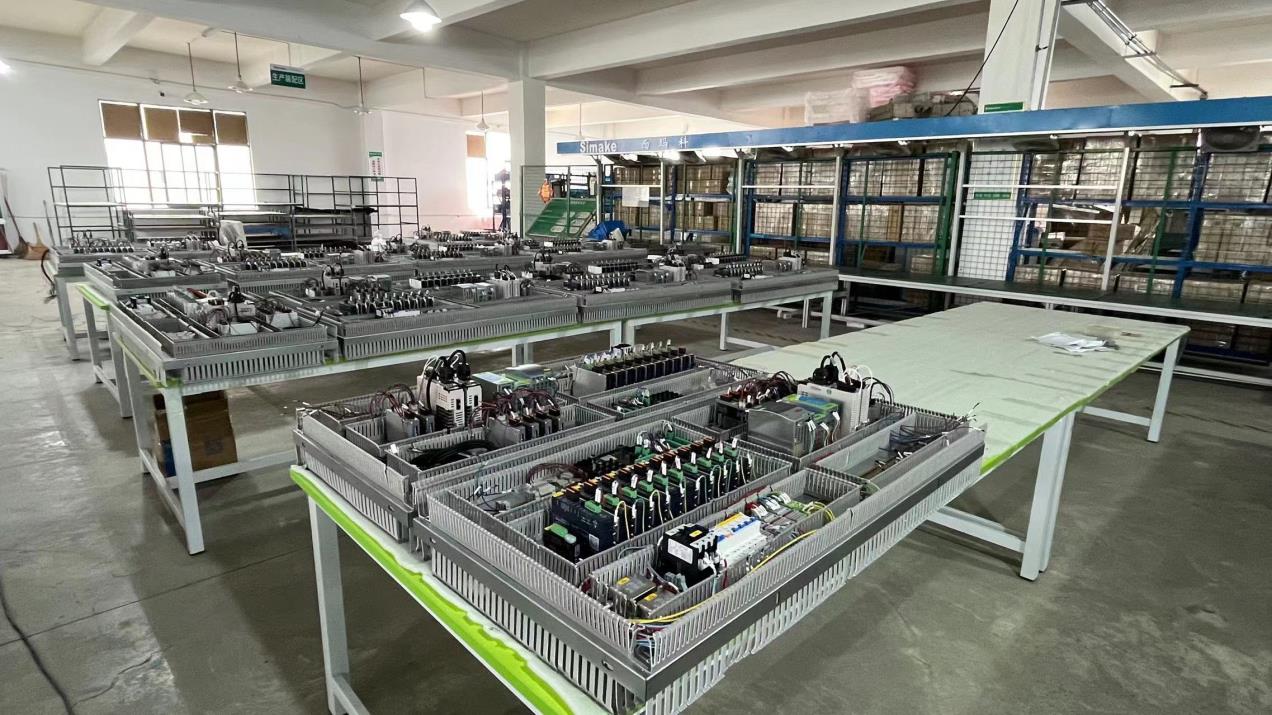
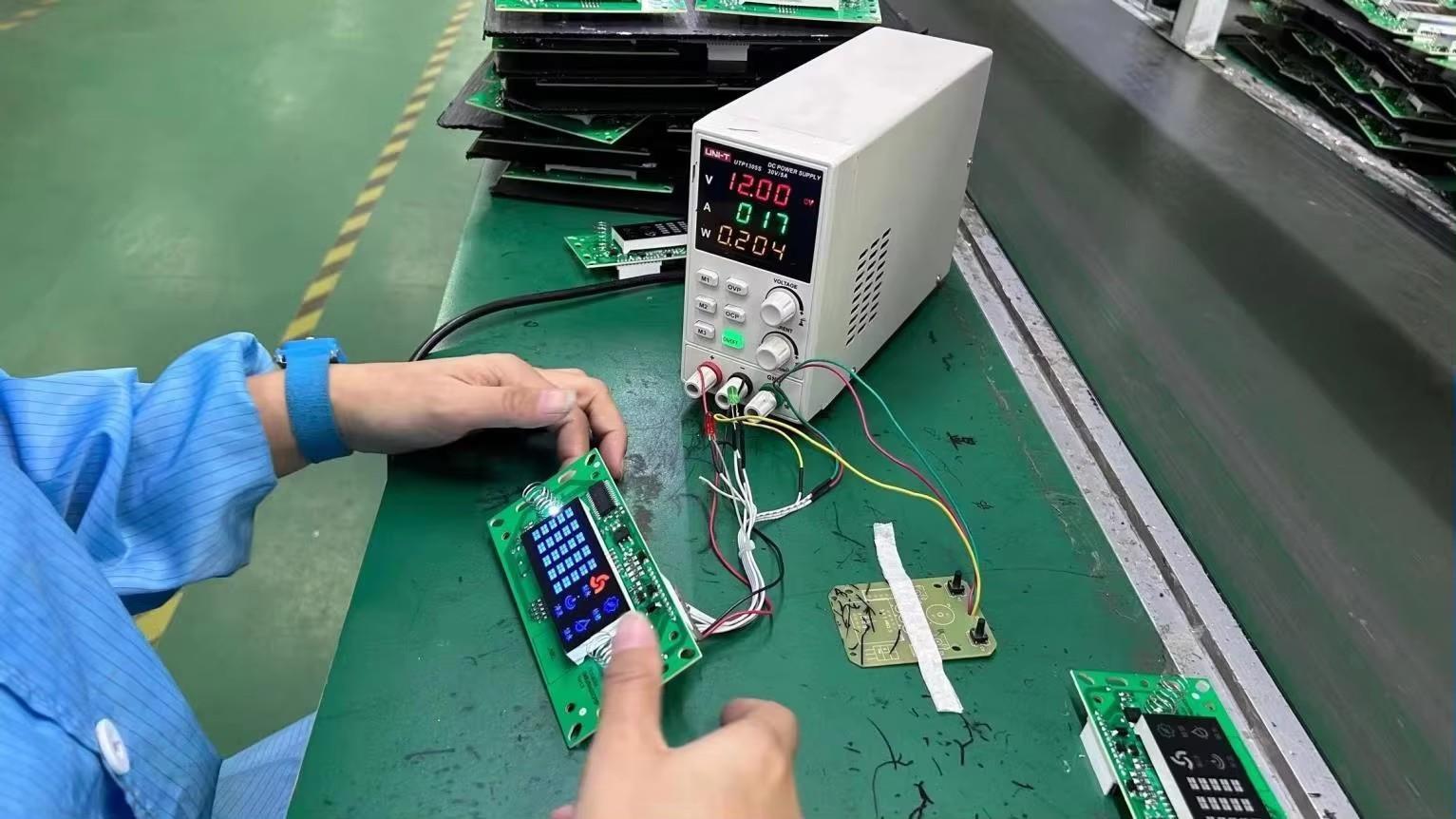
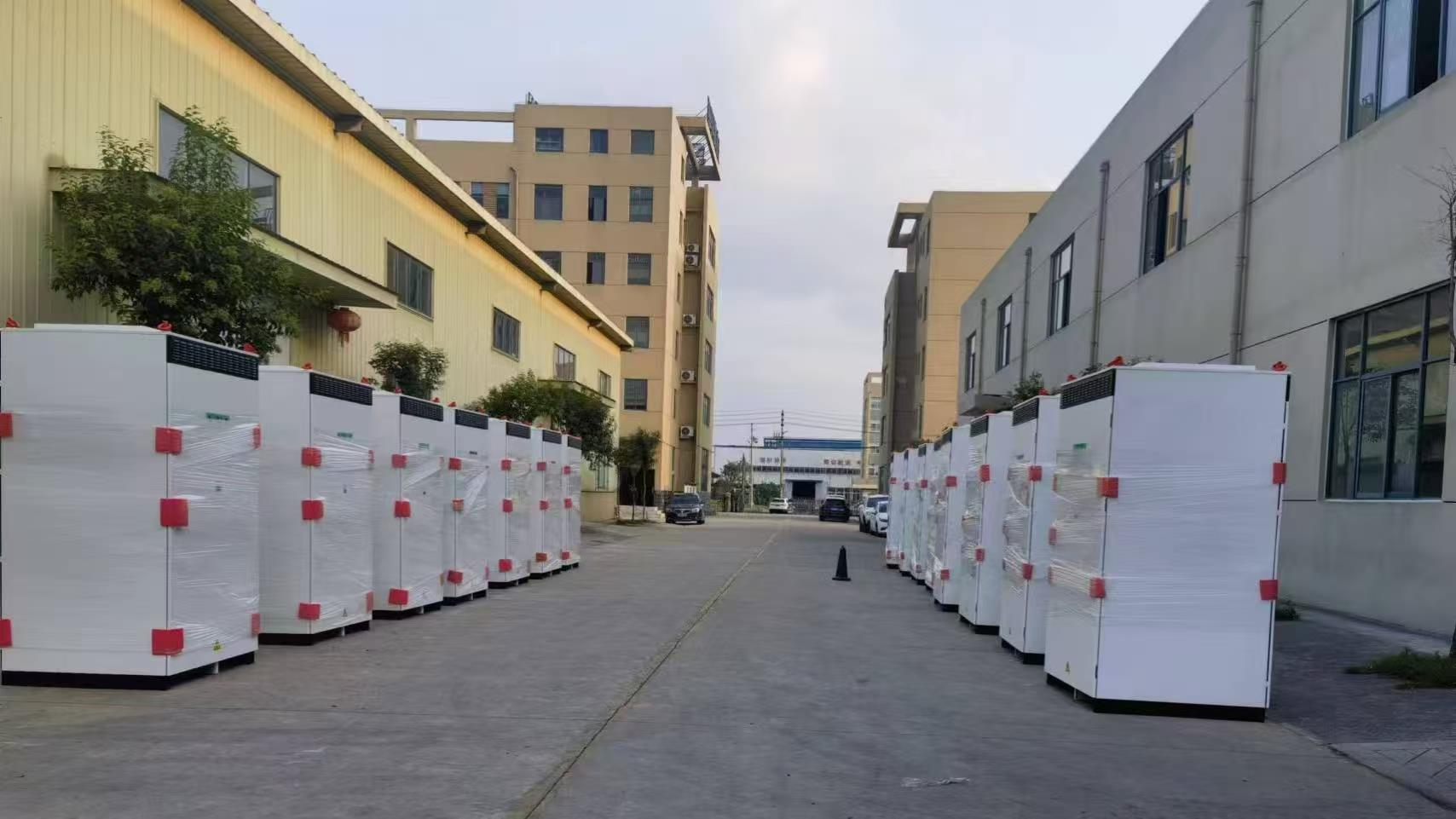
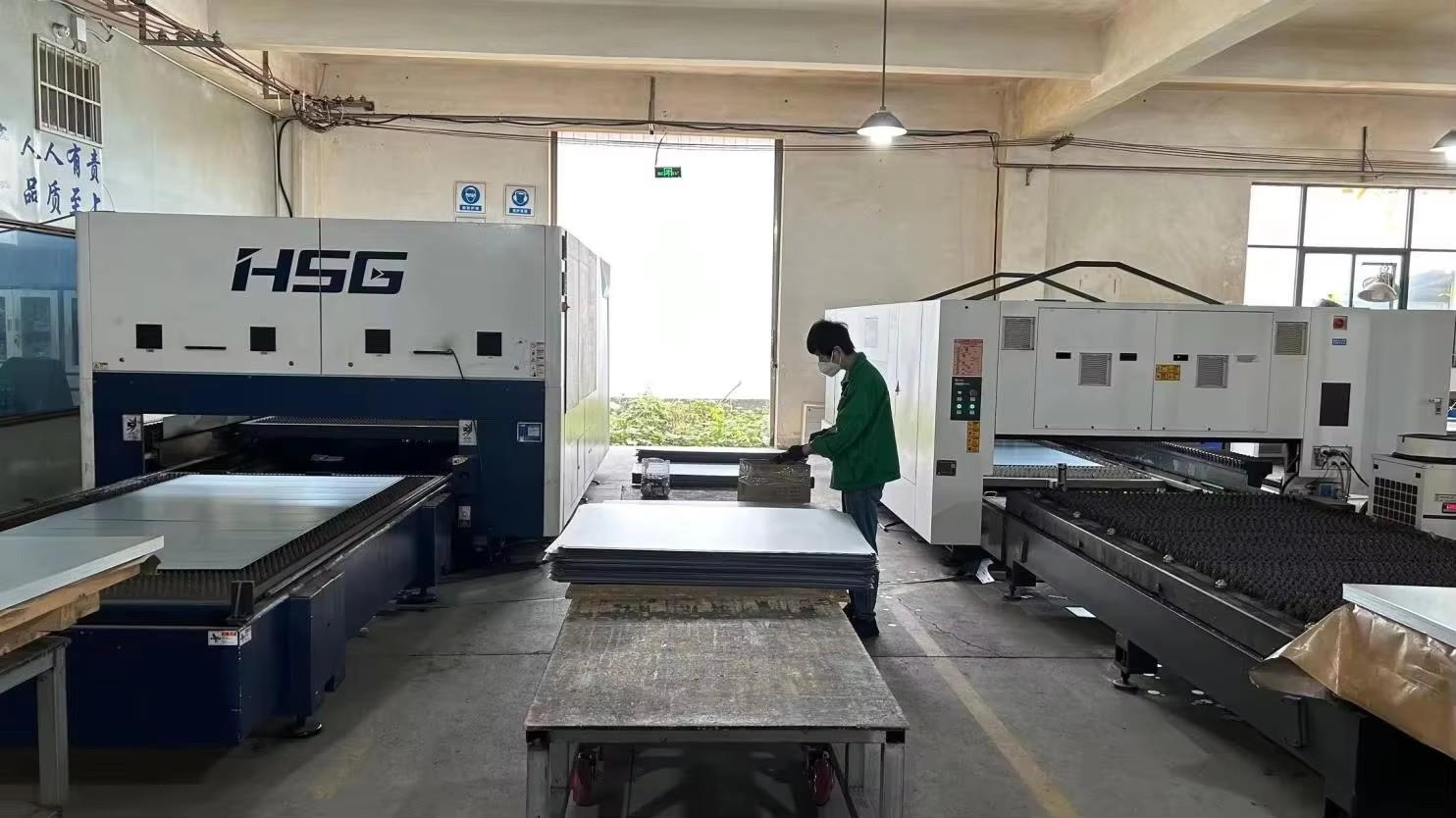
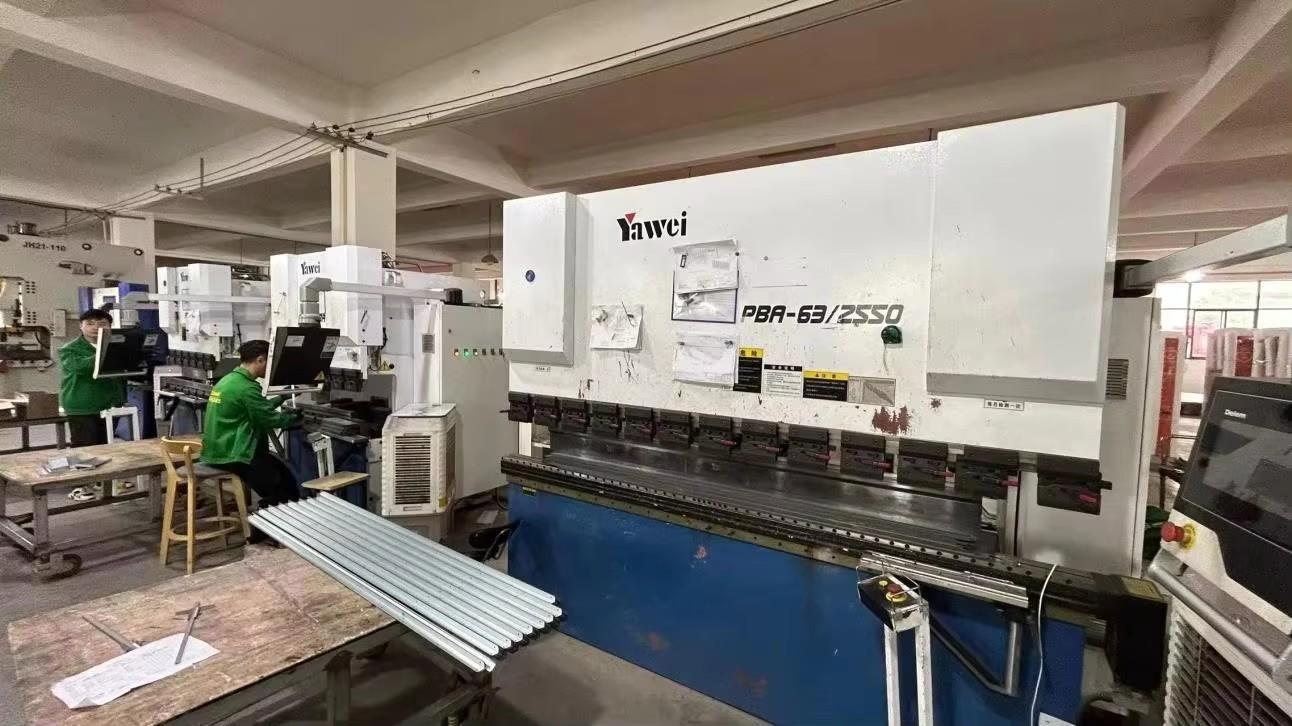
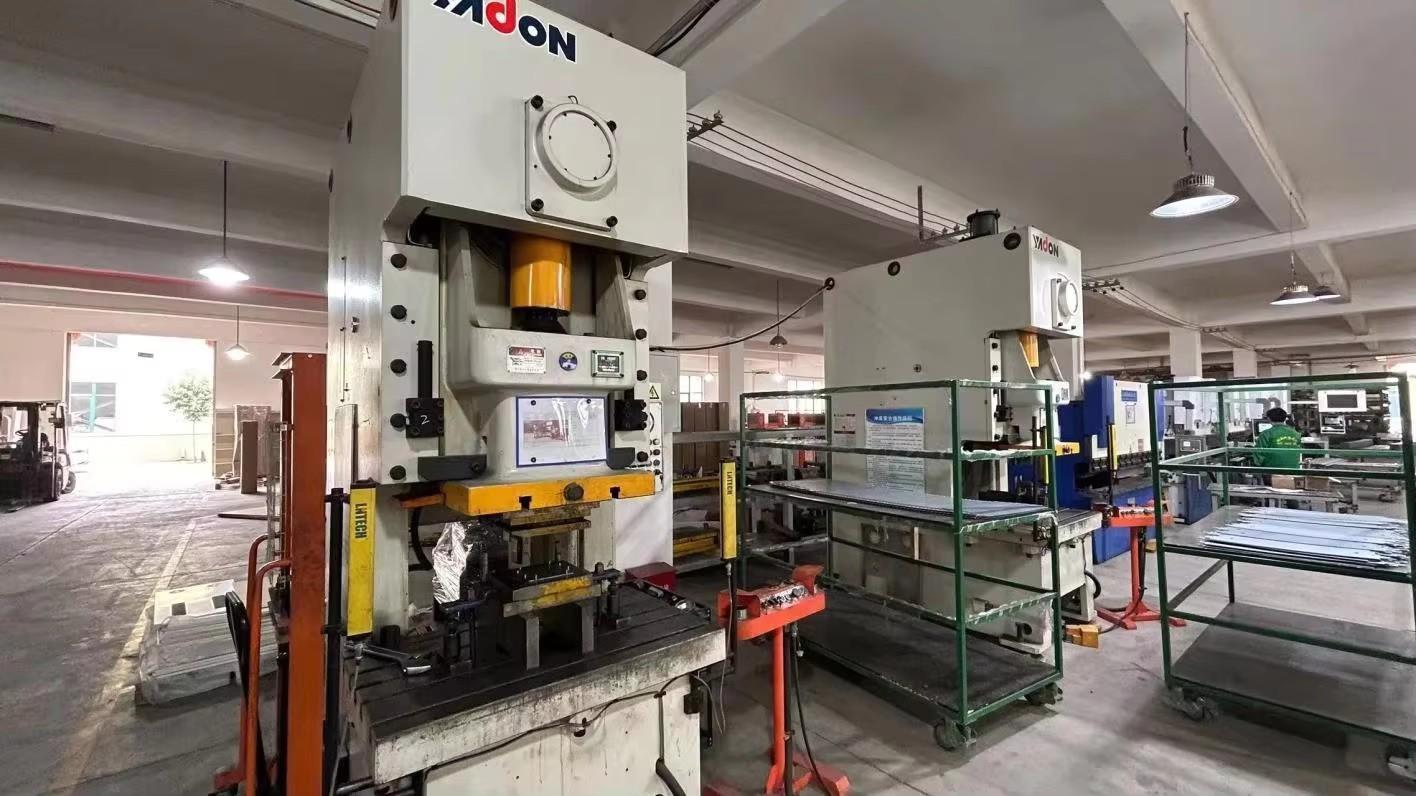
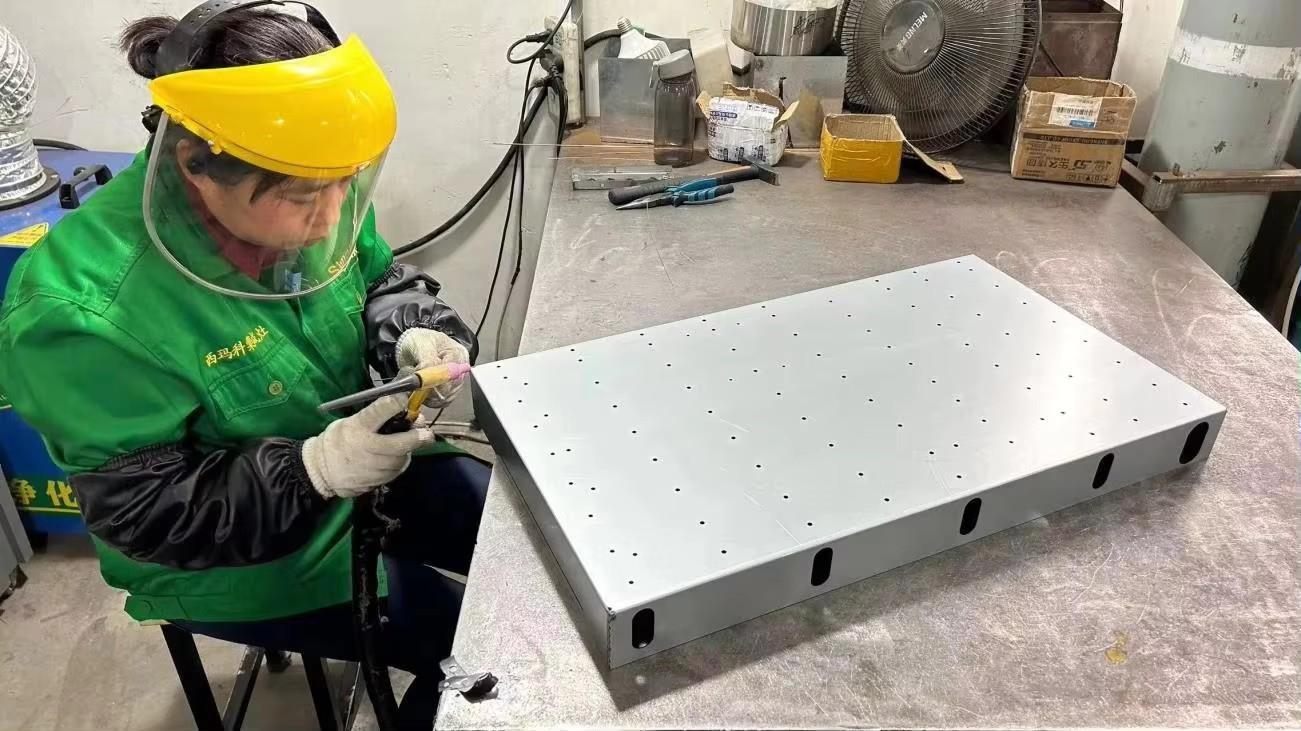
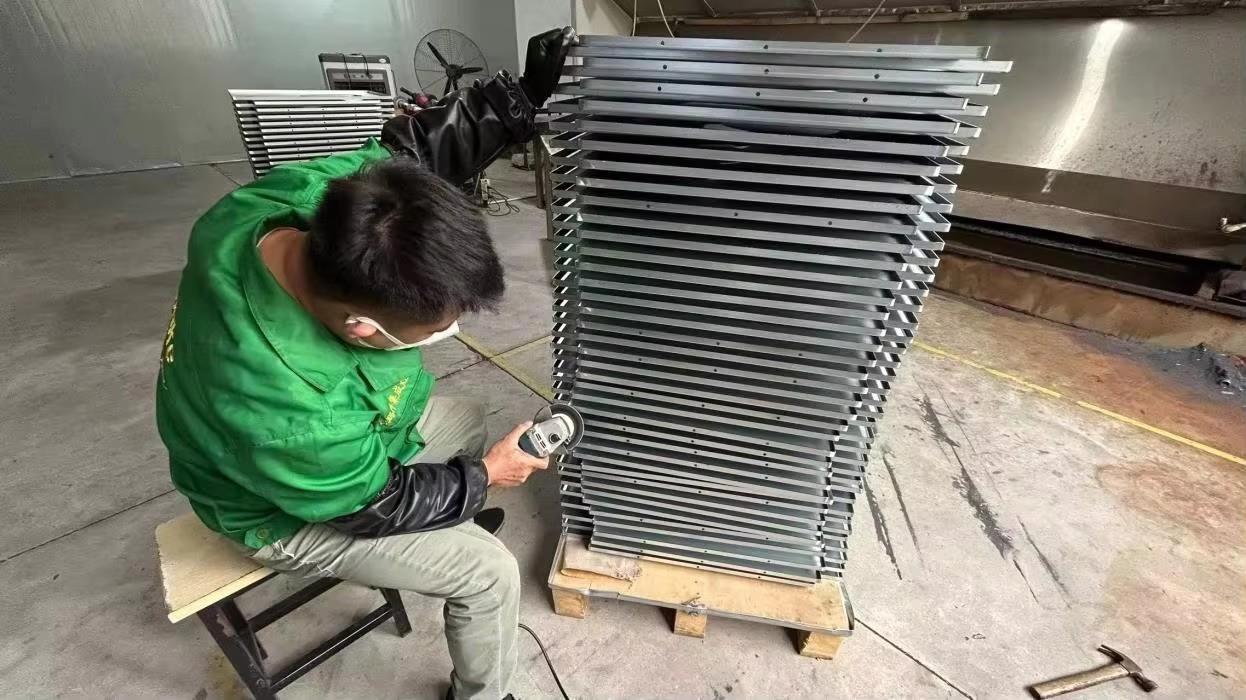
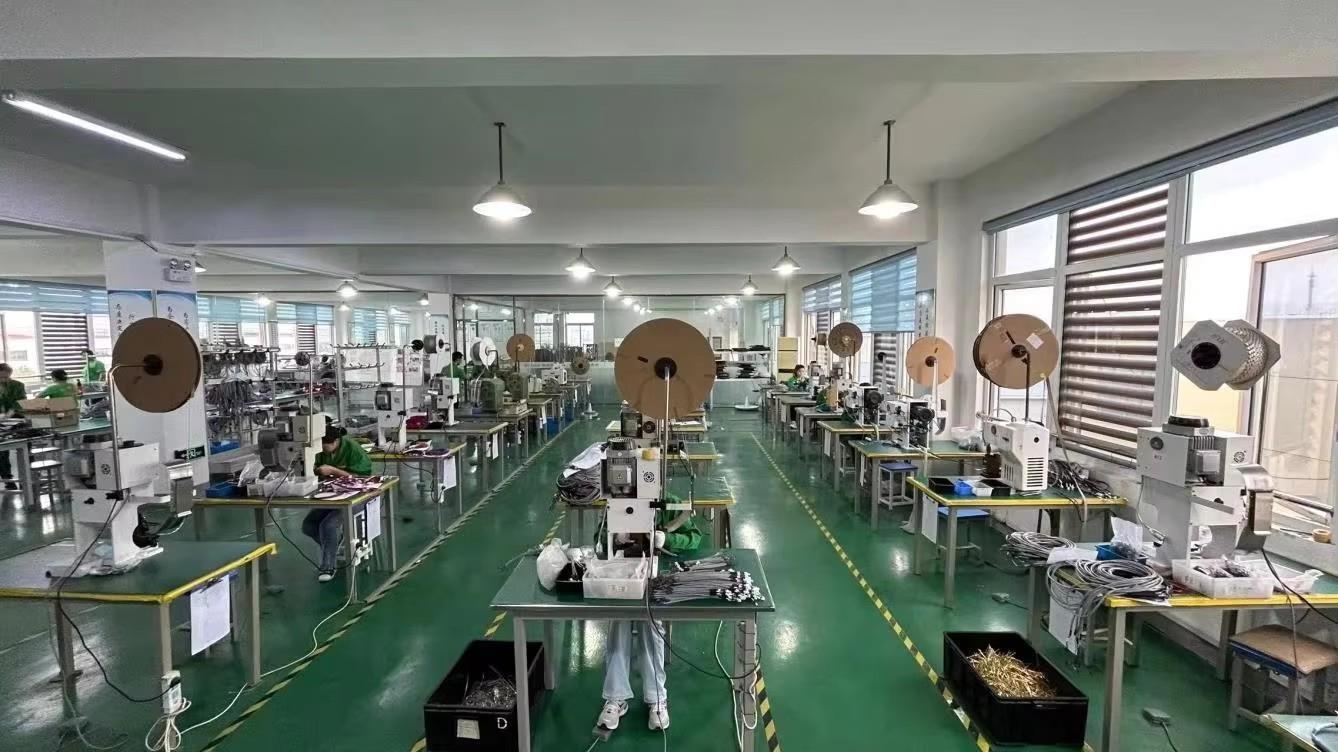
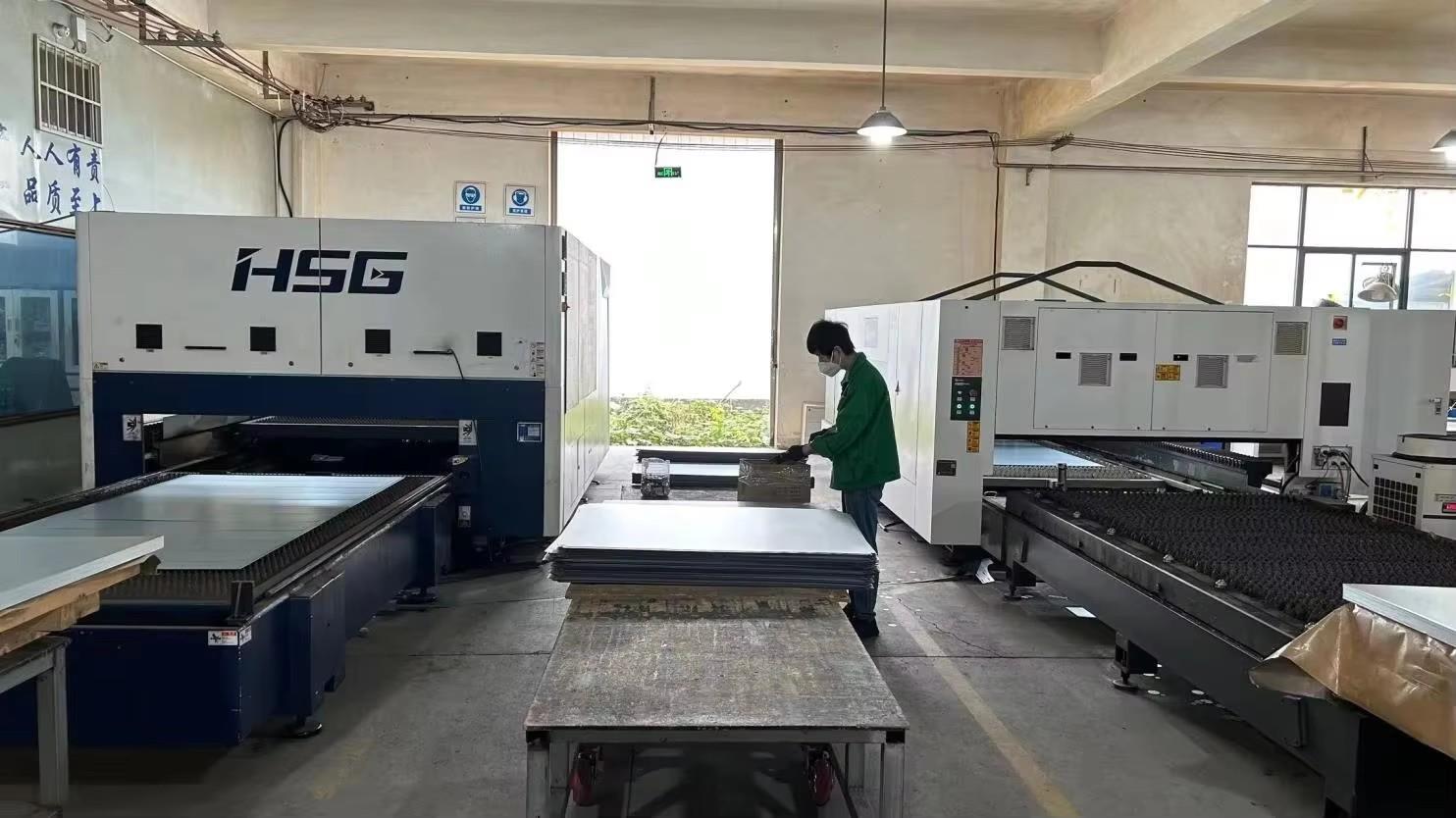
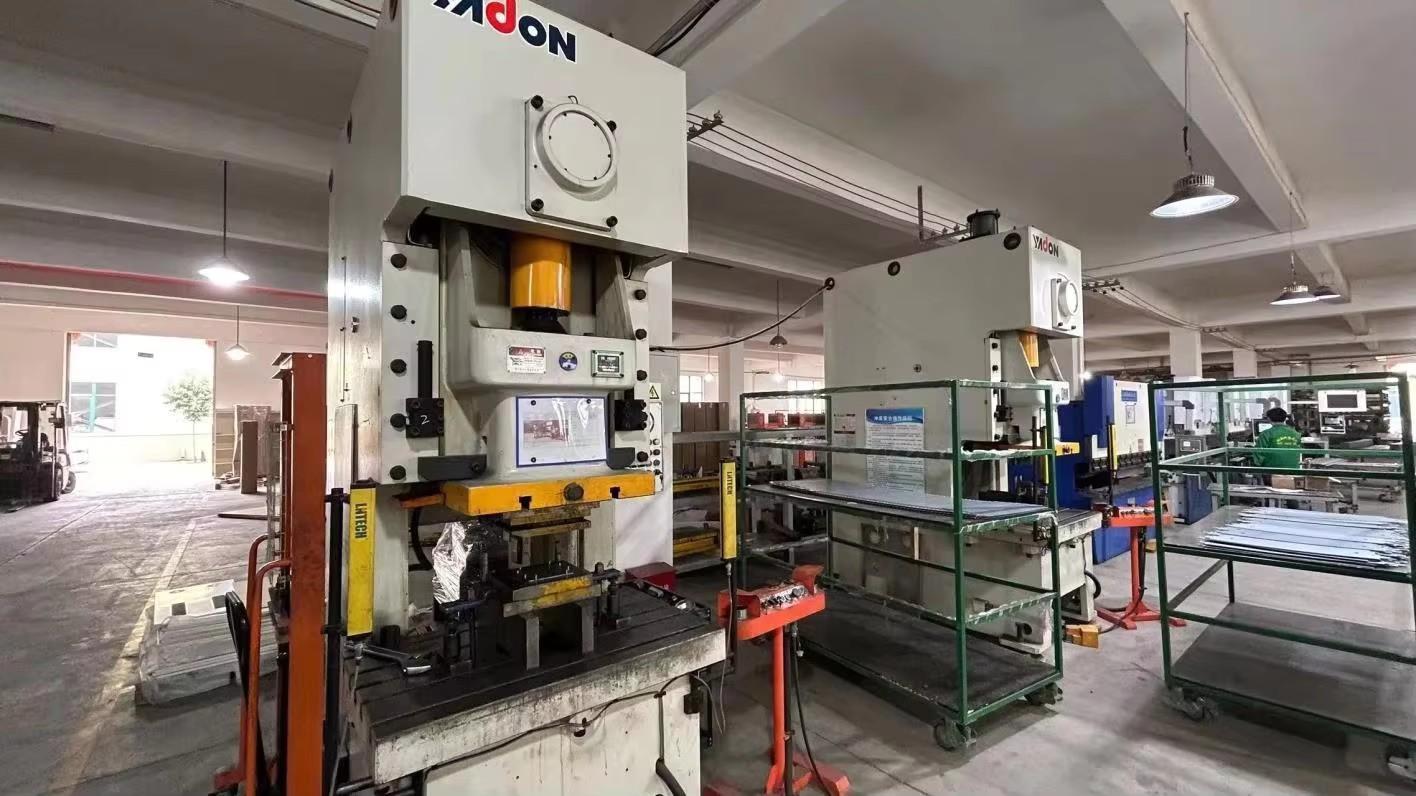
Advanced production facilities and quality control processes delivering reliable, certified photovoltaic components.
Qingdao Luzz Solar Co., Ltd. is a dedicated new energy enterprise specializing in the development, manufacturing, and global distribution of photovoltaic (PV) products and integrated energy storage solutions. Located in Qingdao, China, the company benefits from a well-established renewable energy industrial base and advanced manufacturing capabilities.
With the accelerating global transition toward carbon neutrality and sustainable development, Luzz Solar is committed to providing efficient, reliable, and cost-effective clean energy solutions to customers worldwide. Our product portfolio includes high-efficiency solar photovoltaic modules, energy storage systems, and integrated solar application solutions designed for residential, commercial, and utility-scale projects.
Driven by technological innovation and quality excellence, the company continuously invests in R&D and production optimization to improve product performance, energy conversion efficiency, and system reliability. We strictly adhere to international quality standards and implement rigorous quality control throughout the entire production process to ensure stable and long-term product performance.
Qingdao Luzz Solar actively expands its global market presence, with business coverage across Asia, Europe, the Middle East, Africa, and Latin America. By working closely with international partners, we are committed to delivering tailored energy solutions that meet diverse regional needs and support the global energy transition. Guided by the core values of integrity, innovation, cooperation, and sustainability, Luzz Solar strives to become a trusted global partner in the new energy industry. We are dedicated to advancing solar technology and contributing to a greener, more sustainable future.
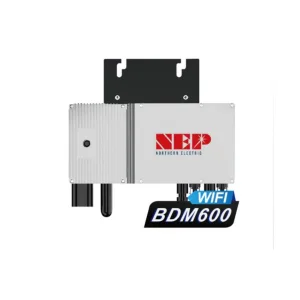
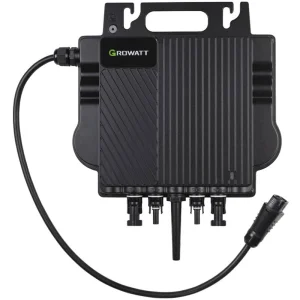
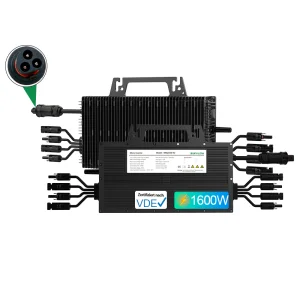
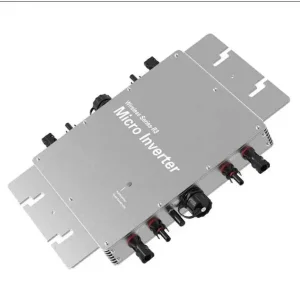
B2B procurement options, from balcony applications to heavy-duty multi-panel arrays.
Technical answers regarding local system designs, shipment rules, and compliance standards.
Connect with our engineering and logistics teams to plan your commercial microinverter deployment or request custom factory production specifications.
Send Inquiry Now Luzz Solar