Engineered for NESCO Net-Metering Compliance & Maximized Energy Yield
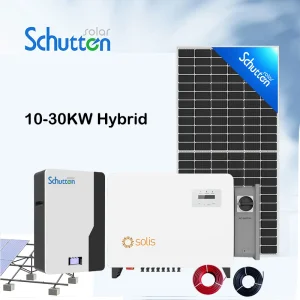
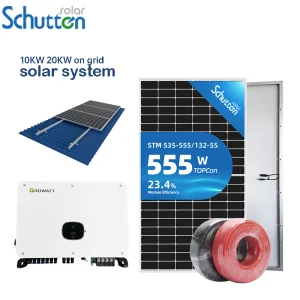
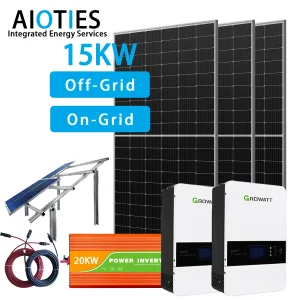
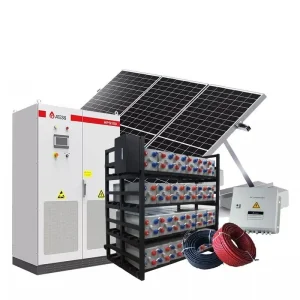
Rajshahi, dynamic as the administrative and educational hub of northern Bangladesh, is experiencing rapid urbanization and industrial expansion. From the historic silk mills and cold storage warehouses in the BSCIC Industrial Estate to massive agricultural processing plants across the division, energy demand is peaking. However, dependence on the conventional grid exposes regional businesses to fluctuating power quality, high peak tariffs, and seasonal load shedding.
Adopting high-capacity, grid-tied (on-grid) photovoltaic systems is no longer just an environmental initiative; it is a critical strategy for operating cost reduction. Backed by the **Bangladesh Power Development Board (BPDB)** and the local distribution utility, **Northern Electricity Supply Company PLC (NESCO)**, grid-tied setups enabled by net metering allow commercial owners to offset up to 80% of daytime energy bills by exporting excess solar generation back into the medium-voltage grid.
When deploying PV systems in northern Bangladesh, site-specific engineering is vital. Designers must plan for the regional climate, which features intense monsoonal rains, high ambient summer temperatures exceeding 40°C, and significant dust accumulation during the dry season. Key engineering considerations include:
High heat reduces module open-circuit voltage. Our systems feature high-efficiency Tier-1 PV modules with a low temperature coefficient of -0.34%/°C, paired with intelligent multi-MPPT inverters that actively manage thermal loads.
Frequent fluctuations in local 11kV/33kV distribution lines demand strict protective relays. Integrated anti-islanding mechanisms instantly disconnect the PV system during utility power failures to protect field maintenance personnel.
Rajshahi’s dusty winter conditions cause power generation losses. Designing racking systems with a minimum 10° tilt angle ensures self-cleaning during rain, while anti-reflective, dirt-resistant glass maintains high transmissivity.
For procurement officers and factory owners, the primary metric for solar adoption is the Levelized Cost of Energy (LCOE). While the initial CapEx of importing premium Tier-1 components from China may seem significant, the operational life of 25+ years yields an impressive Return on Investment (ROI). Modern commercial installations in Rajshahi achieve a payback period of 3.8 to 5.2 years, depending on the industrial tariff category (e.g., NESCO Flat Rate vs. Peak/Off-Peak billing). After this amortization phase, the electricity generated by the system is effectively free, greatly improving the factory's competitive cost structures.
How Qingdao Luzz Solar Delivers Uncompromising Quality to Bangladesh Partners
Establishing a dependable grid-tied PV installation requires robust hardware. Qingdao Luzz Solar Co., Ltd., based in Qingdao, China, bridges the gap between advanced manufacturing and local engineering requirements in Rajshahi. We maintain strict control over every phase of production, from initial component sourcing to final functional testing, ensuring compliance with IEC, CE, and TUV international certification standards.
Our deep integration into the global PV supply chain allows us to deliver high-quality systems at highly competitive wholesale rates. When importing components for large-scale municipal, agricultural, or industrial plants in Bangladesh, buyers receive components designed to withstand tropical conditions, backed by comprehensive performance warranties.
Qingdao Luzz Solar Co., Ltd. is a professional new energy enterprise specializing in the development, manufacturing, and global distribution of photovoltaic (PV) products and integrated energy storage solutions. Located in Qingdao, China, the company benefits from a well-established renewable energy industrial base and advanced manufacturing capabilities.
With the accelerating global transition toward carbon neutrality and sustainable development, Luzz Solar is committed to providing efficient, reliable, and cost-effective clean energy solutions to customers worldwide. Our product portfolio includes high-efficiency solar photovoltaic modules, energy storage systems, and integrated solar application solutions designed for residential, commercial, and utility-scale projects.
Driven by technological innovation and quality excellence, the company continuously invests in R&D and production optimization to improve product performance, energy conversion efficiency, and system reliability. We strictly adhere to international quality standards and implement rigorous quality control throughout the entire production process to ensure stable and long-term product performance.
Qingdao Luzz Solar actively expands its global market presence, with business coverage across Asia, Europe, the Middle East, Africa, and Latin America. By working closely with international partners, we are committed to delivering tailored energy solutions that meet diverse regional needs and support the global energy transition.
Guided by the core values of integrity, innovation, cooperation, and sustainability, Luzz Solar strives to become a trusted global partner in the new energy industry. We are dedicated to advancing solar technology and contributing to a greener, more sustainable future.
Every step is monitored to guarantee 25-year reliability for projects in Rajshahi
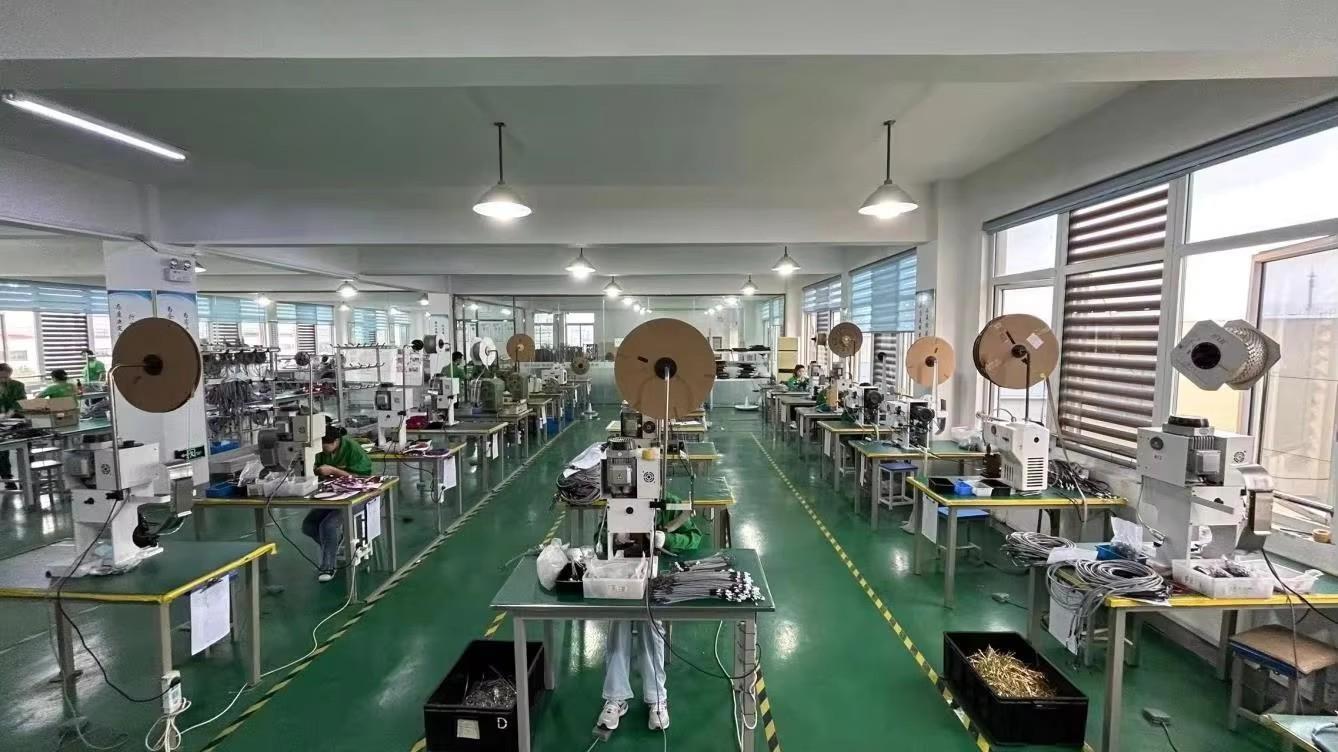
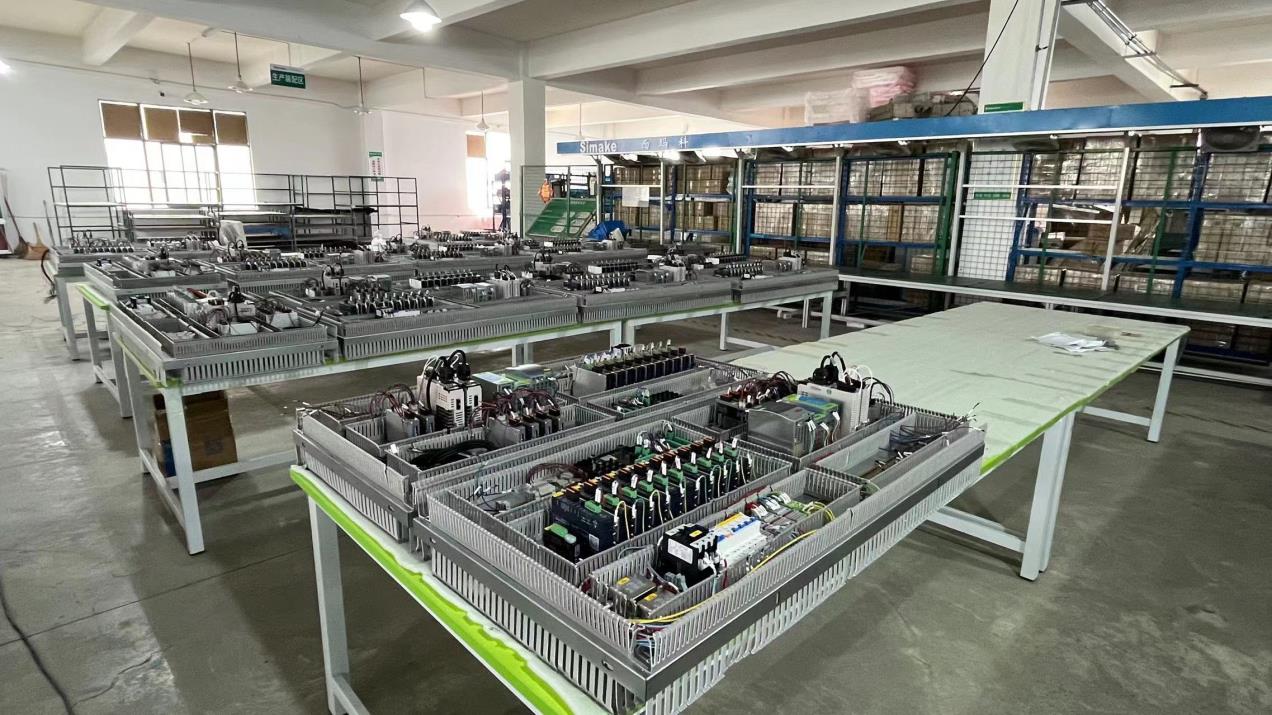
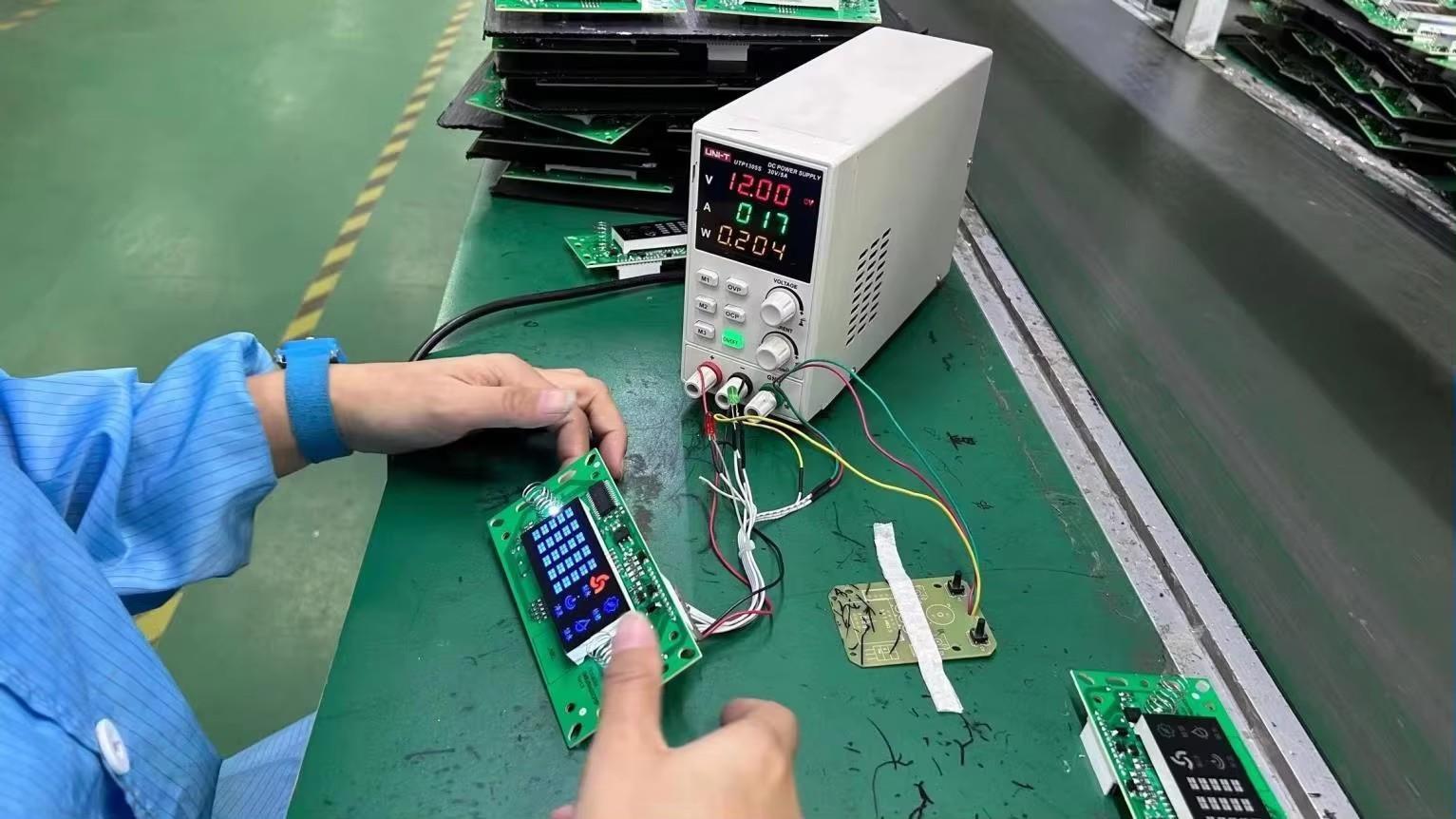
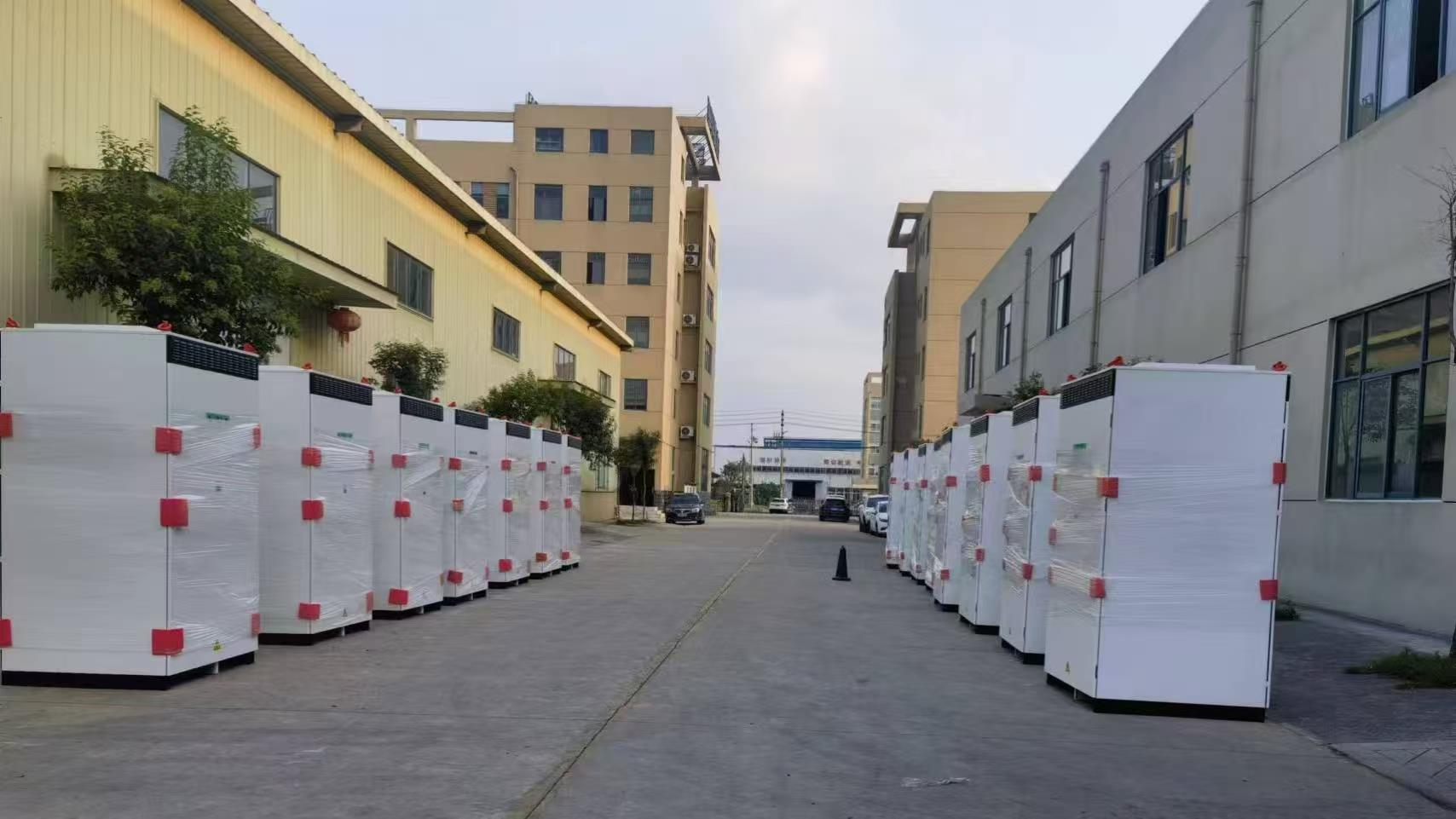
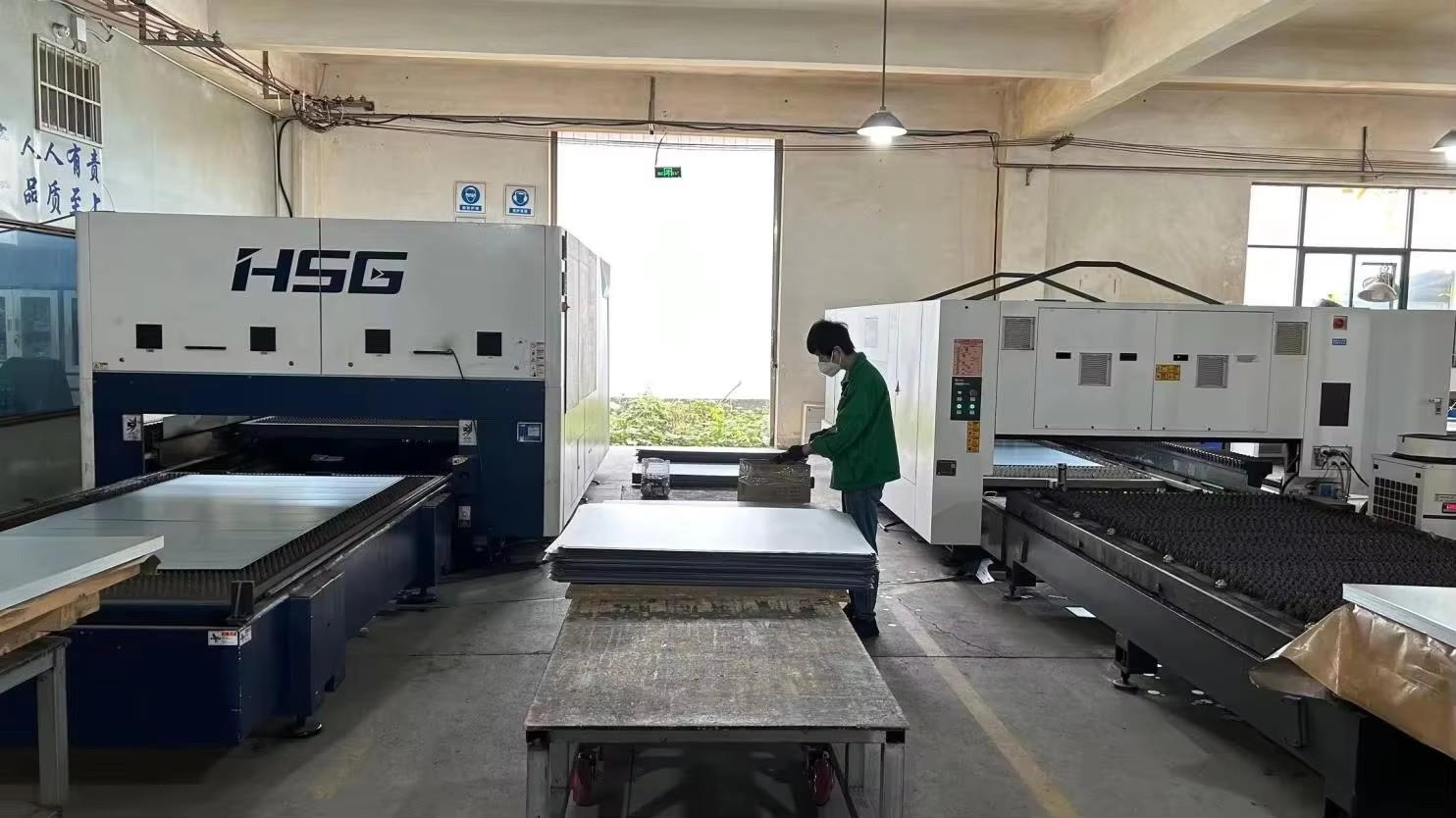
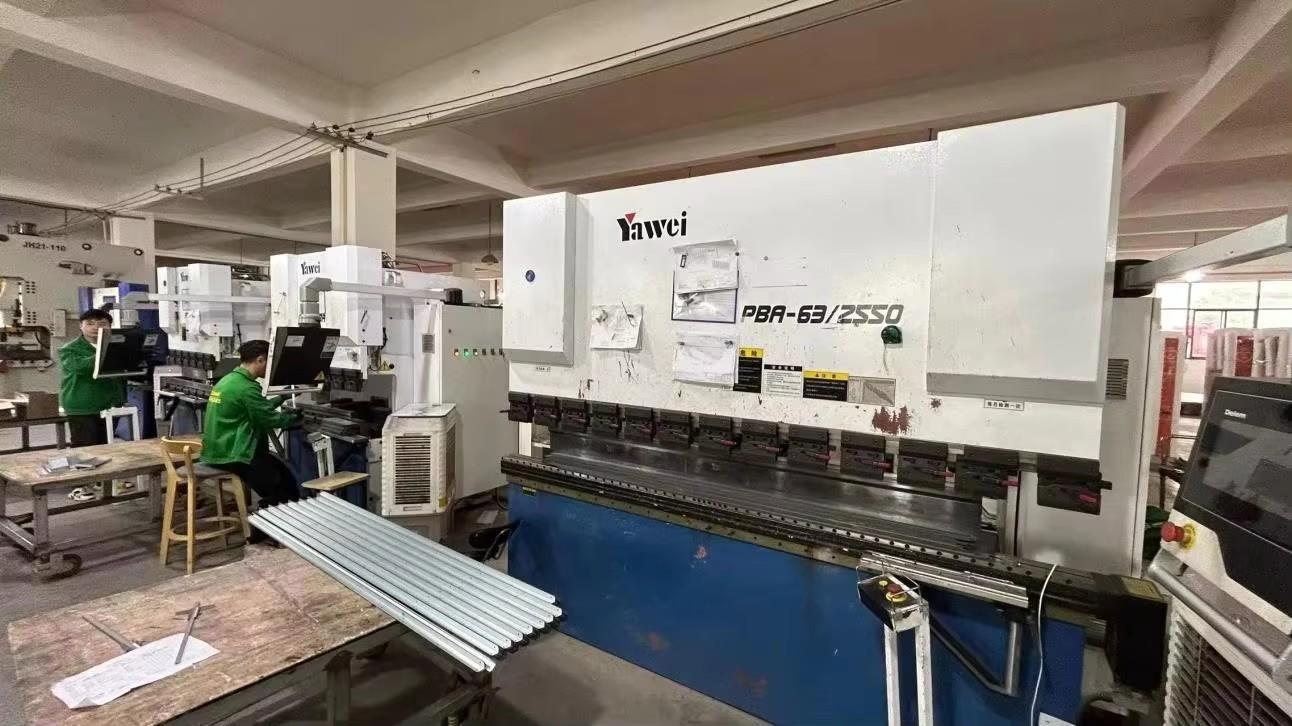
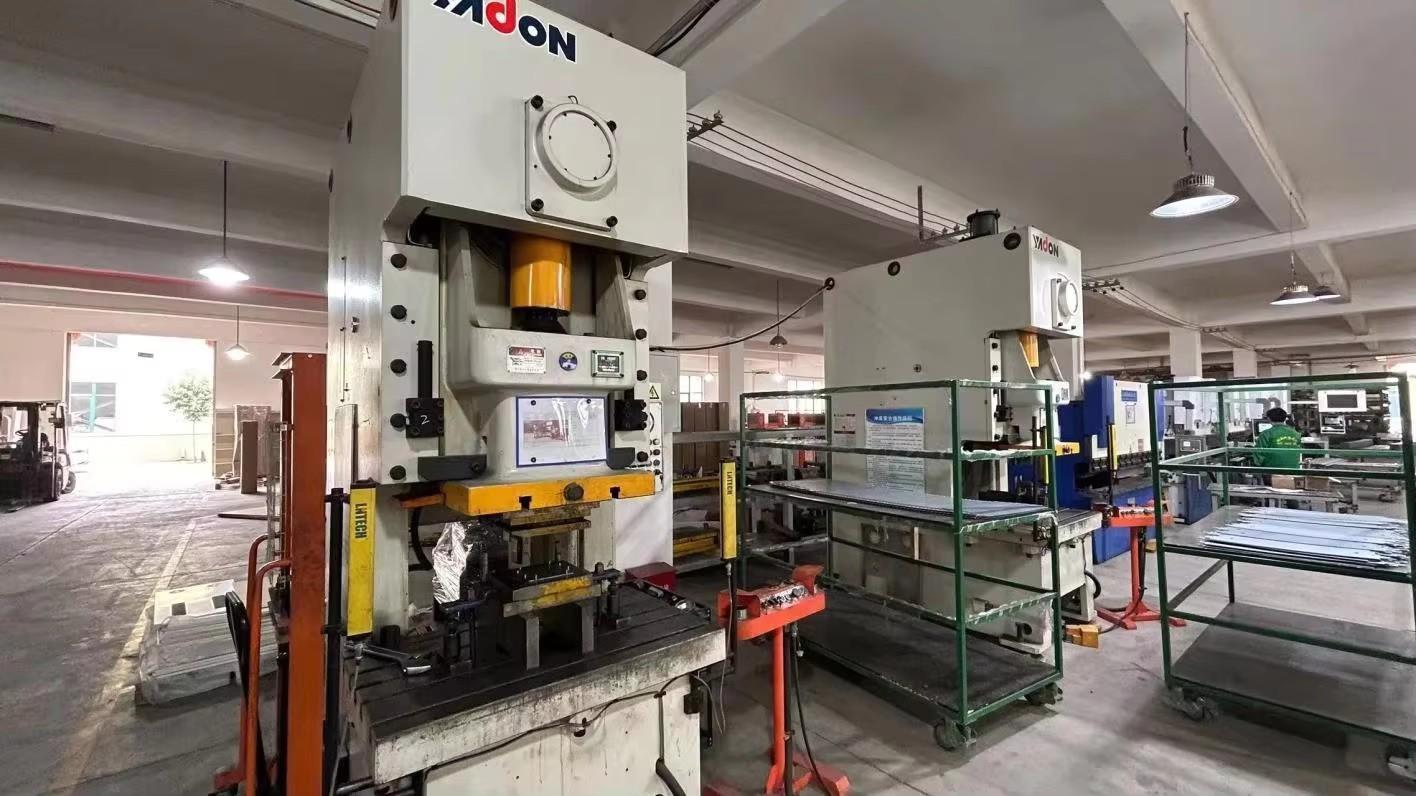
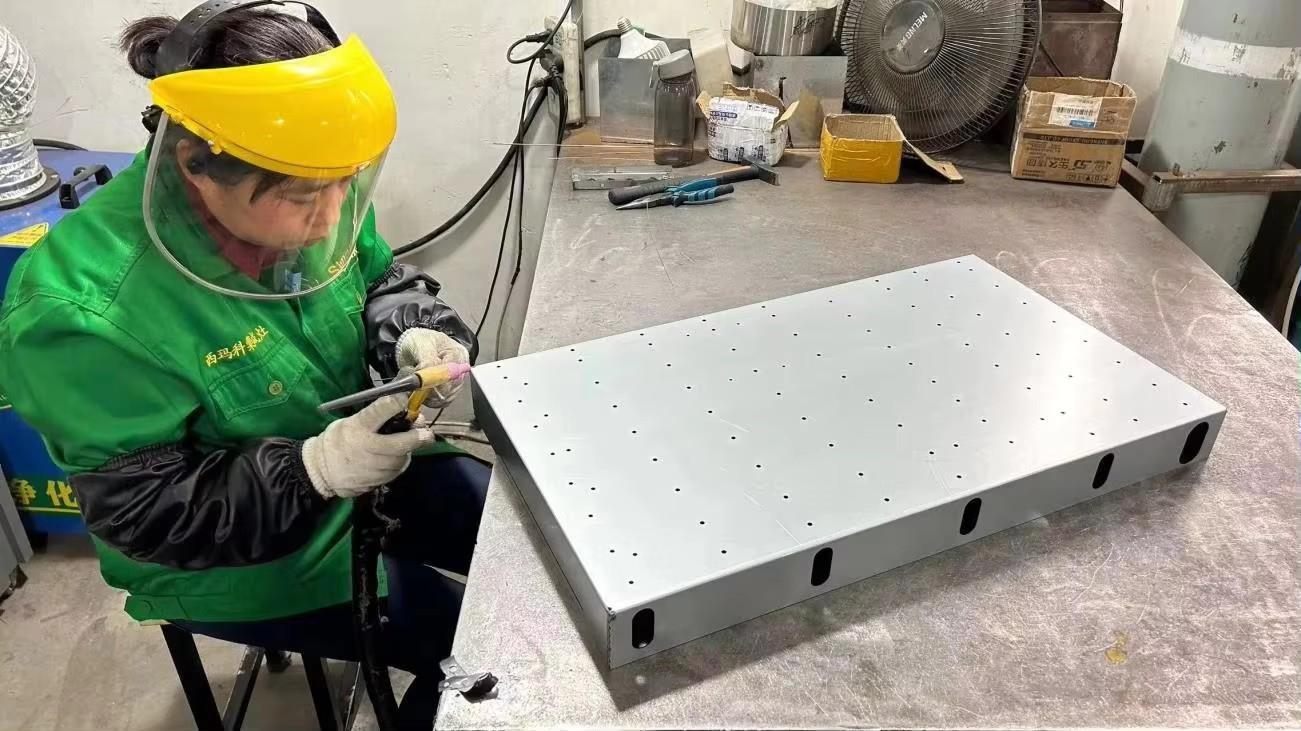
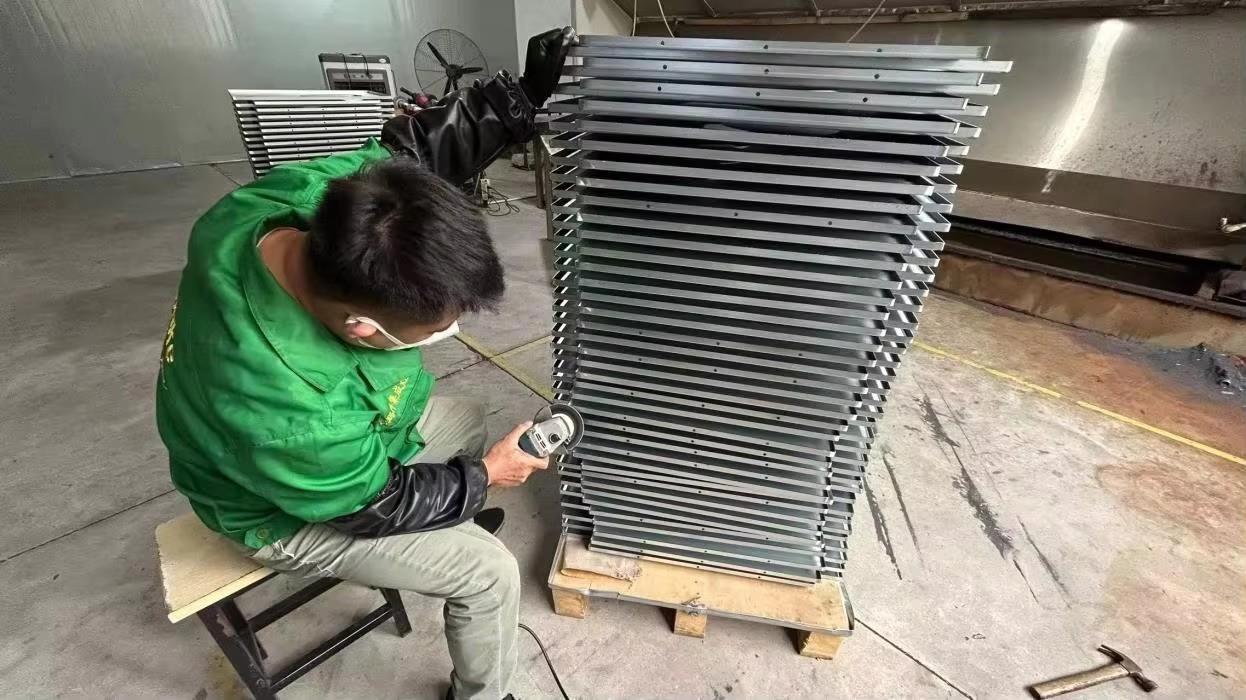
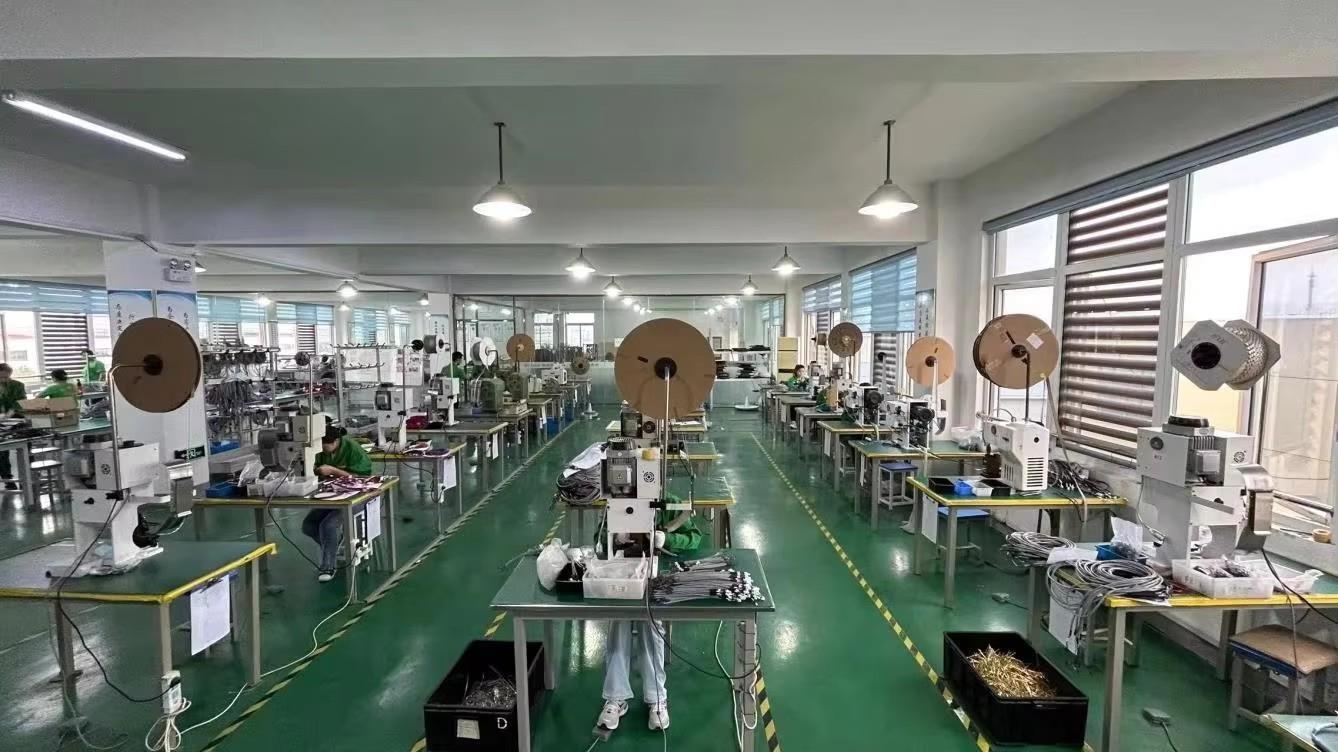
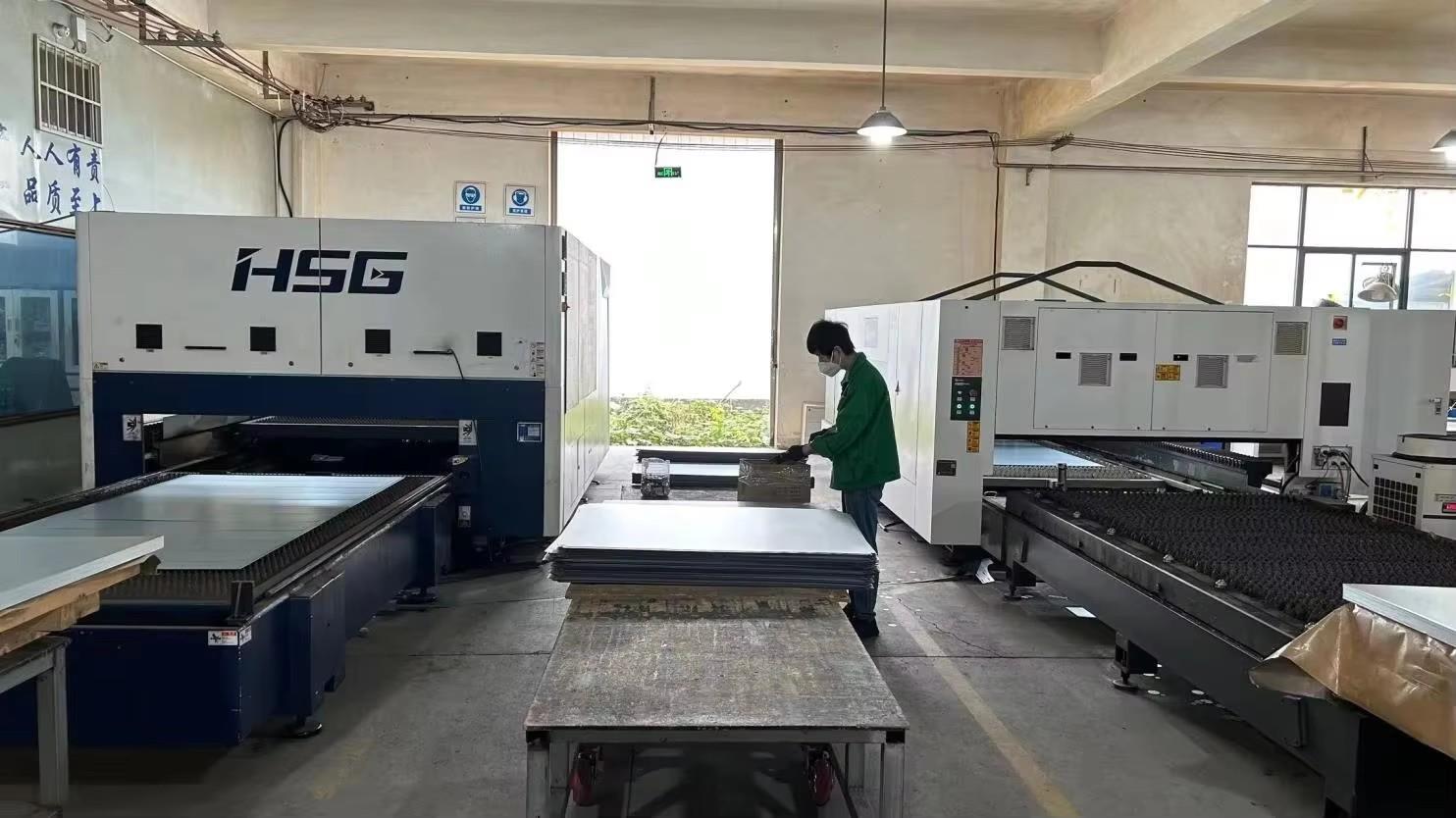
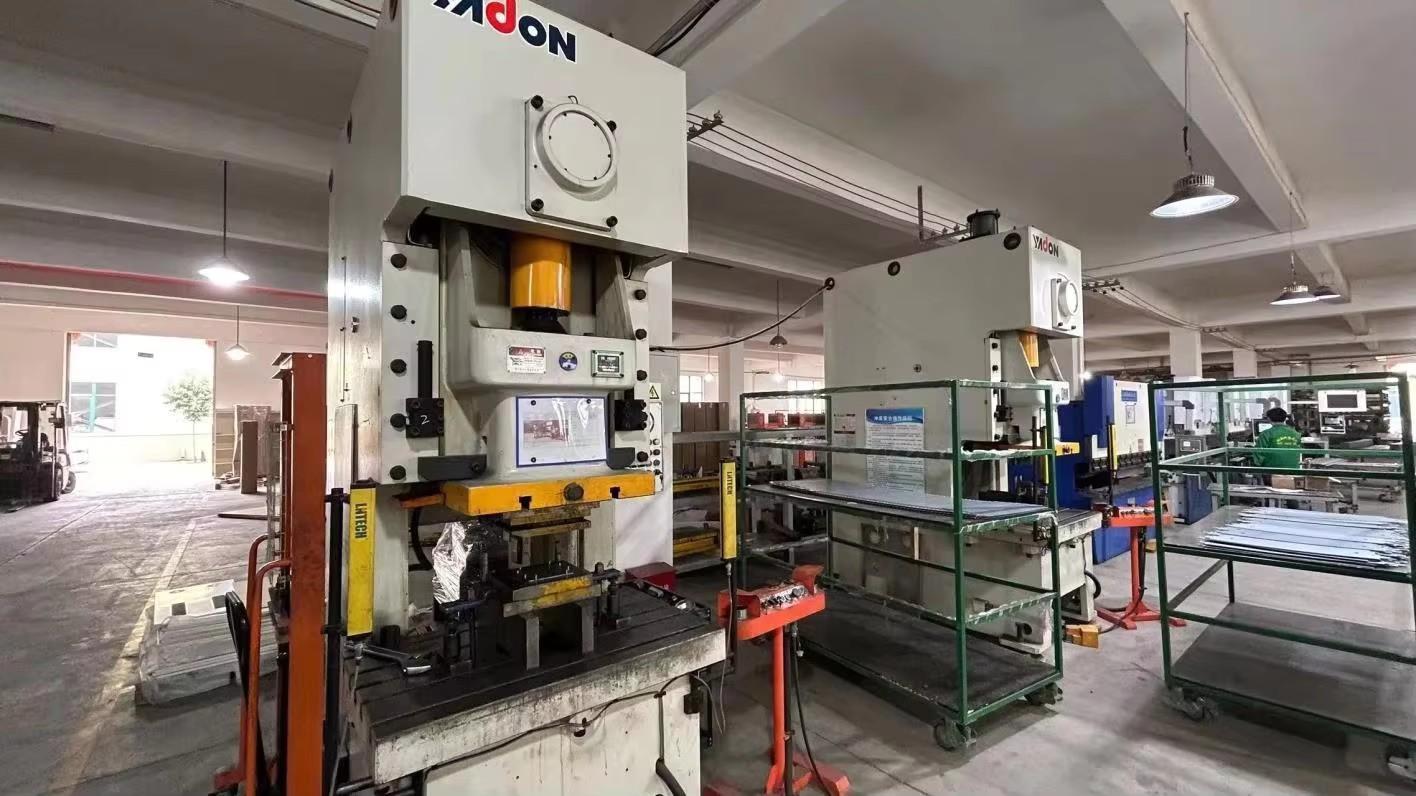
Delivering premium photovoltaic engineering to international markets under strict quality guidelines
Unlike off-grid systems that require high-maintenance battery banks, grid-tied architectures are optimized for settings with consistent daytime energy consumption. Some primary application scenarios in Rajshahi include:
Rajshahi Division is a leading agricultural producer, specializing in mangoes, potatoes, and grains. Massive cold storage facilities operate 24/7, consuming significant energy during hot summer peak periods. By installing a 100kW to 500kW grid-tied solar system on warehouse roofs, operators can generate maximum solar power when daytime air conditioning load demands are highest, reducing peak-demand charges from the utility.
Weaving and spinning mills in the Rajshahi BSCIC area run energy-intensive machinery. The high startup currents of induction motors require a stable voltage source. A grid-tied solar system works in parallel with the NESCO grid, serving as a clean, cost-efficient supplemental source that maintains the voltage profile and offsets active energy charges.
Home to premier institutions like Rajshahi University (RU) and Rajshahi University of Engineering & Technology (RUET), the region has extensive roof surfaces on academic and residential halls. Because university power consumption peaks during daytime class hours, grid-tied setups align energy generation with demand. Over holiday periods, excess power is exported back to the grid, converting empty campus roofs into municipal power generators.
Expert technical answers for engineers, developers, and purchasing managers in Rajshahi
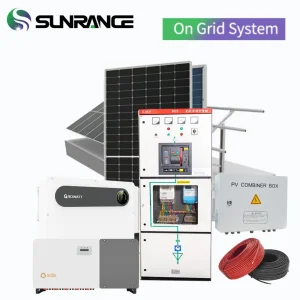
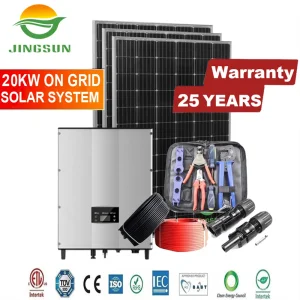
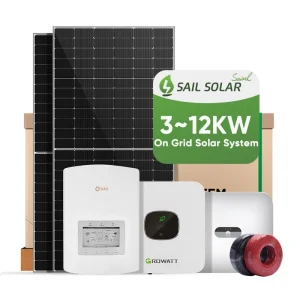
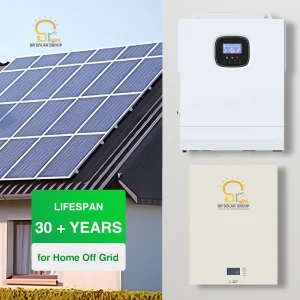
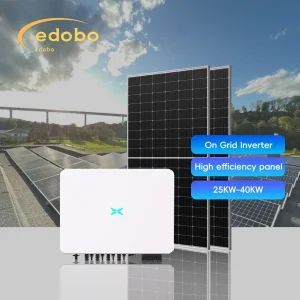
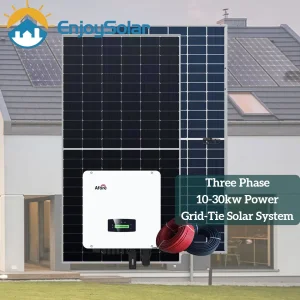
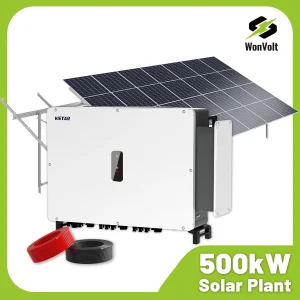
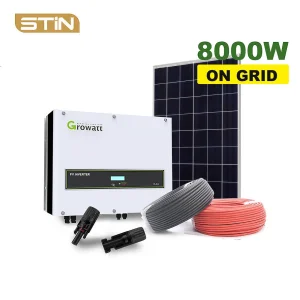
Select the ideal system configuration for your building's footprint and energy demands
 Luzz Solar