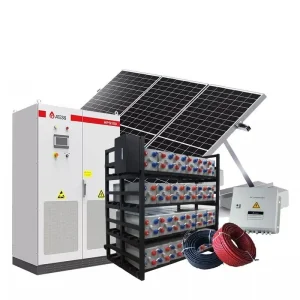
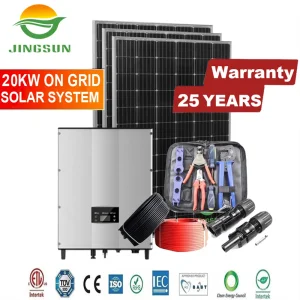
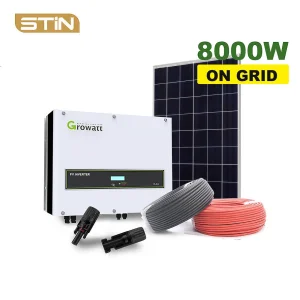
Engineered for immediate integration with Seychelles PUC utility grids, delivering optimized performance under high-salinity island conditions.
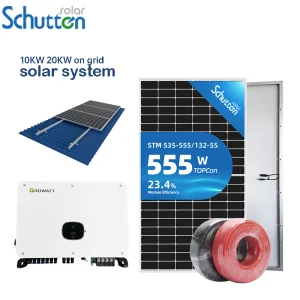
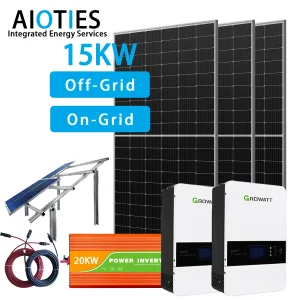
As an archipelago country of 115 islands in the Indian Ocean, the Republic of Seychelles has historically faced a critical energy challenge: an over-reliance on imported petroleum fuels. With diesel fuel power generation supplying over 90% of national energy demands, local enterprises are vulnerable to global oil market instability. This dependency translates directly to elevated electricity tariffs, creating a pressing economic driver for decentralization and renewable integration.
Recognizing these geopolitical and environmental challenges, the Seychelles Public Utilities Corporation (PUC) and the Ministry of Agriculture, Climate Change and Environment (MACCE) have instituted progressive policies promoting private-sector clean energy development. Regulatory structures, including the Net-Metering Scheme and the newer Independent Power Producer (IPP) guidelines, now permit businesses to export surplus solar electricity to the utility grid. This regulatory framework turns rooftop space and parking canopies into high-yield, revenue-generating assets.
Unlike off-grid systems that require high capital investments in lithium-ion battery banks, grid-tied photovoltaic plants utilize the utility grid as a virtual battery. When generation exceeds load, the excess energy flows back to the PUC network, offsetting consumption fees. This framework minimizes capital expenditure, shortens payback periods, and eliminates the environmental overhead of disposal processes for lead or lithium batteries in sensitive island ecosystems.
Deploying photovoltaic hardware in the Seychelles requires specialized engineering to withstand severe microclimatic conditions. Standard PV systems designed for inland operations often fail prematurely when subjected to high relative humidity (exceeding 80% year-round), corrosive marine salt-spray, and seasonal monsoon wind patterns.
Saline environments act as electrochemical catalysts, accelerating structural oxidation and electrical degradation. High-quality grid-tied solar systems designed for the Seychelles must utilize materials engineered for Class C5-M (Marine coastal and offshore) atmospheric corrosivity:
Tropical heat causes standard solar cells to lose efficiency, a phenomenon characterized by a high negative temperature coefficient. Our tier-1 N-Type TOPCon and HJT monocrystalline modules exhibit a low temperature coefficient of -0.30%/°C, outperforming legacy P-type PERC panels. Furthermore, high relative humidity increases Potential Induced Degradation (PID). Our manufacturing incorporates double-glass encapsulation and Polyolefin Elastomer (POE) packaging materials to prevent moisture ingress, virtually eliminating PID and extending system lifespans to 30 years.
As solar penetration increases across localized grids like Mahe, Praslin, and La Digue, maintaining grid frequency and voltage stability is critical. The Public Utilities Corporation enforces strict grid-connection guidelines. Our commercial grid-tied systems incorporate integrated, intelligent grid-balancing technologies to meet these requirements.
For localized grids with strict injection limits, our smart controllers monitor load consumption and throttle inverter output dynamically within milliseconds to prevent backfeeding into the PUC lines.
Equipped with state-of-the-art string inverters (such as Solis, Growatt, and Deye), our systems dynamically adjust active and reactive power (PF 0.8 leading to 0.8 lagging) to stabilize grid voltage.
Seamless integration with existing diesel generators via intelligent controller links, allowing solar plants to run alongside HFO generators without inducing reverse power trips.
Qingdao Luzz Solar Co., Ltd. — Delivering certified quality and advanced component manufacturing.
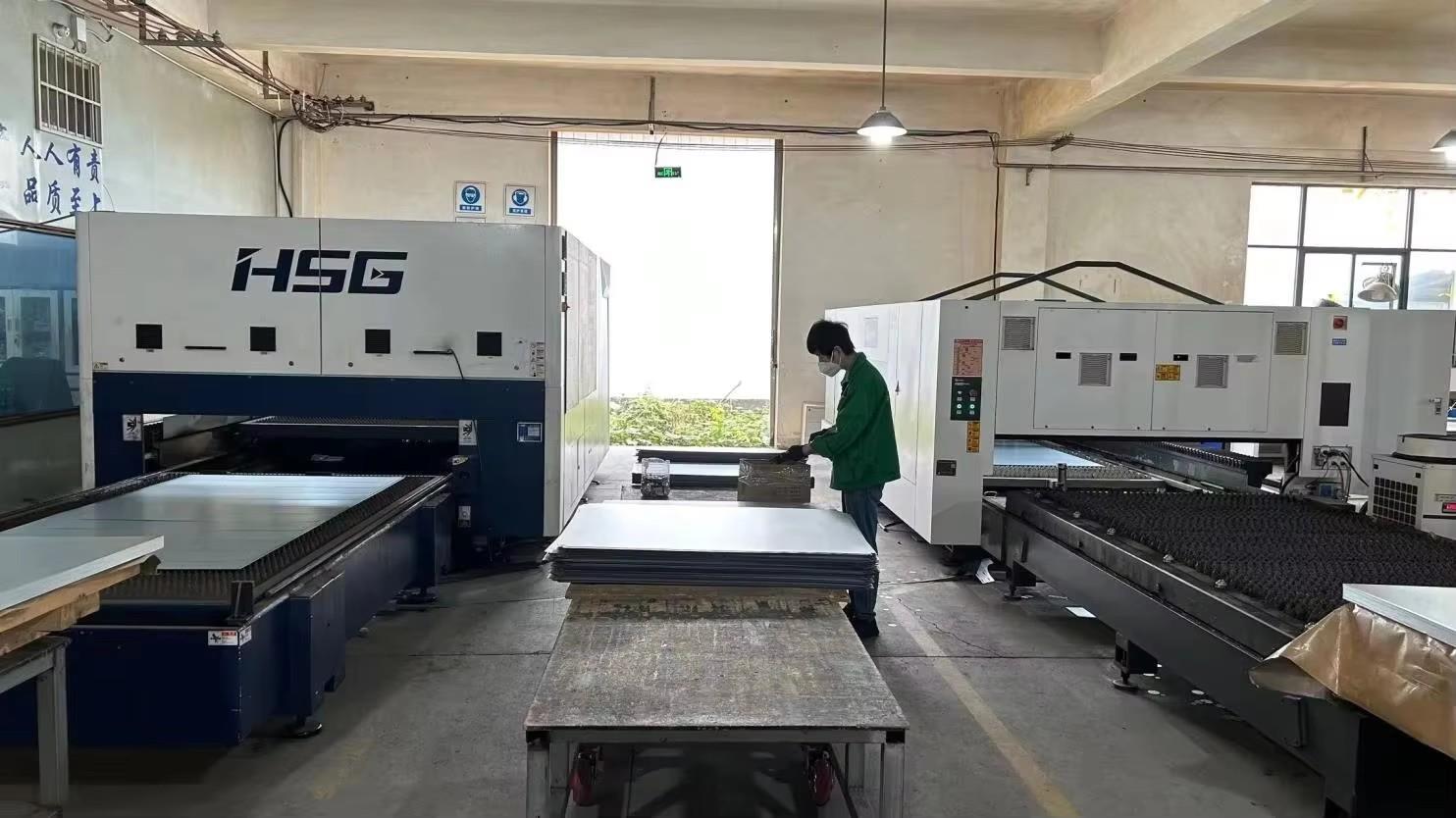
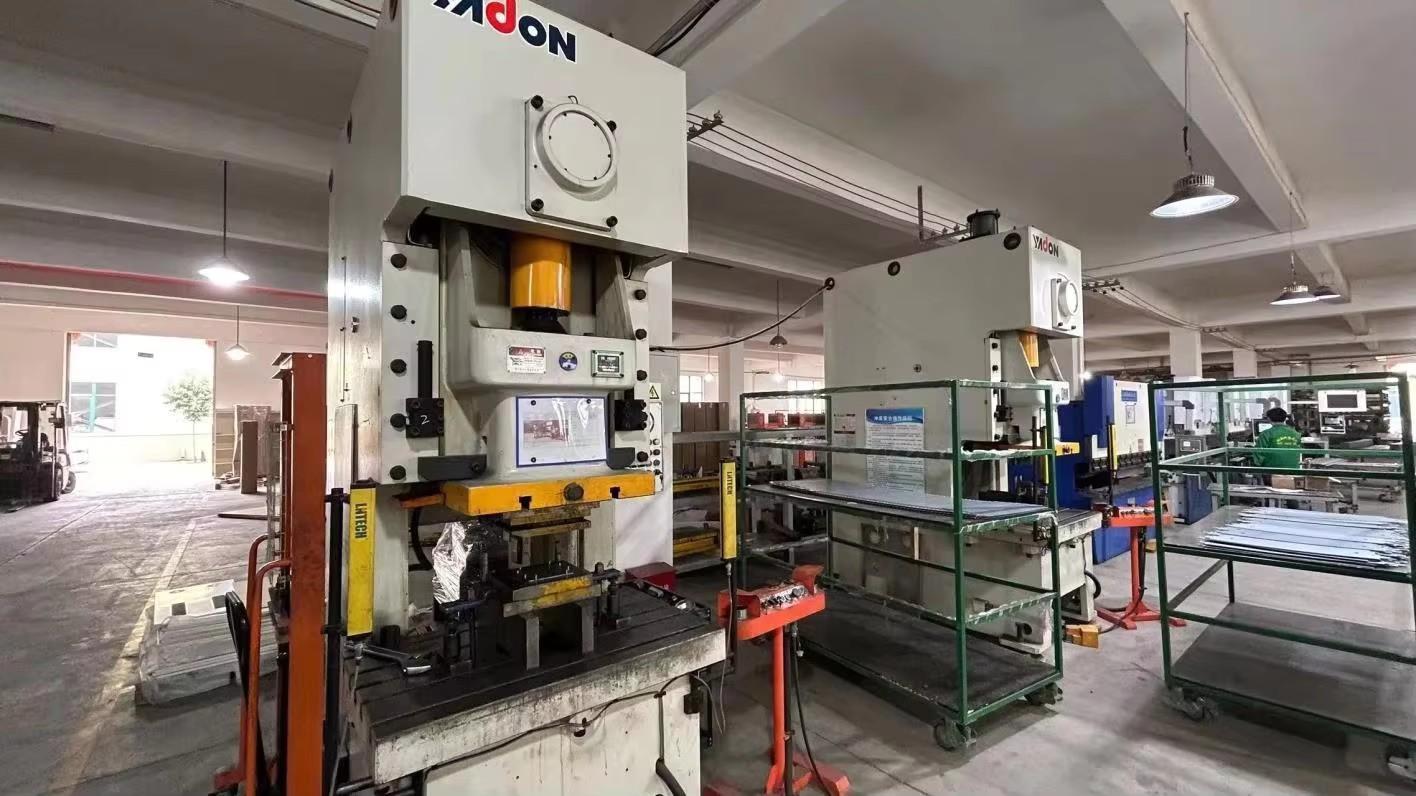
Qingdao Luzz Solar Co., Ltd. is a professional new energy enterprise specializing in the development, manufacturing, and global distribution of photovoltaic (PV) products and integrated energy storage solutions. Located in Qingdao, China, the company benefits from a well-established renewable energy industrial base and advanced manufacturing capabilities.
With the accelerating global transition toward carbon neutrality and sustainable development, Luzz Solar is committed to providing efficient, reliable, and cost-effective clean energy solutions to customers worldwide. Our product portfolio includes high-efficiency solar photovoltaic modules, energy storage systems, and integrated solar application solutions designed for residential, commercial, and utility-scale projects.
Driven by technological innovation and quality excellence, the company continuously invests in R&D and production optimization to improve product performance, energy conversion efficiency, and system reliability. We strictly adhere to international quality standards and implement rigorous quality control throughout the entire production process to ensure stable and long-term product performance.
Qingdao Luzz Solar actively expands its global market presence, with business coverage across Asia, Europe, the Middle East, Africa, and Latin America. By working closely with international partners, we are committed to delivering tailored energy solutions that meet diverse regional needs and support the global energy transition.
Guided by the core values of integrity, innovation, cooperation, and sustainability, Luzz Solar strives to become a trusted global partner in the new energy industry. We are dedicated to advancing solar technology and contributing to a greener, more sustainable future.
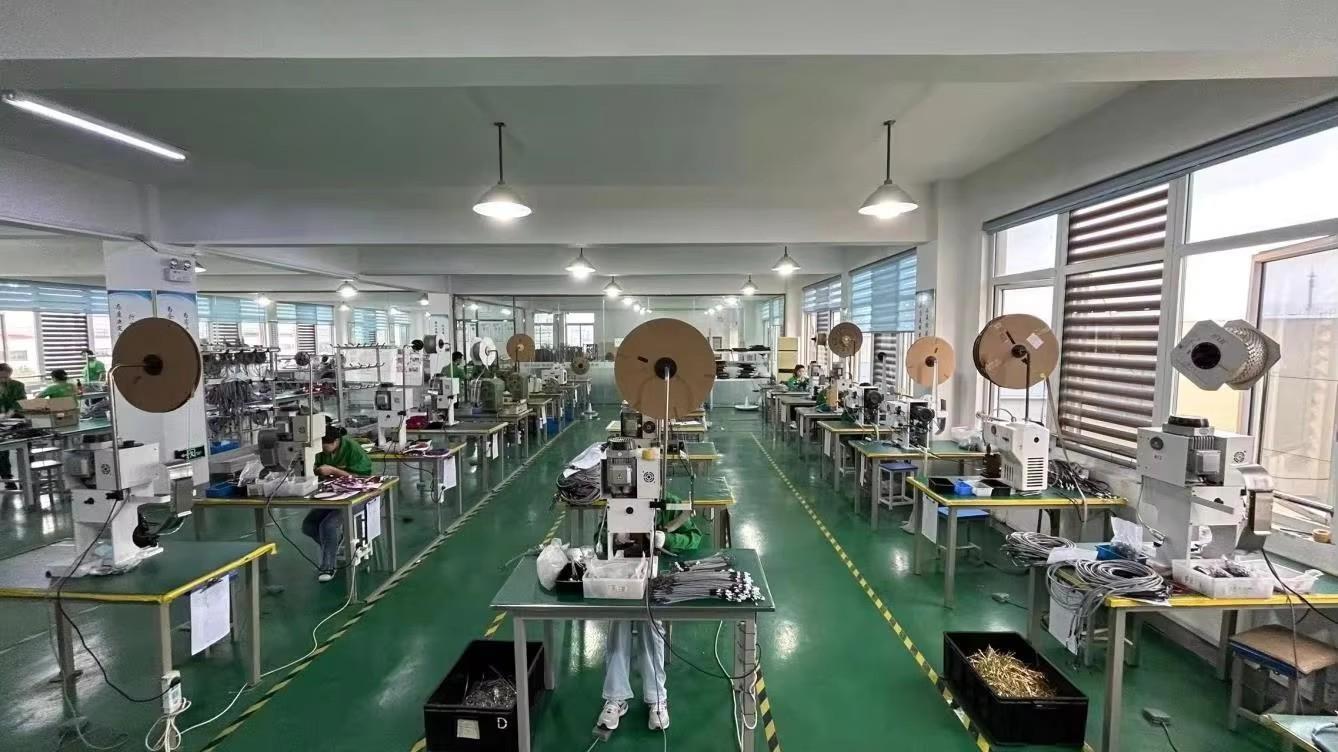
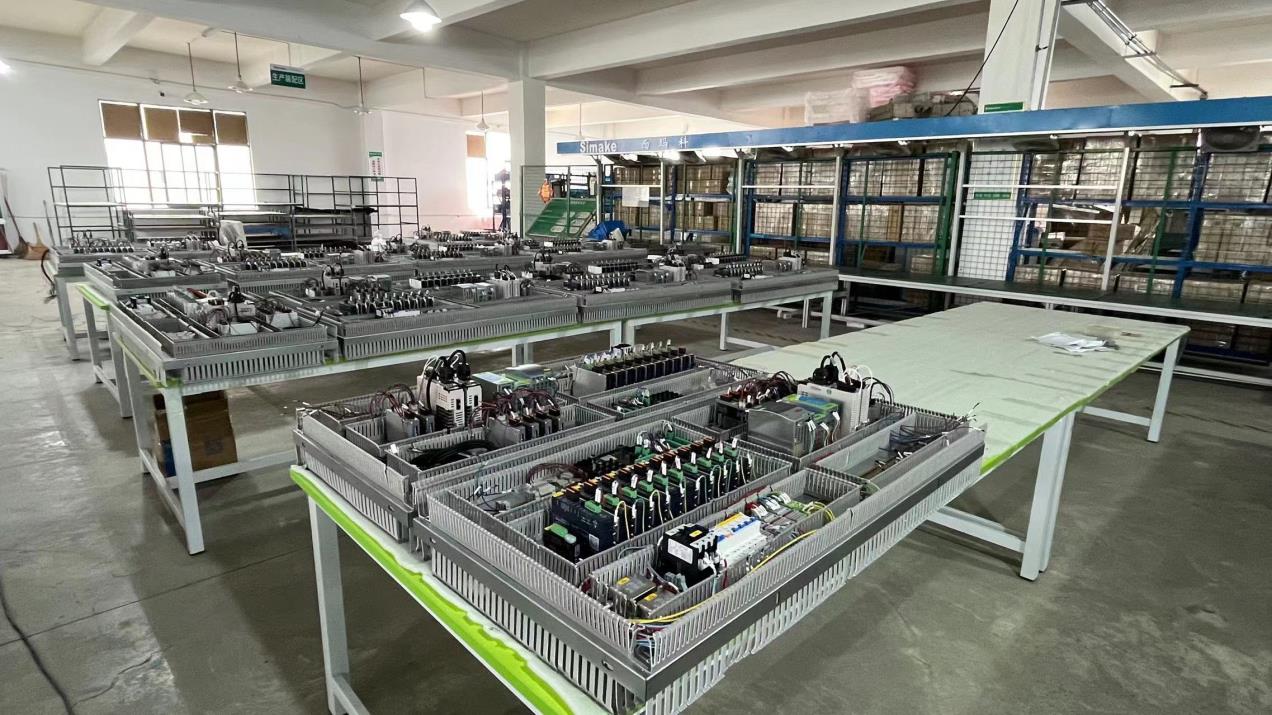
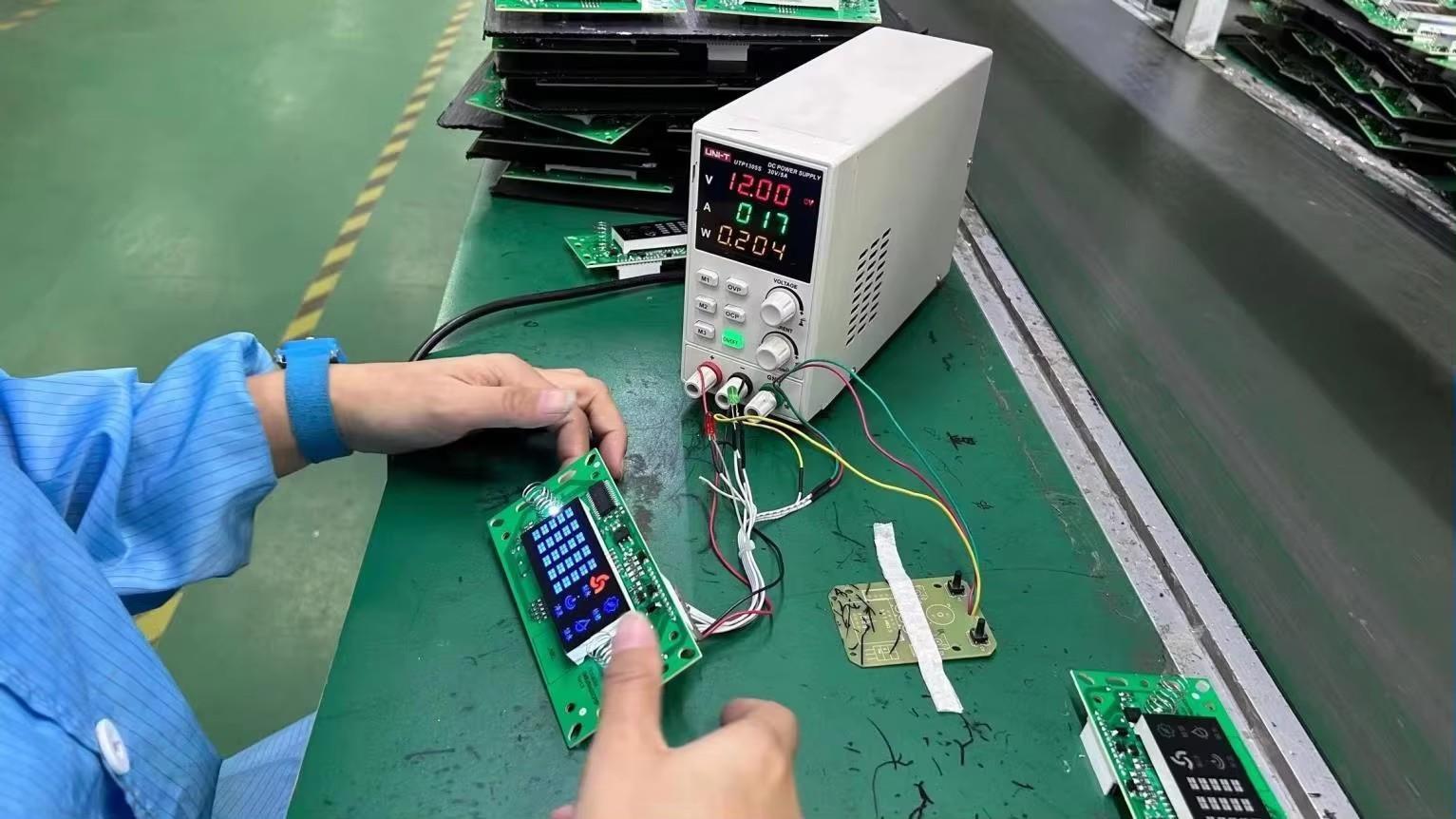
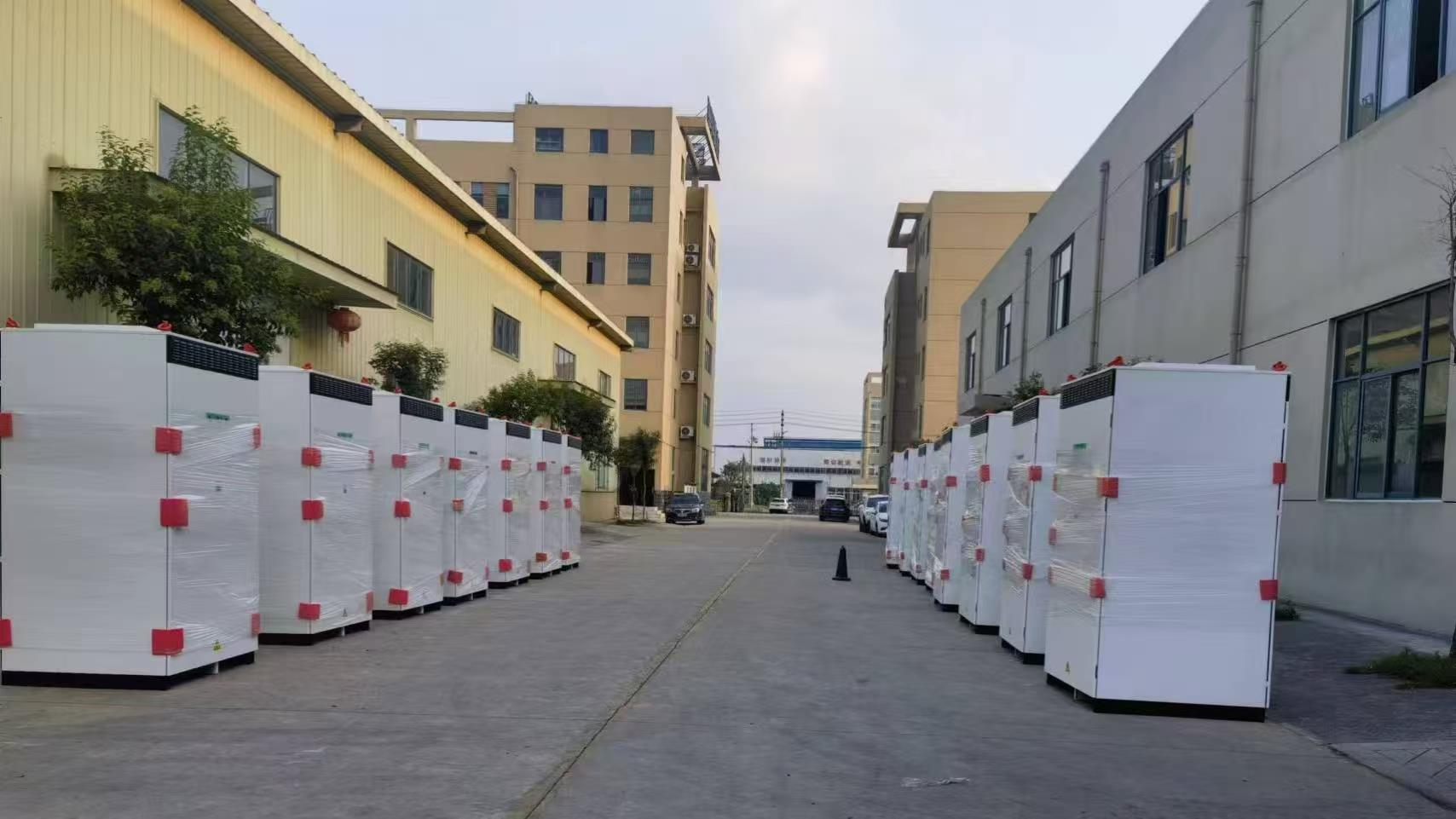
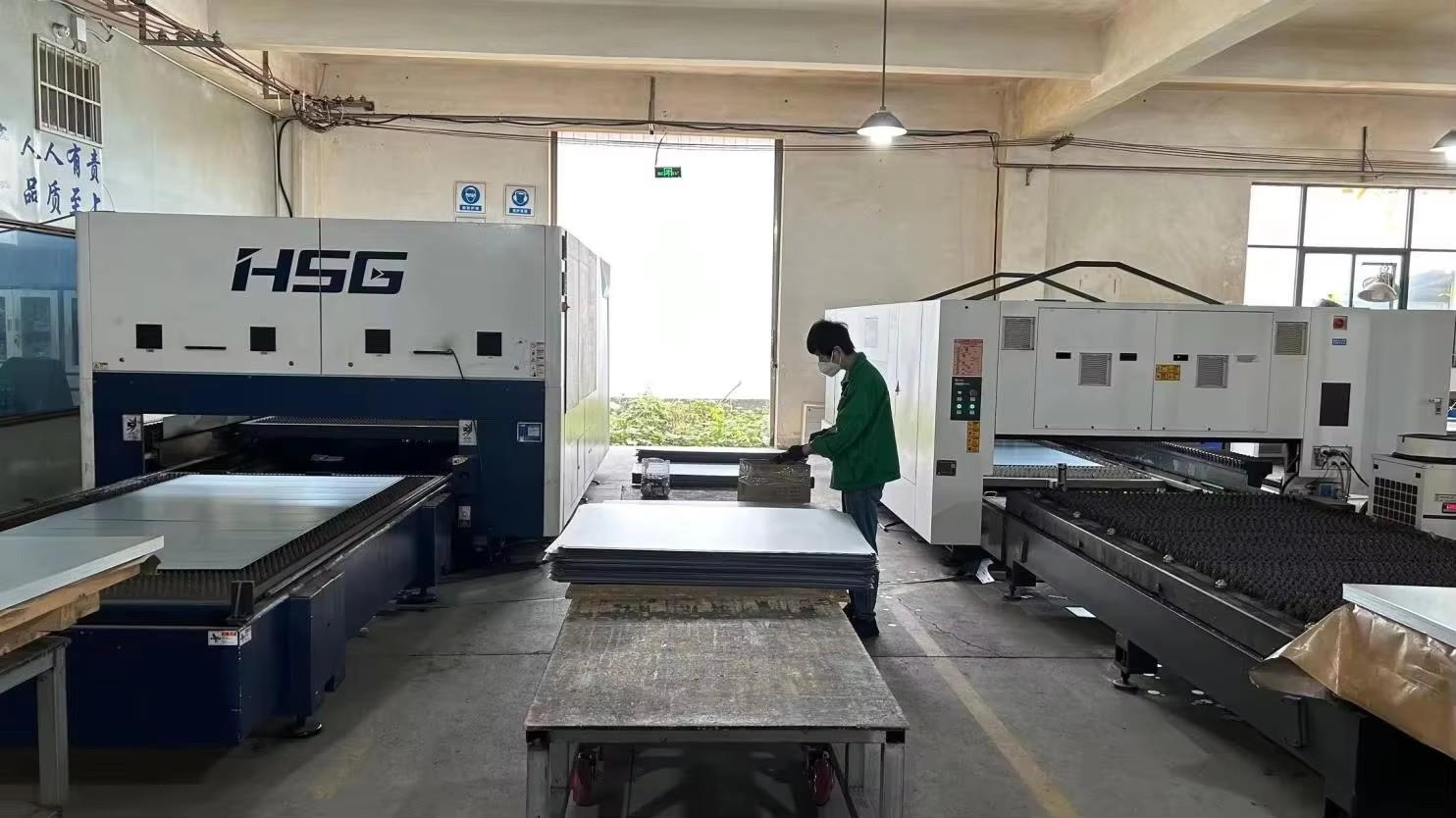
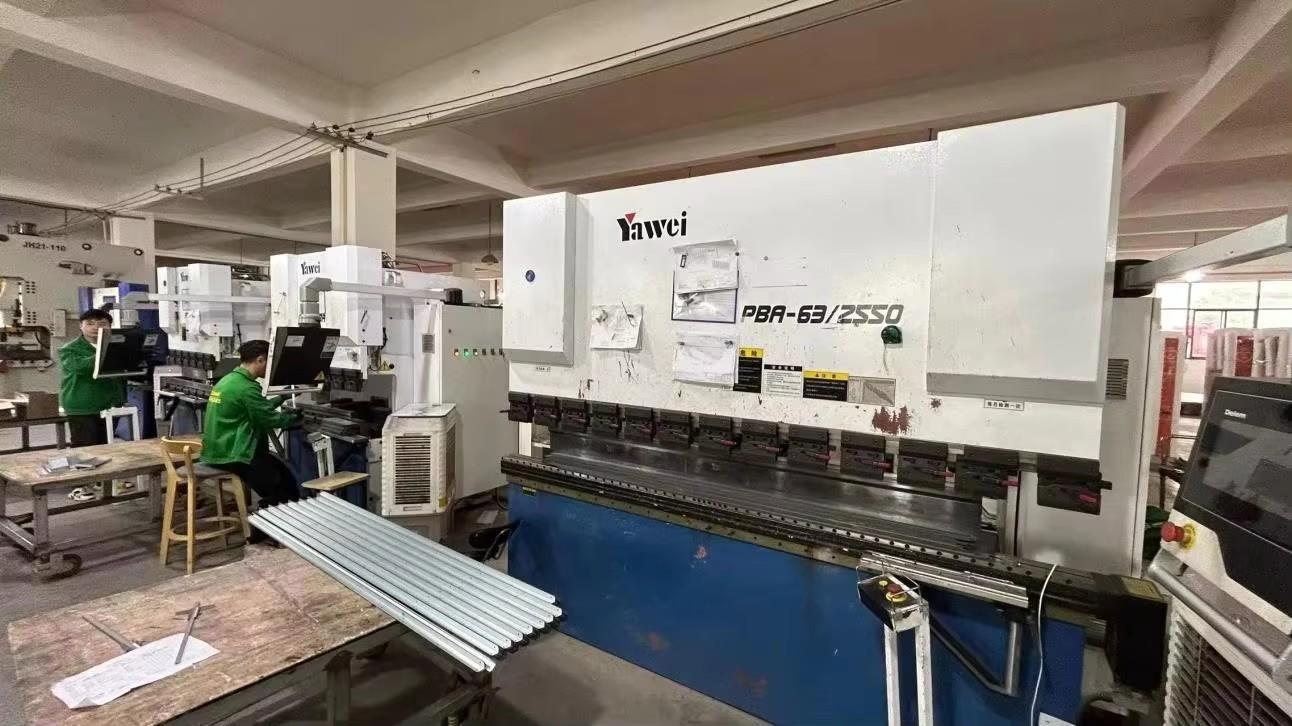
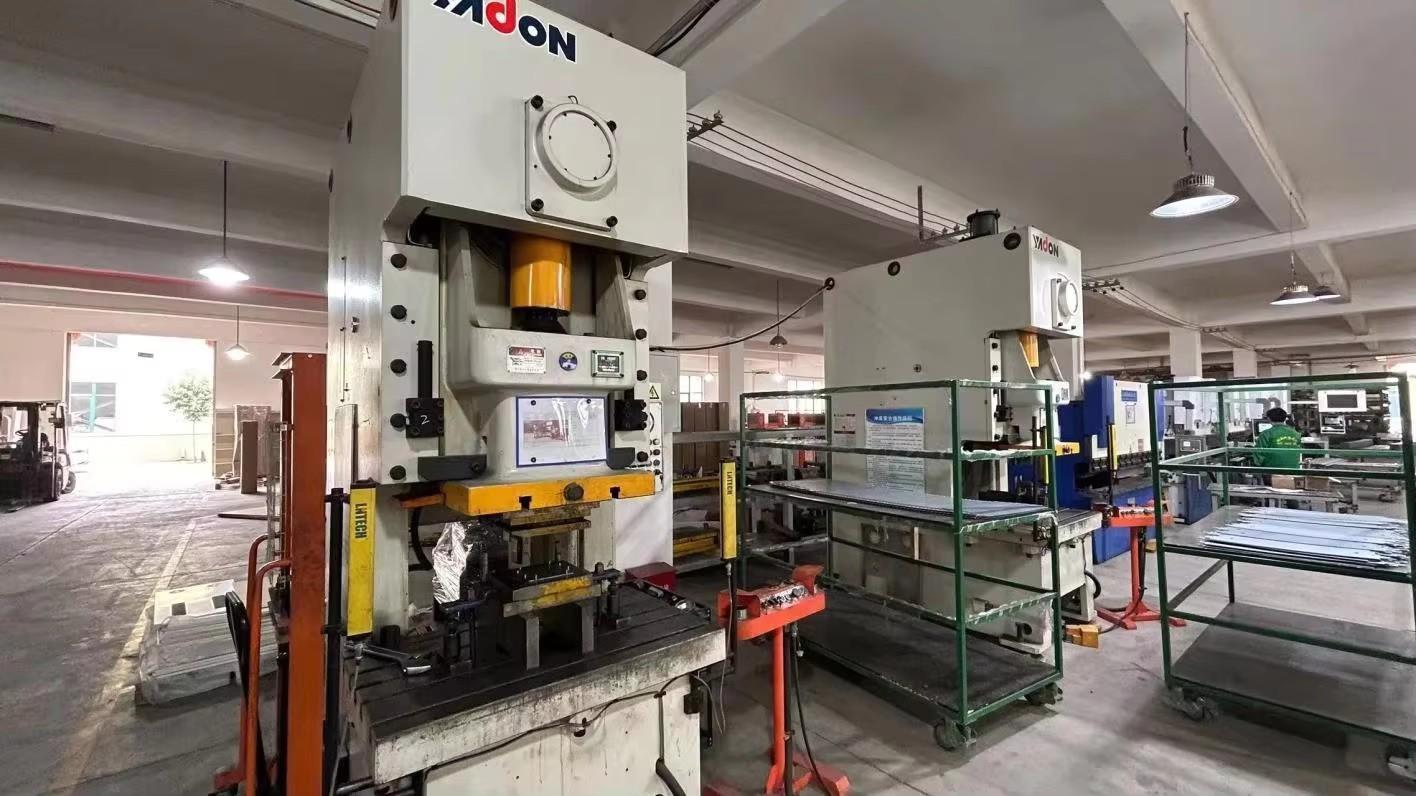
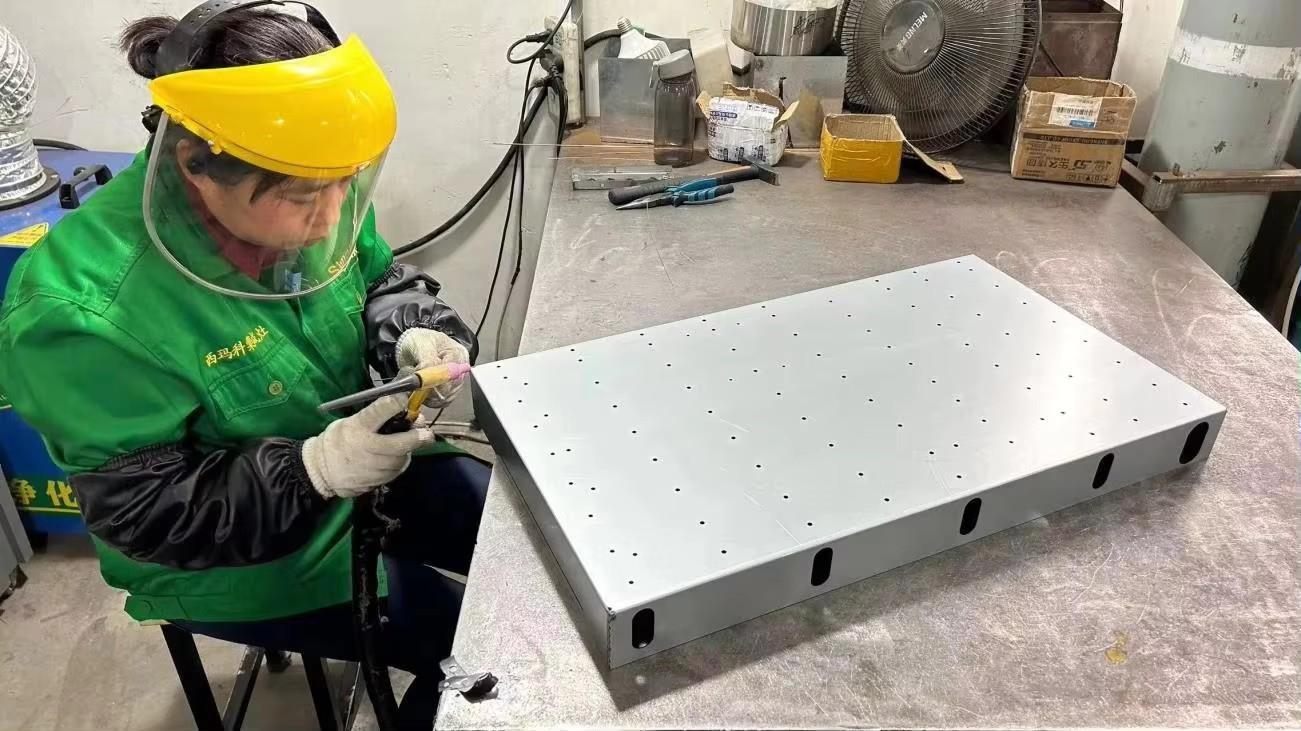
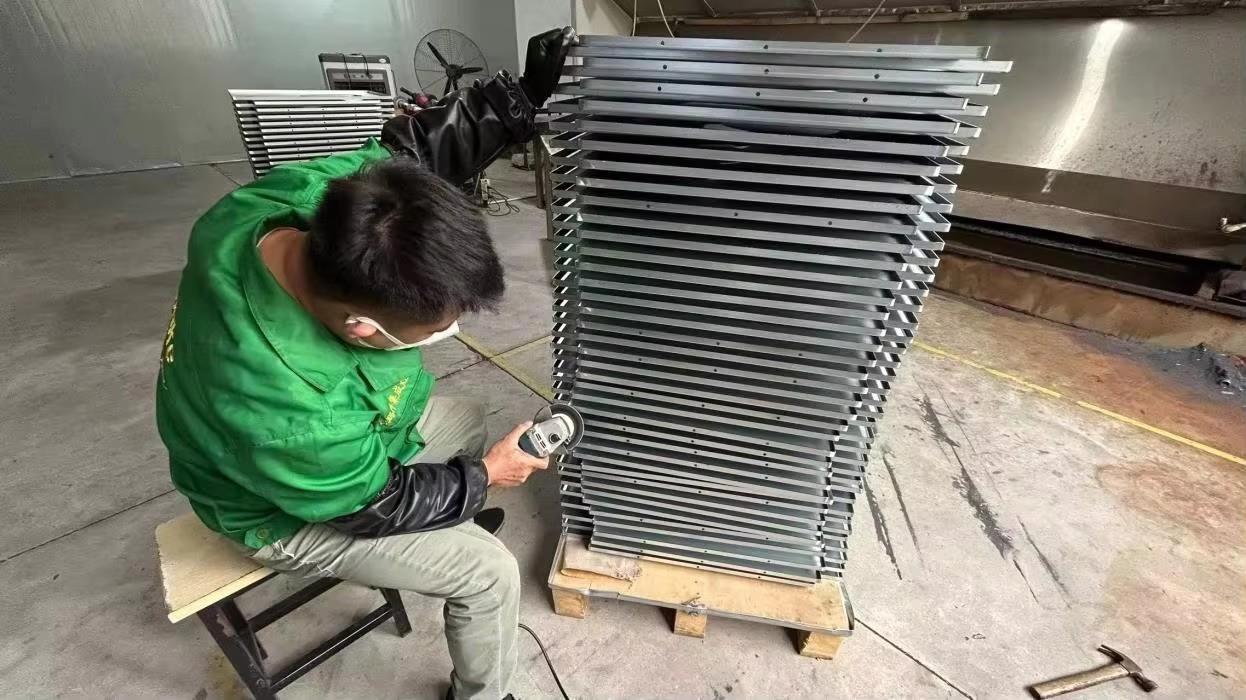
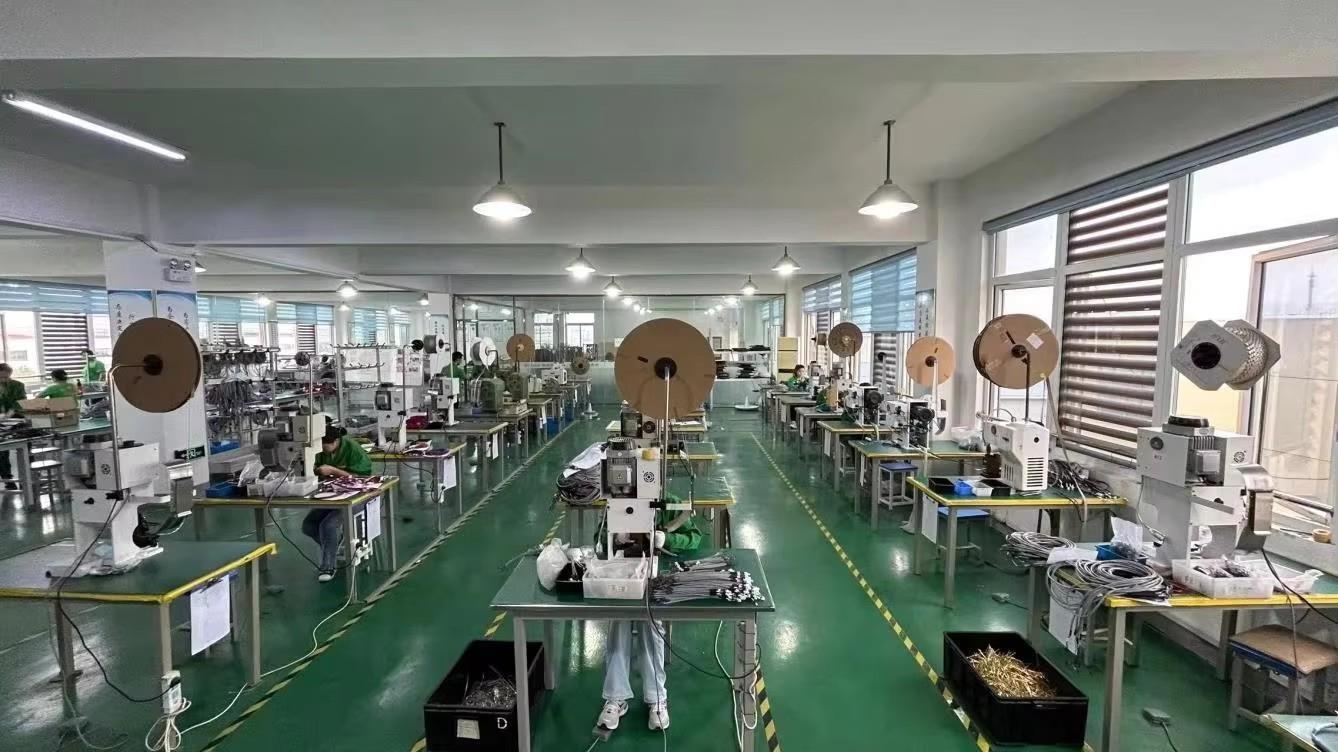
Flexible configurations ranging from residential rooftops to macro utility projects across the Seychelles archipelago.
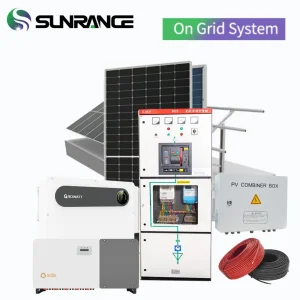
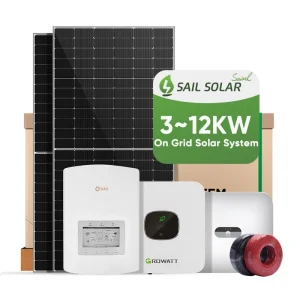
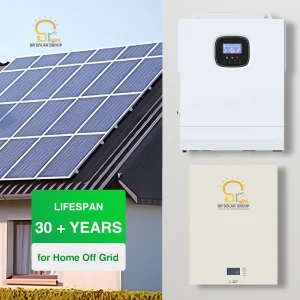
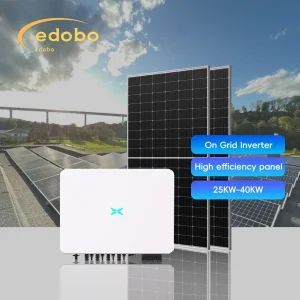
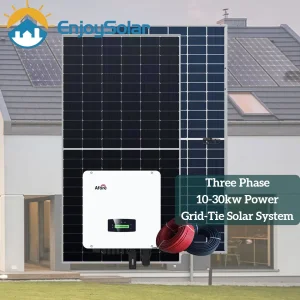
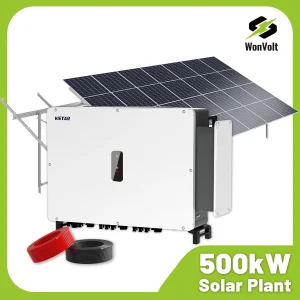
Global procurement teams targeting solar assets in island markets focus on three core metrics: Levelized Cost of Energy (LCOE), hardware reliability, and ease of local integration. Standard residential hardware cannot sustain the environmental demands of commercial applications in the Seychelles. Achieving optimal ROI requires specialized industrial parameters.
LCOE evaluates the net lifetime cost of generating electricity. To minimize LCOE, Luzz Solar optimizes two primary variables: initial capital expenditure (CAPEX) and long-term operational costs (OPEX). By consolidating shipping logistics directly from our automated production facilities to the Victoria port in Mahé, we reduce supply chain costs. Furthermore, selecting components with low degradation rates (less than 0.4% annually) maximizes generation over the system's 25-30 year lifespan.
Every commercial system shipped to the Seychelles undergoes quality assurance processes, complying with international benchmarks:
Luzz Solar provides custom container packing designed for maritime shipping. Our systems arrive pre-sorted, minimizing transit damage and simplifying on-site assembly for local installation crews in the Seychelles.
Technical answers regarding grid-tied solar system engineering, compliance, and integration in the Seychelles.
Connect with our engineering division today to receive a customized yield simulation, structural wind load analysis, and a commercial quote for your grid-tied system.
Send Inquiry Now Luzz Solar