Browse our engineering-grade energy storage components and integrated systems engineered for resilience and efficiency.
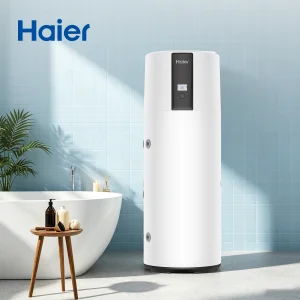
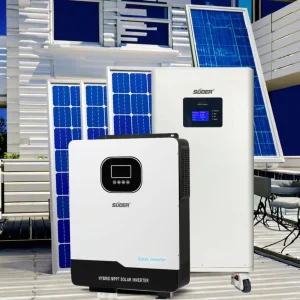
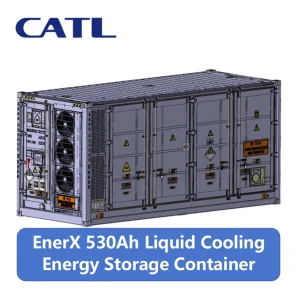
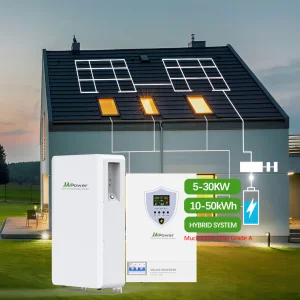
The global transition to a low-carbon economy has moved past simple energy generation. Modern power grids face high volatility from weather-dependent solar and wind resources. To build a stable, decentralized energy system, advanced battery storage is essential. As a leading solar battery exporter, Qingdao Luzz Solar Co., Ltd. provides utility-scale and industrial battery technologies to help balance grids, manage peak loads, and secure backup power worldwide.
High demand charges and fluctuating peak prices put heavy operational costs on factories and commercial hubs. Modern Battery Energy Storage Systems (BESS) help companies manage these costs through peak shaving and load shifting. By storing cheap energy during low-demand periods and discharging it when prices spike, businesses can lower electricity bills and protect against grid outages.
Furthermore, critical infrastructure—such as data centers, automated pharmaceutical manufacturing, and cold chain distribution centers—cannot tolerate even millisecond-long voltage sags. Implementing an integrated hybrid solar battery array ensures true uninterrupted power supply (UPS) capabilities, decoupling critical operations from public grid vulnerabilities.
At the center of modern energy storage is Lithium Iron Phosphate (LiFePO4) chemistry. LFP is the preferred technology for stationary battery storage due to its thermal stability, long cycle life, and non-toxic materials. When designing energy storage systems, we focus on balancing safety, power density, and thermal control.
| Technology Spec | Lithium Iron Phosphate (LiFePO4) | Nickel Manganese Cobalt (NMC) | Solid-State Lithium (Future Tech) |
|---|---|---|---|
| Thermal Runaway Temp | ~270°C (Highly Stable) | ~210°C (Moderate Risk) | >350°C (Extremely Safe) |
| Cycle Life (80% DoD) | 6,000 - 8,000 Cycles | 2,000 - 3,000 Cycles | 10,000+ Cycles (Projected) |
| Environmental Profile | Cobalt-Free, Low Toxicity | Requires Cobalt & Nickel | Low Environmental Impact |
| Best Applications | Stationary BESS, Solar Storage | EVs, Weight-Sensitive Devices | High-Density Grid Systems |
Reliable solar battery systems rely on advanced software and electronic control. Our systems feature multi-tier BMS architectures designed for continuous performance monitoring:
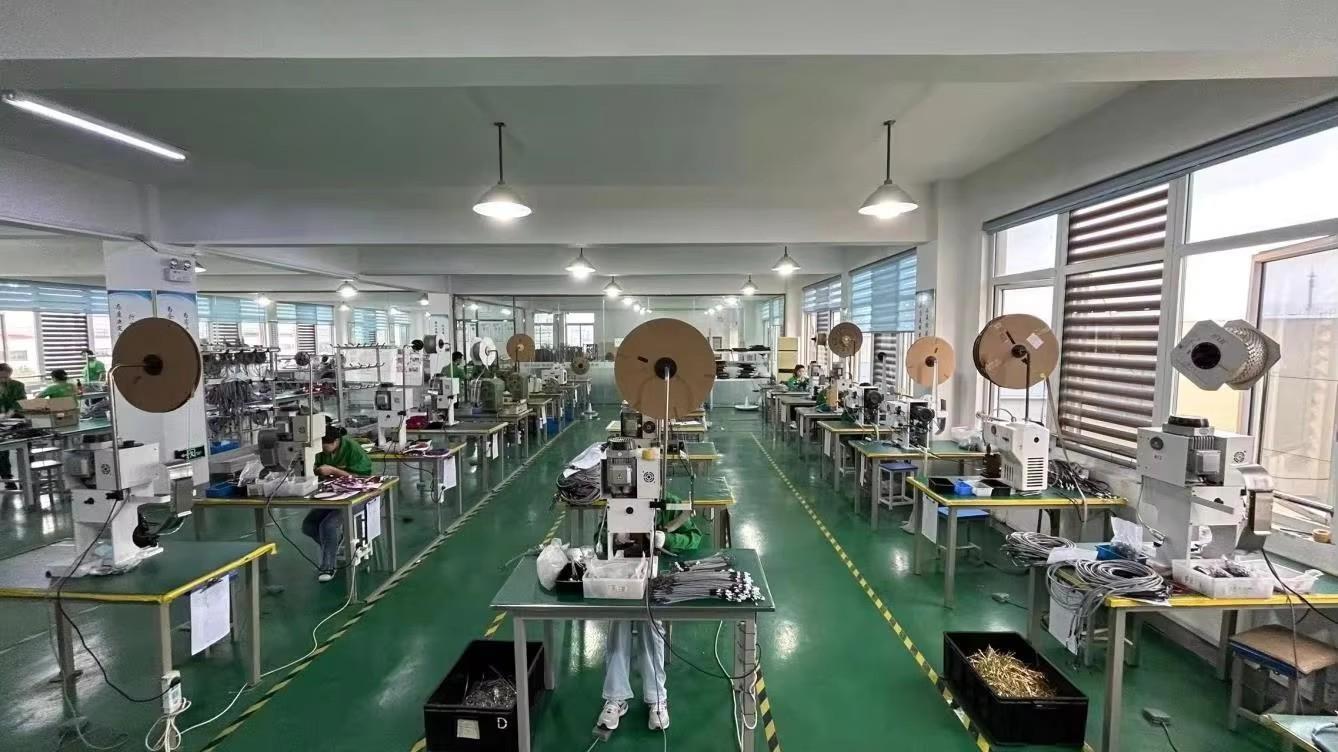
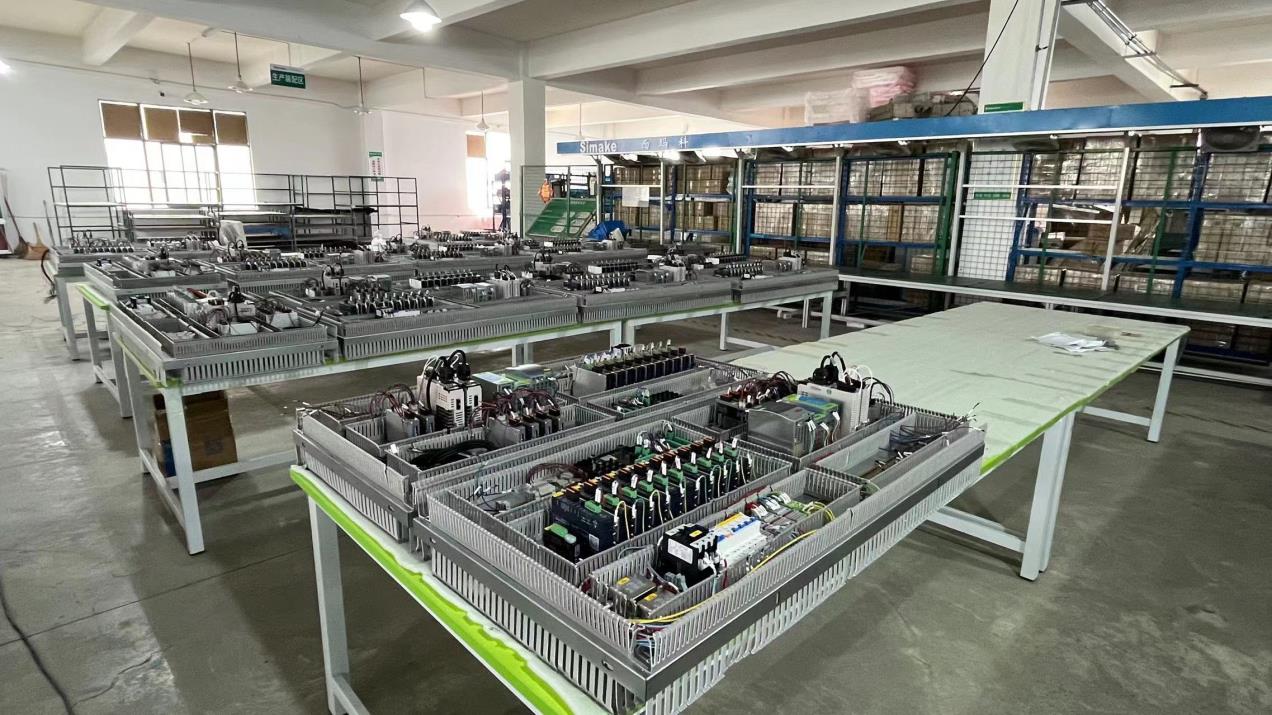
Qingdao Luzz Solar Co., Ltd. is a dedicated new energy company specializing in the design, manufacture, and global export of solar photovoltaic systems and integrated battery storage solutions. Located in Qingdao, China, the company leverages regional supply chains and advanced testing facilities to deliver reliable energy technologies worldwide.
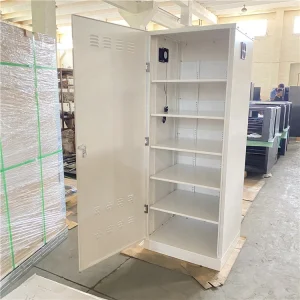
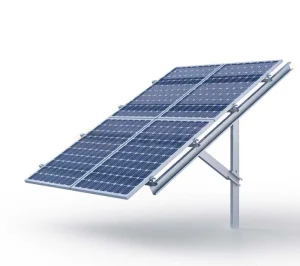
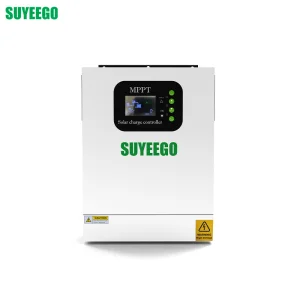
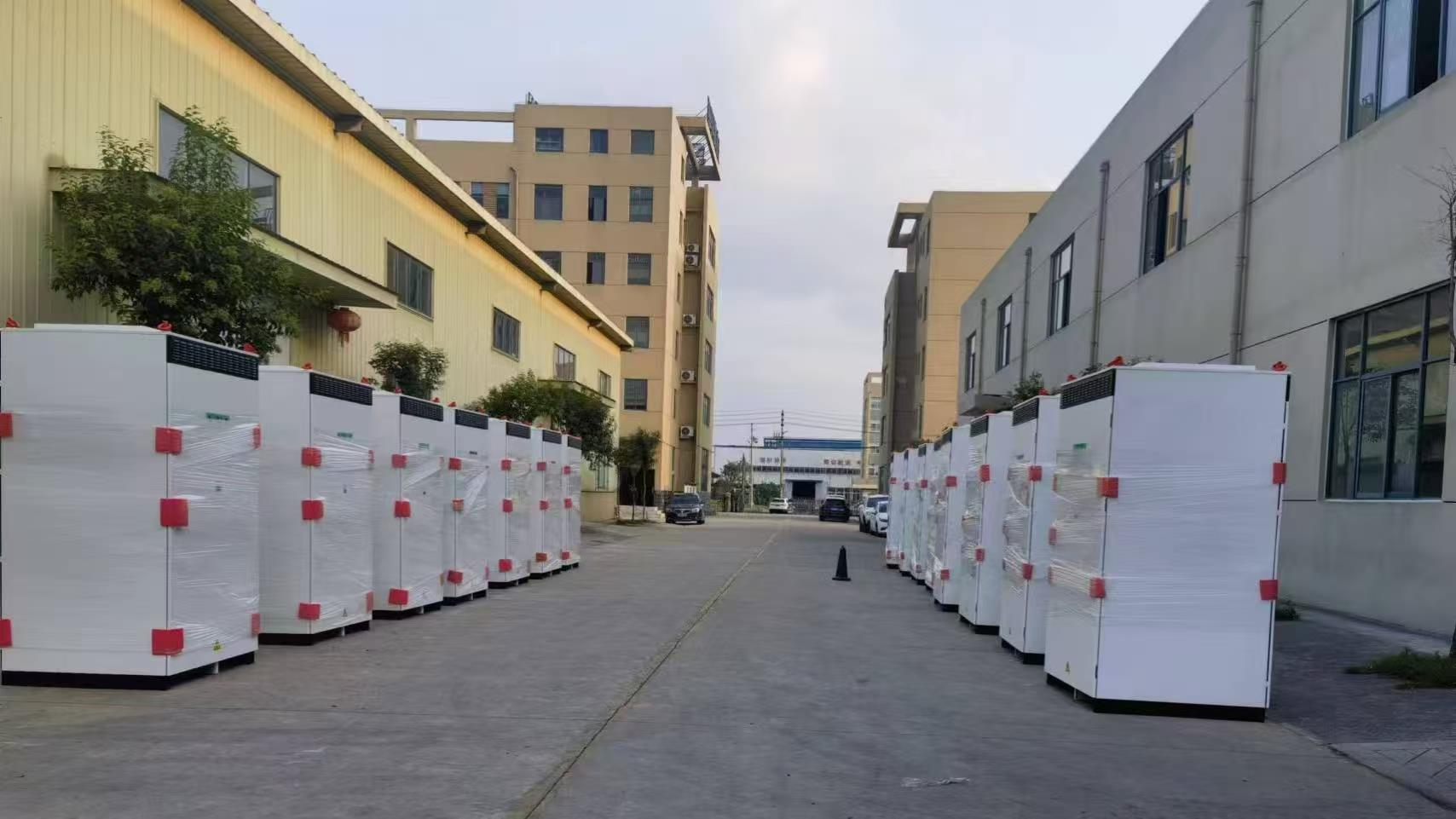
As the global market shifts toward clean energy and carbon reduction, Luzz Solar provides dependable, efficient, and cost-competitive power systems for residential, commercial, and industrial projects. Our product line includes high-efficiency solar modules, hybrid inverters, energy storage cabinets, and complete containerized systems.
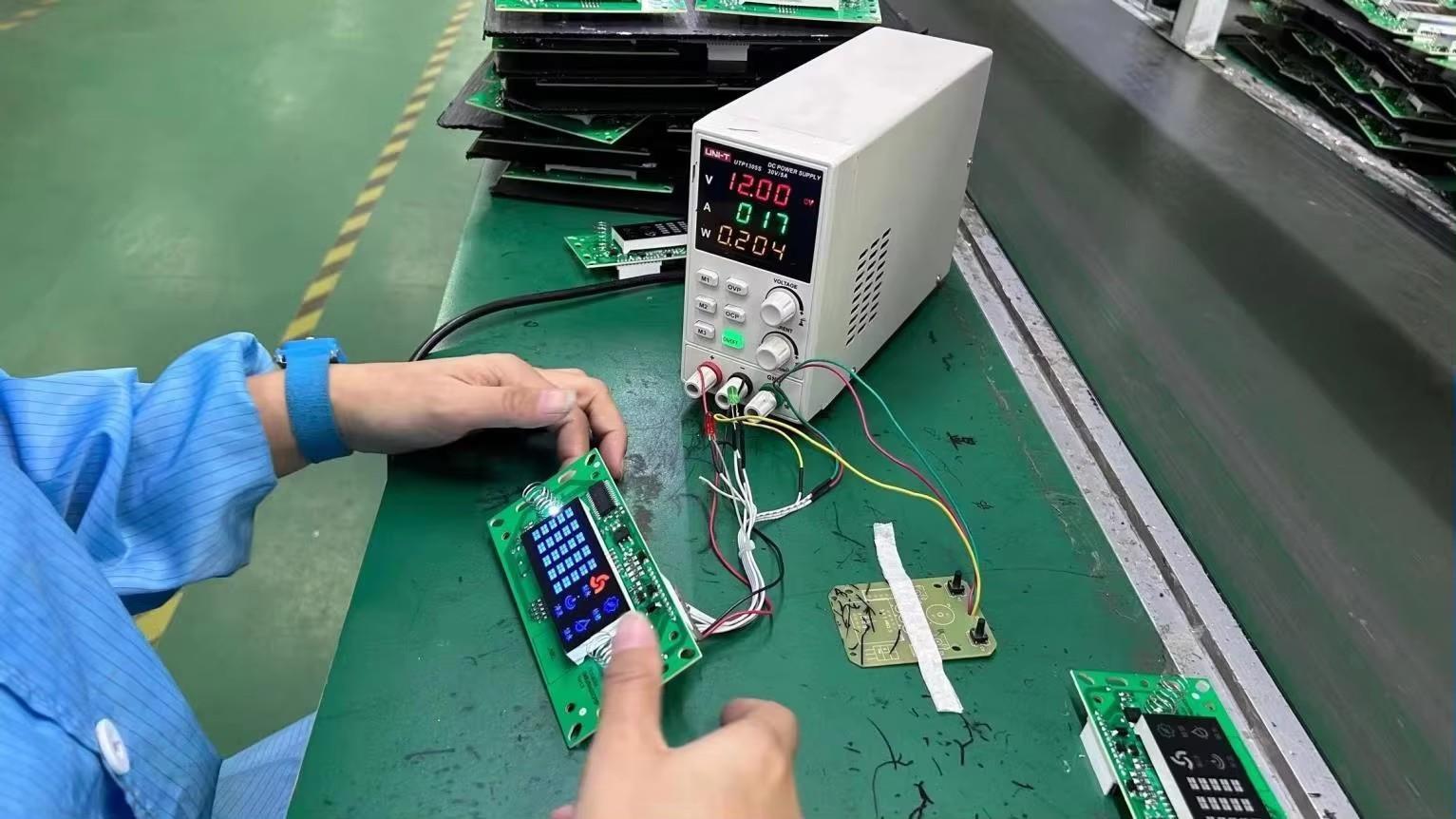
We focus on continuous improvement in product design, conversion efficiency, and hardware durability. By maintaining strict quality control from raw materials to final assembly, we ensure long-term performance in diverse environments. Luzz Solar serves clients across Europe, the Americas, Asia, and Africa, collaborating with local partners to deliver solutions tailored to regional standards.
Deploying energy storage in regions like Northern Europe or the Middle East requires specialized thermal management and structural engineering. High ambient temperatures degrade batteries quickly without proper cooling, while sub-zero environments reduce charge retention and can damage cells during charging.
Luzz Solar's BESS designs feature active thermal management, using liquid cooling plates or dual-stage HVAC systems to maintain internal temperatures within an optimal 15°C to 25°C window. In addition, our outdoor cabinets feature IP55/IP66 ratings and anti-corrosion finishes to protect components in coastal environments and high-humidity regions.
Exporting energy storage products globally requires adherence to international safety standards. Our products undergo testing to meet major regional requirements:
Our R&D team is working on the next generation of energy storage systems, focusing on solid-state battery integration, high-voltage battery architecture, and smart grid automation. By shifting from low-voltage (48V) to high-voltage (400V–800V) DC configurations, we aim to reduce line losses, improve system efficiency, and lower installation costs for large-scale energy projects.
Find answers to common questions about industrial and commercial solar battery solutions.
LiFePO4 (LFP) cells offer superior safety profiles and significantly longer cycle lives (typically 6,000+ cycles at 80% Depth of Discharge) compared to NMC cells, which average 2,000 to 3,000 cycles. LFP cells also exhibit high thermal stability, eliminating thermal runaway risks up to approximately 270°C, and are cobalt-free, reducing environmental and ethical sourcing challenges.
An IP55-rated enclosure provides protection against dust ingress and low-pressure water jets from any direction. For extreme climates, these cabinets integrate heating pads for cold environments and HVAC or liquid cooling loops for hot regions, keeping cells within the safe operating range of 15°C to 25°C.
Yes. High-voltage battery configurations (300V to 800V DC) operate at lower currents to deliver the same power output. This allows for thinner copper cabling, reduces system-level electrical losses, and improves overall round-trip conversion efficiency. It also simplifies connection to high-voltage inverters.
For North America, key certifications include UL 1973 for battery modules and UL 9540/9540A for thermal runaway testing. For Europe, systems must meet IEC 62619 for safety, CE marking for electromagnetic compatibility, and UN 38.3 transport safety regulations.
An EMS monitors facility load demand and grid tariffs. During peak demand periods, the EMS triggers the battery system to discharge, capping peak grid intake and reducing demand charges. It then recharges the batteries during low-cost, off-peak hours.
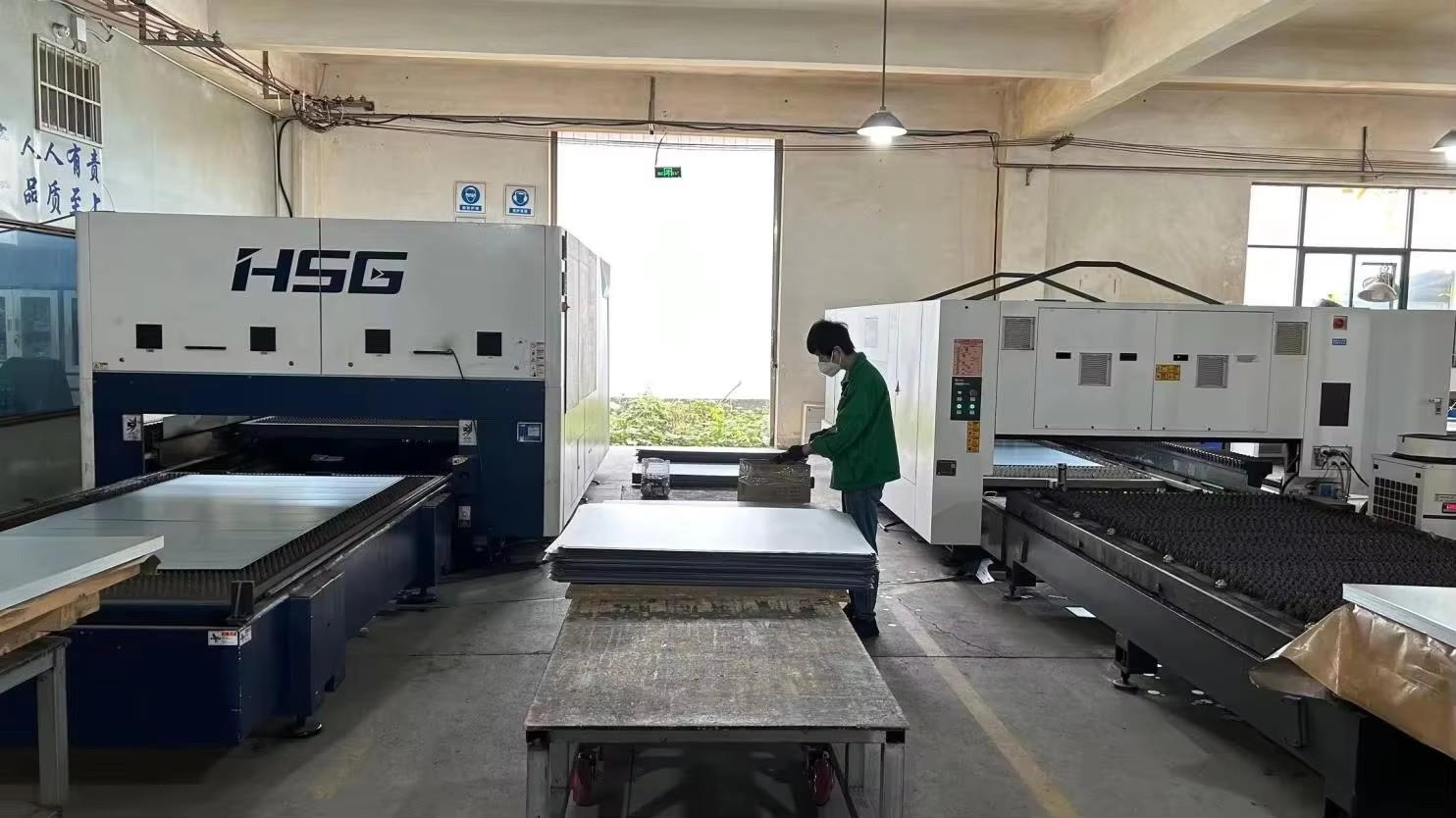
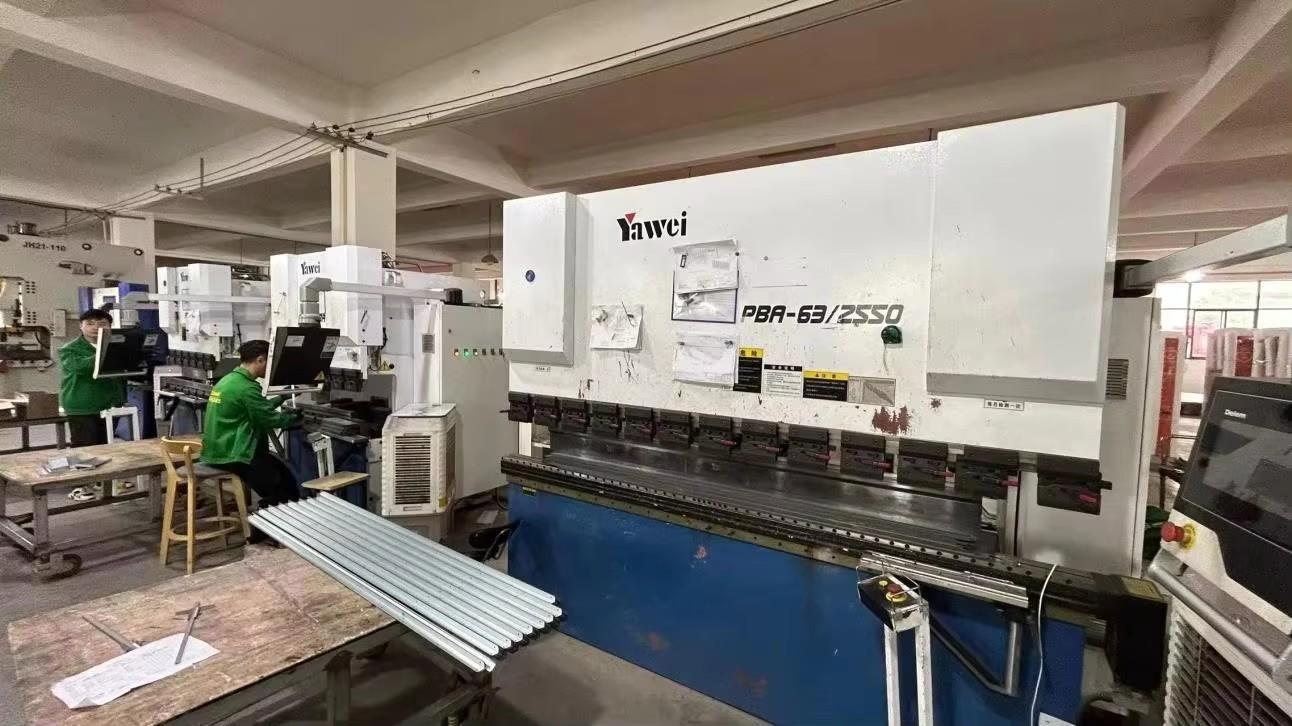
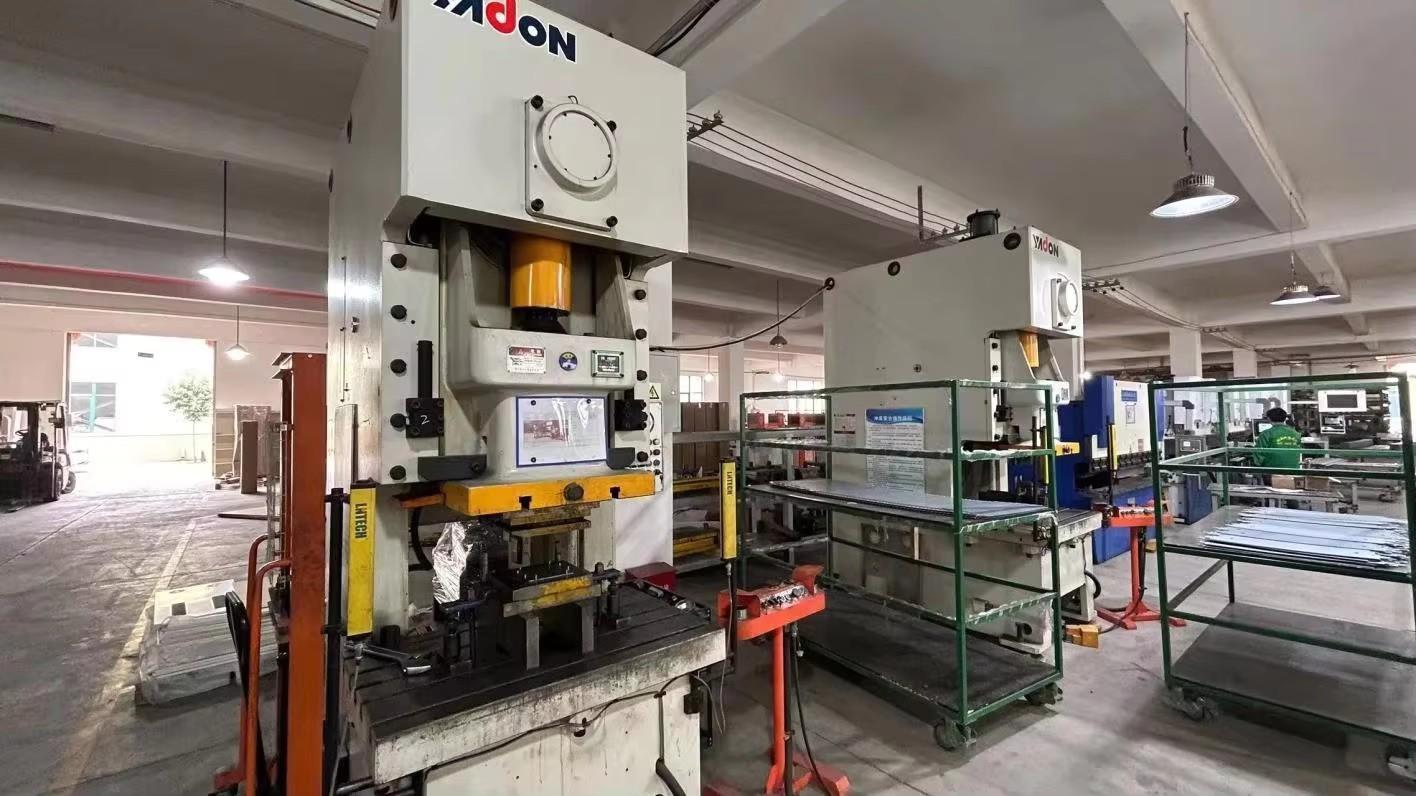
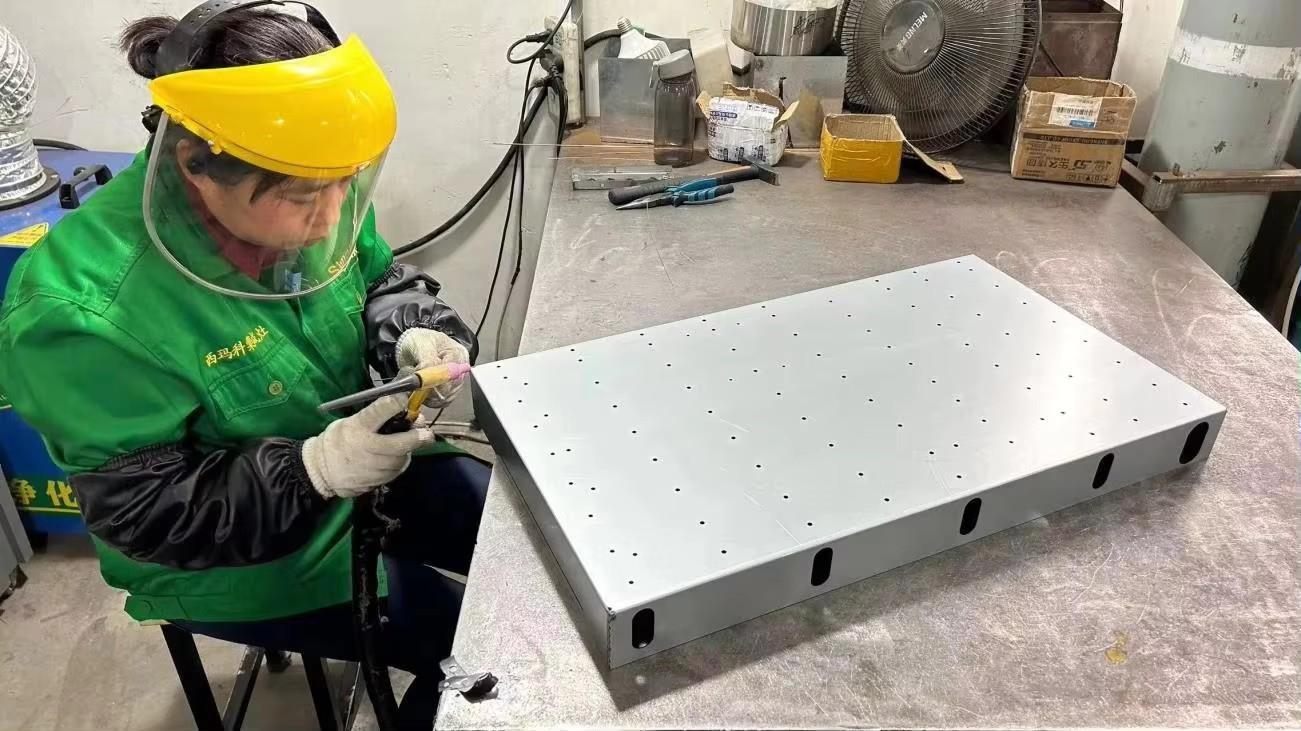
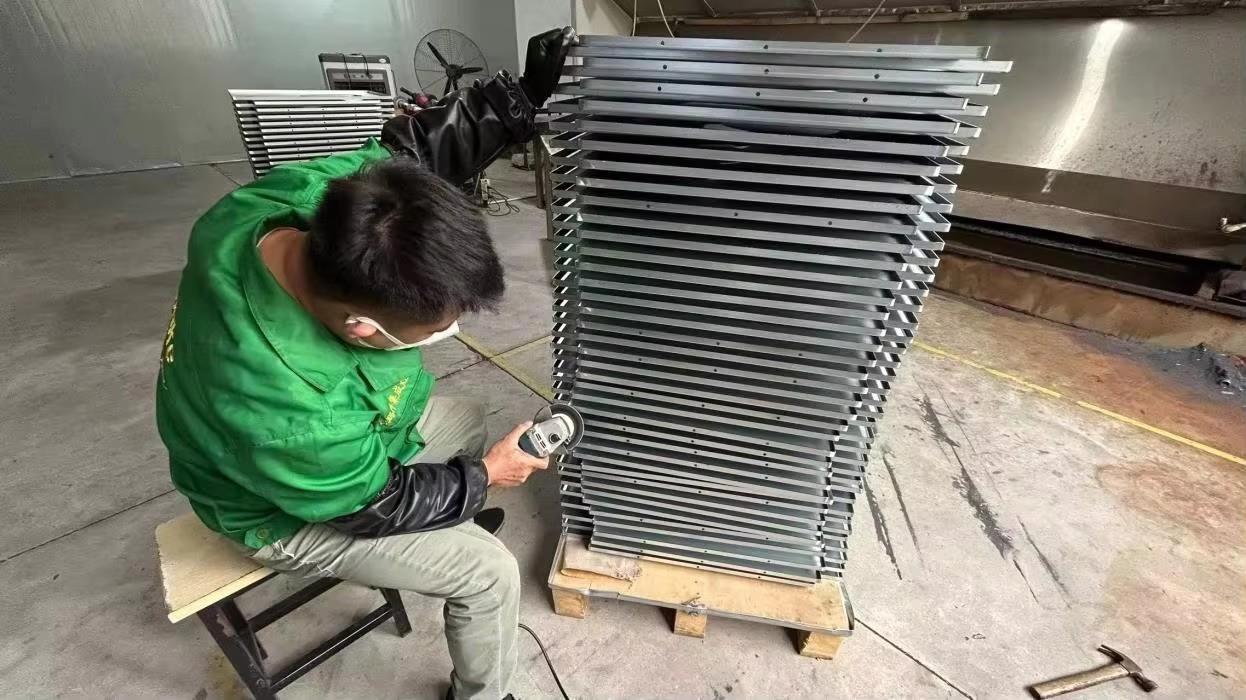
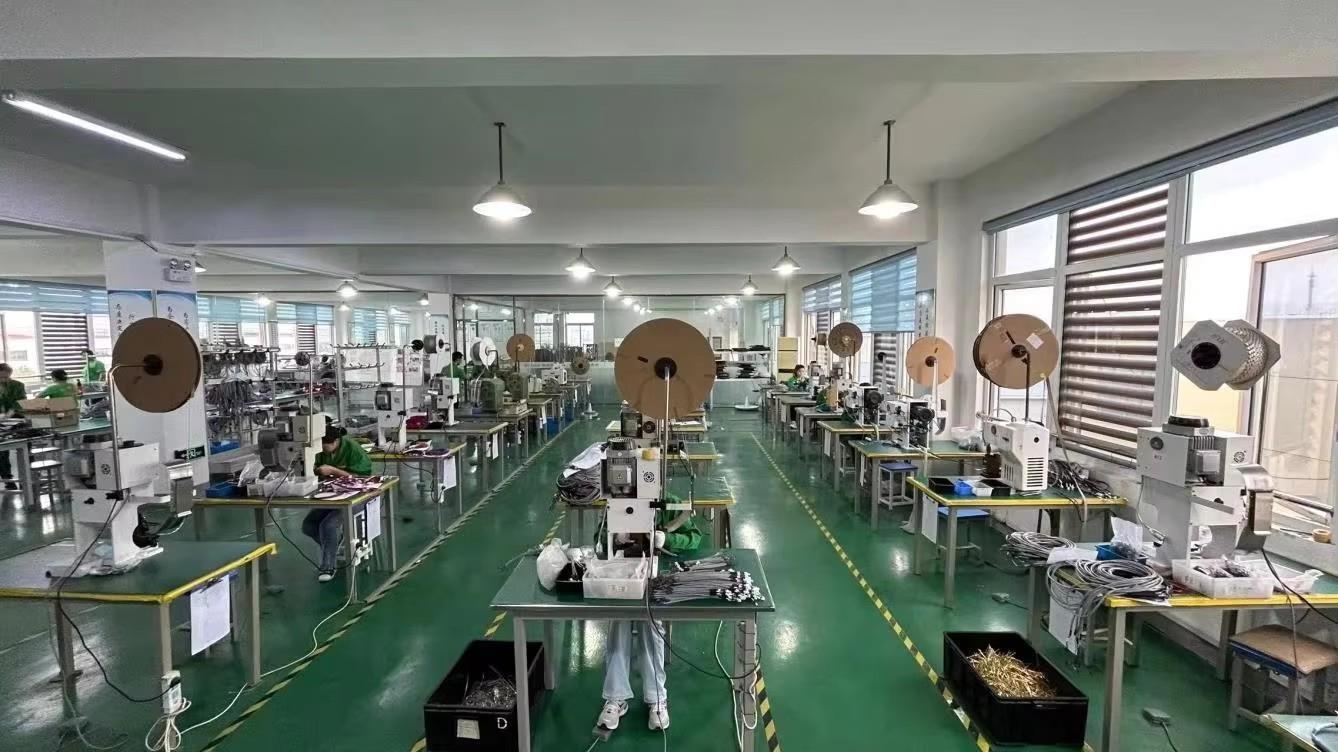
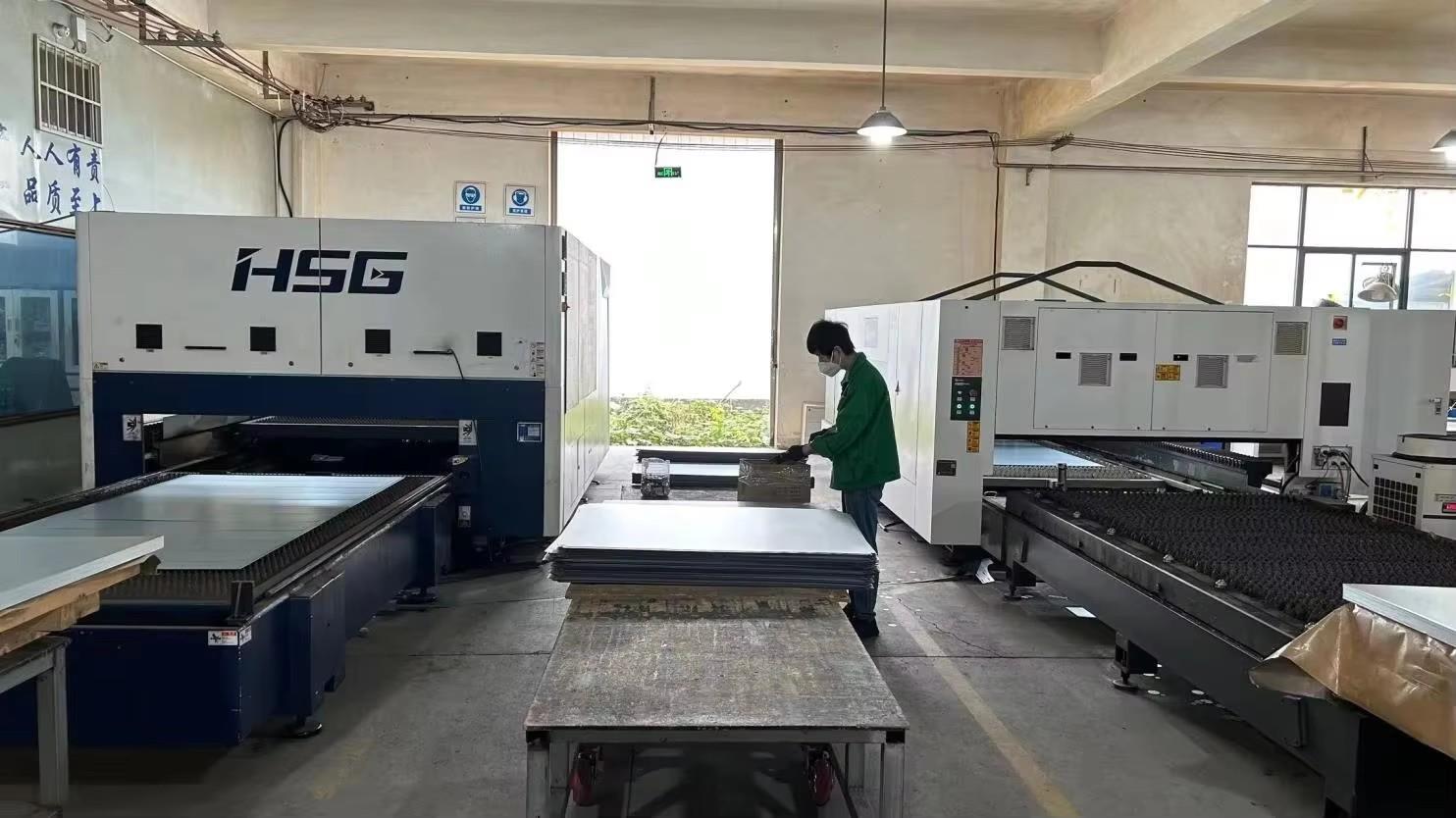
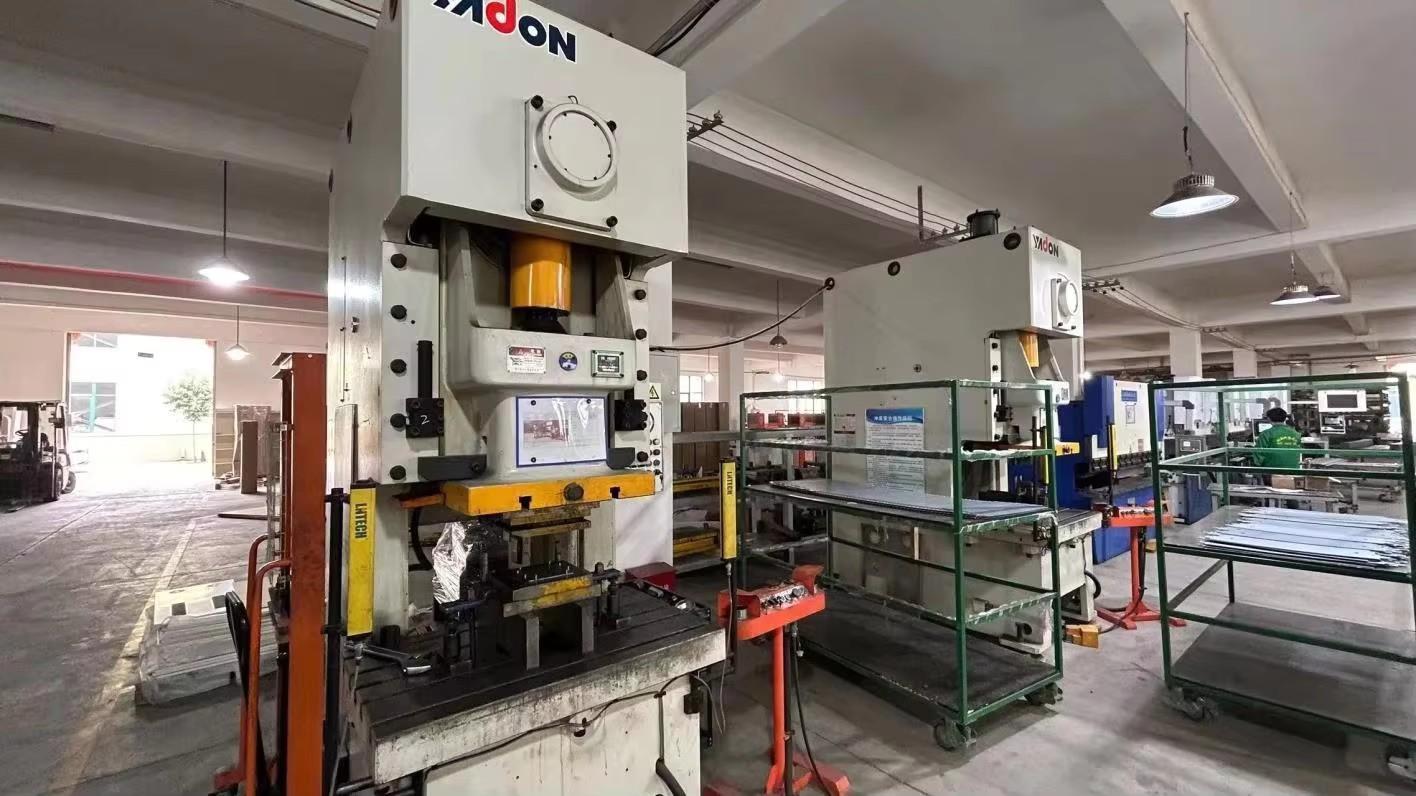
We implement strict quality controls throughout our production line, from wire harness fabrication to laser welding, enclosure stamping, and final functional testing. Every battery pack is subjected to charge-discharge cycling tests and dielectric testing before packaging and shipping.
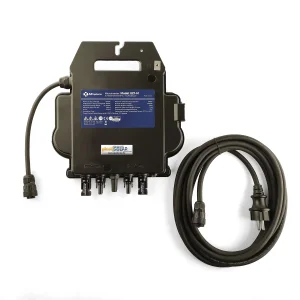
Explore our collection of micro-inverters, utility-scale hybrid inverters, and high-voltage battery storage systems.
 Luzz Solar