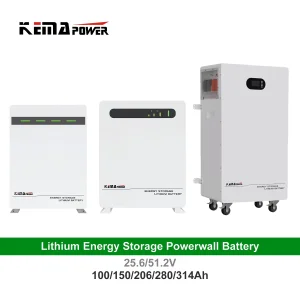
Engineered for high reliability, system safety, and international grid compliance
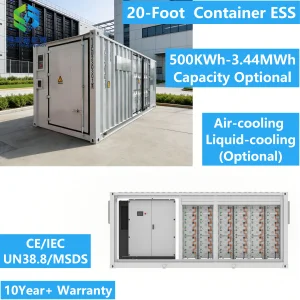
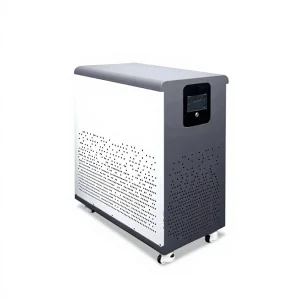
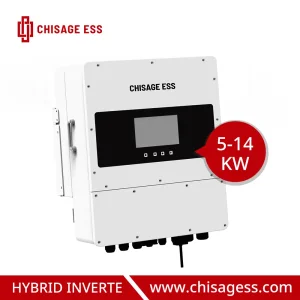
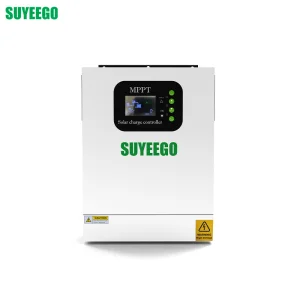
As global power systems adapt to intermittent renewable energy sources, containerized Lithium Iron Phosphate (LiFePO4) storage systems have become the gold standard for grid stability, frequency regulation, and load management.
In modern industrial electricity layouts, containerized energy storage acts as both a shock absorber and a high-speed dispatch tool. Rapid industrialization and the rise of utility-scale solar and wind arrays require storage systems that are modular, rapidly deployable, and thermally robust. High-capacity lithium systems housed in ISO-standard shipping containers (ranging from 10ft GP to 40ft HQ configurations) present a plug-and-play solution that streamlines balance of plant (BOP) logistics and dramatically reduces onsite installation timelines.
Selecting a premier containerized storage system manufacturer involves evaluating core competencies that extend beyond nominal cell capacity. Leading developers prioritize long-term safety, high round-trip efficiency (RTE), comprehensive thermal management, intelligent battery management systems (BMS), and robust compliance protocols. These factors collectively lower the Levelized Cost of Storage (LCOS), ensuring project feasibility and stable operational parameters for over 6,000 charge cycles.
Qingdao Luzz Solar Co., Ltd. is a professional new energy enterprise specializing in the development, manufacturing, and global distribution of photovoltaic (PV) products and integrated energy storage solutions. Located in Qingdao, China, the company benefits from a well-established renewable energy industrial base and advanced manufacturing capabilities.
With the accelerating global transition toward carbon neutrality and sustainable development, Luzz Solar is committed to providing efficient, reliable, and cost-effective clean energy solutions to customers worldwide. Our product portfolio includes high-efficiency solar photovoltaic modules, energy storage systems, and integrated solar application solutions designed for residential, commercial, and utility-scale projects.
Driven by technological innovation and quality excellence, the company continuously invests in R&D and production optimization to improve product performance, energy conversion efficiency, and system reliability. We strictly adhere to international quality standards and implement rigorous quality control throughout the entire production process to ensure stable and long-term product performance.
Qingdao Luzz Solar actively expands its global market presence, with business coverage across Asia, Europe, the Middle East, Africa, and Latin America. By working closely with international partners, we are committed to delivering tailored energy solutions that meet diverse regional needs and support the global energy transition.
Guided by the core values of integrity, innovation, cooperation, and sustainability, Luzz Solar strives to become a trusted global partner in the new energy industry. We are dedicated to advancing solar technology and contributing to a greener, more sustainable future.
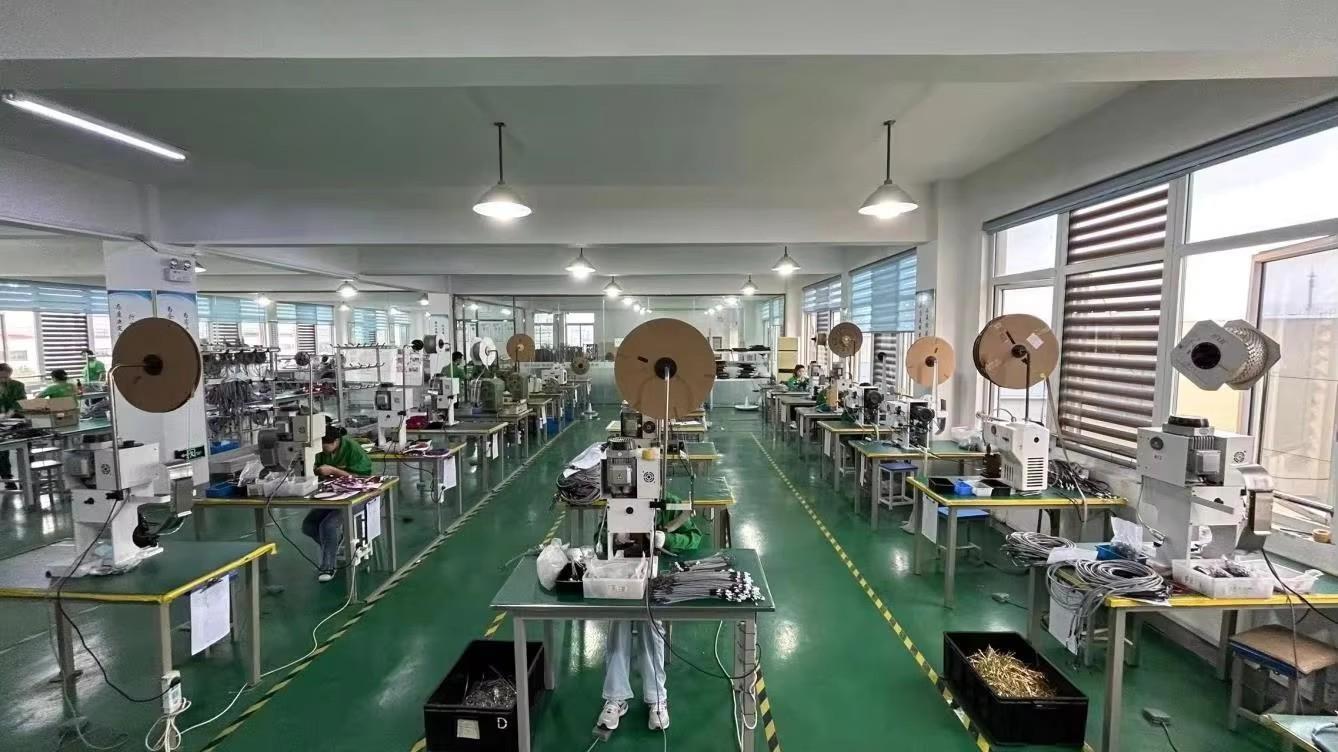
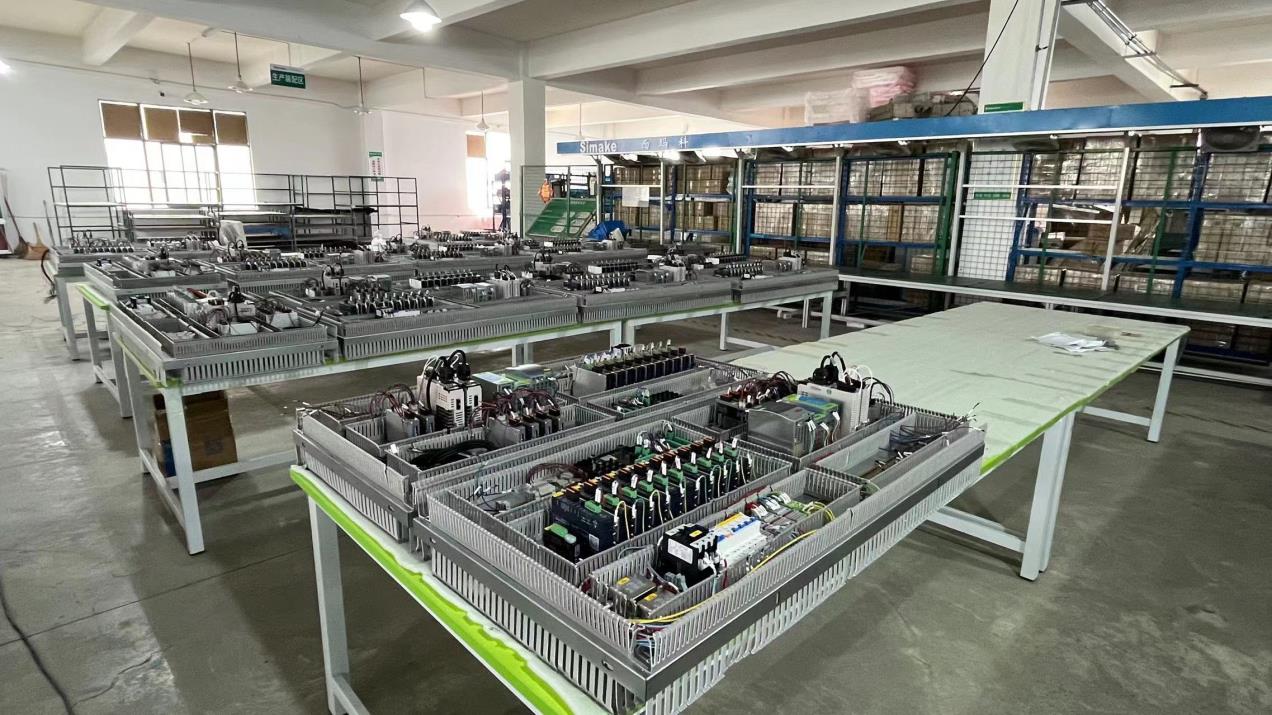
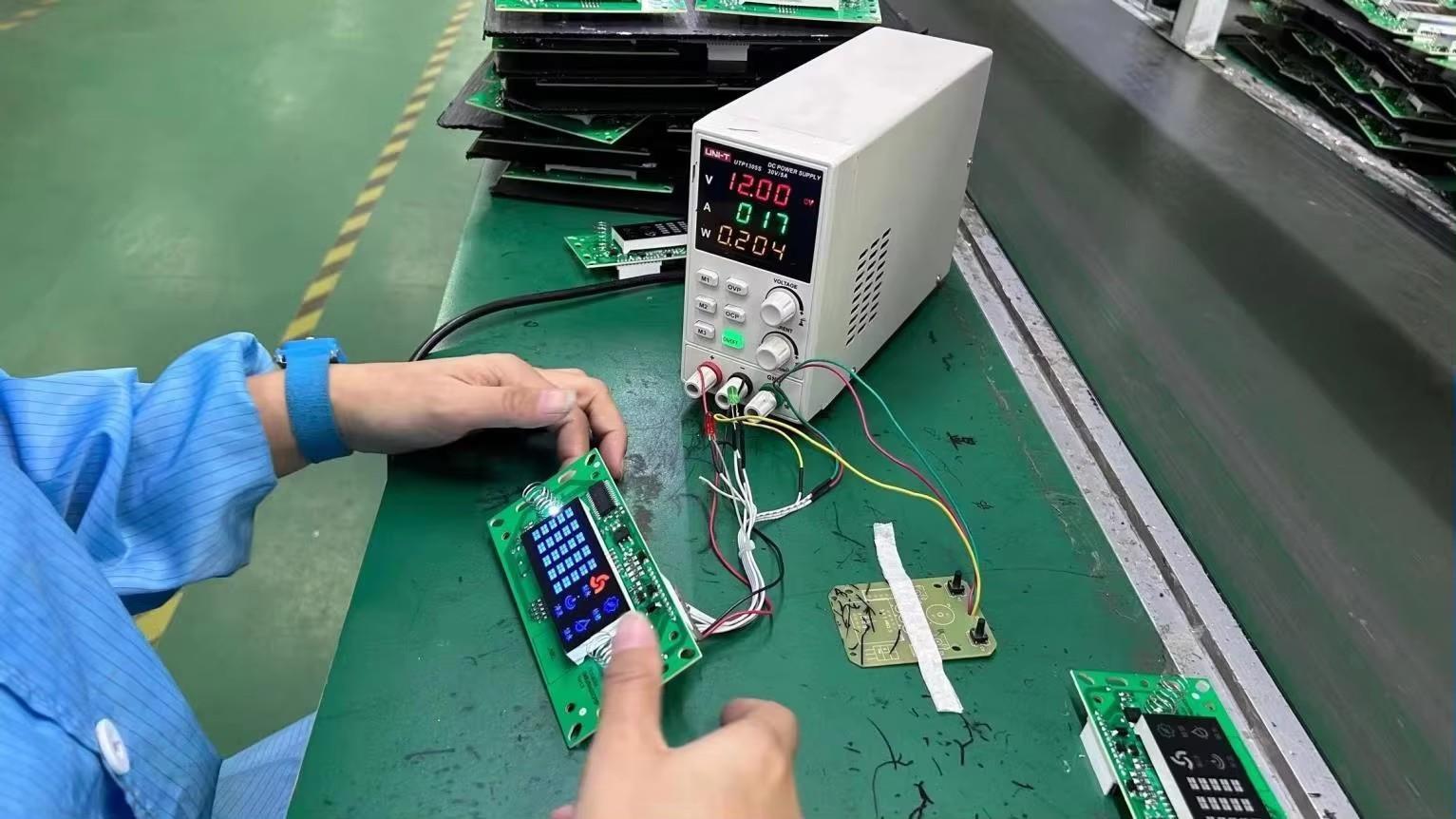
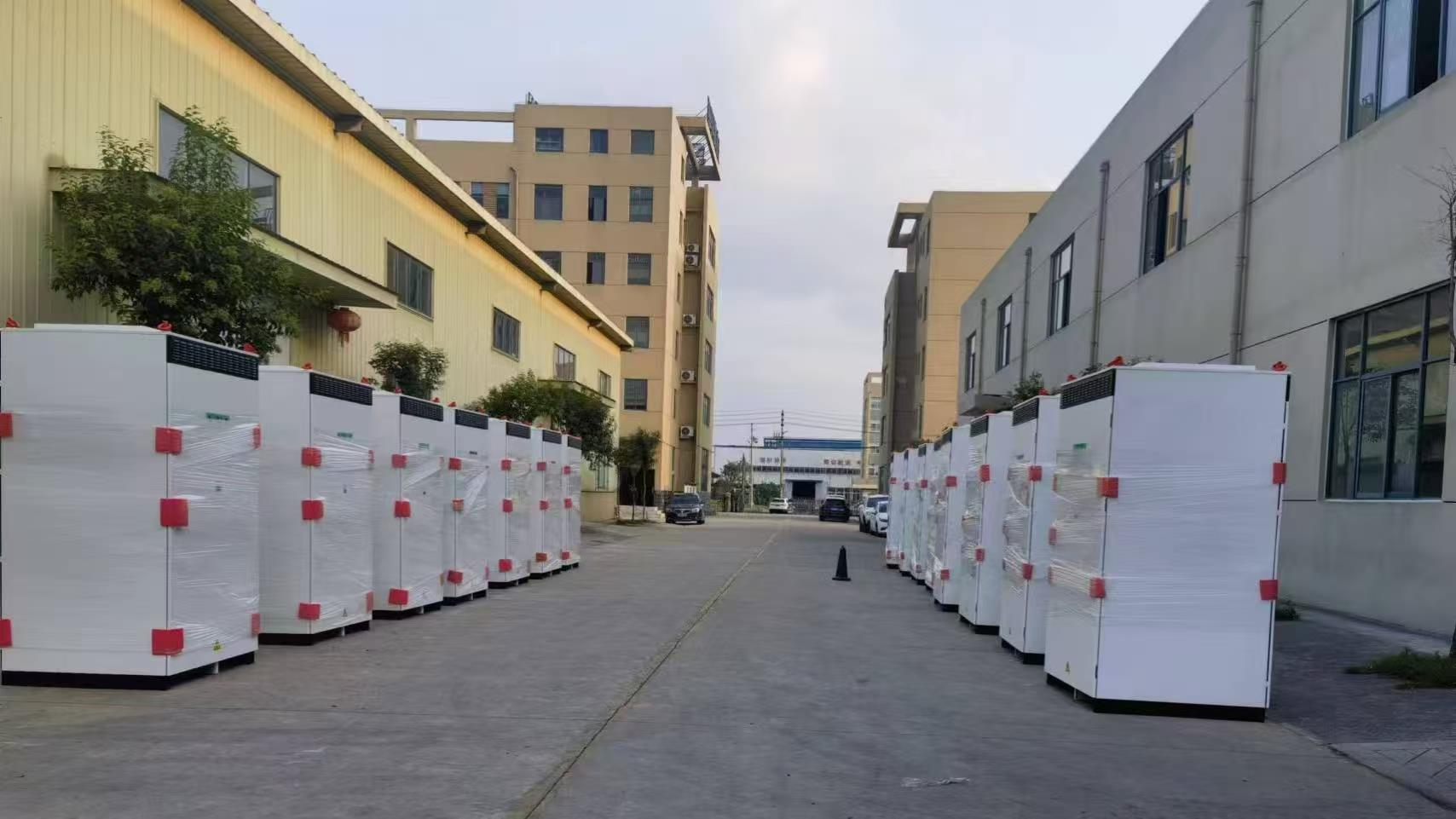
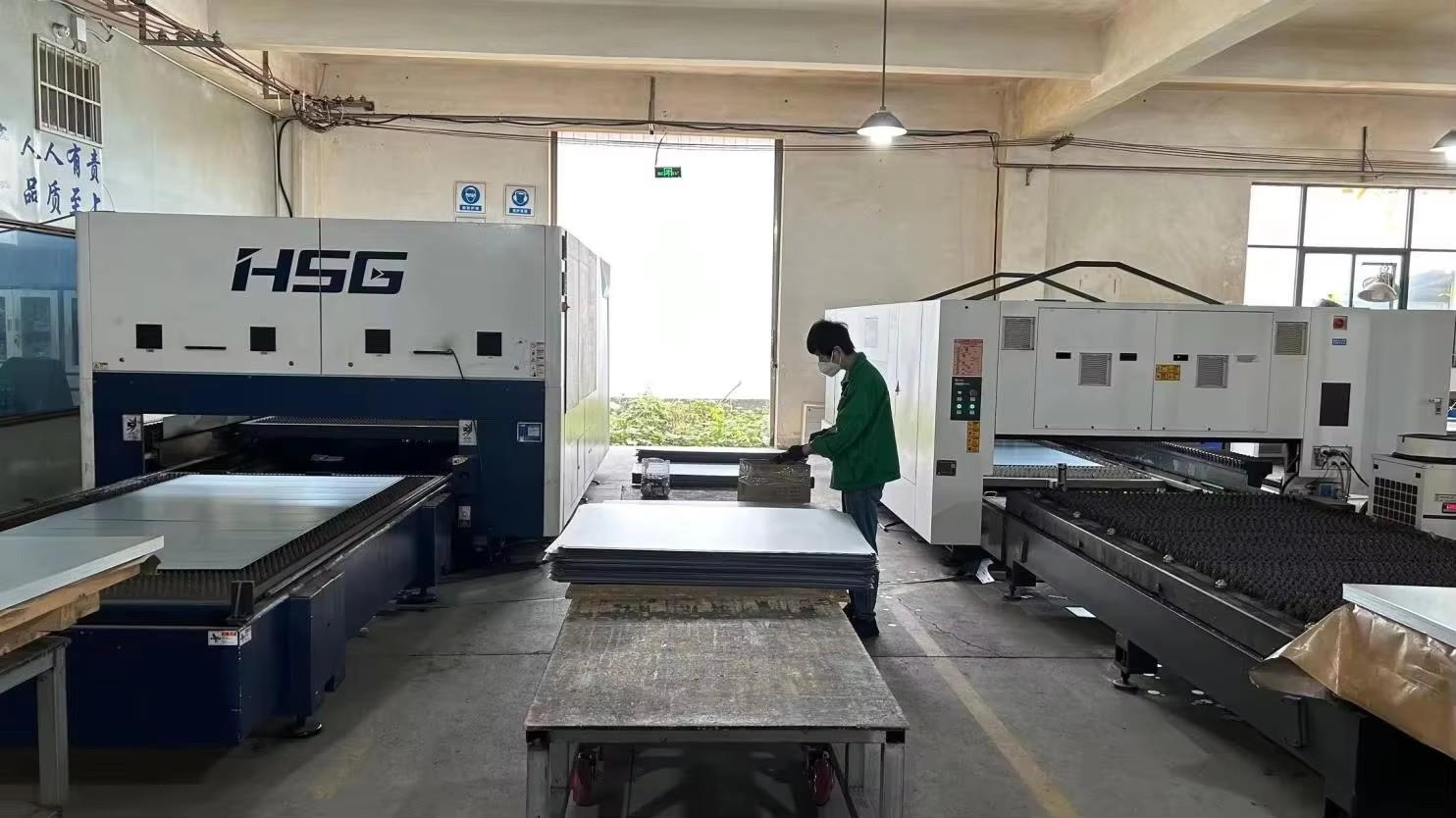
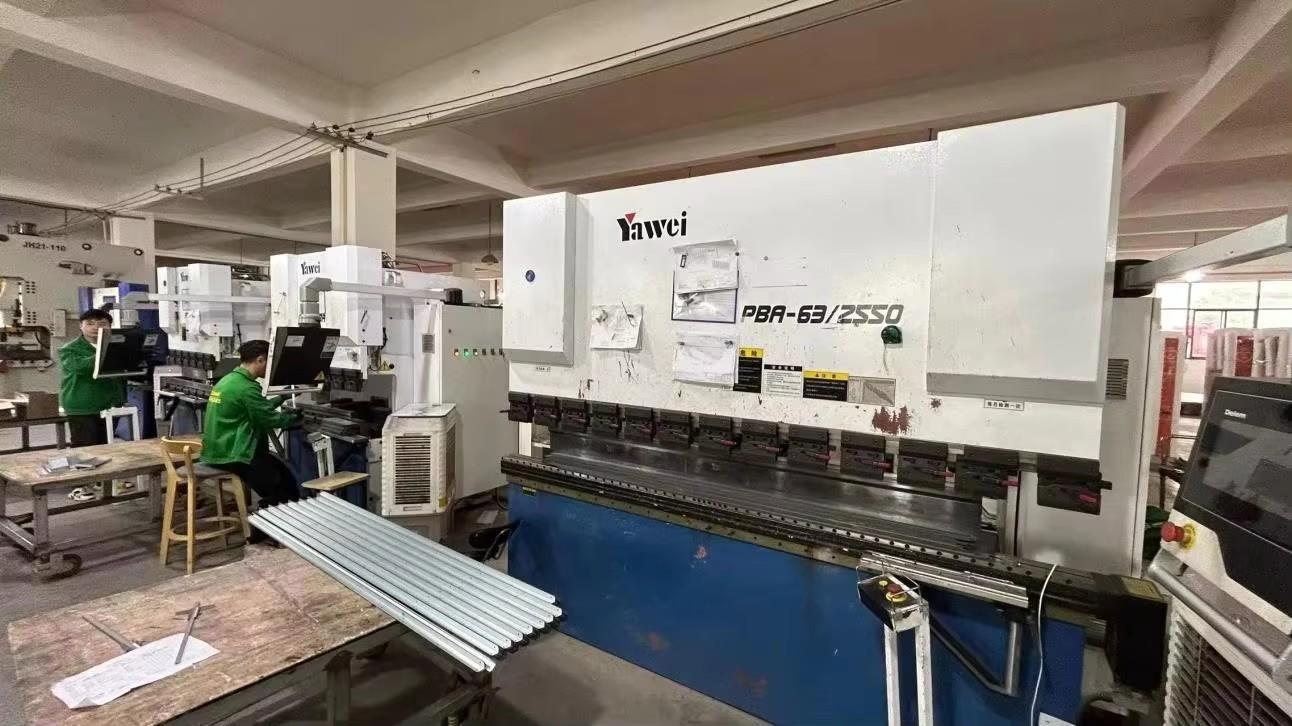
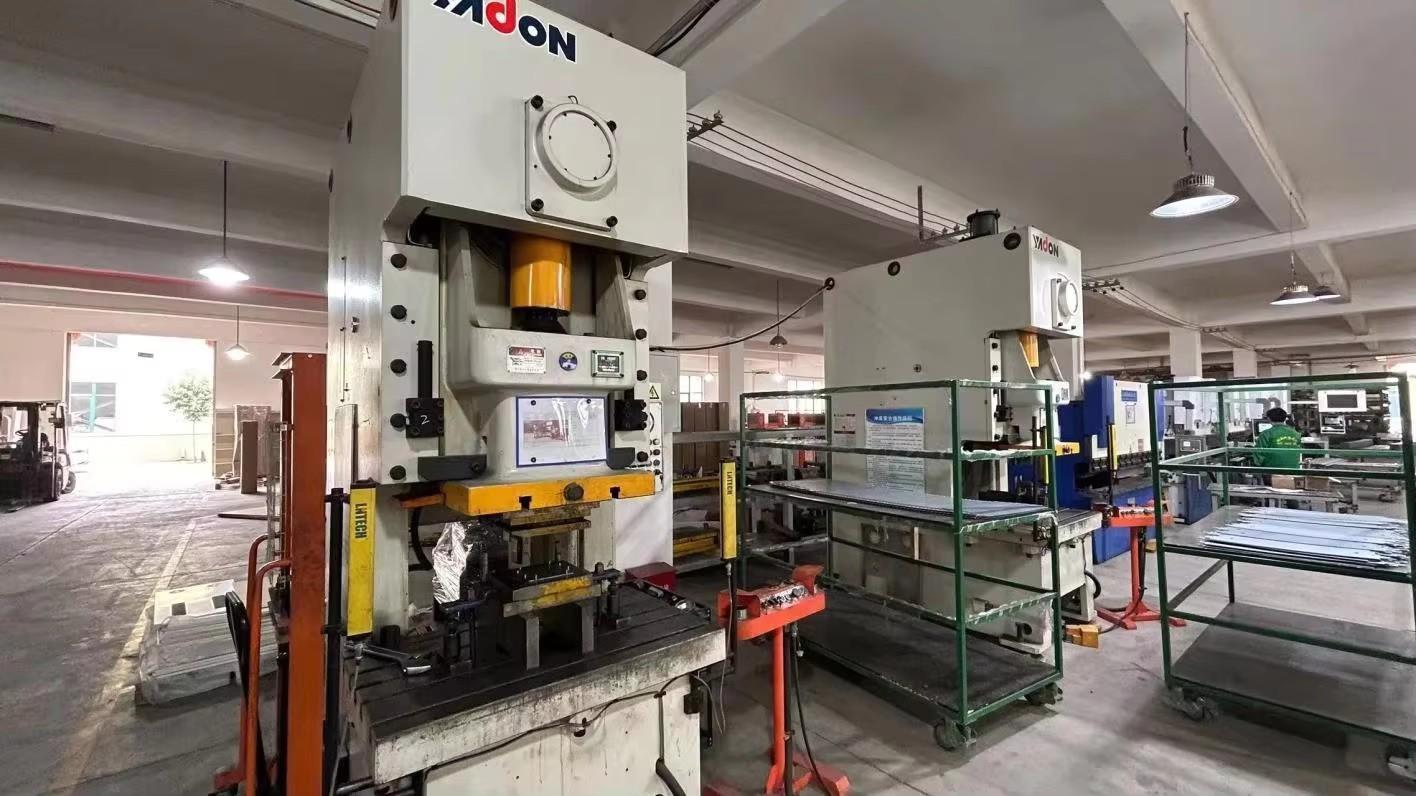
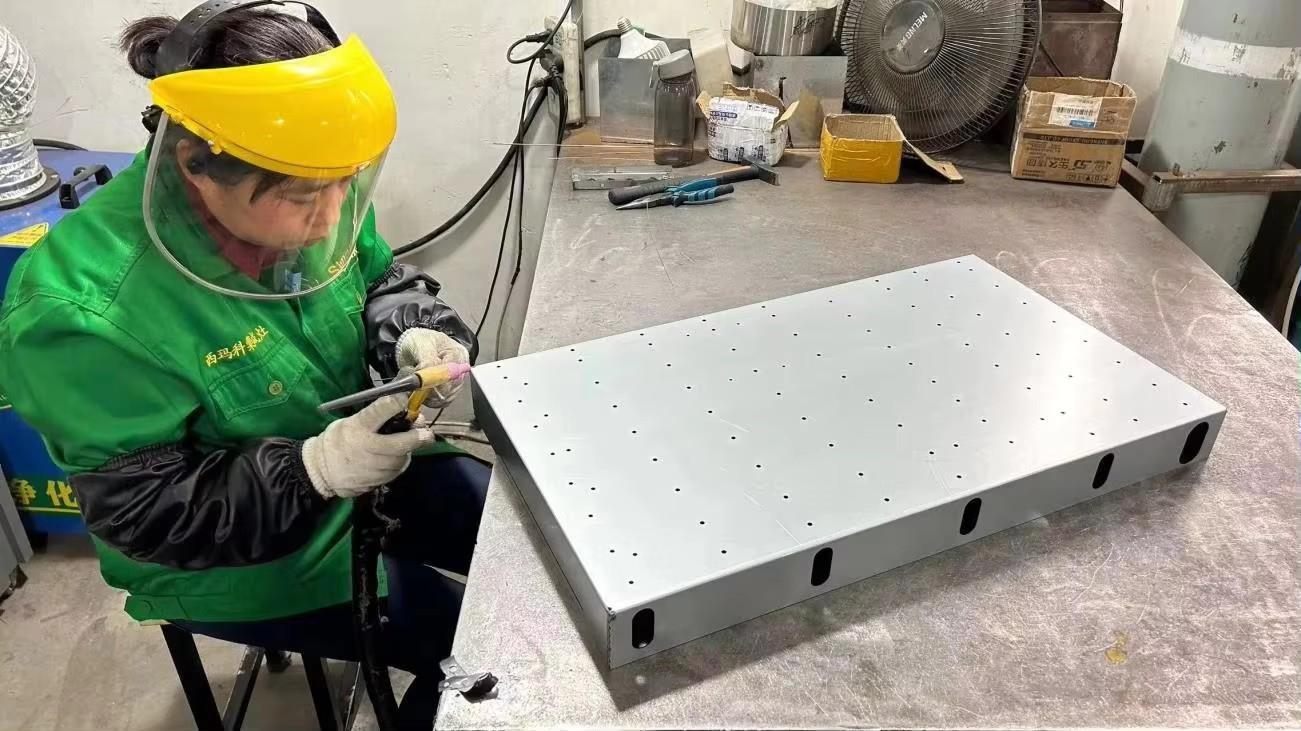
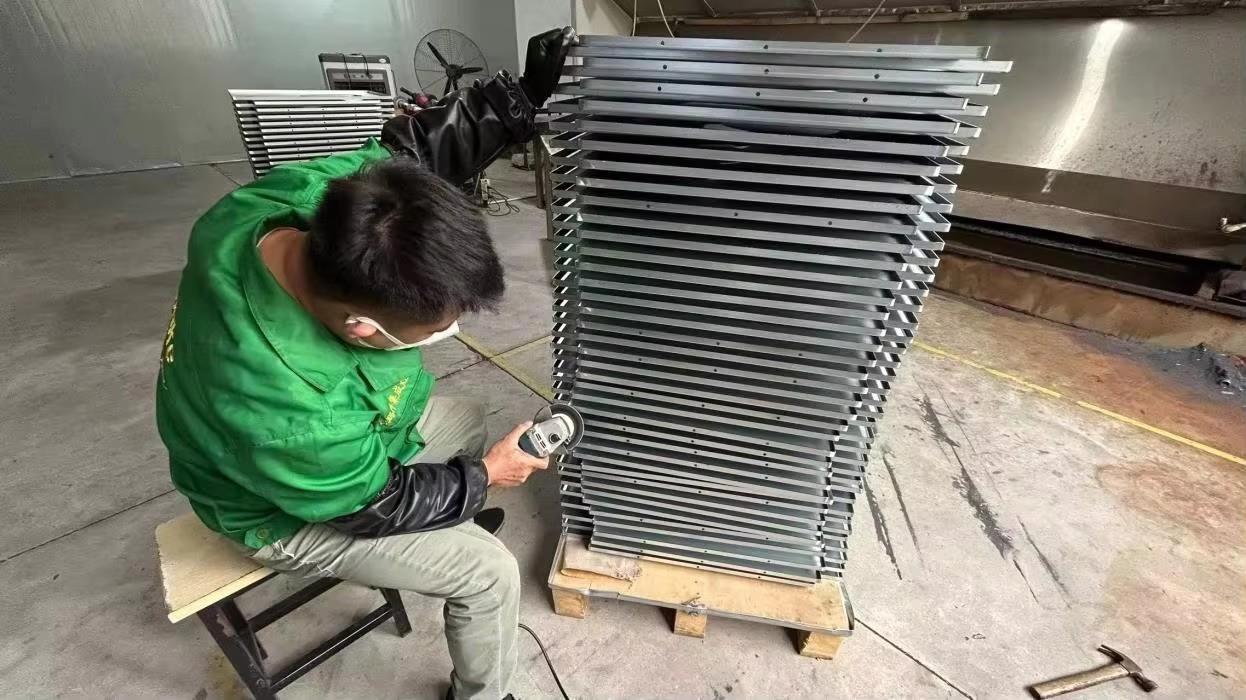
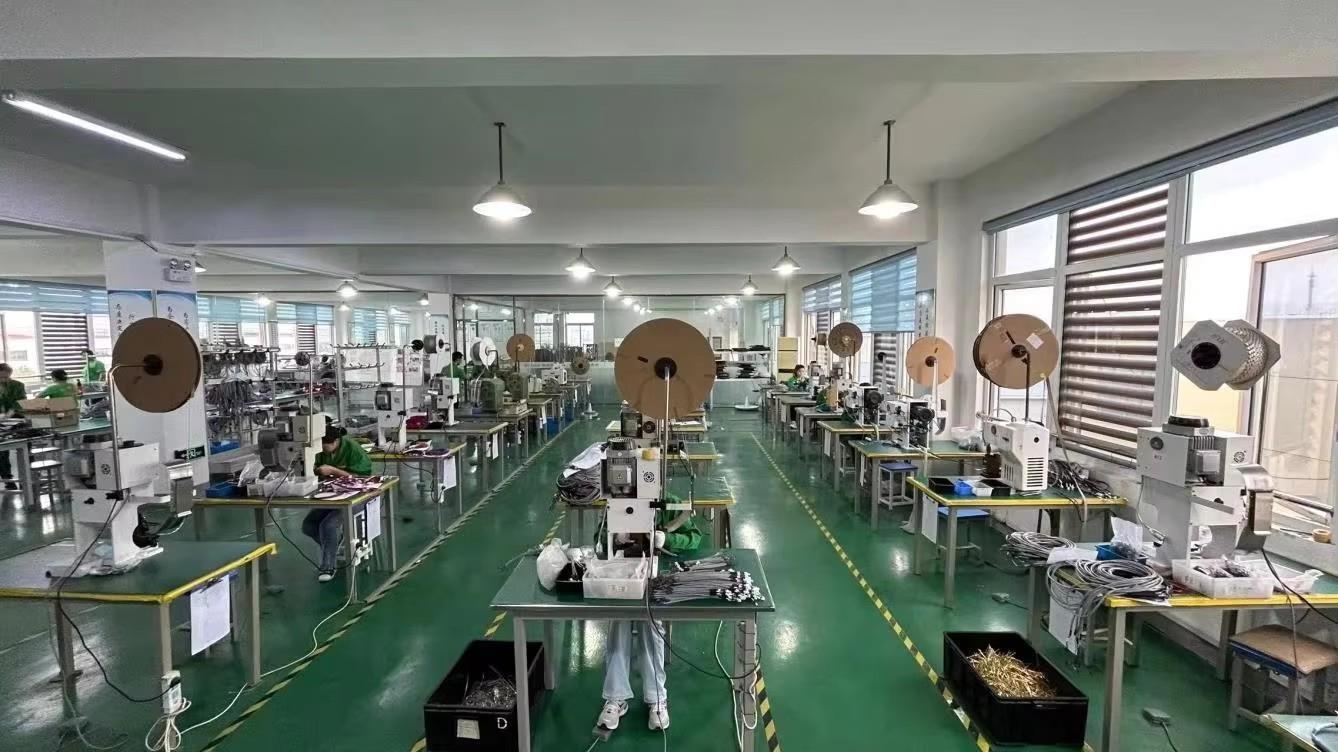
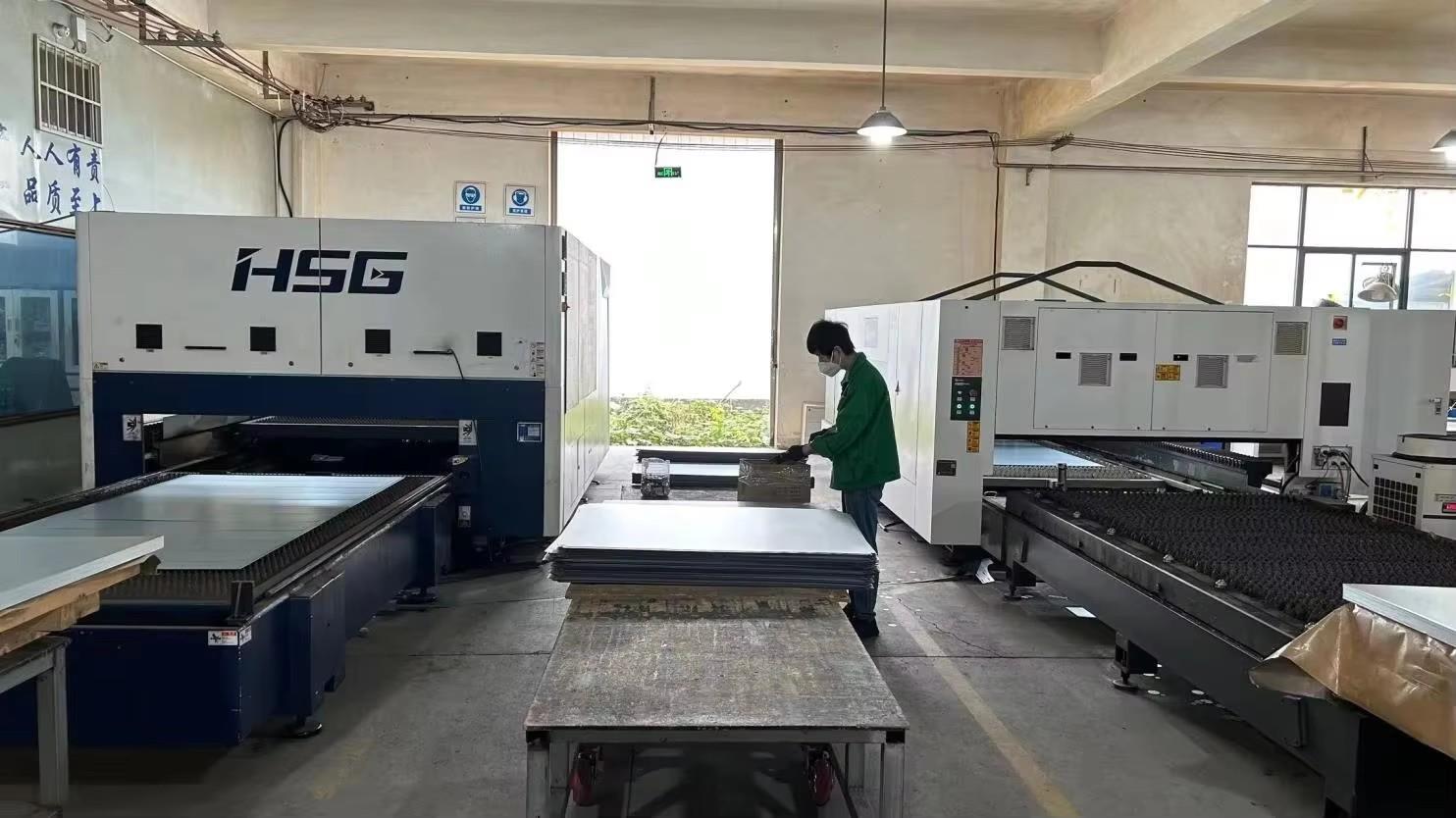
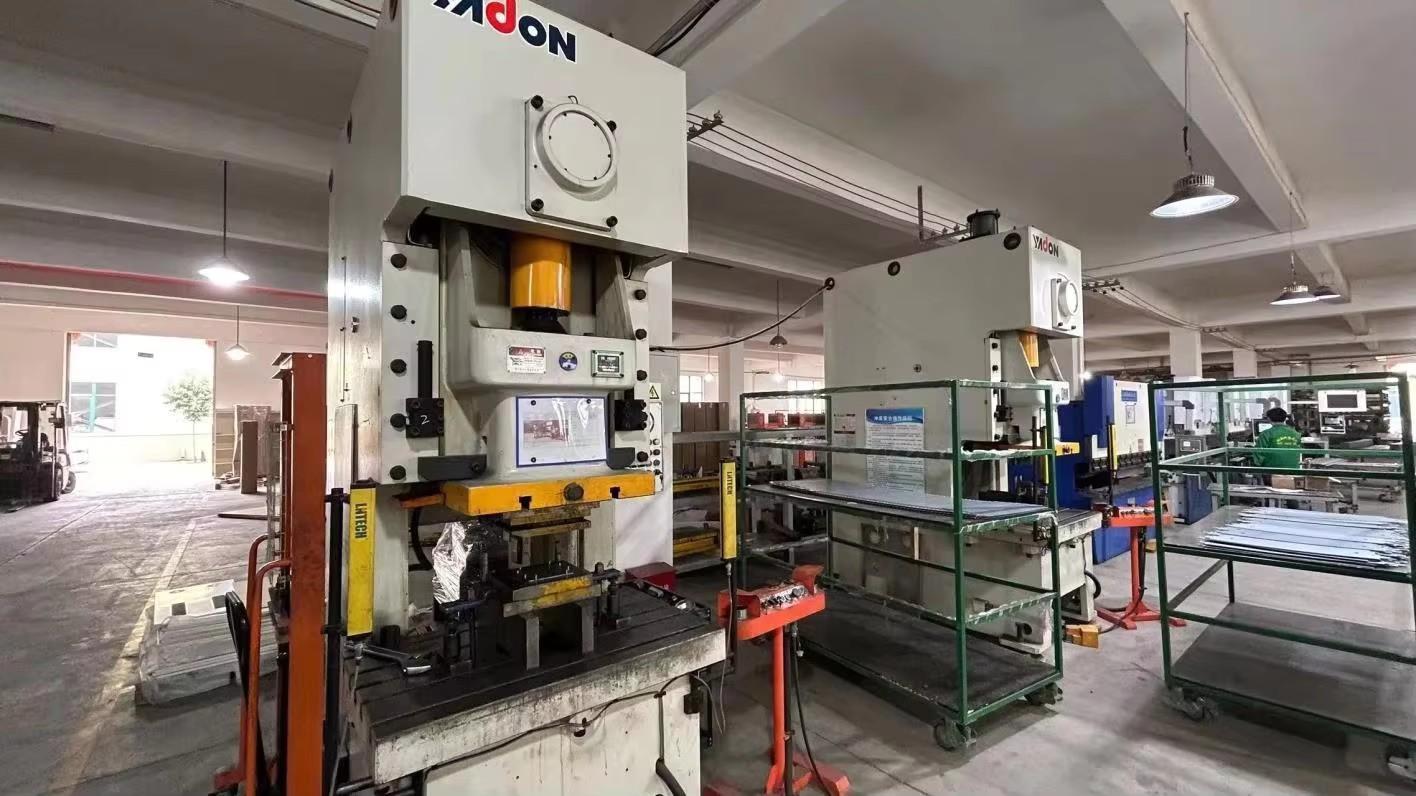
Integrating automated mechanical structural processing with precision micro-electronics manufacturing to ensure unparalleled consistency and cost-competitiveness.
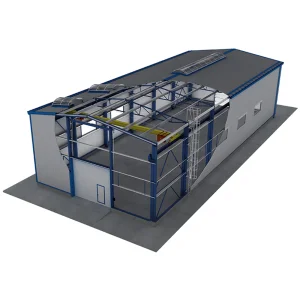
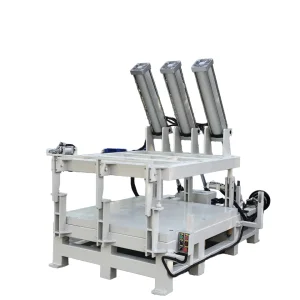
Qingdao Luzz Solar’s production paradigm is built on a highly integrated Factory 4.0 architecture. Metal structural frames require extreme mechanical integrity to withstand shipping stresses and protect heavy battery modules. Our fabrication steps—ranging from laser cutting, bending, and robotic welding to high-tonnage stamping machines—guarantee millimeter-level structural tolerances. Standardized metal housings prevent physical deformation, providing IP54 or IP65 weatherization ratings suitable for deserts, coastlines, and sub-zero geographic zones.
Internally, cell connectivity is critical. Precision automated laser welding machines connect cell terminals with ultra-low contact resistance, minimizing internal heat accumulation and preventing power degradation. Advanced silent terminal machines assemble wiring harnesses with precise crimp heights, reducing electrical faults. At the system level, automated diagnostic arrays test cell balancing, dielectric strength, and communications interfaces. This end-to-end integration creates a robust, highly resilient supply chain that yields substantial cost advantages for developers and system integrators worldwide.
Operating out of Qingdao, a premier international deep-water port, allows for direct, cost-efficient shipping of hazardous materials (such as lithium batteries classified under Class 9 UN3480). This geographic proximity reduces domestic transit times and limits exposure to transport vibrations, ensuring factory-fresh battery modules arrive safely at project sites.
Configuring modular containerized storage systems for complex grid environments, industrial campuses, and microgrids.
Our ongoing commitment to developing high-density, smart thermal management systems that deliver improved efficiency and long-term storage safety.
The containerized energy storage industry is moving toward higher volumetric energy densities and enhanced safety protocols. Standard 280Ah lithium iron phosphate (LiFePO4) cells are giving way to next-generation 314Ah and 530Ah cells. These higher-capacity cells fit within the same physical container footprint, increasing capacity to 5MWh+ in a standard 20ft container. This transition lowers footprint requirements on-site, reducing civil construction costs and minimizing interconnecting cabling.
Furthermore, liquid cooling systems are replacing conventional HVAC forced-air designs. Direct-contact liquid cold plates maintain temperature variations across cell arrays to within ±2°C. Consistent thermal management slows capacity loss and minimizes cell degradation. We are also integrating cloud-connected Energy Management Systems (EMS) that employ machine learning to predict potential cell faults. These systems detect early-stage safety anomalies before they trigger thermal runaway, enabling proactive, automated safety shutoffs.
Our technological roadmap commits to using zero-carbon manufacturing lines. By integrating solar energy arrays on factory roofs and utilizing high-efficiency automated welding systems, we reduce the carbon footprint of our energy storage cabinets before they are deployed in the field.
Analyzing regulatory criteria, site engineering needs, and cost models to support procurement managers throughout the acquisition cycle.
Purchasing large-scale utility or commercial battery systems requires evaluating multi-year system performance. Key criteria include: System round-trip efficiency (RTE), Auxiliary consumption losses (the energy required to run the cooling system), and Warranty commitments. Selecting a vendor requires matching local safety and grid interconnection standards to ensure compliance.
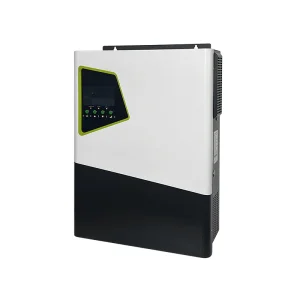
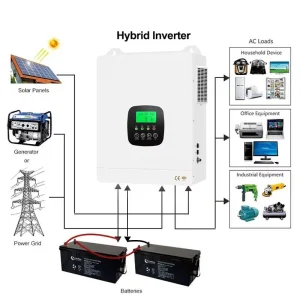
Our engineering services focus on delivering pre-configured systems that require minimal local wiring. We design and manufacture control systems, power conversion systems (PCS), and energy storage batteries to work together. This integration reduces installation costs and speeds up commissioning, allowing operators to connect systems to the grid quickly and safely.
Our engineering and manufacturing designs comply with standard safety tests and grid integration rules across international markets.
Operating a utility-scale energy storage system requires adhering to strict safety codes. Key standards like UL 9540 and UL 9540A govern fire safety and thermal runaway risks. These tests verify that if a battery cell fails, the container's safety systems prevent fire from spreading between modules.
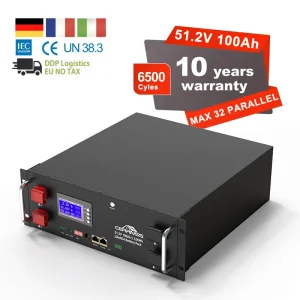
Additionally, our production lines follow IEC 62619 standards for industrial batteries, and all battery packs hold UN38.3 certification for safe transit. For regional grid integration, our control systems support local frequency and voltage regulations. We provide documentation and engineering support to help clients navigate local permitting and interconnection processes.
Answering common questions about containerized energy storage integration, operation, and maintenance.
Air-cooled systems use HVAC air conditioning to blow cool air through the rack space. They are simple to maintain but less effective at high cell packing densities. Liquid-cooled systems run coolant plates directly along the cells, which keeps temperature variations within a narrower range. This improves efficiency and extends battery life, especially in high-density systems like 314Ah configurations.
We use a multi-layered fire protection design. The system monitors temperature and gas levels inside the container. If it detects anomalies, it triggers local alarms and can isolate specific racks. If thermal runaway occurs, built-in gas suppression systems (like Novec 1230 or aerosol) release fire-suppressing agents, and water sprinkler pipes provide emergency cooling to contain the issue.
Our systems use premium Grade A LiFePO4 cells designed for over 6,000 charge cycles at 80% Depth of Discharge (DoD) under recommended operating temperatures. In typical peak-shaving applications (one charge cycle per day), the battery cells have a design life of 15 to 20 years before capacity drops to 70% of its original rating.
Yes. Our AC-coupled and DC-coupled options integrate with existing solar systems. By connecting the Battery Management System (BMS) with the solar site Energy Management System (EMS), operators can charge the batteries with excess solar energy during the day and discharge power during peak demand periods.
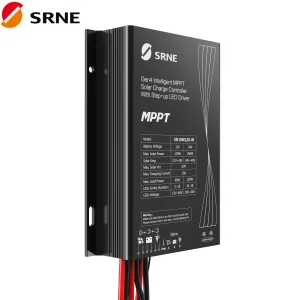
High-efficiency power converters, control components, and support elements

 Luzz Solar