Qingdao Luzz Solar Co., Ltd. is a professional new energy enterprise specializing in the development, manufacturing, and global distribution of photovoltaic (PV) products and integrated energy storage solutions. Located in Qingdao, China, the company benefits from a well-established renewable energy industrial base and advanced manufacturing capabilities.
With the accelerating global transition toward carbon neutrality and sustainable development, Luzz Solar is committed to providing efficient, reliable, and cost-effective clean energy solutions to customers worldwide. Our product portfolio includes high-efficiency solar photovoltaic modules, energy storage systems, and integrated solar application solutions designed for residential, commercial, and utility-scale projects.
Driven by technological innovation and quality excellence, the company continuously invests in R&D and production optimization to improve product performance, energy conversion efficiency, and system reliability. We strictly adhere to international quality standards and implement rigorous quality control throughout the entire production process to ensure stable and long-term product performance.
Qingdao Luzz Solar actively expands its global market presence, with business coverage across Asia, Europe, the Middle East, Africa, and Latin America. By working closely with international partners, we are committed to delivering tailored energy solutions that meet diverse regional needs and support the global energy transition.
Guided by the core values of integrity, innovation, cooperation, and sustainability, Luzz Solar strives to become a trusted global partner in the new energy industry. We are dedicated to advancing solar technology and contributing to a greener, more sustainable future.
The residential sector is pivoting rapidly from traditional low-voltage (48V) battery packs to high-voltage systems (ranging from 200V to over 500V). High-voltage configurations reduce internal current and resistive transmission losses, thereby improving overall round-trip efficiency (RTE) and enabling faster charging and discharging phases required for peak loads.
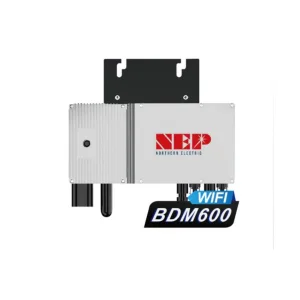
Strict regional regulations, such as NEC 2017/2020 Rapid Shutdown mandates in North America and comparable safety protocols in Western Europe, are driving the adoption of module-level power electronics (MLPE). Microinverters mitigate the risk of high-voltage DC arc fires, offering safer, localized AC conversion straight from individual solar modules.
Modern residential PV setups are transitioning from passive grid feeding to active participation in utility networks. Integration with smart-home energy management systems (HEMS) and support for Virtual Power Plants (VPPs) allow homeowners to dynamically dispatch stored energy during peak tariff hours, maximizing ROI.
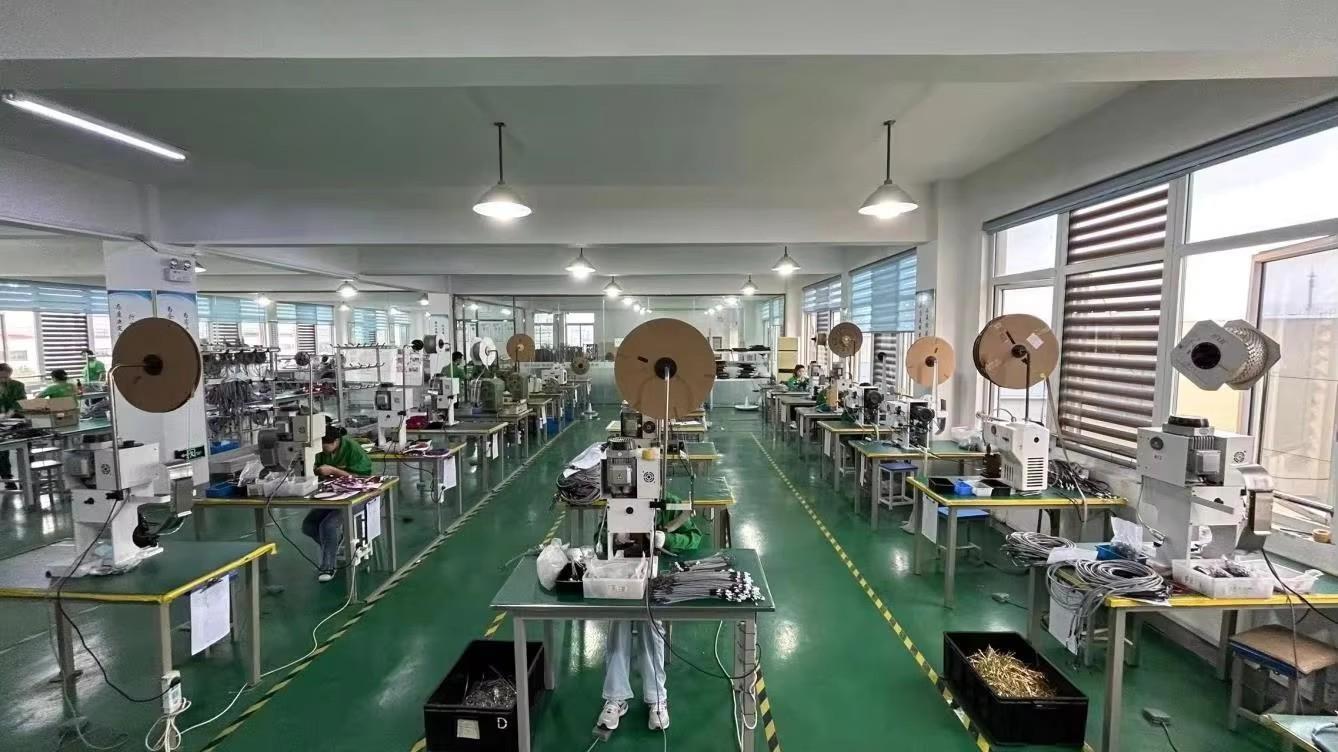
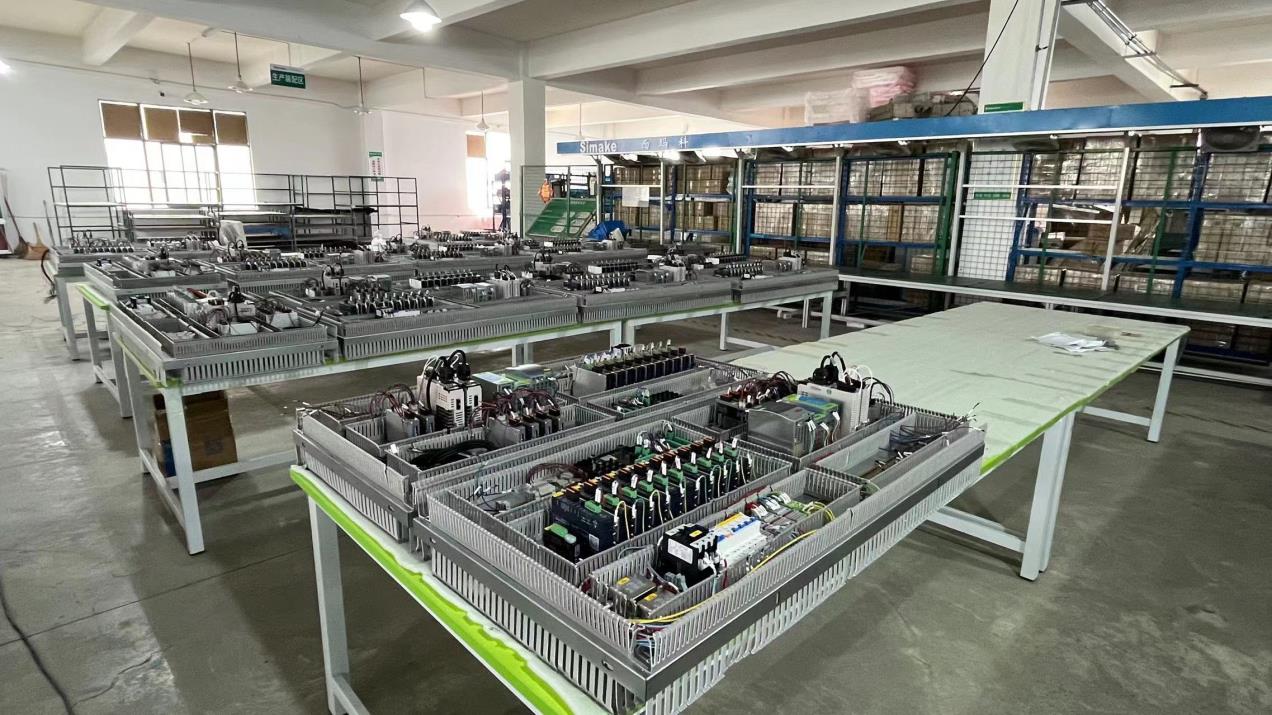
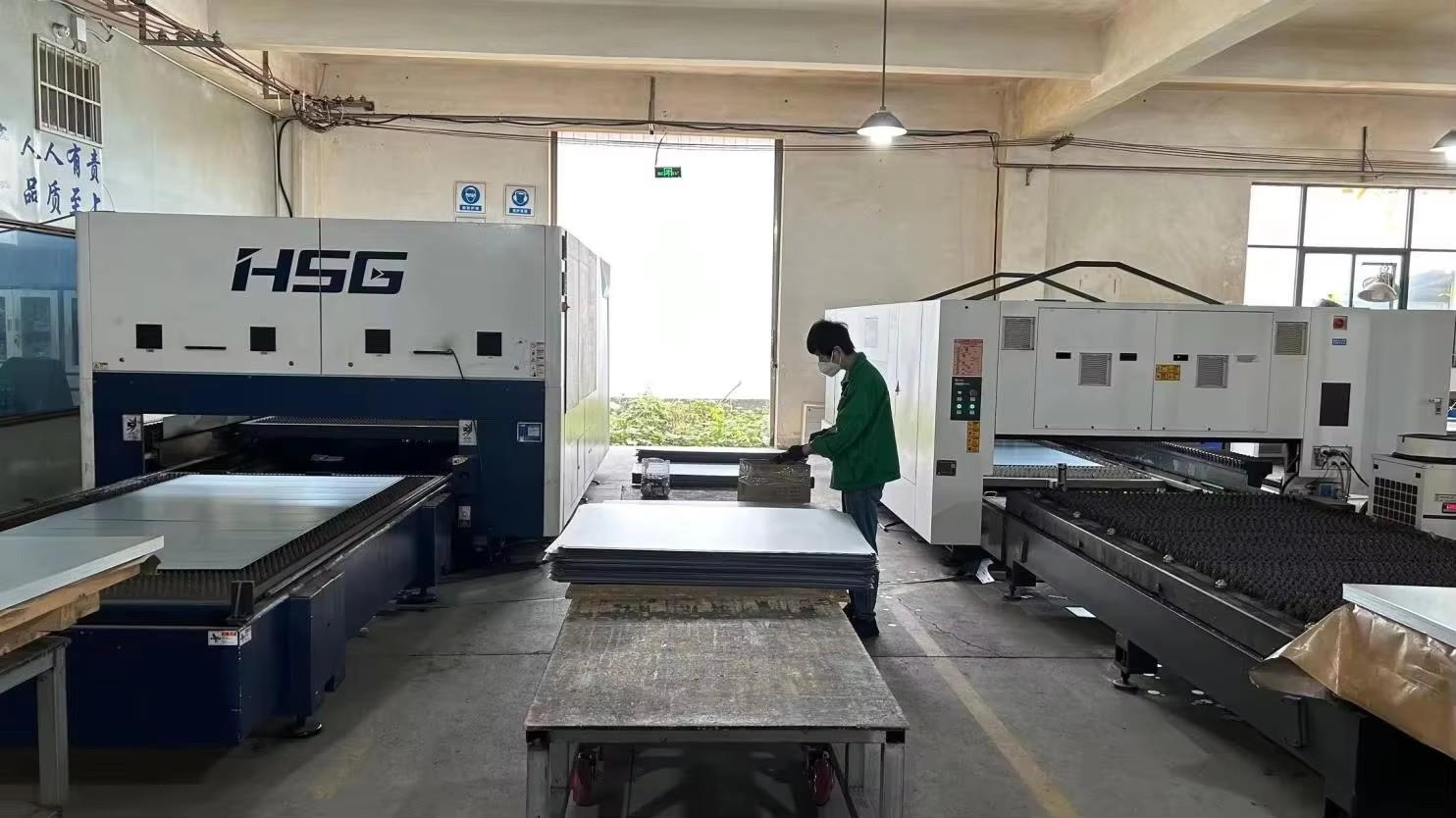
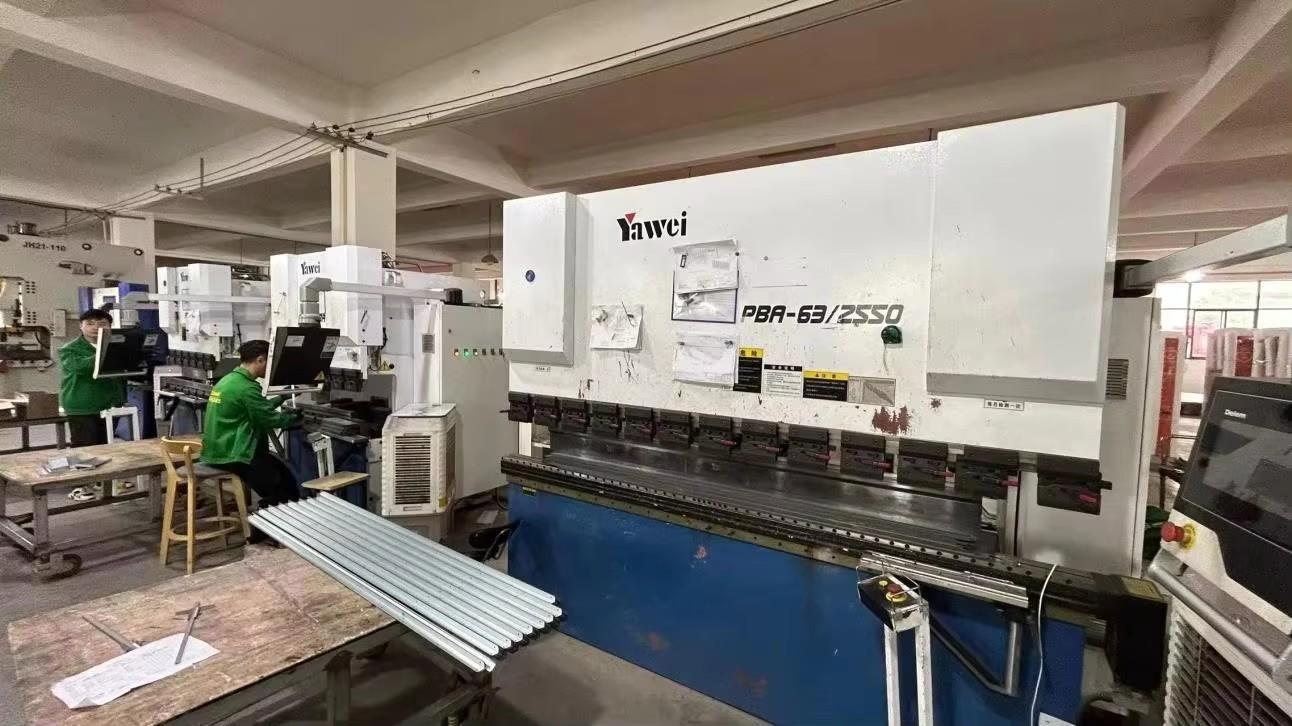
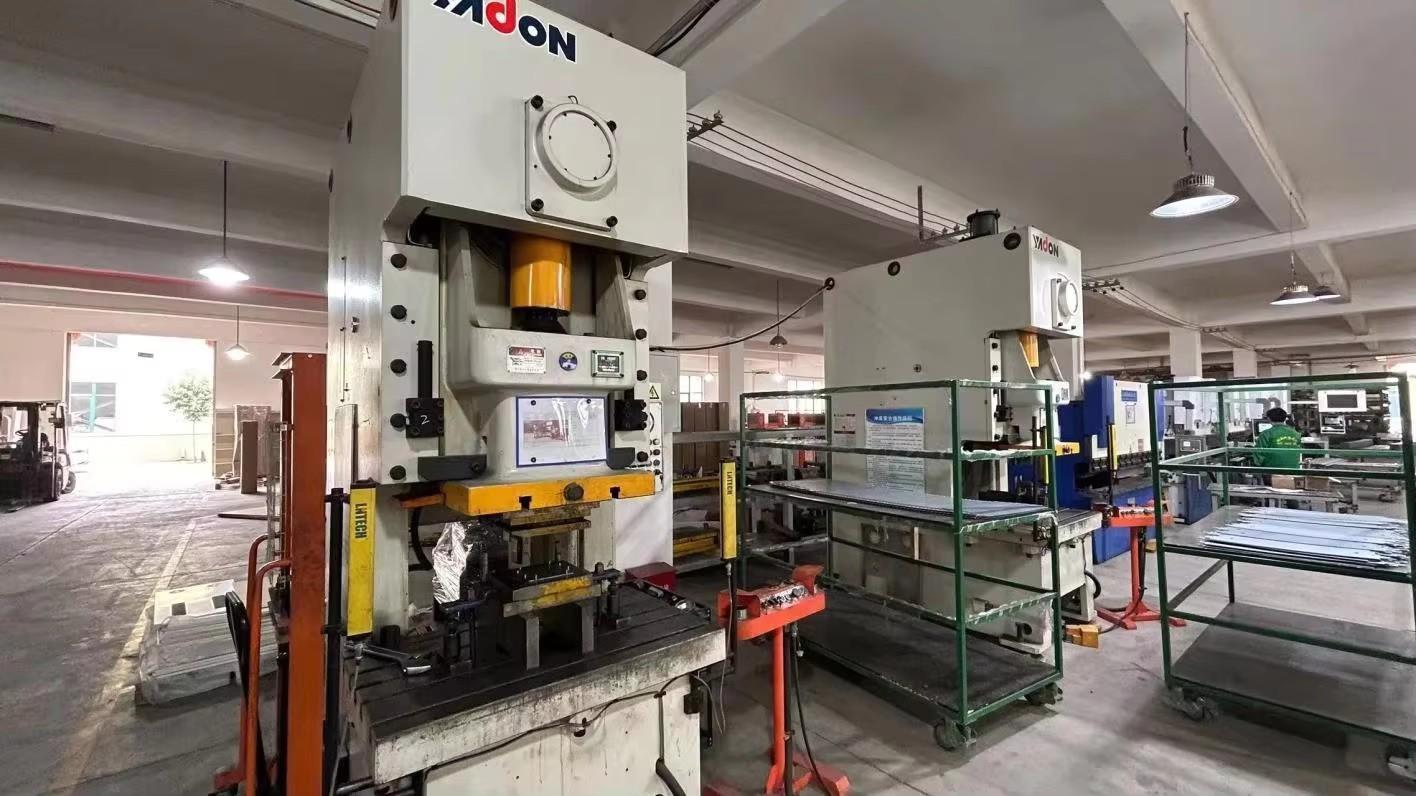
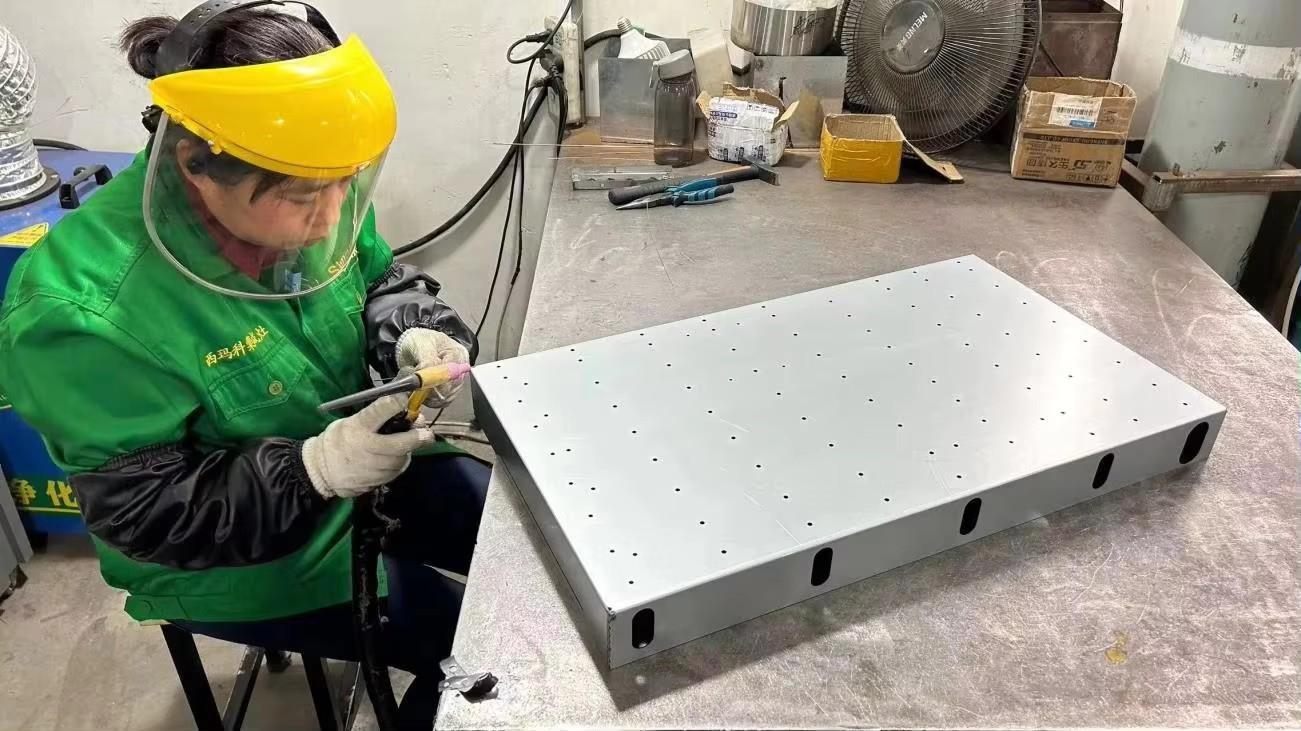
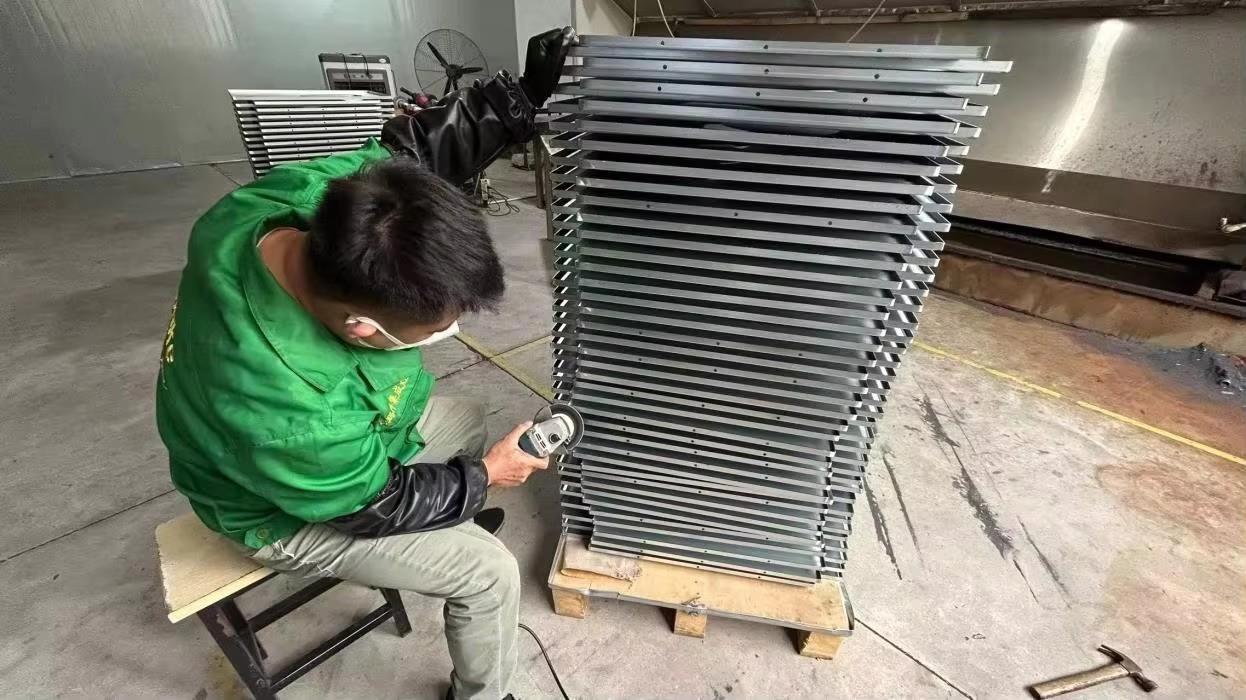
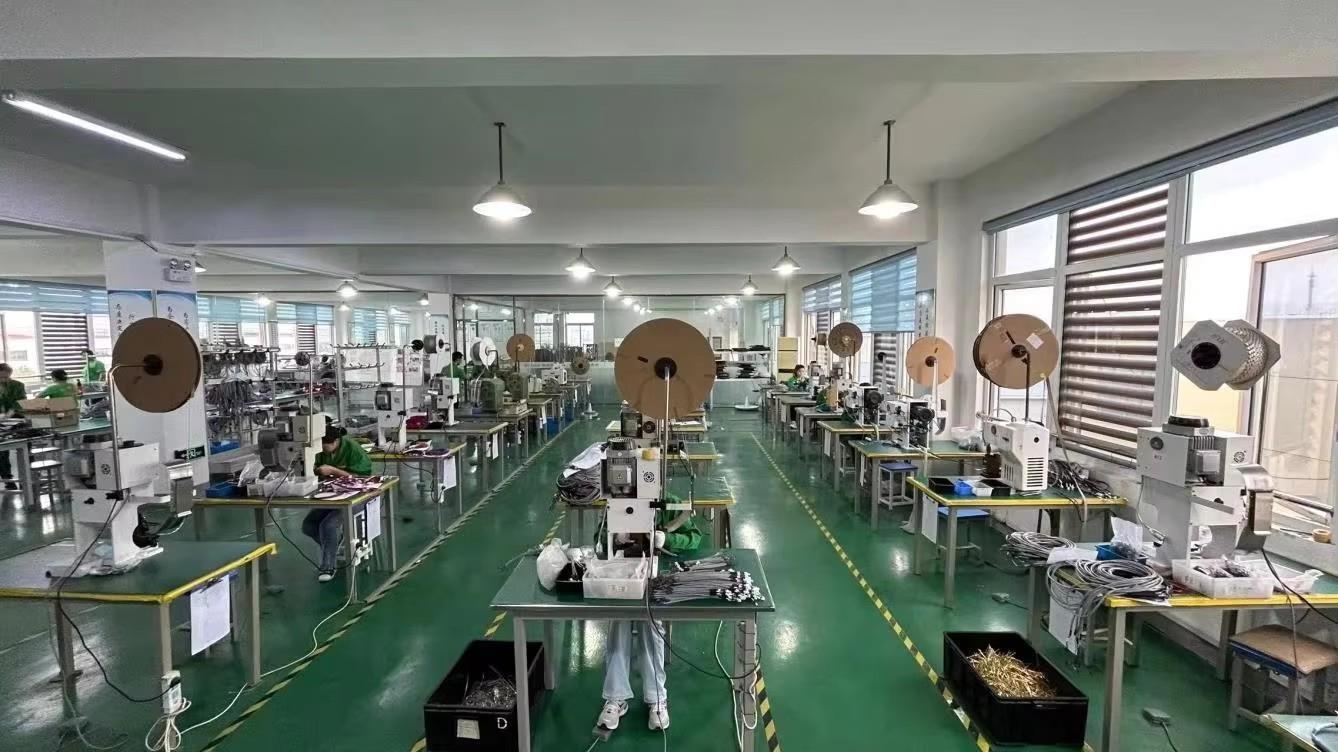
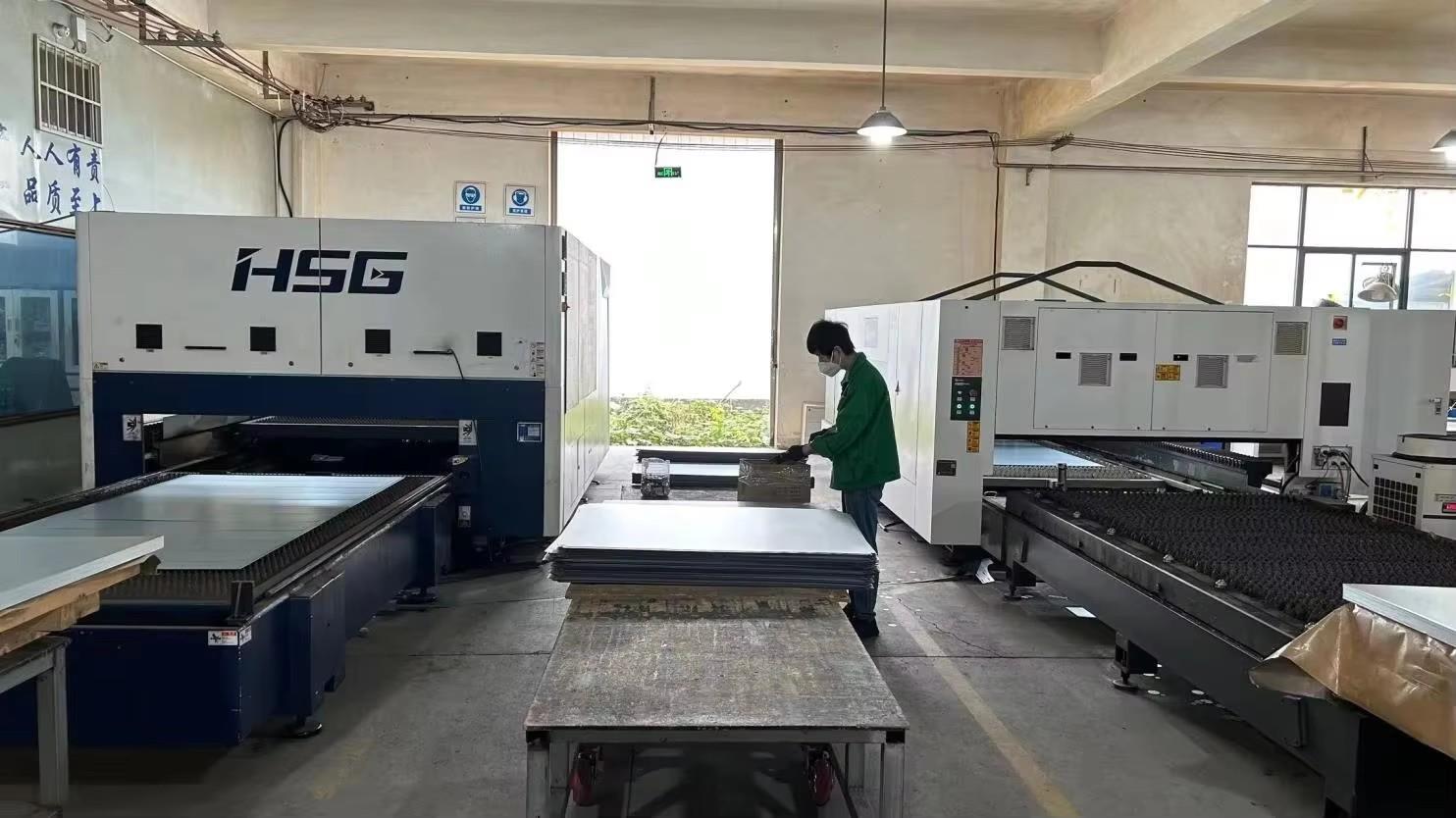
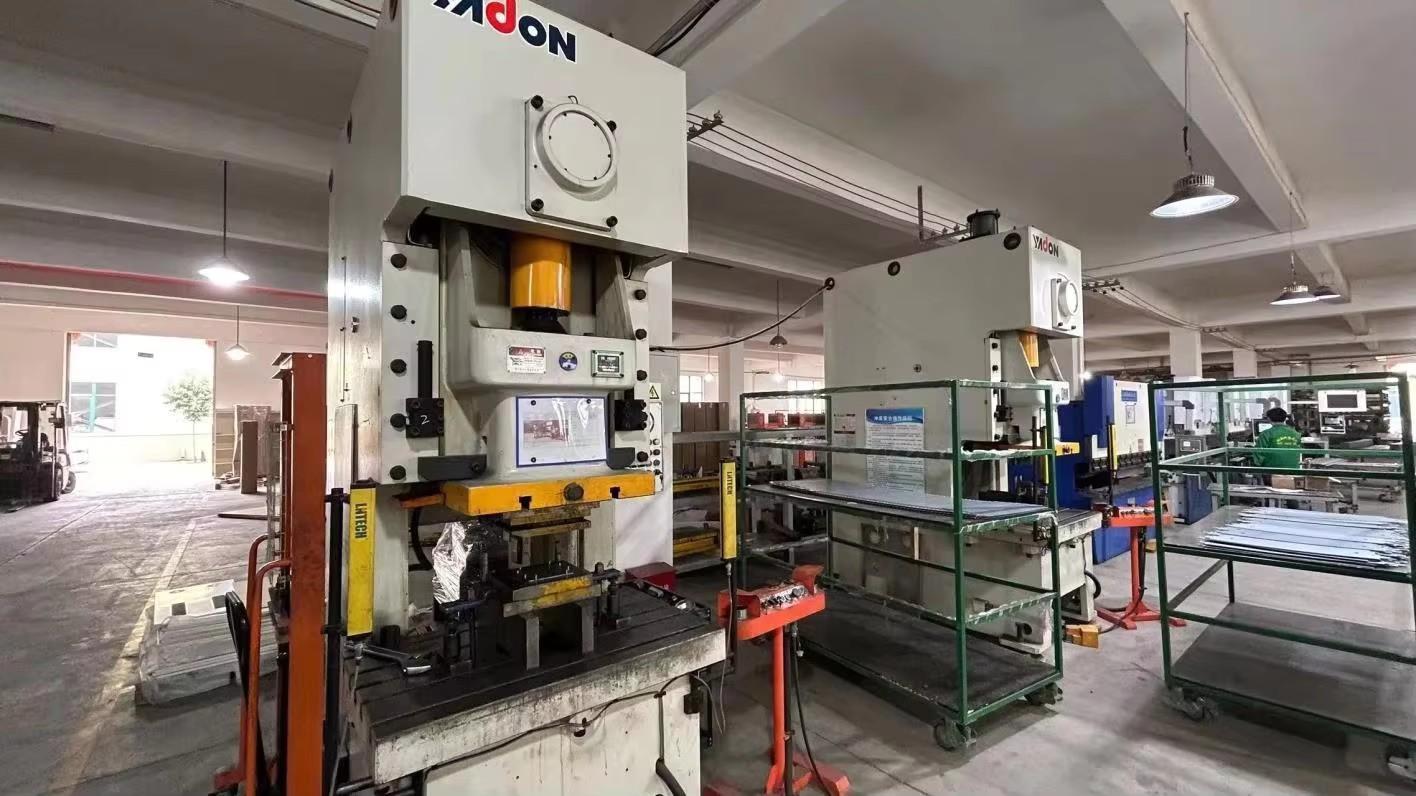
At Qingdao Luzz Solar Co., Ltd., our production facility operates on the principles of Factory 4.0, combining automated assembly lines, digital twin monitoring, and predictive maintenance schedules. This manufacturing philosophy translates to high dimensional accuracy, structural robustness, and reliable electrochemical characteristics across all components we produce.
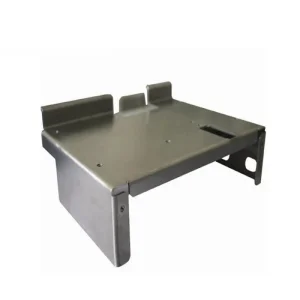
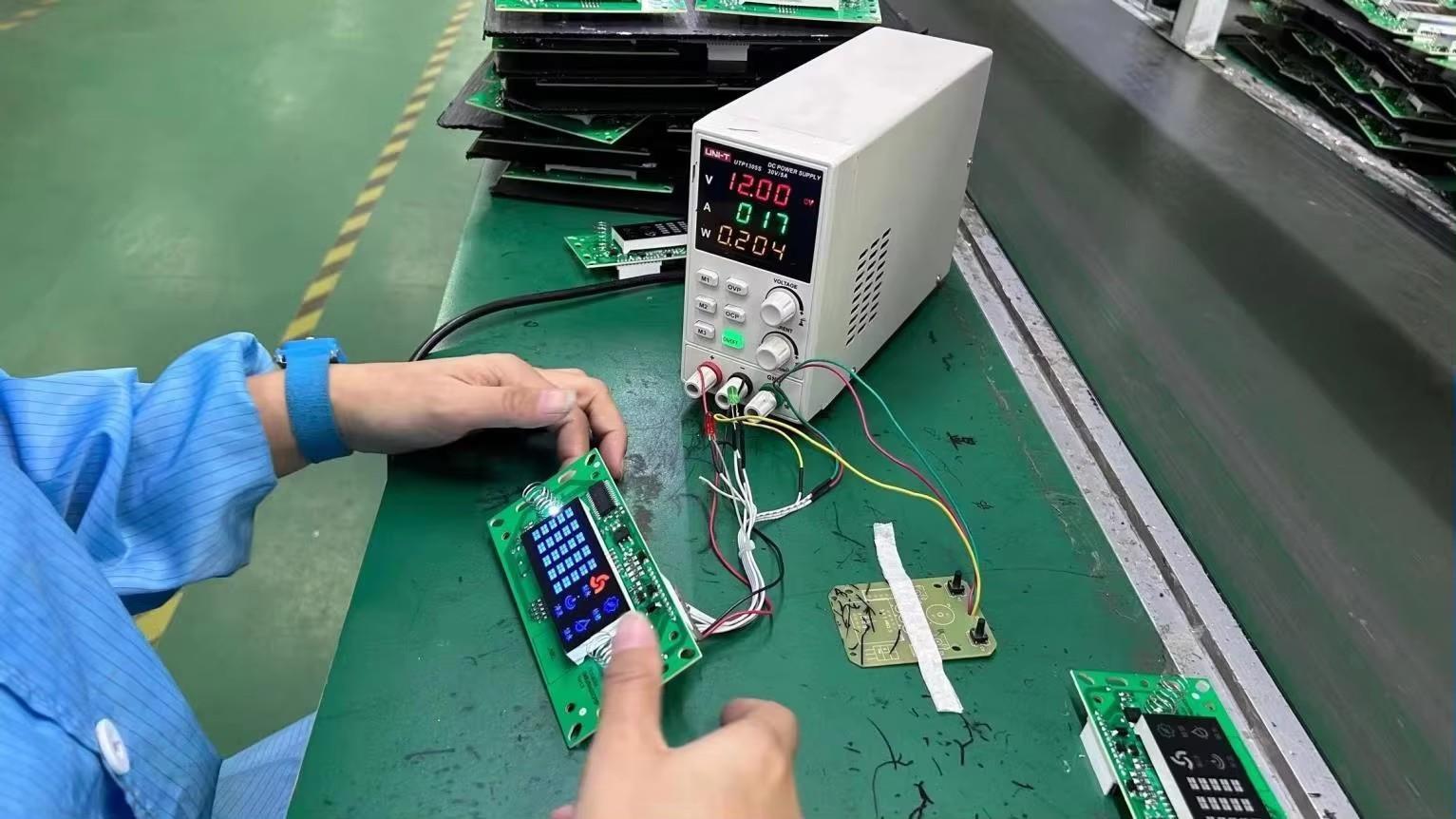
Our supply chain ecosystem features end-to-end integration, ranging from raw material sourcing (such as advanced zinc-aluminum-magnesium stamping and laser-cut structural plates) to highly automated electronics testing and automated wire-harness terminals. By vertical integration, we maintain total authority over lead times and quality parameters, enabling us to serve as a reliable OEM/ODM partner for large-scale energy contractors.
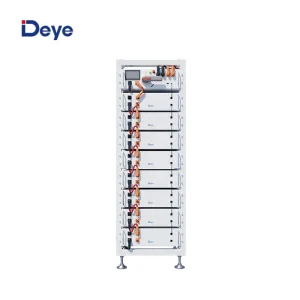
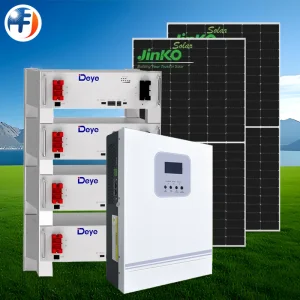
Crucially, our testing procedures include automated Electroluminescence (EL) inspection, high-voltage insulation tests, and electrochemical capacity matching for cells. Every high-voltage pack, like the Deye Bos-g series, undergoes rigorous charge-discharge loop checks to eliminate potential infant mortality failures before shipment, ensuring consistent field performance.
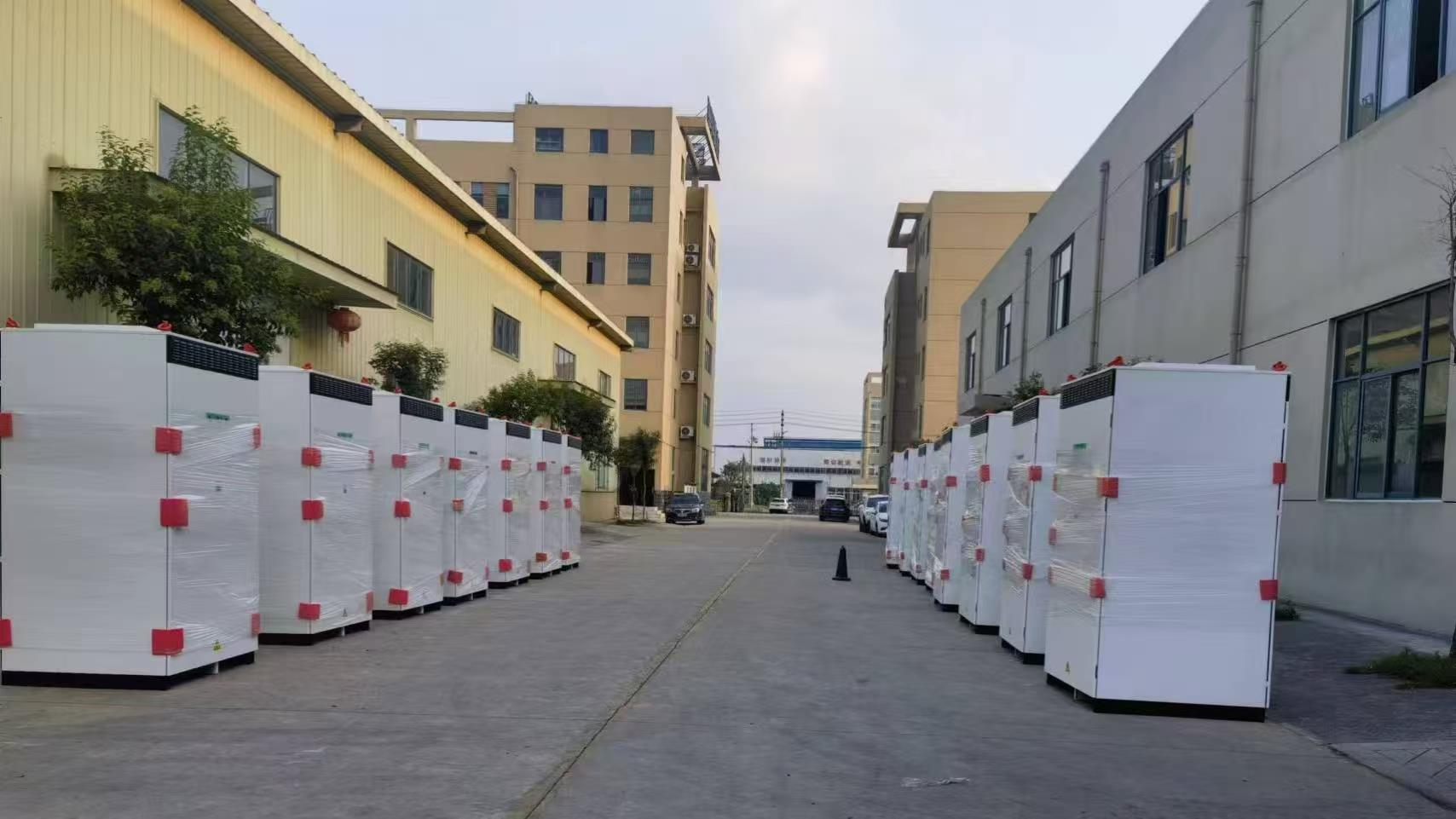
Focuses on high-latitude solar extraction coupled with rapid heat-pump integration. Solutions feature cold-resilient chemistry, such as LiFePO4 cells configured with integrated thermal warming circuits, ensuring effective battery dispatch during sub-zero winters. Dynamic stock management in Warsaw and Hamburg guarantees prompt regional distribution.
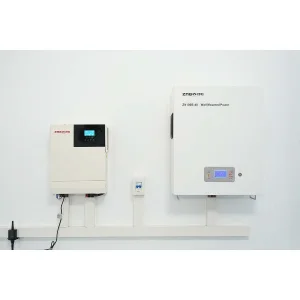
Defined by strict rapid shutdown requirements and grid volatility. Installations pair high-performance microinverters (utilizing independent MPPT trackers) with local wall-mounted energy storage units. This architecture minimizes DC-link hazards and enables emergency islanding operations during grid blackouts.
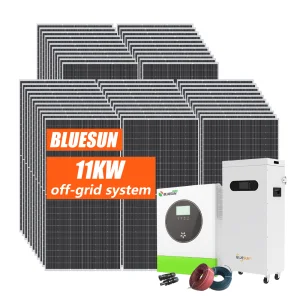
Demands heavy-duty hybrid solar systems equipped with robust steel structures, marine-grade anti-corrosive powder coatings, and wide-range MPPT controllers. Systems are designed to withstand high humidity and saline atmospheres while providing consistent off-grid electricity to households.
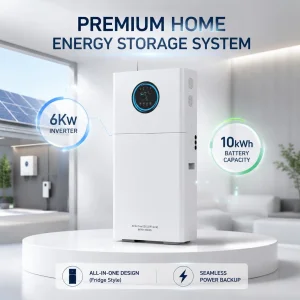
High-Voltage energy storage solutions, such as the Deye Bos-g Pro series operating at 512V nominal, utilize series-connected battery modules to raise the DC bus voltage. In a typical system, power is calculated as P = V * I. By increasing the system voltage, the current (I) required to transmit the equivalent power is significantly reduced. This reduction in current minimizes copper resistive heat dissipation losses (I²R loss), enabling slimmer cables, running cooler, and enhancing the overall round-trip efficiency (RTE) by 3% to 5% compared to conventional 48V designs.
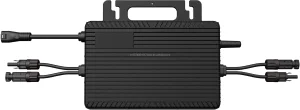
Microinverters run independent MPPT trackers for each module. In conventional string inverter designs, if a single panel suffers from shading, dust, or localized degradation, the output of the entire string drops to the level of the weakest module. Microinverters resolve this bottleneck by optimizing each module individually, yielding 5% to 20% more energy over time. Crucially, they keep DC voltages below 60V, removing the risks associated with high-voltage DC runs on rooftops and ensuring compliance with rapid shutdown safety standards.
We provide full-spectrum engineering customization, including structural redesigns, custom enclosure sizing, color personalization, and IP rating upgrades (up to IP66). On the firmware level, we can integrate custom communication protocols (such as CAN, RS485, and Modbus) to match proprietary local EMS platforms. We also support private labeling and custom packaging configurations to align with the distributor's regional branding requirements.
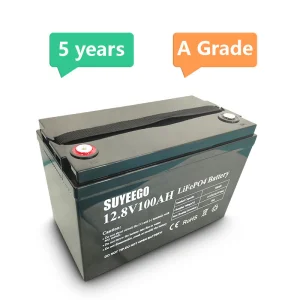
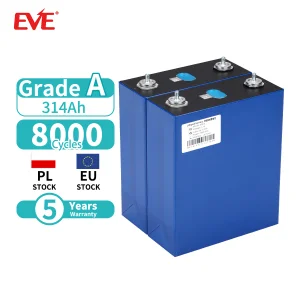
Lithium Iron Phosphate (LiFePO4) is the benchmark standard for stationary energy storage systems because of its superior safety profile and cycle life. Compared to ternary lithium (NMC) cells, LiFePO4 cells feature higher thermal runaway thresholds (typically above 270°C) and do not release oxygen during thermal events. Under recommended charge/discharge currents (0.5C/0.5C) and standard operating temperatures, our premium LiFePO4 cells achieve over 6,000 cycles at 80% Depth of Discharge (DoD), corresponding to over 15 years of daily use.
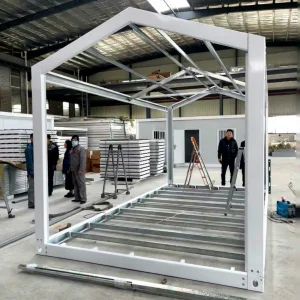
We use stamped and bent structural structural steel sheet bases protected with specialized hot-dip zinc-aluminum-magnesium coatings. These substrates undergo salt-spray chamber testing (exceeding 1000 hours) to ensure resistance to marine corrosives. This robust structural build is ideal for seaside applications, rooftop structures in coastal cities, and high-humidity areas, preventing electrochemical rust and mechanical breakdown.
 Luzz Solar