Engineered for high conversion efficiency, extreme environmental endurance, and long-term operating durability.
The global energy paradigm is undergoing an unprecedented structural transition. Volatile fuel markets, stringent geopolitical carbon emissions mandates, and the rising criticality of energy security have elevated industrial and commercial solar power systems from auxiliary efficiency measures to vital strategic assets. Today, commercial solar installations are expected not only to reduce immediate operating expenditures (OpEx) but to serve as self-reliant energy micro-grids capable of dynamic grid interaction.
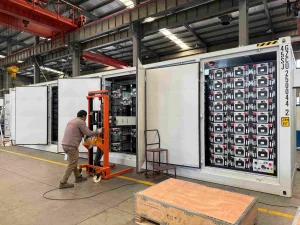
Key to this transformation is the integration of high-density battery energy storage systems (BESS). Unsynchronized solar generation profiles no longer present curtailment problems; instead, smart containerized batteries capture excess daylight yields, allowing enterprises to execute peak load shaving, avoid utility demand charges, and maintain uninterrupted production lines during localized grid failure.
Understanding the core operational benefits driving international capital investments into large-scale solar arrays:
How vertically integrated industrial clusters, advanced automation, and refined logistics yield unmatched system economics.
From raw polysilicon purification and ingot slicing down to active inverter semiconductor architecture and lithium cell chemistry formulation, Chinese manufacturers benefit from adjacent geographical proximity. This micro-clustering eliminates cross-border logistics costs and drastically reduces upstream material lag times.
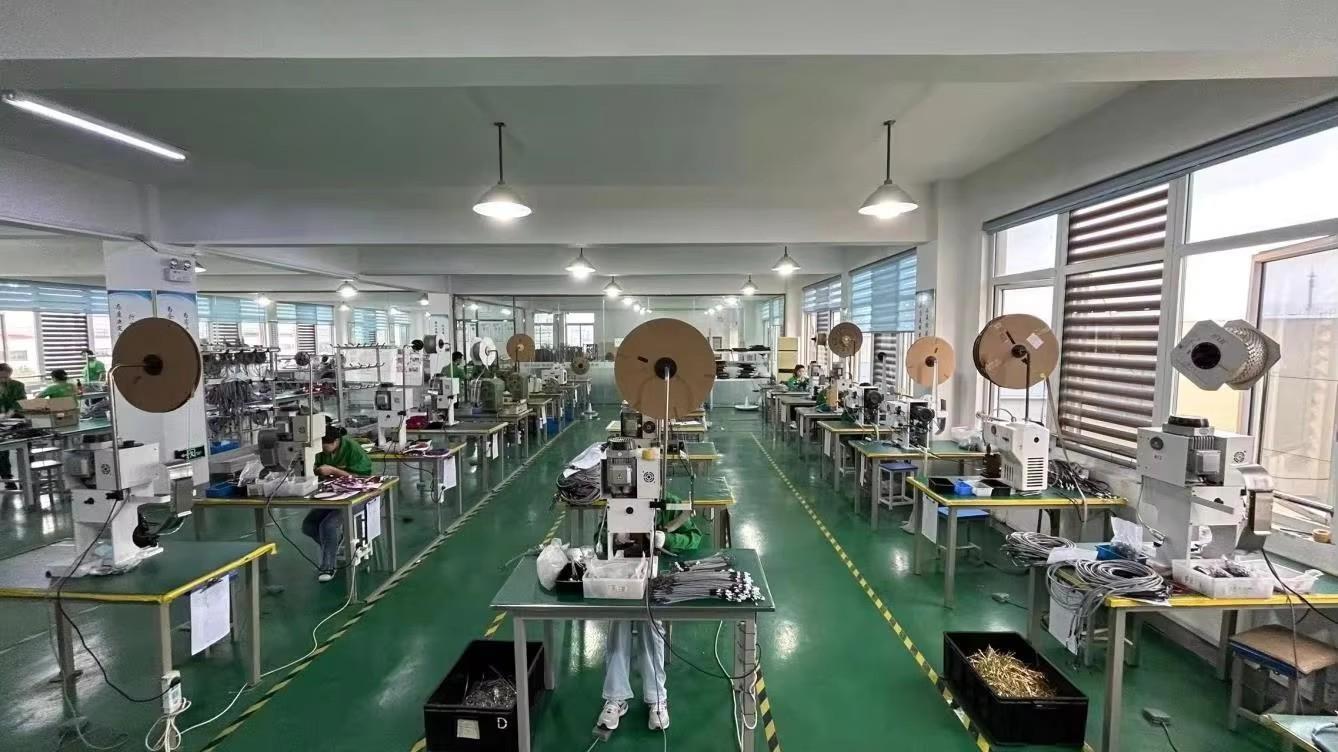
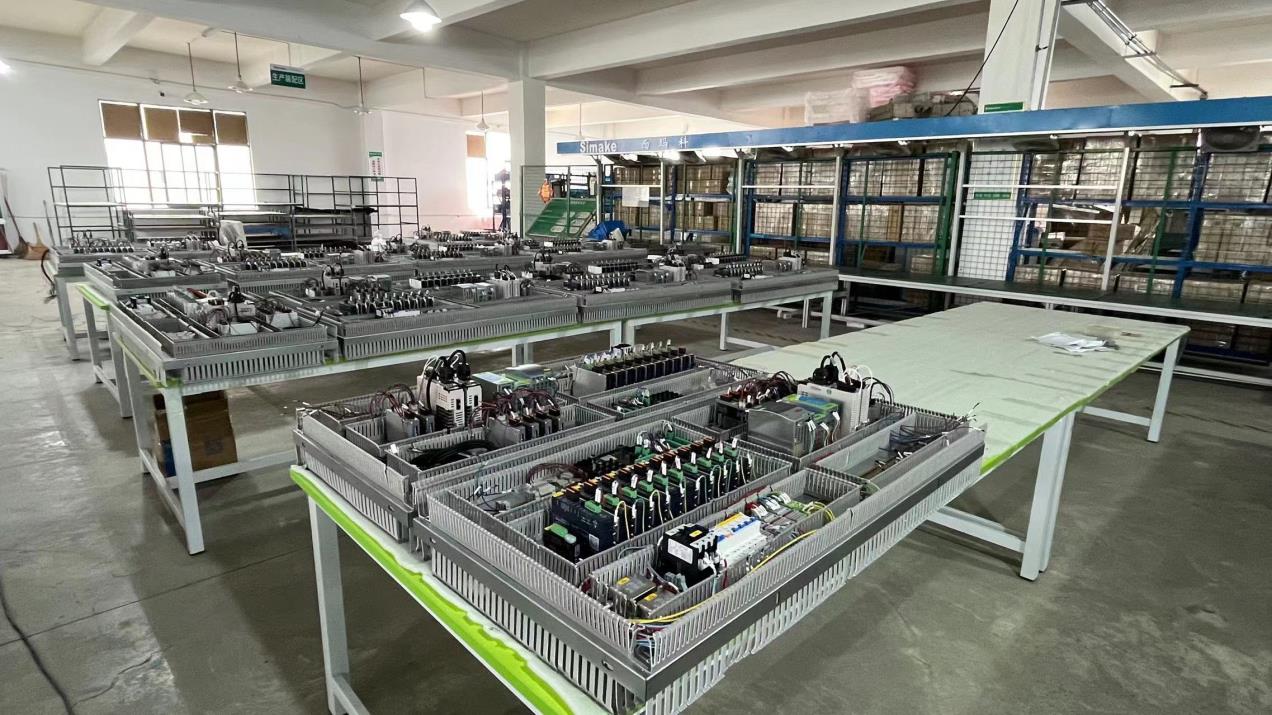
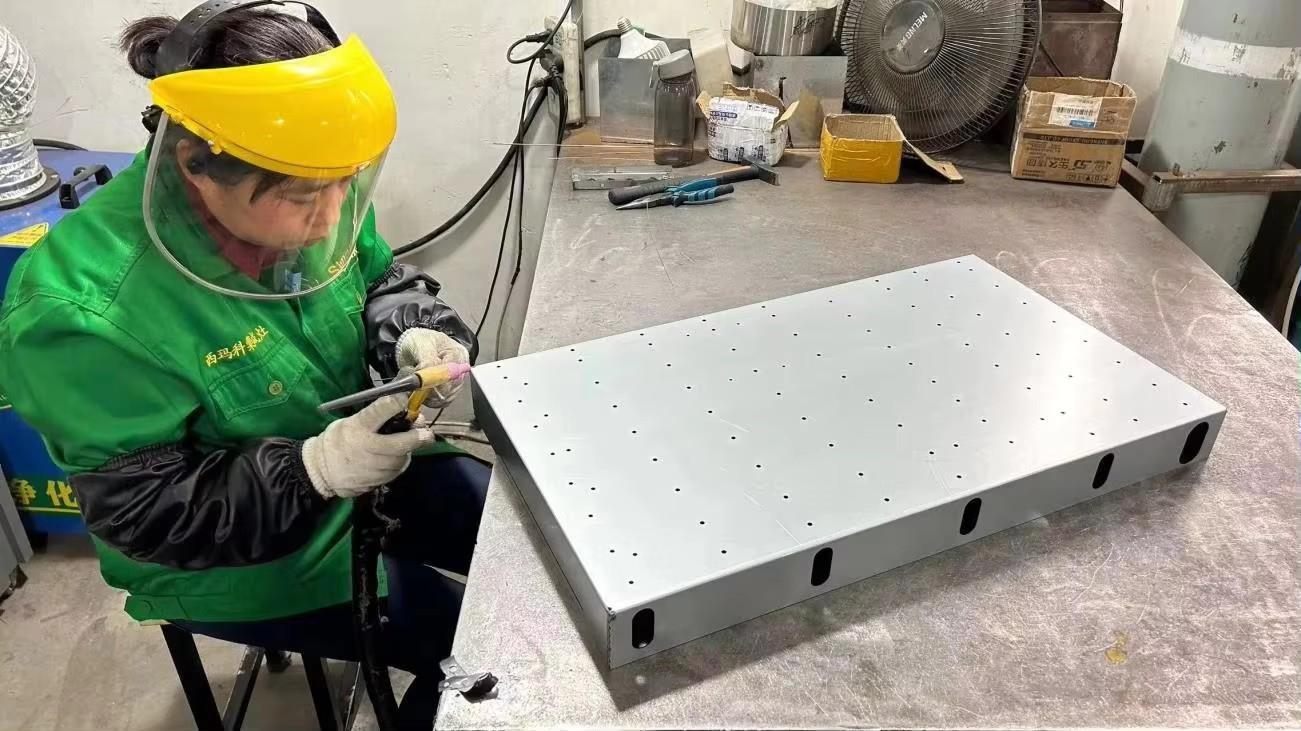
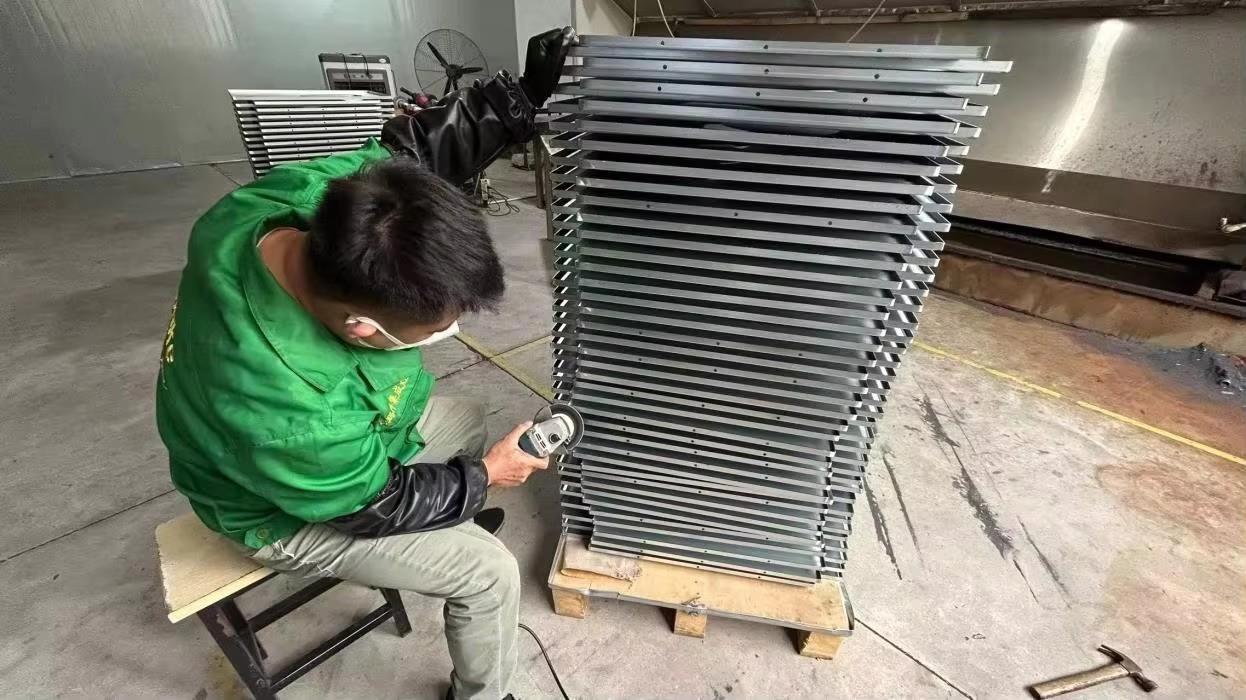
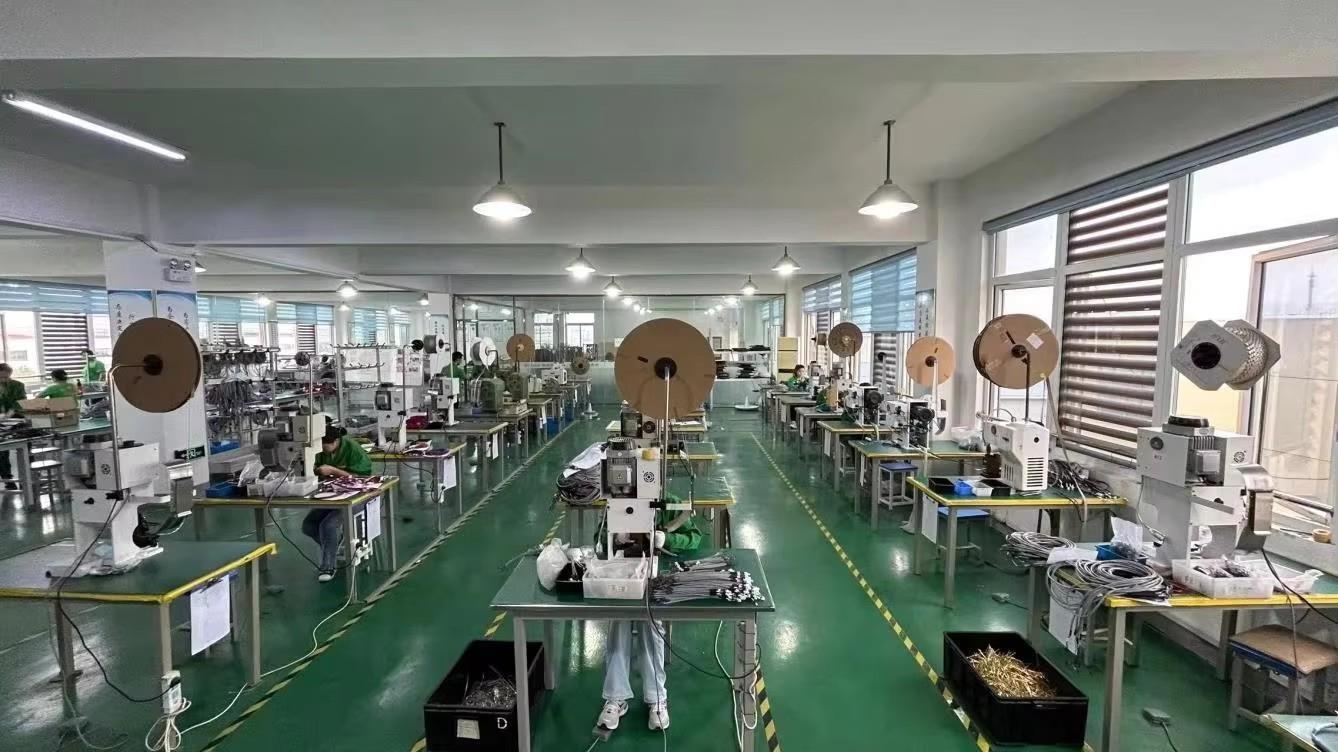
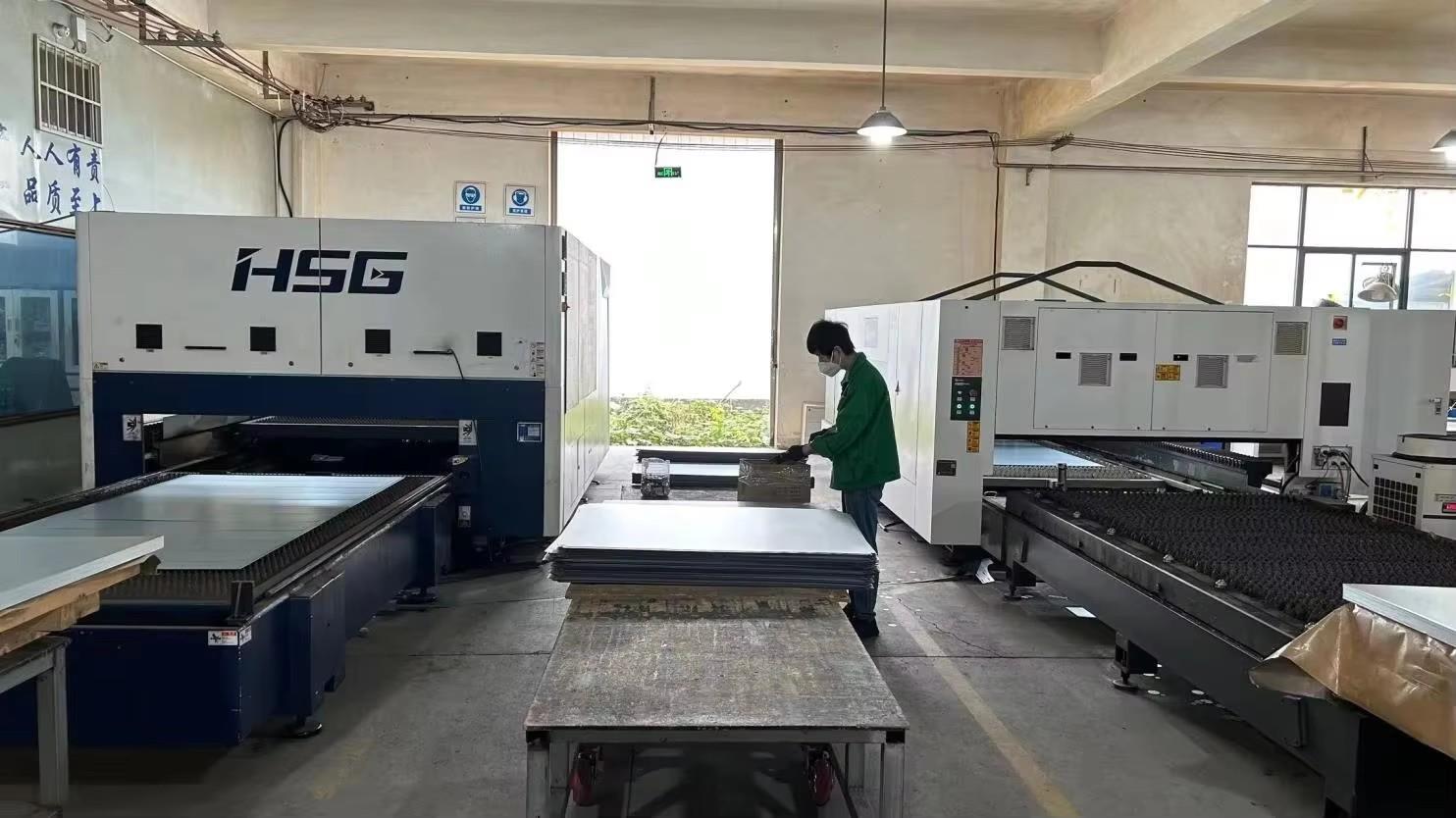
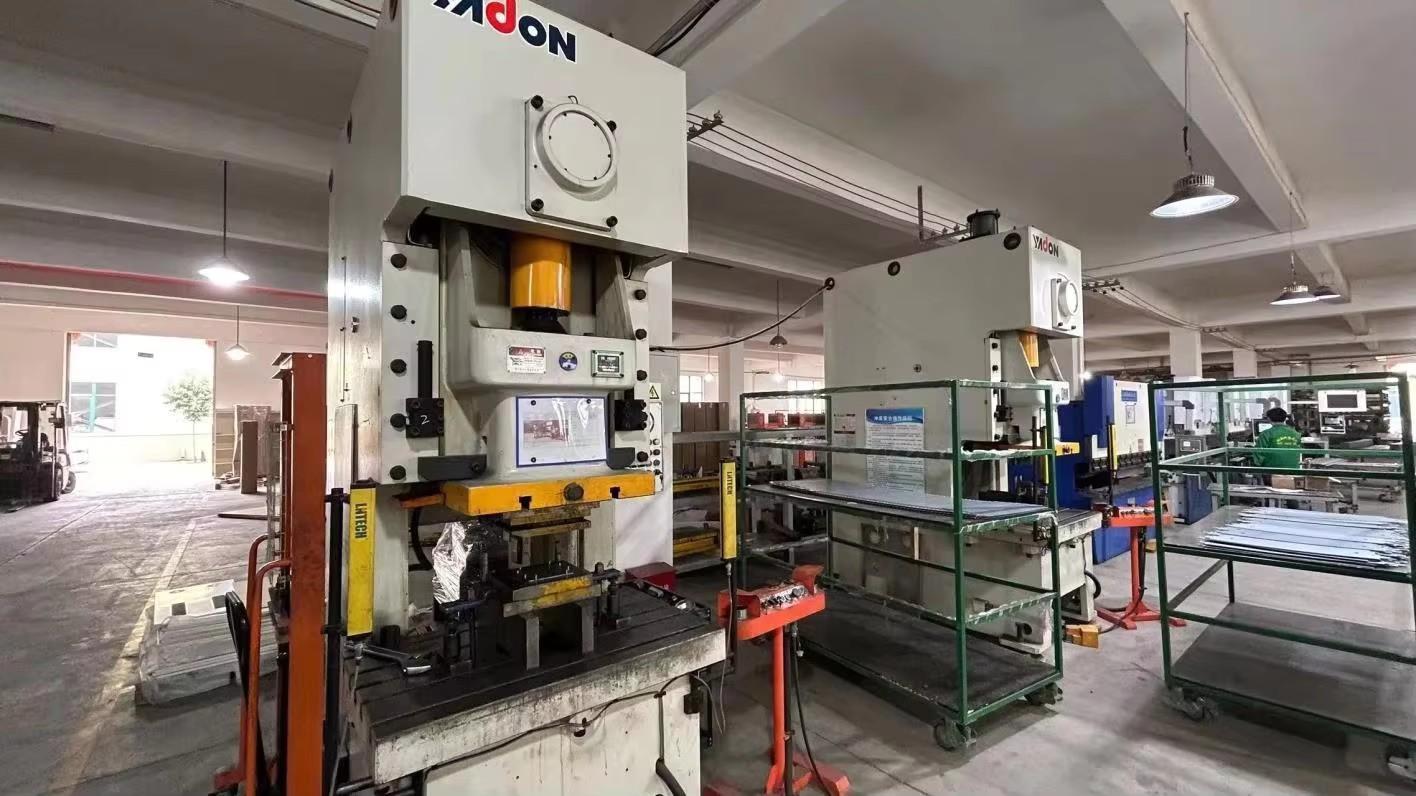
By investing heavily in robotic automation line setups (such as automated laser welding, micro-welding terminal machines, and optical inspection detectors), factories maintain consistent micro-tolerances. This reduces structural cell micro-cracking and ensures uniform quality across large gigawatt-scale production runs.
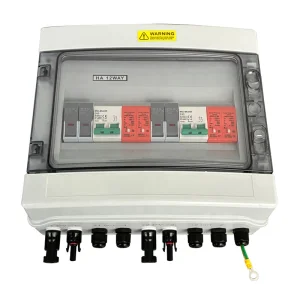
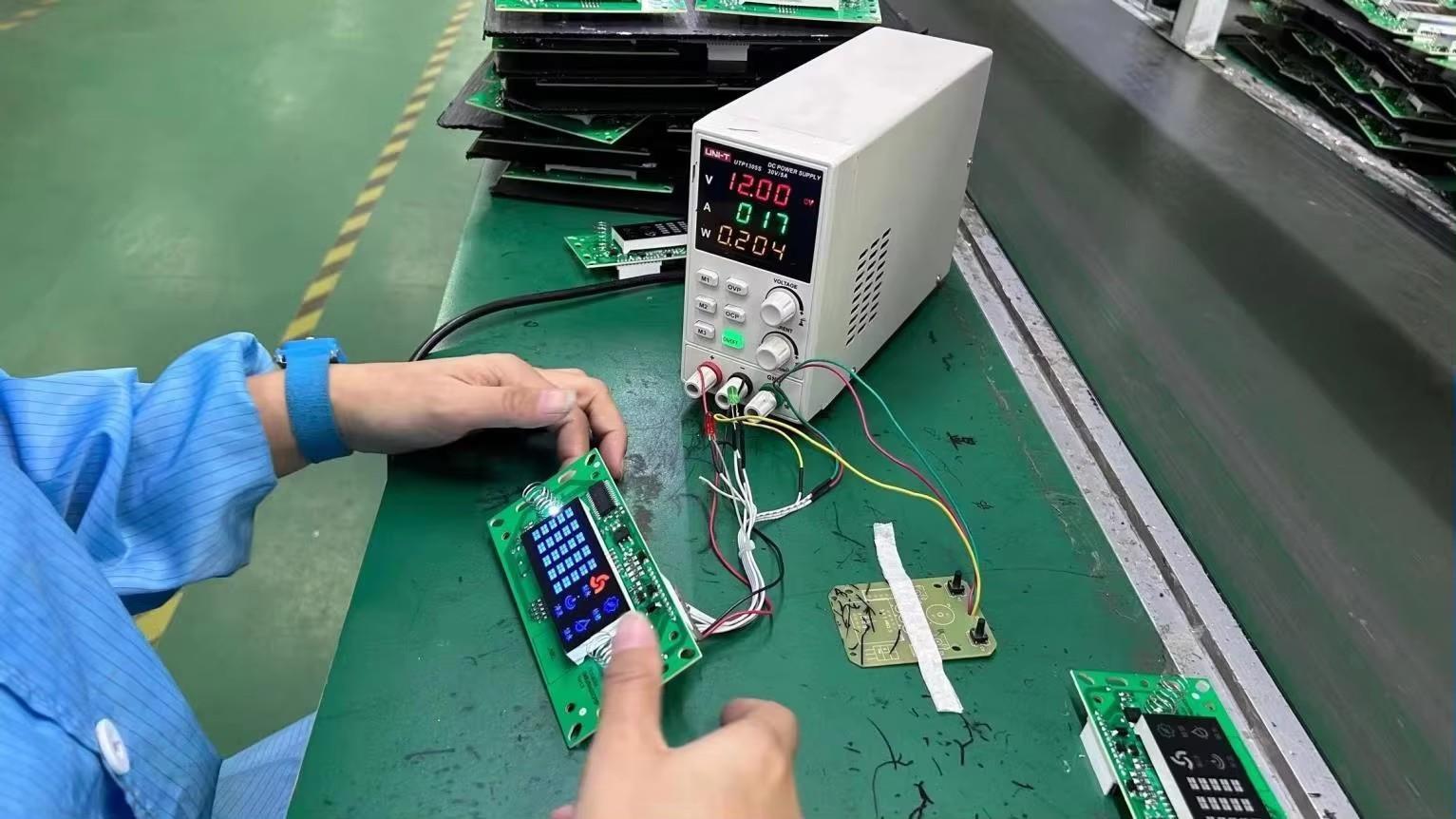
Every single high-voltage combiner box, inverter module, and storage container is subjected to harsh environmental testing simulation (heat chamber tests, mechanical stress testing, salt spray corrosion testing) to conform to IEC, CE, and international standards, ensuring safe long-term operations.
Every stage of production is meticulously verified using precision CNC tooling, high-precision laser systems, and standardized QA workflows.
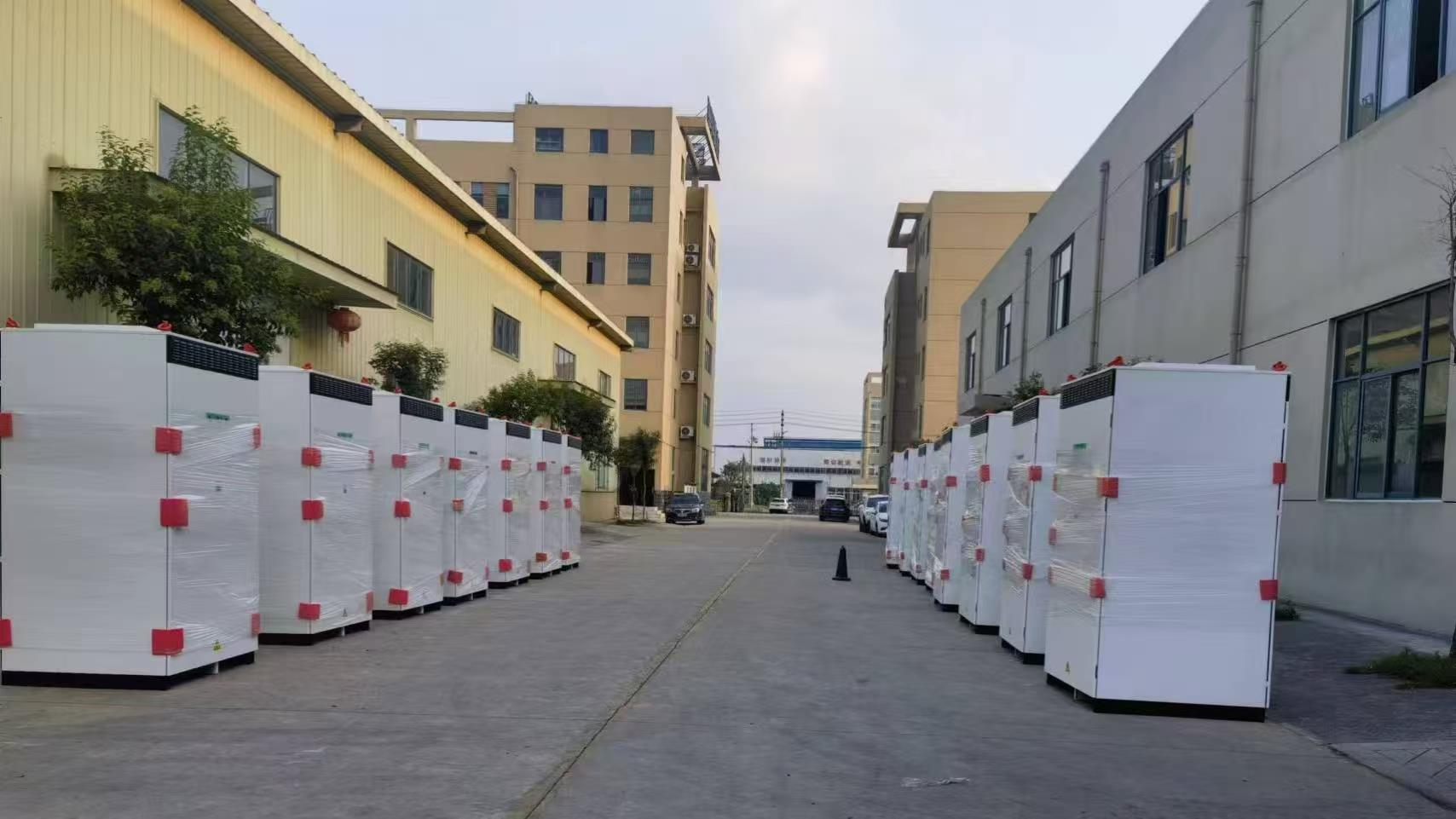
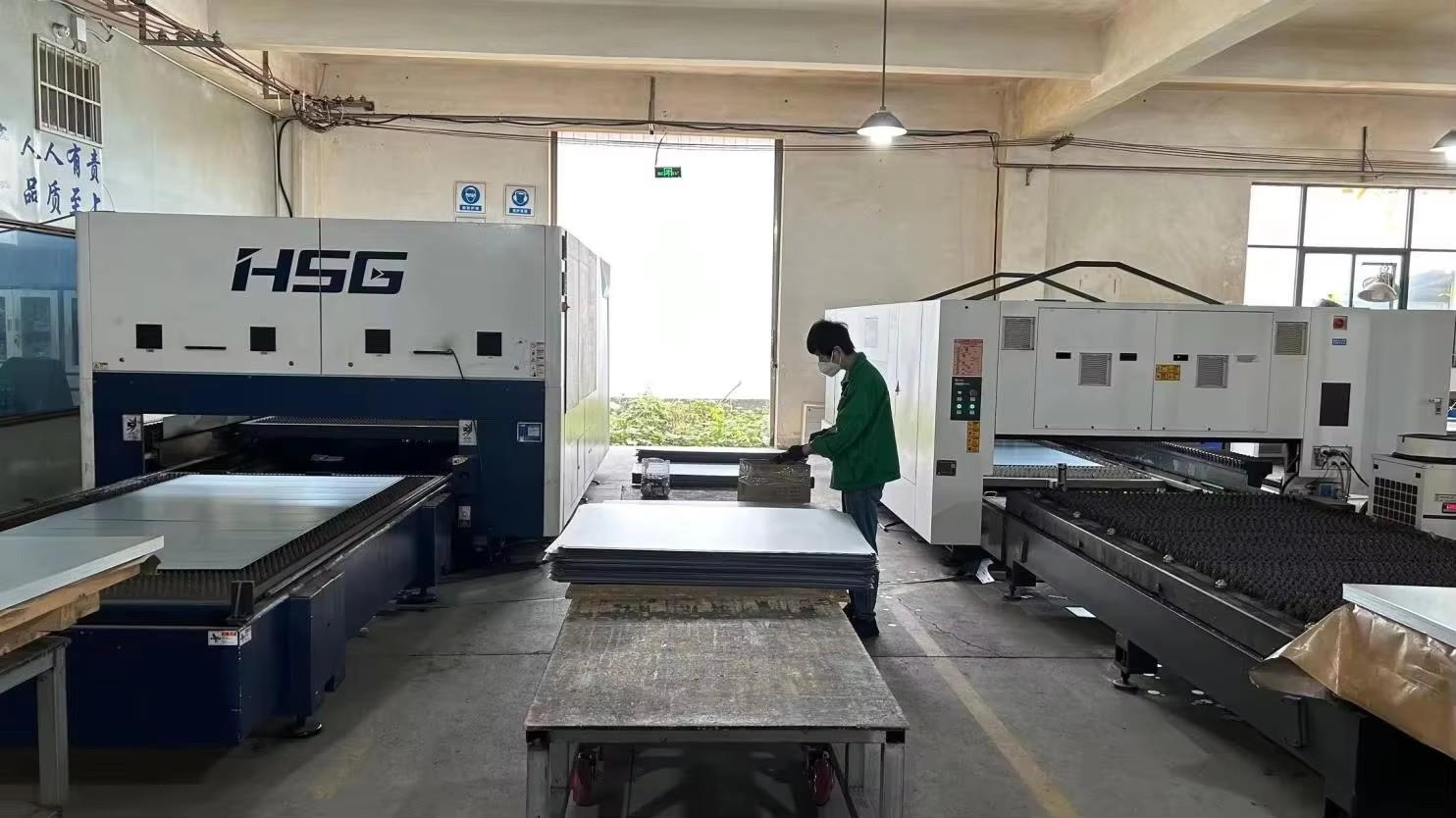
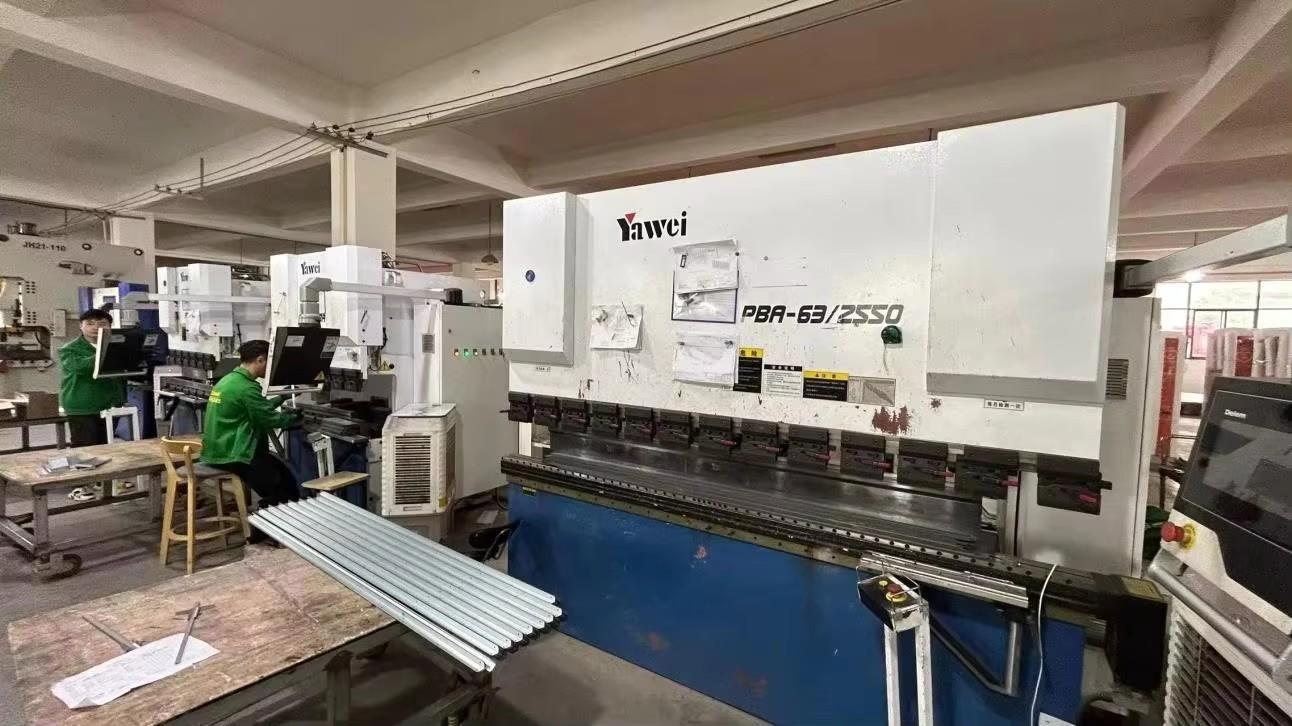
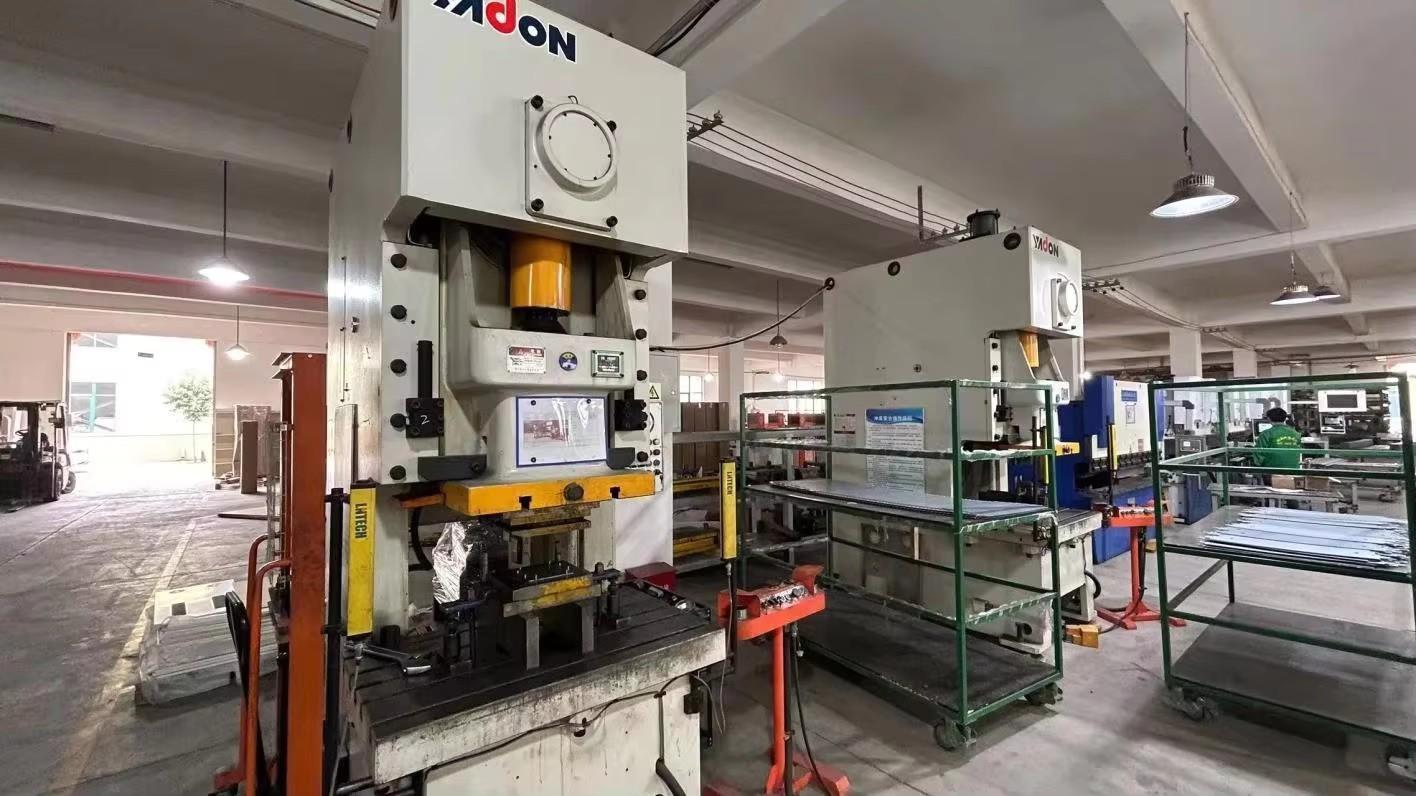
Analyzing optimized deployment profiles across residential, commercial, off-grid, and micro-grid architectures.
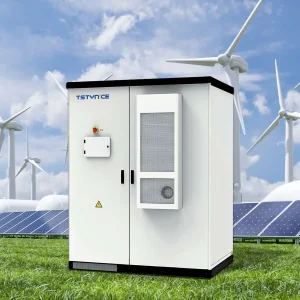
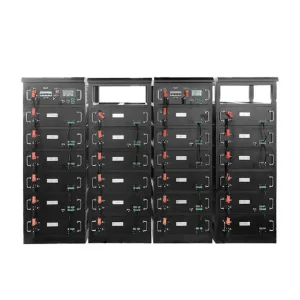
For processing plants, logistics centers, and agricultural operations, power disruptions mean operational paralysis. Implementing a containerized BESS system (ranging from 500kWh to 2MWh containerized formats) alongside large solar arrays yields a resilient microgrid. By utilizing intelligent peak-load shaving, facilities draw from stored battery reserves during standard grid peak price windows, dropping utilities demand fees by up to 40%.
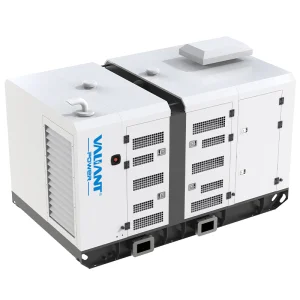
Remote mining sectors, off-grid island communities, and military bases historically rely on expensive, carbon-heavy diesel fuel shipments. Integrating hybrid solar-storage setups with automated diesel generator control interfaces reduces daily fuel consumption by 60% to 80%. When sun yields fail, the LFP battery system covers instantaneous step-loads, avoiding cold-start generator wear and thermal efficiency drops.
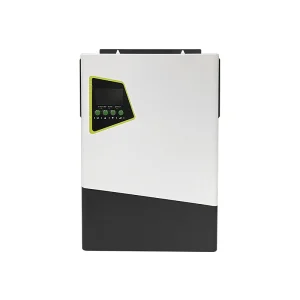
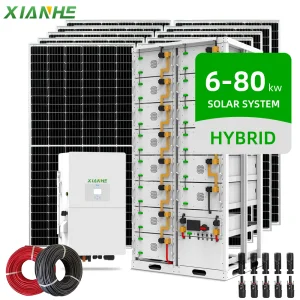
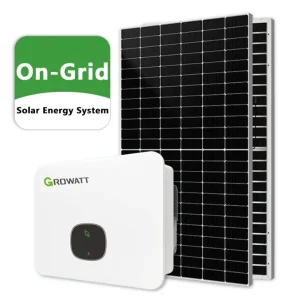
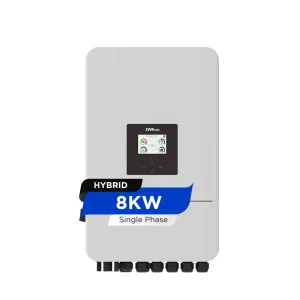
Modern homes with high baseload requirements (HVAC, EV chargers, pool filtration systems) deploy smart 20kW home solar setups configured with hybrid smart inverters (such as the Deye 8kW series). These platforms operate seamlessly in split-phase or single-phase layouts, enabling residential consumers to buffer local brownouts while exporting excess clean yields back to municipal grids for net-metering credits.
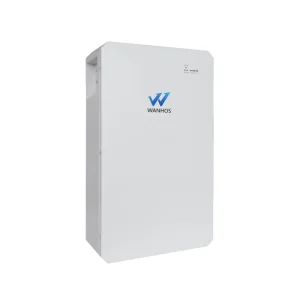
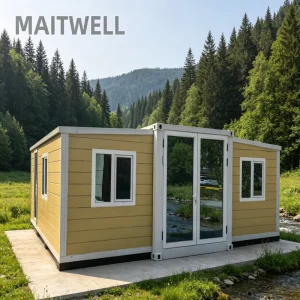
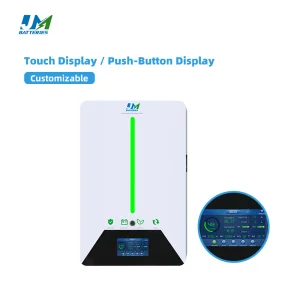
In developing infrastructural zones or disaster recovery scenarios, modular structures such as prefab container homes require quick, self-contained energy systems. By deploying pre-wired wall-mounted lithium energy storage units paired with plug-and-play combiners, field engineers can commission critical communication, refrigeration, and lighting networks within hours without complex on-site wiring.
Qingdao Luzz Solar Co., Ltd. is a professional new energy enterprise specializing in the development, manufacturing, and global distribution of photovoltaic (PV) products and integrated energy storage solutions. Located in Qingdao, China, the company benefits from a well-established renewable energy industrial base and advanced manufacturing capabilities.
With the accelerating global transition toward carbon neutrality and sustainable development, Luzz Solar is committed to providing efficient, reliable, and cost-effective clean energy solutions to customers worldwide. Our product portfolio includes high-efficiency solar photovoltaic modules, energy storage systems, and integrated solar application solutions designed for residential, commercial, and utility-scale projects.
Driven by technological innovation and quality excellence, the company continuously invests in R&D and production optimization to improve product performance, energy conversion efficiency, and system reliability. We strictly adhere to international quality standards and implement rigorous quality control throughout the entire production process to ensure stable and long-term product performance.
Qingdao Luzz Solar actively expands its global market presence, with business coverage across Asia, Europe, the Middle East, Africa, and Latin America. By working closely with international partners, we are committed to delivering tailored energy solutions that meet diverse regional needs and support the global energy transition.
Guided by the core values of integrity, innovation, cooperation, and sustainability, Luzz Solar strives to become a trusted global partner in the new energy industry. We are dedicated to advancing solar technology and contributing to a greener, more sustainable future.
Answering critical engineering and operational questions for developers, EPCs, and procurement directors.
Discover reliable industrial-chic structural solutions, high-capacity hybrid system kits, and intelligent modular inverters.
 Luzz Solar