China Top Solar Panel Technology Factories & Supplier

Driving Clean Energy Innovations with Tier-1 Photovoltaic Cells, Advanced Micro Inverters & Utility-Scale Storage Solutions

Executive Whitepaper

Transforming Solar Supply Chains: The Competitive Advantage of Advanced Manufacturing

The global transition toward carbon neutrality has accelerated the need for high-efficiency photovoltaic (PV) modules and resilient, integrated energy storage systems (ESS). As global energy markets navigate fluctuating grid capacities, procurement officers are shifting their evaluation matrices from simple upfront capital expenditure (CAPEX) to long-term Levelized Cost of Energy (LCOE) optimization and operational expenditures (OPEX).

China is at the center of this transition, operating as the premier source of solar innovation. With continuous breakthroughs in N-type Tunnel Oxide Passivated Contact (TOPCon), Heterojunction (HJT), and high-cycle lithium iron phosphate (LiFePO4) cell chemistry, Chinese manufacturers deliver unrivaled supply-chain integration, performance durability, and strict global compliance.

85%+
Global PV Supply Share
24.5%
Average TOPCon Cell Efficiency

Why Quality & Compliance Drive Procurement Decisions

  • Supply Chain Security: Horizontal integration from raw polysilicon processing to automated packaging limits supply disruption risk.
  • Advanced R&D: Billion-dollar annual R&D investments result in lower temperature coefficients and superior low-light performance.
  • Stringent Certifications: Tier-1 facilities operate under TUV, CE, IEC, and UL certifications, meeting local fire and electrical grid compliance standards worldwide.
  • Grid Interconnection Readiness: Next-generation smart micro-inverters integrate directly with local grids, supporting complex anti-backflow mechanisms.

Company Profile

Qingdao Luzz Solar Co., Ltd. — Specializing in advanced PV technology and integrated energy storage solutions.

Qingdao Luzz Solar Co., Ltd.

Qingdao Luzz Solar Co., Ltd. is a professional new energy enterprise specializing in the development, manufacturing, and global distribution of photovoltaic (PV) products and integrated energy storage solutions. Located in Qingdao, China, the company benefits from a well-established renewable energy industrial base and advanced manufacturing capabilities.

With the accelerating global transition toward carbon neutrality and sustainable development, Luzz Solar is committed to providing efficient, reliable, and cost-effective clean energy solutions to customers worldwide. Our product portfolio includes high-efficiency solar photovoltaic modules, energy storage systems, and integrated solar application solutions designed for residential, commercial, and utility-scale projects.

Driven by technological innovation and quality excellence, the company continuously invests in R&D and production optimization to improve product performance, energy conversion efficiency, and system reliability. We strictly adhere to international quality standards and implement rigorous quality control throughout the entire production process to ensure stable and long-term product performance.

Qingdao Luzz Solar actively expands its global market presence, with business coverage across Asia, Europe, the Middle East, Africa, and Latin America. By working closely with international partners, we are committed to delivering tailored energy solutions that meet diverse regional needs and support the global energy transition.

Guided by the core values of integrity, innovation, cooperation, and sustainability, Luzz Solar strives to become a trusted global partner in the new energy industry. We are dedicated to advancing solar technology and contributing to a greener, more sustainable future.
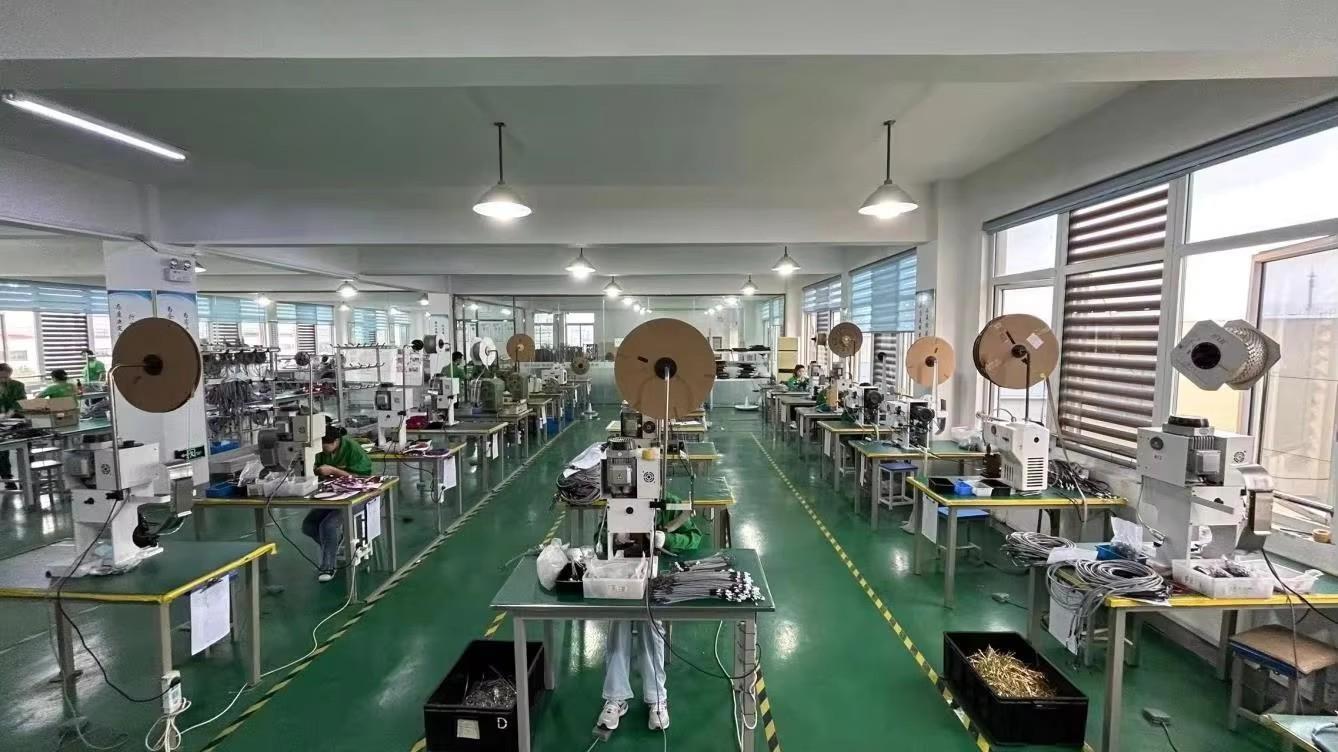
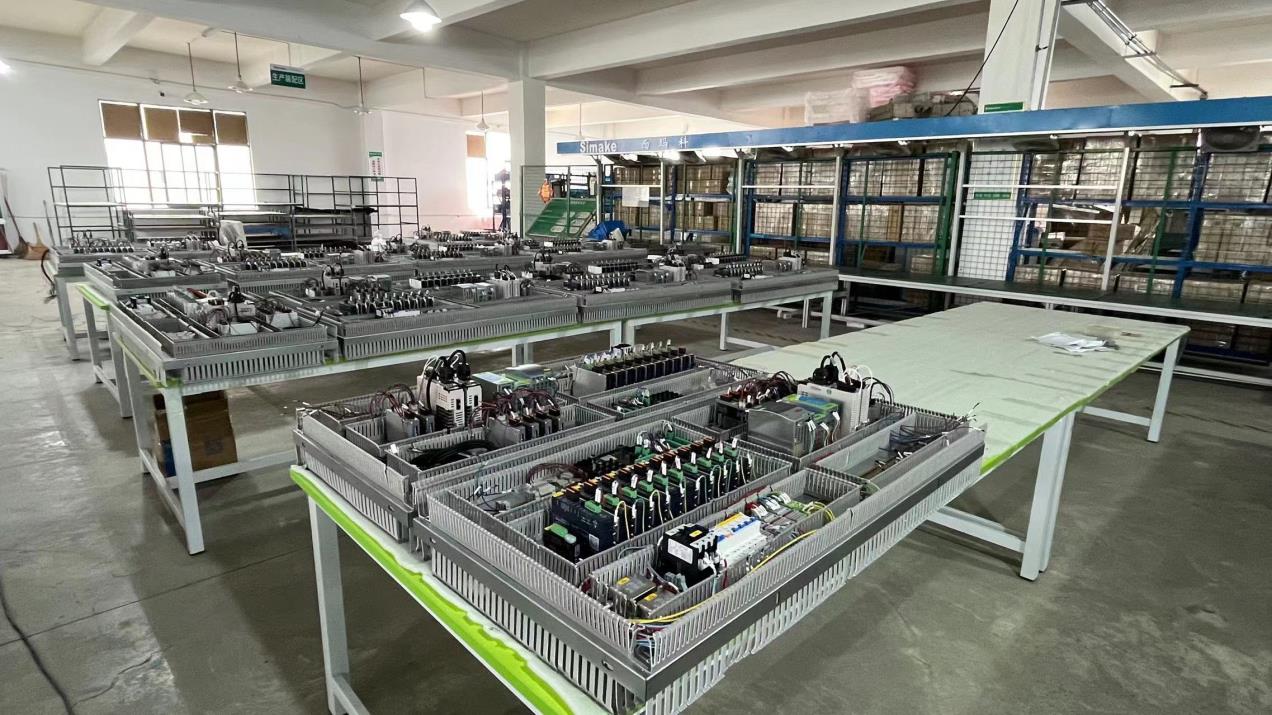
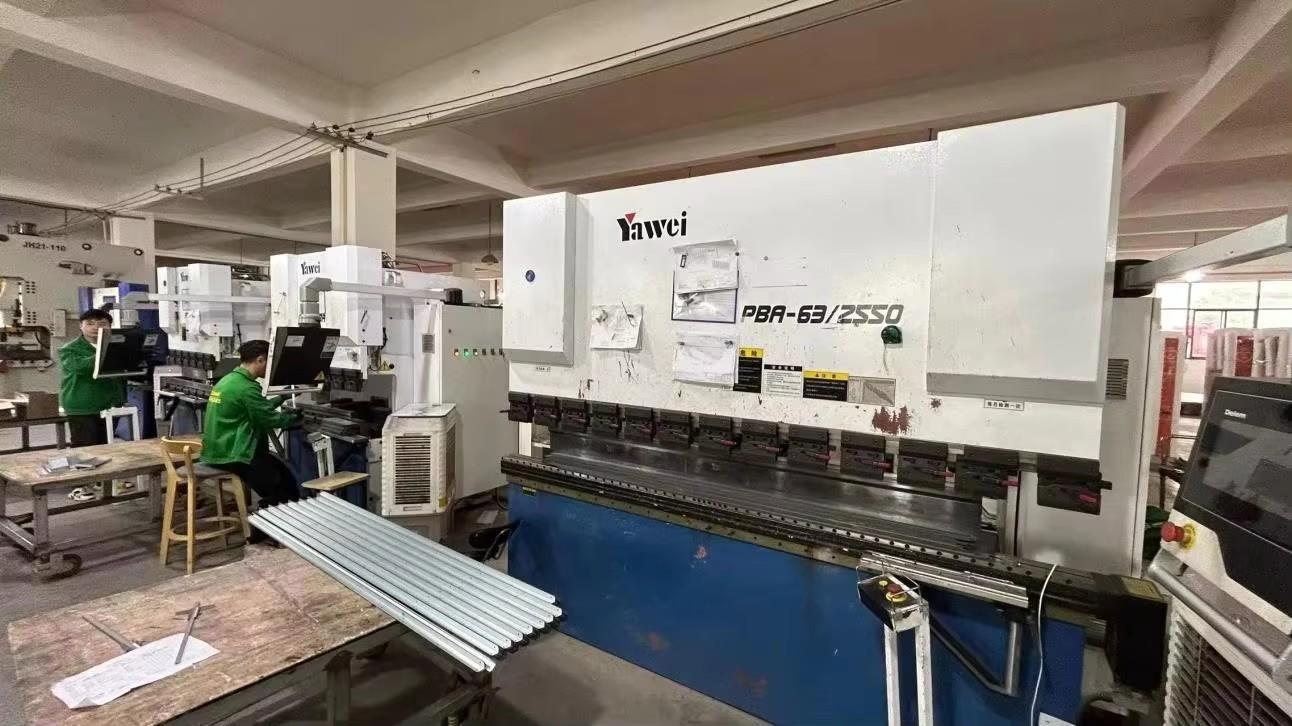
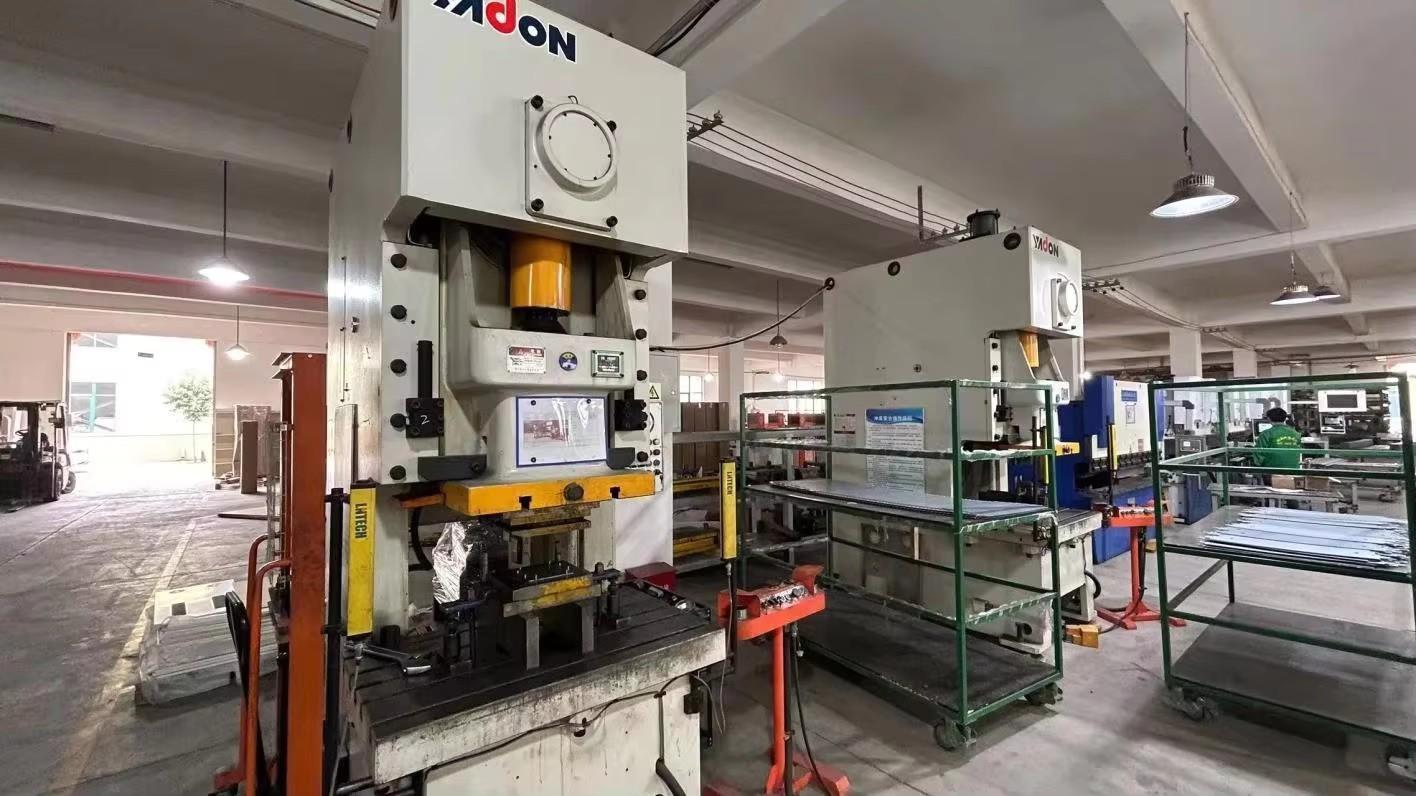
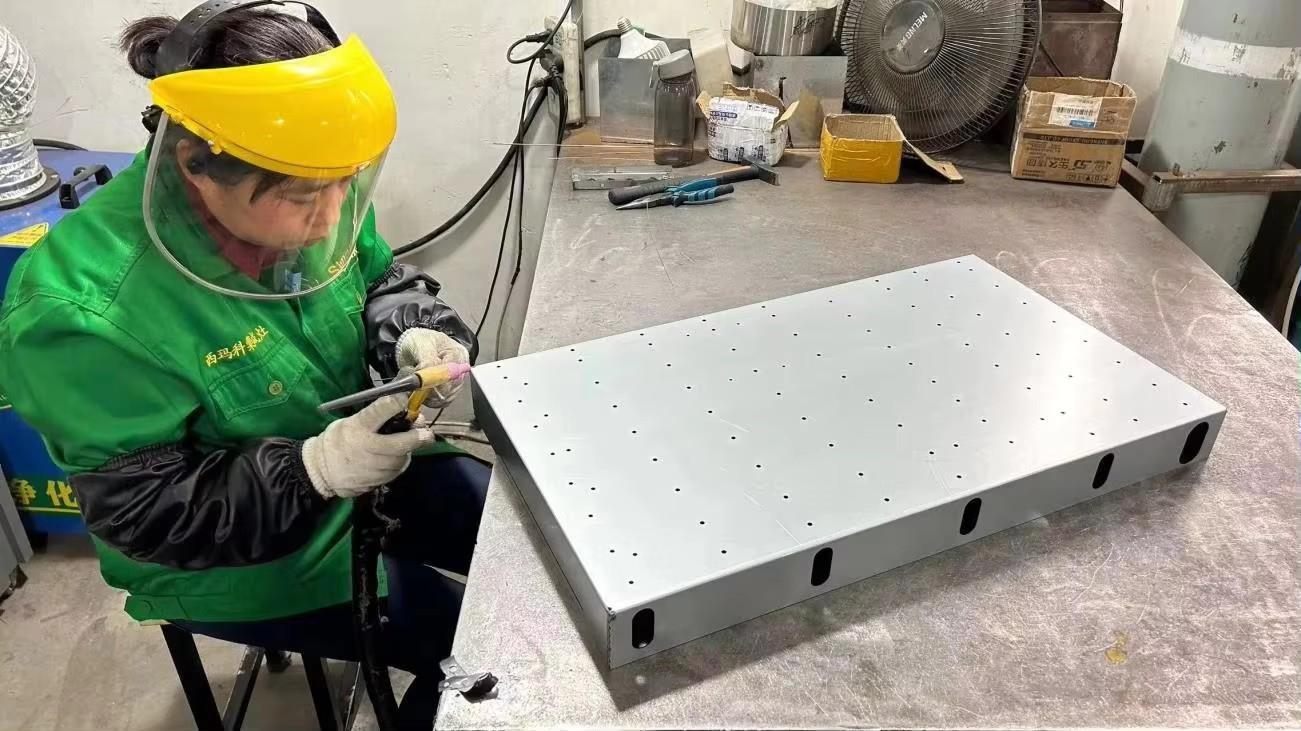
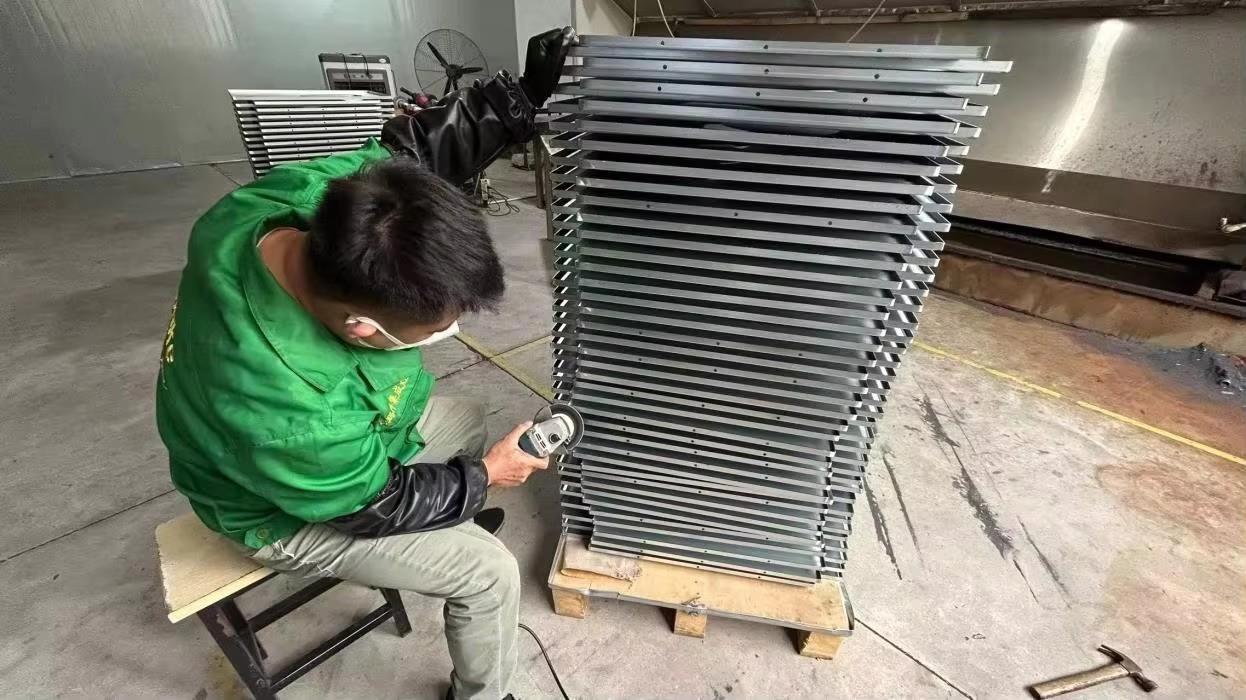
Step-by-Step Advanced Manufacturing & Processing

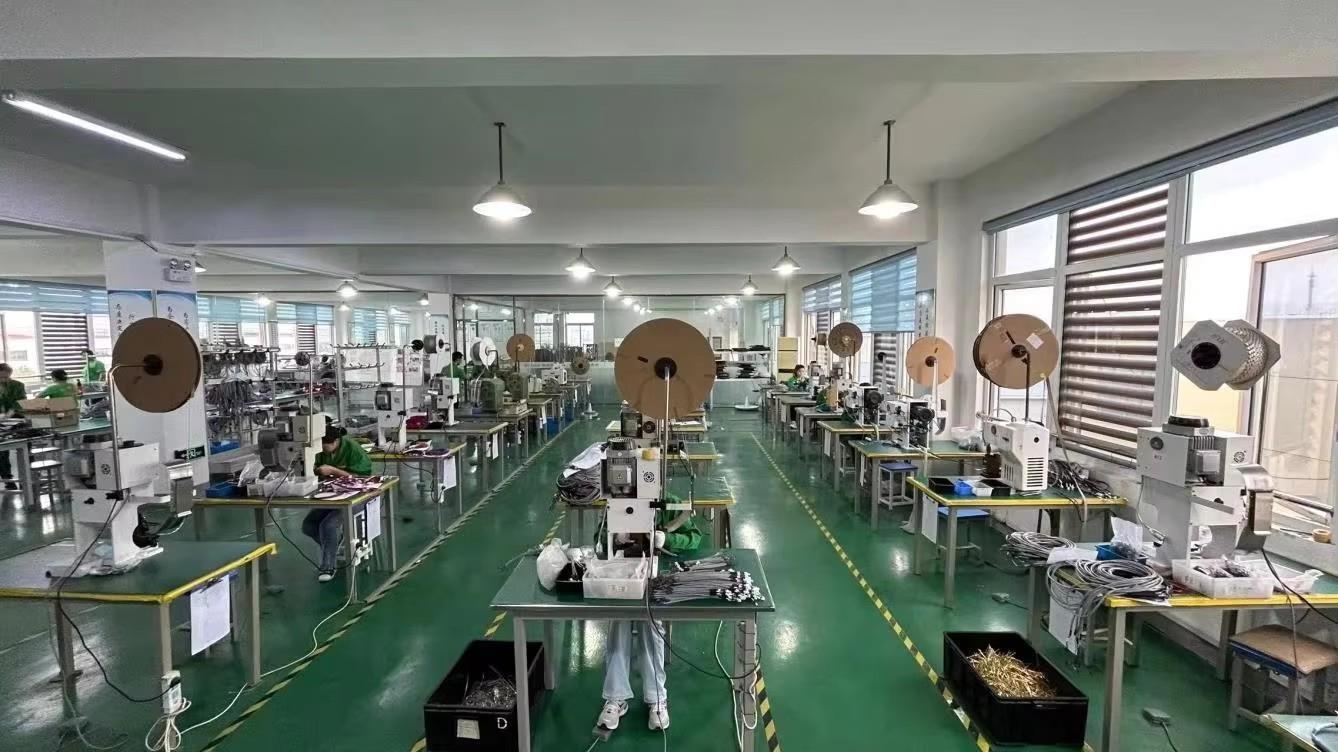
wiring harness processing
Wiring Harness
Assembly process
Assembly
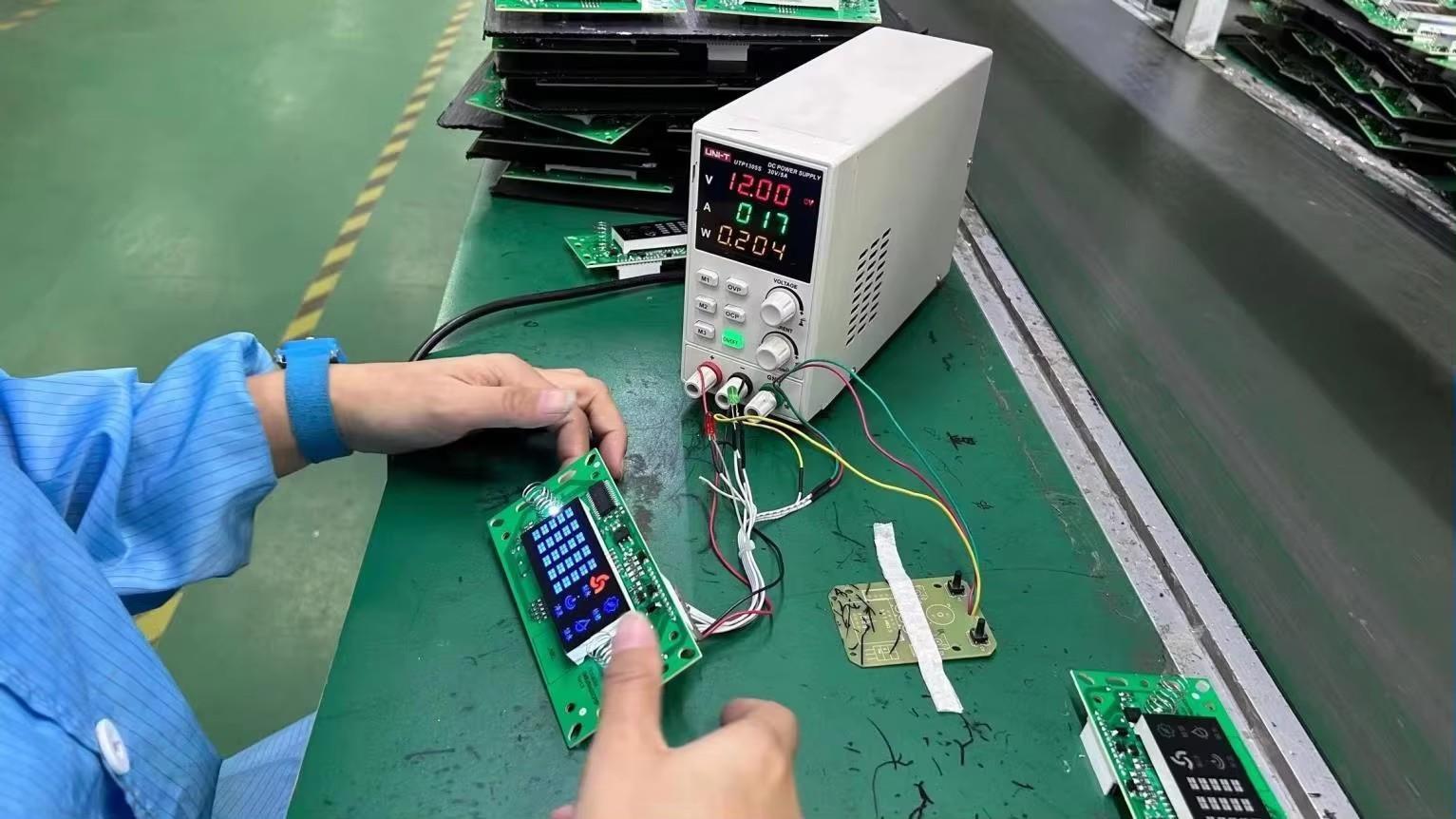
Detection and testing
Detection
packing process
Packing
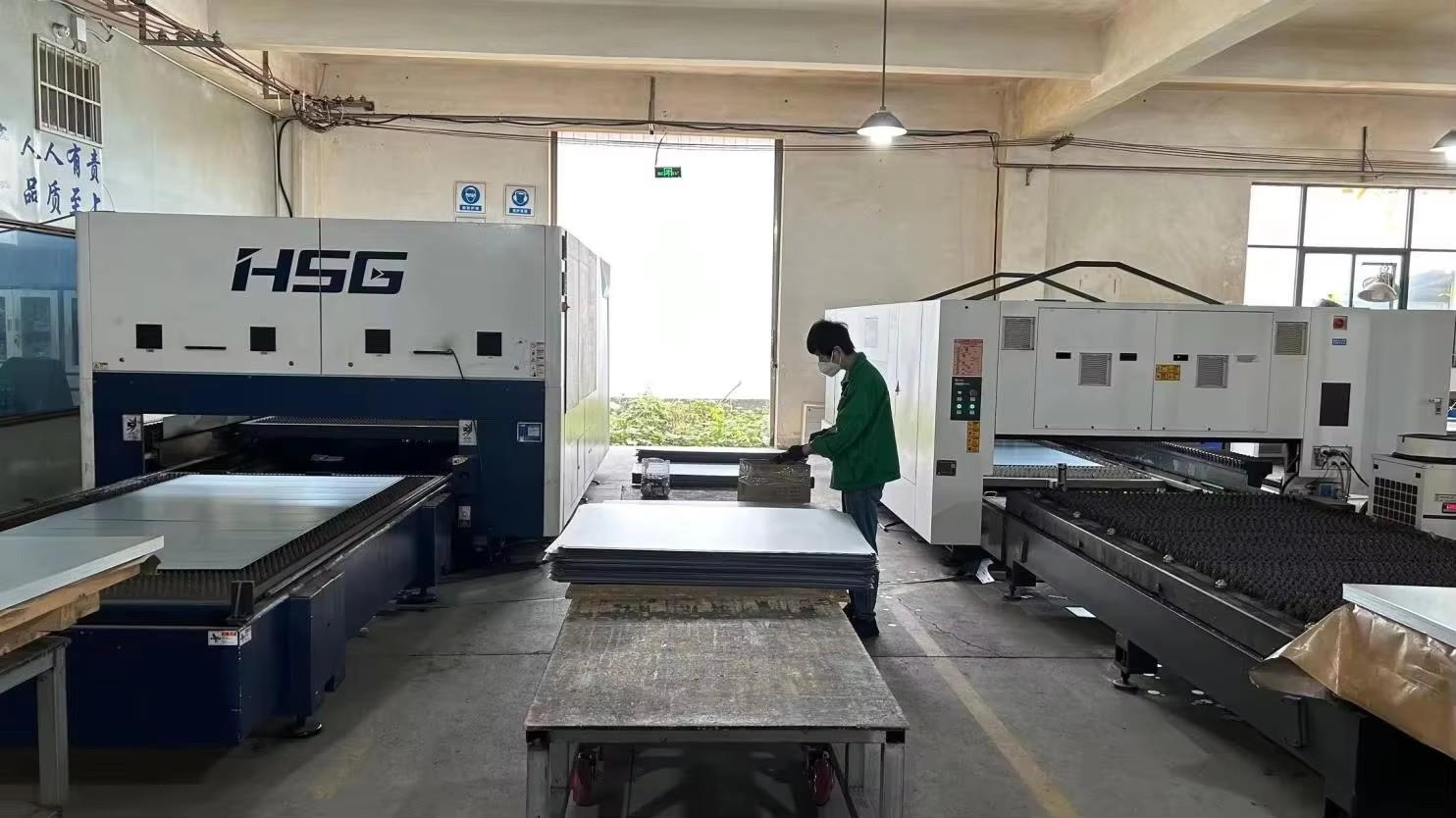
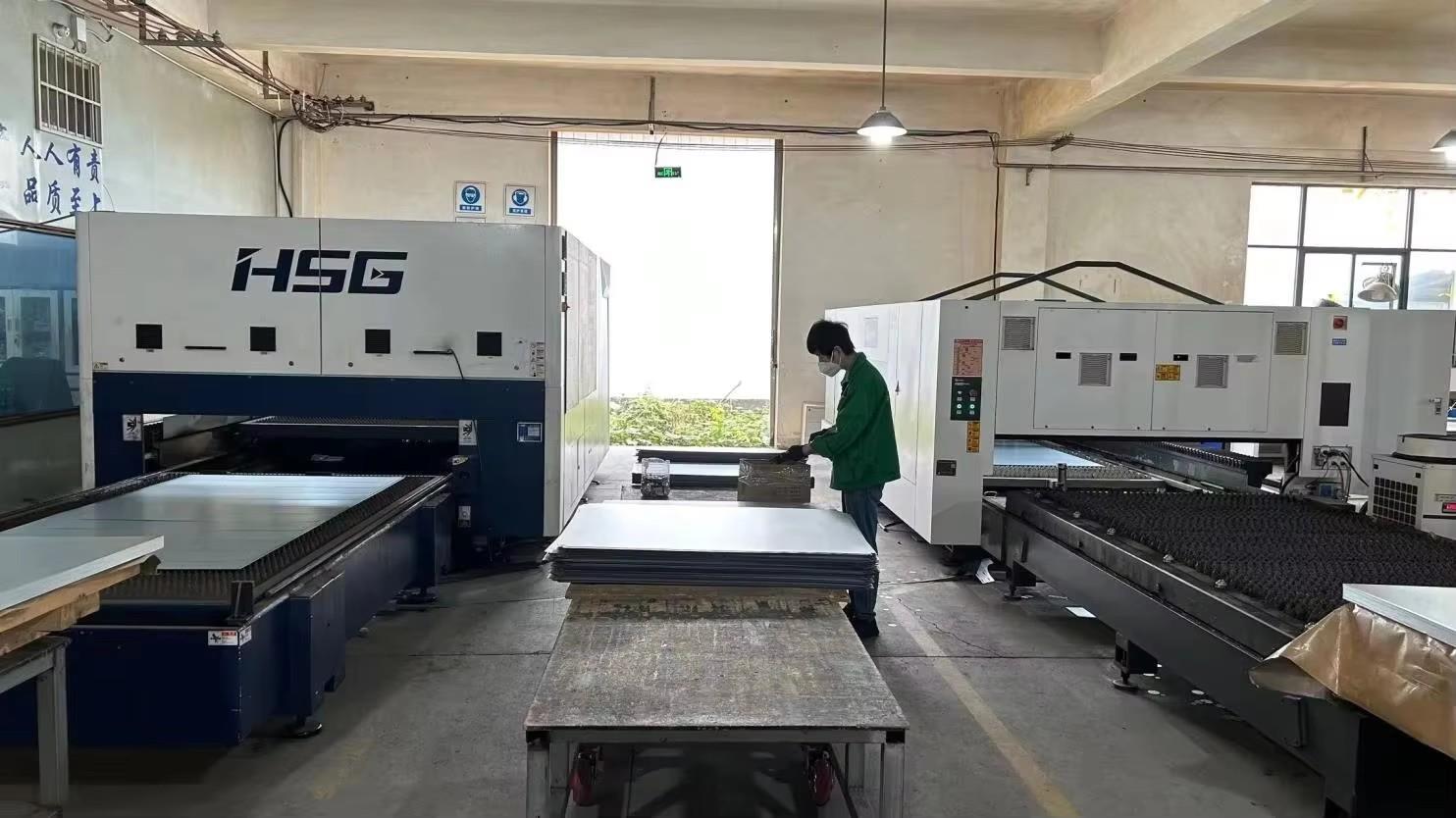
Cutting process
Cutting
Bending process
Bending
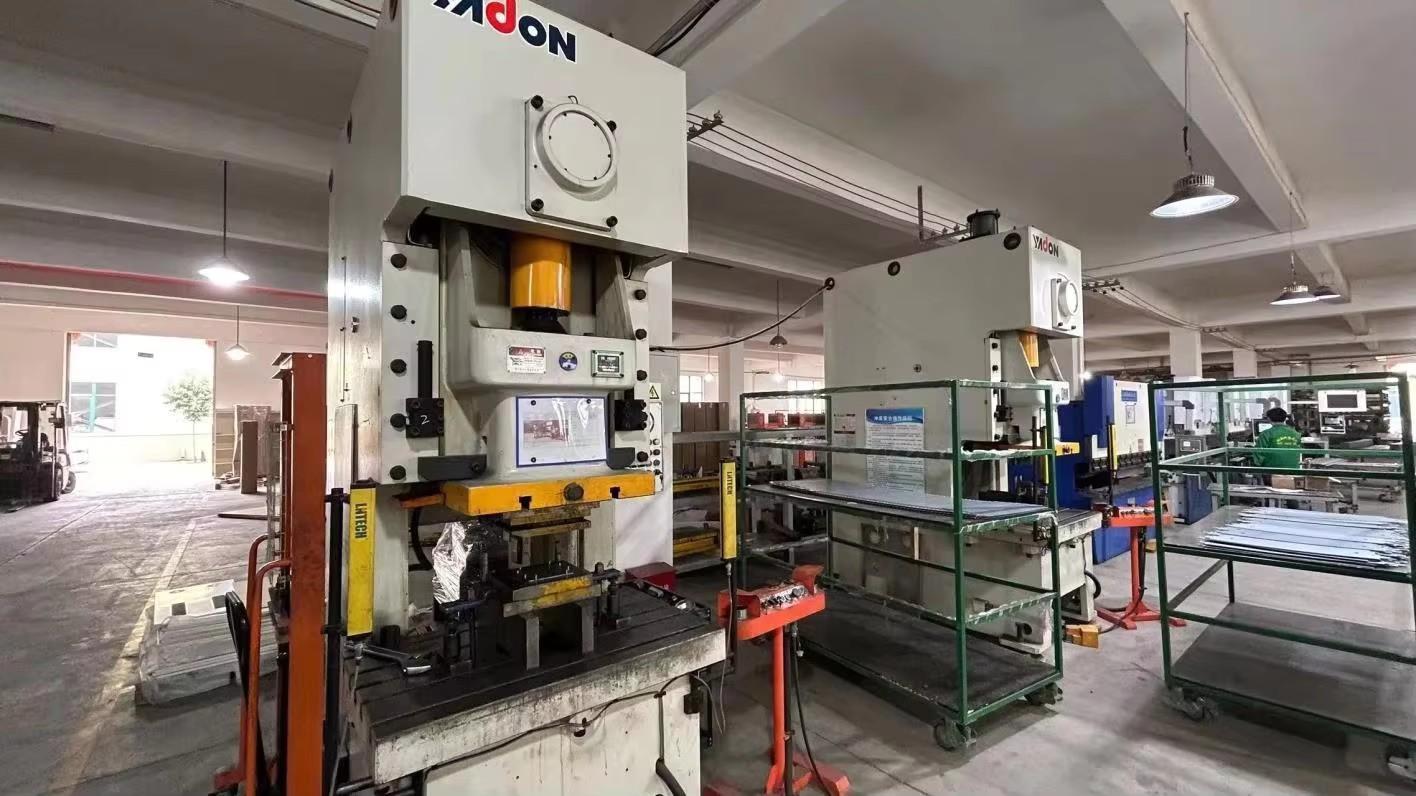
Stamping process
Stamping
Welding process
Welding
Grinding process
Grinding
Silent Terminal Machine
Laser Welding Machine
Stamping Machine
Stamping Machine

Advancements in Chinese Solar Manufacturing & Supply Chain

Analyzing the technological advancements, cost efficiencies, and logistical benefits of sourcing from China's premier solar industry clusters.

Vertical Industry Consolidation
Chinese solar manufacturing clusters integrate raw polysilicon refinement, wafer slicing, ingot pulling, cell doping, and structural assembly within localized geographic hubs. This close proximity reduces material transport time, stabilizes manufacturing costs, and minimizes overall carbon footprint during production.
R&D Scale & Patent Density
Leading manufacturers in Qingdao and other main hubs drive cell efficiency improvements. Transitioning from p-type PERC to n-type TOPCon and Heterojunction (HJT) cells has pushed efficiency thresholds past 25.5%, improving performance under low-light conditions and reducing temperature degradation coefficients.
Comprehensive Quality Testing
Quality assurance protocols integrate multi-stage Electroluminescence (EL) imaging to identify micro-cracks before lamination, along with thermal cycling and long-term damp-heat exposure tests. This rigorous process ensures reliable performance throughout a 25-to-30-year operational lifespan.

Localized Applications & Macro Industry Solutions

How modern solar and energy storage systems adapt to distinct operational requirements around the globe.

1 Urban Residential Balcony & Grid-Tied Systems

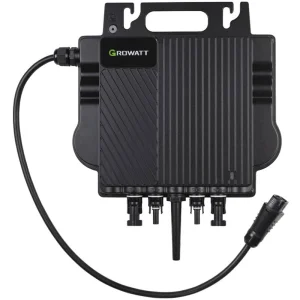
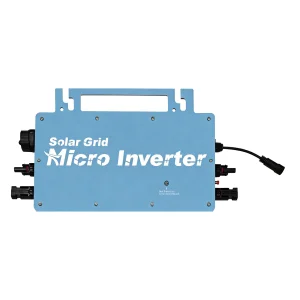
High-density metropolitan areas require compact, plug-and-play solar solutions. Balcony micro-inverters (600W to 2400W) with built-in Wi-Fi and anti-backflow mechanisms enable safe, space-efficient energy generation. They connect directly to standard domestic outlets, allowing residential tenants to lower baseline energy costs without complex rooftop modifications.

2 Industrial Microgrids & Commercial Peak Shaving

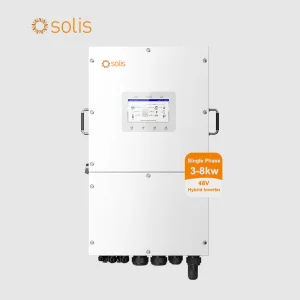
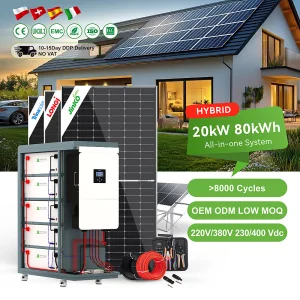
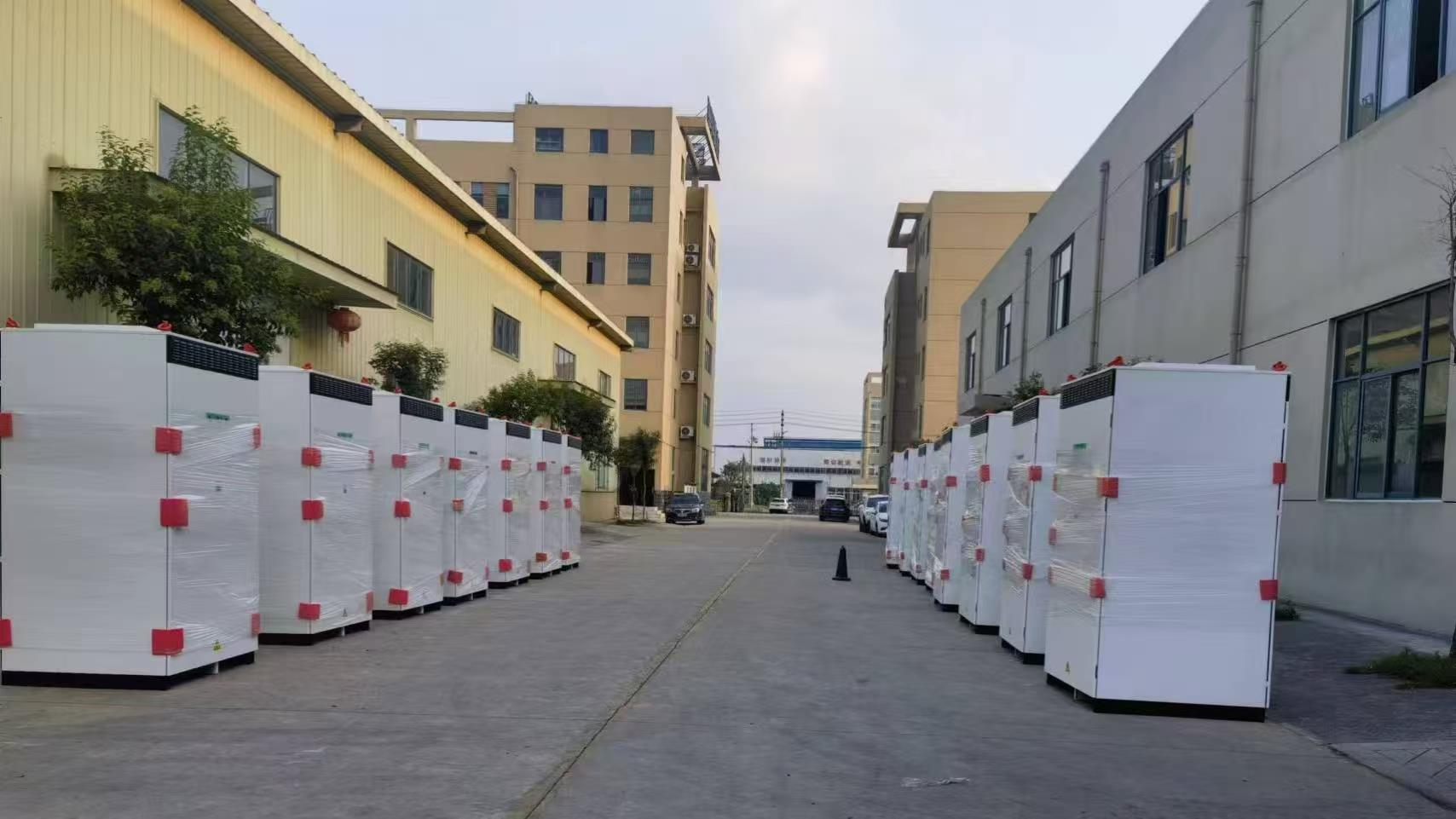
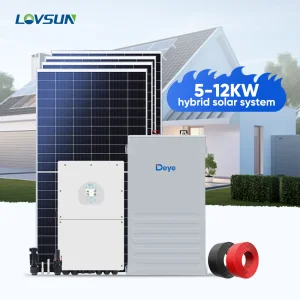
Commercial and industrial facilities experience significant energy demand peaks that incur high utility charges. Containerized Energy Storage Systems (ESS) ranging from 1MWh to 5MWh, paired with high-voltage hybrid inverters, allow facilities to store solar energy generated during off-peak hours and discharge it during peak periods. This practice stabilizes local grids and reduces facility energy costs.

3 Off-Grid Infrastructure & Remote Power Generation

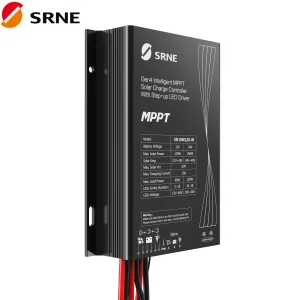
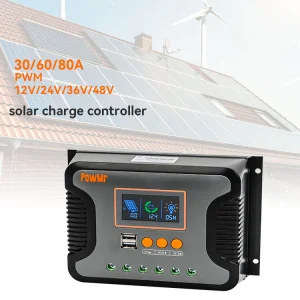
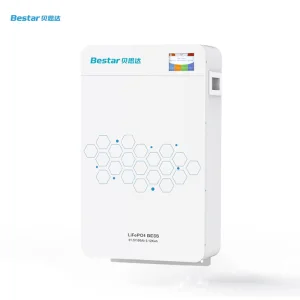
Remote locations like telecommunications towers, agricultural water pumps, and rural communities require durable, off-grid power solutions. High-efficiency MPPT charge controllers with IP67 waterproofing protect internal circuitry from moisture and dust, ensuring reliable performance in harsh environments. Combined with high-cycle LiFePO4 battery banks, these systems deliver dependable off-grid power.

4 Modular Prefabricated Infrastructure

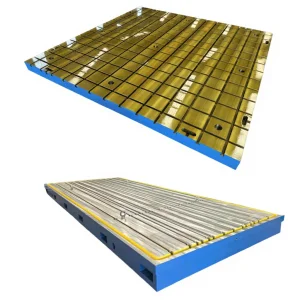
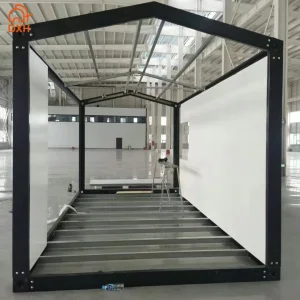
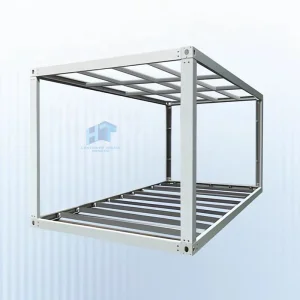
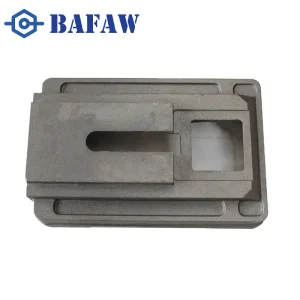
Integrating structural support systems with solar panel arrays is key for modern infrastructure projects. Utilizing durable steel strut channels, cast-iron surface plates, and modular flat-pack container frames enables rapid, on-site installation of hybrid solar power systems. This approach simplifies layout setup and speeds up project commissioning in rural areas.

Global Procurement Excellence

A verification framework for sourcing Tier-1 photovoltaic and energy storage systems.

Key Standards for Project Verification

1. System Certifications

Verify compliance with standard industry certifications: CE, IEC 61215/61730 for PV, IEC 62619 for lithium batteries, and UL 1741 / IEEE 1547 for grid-tied inverters.

2. Cell degradation Rate

Confirm degradation specifications: target less than 1% for first-year degradation, and under 0.4% per year for N-type modules, securing over 87.4% nominal power output after 30 years.

3. Structural Load Ratings

Mounting frames and channel bases must be hot-dip galvanized or anodized to withstand local environmental conditions, targeting wind loads up to 2400 Pa and snow loads up to 5400 Pa.

4. Inverter Thermal Performance

Select micro-inverters and hybrid systems featuring high-grade thermal management and IP65/IP67 enclosures, maintaining operational reliability at ambient temperatures from -40°C up to +60°C.

Expert Q&A: Photovoltaic & Energy Storage Systems

Clear answers to common questions about panel technology, battery integration, inverter operations, and structural design.

What are the key technical differences between N-type TOPCon and older P-type PERC solar modules?
N-type TOPCon (Tunnel Oxide Passivated Contact) cells use a thin tunnel oxide layer that significantly reduces surface recombination velocity. This architecture yields higher cell conversion efficiencies (exceeding 25%), a lower temperature coefficient (-0.30%/°C compared to -0.35%/°C for P-type), and near-zero Light-Induced Degradation (LID). Over a 25-to-30-year operational span, N-type modules generate more total energy per watt of installed capacity.
Why is IP67 waterproofing essential for MPPT charge controllers in outdoor infrastructure?
An IP67 rating ensures the controller is fully dust-tight and protected against temporary water immersion down to 1 meter depth. For applications like solar streetlights, highway monitoring systems, and offshore installations, this protection prevents internal component corrosion caused by ambient humidity, rain, and dust. This design preserves the reliability of Maximum Power Point Tracking (MPPT) cycles over years of service.
How do balcony micro-inverters prevent grid backflow, and are they safe for domestic use?
Modern balcony micro-inverters (from 600W to 2400W) feature integrated anti-backflow limiters and rapid shutdown systems. They match the frequency of the household grid and deliver power directly to local domestic circuits. If local demand falls below solar generation, the system adjusts output or utilizes smart limiters to prevent surplus energy from flowing back into the public utility grid, satisfying local regulatory guidelines.
What criteria should be used when sizing lithium LiFePO4 battery banks for commercial applications?
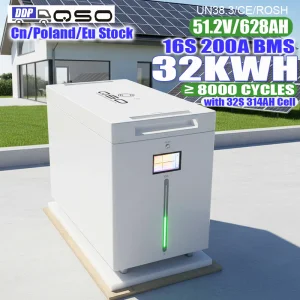
Procurement teams must evaluate cycle life (e.g., 6000 to 8000 cycles at 80% Depth of Discharge), round-trip efficiency, and the thermal control capability of the battery management system (BMS). For utility scale needs (1MWh - 5MWh containers), liquid-cooling systems are preferred over forced-air cooling. Liquid cooling maintains cell temperature variance within 3°C, extending battery life and reducing thermal runaway risks.
How does the choice of support structures affect the reliability of utility-scale PV plants?
Support structures like metal angle strut channels, triangle mounting brackets, and heavy cast-iron surface plates anchor the arrays against mechanical stresses. Low-quality structural steels corrode easily under environmental exposure, leading to micro-deformations that stress PV cells. Utilizing hot-dip galvanized carbon steel or anodized aluminum alloy mounts ensures mechanical stability under wind and snow loads.