As the global energy paradigm pivots decisively toward decarbonization, utility-scale photovoltaic deployment has evolved past modular component procurement into a highly complex, integrated systems science. Modern solar infrastructure is no longer just about mounting panels to catch the sun; it requires high-performance grid coordination, smart power electronics, and structural foundations capable of withstanding extreme dynamic loads.
Industrial and commercial enterprises (C&I) face rising tariffs, carbon levies, and the continuous pressure of Scope 1 and Scope 2 emissions standards. Implementing a CE Certified Solar Infrastructure Solution has transitioned from an environmental commitment to a strategic economic buffer. By aligning systems with European and international safety standards, developers guarantee reliable energy yields and mitigate system downtime over a 25-to-30-year operational horizon.
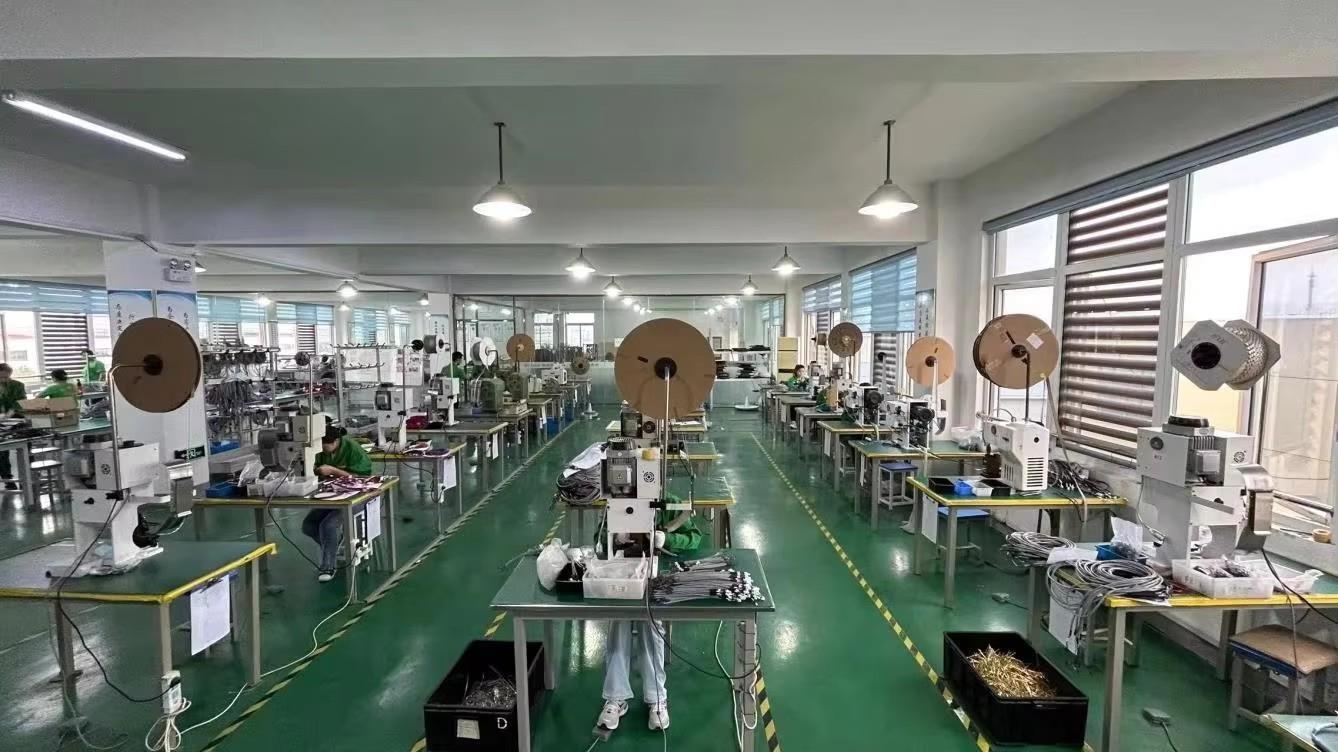
The integration of high-precision electronic controls, localized smart microinverters, and high-capacity battery units represents the cutting edge of current technology. By coupling advanced metallurgy processes with electronic fabrication, Qingdao Luzz Solar has engineered structural components and electrical distribution cabinets that serve as the reliable backbone of energy independence in over 50 nations.
Peak Microinverter Conversion Efficiency
Ingress Protection Rating on Enclosures
CE Compliance for Grid Connection
Achieving reliable grid stabilization requires selecting the correct architectural topology. Depending on geographical geography, local grid reliability, and industrial energy demand, developers typically specify one of three core system typologies:
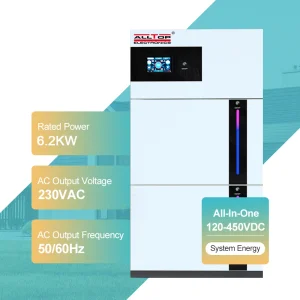
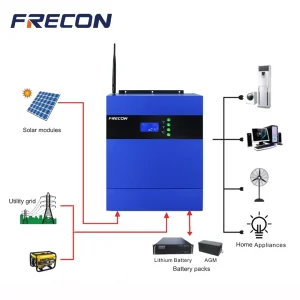
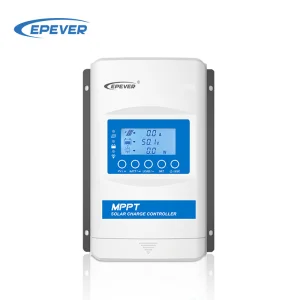
Ideal for remote locations, island operations, and regions where local grid expansion is economically unviable. Integrated systems like the 3KW and 5KW off-grid configurations rely on ultra-efficient charge controllers (MPPT) coupled with robust battery arrays to ensure uninterrupted power supply during high-frequency shadow conditions.
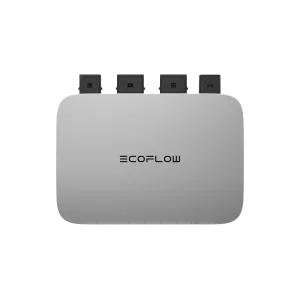
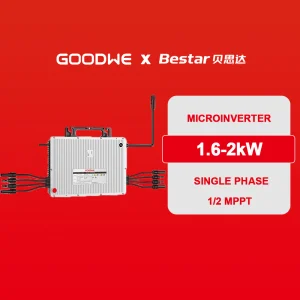
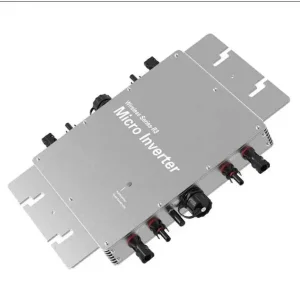
Direct injection models focus on minimizing Levelized Cost of Energy (LCOE). These configurations optimize energy feed-in metrics by using highly advanced microinverters (1.6KW to 2KW modules with 21.7% efficiency ratings) that stabilize high-frequency feed fluctuations while providing high safety indices.
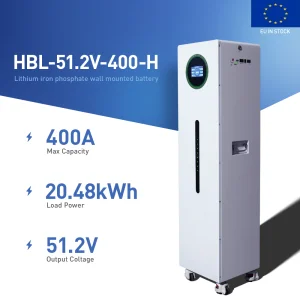
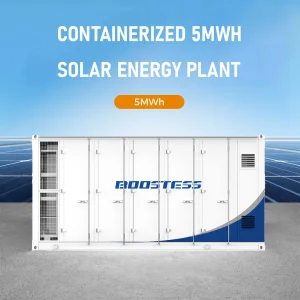
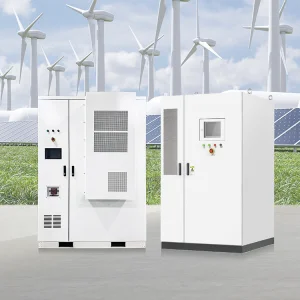
Representing the standard for modern industrial facilities. By implementing high-capacity LiFePO4 batteries (ranging from 10kWh residential units to 5MWh containerized utility ESS), hybrid topologies perform peak-shaving, load shifting, and reactive power control, stabilizing localized industrial microgrids.
Solar projects require more than just electrical efficiency; physical survivability is paramount. Environmental stress factors including wind shear, seismic shifts, and ambient corrosion pose persistent threats to large photovoltaic arrays. Therefore, robust mounting structures and specialized metallurgy are critical components of a project's risk profile.
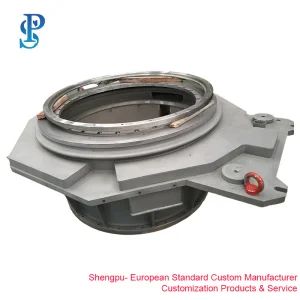
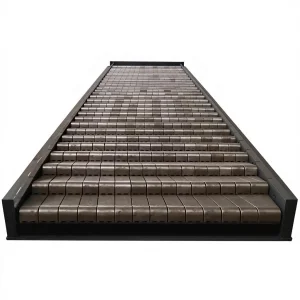
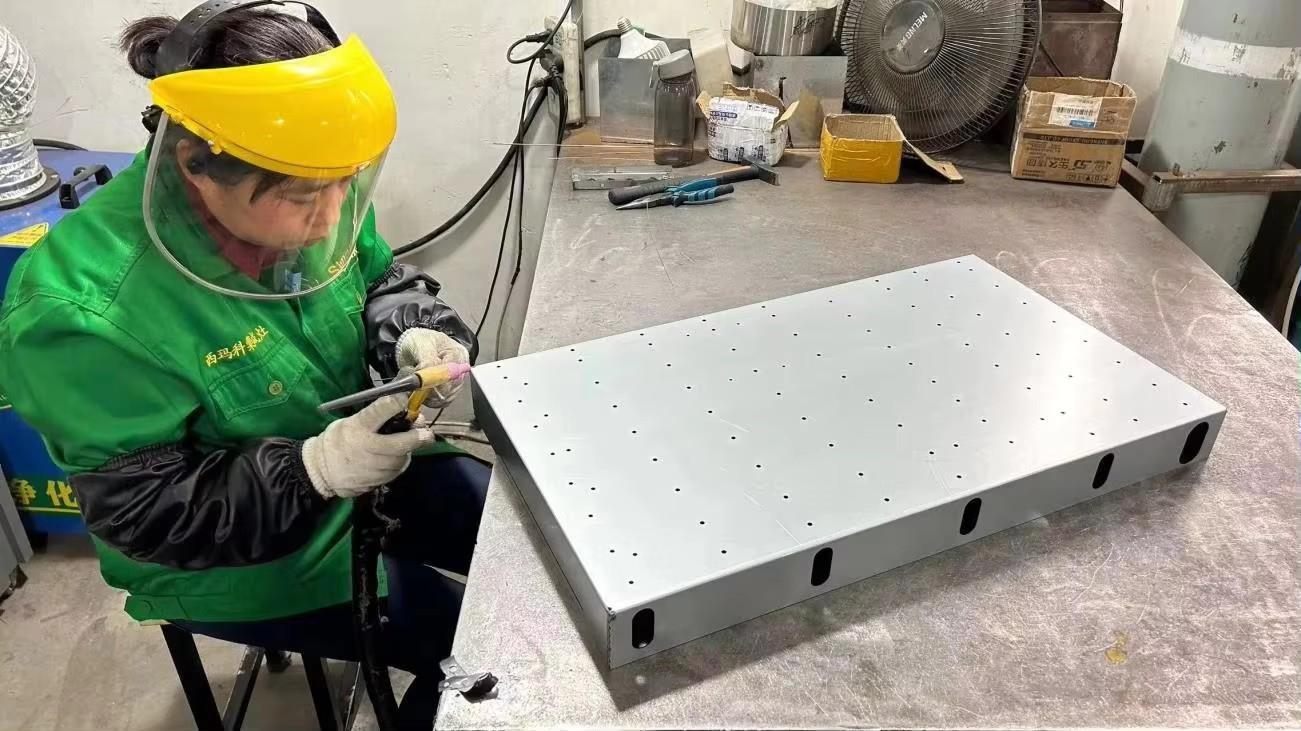
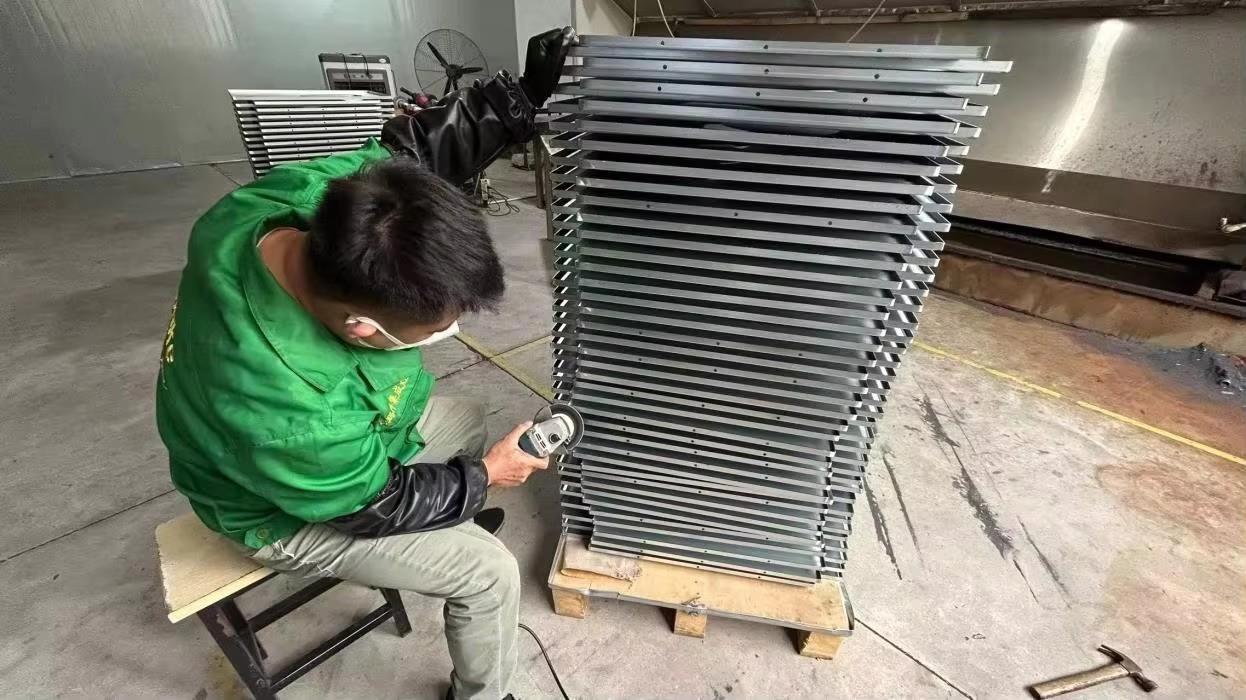
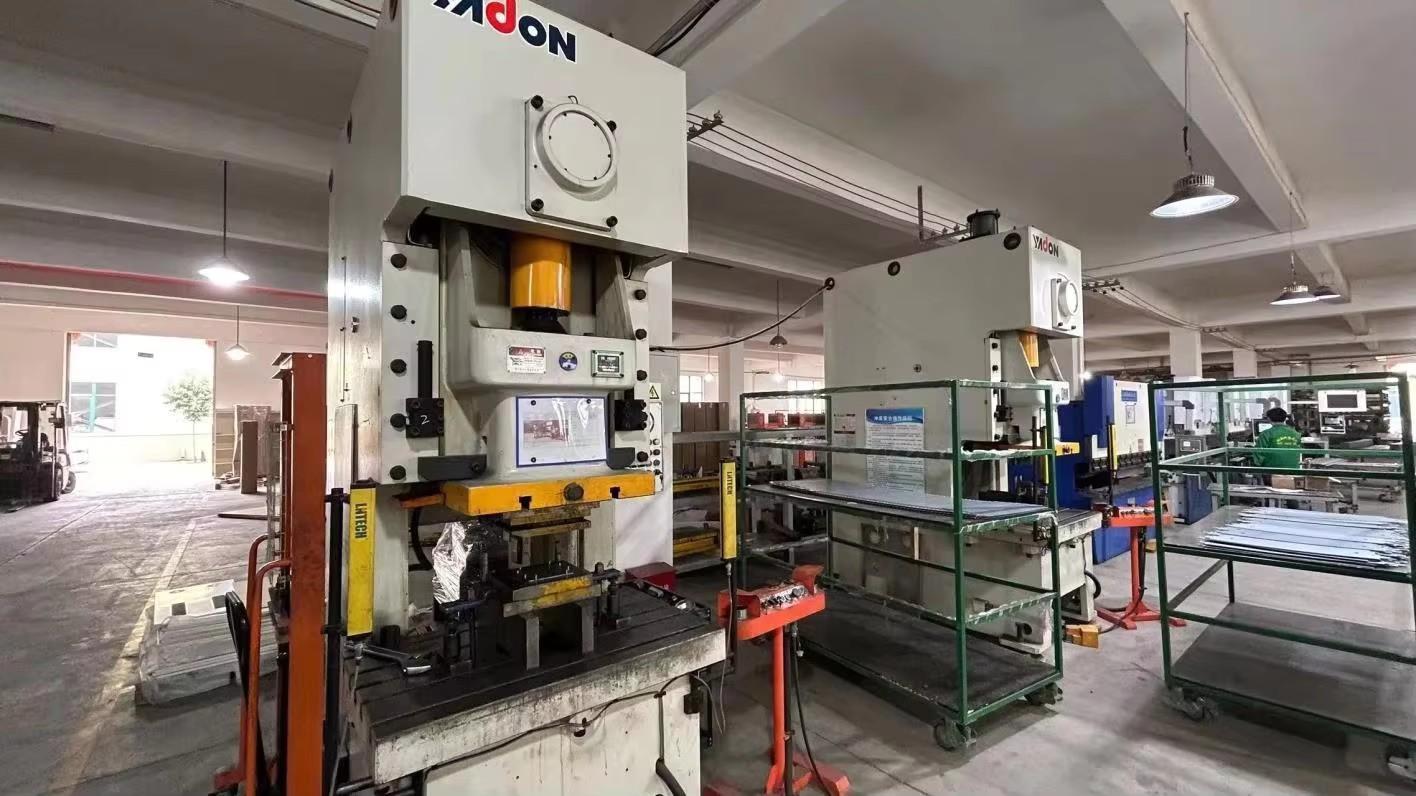
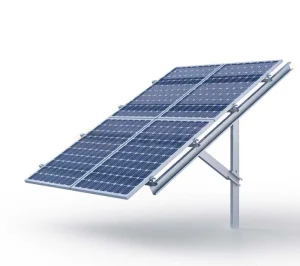
Our custom carbon steel smelting industry components, heavy-gauge boiler chain grate bases, and ISO-certified machine foundations provide the necessary structural stability. By deploying hot-dip galvanized structural carbon steel foundations, we ensure that commercial arrays remain rigidly anchored for decades. Whether implementing ground-mount arrays or heavy industrial boiler integrations, material precision prevents structural deformation and premature micro-cracking in sensitive silicon cells.
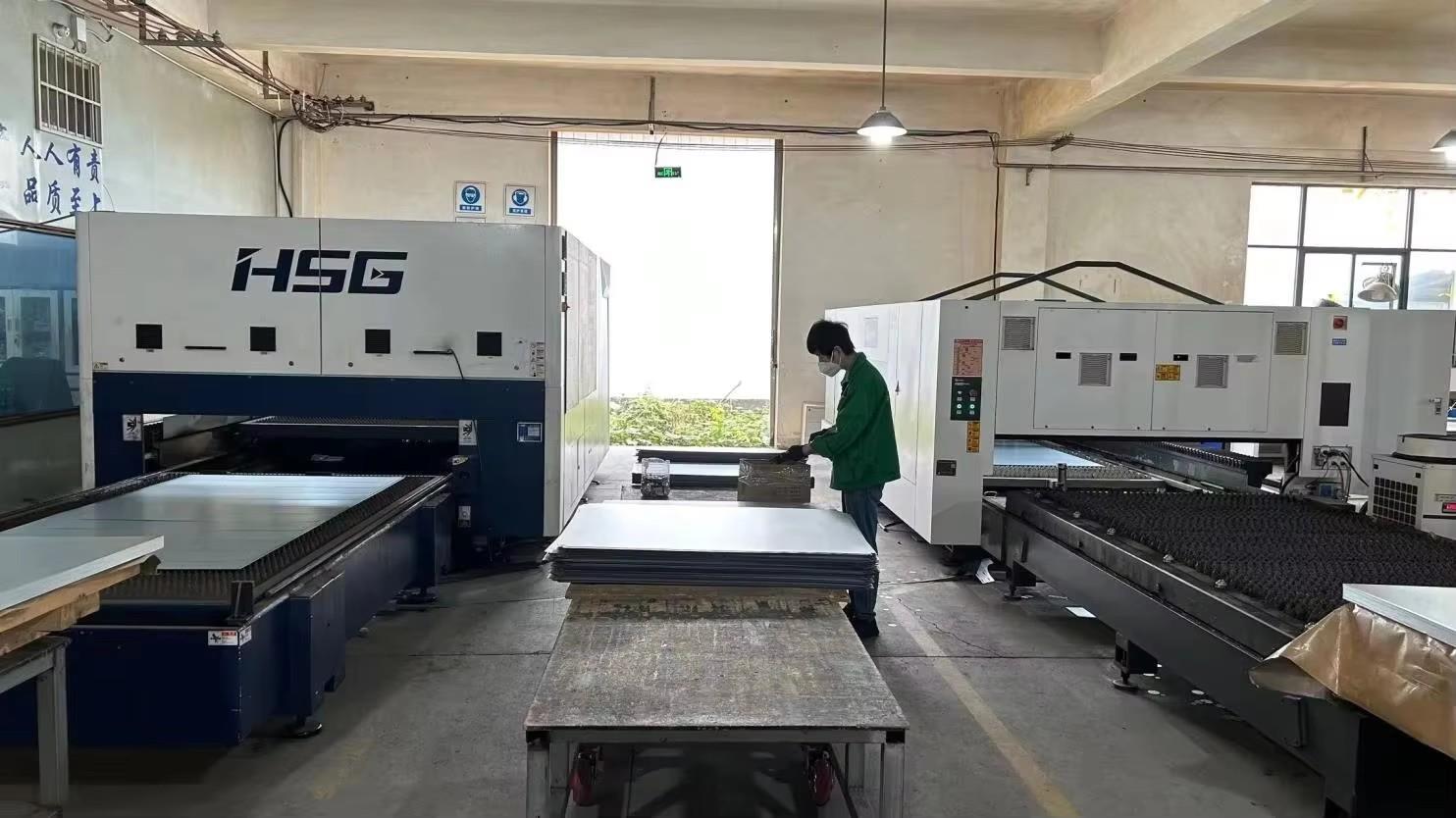
Qingdao Luzz Solar Co., Ltd. is a professional new energy enterprise specializing in the development, manufacturing, and global distribution of photovoltaic (PV) products and integrated energy storage solutions. Located in Qingdao, China, the company benefits from a well-established renewable energy industrial base and advanced manufacturing capabilities.
With the accelerating global transition toward carbon neutrality and sustainable development, Luzz Solar is committed to providing efficient, reliable, and cost-effective clean energy solutions to customers worldwide. Our product portfolio includes high-efficiency solar photovoltaic modules, energy storage systems, and integrated solar application solutions designed for residential, commercial, and utility-scale projects.
Driven by technological innovation and quality excellence, the company continuously invests in R&D and production optimization to improve product performance, energy conversion efficiency, and system reliability. We strictly adhere to international quality standards and implement rigorous quality control throughout the entire production process to ensure stable and long-term product performance.
Qingdao Luzz Solar actively expands its global market presence, with business coverage across Asia, Europe, the Middle East, Africa, and Latin America. By working closely with international partners, we are committed to delivering tailored energy solutions that meet diverse regional needs and support the global energy transition. Guided by the core values of integrity, innovation, cooperation, and sustainability, Luzz Solar strives to become a trusted global partner in the new energy industry. We are dedicated to advancing solar technology and contributing to a greener, more sustainable future.
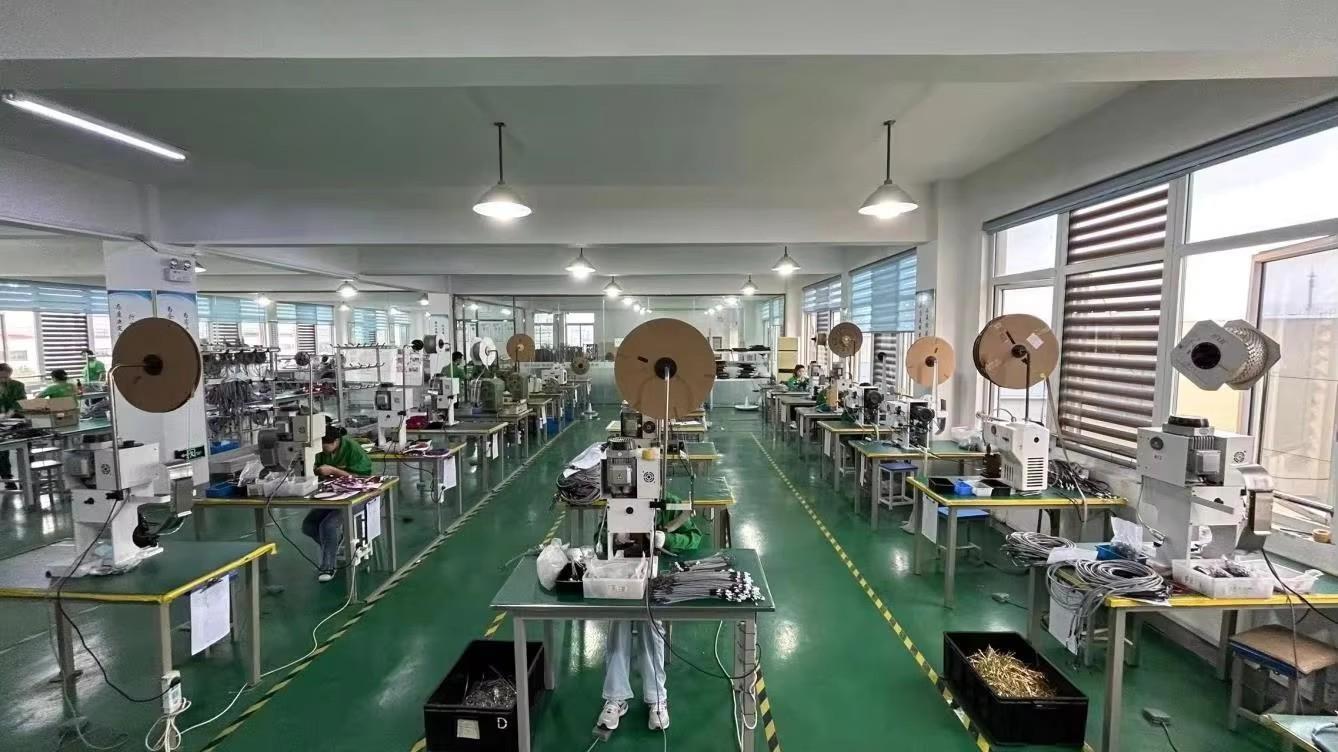
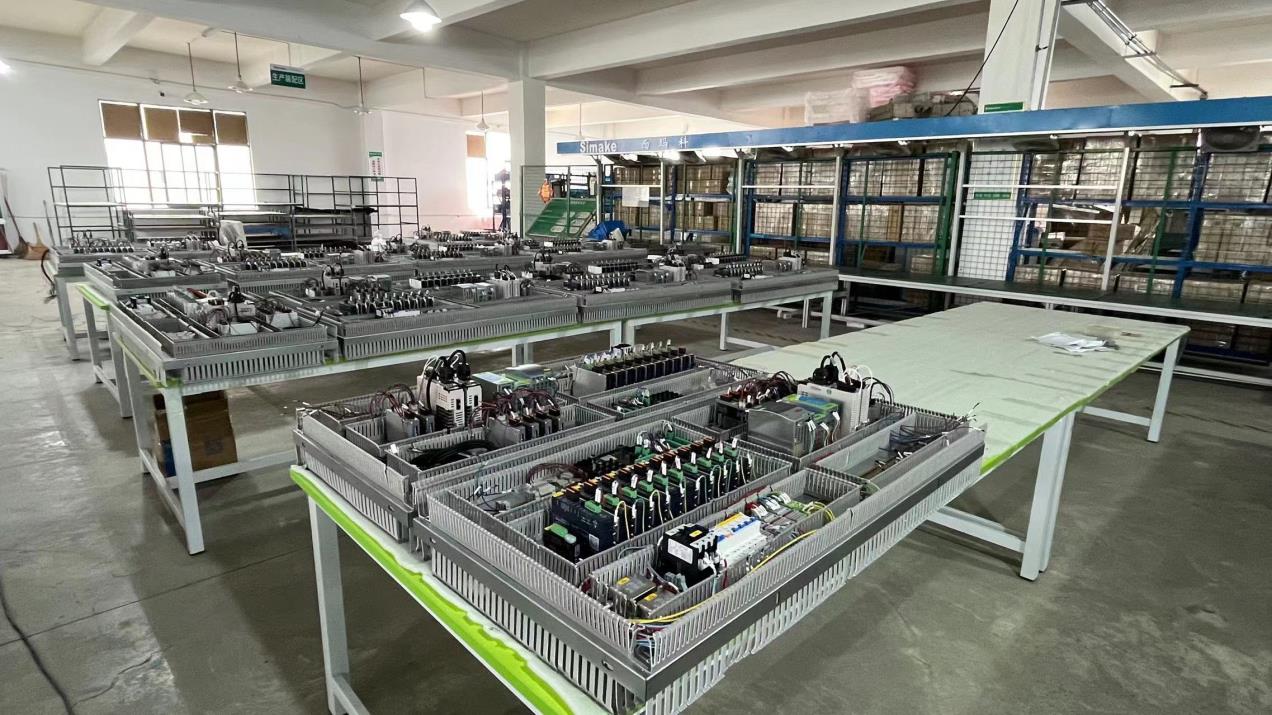
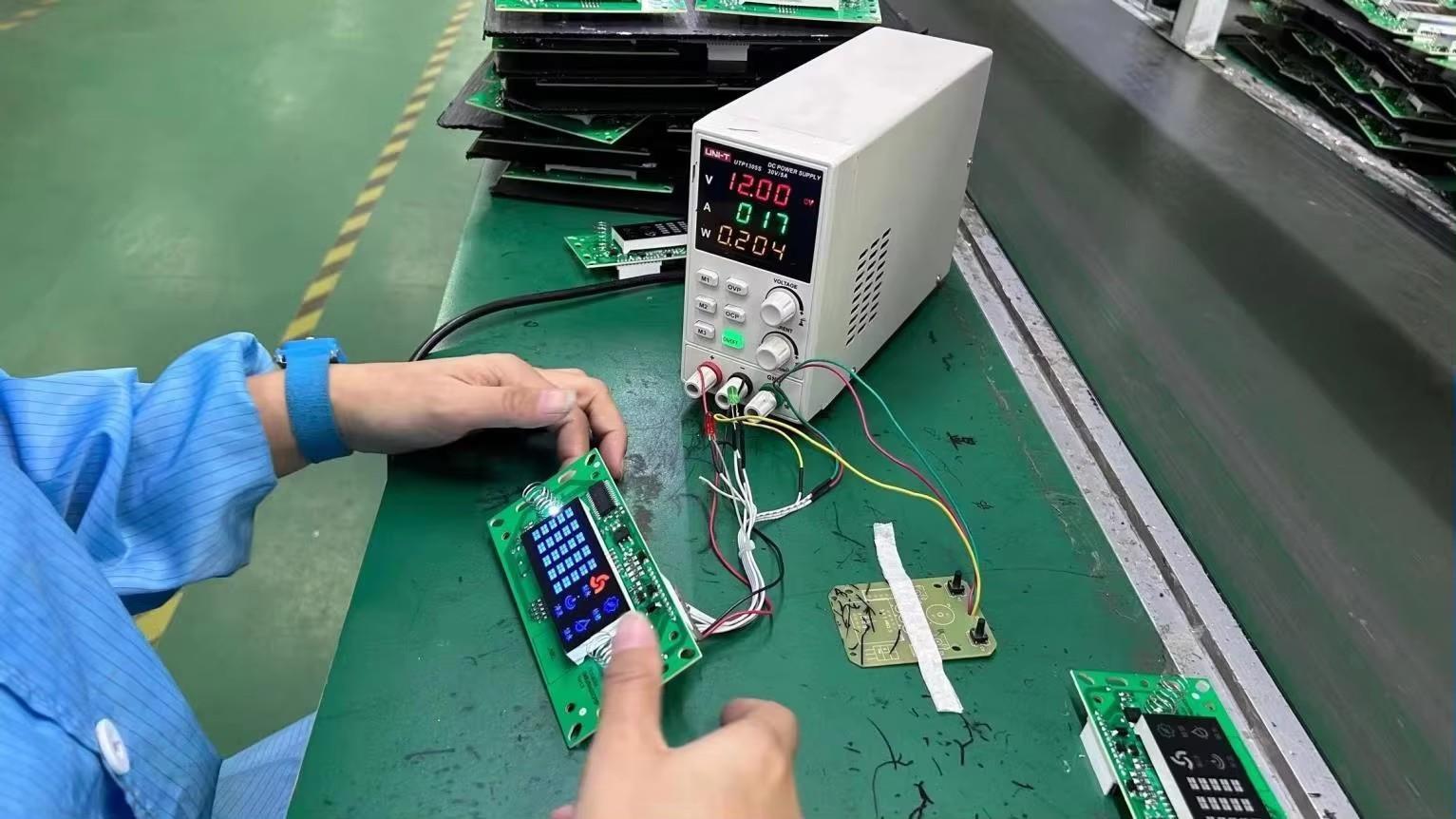
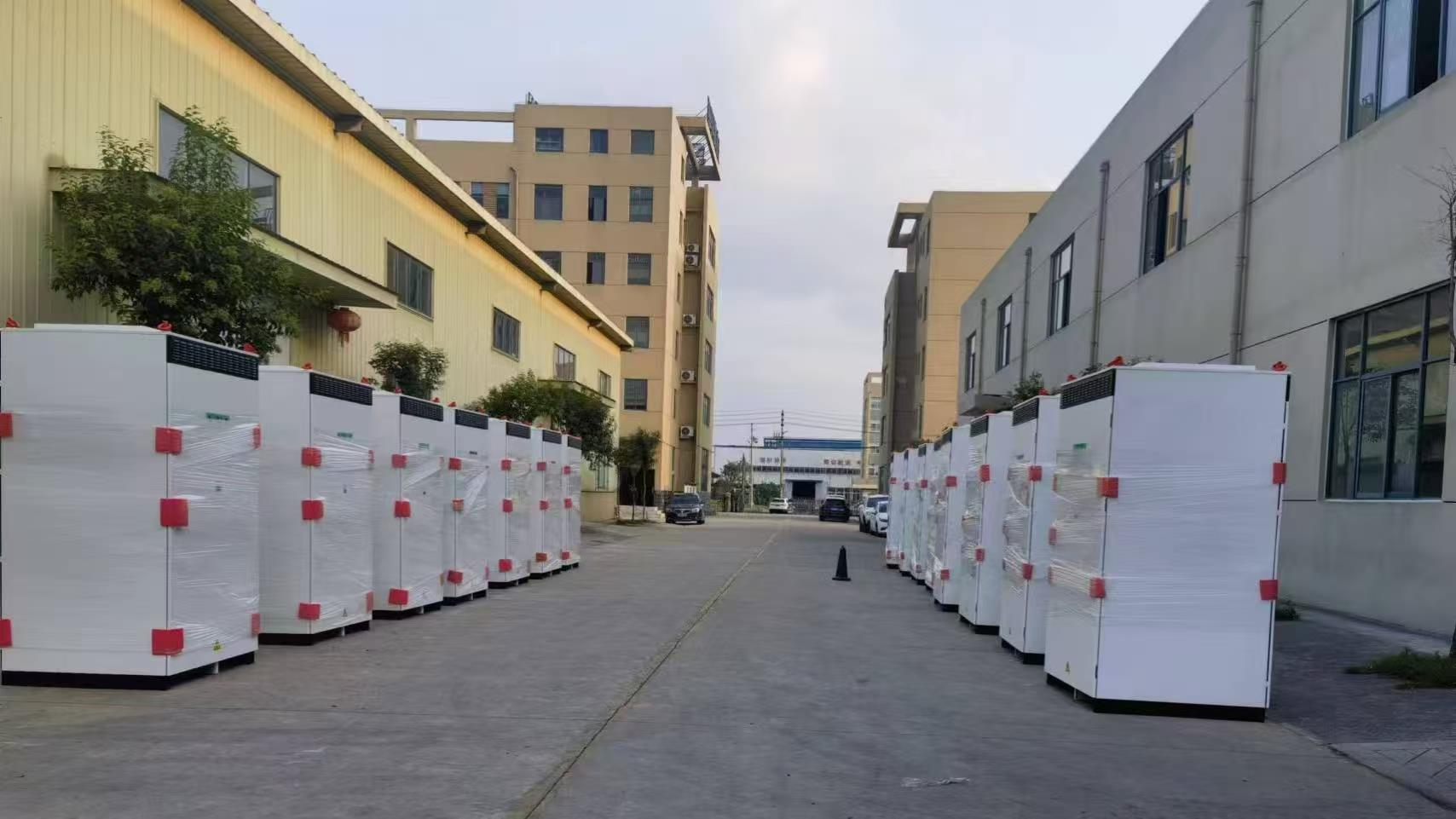
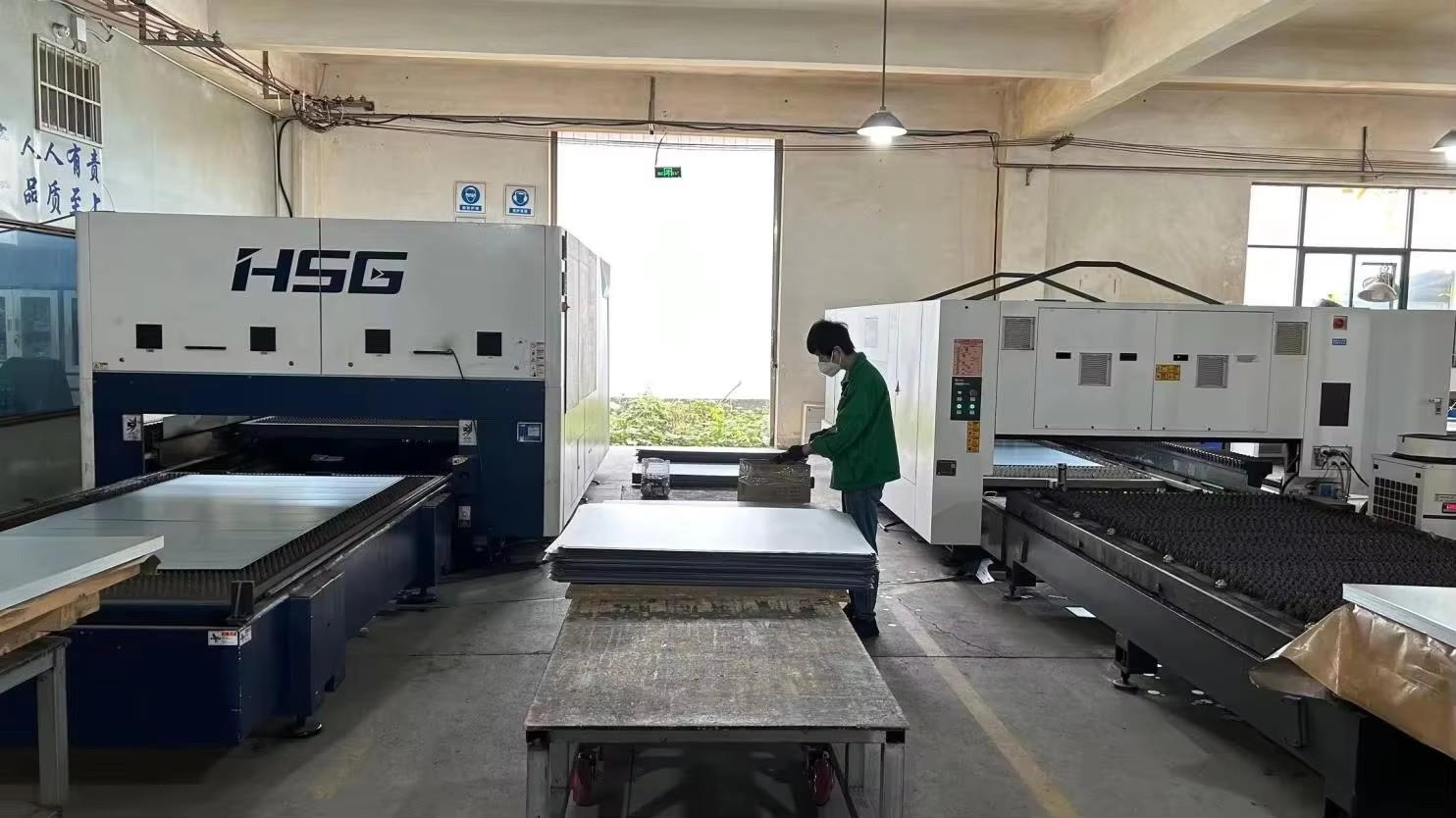
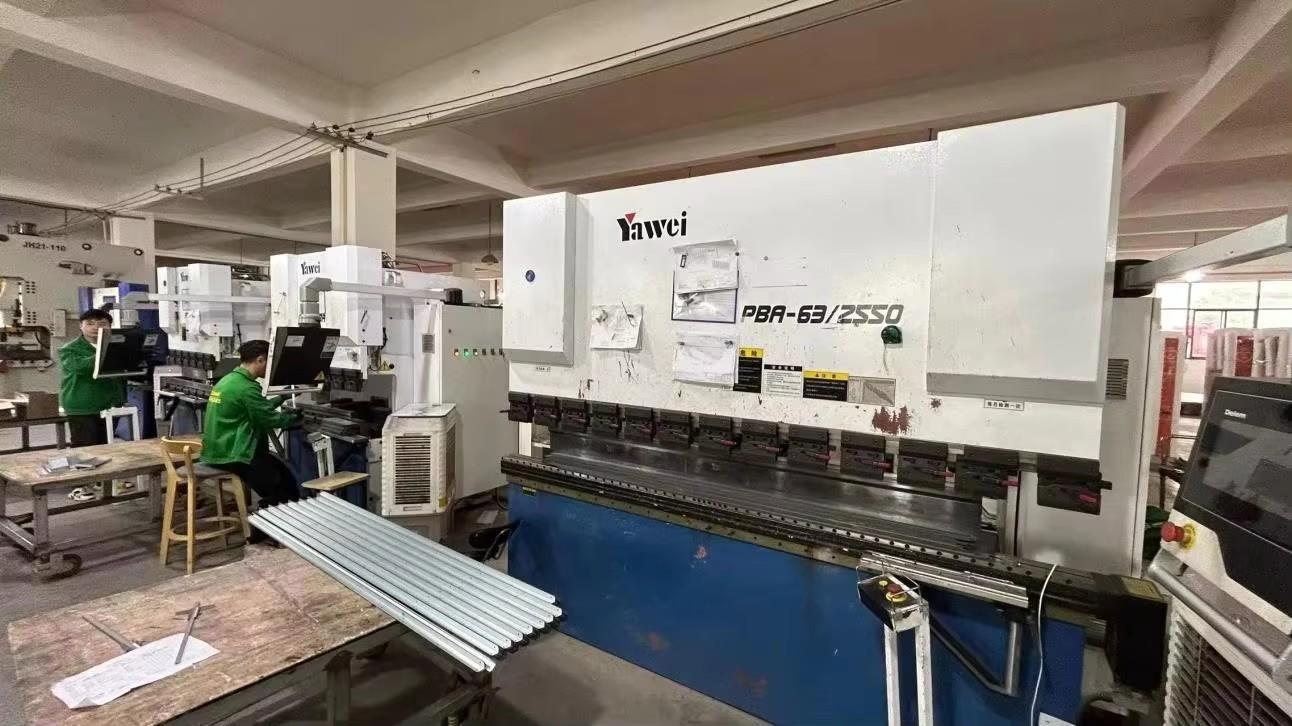
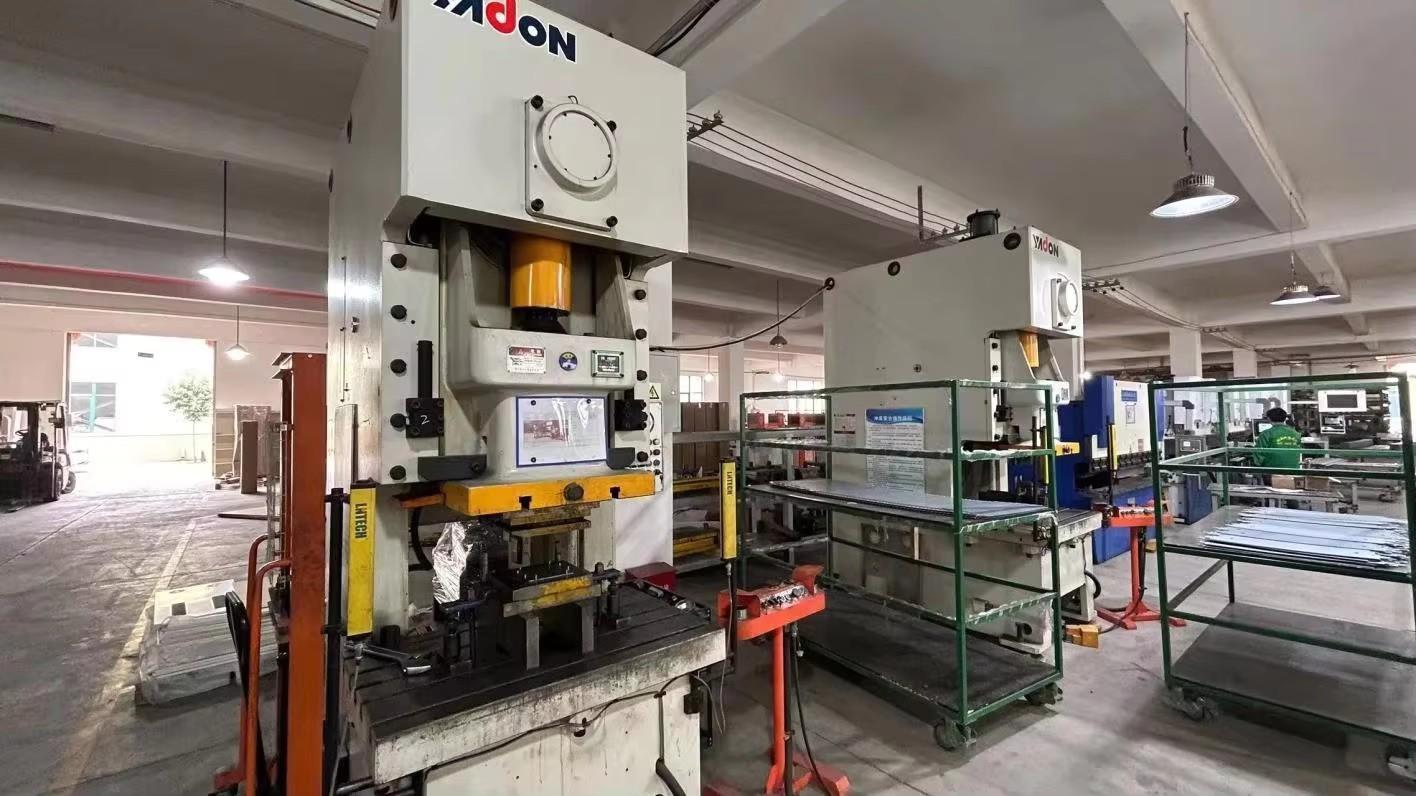
In the European Union and global markets requiring strict compliance frameworks, a CE marking is not simply a label—it is a legal passport affirming that electronic and mechanical devices meet rigorous safety, health, and environmental protection standards. At Qingdao Luzz Solar, we engineer our electrical distribution systems, inverters, and battery enclosures to exceed these directives.
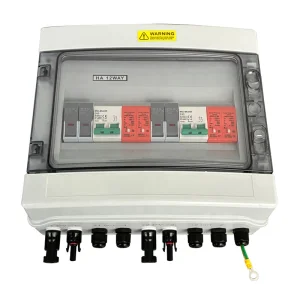
This regulation ensures that electrical equipment within specific voltage limits provides a high level of protection for users. Our PV Combiner Boxes and Microinverters undergo rigorous insulation tests, electric-arc protection measurements, and environmental stress screenings to guarantee safe handling and prevent electrical faults under high operating temperatures.
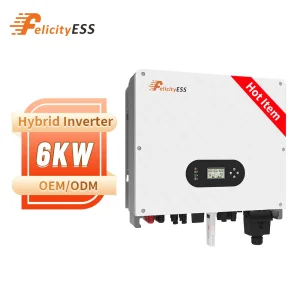
Solar inverters convert high-current direct current (DC) into alternating current (AC), which can introduce harmonic distortion and electromagnetic interference if not properly filtered. CE certification guarantees that our hybrid single-phase and three-phase inverters will not disrupt surrounding telecommunication networks or critical machinery inside industrial plants.
As the solar industry targets lower Levelized Costs of Energy (LCOE), technology integration is accelerating. We believe the future of global clean energy relies on the seamless convergence of solar generation, thermal energy recovery, and intelligent energy storage.
Integration of CAN communication networks inside modular energy storage devices. Future grids will dynamically query battery levels to manage local power distribution, minimizing utility dependency during peak load windows.
As battery storage densities scale past 5MWh in standard 40ft container outlines, liquid cooling becomes essential. Intelligent thermal management reduces degradation rates, preventing thermal runaway and increasing operational life by up to 35%.
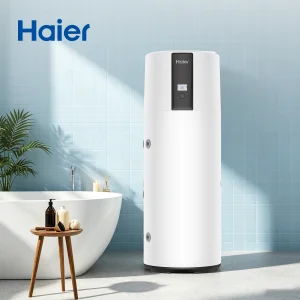
Combining photovoltaics with high-temperature air-source heat pumps. Solutions like the integrated Haier Solar Hot Water systems allow commercial users to redirect excess generation into thermal energy storage, optimizing total facility efficiency.
 Luzz Solar