Explore our top-tier CE-certified photovoltaic equipment portfolio optimized for commercial, residential, and remote utility implementations.
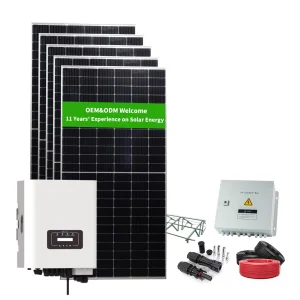
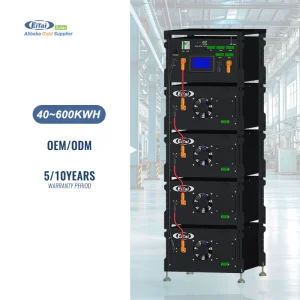
The global transition toward carbon neutrality, governed by regulatory frameworks such as the European Union’s Renewable Energy Directive (RED III) and Carbon Border Adjustment Mechanism (CBAM), has transformed photovoltaic (PV) deployment from an optional sustainability goal into an essential structural investment for modern commercial enterprises and industrial infrastructure.
Advanced N-Type TOPCon and Heterojunction (HJT) module architectures lower total balance-of-system (BOS) costs while delivering higher bifacial yield ratios, reducing commercial project payback periods to under 3.5 years in high-irradiance regions.
CE certification guarantees compliance with Low Voltage Directive (LVD 2014/35/EU) and Electromagnetic Compatibility (EMC 2014/30/EU). Certified manufacturing guarantees high dielectric insulation, zero RF grid disruption, and structural wind resistance.
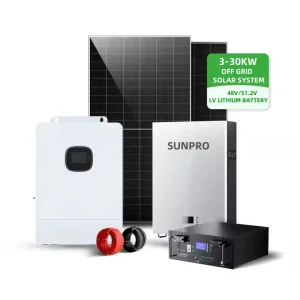
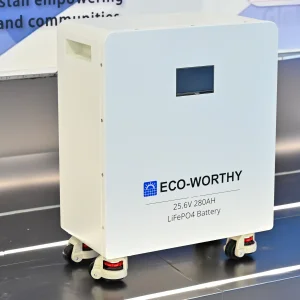
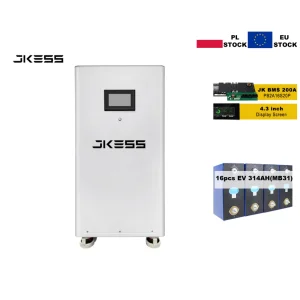
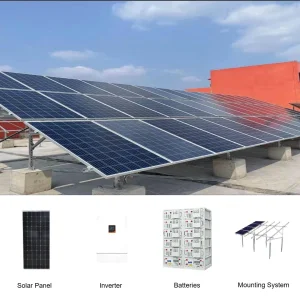
Integrating high-voltage rack LiFePO4 batteries with hybrid MPPT storage architectures eliminates peak-demand tariffs, delivers microgrid black-start resiliency, and facilitates profitable Virtual Power Plant (VPP) energy arbitrage.
Technical Insight: High-efficiency photovoltaic installations utilizing CE-marked components reduce system degradation rates to under 0.4% annually, ensuring guaranteed linear power performance exceeding 87.4% at Year 30.
Qingdao Luzz Solar Co., Ltd. is a professional new energy enterprise specializing in the development, manufacturing, and global distribution of photovoltaic (PV) products and integrated energy storage solutions. Located in Qingdao, China, the company benefits from a well-established renewable energy industrial base and advanced manufacturing capabilities.
With the accelerating global transition toward carbon neutrality and sustainable development, Luzz Solar is committed to providing efficient, reliable, and cost-effective clean energy solutions to customers worldwide. Our product portfolio includes high-efficiency solar photovoltaic modules, energy storage systems, and integrated solar application solutions designed for residential, commercial, and utility-scale projects.
Driven by technological innovation and quality excellence, the company continuously invests in R&D and production optimization to improve product performance, energy conversion efficiency, and system reliability. We strictly adhere to international quality standards and implement rigorous quality control throughout the entire production process to ensure stable and long-term product performance.
Qingdao Luzz Solar actively expands its global market presence, with business coverage across Asia, Europe, the Middle East, Africa, and Latin America. By working closely with international partners, we are committed to delivering tailored energy solutions that meet diverse regional needs and support the global energy transition.
Guided by the core values of integrity, innovation, cooperation, and sustainability, Luzz Solar strives to become a trusted global partner in the new energy industry. We are dedicated to advancing solar technology and contributing to a greener, more sustainable future.
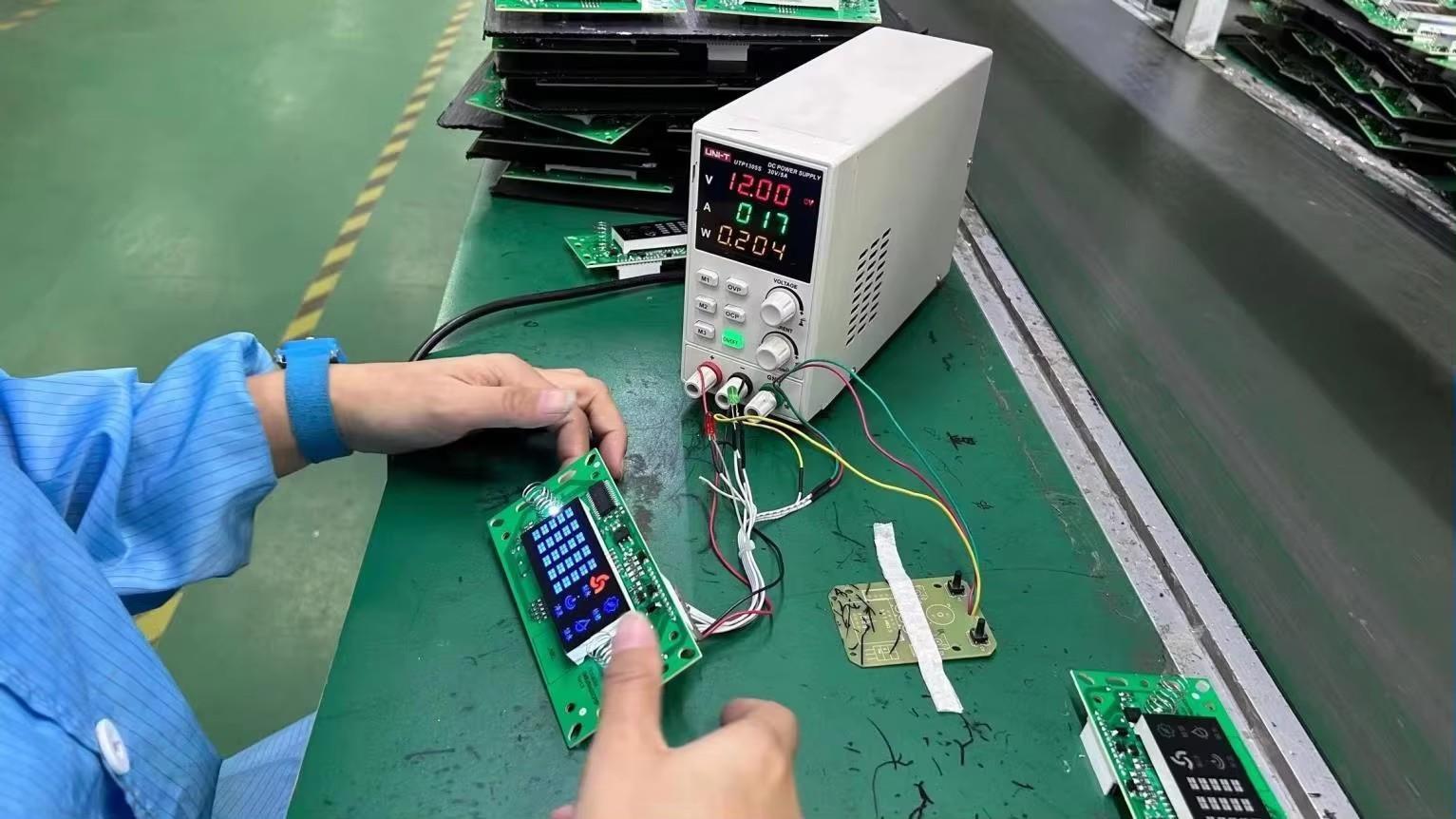
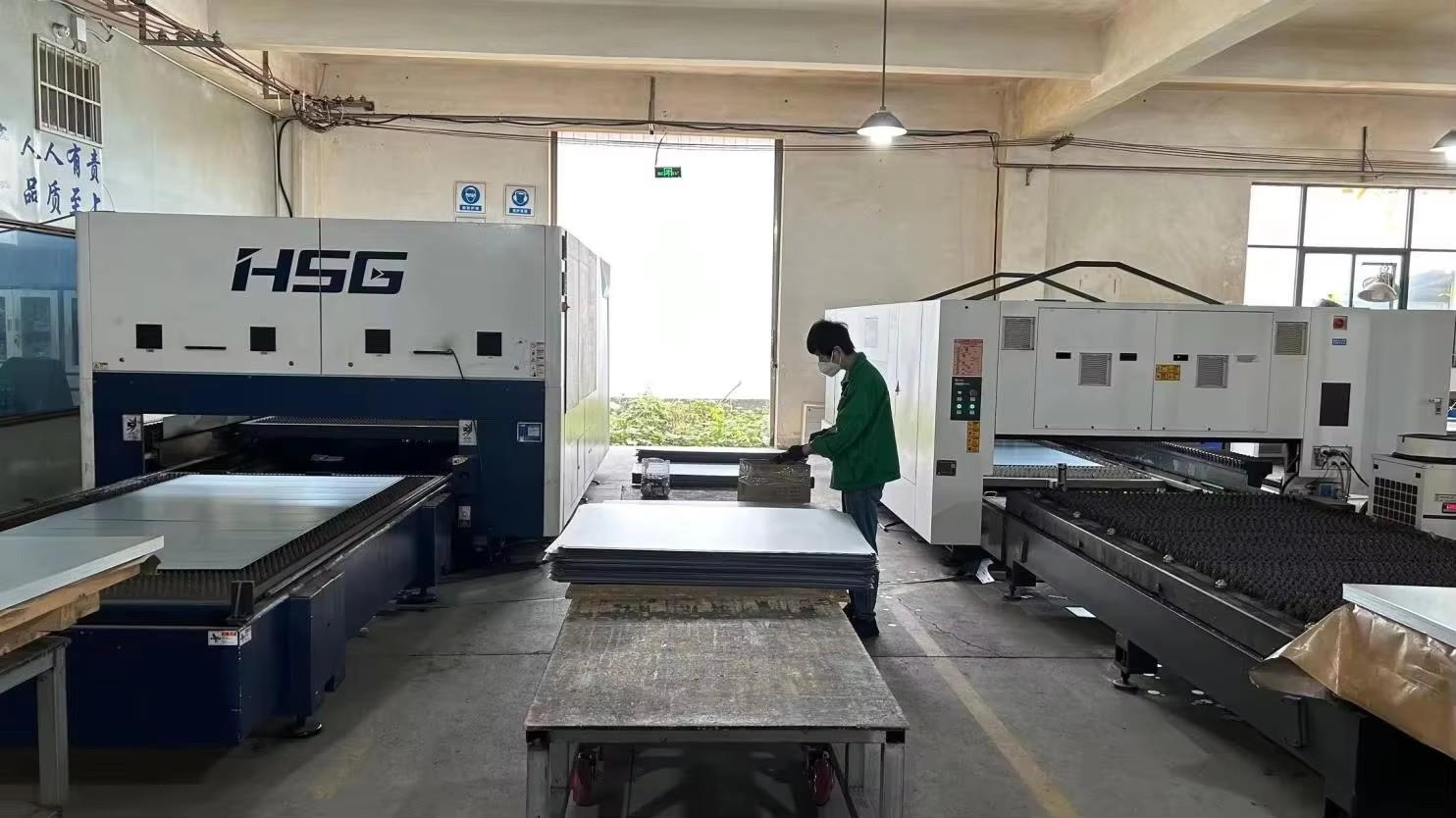
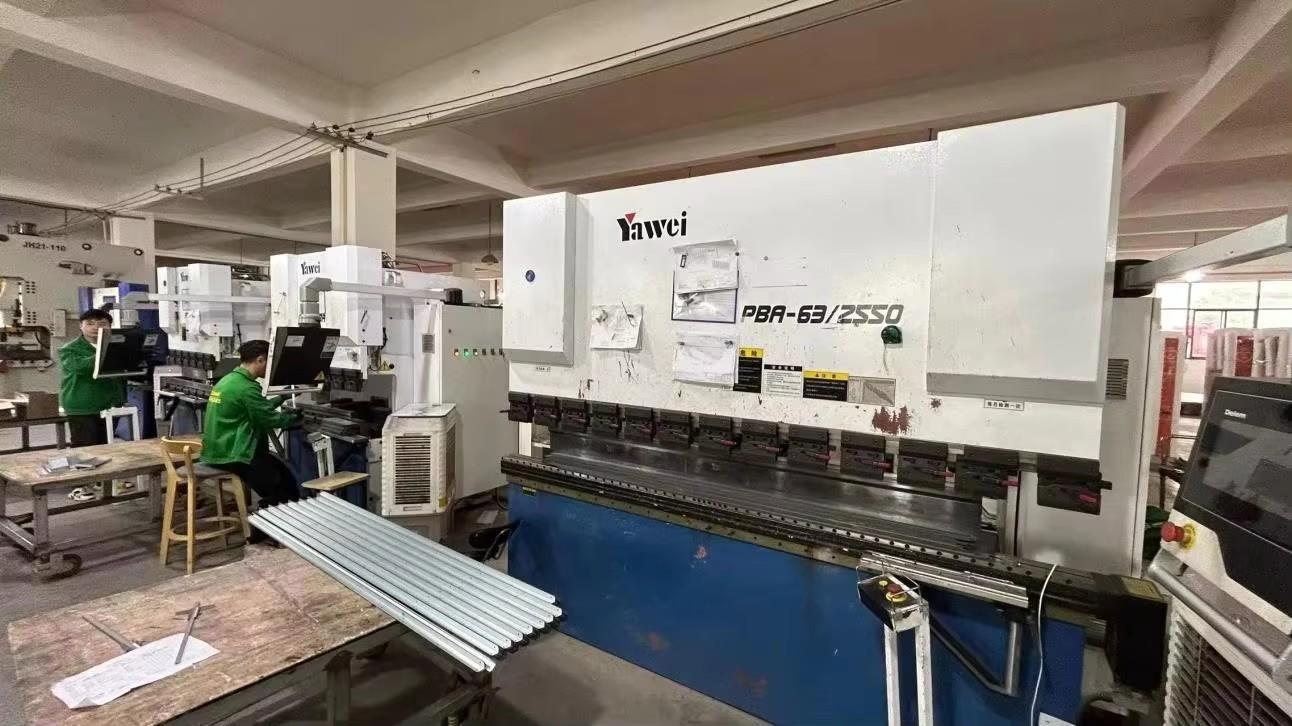
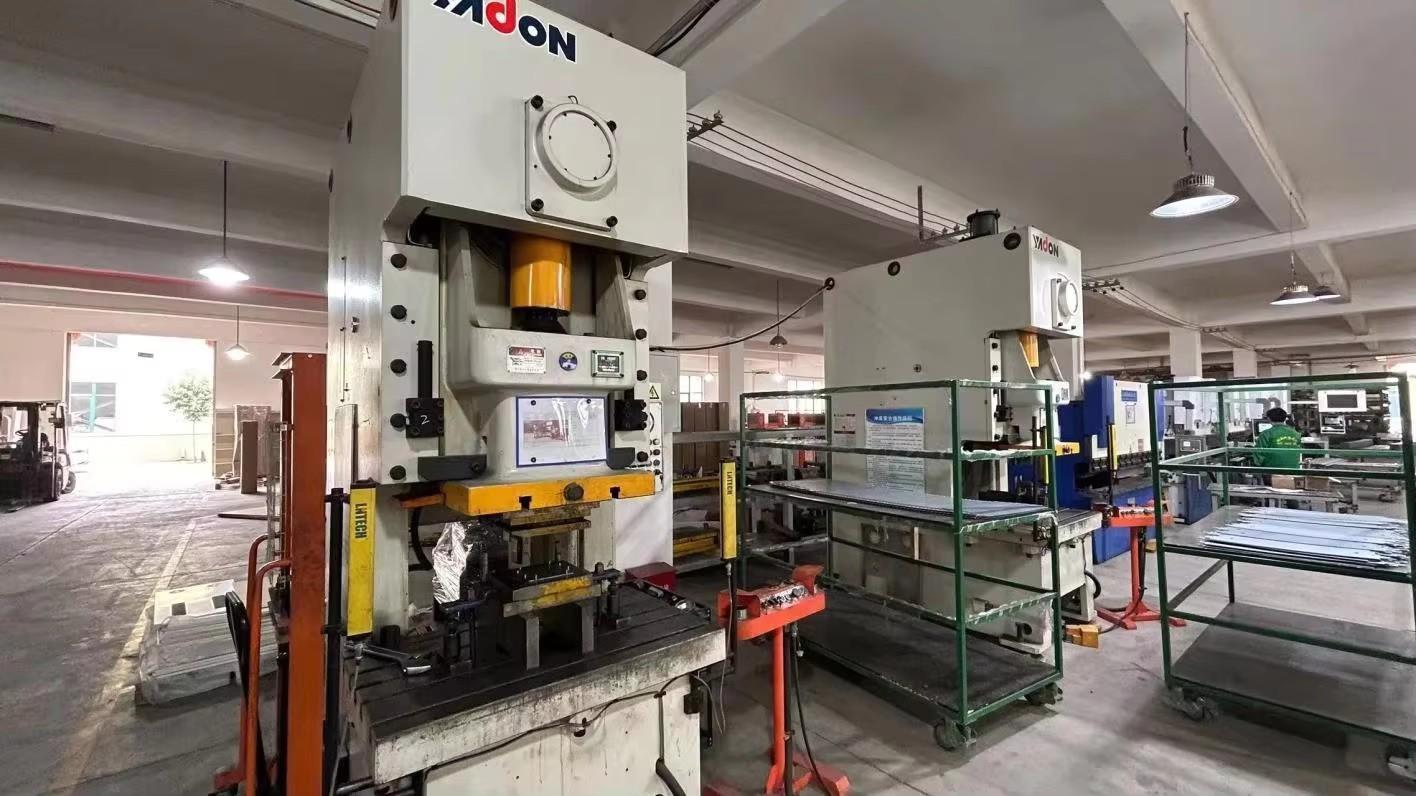
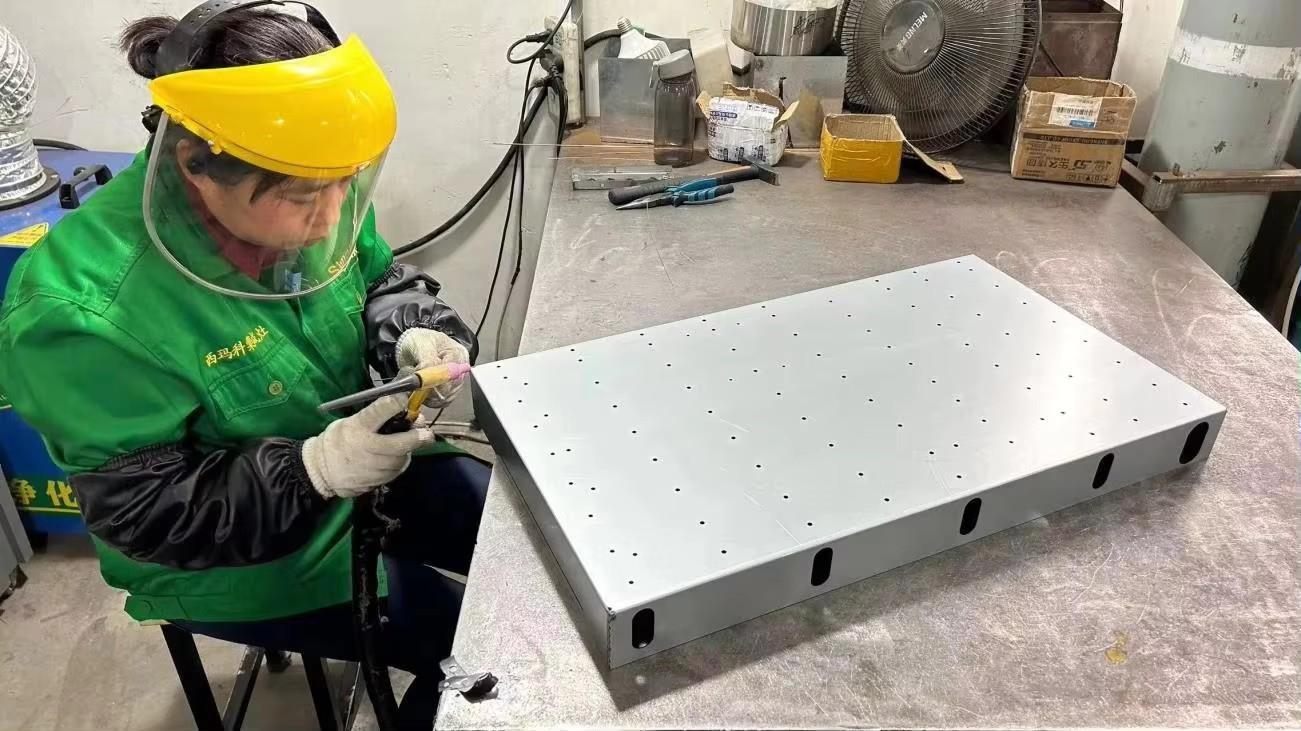
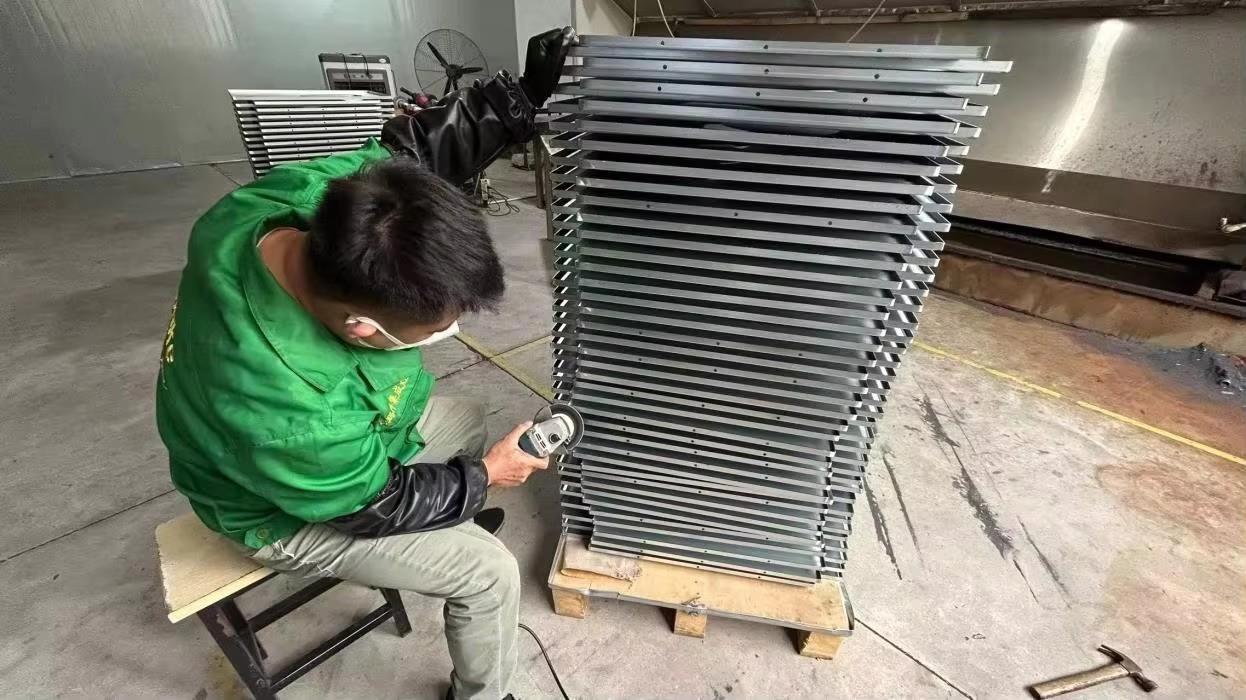
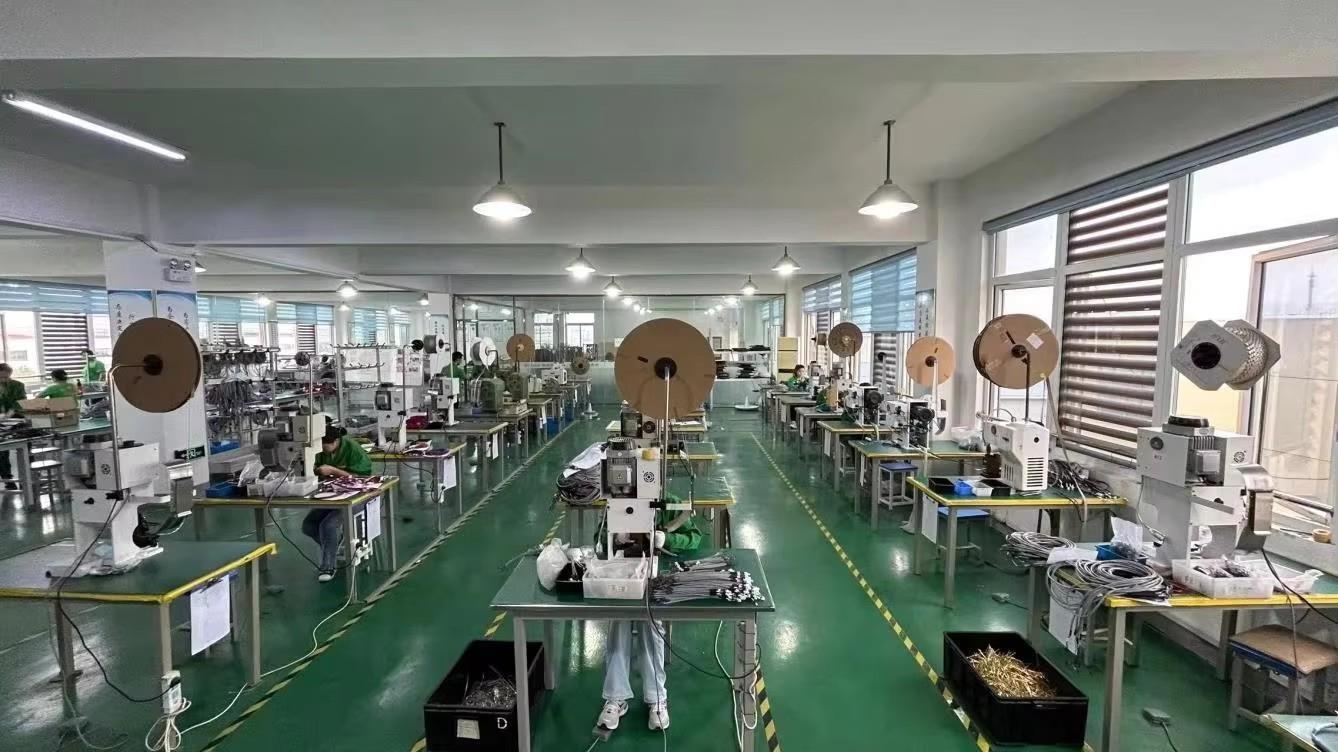
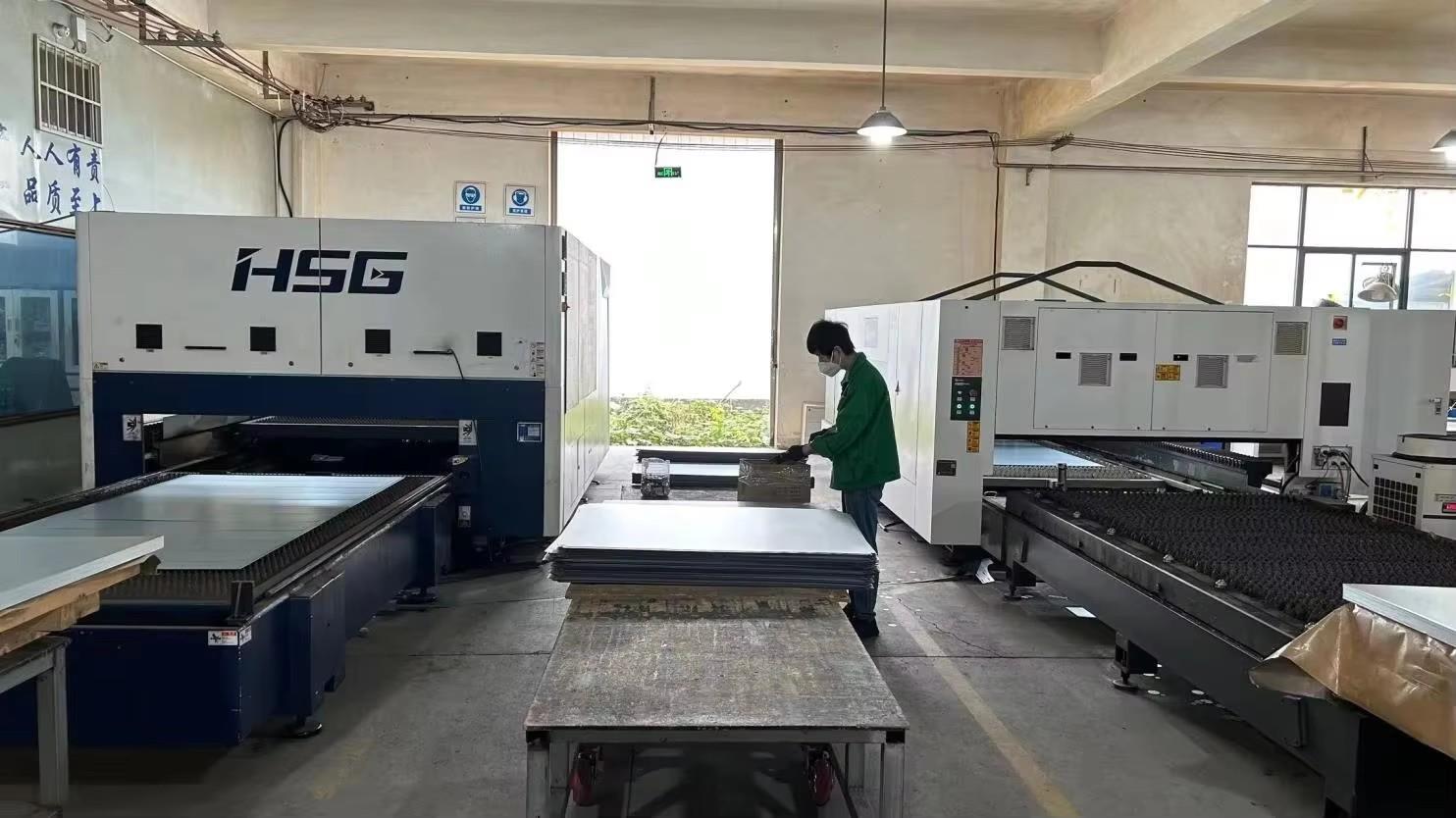
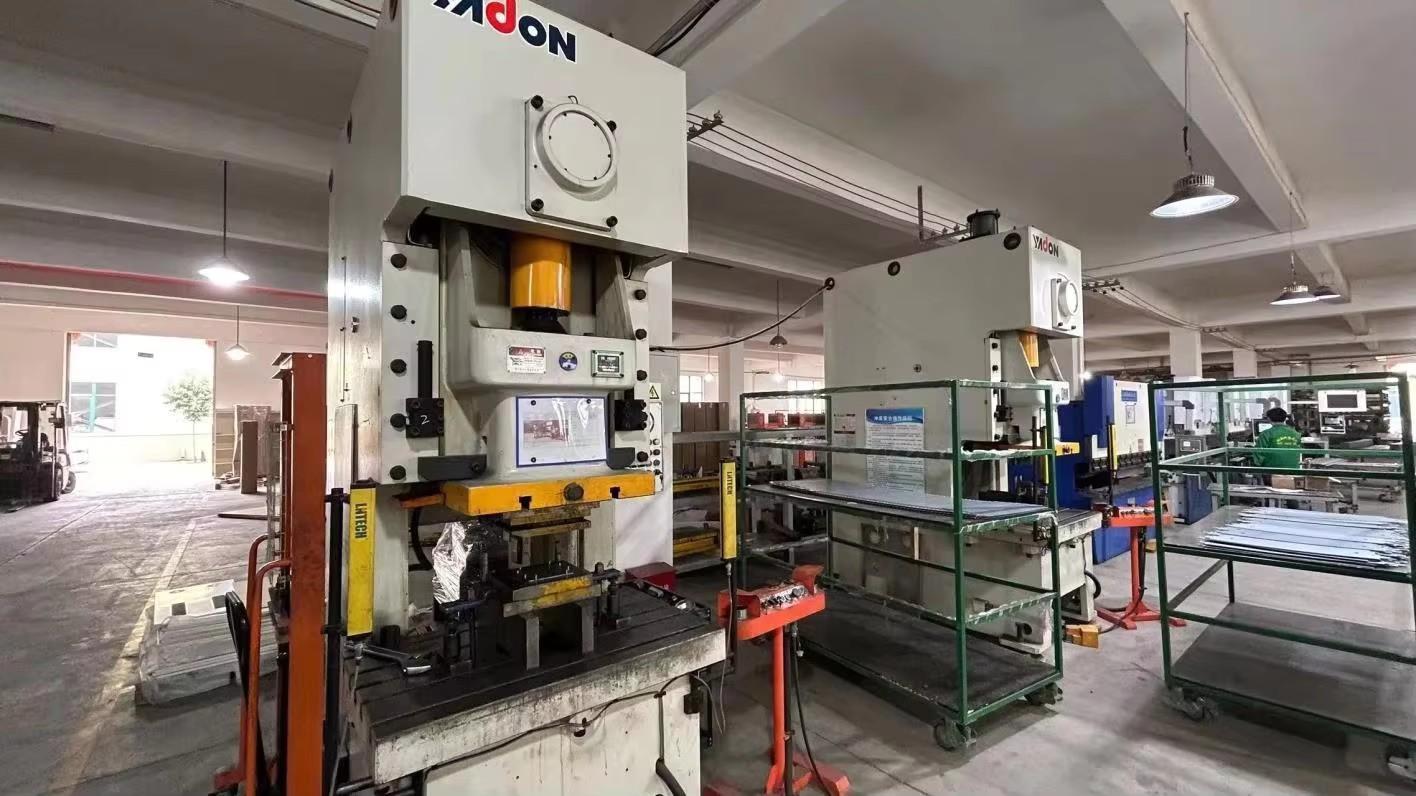
Our automated production lines implement strict ISO 9001 quality management protocols. Every processing unit utilizes precision robotic tooling to guarantee seamless structural integrity, superior mechanical load resistance, and zero internal cell defect risk.
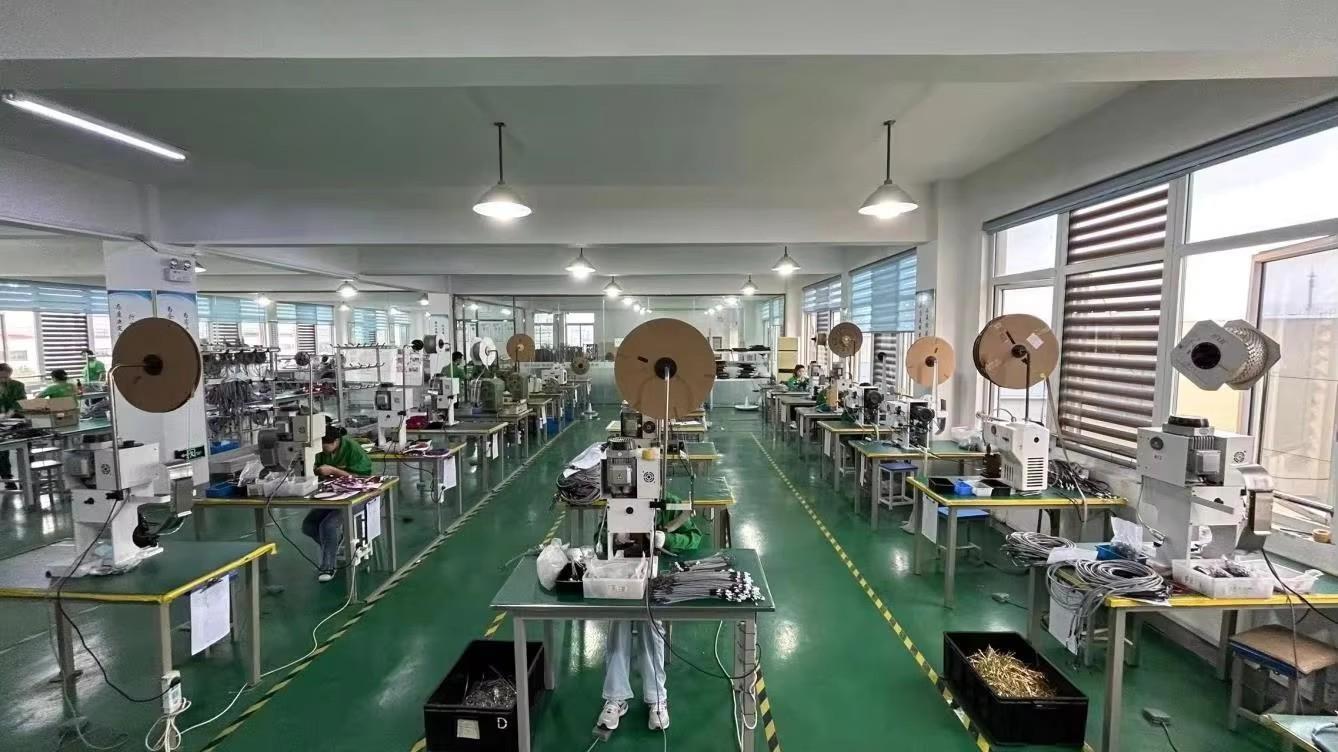
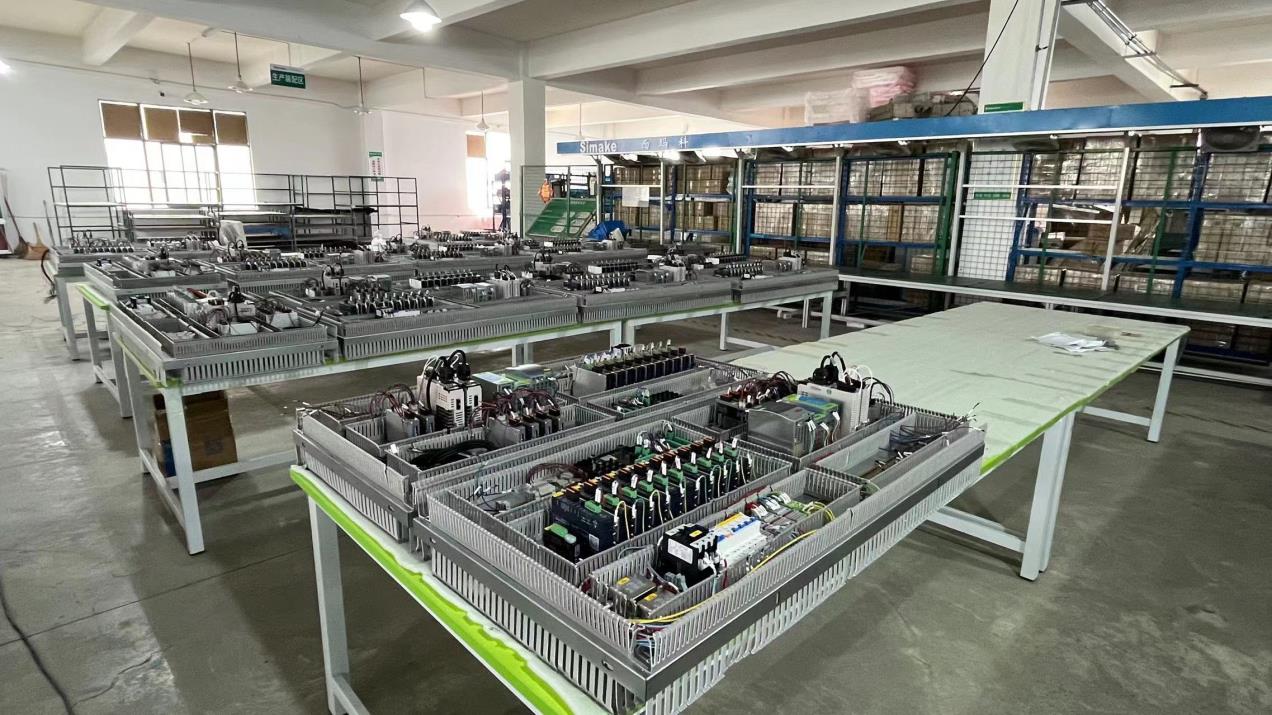
The solar industry is undergoing a massive transformation driven by N-Type TOPCon cell physics, high-voltage battery storage, and AI-enabled power plant optimization.
Transitioning from conventional PERC to Tunnel Oxide Passivated Contact (TOPCon) provides lower temperature coefficients (-0.30%/°C) and superior low-light power generation during early morning and late afternoon hours.
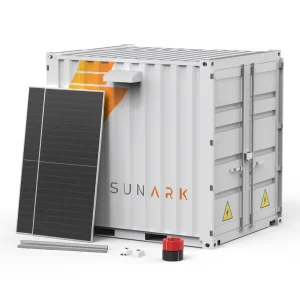
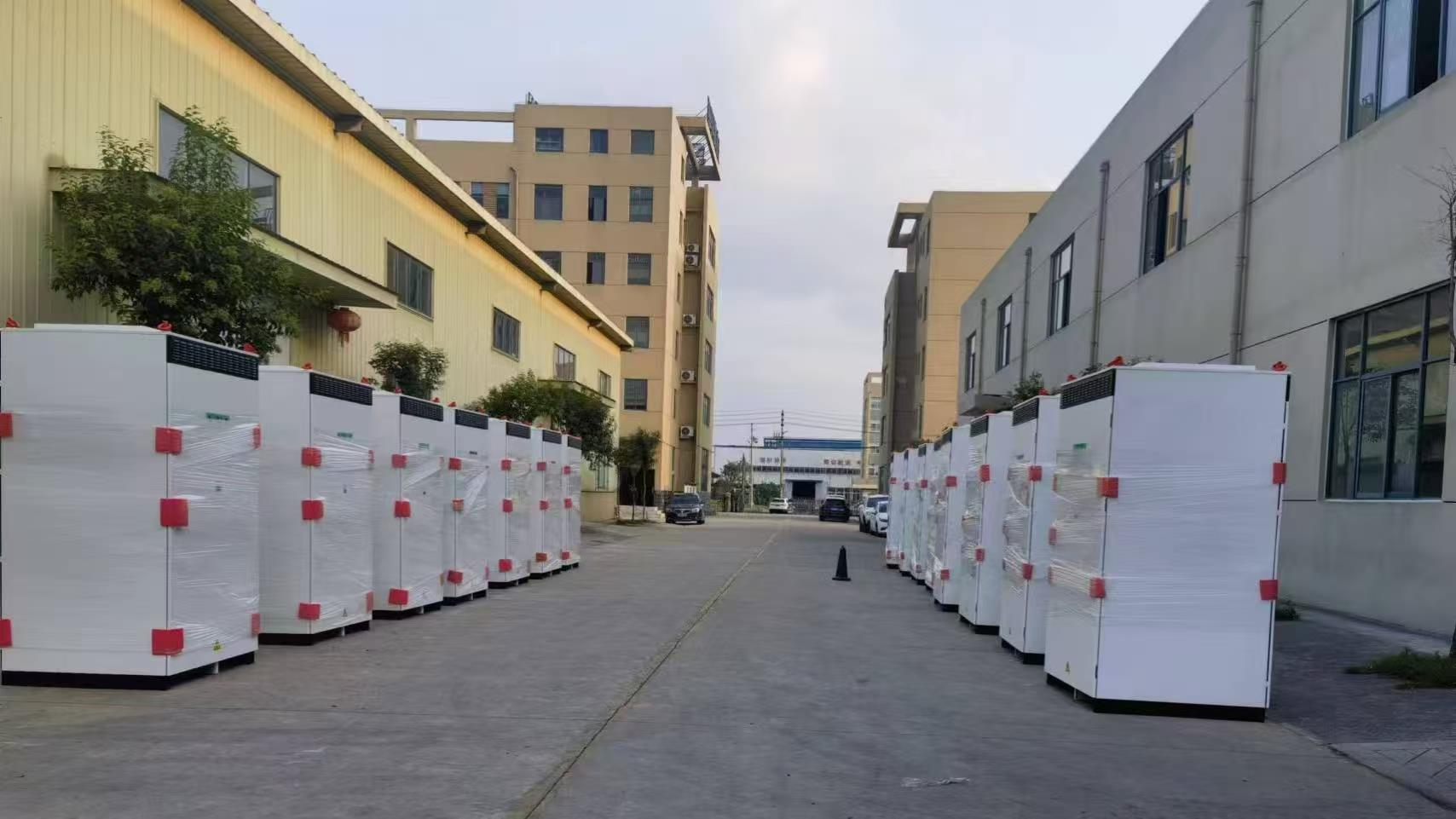
Modular 1500V DC liquid-cooled energy storage containers decrease system power consumption by up to 30%. Integrated aerosol fire protection and active multi-tier cell balancing maximize operational longevity.
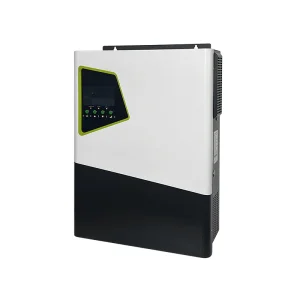
Embedded IoT microcontrollers in hybrid inverters perform real-time MPPT tracking over 99.9% accuracy, automated I-V curve diagnostics, and seamless sub-10ms UPS grade emergency power switching.
| Performance Metric | Standard PERC Modules | Luzz Solar N-Type TOPCon | Impact on Commercial Operations |
|---|---|---|---|
| Cell Efficiency Rating | 21.0% – 22.1% | 23.5% – 24.8% | +12% increased power output per unit area |
| Bifacial Coefficient | 65% – 70% | 80% – 85% | Higher energy harvest from ground/roof reflection |
| First Year Degradation | ≤ 2.0% | ≤ 1.0% | Prevents early cashflow loss for microgrids |
| Temperature Coefficient | -0.35% / °C | -0.30% / °C | Up to 4% more energy yield in ambient heat above 40°C |
| Warranty Duration | 12-Year Product / 25-Year Power | 15-Year Product / 30-Year Power | Reduces long-term asset risk for institutional buyers |
Photovoltaic solutions must adapt to environmental conditions and electrical load profiles. Luzz Solar manufactures multi-scenario clean energy hardware engineered for specialized environments.
Medical institutions require uninterrupted electricity. Combining 1MW on-grid tracking PV arrays with containerized LiFePO4 battery back-ups delivers 100% continuous operational uptime during grid outages while reducing power utility expenditure.
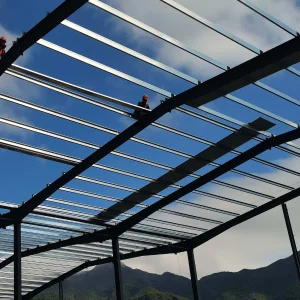
Pre-engineered high-strength steel structure sheds fitted with customized solar mounting arrays double as robust agricultural storage, livestock protection, or manufacturing space while harvesting off-grid renewable energy.
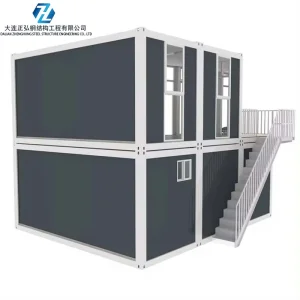
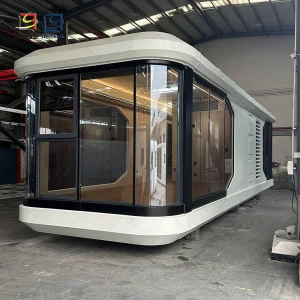
Luxurious modern space capsule houses and detachable mini container homes feature pre-wired solar kit integrations (5kW to 30kW) allowing standalone eco-resort operation in off-grid geographic zones.
In-depth responses to common engineering, certification, and commercial deployment questions.
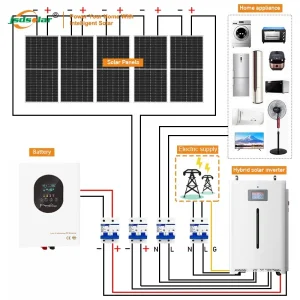
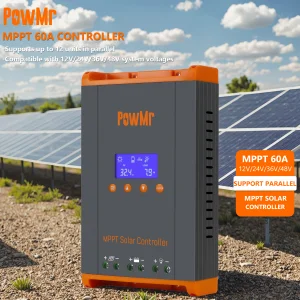
Explore high-efficiency hybrid inverters, MPPT controllers, custom structural supports, and prefabricated living modules.

 Luzz Solar