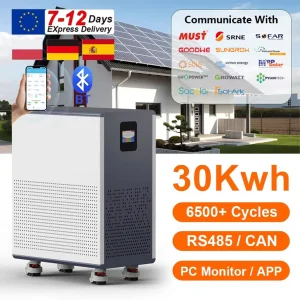
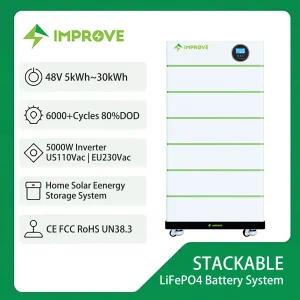
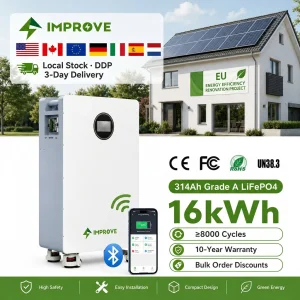
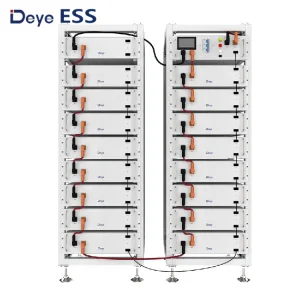
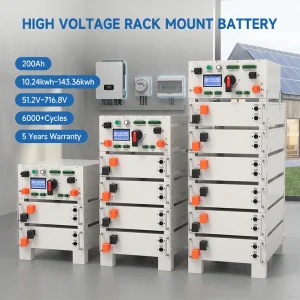
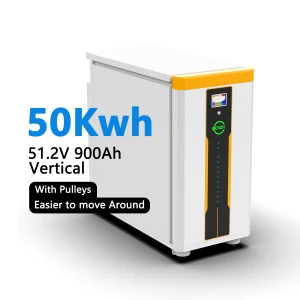
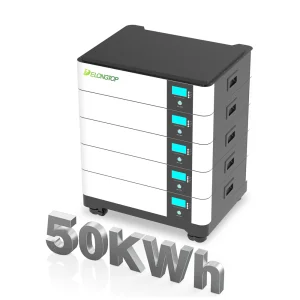
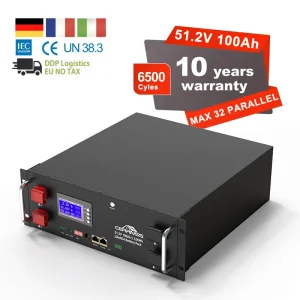
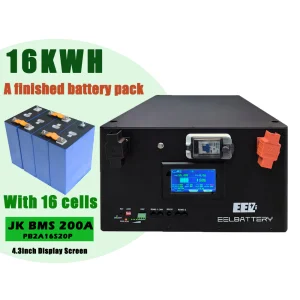
Pre-engineered LFP configurations optimal for immediate integration with local Egyptian grid standards, supporting hybrid solar plants and emergency backup infrastructure.
As the most populous nation in the Arab world, Egypt is navigating a pivotal energy transition. Historically heavily dependent on fossil fuels, the Egyptian government, through its Integrated Sustainable Energy Strategy (ISES) 2035, aims to generate 42% of its electricity from renewable sources by 2035. With massive utility-scale installations like the Benban Solar Park, renewable energy generation is growing rapidly. However, scaling up variable solar power presents profound technical challenges to the National Unified Power Grid managed by the Egyptian Electricity Holding Company (EEHC).
Egypt’s rapid urbanization and industrial development—centered in major economic zones like the 6th of October City, Tenth of Ramadan City, and the Suez Canal Economic Zone (SCZONE)—have put significant stress on electrical transmission and distribution systems. Industrial operators frequently face the challenges of load shedding, micro-voltage drops, and frequency fluctuations. These grid instabilities lead to costly production downtime, machinery damage, and productivity losses.
Standard solar systems without storage cannot guarantee grid-forming reliability during outages. To maximize solar self-consumption and ensure operational continuity, forward-looking industries, data centers, agricultural megaprojects, and telecom operators across Egypt are transitioning to local decentralized Battery Energy Storage Systems (BESS). Among these, rack-mounted lithium iron phosphate (LiFePO4) systems have emerged as the gold standard due to their thermal stability, modular scalability, and unmatched service life.
Deploying rack-mounted LFP energy storage systems enables Egyptian enterprises to participate in peak shaving and load shifting. Industrial commercial consumers are subject to time-of-use (ToU) tariffs, where peak hours carry substantial surcharges. By charging during off-peak hours (or directly from solar arrays) and discharging during peak times, businesses can realize significant reductions in monthly electricity expenditures while shielding themselves against grid disruptions.
The global battery energy storage sector is witnessing a paradigm shift. While cobalt-based lithium chemistries (such as NCM) dominate mobile electronics due to high energy density, the stationary energy storage sector has decisively aligned with Lithium Iron Phosphate (LiFePO4) chemistry. This trajectory is especially critical for hot climates like Egypt, where ambient summer temperatures in governorates like Aswan, Luxor, and even Giza routinely exceed 45°C.
LiFePO4 offers a thermal runaway threshold of approximately 270°C, compared to NCM’s critical threshold of 150°C. This chemical stability minimizes fire and explosion risks under high operational ambient temperatures. Furthermore, standard 19-inch rack-mounted form factors represent the most mature structural configuration for commercial systems globally. Their slide-in modular architecture ensures efficient convection cooling, convenient maintenance access, and straightforward parallel scalability.
Standard 19-inch rack structures enable modules (e.g., 5.12kWh to 15kWh) to be parallelized dynamically up to multi-megawatt systems, facilitating step-by-step capacity expansion.
Dual-CPU active-balancing Smart BMS monitors cell voltage, current, and temperature in real-time, executing high-speed protection algorithms to extend battery lifespan.
With life spans exceeding 6000 cycles at 80% Depth of Discharge (DoD), the Levelized Cost of Energy (LCOE) is significantly lower than traditional lead-acid or diesel generation.
On a local level, the deployment of these battery cabinets directly interfaces with Egypt’s unique grid compliance protocols. Egyptian distribution networks require battery systems to implement robust electromagnetic compatibility (EMC) standards and clean harmonic distortion profiles when pairing with hybrid utility inverters. Our rack-mounted systems feature broad communication protocol compliance, offering native CANbus, RS485, and Modbus integration with top-tier global inverter systems like Deye, Victron, and Growatt.
Understanding the application scenarios of energy storage in Egypt is crucial to designing high-efficiency systems. We have optimized our rack-mounted configurations to target the specific load profiles of four key Egyptian sectors:
In industrial zones like Tenth of Ramadan and Borg El Arab, manufacturing lines rely heavily on precise power quality. A voltage sag lasting just milliseconds can trigger safety shutdowns of expensive injection molders, textile looms, or CNC machines. By configuring multiple 19-inch racks in parallel, factory engineers can create customized energy storage banks from 100kWh to 500kWh. These systems serve as zero-latency UPS supplies while providing peak shaving, saving thousands of Egyptian Pounds in peak capacity demand charges.
Egypt’s massive desert reclamation projects—such as the "New Delta" project and agricultural ventures in the Western Desert and East Oweinat—depend heavily on groundwater pumping. Running diesel generators for irrigation pumps incurs exorbitant fuel transportation costs and high maintenance overheads. Integrating rack-mounted LFP batteries with solar PV arrays offers a reliable microgrid solution. These batteries store abundant daytime solar energy and discharge it to sustain crop irrigation cycles throughout the night, completely eliminating dependency on diesel fuel.
With thousands of off-grid telecommunication towers across the Sinai Peninsula, the Eastern Desert, and along the Red Sea highway corridors, telecom operators require highly reliable, low-maintenance power. Our compact 48V rack-mounted lithium batteries replace bulky, temperature-sensitive lead-acid gel batteries. With support for remote monitoring via integrated WiFi/Bluetooth and cloud management systems, telecom operators can minimize maintenance crew dispatch costs across harsh desert terrains.
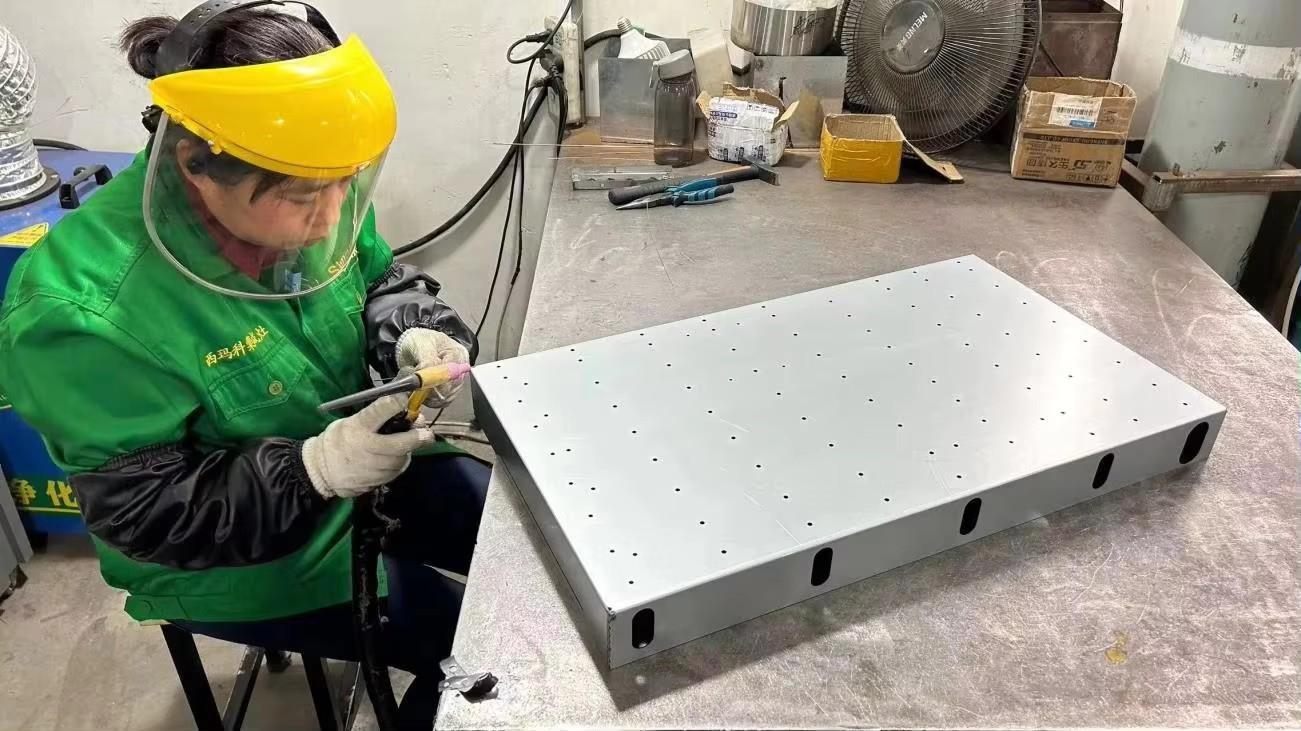
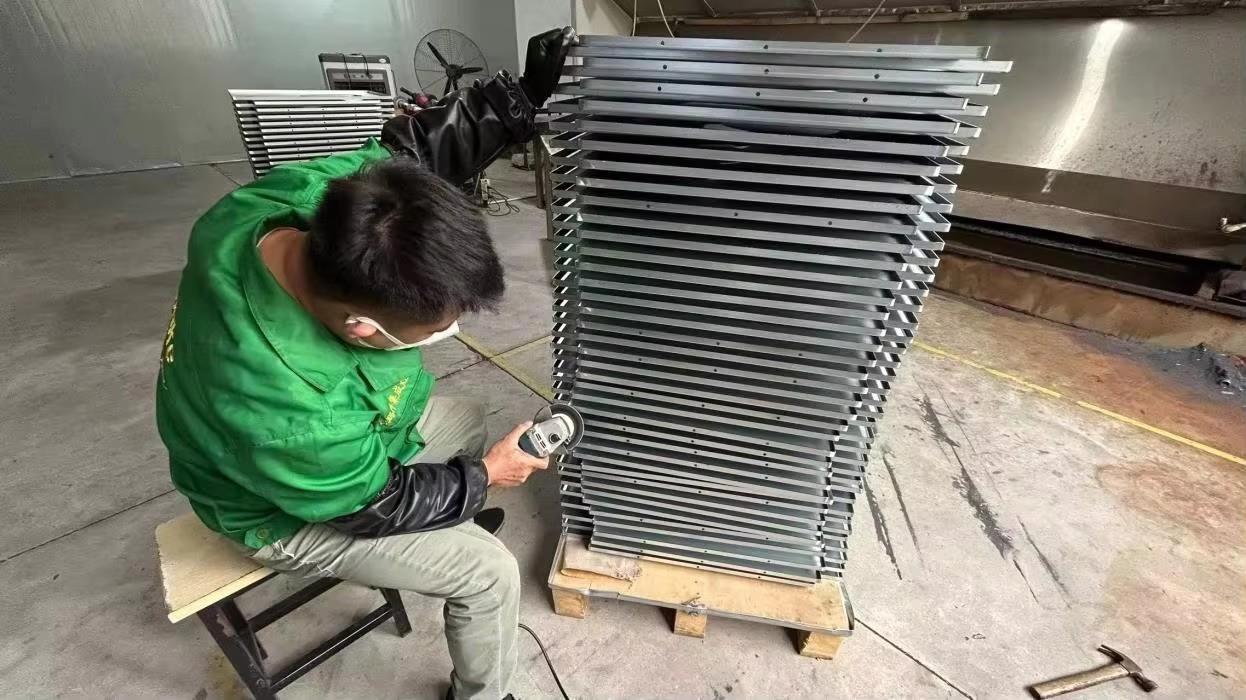
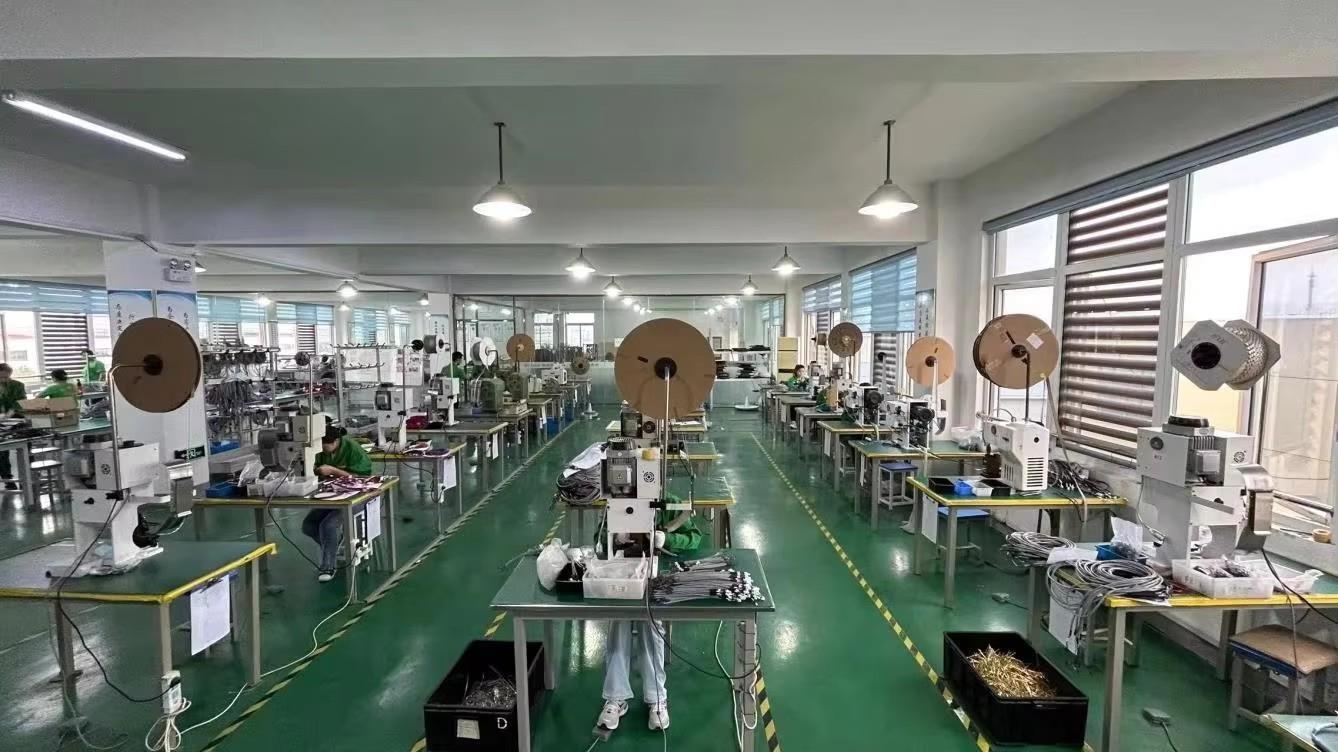
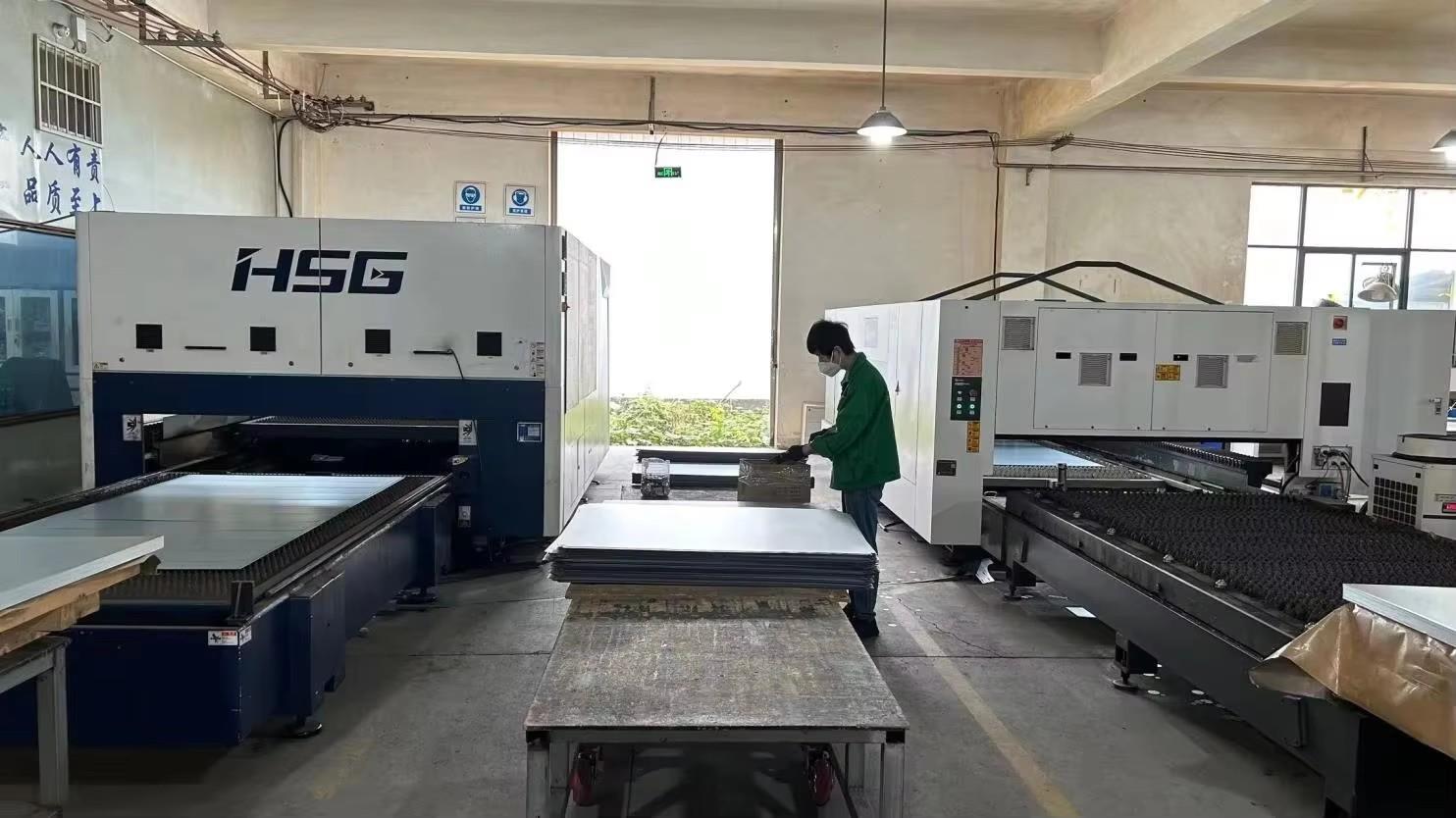
Qingdao Luzz Solar Co., Ltd. is a professional new energy enterprise specializing in the development, manufacturing, and global distribution of photovoltaic (PV) products and integrated energy storage solutions. Located in Qingdao, China, the company benefits from a well-established renewable energy industrial base and advanced manufacturing capabilities.
With the accelerating global transition toward carbon neutrality and sustainable development, Luzz Solar is committed to providing efficient, reliable, and cost-effective clean energy solutions to customers worldwide. Our product portfolio includes high-efficiency solar photovoltaic modules, energy storage systems, and integrated solar application solutions designed for residential, commercial, and utility-scale projects.
Driven by technological innovation and quality excellence, the company continuously invests in R&D and production optimization to improve product performance, energy conversion efficiency, and system reliability. We strictly adhere to international quality standards and implement rigorous quality control throughout the entire production process to ensure stable and long-term product performance.
Qingdao Luzz Solar actively expands its global market presence, with business coverage across Asia, Europe, the Middle East, Africa, and Latin America. By working closely with international partners, we are committed to delivering tailored energy solutions that meet diverse regional needs and support the global energy transition.
Guided by the core values of integrity, innovation, cooperation, and sustainability, Luzz Solar strives to become a trusted global partner in the new energy industry. We are dedicated to advancing solar technology and contributing to a greener, more sustainable future.
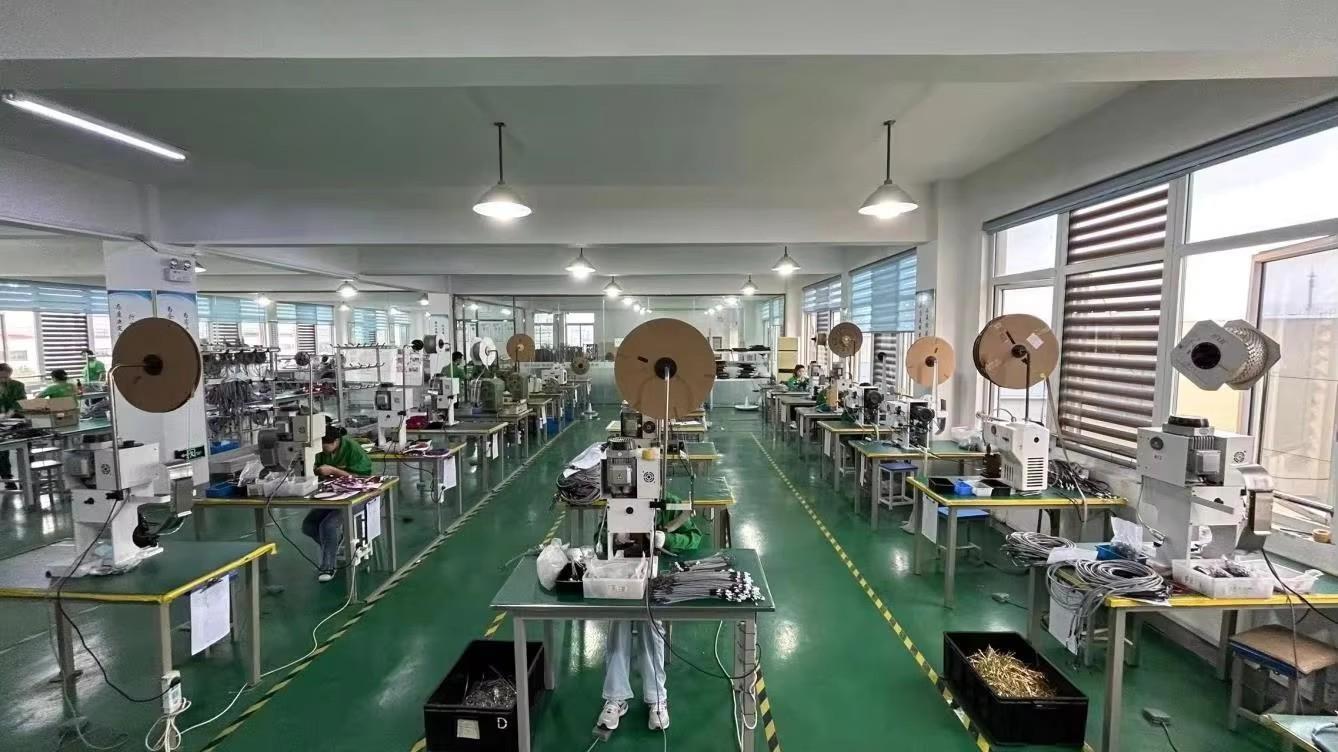
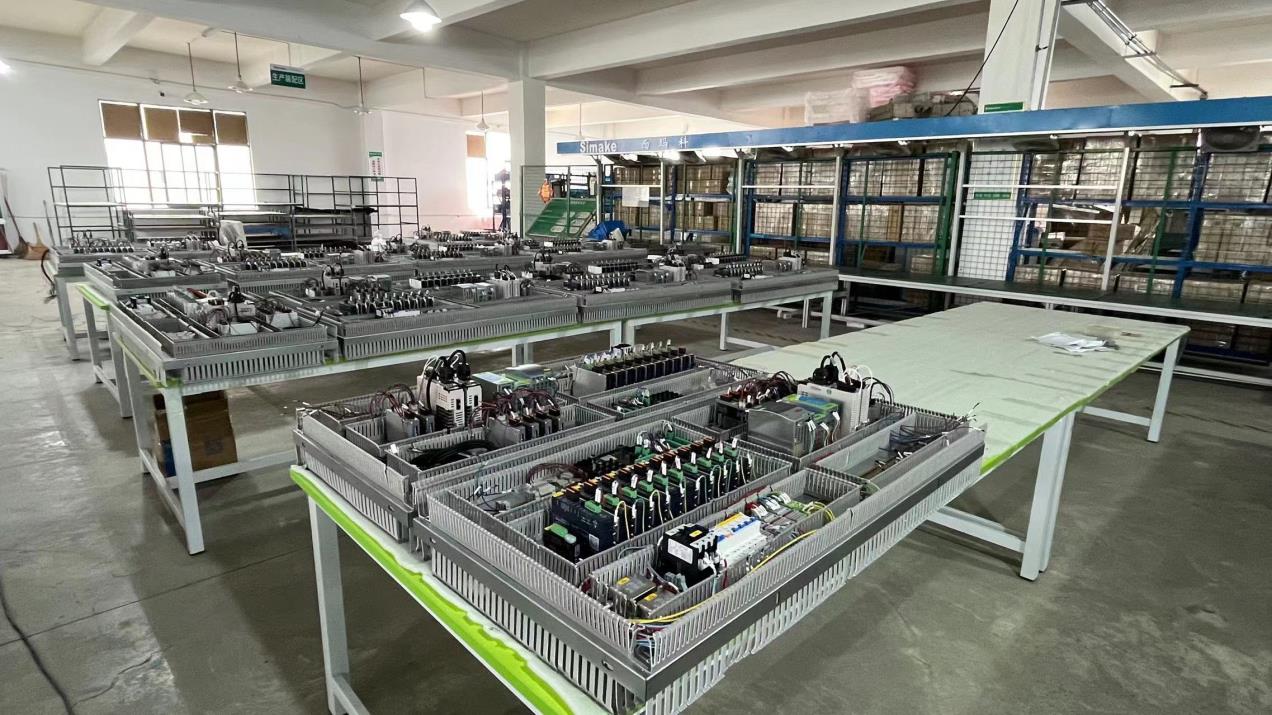
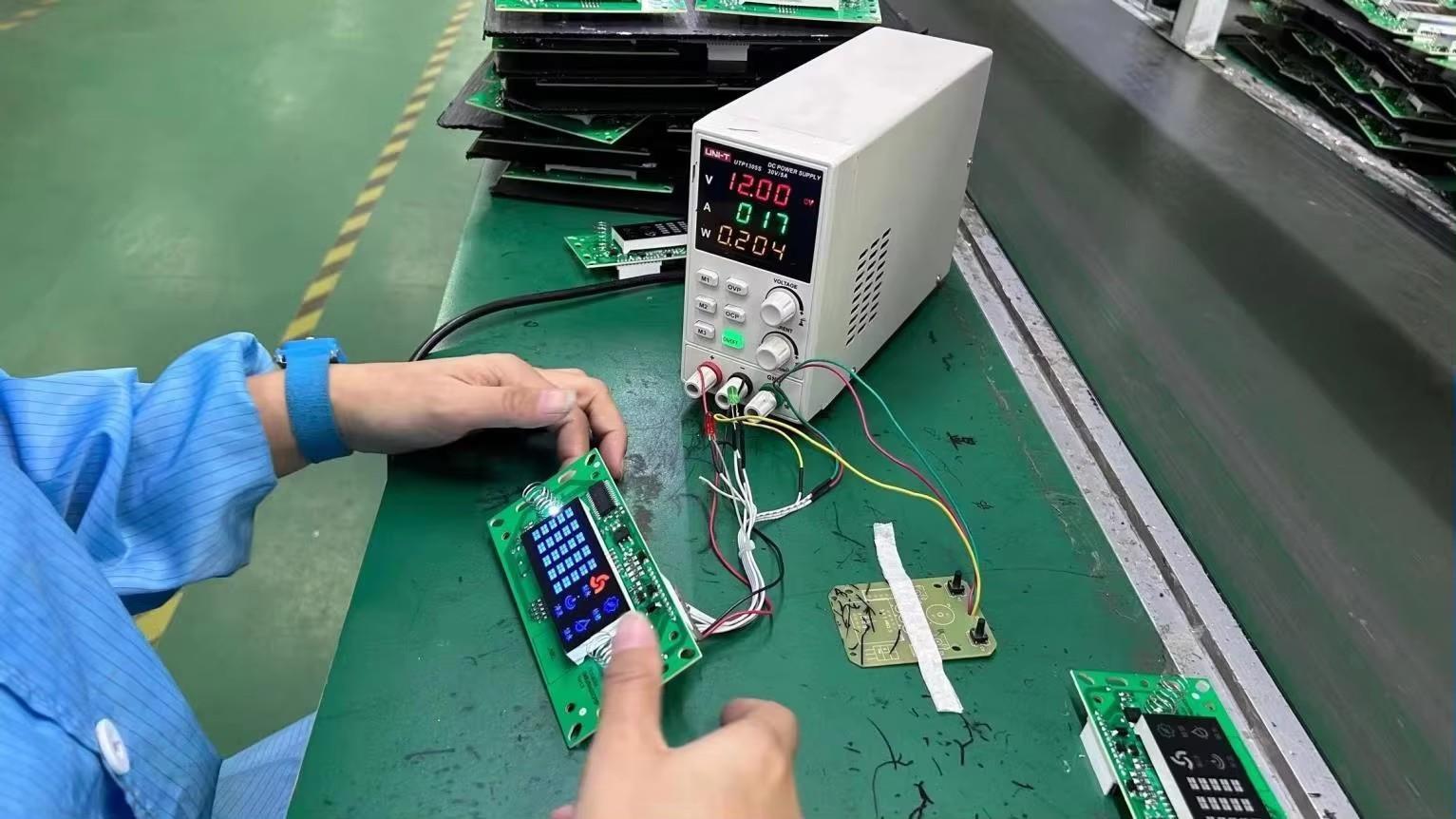
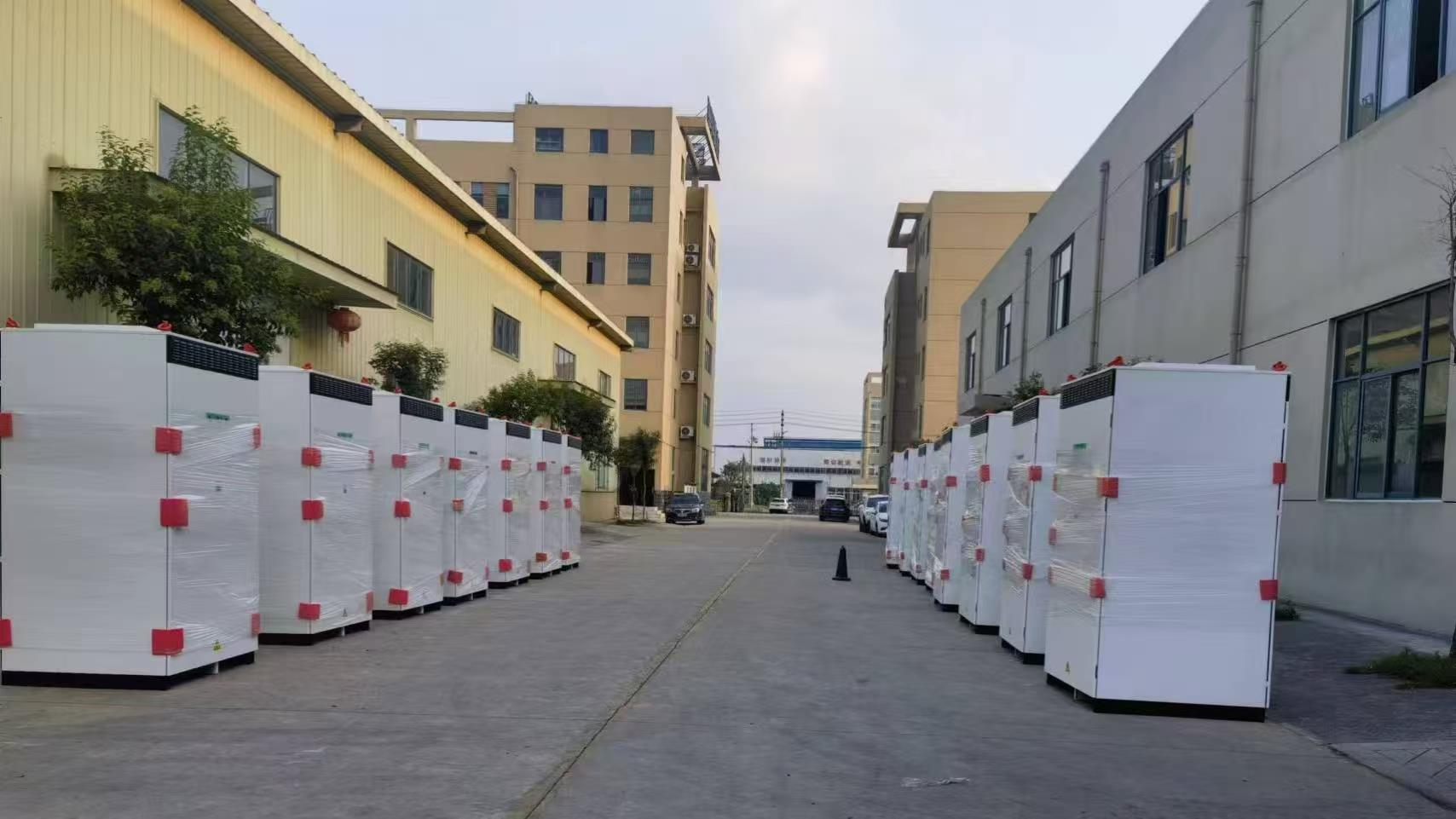
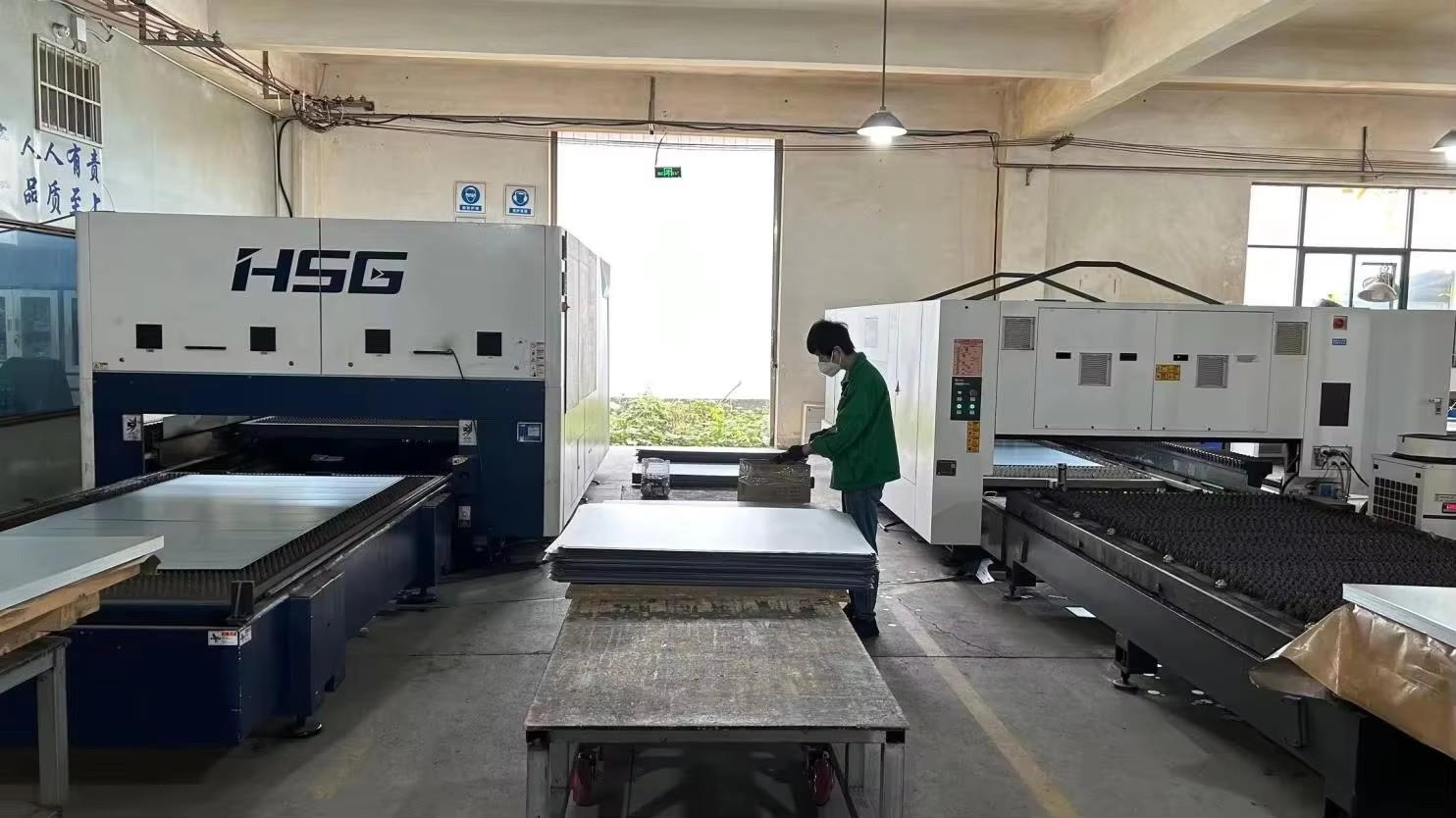
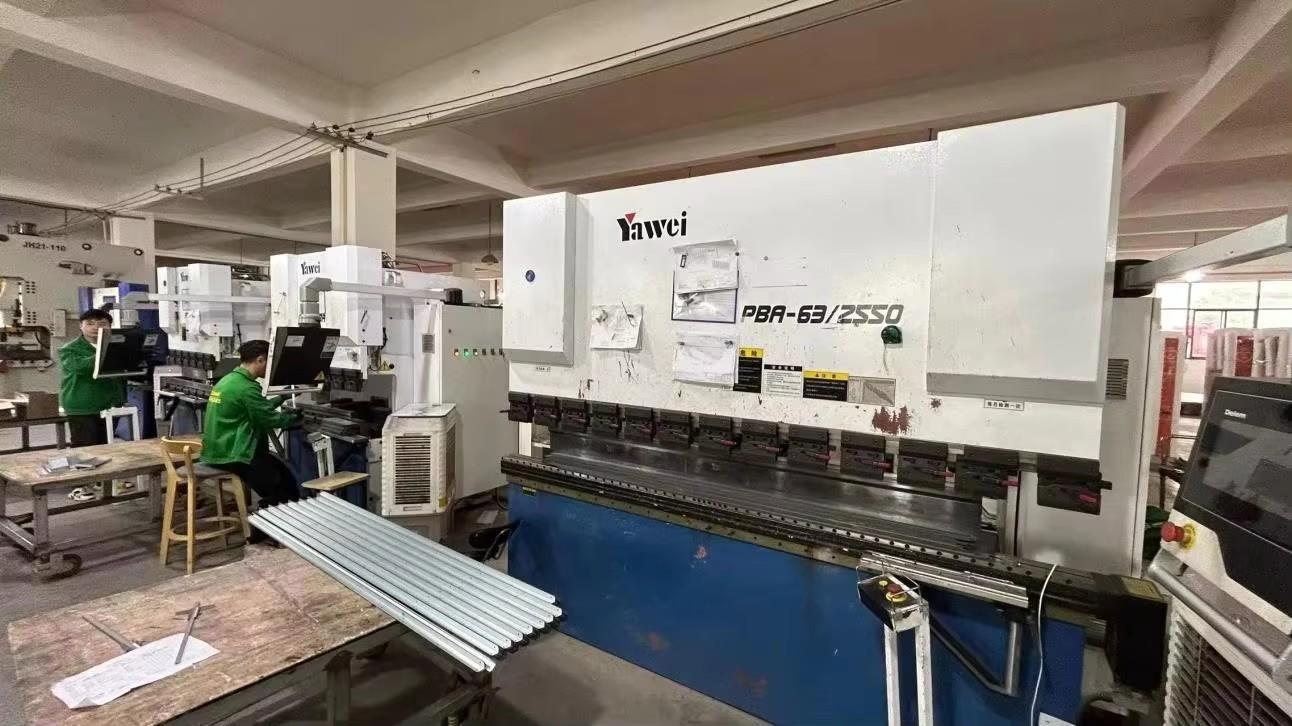
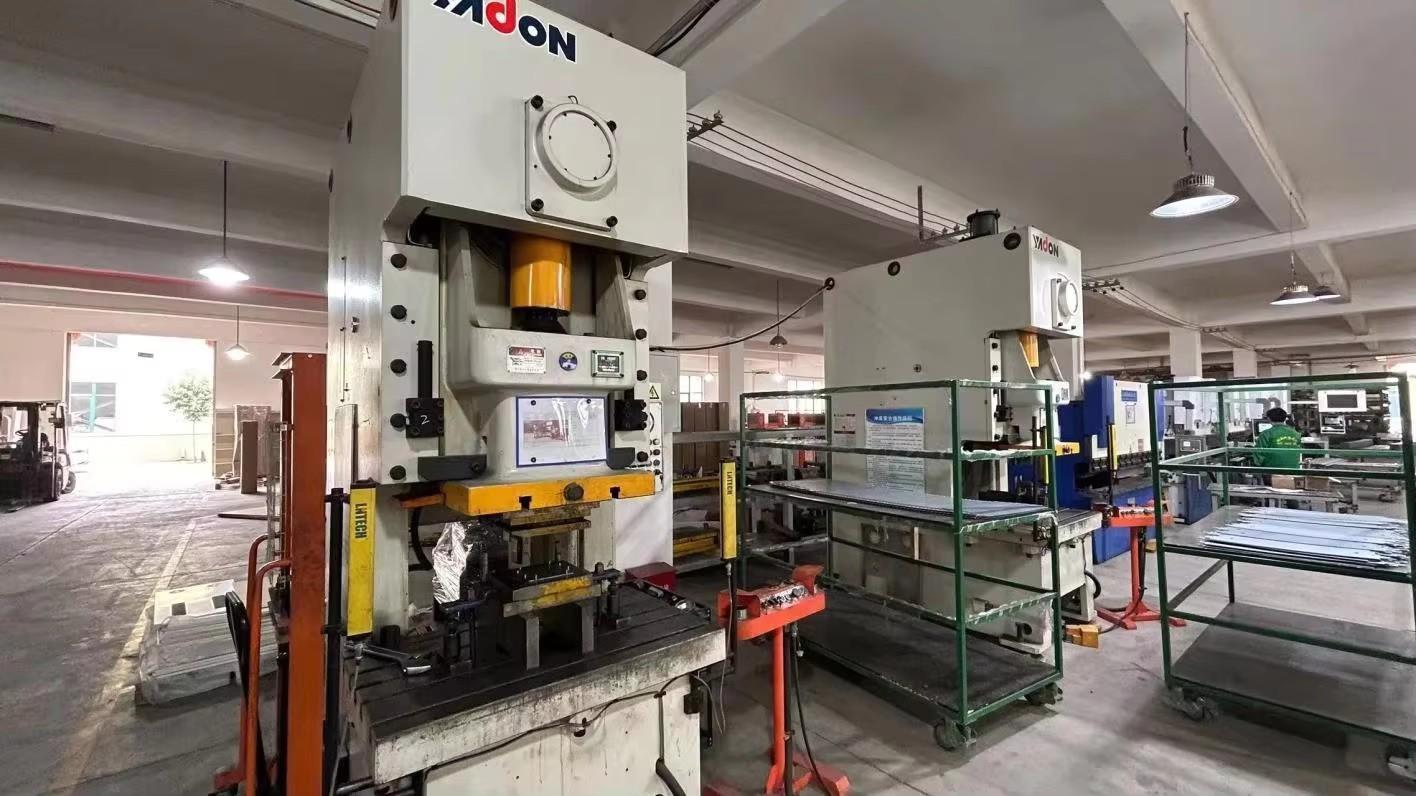
Procuring battery energy storage systems for commercial applications in Egypt requires strict compliance with domestic and international safety standards. The National Telecommunications Regulatory Authority (NTRA) of Egypt, along with the General Organization for Export and Import Control (GOEIC), enforce strict inspection procedures on incoming lithium battery cells and modular systems.
Our entire lineup of rack-mounted and containerized LiFePO4 solutions complies with leading international certification frameworks, ensuring smooth customs clearance at major Egyptian ports such as Alexandria, Port Said, and Damietta:
By partnering with local engineering, procurement, and construction (EPC) contractors in Cairo and Giza, we offer complete localized engineering support. This includes customized sizing calculations, commissioning support, and comprehensive troubleshooting resources. Our goal is to minimize project design cycles and ensure that your system achieves peak performance under demanding hot desert conditions.
Explore our comprehensive portfolio of smart LFP systems designed for flexible wall, stack, and 19-inch cabinet configurations.
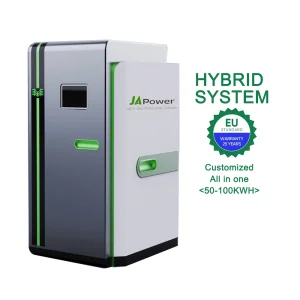
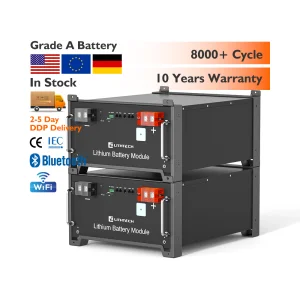
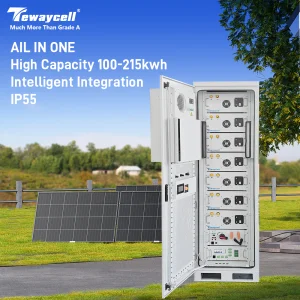
Technical guidance regarding deployment, thermal performance, import compliance, and lifecycle costs under local Egyptian grid environments.
Partner with Qingdao Luzz Solar to deploy resilient, high-performance rack-mounted energy storage solutions custom-configured for Egypt's climate and grid requirements. Get in touch with our design engineers today for detailed proposals, specifications, and wholesale pricing structures.
Send Inquiry Now Luzz Solar