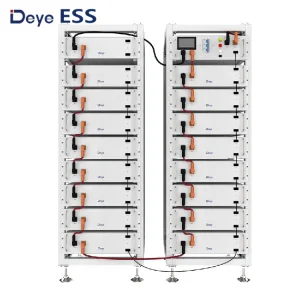
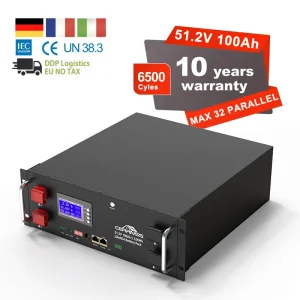
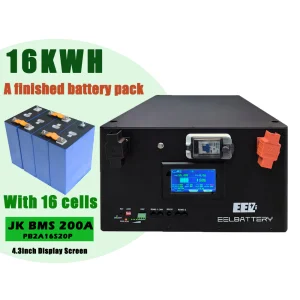
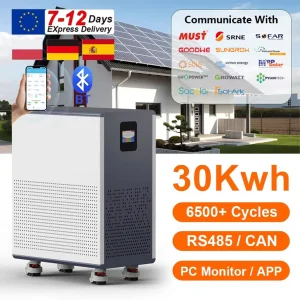
Engineered for seamless integration, high cyclic redundancy, and METI compliance for Japanese smart grids.
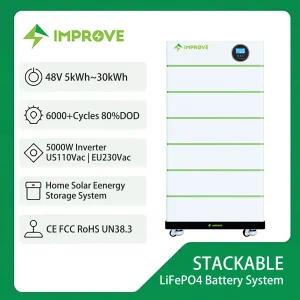
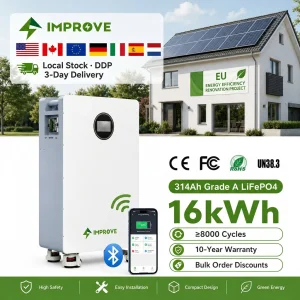
A Comprehensive Study on Rack-Mounted Energy Storage Integration for Japanese & Global Megawatt-Scale Grids
Nagoya, the capital of Aichi Prefecture, serves as the central hub of Japan's automotive, aerospace, and precision machinery industries. Host to major global supply chains, the Tokai region is experiencing a critical shift in how industrial facilities consume electricity. With Japan's ambitious Net Zero 2050 mandate and the rising frequency of grid instability caused by extreme weather, industrial operators in Nagoya are prioritizing resilience and localization in energy storage technology.
The Chubu Electric Power Grid operates under strict criteria to prevent voltage sags that can stop automated assembly lines. Integrating high-capacity rack-mounted energy storage battery packs into commercial and industrial (C&I) setups plays a double role: stabilizing the local grid infrastructure and maximizing the utilization of on-site solar PV installations. By deploying customized 19-inch cabinet structures, local manufacturing facilities can shift peak loads, participate in regional demand response programs, and maintain operations during unexpected power failures.
International EPC contractors, telecommunication operators, and grid developers look for key features when sourcing server rack batteries:
The core of our rack-mounted energy storage systems relies on Lithium Iron Phosphate (LiFePO4) chemistry. LFP is selected for its superior chemical stability, lower toxicity, and longer cycle life compared to nickel-rich chemistries (NMC). Our standard 19-inch racks utilize either 16S (51.2V) or high-voltage multi-series string architectures.
Our current technical roadmap focuses on solid-state battery research and active cell balancing technology. Conventional passive balancing expels excess energy as heat via resistors, whereas active balancing transfers charge between cells. This minimizes mismatch losses, extends system life by up to 15%, and ensures optimal capacity utilization across the entire battery string.
Deploying energy storage systems in Japan requires compliance with strict safety frameworks. Our Nagoya-targeted products meet Japan’s Electrical Appliance and Material Safety Law (METI / PSE guidelines) and relevant JIS C 8715-2 industrial safety standards. These tests confirm the mechanical integrity, thermal durability, and electrical protection of our products under fault conditions, helping installers secure local permits and grid-connection approvals.
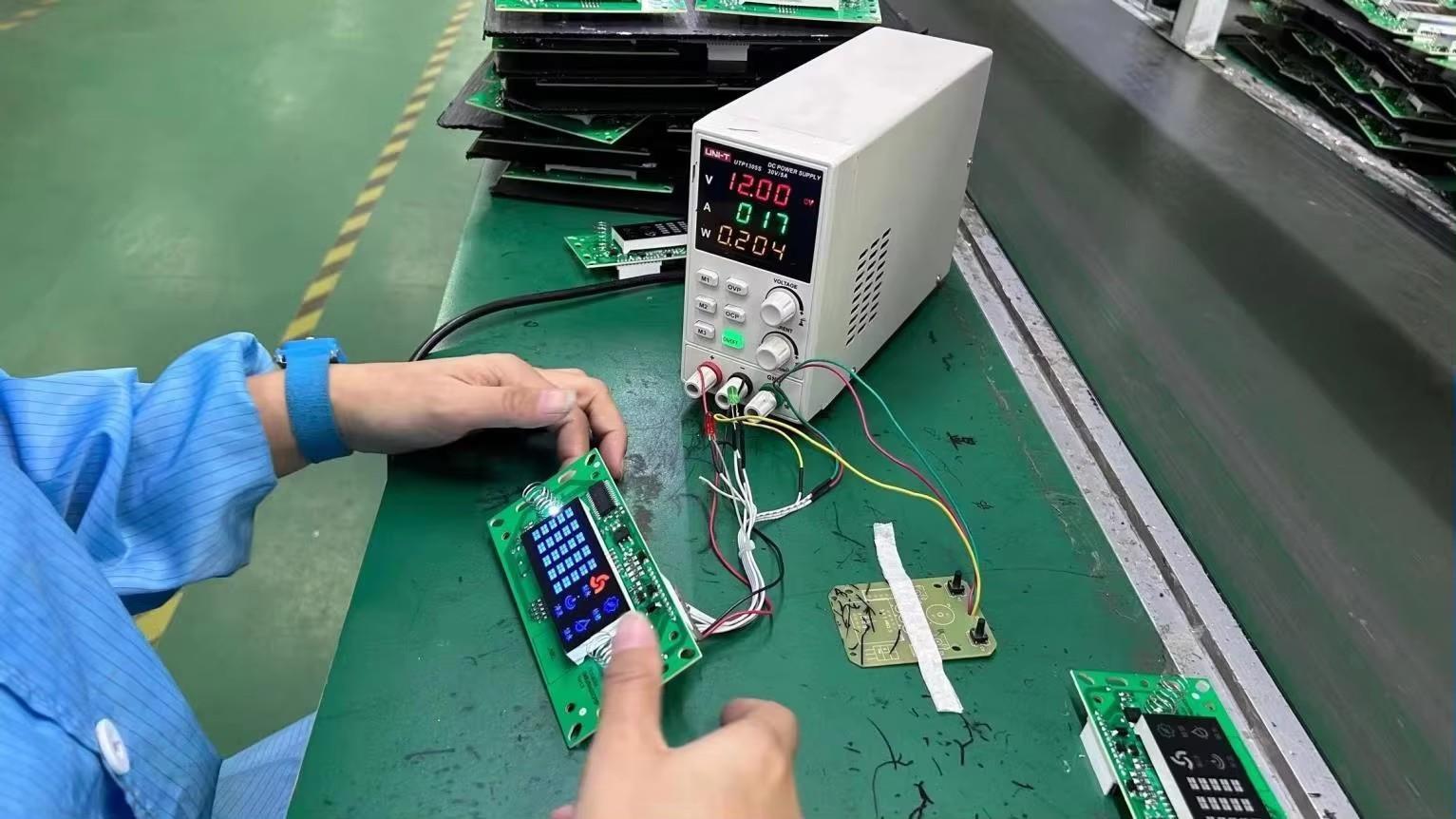
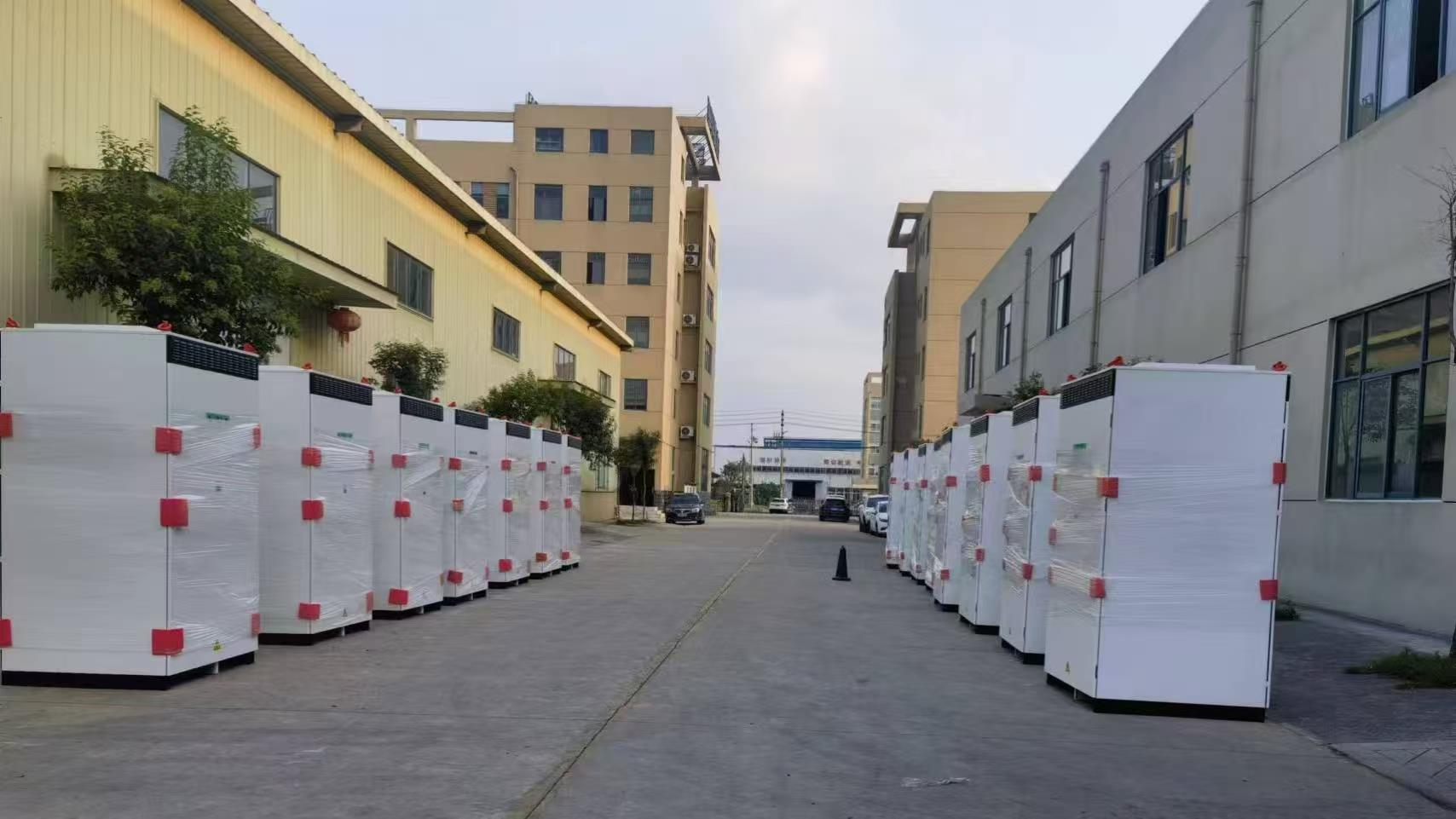
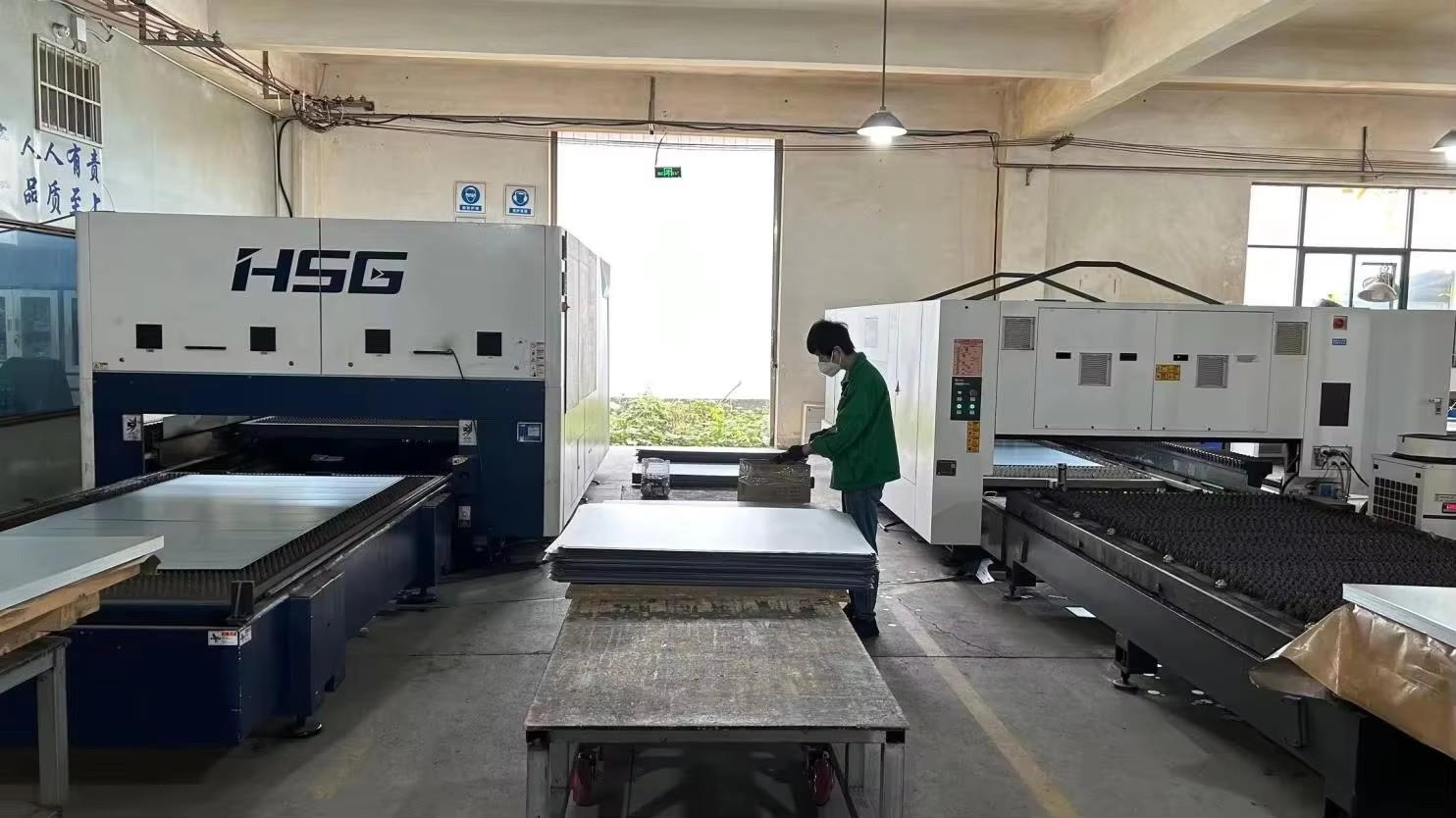
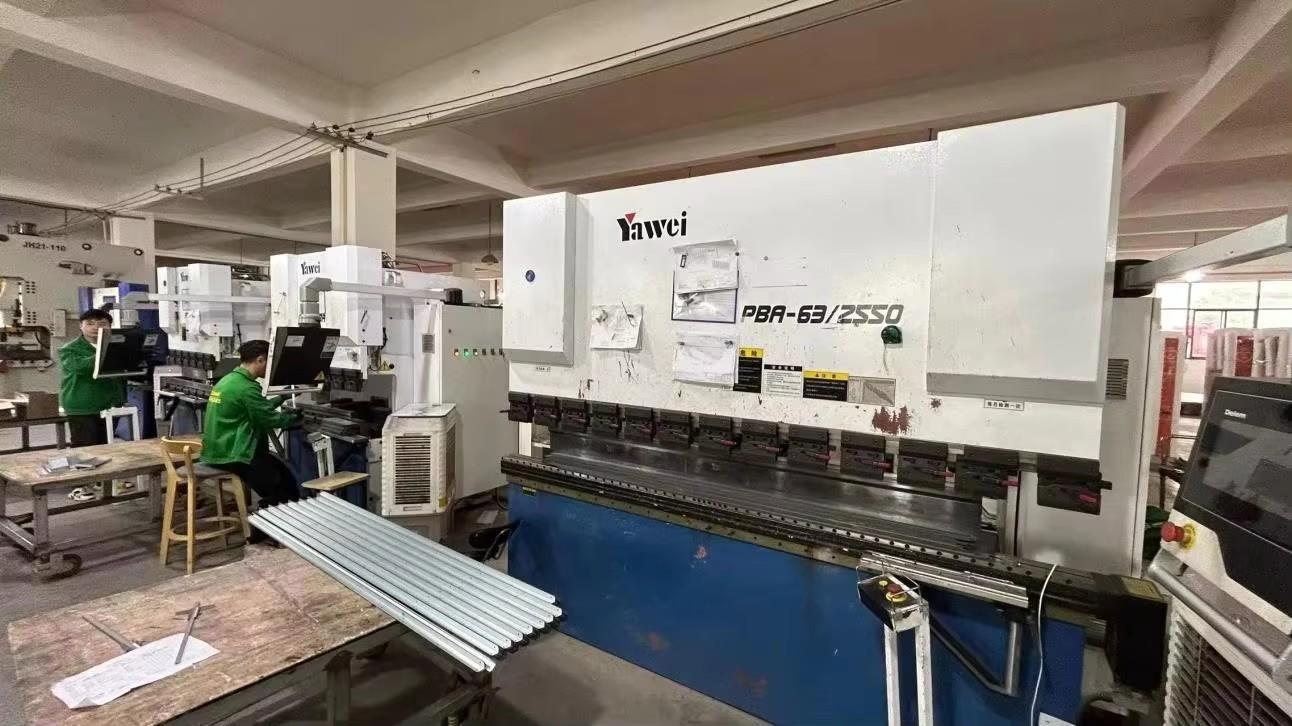
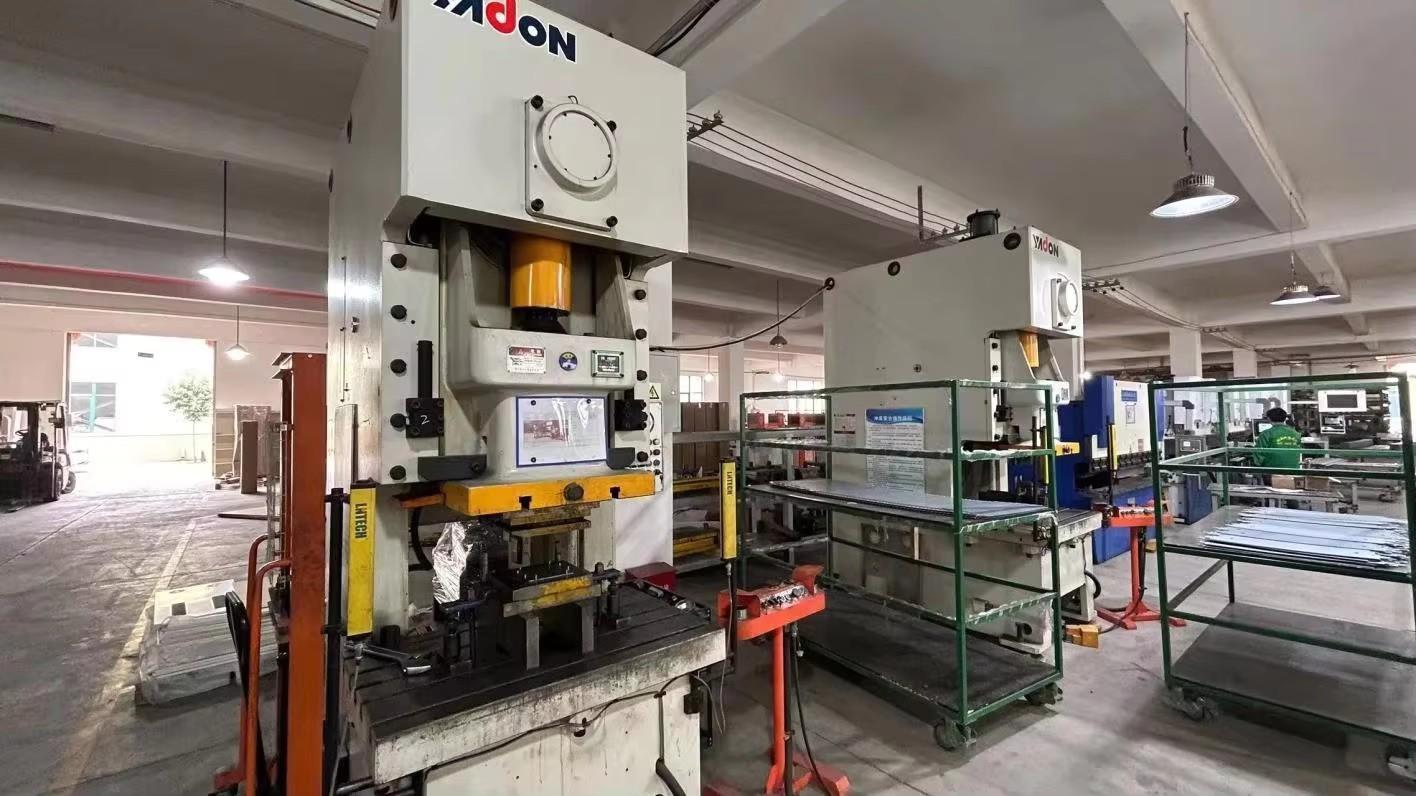
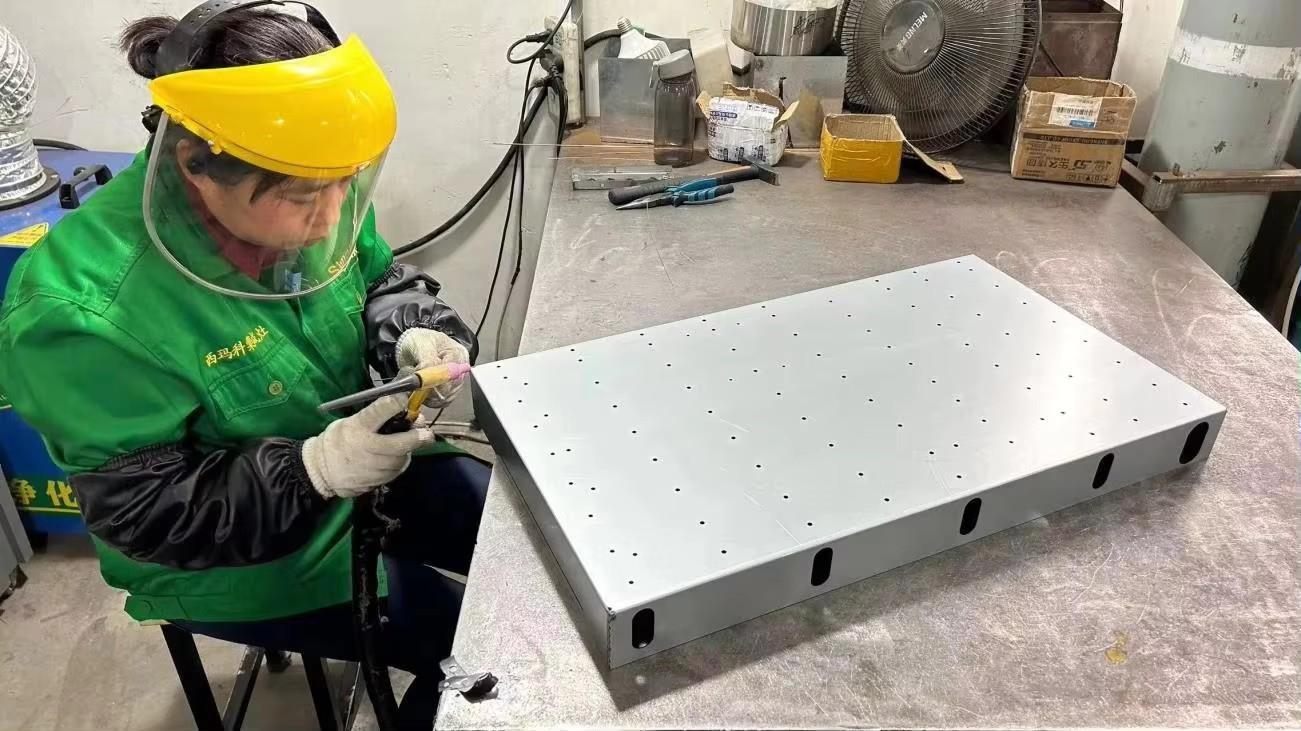
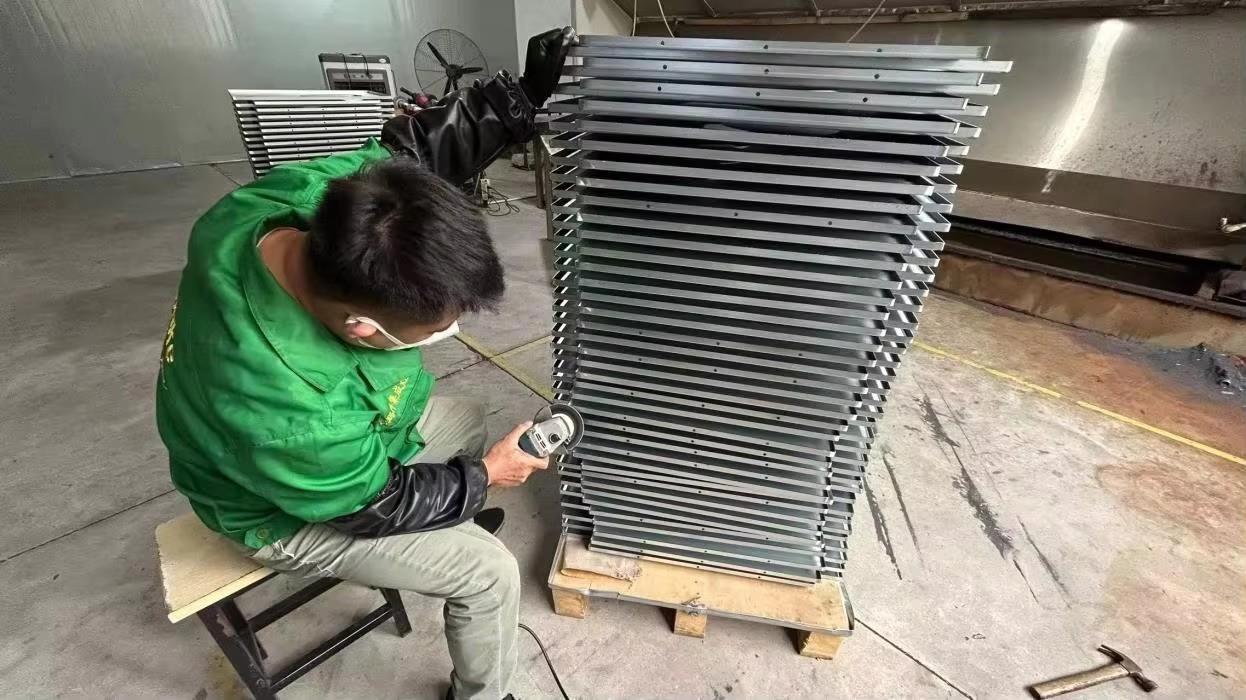
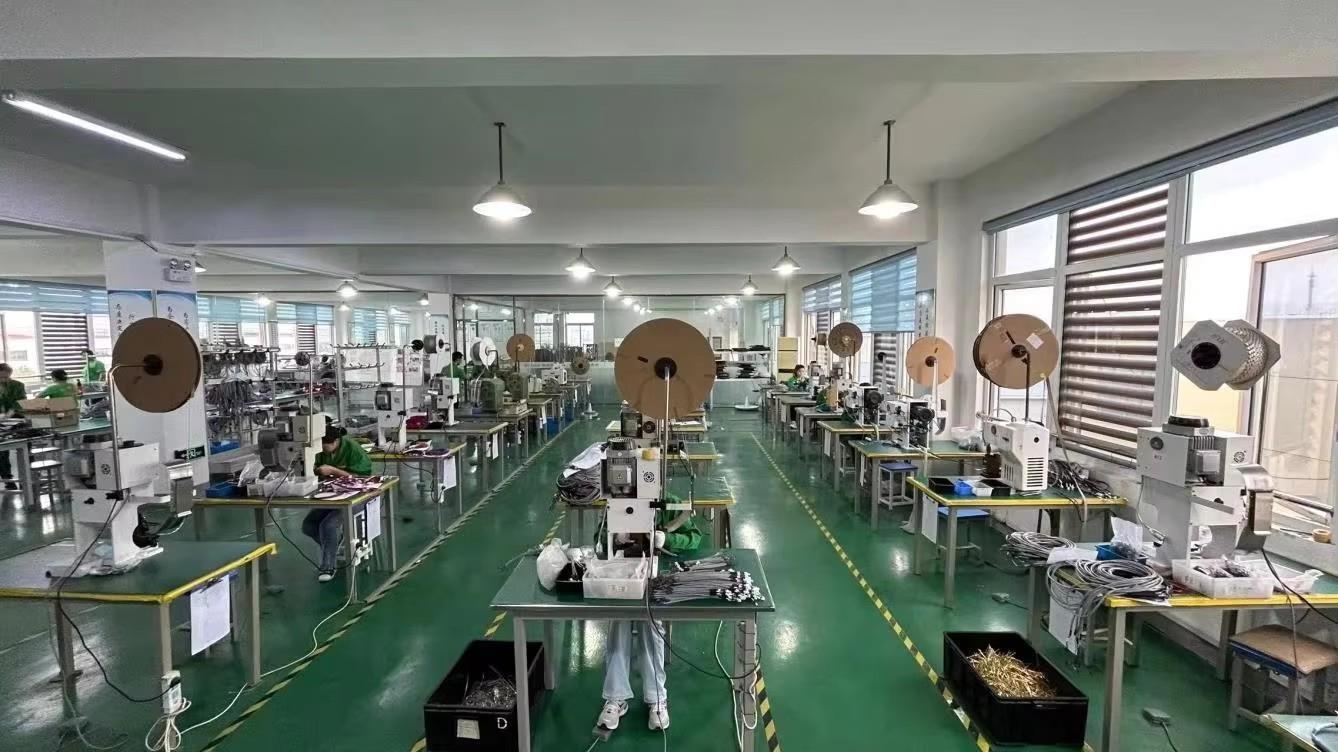
Qingdao Luzz Solar Co., Ltd. is a professional new energy enterprise specializing in the development, manufacturing, and global distribution of photovoltaic (PV) products and integrated energy storage solutions. Our modern production lines feature automated assembly and precise testing equipment to ensure reliability for our partners in Japan, Germany, the Americas, and global markets.
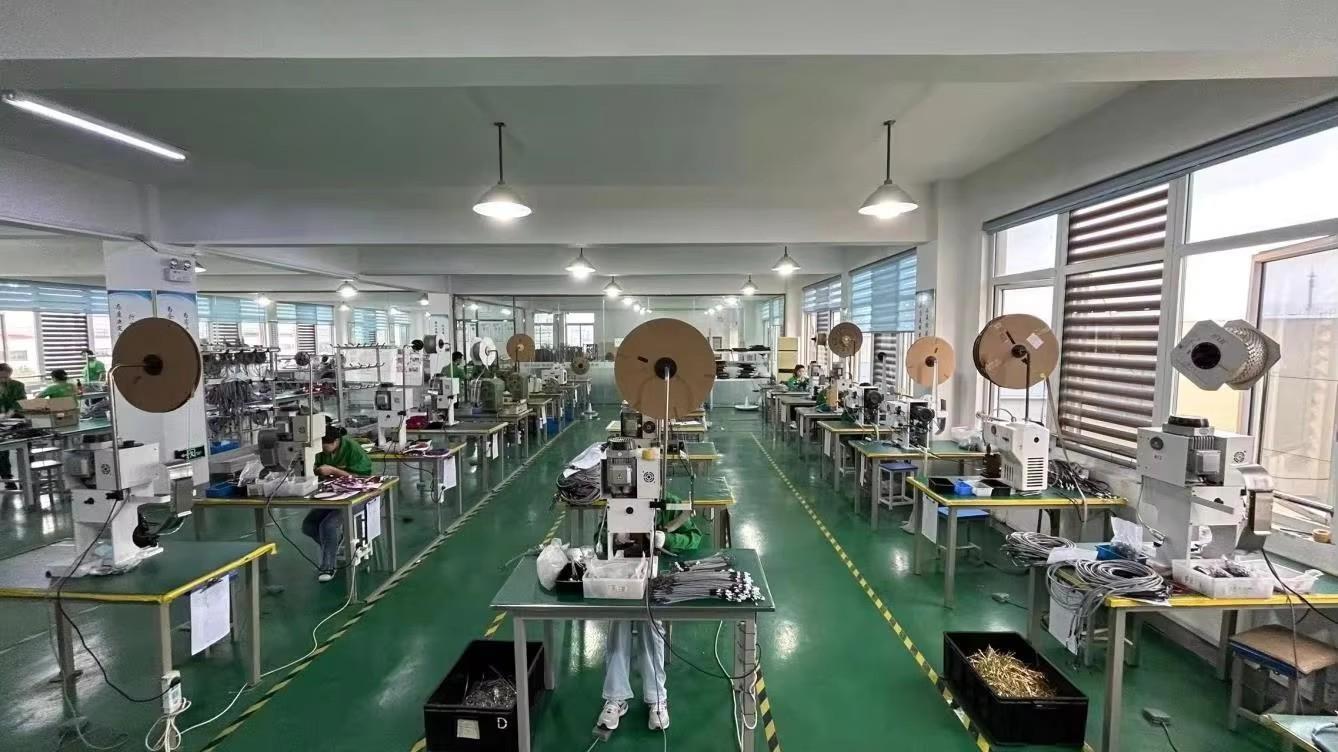
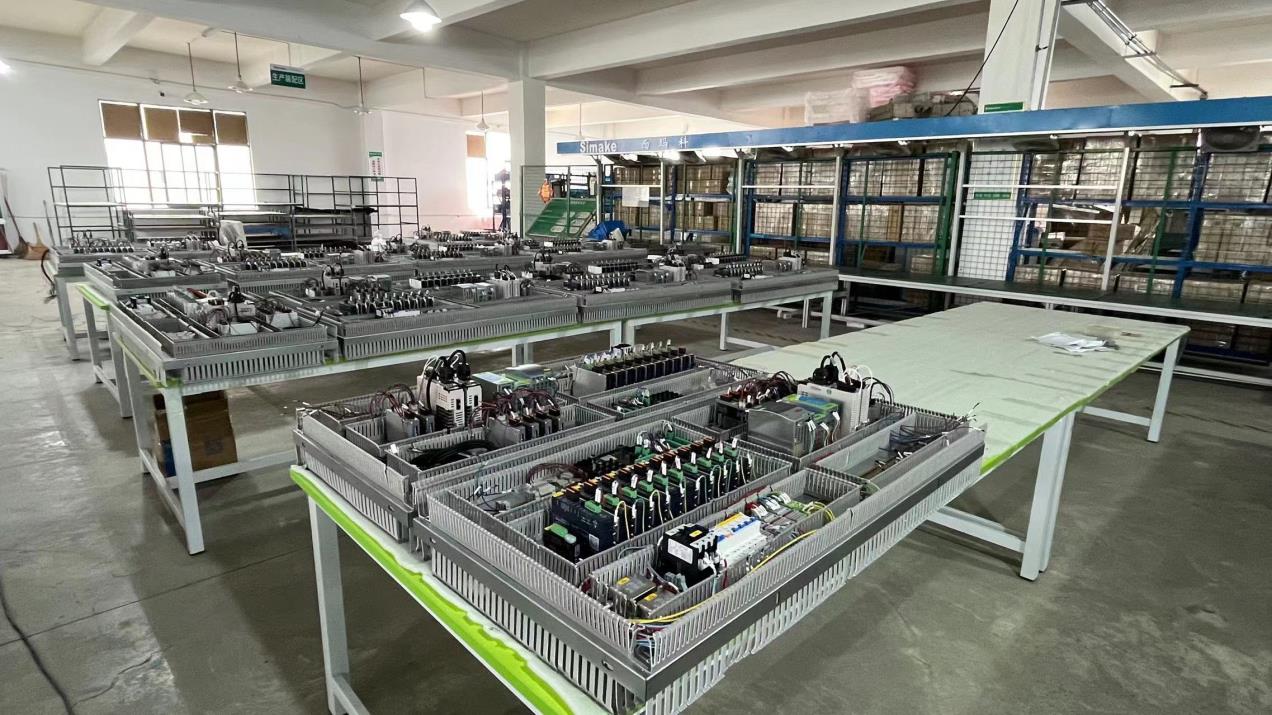
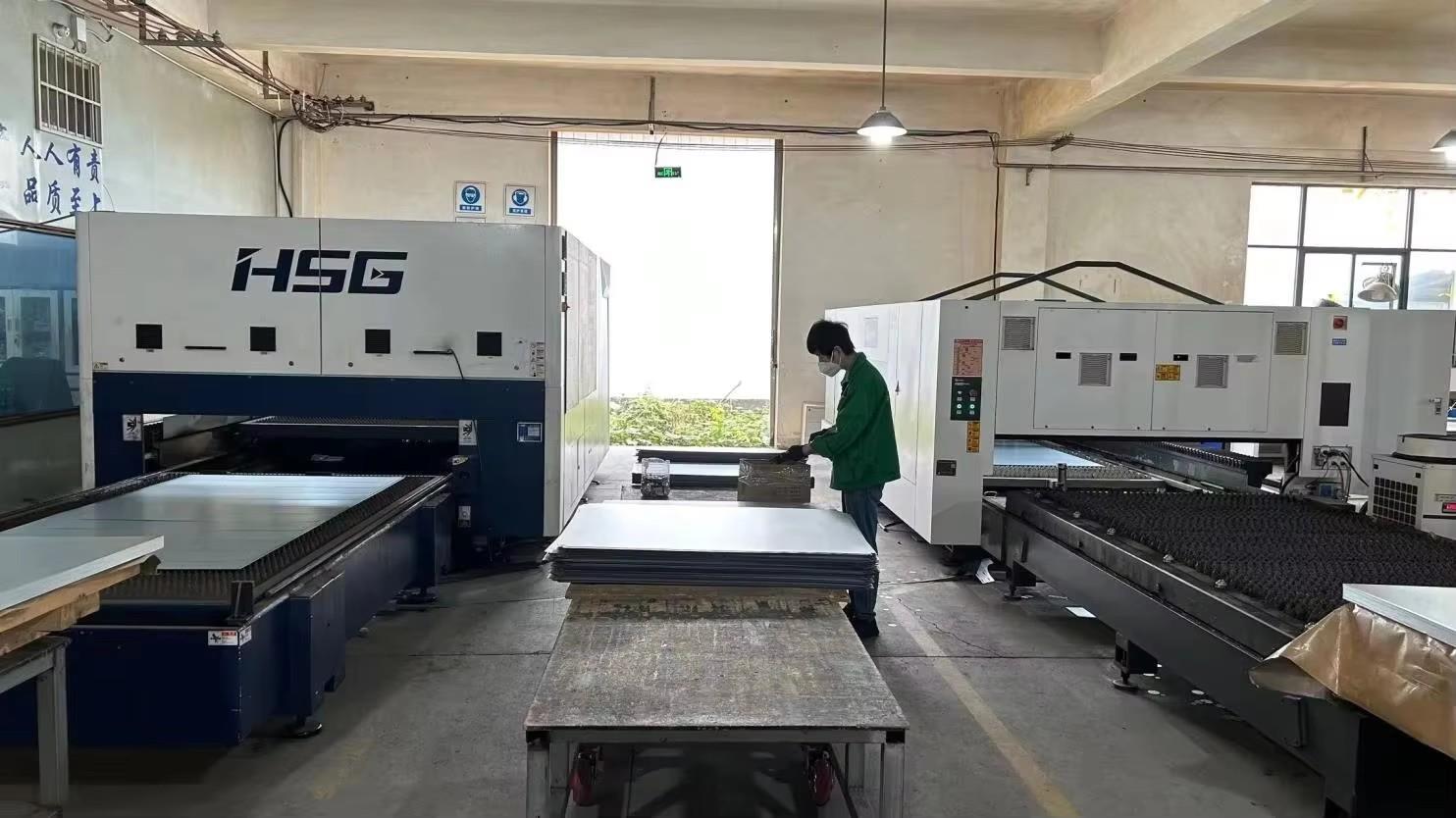
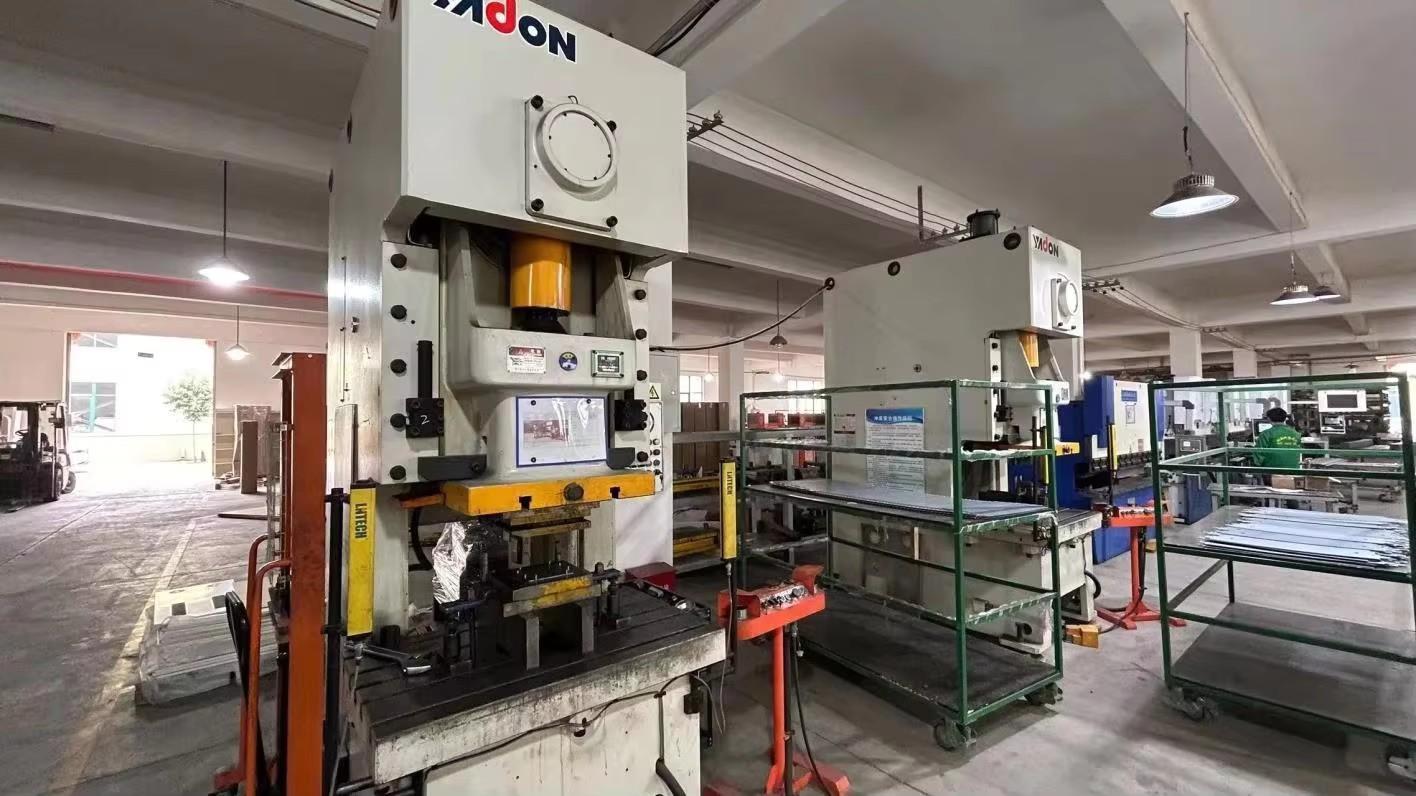
Compatible with international grids and ready for fast deployment from global hubs.
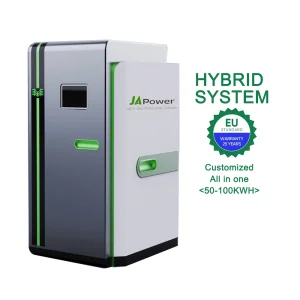
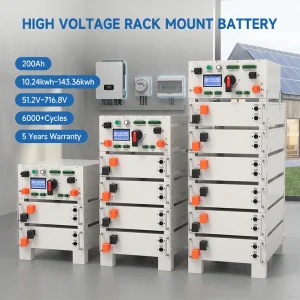
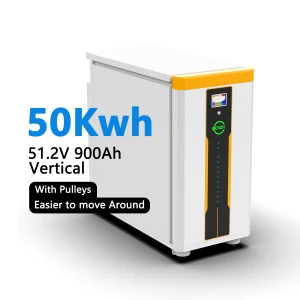
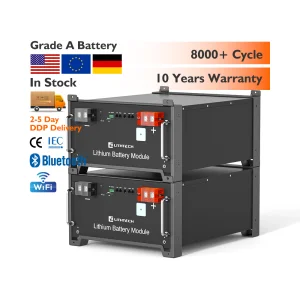
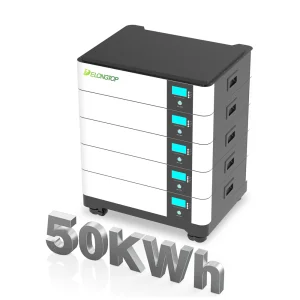
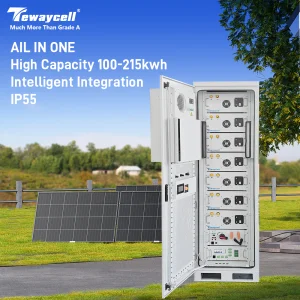
In-depth responses detailing core structural safety, thermal behaviors, and standard compliance guidelines for Japanese grid interfaces.
 Luzz Solar