Engineered to meet the stringent technical thresholds of the Israel Electric Corporation (IEC) and regional microgrid operators.
An authoritative analysis of renewable expansion, grid challenges, and the imperative role of energy storage in Israel's energy security framework.
Israel is undergoing an unprecedented energy transition. According to the strategic masterplan set by the Israeli Ministry of Energy and the Electricity Authority, the nation aims to generate 30% of its electricity from renewable sources by 2030, dominated almost entirely by solar Photovoltaic (PV) technology. With the decommissioning of coal-fired units at Orot Rabin and Rutenberg, decentralized solar arrays coupled with utility-scale Battery Energy Storage Systems (BESS) are transitioning from peak-shaving units to the primary backbone of the national grid.
Unlike continental European nations, Israel functions as an "energy island". The lack of high-capacity cross-border electrical interconnections with neighboring grids means the Israel Electric Corporation (IEC) must maintain absolute grid stability internally. High solar penetration introduces significant volatility, characterized by the classic "duck curve" where mid-day solar overproduction is followed by sharp evening demand spikes. Consequently, the deployment of stable, long-cycle lithium iron phosphate (LiFePO4) energy storage is no longer optional—it is a regulatory and operational imperative.
The Levant region presents extreme environmental challenges for battery operation. In areas like the Negev Desert, the Jordan Valley, and the Arava region, ambient summer temperatures routinely exceed 45°C. For conventional lithium-ion chemistries such as Nickel Manganese Cobalt (NMC), these elevated operational temperatures accelerate capacity degradation and elevate the risk of thermal runaway.
LiFePO4 (LFP) chemistry stands out as the optimal technology for Israeli deployment due to its superior thermal and chemical stability. The olivine crystal structure of LFP features robust P-O covalent bonds that resist decomposition at much higher temperatures than the metal-oxide bonds in NMC. LFP cells can safely operate in ambient environments up to 60°C without triggering thermal runaway, making them exceptionally reliable under Israel's intense climatic conditions. When configured with active liquid cooling or advanced HVAC enclosure units, our battery packs deliver stable capacities with minimal thermal degradation.
Understanding the engineering tradeoffs to specify the ideal battery architecture for residential, industrial, and utility projects.
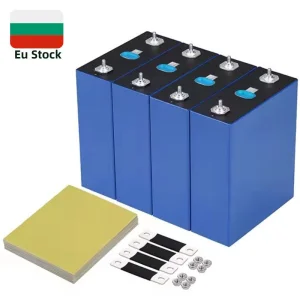
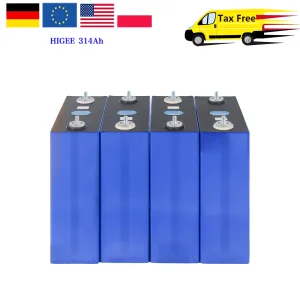
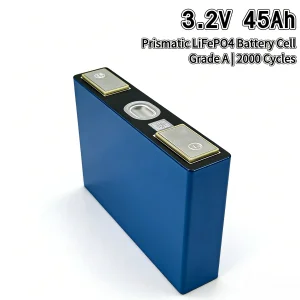
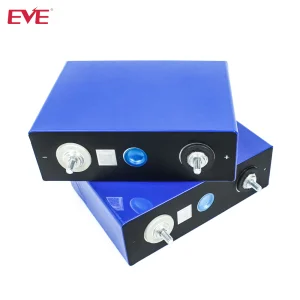
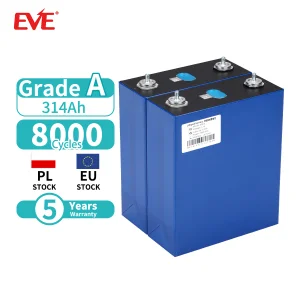
For large-scale applications—such as C&I peak-shaving, virtual power plants (VPPs), and agricultural solar installations—large-format prismatic cells (such as 280Ah and 314Ah variants) are the industry standard. Prismatic cells offer superior volumetric efficiency, high structural integrity, and simplified battery management system (BMS) configurations due to the lower total cell count per pack. Our Grade-A prismatic LFP cells utilize advanced lamination technology, offering lower internal resistance (≤0.25mΩ) and exceptional thermal dissipation paths, ensuring a cycle life exceeding 6,000 to 8,000 cycles at 80% Depth of Discharge (DOD).
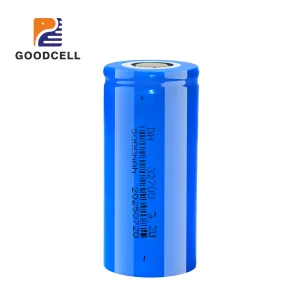
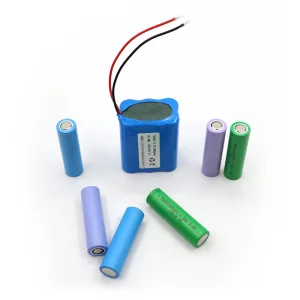
For decentralized municipal systems, off-grid street lighting, and rugged portable applications, cylindrical cells (such as 18650 and 32700 form factors) provide unrivaled structural strength. The individual steel casing of cylindrical cells acts as a pressure vessel, mitigating the risk of cell swelling. Furthermore, the spacing in cylindrical packs allows for natural convection, reducing the cooling load in warm environments. By utilizing semi-solid-state cylindrical chemistries, we achieve energy densities comparable to traditional cells while significantly enhancing mechanical impact resistance and reducing self-discharge rates.
Our integrated Battery Management Systems (BMS) are pre-engineered to support local utility standards. Features include active balancing (up to 2A balancing current), CANbus and RS485 communication protocols compatible with Tier-1 hybrid inverters (e.g., Deye, Solaredge, SMA, and Victron), and dynamic state-of-charge (SOC) calculations. The BMS supports MODBUS TCP/RTU interfaces to allow remote telemetry integration by Israeli Virtual Power Plant (VPP) aggregators, enabling real-time response to frequency stabilization events on the national transmission grid.
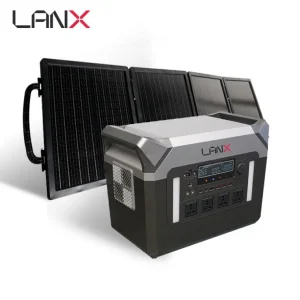
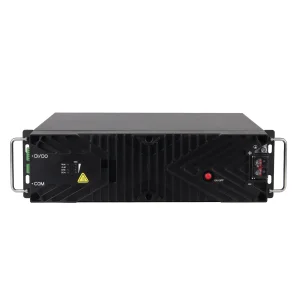
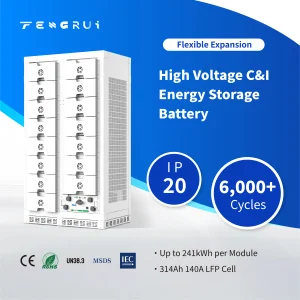
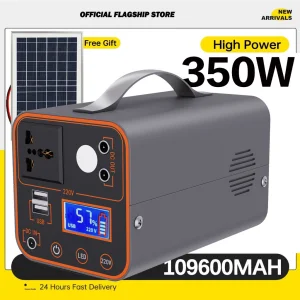
High-voltage racks, portable backup units, and high-capacity commercial power packs configured for local requirements.
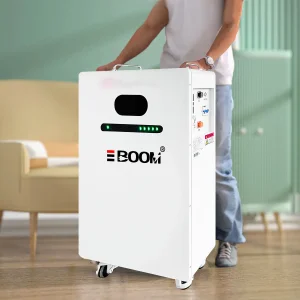
Qingdao Luzz Solar Co., Ltd. — Delivering tier-1 energy storage systems, advanced module designs, and complete global compliance.
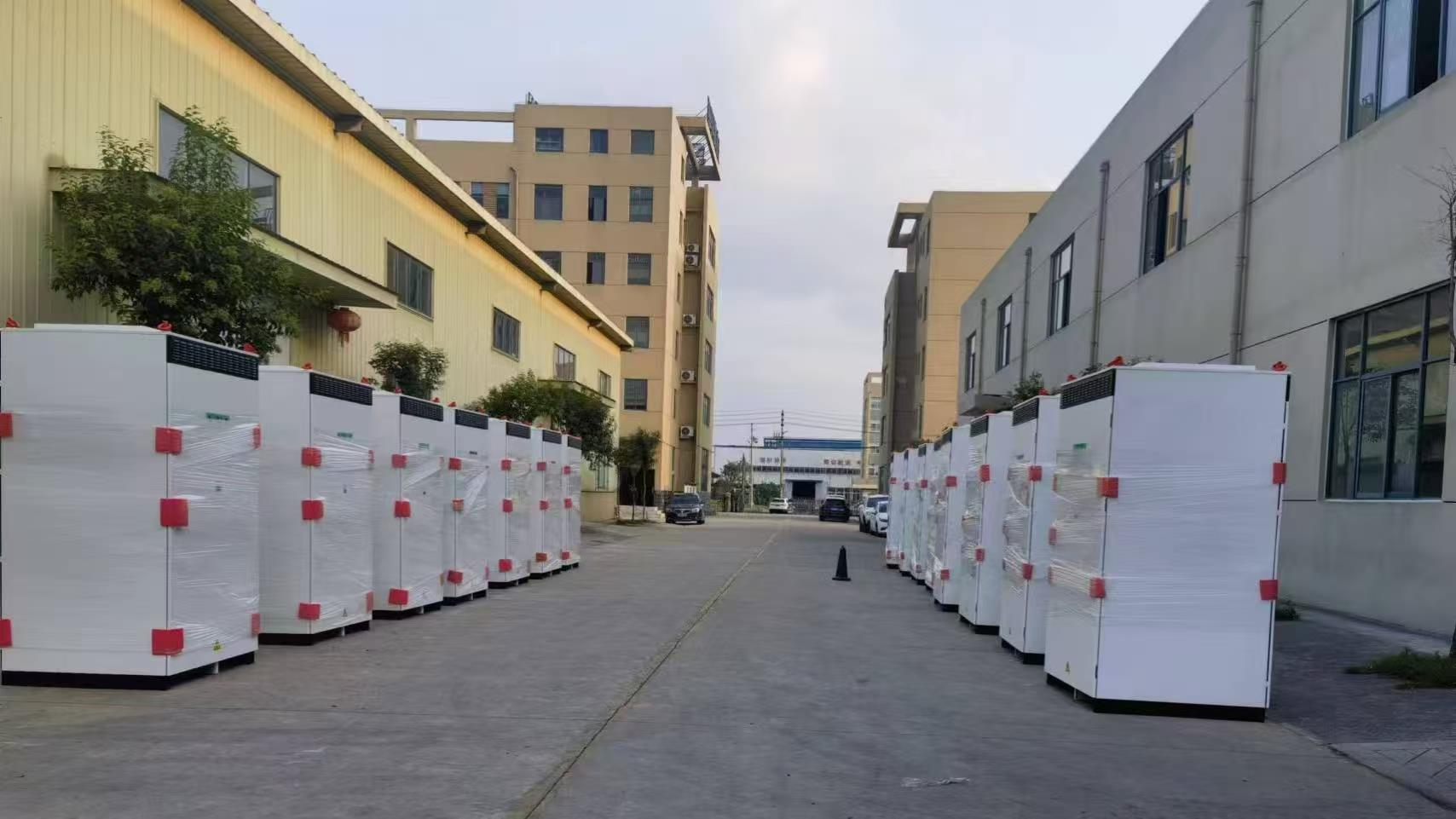
Qingdao Luzz Solar Co., Ltd. is a leading new energy enterprise specializing in the development, manufacturing, and global distribution of high-efficiency photovoltaic (PV) modules and integrated lithium energy storage solutions. Strategically situated in Qingdao, China, the company leverages a robust local industrial supply chain and world-class logistics connections through the Qingdao deep-water port, facilitating rapid shipping and distribution to major international ports, including Ashdod, Haifa, and Eilat.
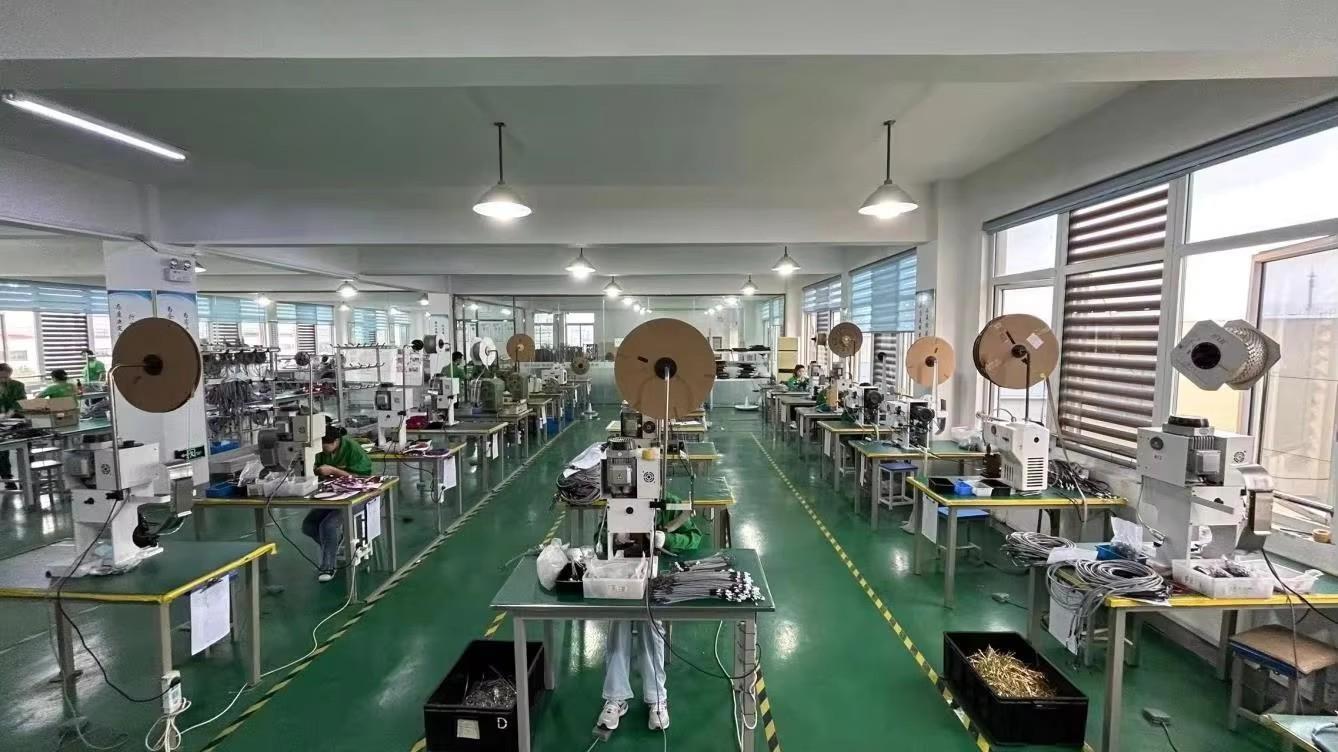
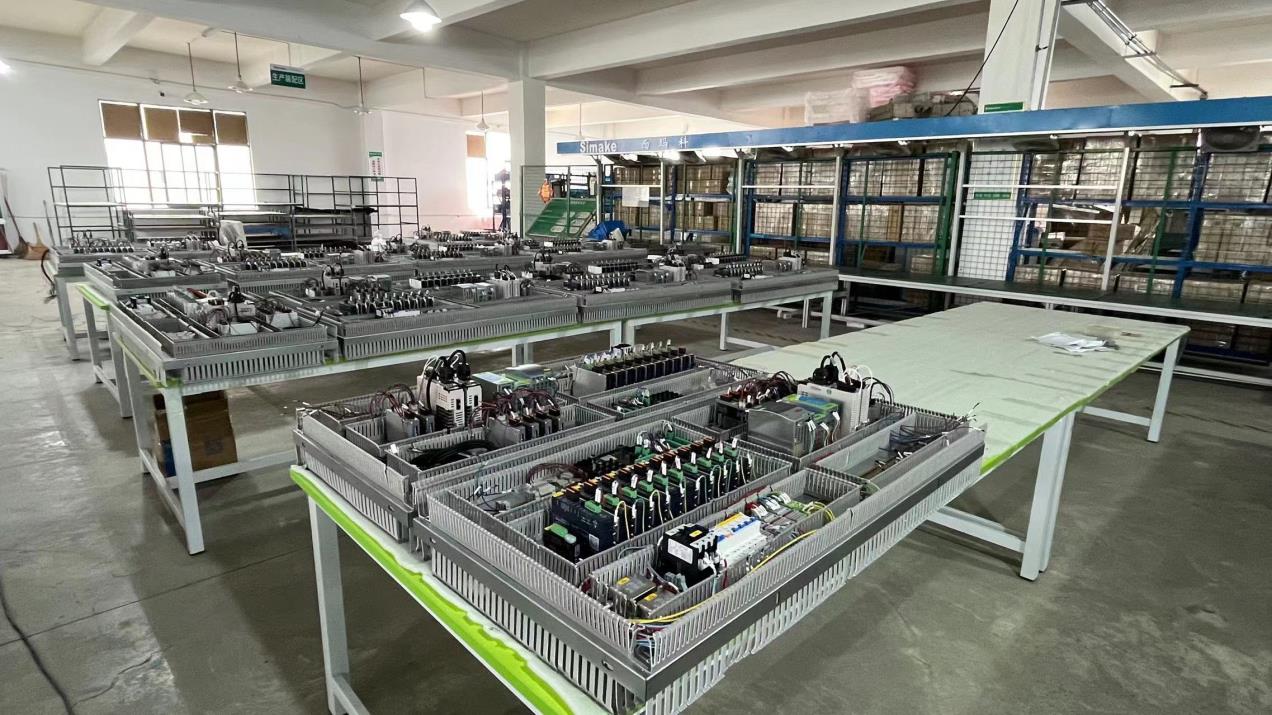
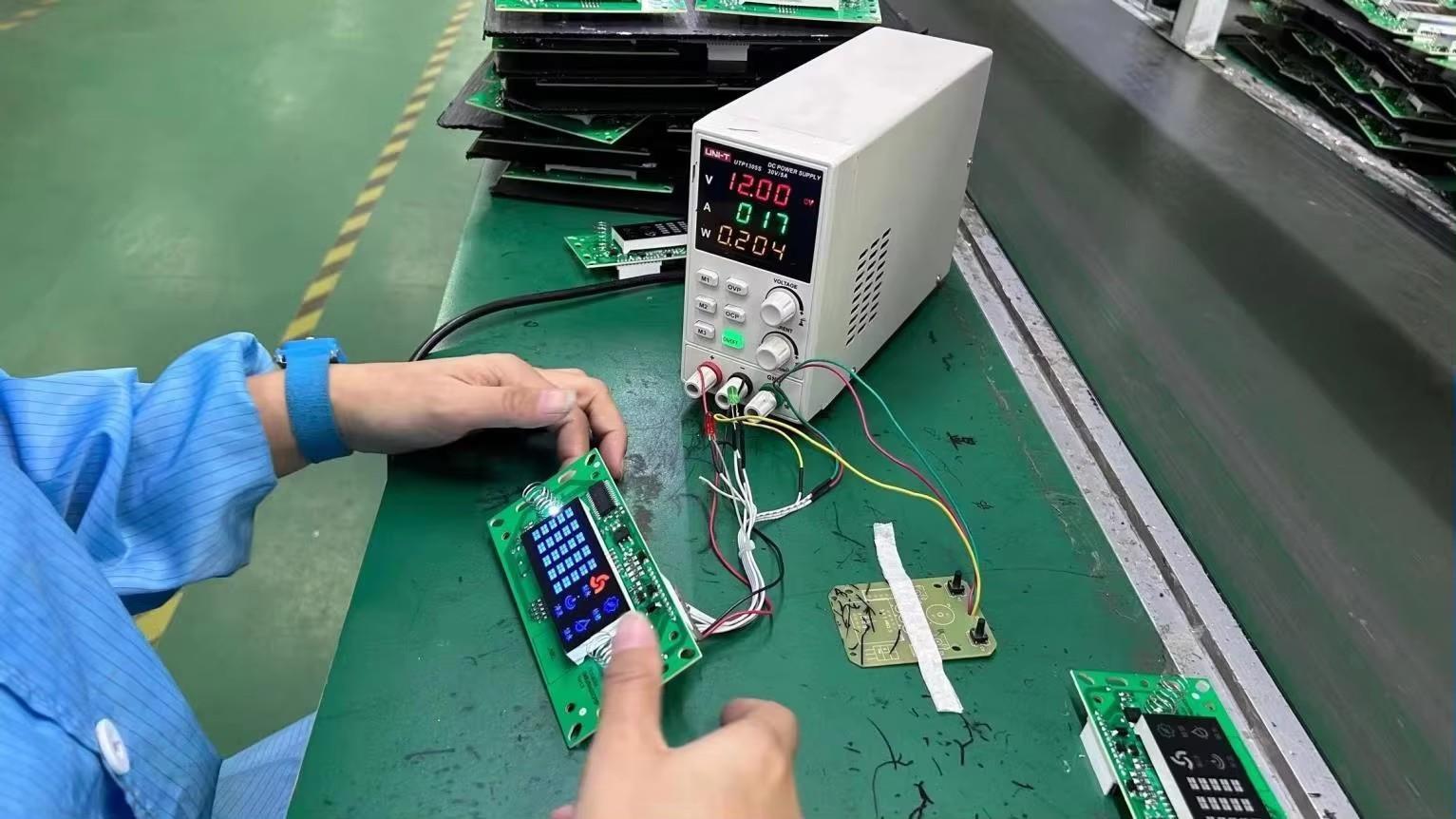
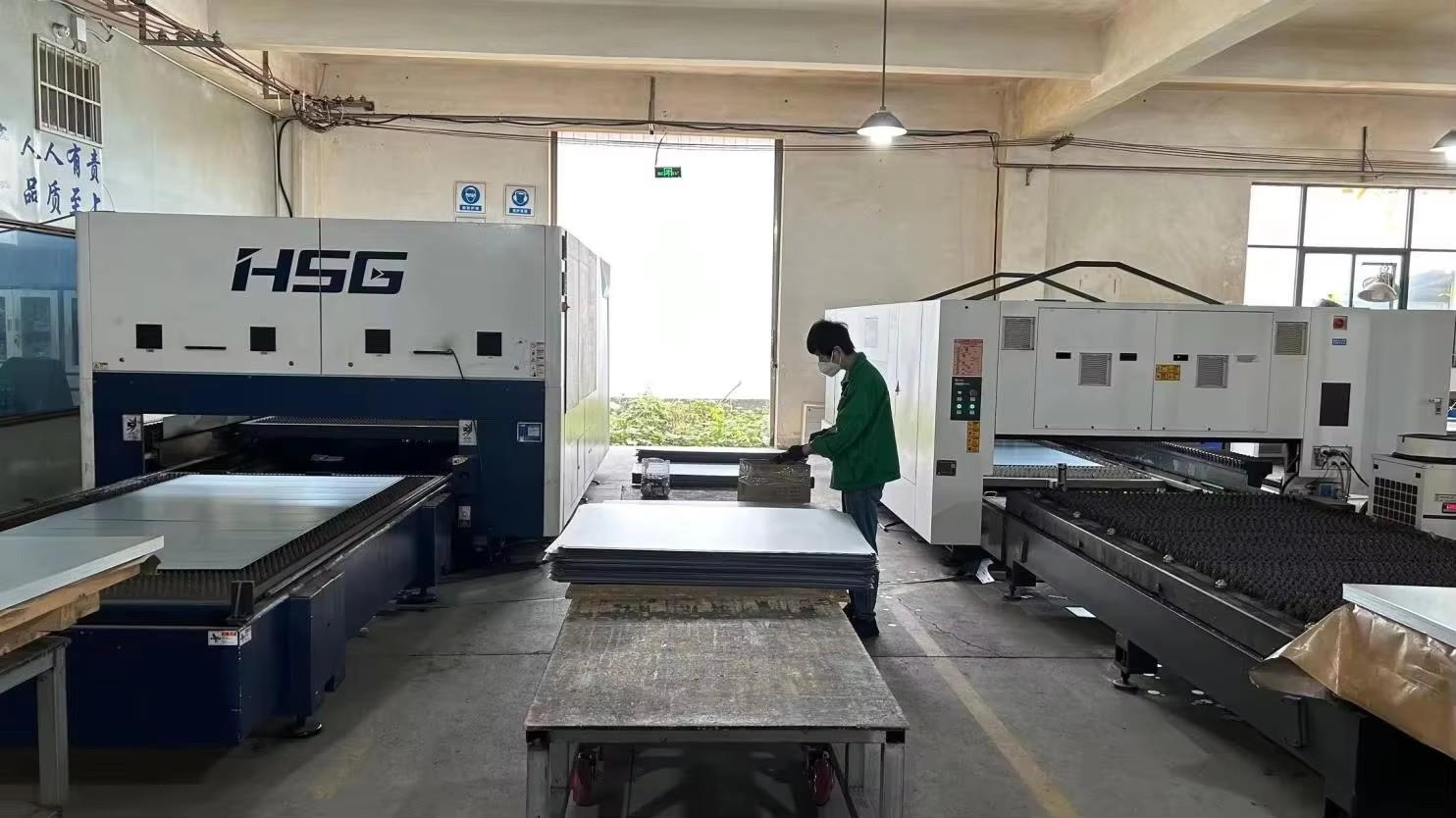
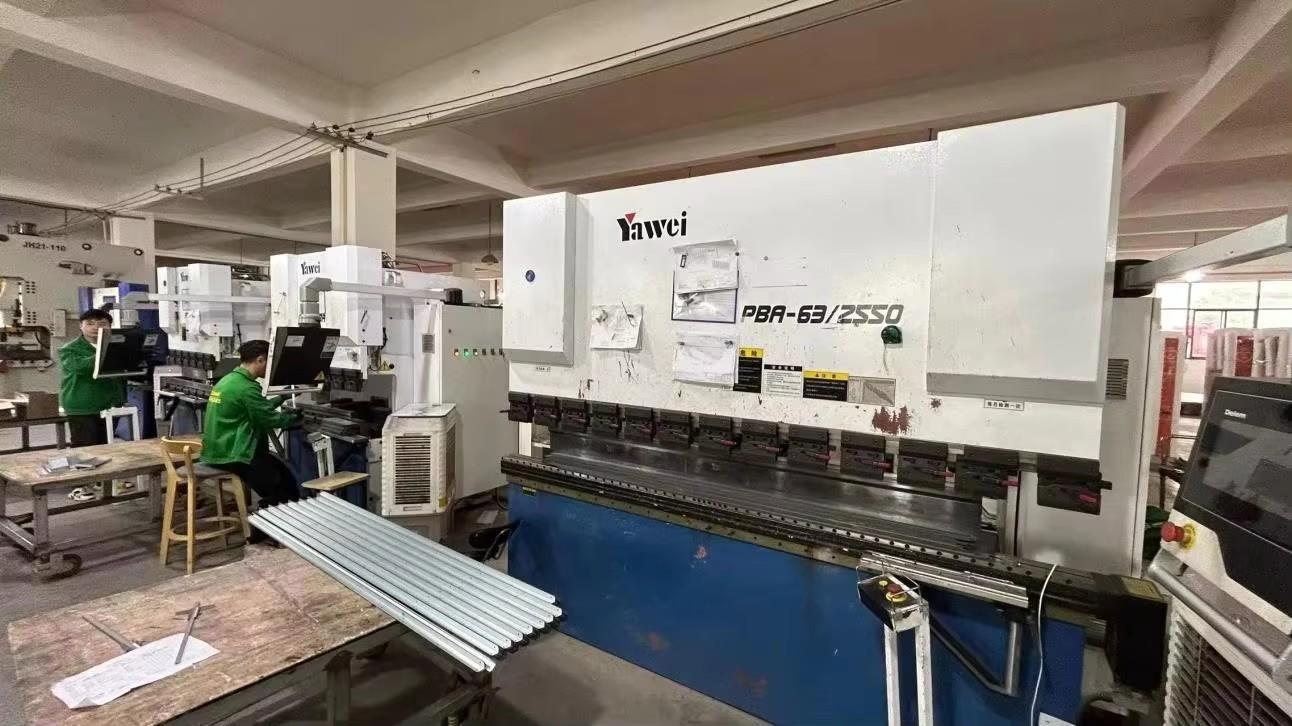
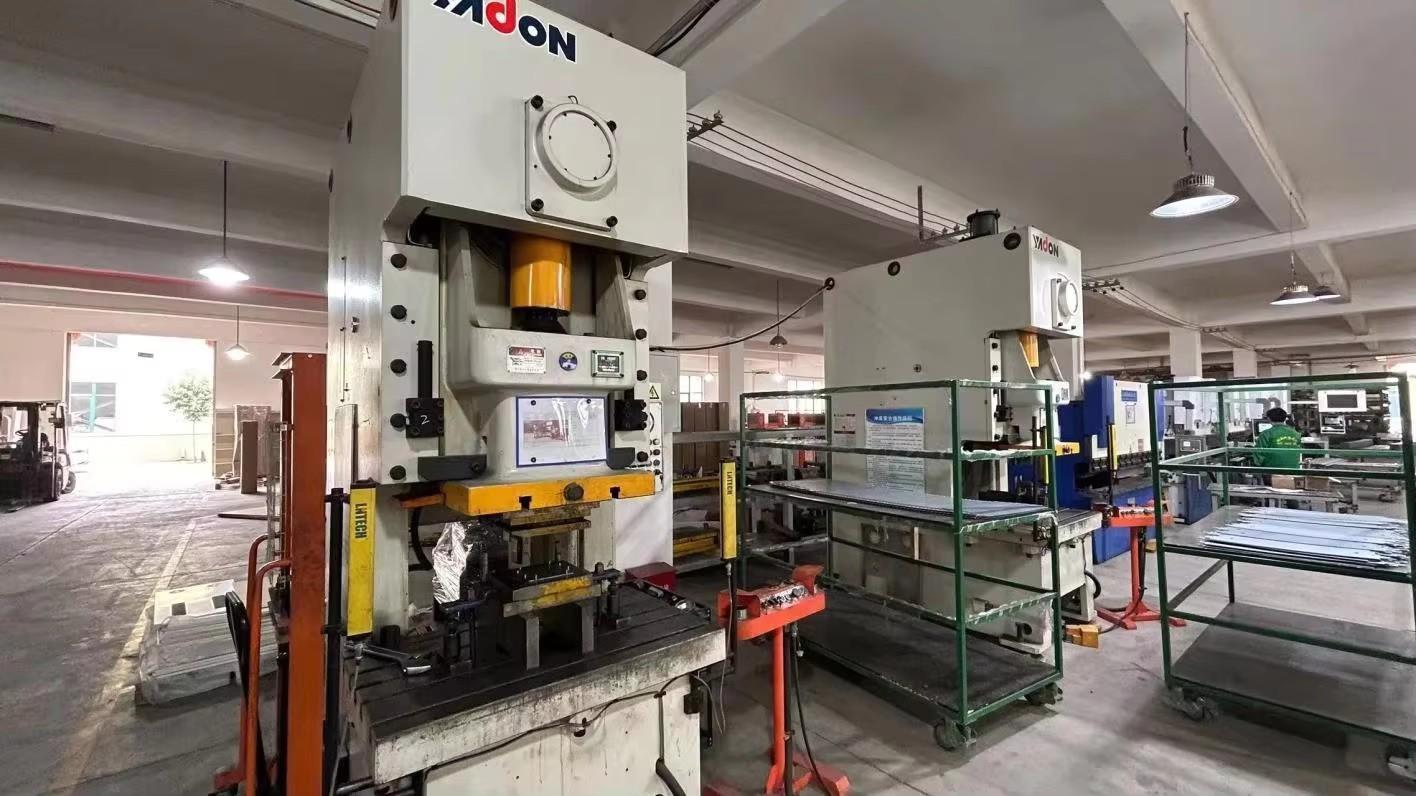
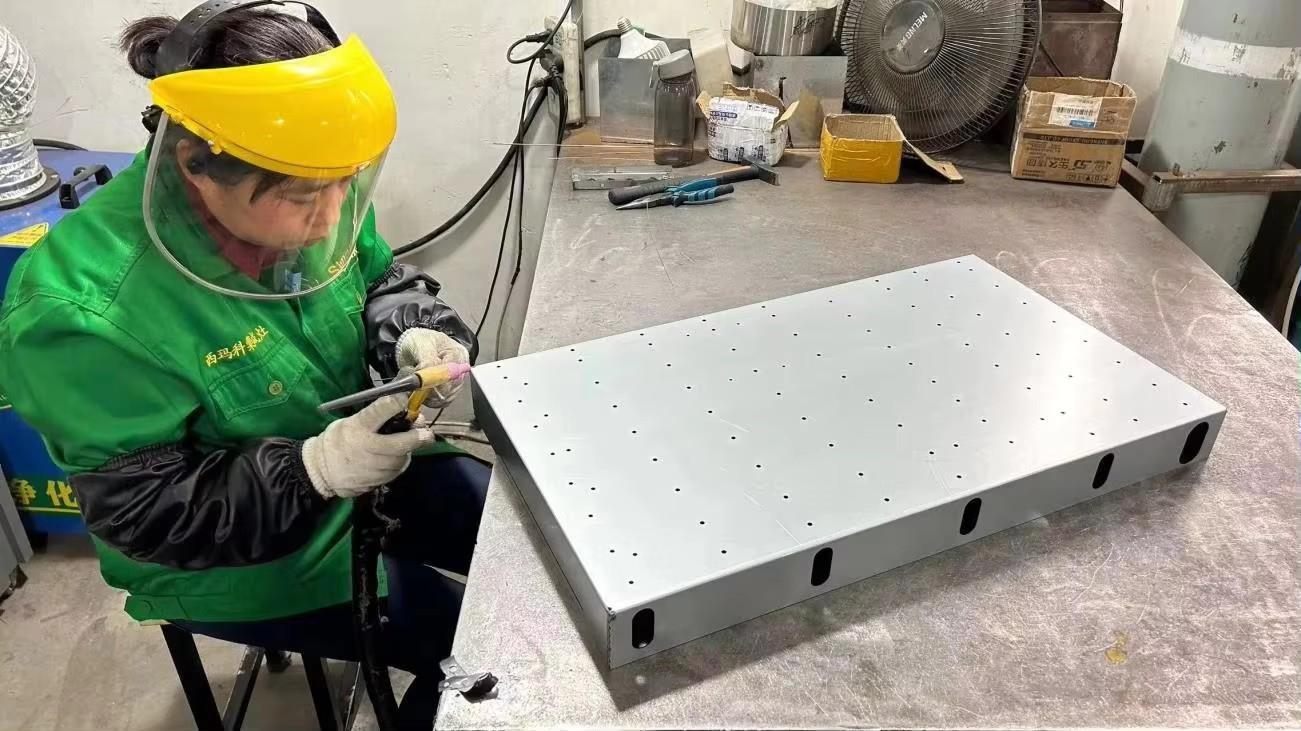
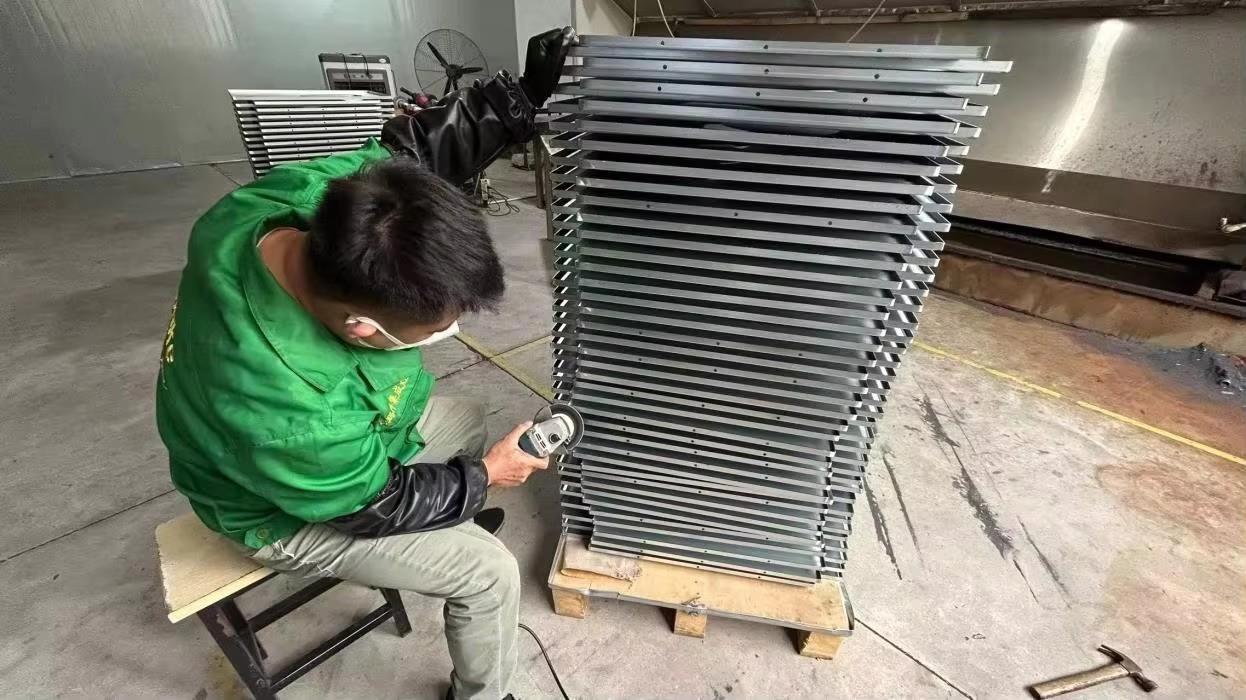
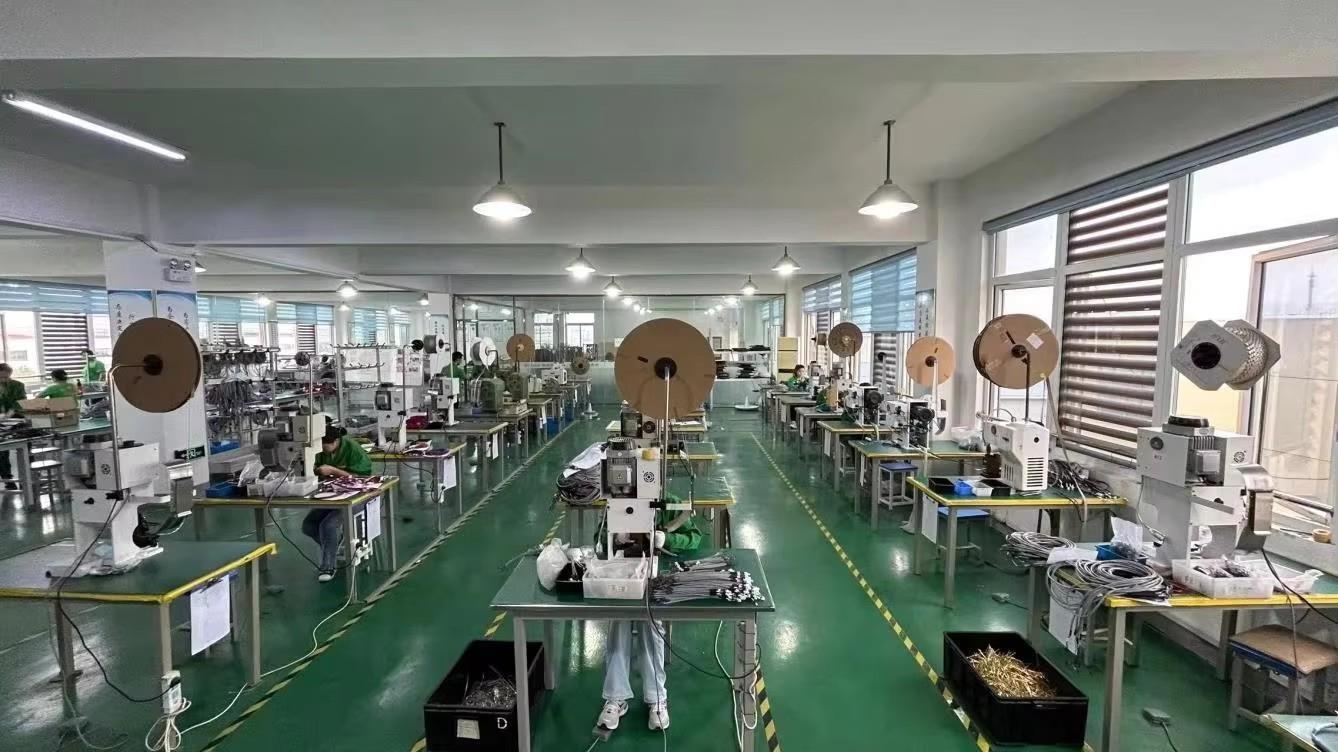
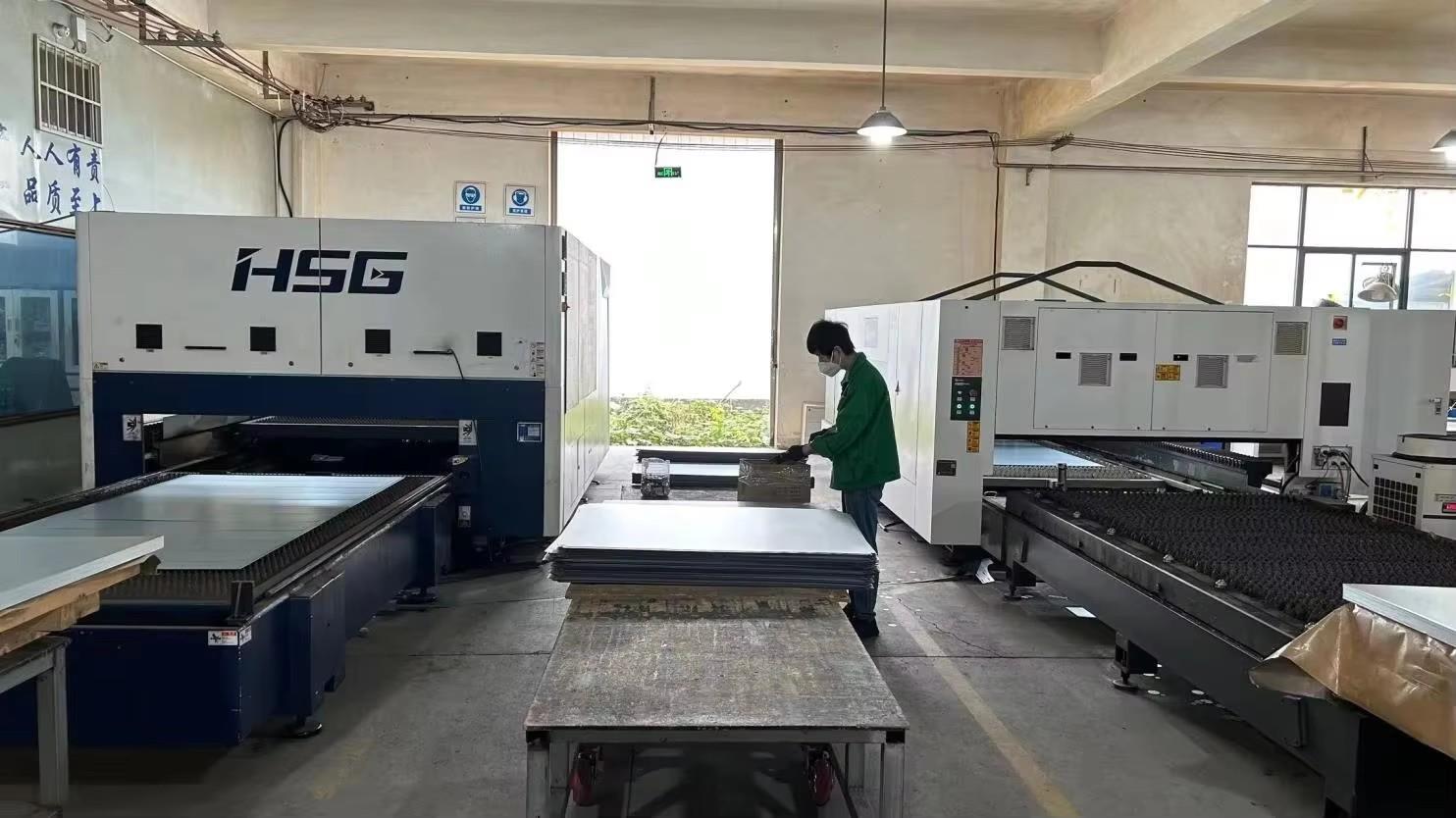
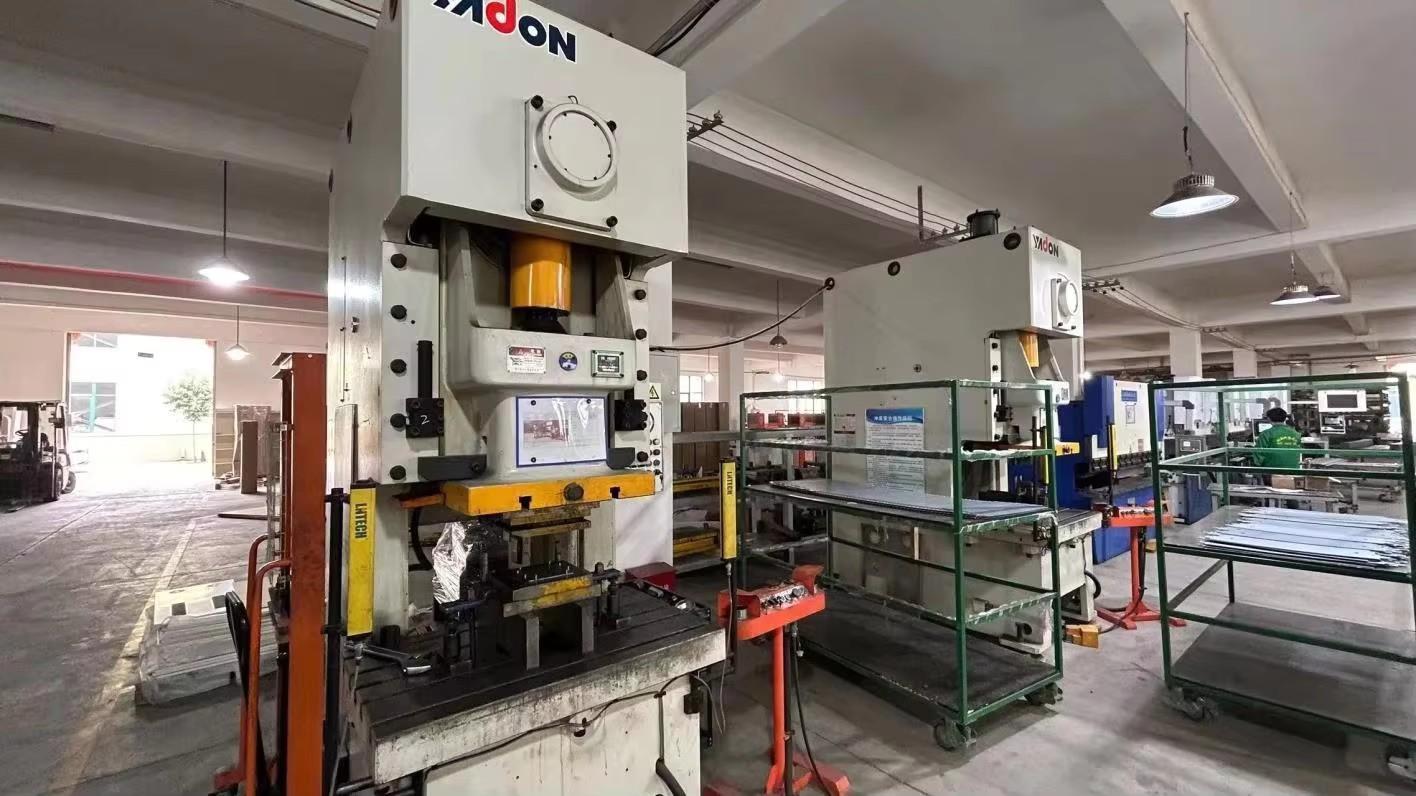
Driven by tech-innovation and uncompromising quality controls, our manufacturing facility operates under automated ISO 9001, ISO 14001, and ISO 45001 management systems. We implement rigorous cell sorting, micro-crack detection, laser welding, and automated performance testing protocols to ensure every battery module and cell delivered achieves high efficiency, thermal resilience, and a long cycle life.
Core Manufacturing Advantages:
Navigating certification, import protocols, and global logistical pipelines to Israeli construction sites and storage hubs.
Exporting energy storage systems to Israel requires strict adherence to national safety and electrical regulations. In accordance with guidelines from the Standards Institution of Israel (SII), all lithium-ion battery modules and battery packs must comply with international harmonized standards such as IEC 62619 (for industrial applications) or IEC 62133 / SI 62133 (for portable/residential units). These certifications ensure safety against short-circuits, mechanical impacts, overcharging, and thermal abuse.
Additionally, for larger residential and commercial storage systems, compliance with safety certifications like CE, UL 1973, and UN-mandated transport safety certification UN38.3 is mandatory. As a professional manufacturer, Qingdao Luzz Solar provides comprehensive test reports, MSDS documentation, and compliance certificates, simplifying customs clearance at Israel's ports and accelerating local utility grid connection approvals.
Lithium batteries are classified as UN 3480 (Lithium Ion Batteries) Class 9 Dangerous Goods for international transport. Shipping LFP battery packs from our factories in Qingdao to Israel requires specialized packing designs and certified forwarders. We construct heavy-duty packaging with structural shock protection and flame-retardant barriers, ensuring secure shipping through the Suez Canal to Ashdod or Haifa ports.
To support fast deployment cycles, we coordinate with leading shipping lines (such as ZIM, COSCO, and MSC) to provide end-to-end containerized logistics. Our team handles the preparation of dangerous goods declarations, container packing certificates, and liaises directly with local customs brokers in Israel to minimize terminal storage delays.
Key questions answered by our engineering and regulatory compliance experts regarding LFP solar storage systems.
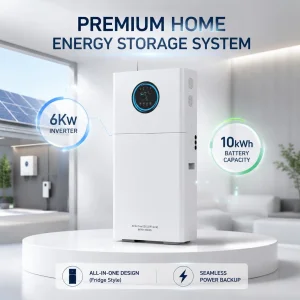
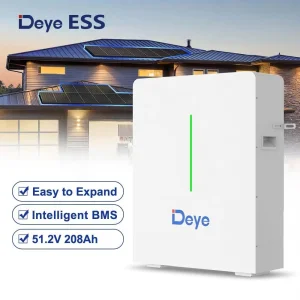
Explore our complete range of certified LiFePO4 cells, wall-mounted modules, and high-capacity home storage units.
 Luzz Solar